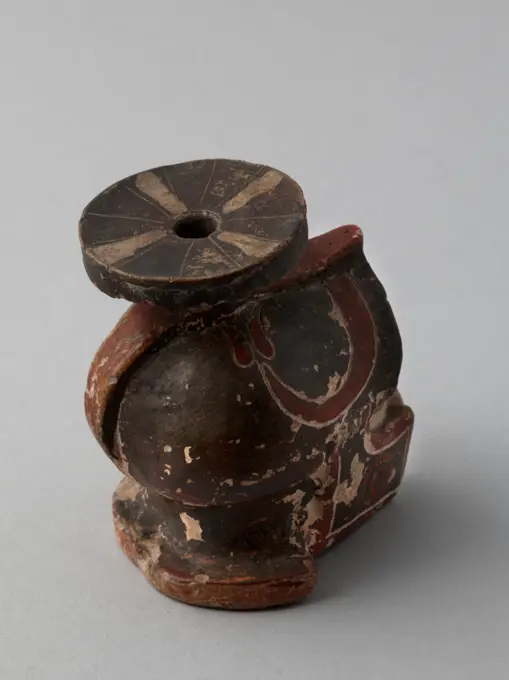
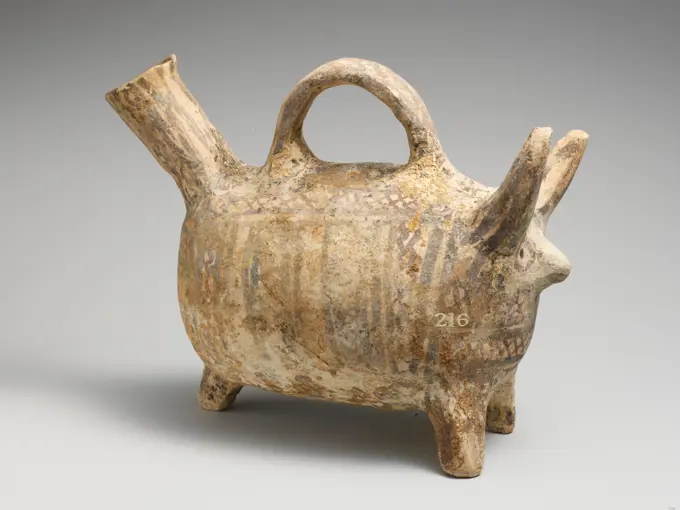
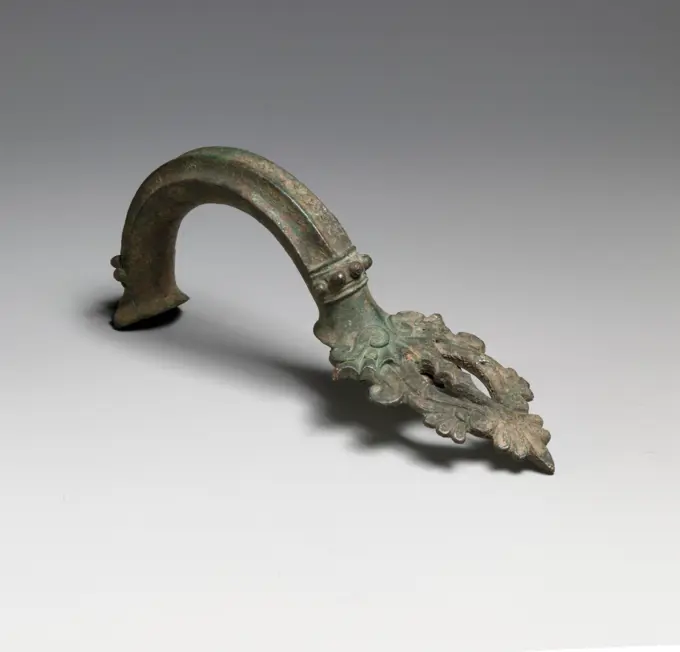
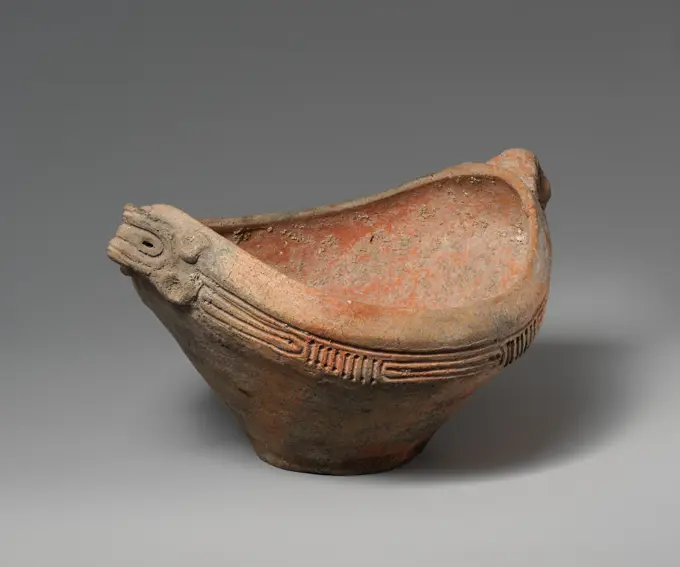
Antique Lamps

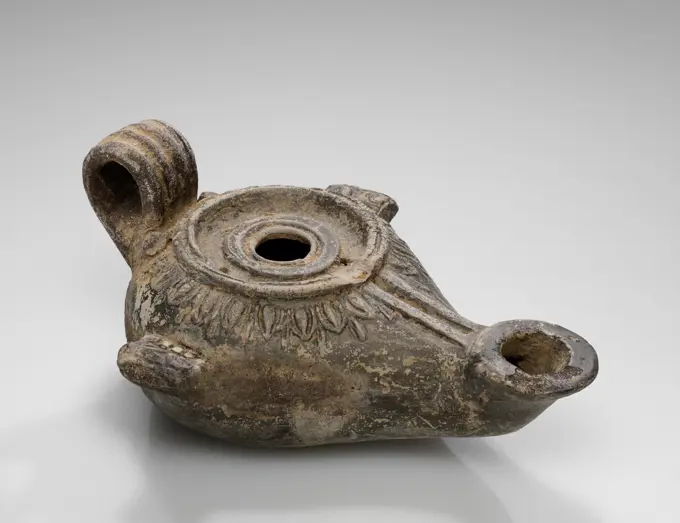
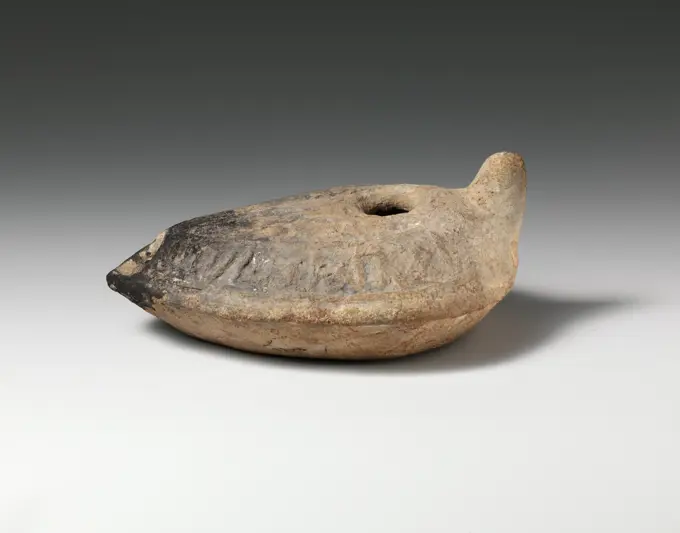
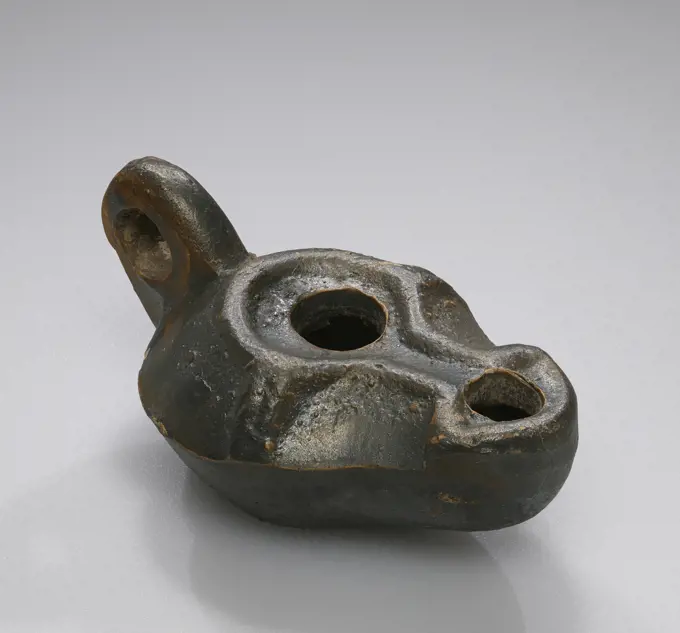
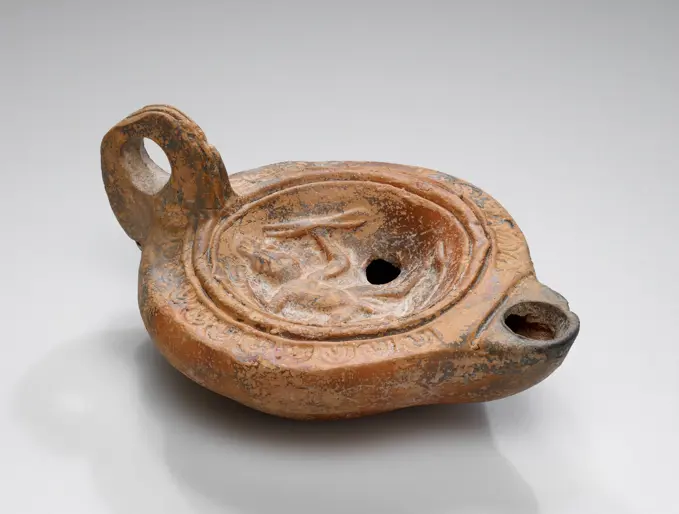
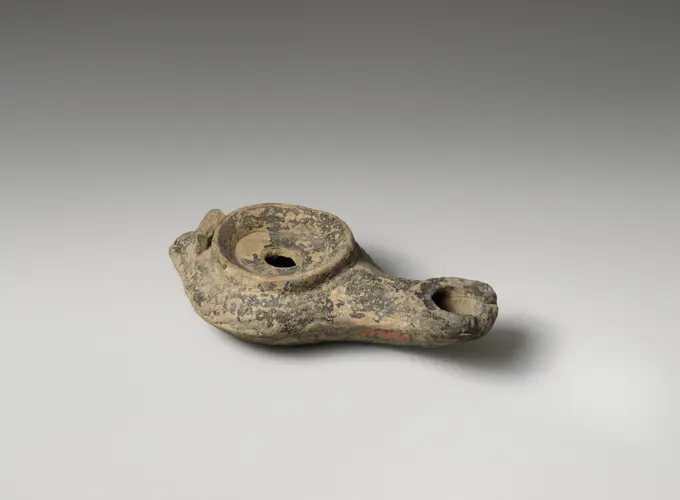
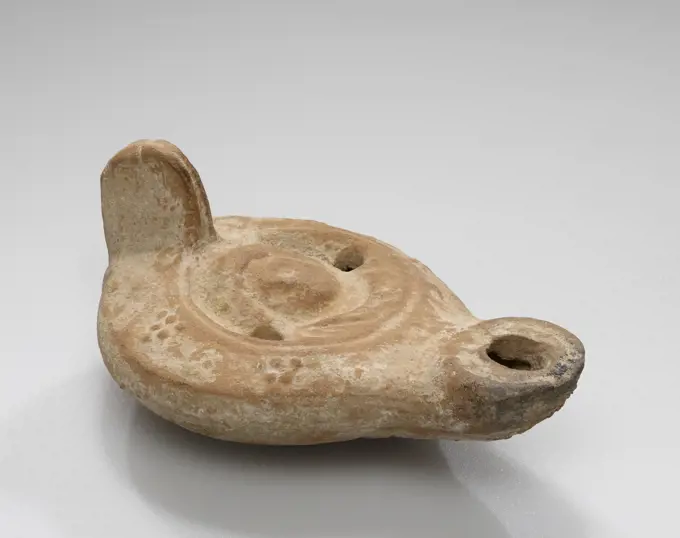
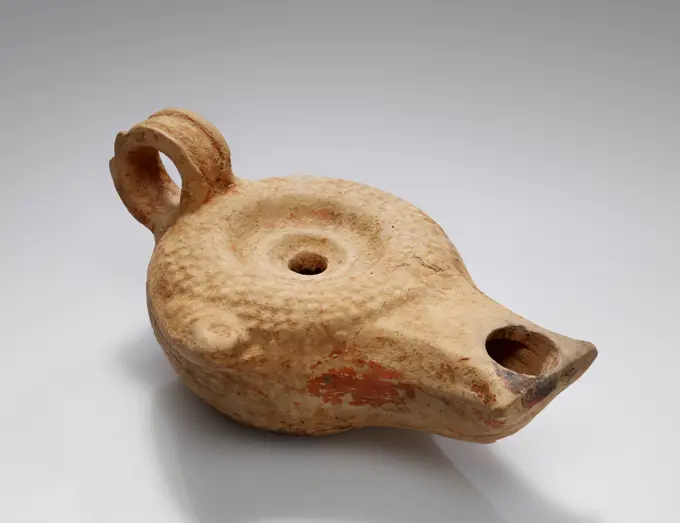
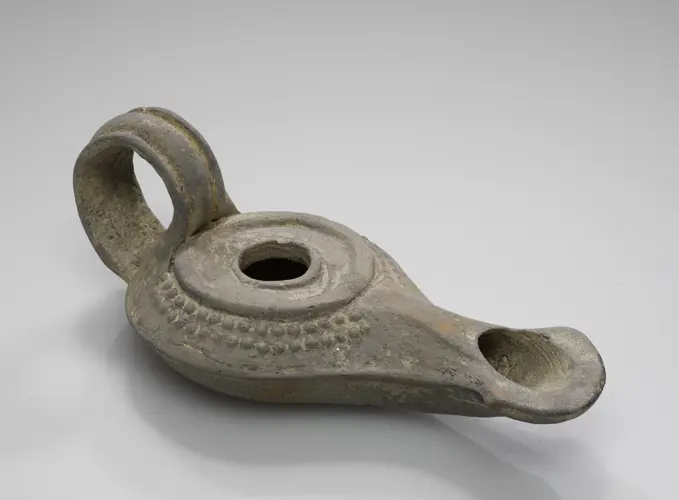
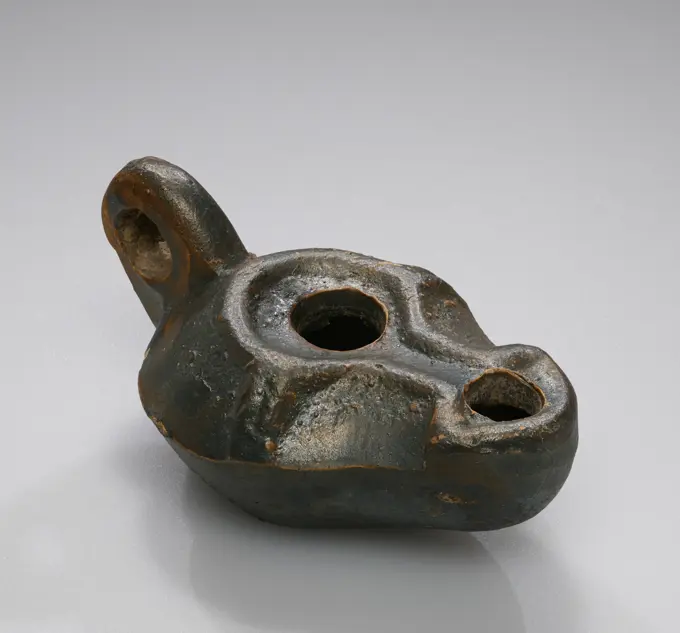
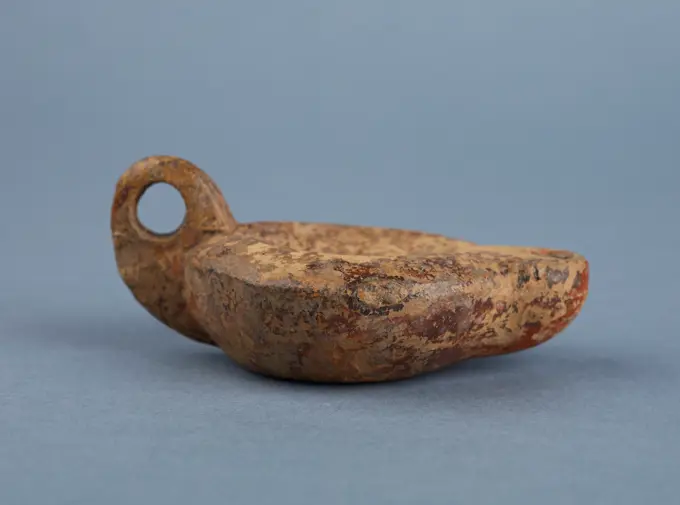
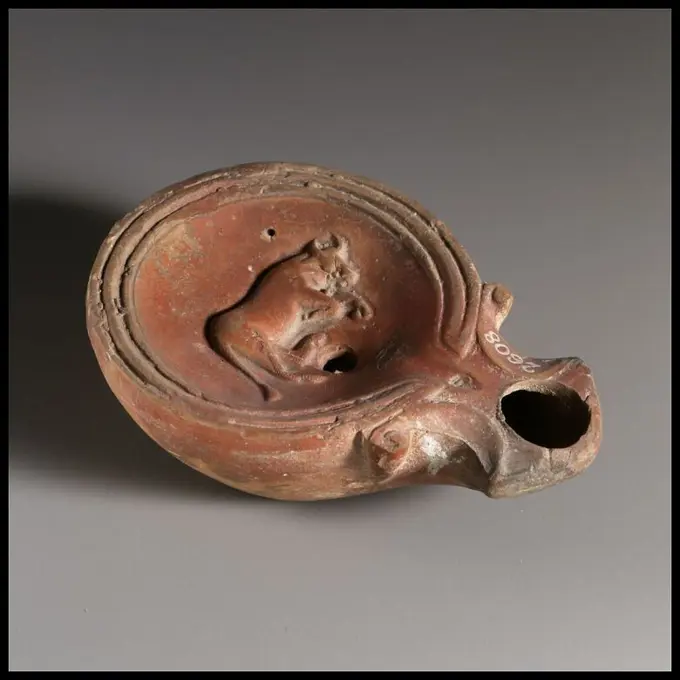
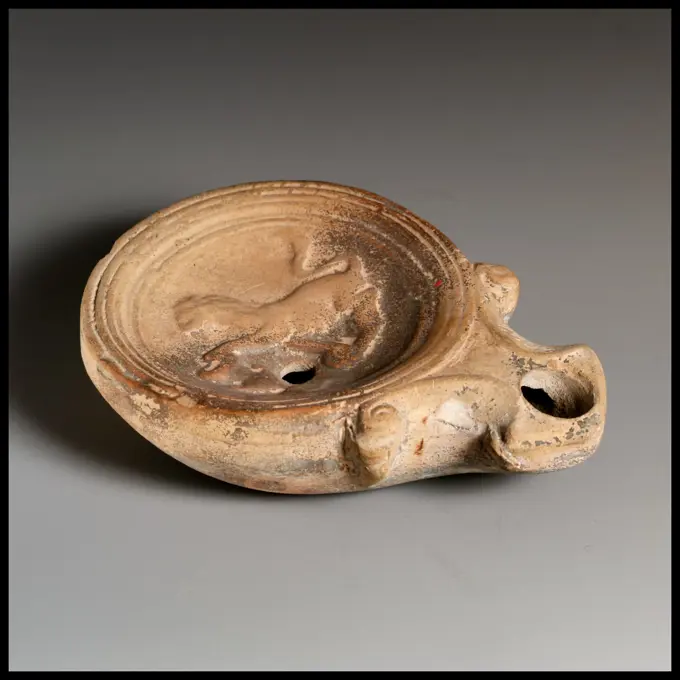
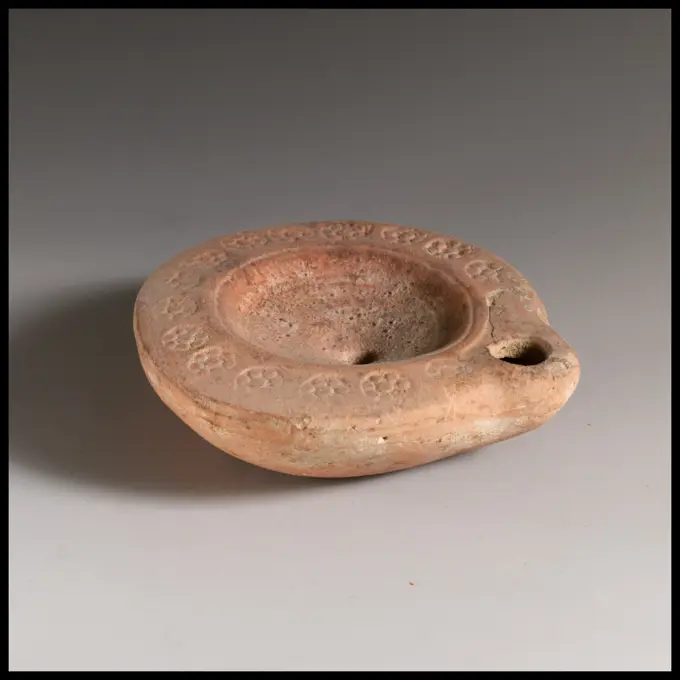
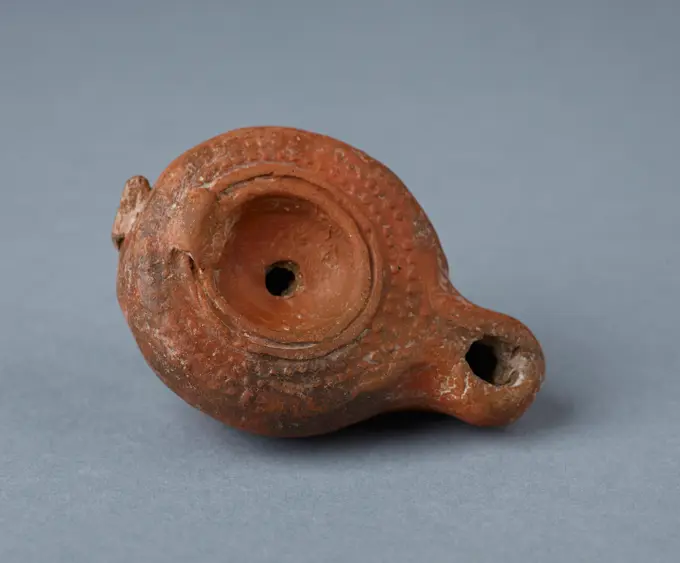
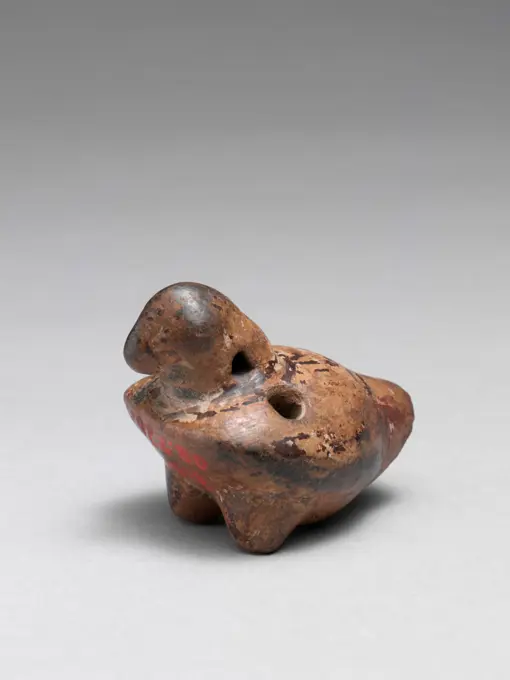
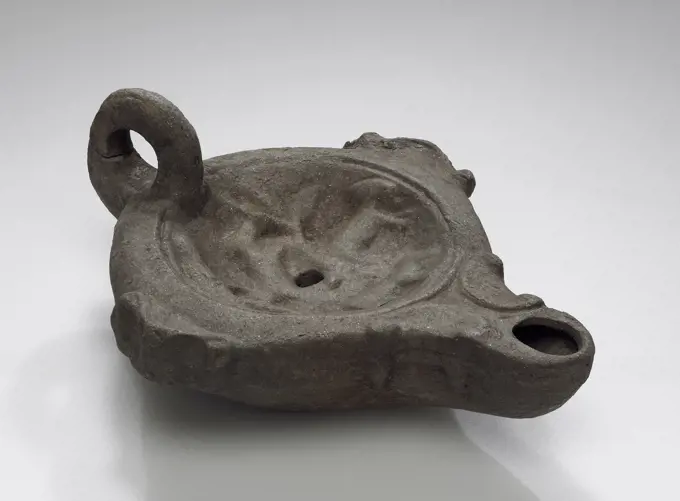
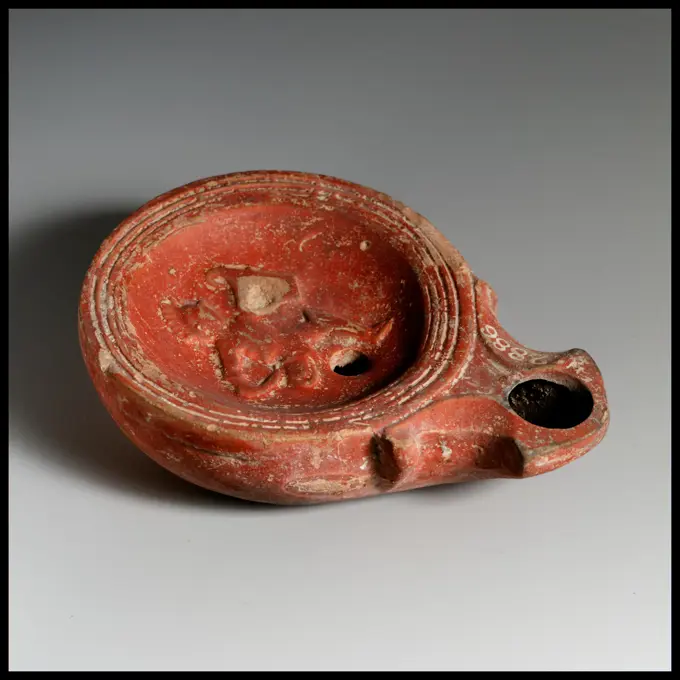
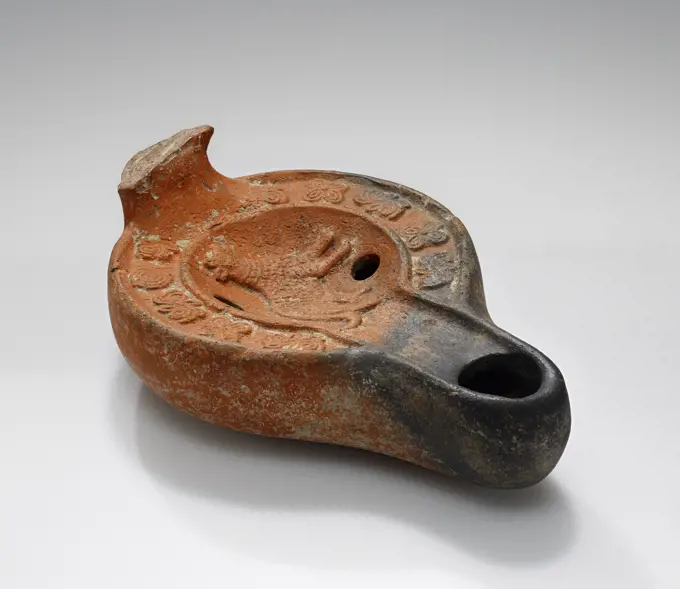
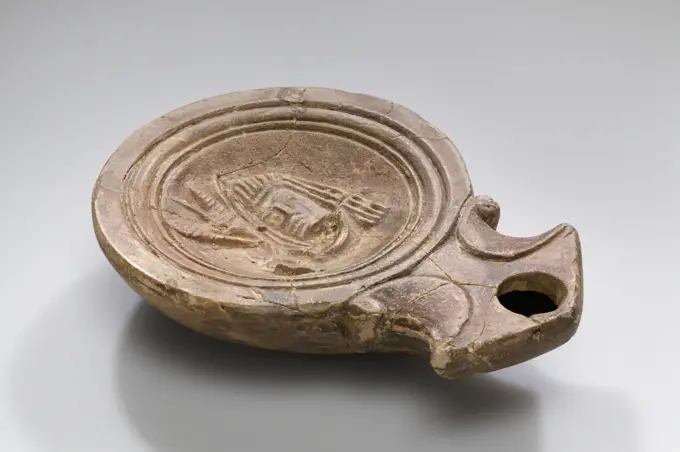
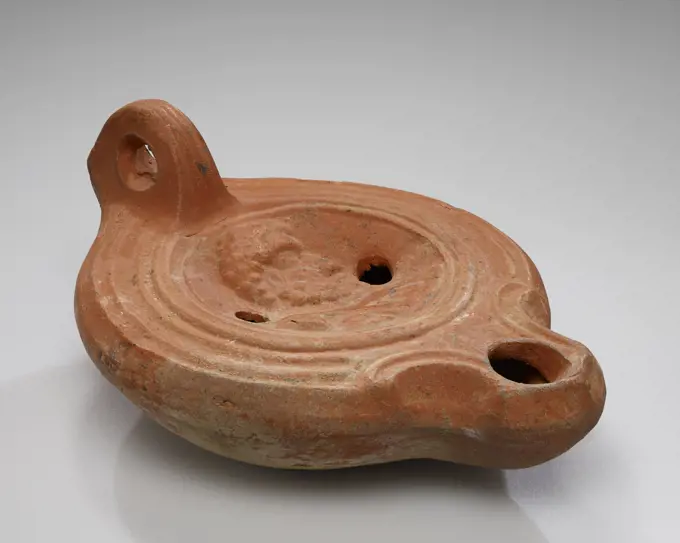
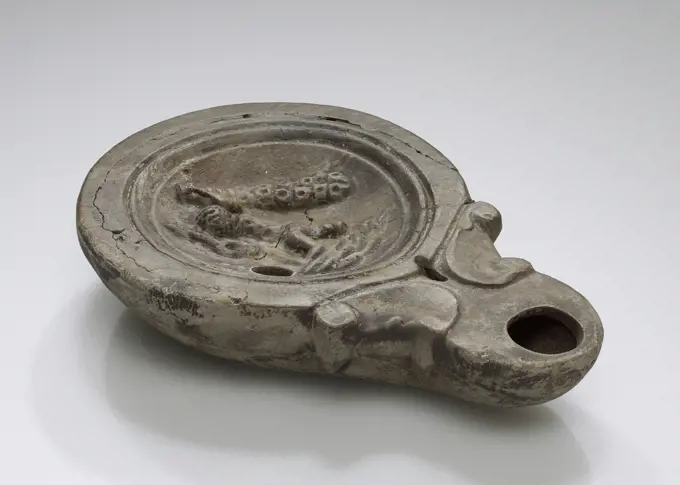
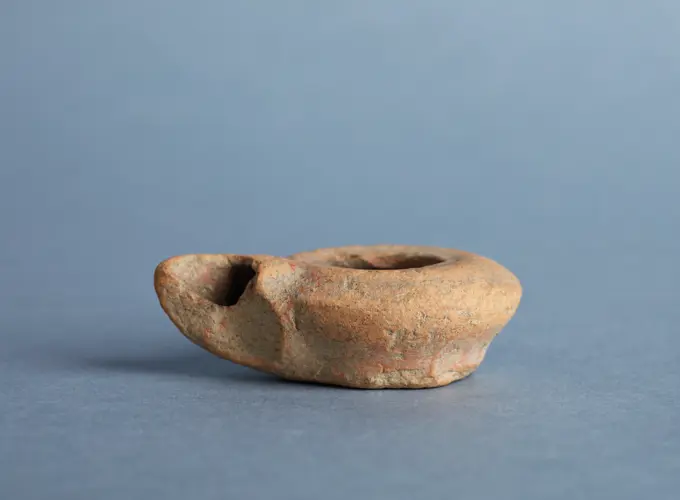
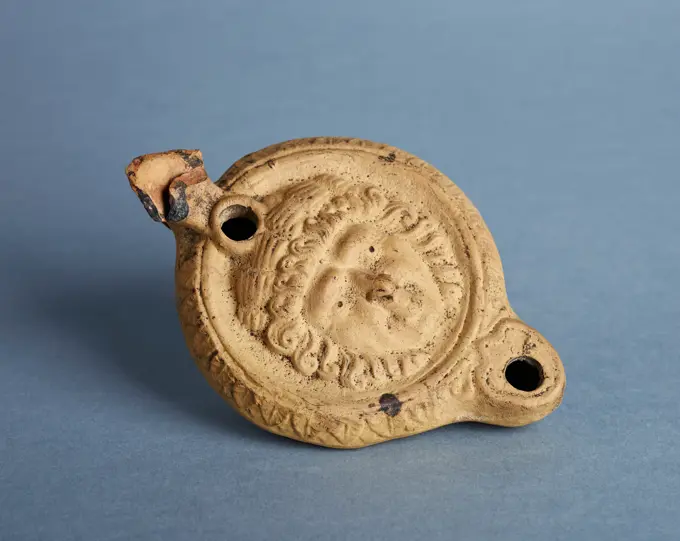
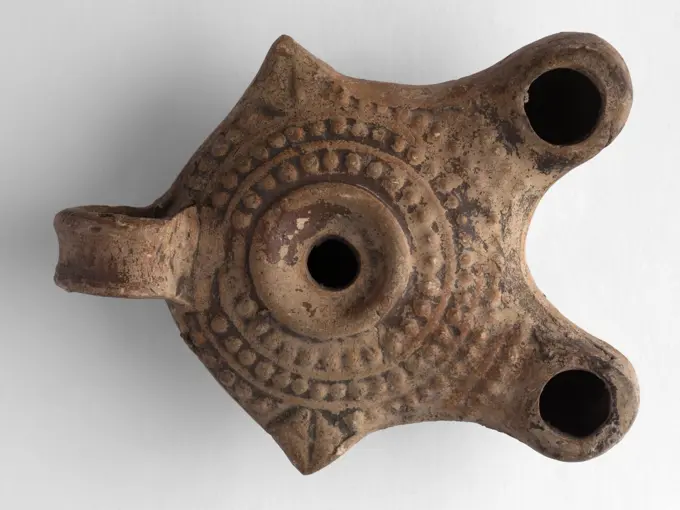
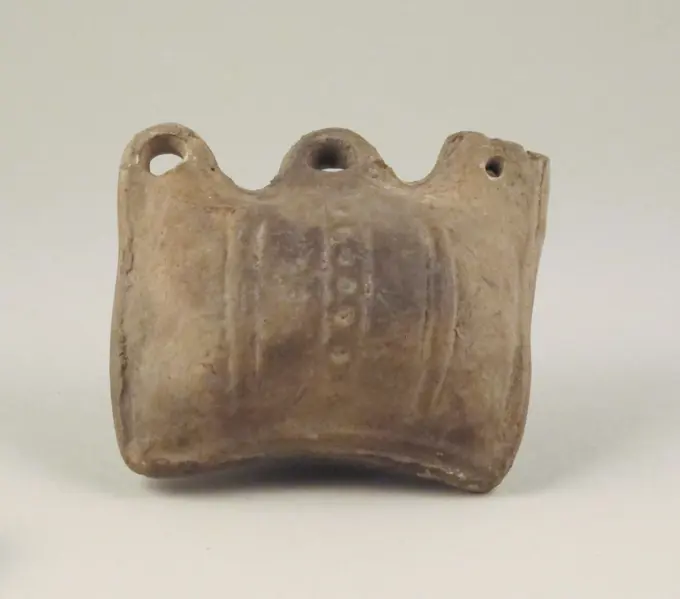
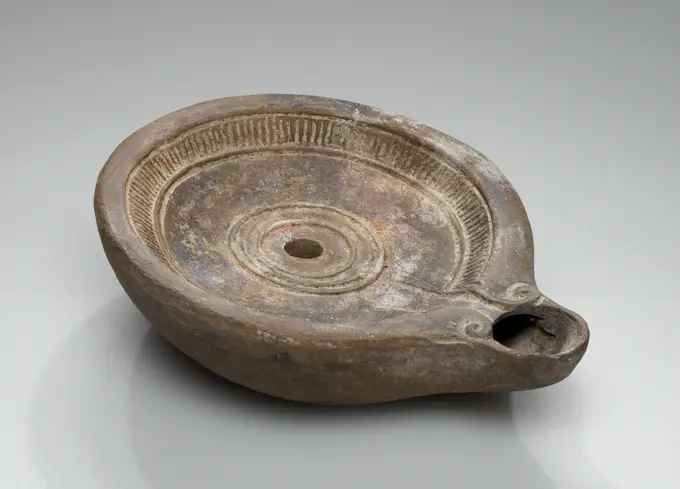
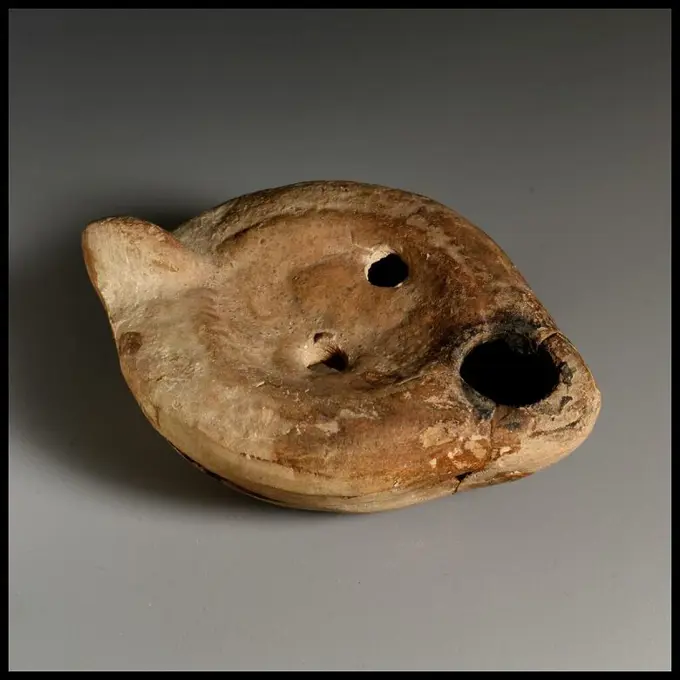
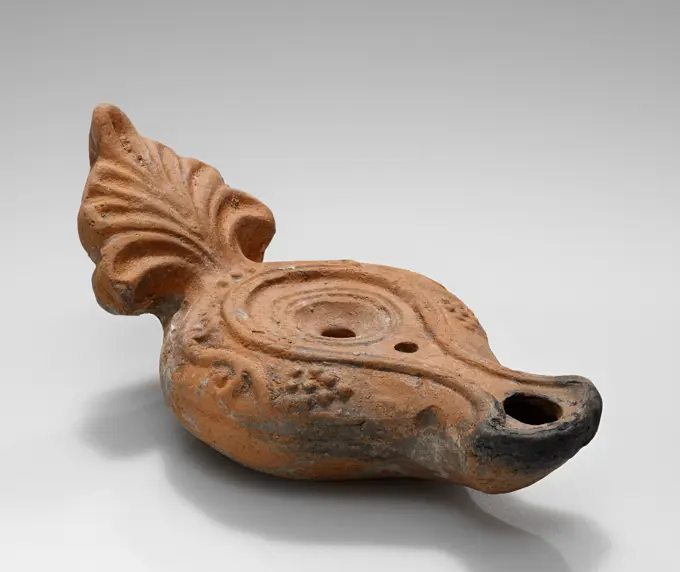
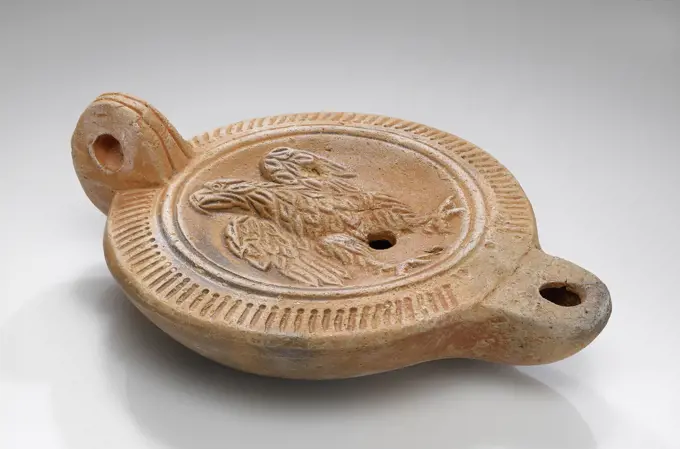
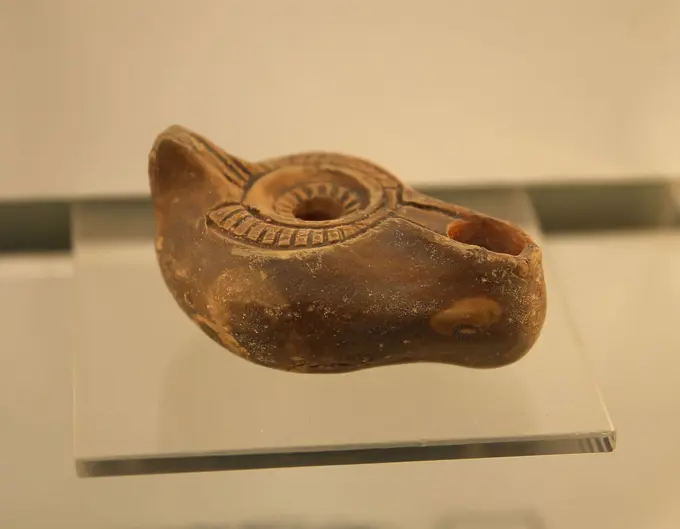
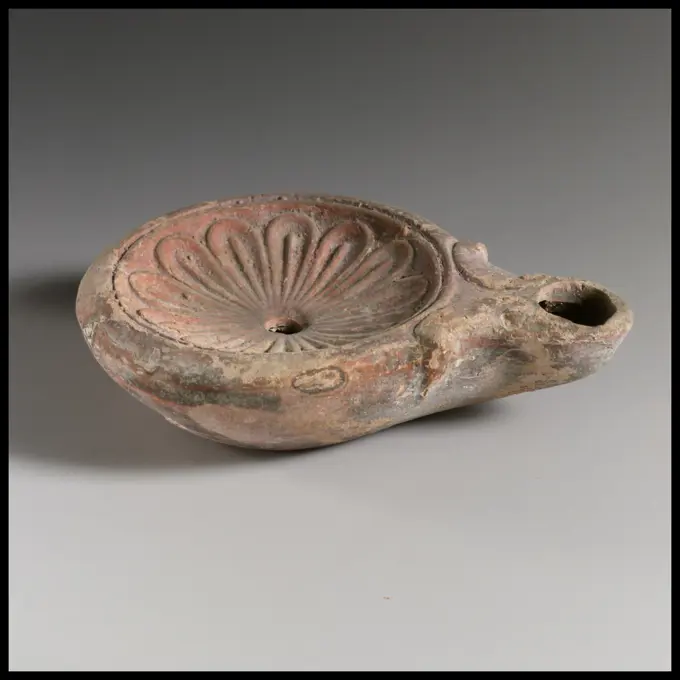
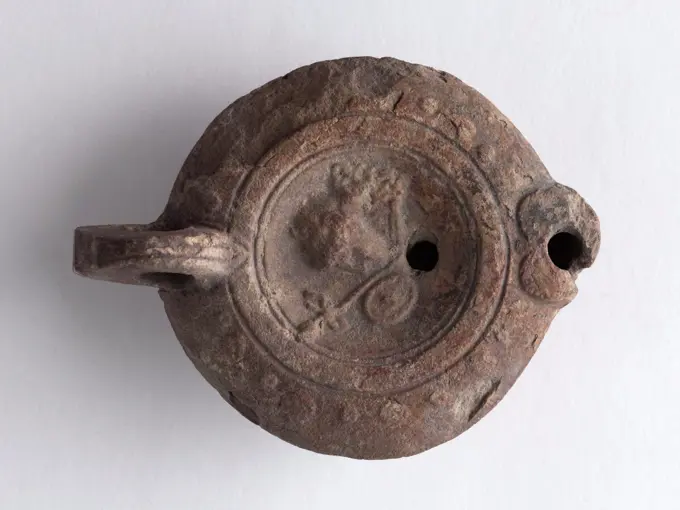
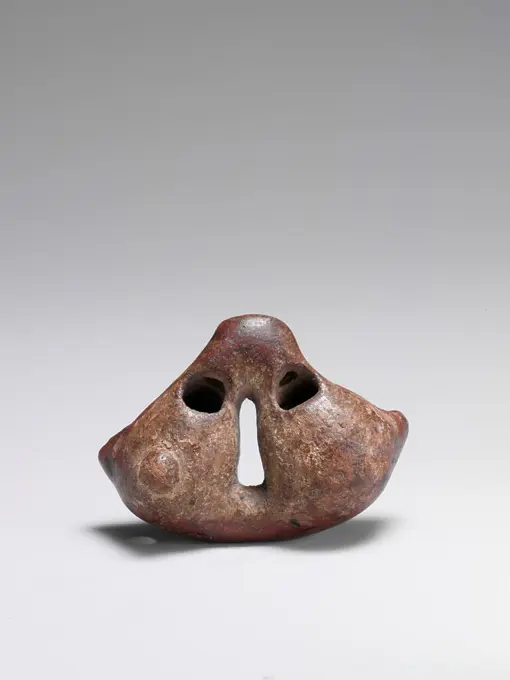
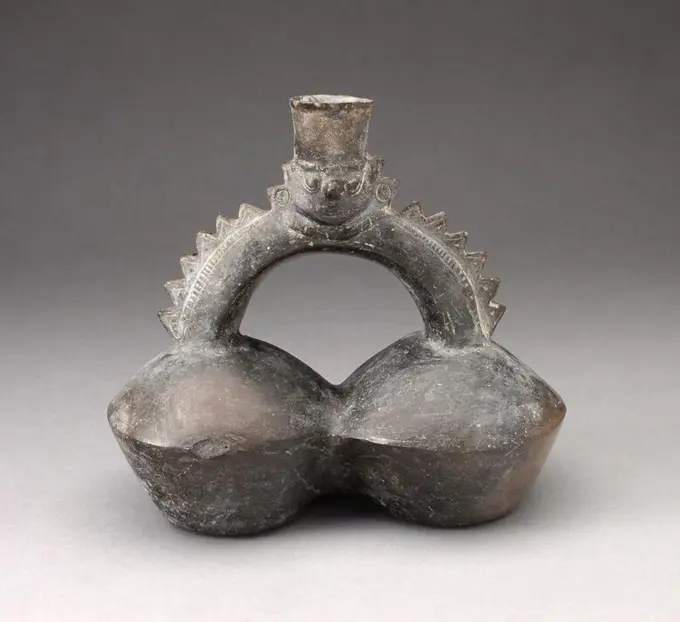
A selection of ancient lamps made from terracotta, featuring detailed craftsmanship and various shapes, representing historical artifacts.
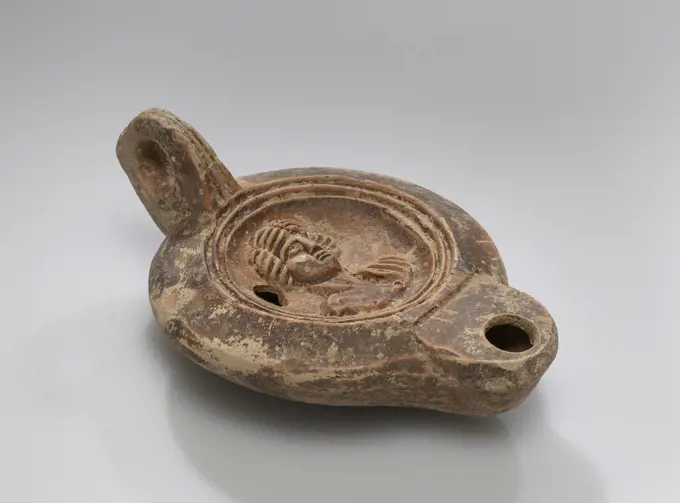
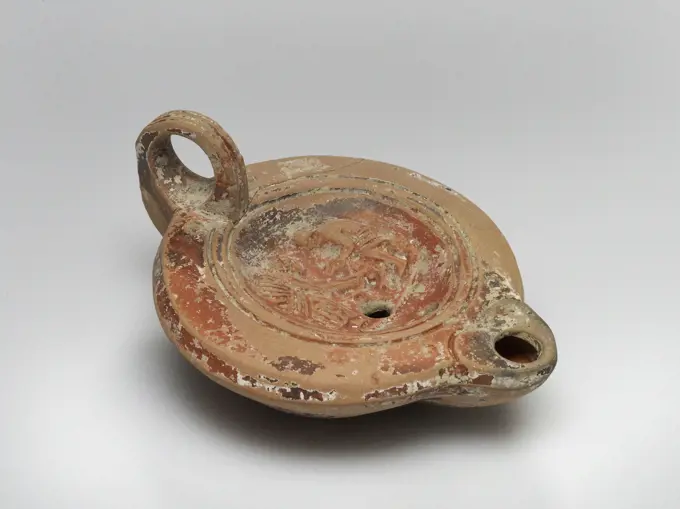
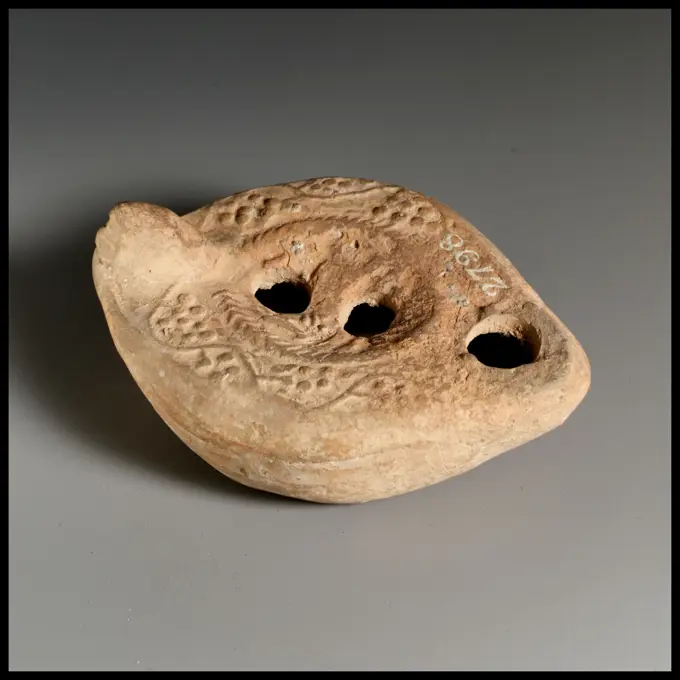
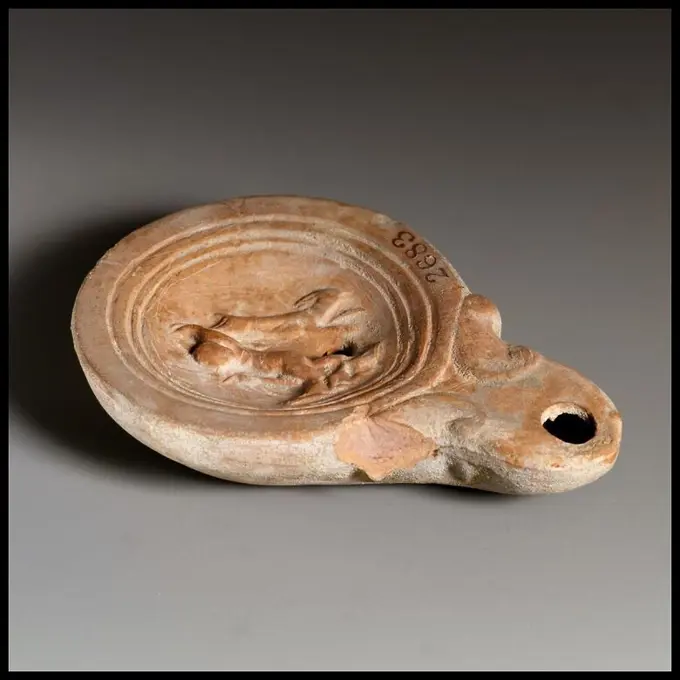
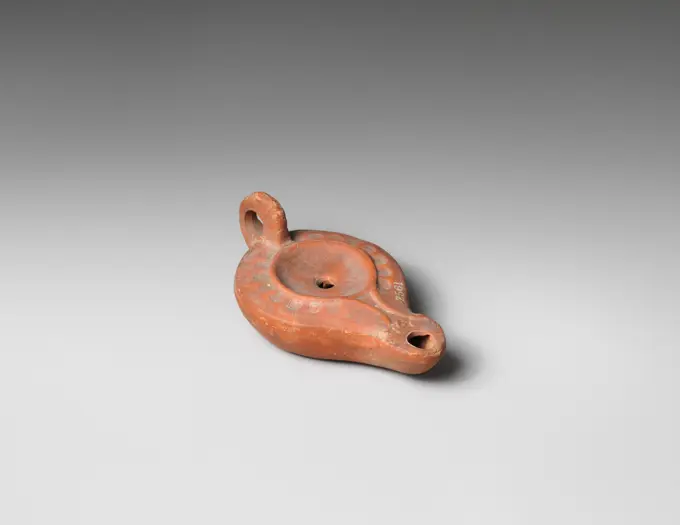
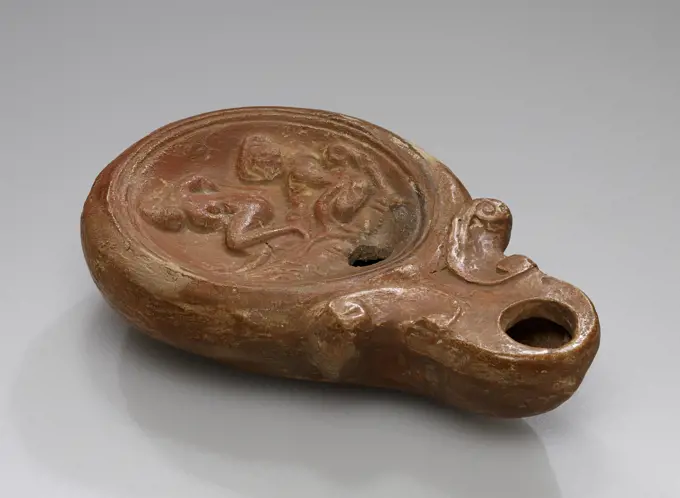
Lamp; North Africa, Tunisia; 1st - 2nd century; Terracotta; 11 x 3.9 x 7.3 cm (4 5,16 x 1 9,16 x 2 7,8 in.)
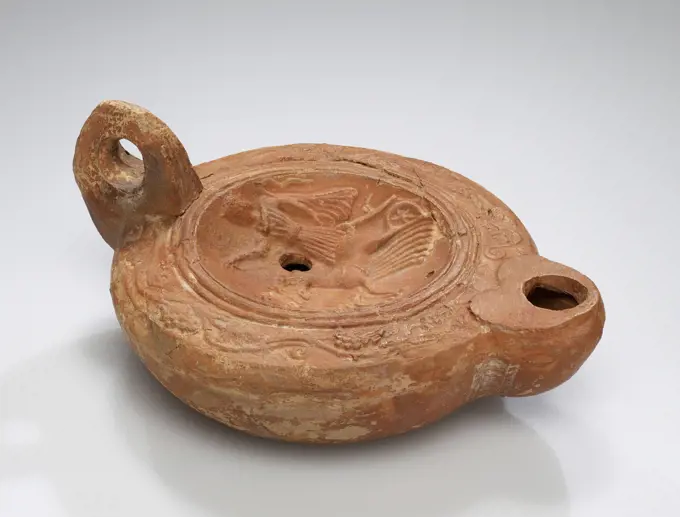
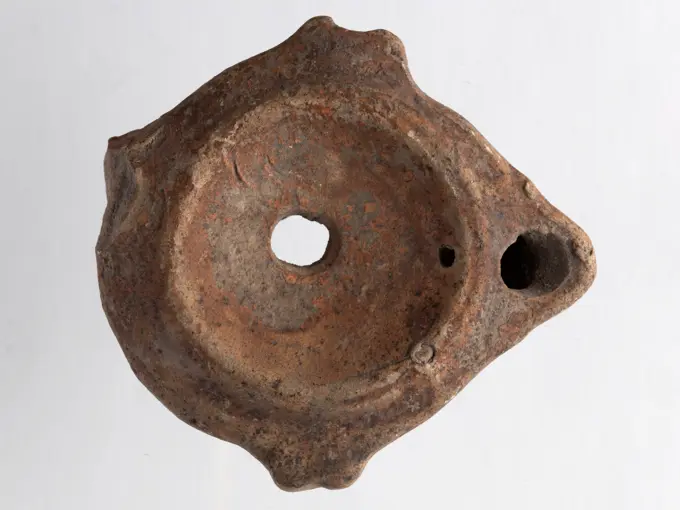
Lamp, Asia Minor; 1st - 4th century; Terracotta; 2.5 x 6.6 x 8.5 cm (1 x 2 5,8 x 3 3,8 in.)Lamp. UnknownLamp before 1271 Syrian In the 1920s armor and weapons from Crusader times were unavailable on the art market and knowledge of them was minimal. Seeking to address these gaps, curator Bashford Dean proposed an excavation at Montfort, a Crusader castle in what was then Palestine under British Mandate. The monthlong excavation was judged a "dismal failure" from a collecting standpoint, producing only clumps of rusted mail, various arrow, spear, javelin, and bolt heads, and dozens of stone catapult projectiles. Much was learned, however, about the living conditions of the Crusaders in the Holy Land, whose lifestyle was similar to what it would have been in Europe. The castle, for example, was decorated with European-style stained glass and architectural reliefs made of local materials. Domestic furnishings included fine locally made glassware and ceramics.. Lamp 26461Lamp. UnknownLamp, Cologne, Germany; 2nd - 3rd century; Terracotta; 3 x 4.5 x 7.5 cm (1 3,16 x 1 3,4 x 2 15,16 in.)Lamp. UnknownLamp. UnknownLamp; North Africa, Tunisia; 1st - 2nd century; Terracotta; 11 x 3.9 x 7.3 cm (4 5,16 x 1 9,16 x 2 7,8 in.)Terracotta oil lamp 1st century B.C.-1st century A.D. Greek or Roman Mold-made. Carinated body, with applied loop handle. Central filling hole within flat, plain discus, surrounded by a broad, flaring edge. Rounded, plain, narrow shoulder. Large nozzle, with circular, horizontal rim to large wick hole. Base ring, and flat base.Most of handle missing, and front edge of nozzle chipped.. Terracotta oil lamp. Greek or Roman. 1st century B.C.-1st century A.D.. Terracotta. Hellenistic or Early Imperial. TerracottasLamp. UnknownLamp. UnknownLamp, Asia Minor; 4th century B.C; Terracotta; 2.2 x 5.2 x 8.5 cm (7,8 x 2 1,16 x 3 3,8 in.)Lamp. UnknownLamp; North Africa, Tunisia; about late 1st - 2nd century; Terracotta; 5.4 × 7.9 × 13.5 cm (2 1,8 × 3 1,8 × 5 5,16 in.)Oil Lamp. UnknownLamp. UnknownLamp, Asia Minor; 1st - 4th century; Terracotta; 3 x 5.2 x 8 cm (1 3,16 x 2 1,16 x 3 1,8 in.)Lamp. UnknownOil LampLamp. UnknownOil Lamp 4th-7th century Coptic. Oil Lamp. Coptic. 4th-7th century. Earthenware. Made in Kharga Oasis, Byzantine Egypt. CeramicsLamp. UnknownLampTerracotta oil lamp. Culture: Roman, Cypriot. Dimensions: Overall: 1 1/4 x 3 3/8 in. (3.2 x 8.6 cm). Date: 4th-5th century A.D..Vessberg Type 18. Unpierced handle. Mold-made. Discus: running bull facing left and wearing ornate collar, flanked to either side by herring-bone wreath. Above bull: indistinct letters; below bull: AIOY. Two large filling holes. On shoulder, stylized vine tendril with bunches of grapes. On concave base, indistinct letters ().Top of handle worn, slight cracking on shoulder. Museum: Metropolitan Museum of Art, New York, USA.Terracotta oil lamp. Culture: Roman, Cypriot. Dimensions: Overall: 1 1/8 x 3 in. (2.9 x 7.6 cm). Date: late 1st century B.C.-early 1st century A.D..Bull on discus;with nozzle channel and voluted nozzle. Museum: Metropolitan Museum of Art, New York, USA.Terracotta oil lamp 1st century B.C.-1st century A.D. Roman, Cypriot Loeschcke Type 1A. Mold-made. Discus: seated lion facing left, with front left paw resting on a large handled krater (vase); ground line below lion; single filling hole between lion and vase, with a broad band of lines and grooves at edge. Volutes flanking angular nozzle. Raised base ring, and pushed-in base, with impressed inscription: FAVSTI (facing back).. Terracotta oil lamp. Roman, Cypriot. 1st century B.C.-1st century A.D.. Terracotta. Early Imperial. TerracottasOlive lamp;  VI-VIII century (501-00-00-800-00-00);Krasińskich Ordinance, Museum, Arabic (culture), olive lamps, Islamic artTerracotta oil lamp 2nd century A.D. Roman Loeschcke Type 8. Mold-made. Concave discus: a single filling hole, slightly off-center toward bottom; faint raised circles around discus, and groove around edge. Shoulder: impressed circles, each containing raised rosettes of seven dots surrounding a central dot. Heart-shaped nozzle. Incised base ring, and concave base.Intact, except for one chip in base ring.. Terracotta oil lamp. Roman. 2nd century A.D.. Terracotta. Mid Imperial. TerracottasOil LampPottery Whistle ca. 800-1525 Costa Rican. Pottery Whistle. Costa Rican. ca. 800-1525. Clay. Diquis Region, Costa Rica. Aerophone-Whistle Flute-whistleBracelet with Conical Bosses ca. 300 B.C.-A.D. 200 Thailand (Ban Chiang). Bracelet with Conical Bosses. Thailand (Ban Chiang). ca. 300 B.C.-A.D. 200. Bronze. Late period. JewelryLamp, Asia Minor; 1st - 4th century; Terracotta; 2.7 x 8 x 102 cm (1 1,16 x 3 1,8 x 40 3,16 in.)Terracotta oil lamp 1st century A.D. Roman, Cypriot Loeschcke Type 1A. Mold-made. Discus: gladiator facing right, wearing crested helmet and greaves, holding shield up in front of him to right and short sword in outstretched right hand, and his right leg bent under him, with a band of concentric lines and grooves towards edge. Single filling hole below him towards nozzle. Volutes flanking nozzle. Within raised base ring, uneven, indented base, with the raised letter I at center.Intact, except for small chip in edge of shoulder and projecting finial of right volute.. Terracotta oil lamp. Roman, Cypriot. 1st century A.D.. Terracotta. Early Imperial. TerracottasLamp, Roman Empire; 1st century B.C. - 5th century A.D; Terracotta; 15 x 4.7 x 9.2 cm (5 7,8 x 1 7,8 x 3 5,8 in.)Lamp. UnknownLamp, North Africa; 1st century B.C. - 4th century A.D; Terracotta; 4.7 x 10.2 x 14.5 cm (1 7,8 x 4 x 5 11,16 in.)Terracotta oil lamp 4th-5th century A.D. Roman, Cypriot Vessberg Type 18. Unpierced handle. Mold-made. Discus: running bull facing left and wearing ornate collar, flanked to either side by herring-bone wreath. Two large filling holes. On shoulder, vine tendril with stylized bunches of grapes. Plain, flat base. Buff clay.. Terracotta oil lamp. Roman, Cypriot. 4th-5th century A.D.. Terracotta. Late Imperial. TerracottasLamp, North Africa; 1st - 4th century; Terracotta; 2.9 x 9 x 12.1 cm (1 1,8 x 3 9,16 x 4 3,4 in.)Lamp, North Africa; 1st - 4th century; Terracotta; 2.5 x 7.6 x 11 cm (1 x 3 x 4 5,16 in.)Handleless Oil LampTerracotta miniature vase with one handle 7th-6th century B.C. Greek, Laconian One handle and wide lip, traces of black paint.. Terracotta miniature vase with one handle 251758 Greek, Laconian, Terracotta miniature vase with one handle, 7th6th century B.C., Terracotta, H. 1 1/8 in. (2.8 cm). The Metropolitan Museum of Art, New York. Gift of A. J. B. Wace, 1924 (24.195.192)Aryballe in the shape of a helmeted head. Tour, molded terracotta. Rhodes (Greece), 600-550 BC. AD Museum of Fine Arts of the City of Paris, Petit Palais. 59231-11 Antiquity, Greek-Roman antiquity, ancient art, aryballe, helmet, ceramic, jug, back, large Greece, oil, hygiene, molding, object of ceremony, ancient period, pottery, container, ritual, body care, head, headset head , Molding tower, vase, ancient vase, life VI 6th 6th 6th century AV.J.-C., view aboveTerracotta zoomorphic askos (vessel) 1900-1600 B.C. Cypriot Three feet, spout, loop-handle, and lattice-bands of black and red.. Terracotta zoomorphic askos (vessel). Cypriot. 1900-1600 B.C.. Terracotta; White painted ware. Middle Cypriot. VasesBronze handle of a hydria (water jar) 4th century B.C. Greek Vertical handle from a hydria.. Bronze handle of a hydria (water jar) 255678Bowl 13th-15th century Taíno Most containers that survive from the Taíno civilizations of the ancestral Caribbean islands are ceramic vessels. While some feature whole or partial depictions of anthropomorphic and zoomorphic characters, many show the Taíno artists abilities to distill figural imagery into abstract and geometric motifs. Hands, eyes, gaping or grimacing mouths, and stylized linear passages appear in the modeled ceramic bottles and bowls.. Bowl. Taíno. 13th-15th century. Ceramic. Dominican Republic, Caribbean. Ceramics-ContainersPendant, vase 4th-5th century Egyptian possibly. Pendant, vase 479634Tweezers in the Shape of a Bird Made 1000-1400 Peru. Gold . ChimúVase fragment ca. 4000-3000 B.C. Neolithic, Thessaly. Vase fragment 253215 Neolithic, Thessaly, Vase fragment, ca. 40003000 B.C., Terracotta, length 3 1/4in. (8.2cm). The Metropolitan Museum of Art, New York. Anonymous Gift, 1930 (30.119.10)Terracotta oil lamp. Culture: Roman. Dimensions: Overall: 7/8 x 3 1/2 in. (2.2 x 8.9 cm). Date: ca. A.D. 40-100.Loeschcke Type 4. Mold-made. Discus: bird facing right and perched on a bough. Volutes flanking nozzle. Museum: Metropolitan Museum of Art, New York, USA.Terracotta oil lamp ca. A.D. 40-100 Roman, Cypriot Loeschcke Type 4 (). Mold-made. Discus: helmeted, naked warrior advancing right, facing left, holding long spear and round shield in left hand and right arm outstretched behind him; a single filling hole at left center; band of lines and grooves around edge. Volutes flanking nozzle. Incised base ring, and slightly concave base.Nozzle broken and mostly missing, but body complete.. Terracotta oil lamp. Roman, Cypriot. ca. A.D. 40-100. Terracotta. Early Imperial. TerracottasTerracotta oil lamp. Culture: Roman, Cypriot. Dimensions: Overall: 1 1/8 x 4 in. (2.9 x 10.2 cm). Date: 1st half of 1st century A.D..On the discus a rhinoceros is shown tossing with its horn a large cat, probably a lion, while a small animal, possibly meant to be a baby rhino, hides in a tree behind. The rhinoceros, unknown in the Mediterranean world before Roman times, is only rarely depicted in Roman art and on coins; it is shown, for example, on the Roman mosaic from Lod, Israel. The base is inscribed FAVSTI (of the lamp maker Faustus); he seems to have worked in Italy, Egypt, and Petra (Jordan), as well as Cyprus. Museum: Metropolitan Museum of Art, New York, USA.Oil LampLamp. 66, rue du Cardinal Lemoine (1899), coll. MAGNE. Terracotta. High Empire. Bilychnis, Grainis. Paris, Carnavalet museum. Bilychnis, Grain, High Empire, Lamp, Oil lamp, TerracottaAskos, miniature Roman Small vase.. Askos, miniature. Roman. Terracotta, Glass. VasesLamp. UnknownLamp. UnknownOil lamp. Terracotta. Late Antiquity. Paris, Carnavalet museum. 50034-5 Late antiquity, high-empire, oil lamp, terracottaReliquary in the Shape of a Sarcophagus. Culture: Byzantine. Dimensions: Overall: 5 5/8 x 7 7/16 x 3 7/8 in. (14.3 x 18.9 x 9.8 cm)Lid: 3 1/8 x 7 5/16 x 3 3/4 in. (7.9 x 18.6 x 9.6 cm)Bottom container: 2 15/16 x 7 7/16 x 3 7/8 in. (7.5 x 18.9 x 9.8 cm). Date: 400-600.Holes in the lids of sarcophagus-shaped reliquaries, as seen here, allowed the faithful to insert cloth attached to narrow rods into the reliquary in order to absorb the power of the relic through contact. Alternatively, oil was poured through the hole and collected by means of a second hole in the base in containers brought by the faithful. Museum: Metropolitan Museum of Art, New York, USA.Male Figure Strapped to PalletPucharek z dekoracją rytą. nieznany warsztat północno mezopotamski, workshopCanteen. Syria or Egypt, 15th century. Ceramics. Fritware, unglazedGlass perfume bottle. Culture: Roman. Dimensions: 7 3/4in. (19.7cm)Other: 1 3/4in. (4.5cm)Diam. of rim: 1 3/16 in. (3 cm). Date: 2nd-3rd century A.D..Translucent pale blue green.Rim folded out, over, and in, with broad mouth; slender, slightly concave cylindrical neck, tooled in around base; sloping shoulder; straight sides to body, tapering downward; pushed-in bottom with deep kick and trace of pontil scar.Intact; some bubbles; dulling and iridescence. Museum: Metropolitan Museum of Art, New York, USA.Vase fragment. Vase fragment 252676 Vase fragment, Terracotta, Overall: 5 3/8 x 3 1/2in. (13.7 x 8.9cm). The Metropolitan Museum of Art, New York. Gift of The American Society for the Excavation of Sardis, 1926 (26.199.108)Fibula, boat-shaped type 9th-8th century B.C. Italic The bow is hollow and open on the underside.. Fibula, boat-shaped type. Italic. 9th-8th century B.C.. Bronze. BronzesTerracotta oil lamp. Culture: Roman. Dimensions: Overall: 7/8 x 3 5/8 in. (2.2 x 9.2 cm). Date: 1st century B.C.-1st century A.D..Loeschcke Type 4. Mold-made. Discus: standing Eros, facing and moving left, holding a hare by its hind legs behind his back, with uneven ground depicted below. Single filling hole between back leg of Eros and front legs of the hare, with a band of lines and grooves towards edge. Volutes flanking nozzle. Base ring, and flat base. Museum: Metropolitan Museum of Art, New York, USA.Vase in Shape of Cong: Southern Celadon Ware, 1271-1368. China, Zhejiang province, Yuan dynasty (1271-1368). Glazed buff stoneware; overall: 18.4 cm (7 1/4 in.).Terracotta oil lamp 1st century B.C.-1st century A.D. Roman Loeschcke Type 4. Mold-made, with ring handle. Plain, shallow concave discus; a single filling hole at center and with a thick raised circle at edge of discus, joining back of volutes and forming a narrow channel along top of nozzle. On sloping shoulder, a pattern of impressed ovules around inner edge. Volutes flanking nozzle. Impressed ring base, and a slightly concave base.Intact.. Terracotta oil lamp. Roman. 1st century B.C.-1st century A.D.. Terracotta. Early Imperial. TerracottasBracelet. Western Iran, circa 1000-650 B.C.. Jewelry and Adornments; bracelets. Bronze, castTerracotta oil lamp. Culture: Roman. Dimensions: Length: 2 15/16 in. (7.5 cm)Height: 1 5/16 in. (3.3 cm). Date: 3rd century A.D.. Museum: Metropolitan Museum of Art, New York, USA.Lamp 2nd-6th century. Lamp 444789Iga-ware Jar. Japan. Date: 1575-1599. Dimensions: 33.0 x 24.5 cm (13 x 9 5/8 in.). Glazed stoneware. Origin: Japan. Museum: The Chicago Art Institute, Chicago, USA.Terracotta oil lamp. Culture: Roman, Cypriot. Dimensions: Overall: 1 1/4 x 3 in. (3.2 x 7.6 cm).Vessberg Type 18. Unpierced handle. Mold-made. Discus: uncertain; around edge, herring-bone wreath (). Shoulder: uncertain. Two filling holes. On base, raised Greek letters. Broken and repaired around top of lower half of mold and nozzle. Museum: Metropolitan Museum of Art, New York, USA.Lamp. UnknownOil Lamp Provincial workshopCobra Head. Dimensions: h. 4.3 cm (1 11/16 in); l. 10.8 cm (4 1/4 in); w. 6.1 cm (2 3/8 in). Dynasty: late Dynasty 18. Date: ca. 1400-1300 B.C..This head of a cobra is made out of Egyptian faience, a glazed non-clay ceramic material. The eyes of the bulky head must originally have been inlaid, possibly with semi-precious stones, which would have given the head a very lively look. A broad groove on the bottom of the piece shows that it was originally slid into position. The cobra head was probably originally part of a frieze of protective uraei that belonged to a piece of wooden furniture. Such a construction is known from furniture of Tutankhamun. The cobra head might have belonged to the burial equipment of another king of this period. Museum: Metropolitan Museum of Art, New York, USA.Lamp, North Africa; 1st - 4th century; Terracotta; 3.5 x 11.5 x 15.5 cm (1 3,8 x 4 1,2 x 6 1,8 in.)Roman oil lamp. Terracotta. National Roman Museum. Baths of Diocletian. Rome. Italy.Parrot stirrup spout vessel,  from Moche I,  Peru,  USA,  Florida,  Jacksonville,  The Museum of Contemporary Art,  Pre-Columbian Ceramic Collection,  circa 200 B.C.Water Filter 10th-12th century. Water Filter 447424Lamp. UnknownAnimal Ornament 6th-7th century Moche (Loma Negra). Animal Ornament 315193Vase fragment ca. 1600-1450 B.C. Minoan. Vase fragment 247718Fragment of unglazed test on stand ring, test fire test mold soil find ceramic pottery, ring 7.9 hand-turned baked Fragment of test on stand ring. Red shard unglazed. Bowl shaped model with bent sidewall. Ledge under the shoulder along the outside Roughly shaped and partly finished archeology Rotterdam IJsselmonde indigenous pottery heating cooking kitchen room food preparation stoof Soil discovery: IJsselmonde castle well 1 Rotterdam 1972.Left Pauldron (Shoulder Defense) Belonging to an Armor for Field and Tournament Made for Duke Nikolaus "The Black" Radziwill (1515-1565), Duke of Nesvizh and Olyka, Prince of the Empire, Grand Chancellor and Marshal of Lithuania ca. 1555; probably repainted later Kunz Lochner German. Left Pauldron (Shoulder Defense) Belonging to an Armor for Field and Tournament Made for Duke Nikolaus "The Black" Radziwill (1515-1565), Duke of Nesvizh and Olyka, Prince of the Empire, Grand Chancellor and Marshal of Lithuania 684263Lamp, Asia Minor; 1st century B.C. - 4th century A.D; Terracotta; 2.4 x 6.6 x 10 cm (15,16 x 2 5,8 x 3 15,16 in.)Tarracotta oil lamp ca. A.D. 40-100 Roman Loeschcke Type 4. Mold-made. Discus: rosette of twelve rounded petals with central rib; a single small filling hole at center; single groove around edge; undecorated, narrow, sloping shoulder. Volutes flanking nozzle, with large wick hole. Incised base ring, and uneven, slightly concave base.Intact, but one large surface chip in side at back left.. Tarracotta oil lamp 241462Bronze hoof early 7th century B.C. Possibly Cypriot Painstaking scholarship over twenty years has discovered that these pieces and others now in Berlin originally belonged to one bronze and iron rod tripod. Luigi Palma di Cesnola and his brother Alessandro divided their finds made in Kourion in 1873-74 and sold them to New York and Berlin, respectively. Bronze tripods represent one of the most prestigious and costly creations of the Archaic period. While they originated in the Near East, by the eighth century B.C. they were exported westward to the Greeks and Etruscans as well as copied locally. Thanks to its copper mines, Cyprus was probably an important production center; numerous examples have come to light on the island.The tripod originally had six bulls' heads at the top and three bovine hooves forming the feet. The missing heads and feet are in Berlin.. Bronze hoof 244454Pottery Whistle 900-1521 () probably Mexican. Pottery Whistle. probably Mexican. 900-1521 (). Clay. Pre-Columbian. Mexico. Aerophone-Whistle Flute-whistleOil lamp with suspension chain. unknown, authorOil LampAryballos (perfume jar) Late Period 6th century BC View more. Aryballos (perfume jar). 6th century BC. Faience. Late Period. From Egypt. Dynasty 26Tweezers in the Shape of a Bird Made 1000-1400 Peru. Gold . ChimúFragment 7th-8th century. Fragment 453422Oil lamp. Terracotta. High Empire. Paris, Carnavalet museum. 50036-1 High-Empire, oil lamp, terracottaFace Mask Ornament 6th-7th century Moche (Loma Negra). Face Mask Ornament 315164Pottery Whistle. Culture: Costa Rican. Dimensions: H. 25 mm.; L. 39 mm.; W. 57 mm.; Wt. 22 g.. Date: ca. 800-1525. Museum: Metropolitan Museum of Art, New York, USA.Lamp 2nd century Small earthenware lamps, made from double molds, were the most commonly used source of light for Egyptians during the Roman period. A wick produced from plant fiber or linen fabric was placed in a reservoir filled with oil, generally castor or sesame oil, and illuminated. This lamp is decorated with the image of a peacock displayed and is marked CLO HEL for its maker.. Lamp 447981Mouse Flask; Eastern Mediterranean; 3rd - 4th century; Glass; 14 x 5.2 cm (5 1,2 x 2 1,16 in.)Lamp, Anatolia; 1st century B.C. - 4th century A.D; Terracotta; 4.7 x 9 x 9 cm (1 7,8 x 3 9,16 x 3 9,16 in.)Double-Chambered Vessel with Serrated Stirrup Spout in Form of Human Head. Chimú; North coast, Peru. Date: 1200-1450. Dimensions: H. 16.2 cm (6 3/8 in.). Ceramic. Origin: North Coast. Museum: The Chicago Art Institute, Chicago, USA.