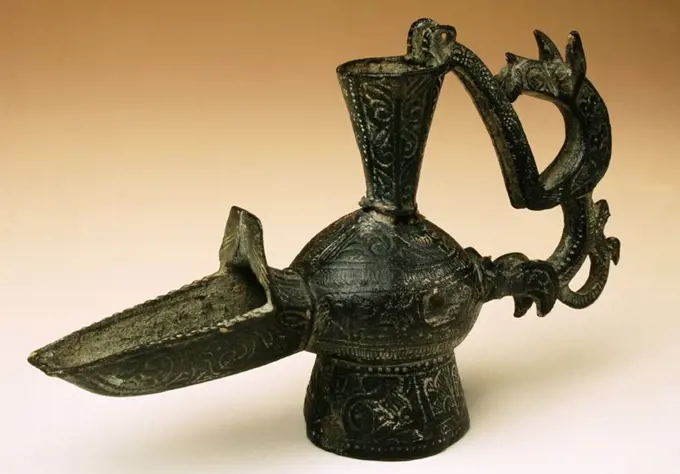
Antique Lamps

A selection of ancient lamps made from terracotta, featuring detailed craftsmanship and various shapes, representing historical artifacts.
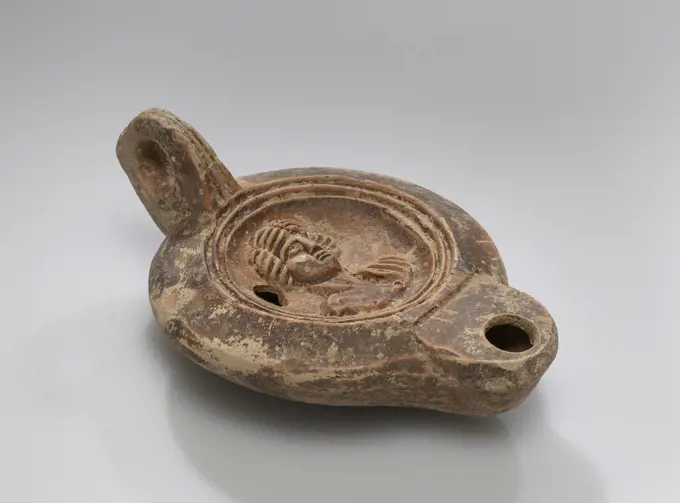
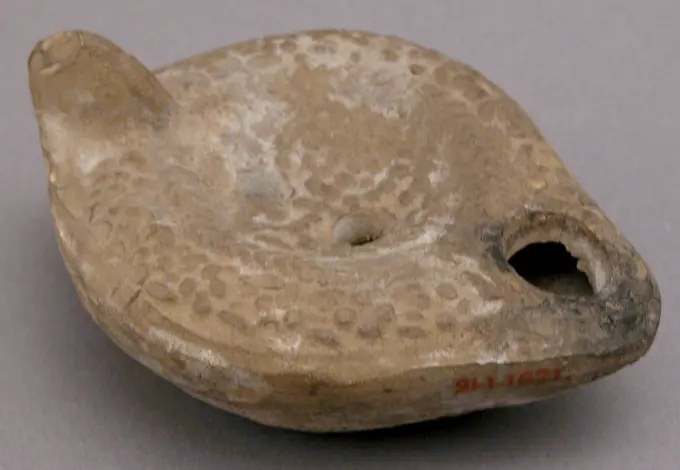
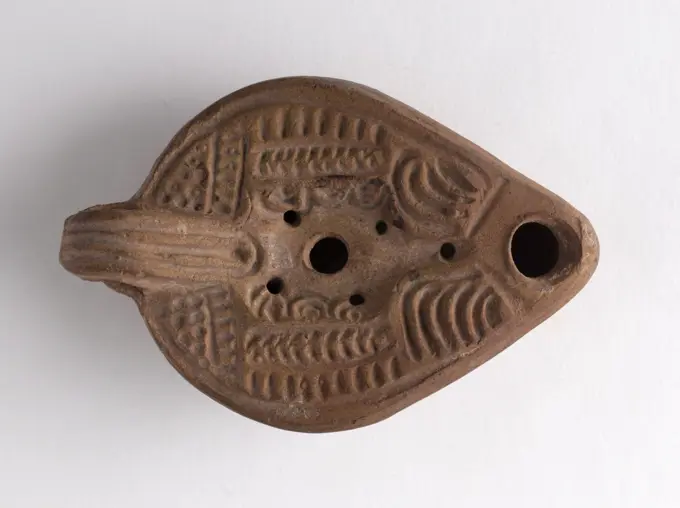
Lamp; North Africa, Tunisia; 1st - 2nd century; Terracotta; 11 x 3.9 x 7.3 cm (4 5,16 x 1 9,16 x 2 7,8 in.)
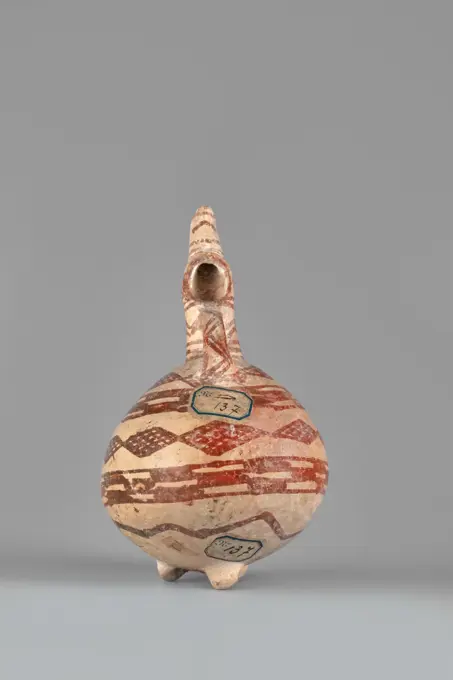
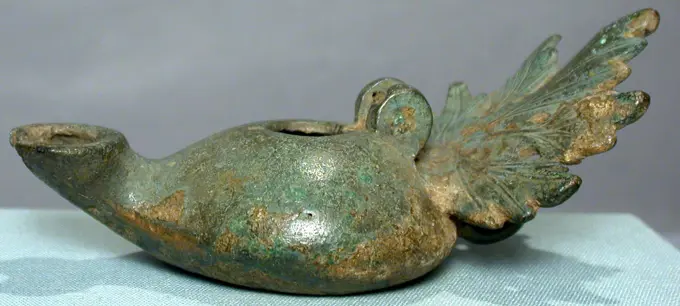
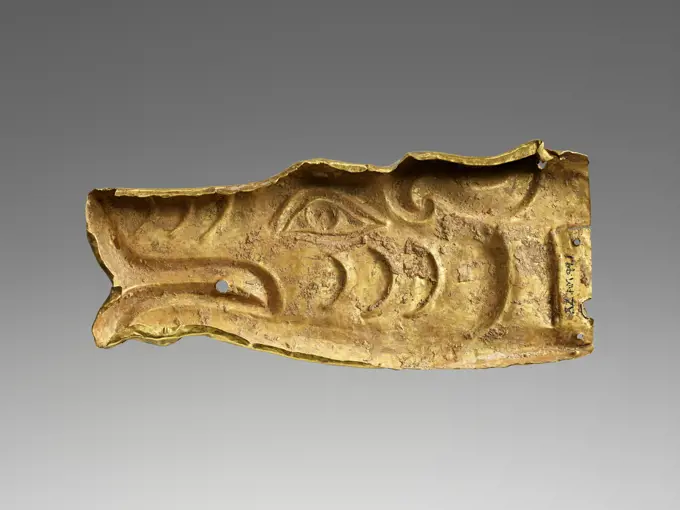
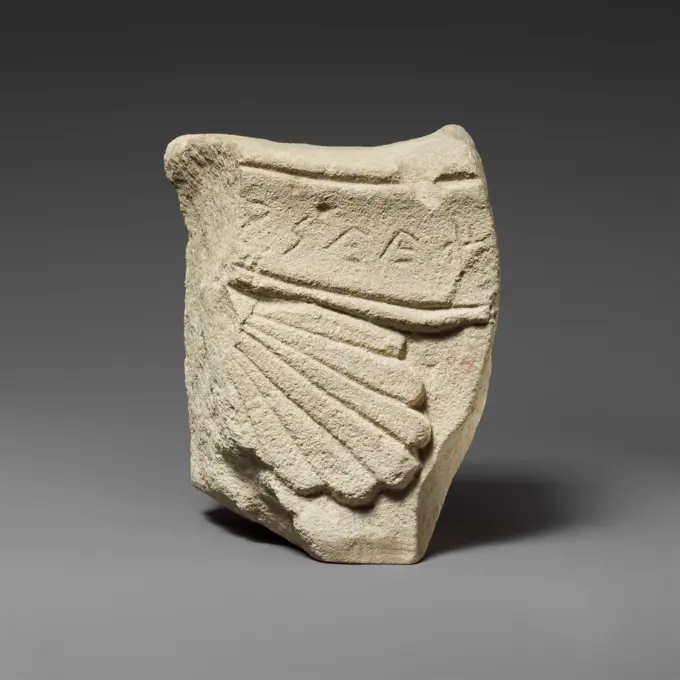
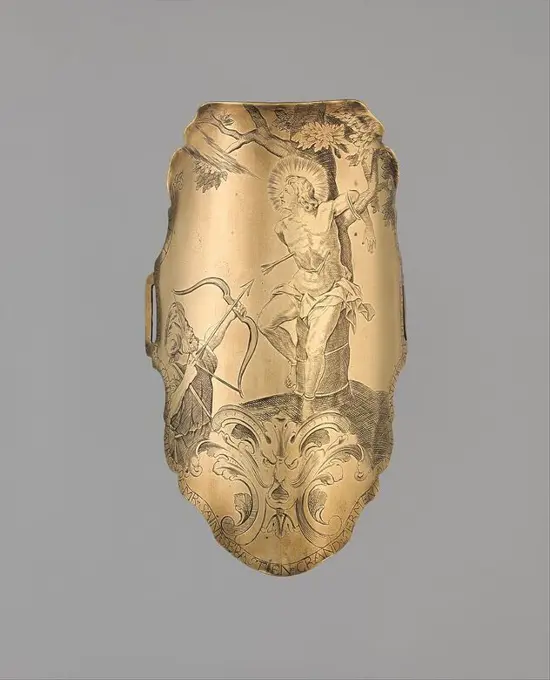
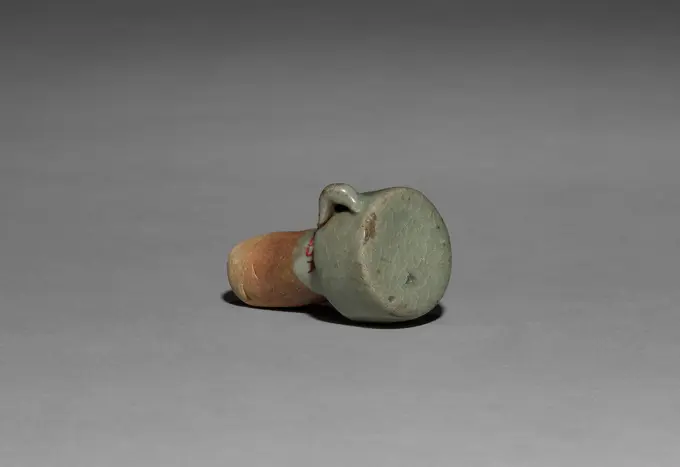
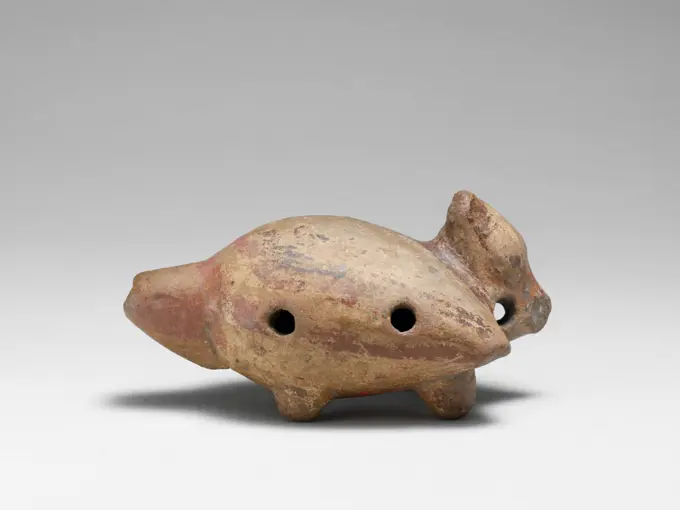
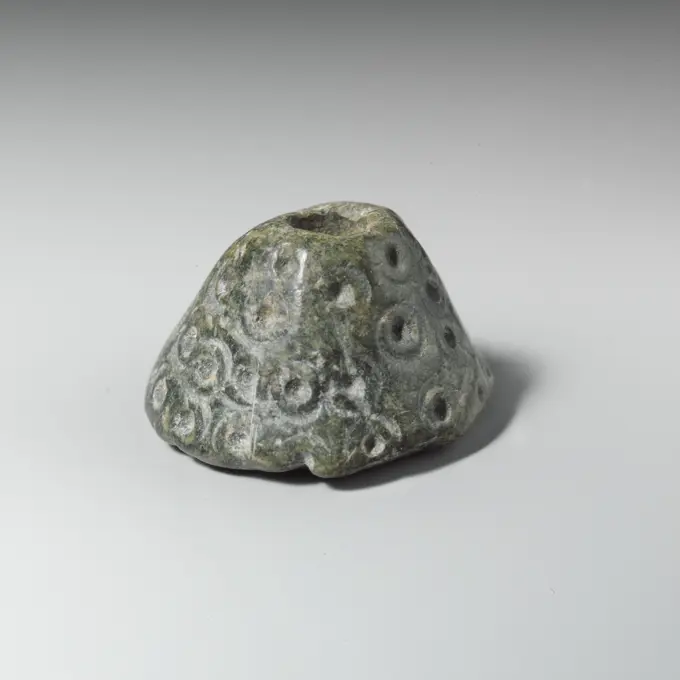
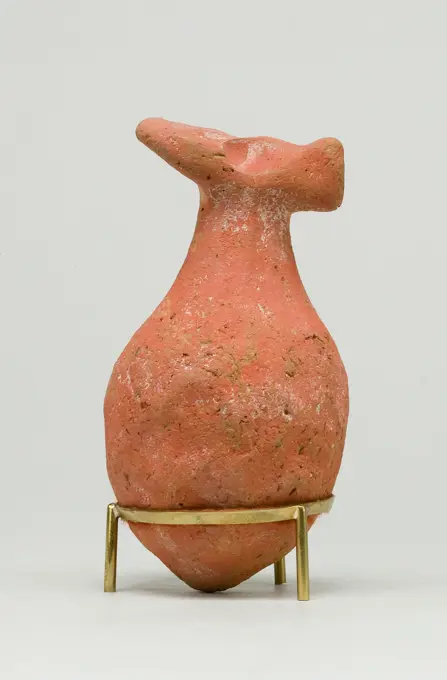
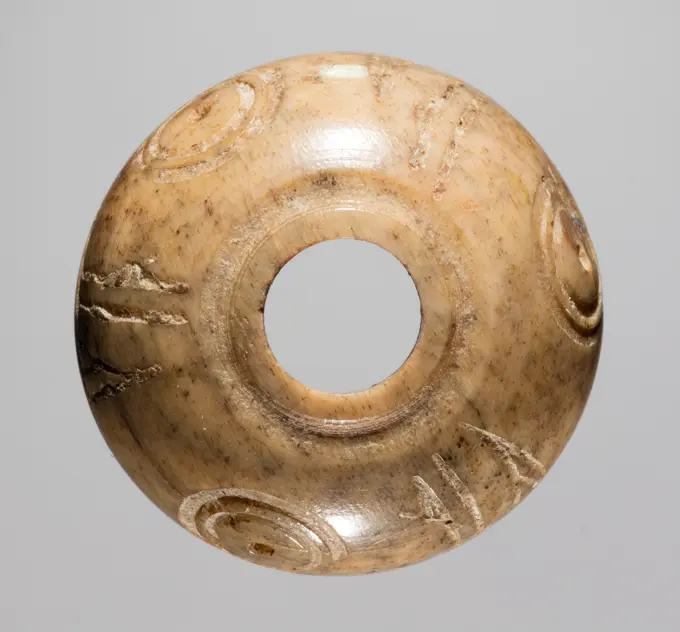
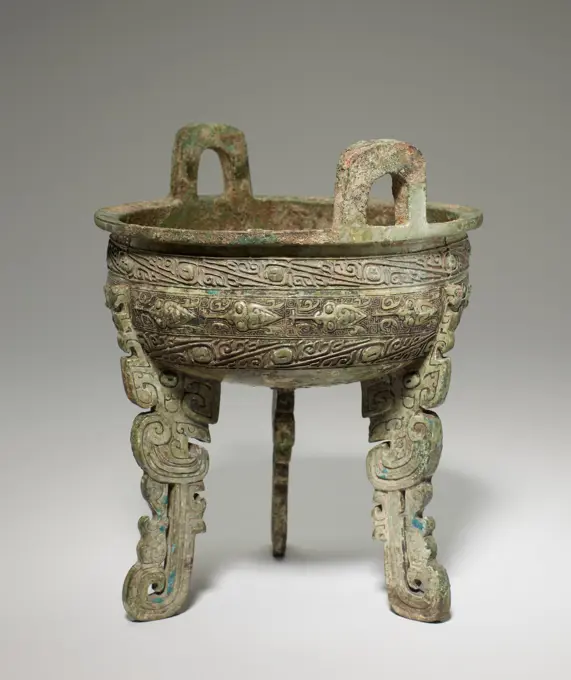
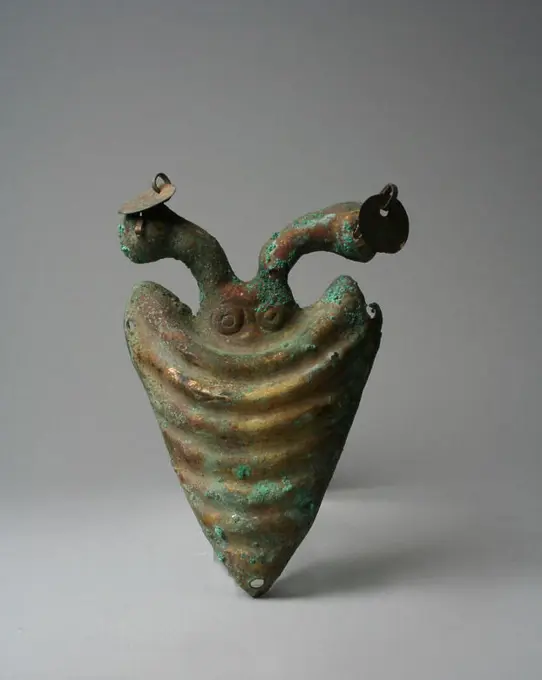
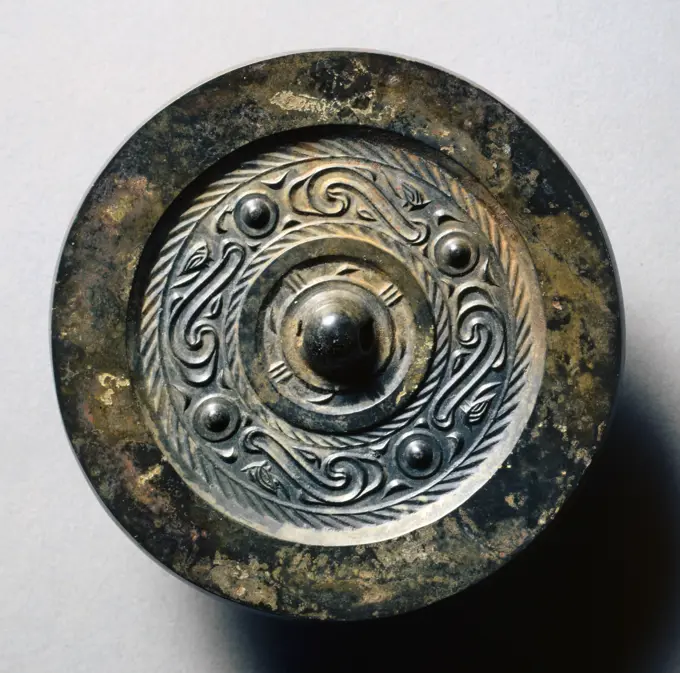
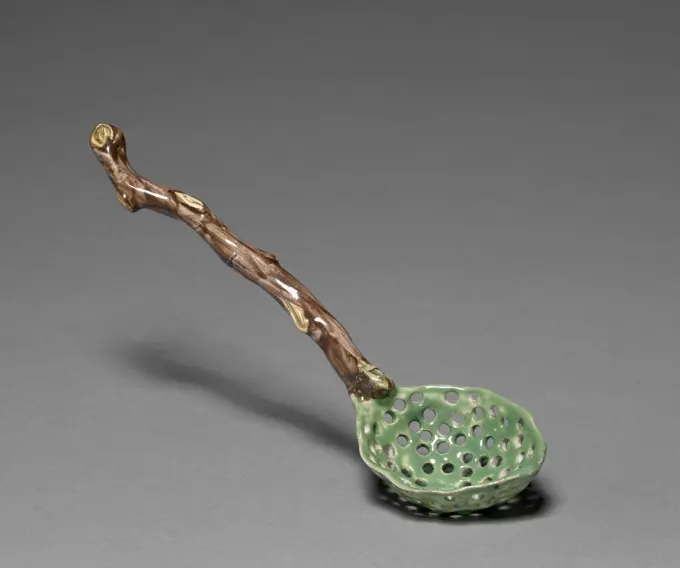
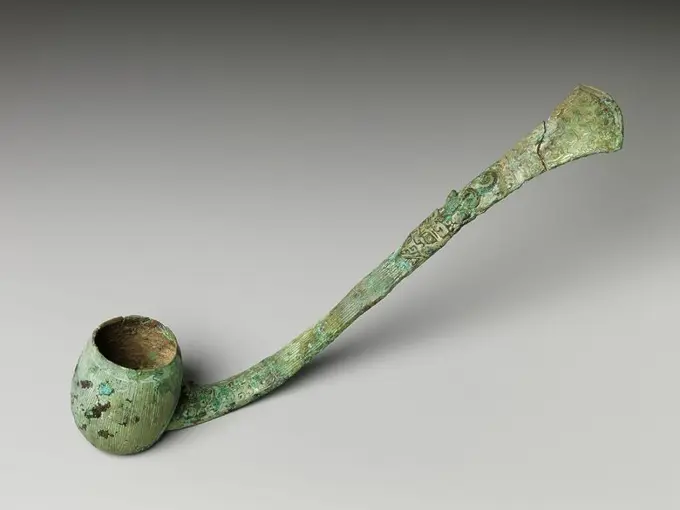
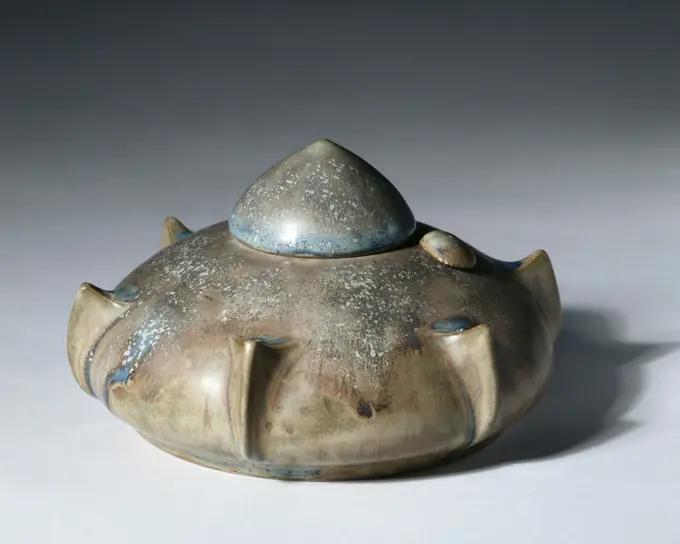
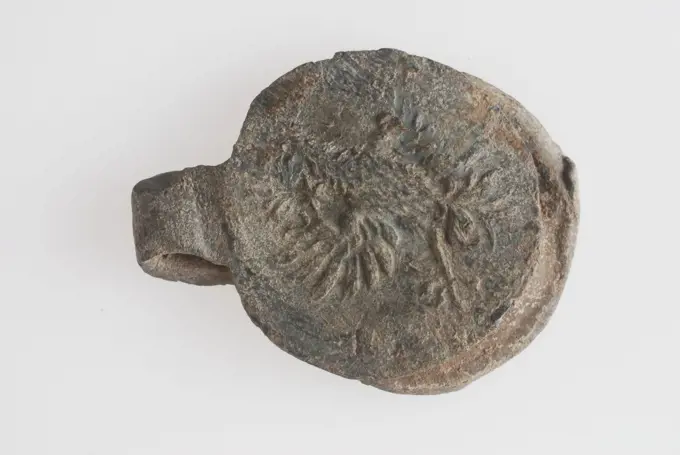
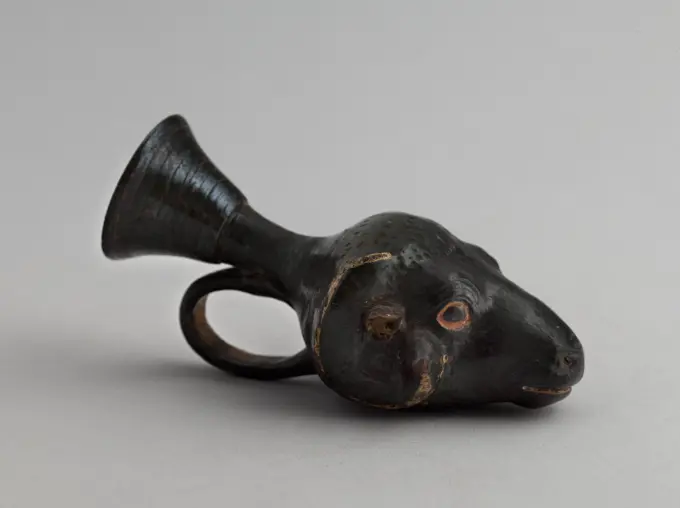
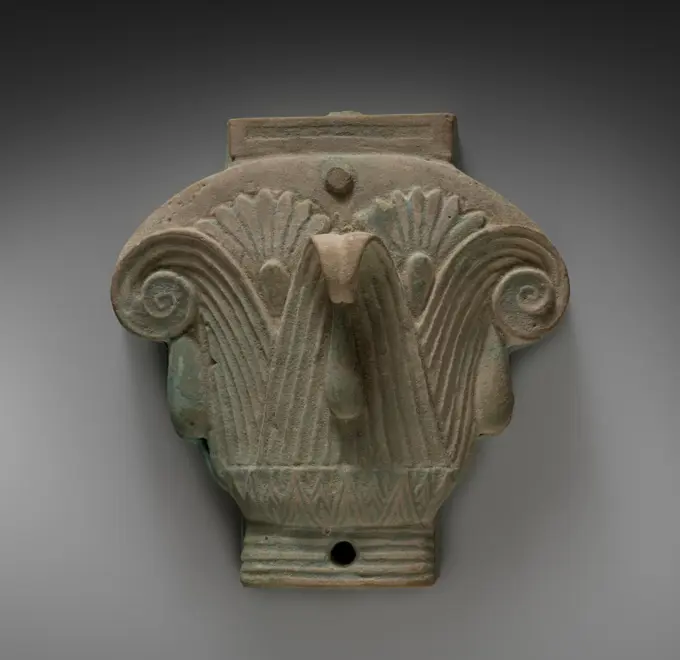
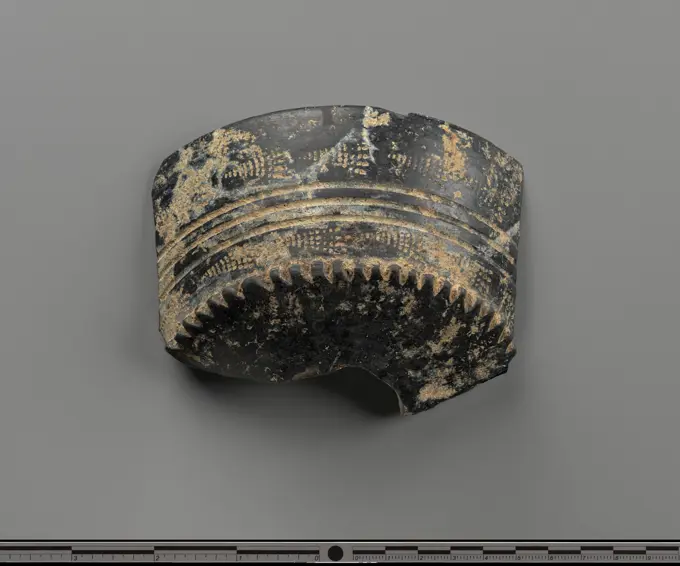
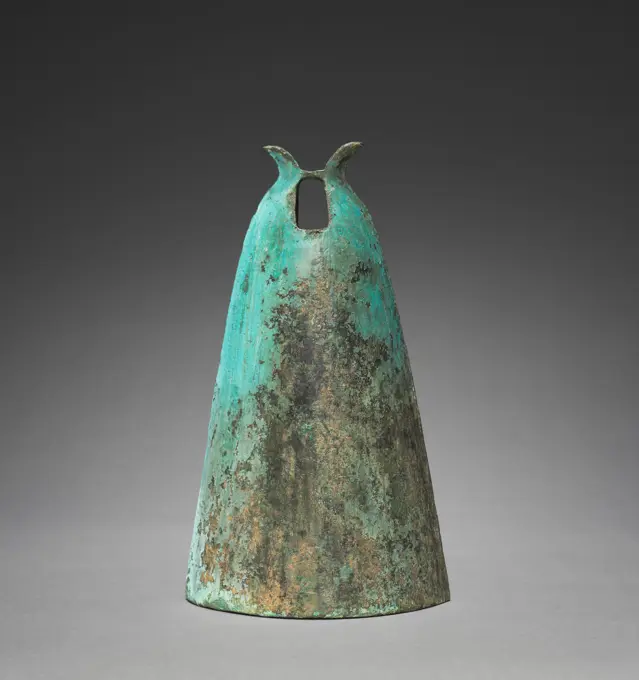
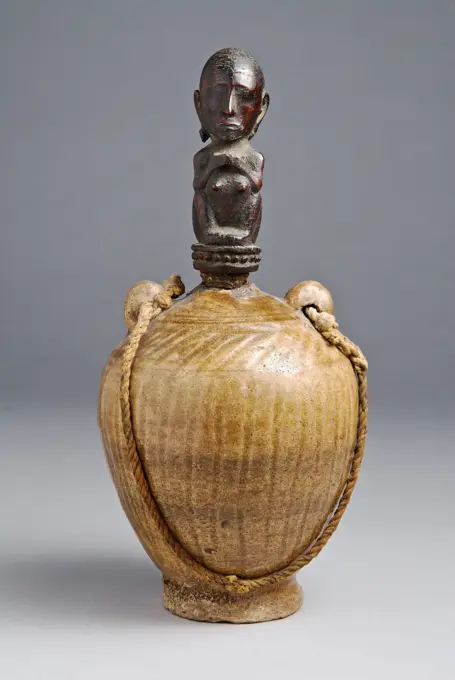
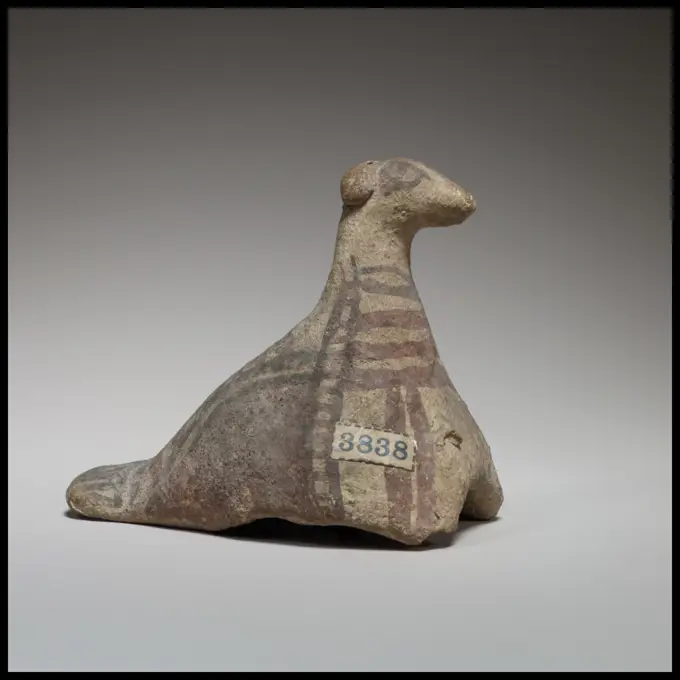
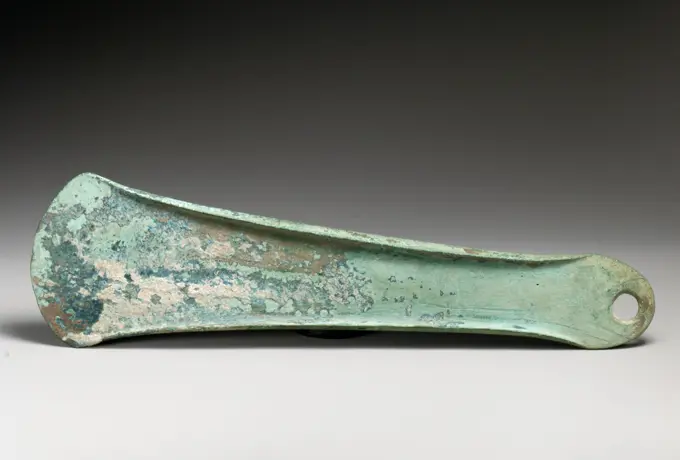
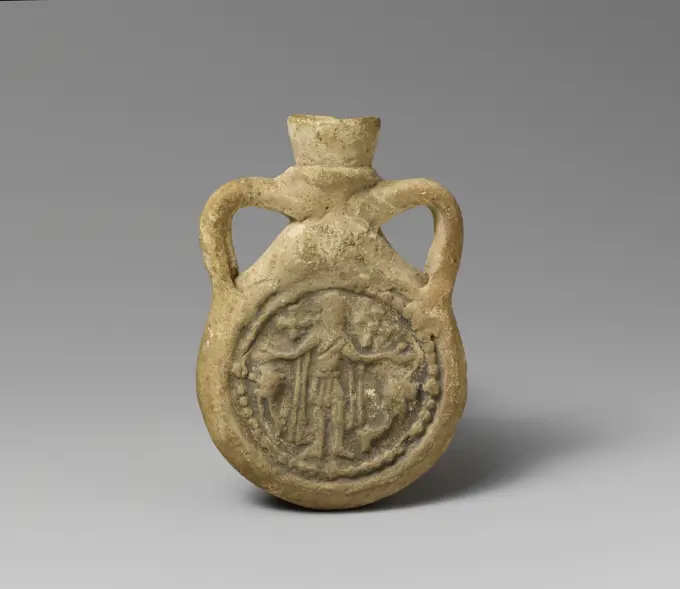
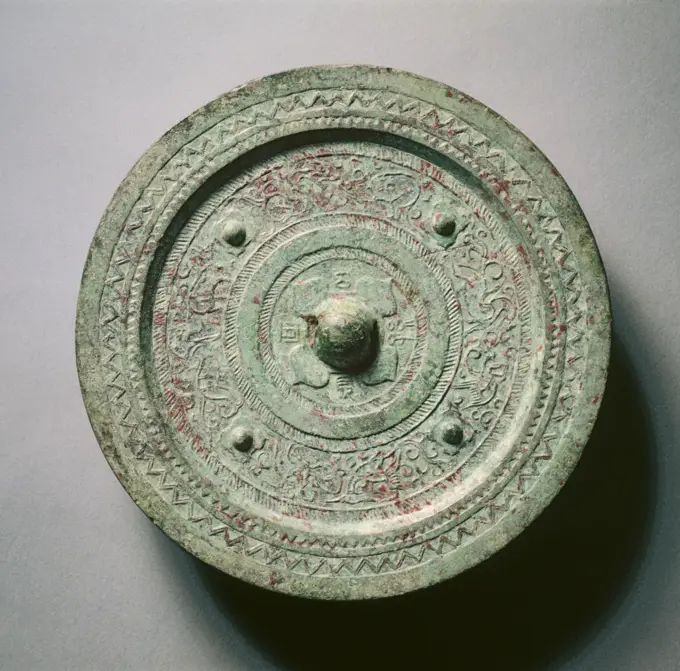
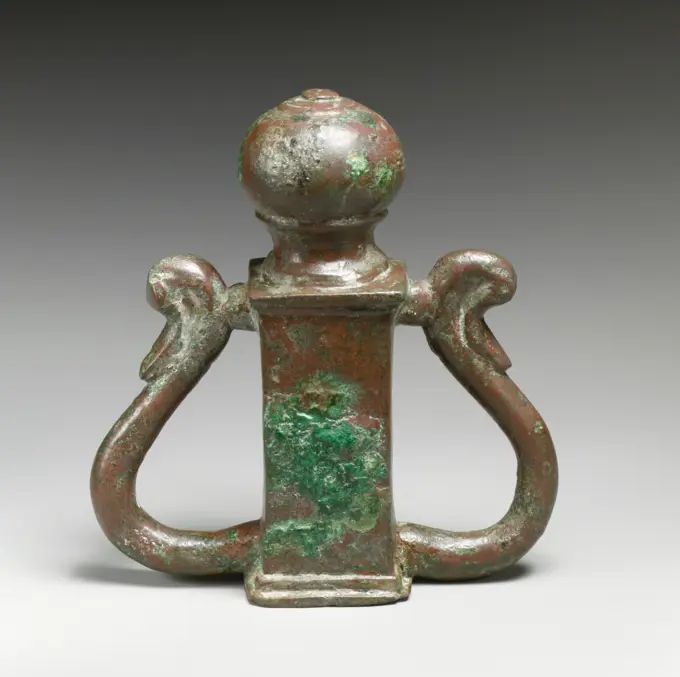
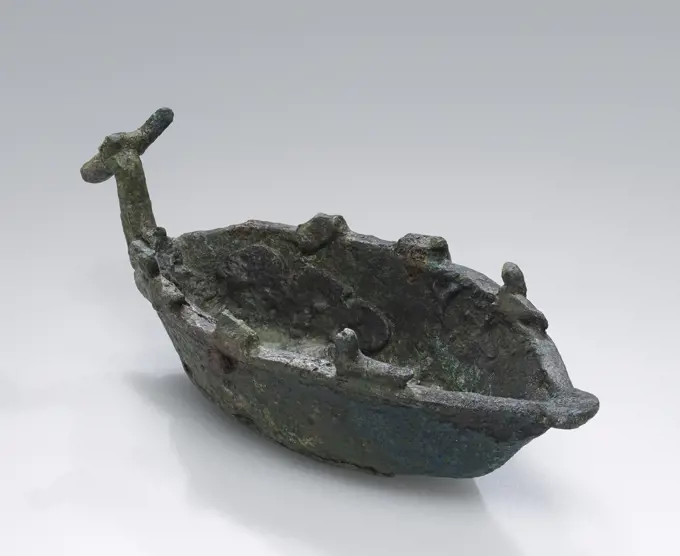
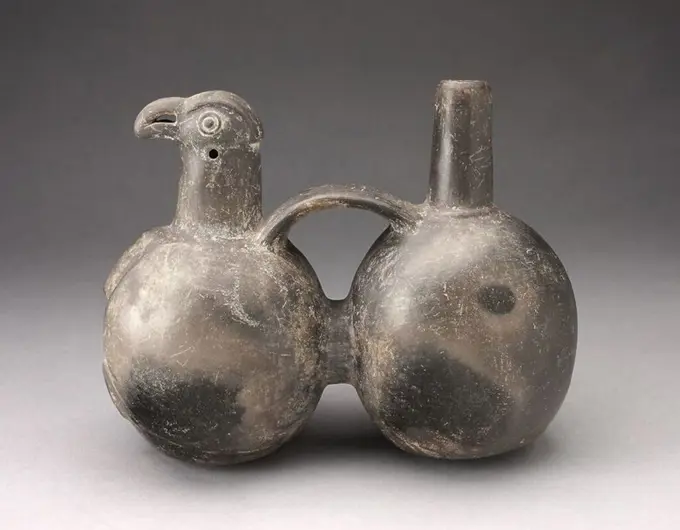
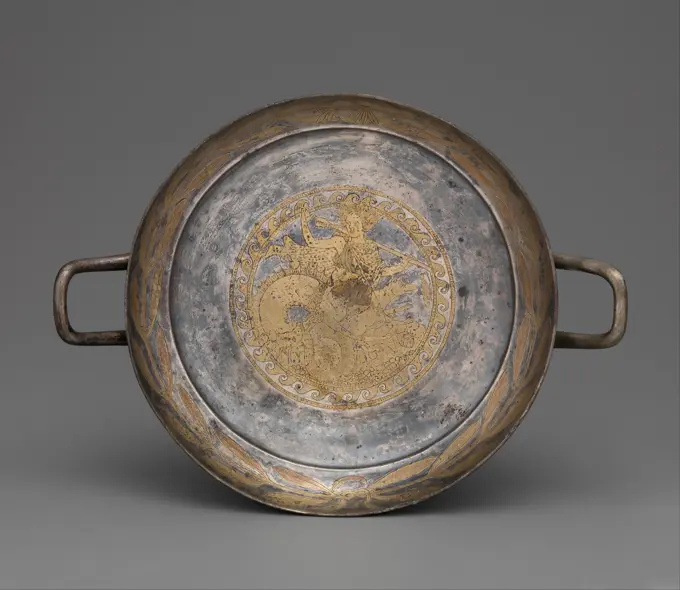
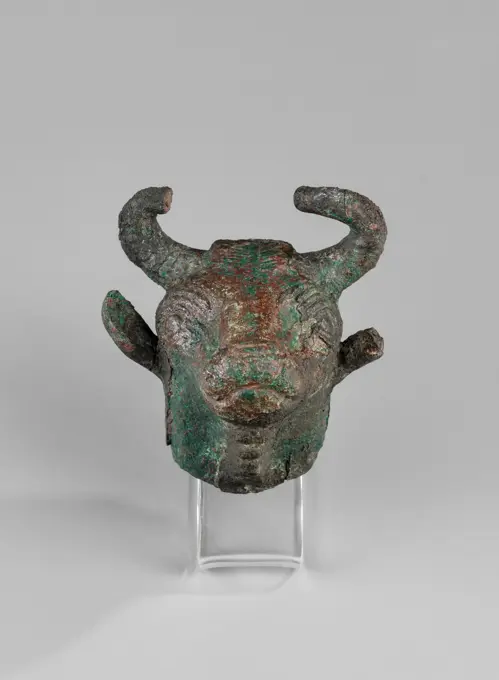
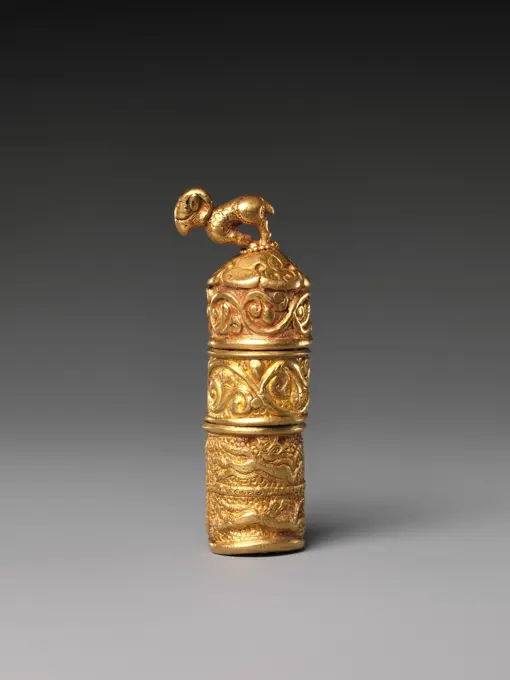
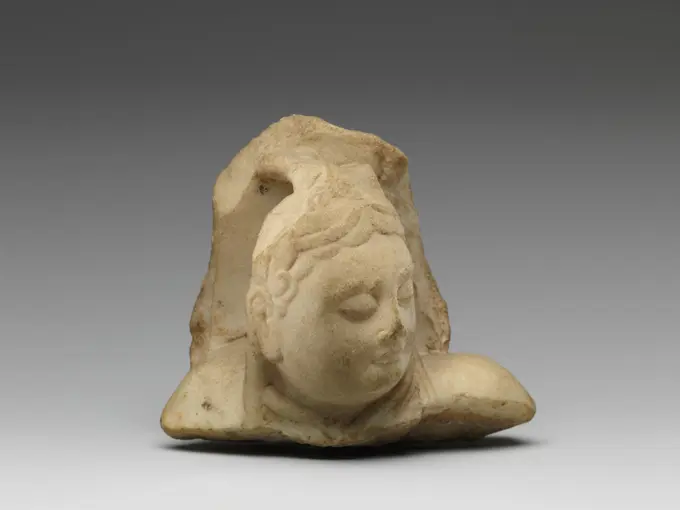
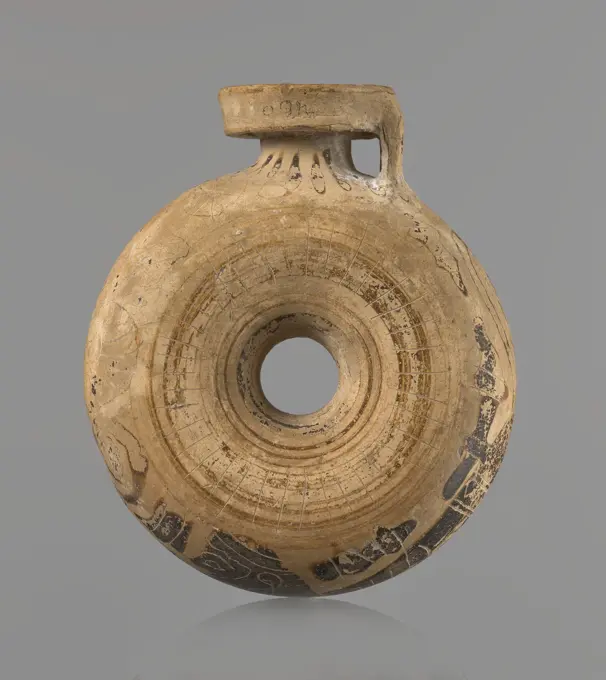
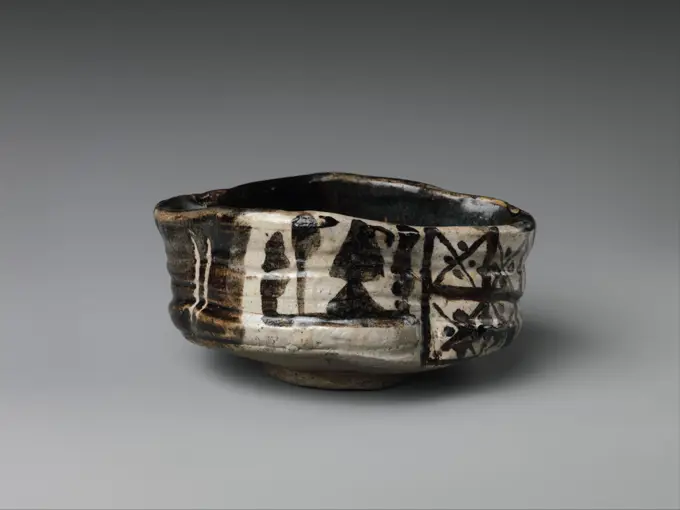
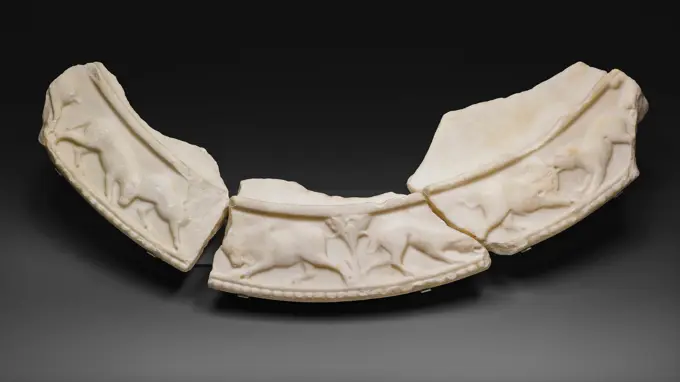
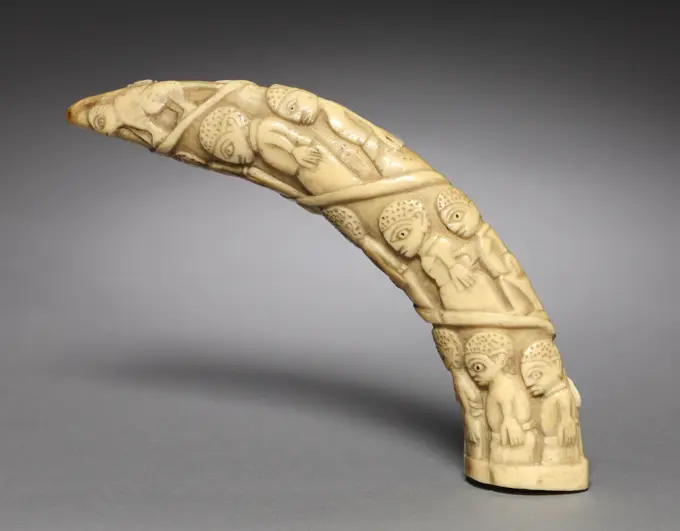
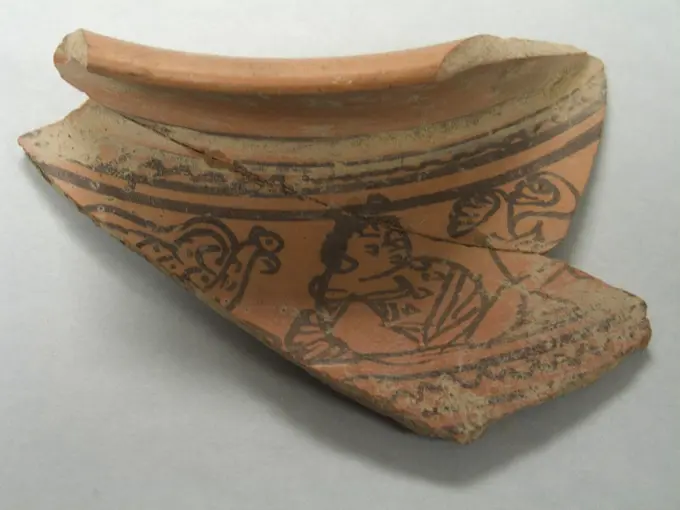
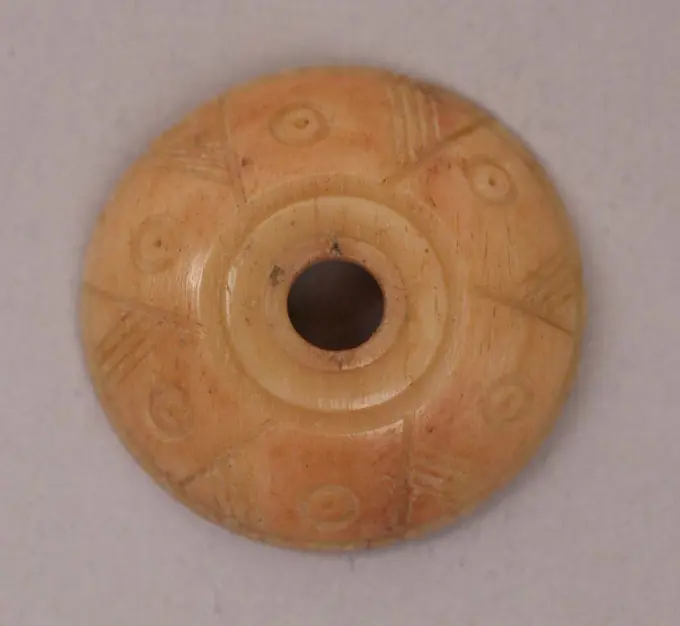
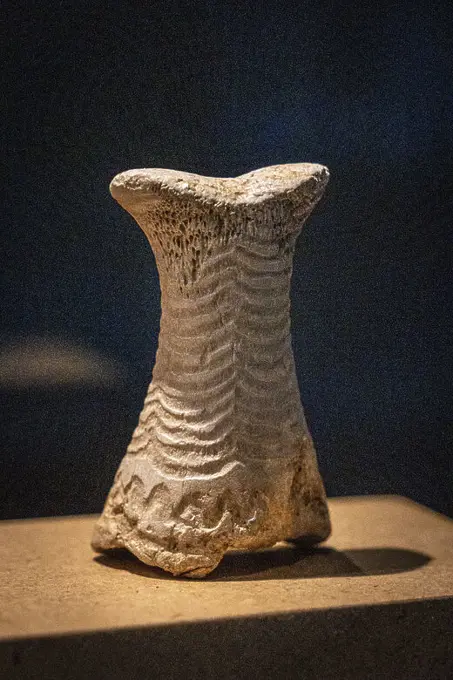
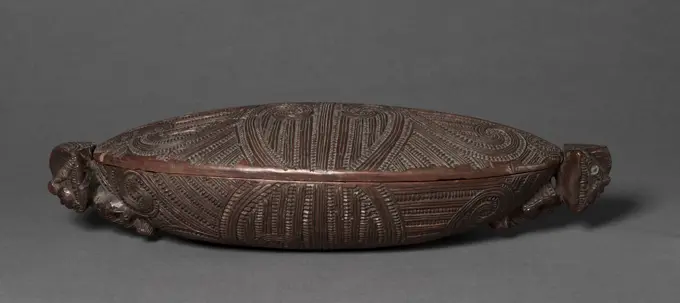
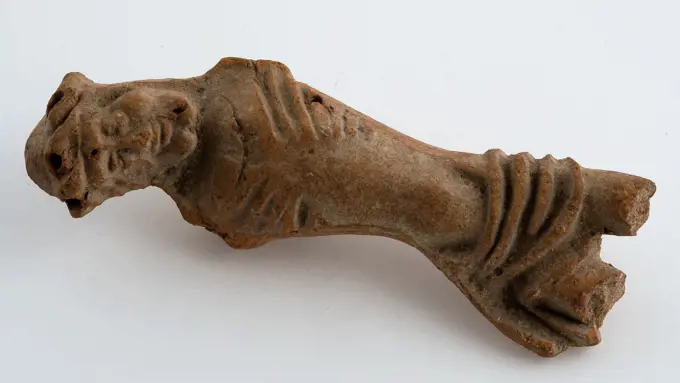
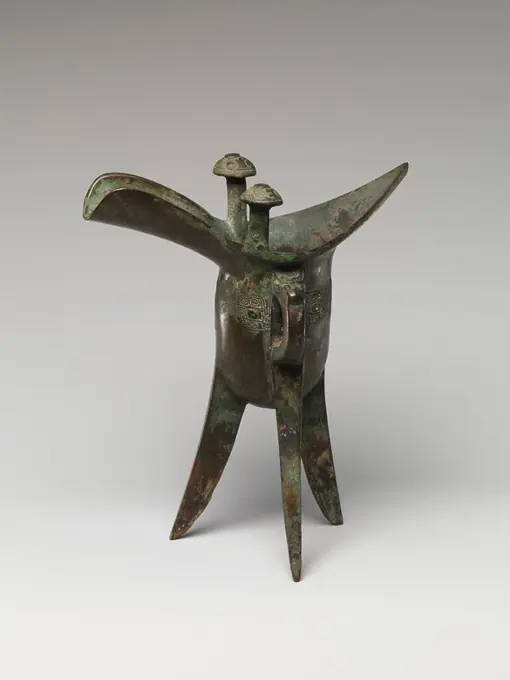
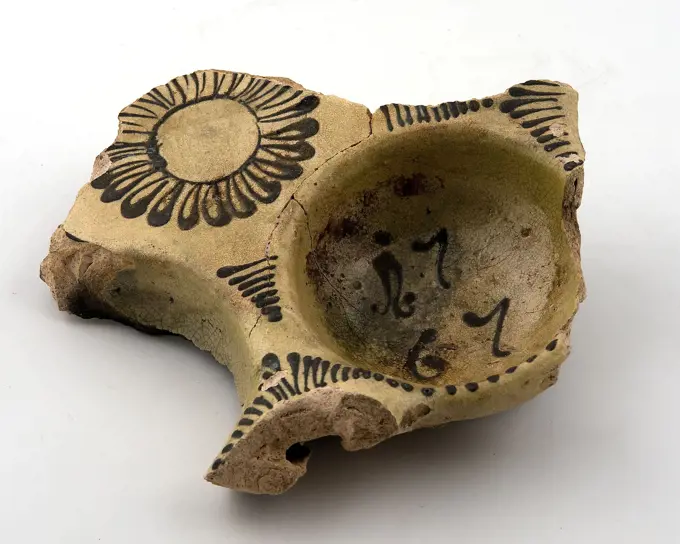
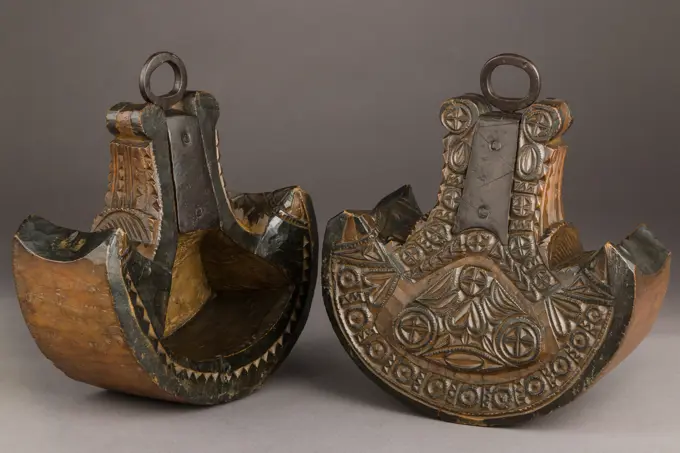
Maaswerk, excavated in Utrecht at the old minor brother monastery (fragments), Anonymous, c. 1400 - c. 1950 Three fragments of Maaswerk. Dug up in Utrecht at the old Minderbroederklooster. Utrecht sandstone   Minderbroedersklooster Three fragments of Maaswerk. Dug up in Utrecht at the old Minderbroederklooster. Utrecht sandstone   MinderbroederskloosterDouble Birds on Openwork Sphere with Post. Greek; Thessaly. Date: 800 BC-600 BC. Dimensions: 5.7 x 2.2 x 2.2 cm (2 1/4 x 7/8 x 7/8 in.). Bronze. Origin: Thessaly. Museum: The Chicago Art Institute, Chicago, USA. Author: ANCIENT GREEK.Dzbanuszek. unknown, authorCermonial incense burner, 12th-15th century, 4 1/8 x 4 3/4 x 4 3/4 in. (10.5 x 12.1 x 12.1 cm), clay, Mexico, 12th-15th centuryBiconical alabastron with zones of bichrome decoration. Dimensions: H. 12.7 × Greatest diam. 2.5 cm (5 × 1 in.). Date: 332-30 B.C..The rim of this small faience bottle is missing, and the decoration not very clear. Three narrow registers of vegetal () ornament , the top one apparently garlands, lie below the rim. Most of the body is covered with a woven pattern. Museum: Metropolitan Museum of Art, New York, USA.Oil LampIncense Box 19th century Japan. Incense Box. Japan. 19th century. Clay and thin glaze (Kiyomizu ware). Edo (1615-1868) or Meiji period (1868-1912). CeramicsBronze lamp ca. 2nd-3rd century A.D. Roman Lamps were used to light spaces in Roman houses and sanctuaries. This beautifully executed example has a round body, a projecting volute nozzle, and a thumb plate in the shape of a grape leaf.. Bronze lamp 330046Snake -headed hourly animal (common name). Cernuschi Museum, Asia Museum of Asia in the city of Paris.Statuette (usual name), 1400. Covered sandstone. Cernuschi Museum, Asia Museum of Asia in the city of Paris.Terracotta flask 2nd century A.D. Roman On the sides of the flask is barbotine decoration inset with small chunks of colored glass.. Terracotta flask. Roman. 2nd century A.D.. Terracotta, Glass. VasesApplique in the shape of a wolf's head; Central Asia; 100 B.C.-A.D. 50; Gold and inlaid stones; 4.9 × 11.4 × 2.5 cm (1 15,16 × 4 1,2 × 1 in.)Limestone inscribed relief fragment Cypriot Grave releif fragment with palmette and inscription.. Limestone inscribed relief fragment 241869Archer's Arm Guard (Bracer). Culture: Belgian. Dimensions: L. 6 5/16 in. (16 cm); W. 3 3/4 in. (9.5 cm). Date: dated 1752.An archer wears a bracer to protect the inner forearm against whiplash from the bowstring. Most bracers were made of bone, horn, or leather with little or no ornament. This example, made of polished copper, is very unusual for its elaborate and finely engraved decoration, which features the martyrdom of Saint Sebastian, patron saint of archers. The inscription around its border mentions the town of Ath in Belgium, the name Joseph de Somme (probably the owner or maker of the bracer), and the date. Museum: Metropolitan Museum of Art, New York, USA.Brazier ca. 9th century B.C. Iran. Brazier 326188Terracotta statuette of a male flute-player ca. 750-600 B.C. Cypriot The flaring lower part of the cylindrical body is wheel-made and hollow; the upper part and the head are handmade and solid.. Terracotta statuette of a male flute-player 241246Lamp. Dimensions: H. 4 1/4 in. (10.8 cm)W. 4 3/8 in. (11.1 cm). Date: 5th-6th century. Museum: Metropolitan Museum of Art, New York, USA.Wine Pot (lid), 918-1392. Korea, Goryeo period (918-1392). Pottery; lid: 6 x 3.5 cm (2 3/8 x 1 3/8 in.). As early as the seventh century, the practice of drinking tea and wine became an important part of elite culture in Korea. Elites of the Goryeo period commissioned a variety of types of utensils and vessels including this elegant wine pot, not only to make their drinking experience more exciting, but also to show their appreciation of nature.Pottery Whistle ca. 800-1525 Costa Rican. Pottery Whistle. Costa Rican. ca. 800-1525. Clay. Pre-Columbian. Diquis Region, Costa Rica. Aerophone-Whistle Flute-whistleFragment wylewu i imadła amfory ze stemplem. unknown, potter's workshopAppliqué for a funeral couch. UnknownSteatite spindle whorl ca. 2400-1900 B.C. Minoan Spindle whorl with incised circles.. Steatite spindle whorl 252014 Minoan, Steatite spindle whorl, ca. 24001900 B.C., Steatite, Diameter 2 cm. The Metropolitan Museum of Art, New York. Bequest of Richard B. Seager, 1926 (26.31.62)Animal-headed Rattle ca. 1981-1550 B.C. Middle Kingdom-Early New Kingdom. Animal-headed Rattle. ca. 1981-1550 B.C.. Pottery. Middle Kingdom-Early New Kingdom. From Egypt. Dynasty 12-18Spindle Whorl, 700s - 900s. Iran, early Islamic period, 8th - 10th century. Bone, incised; overall: 1.1 x 2 x 2 cm (7/16 x 13/16 x 13/16 in.).Ding food vessel, 11th-10th century BCE, 7 11/16 × 6 1/4 × 6 5/16 in., 3.1 lb. (19.5 × 15.8 × 16 cm, 1.4 kg), Bronze, China, 11th-10th century BCE, As with many other types of bronze vessels, the ding had a pottery prototype dating back as early as the Peiligang culture of the Neolithic period (c. 7000-5000 BCE). Bronze versions of the flat-legged ding began to be cast early in the Shang dynasty (c. 1600-1300 BCE). The flat legs of those Shang ding were mostly shaped like stylized dragons. In the early Western Zhou period (c. 1046-977 BCE), it became popular for the ding legs to take the form of birds. In this example, the shallow bowl with a round bottom is supported by three flattened legs, each rendered in the form of a bird standing upon its claws and tail. Above the legs is a row of cicadas. Perhaps because the life cycle of the cicada was seen as symbolic of renewed lifethey lie dormant underground for seven to 14 years, and emerge for only one summerthe insect was a popular moAnimal Ornament. Culture: Moche (Loma Negra). Dimensions: H x W: 3 15/16 x 2 5/8in. (10 x 6.7cm). Date: 390-450. Museum: Metropolitan Museum of Art, New York, USA.Lamp with Jewish Symbols 350-450 This is one of the few surviving lamps decorated with Jewish symbols. It displays a menorah flanked by an etrog (citron) and a lulav (palm branch), both indistinct.. Lamp with Jewish Symbols 444796Bird Vessel 12th-15th century Chimú. Bird Vessel 310613Bracelet/Anklet. Western Iran, circa 1000-650 B.C.. Jewelry and Adornments; bracelets. Bronze, castMartavaan from V.O.C. ship De 'Witte Leeuw', Anonymous, Before 1613  Martavaan from V.O.C. ship De 'Witte Leeuw', 25 present. Six fragments glued together. southeast Asia stoneware. porcelain   Sint-HelenaTerracotta oil lamp ca. A.D. 40-100 Roman Loeschcke Type 4. Mold-made. Discus: rosette of four pointed petals with central rib; a single filling hole at center; band of lines and grooves towards edge. Volutes flanking nozzle, with large wick hole. Incised base ring, and uneven, concave base.Intact, but surface chipping on base.. Terracotta oil lamp. Roman. ca. A.D. 40-100. Terracotta. Early Imperial. TerracottasDog figurine;  I-II century; Roman period (1-00-00-200-00-00);Deposit of the University of Warsaw from 1937-1939, dogs, Polish-French excavations in Edfu (Egypt)Pendant. Western Iran, circa 1000-650 B.C.. Jewelry and Adornments; pendants. Bronze, castLamp 5th-6th century. Lamp 448005Lamp ca. 1st century A.D. Nabataean. Lamp. Nabataean. ca. 1st century A.D.. Ceramic. Nabataean. From Levant, PetraMirror with Four Nipples, Quasi-Dragons, and Birds, 1st century BC. China, Western Han dynasty (202 BC-AD 9). Bronze; diameter: 9.9 cm (3 7/8 in.); overall: 0.9 cm (3/8 in.); rim: 0.4 cm (3/16 in.).Emilia-Romagna Ferrara Ferrara Museo Civico di Schifanoia34. Hutzel, Max 1960-1990 General Notes: INCOMPLETE RECORD--NEGATIVES PROCESSED, PRINTS FILED German-born photographer and scholar Max Hutzel (1911-1988) photographed in Italy from the early 1960s until his death. The result of this project, referred to by Hutzel as Foto Arte Minore, is thorough documentation of art historical development in Italy up to the 18th century, including objects of the Etruscans and the Romans, as well as early Medieval, Romanesque, Gothic, Renaissance and Baroque monuments. Images are organized by geographic region in Italy, then by province, city, site complex and monument.LampFrog Yoke 7th-10th century Veracruz This greenstone yoke is likely a ceremonial representation of a lighter protective guard worn by Mesoamerican ballgame players. The batrachian creature carved in the center of the yoke, with its bulging eyes, small nostrils, and elongated mouth parted by a curving tongue, has been identified as a depiction of an earth monster who resides at the entrance to the underworld. Such imagery is appropriate for the ballgame with its resulting sacrifice of blood to nourish the earth and promote fertility. Into the pattern of interlaces and scrolls on each side of the yoke, the artist incorporated a low-relief depiction of a helmeted human head, perhaps a representation of a ballplayer. On each end of the U-shaped yoke is a profile depiction in higher relief of another human face. Listen to experts illuminate this artwork's story Listen Play or pause #1608. Frog Yoke Supported by Bloomberg Philanthropies We're sorry, the transcript for this audio track is not Sugar Spoon, c. 1760. Veuve Perrin Factory (French). Tin-glazed earthenware (faience) with enamel decoration; overall: 18.5 cm (7 5/16 in.).Vessel A.D. 1st millennium Kushano-Sasanian. Vessel 327477Ritual Ladle. Culture: China. Dimensions: Bowl: H. 2 7/8 in. (7.3 cm); Diam. 2 1/8 in. (5.4 cm);Total length 12 1/2 in. (31.8 cm). Date: 12th century B.C.. Museum: Metropolitan Museum of Art, New York, USA.Inkwell, 1903. Alexandre Sandier (French, 1843-1916), Sèvres Porcelain Factory (French, est. 1756). Stoneware; overall: 7.6 x 13.6 cm (3 x 5 3/8 in.).Amulet. Eastern Anatolia, 4th-3rd millenium, B.C.. Jewelry and Adornments; amulets. StoneShard ca. 4th-5th century Pakistan. Shard. Pakistan. ca. 4th-5th century. Painted terracotta. CeramicsFragment of Bowl probably 8th-12th century. Fragment of Bowl. probably 8th-12th century. Earthenware; carved and glazed. Found Iran, Nishapur. CeramicsFigurine of a seated deer, 8th-11th century, 7 3/4 x 7 x 7 in. (19.7 x 17.8 x 17.8 cm), Earthenware, Peru, 8th-11th centuryCloth lead with eagle and keys, cloth seal hallmark ground find lead metal, poured beaten Cloth lead with on the front an eagle On the other side two upright keys with beards outside and with possibly hand possible weapon of Anloo with letters around. Closed :  archeology authenticate government cloth trade textile trade trade guildTerracotta statuette of a goddess. Culture: Greek, Boeotian. Dimensions: H.: 5 in. (12.7 cm). Date: 6th century B.C..The identification of the figure as a goddess comes from the high headdress that she wears. Museum: Metropolitan Museum of Art, New York, USA.Lécythe in the shape of a ram head. Molded terracotta, enhanced. Apulie (Italy), 4th century BC. AD Museum of Fine Arts of the City of Paris, Petit Palais. 59232-3 Anse, Belier, Ceramic, IVEME IVE IV 4th 4th 4th century AV.JC, LECYTHE, LECYTHE ZOOMORPHE, MOULAGE, Noire, Rehaut, Terrache, Tete, Ancient Vase, Profile view,Funnel ca. 9th century B.C. Iran. Funnel 325047Box (Pyxis) in the Form of a Composite Capital, 305-30 BC. Egypt, Ptolemaic Dynasty. Pale robin's-egg blue faience; box: 11.4 x 10.8 x 2 cm (4 1/2 x 4 1/4 x 13/16 in.); lid: 11.2 x 10.8 x 3.1 cm (4 7/16 x 4 1/4 x 1 1/4 in.).Chalice or Katharos Bowl Fragment. UnknownCrescent Ornament 6th-7th century Moche (Loma Negra). Crescent Ornament. Moche (Loma Negra). 6th-7th century. Gilded copper. Peru. Metal-OrnamentsButton or Bead or Spindle Whorl 9th-10th century The dot-in-circle motif recalls designs presumed to be of magical significance, most likely an abstract eye to ward off the evil-eye, which serves an apotropaic function. Easily reproduced with a tool and visible in many cultures and times, this symbol may have lost its meaning, and become simply a decorative pattern, or may have one that we have not yet discovered.. Button or Bead or Spindle Whorl 449230Set of Bells with Diamond-Shaped Insignia, 300s-100s BC. China, along the southern borders, Eastern Zhou dynasty (771-256 BC) - Han dynasty (202 BC-AD 220). Bronze; overall: 24.1 cm (9 1/2 in.). These rare, elegant bronze bells were made in a tribal village along the southern borders of China. They differ greatly from bells made in the central regions, which often come in large sets and in varying sizes, and feature complex decorative patterns. The distinctive shape of these bells resembles a tall helmet topped by a pair of horns. A rope may have been tied around the horns so that the bells could be suspended. Each bell is decorated with a diamond-shaped insigniaprobably to mark tribal affiliation. Although the bells are indentical in size, each produces a different tone, which indicates that their casting was a highly refined process.Pot with Stopper (GuriGuri)Bronze lunate razor 9th-8th century B.C. Italic Objects resembling this one have often been found in male burials throughout Italy. They were perhaps used to trim hair rather than to shave beards. The small perforated appendage, a frequent feature on these crescent-shaped razors, allowed them to be suspended from a fibula.. Bronze lunate razor. Italic. 9th-8th century B.C.. Bronze. Geometric. BronzesSeated bird figurine ca. 600-480 B.C. Cypriot The figurine is handmade and hollow. Its wings are closed, it has pellet ears, and very short stumps below the breast for legs.. Seated bird figurine 244795Bronze flanged axe 2nd millennium B.C. Helladic Light green patina with blue in spots.. Bronze flanged axe 250960 Helladic, Bronze flanged axe, 2nd millennium B.C., Bronze, Other: 3 9/16 in., 2.1lb., 12 13/16 in. (9 cm, 1kg, 32.5 cm). The Metropolitan Museum of Art, New York. Rogers Fund, 1920 (20.207)Terracotta conical-hemispherical spindle-whorl with slightly rounded base ca. 2000-1725 B.C. Cypriot Spindle whorls aided in the making of cloth for garments and bedding. They were placed in tombs, perhaps so that the deceased could continue to spin wool in the afterlife.. Terracotta conical-hemispherical spindle-whorl with slightly rounded base 240497Vessel in the Shape of a Bird 100 BCE-500 CE Trujillo. Ceramic and pigment . MochePilgrim Flask with Saint Menas 4th-7th century Ampullae like this one were used by pilgrims to bring home water or oil from the great pilgrimage site for Saint Menas, said to be a late-third-century Egyptian Roman soldier who was martyred for his Christian faith. He is shown between the two camels who returned his body to Egypt for burial.. Pilgrim Flask with Saint Menas. 4th-7th century. Earthenware; unglazed. Probably made in Egypt, Abu Mena. CeramicsHuman Effigy Pendant, 900-1550. Colombia, Tairona. Gold; overall: 10 x 10 cm (3 15/16 x 3 15/16 in.).Mirror with Quatrefoil, Four Nipples, Animals, and Birds, late 3rd Century BC - early 1st Century. China, Western Han dynasty (202 BC-AD 9). Bronze; diameter: 17.4 cm (6 7/8 in.); overall: 1.3 cm (1/2 in.); rim: 0.6 cm (1/4 in.).Limestone fragment of a lyre 5th century B.C.  Cypriot Seven strings of a lyre are attached to a crosspiece painted pinkish red.. Limestone fragment of a lyre 242147Polychrome plate. Provenance unknown. Mayan (600-900 AD) Tile.Scepter. Culture: Chile. Dimensions: H. 8 3/4 x W. 5 7/8 x D. 1 3/4 in. (22.2 x 14.9 x 4.5 cm). Date: 13th-17th century. Museum: Metropolitan Museum of Art, New York, USA.Armored Belt Fragment. UnknownAppliqué for a funeral couch. UnknownStrigil 5th century B.C. Cypriot. Strigil 244349Emilia-Romagna Ferrara Ferrara Museo Civico di Schifanoia62. Hutzel, Max 1960-1990 General Notes: INCOMPLETE RECORD--NEGATIVES PROCESSED, PRINTS FILED German-born photographer and scholar Max Hutzel (1911-1988) photographed in Italy from the early 1960s until his death. The result of this project, referred to by Hutzel as Foto Arte Minore, is thorough documentation of art historical development in Italy up to the 18th century, including objects of the Etruscans and the Romans, as well as early Medieval, Romanesque, Gothic, Renaissance and Baroque monuments. Images are organized by geographic region in Italy, then by province, city, site complex and monument.Two bronze chariot attachments with ducks' head finials 3rd-4th century A.D. Roman Chariot attachments with ducks' head finials.. Two bronze chariot attachments with ducks' head finials 255498Lamp; Sardinia, Italy; about 600 B.C; Bronze; 15 cm (5 7,8 in.)Double-Chambered Strap Vessel with Sculpted Bird Head. Chimú; North coast, Peru. Date: 1200-1450. Dimensions: 19.1 × 24.1 cm (7 1/2 × 9 1/2 in.). Ceramic. Origin: North Coast. Museum: The Chicago Art Institute, Chicago, USA.Gilt silver kylix late fifth century B.C. Greek On the tondo is represented dread-yelping’ Scylla, the Homeric sea monster who lived in a cave on a cliff along the Sicilian coast off the Straits of Messina. She is depicted in the characteristic way, with the upper body of a beautiful woman and three fierce dogs springing from her hips amidst her scaly extremities, one of which terminates in a ketos or sea dragon. Her dog’s heads snap at fish jumping around her and she brandishes the broken rudder of ship, which she has sent to the deep. Scylla is framed by a wave pattern and encircling the interior of the rim is a gilt laurel wreath.. Gilt silver kylix 646262Protoma w formie głowy byka, ozdoba liry. nieznany warsztat sumeryjski, workshopAmulet Case Surmounted by a Ram 7th-9th century China (Xinjiang Autonomous Region, Central Asia) The nomadic communities of Central Asia used such plaques to embellish clothing and horse trappings. As these nomadic cultures herded animals and were constantly moving, their artistic production was expressed in portable objects that marked the wearers status and wealth. The outstanding preservation of these fragile ornaments suggests they were used in conjunction with burials, where the body was aggrandized with valuable textiles and augmented with gold. Although it is difficult to date and place these objects geographically, their presence in Central Asia and has a long, established history.. Amulet Case Surmounted by a Ram 65163House Group withParrots, 100 B.C.-A.D.250, Ceramic with pigment, 21.5 × 18.5 × 15 cm (8 7/16 × 7 5/16 × 5 7/8in.), Made in Mexico, Mexico, Nayarit, Ixtlán del RíoStyle, ProtoclassicPeriod, SculptureHead of a Bodhisattva 10th century China. Head of a Bodhisattva 61540Painted Bowl with Whale 6th-4th century B.C. Paracas. Painted Bowl with Whale 310226Aryballs pier Shadowy; Unknown Korinthian workshop; 1. W. VI century BC (-600-00-00--576-00-00);Terracotta cosmetic vase. Culture: East Greek. Dimensions: Overall: 3 7/8 x 5 3/16 in. (9.8 x 13.2 cm)diameter 3 13/16in. (9.8cm). Date: 4th quarter of the 6th century B.C..On one side of the upper frieze of this exquisite vase, a youth holds two winged horses and two youths drive a chariot. Real and imaginary animals circulate on the other frieze areas between carefully drawn geometric patterns. The ram's-head cover may have served as a handle for a cosmetic applicator. Museum: Metropolitan Museum of Art, New York, USA.Clog-Shaped Tea Bowl (Chawan) with Plum Blossoms and Geometric Patterns early 17th century Japan Tea bowls in the Oribe style were often shaped something like ancient clogs and described as kutsugata, or "clog-shaped." After a round tea bowl had been formed on the wheel, it was indented in several places, destroying the circular shape and producing an asymmetrical form. The exterior surface of the bowl was then worked with a spatula to make it rough and uneven. Flamboyant distortions and irregularities of this type characterize the aesthetics of Oribe ware.This tea bowl's vital, organic-seeming form is paired with vigorous surface design. The rich iron-black glaze that covers most of the bowl frames the patterns in the white areas. Inside the bowl, each diamond-shaped compartment of the grid is filled with either the representational depiction of a flower or a stylized motif resembling a plum blossom (five dots encircling a sixth). On the exterior, various geometric patterns are boldlyCANDIL DE BRONCE CON LEON. Nº INV. 2827. (ALTURA 8 CM. LONGITUD 12 CM) MUSULMAN. (EXPOSICION :ARTE ISLAMICO ESPAÑOL)(DEPOSITO: MUSEO DE GRANADA ).Table Rim Fragments 301 CE-400 CE Istanbul. Marble . ByzantineSpoonCarving, c. 1900. Central Africa, Democratic Republic of the Congo, Kongo, early 20th century. Ivory; overall: 17.8 cm (7 in.).Repaired Shard ca. 4th-5th century Pakistan. Repaired Shard 50755Button or Bead 9th-10th century The dot-in-circle motif recalls designs presumed to be of magical significance, most likely an abstract eye to ward off the evil-eye, which serves an apotropaic function. Easily reproduced with a tool and visible in many cultures and times, this symbol may have lost its meaning, and become simply a decorative pattern, or may have one that we have not yet discovered.. Button or Bead 450029Oil lamp. Terracotta. High Empire. Geometric decor. Rue Cujas (1894), Magne collection. Paris, Carnavalet museum. Handle, geometric decor, high-Empire, oil lamp, terracottaBuckle. Southern Siberia, 5th-3rd century B.C.. Costumes; Accessories. Bronze, castphalanx idol, bone, 3000-2500 BC, Sao Martinho de Sintra, Portugal, Huelva Museum, Huelva, Andalusia, Spain.Treasure Box (Wakahuia), 1800s. Polynesia, New Zealand, Maori people, 19th century. Wood with abalone shell; overall: 17.2 cm (6 3/4 in.). Decorated with low-relief spiral designs and small carved figures at each end, the treasure box was used to store ornaments worn by chiefs: feathers of the huia bird, combs, and pendants (hei-tiki). Because the heads and necks of high-ranking Maori chiefs were tapu, or sacred, their personal adornments were dangerous to children or individuals of lower rank. Treasure boxes were therefore hung from the rafters of the chief's house. Boxes like this one were in use when Captain Cook visited New Zealand in 1769-70.female anthropomorphic vessel, Neolithic, sixth millennium BC,, Bulgarian National Archaeological Museum, Sofia, Republic of Bulgaria, Europe.Terracotta statue of crucified Christ, crucifix cross sculpture sculpture soil find ceramic pottery terracotta, in shape pressed baked Pottery sculpture representing Christ figure red shard holes in the crown of thorns and on the place of the arms Long stretched body with sharp showing ribs loincloth Strange double chin Deep for over the back. Part of crucifix archeology underground pit Rotterdam City center Stadsdriehoek Groenendaal symbolize religious ceremony ceremony worship religion bible Jesus Christ Soil discovery of subway construction Groenendaal.Libation Cup. Culture: China. Dimensions: H. 4 1/2 in. (11.4 cm); L. 7 in. (17.8 cm). Museum: Metropolitan Museum of Art, New York, USA.Fragments of egg or even fibrous pan, decorated in sludge technology, dated, pan holder kitchen utensils earthenware ceramics earthenware glaze largest fragment, hand-turned molded glazed fried lemonade Fragments of earthenware egg or even frying pan. White shard of yellow-green glazed Start of handle still present Decorated in sludge technique Decoration consists of rosette or floral motif in the middle stripes and lines in very dark glaze Date applied to the bottom of one of the pans on largest fragment year: 1767 archeology Gerdesiaweg underground pit Rotterdam Kralingen- Crooswijk Rubroek indigenous pottery import food cooking kitchen food preparation Soil discovery underground pit Gerdesiaweg 16011978.Pair of Stirrups 19th century Mapuche, Chile These large, heavy and elaborated Mapuche stirrups may have been used for rituals and ceremonies in which horses were adorned with rich and elaborate tack. Their general shape is inspired from Argentinian campana stirrups, themselves evolved from 18th-century European types. The carved geometric designs refer to Mapuche symbolism and cosmogony. The circle with the cross represents meli witran mapu (literally the land of the four places), the four parts of the world. The circles with a central dot, on the lower rim, may be representations of the sun or stars and the crown-shaped symbols may represent the head of Lukutuwe, or the First Man, as he appears on many Mapuche textiles. Hearts and leaf-shaped motifs are other traditional designs, while the four pointed mounts at each corner of the stirrup represent sacred spaces and communication with the deities.The general shape of these stirrups is inspired from Argentinian silver campana stirrupsIberian clepsydra Iberian clepsydra, 6th century BC, Cerro de la Atalaya, Cazalilla, Iberian Museum of Jaén, Andalusia, Spain Copyright: xZoonar.com/BartomeuxBalaguerxRotgerx 21705010