Antique Lamps

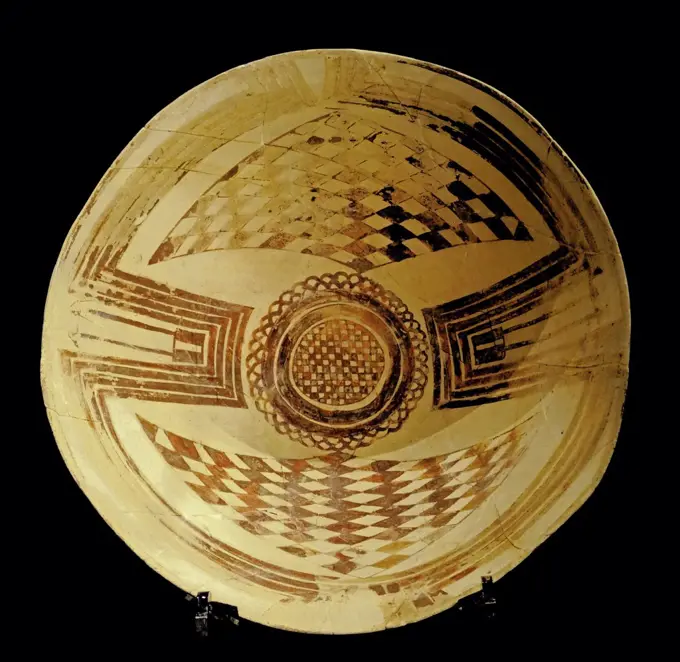
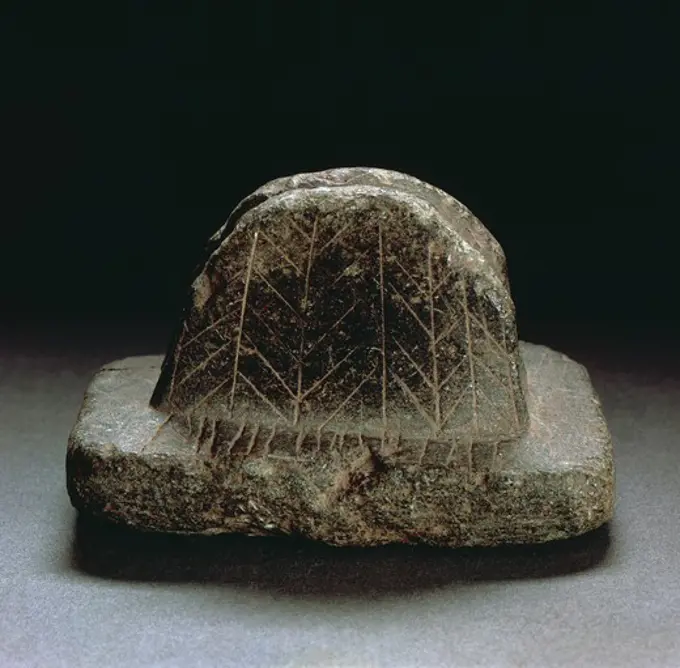
A selection of ancient lamps made from terracotta, featuring detailed craftsmanship and various shapes, representing historical artifacts.
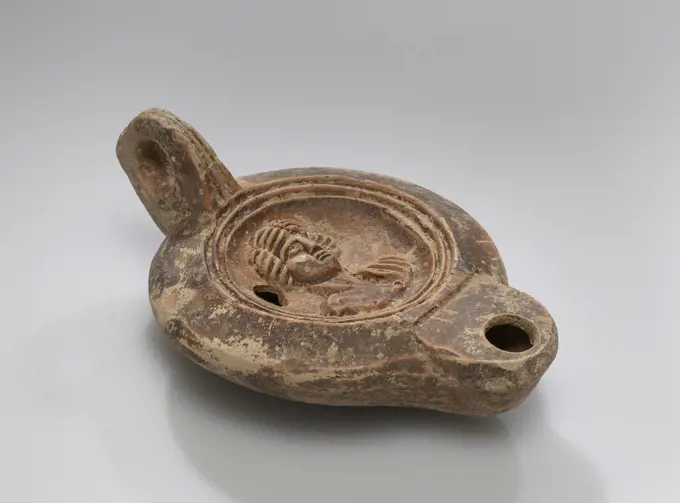
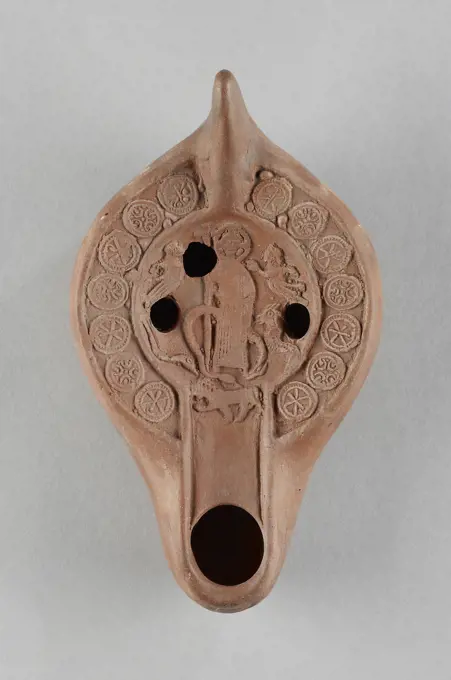
Lamp; North Africa, Tunisia; 1st - 2nd century; Terracotta; 11 x 3.9 x 7.3 cm (4 5,16 x 1 9,16 x 2 7,8 in.)
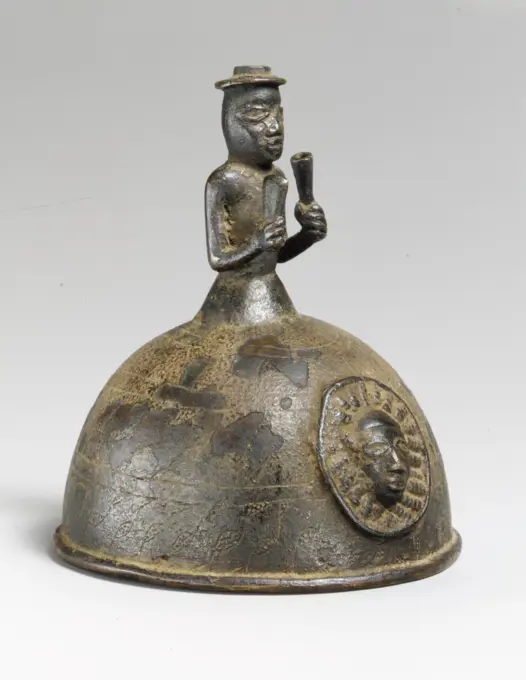
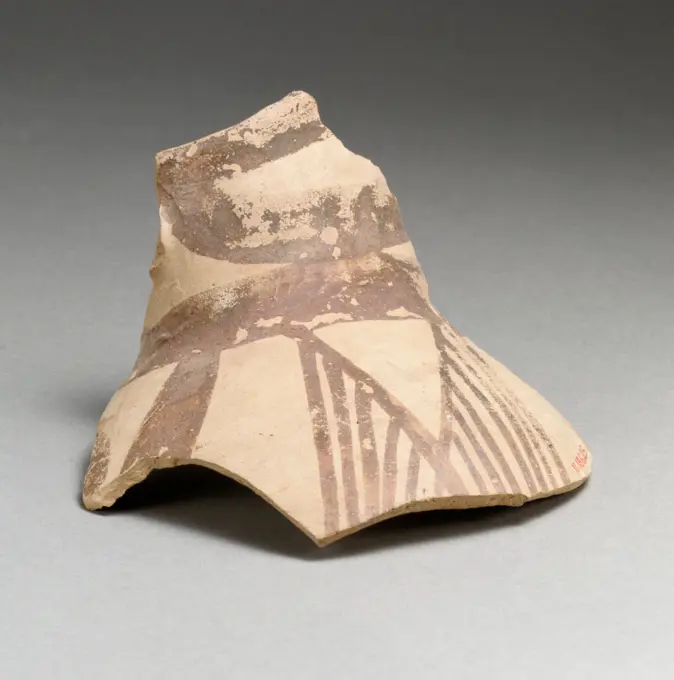
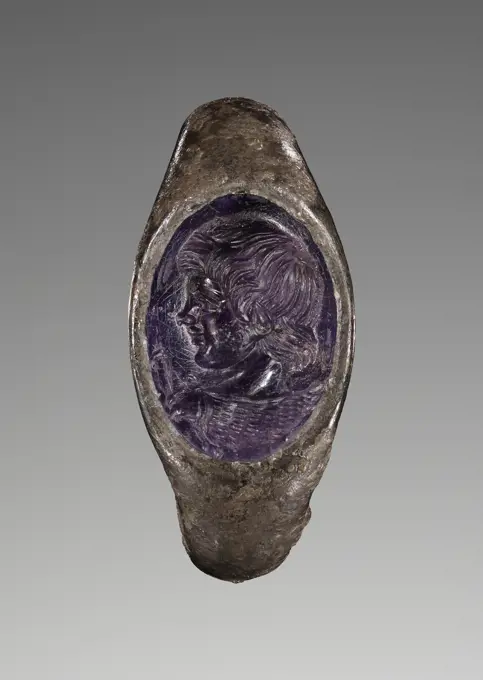
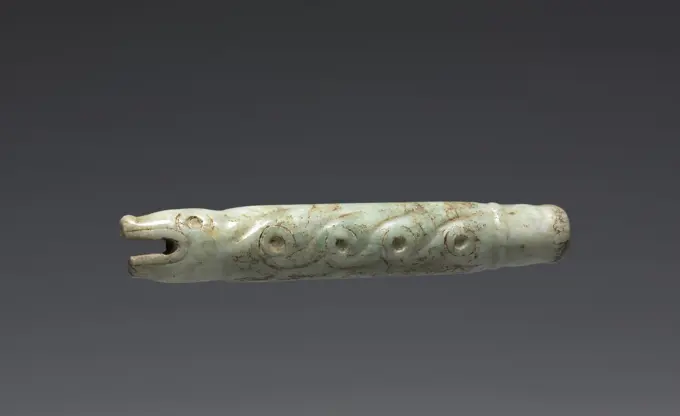
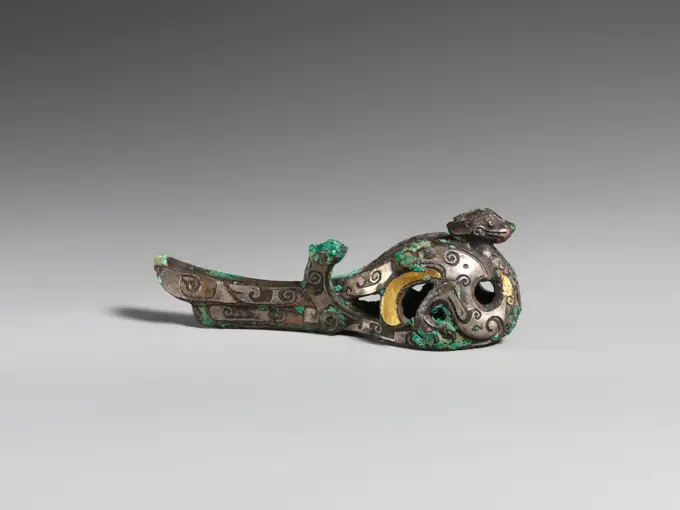
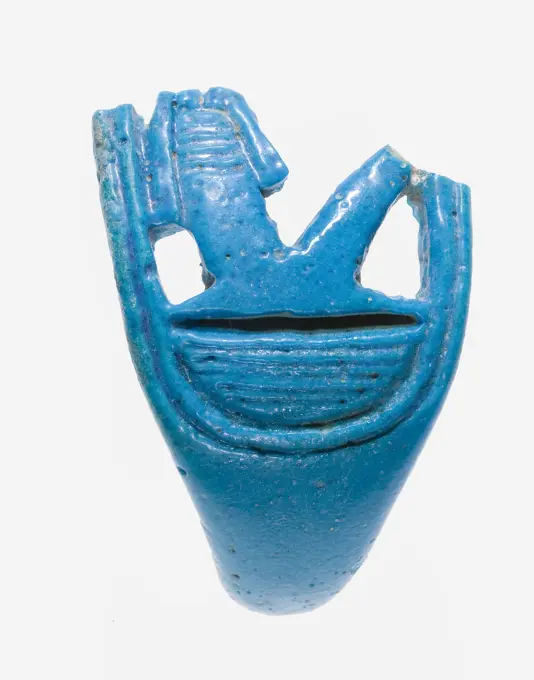
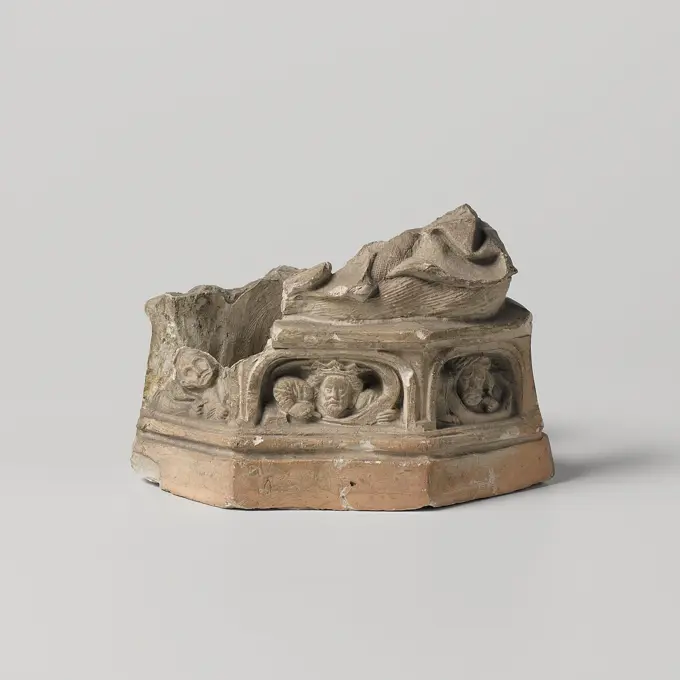
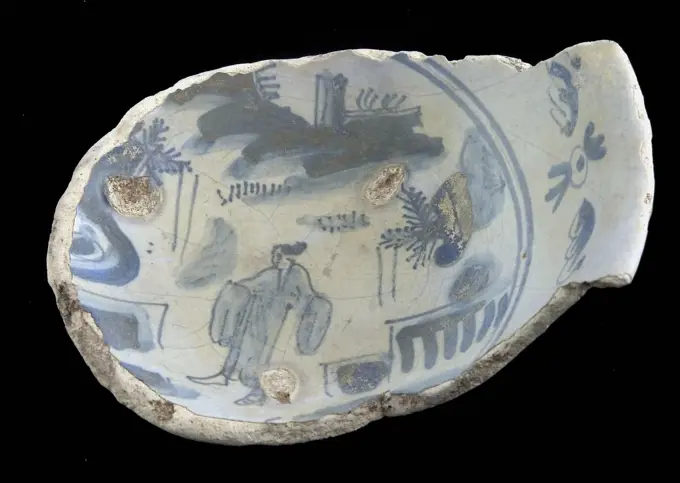
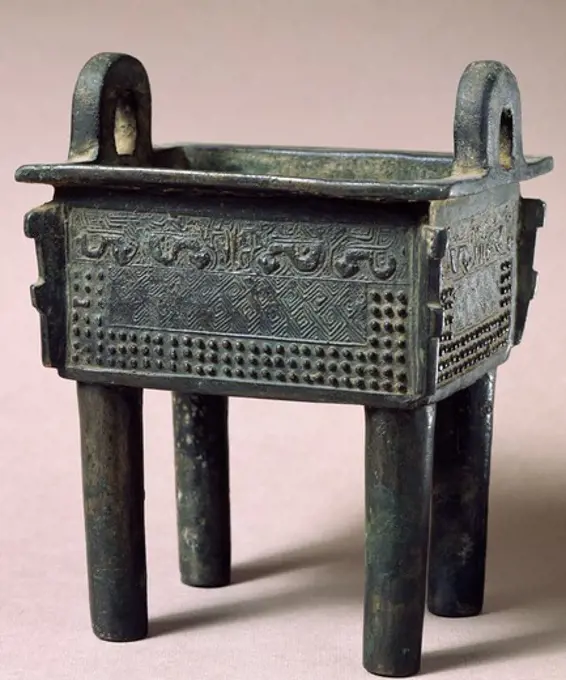
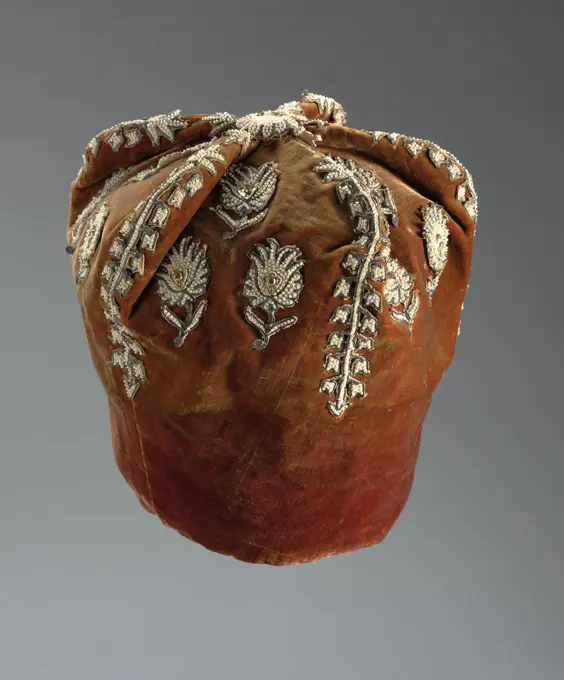
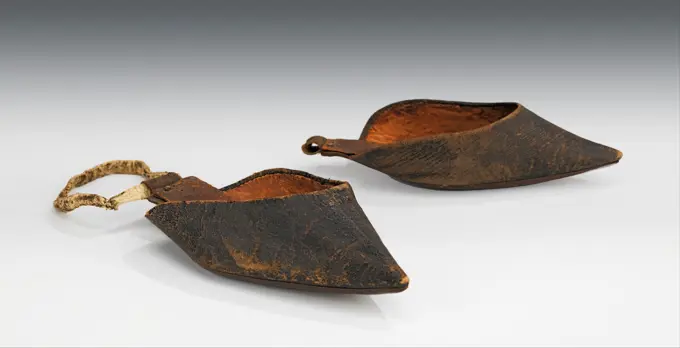
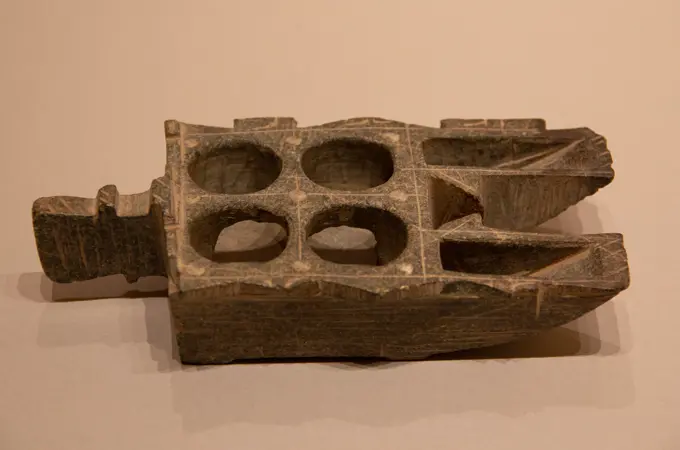
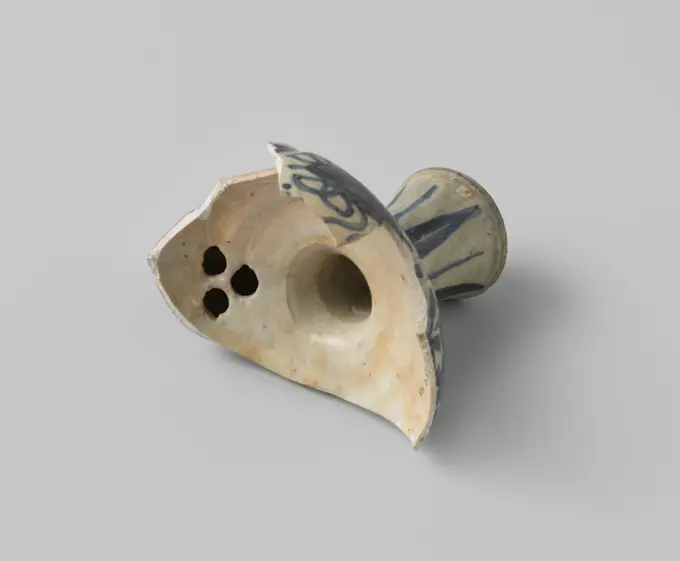
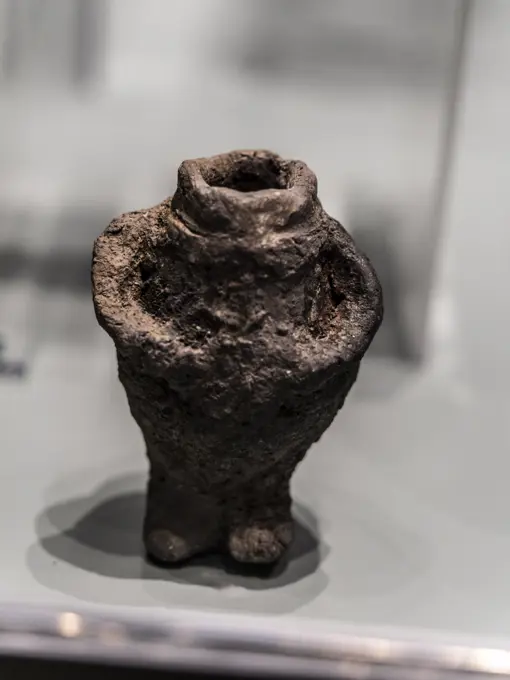
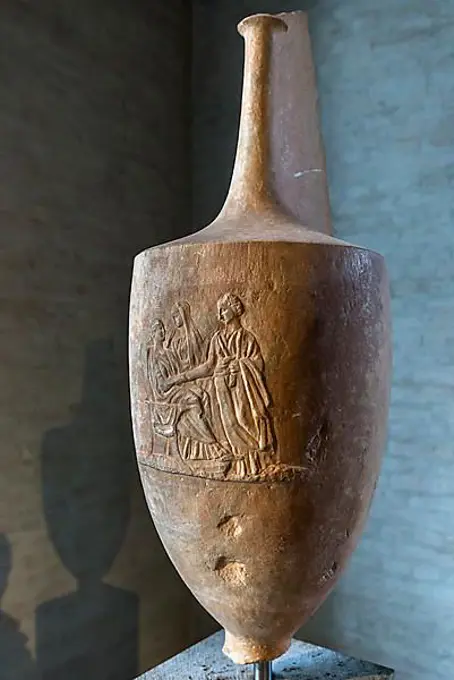
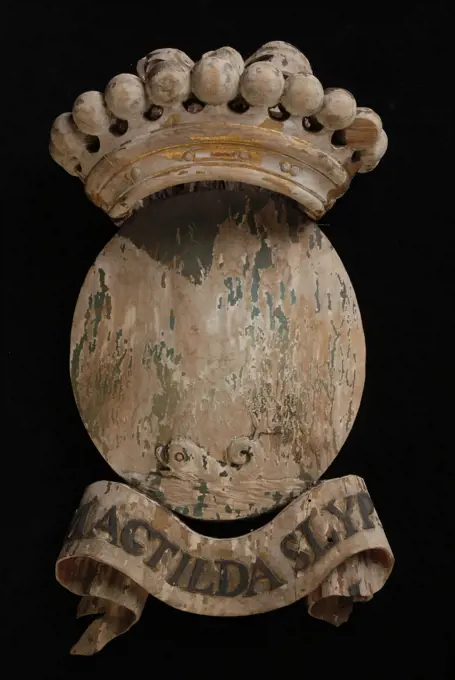
Carved wooden crowned coat of arms including the name Magtilda Slyp, escutcheon information form woodcarving sculpture imagery wood paint gold, Family coat of arms of Magtilda Slyp with crown with eleven pearls above name under escutcheon: Magtilda Slyp heraldry regent regent Rotterdam Stadscentrum Stadsdriehoek Hoogstraat Gasthuis Rotterdam.Divination Vessel 18th-19th century Edo peoples At its origins, the centralized city-state of Benin was founded by Edo-speaking peoples. The accounts by official court historians and descriptions provided by visitors evoke a vibrant cultural center continually redefined by its leadership through shifting internal and external power dynamics. According to oral tradition, circa 1300, Edo chiefs are reputed to have reached out to the leader of neighboring Ife, Oranmiyan, to establish a new divinely sanctioned royal dynasty. Since then, the investiture of Benins rulers to the title of obas has conferred upon them at once a role of chief priest officiating in important religious ceremonies and presiding over an elaborate structure of palace officials. During the fifteenth century reign of Oba Ewuare, Benins armies were formed and the fortification of its capital with a massive wall undertaken. In parallel, delegations of Portuguese traders assiduously sought to secure exclusive commercialTerracotta jug fragment with bands and hatched triangles ca. 2900-2300 B.C. Minoan From Knossos, CreteJug fragment with bands and hatched triangles.. Terracotta jug fragment with bands and hatched triangles 248526Engraved Gem with the Bust of a Young Satyr inset into a Ring; 1 - 25; Gem: amethyst; ring: silver; 1.3 × 0.9 cm (1,2 × 3,8 in.)Serpent-form Fan Handle(), 900-1519. Central Mexico, Mixtec. Pale green jade; diameter: 1.9 cm (3/4 in.); overall: 10.5 x 2 cm (4 1/8 x 13/16 in.).Kohl Tube (lid), 305 BC-AD 395. Egypt, Ptolemaic Dynasty to Roman Empire. Brass with blue enamel decoration; diameter: 1.7 cm (11/16 in.); overall: 8.9 cm (3 1/2 in.).CERAMICA IRANI-JARRON DE BARRO ROJIZO S XII. Location: MUSEO ARQUEOLOGICO NACIONAL-COLECCION. MADRID. SPAIN.Bell (Zhong) early 5th century B.C. China Sets of bells were an important aspect of Zhou bronze production. They were used in musical accompaniment for ritual ceremonies and for less solemn occasions.Ancient clapperless bells, which were sounded with mallets, are members of the zhong family. A yongzhong, recognized by its highly raised rims, is a type of bell found in great sets of graduated chimes known as bianzhong. Although it has a slightly raised rim, this bell is suspended from a ring rather than a long handle, making it a cross between the yongzhong and the bo types. Each face of the bell has three rows of bosses in the form of coiled serpents further divided by trapezoidal panels with faint dragon motifs. The elegant decoration and advanced acoustical properties of Zhou-dynasty bells illustrate the extraordinary technical sophistication of metallurgy in China during this period.. Bell (Zhong) 44518Patten-type Shoe, c 1800s. Africa, Central Africa, Democratic Republic of the Congo, Kuba or Bushongo, 19th century. Wood; overall: 6 x 9.5 cm (2 3/8 x 3 3/4 in.).Axehead Cypriot. Axehead 244274Handle () ca. 9th century B.C. Iran. Handle () 325025Incense box in the shape of bundle, anonymous, anonymous, c. 1700 - c. 1799 Incense box of stoneware in the form of a densely bound bundle, partially covered with a green glaze and painted in brown. With lid button. Old label on the inside with 'W540'. Oribe. Japan stoneware. glaze painting / vitrification Incense box of stoneware in the form of a densely bound bundle, partially covered with a green glaze and painted in brown. With lid button. Old label on the inside with 'W540'. Oribe. Japan stoneware. glaze painting / vitrificationFinial in the shape of a bird 5th-3rd century B.C. China. Finial in the shape of a bird 61348Bracelet Fragment with the Throne Name of Amenhotep III ca. 1390-1353 B.C. New Kingdom. Bracelet Fragment with the Throne Name of Amenhotep III. ca. 1390-1353 B.C.. Faience. New Kingdom. From Egypt, Upper Egypt, Thebes, Malqata, South Village, MMA excavations, 1910-11. Dynasty 18Romania, Bucharest, Muzeul National de Istorie al Romaniei, Painted double vase from DraguseniPair of bronze greaves ca. 4th century B.C. Etruscan Greaves were used to protect the shins, modeled to fit the lower legs. Deep grooves on the sides indicate calf muscles.. Pair of bronze greaves. Etruscan. ca. 4th century B.C.. Bronze. Late Classical. BronzesHandle (). Culture: Iran. Dimensions: 3.5 x 1.3 in. (8.89 x 3.3 cm). Date: ca. 9th century B.C.. Museum: Metropolitan Museum of Art, New York, USA.Shards of wine bottles from the wreck of the East Indians' t Vliegend Hart ,, 1700 - 1735  Shards of onion -shaped wine bottles of green glass that has been in red (port) wine. Three bottom fragments, the other seven of the belly or neck. Netherlands .Bowl Fragment. Culture: Coptic. Dimensions: Overall: 9/16 x 3 9/16 x 1 3/16 in. (1.5 x 9 x 3 cm). Date: 4th-7th century. Museum: Metropolitan Museum of Art, New York, USA.Hexagonal Socle with a Priest, King and Prophet, Fragment of a Figurine, anonymous, in or after c. 1450 Hexagonal pedestal from Pijpaarde, belonging to fragment of a 'Maria with child'. The hollow pedestal has been demolished from the actual sculpture. The shaft contains six niches with busts of Christ on the front as a priest, as a king and as a prophet. The niches on the back contain no reliefs. The underside is light concave and contains a round opening. Northern or Southern Netherlands sokkel: pipe clay Hexagonal pedestal from Pijpaarde, belonging to fragment of a 'Maria with child'. The hollow pedestal has been demolished from the actual sculpture. The shaft contains six niches with busts of Christ on the front as a priest, as a king and as a prophet. The niches on the back contain no reliefs. The underside is light concave and contains a round opening. Northern or Southern Netherlands sokkel: pipe clayAmulet. Egypt, New Kingdom (1500 - 1050 BCE). Jewelry and Adornments; amulets. StoneGarden vase, square with relief decoration on the four sides of a tiger, a lion, a ch'i-lin and a dragon. Garden vase, part of a couple, square. Solid, only scolded on the top. On the four rectangular sides, the vase has a panel-proof embossed, consisting of a tiger, a lion, a Ch'i-lin (Chinese fabachedier) and a dragon. The collector Erdmann placed a sinking garden fountain on the vase in the shape of a putto, which kept the donate. Note: Vase A deviating from decoration. Note: From the collection Mr. R.H. Erdman, Landgoed Terra Nova in Loenen a / d Vecht. Previously from the country houses built by Reinhard van Scherenberg in Baarn in Chinese style called Beijing (1791) and Canton (1793). The building materials and garden decorations were imported directly from China. The villas were resp. demolished in 1890-1891 and 1910. When the vases have come into the hands of Erdmann and of which of the two villas they come, could not be checked.Fragment majolica bowl, blue on white, Chinese motifs with Chinese in kimono, papkom bowl crockery holder earth discovery ceramics pottery glaze, archeologyPottery Flute 19th century Mexican. Pottery Flute. Mexican. 19th century. clay. Mexico. Aerophone-Whistle Flute-recorderNetsuke of Flat Basket Containing Leaves and a Mouse. Culture: Japan. Dimensions: H. 3/4 in. (1.9 cm); W. 2 7/8 in. (7.3 cm); D. 2 in. (5.1 cm). Date: 19th century. Museum: Metropolitan Museum of Art, New York, USA.For a long time; Unknown Egyptian workshop; VI-VII century (501-00-00-700-00-00);Deposit of the University of Warsaw from 1937-1939, Late Roman (type), figural decorations, floral decorations, bowls, Coptic dishes, Coptic dishes painted, braidGourd-shaped vase with a dragon coiled around the neck, bronze, China. Chinese Civilisation, Sung Dynasty, 10th-13th century.Hat of Spanish Duke Kroon, gift from Karel II to M.A. de Ruyter, Anonymous, c. 1675  MUTS serving to fill the disappeared Duke crown by the king of Spain to M. A. de Ruyter honored. Printing canoptic in shape and made of orange/brown velvet, occupied with figuration of flowers and leaves, consisting of pearls and green stones. Folded in five compartments, each with three flowers. Interior rough linen. A label is attached to the top with the text: NM 1004. SpainNetherlands velvet (fabric weave). linen (material). pearl. gold (metal). emerald (mineral) embroidering / grinding / striking (metalworking)  SpainMiniature Headdress. Dimensions: H. 2.5 cm (1 in). Dynasty: Dynasty 26-29. Date: 664-332 B.C.. Museum: Metropolitan Museum of Art, New York, USA.Overshoes 1790-1810 European This scarce example of a pair of toe protectors employs refined shaping and attention to detail that preserves the dainty feeling of the shoes over which they were worn. It is hard to see however, how much actual protection they would have provided. As elastic had not yet been invented, the heel strap is constructed of a small metal spring covered in white kid. This style of overshoe became obsolete when heelless shoes attained dominance in the late 1810s, but was revived in an all-rubber form at the end of the century.. Overshoes 156214Amulet of a Ram. Egypt, Old Kingdom - New Kingdom (2687 - 1665 BCE). Jewelry and Adornments; amulets. Steatite (with green glaze)candil Andalusí, 950-100 AD., Ibiza and Formentera Archeological Museum, Patrimonio de la Humanidad «Ibiza, biodiversidad y cultura», Ibiza, Balearic ...Olla (jar) shaped ossuary with lid, from the Tomb of the Studded Vases discovered in 1974 in Padua, Veneto, Italy. Paleoveneti Civilization, 8th-7th Century BC.Fragment tobacco pipe. Fragment tobacco pipe with a coat of arms and the letters H L R depicted. Of the excavations at the Hofstede Arentsburg 1827-1831 under the supervision of professor Reuvens.Lamp 9th-10th century The carving of utensils and other objects from soft stones is part of a longstanding artistic tradition in the Near East that dates back for millennia. Steatite and other related talcs (the English word is of Persian origin) are easy to carve, relatively strong and non-brittle, and are impervious to fire. Many of medieval Nishapur's stone utensils demonstrate a high degree of artistic merit, despite having been fashioned from a lowly material and serving a utilitarian function. These pieces often have powerfully sculptural forms with silhouettes that take the form of beautiful two-dimensional patterns. This lamp, of gray black "Mashhad" stone, is rectangular in shape, its one end terminating with two prongs in an upturned curve (giving it a boat-like appearance) and a short handle carved out the other. The lamp is divided into two longitudinal sections with seven cavities--four circular 'bowls', a semicircular one between the two elongated receptacles of each termLid from a pyxis with animals and a cuirass from Greece. Dated 7th Century BCFragment Wijnkan from V.O.C. ship De 'Witte Leeuw', Anonymous, Before 1613  Fragment Wijnkan from V.O.C. ship De 'Witte Leeuw', 55 present: a part of the abdomen and the entire basis are missing. Jingdezhen bone china (material)   Sint-HelenaScarab. Unknownanthropomorphes Gefäß anthropomorphes Gefäß Copyright: xZoonar.com/TOLOxBALAGUERx 22682365old decorative amphora isolated on white backgroundLamp, North Africa; 1st - 4th century; Terracotta; 3.4 x 7.6 x 13.5 cm (1 5,16 x 3 x 5 5,16 in.)TERRACOTAS PUNICAS IBICENCAS PROCEDENTES DE ILLA PLANA. Location: MUSEO ARQUEOLOGICO DE CATALUÑA. Barcelona. SPAIN.Harness Ornament with a Crouching Tiger 7th-6th century B.C. Northeast China. Harness Ornament with a Crouching Tiger 59447Tonspirale Tonspirale Copyright: xZoonar.com/TOLOxBALAGUERx 22682476Greek tombstone shapes as lekythos, an anointing oil container, Attica around 330 BC, glyptotheque, Munich, Upper Bavaria, Germany, EuropeHigh sole shoe unknownFragment 14th-15th century. Fragment 445159hand painted clay bowl from a cemetery at Susa; Iran (Persia) 4000-3300 B.C.Nuragic civilization. Engraved soapstone tool used to smooth objects. From the nuragic village of Isportana, Dorgali, province of Nuoro.