Antique Metal Artifacts

A variety of antique metal artifacts including Roman jewelry, ancient scarabs, and decorative pieces from different historical periods.

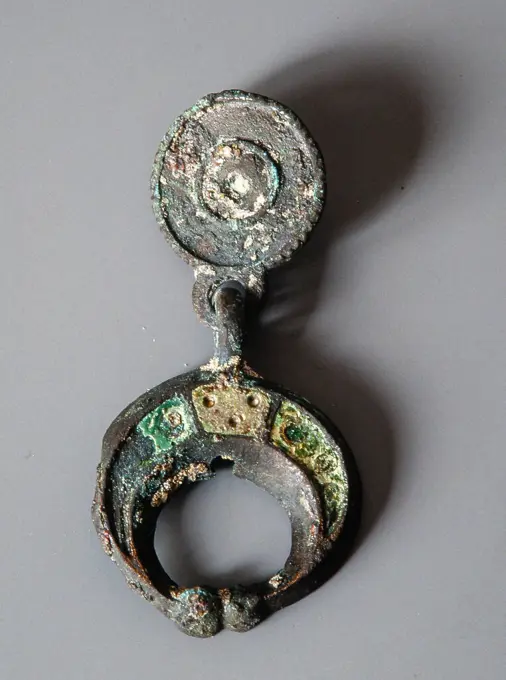
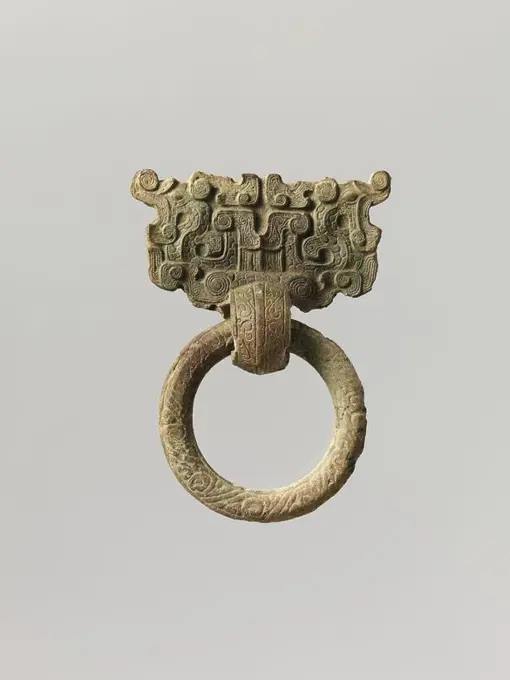
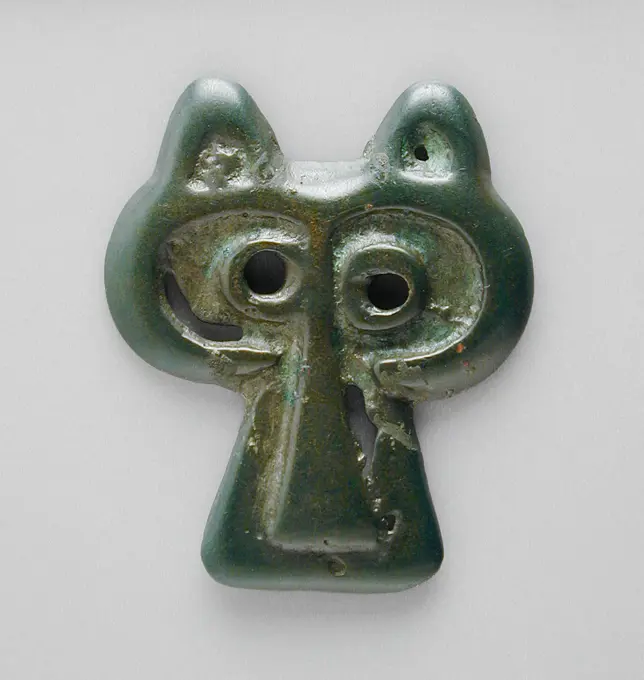
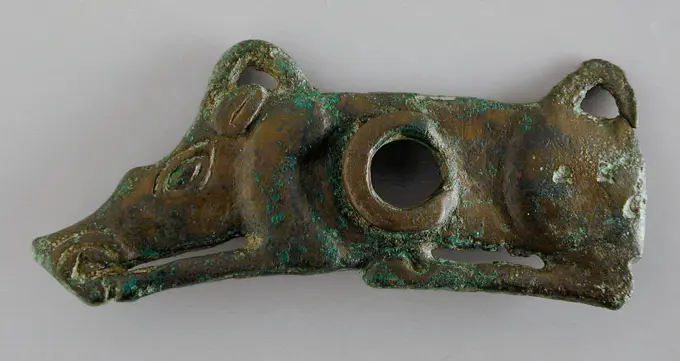
Mask with Ring Handle, one of a pair, 5th-4th century BCE, 4 × 2 5/8 × 1 1/4 in., 0.2 lb. (10.2 × 6.67 × 3.18 cm, 0.1 kg), Bronze, China, 5th-4th century BCE
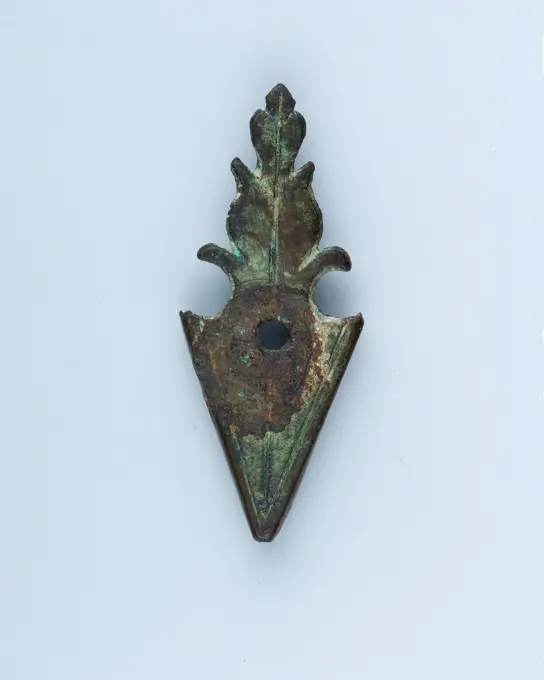
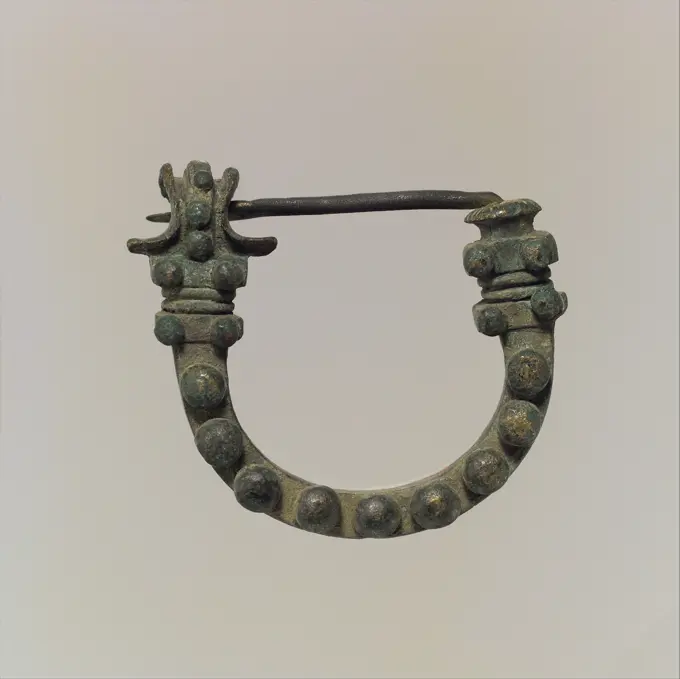
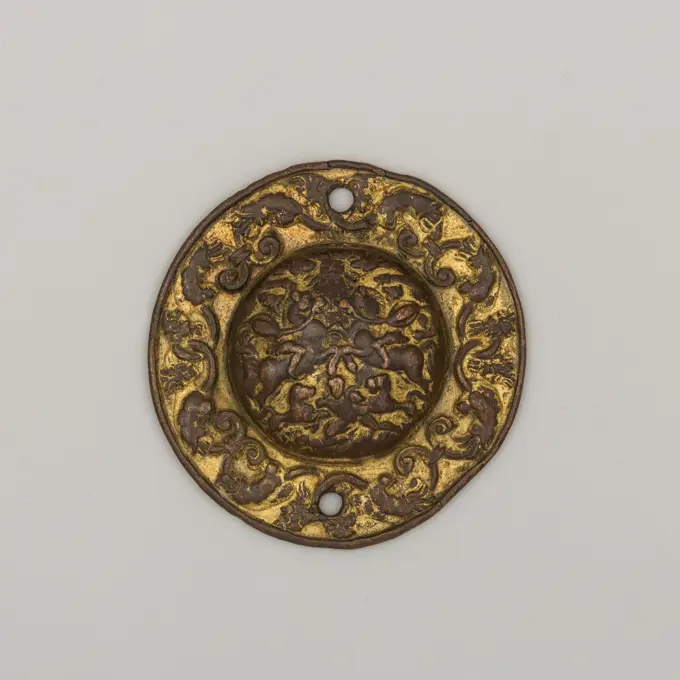
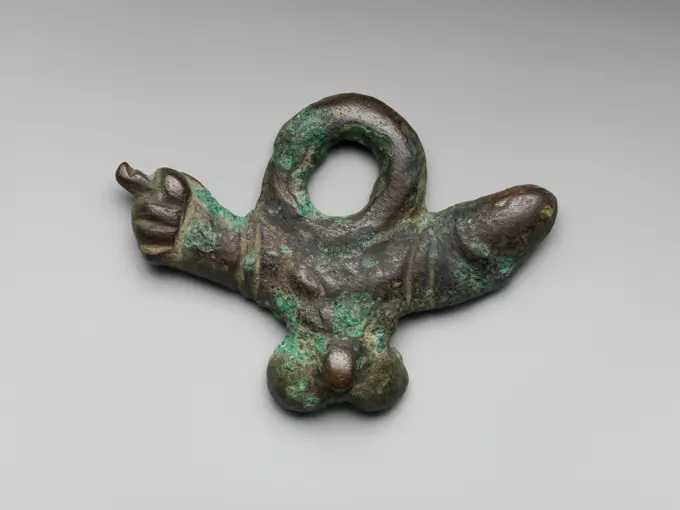
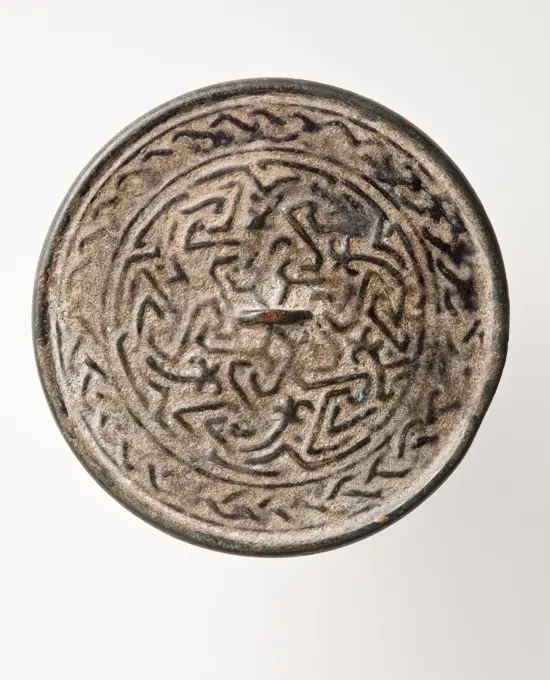
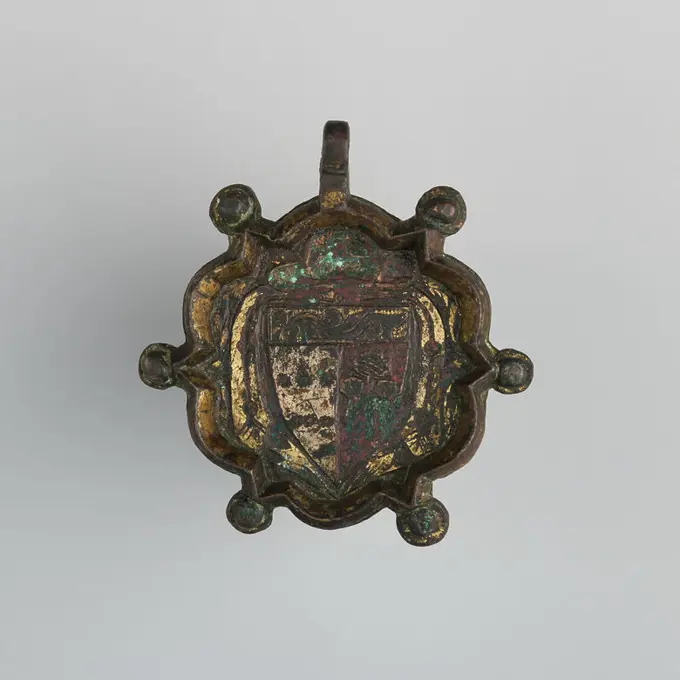
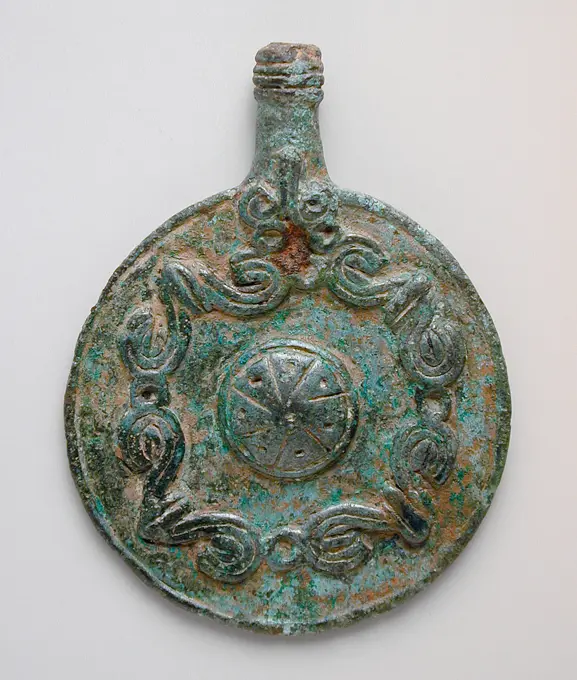
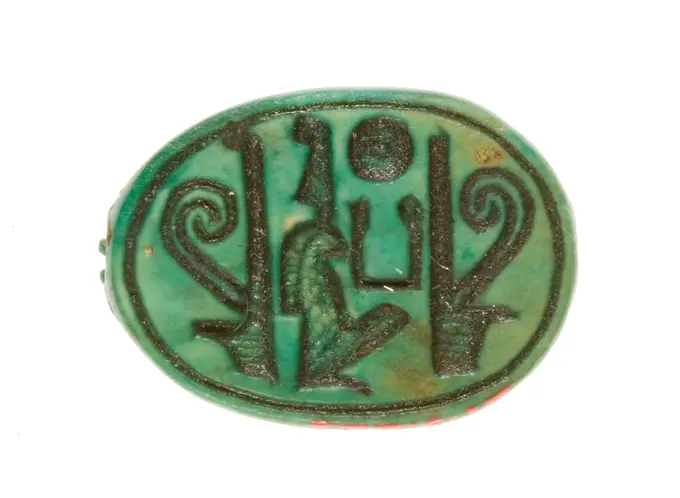
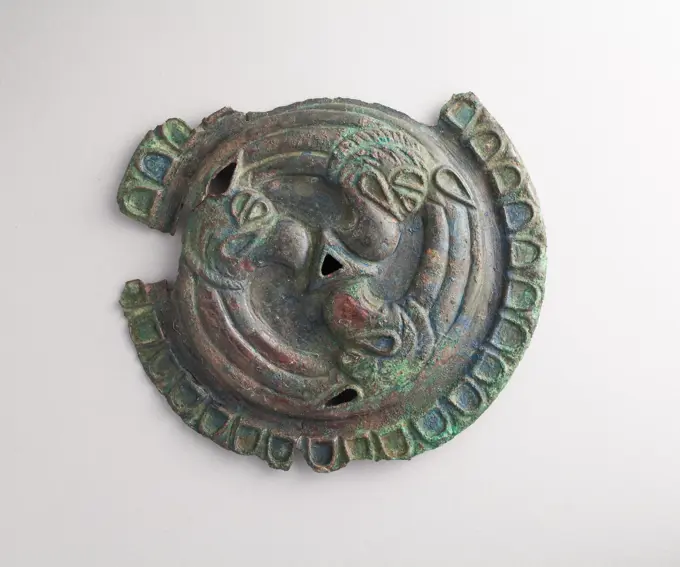
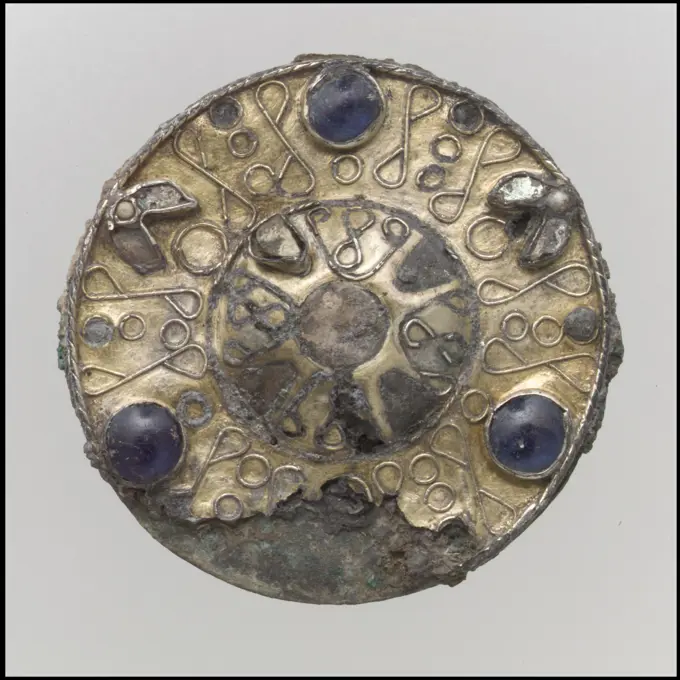
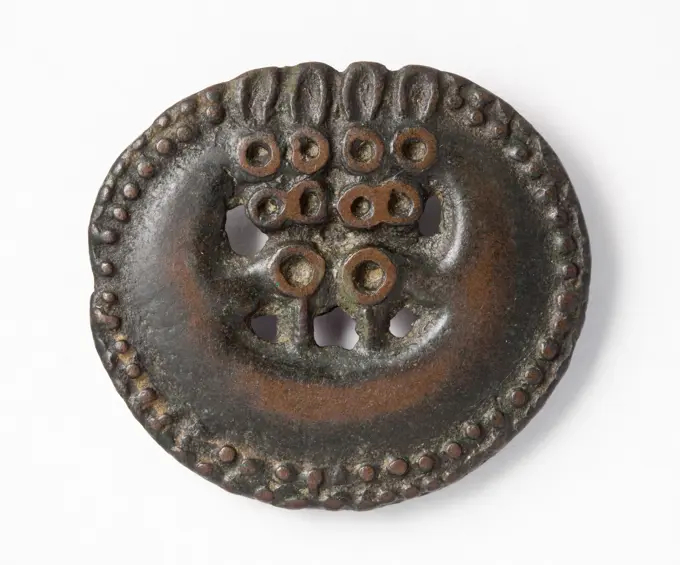
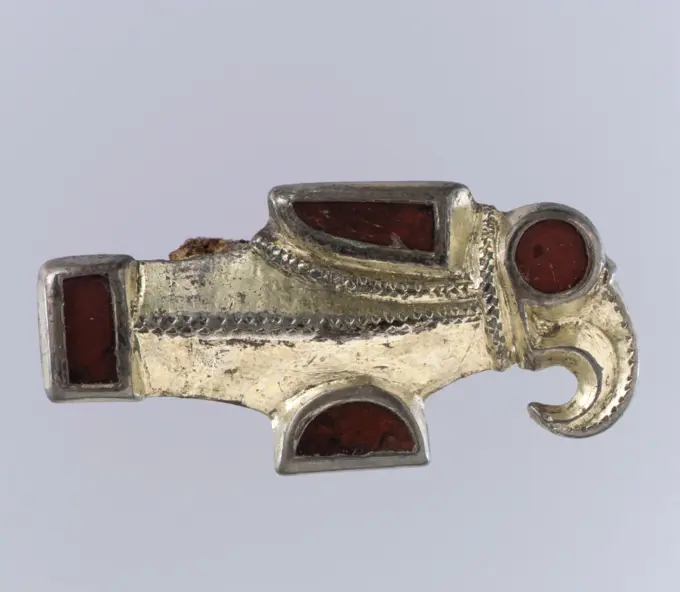
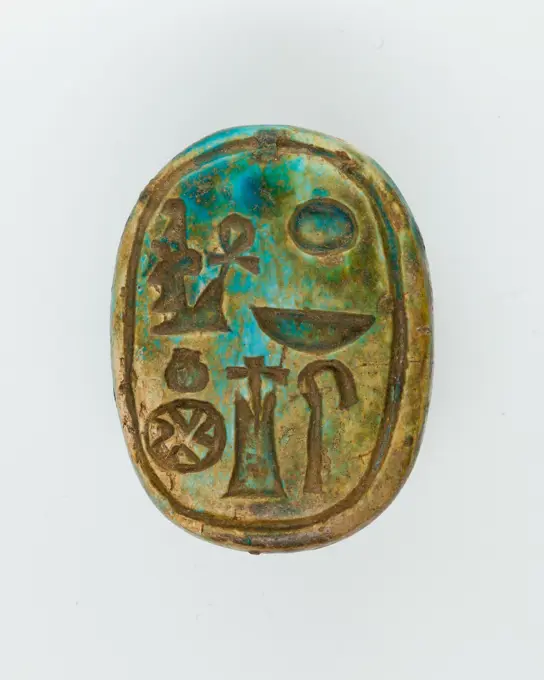
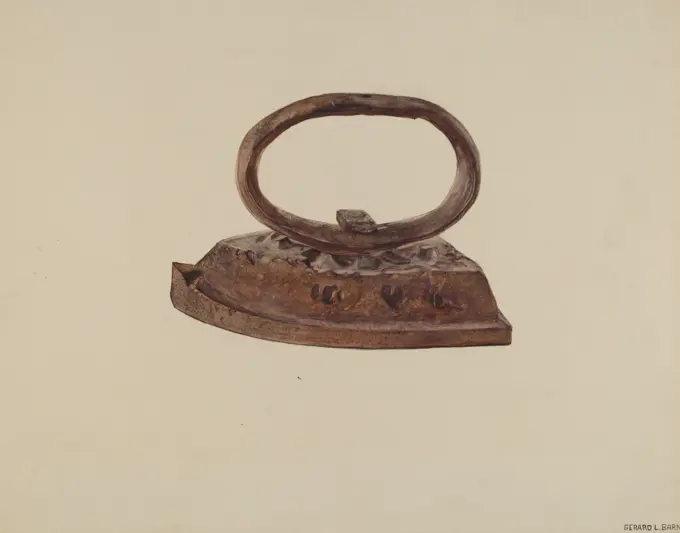
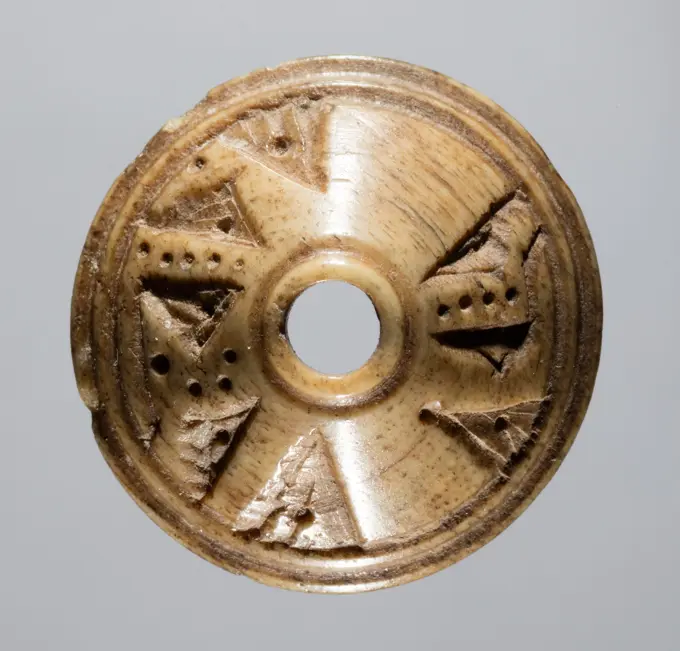
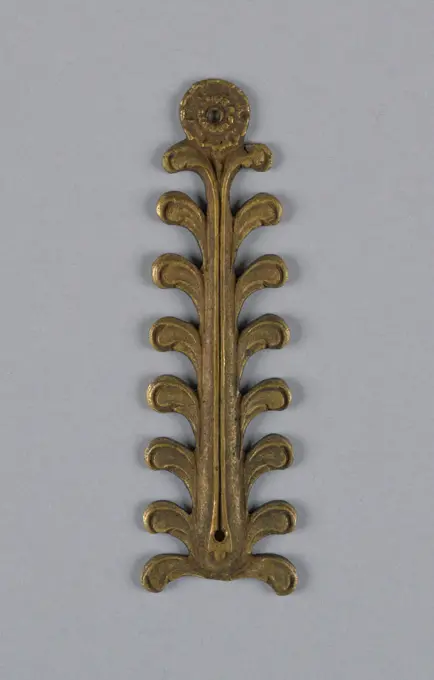
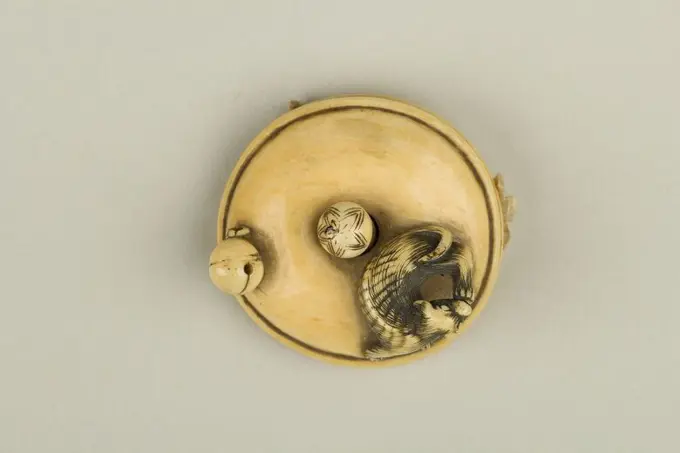
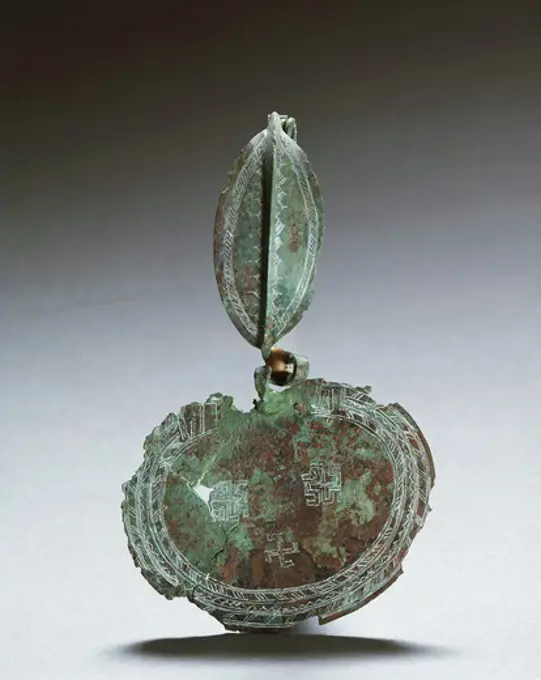
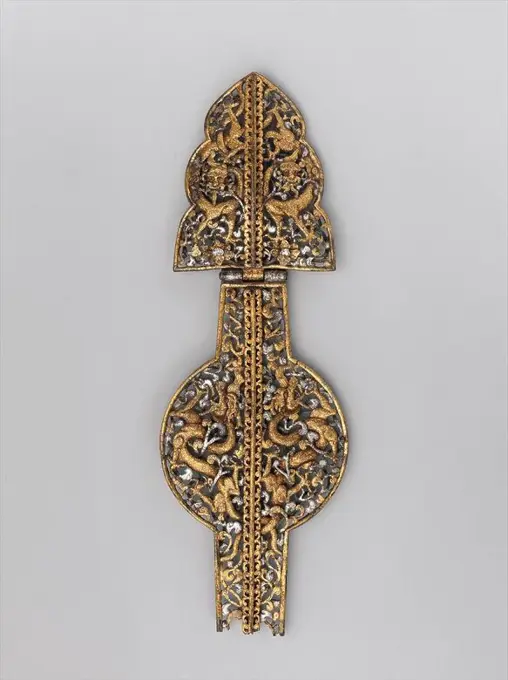
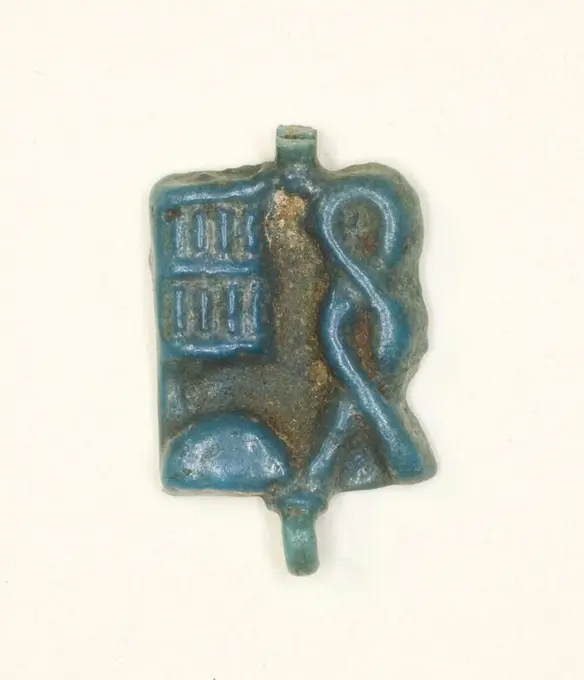
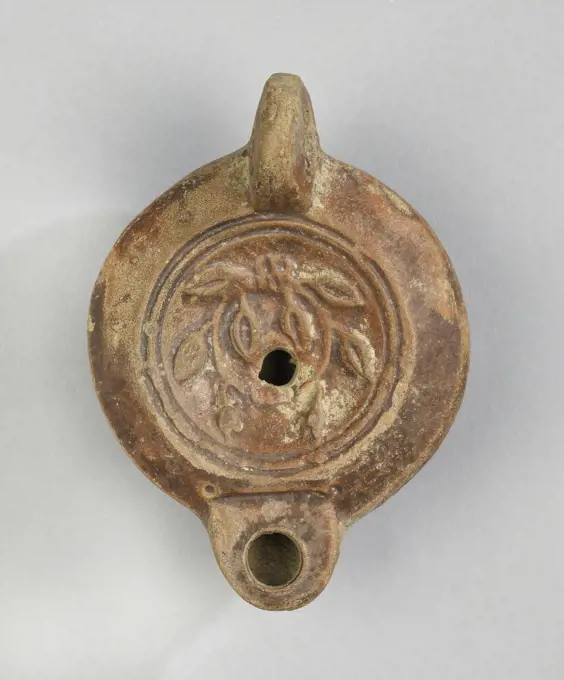
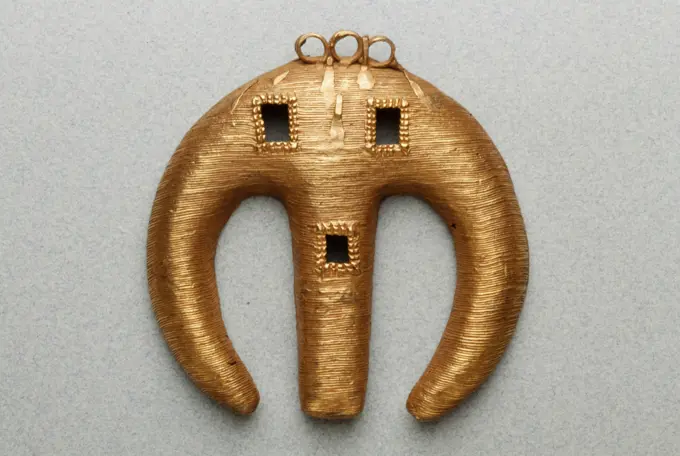
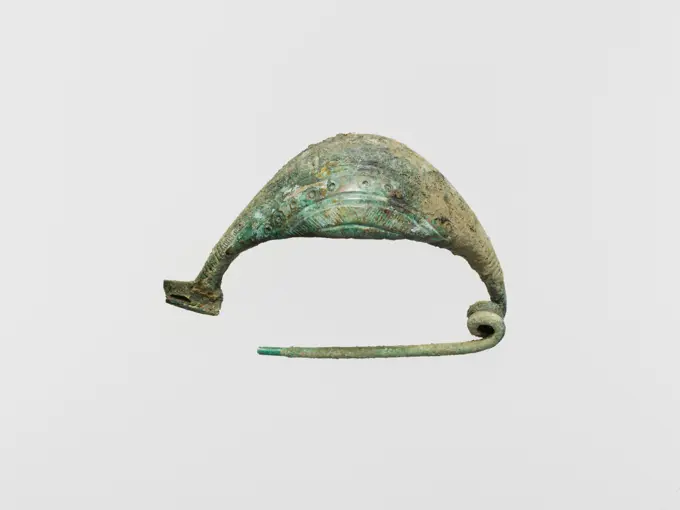
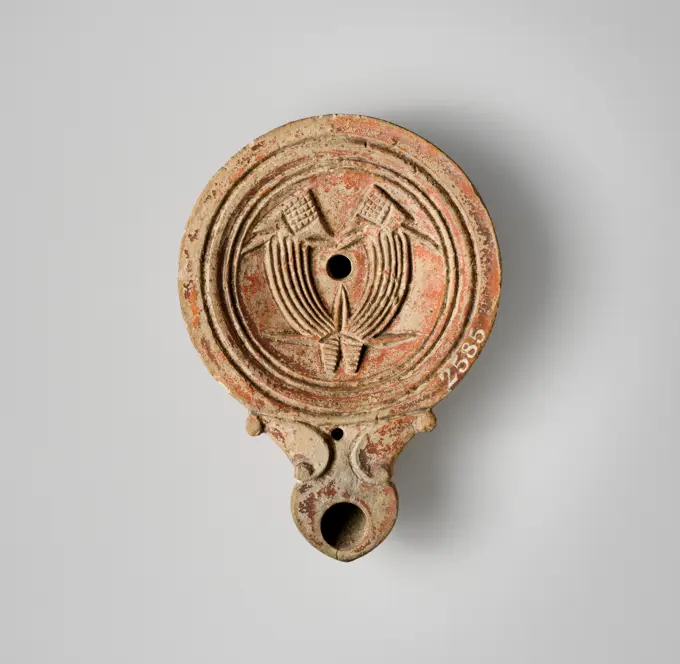
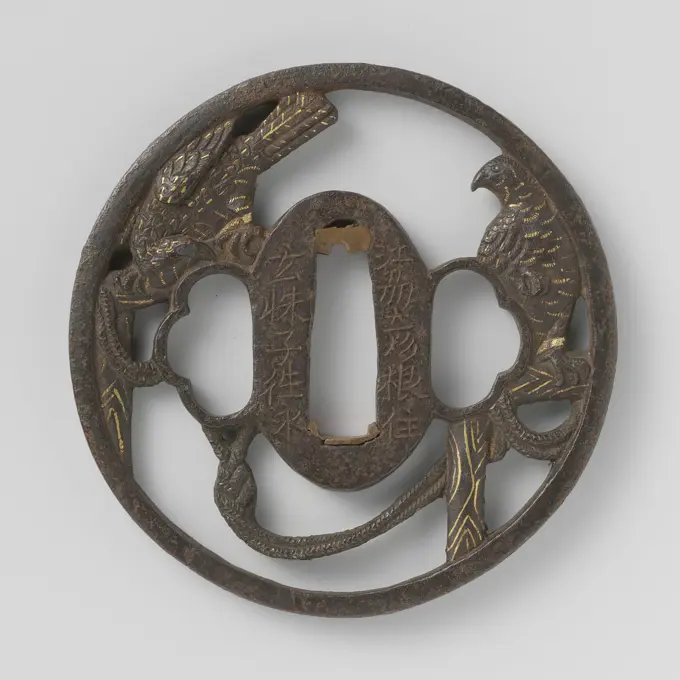
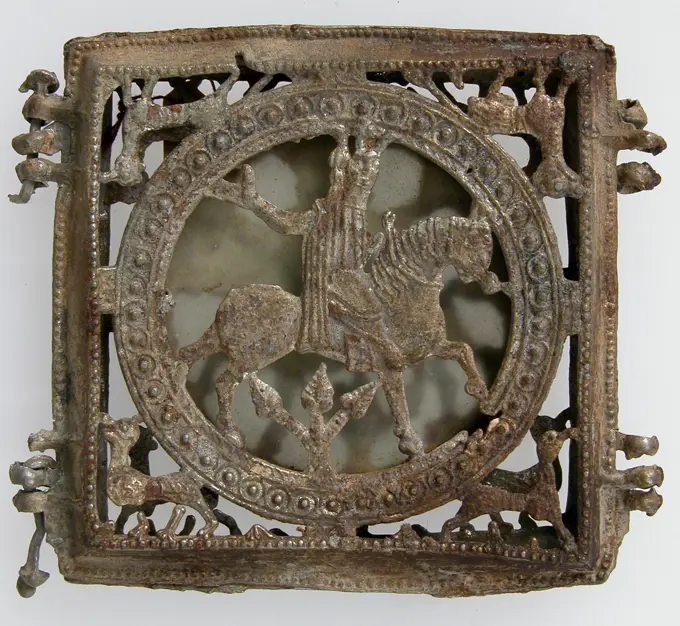
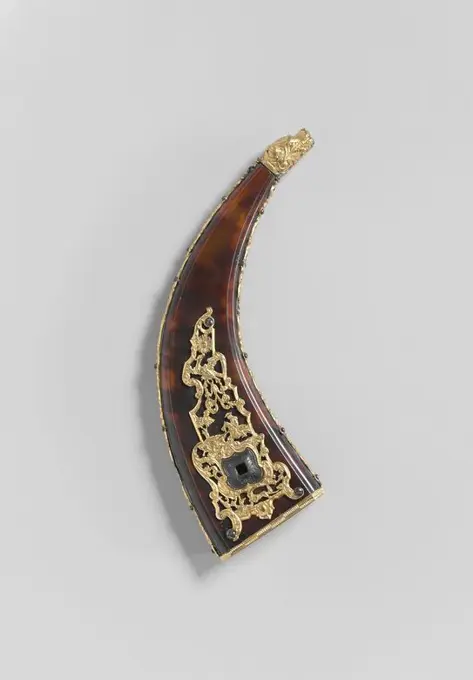
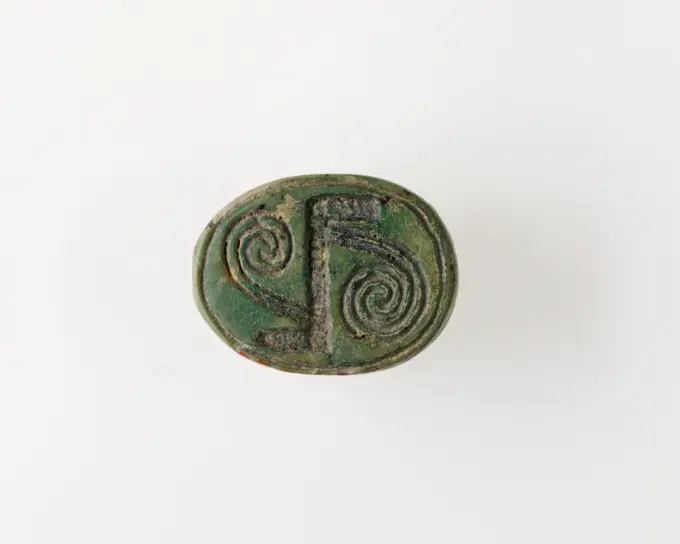
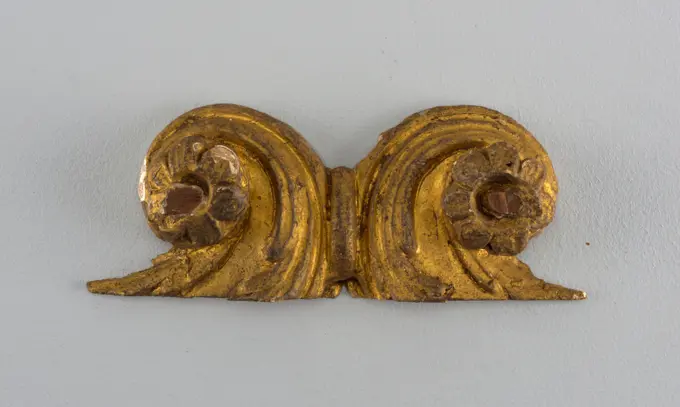
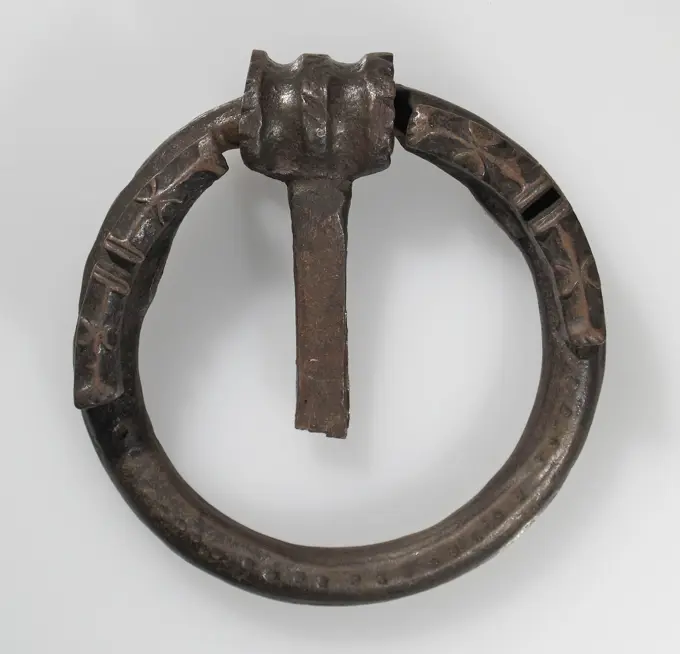
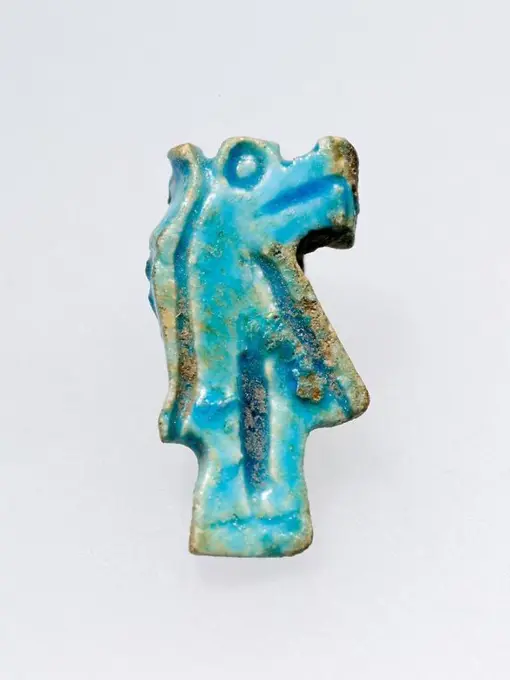
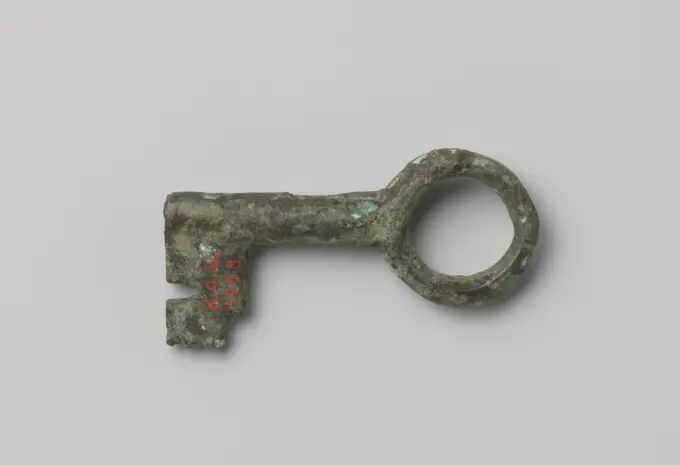
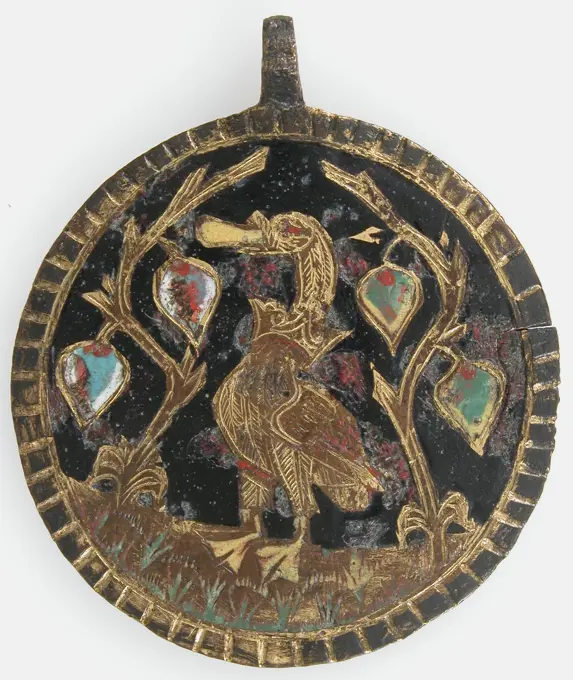
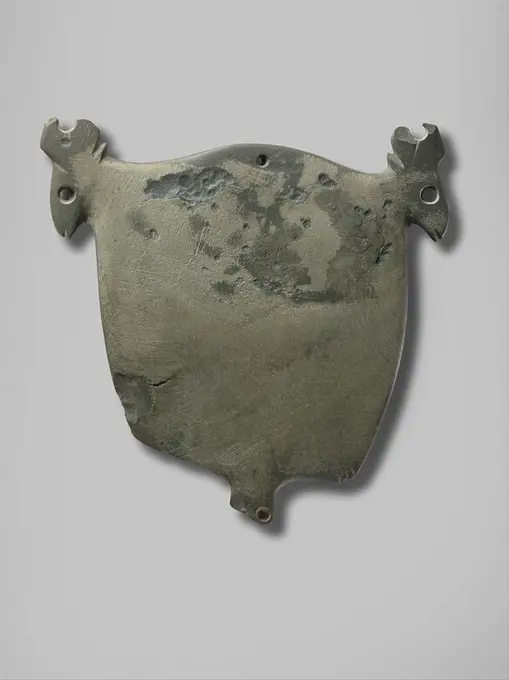
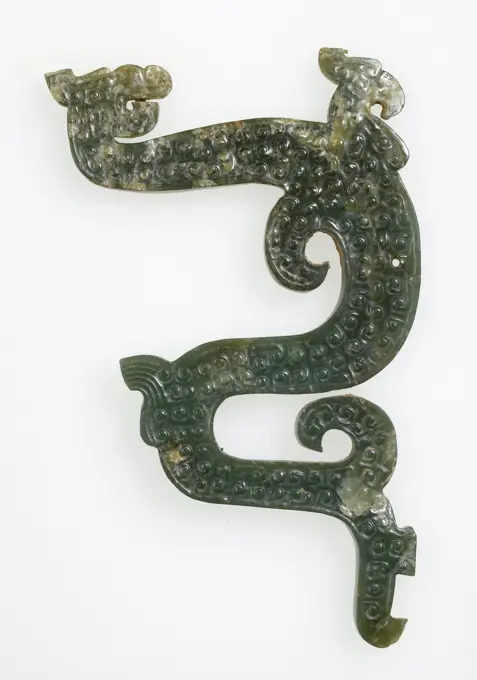
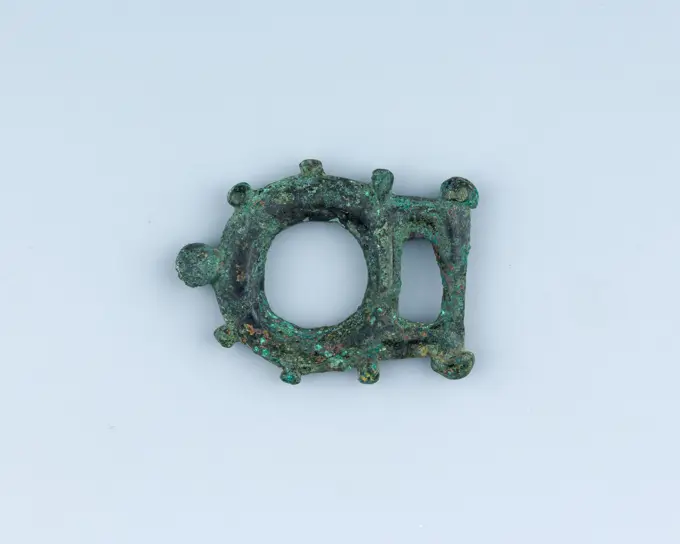
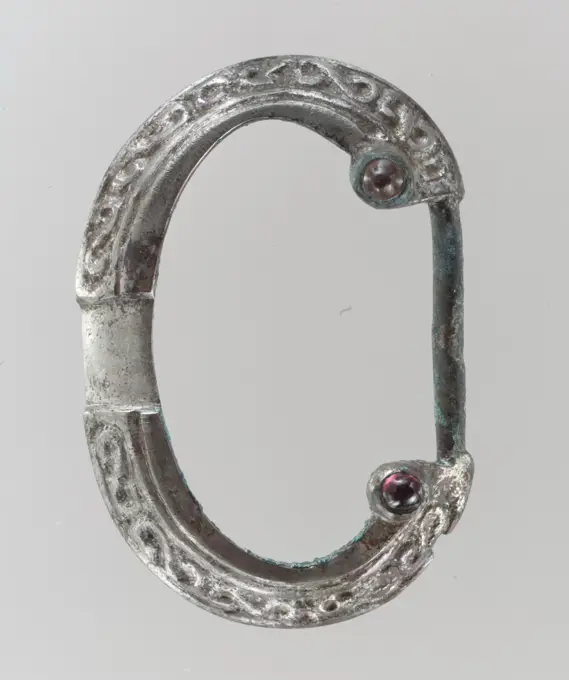
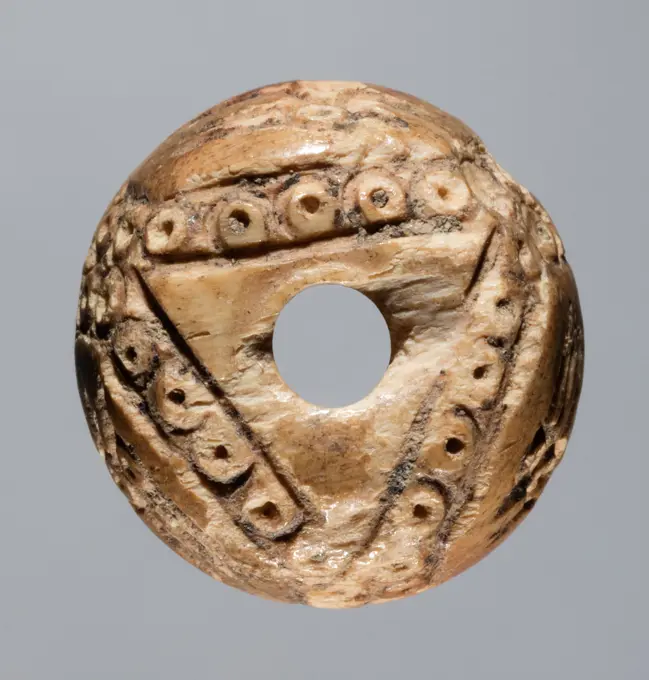
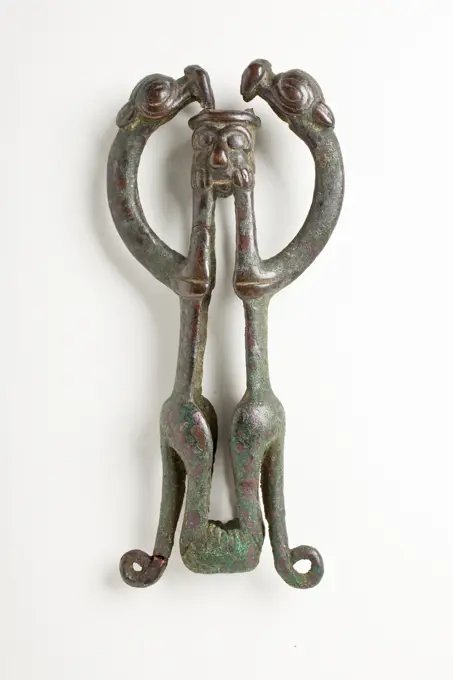
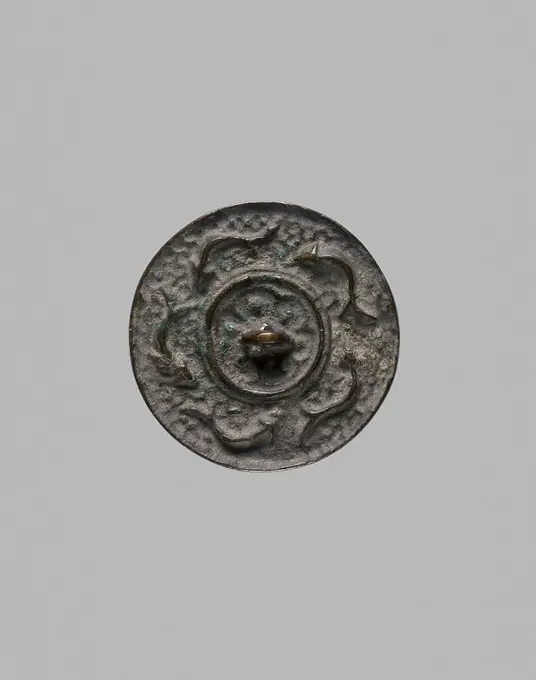
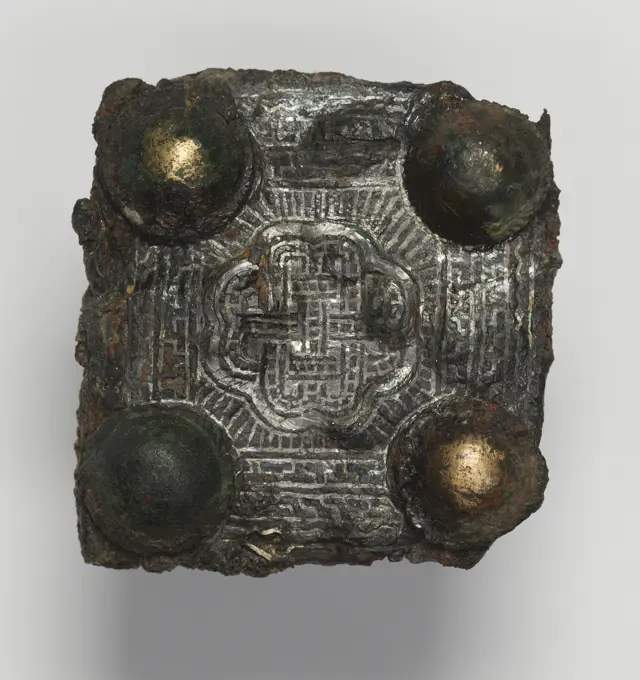
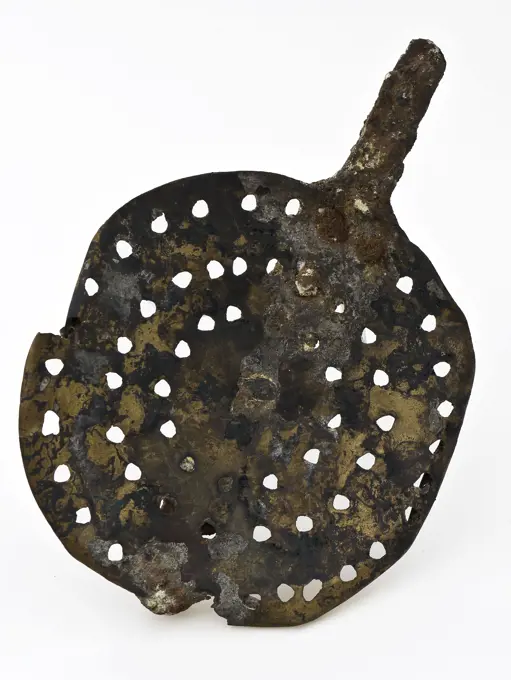
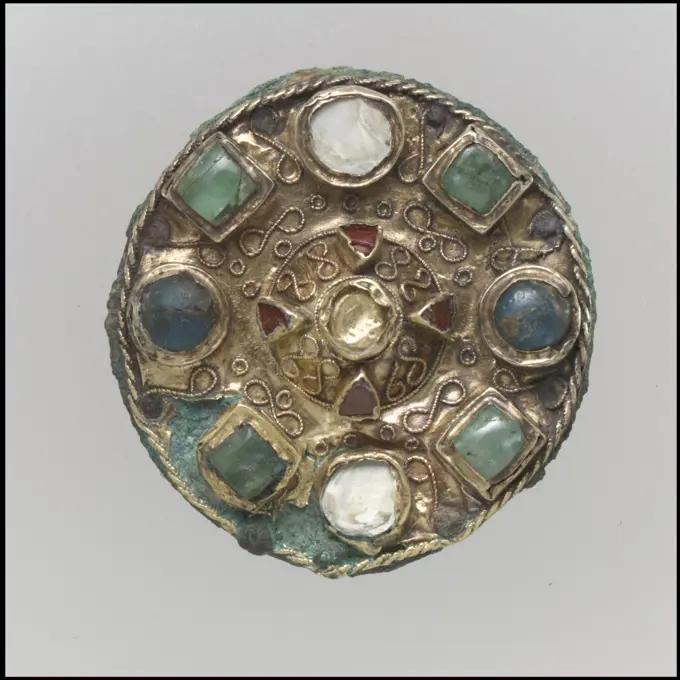
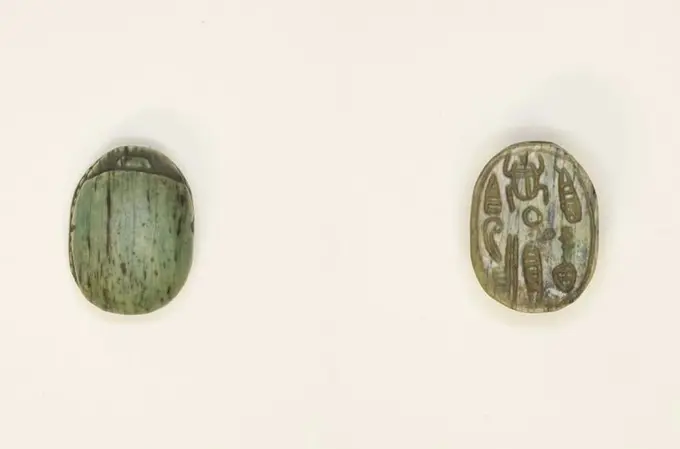
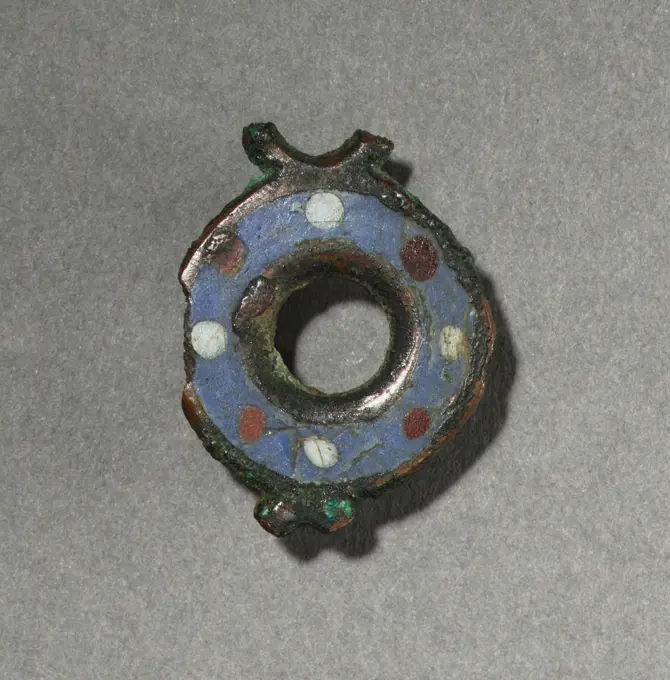
Pendiente romano de bronce procedente del yacimiento arqueológico de Torre Llauder. Can Serra Museu de Mataró.Scarab Inscribed with the Throne Name of Thutmose III ca. 1479-1458 B.C. New Kingdom. Scarab Inscribed with the Throne Name of Thutmose III. ca. 1479-1458 B.C.. Steatite, glazed. New Kingdom. From Egypt, Upper Egypt, Thebes, Deir el-Bahri, Temple of Hatshepsut, Foundation Deposit 7 (G), MMA excavations, 1926-27. Dynasty 18, earlyPendant 15th-17th century European. Pendant. European. 15th-17th century. Bronze. Miscellaneous-Buckles & OrnamentSeat hook of gilded bronze, anonymous, c. -200 - c. 0 Seat hook of gilded bronze. China bronze (metal). gilding (material) gilding Seat hook of gilded bronze. China bronze (metal). gilding (material) gildingBuckle Shank 7th century Visigothic. Buckle Shank. Visigothic. 7th century. Copper alloy, tin. Miscellaneous-Buckles & OrnamentScarab Inscribed with the Throne Name of Amtenhotep I ca. 1525-1504 B.C. New Kingdom. Scarab Inscribed with the Throne Name of Amtenhotep I. ca. 1525-1504 B.C.. Steatite, glazed. New Kingdom. From Egypt. Dynasty 18BOKEK;  XVI/XVII (1590-00-00-1610-00-00);Fibula ca. 8th-7th century B.C. Phrygian Fibulae, ancient safety pins, had a long history in the ancient world, beginning in the late second millennium B.C. in Europe and Greece. The flat arc of this fibula is cast as a semicircle with the addition of hollow studs applied as decoration on the arc and its catch and terminals; the pin is added. This piece is one of the most characteristic of Phrygian fibulae of the second half of the eighth century B.C.. Fibula 326034Bit Boss late 16th - early 17th century German, possibly Augsburg The central part of this bit boss is adorned with a Roman battle among horsemen and foot soldiers, as well as a nude man wrestling with two lions. Above them, a sun in splendor appears among the clouds. The rim is decorated with interlaced scrolls, Roman cuirasses, and satyrs' headsThe composition is probably based on a bronze plaquette, The Lion Hunt, made by Moderno (Galeazzo Mondella), ca. 1500 (see 18.70.5). German bronze founders would regularly use Italian medals or plaquettes as models for their works, including bosses, like this one, which decorated the sides of horse bits. They also produced similar decorative elements for powder flasks, staff weapons or even pistols. This Lion Hunt type was among the most popular designs, and could be combined with different types of rims (see also 42.50.163 and 42.50.178).. Bit Boss. German, possibly Augsburg. late 16th - early 17th century. Copper alloy, gold. Equestrian EquiMask with Ring Handle, one of a pair, 5th-4th century BCE, 4 × 2 5/8 × 1 1/4 in., 0.2 lb. (10.2 × 6.67 × 3.18 cm, 0.1 kg), Bronze, China, 5th-4th century BCERing Handle with Mask. Culture: China. Dimensions: H. 3 7/16 in. (8.7 cm); W. 2 1/2 in. (6.4 cm). Museum: Metropolitan Museum of Art, New York, USA.Badge or Harness Pendant 15th century Spanish Heraldry, or coat-of-arms, were vitally important in Europe throughout the Middle Ages and the Renaissance. Heraldic emblems were used to identify noble families, cities, regions, and even countries. In addition to being displayed on shields and flags, heraldry was incorporated into architectural decoration on the interior and the exterior of buildings, on furniture, works of art, clothing, and horse equipment. Harness pendants, like this example, would have been attached to a headstall, bridle, or other straps making up the tack of a horse ridden by a nobleman or noblewoman, or a member of their household. Many harness pendants also have decoration that is simply ornamental, or have symbols that are not specifically heraldic in nature.. Badge or Harness Pendant. Spanish. 15th century. Copper. Miscellaneous-BadgesBronze phallic amulet 1st century A.D. Roman This amulet incorporates three different symbols: the phallus, male genitalia, and the mano fica (a rude hand gesture). All three were potent apotropaic devices intended to ward off the Evil Eye.. Bronze phallic amulet. Roman. 1st century A.D.. Bronze. Imperial. BronzesMirror. Afghanistan, 12th-13th century. Metal. BronzeBadge (probably from Horse Harness). Culture: Spanish. Dimensions: H. 3 in. (7.6 cm); W. 2 3/4 in. (7 cm); Wt. 2.5 oz. (70.9 g). Date: ca. 1400. Museum: Metropolitan Museum of Art, New York, USA.Dish. Iran. Date: 1150-1250. Dimensions: Height: 3.5 cm Diameter: 13 cm (Height: 1 3/8 in x Diameter: 5 1/8 in.). Fritware, painted in lustre on an opaque white glaze. Origin: Iran. Museum: The Chicago Art Institute, Chicago, USA. Author: Islamic.Buckle Shank 5th-7th century Visigothic. Buckle Shank. Visigothic. 5th-7th century. Bronze. Miscellaneous-Buckles & OrnamentScarab Inscribed with Hieroglyphs ca. 1850-1640 B.C. Middle Kingdom The scarab is inscribed with a symmetric arrangement of hieroglyphs, not meant to form words but chosen instead for their positive meaning. Such compositions are particularly prevalent on design scarabs of the late Middle Kingdom (late Dynasty 12-Dynasty 13, ca. 1850 -1640 B.C.). They serve as models for the wide array of variations seen on Egyptian scarabs of the Second Intermediate Period (Dynasty 14-17, ca. 1640-1550 B.C.) and on Canaanite scarabs (Middle Bronze Age IIB-IIC, ca. 1700-1500 B.C.).. Scarab Inscribed with Hieroglyphs 557057Disc - headed Pin. Iran, Luristan, circa 1000-650 B.C.. Jewelry and Adornments; pins. Bronze, castScarab Inscribed with the Name Maatkare (Hatshepsut) Flanked by Two Red Crowns New Kingdom ca. 1479-1458 B.C. DurDuring the 1926-1927 excavation season, the Museum's Egyptian Expedition uncovered three foundation deposits along the eastern enclosure wall of Hatshepsut's funerary temple at Deir el-Bahri in Western Thebes. Among the contents were 299 scarabs and stamp-seals. Sixty-five of these are now in the Egyptian Museum, Cairo, and the rest were acquired by the Museum in the division of finds.Among the inscriptions on the bases of these scarabs and seals are examples of every title Hatshepsut held, from the time she was "king's daughter" during the reign of her father, Thutmose I; through the time she was queen of her half-brother, Thutmose II; and during her regency and co-reign with her nephew/step-son, Thutmose III.After the death of her husband, Hatshepsut became regent for her nephew who was a small child. The length of this regency period is uncertain, with estimates ranging fBadge or Harness Pendant ca. 1400 Spanish Heraldry, or coat-of-arms, were vitally important in Europe throughout the Middle Ages and the Renaissance. Heraldic emblems were used to identify noble families, cities, regions, and even countries. In addition to being displayed on shields and flags, heraldry was incorporated into architectural decoration on the interior and the exterior of buildings, on furniture, works of art, clothing, and horse equipment. Harness pendants, like this example, would have been attached to a headstall, bridle, or other straps making up the tack of a horse ridden by a nobleman or noblewoman, or a member of their household. Many harness pendants also have decoration that is simply ornamental, or have symbols that are not specifically heraldic in nature.. Badge or Harness Pendant. Spanish. ca. 1400. Copper, gold, enamel. Miscellaneous-BadgesRing Handle China. Ring Handle 61258Jue vessel;  XVII-XVIII century (1601-00-00-1800-00-00);Roundel. West Asian Steppes, 1st century B.C.-1st century A.D.. Sculpture. BronzeRectangular Plaque middle of 6th century Frankish. Rectangular Plaque 465647 Frankish, Rectangular Plaque, middle of 6th century, Copper alloy, Overall: 1 x 13/16 x 1/4 in. (2.5 x 2.1 x 0.6 cm). The Metropolitan Museum of Art, New York. Gift of J. Pierpont Morgan, 1917 (17.193.312)Key Handle. Culture: Roman. Dimensions: Overall: 3 1/4 x 1 13/16 x 11/16 in. (8.3 x 4.6 x 1.8 cm). Date: 1st-7th century. Museum: Metropolitan Museum of Art, New York, USA.Disk Brooch 7th century Frankish. Disk Brooch 464827 Frankish, Disk Brooch, 7th century, Silver over copper alloy, paste cabochons, iron pin, gold setting, seed pearl, Overall: 1 9/16 x 1/2 in. (4 x 1.2 cm). The Metropolitan Museum of Art, New York. Gift of J. Pierpont Morgan, 1917 (17.191.136)Handle Plate; brass; L x W: 7.6 × 4.8 cm (3 in. × 1 7/8 in.)Horse Accoutrement. Western Inner Mongolia and northern China, 5th-3rd century B.C.. Tools and Equipment; horse trappings. Bronze, castBird-Shaped Brooch 500-600 Frankish The dress of Frankish women generally consisted of a tunic, cinched by a belt from which hung an array of pendants. A wrap or cloak went over the tunic. Shoes and hosiery, fastened with buckles, covered the legs. Earrings, necklaces, and hairpins completed the ensemble.Aspects of this dress changed from the 300s to the 600s, and brooches in particular convey changes in taste. From the 300s to the 500s, pairs of small brooches, in an array of inventive shapes, held the wrap in place. By the 600s, a single large disc brooch, usually elaborately decorated, served the same function. No other piece of jewelry is more characteristic of Frankish dress than the brooch, and no other better demonstrates the virtuosity of Frankish metalworkers.. Bird-Shaped Brooch 464861Plaque. Inner Mongolia, 5th-1st century B.C.. Sculpture; plaques. Bronze, castMountScarab of Amenhotep III, ruler of Heliopolis ca. 1390-1352 B.C. New Kingdom. Scarab of Amenhotep III, ruler of Heliopolis 553973Gerard Barnett, Iron, c 1941 IronSpindle Whorl, 700s - 900s. Iran, early Islamic period, 8th - 10th century. Bone, incised; overall: 0.7 x 2.1 x 2.1 cm (1/4 x 13/16 x 13/16 in.).Spindle Whorl, 700s - 900s. Iran, early Islamic period, 8th - 10th century. Bone, incised; overall: 0.4 x 2.6 x 2.6 cm (3/16 x 1 x 1 in.).MountNetsuke. Culture: Japan. Dimensions: H. 3/4 in. (1.9 cm); Diam. 1 1/2 in. (3.8 cm). Date: 19th century. Museum: Metropolitan Museum of Art, New York, USA.Bracelet/AnkletItalic civilizations, Piceni, 8th century b.C. Bow fibula. From Moie di Pollenza, province of Macerata.Square-Headed Brooch first half 6th century Anglo-Saxon. Square-Headed Brooch. Anglo-Saxon. first half 6th century. Silver-gilt. Made in Kent, England. Metalwork-SilverFrontal Plate from a Shaffron (Horse's Head Defense). Culture: Tibetan. Dimensions: H. 16 1/4 (41.3 cm); W. 5 3/8 in. (13.7 cm); Wt. 1 lb. 10.3 oz. (745.6 g). Date: 16th-17th century.Most of the surviving Tibetan shaffrons are purely functional pieces of armor with minimal, if any, decoration. This outstanding example is one of the few exceptions to that rule. It is made up of two plates from the center of a shaffron, or head defense, that must originally have been part of an extremely elaborate set of horse armor belonging to a high-ranking Tibetan or Mongolian nobleman. It is the only known shaffron decorated in this style, with dragons amid scrollwork pierced, chiseled, and engraved on the thick iron ground and damascened in gold and silver. The same materials, techniques, and motifs are often seen (although usually on a thinner iron ground) on Tibetan saddle plates, ritual objects such as censers, and luxury items such as pen and cup cases and the reinforcing straps found on the ePlaque Amulet with the Name of the God Ptah. Egyptian. Date: 1070 BC-656 BC. Dimensions: 1.5 × 1 × 0.2 cm (9/16 × 3/8 × 1/16 in.). Faience. Origin: Egypt. Museum: The Chicago Art Institute, Chicago, USA. Author: Ancient Egyptian.Lamp; Roman Empire; 2nd - 3rd century; Terracotta; 4.3 x 6.9 x 9.5 cm (1 11,16 x 2 11,16 x 3 3,4 in.)Forehead ornament, 20th century, 3 3/8 x 3 3/8 in. (8.57 x 8.57 cm), Gold, Côte d'Ivoire, 20th centuryRing Weight. Dimensions: H. 3/4 in.W. 1 5/8 in.D. 1 in.. Date: 7th-9th century. Museum: Metropolitan Museum of Art, New York, USA.Boss from a Horse Breast Collar late 17th - 18th century Ottoman or Tatar This boss, decorated all over with flowers and foliage, adorned the cross-section of the three straps of a horse breast collar (straps preventing the saddle from slipping backwards). This example is a simpler version of the luxury bosses attached to some Ottoman deluxe tacks, usually made of silver and gold.. Boss from a Horse Breast Collar. Ottoman or Tatar. late 17th - 18th century. Copper alloy. Equestrian Equipment-Horse TrappingsVille-Affranchia, year II. Tin. 1793. Paris, Carnavalet museum. Medal, numismaticsBronze navicella-type fibula (safety pin) 8th century B.C. Etruscan Navicella-type fibulae have arched bows with open undersides; incised decoration on the bow.. Bronze navicella-type fibula (safety pin) 255994Gold and amber scabbard for a dagger, from Belgrade, Serbia. Goldsmith art. Thracian Civilization, 7th Century BC.Terracotta oil lamp 1st century B.C.-1st century A.D. Roman, Italian Loeschcke Type 4. Mold-made. Discus: two cuttlefish (or stylized double cornucopias) in high relief; a single small filling hole at center, with a band of lines and grooves toward edge, and narrow, plain shoulder. Volutes flanking nozzle, with small hole between volutes at the back of the nozzle. Incised base ring, and flat base, with large raised letter T.Intact.. Terracotta oil lamp. Roman, Italian. 1st century B.C.-1st century A.D.. Terracotta. Early Imperial. TerracottasBrooch with Garuda and Naga, 1800s. India. Silver; overall: 3.8 cm (1 1/2 in.).Olive lamp; Unknown Panonian workshop; I/II century (90-00-00-110-00-00);Hand Guard, Yukinaga, 1700-1800 Round tsuba with image in positive silhouette of two falcons on falcons with long cords; Details in gold-infunction; Signed "Goshu Hikone Ju Genjushi Yukinaga Japan iron (metal). gold (metal) Round tsuba with image in positive silhouette of two falcons on falcons with long cords; Details in gold-infunction; Signed "Goshu Hikone Ju Genjushi Yukinaga Japan iron (metal). gold (metal)Pilgrim's Badge 14th century European. Pilgrim's Badge 463117Powder Flask. Culture: probably Austrian. Dimensions: L. 9 1/8 in. (23.2 cm); D. 1 in. (2.5 cm); Wt. 8.2 oz. (232.5 g). Date: ca. 1730-40. Museum: Metropolitan Museum of Art, New York, USA.Cheekpiece from a Horse Bit. Iran, Luristan, Luristan bronzes, circa 1000-650 B.C.. Tools and Equipment; horse trappings. Bronze, castAmulet - IB;  1st century BC.Minors - collection, minutes, collectionAnklet 500 B.C.-A.D. 300 Vietnam. Anklet 53874Scarab with Red Crown Design ca. 1550-1480 B.C. Early New Kingdom Early Dynasty 18 scarabs (ca. 1550-1480 B.C.) show a strong resemblance to early Middle Kingdom scarabs (late Dynasty 11-early Dynasty 12, ca. 2030-1850 B.C.) in regards to the shape and details of their backs and sides. This can also be observed in the decorations on the underside. While some compositions show the introduction of new elements, such as the name of the god Amun, many designs are reminiscent of the Middle Kingdom. This archaism’ can be explained by the fact that, after the end of the Second Intermediate Period (ca. 1550 B.C.), Dynasty 18 rulers reestablished Thebes as Egypt’s capital, as it had been at the beginning of the Middle Kingdom. This scarab shows two merged L-shaped motifs with a spiral, which are often interpreted as stylized versions of the Red Crown of Lower Egypt. Scarab with Red Crown Design 545249Fragment; wood, gildedDoor Knocker 15th-16th century European. Door Knocker. European. 15th-16th century. Iron. Metalwork-IronBelt Plaque with Dragon 2nd century B.C. North China. Belt Plaque with Dragon 62467Master-of-animals standard ca. 8th-7th century B.C. Iran. Master-of-animals standard 322569Chlorite spindle whorl ca. 1200-1050 B.C. Cypriot Between two incised lines at the outer edge are incised semi-circles.. Chlorite spindle whorl 243886Taweret Amulet. Dimensions: H. 1.5 cm (9/16 in.); W. 0.8 cm (5/16 in.); D. 0.6 cm (1/4 in.). Dynasty: Dynasty 19-20. Date: ca. 1295-1070 B.C.. Museum: Metropolitan Museum of Art, New York, USA.Amulet of the Goddess Hathor with Menat and Sistrum 664 BCE-332 BCE Egypt. Faience . Ancient EgyptianPipe key, c. 1400 - c. 1950 Pipe key with ring -shaped eye. Rome bronze (metal) Pipe key with ring -shaped eye. Rome bronze (metal)Harness Pendant 13th-early 15th century possibly Spanish Heraldry, or coat-of-arms, were vitally important in Europe throughout the Middle Ages and the Renaissance. Heraldic emblems were used to identify noble families, cities, regions, and even countries. In addition to being displayed on shields and flags, heraldry was incorporated into architectural decoration on the interior and the exterior of buildings, on furniture, works of art, clothing, and horse equipment. Harness pendants, like this example, would have been attached to a headstall, bridle, or other straps making up the tack of a horse ridden by a nobleman or noblewoman, or a member of their household. Many harness pendants also have decoration that is simply ornamental, or have symbols that are not specifically heraldic in nature.. Harness Pendant. possibly Spanish. 13th-early 15th century. Copper, gold, enamel. Miscellaneous-BadgesPalette with antelope heads and a turtle. Dimensions: H: 14 cm (5 11/16); W: 14.5 cm (5 11/16 in.). Date: ca. 3650-3500 B.C.. Museum: Metropolitan Museum of Art, New York, USA.Pendant in the form of a Dragon, 206 BCE - 220 CE, 4 x 6 3/4 x 1/4 in. (10.16 x 17.15 x 0.56 cm), Green jade, China, 3rd century BCE - 3rd century CEBuckle 15th-17th century European. Buckle. European. 15th-17th century. Iron. Miscellaneous-Buckles & OrnamentAxe blades. Bronze. Caucasus region. Early 1st millennium B.C. Metropolitan Museum of Art. Ny. USA.Ring of Belt Buckle 500-700 Ostrogothic. Ring of Belt Buckle. Ostrogothic. 500-700. Silver with garnets, gilt.. Metalwork-SilverDoor knocker. A door knocker. Winding snake.Harness ring ca. 8th-7th century B.C. Iran. Harness ring 324674Anonymous, plaque (usual name), 0298. CERUNUSCHI Museum, Museum of Asia Arts in the city of Paris.Bead ornament 3rd century A.D. Roman Bead ornament with embossed decoration.. Bead ornament 246830Pelvis with Adam and Eva, Anonymous, 1500 - 1600 In the flat of the dish, which has the center point in the middle, a representation of Adam and Eva in Paradise (Genesis 3.1-8) is punched with the help of a stamp form. The text of the saying is: Adam und Eva. A punched ornament has been applied to this scene with a stylized leaf as the motif. Rosettes are punched on the edge of the pelvis. The hanging ring at the rear and the hole in the edge were installed later. Neurenberg (possibly) brass (alloy) casting / engraving In the flat of the dish, which has the center point in the middle, a representation of Adam and Eva in Paradise (Genesis 3.1-8) is punched with the help of a stamp form. The text of the saying is: Adam und Eva. A punched ornament has been applied to this scene with a stylized leaf as the motif. Rosettes are punched on the edge of the pelvis. The hanging ring at the rear and the hole in the edge were installed later. Neurenberg (possibly) brass (alloy) casting / engravingGold Strap End ca. 600 Langobardic This group of objects was found in the grave of a Langobardic horseman, who was buried in his warrior dress, with weapons, shield, helmet, and the fittings for his horse. What remains are the many gold pieces that would have ornamented his clothing and equipment, and they attest to the great wealth of the Langobardic aristocracy within a generation of settling in Italy.. Gold Strap End 469030Spindle Whorl, 700s - 900s. Iran, early Islamic period, 8th - 10th century. Bone, incised; overall: 0.7 x 1.5 x 1.5 cm (1/4 x 9/16 x 9/16 in.).Scarab Hieroglyphs (wedjat-eye, nefer-signs, nbw-sign) 1550 BCE-1295 BCE Egypt. Faience . Ancient EgyptianBronze bell, anonymous, 600 - 930 Small bronze bell. Indonesia bronze (metal). gilding (material) gilding Small bronze bell. Indonesia bronze (metal). gilding (material) gildingStandard Finial. Iran, Luristan, Luristan bronzes, circa 1000-650 B.C.. Architecture; Architectural Elements. BronzeMirror with Fishes. Dimensions: Diameter: 3 in (7.7 cm). Date: ca. 13th century.The back of this mirror shows fishes against a background suggestive of a stream of water, and a medallion with a six-petal rosette surrounding the central knob. The mirror's undecorated side would have been polished into a highly reflective surface. Metal cast mirrors were common in the medieval Islamic period, when they might have also been used as talismans and for magical practices. Museum: Metropolitan Museum of Art, New York, USA.Garment Plaque in the Shape of Deer 6th-4th century B.C. Kazakhstan. Garment Plaque in the Shape of Deer 59563Belt Plate, 600s. Frankish, Migration period, 7th century. Iron with silver overlay; overall: 5.2 x 4.8 x 2 cm (2 1/16 x 1 7/8 x 13/16 in.).Tray of skimmer, with short piece of stem, skimmer kitchenware soil find copper iron metal, w 11.0 whipped shaped drilled riveted Sheet of thin copper with iron handle that runs underneath the entire leaf (partly still present) edges of the leaf are faked leaf with holes stem-locked archeology Valckensteyn Poortugaal Albrandswaard Soil discovery: castle Valckensteyn in Poortugaal now Albrandswaard.Disk Brooch 7th century Frankish. Disk Brooch 465794 Frankish, Disk Brooch, 7th century, Gold, filigree, mother-of-pearl, garnets, blue and green stones, Overall: 1 3/4 x 5/8 in. (4.5 x 1.6 cm). The Metropolitan Museum of Art, New York. Gift of J. Pierpont Morgan, 1917 (17.193.70)Scarab: Hieroglyphs (scarab beetle, nfr-sign, red crown). Egyptian. Date: 2055 BC-1550 BC. Dimensions: 1.7 × 1.3 × 0.8 cm (11/16 × 1/2 × 5/16 in.). Steatite. Origin: Egypt. Museum: The Chicago Art Institute, Chicago, USA. Author: Ancient Egyptian.Scout lily with the image of John Paul II unknown labelOrnamental Brooch, c. 100-300. Gallo-Roman or Romano-British, Migration period, 2nd-3rd century. Bronze and champlevé enamel; overall: 2.7 x 2.6 x 0.7 cm (1 1/16 x 1 x 1/4 in.).Costume Ornament. Culture: Peru; central coast (). Dimensions: L. 1 1/2 in. (3.8 cm). Date: 11th-12th century. Museum: Metropolitan Museum of Art, New York, USA.Key; 1909-2-257Uninscribed Heart Scarab Probably Third Intermediate Period ca. 1070-664 B.C. Although this example is uninscribed, its size and style identify it as a "heart" scarab, meant to be placed within the wrappings of the mummy. Many such scarabs bear the text of Chapter 30B of the Book of the Dead, in which the owner asks his or her heart not to testify against them at the Judgment before Osiris, or Weighing of the Heart.At the judgment, which took place in the Hall of Two Truths in the realm of the god of the dead, Osiris, the heart would be weighed against the symbol of the goddess Maat, embodiment of the proper order of the Egyptian cosmos. If the deceased had lived an ethical life and thus upheld the order of the cosmos, he would be allowed to live forever in the company of Osiris. If the heart was did not balance, showing that its owner had not lived according to Maat, it was fed to a monstrous creature called Ammut, and the person would die forever.This scarab is made of a green stone,Boss from a Horse Breast Collar Ottoman or Tatar late 17th-18th century This boss, decorated all over with flowers and foliage, adorned the cross-section of the three straps of a horse breast collar (straps preventing the saddle from slipping backwards). This example is a simpler version of the luxury bosses attached to some Ottoman deluxe tacks, usually made of silver and gold. View more. Boss from a Horse Breast Collar. Ottoman or Tatar. late 17th-18th century. Copper alloy, gold, tin. Equestrian Equipment-Horse TrappingsBody ornament Japan By the Middle Jōmon period, the food supply in Japan had stabilized enough that the Jōmon people could focus their activities more on crafts and spiritual life. This led to the development of a wide variety of body ornaments, including necklaces and hairpins, some of which feature very elaborate designs. It is speculated that body ornamentation may have served a religious or spiritual purpose, but it may also have represented social rank and status.. Body ornament 62257Lock;  XVII W (1601-00-00-1700-00-00);Handle of a miniature dagger. Bronze. Cernuschi Museum, Asia Museum of Asia in the city of Paris.Wall support for Paintings Tang, 1885 - 1899  Wall support for painting tongs. Casted in two halves in the form of an open lion's pussy, ending in oak leaves on a profiled plinth, with supported supports of uneven length. Traces of gilding are still present on the object.  cast iron casting