Antique Metal Artifacts

A variety of antique metal artifacts including Roman jewelry, ancient scarabs, and decorative pieces from different historical periods.

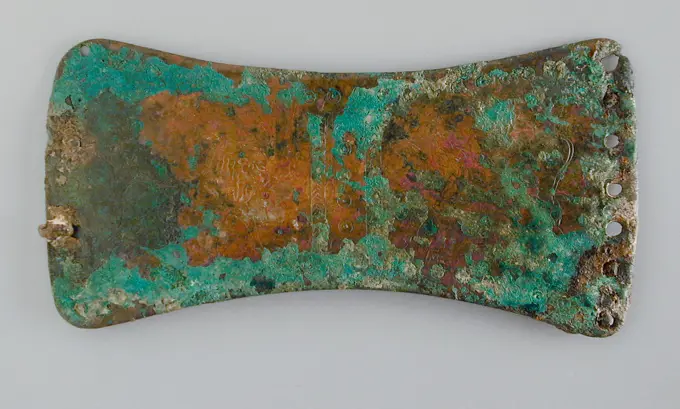
Mask with Ring Handle, one of a pair, 5th-4th century BCE, 4 × 2 5/8 × 1 1/4 in., 0.2 lb. (10.2 × 6.67 × 3.18 cm, 0.1 kg), Bronze, China, 5th-4th century BCE
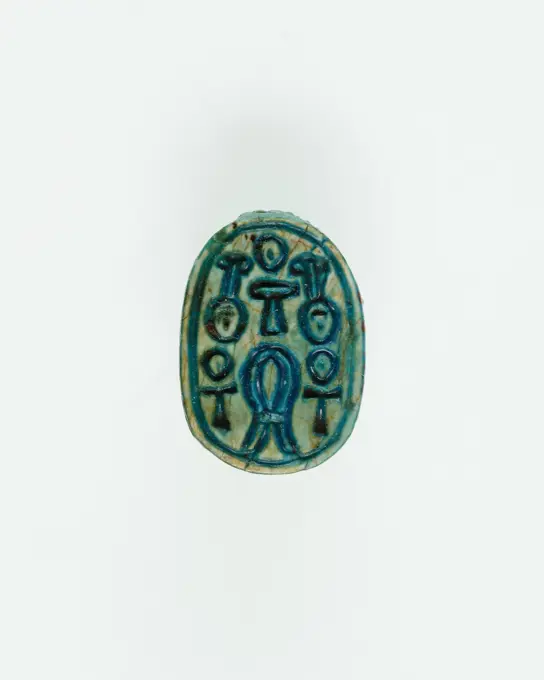
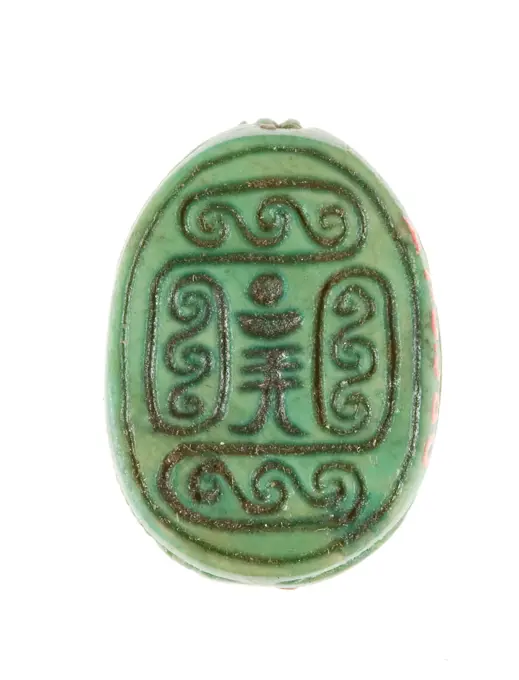
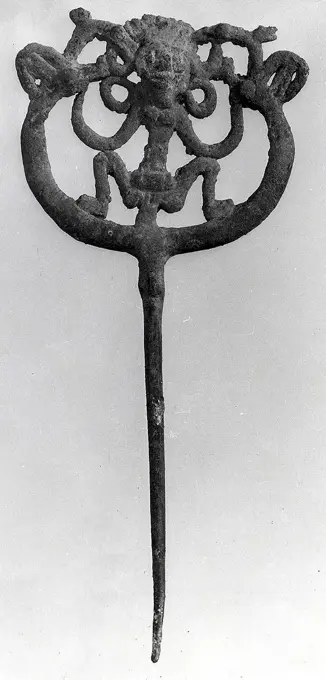
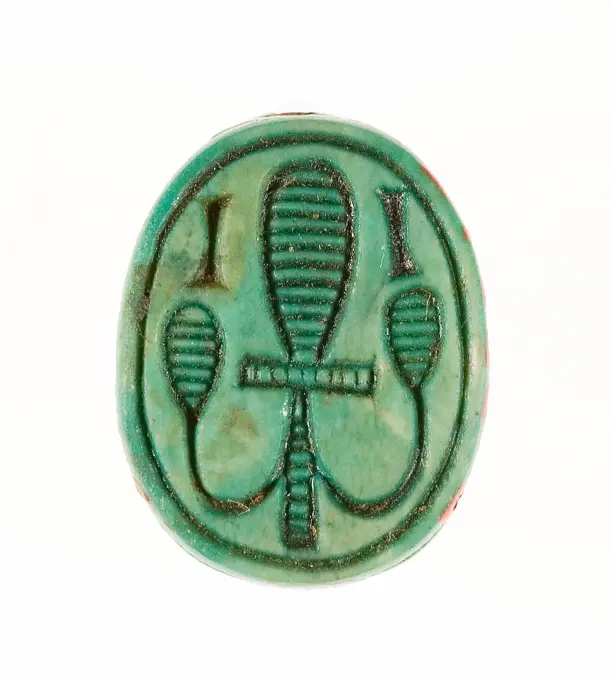
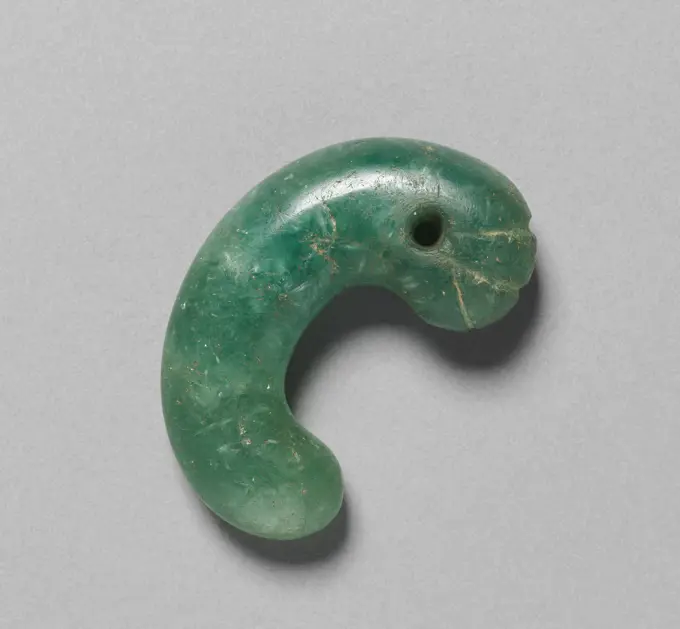
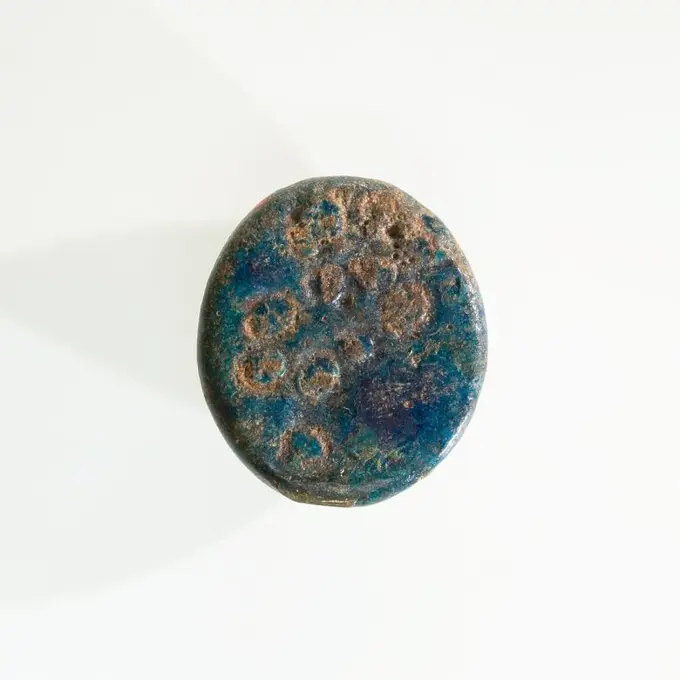
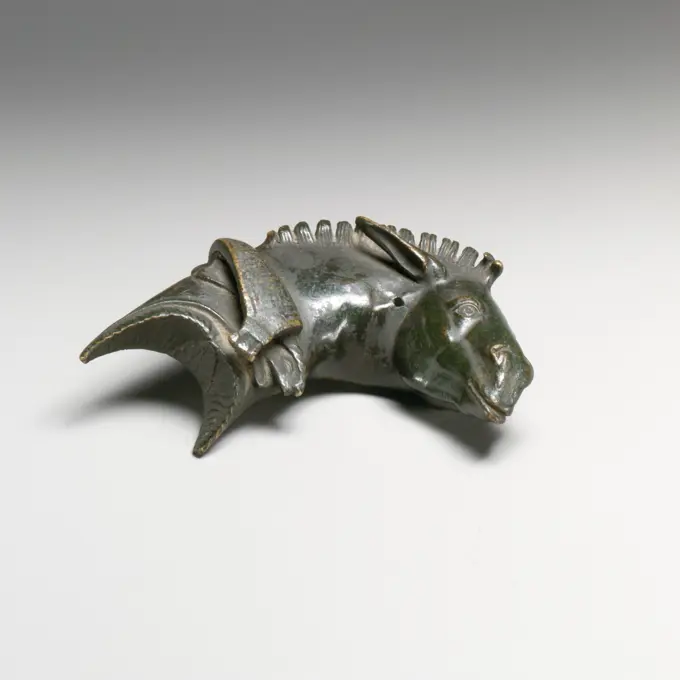
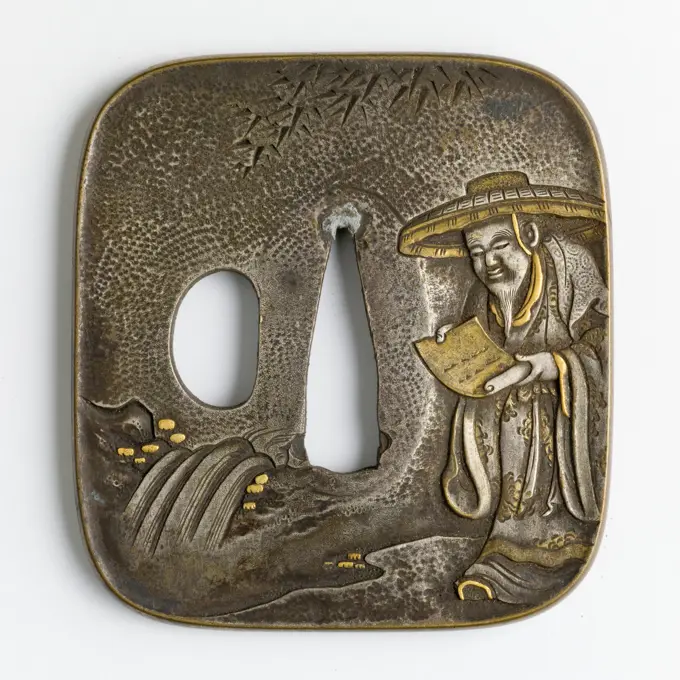
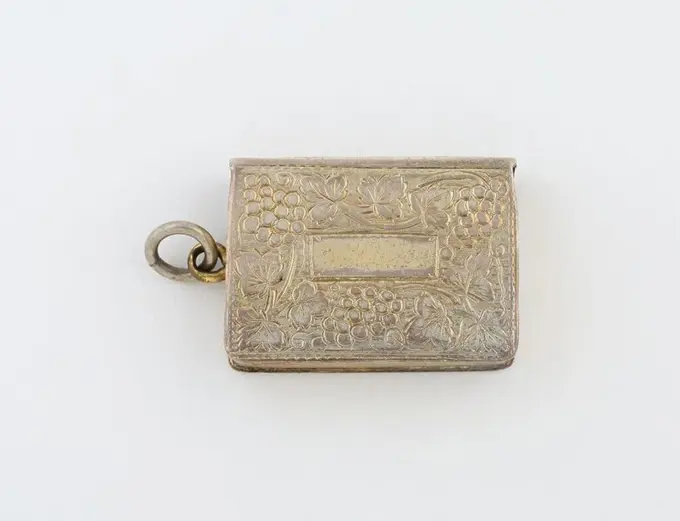
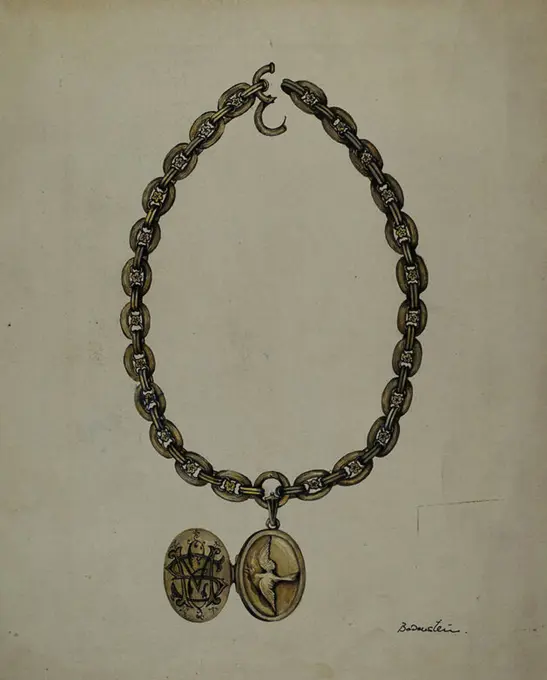
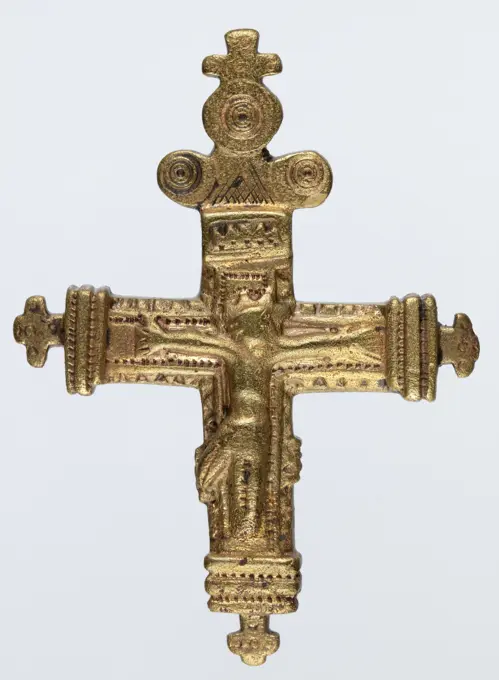
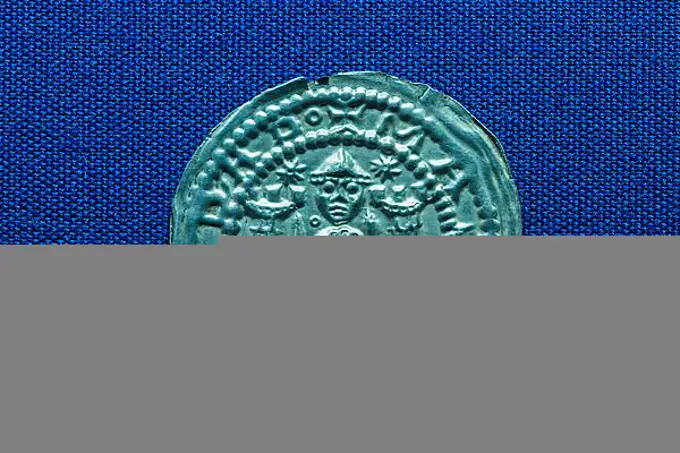
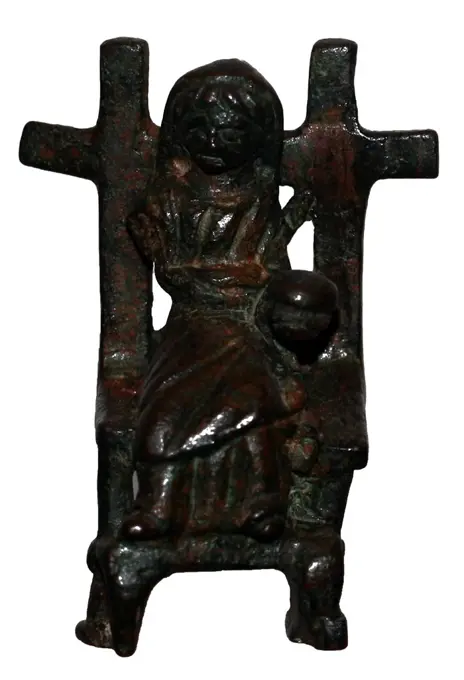
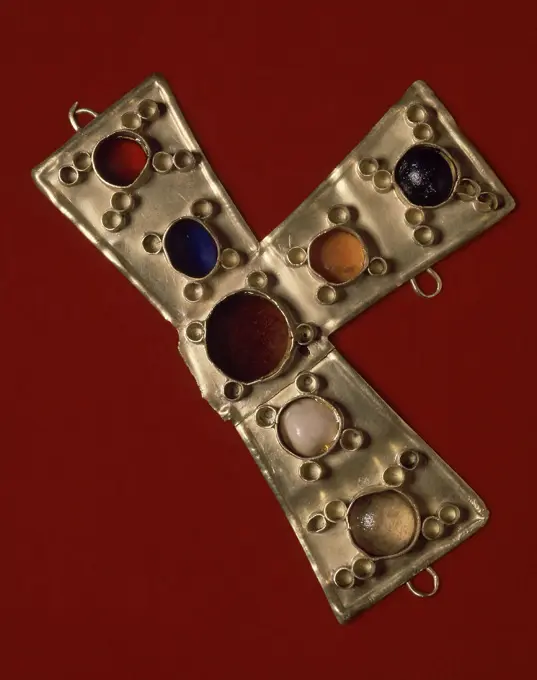
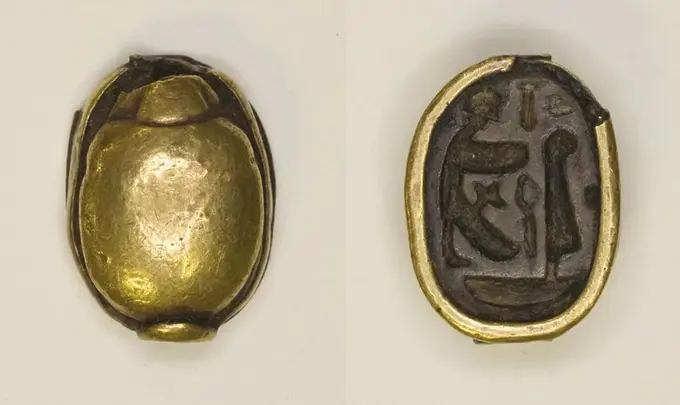
Scarab: Hieroglyphs and Figures (Re-Harakhti, nb- and ma'am signs). Egyptian. Date: 1550 BC-1069 BC. Dimensions: 0.6 × 1.6 × 1.1 cm (1/4 × 5/8 × 7/16 in.). Gold and stone. Origin: Egypt. Museum: The Chicago Art Institute, Chicago, USA. Author: Ancient Egyptian.Scarab Incised with Hieroglyphs ca. 1760-1670 B.C. Middle Kingdom The majority of design scarabs of the late Middle Kingdom (late Dynasty 12-Dynasty 13, ca. 1850 -1640 B.C.) are decorated with symmetric compositions of hieroglyphs and/or scrolls. These signs are not meant to form words but are chosen for their positive, protective meaning. This scarab is decorated with the signs for good and beautiful (nefer), protection (sa), and life (ankh).. Scarab Incised with Hieroglyphs. ca. 1760-1670 B.C.. Bright blue glazed steatite. Middle Kingdom. From Egypt, Memphite Region, Lisht North, cemetery south of pyramid (location not recorded), Pit 467, MMA excavations, 1913-14. mid Dynasty 13Scarab Inscribed with a Hieroglyphic Motif ca. 1479-1458 B.C. New Kingdom. Scarab Inscribed with a Hieroglyphic Motif. ca. 1479-1458 B.C.. Steatite (glazed). New Kingdom. From Egypt, Upper Egypt, Thebes, Deir el-Bahri, Temple of Hatshepsut, Foundation Deposit 7 (G), MMA excavations, 1926-27. Dynasty 18, earlyHammered Silver Spoon 8th-mid-16th century Peru; north coast (). Hammered Silver Spoon. Peru; north coast (). 8th-mid-16th century. Silver (hammered), gilt. Peru. Metal-ImplementsOpenwork pin with a squatting female ca. 8th-7th century B.C. Iran This is a bronze pin with an openwork design on the head. The design features a stylized squatting woman controlling two horned animals. The womans face is obscured by corrosion, but it is clear that she has horns, marking her as a goddess. Two large curls to either side of her head may be hair or earrings. She also has pellet-shaped breasts. Her arms, which curl upward, each grasp the snout of a stylized horned animal. These animals has long, curved necks which join in the middle beneath the goddess, forming the groundline on which she squats. A strut connects the goddess to the bottom of the design, and two curved elements connect the animals heads to the goddess; it is not clear if these are decorative or structural, or both.This pin was excavated at Surkh Dum, a settlement site in Luristan in the Zagros Mountains of western Iran. It was part of a large hoard of objects buried beneath a doorjamb in a structure intEngraved Gem Set Into a Ring. UnknownGilt brooch, Germanic Iron Age, c500. Artist: UnknownScarab Inscribed with a Geometric Pattern ca. 1479-1458 B.C. New Kingdom. Scarab Inscribed with a Geometric Pattern. ca. 1479-1458 B.C.. Steatite (glazed). New Kingdom. From Egypt, Upper Egypt, Thebes, Deir el-Bahri, Temple of Hatshepsut, Foundation Deposit 7 (G), MMA excavations, 1926-27. Dynasty 18, earlyBergère ca. 1770 French. Bergère. French. ca. 1770. straw, silkWillem Frederik, Prince of Oranje-Nassau, Souverein Vorst, Anonymous, 1813  One -sided copper oval carrier with carrying eye and on the bottom of the canvas. Front: breastpiece man inside pearl edge and laurel wreath; On canvas: monogram. Reverse: Blanco. Netherlands copper (metal) striking (metalworking)Harness Ring. Western Iran, Luristan bronzes, circa 1000-800 B.C.. Tools and Equipment. Bronze, hammeredPlate and Nail. Culture: European. Dimensions: Overall: 3 5/8 x 4 in. (9.2 x 10.2 cm). Date: 15th-16th century. Museum: Metropolitan Museum of Art, New York, USA.Ring with a gem with magical device of a composite figure with an unidentifiable object and a caduceus A.D. 2nd century Roman Period Gems that inscriptions and non-standard iconography associate with certain magical practices known from texts and manuals, especially in the Roman Imperial Period, are termed 'magical gems.' While this gem has no inscription, the unusual figure depicted has a feathered body and bird legs but a strange head. This suggests it might have a relationship to the material described as magical gems.. Ring with a gem with magical device of a composite figure with an unidentifiable object and a caduceus 547911Comma-shaped Jade, AD 400s. Korea, Three Kingdoms period (57 BC-668). Jade; overall: 6.6 x 4.1 x 1.2 cm (2 5/8 x 1 5/8 x 1/2 in.).Seal. Dimensions: L.1.5 cm (9/16 in). Dynasty: Dynasty 12-18. Date: ca. 1981-1295 B.C.. Museum: Metropolitan Museum of Art, New York, USA.Antique silver Indian brooch Bronze furniture attachment 1st century A.D. Roman This bronze mule's head was originally part of a fulcrum (headrest) on a Roman couch. The mule is associated with Dionysus, the god of wine and feasting, indicated here by the panther (another Dionysiac attribute) skin around his neck.. Bronze furniture attachment 252949 Roman, Bronze furniture attachment, 1st century A.D., Bronze, H.: 3 3/4 in. (9.5 cm). The Metropolitan Museum of Art, New York. Gift of John Marshall, 1927 (27.253.1)Tsuba. Camp: Muneshige, Japan. Ringin inlaid with gold, 18th century-19th century. Paris, Cernuschi museum. Blank weapon, armament, Asian art, Japanese art, weapon custody, art object, metallic object, armament piece, tsuba, 19th XIX 19th 19th 19th 19th century, 18th 18th 18th 18th 18th 18th 18th 18Book-Shaped Vinaigrette. Samuel Pemberton; Birmingham, England. Date: 1813-1824. Dimensions: 3.2 × 2.3 cm (1 1/4 × 7/8 in.). Silver and silver gilt. Origin: Birmingham. Museum: The Chicago Art Institute, Chicago, USA.Bronze belt clasp 7th century B.C. Greek, Macedonian Clasp for a belt.. Bronze belt clasp 257583Bell. Western Iran, circa 1000-650 B.C.. Tools and Equipment; musical instruments. Bronze, castNecklace and Locket. Dated: c. 1937. Dimensions: overall: 28 x 22.9 cm (11 x 9 in.). Medium: watercolor, pen and ink, and graphite on paperboard. Museum: National Gallery of Art, Washington DC. Author: Molly Bodenstein.Fish Ornament. Culture: Peru; central coast (). Dimensions: L. 2 3/4 in. (7 cm). Date: 11th-12th century. Museum: Metropolitan Museum of Art, New York, USA.Glass Fragment. Culture: European. Dimensions: Overall: 2 1/8 x 2 in (5.4 x 5.1 cm). Date: 14th century. Museum: Metropolitan Museum of Art, New York, USA.Crescent Ornaments 6th-7th century Moche (Loma Negra). Crescent Ornaments 313459Bookbinding Element. Dimensions: Gr. Diam. 1 3/4 in. (4.4 cm). Date: 16th century.The size, shape and patterning of this metal plaque echoes the form of medallions which decorate the flap of some bookbindings. It is ornamented with carefully incised scrolling vines and cloud band designs- arabesque forms that can be found in a wide variety of arts from Safavid Iran and Ottoman Turkey. This metal element may have served to ornament a belt, or as a hardware clasp for a portable object, such as a small box. Museum: Metropolitan Museum of Art, New York, USA.Ikona: św. Mikołaj Cudotwórca. Nieznany warsztat ruski, factoryHarness Fitting, 800-400 BCE, 2 3/4 x 3 1/8in. (7 x 7.9cm), Bronze, Persia (Iran), 8th-4th century BCEScandinavia. Commerce. Brass weight, in the form of animal. They were used in the Viking Age and High Middle Ages. Historical Museum. Oslo. Norway.Bliżej Kultury unknownBelt Mount. Culture: Late Roman. Dimensions: Overall: 2 13/16 x 2 7/8 x 1/8 in. (7.2 x 7.3 x 0.3 cm). Date: 4th century. Museum: Metropolitan Museum of Art, New York, USA.AstrolabeCeltic gold helmet, 4th century BC. Artist: UnknownCoin Cabinet in the Residence PalaceSmall figurine of a household God. Penates, (Gods protecting the household and family) became popular ornaments in Roman households. Roman, circa 1st-4th century AD.Amulet, Isis Egyptian. Amulet, Isis. Egyptian. Clay, glazed. Gold and SilverRing with narrow shaft and oval box set with cameo of Medusa A.D. 3rd century Roman Period Gorgoneia or Medusa-heads were ubiquitious until the end of Greco-Roman antiquity. They appeared in many contexts, including personal jewelry. On the one hand they might serve as protective amulets, but they also serve the wearer as a concise touchstone for a rich mythological substratum.This Medusa head is carved in cameo technique, that is raised from the surface, rather than intaglio, that is sunken from the surface. Often as here cameos are also cut in banded stones that allow the carver to create an image and background of different colors.. Ring with narrow shaft and oval box set with cameo of Medusa 547913Scandinavia. Necklace. String of beads with pendats. Sakshaug, Inderoy k, Nord-Trondelang. 10th century. Historical Museum. Oslo. Norway.FRAGMENTO DE CRUZ DE TORREDONJIMENO-VISIGODA-S VII-ORO Y PIEDRAS EN CANBUJON. Location: MUSEO ARQUEOLOGICO DE CATALUÑA. Barcelona. SPAIN.Advertising banner for Rendlesham Revealed archaeological exhibition, Sutton Hoo, Suffolk, England, UK 2023