Antique Metal Vessels

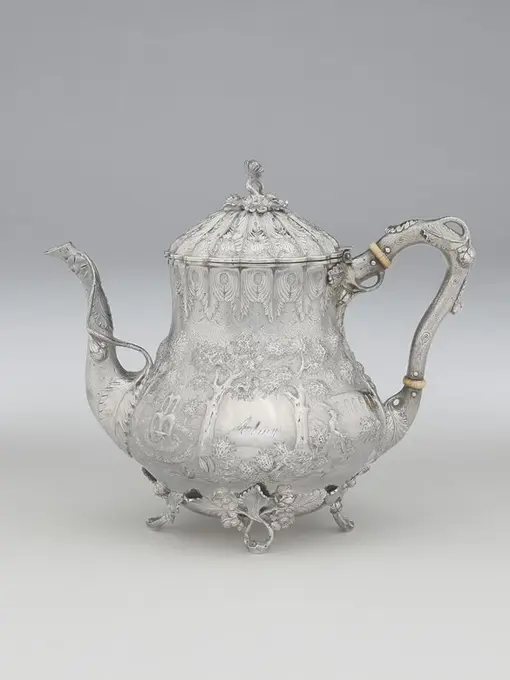
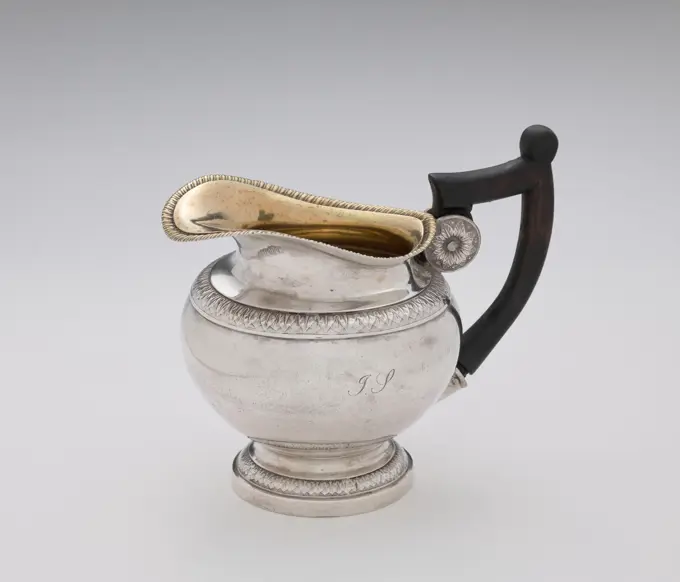
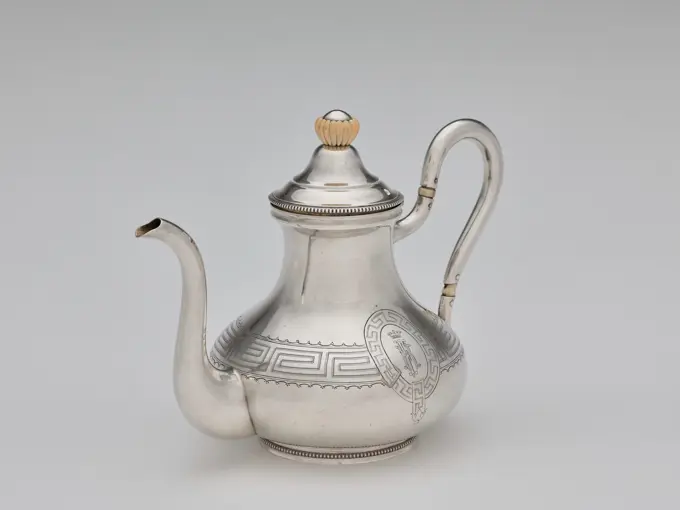
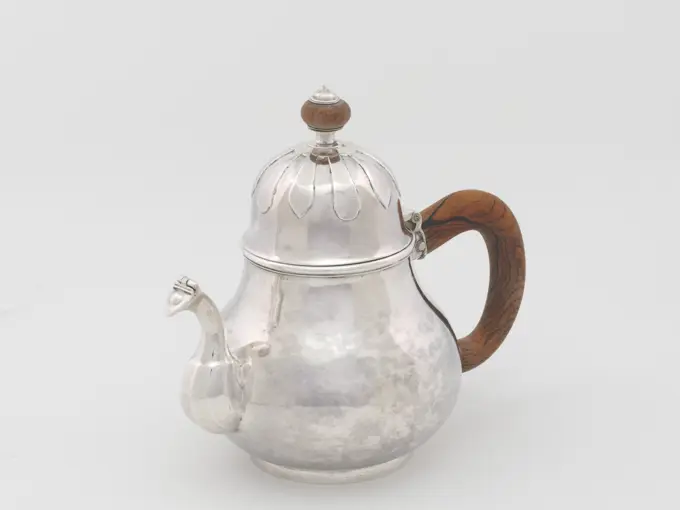
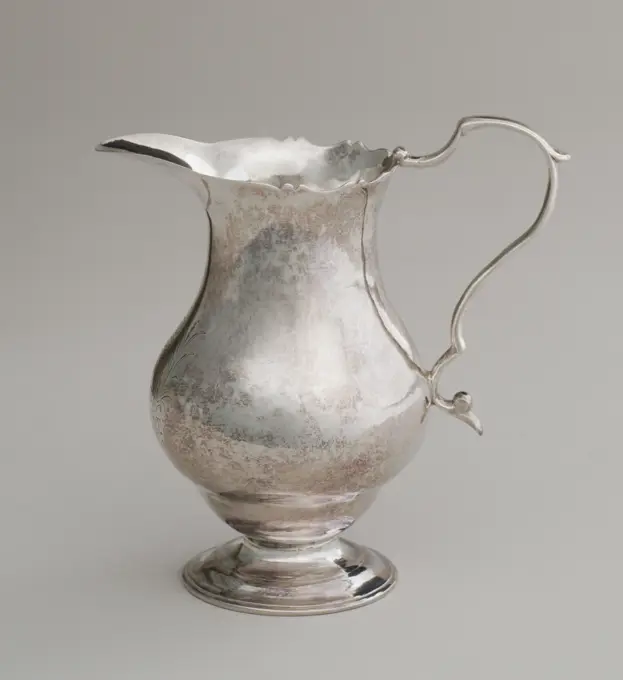
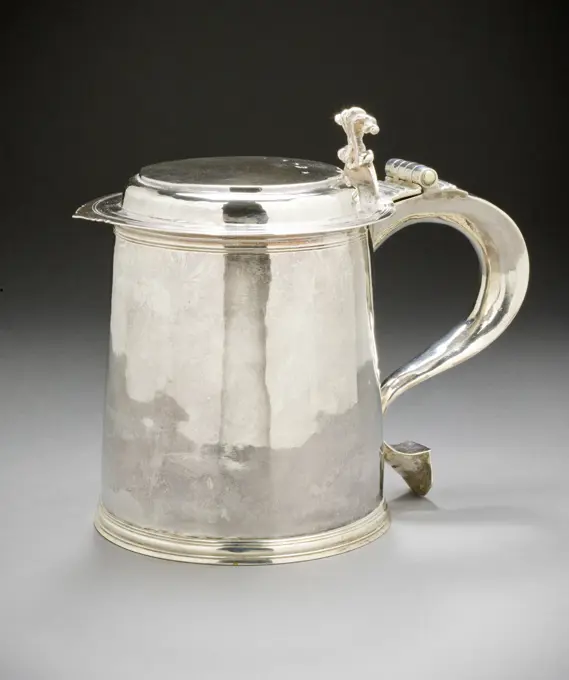
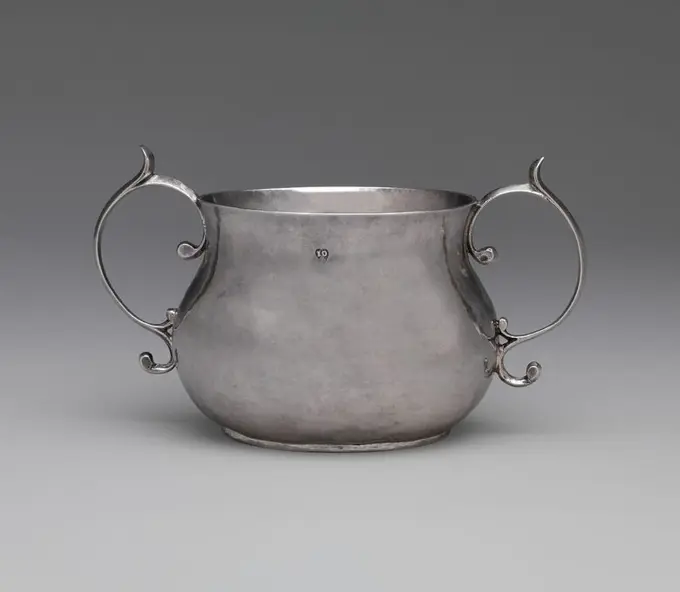
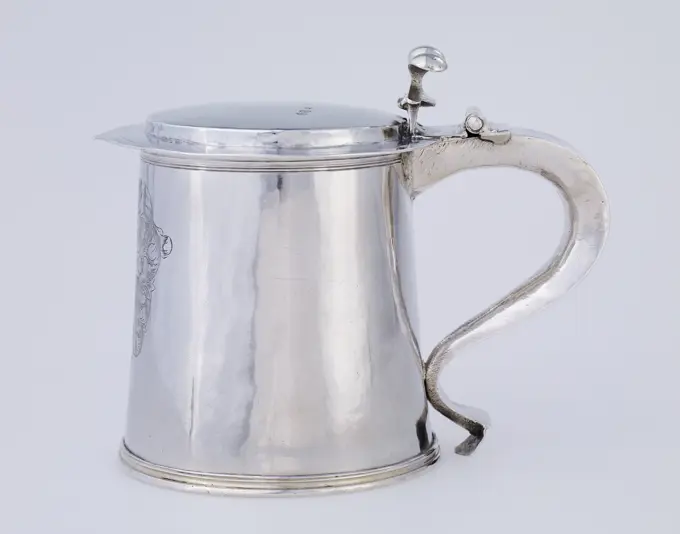
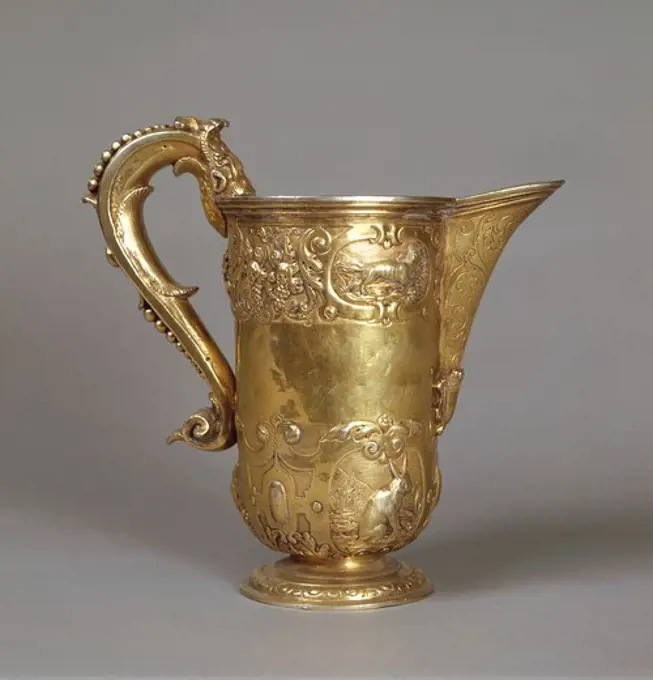
Collection of historical silver and earthenware pots and pitchers, characterized by intricate designs and traditional craftsmanship.

Milk;  1920s (1820-00-00-00-1829-00-00);
Milk; 1920s (1820-00-00-00-1829-00-00);
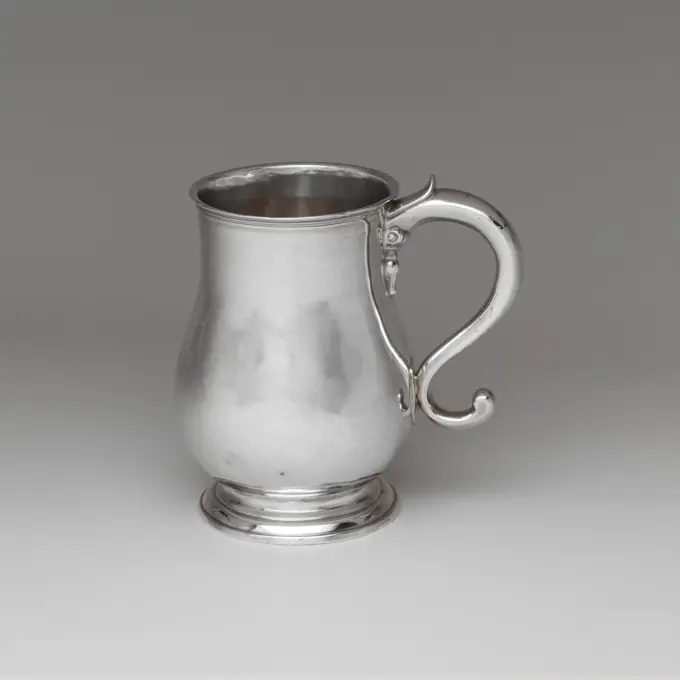
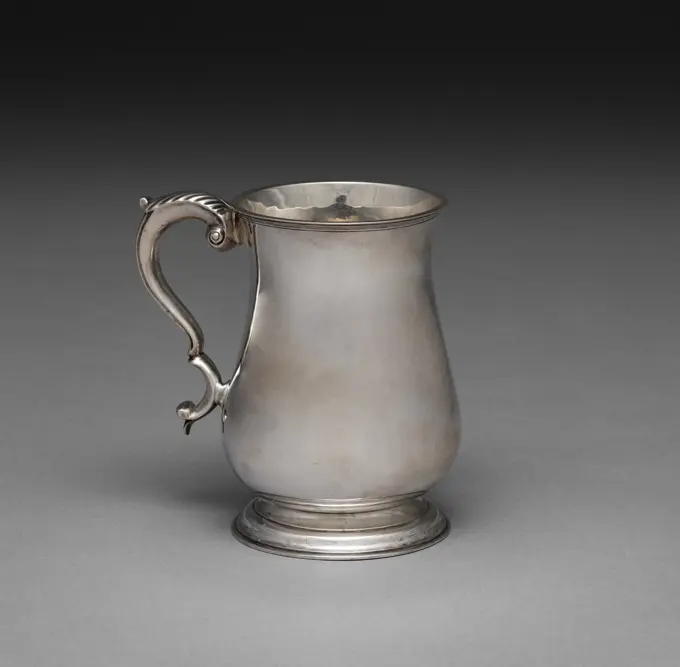
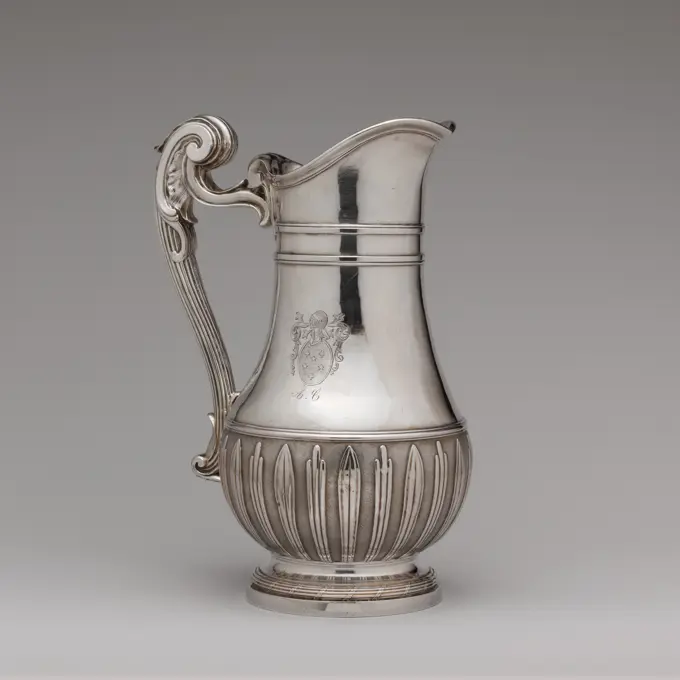
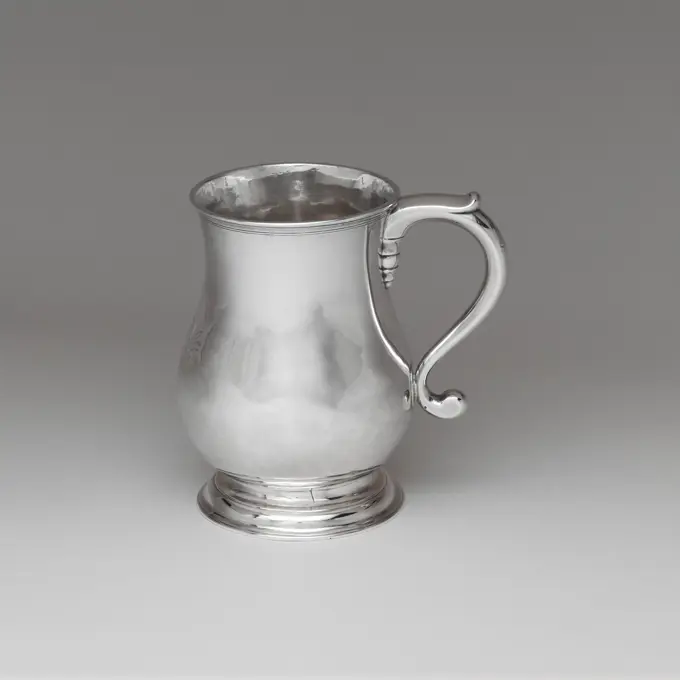
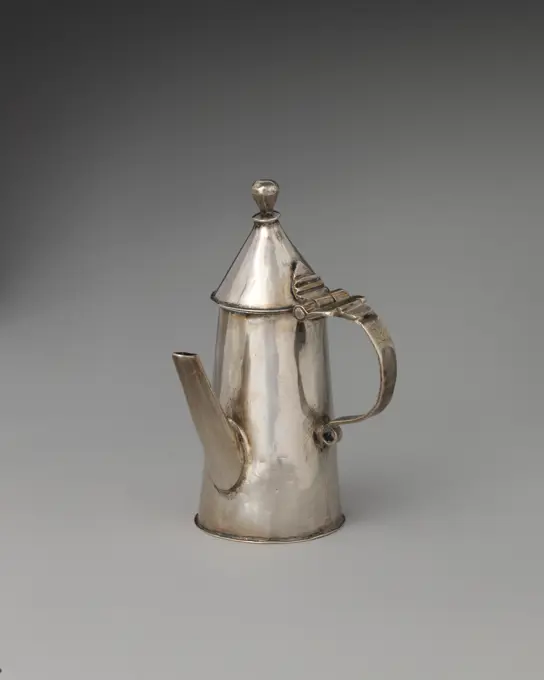
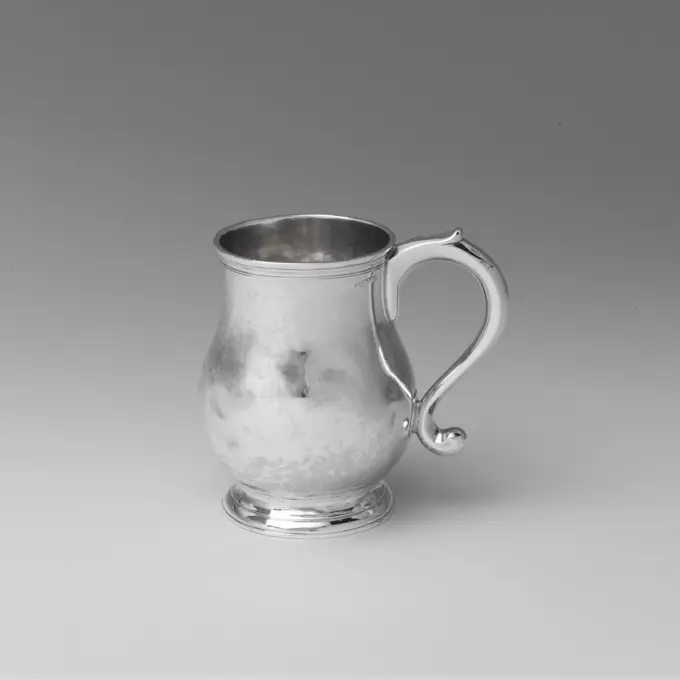
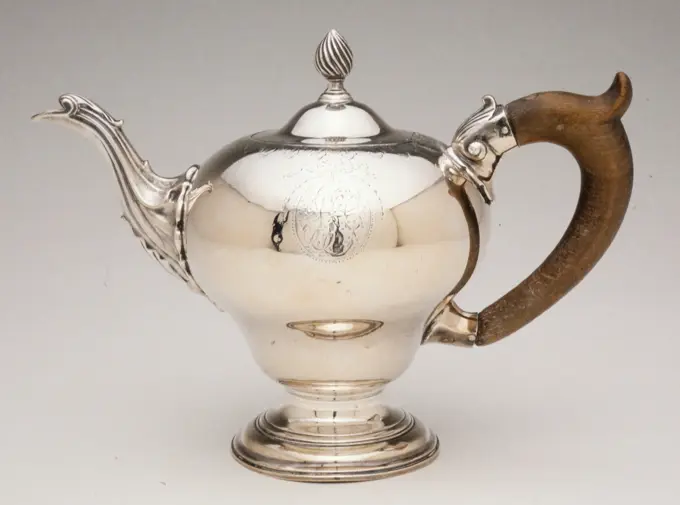
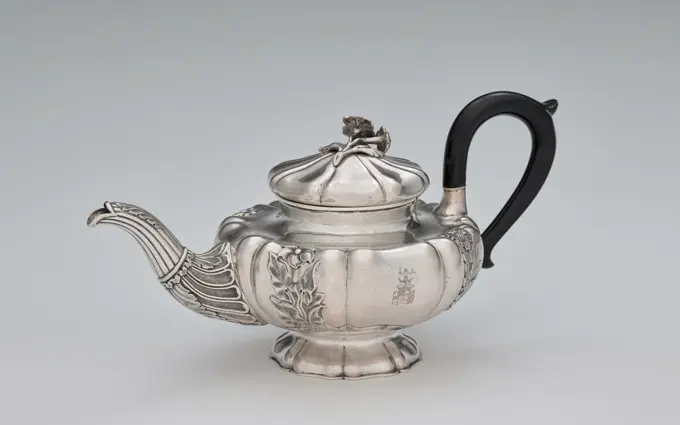
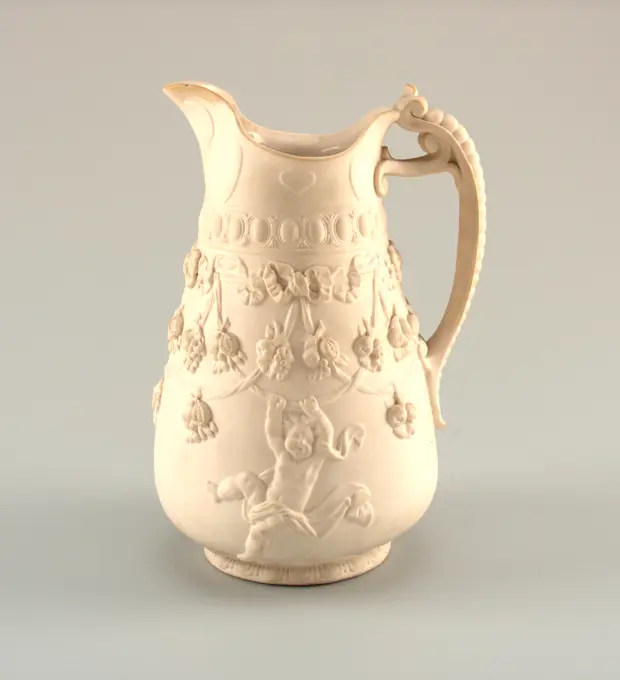
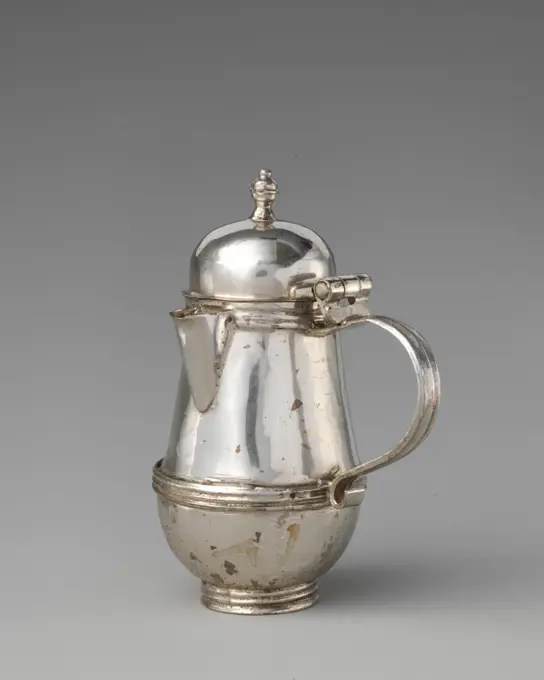
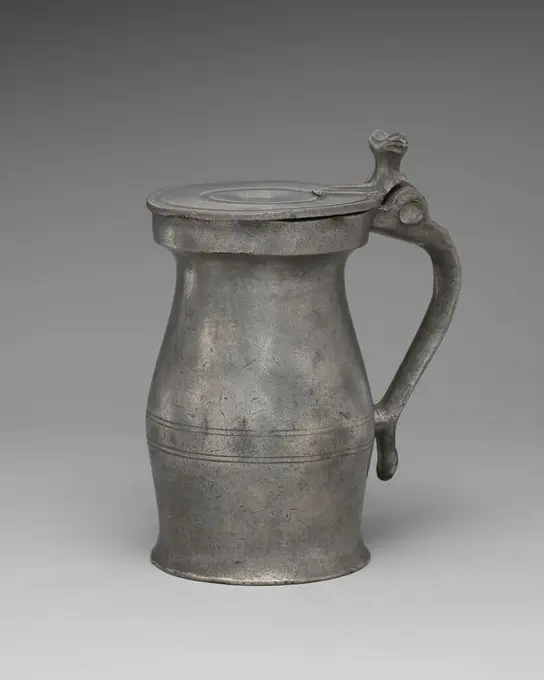
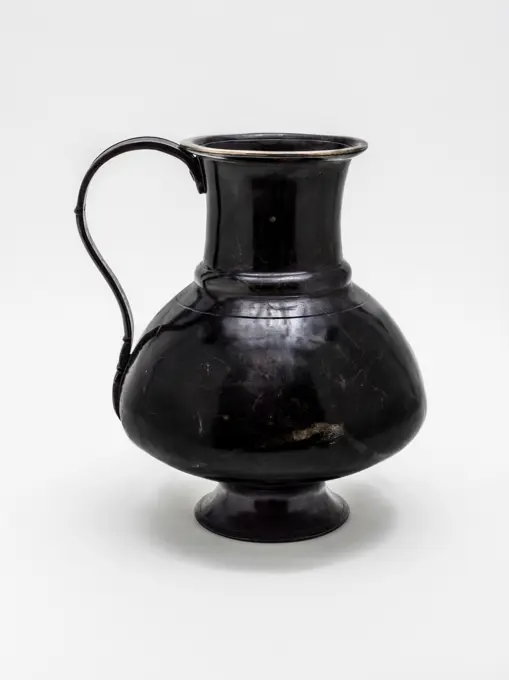
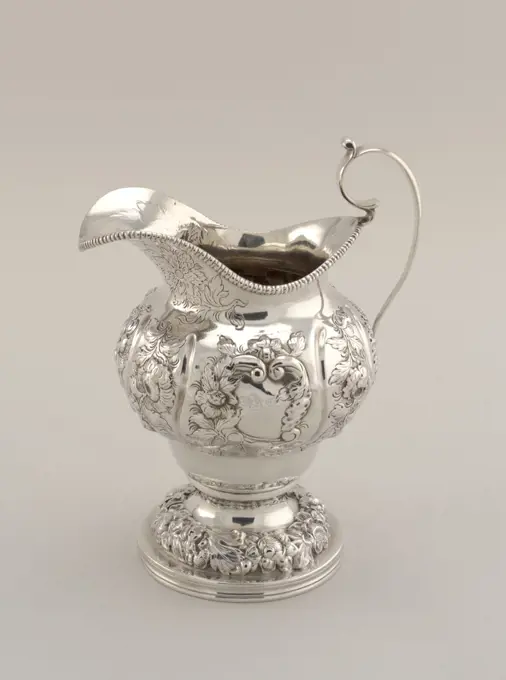
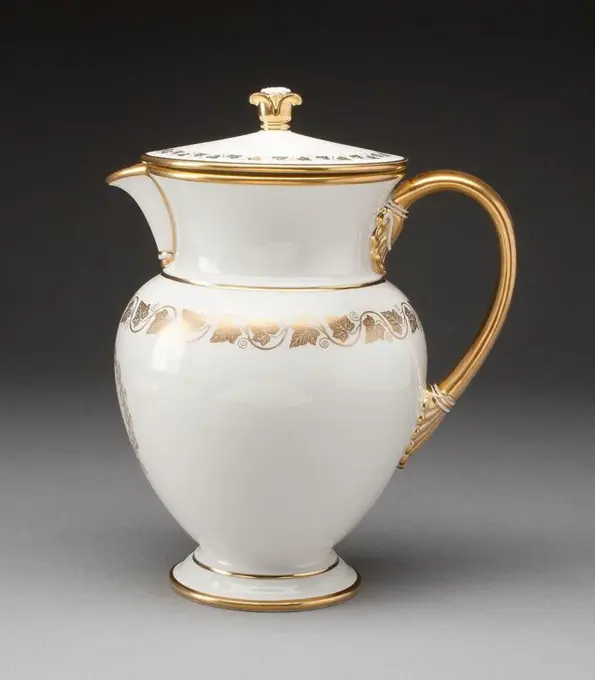
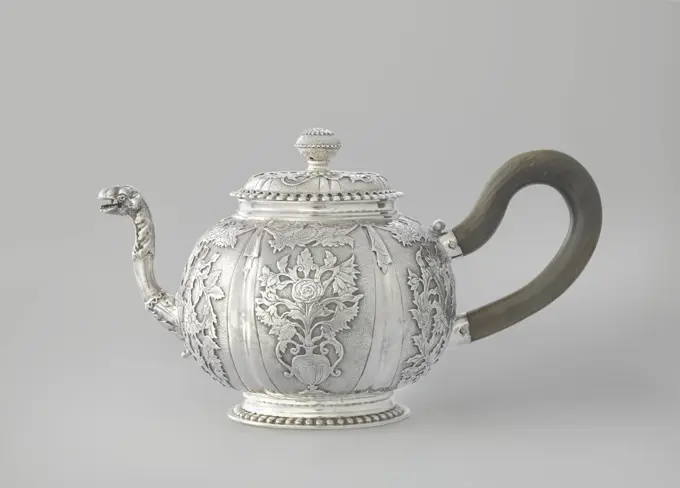
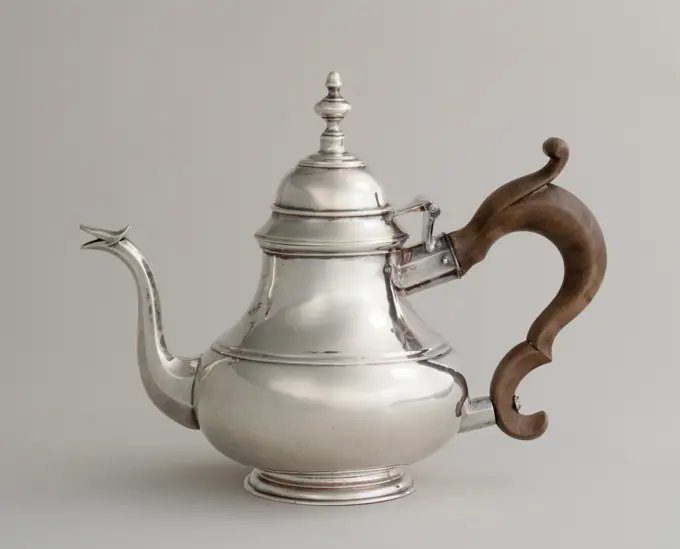
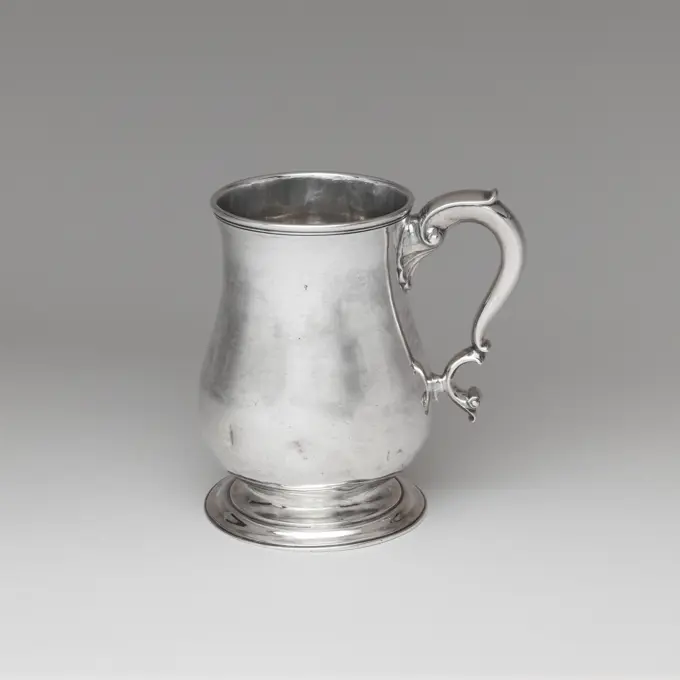
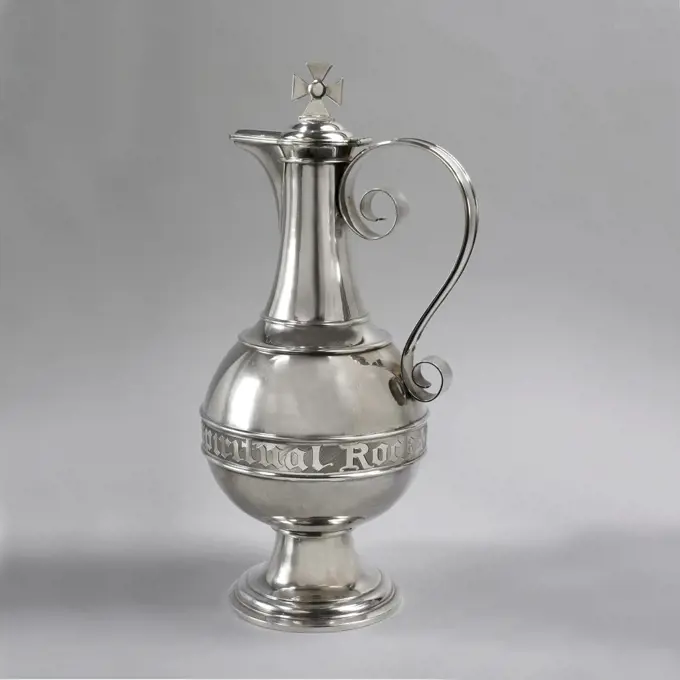
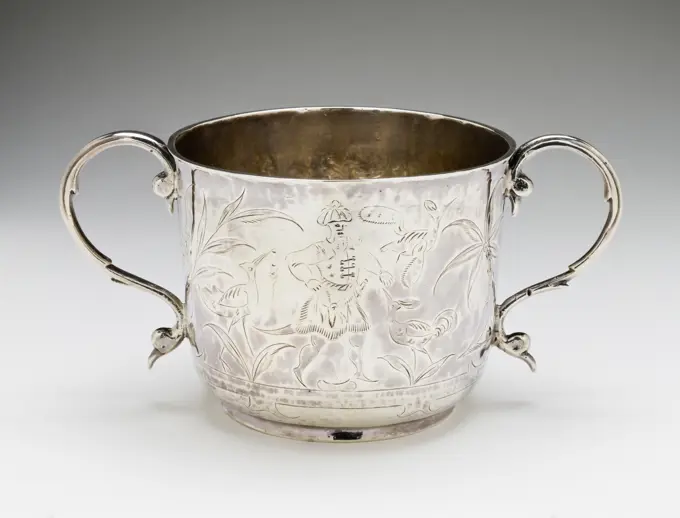
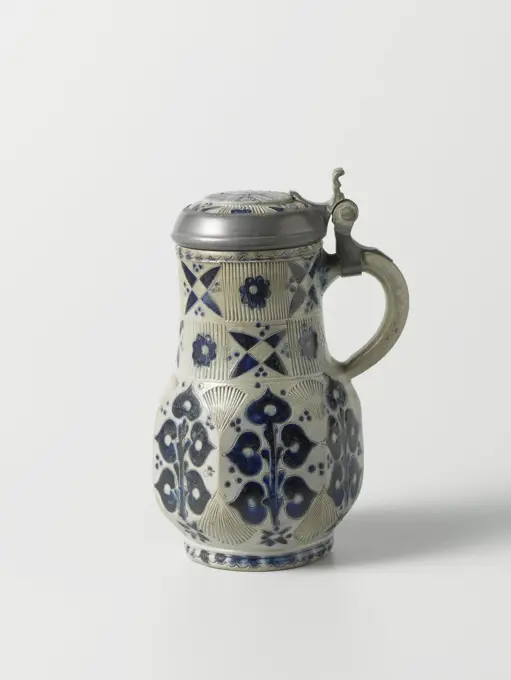
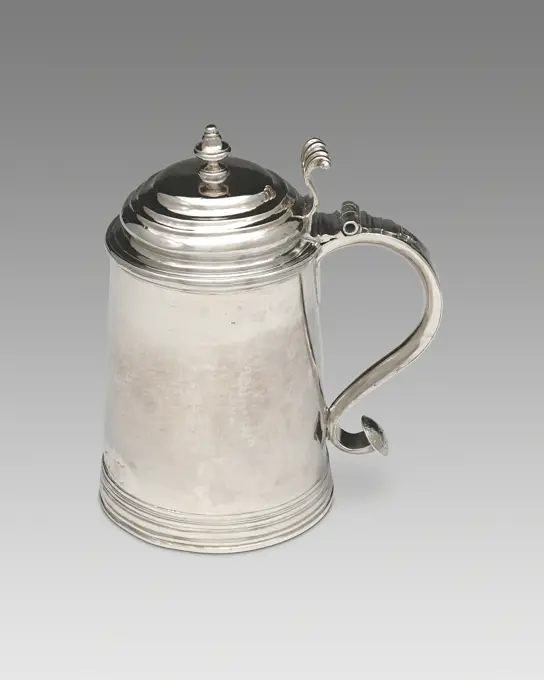
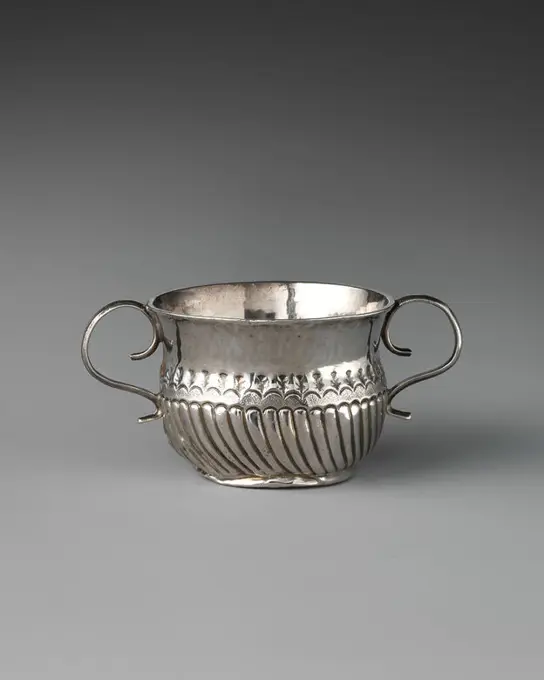
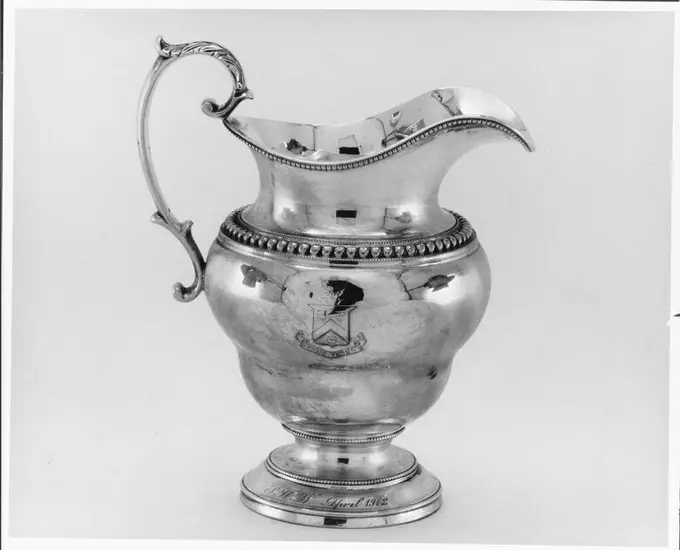
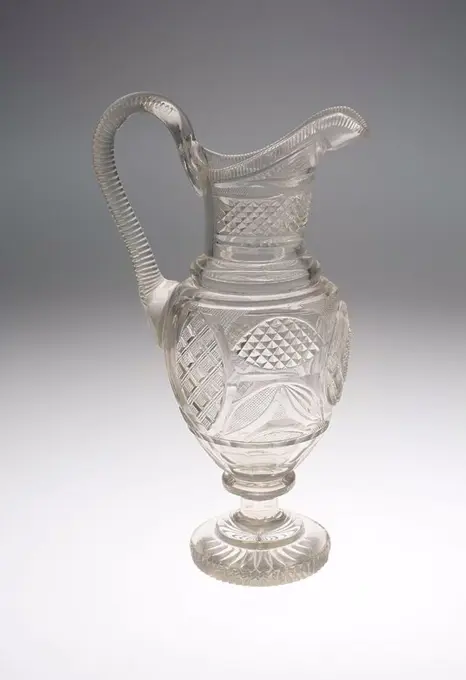
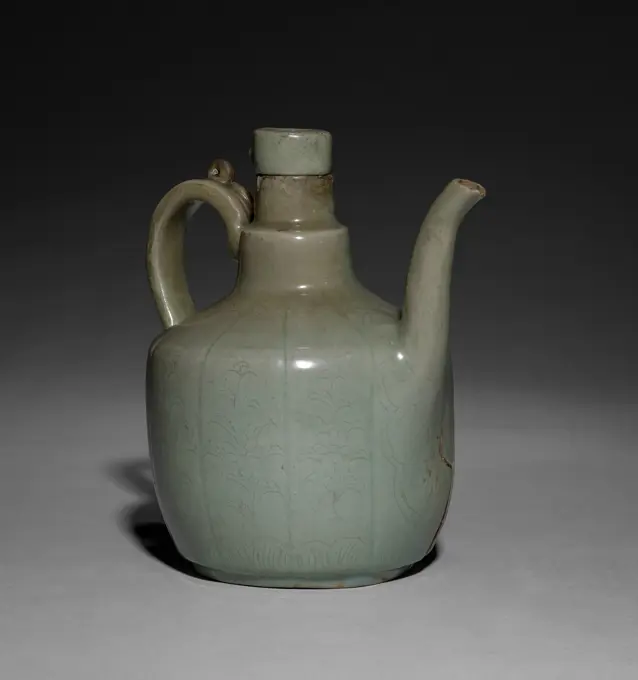
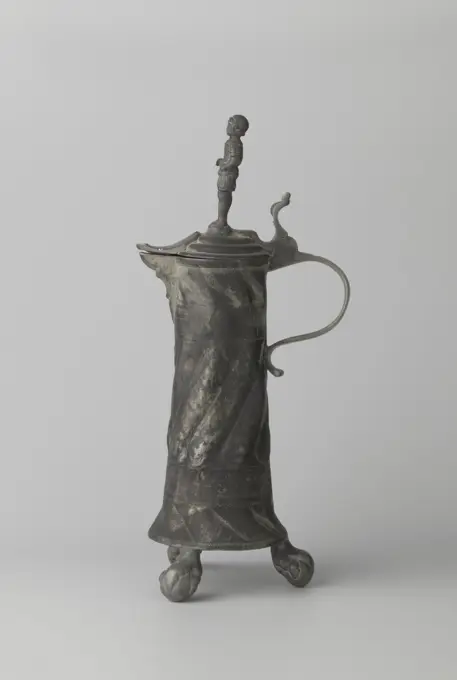
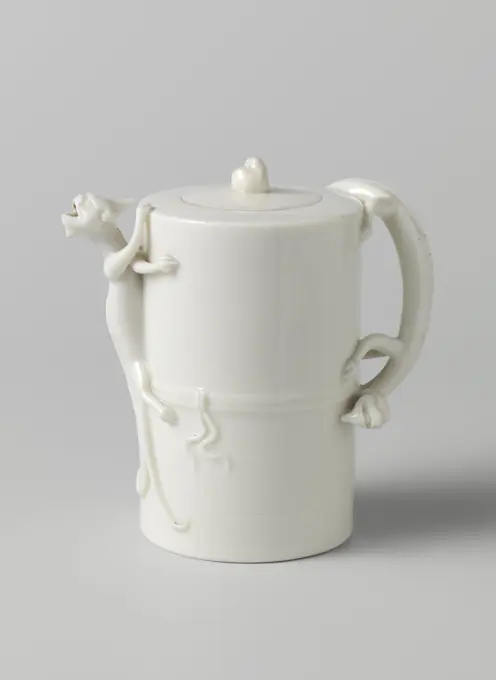
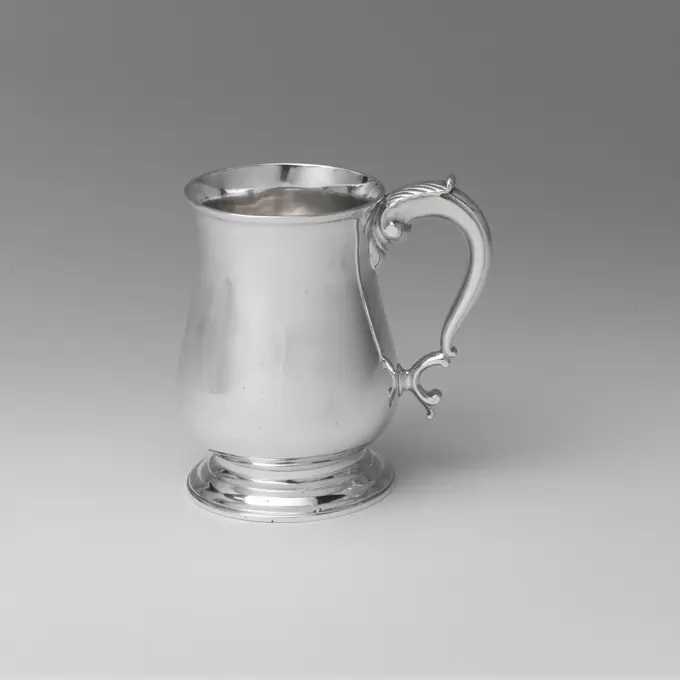
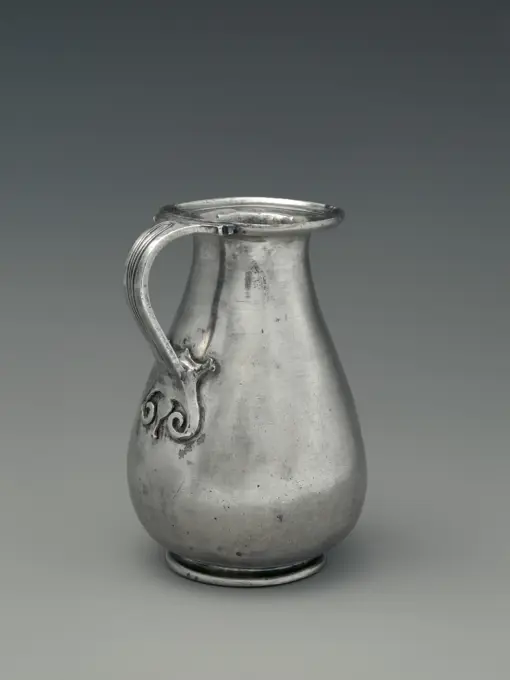
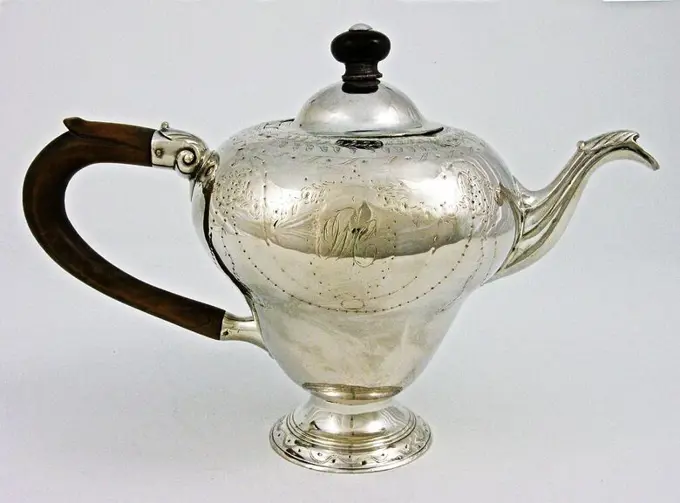
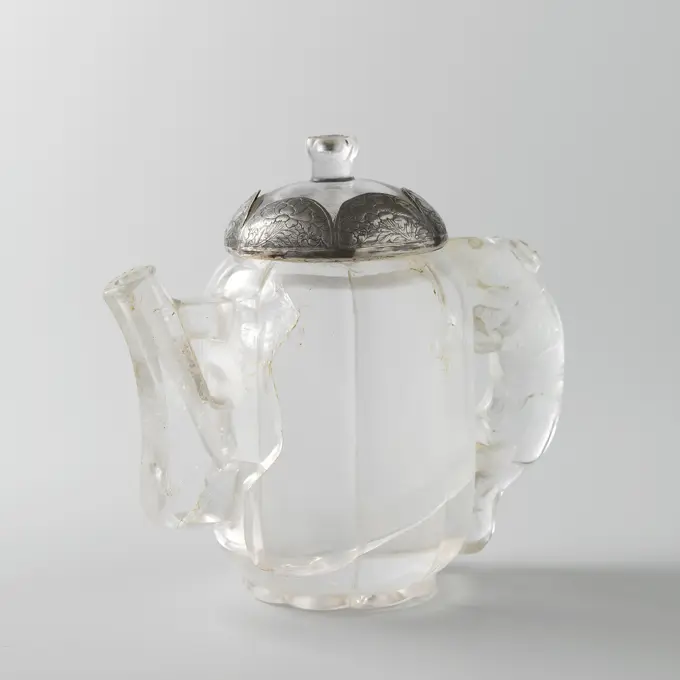
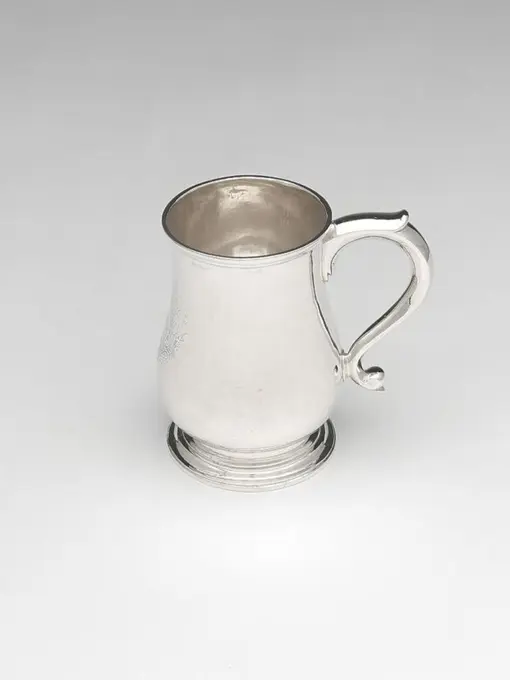
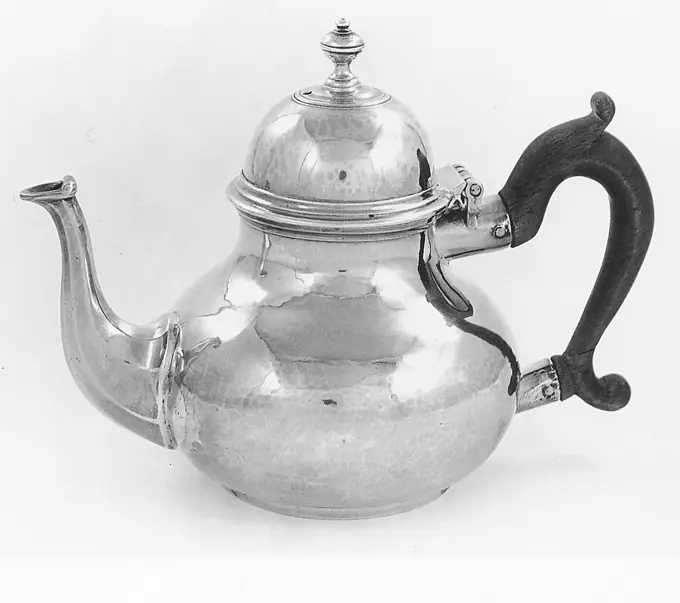
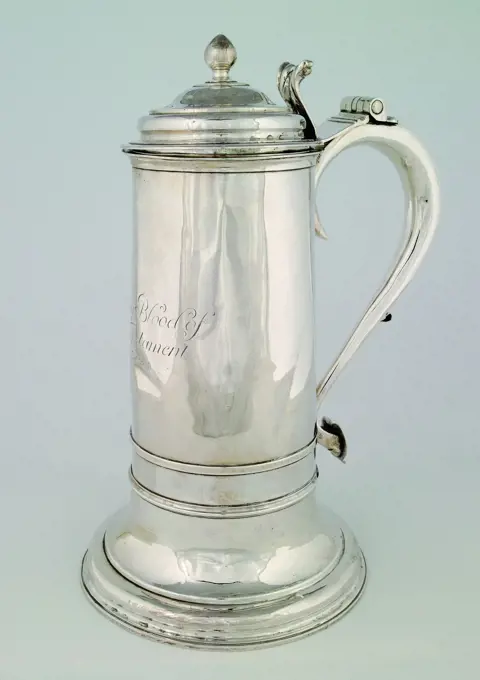
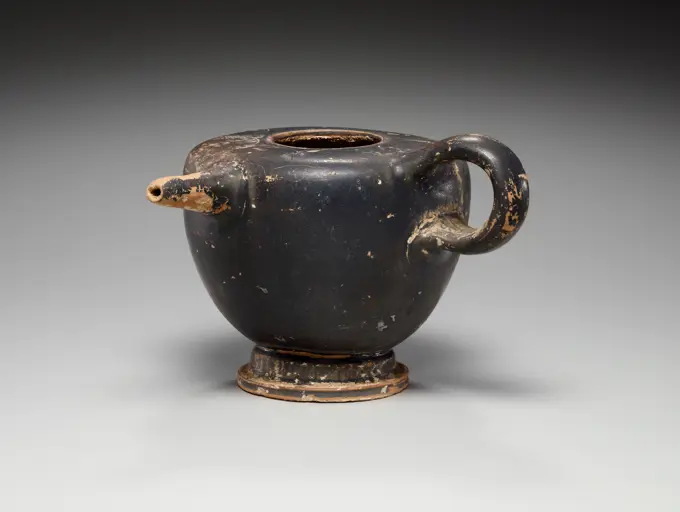
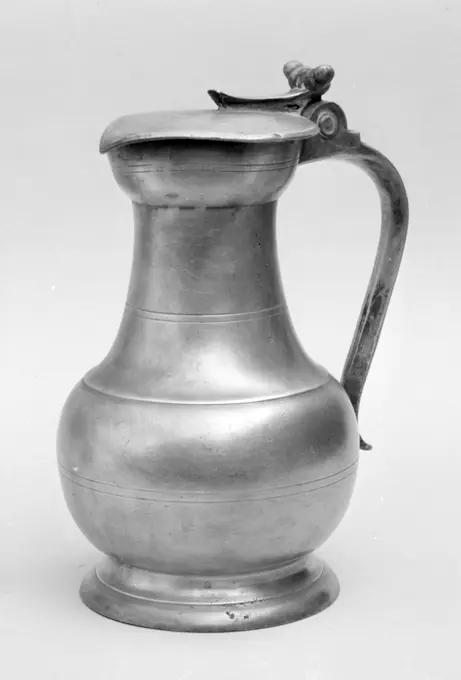
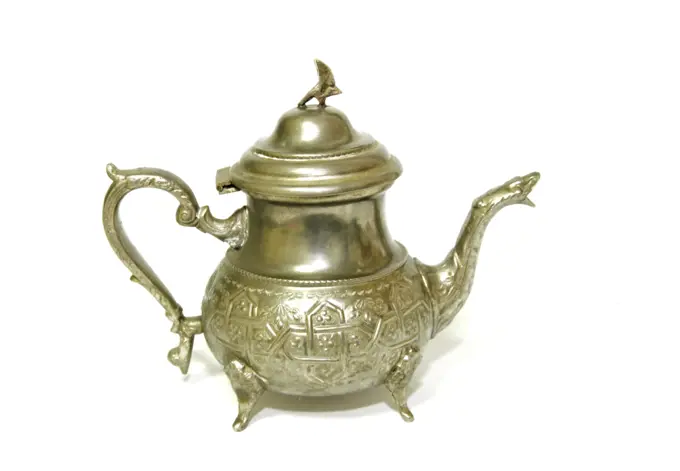
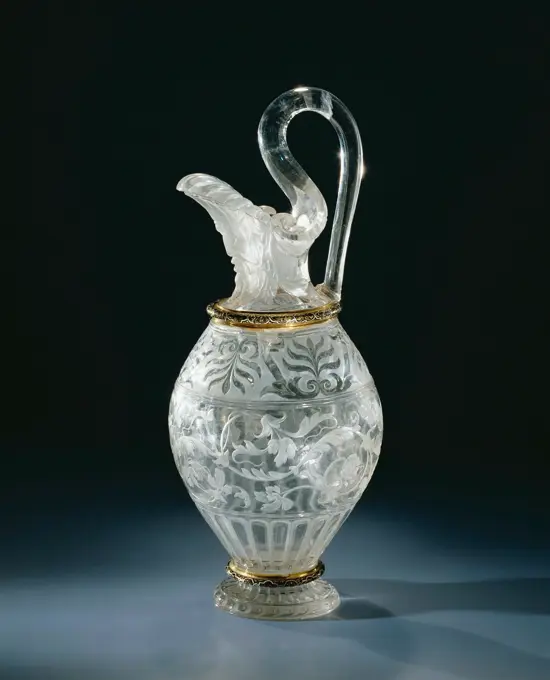
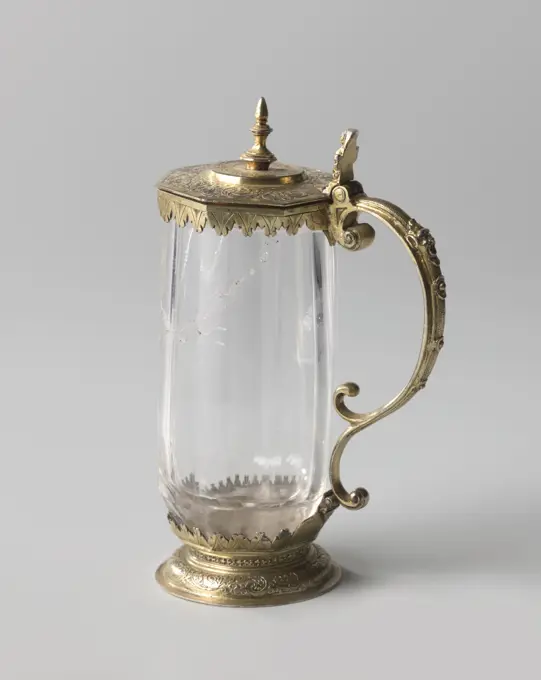
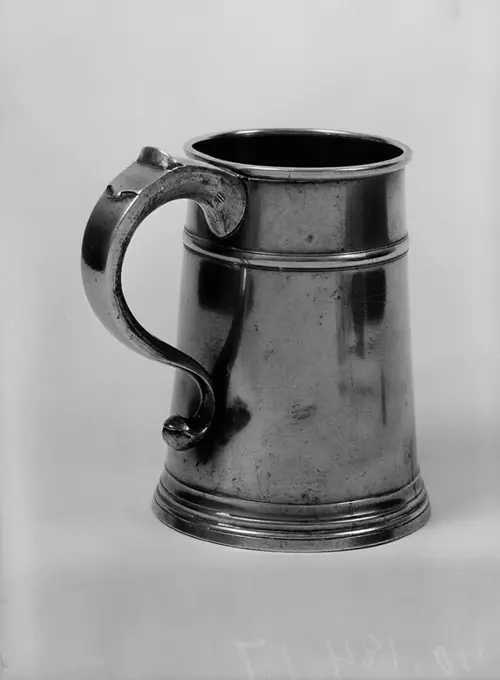
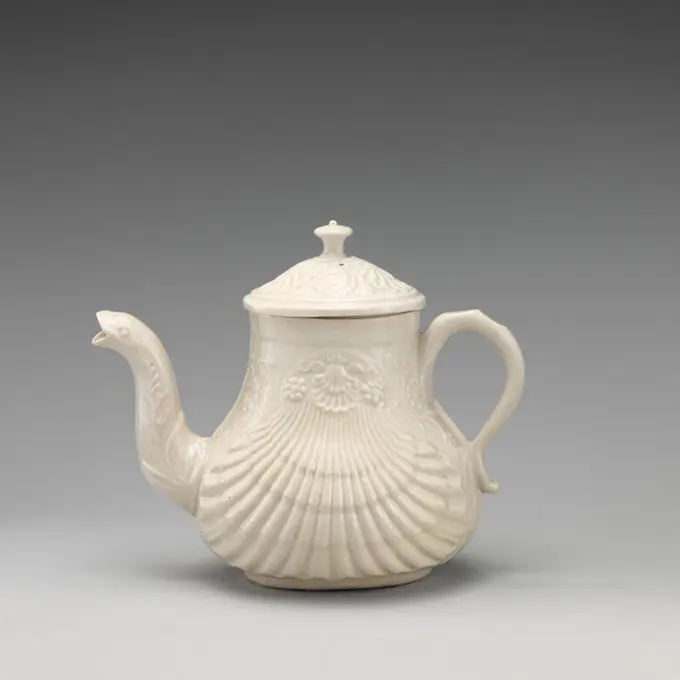
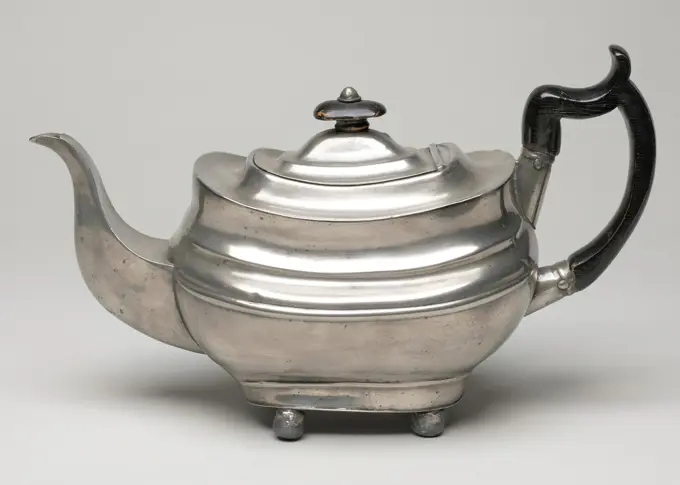
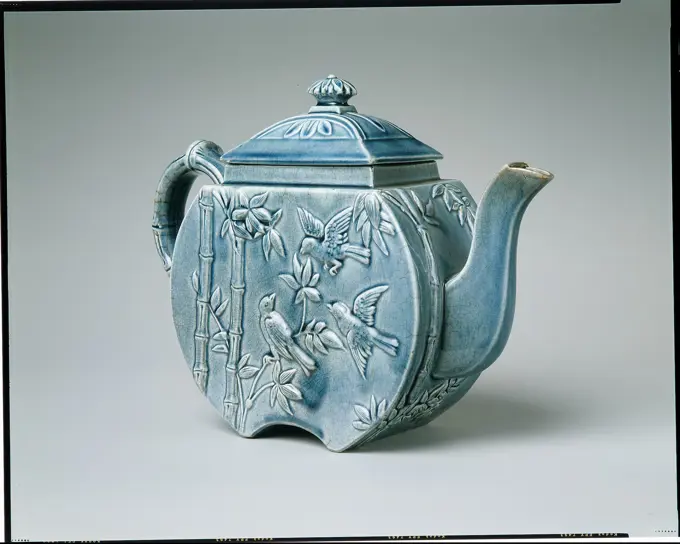
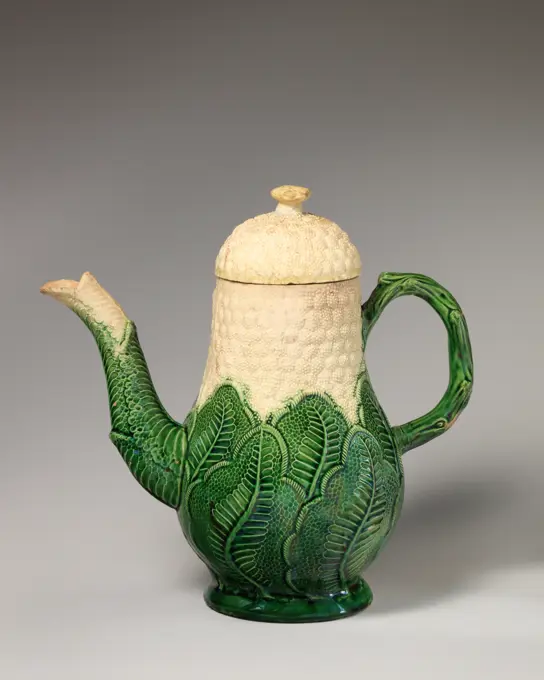
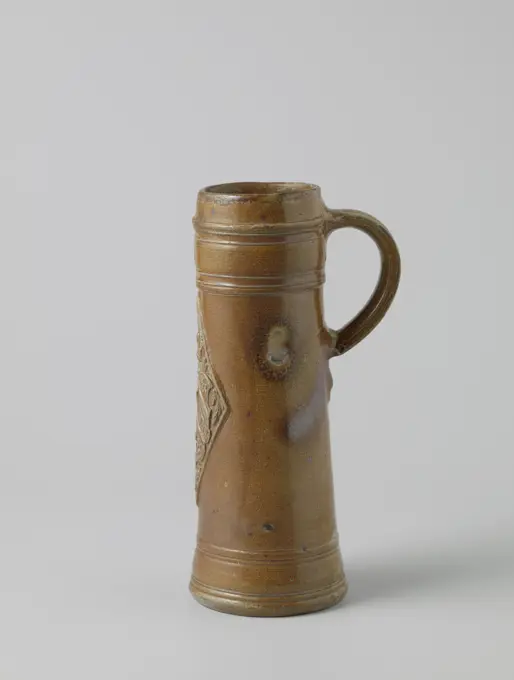
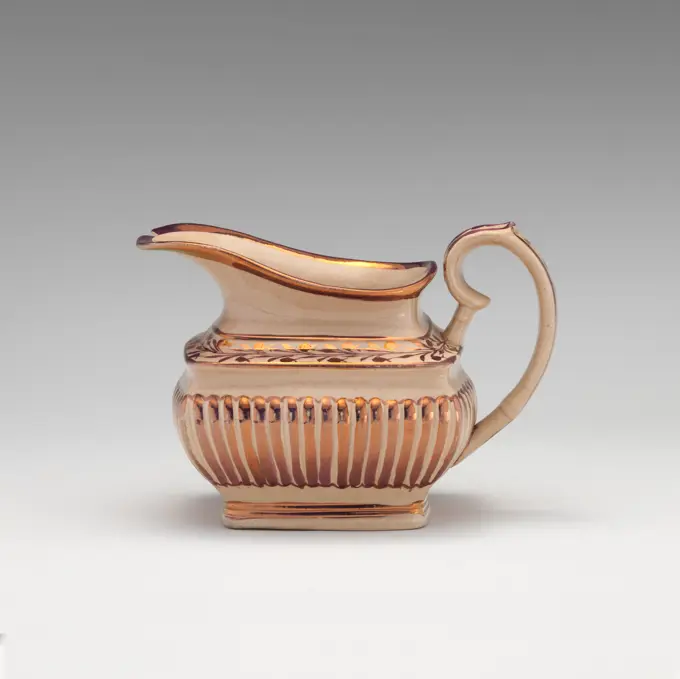
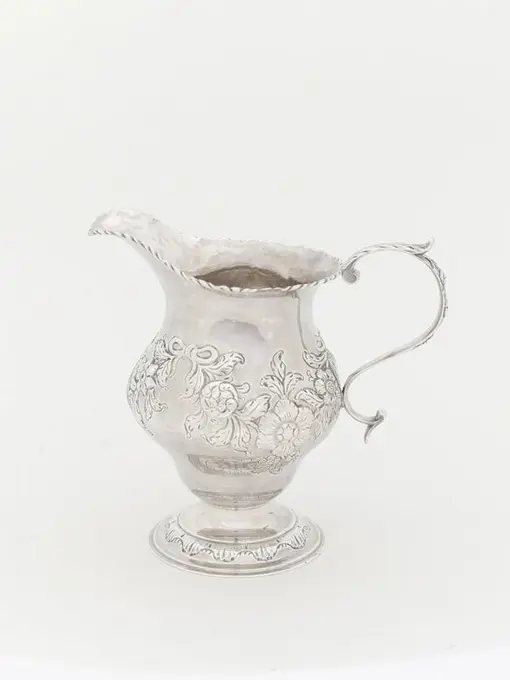
Cream Pot. Bancroft Woodcock; American, 1732-1817; Wilmington, Delaware. Date: 1765-1775. Dimensions: 10.5 × 6.4 × 10.8 cm (4 1/8 × 2 1/2 × 4 1/4 in.); 126.8 grams. Silver. Origin: Wilmington. Museum: The Chicago Art Institute, Chicago, USA.Chocolate Pot 1810-1820 Staffordshire. Lead-glazed earthenware with lustre decoration .Pitcher.  Maker: Paul Revere, American, 1735-1818Cann ca. 1735 Possibly by George Hanners Sr.. Cann 5342Caudle Cup, one of apair.   Maker: John Noyes, American, 1674-1749Cann, c. 1765-1775. Thomas Shields (American). Silver; overall: 13.5 cm (5 5/16 in.); with handle: 13.4 cm (5 1/4 in.); without handle: 9.7 cm (3 13/16 in.).Ewer 1736-37 Thomas Germain. Ewer 200360Cann ca. 1745 Jacob Hurd American The tulip-shaped, scroll-handled drinking vessels called canns were frequently supplied in pairs and were often engraved with the owners coat or arms. Here, the arms of Gardiner (or Gardner) are finely engraved on the body opposite the handle. This cann bears the mark of Jacob Hurd, one of Bostons most prolific silversmiths, whose surviving oeuvre includes a wide range of domestic and church silver, as well as gold mourning rings and silver-hilted swords.. Cann 5345Miniature coffeepot with hinged cover 1705-6 George Manjoy British The production of miniature silver furniture and tea, coffee, and chocolate equipment was a specialty of goldsmiths known as "toy men." The miniatures were probably intended for dollhouses. From the mid-eighteenth century in England until the present, porcelain and fine earthenware miniatures have been made as well.. Miniature coffeepot with hinged cover. British, London. 1705-6. Silver. Metalwork-Silver-MiniatureMilk;  1920s (1820-00-00-00-1829-00-00);Cann ca. 1740 Jeffrey Lang. Cann 5350Teapot, 1768, Abraham Portal, British, English, free 1749, died 1809, 7 x 9in. (17.8 x 22.9cm), Silver, England, 18th century, Abraham Portal was apprenticed to Paul de Lamerie in 1740 and registered his first mark in 1749. Portal was also known as a dramatist, with a number of published plays and poems to his credit.Teapot. Fiedler, Eduard Ludwik (fl. 1828-1865), goldsmithJug; unglazed porcelain (parianware)Miniature coffeepot with hinged cover 18th century Possibly by George Manjoy British. Miniature coffeepot with hinged cover. British, London. 18th century. Silver. Metalwork-Silver-MiniatureMeasure. Culture: British. Dimensions: 4 3/4 × 2 5/8 in. (12.1 × 6.7 cm). Date: 18th century. Museum: Metropolitan Museum of Art, New York, USA.Jug. Syria, 13th century. Metal. Bronze, cast and engravedJug with a portrait among floral scrolls, anonymous, c. 1675 - c. 1724 Jug of stoneware on a high base with spherical abdomen and short, wide neck. The C-shaped ear is attached to the neck and belly. A few profiles and lines in the foot and neck. On the front of the abdomen a printed and imposed medallion with a portrait of a rider with a dog and the incomplete inscription '... ar them Friso Prin'. A flowering plant to the medallion. The leaf vines are input and the flowers are printed and imposed in relief. Attached to the ear a pewter frame with lid. Westerwald. Westerwald Stoneware. Glaze. frame: tin (metal) vitrification Jug of stoneware on a high base with spherical abdomen and short, wide neck. The C-shaped ear is attached to the neck and belly. A few profiles and lines in the foot and neck. On the front of the abdomen a printed and imposed medallion with a portrait of a rider with a dog and the incomplete inscription '... ar them Friso Prin'. A flowering plant to the medallion. Francis Crump, Teapot, 1772/73, silver and wood.MilkCann c 1755-1785 Philadelphia. Silver . John BaylyCreamer, Silver, ivory, Part of repoussé and engraved tea set consisting of teapot (a), urn with lid (b,e), creamer (c), sugar bowl (d). Sloped gadroon runs, Baltimore, Maryland, USA, ca. 1830-46, metalwork, Decorative Arts, CreamerCovered Pitcher. Sèvres Porcelain Manufactory; French, founded 1740. Date: 1839. Dimensions: 21.6 x 17.2 cm (8 1/2 x 6 3/4 in.). Hard-paste porcelain and gilding. Origin: Sèvres. Museum: The Chicago Art Institute, Chicago, USA. Author: Manufacture nationale de Sevres.Goblet-Shaped Ewer 1683 London. Silver . I ATeepot, Hendrik Danielsz van Pruysen (attributed to), 1696 The round, spherical pot rests on a flat base that is decorated with a kndering edge, which is repeated around the outside of the lightly fiddled lid and around the foot of the lid button. The S-shaped spout is formed as a dragon head. The legs ear is loop -shaped. There is an eye on the upper impetus of the ear. The body of the migratory jar is divided into six lobes, which are decorated in Cut Card technology on a punched field with alternating a bouquet with a stick rose in a vase and ranks with stick roses. Above the bouquets and the ranks hang garlands with sunflowers, roses and tulips. Draperies hang out in between, in itself in itself, widening in the fields. A flower wreath runs over the segments with six punched fields of the lid, consisting of a sunflower, a garden anemone, an indefinable flower, a sunflower, a trumpet narcis and a garden anemone. The top of the spherical lid button is decorated with a sunflower. AmstJohn Brevoort, Teapot, c. 1740, silver and wood.Cann 1775-1800 Otto Parisien. Cann 5362Flagon, Spun, cast and engraved silver, Long tapering neck on a bulbous circular form body with inscription around the waist, raised on pedestal foot, the handle a moulded strap S-curve. Inscription: 'They Drank of the Spiritual Rock'., Philadelphia, Pennsylvania, USA, 1860-80, maps, Decorative Arts, FlagonTwo-handled Cup. Garnier (attributed to), Daniel (France, active England, London from 1684, circa 1667-1699). France, 1685. Furnishings; Serviceware. SilverJug with three handles, anonymous, c. 1550 - c. 1599 Jug of stoneware on high foot with an egg -shaped body and wide neck. Three C-shaped ears are attached to the neck and shoulder. Profiles on the neck, shoulder and foot. The basis of the ears extends in an increasingly narrower profile vertically to halfway through the abdomen. Just below the edge a printed and imposed medallion with the letter 'H' in relief. Raeren. Rae stoneware. glaze vitrification Jug of stoneware on high foot with an egg -shaped body and wide neck. Three C-shaped ears are attached to the neck and shoulder. Profiles on the neck, shoulder and foot. The basis of the ears extends in an increasingly narrower profile vertically to halfway through the abdomen. Just below the edge a printed and imposed medallion with the letter 'H' in relief. Raeren. Rae stoneware. glaze vitrificationJug with stylized plants and roundels, anonymous, c. 1750 - c. 1799 Jug of stoneware on stand ring with a pear -shaped, hint -angled body and wide neck. The C-shaped ear is attached to the neck and shoulder. Partly covered with cobalt blue. On the belly seven compartments with a stylized flower interspersed with a Zigizaglijn (Knibis) in fan shape. On the neck two tires with square compartments, alternately filled with a geometric motif and a stamped rosette on Knibis. The lid is caught in a pewter frame and has the same kind of decoration as the neck. A rosette at the top. Westerwald. Westerwald (possibly) Stoneware. Glaze. Cobalt (Mineral). frame: tin (metal) vitrification Jug of stoneware on stand ring with a pear -shaped, hint -angled body and wide neck. The C-shaped ear is attached to the neck and shoulder. Partly covered with cobalt blue. On the belly seven compartments with a stylized flower interspersed with a Zigizaglijn (Knibis) in fan shape. On the neck two tires with squareHot water jug 1748 Paul de Lamerie British. Hot water jug 205682Hot Water Pot. Gorham & Thurber; American, 1850-52; Providence, Rhode Island. Date: 1850. Dimensions: 21.3 × 24.1 × 14.6 cm (8 3/8 × 9 1/2 × 5 3/4 in.) 1111.8 grams. Silver. Origin: Providence. Museum: The Chicago Art Institute, Chicago, USA.Spout Cup Joseph Edwards Jr. American 1782Spherical milk; Chromecki, Wincenty (fl. 2nd century XIX W.-1853); around 1830 (1826-00-00-1835-00-00);Coffee jug. Nast, Ludwik II (fl. post 1854-1887), goldsmithPuzzle jug, Fopkan, Anonymous, c. 1650 - c. 1670Teapot c 1715-1725 New York. Silver . Jacob Marius GroenKettle; Werner, Teodor August (1836-1902); 1877 (1877-00-00-1877-00-00);Beer mug (stein) with a cover with a medal of Frederick William. unknown, authorZachariah Brigden, Creampot, c. 1770, silver.Tankard. England, London, 1683. Furnishings; Serviceware. SilverAmpul of silver on hexagonal base, anonymous, c. 1685 - c. 1700 Ampul of silver, on a hexagonal base. The semicircular barrel turns into a straight high neck. The ear has the shape of a Hazewindhond. Possibly a imitation. Leeuwarden silver (metal) Ampul of silver, on a hexagonal base. The semicircular barrel turns into a straight high neck. The ear has the shape of a Hazewindhond. Possibly a imitation. Leeuwarden silver (metal)Shakkan van Tin with lid, anonymous, 1600 - 1699 Shakkan van Tin. The foot carries a pear -shaped body with SNEB. The top is closed with a slightly arched lid, that is possible and Sneb covered. The shell -shaped thumb rest has a double -cacky hinge. The accolade -shaped handle starts in the neck of the jug and continues to the thickest point of the abdomen. From a sphere, the short, five -sided pour out. Low Countries tin (metal) casting Shakkan van Tin. The foot carries a pear -shaped body with SNEB. The top is closed with a slightly arched lid, that is possible and Sneb covered. The shell -shaped thumb rest has a double -cacky hinge. The accolade -shaped handle starts in the neck of the jug and continues to the thickest point of the abdomen. From a sphere, the short, five -sided pour out. Low Countries tin (metal) castingTankard With Flower Sprays in Panel Decoration and Cover of Tin. Ton-shaped beer mug from porcelain with C-shaped ear and pewter lid with thumb trust, painted on the glaze in blue, red, green, yellow, eggplant, black and gold. Four long lotus magazine-shaped boxes filled with flower branches, rocks and birds; Between the boxes loose flowers on a black speckled green ground; Here above-dependent compartments with lotus drinks surrounded by frog 'Frog Spawn', above a bond with Ruyi motif; Around the edge and the foot a band with geometric pattern. The pewter lid with flower branches and bird in gold. Famille Verte.Two-Handled Cup. Artist: Jeremiah Dummer (American, 1645-1718). Culture: American. Dimensions: Width: 7 in. (17.8 cm). Date: ca. 1690.This small two-handled cup was made for the First Church of Christ Congregational in Farmington, Connecticut by Jeremiah Dummer, the first native-born New England silversmith. One of seven silver drinking vessels originally owned by the Church, it is a particularly fine example, with lively S-scroll handles on a generous pear-shaped body, simply engraved with the initials F.C. With barely a roof over their heads, Colonists endowed their churches with communion silver that befit the simpler form of worship they embraced. This cup retains a beautiful patina, accentuating the hammer marks struck in concentric circles around its body. Museum: Metropolitan Museum of Art, New York, USA.Jar - Inconnu / UnknownTankard, 1669-1670, FS, English, (name and dates unknown), 7 3/4 x 9 1/2 x 6 1/4 in. (19.69 x 24.13 x 15.88 cm), Silver, England, Charles IITankard c 1740-1774 Newport. Silver . William Hookey, Sr. (Silversmith)Teapot of white stoneware with salt glaze; Whieldon true, Anonymous, c. 1750 - c. 1760 Teapot of white stoneware with salt glaze. The belly of the pot has the shape of a double shell. The spout is bent and has the head of a fish as a mouth. The ear is C-shaped and has the shape of a dolphin. England stoneware. salt glaze Teapot of white stoneware with salt glaze. The belly of the pot has the shape of a double shell. The spout is bent and has the head of a fish as a mouth. The ear is C-shaped and has the shape of a dolphin. England stoneware. salt glazeMiniature cup. Culture: British, London. Dimensions: Overall: 1 1/4 × 1 3/4 in. (3.2 × 4.4 cm). Maker: William Fleming (active 1695-1727). Date: 1714-15. Museum: Metropolitan Museum of Art, New York, USA.Hot water jug, 19th century, 13 x 9 x 6in. (33 x 22.9 x 15.2cm), Pewter, England, 19th centuryCoffeepot.   Maker: Joseph Richardson, Jr., American, 1752-1831  Maker: Nathaniel Richardson, American, 1754-1827Creamer. Culture: American. Dimensions: Overall: 6 1/8 x 5 9/16 x 4 in. (15.6 x 14.1 x 10.2 cm); 11 oz. 2 dwt. (345.6 g)Foot: Diam. 2 13/16 in. (7.1 cm). Maker: Harvey Lewis (ca. 1783-1835). Date: 1827. Museum: Metropolitan Museum of Art, New York, USA.Ewer. England. Date: 1805-1825. Dimensions: 31.3 × 12.7 × 18.1 cm (12 3/8 × 5 × 7 1/8 in.). Glass. Origin: England. Museum: The Chicago Art Institute, Chicago, USA.Ketel, Jan Embroidery, 1754 Round, smooth boiler with handle and lid. The boiler is marked: stk. = Amsterdam, Jrl. = U (1754), Mt. = Jan embroidery and the letter V. Amsterdam silver (metal) Round, smooth boiler with handle and lid. The boiler is marked: stk. = Amsterdam, Jrl. = U (1754), Mt. = Jan embroidery and the letter V. Amsterdam silver (metal)Wine Pot with Incised Chrysanthemum Design, 1100s-1200s. Korea, Goryeo period (918-1392). Pottery; As early as the seventh century, the practice of drinking tea and wine became an important part of elite culture in Korea. Elites of the Goryeo period commissioned a variety of types of utensils and vessels including this elegant wine pot, not only to make their drinking experience more exciting, but also to show their appreciation of nature.Can of tin with spiral swelling, Johann Peter Lanius (attributed to), c. 1775 - c. 1825 Can from tin. The three feet are formed by claws on bulbs. The cylindrical can, which is decorated with spiral -shaped swellings. A pointed SNEB at the top. The vaulted lid closes the jug and SNEB and has a Roman soldier as a button. The thumb rest is decorated with an angel's head with wings and turns into the handle via a double -cacky hinge. The round legs and soldier were probably added later. Bad Mergentheim tin (metal) casting / engraving Can from tin. The three feet are formed by claws on bulbs. The cylindrical can, which is decorated with spiral -shaped swellings. A pointed SNEB at the top. The vaulted lid closes the jug and SNEB and has a Roman soldier as a button. The thumb rest is decorated with an angel's head with wings and turns into the handle via a double -cacky hinge. The round legs and soldier were probably added later. Bad Mergentheim tin (metal) casting / engravingCylindrical wine ewer with dragon-shaped spout and handle, anonymous, c. 1662 - c. 1699 Wine jug of porcelain with lid, covered with a translucent white glaze. Cylindrian can with a flat lid with a button in the form of a curled dragon; On the body a light -entered rectangle and modeled tire; The spout and the ear in the form of a chilong (polled dragon). Unglazed underside. Blanc the Chine. China porcelain. glaze vitrification Wine jug of porcelain with lid, covered with a translucent white glaze. Cylindrian can with a flat lid with a button in the form of a curled dragon; On the body a light -entered rectangle and modeled tire; The spout and the ear in the form of a chilong (polled dragon). Unglazed underside. Blanc the Chine. China porcelain. glaze vitrificationCann 1830 Samuel Kirk. Cann 5349Silver jug late 4th century B.C. Greek, South Italian In 1895 the tomb of a Gallic warrior was excavated in a necropolis at Montefortino, about thirty miles west of Ancona in central Italy. The cemetery is that of Gauls who in the fourth century B.C. began to invade central Italy and to stage raids as far south as Apulia. The tomb contained iron weapons, bronze and terracotta vessels, and also a gold ring and five silver vessels that must have been brought as loot from another part of Italy. The hoard includes a silver jug (08.258.51), a silver bowl with swinging handles (08.258.50), a pair of stemless silver cups decorated on the inside with a complex floral pattern (08.258.52-.53), and a silver kyathos (cup-shaped ladle) with a handle that terminates in a duck's head (08.258.54).. Silver jug. Greek, South Italian. late 4th century B.C.. Silver. Hellenistic. Gold and SilverTeapot. Culture: American. Dimensions: Overall: 7 3/8 x 10 3/8 x 5 3/8 in. (18.7 x 26.4 x 13.7 cm); 20 oz. 13 dwt. (643 g)Foot: Diam. 2 15/16 in. (7.5 cm). Date: ca. 1755-75. Museum: Metropolitan Museum of Art, New York, USA.Coffee Pot (England); copper, silver, woodWine jug, anonymous, 1700 - 1800 Lid of rock crystal. In silver frame. China . Lid of rock crystal. In silver frame. China .Cann. William Cowell, Jr.; American, 1713-1761; Boston, Massachusetts. Date: 1735-1750. Dimensions: 13.3 × 13.3 × 8.9 cm (5 1/4 × 5 1/4 × 3 1/2 in.); 393.5 grams. Silver. Origin: Boston. Museum: The Chicago Art Institute, Chicago, USA.Tankard 1720-40 Simeon Soumaine. Tankard 8225Stock jar with ear and lid, painted in light and dark brown, anonymous, c. 1700 - c. 1799 Stock spot with one ear, made of twisted wood; Painted on the inside and top edge dark brown and further light brown. Rotated from two pieces. Amsterdam (possibly) wood (plant material) Stock spot with one ear, made of twisted wood; Painted on the inside and top edge dark brown and further light brown. Rotated from two pieces. Amsterdam (possibly) wood (plant material)Jug with lid and the inscription: Bruder.es.gilt.dir.eins, Anonymous, 1603 Light soil inserted. Smooth, slightly conical base with slammed edge, spherical body under an almost cylindrical neck. Turned on, smooth, c-shaped ear. A smooth glass wire painted with green dots around the body at the height of the bottom of the ear, a smooth glass wire on the neck at the height of the top on the top. The body in white, yellow, blue, green and red painted with the inscription Bruder.es.gilt.dir.eins between smooth and dipped piping. On the neck in Geel the year 1603, the figures separated by green flowers and below and above trimmed with smooth and dotted piping. Vaulted lid of tin, hinged -mounted on the ear and provided with a thumb piece. Bohemia Glass. frame: tin (metal) glassblowing Light soil inserted. Smooth, slightly conical base with slammed edge, spherical body under an almost cylindrical neck. Turned on, smooth, c-shaped ear. A smooth glass wire painted with green dots around the bodFast from stoneware decorated with biblical performances and a weapon. Cylindrical, up narrow tapered can of stoneware, with a pewter lid and a C-shaped ear. The can in relief decorated with a representation of Christ and the emausgoers with a seated man and woman underneath underneath with inscription "Evangelium ... Capitel". On the left a representation of Judith with the head of Holofernus with a banderole with inscription "Judit slog ... head" above her. On the right a weapon with the year 1576.Robert Timbrell and Joseph Bell I, Teapot, 1714/15, silver.Cup.  Maker: Antoine Danjen, American, 1781-1827Teapot.  Maker: Gabriel Lewyn, American, active ca. 1768-1780Silver tankard with inscription, Supper beaker Liturgisch_vat Holder silver, Silver tankard with profiled round plinth base above which cylindrical body slightly upwardly rejuvenates the bottom of which is provided with profiled bands Engraved: This is my Blood of the New Testament Mat: 26: 28 and on the lid Christo: Deo: S Rotterdam Delfshaven Pieter de Hoochweg St. Mary's Church religion church supper religious ceremonyTeapot 1710-22 John Coney This rare surviving teapot by John Coney is an unusual interpretation of the standard pear­shaped model (68.141.89) that predominated in England from the late seventeenth century into the 1720s. Its small spout is set close to the body and its cover has an especially high dome. The coat of arms, engraved on an oval shield within a symmetrical cartouche, is that of Mascarene, for Jean­Paul Mascarene (1685-1760), a military officer and later lieutenant governor of Nova Scotia.. Teapot 8363BabyFeederPitcher 1747 Pierre Malmouche. Pitcher. French, Le Mans. 1747. Pewter. Metalwork-PewterAntique brass pot isolated on the whitePurse with inscription: Allex Enndorffer der Gos Mich 1538. The molded round mortar widens a little upwards, has a knowing edge and a slightly flared base. Precisely above one on the top by three ribs closed fries with the inscription in Latin Majuskels Alex Enndorfer der Gos Mich 1538 with five interpunctions consisting of a stylized clover sheet. The handle has the shape of a dolphin.. This ewer is made up of three parts. The foot and the body are turned from large chunks of rock crystal, into which the surface decoration was subsequently carved. A different technique was used for the neck and the handle, which were cut from a third single piece of crystal.Sugar Bowl and Cover Bowl; Designed by Christian Johannes van der Hoef (Dutch, 1875 - 1933); Manufactured by Amphora Factory (Netherlands); Netherlands; earthenwareLid, brown with light spots. Cover of pottery with brown lust grab. Light spots on the lid.Coffee pot; Walker & Hall (company z Otnicz and Platernicza; 1845-1963); 1930/31 (1930-00-00-1931-00-00);Teapot with cover 1765 Al'derman Petrov Fiodor. Teapot with cover 193439Spouted jug. This jug was used to pour wine. It is made of stoneware, a kind of clay pottery that is fired at an extremely hightemperature. The result is a hard, non-porous material excellently suited for containing liquids. The jointbetween the neck and the spout is shaped like a human arm, with a hand resting on the spout.Rococo coffee jug; Lekszycki, Walenty (Fl. 1776-1791); around 1780 (1776-00-00-1785-00-00);Tarnowski, Stanisław - collection, coffee (vessel), rococo (style), purchase (provenance)Wine jug, anonymous, 1700 - 1800 Can with lid of rock crystal. China . Can with lid of rock crystal. China .Teakettle on stand. Culture: American. Dimensions: 11 x 9 in. (27.9 x 22.9 cm). Maker: James T. Woolley (1864-after 1927). Date: ca. 1910.Having worked for many years for the Boston silversmiths Goodnow and Jenks, Woolley established his own workshop in 1908. An early member and award-winning medalist of Boston's Society of Arts and Crafts, he also belonged to the Detroit Society of Arts and Crafts and exhibited in New York City. Much of Woolley's work reflects the Colonial Revival style, as exemplified in this fluted, spherical teakettle on stand. Museum: Metropolitan Museum of Art, New York, USA.Beer mug with eight -sided flat lid, caught in silver frame. Foot edge and lid decorated with etched maurken; Cup with vertically cut facets., Anonymous, 1500 - 1600 Beer mug, caught in a frame of gilded silver. On the eight -sided, flat lid and around the foot edge a decoration of etched Mauresken. The cup is decorated with vertically cut facets. Nuremberg silver (metal). gilding Beer mug, caught in a frame of gilded silver. On the eight -sided, flat lid and around the foot edge a decoration of etched Mauresken. The cup is decorated with vertically cut facets. Nuremberg silver (metal). gildingMug. Culture: American. Dimensions: H. 6 5/8 in. (16.8 cm). Maker: Henry Will (1734-ca. 1802). Date: 1761-93. Museum: Metropolitan Museum of Art, New York, USA.Beer mug with lid, Anonymous, c. 1700 - c. 1750Teapot. Culture: British, Staffordshire. Dimensions: Overall: 4 5/8 × 5 5/8 in. (11.7 × 14.3 cm). Date: ca. 1750. Museum: Metropolitan Museum of Art, New York, USA.Vincent Burzy, Pitcher, 1935 1942 PitcherTeapot, 18th century, 7 x 11 1/2 x 5 1/4in. (17.8 x 29.2 x 13.3cm), Pewter, wood, England, 18th centuryPitcher (England); stoneware; 18.5 x 11 cm (7 5/16 x 4 5/16 in.); Bequest of Jane M. Epstine; 2006-20-31Teapot 1879-83 Manufactured by Chelsea Keramic Art Works This teapot, in both its shape and relief decoration, demonstrates the penchant for Japonisme during the Aesthetic Movement. The distinctive shape with flat sides has prototypes in English pottery. The molded decoration of bamboo and swallows are motifs popular in the period.. Teapot 17230Chocolate pot with cover ca. 1755-70 British, Staffordshire. Chocolate pot with cover. British, Staffordshire. ca. 1755-70. Lead-glazed earthenware (creamware). Ceramics-PotteryGoldsmith's art, Italy, 17th century. Pontifical ewer, Neapolitan manufacture.Punch bowl. Culture: British, London. Dimensions: Overall (with handles): 8 1/16 × 12 in. (20.5 × 30.5 cm). Maker: Probably by William Eddon. Date: 1702. Museum: Metropolitan Museum of Art, New York, USA.Tankard (schnelle) with a coat of arms, anonymous, c. 1550 - c. 1599 Jug (schnelle) of stoneware with cylindrical, tapered body and C-shaped ear. Profiles under the edge and above the foot. Covered with a brown Engobe. On the front of the jug in relief a printed and imposed diamond shape containing a crowned weapon. Raeren. Rae stoneware. glaze. engobe vitrification Jug (schnelle) of stoneware with cylindrical, tapered body and C-shaped ear. Profiles under the edge and above the foot. Covered with a brown Engobe. On the front of the jug in relief a printed and imposed diamond shape containing a crowned weapon. Raeren. Rae stoneware. glaze. engobe vitrificationCream jug early 19th century British, Staffordshire. Cream jug. British, Staffordshire. early 19th century. Earthenware, lustered. Ceramics-Pottery