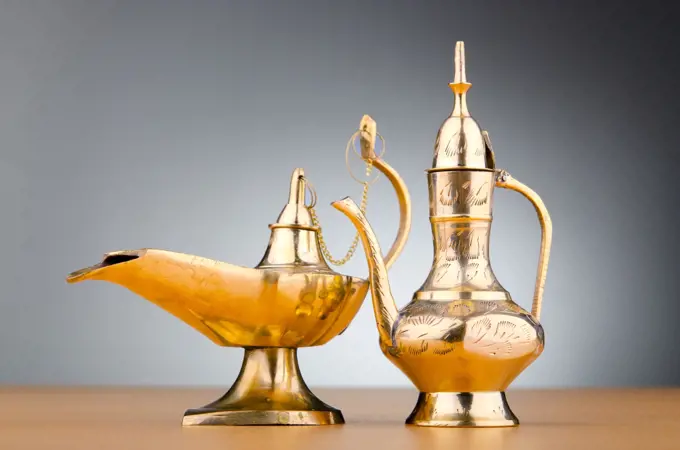
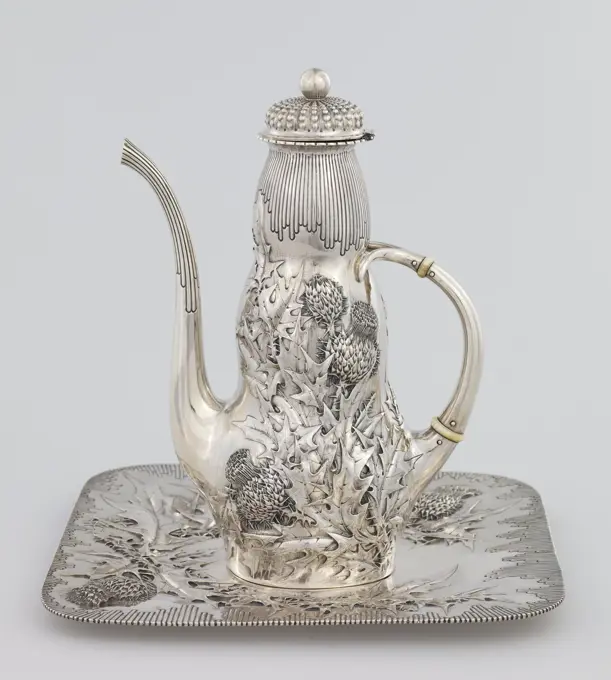
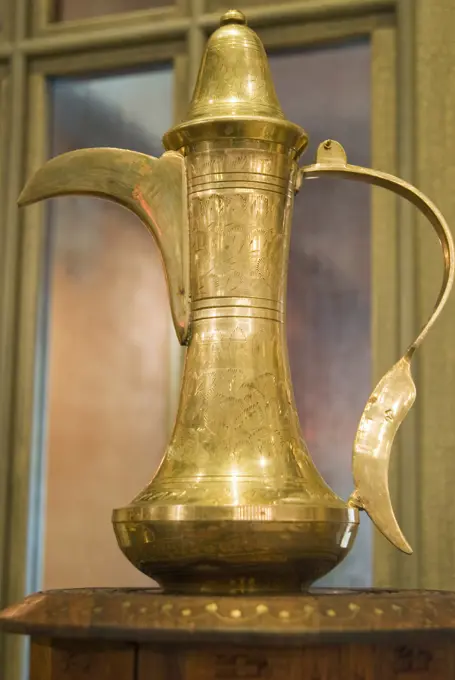
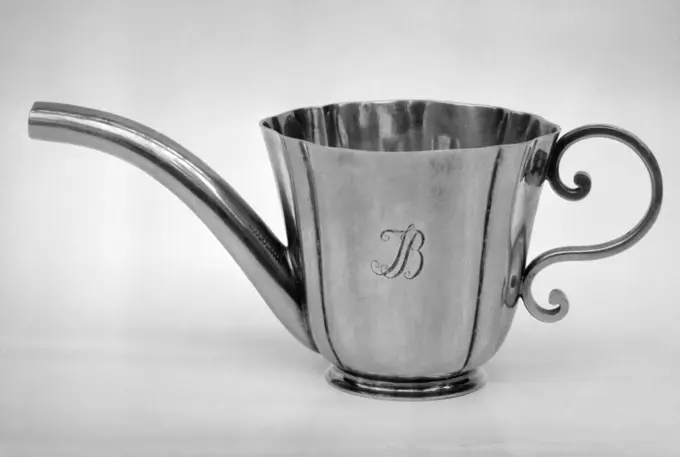
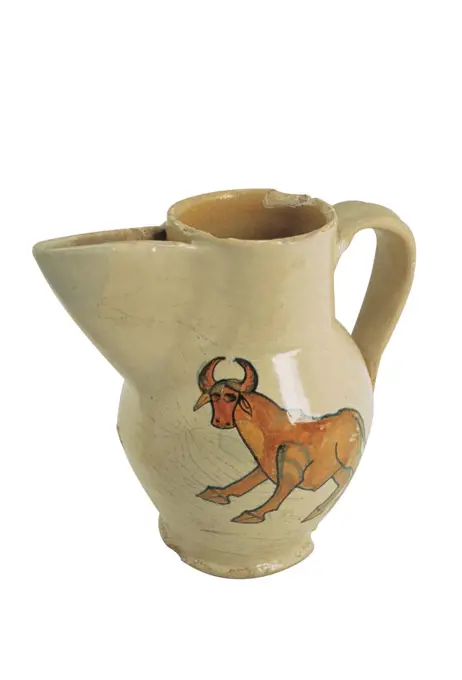
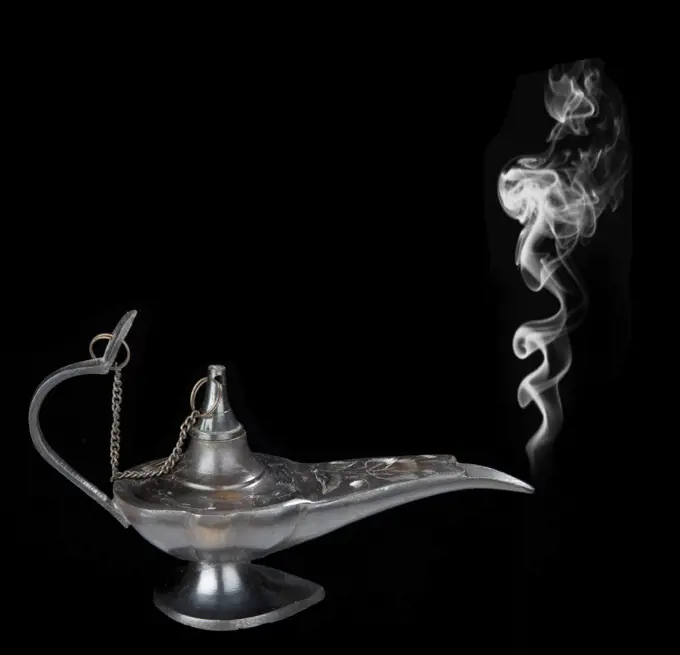
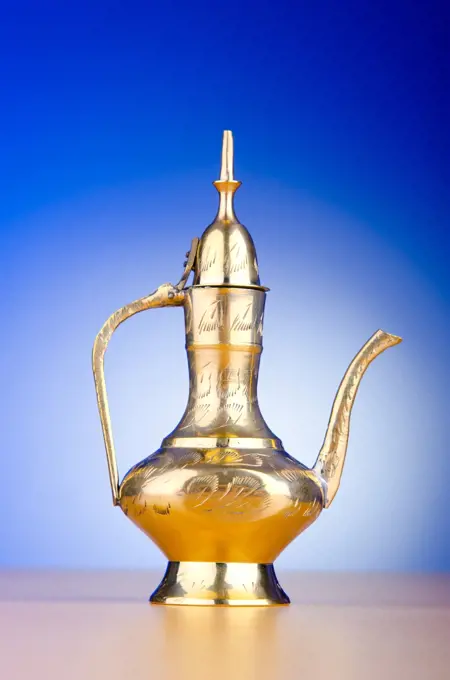
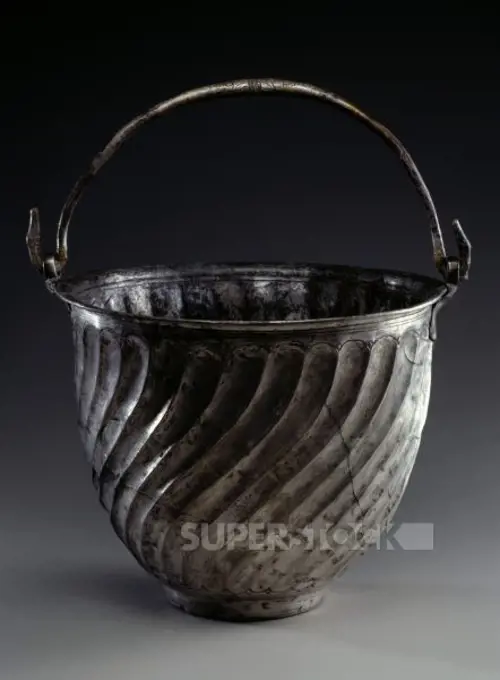
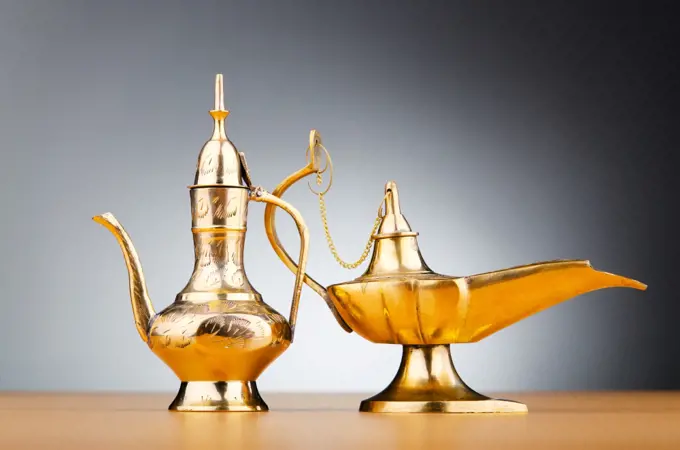
Antique Metal Vessels

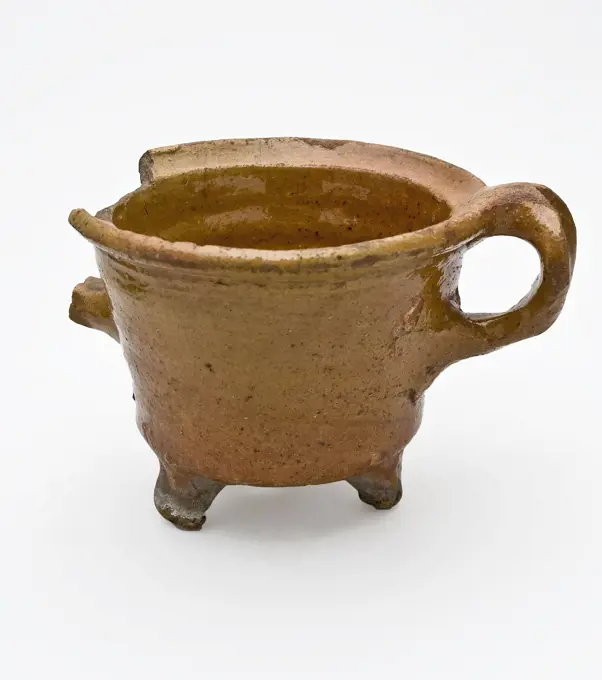
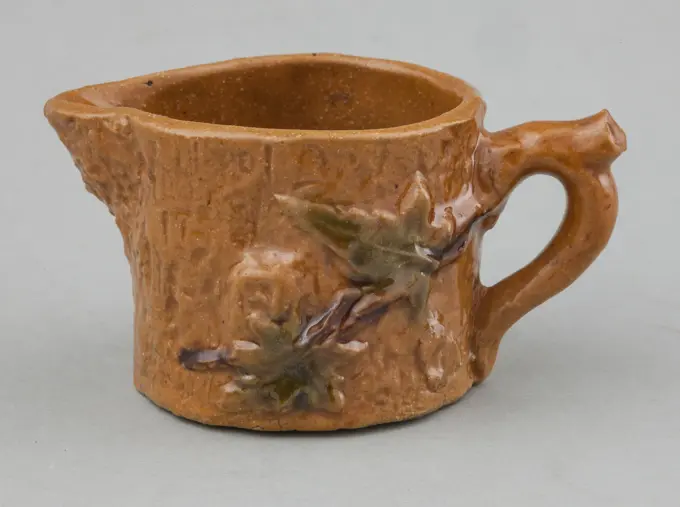
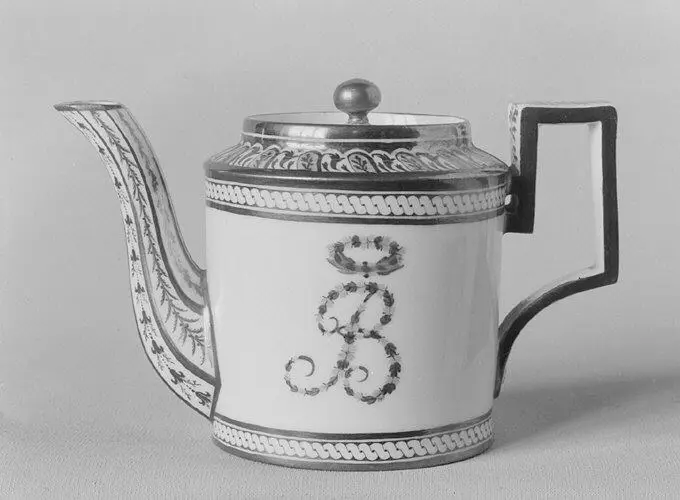
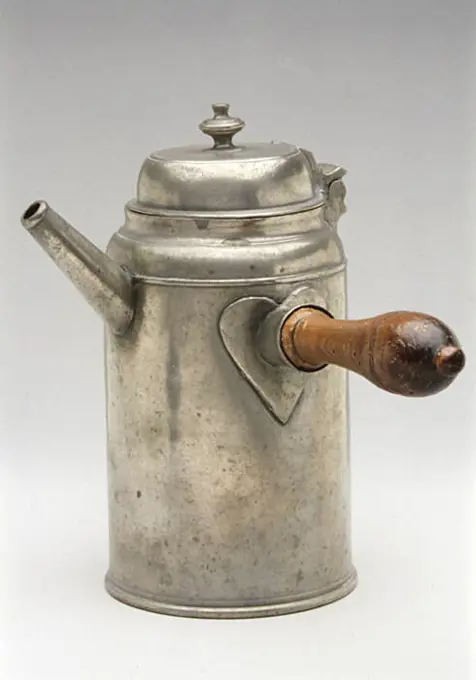
Collection of historical silver and earthenware pots and pitchers, characterized by intricate designs and traditional craftsmanship.

Milk;  1920s (1820-00-00-00-1829-00-00);
Milk; 1920s (1820-00-00-00-1829-00-00);
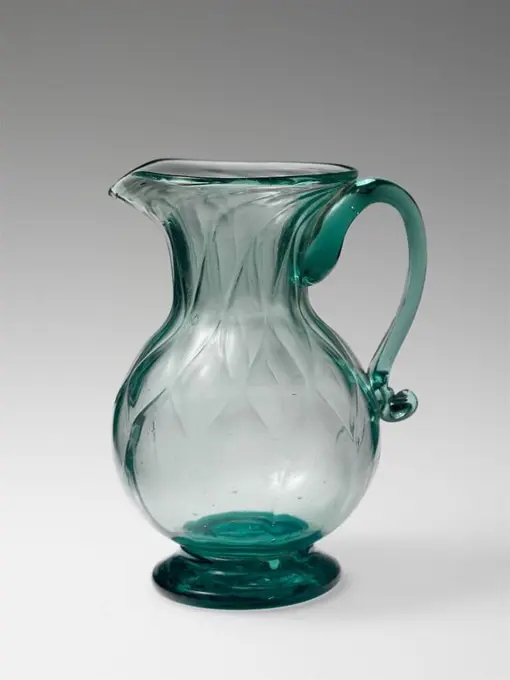
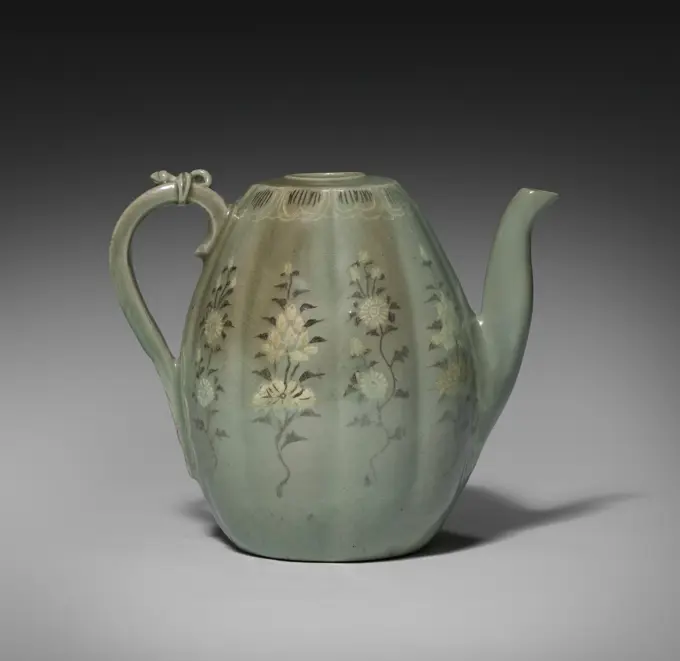
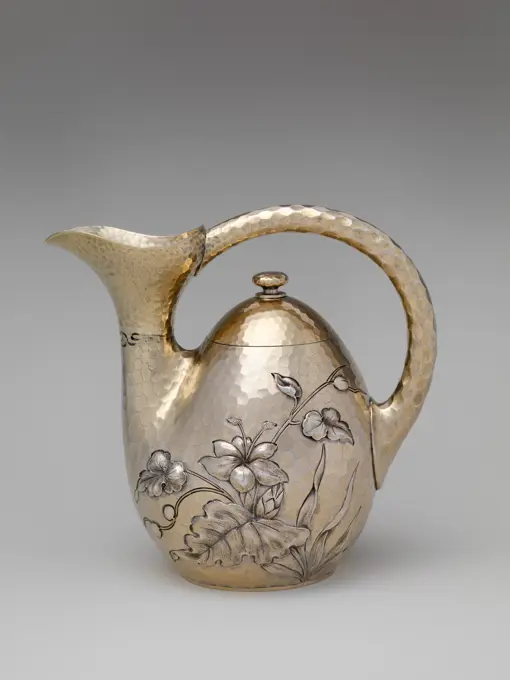
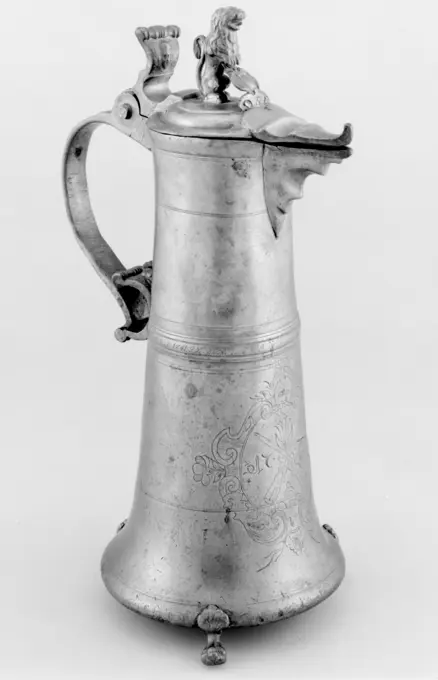
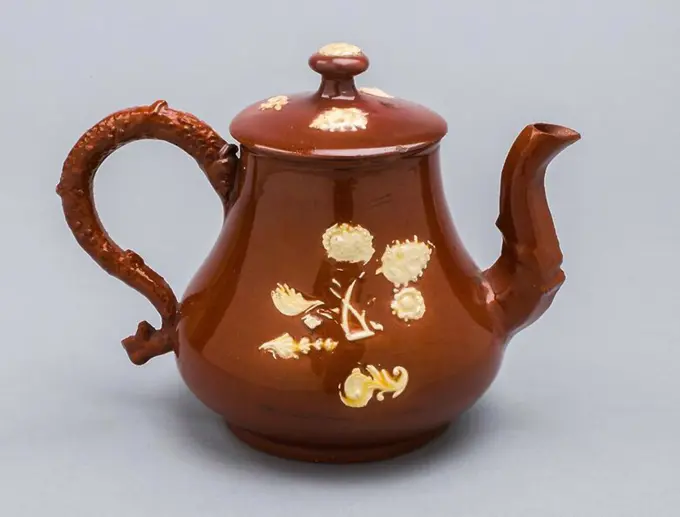
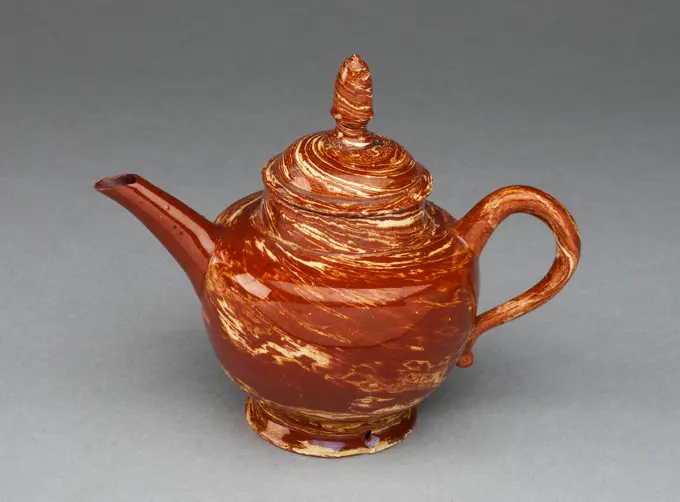
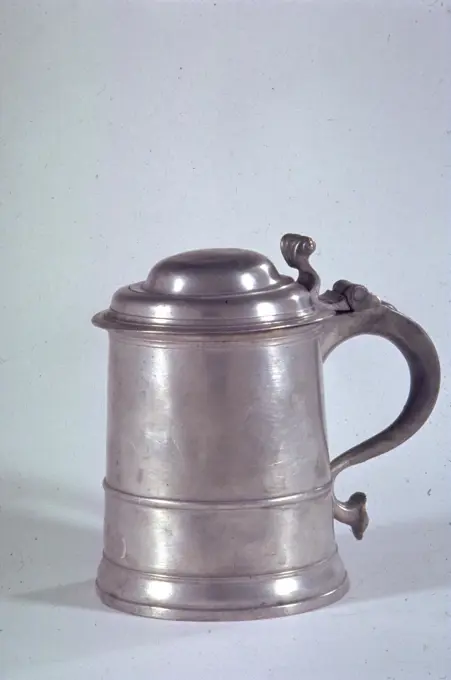
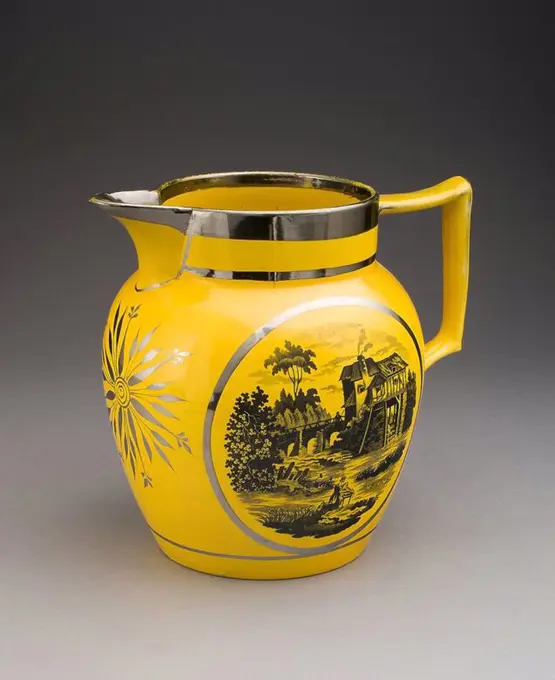
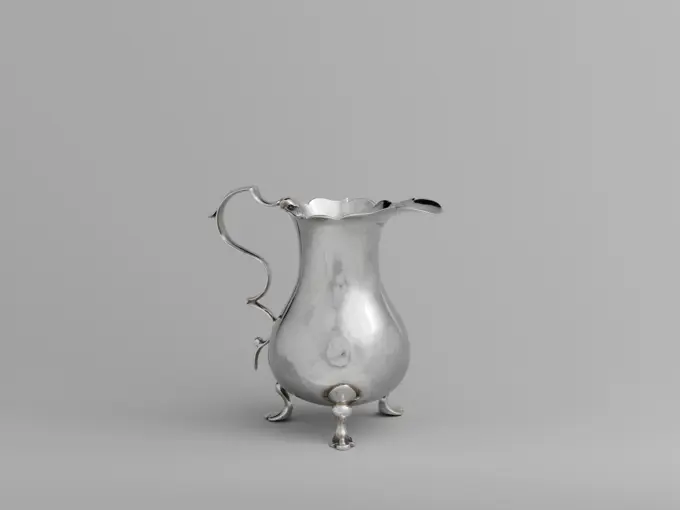
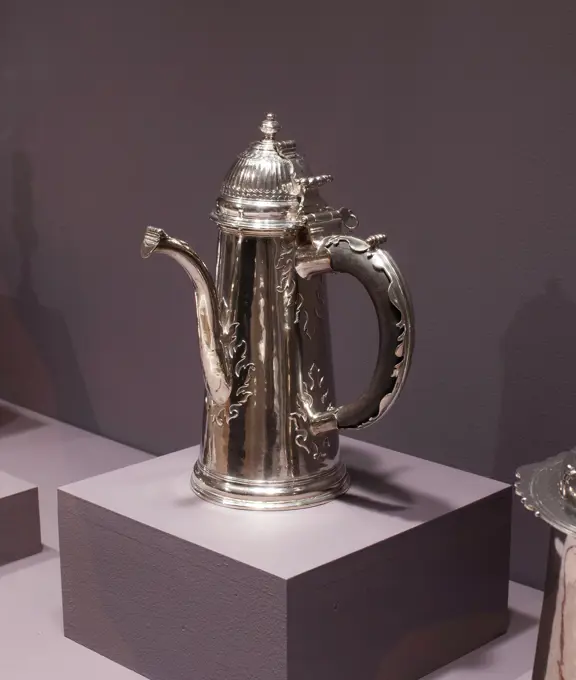
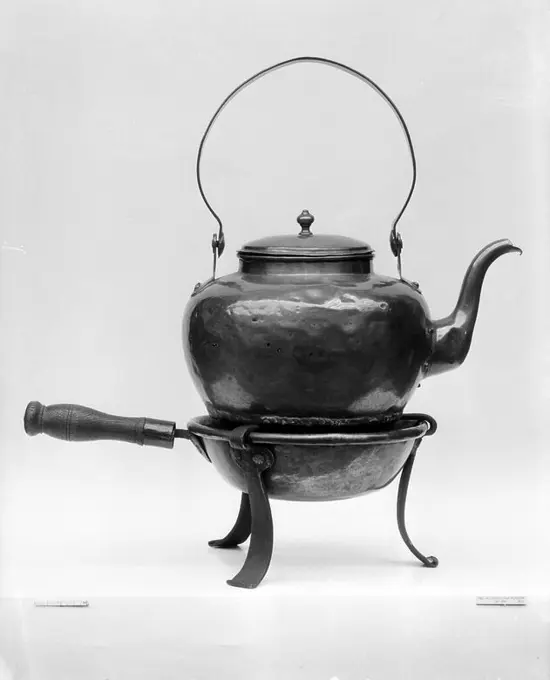
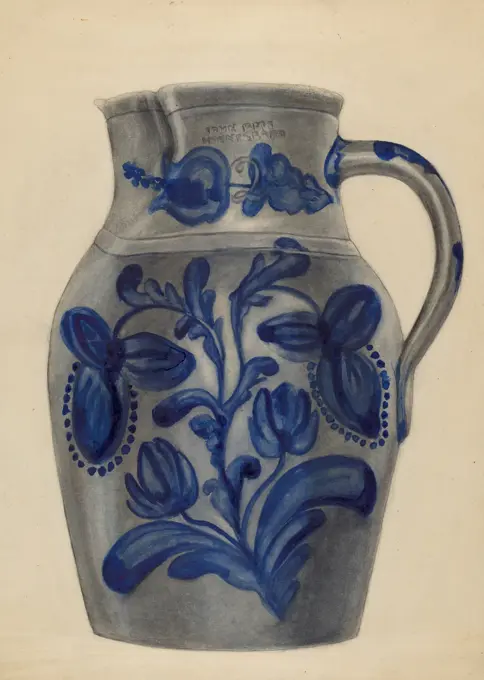
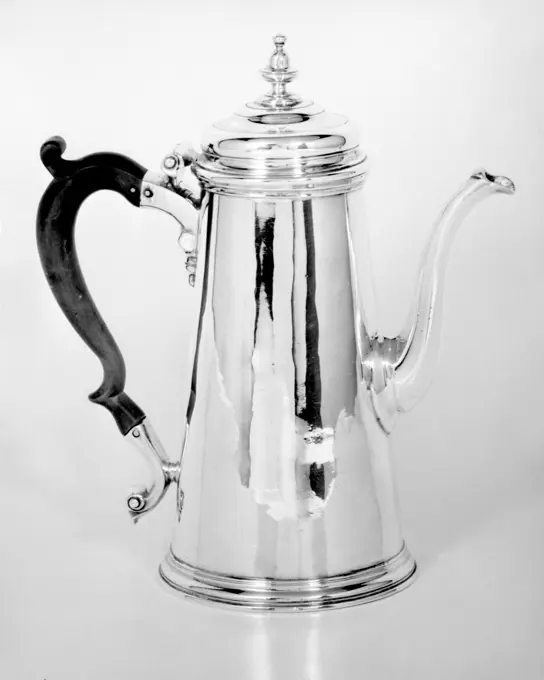
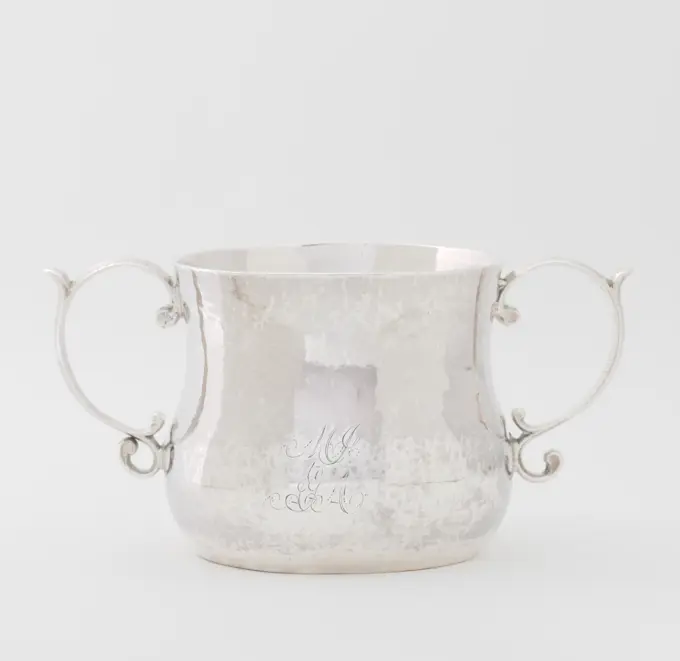
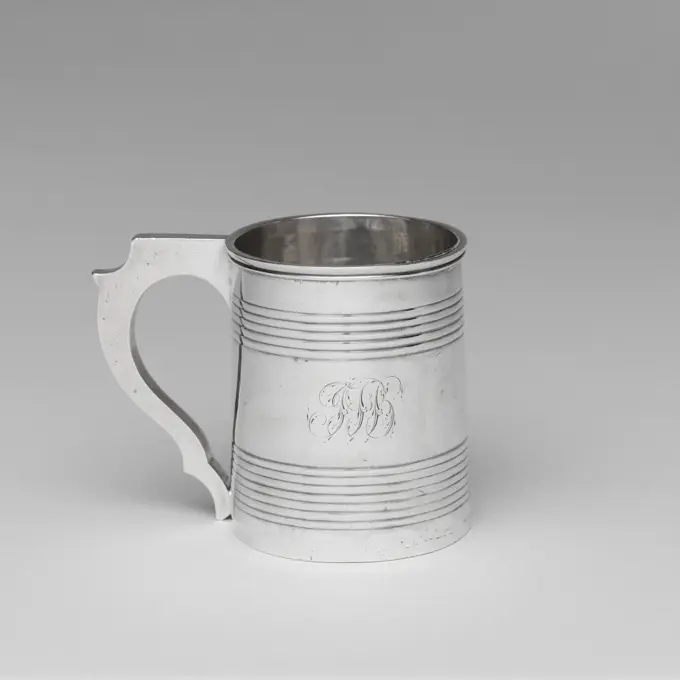
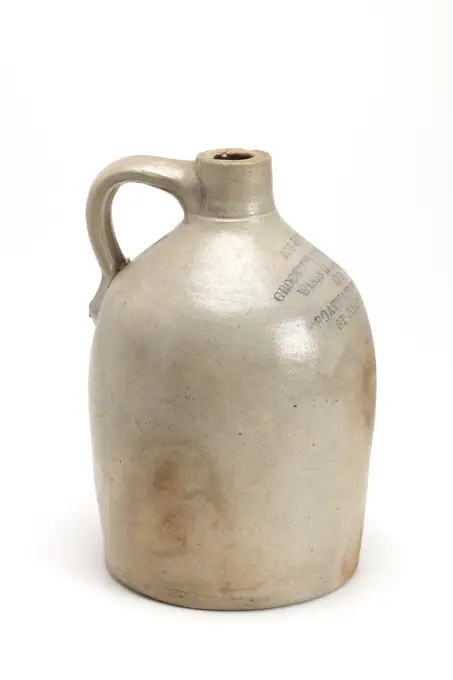
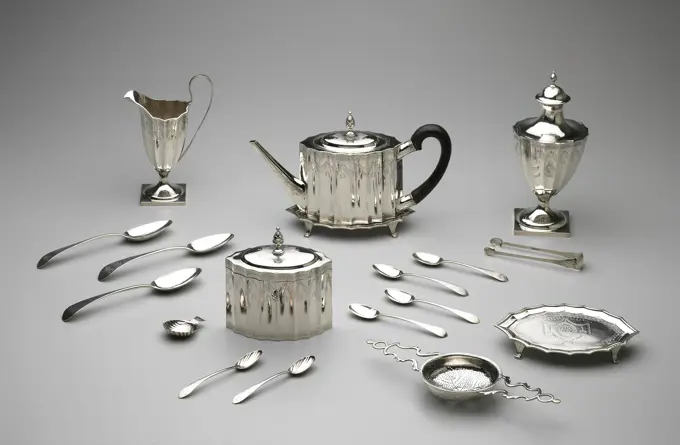
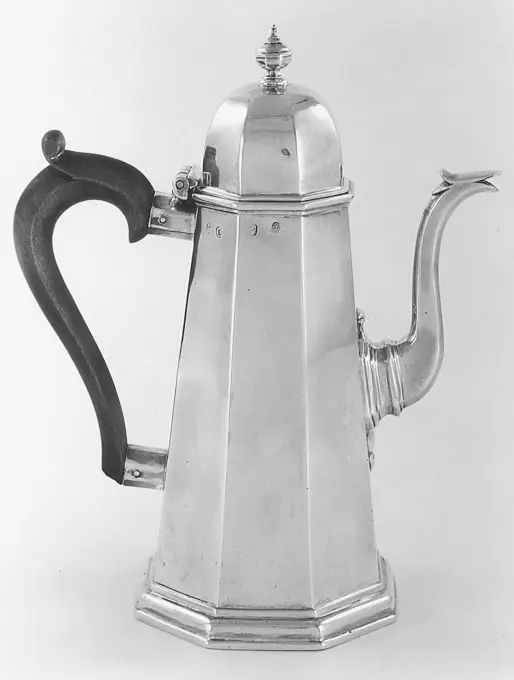
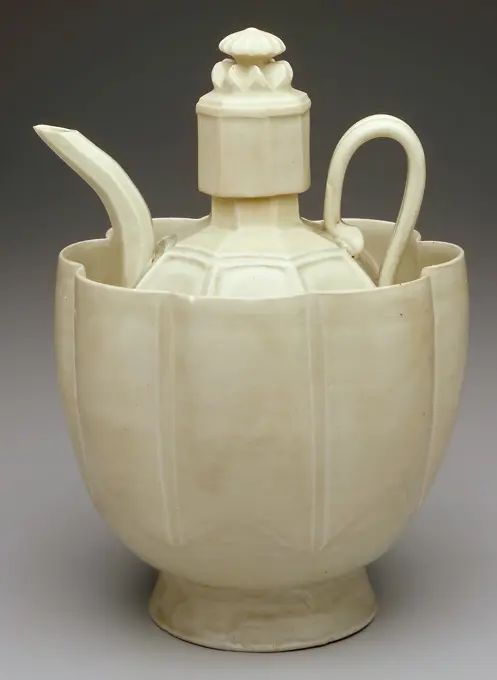
Wine Ewer and Basin, 11th century, 10 1/2 x 7 13/16 x 7 in. (26.67 x 19.84 x 17.78 cm), Qingbai ware Porcelain with pale blue glaze, China, 11th century, Intended for serving warmed wine, this ewer, its fitted cover, and warming basin form a rare, complete set of what was once standard tableware for middle- and upper-class Northern Sung society. This fine quality, early porcelain was refined during the tenth century at Jingde Zhen in southeast China. Porcelain stone was mixed with white gaolin clay to produce a whiter more plastic body with a wide firing range. Although often thinly potted and delicately formed, the translucent hardness of Qingbai ware made it extremely serviceable, and it appealed to a wide market both domestic and foreign. The blue-tinted glaze could, as the case is here, appear almost white. The faint blue color is due to a reducing kiln atmosphere provided by the pine wood fuel that was used. While utilitarian standard Song forms were commonly produced at most QingPitcher withballTeapot with a wooden ear. Zamoyski, Adam (fl. 1824-1842), goldsmithCream pitcher. Culture: American. Dimensions: H. 5 5/8 in. (14.3 cm). Date: 1820-45. Museum: Metropolitan Museum of Art, New York, USA.Pitcher with Cover, 1100s. Korea, Goryeo period (918-1392). Celadon ware with inlaid white and black slip decoration; outer diameter: 15 cm (5 7/8 in.); height: 18.8 cm (7 3/8 in.). The chrysanthemum is the flower of autumn. In East Asia, its wine was believed to bring longevity if drunk during the Double Nine Festival (September 9). "Drinking Wine," a poem by Tao Yuanming (AD 365-427), combines the flower with the theme of the reclusive life: "From the eastern fence, I pluck chrysanthemum flowers, and idly look toward the southern hills." In Korea, the chrysanthemum was established as a popular motif for Goryeo inlaid celadon as early as the 1100s. The flower was used as the main motif for wine service vessels in particular. When Koreans drank wine from Goryeo celadon decorated with chrysanthemum designs, they believed that Taos faithful spirit transferred to their inner mind, as did the blessings of longevity.PUCHERO O SELLA EN CON TAPA Y DOS ASAS- BARRO COCIDO. Location: ALFARERIA. SPAIN.CaudleCup.  Maker: Gerrit Onckelbag, American, 1670-1732Wine pot 1882 Dominick & Haff Dominck & Haff produced a diverse range of magnificently crafted silver and was an influential and defining force in the American silver industry. The exquisite ornament on this wine pot, in the form of a Greek askos, reveals the hand of a masterful chaser, likely the same craftsman who chased the tureen on display nearby (2011.115). Exceptional among Dominick & Haffs oeuvre, the small group of objects associated with this virtuosic chaser are some of the finest examples of American Aesthetic movement silver known.. Wine pot 639661Pitcher.   Maker: John Wolfe Forbes, American, 1781-1864Honorand: Oliver M. Lownds, died 1844Hot MilkJug.  Maker: Wood and Hughes, American, active 1840-99Honorand: George B. Cheever, D. D.Flagon ca. 1722 possibly Swiss, Zug. Flagon 207972Teapot. Staffordshire, England. Date: 1720-1745. Dimensions: 12.1 x 15.9 x 10.3 cm (4 3/4 x 6 1/4 x 4 1/16 in.). Lead-glazed earthenware (redware). Origin: Staffordshire. Museum: The Chicago Art Institute, Chicago, USA.Teapot 1750-1760 Staffordshire. Lead-glazed earthenware (agateware) .Pitcher ca. 1846-52 Harker, Taylor and Company. Pitcher 5803Tankard.   Maker: John Bassett, American, 1696-1761Jug. England, Staffordshire. Date: 1815-1825. Dimensions: H. 20.3 cm (8 in.). Lead-glazed earthenware with yellow ground, black enamel and silver lustre decoration. Origin: Staffordshire. Museum: The Chicago Art Institute, Chicago, USA.Skyphos ca. 350-300 B.C. Greek, South Italian, Apulian. Skyphos 255686Cup with the portrait of the Duc de Berry, Fabriek Dominique Denuelle, in or after 1820 Porcelain head with a cylindrical body and a high ear in the form of a swan neck and palmet. Covered with gold. On the outer wall, grab in the gold, twice a decorative tire. In between a wide band with putti, who wear or make music a coat of arms. On the front of the wall a medallion surrounded by a laurel wreath. In this a portrait of the Duc de Berry in Biscuit and the edge writing 'Ch. F. Duc de Berry Ne Le XI Janvier ... Ort Assasine Le 14 Fevrier 1820 '. Marked on the underside with 'Denuelle Rue de Crusol a Paris' and' ... A.R. Berry '. Paris porcelain. glaze. gold (metal) painting / gilding / vitrification Porcelain head with a cylindrical body and a high ear in the form of a swan neck and palmet. Covered with gold. On the outer wall, grab in the gold, twice a decorative tire. In between a wide band with putti, who wear or make music a coat of arms. On the front of the wall a medallion surrouMiniature mug late 17th-early 18th century David Clayton British. Miniature mug. British, London. late 17th-early 18th century. Silver. Metalwork-Silver-MiniatureClose-up of an Empire-Style Neapolitan coffee pot with hinged lid, Campania, ItalyTankard 1706-8 David King. Tankard 189213 Maker: David King, active 16881738, Tankard, 17068, Silver, H. 8 1/4 in. (21 cm). The Metropolitan Museum of Art, New York. Rogers Fund, 1907 (07.64.1)Mortar 15th century North German. Mortar 468674Gnathia jug;  325-300 BC (-325-00-00--300-00-00);Sugar bowl with relief decoration of lisdodden. Sugar bowl of pottery, celadon-color. The walls embossed decorated with lis dods, which partly through the two S-shaped ears.Teapot. Culture: China. Dimensions: H. 4 7/8 in. (12.4 cm). Date: 19th century. Museum: Metropolitan Museum of Art, New York, USA.Pottery strawberry pot, conical model with two vertical bands, on three legs, Strawberry pot, pottery holder, earthenware, pottery, earthenware, glaze, lead glaze, hand-turned, glazed, baked earthenware, Delftware (grape), red shard, inner side and top half covered with lead glaze with vertical bandolets topped. Hole in the bottom. Rotary filaments archeology indigenous pottery food prepare market sell kitchen foodHelmut Hiatt, Teapot  Wadsworth Tower, c 1936 Teapot - Wadsworth TowerPitcher. Culture: American. Dimensions: 9 x 7 in. (22.9 x 17.8 cm). Date: 1830-65. Museum: Metropolitan Museum of Art, New York, USA.Jug ZigmanPitcher 1830-65 American. Pitcher. American. 1830-65. Blown glass with applied decoration. Made in United StatesTeapot (part of a traveling tea service) ca. 1788 Dihl et Guérhard French. Teapot (part of a traveling tea service) 194844Chocolate pot ca. 1806-13 Freidrich Gottfried Herrmann. Chocolate pot 207864Auger with wall a coat of arms and dragon-shaped handle. The cast round mortar widens upwards, has a rounded outright edge and a little flared base. On the wall at the front a weapon (a crossbar over three corners and above three six-lasting stars), a handle at the back in the form of a dragon. The wall is articulated by six vertically placed ribs, which rise alternately or zigzags. Above five reliefs with six-leaf rosettes or James shells.Coffeepot 18th century British. Coffeepot 204480Creampot 1755-70 Benjamin Burt American. Creampot 2658Chocolate pot, c. 1703, William Charnelhouse, English, active 1703-1712, 9 1/4 x 4 x 4 in. (23.5 x 10.16 x 10.16 cm), Silver, England, Queen Anne, The side handle on this chocolate pot allowed one to hold and pour the pot while mixing the chocolate beverage with a muddler. The highly decorative 'cut-card' mounts applied around the handle and spout are a typical attribute of the English style in this period.Water Pitcher. Dated: c. 1940. Dimensions: overall: 35.4 x 26.1 cm (13 15/16 x 10 1/4 in.) Original IAD Object: 11 1/2 " Wide 8 1/2" Neck 4" High(handle). Medium: watercolor, graphite, gouache, and pen and ink on paperboard. Museum: National Gallery of Art, Washington DC. Author: Jessie M. Youngs.Can decorated with owl, factory of Brouwer's earthenware, 1907 Can with earthenware ear, decorated in tabeer/sgrafitto technology with an owl, blue on black soil. Leiddorp earthenware Can with earthenware ear, decorated in tabeer/sgrafitto technology with an owl, blue on black soil. Leiddorp earthenwareCup 1750-1759 Staffordshire. Lead-glazed earthenware (agateware) .Sugar bowl, from a four-piece coffee and tea set, c. 1875, William Fairbourne and Sons, Sheffield, England, dates unknown, 4 1/4 x 7 x 4 7/8 in. (10.8 x 17.78 x 12.38 cm), Silverplated metal, England, 19th centuryMustard pot 1755-56 Maker: possibly Louis-Gaspard Thévenot. Mustard pot 200278Armorial ewer (brocca) probably 1527 Italian, Faenza. Armorial ewer (brocca) 460149TeapotScent Bottle, c. 1860-70. Tiffany & Co. (American, New York, est. 1837). Silver; overall: 8 x 7.9 x 2.5 cm (3 1/8 x 3 1/8 x 1 in.).Teaspoon, from a children's tea service, c. 1875, James Tuff, 1 7/8 x 1/2 in. (4.76 x 1.27 cm), Silver plated pewter, United States, 19th centuryEwer for hot water Japan 15th-16th century View more. Ewer for hot water. Japan. 15th-16th century. Brown-black and red lacquer; Negoro ware. Muromachi period (1392-1573). LacquerMustard (luminaire); Fox, Charles Thomas & George (London; company Z Otnicz; Fl. 1801-1922), Fox, George (1816-1910); 1897/98 (1897-00-00-1898-00-00);Covered Teakettle. Dimensions: 14 1/2 x 14 1/2 in. (36.8 x 36.8 cm). Date: 1700-1800. Museum: Metropolitan Museum of Art, New York, USA.Flask. Culture: American. Dimensions: H. 6 1/2 in. (16.5 cm). Maker: Attributed to Baltimore Glass Works (1800-ca. 1890). Date: ca. 1846. Museum: Metropolitan Museum of Art, New York, USA.Tea Service 1850 Providence. This beverage service is the earliest documented set by Gorham and Thurber (later Gorham Manufacturing Company), one of the leading United States silver manufacturers active in the 19th and 20th centuries. An example of the ornate Rococo Revival style, the vessels are bulbous and boldly embossed with florid imagery related to their use. If you look closely at the pieces, you can see details such as tea leaves and scenes inspired by China on the teapot the largest of the set), cows in a pasture on the creamer, and a figure at work in a cane field on the sugar bowl.. Silver . Gorham and ThurberAncient lamp isolated on the whiteSauceboat ca.1833 Eoff and Conner. Sauceboat 5790Size of approx. 0.843 liters. Size of approx. 0.843 liters with handle. 2 recesses in the top edge (overflowing). Signature.Tankard with 58 Medallion Portrait of Russian Princes and Tsars from Ryurik to Catherine II. Mammoth ivory, relief and openwork carving. St. Petersburg, Russia. 1771-1775. O.Kh. Dudin (1714-1780). The State Hermitage Museum. Saint Petersburg. Russia.Coffee and tea service with a gothic arcade decoration, Perche, c. 1800 - c. 1899 Coffee and tea set of porcelain, painted in underly glaze blue and on the glaze gold. The 27 -year -old service consists of a coffee pot, teapot, sugar bowl, milk jug, bowl and eleven cups and saucers. All decorated with a gothic arch decoration against a blue background. Most parts are marked with the green fish. Saint-Yrieix-la-Perche porcelain. glaze. cobalt (mineral). gold (metal) painting / gilding / vitrification Coffee and tea set of porcelain, painted in underly glaze blue and on the glaze gold. The 27 -year -old service consists of a coffee pot, teapot, sugar bowl, milk jug, bowl and eleven cups and saucers. All decorated with a gothic arch decoration against a blue background. Most parts are marked with the green fish. Saint-Yrieix-la-Perche porcelain. glaze. cobalt (mineral). gold (metal) painting / gilding / vitrificationDistilling Apparatus, anonymous, 1866 - 1870 condenser Distilleer device or condenser for obtaining fresh water from salt water, with handwritten explanation on paper (NG-MC-1108-2). The system has two separate water flows: cold sea water from outside the ship comes in the external, cylindrical barrel downstairs and, heated, the device leaves upstairs and is led outside the ship again; Steam is introduced by the top the device and divided into a number of pipes, in which it is cooled by the seawater in the external barrel and, once condensed, it is tapped under like fresh water. Two more cranes have been installed in the wall of the external barrel, connected to a pipe. The closures of the external barrel and of the distiller pipes are applied with bolts and nuts. maker: Netherlandsafter design by: United Kingdom copper (metal). brass (alloy). iron (metal)Maker's mark SH linked, Tankard, 1693/94, silver.Pitcher.   Maker: Boardman and Hart, American, 1828-1853Hedwig Emanuel, Pitcher, 1935 1942 PitcherThree-Piece Tea Service, Theodorus Gerardus Bentvelt, 1833 Milkkan of silver, round -flattened model decorated with godrons. Up worked ear. The milk jug is part of a tea set consisting of teapot, milk jug and sugar bowl. Amsterdam silver (metal) Milkkan of silver, round -flattened model decorated with godrons. Up worked ear. The milk jug is part of a tea set consisting of teapot, milk jug and sugar bowl. Amsterdam silver (metal)Measure late 18th century French, Rouen. Measure. French, Rouen. late 18th century. Pewter. Metalwork-PewterCoffeepot 1737-38 Probably by Thomas Whipham British. Coffeepot 197707Jug (trunk); Kreussen (ceramic family; XVII-XIX century); 1658 (1658-00-00-1658-00-00);Caudle Cup c 1690 Boston. Silver . Jeremiah DummerMug 1820-30 John W. Forbes American. Mug 5339Jug - Inconnu / UnknownOne-handled Cup; Eastern Mediterranean; perhaps 1st - 2nd century; Glass; 7 x 7 cm (2 3,4 x 2 3,4 in.)Tea caddy, from a tea service, 1792, Paul Revere, Jr., American, 1734-1818, 5 3/4 x 5 1/2 in. (14.61 x 13.97 cm) (tea caddy and stand), Silver and wood, United States, Federal, The most complete Revere service known, this set was made for a Boston merchant and his wife, John and Mehitable Templeman. It includes one of only two tea caddies made by Revere. The locked boxes held loose tea, an expensive and fashionable commodity. The shell-shaped spoon was used for measuring tea and the sieve was used for straining punch, a beverage often served along with tea. The second stand may have been used as a tray for spoons no longer in use. The accompanying teaspoons and tablespoons have only recently been reunited with this service.Creamer, from a tea service, 1792, Paul Revere, Jr., American, 1734-1818, 7 1/8 x 2 5/8 in. (18.1 x 6.67 cm), Silver and wood, United States, Federal, The most complete Revere service known, this set was made for a Boston merchant and his wife, John and Mehitable Templeman. It includes one of only two tea caddies made by Revere. The locked boxes held loose tea, an expensive and fashionable commodity. The shell-shaped spoon was used for measuring tea and the sieve was used for straining punch, a beverage often served along with tea. The second stand may have been used as a tray for spoons no longer in use. The accompanying teaspoons and tablespoons have only recently been reunited with this service.Probably Henry Jay, Coffeepot, 1718/19, silver.Old galvanized watering can isolated on white background.Ancient lamp against gradient backgroundFragment of stoneware jar. Jug, fragment of stoneware with stylized floral motif and three masks on the neck.Healey Gold Jar And Lid; Manufactured by Chryso-Ceramics (United States); Decorated by Misses Healy, Emily Healey, Mary Healey (American, b. 1852); USA; gilt porcelainCoffeepot, 1891, Gorham Manufacturing Company, Providence, Rhode Island, 1865-1967, 10 x 7 1/16 x 3 1/2 in. (25.4 x 17.94 x 8.89 cm), Silver, ivory, United States, 19th century, This coffee pot and tray combine the attenuated form of a Turkish coffee pot with a distinctly Western, thistle motif. This design, in production for several years, was described in 1890 as an 'after dinner coffee pot and tray.'Pitcher. England, Staffordshire. Date: 1825-1835. Dimensions: H. 12.7 cm (5 in.). Lead-glazed earthenware with lustre decoration. Origin: Staffordshire. Museum: The Chicago Art Institute, Chicago, USA.Arabic coffee pot, Dubai, United Arab Emirates, Middle EastCover of a milk jug with gold lines and a foliate, anonymous (attributed to), after Jan Gerritsz. Visser, after 1794 service (set). lid Cover of a porcelain milk jug, painted on the glaze in gold. Decorated with golden lines and a leaf shelf on the angular handle. porcelain company: Schwarzburgafter print by: Amsterdam porcelain. glaze. gold (metal) painting / gilding / vitrification  KattenburgRoman glass from Egypt. Dated 1st CenturyTea and Coffee Service. Designer: Jean E. Puiforcat (French, Paris 1897-1945 Paris). Dimensions: see dimensions for individual object records. Date: ca. 1922.Even in his day the silversmith Puiforcat was renowned for the elegant, often mathematical simplicity of his geometric forms and the unexpected combination of flawless metalwork with brilliantly polished hard stones, semiprecious stones, or glass. This tea and coffee service shows one of Puiforcat's earliest attempts to break away from the preceding generation's taste for naturalism; the only vestiges are the lapis lazuli blossoms acting as knobs on the lids. The introduction of lapis lazuli on this service is decorative as well as practical, adding to the insulating effect of the ivory spacers that separate the handles from the hot pots; the hard-stone handles remain naturally cool to the touch. Museum: Metropolitan Museum of Art, New York, USA.ORZA VIDRIADA EN VERDE EXTERIOR - CUATRO ASAS Y DECORACION INCISA. Location: ALFARERIA. TORREDEMBARA. TARRAGONA. SPAIN.Syrup jug 1718 Peter Eggebrecht. Syrup jug. German, Dresden. 1718. Tin-glazed earthenware. Peter Eggebrecht Factory. Ceramics-PotteryInvalid's cup (Biberon) ca. 1770-80 Luigi Valadier. Invalid's cup (Biberon) 199605Cartoon illustrationHelmet. Bronze. Unknown provenance. Late Iron Age. 4th century BC. National Archaeological Museum. Sofia. Bulgaria.Panata Jug, by Rome workmanship, 1445 - 1448, 15th Century, glazed pottery. Italy: Emilia Romagna: Ravenna: Faenza: International Museum of Ceramics. Whole artwork. Side of the jug with image of the bull as Borgia heraldry. On the opposite wall, not visible, heraldic shield shaped as a horse head of Orsini family.Old kerosene blue lamp isolated over white backgroundJug 1800-1830 British (American market). Jug 4564Genie lamp with a smoke - symbol of the rapid success. Isolated on blackAncient lamp against gradient backgroundJug. English for the American market; Staffordshire, England. Date: 1819-1829. Dimensions: 14 × 16.2 cm (5 1/2 × 6 3/8 in.). Earthenware. Origin: Staffordshire. Museum: The Chicago Art Institute, Chicago, USA. Author: Staffordshire Potteries.Silver situli with ovoid body decorated with sinuous fluting starting from the bottom of the movable retinal rod handle and finishing with a swan's head at the handle ends, found in Villa 2 in Terzigno, Campania, Italy. Roman civilisation, 1st century AD.Mug. Culture: American. Dimensions: H. 5 1/4 in. (13.3 cm); Diam. 3 3/4 in. (9.5 cm). Maker: Rookwood Pottery (American, Cincinnati, Ohio, 1880-1967). Date: 1892. Museum: Metropolitan Museum of Art, New York, USA.Retro cartoon with texture. Isolated on White.Junghans historic egg cooker, steel, ErfinderZeiten: Auto- und Uhrenmuseum, Time of Innovators: Museum of Cars and Clocks, Schramberg, Black Forest, Baden Wuerttemberg, Germany, EuropeTwo-handled CoveredCup.   Maker: Peter Feurt, American, 1702-1737Ancient lamp against gradient background