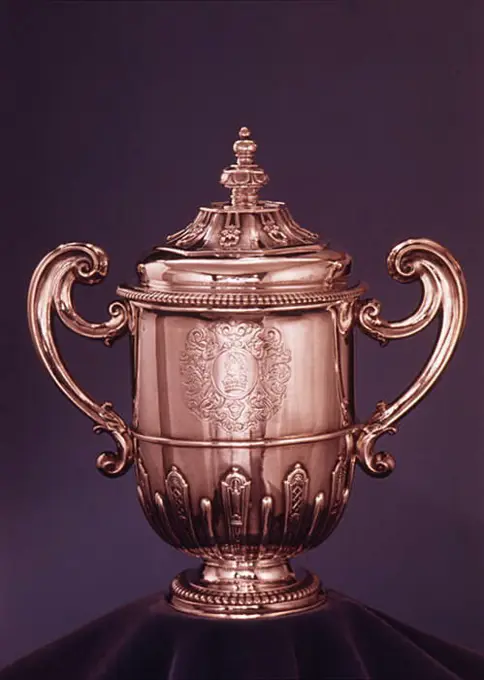
Antique Metalware

A display of vintage metal jugs and pitchers, showcasing intricate designs and historical craftsmanship.

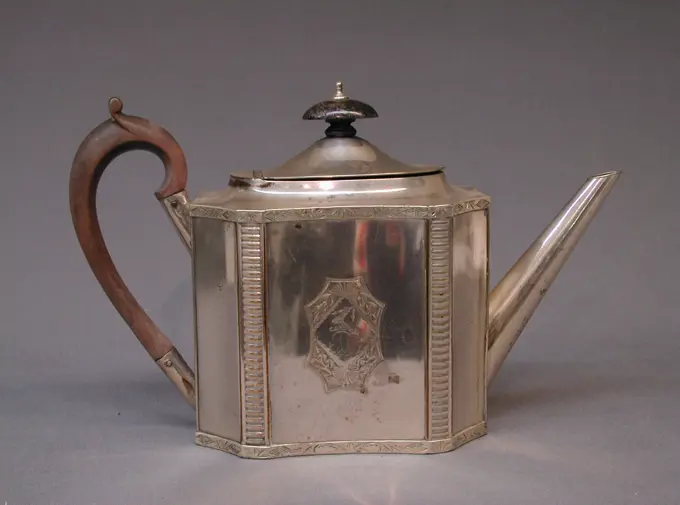
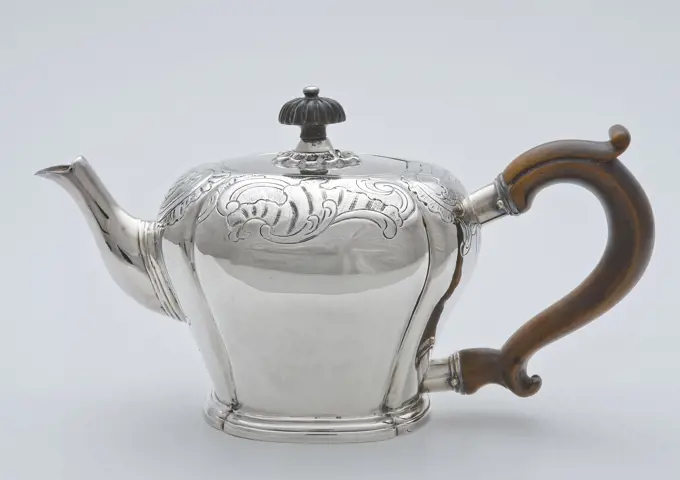
Silver teapot with brown knob and ear, teapot crockery holder silver wood, engraved chased cast Baluster-shaped body through vertical grooves in four piles divided on rectangular base with scalloped corners short straight spout pinned wooden ear flat lid with hinge rosette wooden button serving bottom bottom (smashed) serve before drinking tea brewing Rotterdam
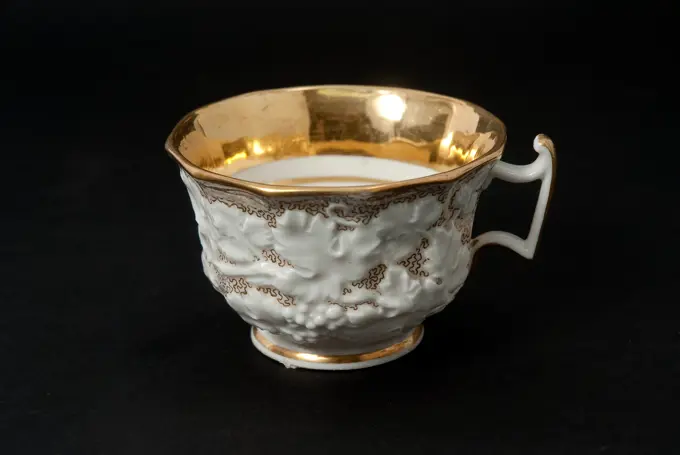
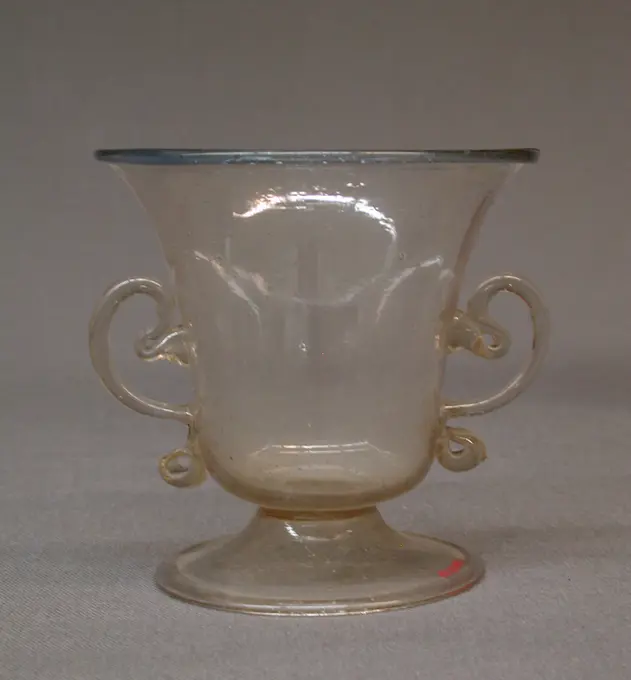
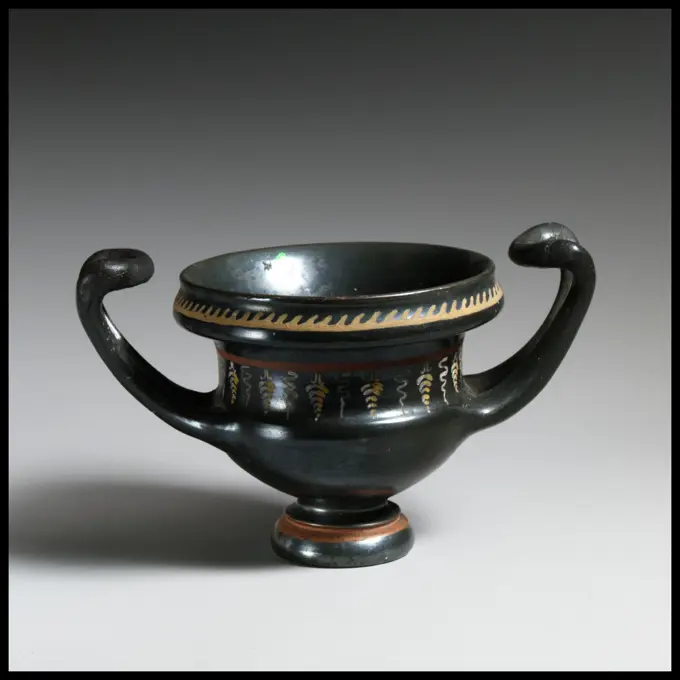
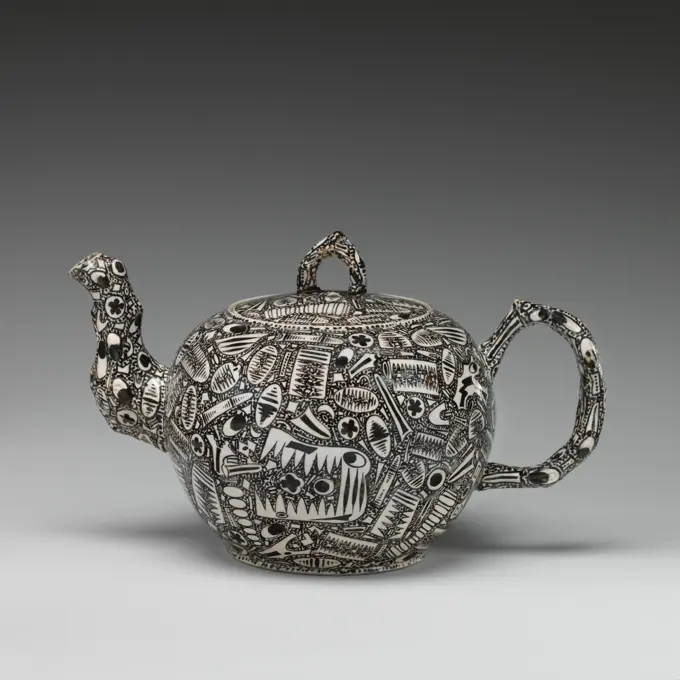
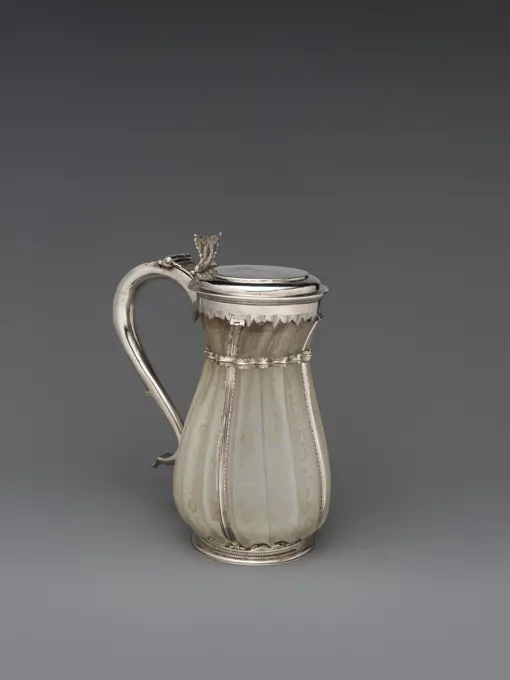
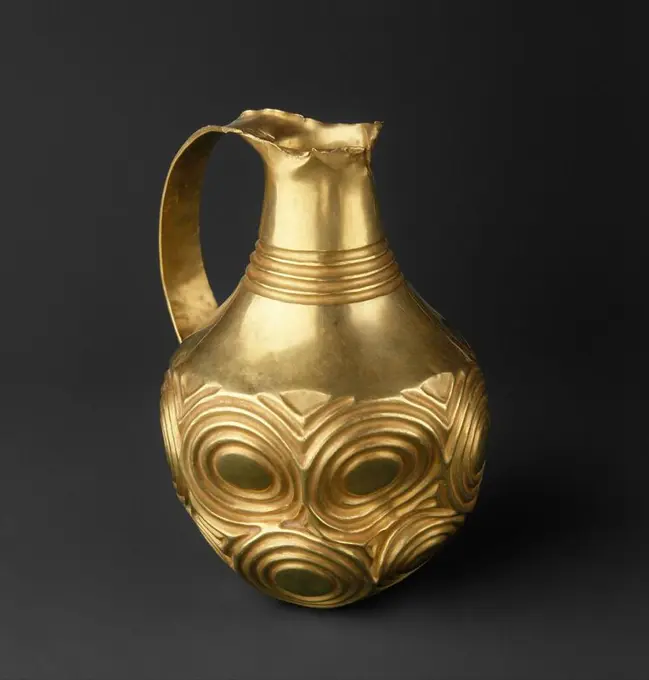
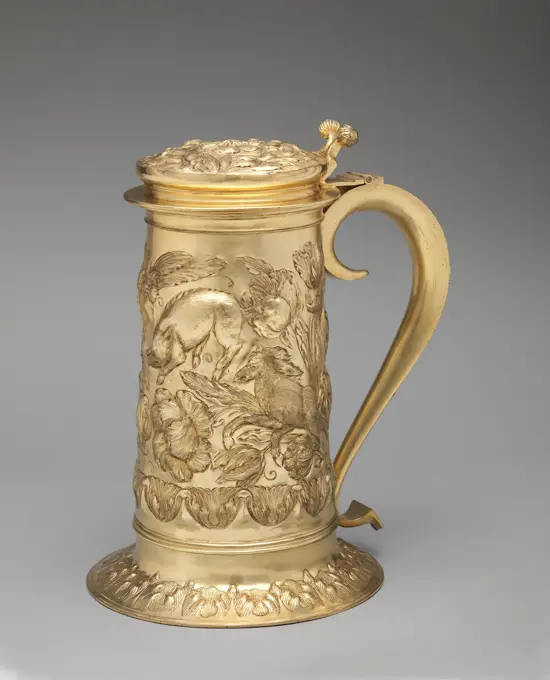
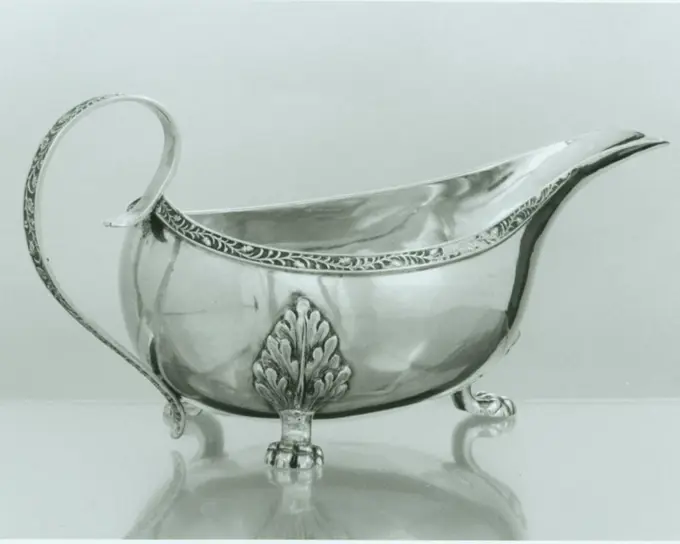
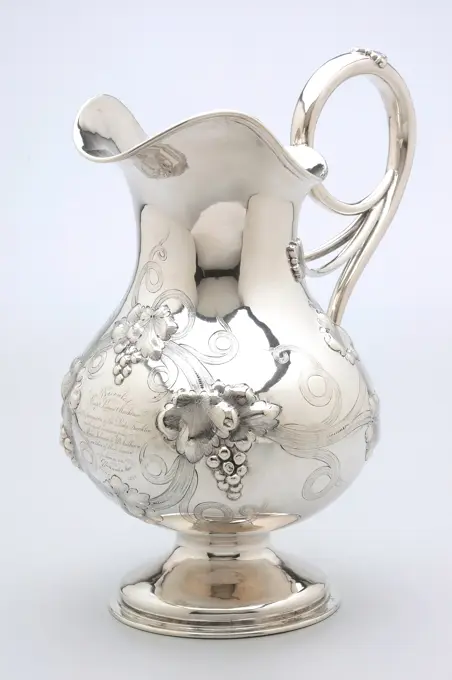
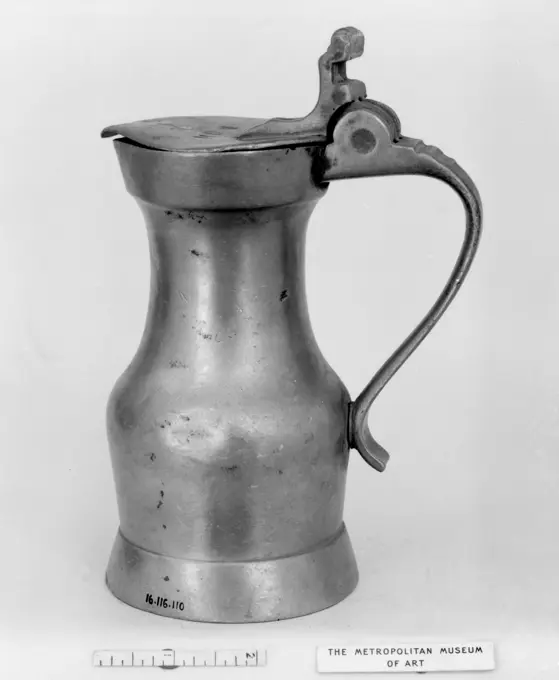
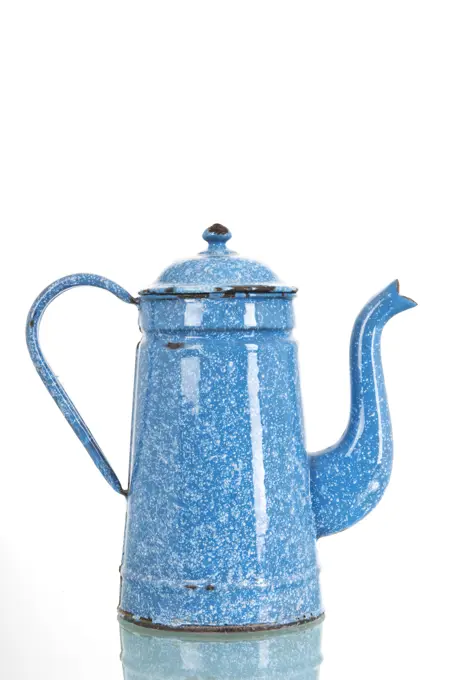
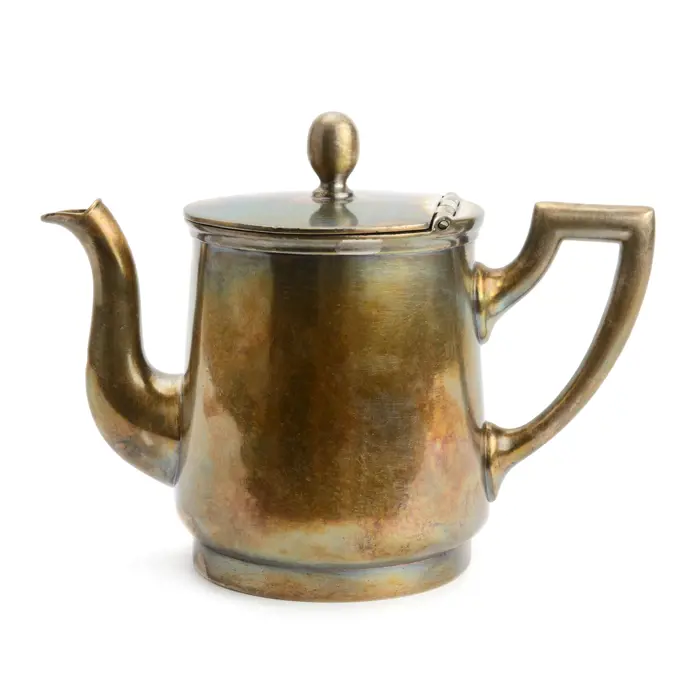
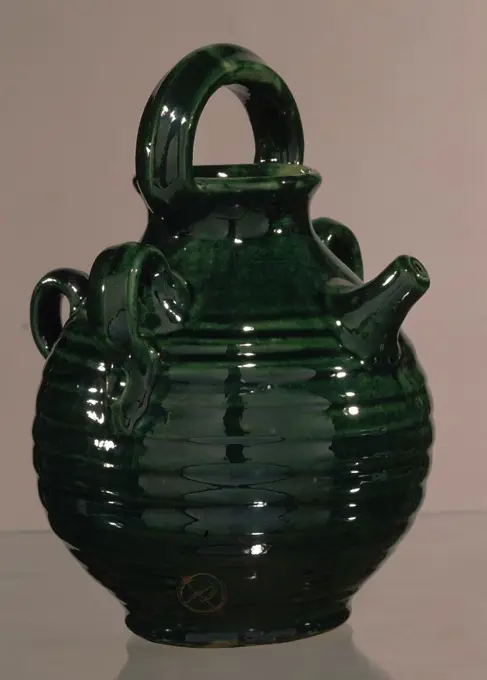
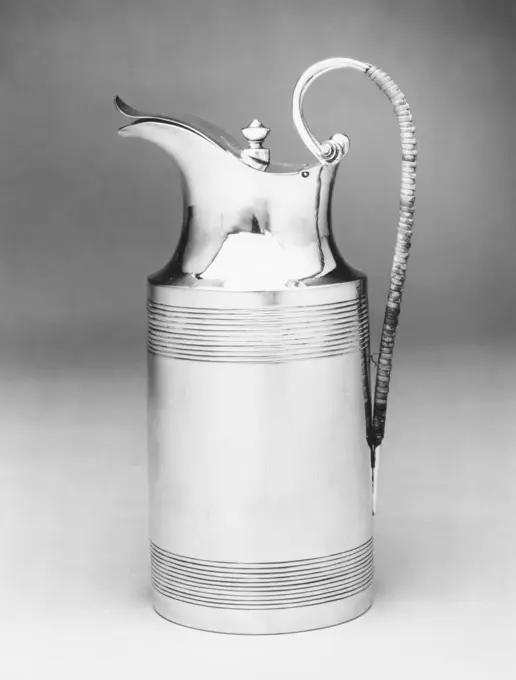
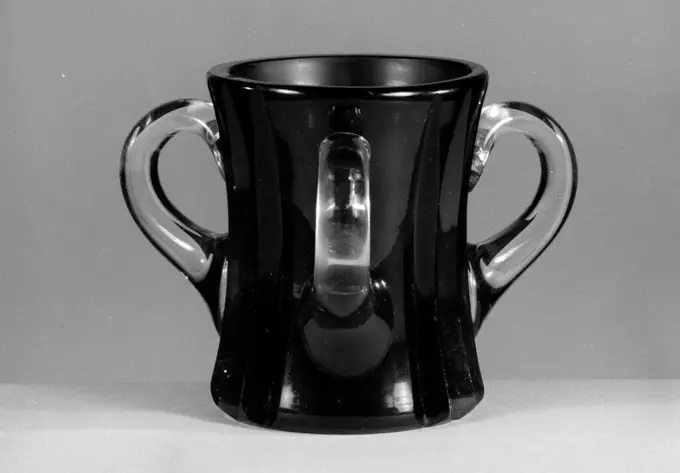
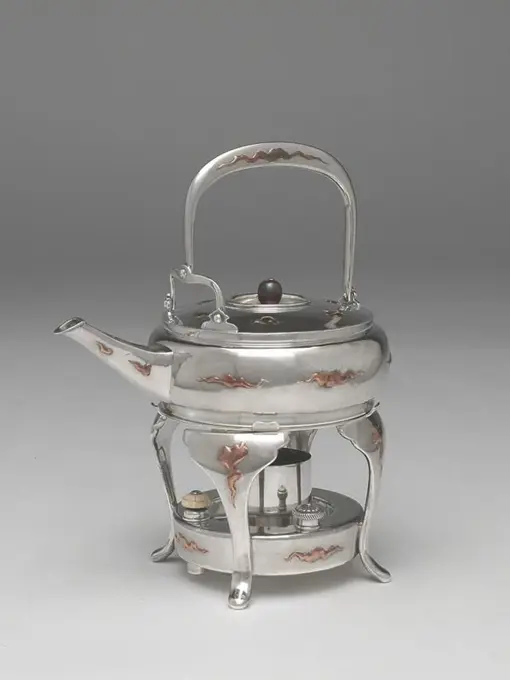
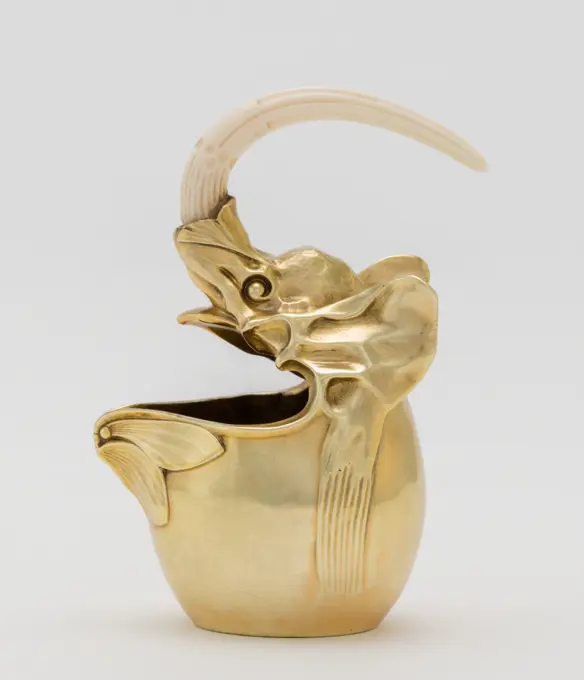
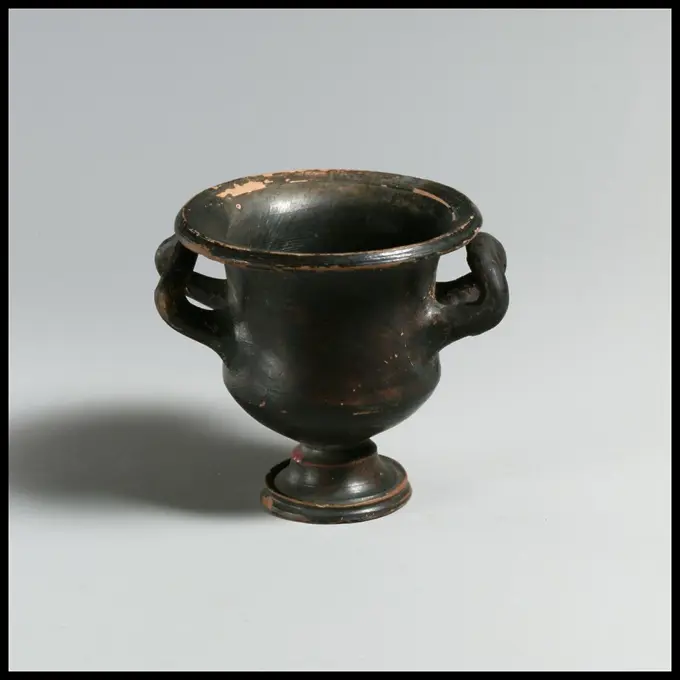
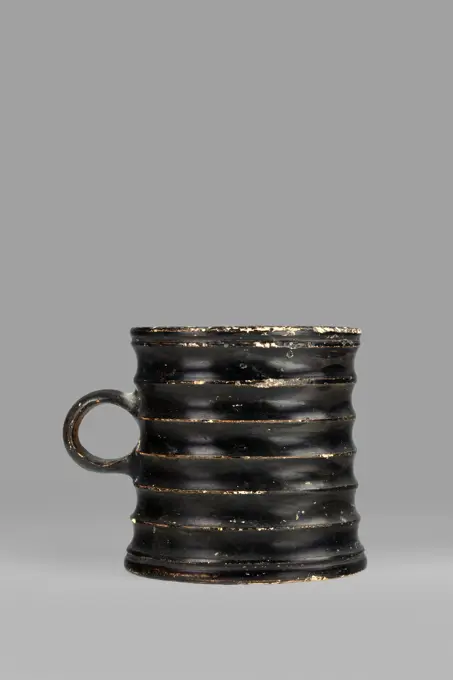
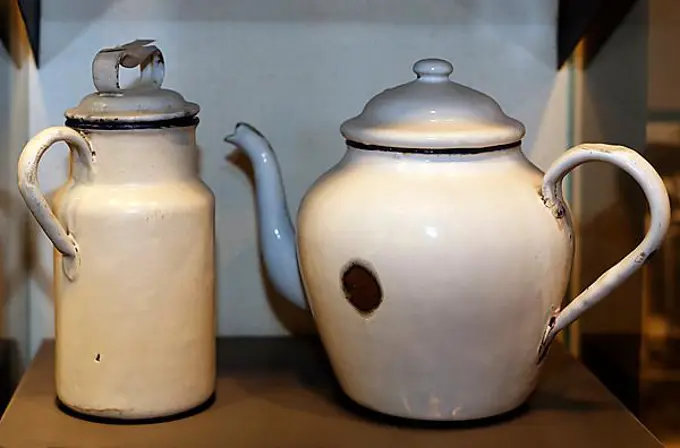
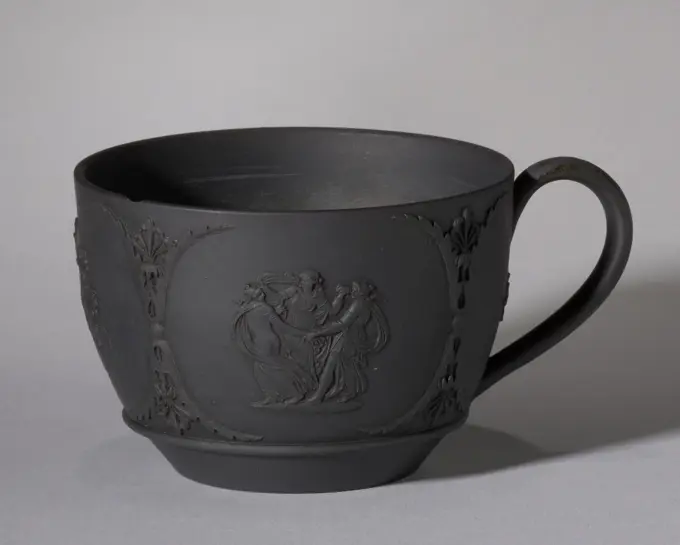
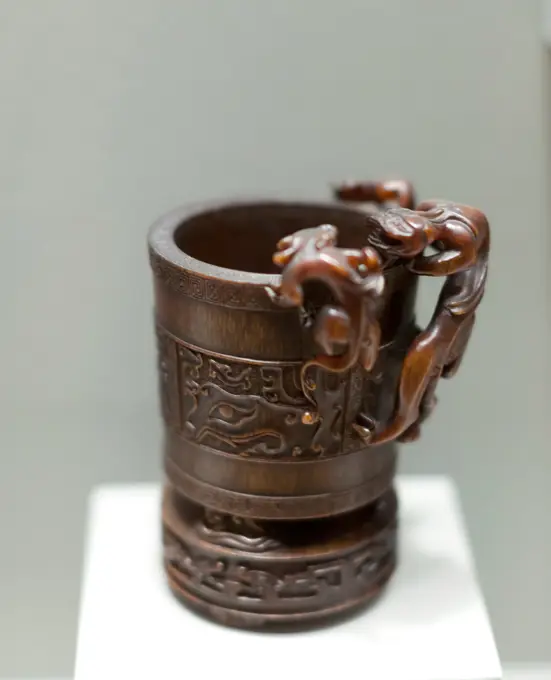
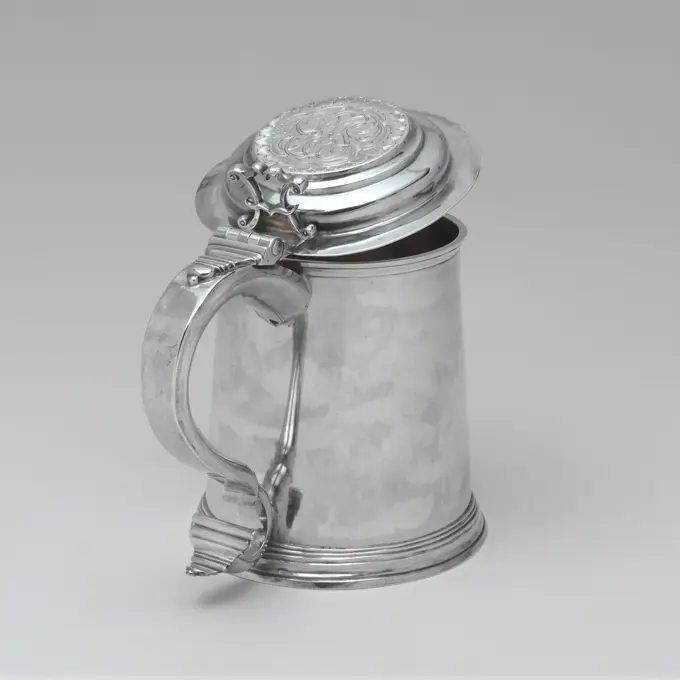
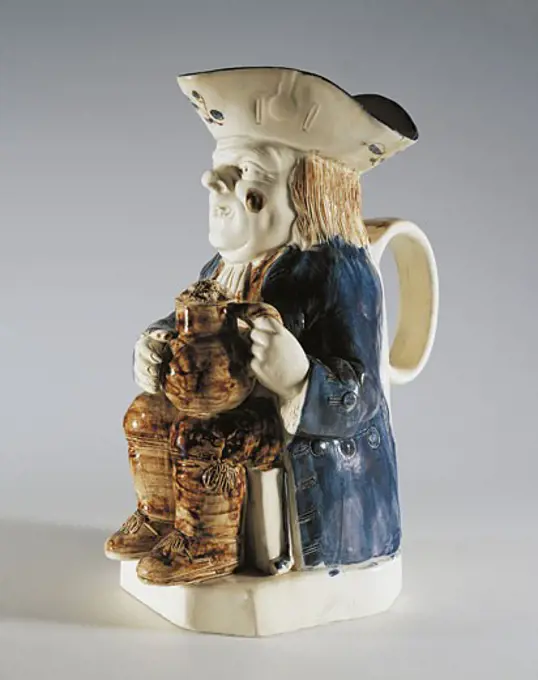
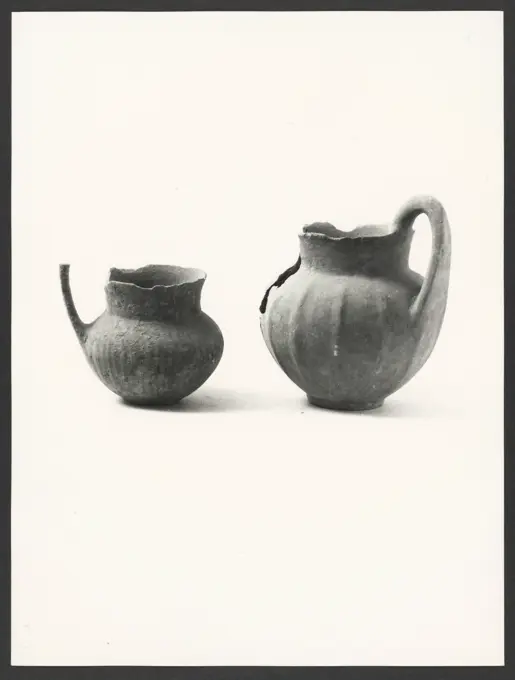
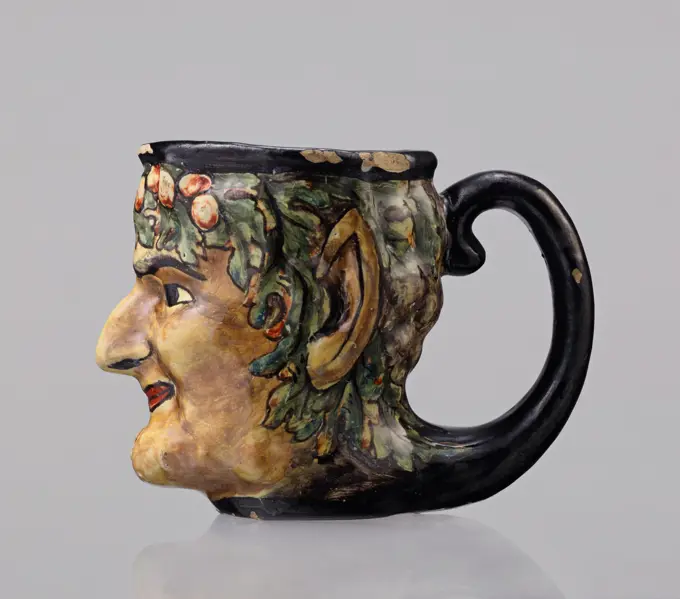
Branches; unpredictable Lona Manufaktura; after. 19th century (1801-00-00-1900-00-00);plastic decorations, vineCup possibly 17th century Italian, Venice (Murano) During the Renaissance, Venetian glassmakers, working on the island of Murano, were celebrated across Europe for their fine and sparkling work. Called cristallo” emulating the clarity of rock crystal, in the hands of the most skilled glassblowers the medium could be delightfully manipulated, variously stretched paper-thin flat, or playfully twisted, or blown into molds with spectacular patterns.. Cup. Italian, Venice (Murano). possibly 17th century. Glass. GlassTerracotta cup-skyphos (drinking cup) late 4th century B.C. Greek, South Italian, Apulian, Gnathian Decorated with stylized grapes; interior, impressed palmettes and rouletting.. Terracotta cup-skyphos (drinking cup) 255619Tankard (schnelle) with the coats of arms of Hamburg and Lübeck, anonymous, c. 1591 - c. 1600 Jug (schnelle) of stoneware with a cylindrical, slightly tapered body and C-shaped ear. Profiles above the foot and below the edge. On the body in relief three times a printed and imposed, elongated compartment with the weapon of Hamburg in the middle with the inscription 'Hambrens' and '1591'. Below a weapon with a castle, worn by two lions. On either side of this the Wapen van Lübeck with the inscription 'LVBICENSIS', '1591' and the signature 'H.H.'. Below a weapon with John the Baptist, worn by two naked men. Above each box a human figure surrounded by flower vines. Siegburg. Siegburg stoneware. glaze vitrification Jug (schnelle) of stoneware with a cylindrical, slightly tapered body and C-shaped ear. Profiles above the foot and below the edge. On the body in relief three times a printed and imposed, elongated compartment with the weapon of Hamburg in the middle with the inscription 'HambreJug, Glass, Circular body, flat base, tapered neck, small pouring spout, loop handle, sides faceted at bottom edge, above that a row of this vertical fluting, a row of diamonds filled alternately with 6-pointed stars or small diamonds, a row of wide facets, around the neck hollow faceting, the top rim fluted., Europe, early 19th century, glasswares, Decorative Arts, JugTETERA DE CERAMICA. Location: PALACIO TOPKAPI-MUSEO. ISTANBUL. TURQUIA.Ewer late 12th-early 13th century. Ewer. late 12th-early 13th century. Earthenware; molded decoration under dark blue glaze. From Iran, Nishapur. CeramicsLazio Viterbo Viterbo Museo Civico88. Hutzel, Max 1960-1990 Views of paintings (Middle Ages through 18th c.), frescoes, a tabernacle, coffin, sculpture reliefs, portal fragments, busts, sculpture, tapestry found in the Pinacoteca, Second floor gallery and Second floor cloister sequences. Antiquities: Many views of Etruscan and Roman fragments, sculpture, sarcophagi, pottery, masks, jewelry and other objects found in the Storeroom sequence (inventory numbers on back of prints), and the Cloister, Second floor Cloister, Valle Giulia, Sala Romana and Sala Etrusca sequences. General Notes: There are eight separate numerical sequences for this location. The cloister as an architectural structure, rather than museum site, is documented in the record and file for S. Maria della Verita, Cloister, all views of which are stored in Medieval core collection. Five views from the Museo Civico Second floor cloister sequence are stored in Medieval. German-born photographer and scholar Max Hutzel (1911-Jug 1852-58 United States Pottery Company. Jug 4588Terracotta perfume pot. Culture: Greek, South Italian, Apulian. Dimensions: H. 2 15/16 in. (7.5 cm). Date: 4th century B.C..With broad lip. Museum: Metropolitan Museum of Art, New York, USA.Silversmith: Andreas Cornelis Muller (1728 - 1818), Silver teapot with wooden handle, pelican on lid, teapot tableware holder silver wood, driven molded appliqué Driven pear-shaped body on four molded legs wooden thorned ear spout curved hinged lid (transversely opening) crowned by pelican with wings unfolded driven leaf stands bottom bottom (smashed): serving tea drinking drink tea makingWhiskey Mug 1850-60 American With the development of new formulas and techniques, glass-pressing technology had improved markedly by the late 1840s. By this time, pressed tablewares were being produced in large matching sets and innumerable forms. During the mid-1850s, colorless glass and simple geometric patterns dominated. Catering to the demand for moderately-priced dining wares, the glass industry in the United States expanded widely, and numerous factories supplied less expensive pressed glassware to the growing market. At the Exhibition of the Industry of All Nations at New Yorks Crystal Palace in 1853, for example, the New England Glass Company exhibited 130 pieces of one design, "consisting of bowls, tumblers, champagnes, wines, and jelly glasses." This object belongs to one such service. Although the glass manufactory is not known, the glassware is very typical of the large services that were very popular with Americas middle class in the nineteenth century.. Whiskey Mug 97Tankard 1800-1899 Spain. Glass .Cup ca. 9th century B.C. Iran. Cup. Iran. ca. 9th century B.C.. Ceramic. Iron Age II, Hasanlu Period IV. Iran, HasanluCovered Ewer early 18th century China. Covered Ewer. China. early 18th century. Porcelain with a clear glaze, Dehua ware (blanc de chine). Qing dynasty (1644-1911), Kangxi period (1662-1722). CeramicsTeapot with fossil decoration ca. 1760-65 British, Staffordshire Listen to experts illuminate this artwork's story Listen Play or pause #407. Teapots Supported by Bloomberg Philanthropies We're sorry, the transcript for this audio track is not available at this time. We are working to make it available as soon as possible.. Teapot with fossil decoration. British, Staffordshire. ca. 1760-65. Salt-glazed stoneware with enamel decoration. Ceramics-PotteryOribe-Type Ewer. Japan. Date: 1601-1625. Dimensions: 26.7 × 21.6 cm (10 1/2 × 8 1/2 in.). Glazed stoneware. Origin: Japan. Museum: The Chicago Art Institute, Chicago, USA.probably Boston and Sandwich Glass Works, Cream Pitcher, c. 1820-40, Sapphire blue glass.Lazio Viterbo Viterbo Museo Civico40. Hutzel, Max 1960-1990 Views of paintings (Middle Ages through 18th c.), frescoes, a tabernacle, coffin, sculpture reliefs, portal fragments, busts, sculpture, tapestry found in the Pinacoteca, Second floor gallery and Second floor cloister sequences. Antiquities: Many views of Etruscan and Roman fragments, sculpture, sarcophagi, pottery, masks, jewelry and other objects found in the Storeroom sequence (inventory numbers on back of prints), and the Cloister, Second floor Cloister, Valle Giulia, Sala Romana and Sala Etrusca sequences. General Notes: There are eight separate numerical sequences for this location. The cloister as an architectural structure, rather than museum site, is documented in the record and file for S. Maria della Verita, Cloister, all views of which are stored in Medieval core collection. Five views from the Museo Civico Second floor cloister sequence are stored in Medieval. German-born photographer and scholar Max Hutzel (1911-Tankard ca. 1675 British mounts with British or Dutch glassware The adornment of already precious vessels by the application of silver mounts has a long tradition in England. Here the value of the tankard so beautifully embellished resided in the innovative glass technology used to make it. The vessel was perhaps imported from The Netherlands, but it may equally have been made in London, perhaps under the auspices of the glass merchant George Ravenscroft. The engraved decoration of the tankard appears to be English, and the silver mounts certainly are. Originally clear, to resemble rock crystal, the glass crizzled - internally broke down - shortly after it was made to give a pleasing smoky effect. Nonetheless, the tankard remained a highly valued art object.. Tankard. British mounts with British or Dutch glassware. ca. 1675. Engraved glass; silver mountsEwer decorated with concentric circles. Culture: Hattian. Dimensions: H. 17.8 cm (7 in.); Diam. 12.1 cm (4-3/4 in.). Date: ca. 2700-2000 B.C.. Museum: Metropolitan Museum of Art, New York, USA.Flagon 19th century, after 1663-64 original Elkington & Co. British This electrotype is after a 1663-64 original in the treasure of the Kremlin, Moscow. It was a gift to Tsar Alexei by the ambassador Charles Howard from King Charles II in 1664.. Flagon 186498Tankard ca. 1708 John Noyes. Tankard. American. ca. 1708. Silver. Made in Boston, Massachusetts, United StatesGravyboat.   Maker: Colin van Gelder Forbes, 1776-1859Presentation pitcher, c. 1854, E. Jaccard & Co., St. Louis, Missouri, 1829-1864, 12 11/16 x 10 15/16 x 7 1/2in. (32.2 x 27.8 x 19cm), Coin silver, United States, 19th century, The first official railroad journey connecting the Mississippi River, at Rock Island, Illinois, to the Atlantic Ocean took place in 1854. The participants then boarded seven steamboats and embarked on a voyage upriver to St. Paul, an event known today as the Grand Excursion. The distinguished company included former president Millard Fillmore and other eastern politicians, journalists and historians who, like most of the world, had never viewed the picturesque scenery of the Upper Mississippi Valley, such as St. Anthony Falls, Minnehaha Falls, and Lake Pepin. The appreciative passengers on the Lady Franklin presented their captain, Le Grand Morehouse, with this pitcher. Its rococo revival ornament includes meandering vines and clusters of grapes, and the sinuous handle anticipates the later Art Nouveau style.Cup with ring handle 8th century China. Cup with ring handle 42185WaterJug.   Maker: Paul Storr, British, 1771-1844Tankard ca. 1758 Thomas Law. Tankard 204528Measure 18th century French. Measure 193310Pitcher (England); Manufactured by Jonas & Walley; glazed stonewareLid with relief decoration of Lisdodden, Petrus Regout, c. 1870 - c. 1890 The vaulted lid is decorated in relief with a wreath of dods, and is crowned by an onion-shaped button, on which French lilies relief. Maastricht . The vaulted lid is decorated in relief with a wreath of dods, and is crowned by an onion-shaped button, on which French lilies relief. Maastricht .Sworled Jug. United States, possibly New York, mid-19th century. Furnishings; Serviceware. Blown glassVintage blue coffee pot Vintage enamel blue coffee pot isolated over white background Copyright: xZoonar.com/IvonnexWierinkx 16866398Ancient copper kettle isolated on white backgroundTankard ca. 1720 German, possibly Brunswick (Braunschweig). Tankard. German, possibly Brunswick (Braunschweig). ca. 1720. Glass, silver. GlassCoffee Pot 19th century. Coffee Pot. 19th century. Copper. Attributed to China or present-day Uzbekistan, Yarkand or Tashkent. MetalCover of Bouilloire, Bennewitz and Zonen company, 1828 The lid has a curved, rejuvenating wall and a flat top. The button has the shape of a rolled hose on a rosette. Amsterdam silver (metal). ivory. wood (plant material) The lid has a curved, rejuvenating wall and a flat top. The button has the shape of a rolled hose on a rosette. Amsterdam silver (metal). ivory. wood (plant material)Teapot ca. 1787 Probably by Nathaniel Smith and Company. Teapot. British, Sheffield. ca. 1787. Sheffield plate, wood. Metalwork-SilverplateLidded Ritual Wine Bucket (You) with Dragons. China, Early Western Zhou dynasty, about 1050-950 B.C.. Furnishings; Serviceware. Cast bronzeTeapot.   Maker: Peter Van Dyck, American, 1684-1751Cream Jug. United States, 19th century. Furnishings; Serviceware. GlassJohn Edwards III, Pair of Sauce Tureens and Covers, 1806/07, silver.Teapot probably 1752 Barthélemy Decourchelle. Teapot 200375Wine Cooler 1795-1805 Germany. Pewter .Sauceboat on Stand; Jean-Baptiste-François Chéret (French, 1728 - after 1791 (master 1759)); Paris, France; 1762; Silver and silver gilt; 12.1 × 14.3 × 19.7 cm (4 3,4 × 5 5,8 × 7 3,4 in.)Cooking pot with twice three ornamental rings .. The object in its entirety has a casting seam in the middle between the ears. The wide round nearly flat trunk has three ornamental rings twice. The straight sloping straight-oriented neck makes a blunt angle with the abdominal wall, there is plenty of vertical pieces there at the outside. The straight upper part of the neck thicked out of the neck takes into the place of the lip edge. The pot stands on three ribbed inner triangular legs, which are reinforced at the top such that they have the shape of a six-lasting star there. The cross-sectional round ears, which form a sharp angle, are in an extension of the abdomen and applied to the upper part of the neck. The round wrought iron handle has opposite onto and a tab on one side, causing it to rest on the edge of the pot.Bartholomeus van der Tooren, Three-piece crockery milk jug, milk jug tableware holder tea set tableware silver, gram Three-piece tea set: teapot milk jug tea caddy Appliques of fruit and vegetable bunch and acanthus leaf. stadskeur Rotterdam year letter Dutch lion master sign release sign N (1795) drink serving tea making dairy Originating from the Tromp Meesters collection.Sugar bowl, from a five-piece children's tea service, c. 1863-1912, Bigelow, Kennard & Co., 2 1/4 x 3 1/2 x 2 1/4in. (5.7 x 8.9 x 5.7cm), Sterling silver, United States, 19th-20th century"POAL" - BOTIJO VIDRIADO EN VERDE CON 4 ASAS - SIGLO XX - ARTE POPULAR. Location: ALFARERIA. TARRAGONA. SPAIN.Hot water jug ca. 1805 C. G. K. The cleanness and simplicity of the design of this jug and its mate (see 1994.407.2) distinguish them as fine examples of late Neoclassicism. The cylindrical form is enlivened by the subtle curve of the rim, the tapered shoulder, and the two bands of horizontal lines. Also notable is the simple attenuated handle that bifurcates at the top and terminates in two small scrolls. These unusually elegant and restrained vessels must have been part of a tea or coffee service.Jeffrey H. Munger, 2004. Hot water jug 208193Toothpick Holder. Culture: American. Dimensions: H. 2 1/4 in. (5.7 cm); Diam. 2 1/8 in. (5.4 cm). Maker: Boston & Sandwich Glass Company (American, 1825-1888, Sandwich, Massachusetts). Date: 1830-70. Museum: Metropolitan Museum of Art, New York, USA.Teapot (USA); Manufactured by Gorham Manufacturing Company (United States); silver, ivoryCup with ring handle and archaic designs. Culture: China. Dimensions: H. 3 3/4 in. (9.5 cm). Date: 16th-17th century.The abstract bodies of the two intertwined birds on the surface of this cup can be traced to the Bronze Age. The shape of the cup is based on similar jade cups of the Western Han dynasty (206 B.C.-A.D. 9), and so are the multiple raised dots in the background, which derive ultimately from the simulated granulation on the surface of metalwork of the late Eastern Zhou dynasty (770-256 B.C.). Museum: Metropolitan Museum of Art, New York, USA.Tea and CoffeeService.   Maker: Paul Storr, British, 1771-1844Selling old metal  cookware in bazaarTeapot; pewterMaker's Mark EG in rectangle, probably Edward Gladwin, Tankard, 1670/71, silver.Pair ofmugsTeakettle and Stand. Design attributed to Edward C. Moore; American, 1827-1891; Tiffany and Company; American, founded 1837; New York, New York. Date: 1877-1889. Dimensions: 23.9 × 11.9 cm (9 3/8 × 4 11/16 in.). Silver with copper. Origin: New York City. Museum: The Chicago Art Institute, Chicago, USA. Author: Tiffany and Company.Silver paten. Dated 17th Century. .Creamer, c. 1907. Carlo Bugatti (Italian, 1856-1940), Adrien-Aurélien Hebrard (French, 1866-1937). Gilt silver and ivory; overall: 12.7 x 9.1 x 6.4 cm (5 x 3 9/16 x 2 1/2 in.). This tea and coffee service, salver, and table, together with some now missing cups, were all designed by Carlo Bugatti as an ensemble and presented at the 1902 exposition devoted to decorative arts in Turin, Italy. The set was probably acquired from Bugatti's 1907 exhibition at the Galerie Hébrard in Paris by a wealthy South African widow, Anna Blake, who was living there at the time. Some of the animal and insect motifs suggest mythical beasts or the fossils of prehistoric animals. When Mrs. Blake returned to Cape Town, she took these and other pieces designed by Bugatti with her, and they remained in South Africa throughout her lifetime.Pitcher (England); Manufactured by Mintons (United Kingdom); molded and glazed earthenware ("majolica"); 25 x 18 x 14 cm (9 13/16 x 7 1/16 x 5 1/2 in.)BRONCE FUNDIDO S XII. Location: MUSEO ARQUEOLOGICO NACIONAL-COLECCION. MADRID. SPANIEN.Unknown, Teapot and Stand, 1750, silver gilt.Dinner pail with cover (porte-dîner) mid-18th century P. A. Salmon. Dinner pail with cover (porte-dîner) 207856Art Nouveau milk jug. Binder, Wilhelm (Schwäbisch Gmünd; wytwórnia złotnicza ; 1869-1940), goldsmiths companyCalyx-krater, toy. Culture: Greek, South Italian, Apulian. Dimensions: 2 5/16 × 2 11/16 × 1 11/16 in. (5.8 × 6.8 × 4.2 cm)Diam. of rim: 2 5/16 in. (5.9 cm)Diam. of base: 1 3/16 in. (3 cm). Date: 4th century B.C..No decoration. Museum: Metropolitan Museum of Art, New York, USA.Kettle;  1866-72 (1866-00-00-1872-00-00);Jug, pot and cup. Pottery isolated on white background.Old copper jug, croppedSize of approx. 0.86 liters with handle, anonymous, 1800  Size of approx. 0.86 liters with handle, marked. Probably from Alkmaar. Alkmaar tin plate   AlkmaarJoseph Ward, Chocolate Pot (altered), 1701/2, silver.Kubek do gry w kości. unknown, authorLazio Viterbo Viterbo Museo Civico54. Hutzel, Max 1960-1990 Views of paintings (Middle Ages through 18th c.), frescoes, a tabernacle, coffin, sculpture reliefs, portal fragments, busts, sculpture, tapestry found in the Pinacoteca, Second floor gallery and Second floor cloister sequences. Antiquities: Many views of Etruscan and Roman fragments, sculpture, sarcophagi, pottery, masks, jewelry and other objects found in the Storeroom sequence (inventory numbers on back of prints), and the Cloister, Second floor Cloister, Valle Giulia, Sala Romana and Sala Etrusca sequences. General Notes: There are eight separate numerical sequences for this location. The cloister as an architectural structure, rather than museum site, is documented in the record and file for S. Maria della Verita, Cloister, all views of which are stored in Medieval core collection. Five views from the Museo Civico Second floor cloister sequence are stored in Medieval. German-born photographer and scholar Max Hutzel (1911-Edward White, Water Pitcher, c 1936 Water PitcherCooking pot. Round pot on three legs and with a handle. The pot has a wide, hollow edge with zig-saw lines engraved on the outside. The pot is labeled: Mt. = Michiel Maanbeeck, a letter V and an ax.Two old enamel pots, products from the ironworks Thale, Huettenmuseum Thale ironworks museum, Thale, Harz, Saxony-Anhalt, Germany, EuropeThe alabaster crater (1st century BC) Remarkable Roman piece. Fonud in Caserta, Italy. Naples Archaeological Museum. Italy.Jug c 1800-1825 Staffordshire. Earthenware .Cup, 1800s. Wedgwood Factory (British). Black basalt; diameter of mouth: 8.3 cm (3 1/4 in.); overall: 6 cm (2 3/8 in.).Sugarbowl.   Maker: Samuel Kirk, American, 1792-1872ornate chinese teapot isolated on whitevintage coffee mill vintage coffee mill isolated on white background Copyright: xZoonar.com/ValeryxVoennyyx 5456611Libation Cup with Base, 19th century, 3 3/4 x 3 1/2 x 3in. (9.5 x 8.9 x 7.6cm), Carved rhinoceros horn, China, 19th century, The earliest datable examples of carved rhinoceros horn are from the 8th and 9th centuries, although the Chinese had used the material pharmacologically much earlier. A solid mass of agglutinated hair rather than true horn, the substance was valued for its rarity and rich warm chestnut color, which deepened with years of handling and polishing. Though called libation cups, these vessels would have been primarily used for display, and they would have been accompanied by beautifully crafted hardwood stands. The simple organic shapes favored during the Ming dynasty gave way to increasingly elaborate and detailed forms during the Qing dynasty. Plant forms, ancient bronze vessel motifs, and dragons figure prominently in rhinoceros horn decor, just as they do in jade and lacquer carvings.Tankard ca. 1763 Thomas Hamersley This tankard is marked by silversmith Thomas Hamersley, whose surviving work often emulates contemporary English design. The exceptionally fine engraving was probably executed by an immigrant craftsman trained abroad, as was the case with many engravers in mid-eighteenth-century New York. The present tankard belonged to New York merchant Samuel Broome (1734-1810), who married Phebe Platt (1739-1814) on June 27, 1763. Because the cover of the tankard features the couples intertwined initials—SPB for Samuel and Phebe Broome—the tankard could well have been commissioned to celebrate their marriage. Phebe was the sister of one of Samuels business partners, Jeremiah Platt, who, along with Samuel and Samuels younger brother John, operated a lucrative import-export business.. Tankard 8202Set of old kitchen tools - retro equipment of cooking isolated on white background. Panoramic collage. Wide photo .One can be beer. Size of 1 can be beer (approx. 1,1208 liters), with handle. Signature, entitled and labeled. Probably from Amersfoort.Close-up of a Toby jug, Staffordshire, EnglandLazio Viterbo Viterbo Museo Civico70. Hutzel, Max 1960-1990 Views of paintings (Middle Ages through 18th c.), frescoes, a tabernacle, coffin, sculpture reliefs, portal fragments, busts, sculpture, tapestry found in the Pinacoteca, Second floor gallery and Second floor cloister sequences. Antiquities: Many views of Etruscan and Roman fragments, sculpture, sarcophagi, pottery, masks, jewelry and other objects found in the Storeroom sequence (inventory numbers on back of prints), and the Cloister, Second floor Cloister, Valle Giulia, Sala Romana and Sala Etrusca sequences. General Notes: There are eight separate numerical sequences for this location. The cloister as an architectural structure, rather than museum site, is documented in the record and file for S. Maria della Verita, Cloister, all views of which are stored in Medieval core collection. Five views from the Museo Civico Second floor cloister sequence are stored in Medieval. German-born photographer and scholar Max Hutzel (1911-Close-up of kettles on a trayMug. Nieborów (manufaktura majoliki ; 1881-1899), factorywatercolor teapot white with blue, kitchen stickerTwo-handled cup with cover 1707-8 Pierre Platel. Two-handled cup with cover. British, London. 1707-8. Silver. Metalwork-SilverThe liquid container black and other color.. The liquid container black and other color it is set icons.The liquid container black and other color.. The liquid container black and other color it is set icons.