Antique Metalware

Images of decorative metal items like forks and spoons, showcasing intricate designs and craftsmanship from different historical periods.

Spoon, brass, enamel, Oval bowl, decorated on back; slightly curved neck. Enameled handle, floral pattern in white, pink and black on light blue ground. Brass mounts along the sides of handle., possibly Germany, ca. 1600-1700, cutlery, Decorative Arts, Spoon
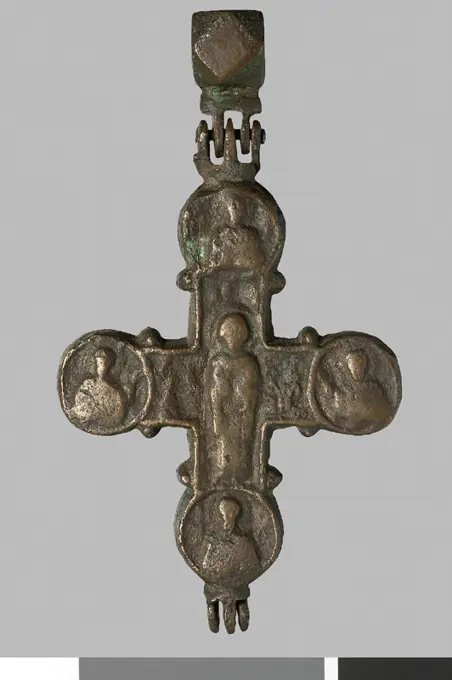
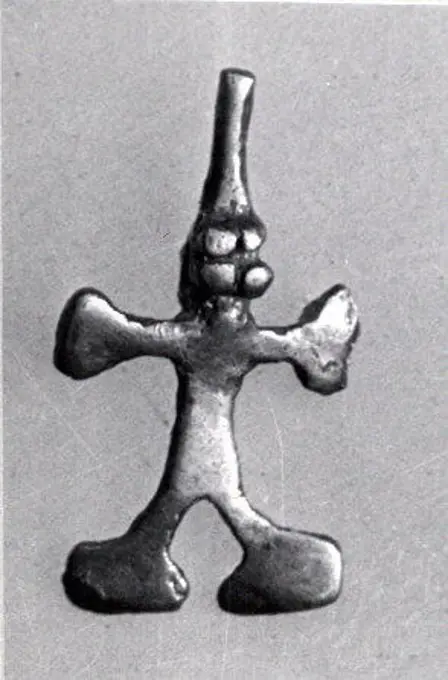
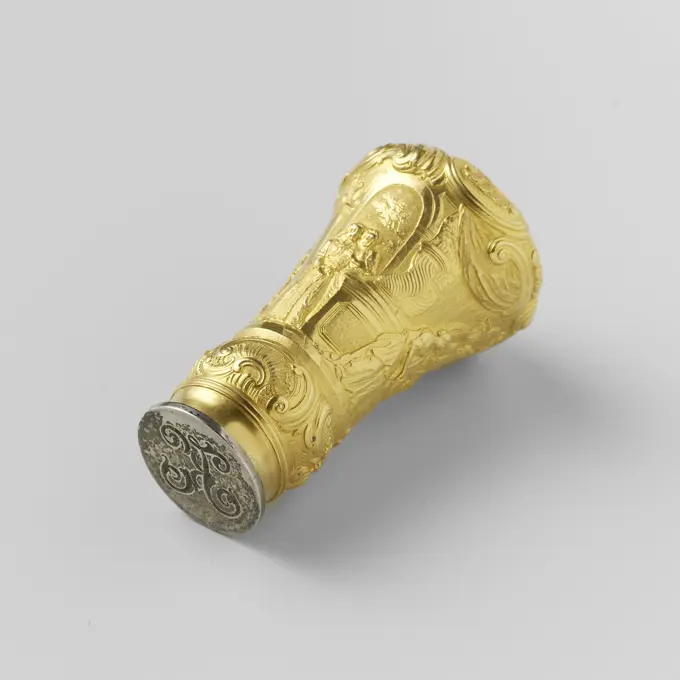
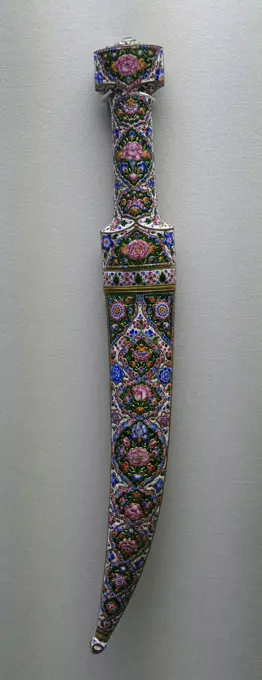
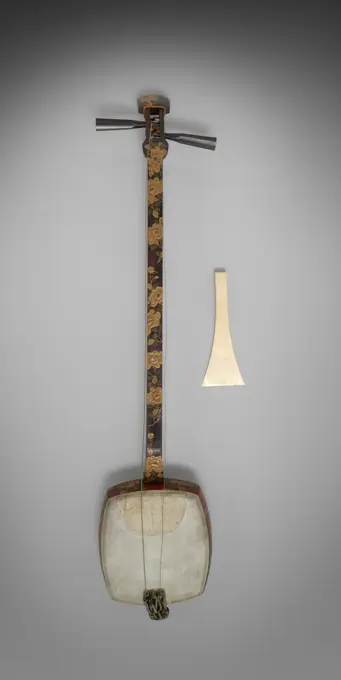
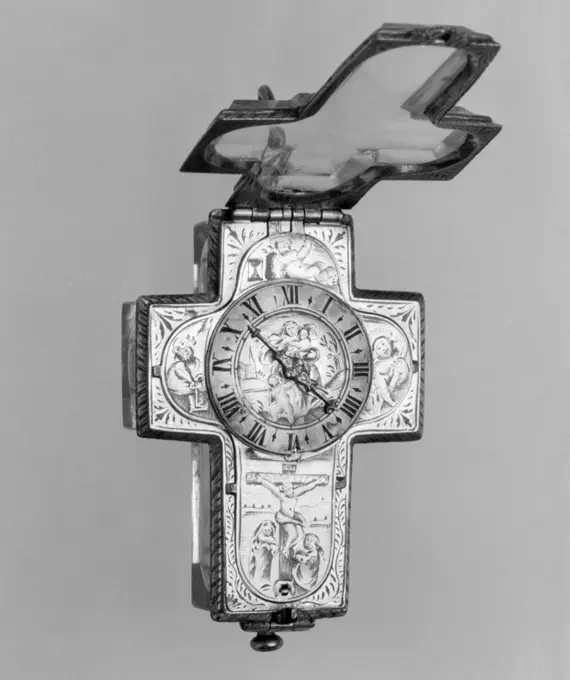
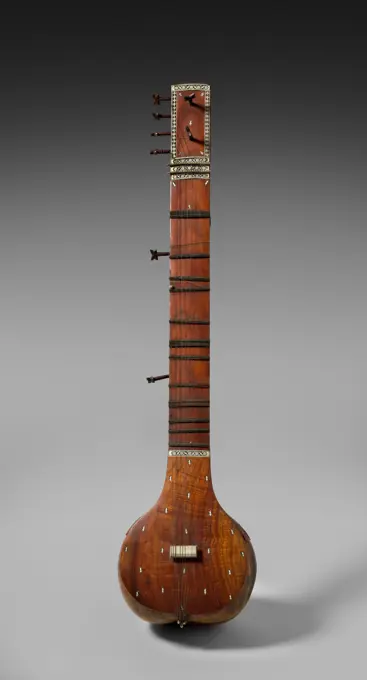
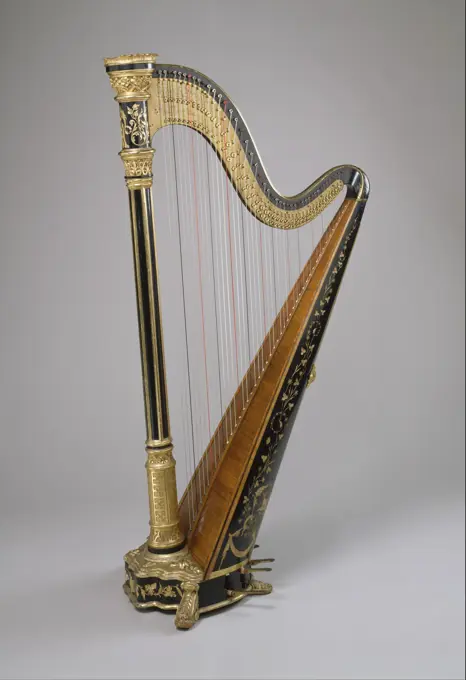
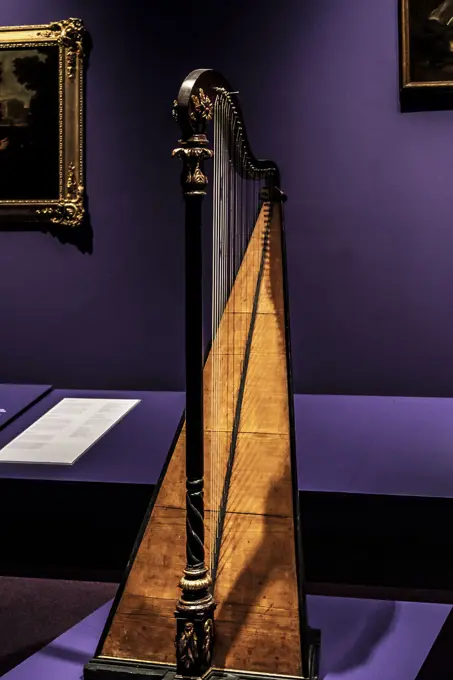
Table Lamp. Dated: 1935/1942. Dimensions: overall: 44.5 x 36.6 cm (17 1/2 x 14 7/16 in.). Medium: watercolor and graphite on paper. Museum: National Gallery of Art, Washington DC. Author: Ray Price.Prehistory, Iron Age, Villanovian culture, bronze spindle-whorls, from Benacci necropolis at Bologna, ItalyEnkolpion. Nieznany warsztat ruski, factoryModel or a figureehead. Model of a sheek image on sheas, on a base board, incomplete. The figure is a standing woman in Roman clothing, her right arm raised (the hand is missing), with a peacock at her feet. The shipment and floor plank are decorated with leafwork in relief. The figure represents the goddess JUNO.ENCUADERNACION ROMANICA - DETALLE CIERRE. Location: CATEDRAL BIBLIOTECA. SEGOVIA. SPAIN.Necklace Ornament 13th-16th century Calima. Necklace Ornament 307495Maniple;  18th century (1701-00-00-1800-00-00);Society for the Care of the Monuments of the Past (Warsaw - 1906-1944) - collection, church parameters, liturgical clothingWalking stump button, applied as a cachet, Zecharie Neau (attributed to), 1751 The round, cast button rests on a slightly incised band with a profiled top edge, with which he was attached to the rotting. Above a roasted lower border he broadens himself towards the vaulted top. The lower border is decorated with C-Voluten, Rocailles and a flower garland. In addition, the wall around is decorated with a representation of Solomon's judgment. In an interior with a tiled floor and a column gallery that offers a view of a landscape, Solomon sits on a throne seat with an asymetrical back-framed back, which is placed on an elevated platform under a bingwood with tormented columns. The dead baby is in front of him. A helmeted warrior wants to pierce the living baby but is stopped by the mother, while the Dead Child's mother is oweed. Spectators are two women, a boy and a warrior, who holds a shield with an asmetrical cartouche. The scene is closed from above by an edge of C-Voluten with rocaillLarge dagger known as a Khanjar, made from Damascus Steel with an enamel hilt and scabbard. From Qajar, Iran. Dated 19th CenturyPetal-Shaped Bead, c. 1391-1353 BC. Egypt, New Kingdom, Dynasty 18, reign of Amenhotep III. Faience; overall: 3 x 1 cm (1 3/16 x 3/8 in.).Hammered Silver Mirror Back () 11th-mid-16th century Peru; north or central coast (). Hammered Silver Mirror Back () 309202Guitar, early to mid-1800s. Japan, Edo period (1615-1868). overall: 96.8 cm (38 1/8 in.); widest end: 21 cm (8 1/4 in.).Three windmills for drawing water. Some types of miniature continued to be produced for ages. One such evergreen’ subject was the windmill placed above a well. These mills used wind power to draw up a bucket of water. While there is more than a century between the earliest and the latest, their form and decoration have remained virtually the same.Surgical instruments, from ancient Pompeii, ItalyWatch ca. 1660-80 Watchmaker: Abraham Bobinet. Watch. Swiss, Geneva. ca. 1660-80. Rock crystal, gilded brass, silver, blued steel. HorologyCiborium. Culture: Spanish. Dimensions: Overall: 13 5/16 x 8 1/4 x 6 7/16 in. (33.8 x 21 x 16.3 cm). Date: 16th century. Museum: Metropolitan Museum of Art, New York, USA.Funerary FaceCover, 500 B.C.-A.D.200, Gold,cast, 9.13 × 9.48 cm, 5.164 g, 0.016 cm (3 5/8 × 3 3/4 in., 5.164g), Made in Java, Indonesia, Java, Preclassic Period (ca. 500 B.C.E.-500 C.E.), JewelrySouvenir spoon with view of large building beside a wharf and arms of Sweden European late 19th century View more. Souvenir spoon with view of large building beside a wharf and arms of Sweden. European. late 19th century. Silver, parcel-gilt and enamel. Metalwork-SilverSouvenir spoon with view of a church and arms of Serbia European late 19th century View more. Souvenir spoon with view of a church and arms of Serbia. European. late 19th century. Silver, parcel-gilt and enamel. Metalwork-SilverAbruzzo, L'Aquila, Celano, Museum, Italy, 20th century, photo, photography, EuropeSitar, 1800s. East India. diameter: 33.7 cm (13 1/4 in.); overall: 133.4 cm (52 1/2 in.).Pedal Harp 1891-95 Lyon & Healy American The harp is the firm's model 23, which was introduced in 1895 and was produced in this style by about 1913. It is one of the earliest items made of this model and the 115th harp the company had built since 1889. It is a semi-grand harp with seven double action pedals and an eights pedal to control a swell at the back of the soundboard to manipulate the volume. The harp has forty-five strings for a compass from CC to e"" (second position). Later the company resumed the production of model 23 with forty-seven strings and different decoration.The pedals can be set in three positions and the associated double action raises the basic pitch of a string by one or by two half steps by means of a twin forked disk mechanism. If the pedals rest in the top position, no mechanical action takes place and the seven strings per octave deliver the scale C-flat major. Pressed to the second position (the pedal can be arrested in a lateral notch), the mechanism raiGilt crosier, detail of the top, Lombardy, Italy.The medieval festival of Provins. The keys of the city. Provins. France.Reliquary Cross. Date/Period: Ca. 1150-75 (Medieval). Crosses;reliquaries. Champlevé and cloisonné enamel on copper with gilding champlevé and cloisonné enamel on copper with gilding. Height: 28.89 mm (1.13 in); Width: 18.50 mm (0.72 in). Author: Mosan Workshop.Lute of the end of XIX century decorated in ivory. Museum of Greek Folk Instruments. Athens. Greece.harp with frame or column, walnut, pine and metal, 18th century,Museum of Baroque of Catalonia, Manresa, Spain.