Antique Metalwork

Beautifully crafted metal pieces like sconces, wall lights, and pendants from various cultures, showcasing intricate designs and historical significance.

Candlestick 19th century, after 18th century original British, after French original This electrotype is after an eighteenth-century original, at the time of reproduction in the Chéréméteff Collection, St. Petersburg.. Candlestick. British, after French original. 19th century, after 18th century original. Gilt bronze. Metalwork-Electrotype
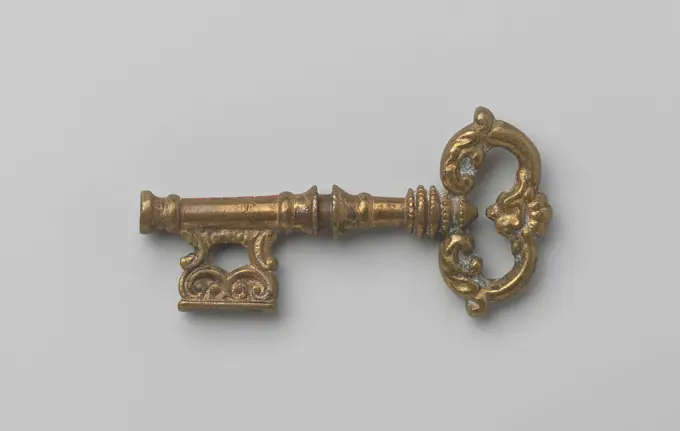
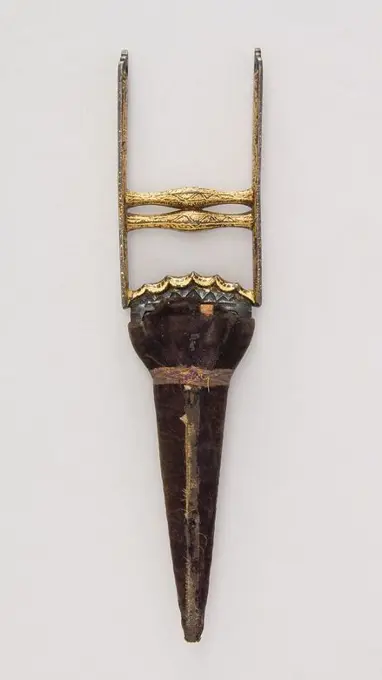
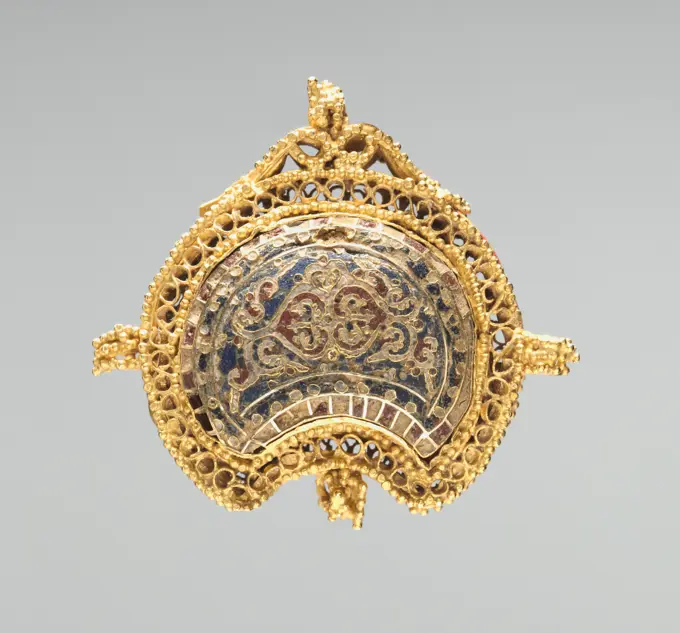
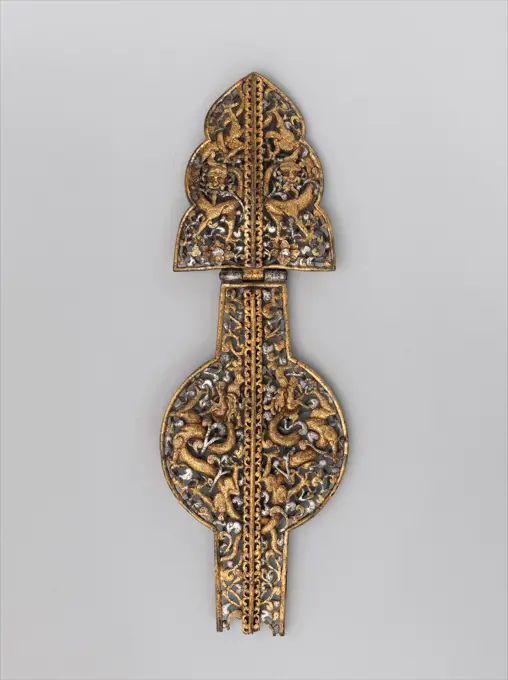
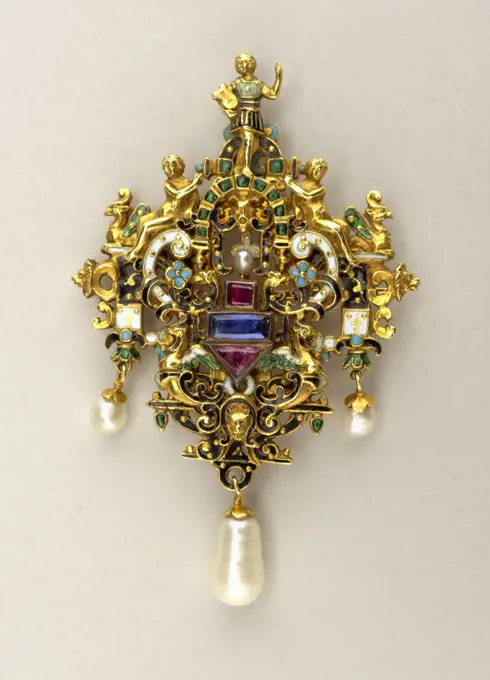
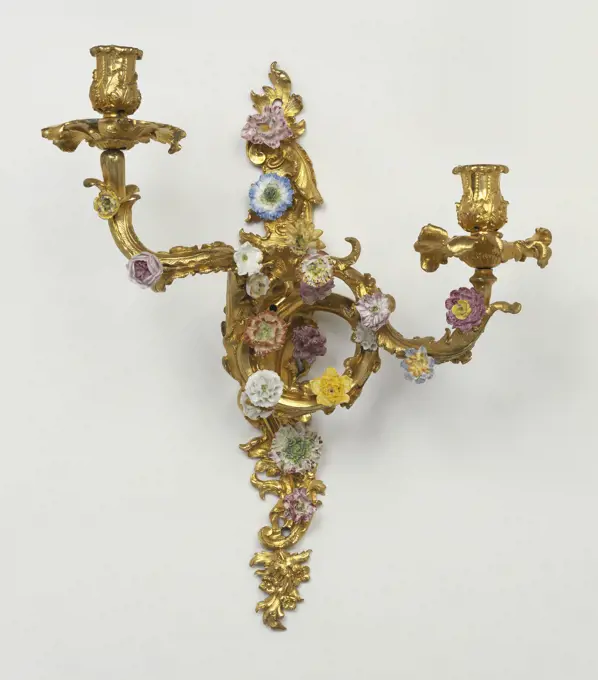
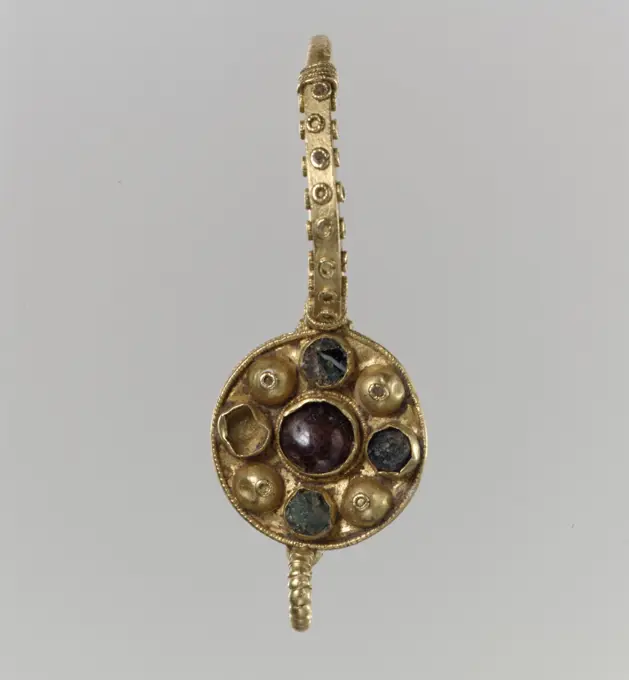
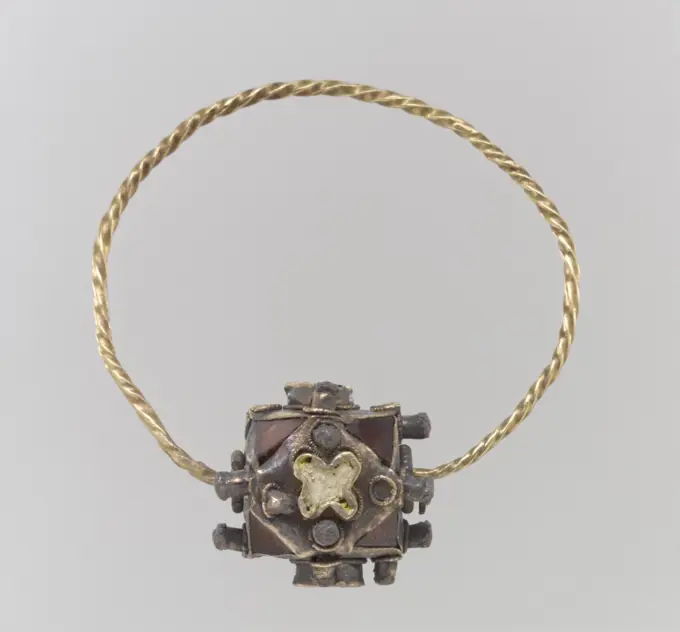
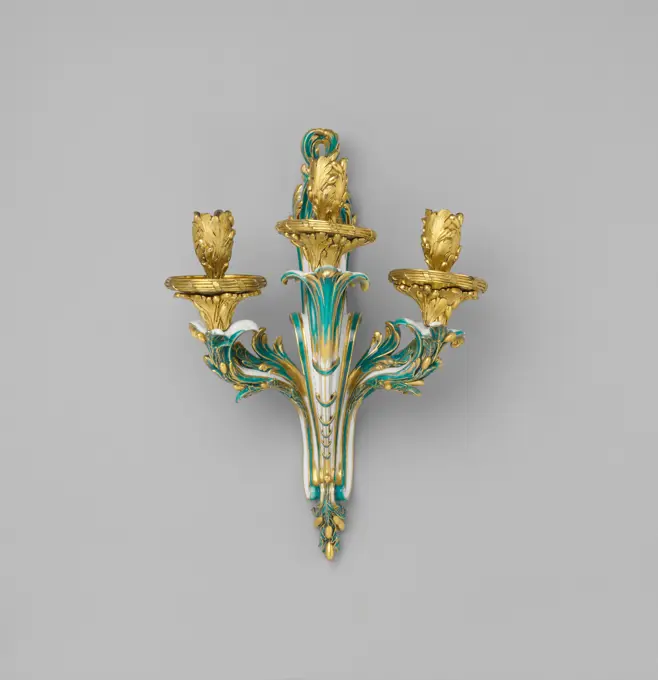
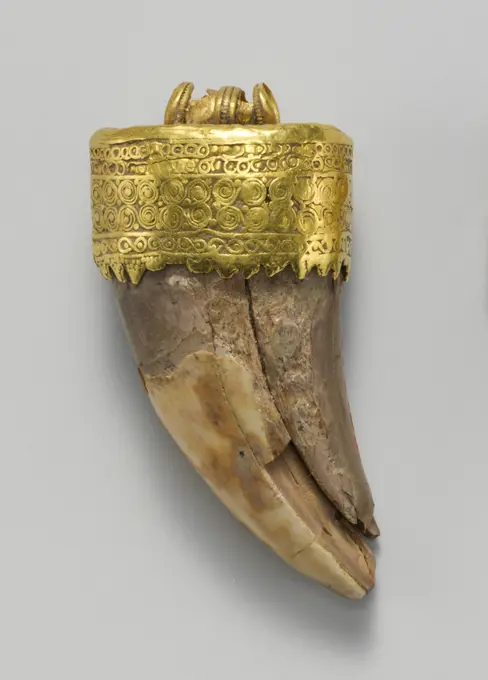
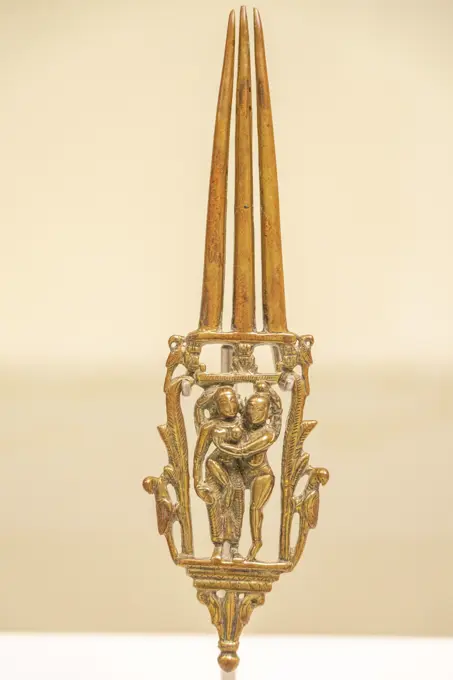
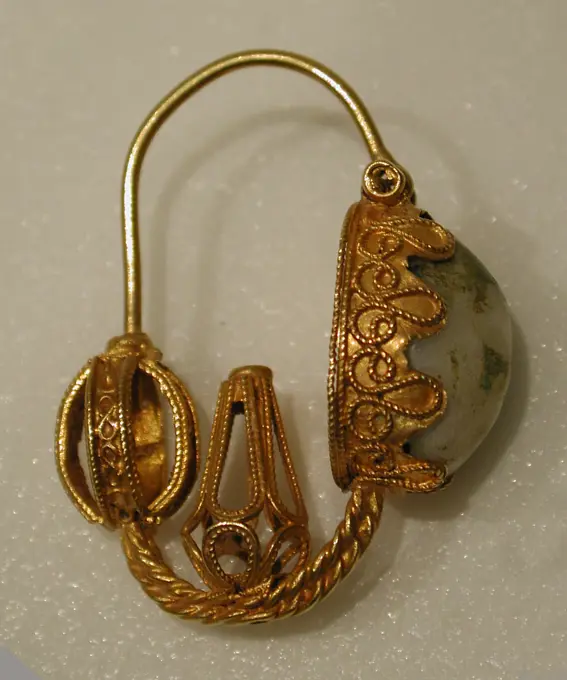
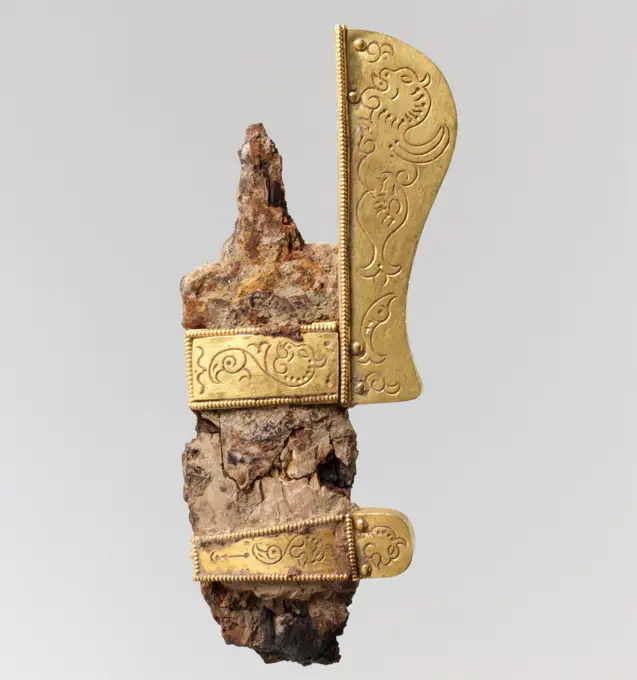
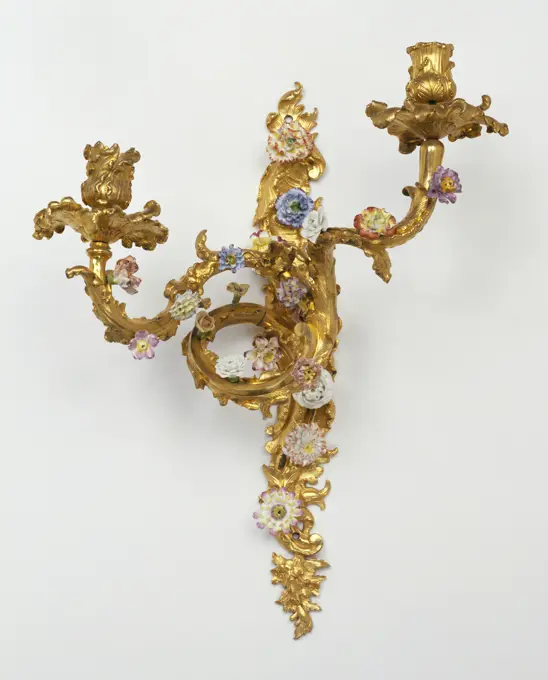
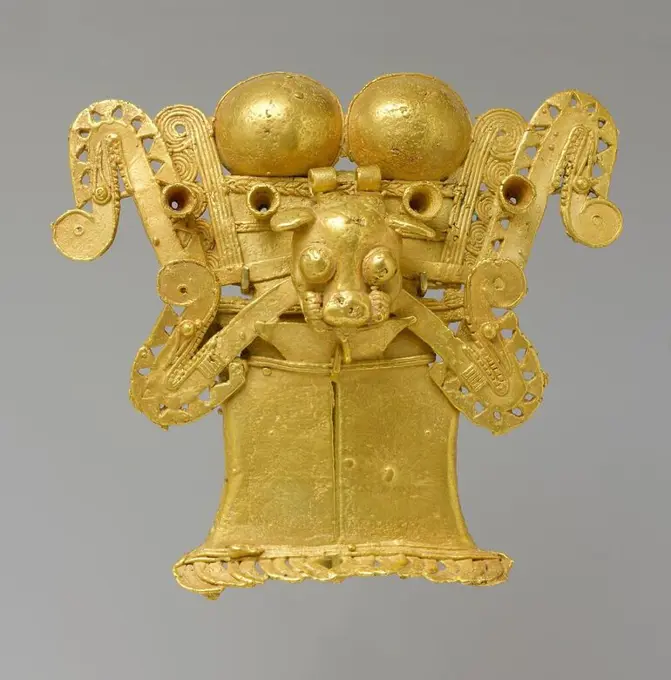
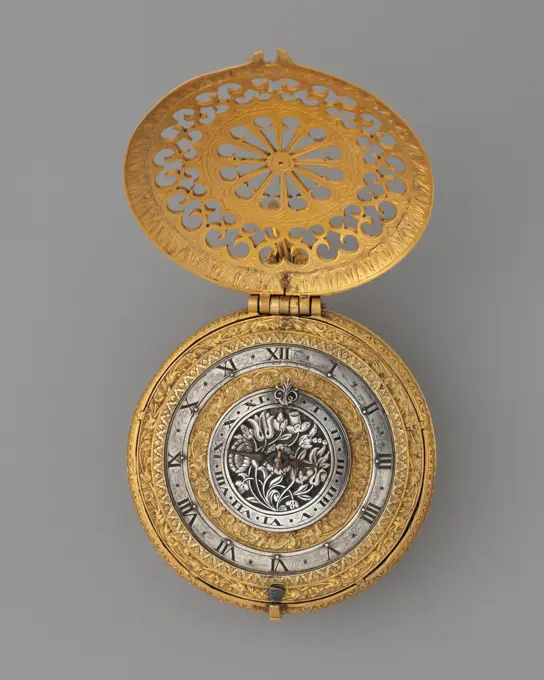
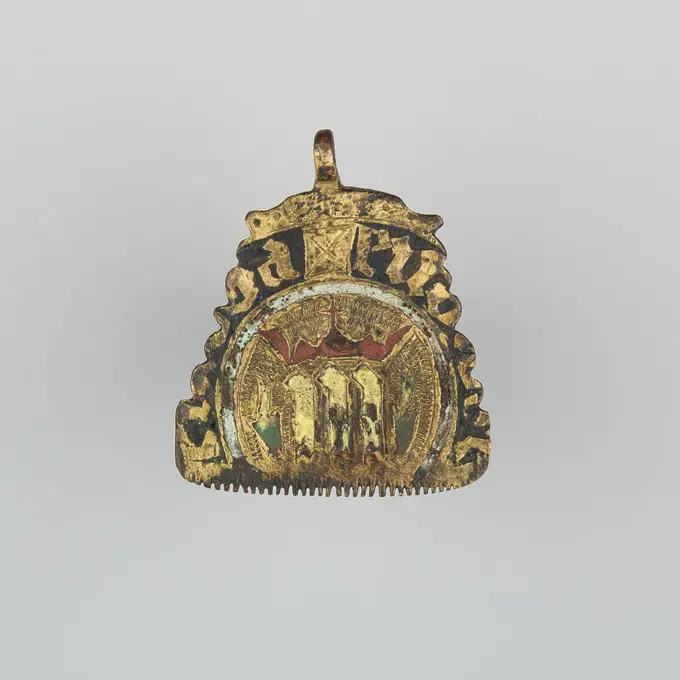
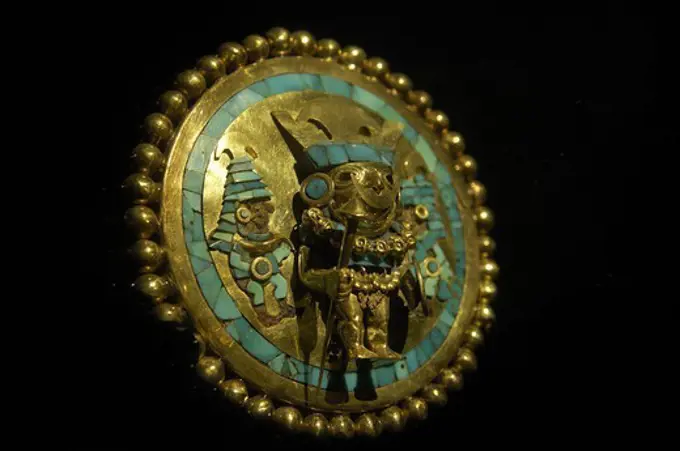
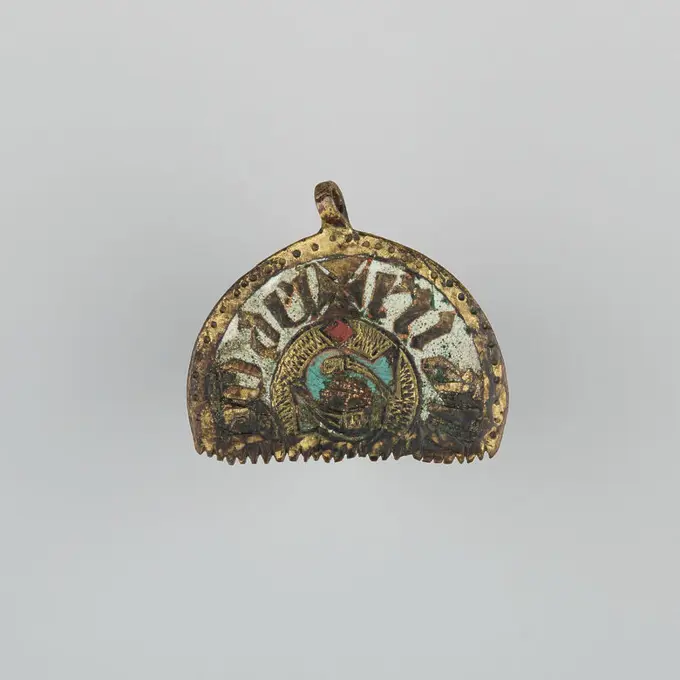
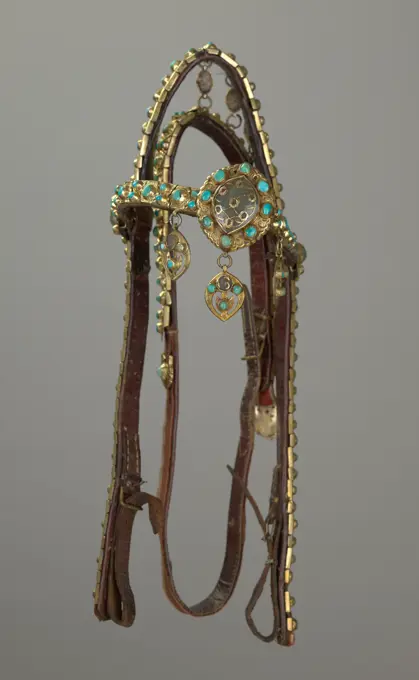
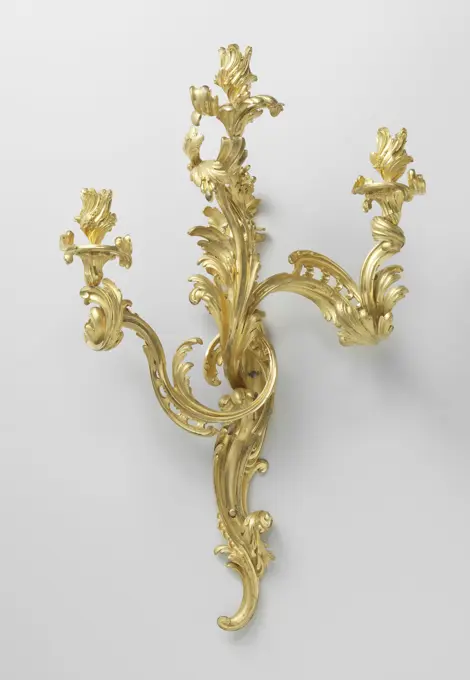
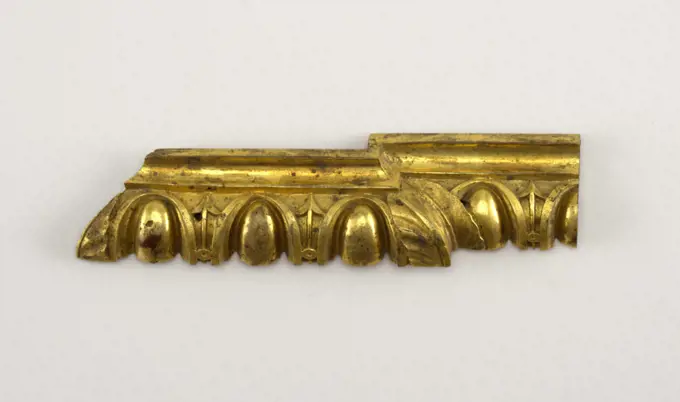
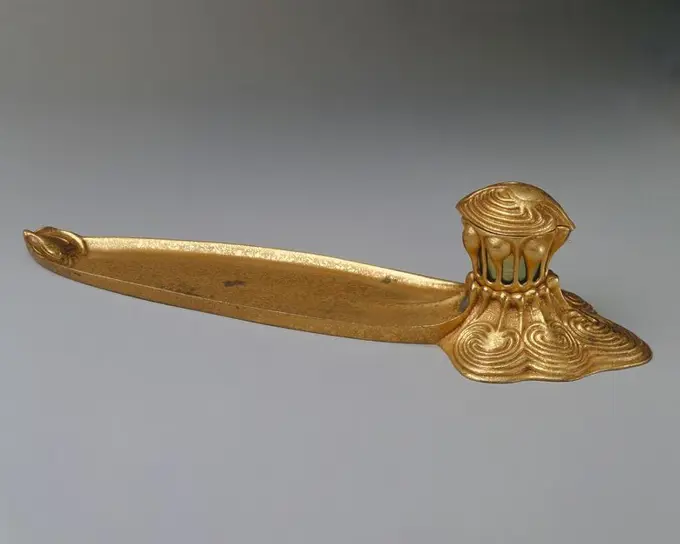
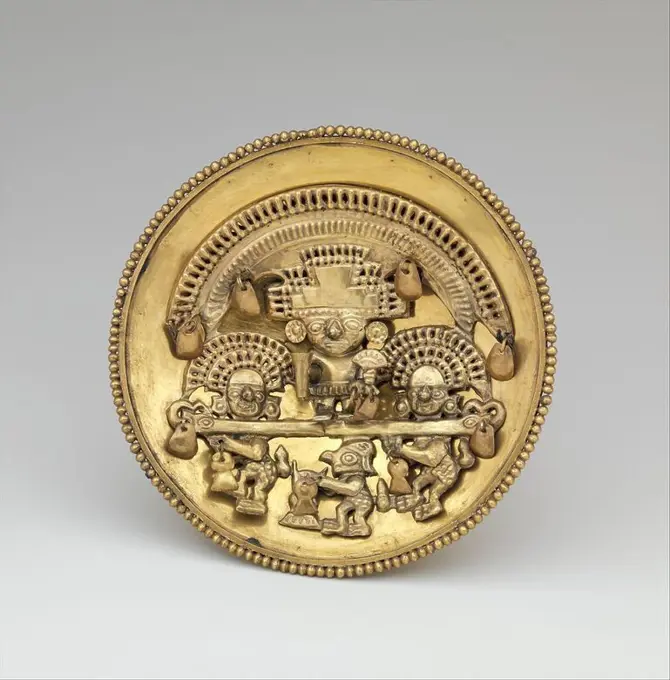
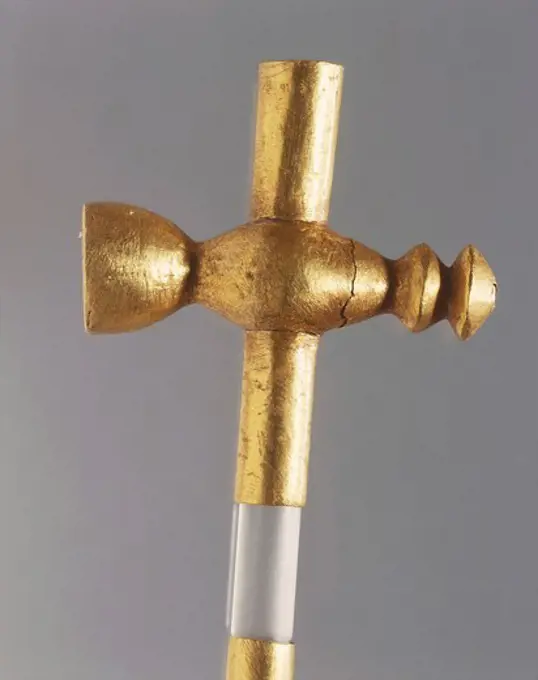
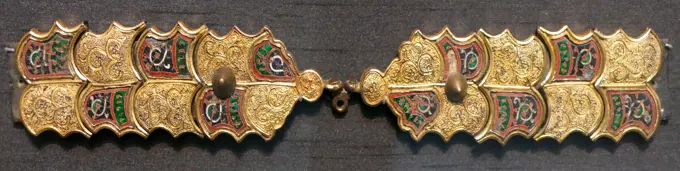
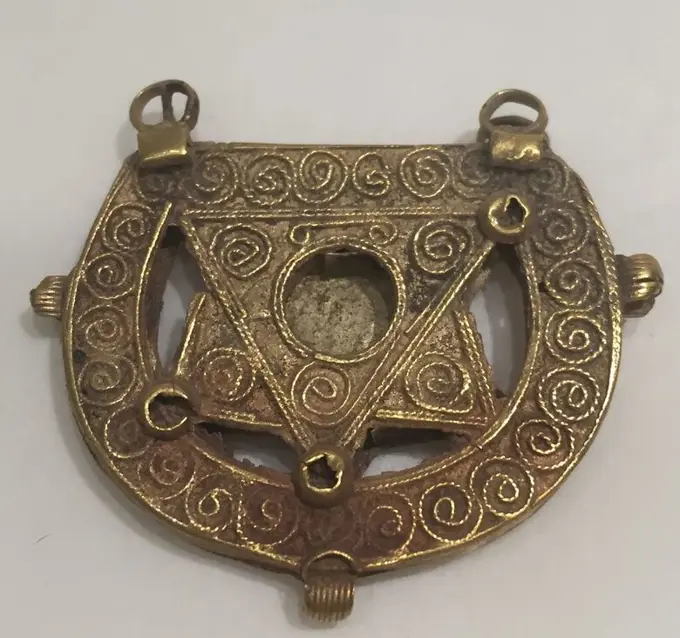
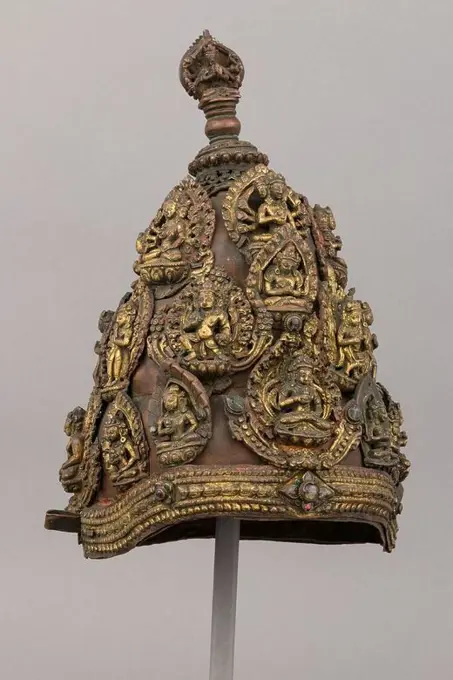
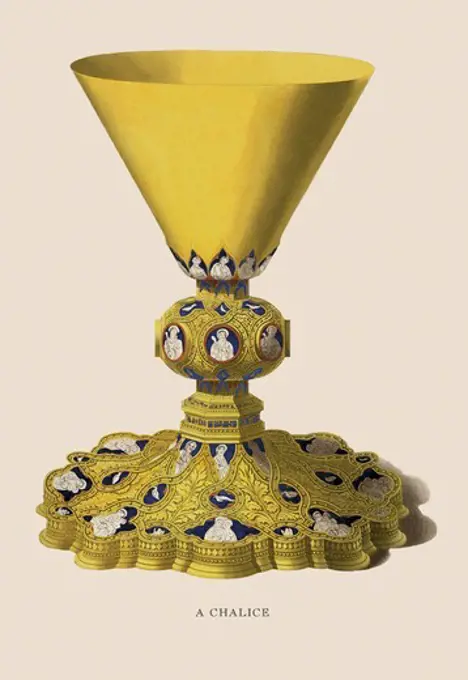
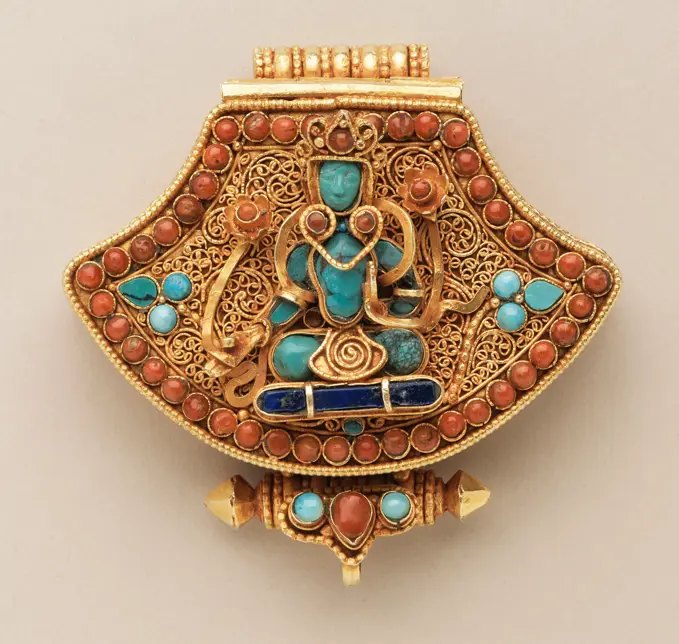
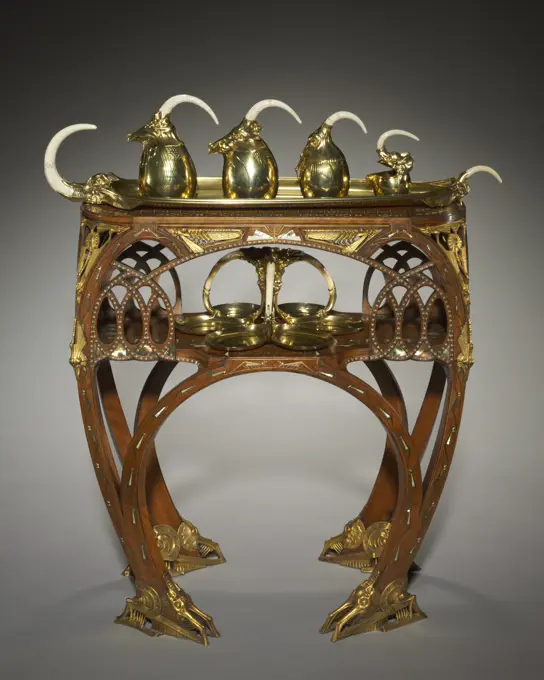
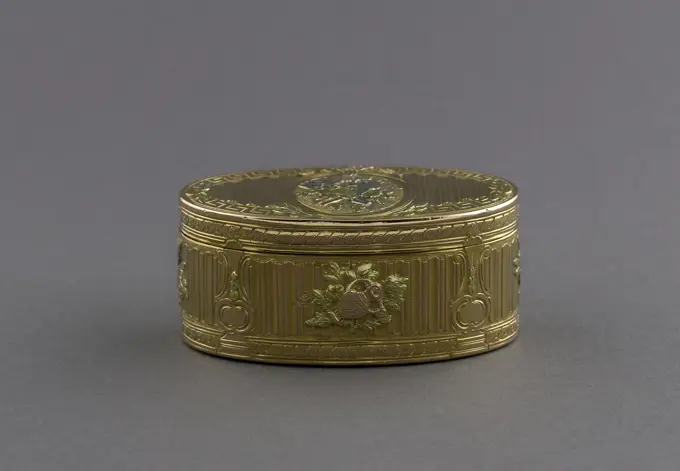
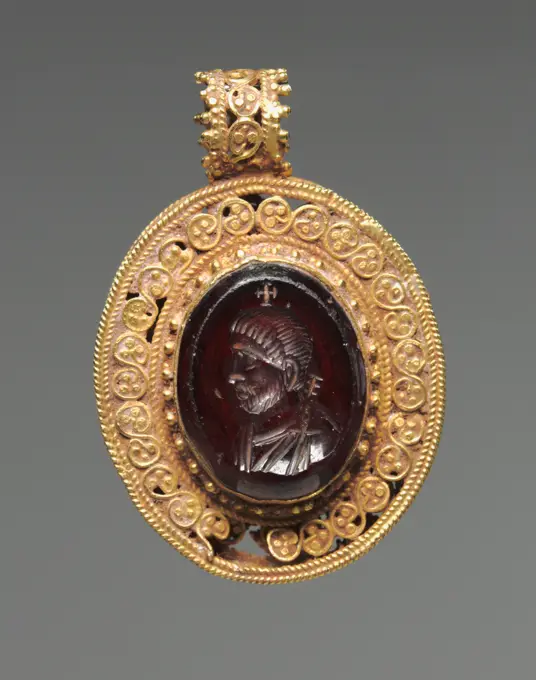
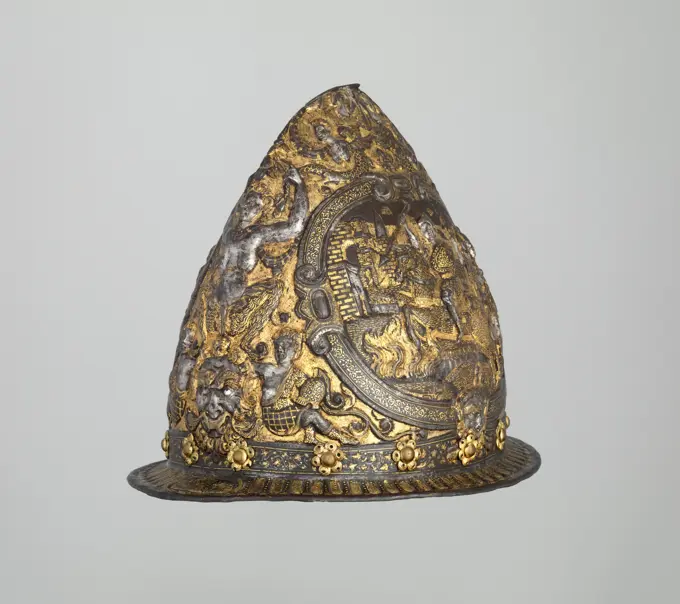
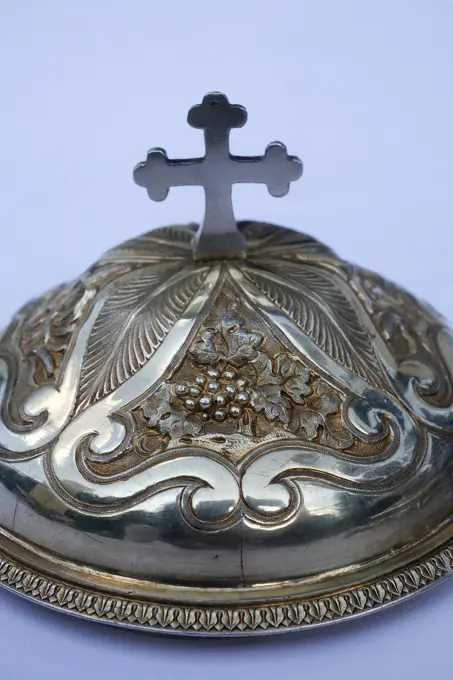
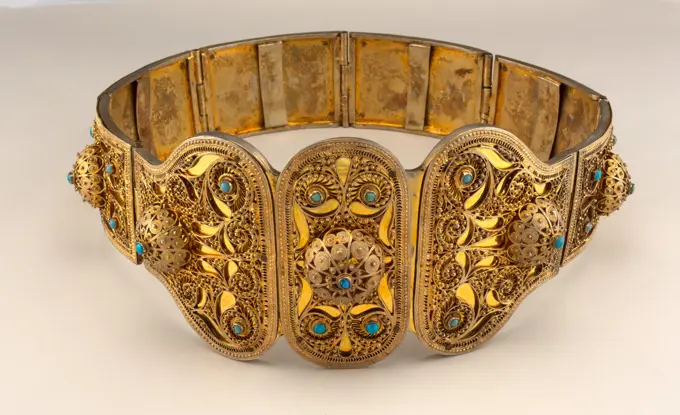
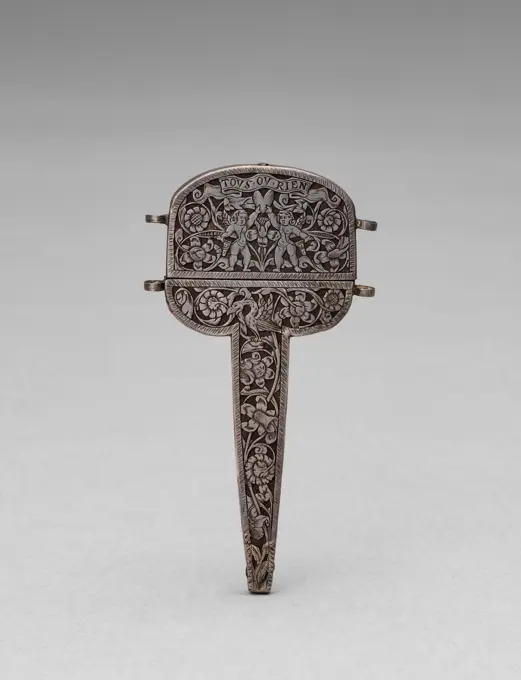
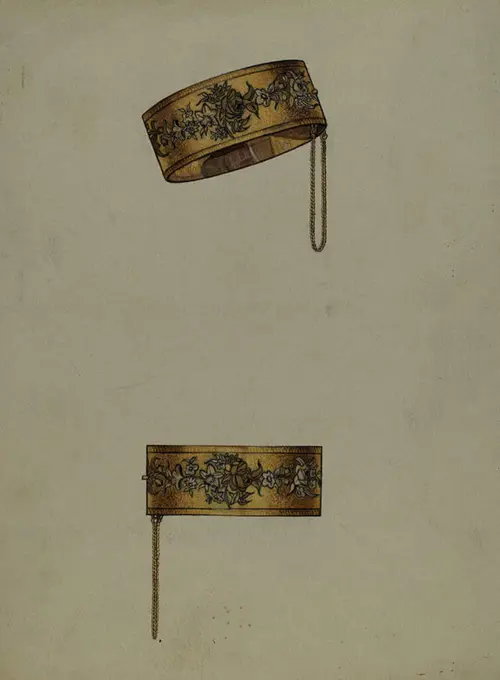
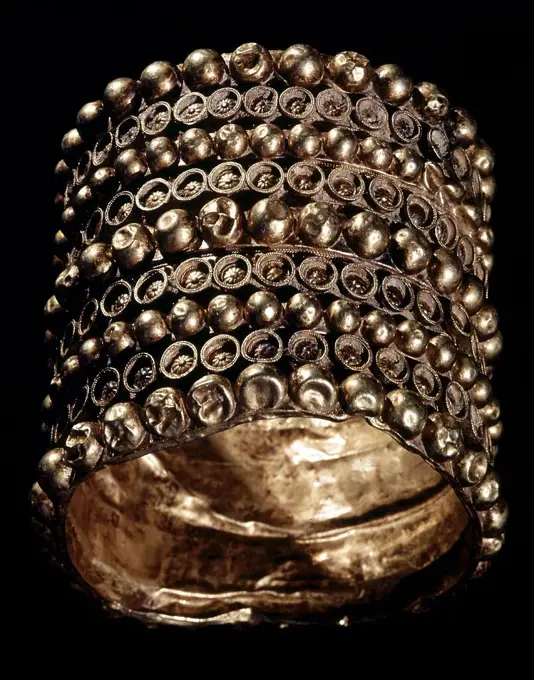
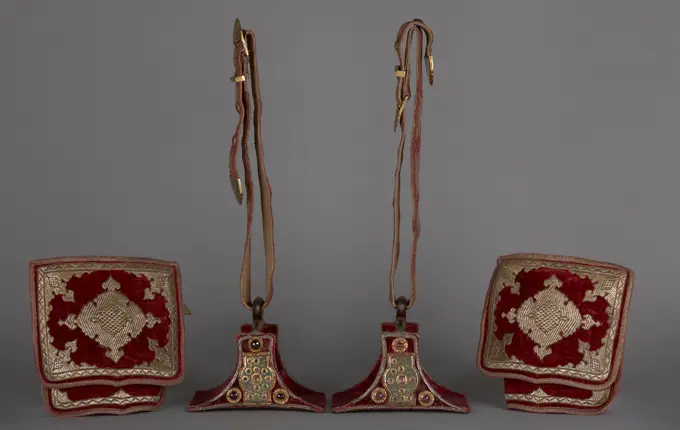
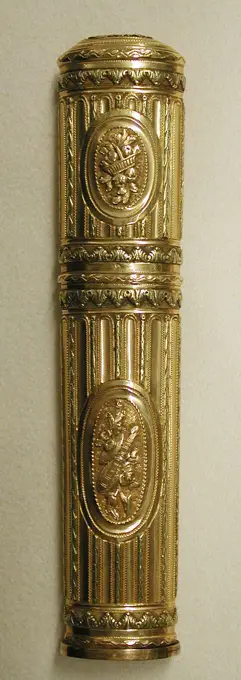
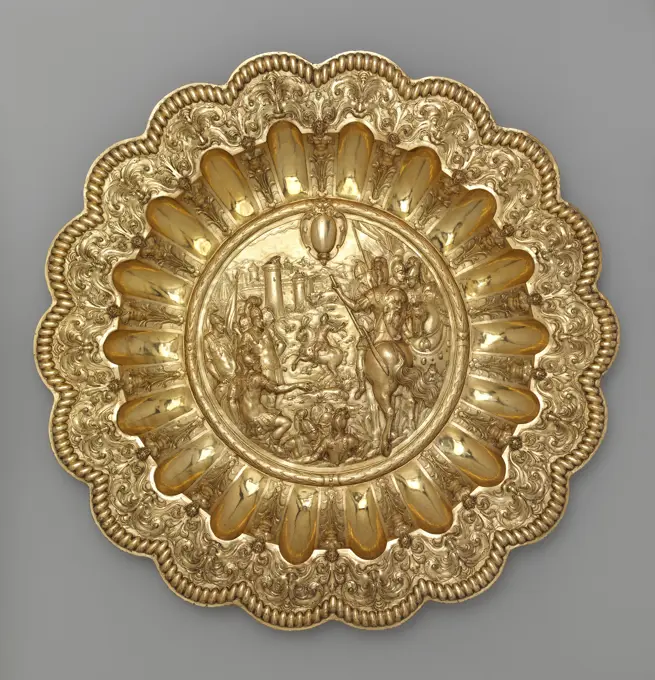
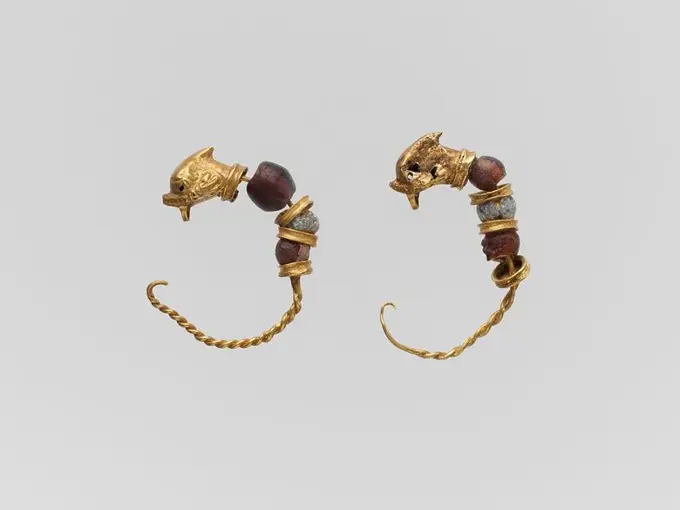
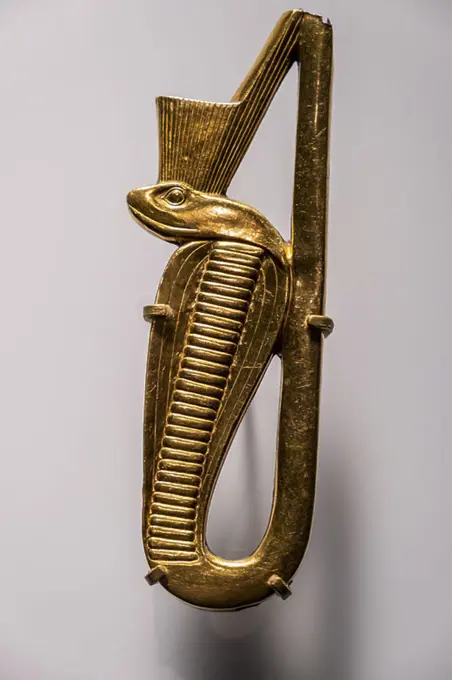
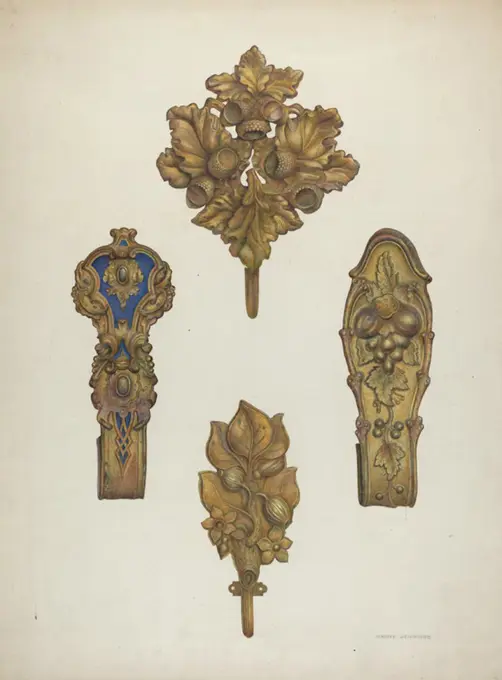
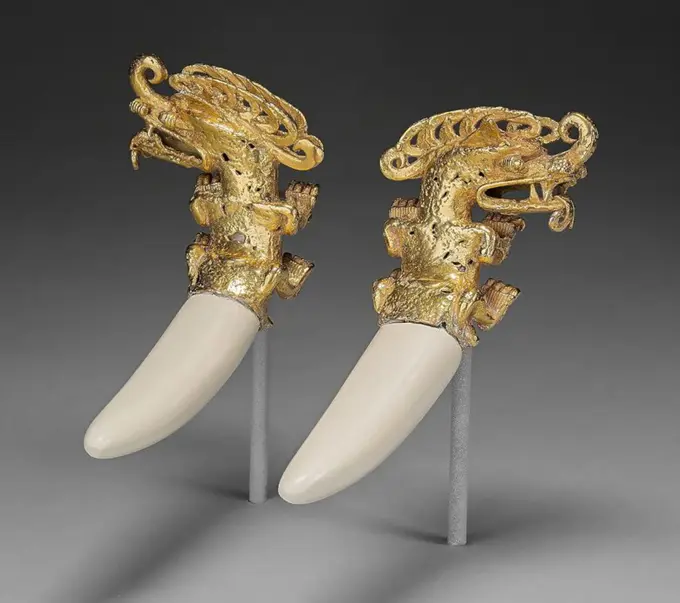
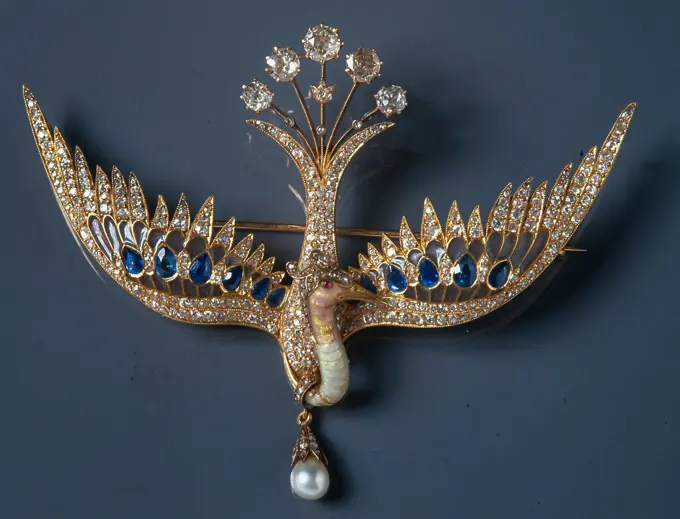
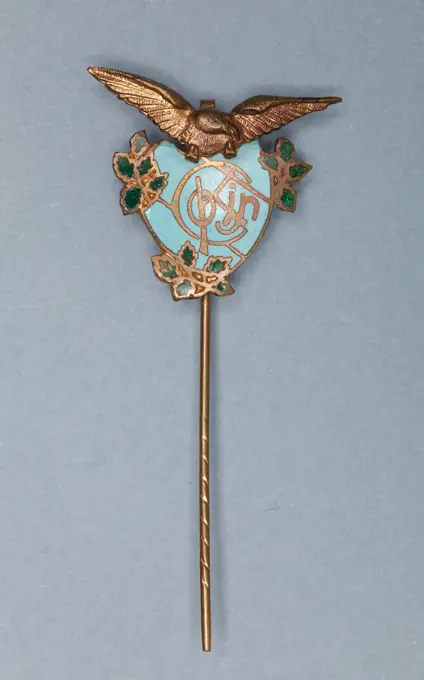
Sconce 17th century British. Sconce. British. 17th century. Enamel on brass. Metalwork-BrassPair of Wall Lights. Attributed to Pierre-Philippe Thomire (French, 1751 - 1843, master 1772) about 1787 The shape of these two large wall lights suggests a vase hung on a real ribbon. Each is decorated with three female masks adorned with feathered crowns and garlands of fruit and flowers, and clusters of oak leaves and acorns are suspended below. The arms of the wall lights sprout vines and grapes. In 1787 the bronze caster Pierre-Philippe Thomire delivered three pairs of wall lights identical to the ones in the Getty Museum to the château of Saint-Cloud for the king's gaming room. Today those wall lights hang in the Petit Trianon at Versailles.Pendant. Iran, about 150 B.C.-A.D. 225. Jewelry and Adornments; pendants. Bronze, castSleutel.Tilt whose eye is formed by two c-volutes giving each other that embed above a shell and covered at the bottom with leaf ornament. The shaft runs past the beard in a widening.Dagger (Katar) with Sheath. Culture: Indian. Dimensions: L. with sheath 13 1/4 in. (33.7 cm); L. without sheath 11 11/16 in. (29.7 cm); W. 3 1/4 in. (8.3 cm); Wt. 15.3 oz. (433.7 g); Wt. of sheath 0.9 oz. (25.5 g). Date: 18th century. Museum: Metropolitan Museum of Art, New York, USA.Crescent-Shaped Pendant, 1000-1100. Byzantium, Constantinople, Byzantine period, 11th century. Gold filigree with cloisonné enamel; overall: 3.1 x 3.2 cm (1 1/4 x 1 1/4 in.).Pomander 1625-1675 Netherlands. Silver gilt and enamel .AmuletFrontal Plate from a Shaffron (Horse's Head Defense) 16th-17th century Tibetan Most of the surviving Tibetan shaffrons are purely functional pieces of armor with minimal, if any, decoration. This outstanding example is one of the few exceptions to that rule. It is made up of two plates from the center of a shaffron, or head defense, that must originally have been part of an extremely elaborate set of horse armor belonging to a high-ranking Tibetan or Mongolian nobleman. It is the only known shaffron decorated in this style, with dragons amid scrollwork pierced, chiseled, and engraved on the thick iron ground and damascened in gold and silver. The same materials, techniques, and motifs are often seen (although usually on a thinner iron ground) on Tibetan saddle plates, ritual objects such as censers, and luxury items such as pen and cup cases and the reinforcing straps found on the entrance doors of important temples and monasteries. The only other known Tibetan shaffron with truly notaCandlestick 19th century, after 18th century original British, after French original This electrotype is after an eighteenth-century original, at the time of reproduction in the Chéréméteff Collection, St. Petersburg.. Candlestick. British, after French original. 19th century, after 18th century original. Gilt bronze. Metalwork-ElectrotypePendant, Ernesto Pierret, French, b. 1824, Hans Collaert the Elder, Flemish, ca. 1530 - 1581, Jan Collaert II, Flemish, 1560 - 1628, Gold, enamel, rubies, sapphires, pearls, Brooch in the Renaissance style of gold, enamel, rubies, sapphires and pearls., Rome, Italy, Florence, Italy, 1875-90, jewelry, Decorative Arts, PendantBadge or Harness Pendant Spanish 14th-15th century Heraldry, or coat-of-arms, were vitally important in Europe throughout the Middle Ages and the Renaissance. Heraldic emblems were used to identify noble families, cities, regions, and even countries. In addition to being displayed on shields and flags, heraldry was incorporated into architectural decoration on the interior and the exterior of buildings, on furniture, works of art, clothing, and horse equipment. Harness pendants, like this example, would have been attached to a headstall, bridle, or other straps making up the tack of a horse ridden by a nobleman or noblewoman, or a member of their household. Many harness pendants also have decoration that is simply ornamental, or have symbols that are not specifically heraldic in nature. View more. Badge or Harness Pendant. Spanish. 14th-15th century. Copper, gold, enamel. Miscellaneous-BadgesWall Light; Paris, France; about 1750; Soft-paste porcelain; gilt bronze; 45.7 × 34.3 × 19.7 cm (18 × 13 1,2 × 7 3,4 in.)Square Red Enamel Brooch, James Cromar Watt (Aberdeen, Scotland, 1862 - 1940)Earring 6th-7th century Langobardic or Byzantine () Fashionable in Italy for at least a century before the arrival of the Langobards, earrings of the “basket” variety, like the many shown in this case, quickly became part of Langobardic women’s dress.. Earring 464787 Langobardic or Byzantine (), Earring, 6th7th century, Gold, garnet, glass; inlays are possible restorations, Overall: 1 9/16 x 9/16 x 11/16 in. (4 x 1.5 x 1.7 cm) hoop: 13/16 in. (2 cm) basket: 7/8 x 9/16 x 3/8 in. (2.3 x 1.5 x 0.9 cm). The Metropolitan Museum of Art, New York. Gift of J. Pierpont Morgan, 1917 (17.191.10)One of a Pair of Gold Earrings with Garnets second half 8th century Frankish Hoop earrings with polyhedral beads, derived from late Roman jewelry, remained fashionable among Frankish women from the 400s through the 700s. Many are delicate pieces, their beads decorated with garnets or precious stones. Others, often with the least imposing beads, impress by their large hoops and distinctive closures.. One of a Pair of Gold Earrings with Garnets 464898 Frankish, One of a Pair of Gold Earrings with Garnets, second half 8th century, Gold, garnets with patterned foil backings, silver rivets, Overall: 1 13/16 x 11/16 x 1 3/4 in. (4.6 x 1.8 x 4.4 cm) bead: 3/4 x 11/16 in. (1.9 x 1.8 cm). The Metropolitan Museum of Art, New York. Gift of J. Pierpont Morgan, 1917 (17.191.2)Pastor, Pen with a rocaille motif, from the figure Augustine from the Choir of the Cathedral in Wroclaw; Urb Ski, Jan Jerzy (Ca 1675-Post 1739),  1727 (1701-00-00-1800-00-00);Wall sconce (bras de cheminée) (one of a pair) ca. 1761 Sèvres Manufactory French Shaped like foliated rococo scrolls after a design by the goldsmith Jean-Claude Duplessis (act. 1745/48-1774), few Sèvres wall sconces were produced. Between 1761 and 1768 the manufactory sold only about 20 pairs. This particular pair may be the green and gold wall sconces that Madame de Pompadour purchased for 384 livres in December of 1761. One of the most important patrons of the manufactory, Madame de Pompadour kept her wall sconces in the grand cabinet de l'angle at the Chteau de Menars according to the 1764 inventory drawn up after her death. This inventory also lists bobèches or sockets of gilt bronze.. Wall sconce (bras de cheminée) (one of a pair) 202170MountTooth pendant set in gold 4th century B.C. Etruscan Ornamented with filigree, with suspension loop.. Tooth pendant set in gold. Etruscan. 4th century B.C.. Gold, bone. Late Classical. Gold and SilverBook lock of silver. .Badge or Harness Pendant ca. 1400 Spanish Heraldry, or coat-of-arms, were vitally important in Europe throughout the Middle Ages and the Renaissance. Heraldic emblems were used to identify noble families, cities, regions, and even countries. In addition to being displayed on shields and flags, heraldry was incorporated into architectural decoration on the interior and the exterior of buildings, on furniture, works of art, clothing, and horse equipment. Harness pendants, like this example, would have been attached to a headstall, bridle, or other straps making up the tack of a horse ridden by a nobleman or noblewoman, or a member of their household. Many harness pendants also have decoration that is simply ornamental, or have symbols that are not specifically heraldic in nature.. Badge or Harness Pendant. Spanish. ca. 1400. Copper, gold, silver, enamel. Miscellaneous-BadgesMolding; wood, gildedPalmette, HalfKamm mit zwei Frauen, die sich gegenseitig streicheln Comb with two women caressing each other, Rajasthan, India, 19th century, gilt bronze,MuEC, Barcelona, Catalonia, Spain LicenseRF Copyright: xZoonar.com/BartomeuxBalaguerxRotgerx 23171190Earring, One of a Pair 12th century Traces of bluish-green glaze can be seen on the surface of the quartz stones in these earrings in an effort to imitate turquoise. Sourced locally in Iran, turquoise was a favorite stone in the medieval period, and according to eleventh-century scholar Al-Biruni, was believed to protect from the evil eye. Glazing stones to modify their appearance is a practice that is known since antiquity and provided a more economical alternative to sourcing expensive gemstones.. Earring, One of a Pair 451067Piece from a Luxury Dagger ca. 600 Langobardic These piecesgrip terminal, mounts, scabbard chape, all in goldare all that remain of a luxury dagger. The stamped designs of sea monsters and dolphins belong to Byzantine metalworking tradition and appear on other Langobardic objects from this period.This group of objects was found in the grave of a Langobardic horseman, who was buried in his warrior dress, with weapons, shield, helmet, and the fittings for his horse. What remains are the many gold pieces that would have ornamented his clothing and equipment, and they attest to the great wealth of the Langobardic aristocracy within a generation of settling in Italy.. Piece from a Luxury Dagger 469018Four Wall Lights. UnknownFire Solp of Lead Glaze Room, Anonymous, 1616 Semi -round fire volp made of lead glaze pottery, with wings. The bell jar is decorated in white sludge under the handle with a dancing () Man and female, surrounded by branches with flowers and leaves. On the wings two birds relevant each other. The bell jar is dated on the left: 1616. North Holland earthenware. lead glaze Semi -round fire volp made of lead glaze pottery, with wings. The bell jar is decorated in white sludge under the handle with a dancing () Man and female, surrounded by branches with flowers and leaves. On the wings two birds relevant each other. The bell jar is dated on the left: 1616. North Holland earthenware. lead glazeStylized Figure Pendant. Culture: Parita. Dimensions: H. 4 1/2 in. (11.43 cm). Date: 12th-14th century. Museum: Metropolitan Museum of Art, New York, USA.Klamp of a book lock with the presentation of the presentation of Jesus in the Temple, 1773 Bracket of a book lock of gold, cast and ciseled, with a representation in the relief of the presentation of Jesus in the temple. The performance is surrounded by rocaille onion. Bible lock. The Hague gold (metal) casting Bracket of a book lock of gold, cast and ciseled, with a representation in the relief of the presentation of Jesus in the temple. The performance is surrounded by rocaille onion. Bible lock. The Hague gold (metal) castingWatch with alarm ca. 1600 Movement by Nicholas Vallin The son of the Flemish clockmaker John Vallin (ca. 1535-1603), Nicolas became the leading clock- and watchmaker in London. Both John and Nicolas emigrated to England, probably shortly before 1590 and undoubtedly as the result of political troubles in The Netherlands. Both father and son died in the London plague epidemic of 1603. The watch, which has a verge escapement, runs a little more than twenty-four hours per each winding, and originally it struck the hours in passing (a single blow on the bell at each hour).. Watch with alarm. British, London. ca. 1600. Case: gilded brass; movement: gilded brass, with an alarm train of iron. HorologyPendant, 1500s. Spain, 16th century. Gold and enamel; overall: 6.4 x 5.1 cm (2 1/2 x 2 in.).Earring with hawk pendant Cypriot. Earring with hawk pendant 242685Badge (probably from Horse Harness). Culture: Spanish. Dimensions: H. 2 3/8 in. (6 cm); W. 2 in. (5 cm); Wt. 1 oz. (28.3 g). Date: ca. 1400. Museum: Metropolitan Museum of Art, New York, USA.Earring (3rd c. AD). Moche or Mochica Art. PERU. LAMBAYEQUE. Sipn. Royal Tombs of Sipn Museum.Monstrance, 1854-1874 Designer: John Francis Bentley Manufacturer: Hart & Son, Applied Arts, Metalwork, Religion, Catholic, Pre-Raphaelite, GiltBadge (probably from Horse Harness). Culture: Spanish. Dimensions: H. 2 3/4 in. (7 cm); W. 2 1/16 in. (5.2 cm); Wt. 0.5 oz. (14.2 g). Date: ca. 1400. Museum: Metropolitan Museum of Art, New York, USA.Vase mounts (one of a pair) 1850-51 L.H.R., London. Vase mounts (one of a pair). British, London. 1850-51. Silver gilt. Metalwork-SilverSpontoon. Culture: French. Dimensions: L. 82 1/8 in. (208.5 cm); L. of head 13 in. (33 cm); W. 3 3/4 in. (9.5 cm); Wt. 3 lb. 10 oz. (1644.3 g). Date: 18th century. Museum: Metropolitan Museum of Art, New York, USA.Przeszo Przyszoci unknownTwo wall lights, anonymous, c. 1750 - c. 1760 Gilt bronze wall arm, with three arms. The trunk and the arms show asymmetrical C and S-shaped leaf motifs. The left and right arm also show openwork crested pieces. The old inventory number 12 is applied to the wall arms. See also: BK-16896-B. Paris bronze (metal) gilding Gilt bronze wall arm, with three arms. The trunk and the arms show asymmetrical C and S-shaped leaf motifs. The left and right arm also show openwork crested pieces. The old inventory number 12 is applied to the wall arms. See also: BK-16896-B. Paris bronze (metal) gildingPendant of gold, email, pearls and precious stones. In the middle Cimon and Pero, completely enameled., 1585 - 1600 Pendant of gold, email, pearls and precious stones. In the middle Cimon and Pero, completely enamel. Southern Germany gold (metal). pearl. ruby (mineral) Pendant of gold, email, pearls and precious stones. In the middle Cimon and Pero, completely enamel. Southern Germany gold (metal). pearl. ruby (mineral)Egg and Dart Molding, Egg and dart, 1775, metalwork, Decorative Arts, molding, moldingInkwell and Tray. Culture: American. Designer: Designed by Louis Comfort Tiffany (American, New York 1848-1933 New York). Dimensions: 2 3/4 x 11 1/2 x 3 9/16 in. (7 x 29.2 x 9 cm). Maker: Tiffany Studios (1902-32). Date: ca. 1905-20.Organic motifs, characteristic of Tiffany's progressive style, define this delicate gilt-bronze inkwell and tray. Sinuous spirals and beaded buds enclose the Favrile glass inkpot, and a leaf-shaped element forms the integral pen tray. Museum: Metropolitan Museum of Art, New York, USA.Earflare with Multifigure Scene. Culture: Chimú. Dimensions: Diam. 5 1/4 in. (13.5 cm). Date: A.D. 1350-1470.By the time the powerful Chimú kings had established their desert kingdom on Peru's north coast in the fourteenth century, precious-metal production in that region had reached unprecedented levels. Objects made for the elite had become ostentatious displays of wealth and technical virtuosity, as this pair of ear ornaments illustrates. Of thin, hammered sheet gold, they are remarkably light in spite of their size. They are decorated on the frontals with complex multifigured scenes. A distinguished Chimú lord, wearing a large headdress and ear ornaments, and holding a beaker and a fan, is shown standing on a litter supported by two men. Their huge, flared headdresses, decorated with cut-out and repoussé designs, echo the rhythm of the small spheres encircling the rims of the frontals. The shafts are embellished with a delicate chased repeat of crested birds in a diamond grid. MusSaucer; Kinkôzan, Sôbei VII (1867-1927); 19th/20th century (1891-00-00-1910-00-00);Prehistory, Bulgaria, Eneolithic. Gold sceptre. From tomb 36 of Varna excavations.Carrying sign of the Rederijkerskamer in Honisselaarsdijk. Equestrian carrying sign of silver of the Rederijkerskamer in Honsisselaarsdijk. Engraved on the front with a sitting woman with palm branch in hand. At the bottom, the letters hang: H I S M. Memorial sign: twice an ax.Top of a Hairpin early 9th-14th century Indonesia (Java). Top of a Hairpin 40117Earclip with Conch Motif and Inlaid Stones early 9th-14th century Indonesia (Java). Earclip with Conch Motif and Inlaid Stones 40125Pair of Sword-Grip Ornaments (Menuki) possibly early 17th century Japanese Menuki are a pair of ornamental sword fittings attached to either side of a sword hilt.. Pair of Sword-Grip Ornaments (Menuki). Japanese. possibly early 17th century. Gold. Sword Furniture-MenukiPendant with Masonic symbols ca. 1753-56 British, London (Battersea). Pendant with Masonic symbols. British, London (Battersea). ca. 1753-56. Enameled copper. Enamels-PaintedCurb Bit. Italian. Date: 1570-1600. Dimensions: Wt. 2 lb. Iron, steel, and brass. Origin: Italy. Museum: The Chicago Art Institute, Chicago, USA.ornate bridle associated with Abu Abdallah (Boabdil) 1482 -149 the Muslim ruler of Granada, Spain. Abu Abdallah Muhammad XII c. 1460-1533, known in Europe as Boabdil, was the 22nd and last Nasrid ruler of the Emirate of Granada in Iberia.Earring. Dimensions: H: 7/8 in (2.2 cm)W: 1 1/4 in (3.2 cm)D: 1/8 in. (0.3 cm). Date: probably 11th-13th century.These earrings ( 95.16.2 and .3) were discovered in al-Hillah, Iraq, and are of a known type produced in the 11th -13th centuries. The hexagram in the center probably alludes to the apotropaic Seal of Solomon, a motif which is found on other objects from this period and place. According to legend, King Solomon received the Seal in the form of a signet ring directly from God, which gave him the power to command animals, and supernatural beings (jinn). The Seal of Solomon became a popular talismanic motif throughout the Islamic world and can be found on the surfaces of many objects. Museum: Metropolitan Museum of Art, New York, USA.Silver buckle 1st title 950/1000th between 1809 and 1819. A strip imitating stones with 2 larger ones in the middle at the top and bottom and 2 oval in the middle on the sides, a small guillogy border in the outer edge.Vajracarya priest's crown. Culture: Nepalese. Dimensions: H. 12 1/2 in. (31.8 cm); W. 9 in. (22.9 cm); D. 8 7/8 in. (22.5 cm); Wt. 3 lb. 3.6 oz. (1462.8 g). Date: dated 1630/32. Museum: Metropolitan Museum of Art, New York, USA.Tassel early 19th century European. Tassel. European. early 19th century. Metal thread. Textiles-TrimmingsChalice, Costume & Decorations of the Middle AgesAmulet Pendant with Green Tara and Manjushri. Nepal, Kathmandu Valley, Patan, circa 1800-1850. Jewelry and Adornments; amulets. Gilt silver, chased and repoussé, and gilt silver filigree; inset with coral, turquoise, and lapis lazuliCandle Bracket, c. 1765-1775. After a design by Jean Charles Delafosse (French, 1734-1789). Carved and gilded wood; overall: 89.2 x 63.5 x 45.1 cm (35 1/8 x 25 x 17 3/4 in.).Pendant disk Cypriot. Pendant disk 242623Basin with Armorial ShieldSwan of multicolored painted porcelain, in bronze frame. Swan of multi-colored painted porcelain, on pedestal with plastic leaf decoration in blue green, green and yellow. The swan has a ring made of gold-plated bronze. The swan is placed in a gilt bronze frame in Rococo style, in the form of a three-armed candelaber, to which flowers of porcelain in blue, pink, green and violet are attached. The swan in noticed.Tea Table, c. 1907. Carlo Bugatti (Italian, 1856-1940). Inlaid wood (mahogany), cast and gilded bronze mounts, inlays of ivory or bone, metal, and mother-of-pearl (marine mussels or pearl oysters); overall: 71.5 x 67.1 x 41.3 cm (28 1/8 x 26 7/16 x 16 1/4 in.). Luxurious materials might catch the eye first, but a closer look reveals the imaginary creatures that adorn the surface of this table. Featuring elaborate arches, a favorite motif that appeared throughout Bugatti's furniture, this fantastical imagery is a window into the designer's expressive imagination.Furniture mount, Gilt bronze, Hunting trophy consisting of bow, two lances, helmet, club, drum, animal skin and tambourine, suspended by sash., France, ca. 1780, metalwork, Decorative Arts, Furniture mountThresholdSilver buckle 1st title 950/1000th from 1838. Strip at 3 rows, 2 United Row framing a garland of foliage, flower motif in an oval at each angle.Berber diadem from Aurés, Algeria, "Corral del Carbón" , "al-fundaq al-yadida", 14th century, Granada, Andalusia, Spain.Oval gold in color. Now chiseled, 1762-1768. Paris, Cognacq-Jay museum. The decor of this box consists of a border of meanders, a background of canals and medallions with country attributes and allegories. These reasons belong to the neoclassical repertoire. The Trophies' Books, pastoral attributes of Jean-Charles Delafosse, engraved by Pierre-François Tardieu (Paris, Louvre Museum, Department of Graphic Arts, Edmond Collection de Rothschild, inv. 28239-28244 L.R.) served as a source of inspiration . Oval box, chisel, gold colorMountGolden pre-Columbian ritual knife or Tumi, replica, sheet brass with semi-precious stones, souvenir, Cusco, Peru, South AmericaSpeelbeurs puts Het Alliantiewapen van Charles Eugène Gabriel de la Croix de Castries en Gabrielle Isabeau Thérèse de Rozet de Rocozel de Fleury, Anonymous, Anonymous (rejected attribution), c. 1785 Speelbeurs van zalmkleurig fluweel, geborduurd in goud- en zilverdraad en veelkleurige zijde met het alliantiewapen van Charles Eugène Gabriel de La Croix de Castries, marquis de Castries, comte de Charlus (1727-1801) en Gabrielle Isabeau Thérèse de Rozet de Rocozel de Fleury ( 1728-1800). Model: flat bottom around which a wavy raised edge with holes with partial remnants of a cord of pink silk and silver thread braided - ending in a drop -shaped button with wooden core and wounded with braided silver thread. On the edge, smaller buttons are sewn in two places opposite each other. Lined with goat leather; A few chips of the silk lining are still visible on the bottom. Decoration: The 20 bulges or 'ribs' are decorated with alternating stacked ornaments in relief of gilded silver thread and dPendant with Portrait Intaglio, 500s. Byzantium, early Byzantine period, 6th century. Garnet with gold filigree setting; overall: 3.4 x 2.3 cm (1 5/16 x 7/8 in.).Cabasset ca. 1575 Italian, Milan The decoration depicts the Roman soldier Marcus Curtius leaping into a fiery abyss. This legend served in antiquity and in the Renaissance as an example of self-sacrifice and virtue.. Cabasset. Italian, Milan. ca. 1575. Steel, gold, silver, copper alloy. Milan. HelmetsCiborium . Roman Catholic church.  France.Brooch, 1800s. India. Silver gilt with diamonds, emeralds, rubies and pendant pearls; overall: 6.8 x 3.6 cm (2 11/16 x 1 7/16 in.).Jeweled Belt (Russia); Made by Kurlyukov (Russia); gilt silver, turquoise; Overall: 76.5 x 10.5 x 5 cm (30 1/8 x 4 1/8 x 1 15/16 in.)Scissors Case (Etui), c.1690. The Netherlands or France. Silver; overall: 8.6 x 4.5 cm (3 3/8 x 1 3/4 in.).Bracelets. Dated: c. 1936. Dimensions: overall: 25.8 x 20.1 cm (10 3/16 x 7 15/16 in.). Medium: watercolor, pen and ink, and graphite on paper. Museum: National Gallery of Art, Washington DC. Author: Bertha Semple.Gold sword belt buckle depicting griffins, a man and a panther, from the Vinnica Region, Ukraine. Jewellery. Sarmatic Civilization, 4th- 2nd Century BC.Bow Brooch mid-6th century Frankish. Bow Brooch 464883 Frankish, Bow Brooch, mid-6th century, Silver-gilt, niello, garnet, iron pin, Overall: 3 5/16 x 1 15/16 x 1/2 in. (8.4 x 5 x 1.3 cm). The Metropolitan Museum of Art, New York. Gift of J. Pierpont Morgan, 1917 (17.191.187)TESORO DEL CARAMBOLO-BRAZALETE DE ORO S VI/VII AC-ARTE TARTESICO. Location: MUSEO ARQUEOLOGICO-COLECCION. Sevilla. Seville. SPAIN.Przeszo Przyszoci unknownBelt, 1700s. Netherlands, early 18th century. Enamel on copper with gilt metal mounts and cloisonné medallions; overall: 55.9 cm (22 in.).Étui 1772-73 French, Paris In eighteenth-century Europe, Paris led the production of high-quality luxury goods. Parisian goldsmiths made a wide range of small, personal articles such as snuffboxes; étuis to hold sealing wax, tweezers, or utensils for sewing; souvenirs, which contained thin ivory tablets for note taking; and shuttles for knotting lace. Gold snuffboxes and boxes decorated with portrait miniatures were prized and frequently given as royal gifts, often to ambassadors or members of the court in lieu of cash payments for their services. Coveted and admired, these boxes were produced from a variety of materials. The best were skillfully made of gold and embellished with diamonds, enameled decoration, lacquer, and other luxurious materials. By the middle of the century, the taking of snuff had become an entrenched social ritual, and the snuffbox, too, had become an important social prop. Snuffboxes were considered highly fashionable accessories, with some merchants advertisingBasin 19th century, after 17th century original Elkington & Co. British This electrotype is after the 1624 original at the treasure of the Kremlin, Moscow. According to the inscription, it was presented by the ambassador Charles Howard to Tsar Alexey Mikhaylovich in 1664. En suite with 83.18.106.. Basin 186578Wallet. 1867. GAL2009.36.3Gold and glass earring with head of a dolphin. Culture: Greek. Dimensions: Other: 1 3/16 in. (3 cm). Date: 2nd-1st century B.C..With three glass paste beads. Museum: Metropolitan Museum of Art, New York, USA.Carta Gloria Frame 1765-1766 Italy. This magnificent altar set, made by the Roman Rococo goldsmith Leandro Gagliardi, is comprised of statuettes of four apostlesóSaints Andrew, John, Peter, and Paul; four candlesticks; a crucifix; and three frames to hold cards indicating the part of the Mass being performed. The altar set was made for Flavio Chigi (1711ñ1771) and bears the Chigi and Albani coats of arms. It might have been intended for use in the family chapel of the Palazzo Chigi in the Piazza Colonna, Rome.. Gilt bronze . Leandro Gagliardidecorative element for furniture in the form of ureo, gold, low time, Egypt, collection of the British Museum.Tie-back. Dated: c. 1939. Dimensions: overall: 55.7 x 42 cm (21 15/16 x 16 9/16 in.) Original IAD Object: 6 1/4" wide; 7 1/2" long. Medium: watercolor, graphite, and gouache on paper. Museum: National Gallery of Art, Washington DC. Author: Harry Jennings.Double Pendant in the Form of a Mythical Saurian with Tusks. Coclé; Coclé province, Panama. Date: 750 AD-1250. Dimensions: 6 × 7 × 2.32 cm (2 3/8 × 2 3/4 × 7/8 in.). Gold with plaster restoration of boar tusks. Origin: Panama. Museum: The Chicago Art Institute, Chicago, USA.Lluís Masriera / Broche con ave, c. 1903, Oro, esmalte «basse-taille», esmalte translúcido «plique-à-jour», diamantes, zafiros, perlas y rubíes. Museu Nacional d'Art de Catalunya (MNAC). Author: LLUÍS MASRIERA I ROSÉS.Console clock, decorated with marquetery in turtle and brass and with gold-plated bronze fittings, on oak core. Console clock, decorated with marquetery in turtle and brass, with gold-plated bronze fittings on oak core. The stuffed corner styles go into the semi-circular upper sill. The batter consists of volutes with flower and leaf branches. Under the glazed capsection decorated with grotesken with numbers of email, fittings in the form of a cupid with dog and key. The upper shell carries a sloping ascending attachment with a minnent couple to crown. Console with batter with masks on the corners. Clockwork at the rear: c.d.g: Mesnil à Paris.One square. UnknownNecklace Beads 3rd-6th century Moche. Necklace Beads 309856Commemorative badge of the Sokół Gymnastic SocietySpoon 1601 Norwegian. Spoon 192058