Antique Metalwork

Beautifully crafted metal pieces like sconces, wall lights, and pendants from various cultures, showcasing intricate designs and historical significance.

Candlestick 19th century, after 18th century original British, after French original This electrotype is after an eighteenth-century original, at the time of reproduction in the Chéréméteff Collection, St. Petersburg.. Candlestick. British, after French original. 19th century, after 18th century original. Gilt bronze. Metalwork-Electrotype
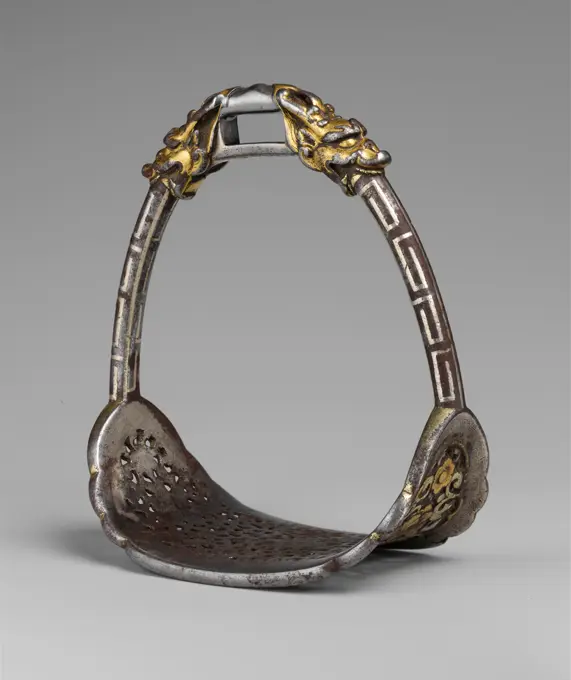
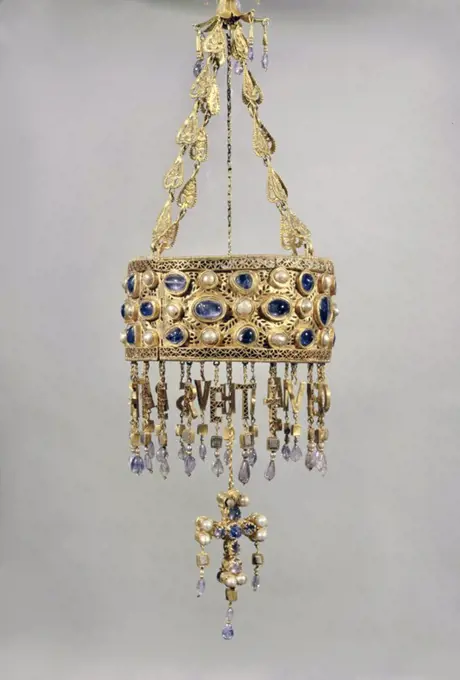
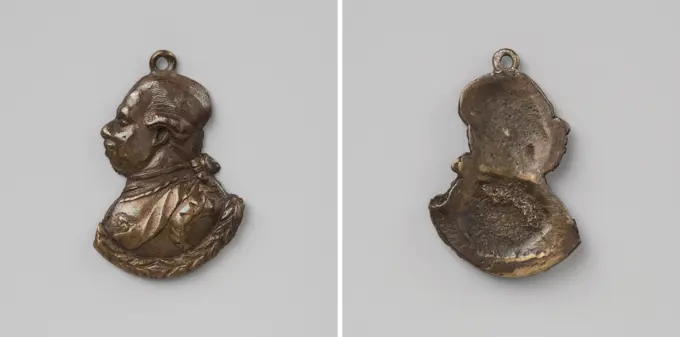
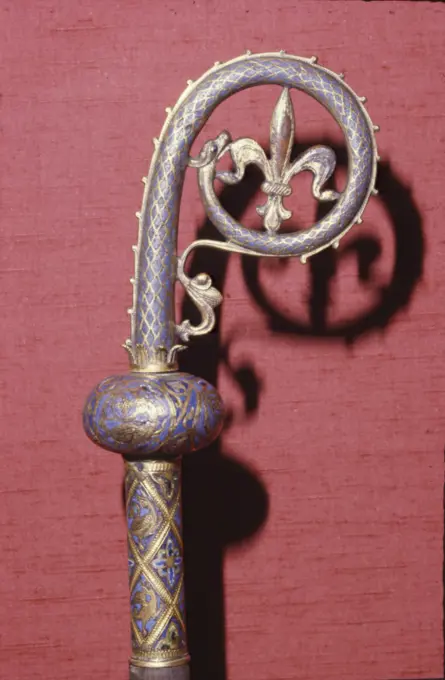
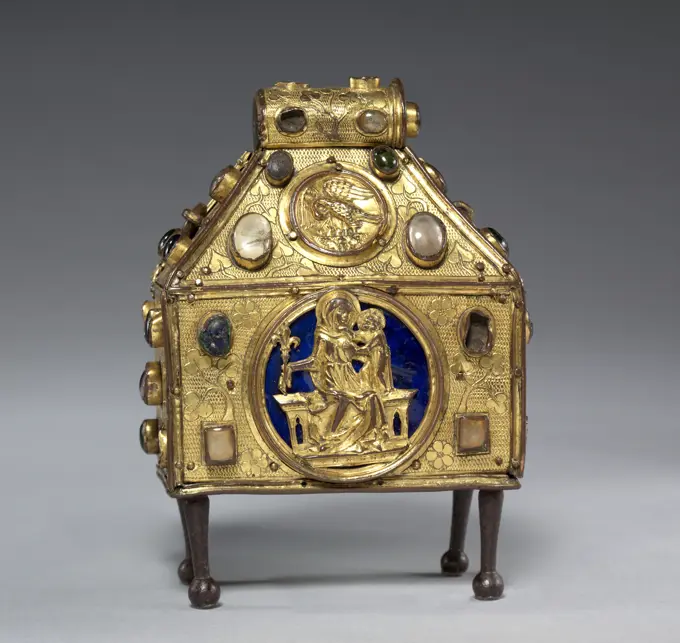
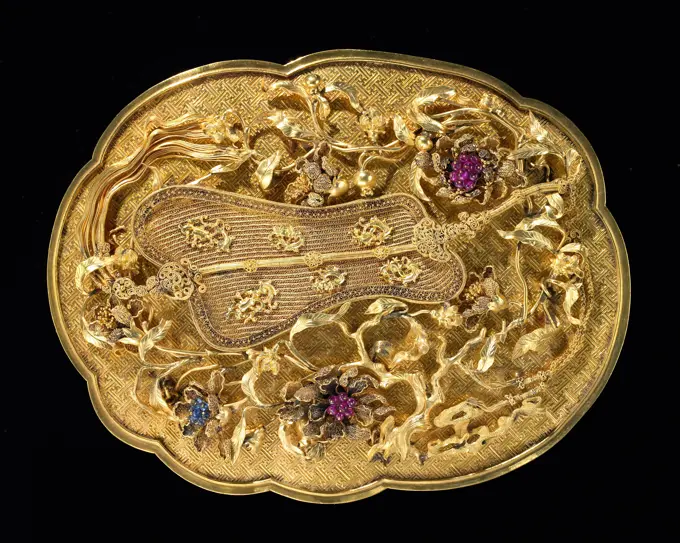
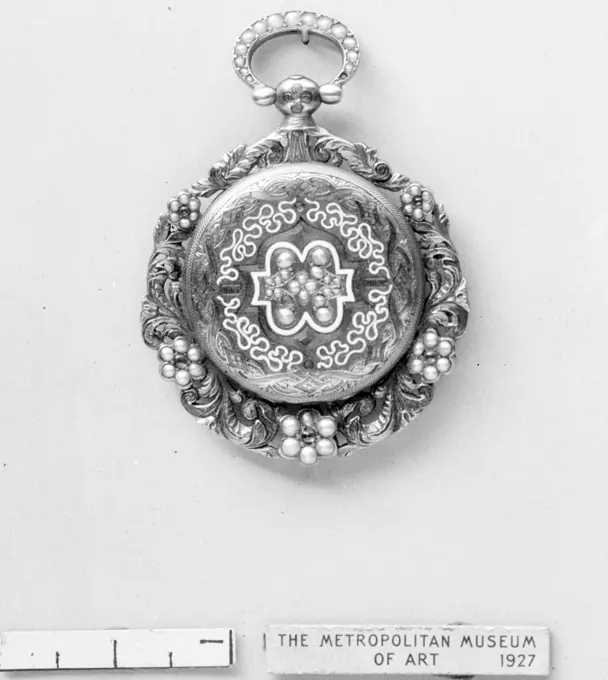
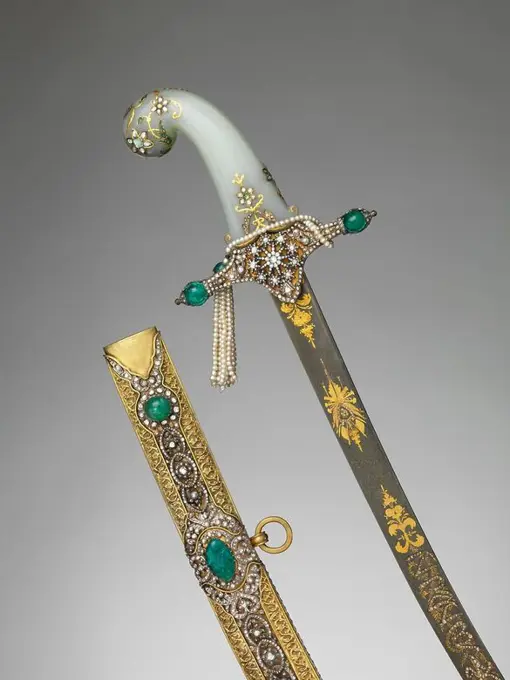
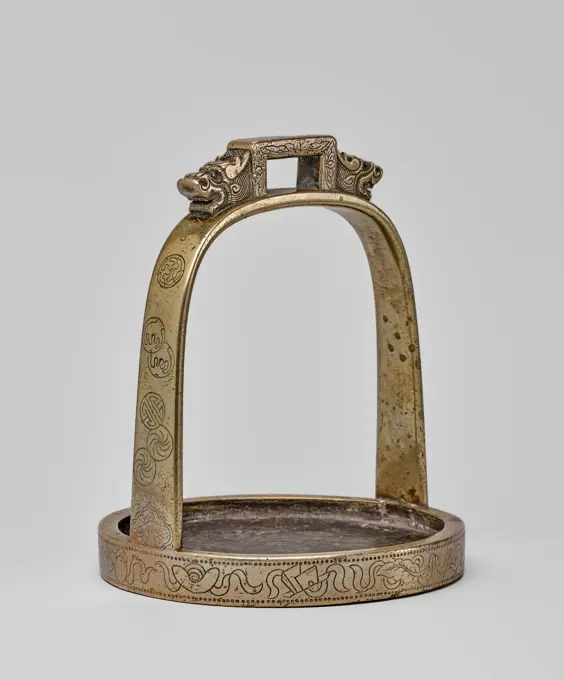
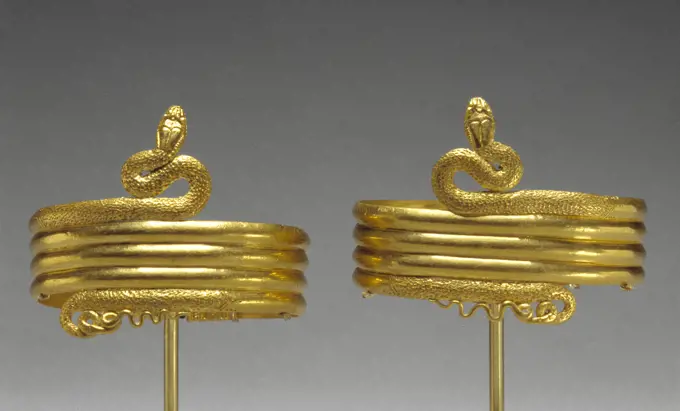
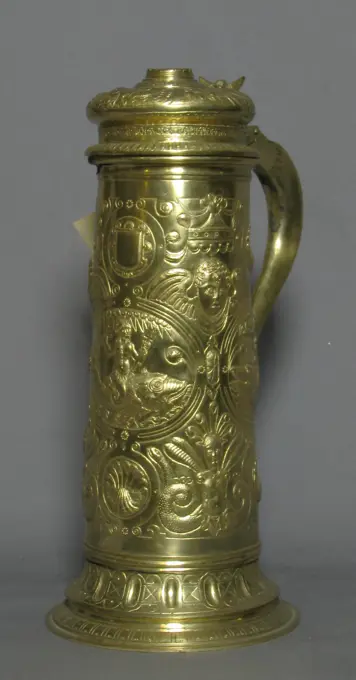
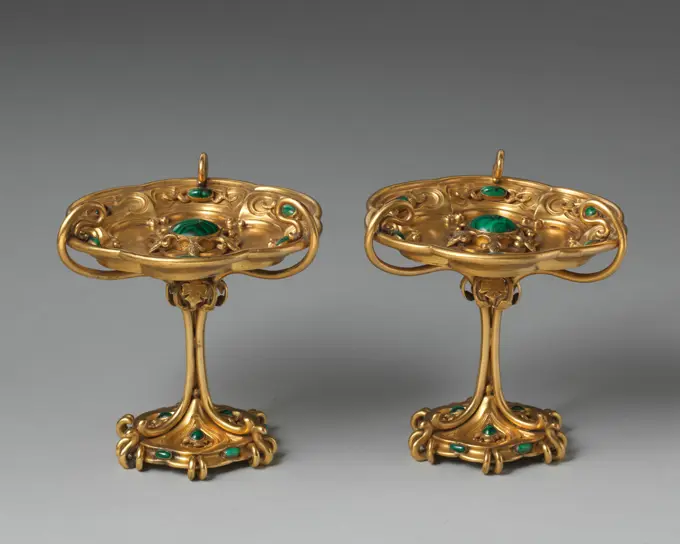
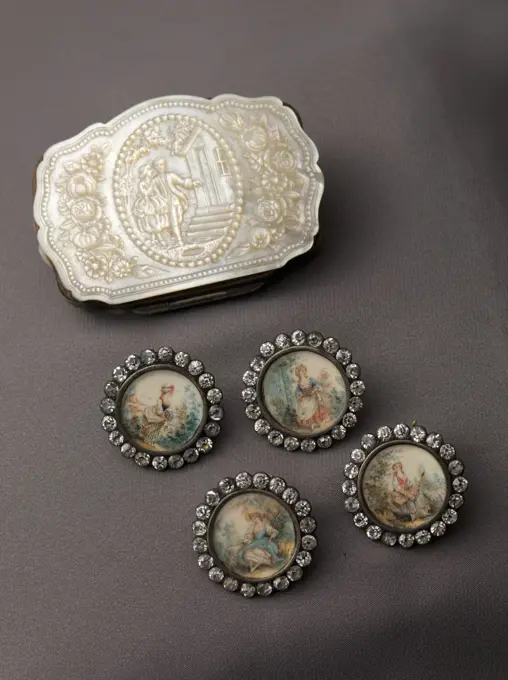
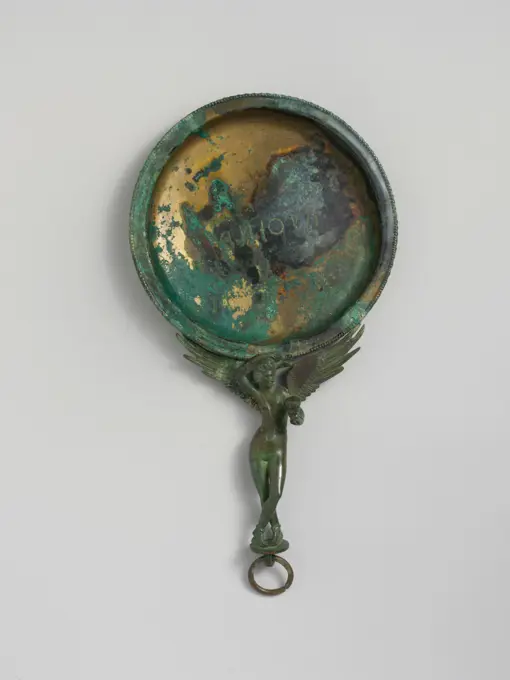
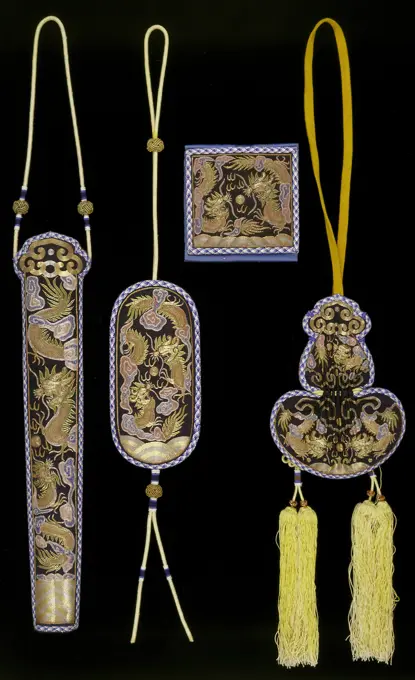
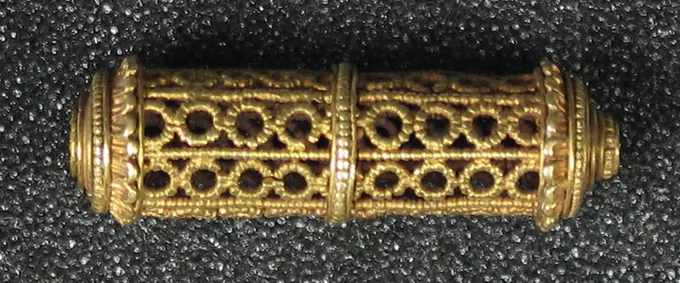
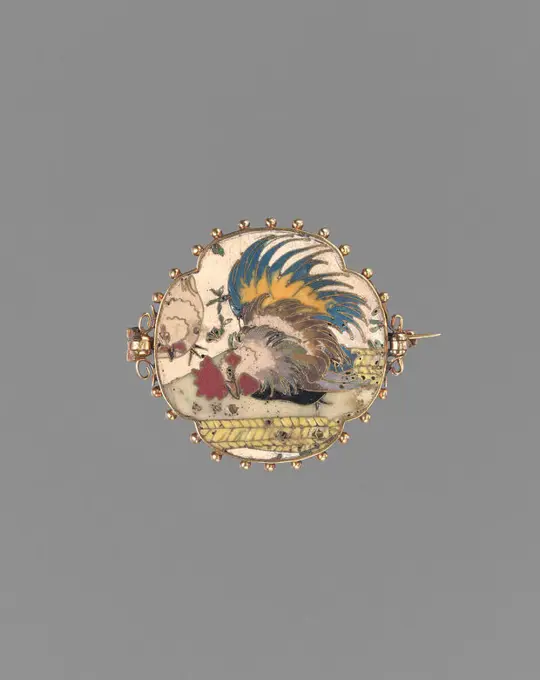
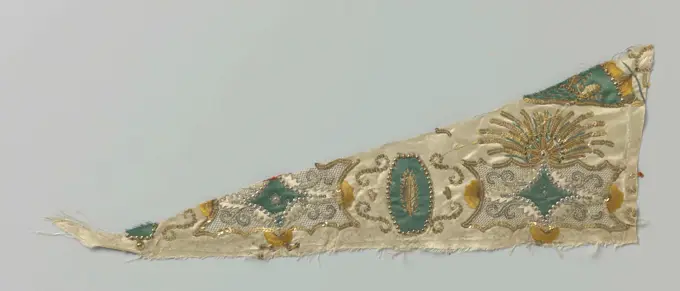
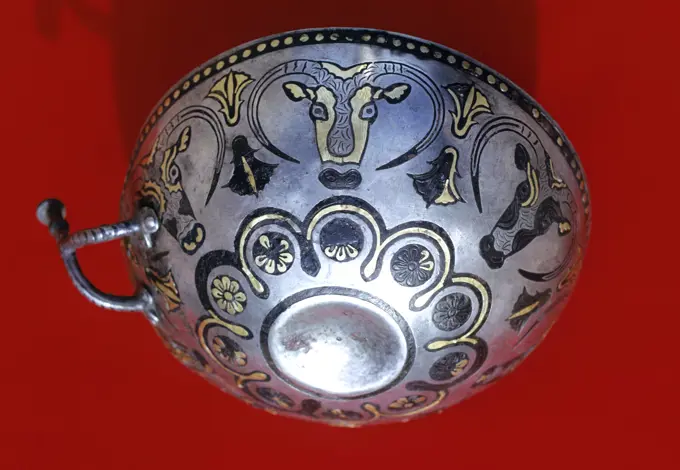
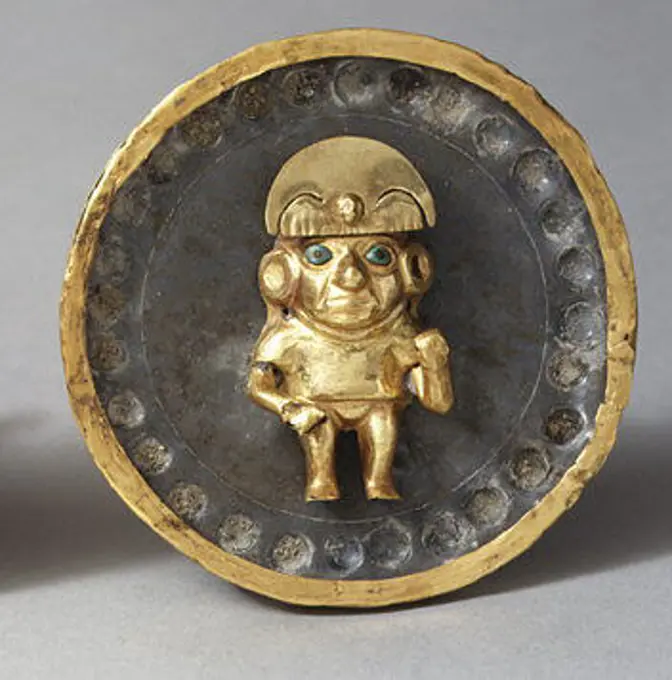
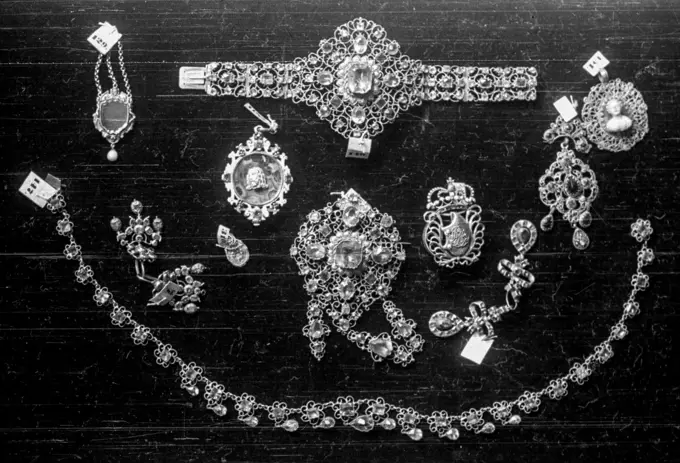
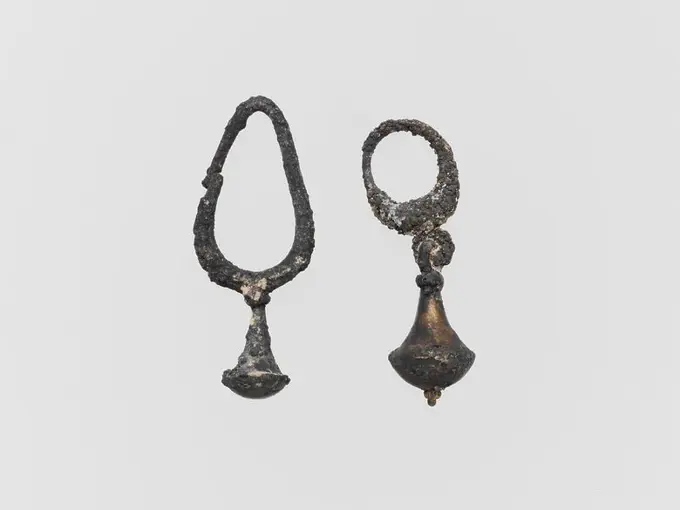
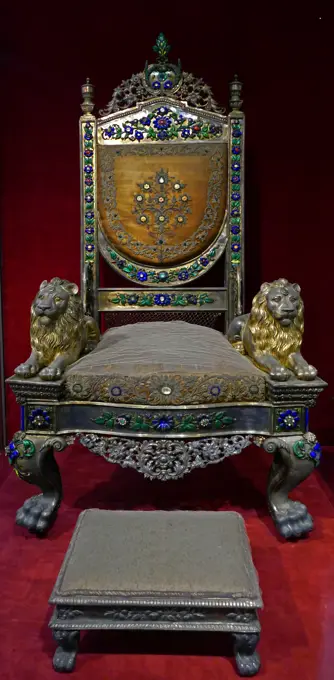
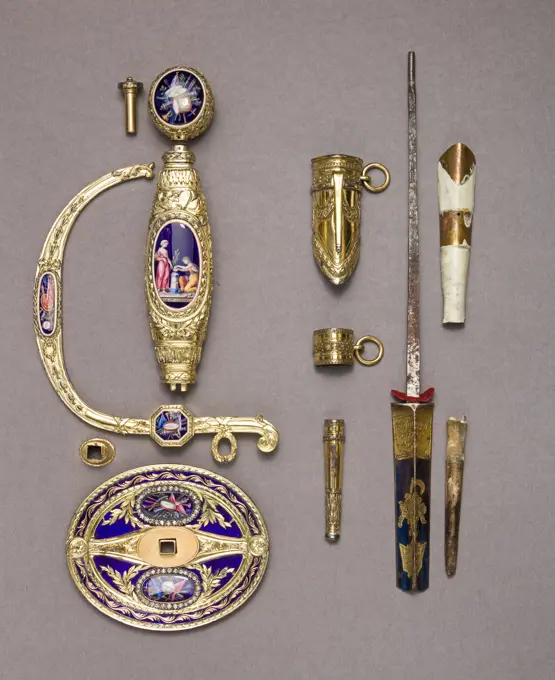
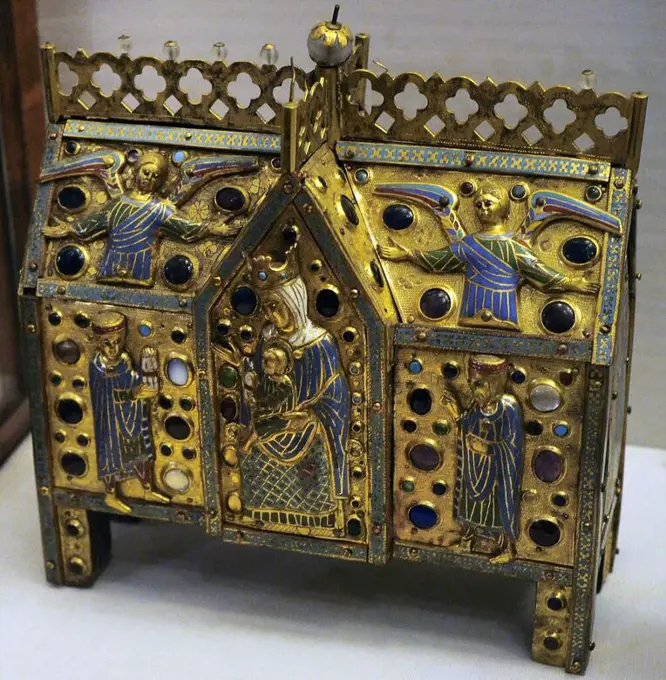
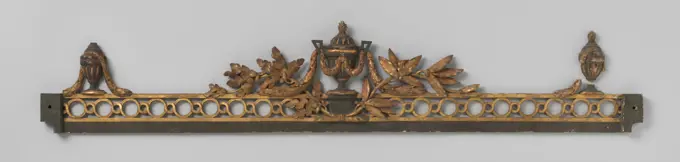
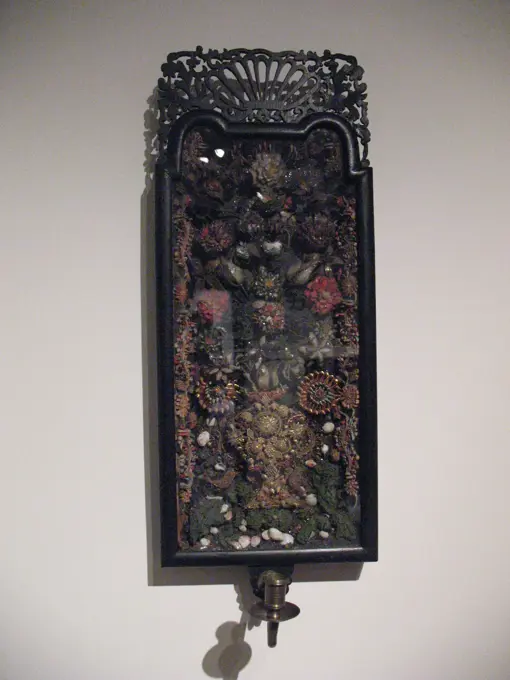
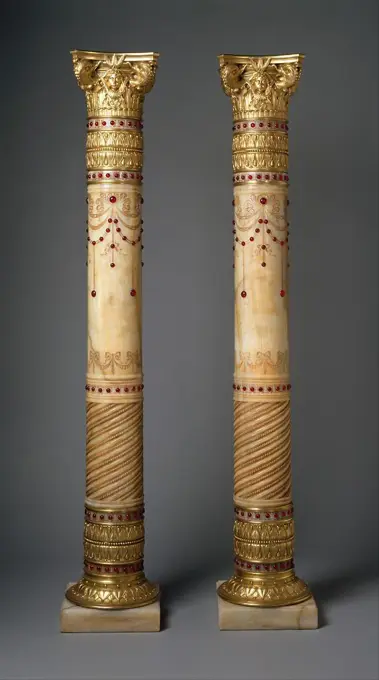
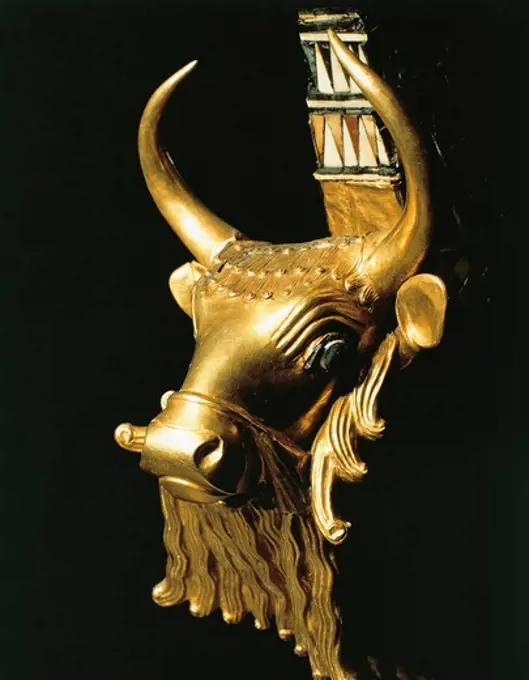
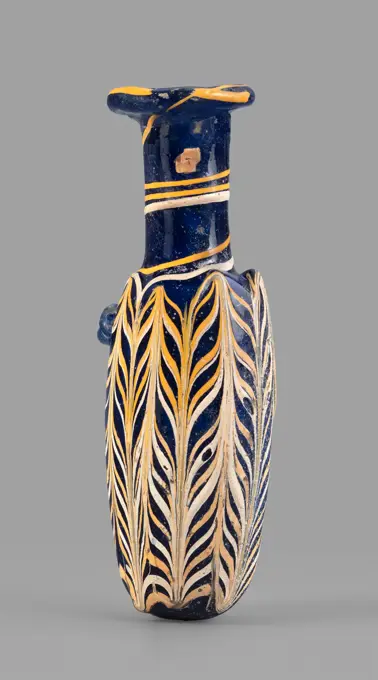
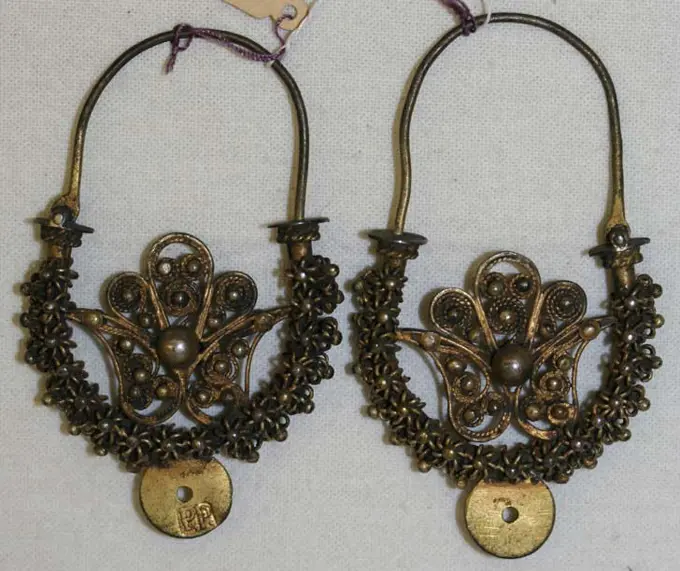
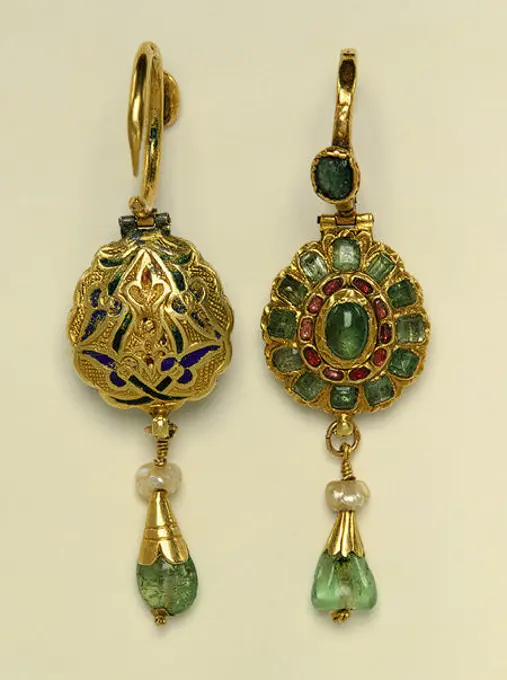
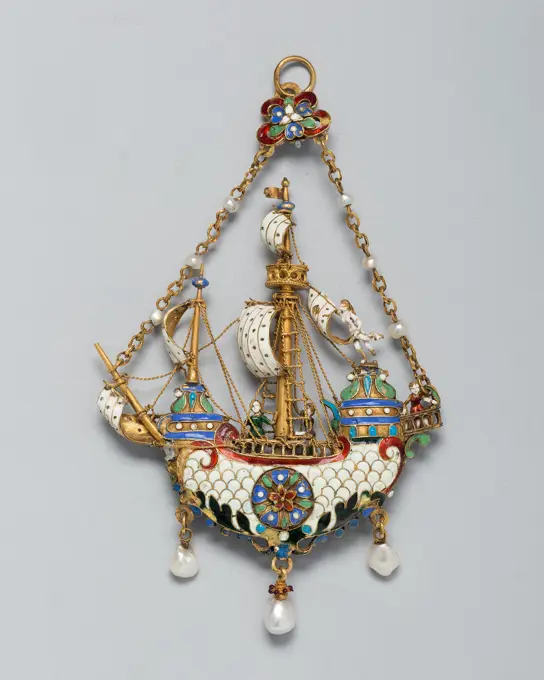
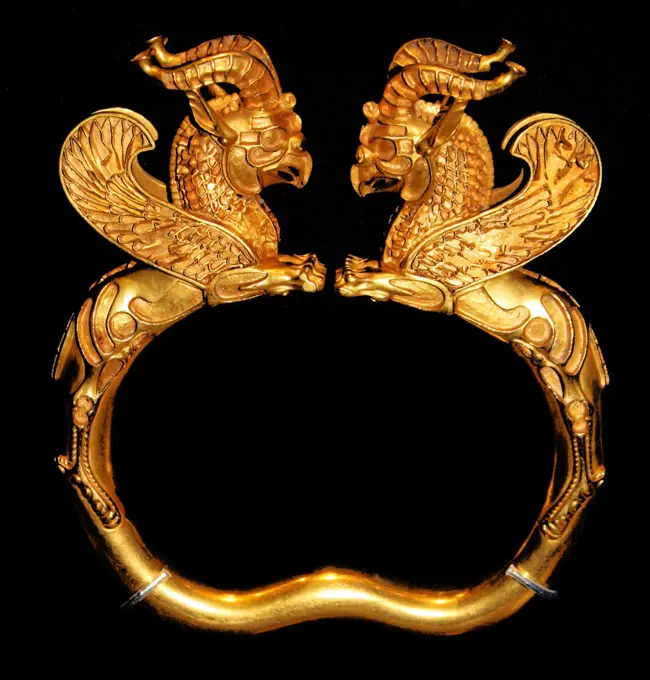
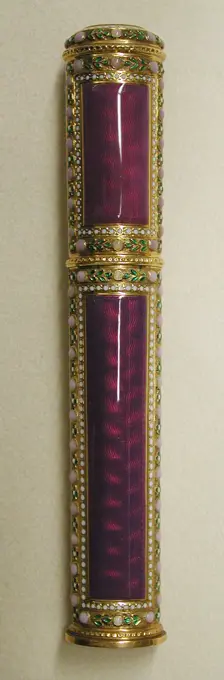
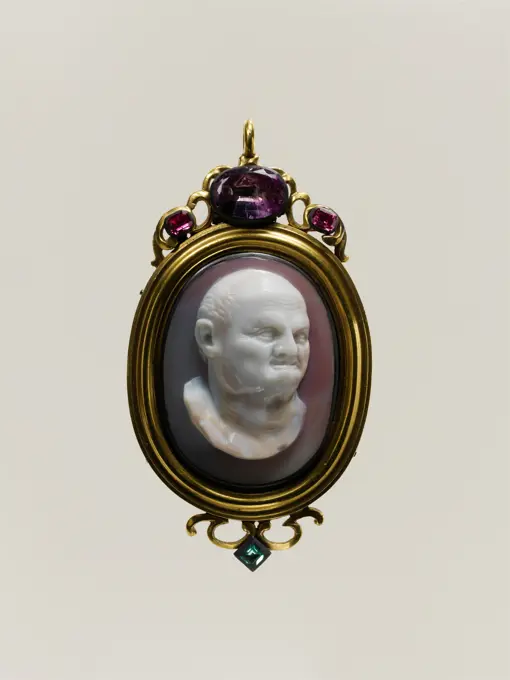
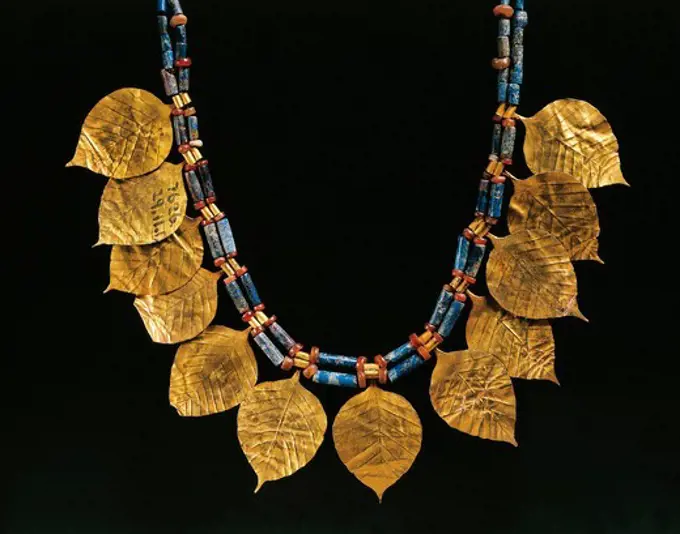
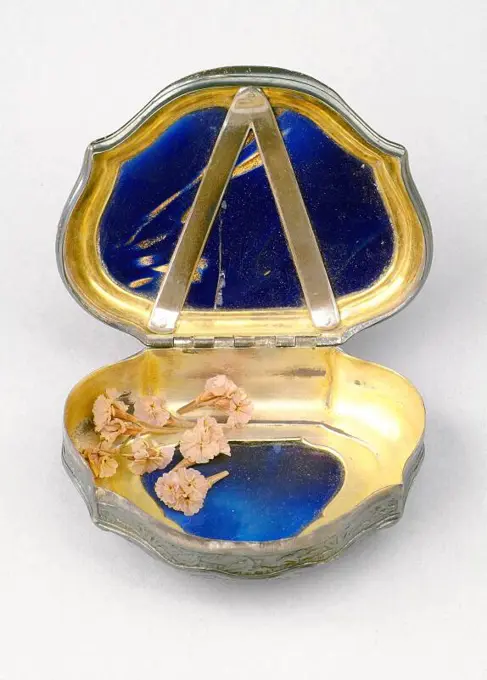
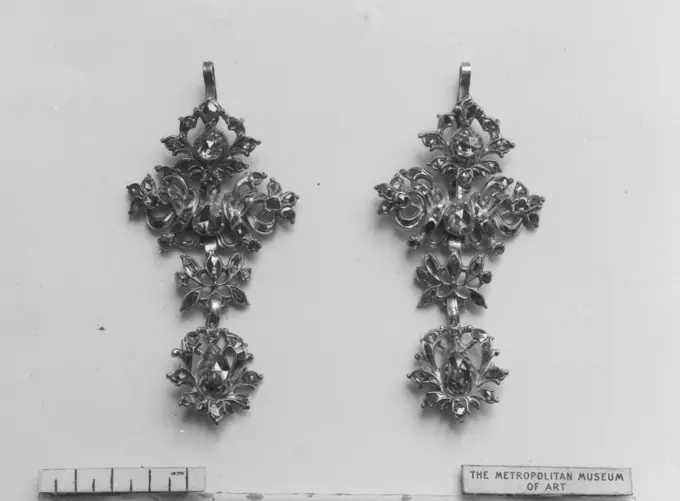
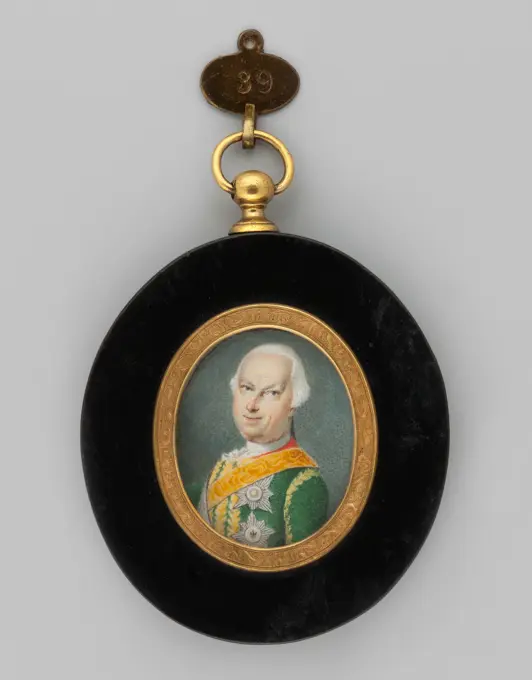
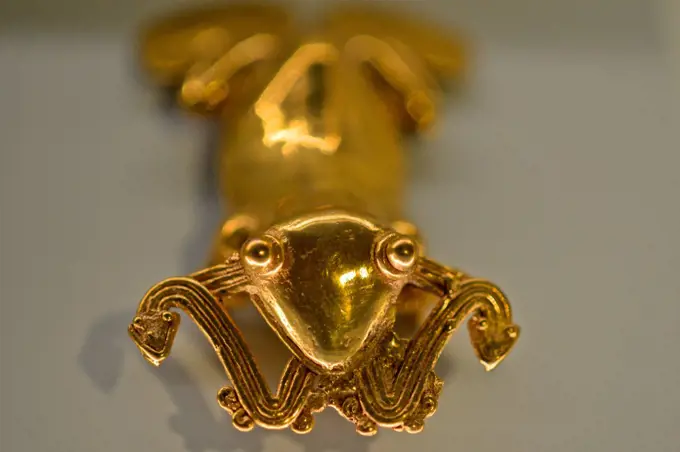
Costa Rica, San Jose, Pre-Columbian Gold Museum, Gold metalworking with shape of frogs and toadsESPEJO DE ISABEL LA CATOLICA CONVERTIDO EN CUSTODIA DE TIPO OSTENSORIO - SIGLO XV - FOTOGRAFIA EN BLANCO Y NEGRO - AÑOS 60. Location: CATEDRAL-CAPILLA REAL-INTERIOR. GRANADA. SPAIN.Stirrup 16th-17th century Mongolian or Tibetan A detailed Mongolian inscription on the base of this stirrup gives the name of its maker and of the Mongolian nobleman who commissioned it. Such an inscription appears to be unique not only for a stirrup but also for any example of secular ironwork from Mongolia or Tibet, making this stirrup and it's mate (acc. no. 2007.182) invaluable as a touchstone against which all other decorative ironwork of this type can be compared.. Stirrup. Mongolian or Tibetan. 16th-17th century. Iron, gold, silver. Equestrian Equipment-StirrupsIncisedContainerEarring, 1700s - 1800s. Sardinia, 18th-19th century. Gold; overall: 11.8 cm (4 5/8 in.).War 1939-1945. Epingle with French flags and Adrian helmet. Painted metal. 1944-1945. General Leclerc Museum of Hauteclocque and the Liberation of Paris, Jean Moulin Museum. Military Epingle, War 1939-1945, War 39-45, Second World War1 et 2. Montres. 3, 4, et 5. Épingles de cravates. 6 et 7. Porte-crayons. 8. Boîte à allumettes. ... 1 and 2. Watches. 3, 4 and 5. Cravat-pins. 6 and 7. Pencil holders. 8. Matchbox. .... Prints, Design drawings. 1900 - 1909. The Miriam and Ira D. Wallach Division of Art, Prints and Photographs: Art & Architecture Collection. Jewelry, Goldwork, Clocks & watches, Buckles, StickpinsNécessaire 18th century () French, Paris. Nécessaire 200438Medallion with the H. Helena with cross and emperors. Hanger of gold and rock crystal. In the Rock crystal, H. Helena is cut with Cross and Keizerskroon.The treasure of Guarrazar. Votive crown of King Recceswinth Visigoth Art 621-672 AD, Visigothic civilization. Museum: MUSEO ARQUEOLOGICO, MADRID, SPAIN.Willem V, Prince of Oranje -Nassau, Anonymous, 1787 - 1795  One -sided copper bearing sign to surrogate eye, in the form of men's bust above part of laurel wreath. Front: breastpiece man. Reverse: Blanco. Netherlands copper (metal) castingCrozier head, Limoges, 1220 AD. FRANCE.Reliquary in Purse Form, c. 1320. Germany, Upper Rhine, Southern Swabia, Gothic period, 14th century. Copper, gilded and engraved; glass; rock crystal; precious stones; wood core; overall: 17.2 x 13.4 x 7.7 cm (6 3/4 x 5 1/4 x 3 1/16 in.).Carozier Head with Angels. Dated 13th Century Limoges; Gilded Copper and EnamelOorhanger, anonymous, c. 500 - c. 700 Ear pendant of gold, with pendant. On the pendant, a pearl, an uncut emerald, hang out, a bead of wire work, a pearl and an amethyst. Syria gold (metal). emerald (mineral). pearl. amethyst (mineral) Ear pendant of gold, with pendant. On the pendant, a pearl, an uncut emerald, hang out, a bead of wire work, a pearl and an amethyst. Syria gold (metal). emerald (mineral). pearl. amethyst (mineral)Boxes, 1779, 2 1/2 x 7 x 5 1/2 in. (6.35 x 17.78 x 13.97 cm), Cast and chased gold with rubies, sapphires and jade, China, 18th century, Made of exquisitely crafted gold, these five boxes, each bearing an attribute of one of the Eight Daoist Immortals on their lids are from an original set of eight which was presented to the Qian Long emperor in 1779, perhaps on the occasion of his birthday. The Eight Daoist Immortals (Ba Xian) were extremely popular motifs in Qing dynasty decorative arts such as lacquer, textiles and porcelain. The attributes depicted here include (1) a fan, symbol of Zhong Lichuan, patron saint of the military; (2) an iron crutch and double gourd, symbol of Li Tieguai, protector of the weak and ill; (3) a bamboo tube containing rods, symbol of Zhang Guolao, patrol saint of calligraphers and painters; (4) a flute, emblematic of Han Xiangzi, patron saint of musicians; and (5) a flower basket, symbol of Lan Caihe, patron of florists and gardeners. Superbly worked in casMonstrance clock ca. 1565-70 Movement attributed to Master CR Known as a mirror clock for its forms similarity to a looking glass, this has also been called a monstrance clock because it resembles the receptacle for the consecrated host. Religious references in early clocks reflect the Renaissance linking of science and the cosmos to the idea of divine order. This clock displays the hours, days, and a wealth of celestial information. Though not accurate timekeepers, early clocks were valued for their craftsmanship and technical ingenuity: luxury items designed to educate and impress.. Monstrance clock. Stem and foot probably cast from designs by Matthias Zündt (German, probably ca. 1498-1572 Nuremberg). German, Nuremberg. ca. 1565-70. Case: gilded brass and gilded copper; Dial: gilded brass; Movement: plated frame of iron, iron wheels. HorologyBrooch with a Watch in a Case, anonymous, c. 1881 - c. 1900 Gold watch with key, hanging on a fleur-de-lis. Decorated with pearls. In a wine -red case. ClockMaker: Switzersweewell: GENER gold (metal). pearl Gold watch with key, hanging on a fleur-de-lis. Decorated with pearls. In a wine -red case. ClockMaker: Switzersweewell: GENER gold (metal). pearlConsole;  4. W. 19th century (1876-00-00-1900-00-00);Kimation (ornament), Classicism (style), braid (ornament), rosette (ornament)Golden top Ornament for top of Christmas tree isolated with clipping path included Copyright: xZoonar.com/MarkoxBericxBaloncicix 14637802Watch. John Harrison; English, 19th century. Date: 1824-1829. Dimensions: 8.4 × 4.3 cm (3 5/16 × 1 11/16 in.). Gold and brilliants. Origin: England. Museum: The Chicago Art Institute, Chicago, USA.museum of the Councils and the Visigoth Culture, Church of San Román,Toledo, Castilla-La Mancha, Spain.Watch 1837-55 Watchmaker: Jean François Bautte & Co.. Watch. Swiss, Geneva. 1837-55. Gold, enamel, garnets and pearls. HorologySaber with Scabbard. Culture: grip, Indian; guard, scabbard, and decoration on blade, Turkish; blade, Iranian. Dimensions: L. 39 3/4 in. (101 cm); L. of blade 33 in. (83.7 cm); Wt. 2 lb. 8 oz. (1129 g); Wt. of scabbard 2 lb. 4 oz. (1023 g). Date: grip, 18th or 19th century; guard and scabbard, 19th century; blade, dated A.H. 1099/A.D. 1688; decoration on blade, 19th century.The most important ceremony in the inauguration of many Islamic rulers was the investiture with a sword, rather than a crown. This extravagantly decorated saber traditionally is said to have been refitted in 1876 for the investiture of the Ottoman sultan Murad V (reigned May 30-August 31, 1876). He suffered a nervous breakdown before the ceremony and subsequently was deposed and kept a prisoner until his death in 1904.The sword was probably assembled by a court jeweler, using a seventeenth-century Iranian blade, an eighteenth-century Indian jade grip, and gem-studded gold and gilt-brass mounts of contemporary workShoot;  19th century (1801-00-00-1900-00-00);Torredonjimeno Cross. 7th century. Visigothic art. Cordoba, Museum of Archeology. Location: MUSEO ARQUEOLOGICO-COLECCION. CORDOBA. SPAIN.Seal, Parcel-gilt silver, Revolving seal, the three sides engraved with a coat-of-arms showing a crowned cipher surrounded with scrollwork. Handle composed of heavy scrolls and a mask., France, ca. 1680, jewelry, Decorative Arts, SealSnake Bracelets; Alexandria, Egypt; 220 - 100 B.C; Bracelets: Gold; Fastening pin: Copper alloy; 7.8 cm (3 1,16 in.)Fedral with twelve -part cutlery, Meisser Porzellan Manufaktur, c. 1730 - c. 1735 Half -circular fedal with scalloped edge (in the open state circular). The fedal covered with leather is on the inside with velvet covered and trimmed with gold tire and can accommodate twelve radially placed specifications. The twelve specifications consist of a gilded silver fork, a spoon and a knife; The forks and the knives have sheds porcelain, painted in underlaze blue and gold with a lace -inspired ornament. On the backs of the stems of the spoons and on a silver plate on the fedal, a crowned weapon is engraved with two crossed rakes above a hilly landscape, perhaps the Wietzendorff family crest (Wittgendorf) from Hanover. porcelain company: Meissensilversmith: Augsburgsilversmith: Hannover porcelain. silver (metal). leather. velvet (fabric weave) gilding / engraving Half -circular fedal with scalloped edge (in the open state circular). The fedal covered with leather is on the inside with velvet coNecklace with Pendant. Roman; probably Egypt. Date: 101 AD-300 AD. Dimensions: L. 35.6 cm (14 in.) (with clasp); pendant: h. 3.1 cm (1 1/4 in.). Gold, garnet, and emerald. Origin: Roman Empire. Museum: The Chicago Art Institute, Chicago, USA. Author: ANCIENT ROMAN.Flagon or tankard 19th century, after 1613-14 original Elkington & Co. British This electrotype is after a seventeenth-century original (1613-14), at time of reproduction a Treasure of the Patriarch, Moscow.. Flagon or tankard. British, Birmingham, after British, London original. 19th century, after 1613-14 original. Silver on base metal. Metalwork-ElectrotypeScandinavia. Reliquary cross. Jolster, Sogn og Fjordane. 13th century. Norway.Fire buck of gold-plated bronze with putti that warms up at a flame. Gold plated bronze firebox. The scooped part of the basement carries a cylinder base on which an oil lamp with flame. Two leaf volutes and Bovelaan escaped at the pedestal and Bovelaan two acanthus leaves, as a seat for putti that warms up at the flame. A right piece with openwork leaf and floral motifs leads to a small square part, decorated with leaf rosettes and tendrils, wearing upstick acanthus leaves. Finish with rosettes, egg list and leaf motifs.Small tazza (one of a pair, part of a set) 1851 Asprey The set (1982.88.1-.8) was shown at the Crystal Palace exhibition in 1851. Except for the paper knife, each piece is engraved underneath with Asprey's name and address and the words Exhibition 1851. Listen to experts illuminate this artwork's story Listen Play or pause #417. The Great Exhibition Supported by Bloomberg Philanthropies We're sorry, the transcript for this audio track is not available at this time. We are working to make it available as soon as possible.. Small tazza (one of a pair, part of a set). British, London. 1851. Gilt bronze, malachite. Metalwork-Gilt BronzeSilver metal wallet and white mother-of-pearl, with floral decor and pearl central medallion representing a couple in the 18th century style. Gouache ivory buttons set back from shepherdesses and peasant women, circulated by twenty rhinestones. Dributing: White mother-of-pearl and silver metal. Buttons: ivory painted with gouache 20 rhinestones, glass, silver metal frame. 1850-1870. Galliera, fashion museum of the city of Paris. Wallet and buttons Accessory, button, circle, female, gouache, painted ivory, silver metal, frame, white mother-of-pearl, wallet, champetre scene, rhinestone, 18th century centuryHilt 18th centuryBronze patera (shallow bowl with handle) late 4th-early 3rd century B.C. Etruscan The handle of this patera depicts a beautiful winged female, probably an Etruscan lasa. These nymph-like creatures are often associated with the goddess Turan, the Etruscan version of the Roman Venus, but they also act as facilitators for lovers and guardians of innocent victims, especially children. This lasa cradles a drinking horn in her left hand.. Bronze patera (shallow bowl with handle) 247075Card Case, 19th-20th century, L.10-3/4 x W.3-5/8 in., satin, silk, embroidery, China, 19th-20th centuryPlastic handheld massager on a blue backgroundGoldsmith's art, 19th century. Gold and blue enamel bracelet, around 1860.Pendant, Openwork and Granulation 8th-12th century Indonesia (Central Java). Pendant, Openwork and Granulation 64351Reversible brooch. Culture: French, Paris. Dimensions: Overall (confirmed): 1 1/2 × 1 11/16 in. (3.8 × 4.2 cm). Enameler: Enamel probably by Antoine Tard (French, born 1800). Maker: Alexis Falize (French, 1811-98). Date: ca. 1869.Among the earliest works of the renowned Parisian jeweler and goldsmith Alexis Falize (1811-1898) were cloisonné enameled brooches, necklaces, bracelets, and chatelaines executed in the Japanese taste. This brooch, therefore, can be placed among those early works. It is likely that the enamelwork was done by Antoine Tard: the skillful use of gold wire to separate differently colored enamels and the distinctive palette of enamel colors testify to his abilities.Other works by Falize and his celebrated firm in the Museum's collection are a gold box in the Persian taste of ca. 1875 (2002.258) and the clock by Lucien Falize (1991.113a-f), one of the cornerstones of the holdings of nineteenth-century decorative arts. Museum: Metropolitan Museum of Art, New York, UFragment light silk with angered partially swapped stripes, half circles, rectangles with scalloped edge, ornate flowers and rays. Fragment (a) Light Silk with Irradiated Partially Swapped Stripes, Whole and semicircles, Rectangles with Scalloped Edge, Ornate Flowers and Rays. Administration Small Fragment (B) With Identical Pattern. France Approx. 1820.Silver bowl from Enkomi, decorated with rams heads and flowers. 1400 - 1375 BC. Cyprus MuseumEarflare, Warrior A.D. 390-450 Moche (Loma Negra) At the center of this circular earflare is a high-status warrior. The nearly three-dimensional gold figure at 4.9 cm tall stands out sharply from the tarnished silver of the disk. The eyes were inlaid with a blue-green stone, and the warrior wears a shirt, loincloth, earflares, and a crescent-shaped headdress, the lower section of which takes the shape of an owl with extended wings and a head in high relief. The warriors proper right arm bends slightly and the proper left arm is bent at the elbow, suggesting the warrior originally held a war club. This earflare is one of a pair, and its mate (1979.206.1241), which also features a warrior, retains its war club—made of silver sheet—as well as a necklace of blue and green stone, both now missing from this example. War clubs are prominent in Moche representations of battles and ceremonies, but they also appear to have served as generalized symbols of power; on occasion ceramic representatiSTRATY WOJENNE MNKMEDALLAS DE SENADORES DE LA EPOCA DE LA RESTAURACION. Location: SENADO-NUMISMATICA. MADRID. SPAIN.Silver earring with nail-head pendant. Culture: Cypriot. Dimensions: Other: 1 13/16 in. (4.6 cm). Date: 6th century B.C..Earring with Nail-head pendant suspended from the body of the earring by a ring. Museum: Metropolitan Museum of Art, New York, USA.Mughal Jewel studded chair and foot rest, of king of Banaras. Northern India, Late 19th century. Wood, silver, precious stones, velvet Carved, enamelled, repousse work. Console of multi-colored padded faience. In a reverse pear-shaped medallion in Relief, a bird is painted that pockets fruits from a vase. Around the medallion leaves and flowers in relief are modeled. The console is painted in the colors blue, green, yellow and purple.TESORO DEL CARAMBOLO-PECTORAL DE ORO S VI/VII AC-ARTE TARTESICO. Location: MUSEO ARQUEOLOGICO-COLECCION. Sevilla. Seville. SPAIN.Badge or Harness Pendant early 14th century Spanish Heraldry, or coat-of-arms, were vitally important in Europe throughout the Middle Ages and the Renaissance. Heraldic emblems were used to identify noble families, cities, regions, and even countries. In addition to being displayed on shields and flags, heraldry was incorporated into architectural decoration on the interior and the exterior of buildings, on furniture, works of art, clothing, and horse equipment. Harness pendants, like this example, would have been attached to a headstall, bridle, or other straps making up the tack of a horse ridden by a nobleman or noblewoman, or a member of their household. Many harness pendants also have decoration that is simply ornamental, or have symbols that are not specifically heraldic in nature.. Badge or Harness Pendant. Spanish. early 14th century. Copper, gold, enamel. Miscellaneous-BadgesGem with an Athlete Cleaning Himself with a Strigil; Attributed to Epimenes (Greek, active about 500 B.C.); Cyclades, Greece; about 500 B.C; Obsidian set in a modern gold ring; 1.6 × 1.3 × 0.6 cm (5,8 × 1,2 × 1,4 in.)Cover for a Vase, 1749. Meissen Porcelain Factory (German). Porcelain mounted in gilt bronze; overall: 38.1 x 33.7 x 20.7 cm (15 x 13 1/4 x 8 1/8 in.).Bead, One of a Pair 18th century Because this bead and 1981.5.18 are the only beads of their type known to us, we can only speculate as to how they were used in combination with other elements; it is likely, however, that they were strung as a necklace and separated by pearls in multiple strands, as was common in many seventeenth- to nineteenth-century Moroccan necklaces. Although this type of pushed-up setting on a repoussé ground of thin metal is typical of Moroccan jewelry, the fine workmanship and design, including the dense setting of stones in graduated rows on the melonlike form, create an effect unparalleled in the work of this school.. Bead, One of a Pair 453042Firebok of gilded bronze with putti that warms itself on a flame, anonymous, c. 1780 - c. 1790 Gilded bronze Vuurbok. The scalloped part of the basement carries a cylindrical pedestal on which an oil lamp with flame. At the pedestal, two leaf voltuten and bovean two acanthus leaves spring at the bottom, as a seat for putti that warms themselves at the flame. A straight piece with openwork leaf and floral motifs leads to a small square part, decorated with leaf ranks and tendrils, which carries up-up acanthus leaves. Finish with rosettes, egg list and leaf motifs. Paris bronze (metal) gilding Gilded bronze Vuurbok. The scalloped part of the basement carries a cylindrical pedestal on which an oil lamp with flame. At the pedestal, two leaf voltuten and bovean two acanthus leaves spring at the bottom, as a seat for putti that warms themselves at the flame. A straight piece with openwork leaf and floral motifs leads to a small square part, decorated with leaf ranks and tendrils, which carriCase (Inr) with Design of Daimyo Seated on a Platform (obverse); Warrior Reading a Scroll (reverse) 19th century Japan. Case (Inr) with Design of Daimyo Seated on a Platform (obverse); Warrior Reading a Scroll (reverse). Japan. 19th century. Lacquer, gyobu, kinji, gold, silver and black hiramakie, metal inlay; Interior: gyobu nashiji and fundame. InrMount, bronze (gilt), Architectural or funiture cornice with lapped tongue decoration of acanthus corners over frieze of pendant tongues over cut-out with laurel decoration, France, early 19th century, metalwork, Decorative Arts, MountBRAZO DE CRUZ PROCESIONAL DEL TESORO DE GUARRAZAR - SIGLO VII - VISIGODO - FILIGRANA Y CABUJON. Location: MUSEO ARQUEOLOGICO NACIONAL-COLECCION. MADRID. SPAIN.Handscreen; painted paper leaf, turned wood handle; 1927-17-7SilverFibulaSilversmith's art, Italy, 15th century. Partly enamelled silver-gilt coffer, Venetian manufacture.Smallsword Hilt and Scabbard Mounts hallmarked for 1797-98 James Morisset British The patriotic and nautical subjects of the decoration suggest that this was made for presentation to a naval hero, as were the similar hilts by Morisset also in the Metropolitan Museum's collection (acc. nos. 26.145.315, 42.50.35). The components of the hilt and scabbard are shown as they would have left the goldsmiths shop prior to being mounted by the cutler or retailer with a blade and a vellum-covered scabbard.. Smallsword Hilt and Scabbard Mounts 24704Reliquary- Casket with the Adoration of the Magi. France, Limoges. Second quarter of the 13th century. Romanesque. Wood, copper, enamel, glass and rock crystal. The State Hermitage Museum. Saint Petersburg. Russia.Fragment of a crib, c. 1760 - c. 1799 Opened green and gilded headboard of a crib. Decorated with bay and oak leaf. In the middle a larger vase with two ears and a smaller vase on both sides on either side.  wood (plant material). gilding (material). paint (coating) Opened green and gilded headboard of a crib. Decorated with bay and oak leaf. In the middle a larger vase with two ears and a smaller vase on both sides on either side.  wood (plant material). gilding (material). paint (coating)Eight designs for jewelry, including pins with diamonds and green stones.. Gerlach, Martin. Prints, Design drawings. 1872 - 1873. The Miriam and Ira D. Wallach Division of Art, Prints and Photographs: Art & Architecture Collection. Jewelry , Design, Bracelets, Pendants (Jewelry)Quillwork Sconce 1720-40 Possibly Ruth Read A fragile form of handiwork, quillwork consists of narrow strips of paper rolled into tiny scrolls and glued, one against the other, within a shadow-box frame to form a design. In this case, sconces for candles were attached to the front of each frame, and the glittering mica-covered quillwork magnified and reflected the candlelight.This sconce and its mate (52.195.20) were possibly made by Ruth Read of Redding, Connecticut. Both sconces originally held silver candle arms made by Knight Leverett; these, however, are now at the Winterthur Museum.. Quillwork Sconce 6839Pedestal from the drawing room of the William H. Vanderbilt House. Artist: Herter Brothers (German, active New York, 1864-1906). Culture: American. Dimensions: 64 1/4 x 10 15/16 x 10 15/16 in. (163.2 x 27.8 x 27.8 cm). Date: 1879-82.Herter Brothers, the leading cabinetmaking, design, and decorating firm during the second half of the nineteenth century, created a pair (2002.298.1-.2) of opulent pedestals for their most prestigious commission, the grand Fifth Avenue residence of William H. Vanderbilt. Each pedstal is a column carved with ribbons and "jewel"-encrusted garlands. Ormolu capitals incorporate classical female masks and birds' heads; decorative mounts feature stylized foliate patterns. They were intended as an integral part of the ornate decoration of Vanderbilt's drawing room, described in 1883-84, shortly after its completion, as "gorgeous in the extreme: everything sparkles and flashes with gold and color--with mother-of-pearl, with marbles, with jewel-effects in glass--anDesign for a Pendant, c. 1864 - c. 1894   Paris tracing paper. pencil. watercolor (paint). deck paint brush ornaments, jewelsGold bull's head for harp, from the royal tombs at UrArmlet 1850s European. Armlet 119563Alabastron; Egyptian workshop; II-I century BC (-200-00-00-1-00-00);Ant., V., FroehnerPendant in the Form of Four Double-Headed Figures with Long Beaks, Possibly Ducks 500 CE-1000 Panama. Cast gold . CocléEarrings 18th century-19th century European, Eastern. Earrings 90378Earring, One of a Pair 18th-20th century This beautiful earring and its mate (1981.5.16/7) were fabricated with emeralds, rubies, pearls and gold. The backside is ornamented with blue, green and red-orange enamel, in scrolling floral motifs. These jewels were most likely made in Fes, or Meknes. In this technique, craftsmen engraved a decorative pattern into the metal, before applying a paste of colored glass in the recesses, which was then melted through heating. Inlaid enamel decorative techniques were both popular in Nasrid Spain (1232-1492), and were likely brought to Morocco by Muslim craftsmen who emigrated from Al-Andalus before or during the 15th century Reconquista.. Earring, One of a Pair 453040LookingGlass. Maker, attributed to: John Doggett, American, 1780-1857Necklace, 20th century, 17 1/8 x 1 1/2 in. (43.5 x 3.81 cm), Silver, metal, string, Ethiopia, 20th century, The Jewish Diaspora has a long history in Ethiopiaall the way back to King Solomon and the Queen of Sheba (950 BCE), according to some traditions. Ethiopians who practice Judaism call themselves Beta Israel, 'From the House of Israel.' This necklace features the Magen David (Star of David), one of the most universally recognized symbols of the Jewish faith. Many who wear the Star believe it offers good fortune and protection from evil spirits.Pier Glass, c. 1750, 89 x 40 1/2 x 7 in. (226.06 x 102.87 x 17.78 cm), Wood, gilt, mirror, England, 18th centuryPendant Shaped as a Ship 1865-1895 Germany. Gold, enamel, and pearls . Reinhold Vasters (Designer)Medallion possibly French 19th century View more. Medallion. possibly French. 19th century. Glass; gold. GlassPair of gold armlets. These objects are among the most important surviving items of ancient Persian craftsmanship. It is likely that they were intended to display rather than being worn. The lion griffin terminals were originally inlaid with precious stones, which were later removed.5th-4th century BCSealing wax case (étui) 1783-84 Joseph Etienne Blerzy French In eighteenth-century Europe, Paris led the production of high-quality luxury goods. Parisian goldsmiths made a wide range of small, personal articles such as snuffboxes; étuis to hold sealing wax, tweezers, or utensils for sewing; souvenirs, which contained thin ivory tablets for note taking; and shuttles for knotting lace. Gold snuffboxes and boxes decorated with portrait miniatures were prized and frequently given as royal gifts, often to ambassadors or members of the court in lieu of cash payments for their services. Coveted and admired, these boxes were produced from a variety of materials. The best were skillfully made of gold and embellished with diamonds, enameled decoration, lacquer, and other luxurious materials. By the middle of the century, the taking of snuff had become an entrenched social ritual, and the snuffbox, too, had become an important social prop. Snuffboxes were considered highly fashionable accessorieBust of the Emperor Vespasian (Titus Flavius Vespasianus, 9-79) probably mid-18th century Italian The fleshy pink and lavender tones and opulent setting are rather at variance with the emperors gross features, which were modeled on a Medici cameo reproduced in an engraving in Antonio Francesco Goris Museum florentinum (Florence, 1731-34). Our gem had this mount when it was in the Marlborough collection.. Bust of the Emperor Vespasian (Titus Flavius Vespasianus, 9-79). Italian. probably mid-18th century. Onyx, mounted in gold, with rubies, amethyst, and emerald, as a pendant. Lapidary Work-GemsLapislazuli necklace with gold pendants from Ur, Iraq, Detail, Sumerian civilizationLapis Lazuli and Gold Plated Silver Patch Box. Lapis Lazuli and Gold Plated Silver Snuff Box, William Hogarth (London, England, 1697 - 1764)Przeszo Przyszoci unknownPleasure Boat 19th century Japan. Pleasure Boat 59158Two knife lifting; Knife lifts. There are two symmetrical knife lifts on each sheet from this series with a bead at the top. The lifts are decorated with tendrils between which two birds are located.Pair of earrings early 18th century Portuguese or Spanish. Pair of earrings. Portuguese or Spanish. early 18th century. Silver, diamonds. Metalwork-Silver In CombinationEurope, Germany. Solomon, detail from crown of Holy Roman Empire. 962 AD.GermanySuspensionWatch and case. Culture: British, London. Dimensions: Diameter: 1 3/4 in. (4.4 cm). Enameler: Case possibly decorated by Jean-Pierre Huaud, known as the younger Huaud (Swiss, 1655-1723); or possibly decorated by Ami Huaud (Swiss, 1657-1724). Maker: Watchmaker: John Ellicott (British, 1706-1772). Date: ca. 1760. Museum: Metropolitan Museum of Art, New York, USA.Ludwik IX, Landgraf von Hessen-Darmstadt (1719-1790) in Russian uniform; Strecker, Johann Ludwig (1721-1799),  1780 (1780-00-00-1780-00-00);Hesja (Germany), Hessen und Bei Rhein, Ernst Ludwig (Grossherzog - 1868-1937) - collections, foreign miniatures, men, orders, portraits, male portraits, men, hairdo, rulers, soldiersBox, Frederick Elkington, Leather, silk, metal, Birmingham, England, 1879-80, containers, Decorative Arts, Box