Antique Oil Lamps

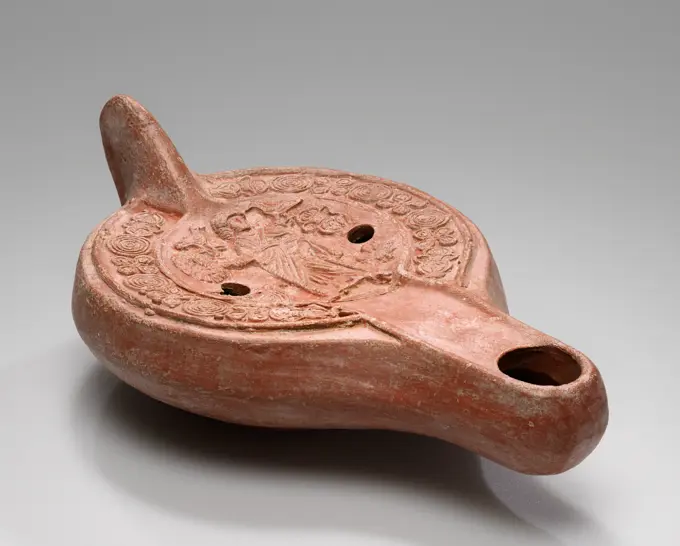
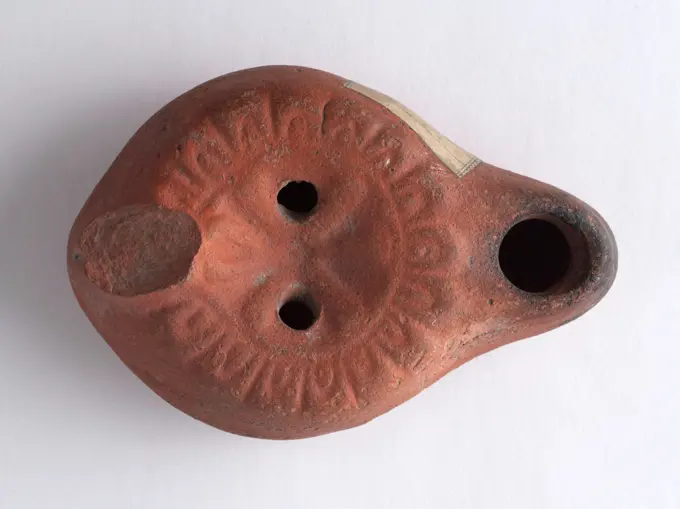
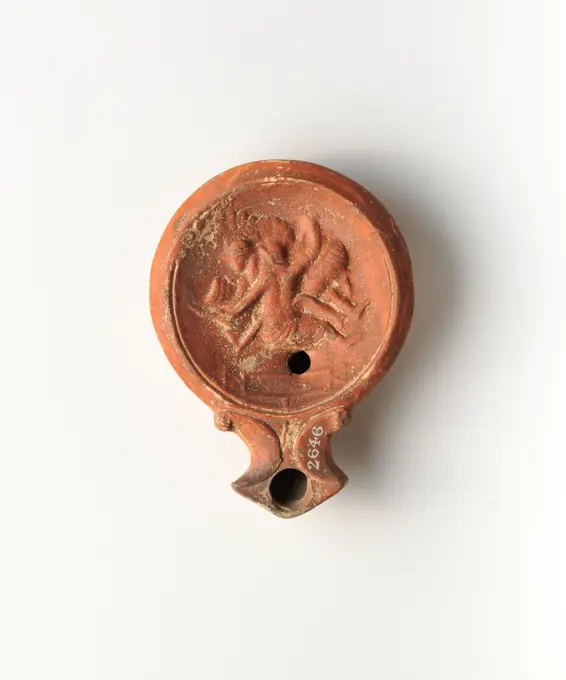
Collection of various ancient oil lamps made from terracotta, displaying intricate designs from Greek and other historical cultures.
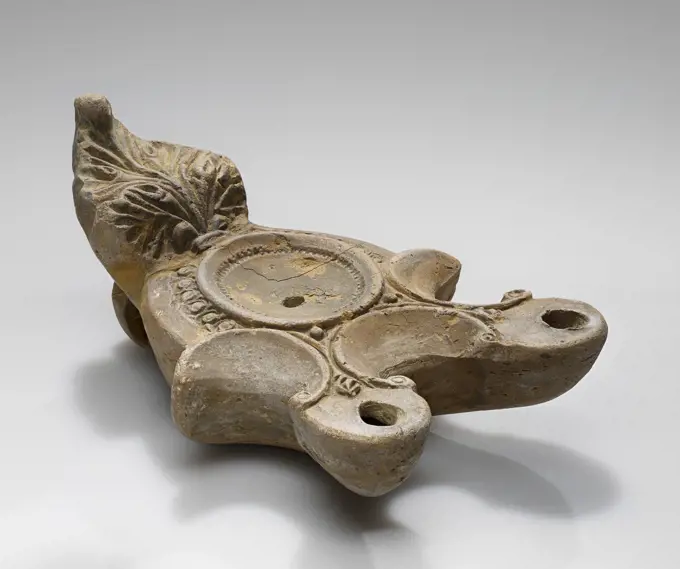
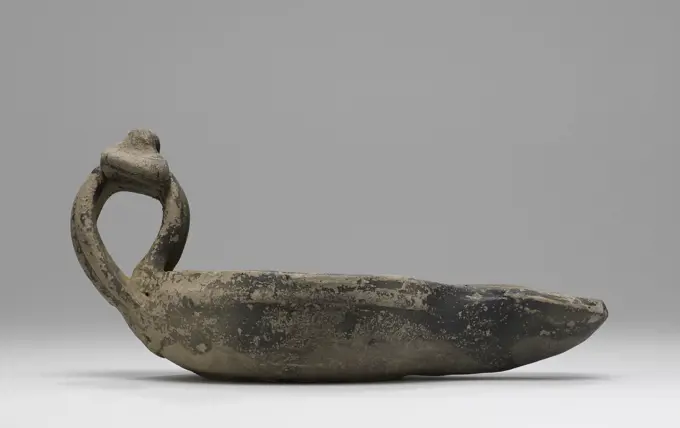
Lamp; Central Anatolia, Anatolia; 1st century B.C. - 4th century A.D; Terracotta; 3.8 x 8.5 x 15 cm (1 1,2 x 3 3,8 x 5 7,8 in.)
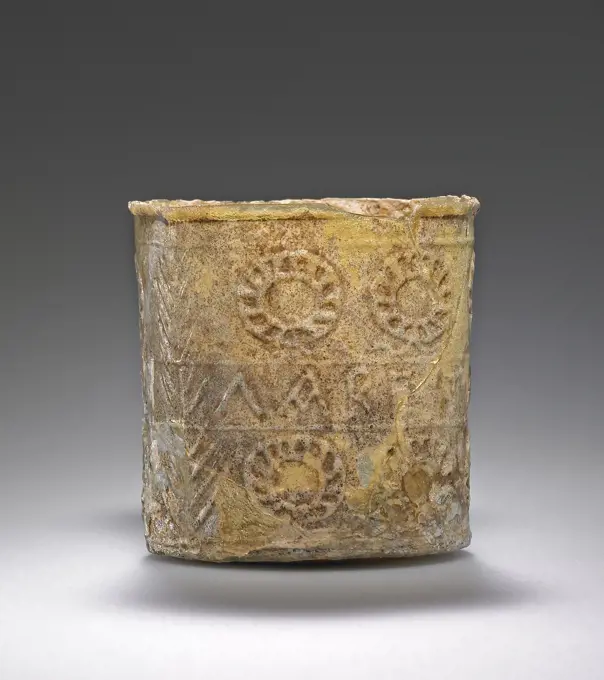
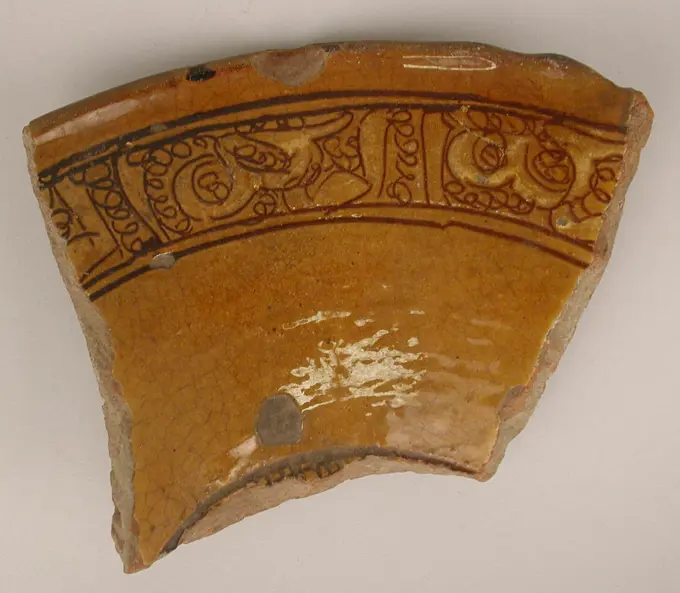
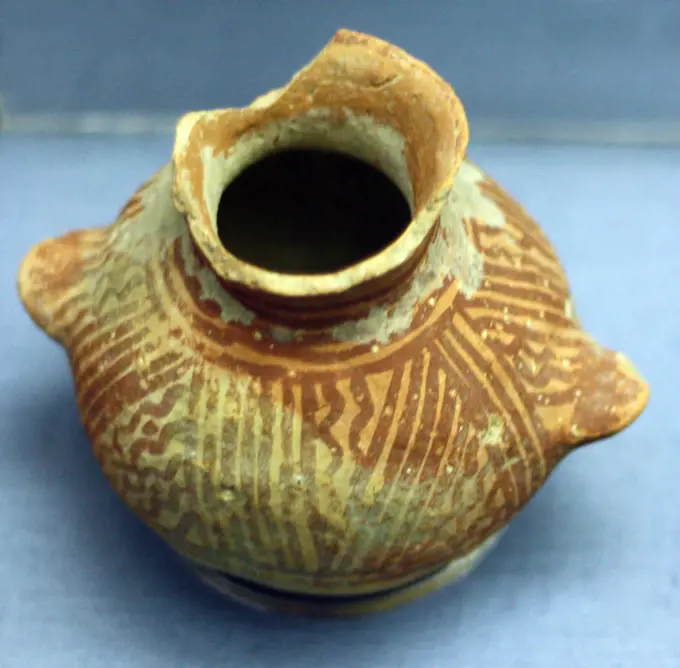
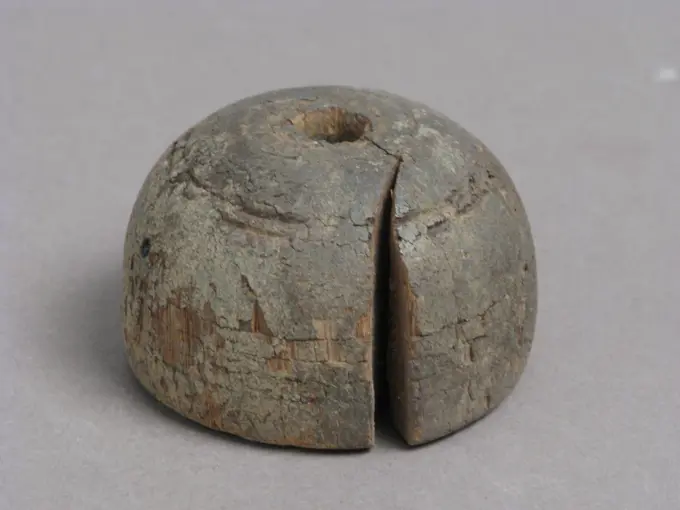
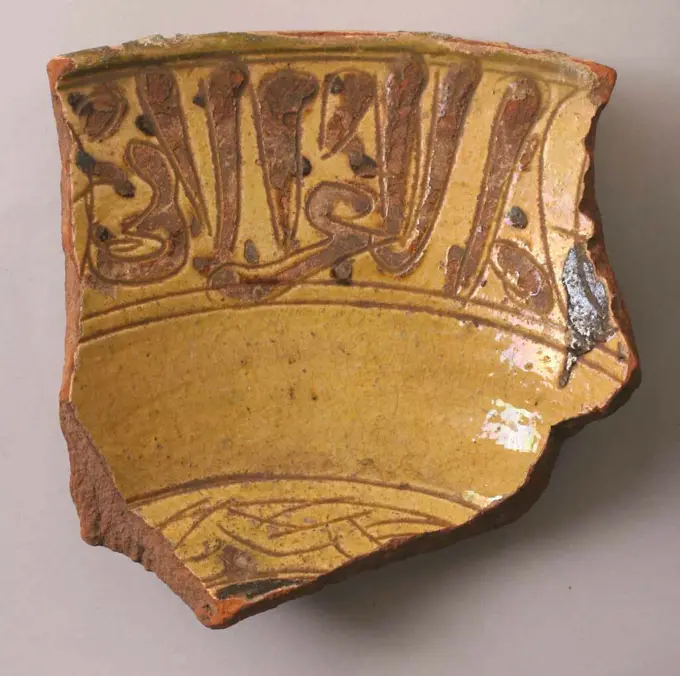
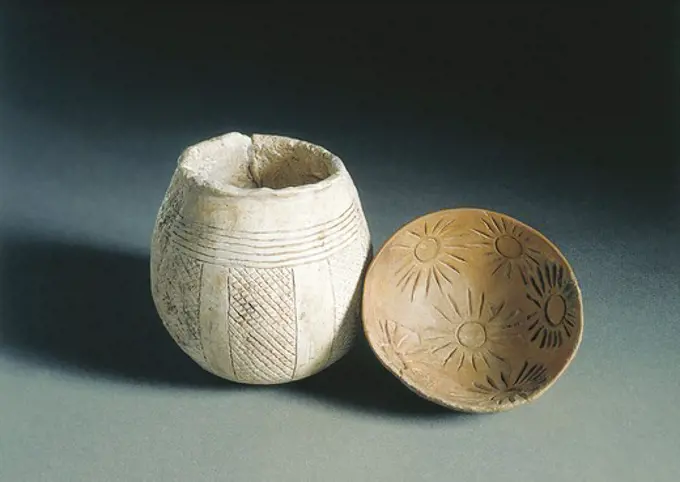
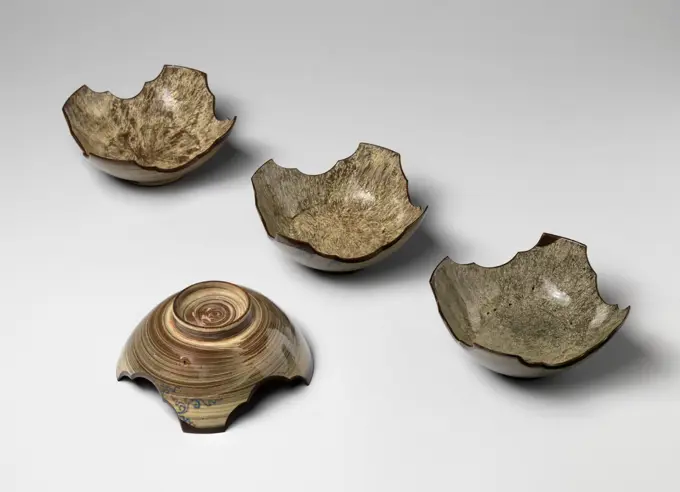
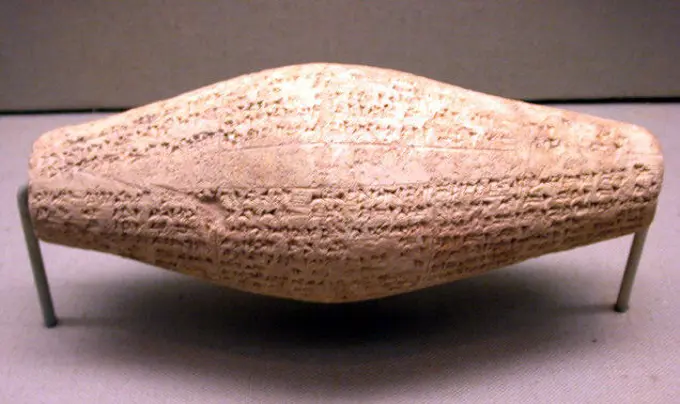
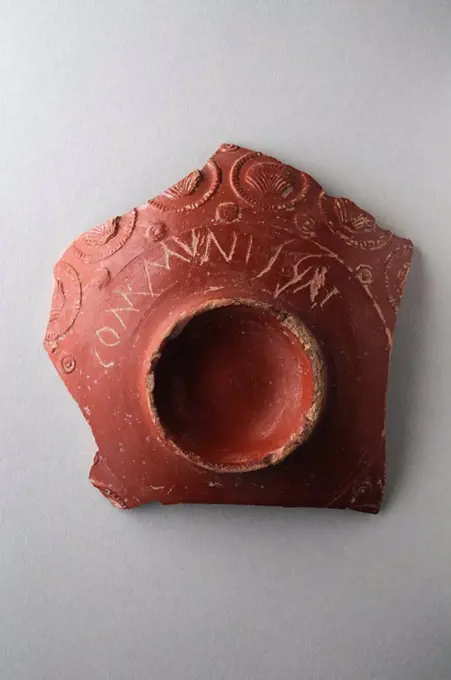
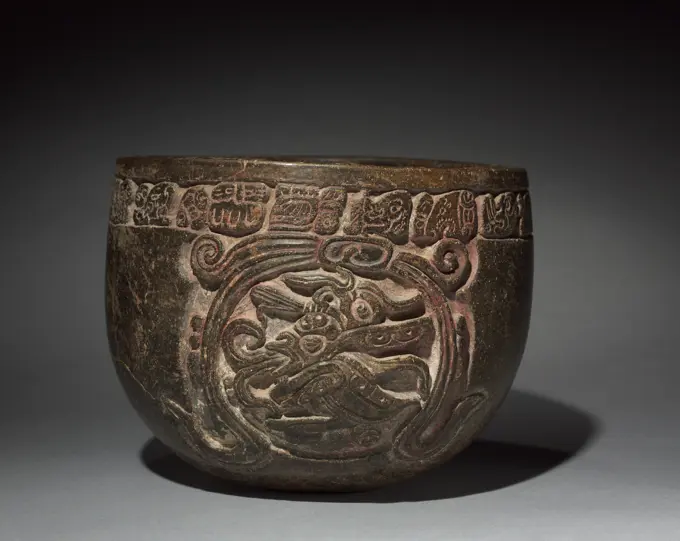
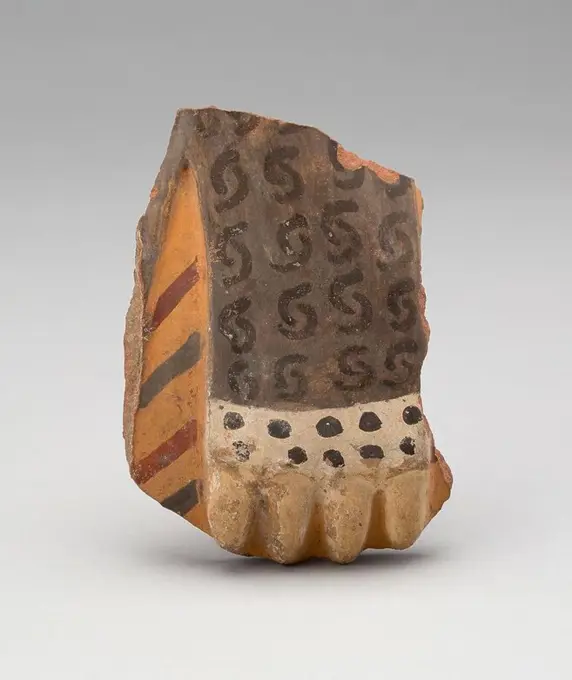
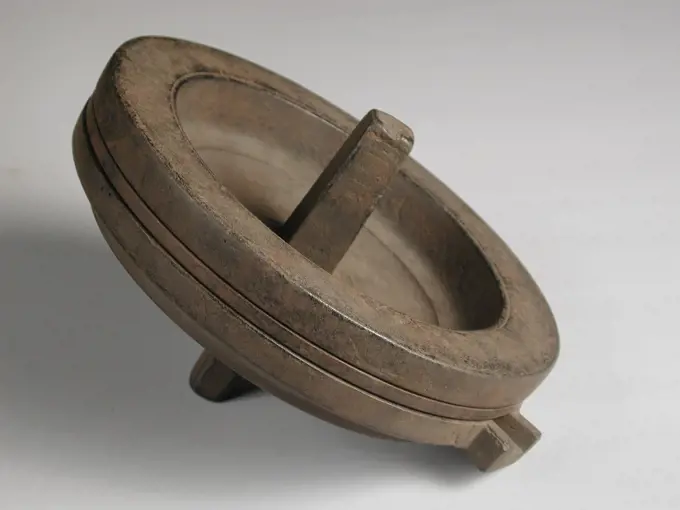
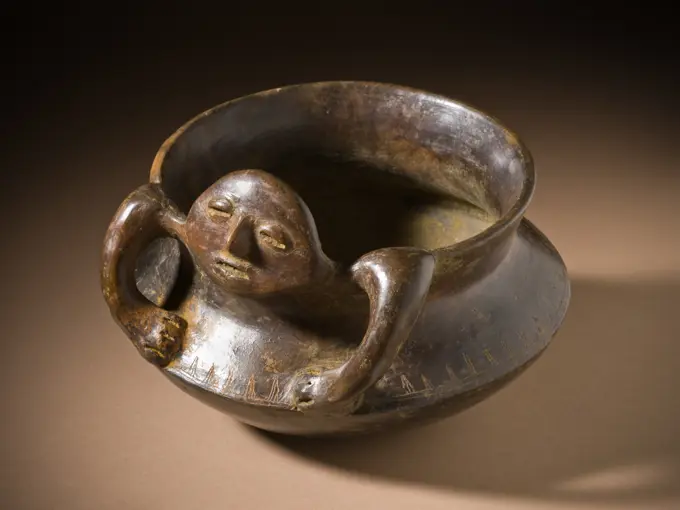
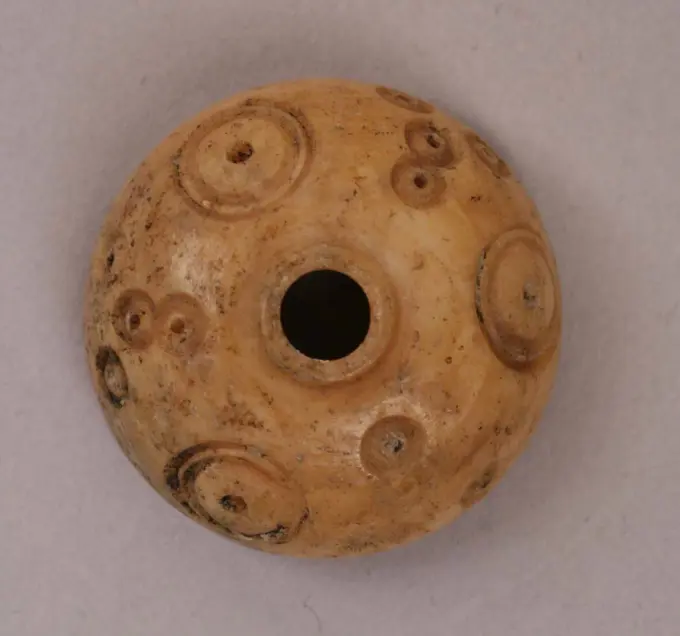
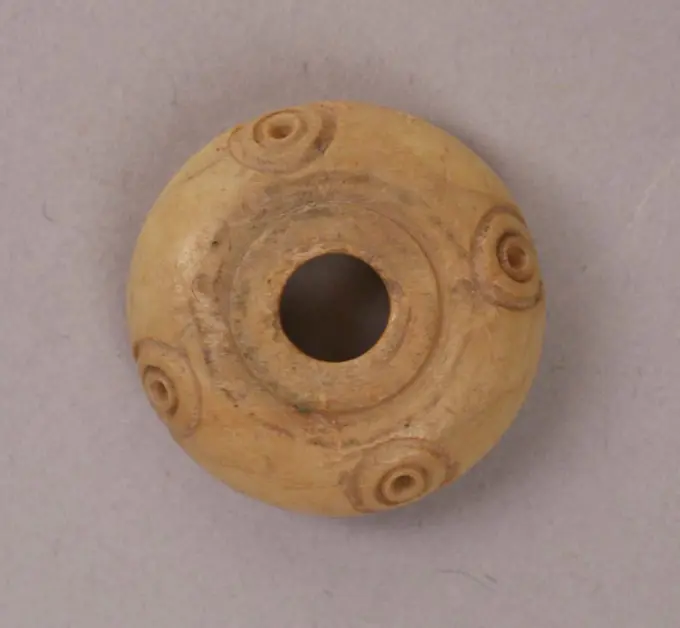
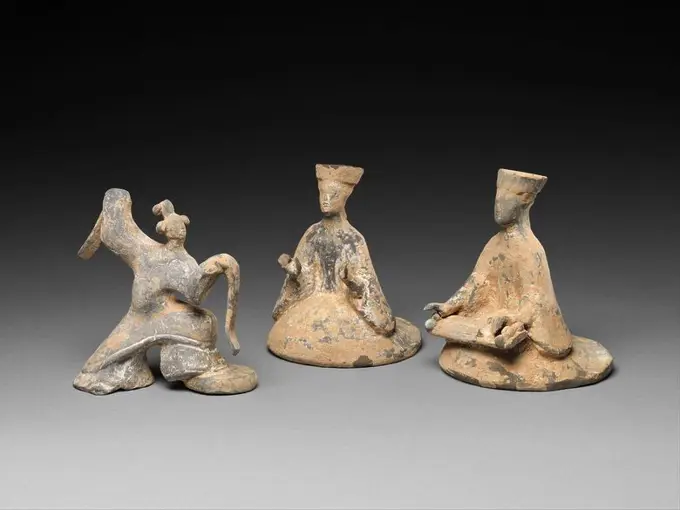
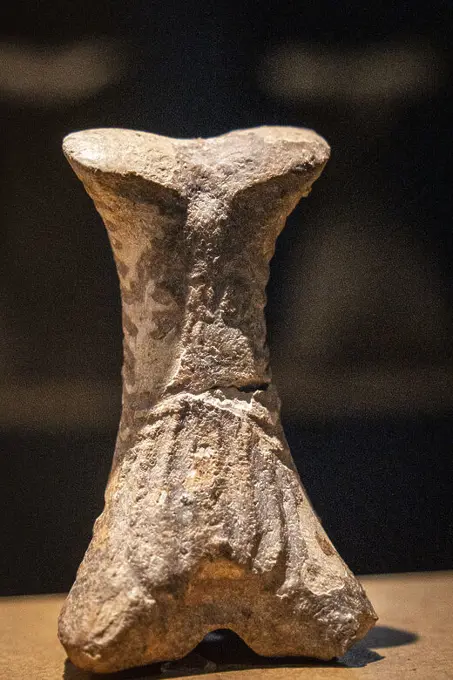
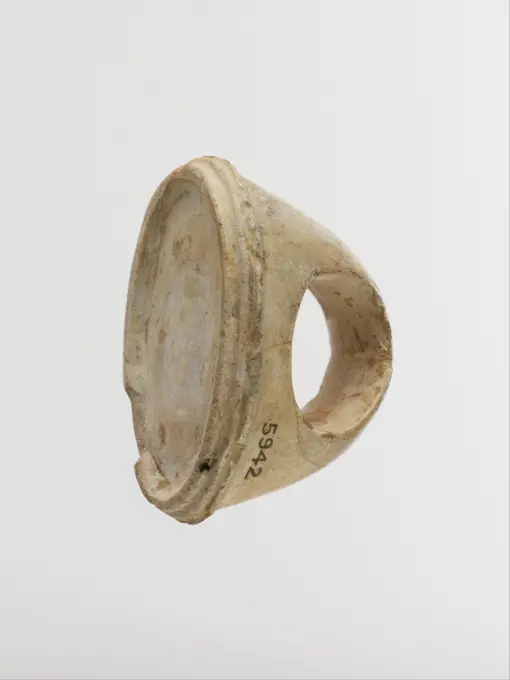
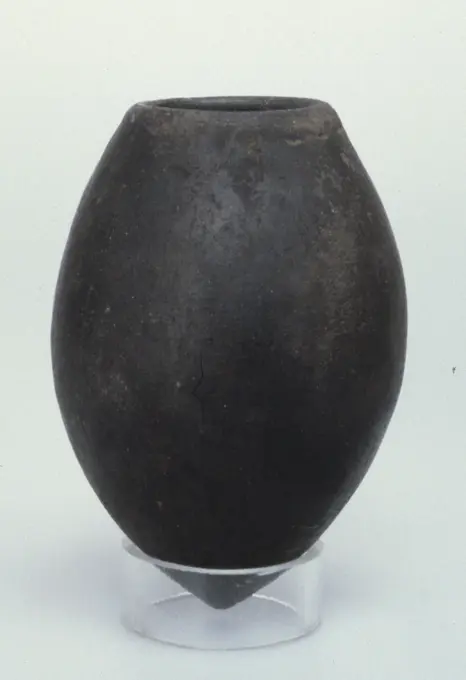
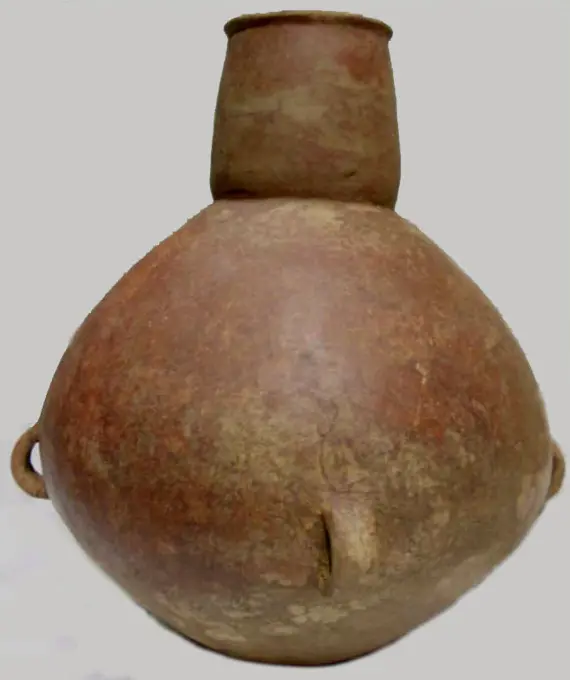
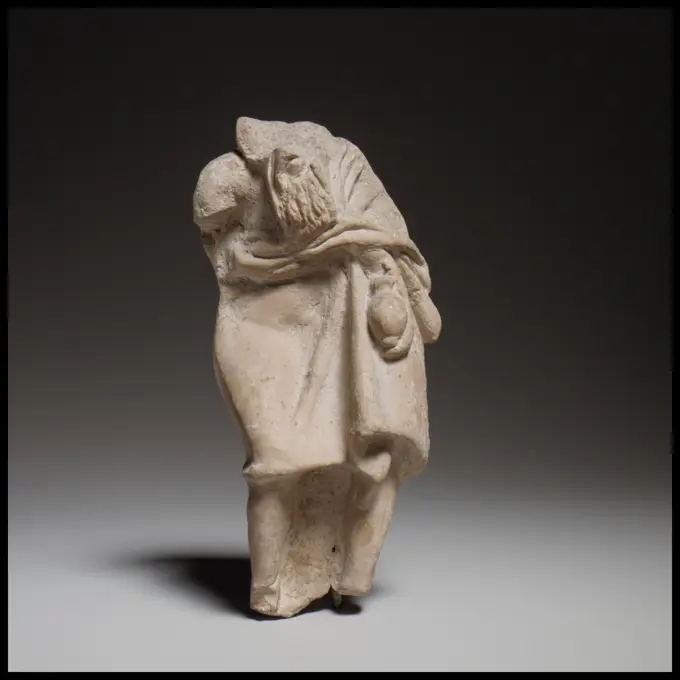
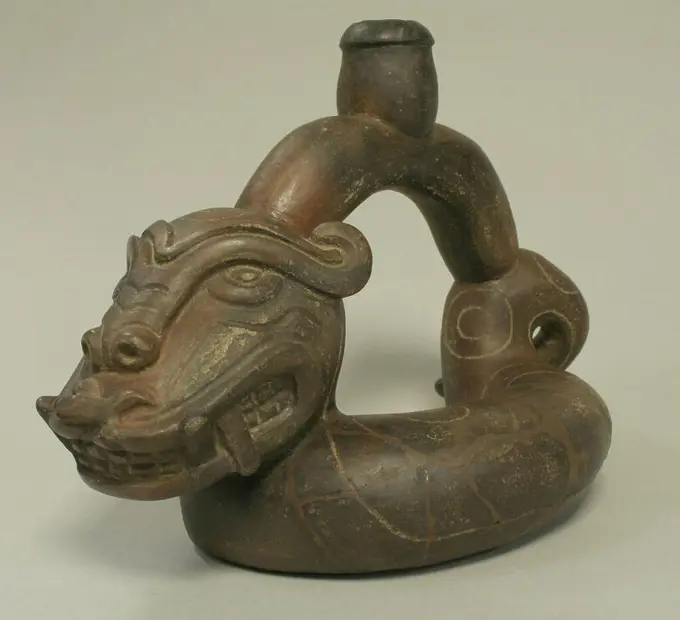
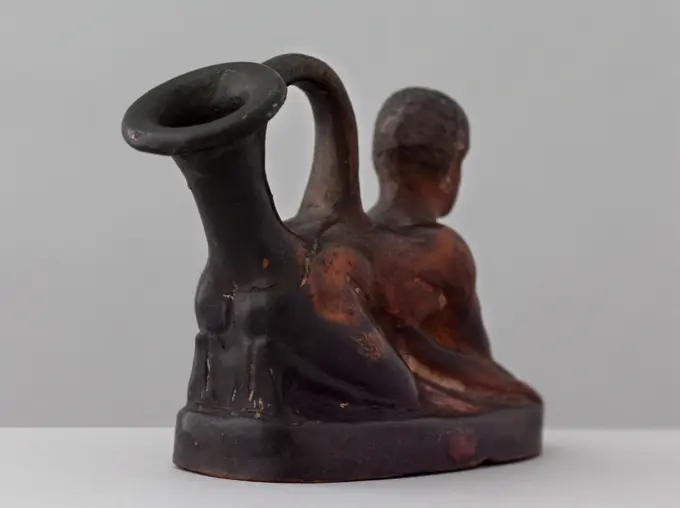
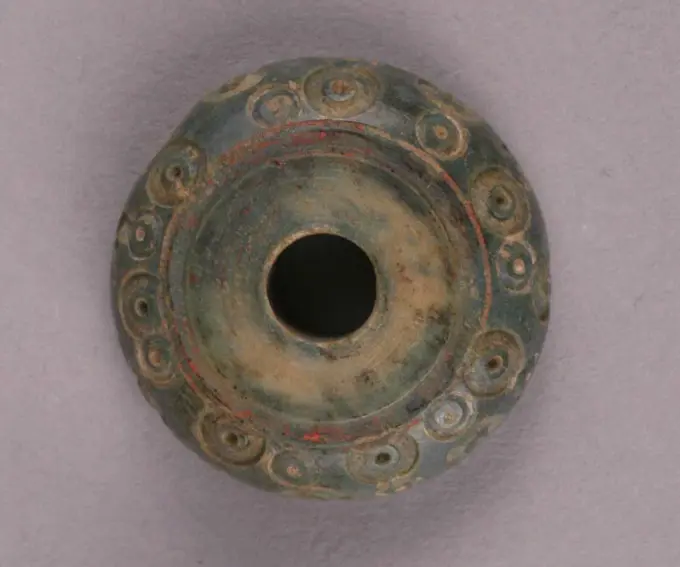
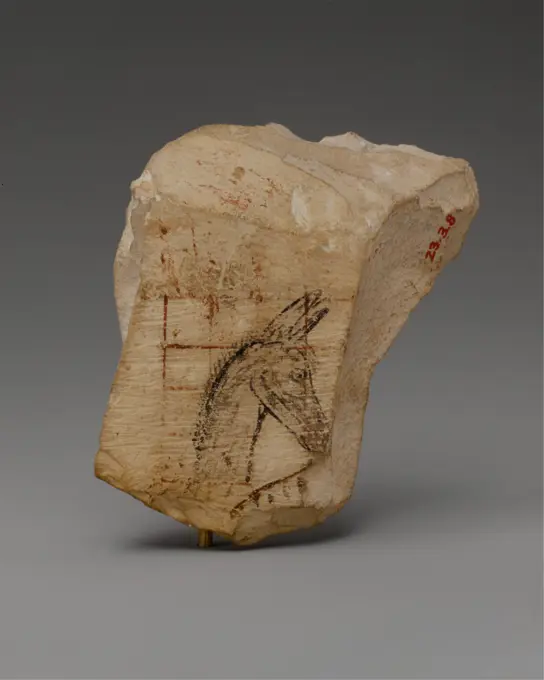
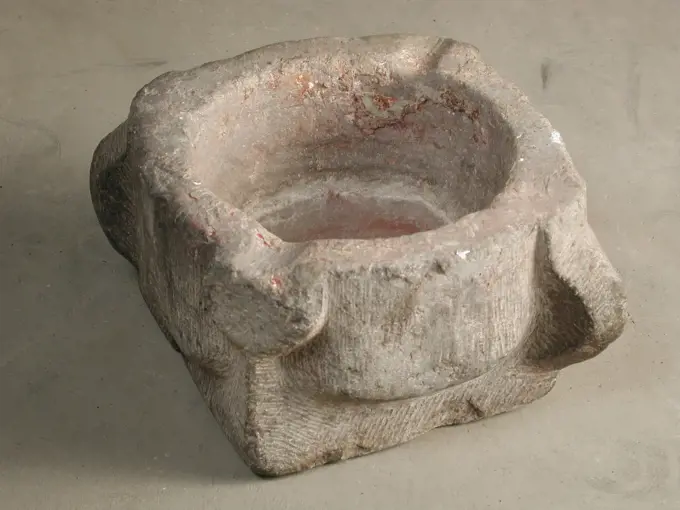
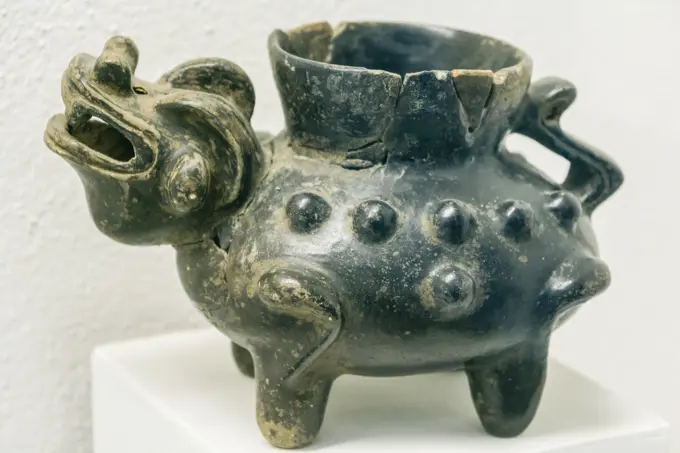
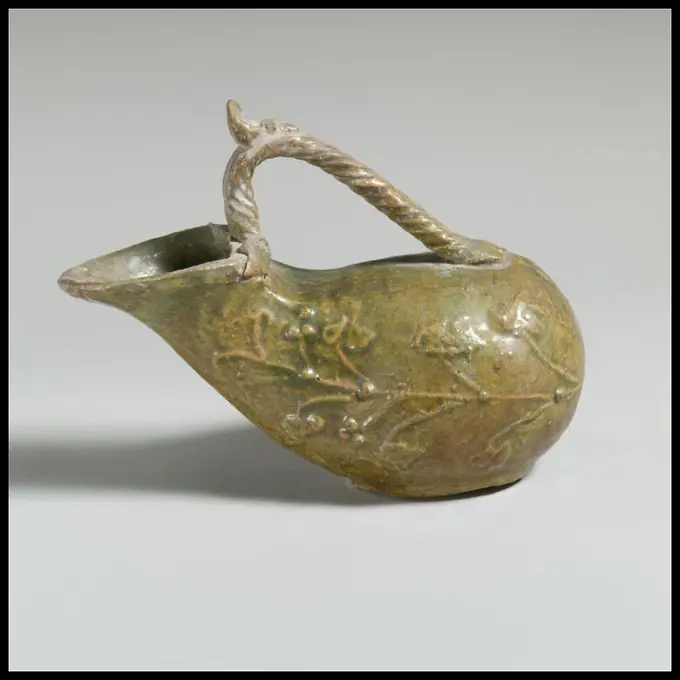
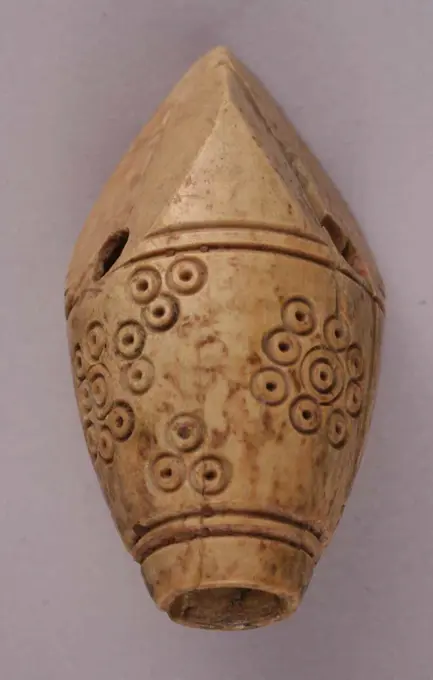
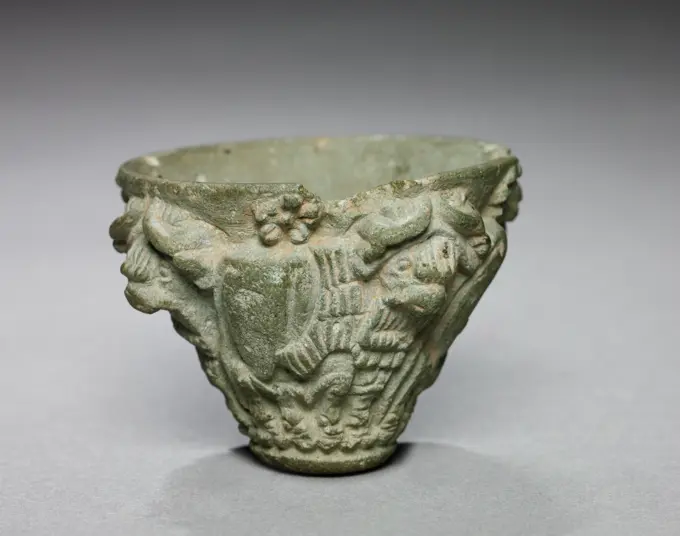
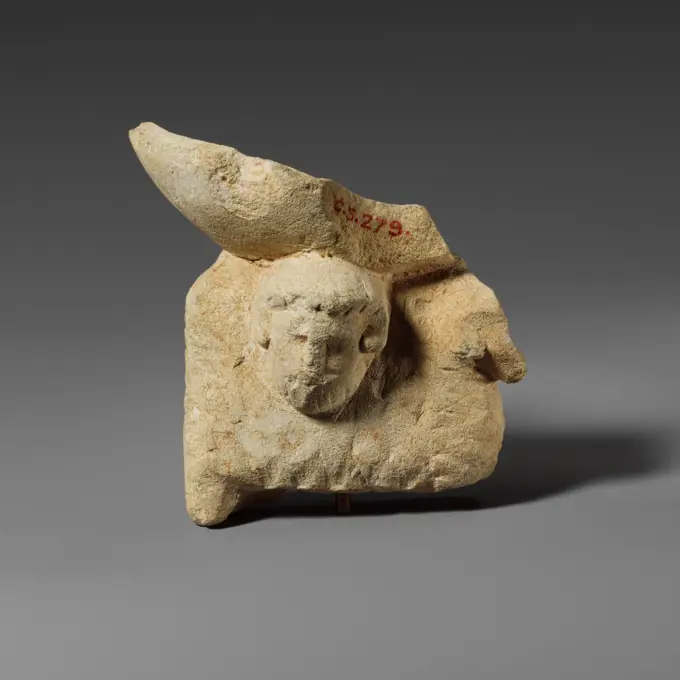
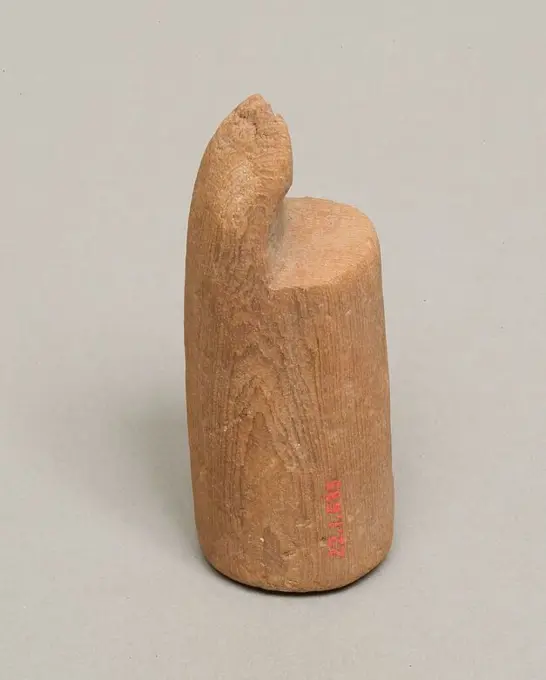
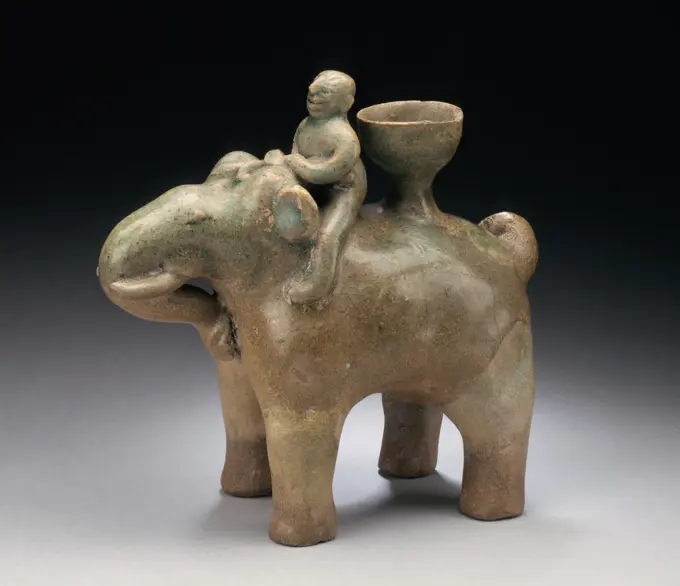
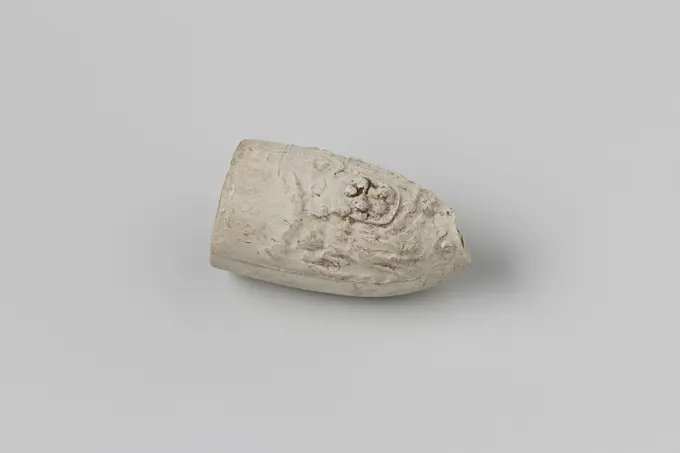
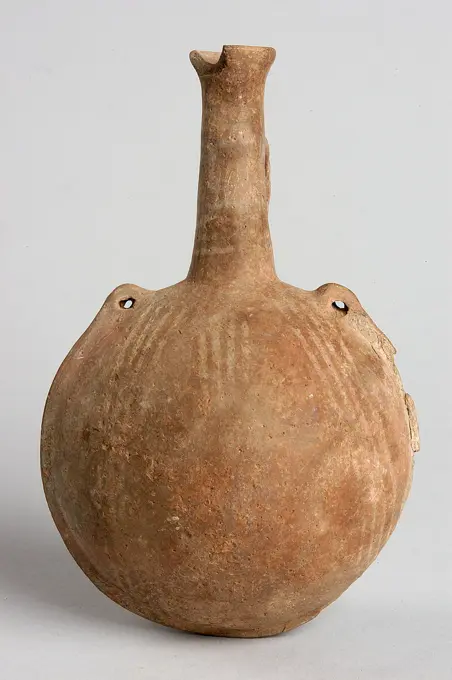
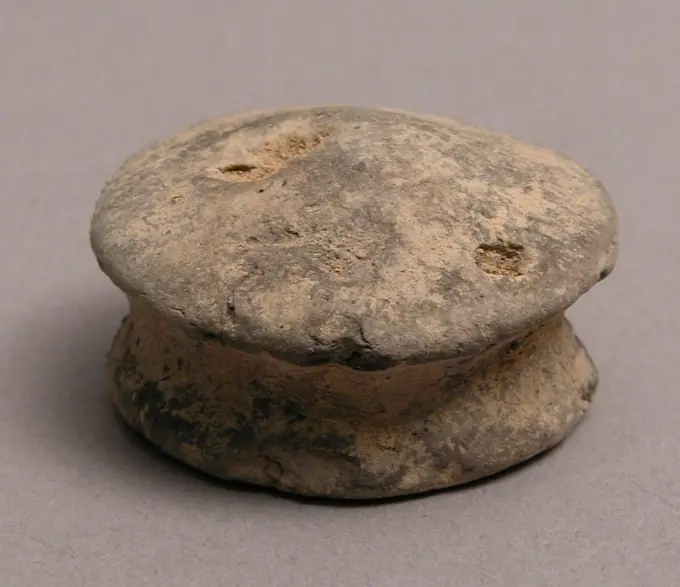
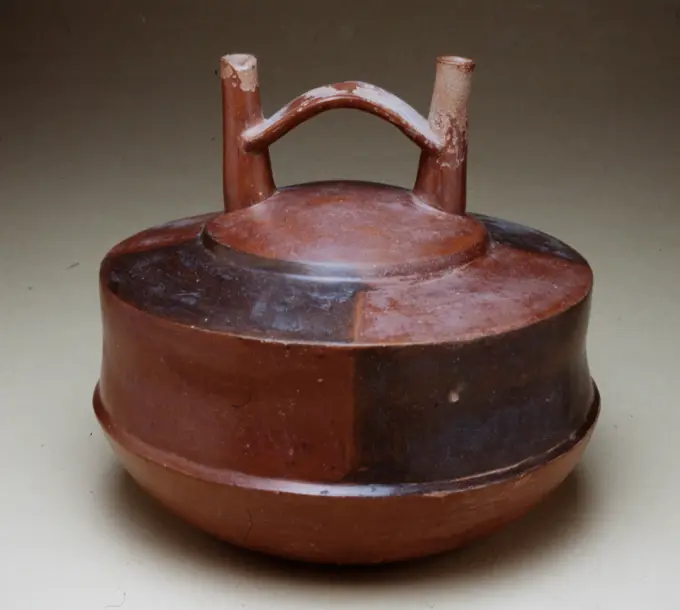
Double spouted vase, 12th-3rd century BCE, 6 1/2 x 7 x 7 in. (16.5 x 17.8 x 17.8 cm), Polychromed earthenware, Peru, 12th-3rd century BCEYoke, c. 600-900. Mexico, Classic Veracruz Style, 7th-10th Century. Stone; overall: 41.5 x 38.5 x 11.5 cm (16 5/16 x 15 3/16 x 4 1/2 in.).Terracotta oil lamp. Culture: Roman, Cypriot. Dimensions: Overall: 3/4 x 3 1/2 in. (1.9 x 8.9 cm). Date: ca. A.D. 40-100.Loeschcke Type 4. Mold-made. Discus: shell pattern of nine relief fans radiating from a filling hole towards nozzle, with a band of lines and grooves towards edge. Volutes flanking nozzle. Within incised base ring, slightly concave base, with large letters in relief across center: M A, with dot between. Museum: Metropolitan Museum of Art, New York, USA.VASO CON MANGO MACIZO. Location: ARCHAEOLOGICAL MUSEUM. SANTA CRUZ DE TENERIFE. TENERIFFA. SPAIN.Fragment of pipe and sculpture, bottom with pleated robe, sculpture footage soil finds ceramic pipe earth, in shape pressed finished baked White sculpture pipe earth low plinth above which draped cover with visible piece of undergarment. Bottom hollow. Bottom of saint archeology Rotterdam railway tunnel adorn worship religion devotion Soil discovery: rail tunnel Rotterdam.Beaker; Eastern Mediterranean; 1st century; Glass; 6.8 x 6.8 cm (2 11,16 x 2 11,16 in.)Fragment of a Bowl 14th-15th century. Fragment of a Bowl 446375Dish fragment with an ornament in luster, anonymous, c. 1200 - c. 1249 Fragment of a saucer of quartz-fritgoed, for the most part decorated with an ornament in brownish luster. Fairly hard white earth with cream -colored enamel. Syria earthenware. glaze. luster (textile) painting / vitrification Fragment of a saucer of quartz-fritgoed, for the most part decorated with an ornament in brownish luster. Fairly hard white earth with cream -colored enamel. Syria earthenware. glaze. luster (textile) painting / vitrificationCylindrical Seal with Flower-like Motif 1200 BCE-200 BCE Tlatilco. Ceramic . Tlatilcopottery vessel from Palestine, Jericho 3200-3000BC. Found in a tombTemple Model. Culture: Aztec. Dimensions: H. 5 3/4 in. (14.6 cm). Date: 1400-1521.Aztec emperors ruled over a vast portion of what is now Central Mexico and parts of Guatemala at the time Spaniards arrived in the capital of Tenochtitlan in 1519. From humble beginnings in the fourteenth century, the Mexica (as the core cultural group is properly known) formed alliances with established kingdoms and city-states, consolidating their tribute-based empire with considerable speed. Part of their imperial strategy included the dissemination of an official religion. Aztec temple models were distributed widely, functioning as tools of empire to promote the expansion of the state religion at the household level. Aztec temple models replicate key details of their full-size counterparts and may have acted as stand-ins for these buildings or served as earthly homes for deities. Some include a figure at the summit, perhaps representing a deity, a deity impersonator, or even a personification of theWhorl 4th-7th century Coptic. Whorl 478934Fragment of a Bowl 14th-15th century. Fragment of a Bowl 445504Vase fragment. Dimensions: h. 3.8 cm (1 1/2 in); w. 2.8 cm (1 1/8 in). Dynasty: Dynasty 12-13. Date: ca. 1981-1640 B.C.. Museum: Metropolitan Museum of Art, New York, USA.Terracotta oil lamp. Culture: Roman. Dimensions: L. 3 3/4 in. (9.5 cm.).H. 1 1/16 in. (2.7 cm.).. Date: 1st century A.D..Pegasos on top; concave top and scrolled nozzle. Museum: Metropolitan Museum of Art, New York, USA.Talerz. unknown, authorSpain, Madrid, Plaster vase from Fonelas, Almeria, and decorated cup from Los MillaresSet of food dishes (mukōzuke), early 18th century, Unknown Japanese, 2 1/8 × 5 1/8 × 5 1/8 in. (5.4 × 13.02 × 13.02 cm), Utsutsugawa ware; glazed stoneware with underglaze slip decorations, Japan, 18th century, 川 Utsutsugawa ware; In a formal tea gathering, a meal precedes the preparation and service of tea. The meal usually consists of soup and rice accompanied by two or three side dishes featuring grilled, simmered, raw, and/or pickled seasonal ingredients. Grilled dishes would be served on large plates and simmered dishes in individual lidded bowls. A third type of side dish, often sashimi (slices of raw fish), was served in small individual dishes placed farthest from the guest. For this reason, this type of side dish and the bowls in which they were served were called mukōzuke, which literally means 'placed on the far side.' This set of four mukōzuke dishes were produced at Utsutsugawa, a kiln site in Nagasaki that specialized in dishes, bowls, and incense containers for the tea Emilia-Romagna Ferrara Ferrara Museo Civico di Schifanoia13. Hutzel, Max 1960-1990 General Notes: INCOMPLETE RECORD--NEGATIVES PROCESSED, PRINTS FILED German-born photographer and scholar Max Hutzel (1911-1988) photographed in Italy from the early 1960s until his death. The result of this project, referred to by Hutzel as Foto Arte Minore, is thorough documentation of art historical development in Italy up to the 18th century, including objects of the Etruscans and the Romans, as well as early Medieval, Romanesque, Gothic, Renaissance and Baroque monuments. Images are organized by geographic region in Italy, then by province, city, site complex and monument.Cuneiform cylinder with inscription of Nebuchadnezzar II, describing the rebuilding of Ebabbar, the temple of the sun-god Shamash at Sippar ca. 604-562 B.C. Babylonian The invention of writing in approximately 3300 B.C. was one of many developments in administrative technology--including the use of geometric tokens for counting and cylinder seals to guarantee transactions--that accompanied the growth of the first cities and states in southern Mesopotamia. Proto-cuneiform is the name given to the earliest form of writing--pictograms that were drawn on clay tablets. Gradually, the pictograms became abstracted into cuneiform (Latin, "wedge-shaped") signs that were impressed rather than drawn. At its greatest extent, cuneiform writing was used from the Mediterranean coast of Syria to western Iran and from Hittite Anatolia to southern Mesopotamia. It was adapted to write at least fifteen different languages. The last dated cuneiform text has a date corresponding to A.D. 75, although the scrVase fragment Minoan. Vase fragment. Minoan. Terracotta. Early Minoan III. VasesGraphite on ceramics " Terra Sigillata " belonging to the family group of "Gaios " ( 1 st - 2nd CE ) - Roman period, from the " House of Hyppolytus "- Archaeological site of Complutum in Alcalá de Henares ( Madrid ). SPAIN.Carved Vessel, c. 600-1000. Mexico, Campeche, Maya, Chocholá Style. Earthenware; overall: 12.1 x 16.3 cm (4 3/4 x 6 7/16 in.).Lamp. UnknownMarble pyxis (box). Culture: Greek, Attic. Dimensions: H. 4 7/16 in. (11.2 cm). Date: late 5th-early 4th century B.C..Greek marble-working of the Classical period is generally associated with architecture and monumental sculpture. This vase is remarkable for its precision and delicacy. It is likely that it was orginally painted. Museum: Metropolitan Museum of Art, New York, USA.Fragment of a Bowl 9th-10th century This object was excavated at Nishapur.Nishapur was a vital city in the early and middle Islamic periods, located along one of the main trajectories that connected Iran and West Asia Islamic lands with Central Asia and China. These itineraries are often referred to by the term Silk routes but were in fact crucial to the movement of constellations of materials and objects, as well as people and ideas. The diverse population of Nishapur and its surroundings, from the better-researched elite groups of merchants, land-owning aristocracy, and literates, to the less-known artisans, farmers, miners, and servants, were instrumental in adapting global cultural trends to create their own distinctive visual languages. This is seen in the material remains of everyday life in medieval Nishapur - from pots and pans to lighting devices, inkwells, textiles and trimmings, jewelry, games and toys, talismanic devices, weapons, coins, and architectural fragments.NishapurLamp 7th-8th century. Lamp 445990DouLong-Necked Vase, 20th century, 10 1/4 x 6 1/4 in. (26 x 15.88 cm), Earthenware, Democratic Republic of Congo, 20th centuryOil lamp. Coll. MAGNE. Terracotta. Late Antiquity. 6 petals, oves. Paris, Carnavalet museum. 50058-3 Late antique, floral decor, oil lamp, petal, terracottaTerracotta disk ca. 1900-1725 B.C. Cypriot These disks may be among the earliest representations of wheels from Cyprus.. Terracotta disk 240800Emilia-Romagna Ferrara Ferrara Museo Civico di Schifanoia32. Hutzel, Max 1960-1990 General Notes: INCOMPLETE RECORD--NEGATIVES PROCESSED, PRINTS FILED German-born photographer and scholar Max Hutzel (1911-1988) photographed in Italy from the early 1960s until his death. The result of this project, referred to by Hutzel as Foto Arte Minore, is thorough documentation of art historical development in Italy up to the 18th century, including objects of the Etruscans and the Romans, as well as early Medieval, Romanesque, Gothic, Renaissance and Baroque monuments. Images are organized by geographic region in Italy, then by province, city, site complex and monument.Head Fragment from a Large Ceremonial Jar. Tiwanaku-Wari; Pacheco, south coast, Peru. Date: 700 AD-800 AD. Dimensions: 11.4 × 8.6 cm (4 1/2 × 3 3/8 in.). Ceramic and pigment. Origin: Peru, southern. Museum: The Chicago Art Institute, Chicago, USA.Three-piece bronze mold for lid of large pot or soup tureen, cast molding tool tools base metal bronze, cast twisted Three-part shape for pouring lid for large dish or bowl Rotterdam tin foundry tin inlaid tableware tin Meeuws Druy craft Forms originate from origin 18th century Rotterdam tinnegieter J Druy. The large molds that were not signed or dated were the property of the tinker guild and were rented to the small tin caster.Carinated Bowl. Colombia, San Agustín, 500 BCE-500 CE. Ceramics. CeramicColumn Base late 12th century French. Column Base. French. late 12th century. Stone. Made in Languedoc, France. Sculpture-ArchitecturalOpen mouth jar ca. 3850-2960 B.C. Predynastic Period. Open mouth jar. ca. 3850-2960 B.C.. Pottery. Predynastic Period. From Egypt, Southern Upper Egypt, Hierakonpolis (Nekhen), MMA excavationsCanteen;  1050-950 BC (-1050-00-00--950-00-00);Oil lamp or collar. Glass. Paris, Carnavalet museum. 51537-10 Collar, oil lamp, glassPijpenkop, Coenradus Arnoldusz Murk, 1760 - 1800 Blowjob with a crown and the letters k r m and n. Of the excavations on the Hofstede Arentsburg 1827-1831 under the supervision of Professor Reuvens. Schoonhoven pipe clay Blowjob with a crown and the letters k r m and n. Of the excavations on the Hofstede Arentsburg 1827-1831 under the supervision of Professor Reuvens. Schoonhoven pipe clayPot ". Terracotta. Vietnam-Xe-Xive s. Paris, Cernuschi museum. 72361-26 Vietnamese object, pot, terracottaButton or Bead or Spindle Whorl 9th-10th century The dot-in-circle motif recalls designs presumed to be of magical significance, most likely an abstract eye to ward off the evil-eye, which serves an apotropaic function. Easily reproduced with a tool and visible in many cultures and times, this symbol may have lost its meaning, and become simply a decorative pattern, or may have one that we have not yet discovered.. Button or Bead or Spindle Whorl. 9th-10th century. Bone; incised and inlaid with paint. Excavated in Iran, Nishapur. Ivories and BoneCycladic civilization, terracotta zoomorphic rhytonButton or Bead 9th-10th century The dot-in-circle motif recalls designs presumed to be of magical significance, most likely an abstract eye to ward off the evil-eye, which serves an apotropaic function. Easily reproduced with a tool and visible in many cultures and times, this symbol may have lost its meaning, and become simply a decorative pattern, or may have one that we have not yet discovered.. Button or Bead 450016Dancer and Musicians. Culture: China. Dimensions: (a) dancer: H. 5 1/4 in. (13.3 cm); W. 5 1/4 in. (13.3 cm); D. 2 1/4 in. (5.7 cm)(c) musician: H. 5 3/8 in. (13.7 cm); W. 4 1/4 in. (10.8 cm); W. 4 3/8 in. (11.1 cm). Date: 1st century B.C.-1st century A.D..Pottery figures of entertainers often accompanied the deceased in the afterlife. Here, a female dancer performs the popular "seven dish dance," tapping dishes with her feet as musicians play a zither and clap. One dish, the only surviving example of the original set of seven, rests under the dancer's left foot. Museum: Metropolitan Museum of Art, New York, USA.Bronze ritual wine vessel from the Western Zhou Dynasty. Dated 11th Century BCAntephic fragment ();  1. PO. VI century BC (-600-00-00--551-00-00);Bednarek-06, Dar, Etruria, Antical Art Collection, DarFemale Antefix Fragment. Unknown 530-520 B.C.Double Spout and Bridge Bottle with Bird 5th-2nd century B.C. Paracas. Double Spout and Bridge Bottle with Bird 308711eyed phalanx idol, bone, 2800-2450 BC, Perdigoes, Reguengos de Monsaraz, Évora, Huelva Museum, Huelva, Andalusia, Spain.Bullet lock with remainder of the key. Bullet lock, padlock, with the remainder of the key.Fragment of Statue Base (), 1540-1069 BC. Egypt, New Kingdom. Turquoise faience with purple-black painted decoration; overall: 5.8 x 3.4 cm (2 5/16 x 1 5/16 in.).Lamp. UnknownLamp. UnknownBone finger ring ca. 2nd century B.C. Greek Originally, the recessed bezel would have held a stone or glass setting. The large size and distinctive thick shouldered hoop are typical of Hellenistic finger rings made in a variety of media, including gold, glass, and rock crystal.. Bone finger ring 244132Black ware jar with pointed base ca. 3850-2960 B.C. Predynastic Period. Black ware jar with pointed base. ca. 3850-2960 B.C.. Pottery. Predynastic Period. From Egypt, Southern Upper Egypt, Hierakonpolis (Nekhen), MMA excavationsPijpenkop, Anonymous, 1700 - 1799 Pipe head with a crown and a sitting figure depicted. Of the excavations on the Hofstede Arentsburg 1827-1831 under the supervision of Professor Reuvens. Netherlands pipe clay Pipe head with a crown and a sitting figure depicted. Of the excavations on the Hofstede Arentsburg 1827-1831 under the supervision of Professor Reuvens. Netherlands pipe claySpindle Whorl. Culture: Mexican. Dimensions: Diameter 2-5/32 in.. Date: 10th-early 16th century. Museum: Metropolitan Museum of Art, New York, USA.Jar with Four Lugs (Guan) ca. 3000 BC Northeast China (Hongshan culture). Jar with Four Lugs (Guan). Northeast China (Hongshan culture). ca. 3000 BC. Earthenware. Neolithic period, Hongshan culture (ca. 4500-3000 B.C.). CeramicsTerracotta comic figurine late 4th-3rd century B.C. Cypriot The figurine seems to represent an old man. He has a hunched posture and bent knees. His thin lower legs are joined with a panel of clay.. Terracotta comic figurine 241261Food Case Probably Containing a Preserved Pigeon ca. 1550-1479 B.C. New Kingdom. Food Case Probably Containing a Preserved Pigeon 545674Prehistory, Italy, Bronze Age. Terramare culture. Horned handle. From Emilia Romagna Region.Stirrup Spout Bottle: Serpent. Culture: Cupisnique. Dimensions: Height 8 in. (20.3 cm). Date: 12th-5th century B.C.. Museum: Metropolitan Museum of Art, New York, USA.Jar with Nipple Base. Western Iran, circa 1000-650 B.C.. Furnishings; Serviceware. Buff wareGuttus in the shape of an African child crouching. Tour and molded terracotta. Athens (Greece), 4th century BC. AD Museum of Fine Arts of the City of Paris, Petit Palais. 58727-3 African, Greek antiquity, ancient art, Greek art, attic, ceramic, jug, guttus, 4th 4th 4th 4th 4th century AV.JC, molding, ancient period, pottery, Greek vaseRoller Seal 800 BCE-400 BCE México. Ceramic and pigment . OlmecLamp, Anatolia; 1st century B.C. - 4th century A.D; Terracotta; 2.5 x 7 x 12.2 cm (1 x 2 3,4 x 4 13,16 in.)Spindle Whorl 9th-10th century Spindle whorls aided in the making of thread by maintaining the momentum of the spindle. This blue-green spindle whorl was excavated during the Metropolitan Museums excavation at Nishapur, in eastern Iran. Its flat top is encircled with incised lines, inlaid with red paste. The rounded sides are adorned with two rows of intermixed large and small dot-in-circles. Hundreds of spindle whorls were excavated at Nishapur, providing further evidence that the city possessed a thriving textile industry. Their incised designs exhibit a wide variety of motifs ranging from geometric forms to zoomorphic figures.. Spindle Whorl. 9th-10th century. Bone; tinted, incised, and inlaid with paint. Excavated in Iran, Nishapur. Ivories and BoneOstracon with a donkey ca. 1479-1458 B.C. New Kingdom. Ostracon with a donkey 545205Hard stone mortar, auger equipment stone stone, mince Round hard stone mortar on flat square base. Opposite each other along the side: two vertical round bulges and two gutters at the top edge. The bulges probably served as handles: they are polished in useRaised relief fragment 664-610 B.C. Late Period, Saite see 23.3.468. Raised relief fragment 548012Cylinder Seal, Byre-Shaped. Iran, Mesopotamia or Syria, about 3300-2900 B.C.. Tools and Equipment; seals. Black serpentineZoomorphic canthar Zoomorphic canthar, tetrápode felina with black engobe, Protoclásico, Santa María Nebaj,museo de antropología, departamento de El Quiché, Guatemala, Central America Copyright: xZoonar.com/ToloxBalaguerx 22071807False Bottomed Bowl with Fox and Animal Motifs 3rd century B.C. Paracas. False Bottomed Bowl with Fox and Animal Motifs 308493Terracotta askos (flask with a spout and handle over the top). Culture: Roman. Dimensions: H. 4 3/16 in. (10.6 cm). Date: beginning of 1st century A.D..This vase was probably made in Southern Italy and was used for pouring wine. Its functional shape is enhanced by the fact that it is modeled on a leather wineskin and by the relief decoration of ivy leaves and berries that symbolizes the power of Dionysus, the god of wine. Museum: Metropolitan Museum of Art, New York, USA.Jar 12th century This object was found and purchased in Nishapur.Nishapur was a vital city in the early and middle Islamic periods, located along one of the main trajectories that connected Iran and West Asia Islamic lands with Central Asia and China. These itineraries are often referred to by the term Silk routes’ but were in fact crucial to the movement of constellations of materials and objects, as well as people and ideas. The diverse population of Nishapur and its surroundings, from the better-researched elite groups of merchants, land-owning aristocracy, and literates, to the less-known artisans, farmers, miners, and servants, were instrumental in adapting global cultural trends to create their own distinctive visual languages. This is seen in the material remains of everyday life in medieval Nishapur - from pots and pans to lighting devices, inkwells, textiles and trimmings, jewelry, games and toys, talismanic devices, weapons, coins, and architectural fragments.Nishapur lost iWhistle 9th-10th century The dot-in-circle motif recalls designs presumed to be of magical significance, most likely an abstract eye to ward off the evil-eye, which serve an apotropaic function. Easily reproduced with a tool and visible in many cultures and times, this symbol may have lost its meaning, and become simply a decorative pattern, or may have one that we have not yet discovered.. Whistle 449829Zoomorphic canthar, tetrápode felina with black engobe, Protoclásico, Santa María Nebaj,museo de antropología, departamento de El Quiché, Guatemala, Central America.Bull Procession Cup, c. 3100-2900 BC. Sumerian, Iraq, c. 3100-2900 BC. Gray limestone; diameter: 7.7 cm (3 1/16 in.); overall: 5.5 cm (2 3/16 in.).Limestone ram and head of Zeus Ammon” supporting an incense burner 4th century B.C. Cypriot The ram is turned to its right; on his back is set a head of Zeus Ammon, with ram’s horns.. Limestone ram and head of Zeus Ammon” supporting an incense burner 242106Pendant. UnknownLoom equipment (). Dimensions: l. 8.4 cm (3 5/16 in). Dynasty: Dynasty 19-20. Date: ca. 1850-1070 B.C.. Museum: Metropolitan Museum of Art, New York, USA.Lamp in the Form of a Man on an Elephant. Thailand, Sawankhalok, 15th-16th century. Furnishings; Lighting. Modeled wheel-thrown stoneware with celadon glazeCapital. Culture: French. Dimensions: Overall: 7 x 6 1/2 in. (17.8 x 16.5 cm). Date: 14th century. Museum: Metropolitan Museum of Art, New York, USA.Fragment pipe head. Fragment pipe head with two coats of arms and two figures disclose. Of the excavations at the Hofstede Arentsburg 1827-1831 under the supervision of professor Reuvens.Limestone votive capital ca. 4th century B.C. Cypriot The capital combines elements of the Doric and Ionic orders. The molding between the column shaft and the square top recalls a Doric capital. Above, the volutes are rendered as simplified disks with concentric circles. The addition of the six-petalled rosettes as decoration is another unusual aspect of the capital. It is unlikely to have served as an architectural element of a building but rather, like the triangular Ionic capital in the adjacent gallery (74.51.2796), as part of a free-standing votive monument. The hollow in the top can thus be interpreted as a setting for a dedication.. Limestone votive capital 242348Pendant, 960-1279. China, Song dynasty (960-1279) or later. Jade; overall: 6.1 x 5.8 cm (2 3/8 x 2 5/16 in.).Canteen;  2300-2000 BC ; Early Age of Brik (-2300-00-00--2000-00-00);Art and antiquesPottery Fragment, late 1200s-1300s. Siam, Sawankhalok ware, late 13th-14th Century. Stoneware; overall: 5.2 x 5.2 x 0.7 cm (2 1/16 x 2 1/16 x 1/4 in.).Lazio Frosinone Casamari Museo Archeologico9. Hutzel, Max 1960-1990 Post-medieval: paintings on canvas, paintings on wood, wooden church furnishings Governing Body: Abbazia di Casamari General Notes: This record is for the pinacoteca which is part of the Museo Archeologico, housed within the Abbey of Casamari. Hutzel assigned it a separate numbering sequence. German-born photographer and scholar Max Hutzel (1911-1988) photographed in Italy from the early 1960s until his death. The result of this project, referred to by Hutzel as Foto Arte Minore, is thorough documentation of art historical development in Italy up to the 18th century, including objects of the Etruscans and the Romans, as well as early Medieval, Romanesque, Gothic, Renaissance and Baroque monuments. Images are organized by geographic region in Italy, then by province, city, site complex and monument.piedra de machacar tipo tazon,clásico , museo de la plaza central, Chichicastenango , Municipio del departamento de El Quiché, Guatemala, Central Amer...Stone. Culture: Coptic. Dimensions: Overall: 2 3/16 x 1 5/16 x 1 3/4 in. (5.5 x 3.4 x 4.4 cm). Date: 4th-7th century. Museum: Metropolitan Museum of Art, New York, USA.Game Piece 4th-7th century Coptic. Game Piece 478563Terracotta oil lamp Roman 1st century CE View more. Terracotta oil lamp. Roman. 1st century CE. Terracotta. Early Imperial. TerracottasSix Fused Bracelets. Northeastern Thailand, Ban Chiang culture, 300 B.C.-A.D. 150. Jewelry and Adornments; bracelets. Copper alloySpindle Whorl A.D.1-500 North coast (). Spindle Whorl 308921Burnt-Parfum (common name). Sandstone, molding, celadon, molded decor. Cernuschi Museum, Asia Museum of Asia in the city of Paris.Olive lamp with the image of Helios; Unknown Greek workshop; 1st century (1-00-00-100-00-00);Pendant. Western Iran, circa 1000-650 B.C.. Jewelry and Adornments; pendants. Bronze, castBrinze ritual vesel 'Ding' Shang Dynasty. 12th cent. BC.