Antique Oil Lamps

Collection of various ancient oil lamps made from terracotta, displaying intricate designs from Greek and other historical cultures.
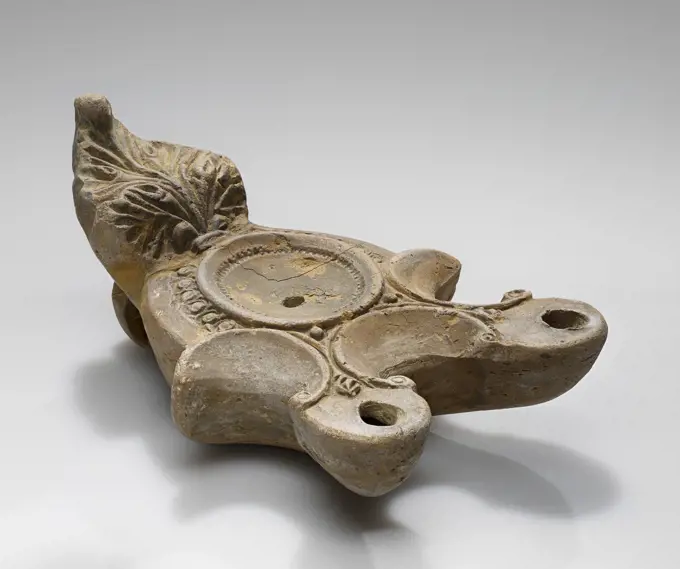
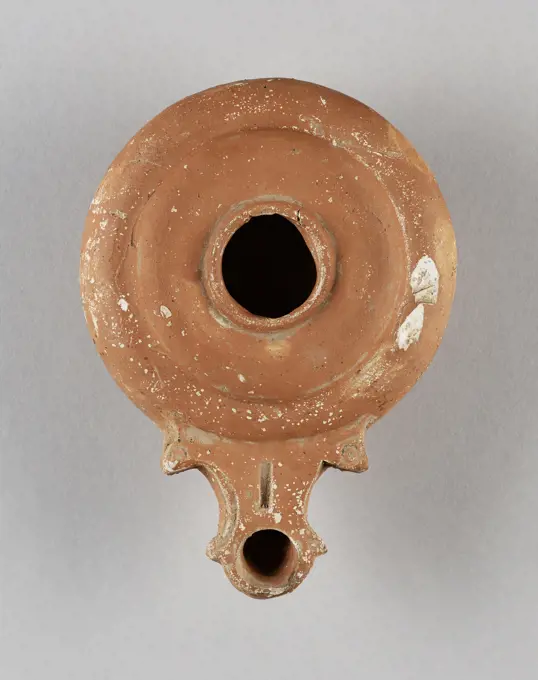
Lamp; Central Anatolia, Anatolia; 1st century B.C. - 4th century A.D; Terracotta; 3.8 x 8.5 x 15 cm (1 1,2 x 3 3,8 x 5 7,8 in.)
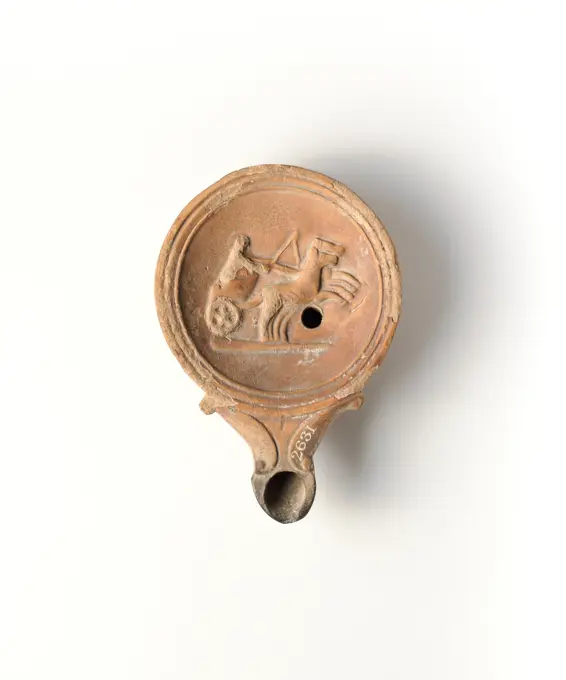
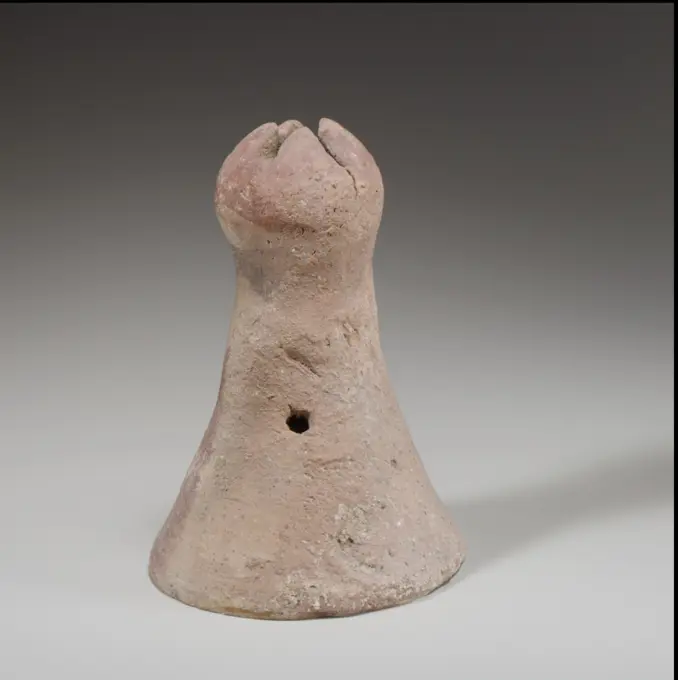
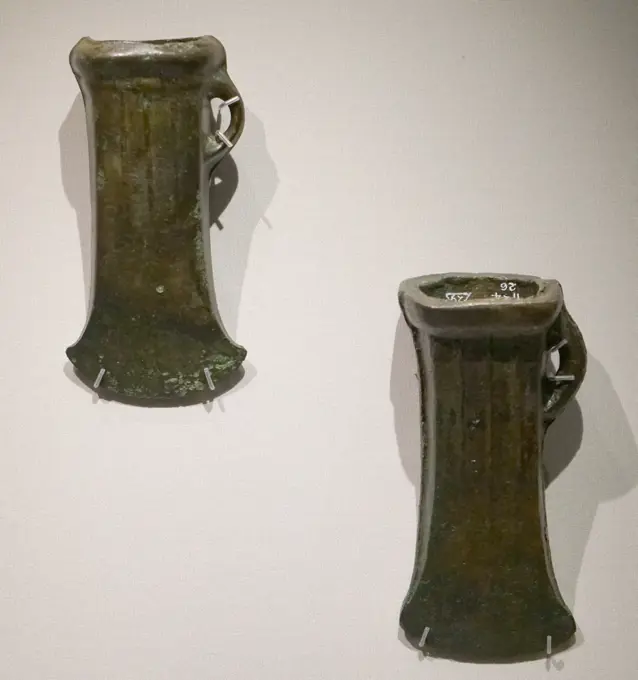
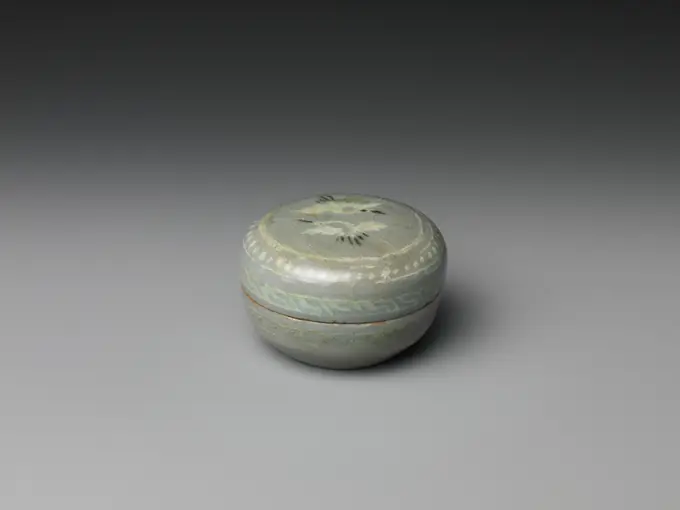
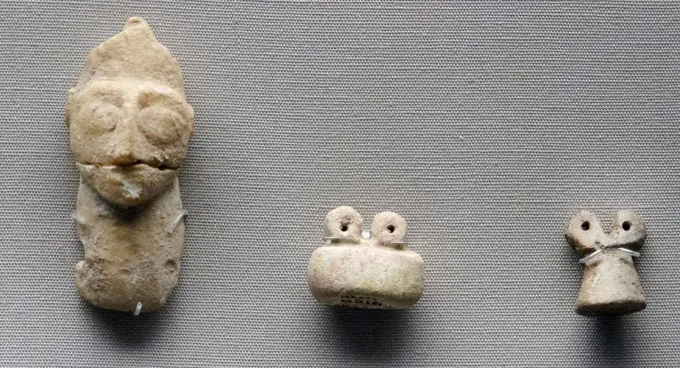
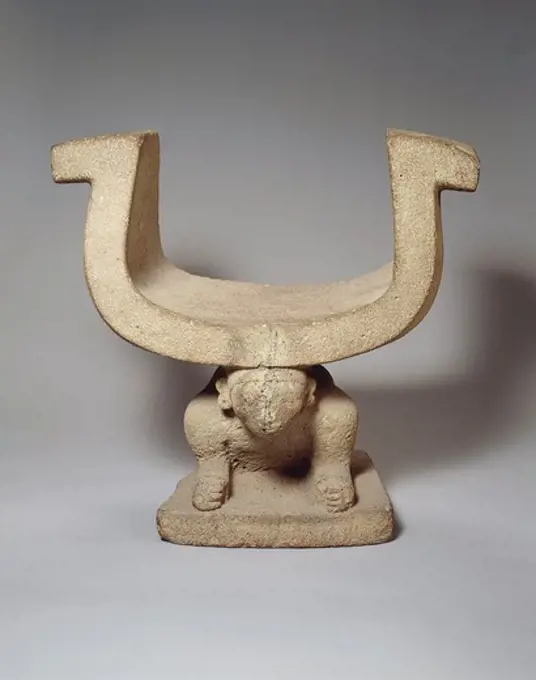
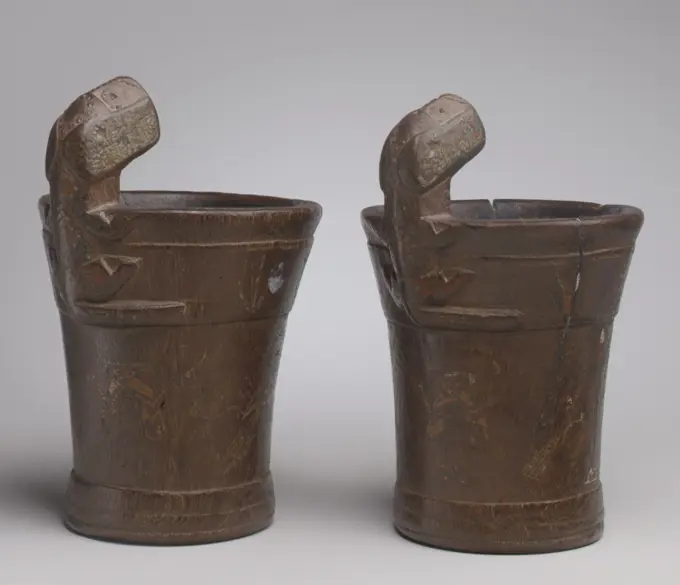
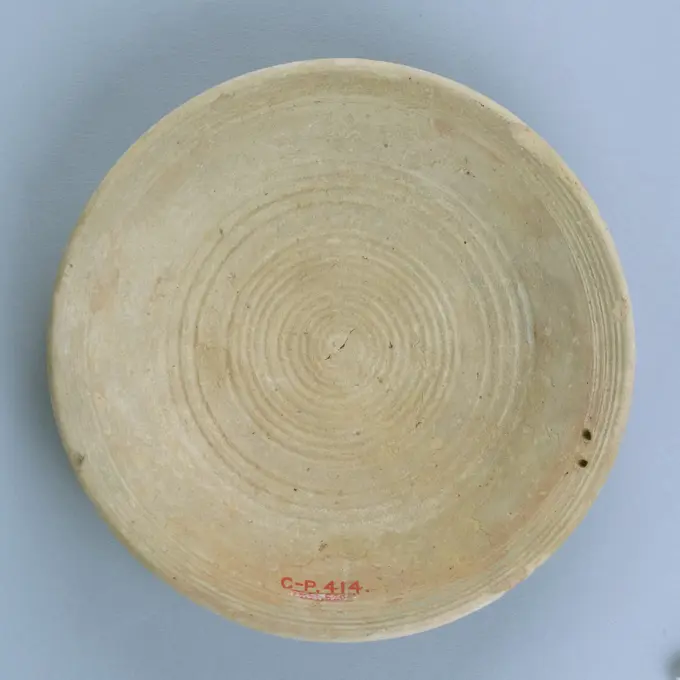
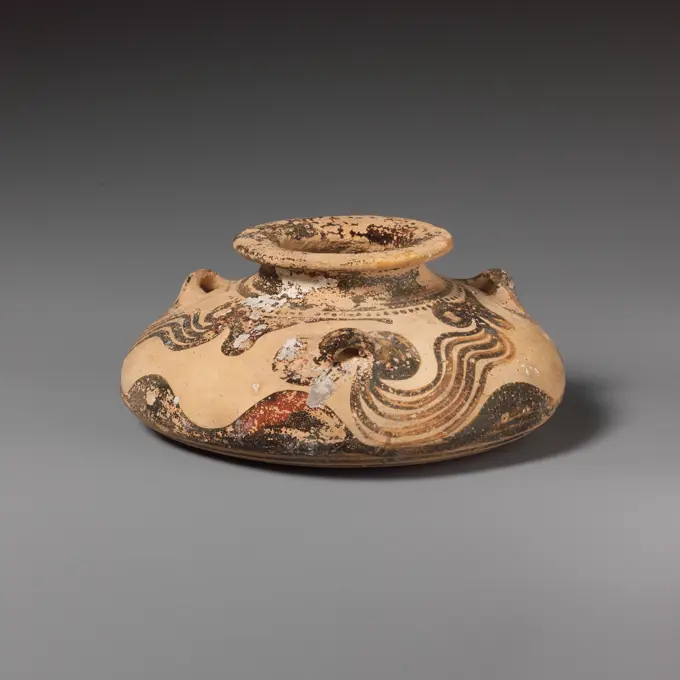
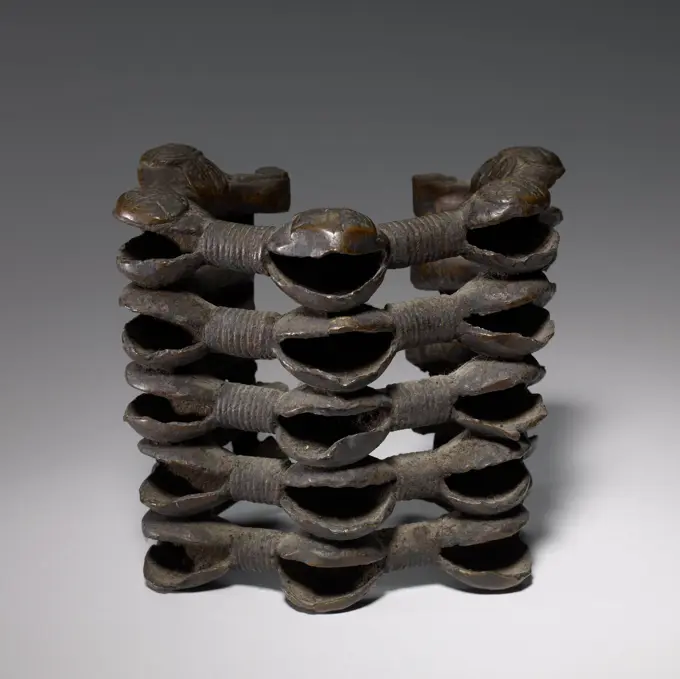
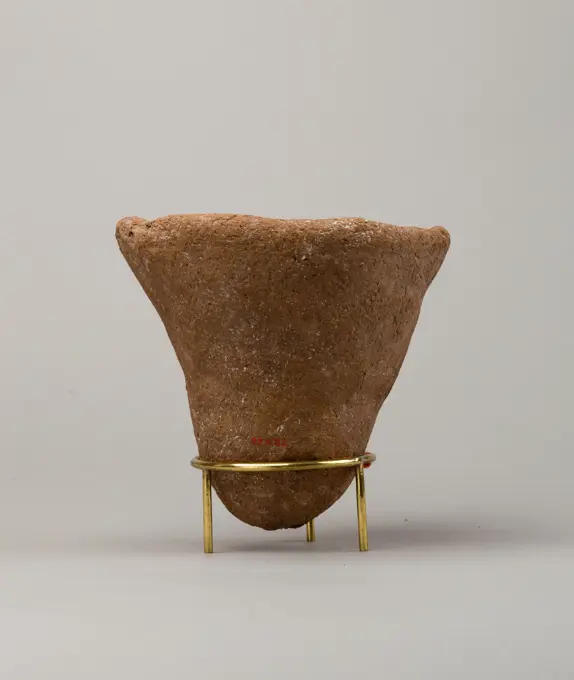
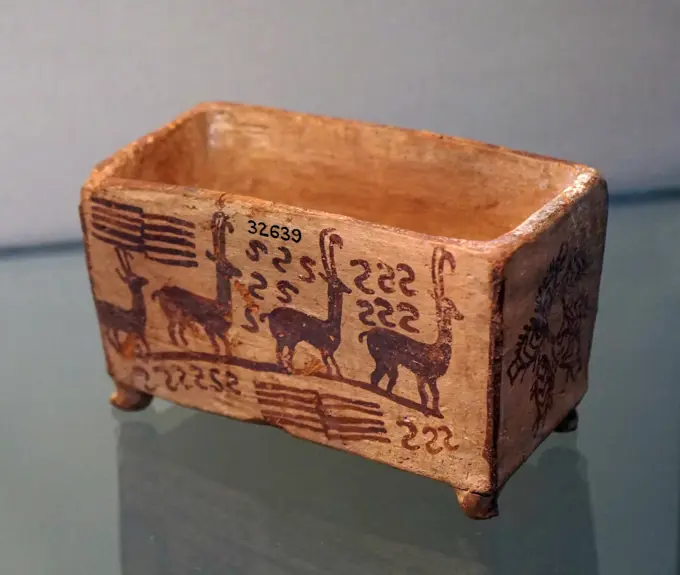
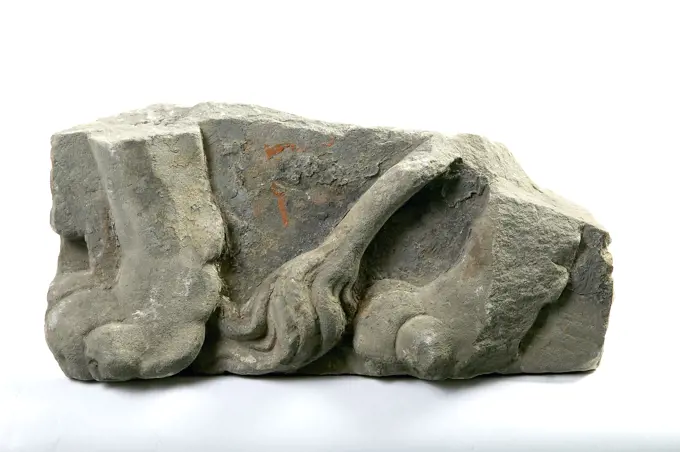
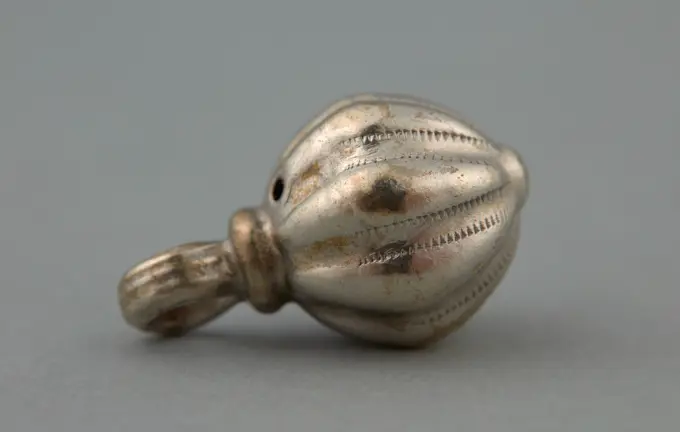
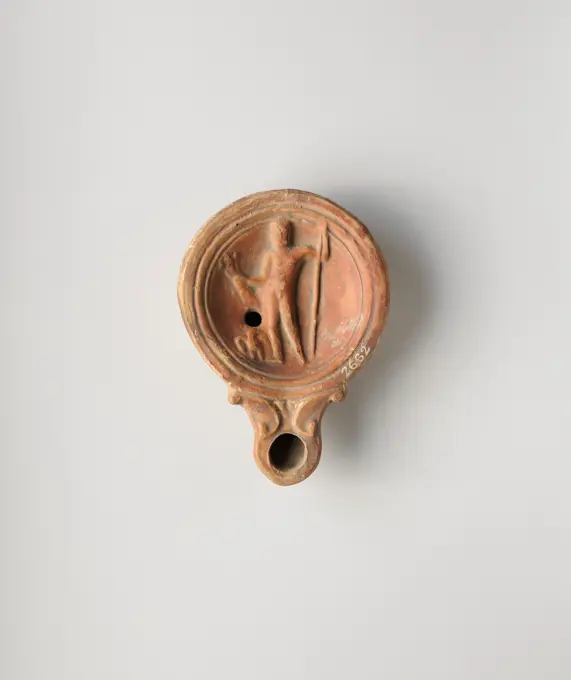
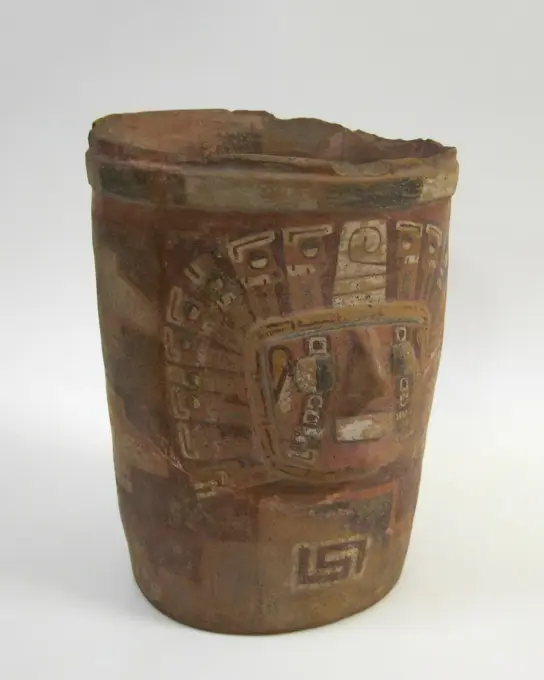
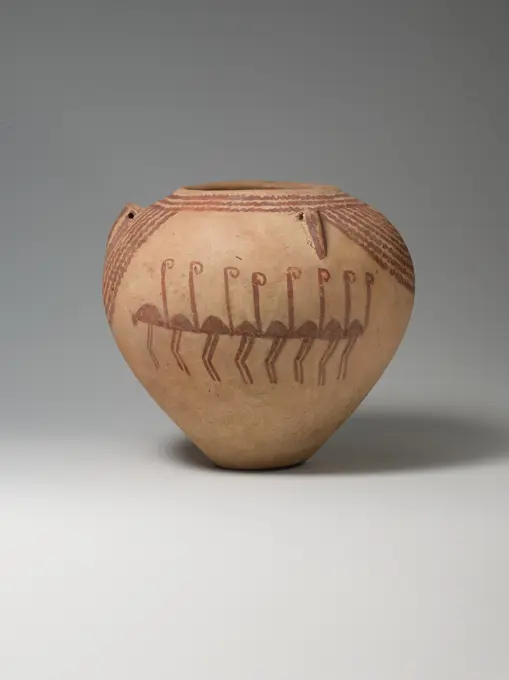
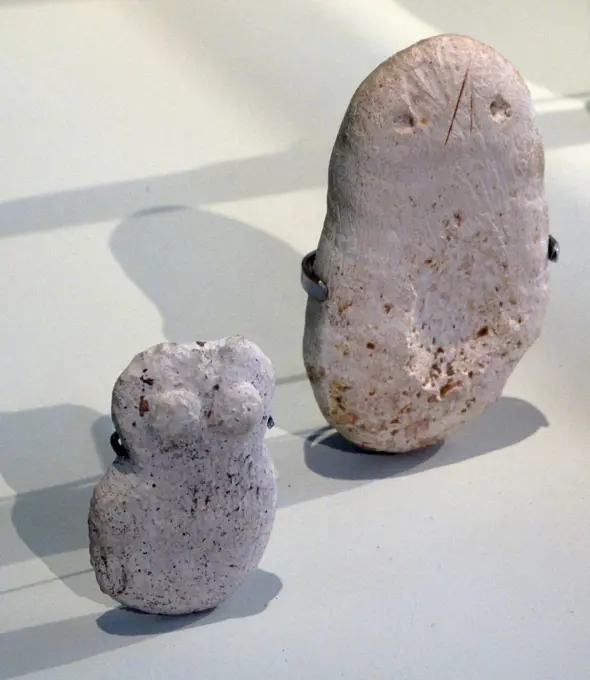
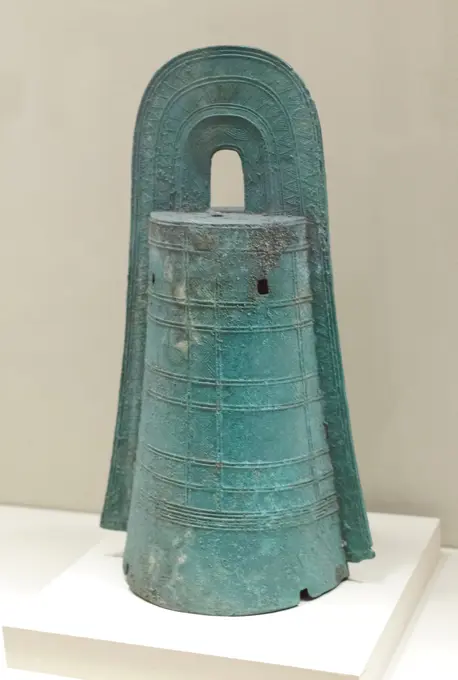
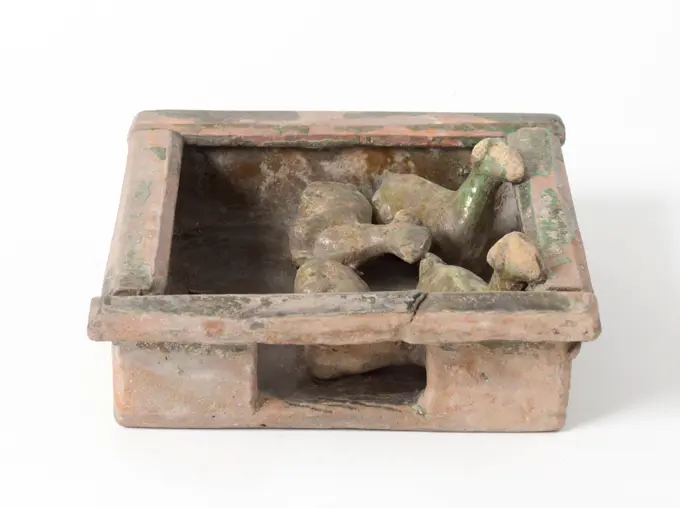
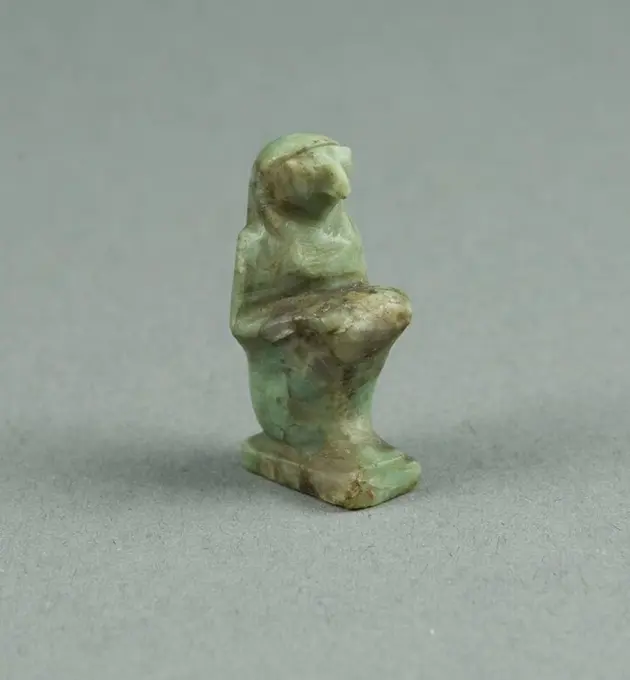
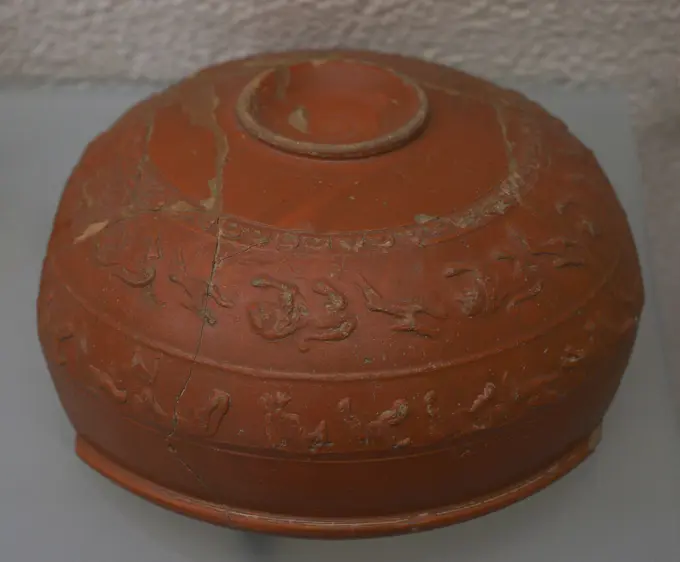
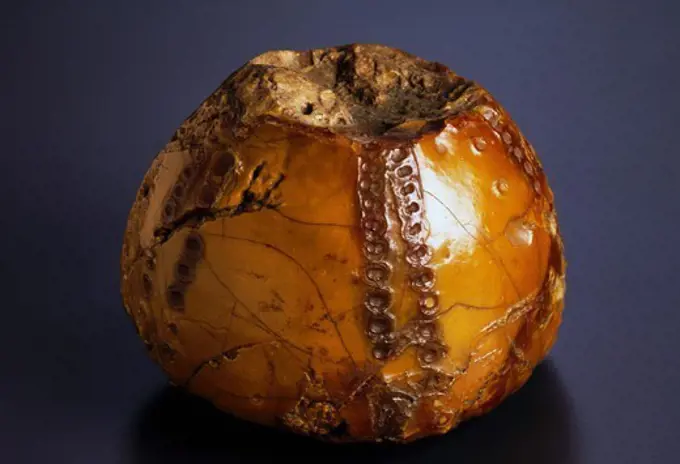
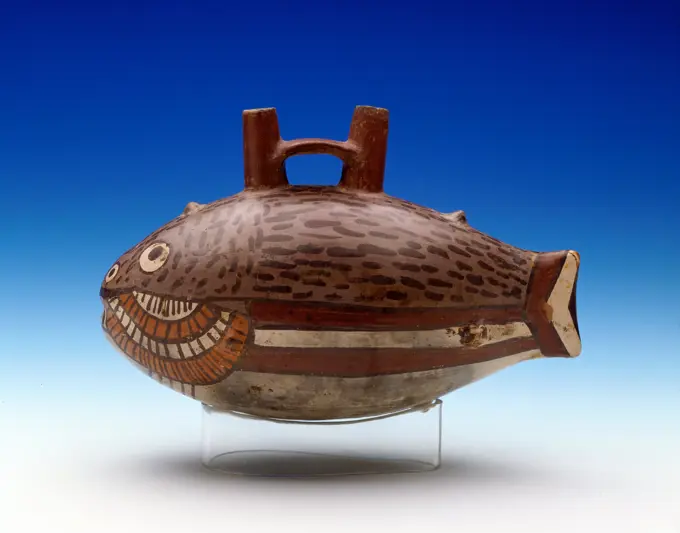
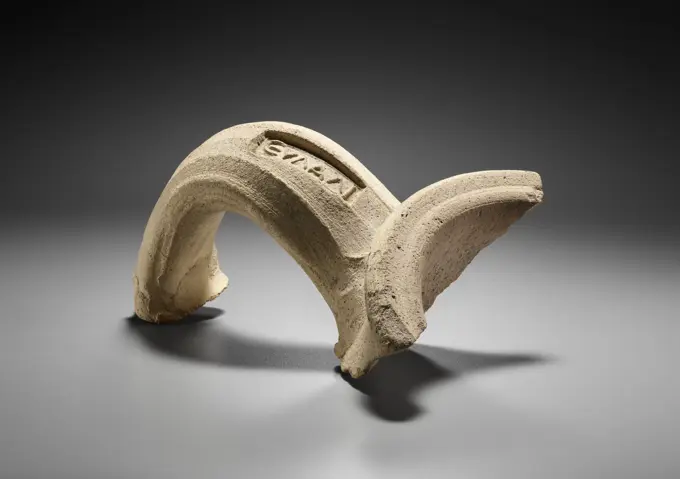
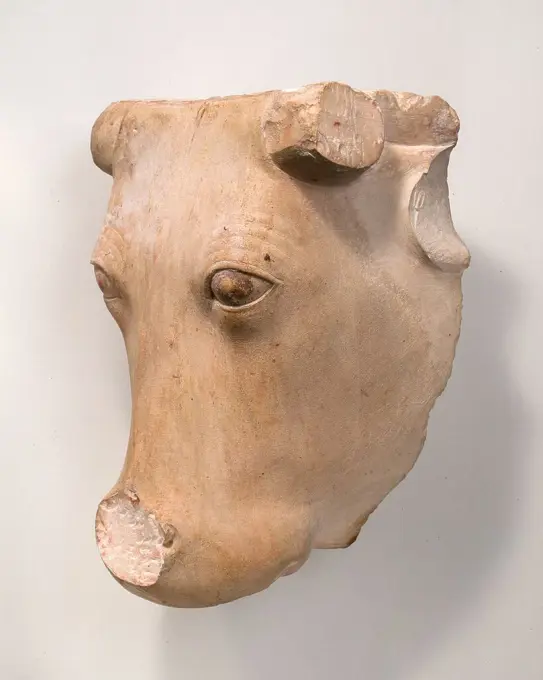
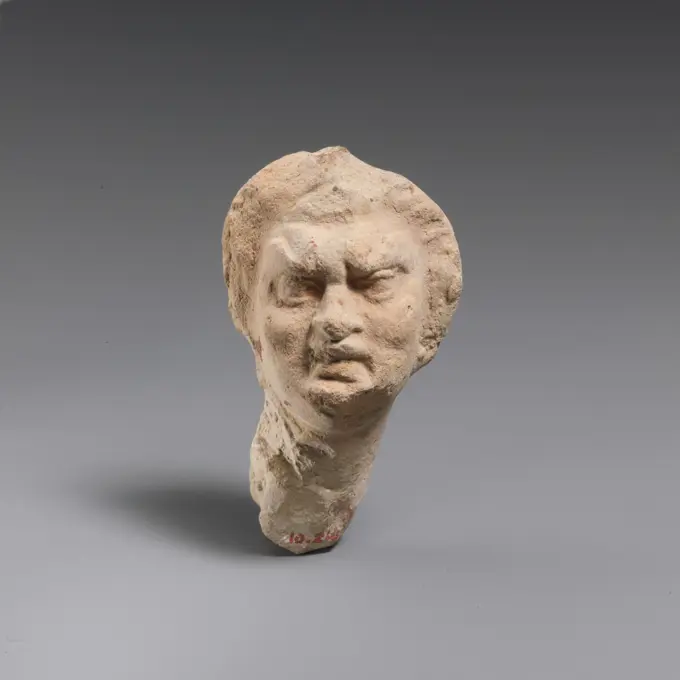
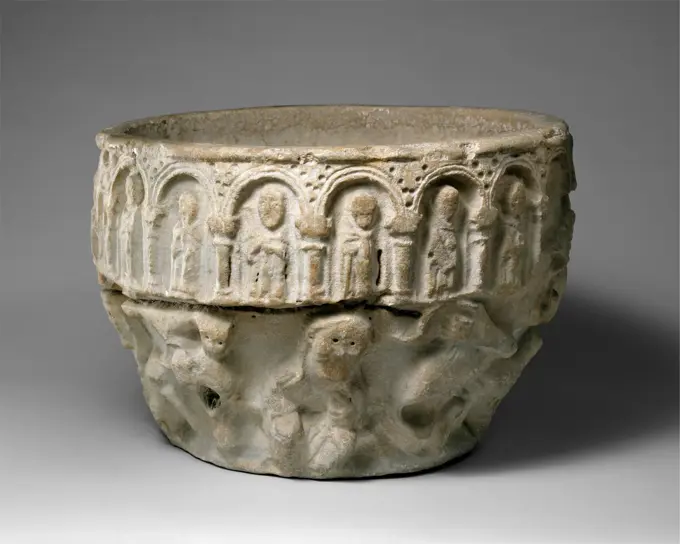
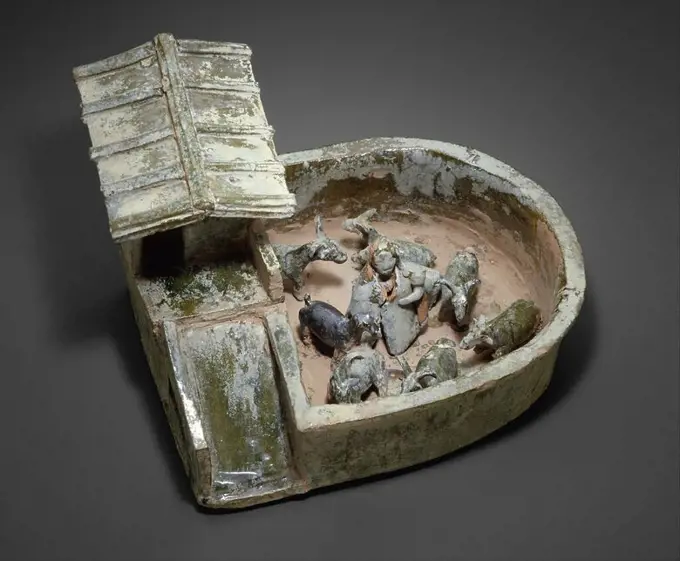
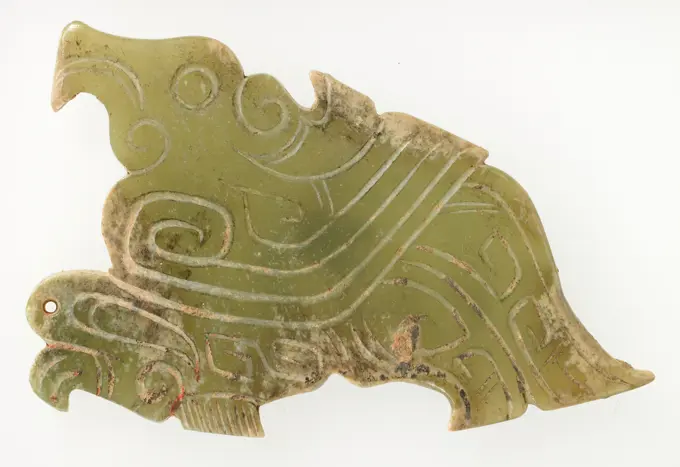
Seated Bird Pendant, 1122-722 BCE, 2 x 3 1/8 x 3/16 in. (5.08 x 7.94 x 0.4 cm), Translucent light green jade with traces of red pigment, China, 12th-8th century BCETerracotta oil lamp ca. A.D. 40-100 Roman Loeschcke Type 4. Mold-made. Discus: charioteer driving biga to right, holding reins and whip over horses' backs; thick ground line below; a single filling hole at right below horses' bodies; band of lines and grooves around edge. Volutes flanking nozzle. Raised base ring, and flat base.Intact, but some surface encrustation and chipping.. Terracotta oil lamp. Roman. ca. A.D. 40-100. Terracotta. Early Imperial. TerracottasBell ca. 600-480 B.C. Cypriot The bell is wheel-made and hollow. It is narrow in shape, flaring at the bottom. The knob is either in the form of a pomegranate or a flower bud with closed petals.. Bell. Cypriot. ca. 600-480 B.C.. Terracotta; wheel-made and hand-made. Cypro-Archaic II . VasesLamp, Cologne, Germany; 2nd century; Terracotta; 4.5 x 10 x 14 cm (1 3,4 x 3 15,16 x 5 1,2 in.)Spain, Tolva, female idols figurine from Los MillaresA pair of socketed bronze axes from the Late Bronze Age. Dated 12th Century BCField bottle used by J.W. Kalkhoven, in 1830/32 Lieutenant Colonel, Anonymous, 1800 - 1830  Field bottle of simple brown leather. Once again in one piece, now in debris. Netherlands leather. rope   Netherlands. BelgiumTripod Cooking Vessel (Li) 13th-11th century B.C. China. Tripod Cooking Vessel (Li). China. 13th-11th century B.C.. Earthenware with cord markings. Shang dynasty (ca. 1600-1046 B.C.). CeramicsBox from set of five decorated with cranes and clouds 13th-14th century Korea Celadon boxes like those comprising this setfour or five diminutive ones inside a larger round onewere used as containers for cosmetics or incense.. Box from set of five decorated with cranes and clouds. Korea. 13th-14th century. Stoneware with inlaid design under celadon glaze. Goryeo dynasty (918-1392). CeramicsSumerian stone head and eye figurines made of glazed faience and clay. From the Eye Temple, Tell Brak, Syria; during the Late Uruk period, 3300-3000 BCTerracotta statuette of a donkey and rider ca. 600-480 B.C. Cypriot The male rider sits sidesaddle on his mount. Horses would have been owned only by individuals with the greatest wealth and social status. The many preserved statuettes make clear that donkeys were commonly used for the transport of people and goods.. Terracotta statuette of a donkey and rider 241335Ecuador, Manabai, Ceremonial seat, Mantena culturePair of Keros with Carved Feline Handles 17th-18th century Quechua Only faint traces of pigmented resin remain in the incised designs of this pair of keros. These designs show women in Andean dress holding flowers, alternating with images of a tree flanked by giant parrots.Keros of this type depart from earlier colonial design formats. The feline handles permit the vessel's waist to be exposed during the ceremony of exchange and thus allow the main scenewhich in the conventional format is restricted to a narrower upper registerto occupy a larger portion of the kero.. Pair of Keros with Carved Feline Handles 316851Oil Lamp. Syria or Egypt, 15th century. Ceramics. Fritware, underglaze-paintedBowl Cypriot Shallow bowl with painted and incised polychrome bands.. Bowl. Cypriot. Terracotta. Iron Age. VasesTerracotta squat alabastron (jar) ca. 13th century B.C. Mycenaean It has been suggested that this vessel shape was used primarily to contain honey or unguents.. Terracotta squat alabastron (jar) 257598Anklet, 5 1/4 x 5 7/16 x 4 13/16 in. (13.34 x 13.81 x 12.22 cm), Metal, LiberiaEgyptian 18th dynasty alabaster vesselLarge rough ware jar ca. 4500-4000 B.C. () Predynastic Period. Large rough ware jar. ca. 4500-4000 B.C. (). Pottery. Predynastic Period. From Egypt, Northern Upper Egypt, Abadiya, Cemetery B, Tomb B250, EEF excavations 1898-99Ring with Horns ca. 300 B.C.-A.D. 200 Thailand (Ban Chiang). Ring with Horns 53389Box decorated with antelopes and fish. Dated 340 BCLazio Latina Sezze Antiquarium Comunale08. Hutzel, Max 1960-1990 German-born photographer and scholar Max Hutzel (1911-1988) photographed in Italy from the early 1960s until his death. The result of this project, referred to by Hutzel as Foto Arte Minore, is thorough documentation of art historical development in Italy up to the 18th century, including objects of the Etruscans and the Romans, as well as early Medieval, Romanesque, Gothic, Renaissance and Baroque monuments. Images are organized by geographic region in Italy, then by province, city, site complex and monument.Fragment of the brick from the brewery De Twee Klimmende Leeuwen: lion's legs and tail, facing brick fragment sculpture sculpture building component sandstone stone, sculpted Fragment with two lion's legs and point of tail brewery beer Rotterdam City Triangle Two-way Alley Leuvehaven two white climbing lions gate bombardment war World War II giudici Leuvehaven east side corner Tweeleeuwensteeg Rotterdam from rubble after the bombing of May 1940.Campania Caserta Capua Museo Campano69. Hutzel, Max 1960-1990 Medieval: Byzantine architectural fragments; parchment fragments with miniatures (12th century) from Montecassino; painted wooden crucifix (13th century); Carolingian crucifixes; Bishop's miter (11th century) of gold and silver damask; fresco (13th century). Post-medieval: Architecture (15th century). Formerly the Palazzo Antignano. Unusual Catalan/Moorish-style portal; Paintings on panel and canvas (15th-18th centuries); marble intarsia (16th century); marble sculpture: busts of Christ and Mary (17th century); sculpture of saints in marble and in wood (15th century); painted and gilded sculpture in wood; marble grave sculpture (16th century); sarcophagus with allegorical carvings; gold reliquary "Rosa d'Oro"; crucifix made of elephant tusk Specific Location: Pianterreno Antiquities: Italic sculpture (seated women holding babies); inscription. Photo campaign #1: 533 photos. Roman relief and sculpture; cinerary urns; Greek anBumpBowl ca. 9th century B.C. Iran. Bowl 325629Terracotta oil lamp ca. A.D. 40-100 Roman Loeschcke Type 4. Mold-made. Discus: standing Zeus/Jupiter, facing front, naked, holding thunderbolt in right hand and long scepter in left; eagle at his feet to left; a single filling hole at left between thunderbolt and eagle; band of lines and grooves around edge. Volutes flanking nozzle. Large wick hole. Incised base ring, and flat base.Intact, but one surface chip on base.. Terracotta oil lamp. Roman. ca. A.D. 40-100. Terracotta. Early Imperial. TerracottasBouwfragment, anonymous, c. 1400 - c. 1499 Collige of oak or carrier of one of the wall styles of the hood over the choir of the church in Rumpt, representing a grinning men's head. See also: BK-NM-11079, 11080 and 11081. Northern Netherlands (possibly) wood (plant material). oak (wood)   Rumpt Collige of oak or carrier of one of the wall styles of the hood over the choir of the church in Rumpt, representing a grinning men's head. See also: BK-NM-11079, 11080 and 11081. Northern Netherlands (possibly) wood (plant material). oak (wood)   RumptVessel, 7th century, 11 in. (27.9 cm), Earthenware, Peru, 7th centuryDecoratred ware jar depicting rows of flamingos ca. 3650-3300 B.C. Predynastic, Naqada II. Decoratred ware jar depicting rows of flamingos. ca. 3650-3300 B.C.. Pottery, paint. Predynastic, Naqada II. From EgyptTinsmith: Dirck Jansz Messchaert I of Dirck Jansz Messchaert II, Four-piece bronze mold for barnyard with initials DIM, mold casting tool tools equipment metal-bronze bronze, cast turned Four-piece bronze mold for casting pot for gortepot with initials DIM signed: DIM (Dirck Jansz Messchaert I or II ) metal casting Rotterdam tin casting tin tin tin Meeuws Druy craft Shapes originate from the originally 18th century Rotterdam tinnegieter J Druy. The large molds that were not signed or dated were the property of the tinker guild and were rented to the small tin caster.Female figurines from Shiqmim and Beersheba, over 6,500-5,500 years ago. Made from pebble. Likely to have represented a goddess, some are natural representations of the female form while others are more stylized.Oil lamp, Clay, 6th-7th century, Russia, Moscow, State History Museum,Temple Model 1st-8th century Mezcala. Temple Model 317475Lazio Roma Grottaferrata Museo24. Hutzel, Max 1960-1990 German-born photographer and scholar Max Hutzel (1911-1988) photographed in Italy from the early 1960s until his death. The result of this project, referred to by Hutzel as Foto Arte Minore, is thorough documentation of art historical development in Italy up to the 18th century, including objects of the Etruscans and the Romans, as well as early Medieval, Romanesque, Gothic, Renaissance and Baroque monuments. Images are organized by geographic region in Italy, then by province, city, site complex and monument.Ritual Bell (Dōtaku), 1st century BCE-1st century CE, Unknown Japanese, 8 x 10 in. (20.32 x 25.4 cm), Bronze, Japan, 1st century BCE - 1st century CE, Among the most impressive examples of early bronze casting in Japan are large, bronze bells like this one, known as dōtaku. Metallurgy, together with wet-rice cultivation, was probably first introduced to Japan by a new wave of immigrants from the Korean peninsula around 200-300 BCE. Although dōtaku resemble Chinese bells in overall shape, most lack musical resonance because of the thinness of their casting. Instead, they seem to have been ritual objects and symbols of political authority. This bell was one of fourteen excavated in 1881 on Mount Ōiwa in Shiga Prefecture.Seated female ca. late 8th millennium B.C.. Seated female 327137Mingqi Bergerie ". Terre Cuitifies pulch plumbs plumbs. Dynasty Han (220 AP. J.-C.). J.- Museum, Museer Causer. Chinese art, sheepfold, Han dynasty, Han time, mingqi, funeral substitute, terracottaFragmentary Neolithic seated male figurine. UnknownAmulet of the God Kebehsenuf (). Egyptian. Date: 1070 BC-656 BC. Dimensions: 2.5 × 1.3 × 1.3 cm (1 × 1/2 × 1/2 in.). Turquoise. Origin: Egypt. Museum: The Chicago Art Institute, Chicago, USA. Author: Ancient Egyptian.High Imperial ceramics. Terra sigillata. From Segóbriga (Cuenca, Spain). Loan of the Museum of Cuenca. Sephardic Museum. Toledo. Castile-La Mancha. Spain.Sea urchin fossil, Echinoidea.Vessel in the Form of a Fish, c. 100 BCE - 600 CE, 5 3/8 x 8 1/4 x 4 in. (13.7 x 21.0 x 10.2 cm), Clay, pigments, Peru, 1st century BCE - 7th century CE, Nazca artists are known for their bold, colorful designs. Although they were acute observers of the world around them and depicted many plants and animals in their work, they seemed concerned less with naturalism than with capturing the spirit and liveliness of their subject matter. This fish is highly stylized, with scales suggested by brush strokes, and gills through sweeping lines. It is rounded and fat, attesting to flush times and an abundance of food. Fish were a key component of the Nazca diet and were often shown in their art.Large handle sherd withimpressionBead Necklace. UnknownVotive obelisk with inscription of the king Assurbanipal. nieznany warsztat nowoasyryjski, workshopCow's Head from a frontal repesentation of a cow emerging from a wall. Dimensions: H. 22 cm (8 11/16 in.); W. 15.8 cm (6 1/4 in.); D. 10.6 cm (4 3/16 in.). Dynasty: Dynasty 26. Reign: reign of Psamtik I. Date: 664-610 B.C..Recent work at the tomb of Nespekashuty (see 23.3.468) has shown that this cow head, excavated by the Museum in the 1920s, stood over a statue of a wrapped figure. The cow was rendered as if emerging from the north wall false-door niche in the second room of the tomb and the wrapped figure, representing the tomb owner Nespekashuty, stood against its breast.Cow statues protecting the king were associated with the worship of Hathor in the mountain at Deir el Bahri in Thebes since the Middle Kingdom. In the Ramesside Period such statues of Hathor protecting the king were included in a few non-royal tombs at Saqqara, and by the late Ramesside Period an example is known that depicts the cow protecting a non-royal person. Hathoric imagery remained popular during the Third Terracotta head of an old woman 3rd-2nd century B.C. Greek Head of a grotesque older woman.. Terracotta head of an old woman. Greek. 3rd-2nd century B.C.. Terracotta. Hellenistic. TerracottasFont North Italian 12th centuryAnimal Pen with Figures. Culture: China. Dimensions: H. 9 1/4 in. (23.5 cm); W. 14 3/4 in. (37.5 cm). Date: 1st-early 3rd century.This animal pen is populated with goats, tended to with one hand by a mother who cradles an infant in her other arm. It is typical of mingqi or "spirit utensils" that accompanied the deceased in burials of the Eastern Han dynasty (25-220 A.D.). Replicas of farm animals, utilitarian objects, and entertainers were believed to provide nourishment and amusement for the soul of the tomb occupant. The elevated structure serves as an architectural record of rustic buildings that would have been part of a large agricultural estate, and preserves in clay details of wooden design and construction--such as the low-pitched roof with a series of wood rafters flanging from a central beam--that have long since disintegrated above ground.The popularization of mingqi over the course of the Han dynasty (206 B.C.-220 A.D.) reflects dramatic changes in Chinese society, illustCERAMICA PUNICA-PLATOS Y CUENCO-AJUAR PUIG DES MOLINS-IV A C. Location: MUSEO ARQUEOLOGICO / MUSEO DE PUIG DES MOLINS. IBIZA. SPAIN.Chinese medicine