Antique Oriental Carpets

A collection of intricate vintage carpets featuring rich colors, patterns, and decorative elements from various historical periods and regions.

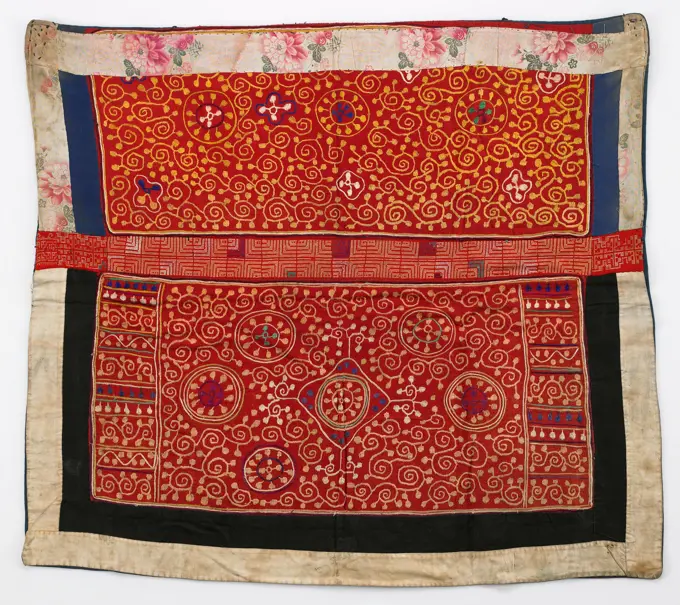
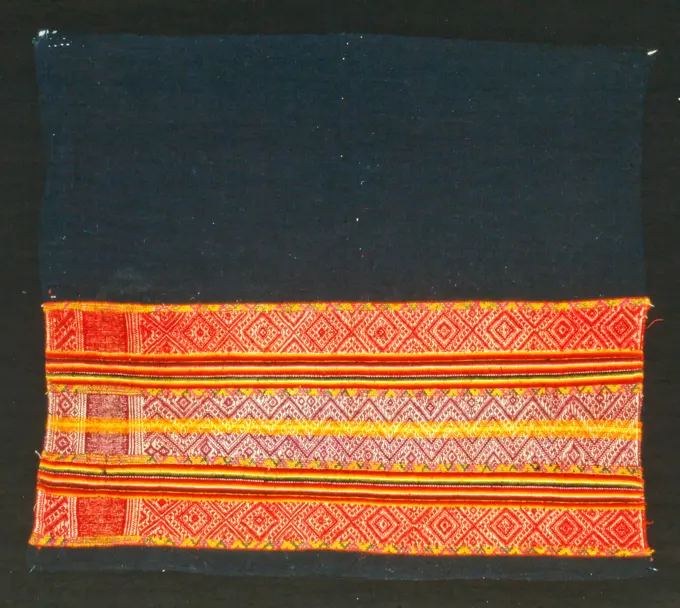
Woman's wrap (Kesa), first half of 20th century, 94 x 51 in. (238.76 x 129.54 cm), Cotton; embroidery, Bhutan, 20th century
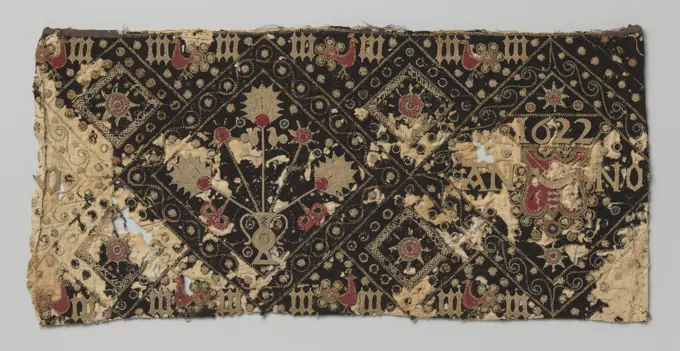
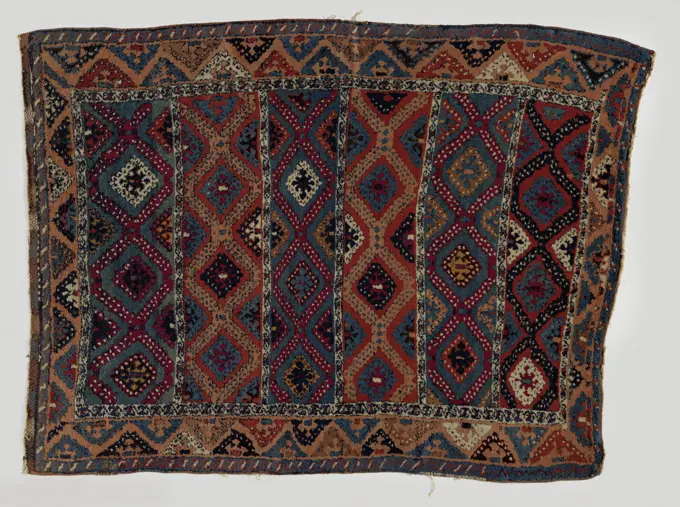
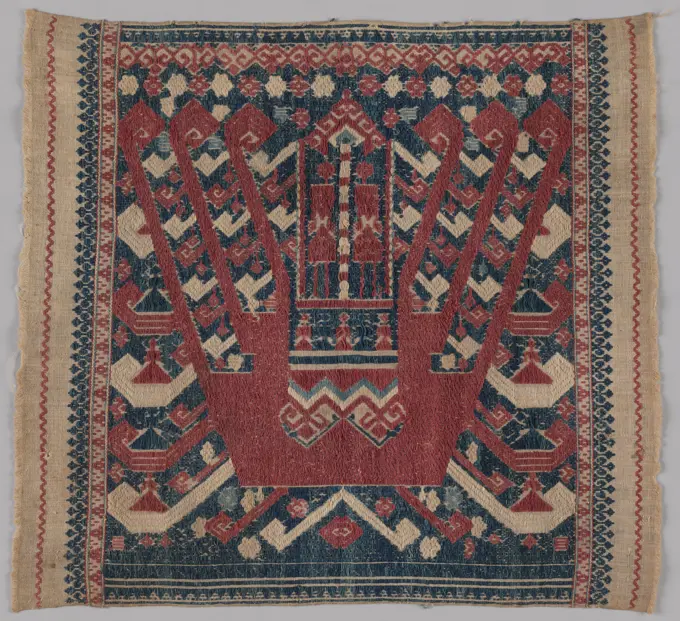
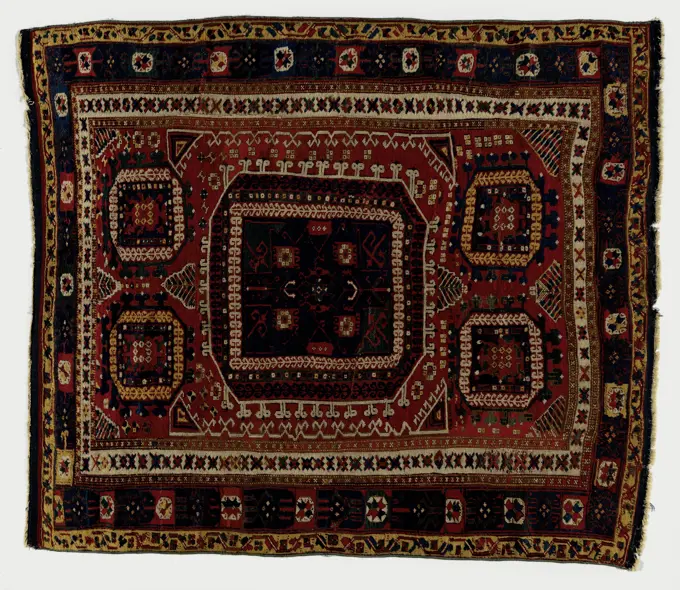
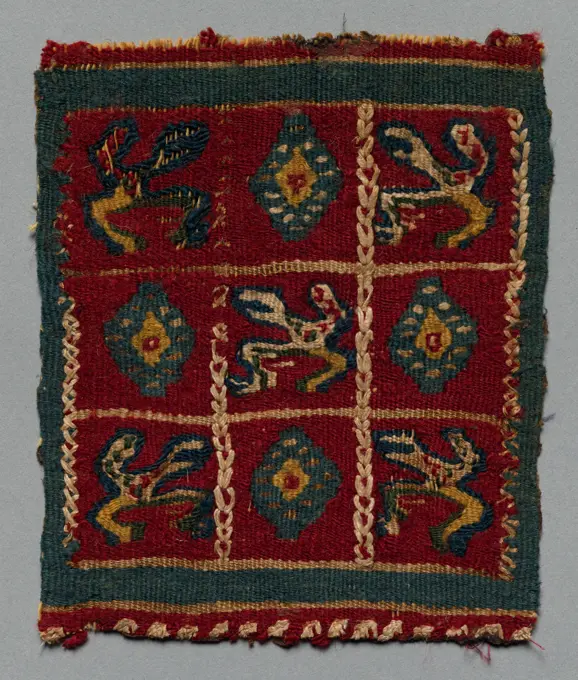
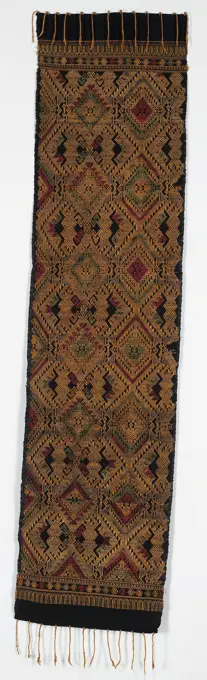
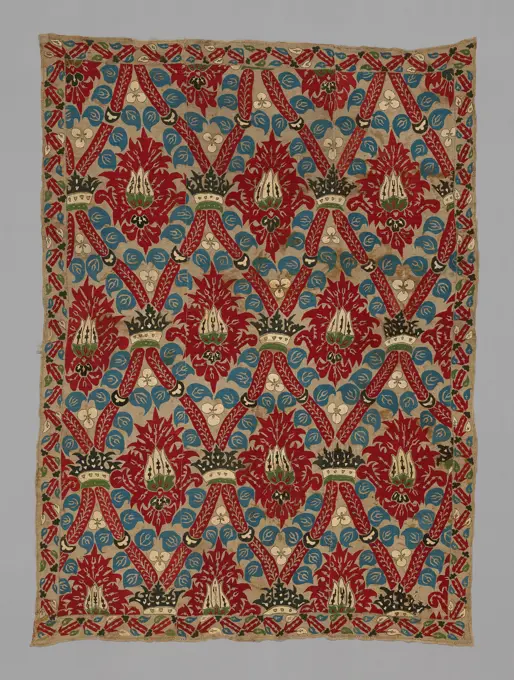
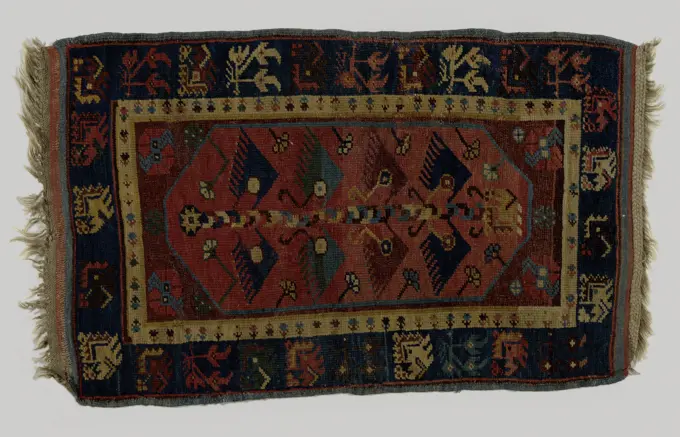
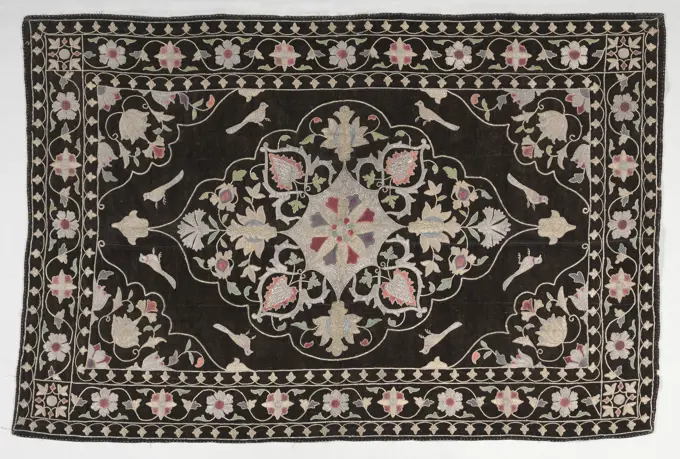
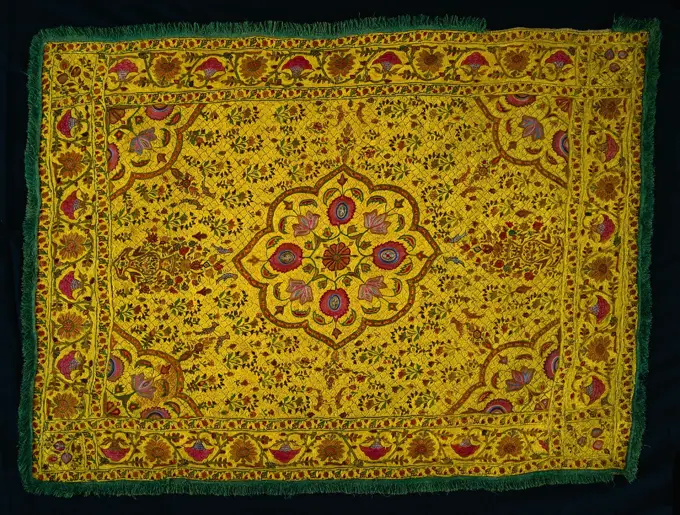
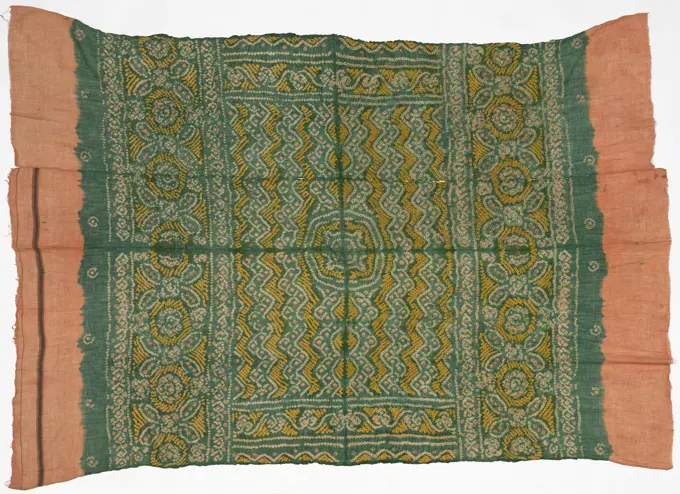
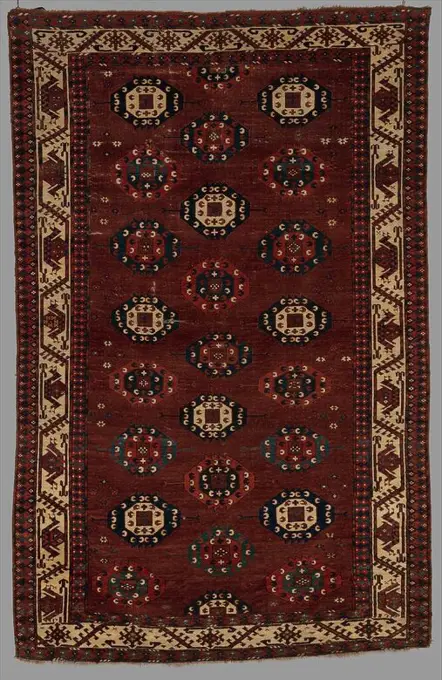
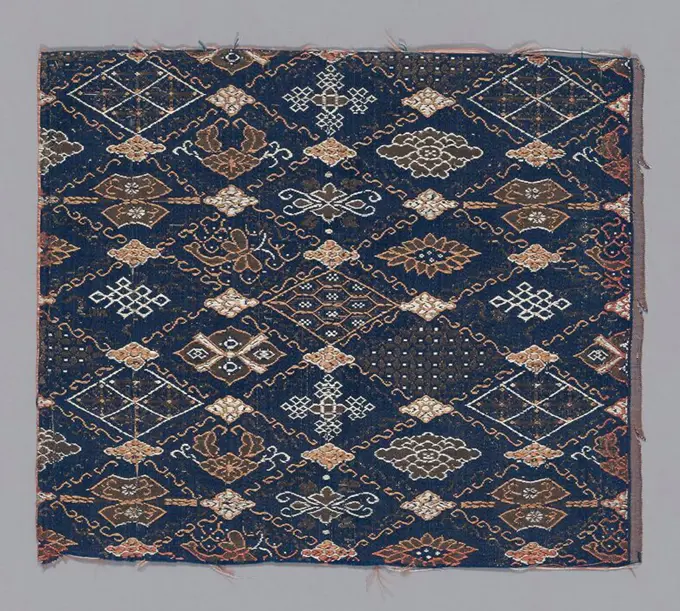
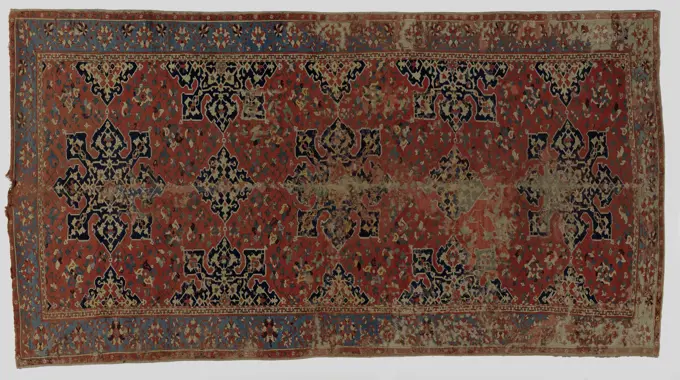
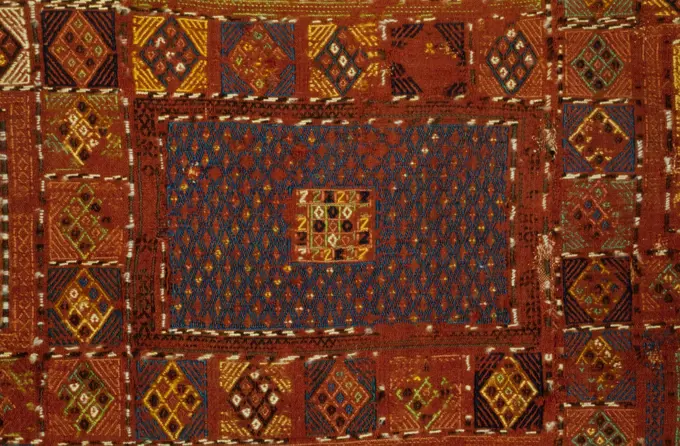
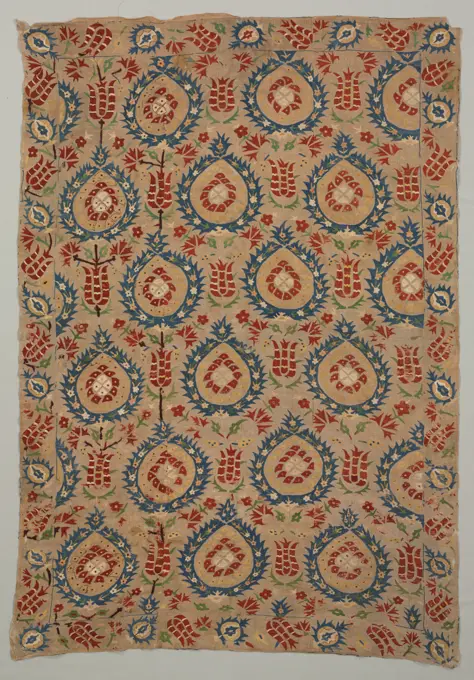
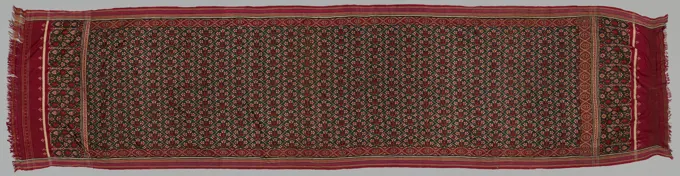
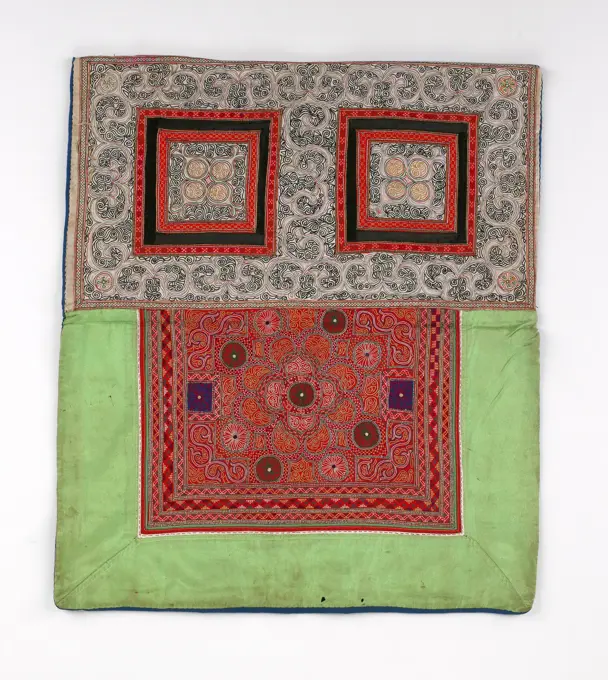
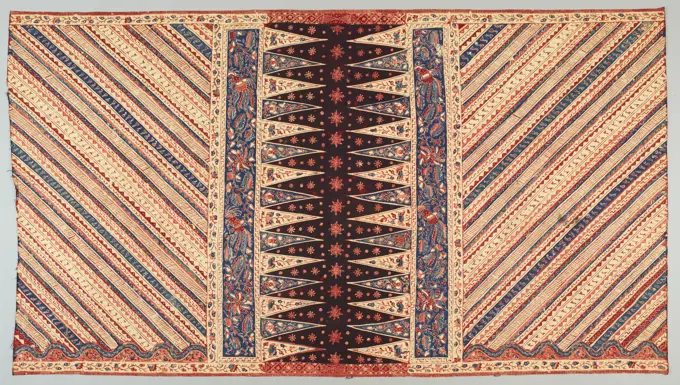
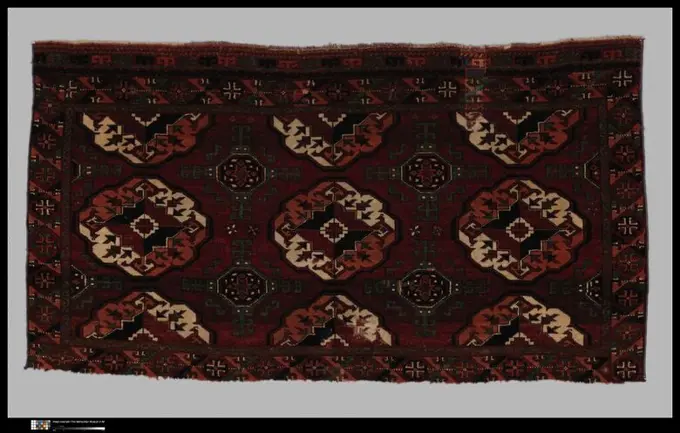
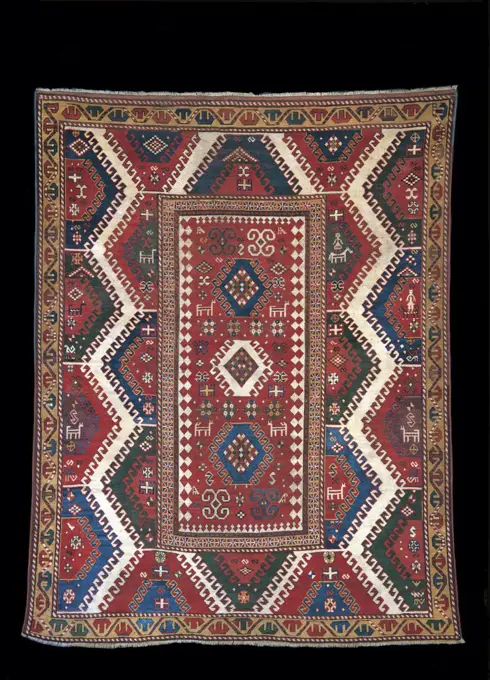
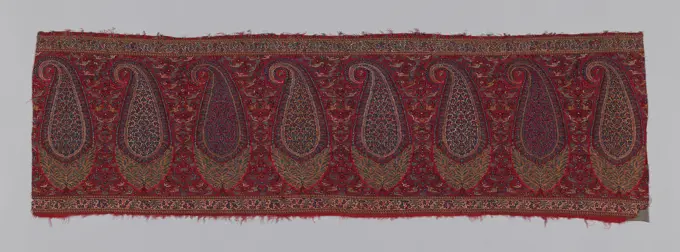
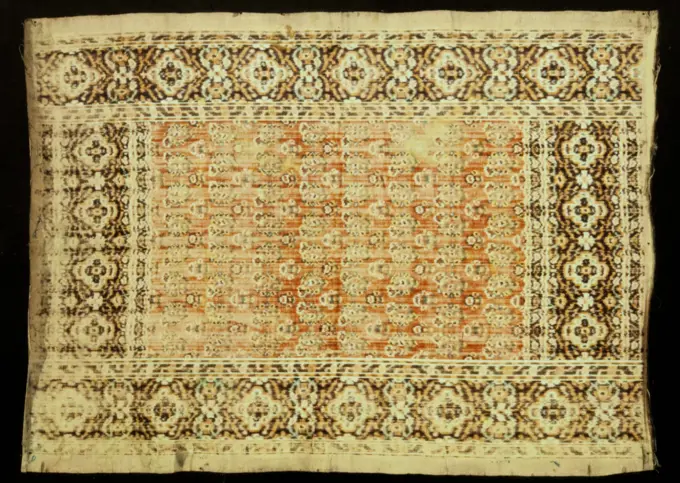
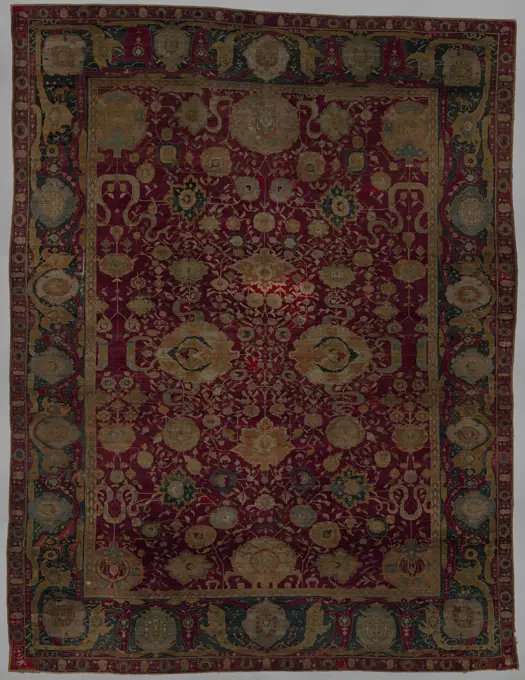
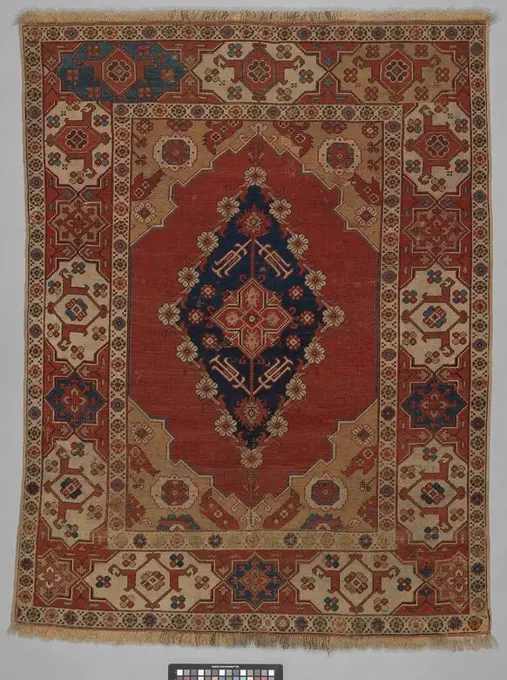
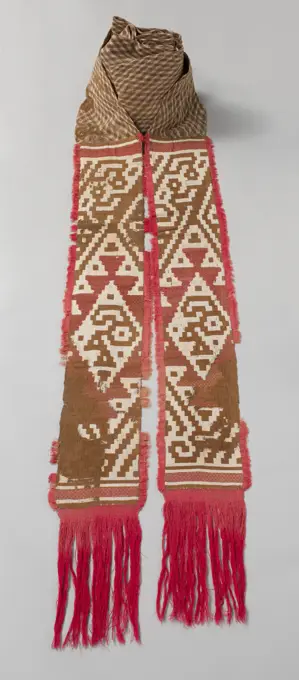
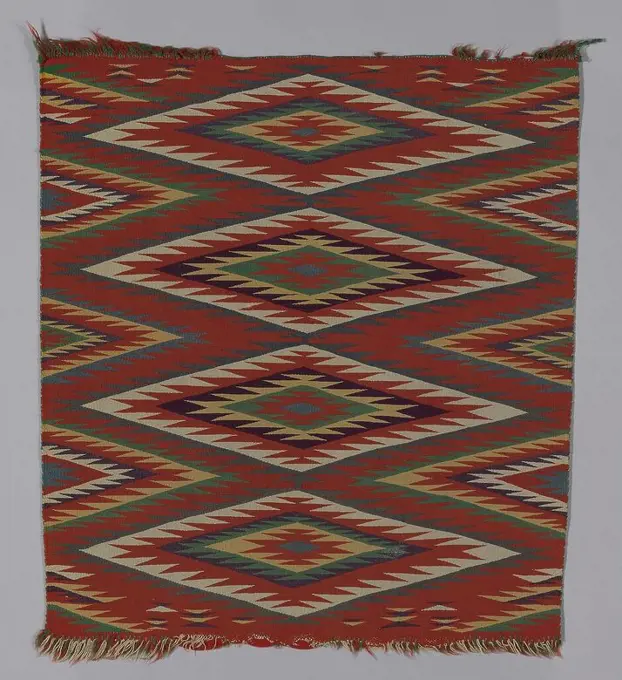
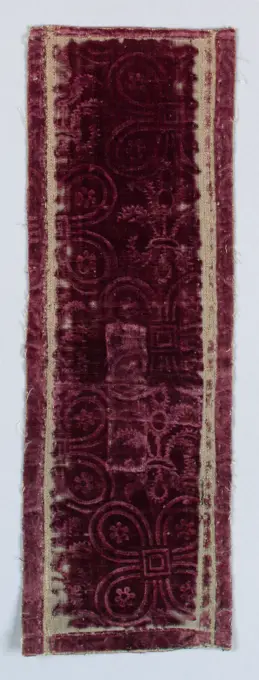
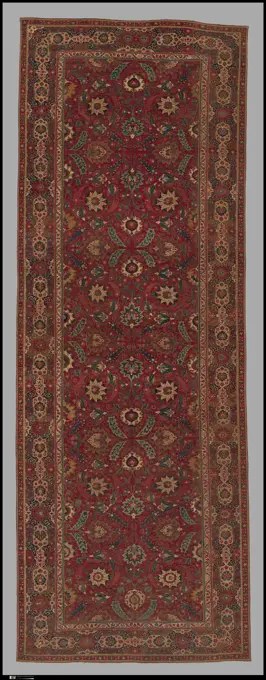
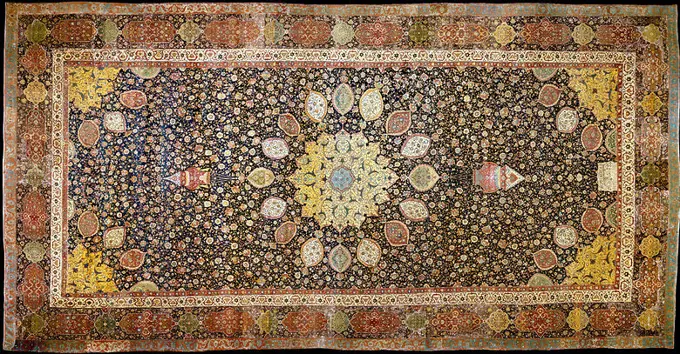
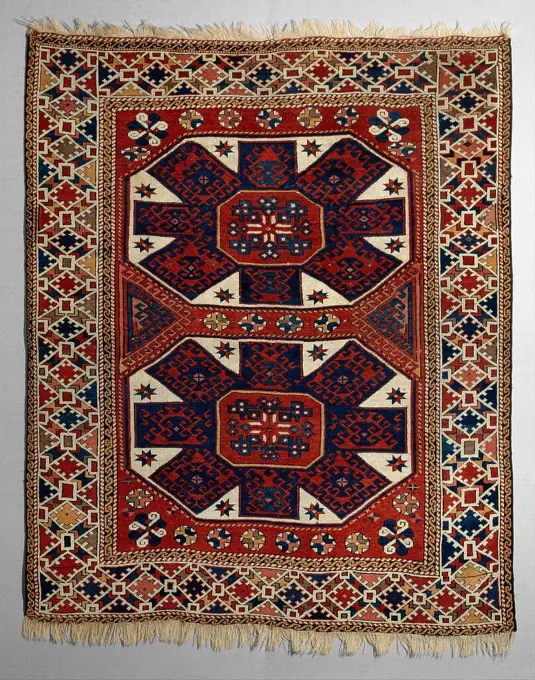
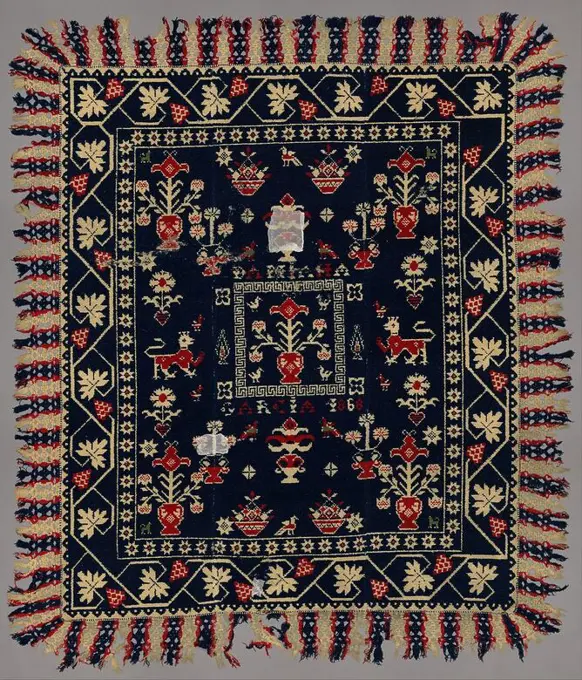
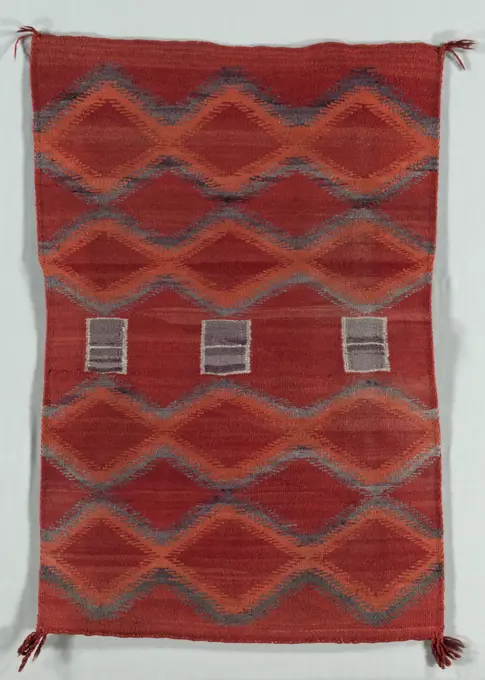
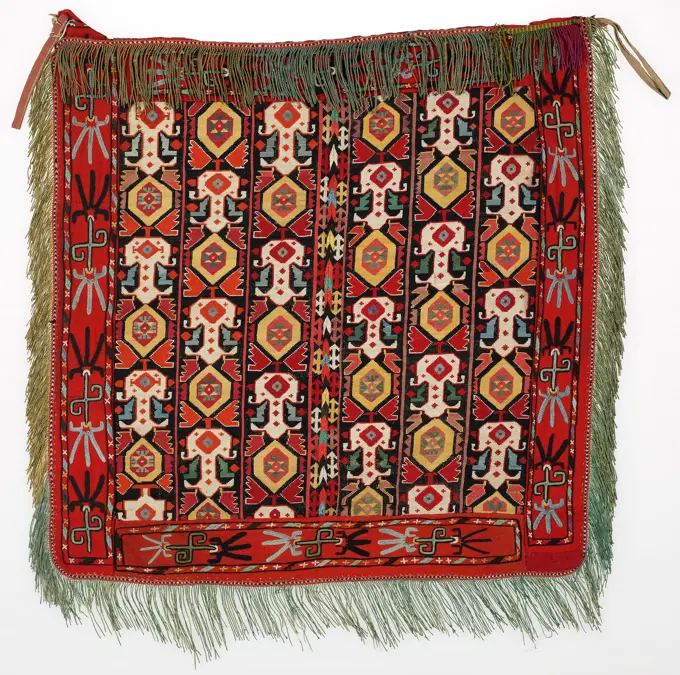
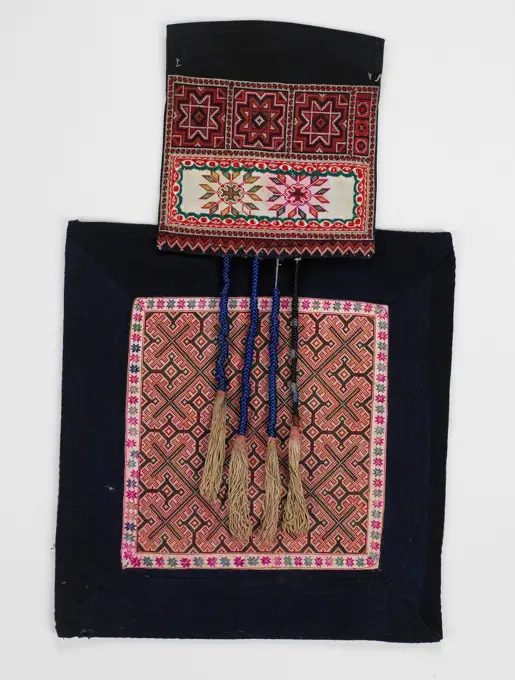
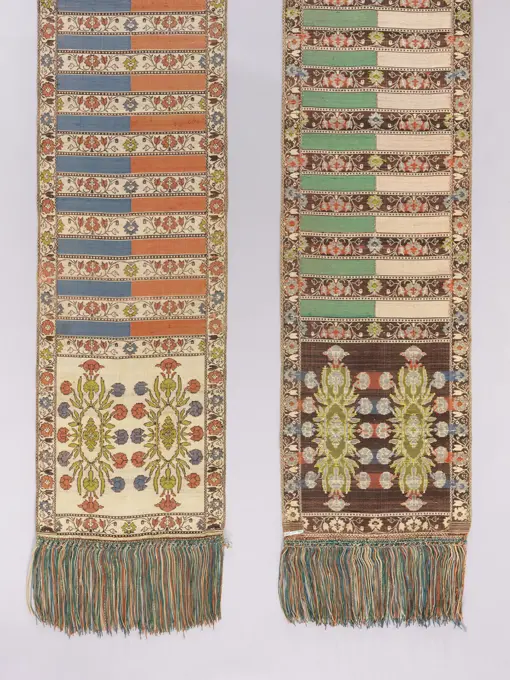
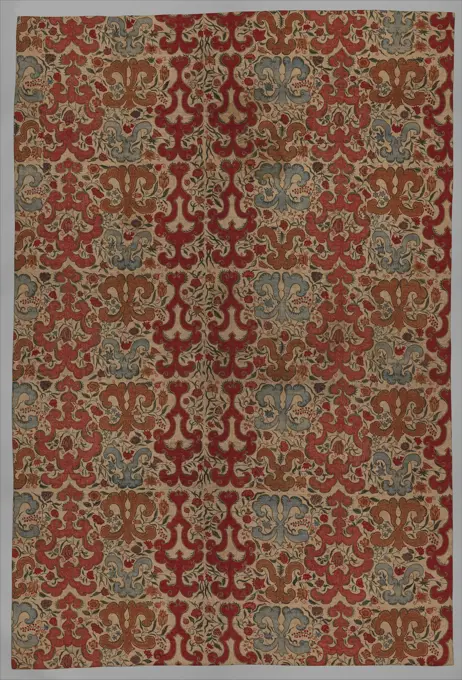
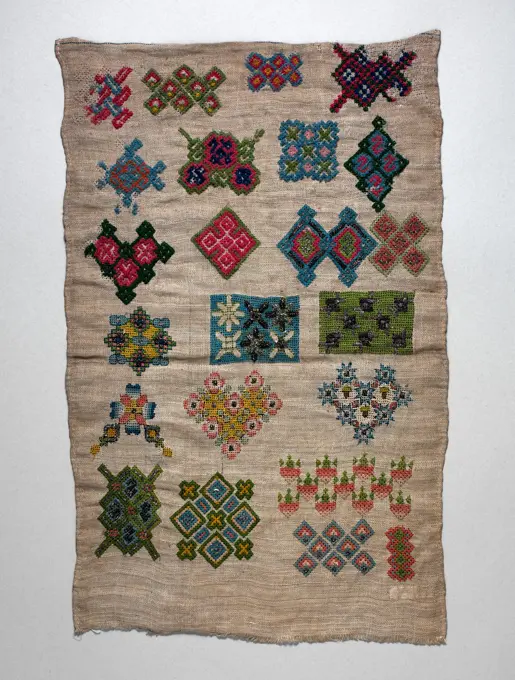
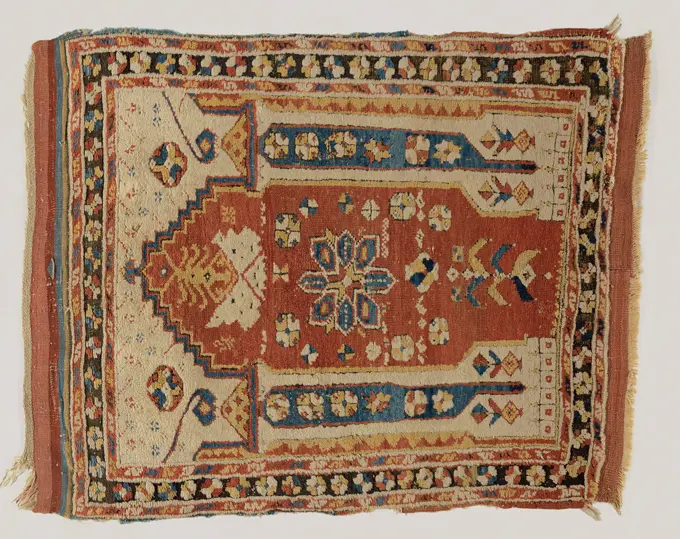
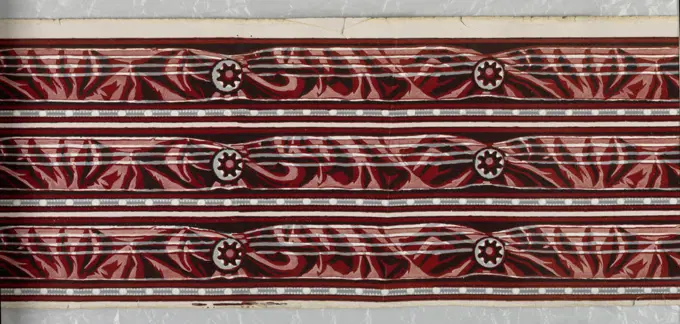
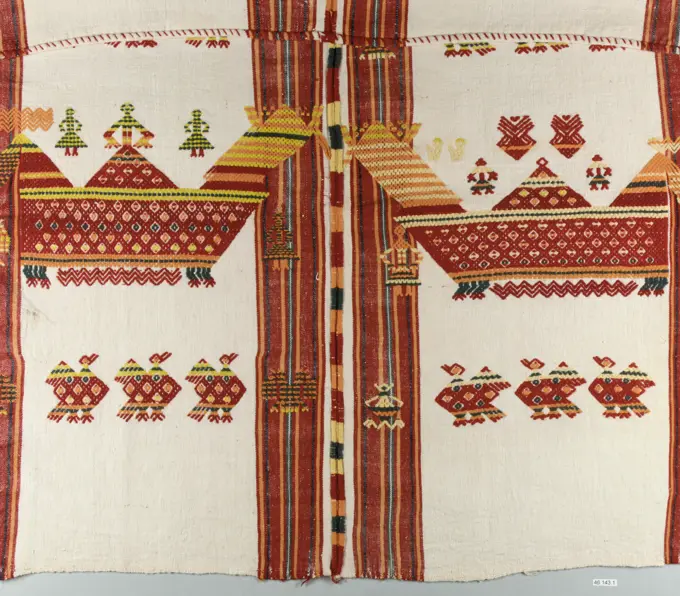
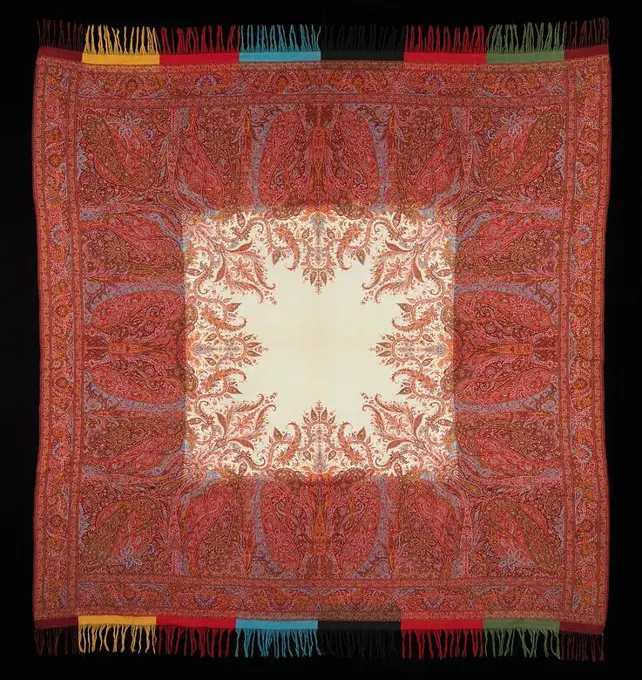
Ghiordes carpet unknownOriental carpet, Anonymous, 1800 - 1900 Oriental carpet, bed rug, of which the midfield is divided into two rows of rectangles that include a window or rectangle with herking. Asia Minor (Possible) wool Oriental carpet, bed rug, of which the midfield is divided into two rows of rectangles that include a window or rectangle with herking. Asia Minor (Possible) woolCarpet 15th century. Carpet 446534Baptismal rug or bark rug of embroidery on dark blue fabric, anonymous, c. 1622 Baptismal rug or bar rug of two sewns of dark blue fabric on which a weapon is embroidered with a hunting horn, the year in 1622 and a few times a Gothic letter M. Europe cotton (textile). wool embroidering Baptismal rug or bar rug of two sewns of dark blue fabric on which a weapon is embroidered with a hunting horn, the year in 1622 and a few times a Gothic letter M. Europe cotton (textile). wool embroideringOriental carpet. Oriental carpet, medalleled. In midfield are two medallions, tendrils and flowers. The inner edge is decorated with a stylized floral rank with rosettes. Originally this carpet was a runner, but it is shortened by the previous owner.Oriental carpet, Anonymous, 1850 - 1900 Oriental carpet, block rug. In the narrow rectangular midfield, blocks with cross -motifs are interspersed with huge corners. Multiple edge, the widest of which is decorated with rosette flowers. Talish (possibly) Necklace and impact: Wool Oriental carpet, block rug. In the narrow rectangular midfield, blocks with cross -motifs are interspersed with huge corners. Multiple edge, the widest of which is decorated with rosette flowers. Talish (possibly) Necklace and impact: WoolStrepenkleed, YURUK of SARKISHA, anonymous, 1800 - 1900 Stripe rug, Yuruk or Sarkisha. Midfield: Six wide cross stripes alternately in red, from paint red to deep orange -red, and blue are separated by narrow white intermediate stripes. On the wide stripes an equal backdrop of white speckled zigzag lines of dark blue, dark red and apricot color. There are whole and half windows inside and outside, each with a rosette flower. Edges: triple. The main edge is light orange with triangles with half flower rosettes. Inner hem white; outdoor zoom blue. Beard: only a figure beard at the top. Walking (Possibly) wool Stripe rug, Yuruk or Sarkisha. Midfield: Six wide cross stripes alternately in red, from paint red to deep orange -red, and blue are separated by narrow white intermediate stripes. On the wide stripes an equal backdrop of white speckled zigzag lines of dark blue, dark red and apricot color. There are whole and half windows inside and outside, each with a rosette flower. Edges: triplWoman's wrap (Kesa), first half of 20th century, 94 x 51 in. (238.76 x 129.54 cm), Cotton; embroidery, Bhutan, 20th centuryRitual Weaving(Tampan)Wool carpet with geometric figures, c. 1899 - c. 1999 Wool carpet. In the lengths three diamond -shaped frames, in which geometric figures and along which edges of rectangular motifs. As a frame of the middle section a wide edge, consisting of other edges of various widths, with squares, six corners. Colors: dull red, dark and light blue, brown and beige.  wool Wool carpet. In the lengths three diamond -shaped frames, in which geometric figures and along which edges of rectangular motifs. As a frame of the middle section a wide edge, consisting of other edges of various widths, with squares, six corners. Colors: dull red, dark and light blue, brown and beige.  woolKufesque-Border Lattice Shirvan Rug late 19th century. Kufesque-Border Lattice Shirvan Rug. late 19th century. Wool (warp, weft and pile); symmetrically knotted pile. Attributed to Azerbaijan, Shirvan. Textiles-RugsTextile (Spain); silkTurkmen Sarik Carpet unknownBid rug, so -called column bid rug, with ground panel and year, Ladik ,, 1800 - 1900 Bid rug, so -called column bid rug, with ground panel and (unclear) year, Ladik. Midfield: Light blue Mihrab with three -part, in the middle, a higher top façade, a year (1211 = 1796), Floating columns and strings of motifs. There are four carnations in yellow with blue and yellow with white on red you. Triple zigzag panel of ocher and brown, radical in a red bottom panel with three hanging tulips in white, between which a zigzag scissor line. Edges: multiple. The main edge is in ocher yellow, on which rosette flowers on a straight middle stem grow in red and brown. Two heming, resp. In white with angular rank and with rosettes. The outside zoom in light brown with glans. Between dotted multicolored lists. Ladik wool Bid rug, so -called column bid rug, with ground panel and (unclear) year, Ladik. Midfield: Light blue Mihrab with three -part, in the middle, a higher top façade, a year (1211 = 1796), FloOriental carpet ,, 1700 - 1900 Eastern carpet, Holbeintapijt. A large medallion in midfield. Below and above two smaller medallions. Double edge, the inner with geometric ornaments, the outer with geometric tenders. Button: Ghiordes Knoop. Klein-AziëBergama (possibly)Sivrihisar (possibly) Necklace and impact: Wool Eastern carpet, Holbeintapijt. A large medallion in midfield. Below and above two smaller medallions. Double edge, the inner with geometric ornaments, the outer with geometric tenders. Button: Ghiordes Knoop. Klein-AziëBergama (possibly)Sivrihisar (possibly) Necklace and impact: WoolMedalleled. Medallel felt with Ghiordes knot: a lobd medallion with red contour on a deep blue fond, awarded up top and bottom with an Arabesk palm with. The edge consists of a deep blue fond with broken running rank with alternating rosette and chalis flour in red, blue, white, green and black.Hanging (Phulkari work), c. 1875-1900. India, Punjab, Late 19th century. Embroidered silk on cotton; overall: 254 x 147.3 cm (100 x 58 in.).Star-Ushakof Karapinar. Star-Ushak or Karapinar. Midfield: rust red fond with a large composite eight-fold to Ushak related star in teal with yellow contours. The lower and upside ends are light brown, filled with yellow, red-rimmed tendrils that seem to be on achieved Arabes or Cuffs. In the star there is a diamond-shaped stene formation with carnations and cubes with X-and. Edge: Triple. The main drive is yellow on which the ties sign related volutes in blue / red and green blue / red. Inside and exterior equal, with a wound rod.Ornamental Square, 400s - 600s. Egypt, Byzantine period, 5th - 7th century. Tapestry weave: wool; overall: 10.2 x 12.1 cm (4 x 4 3/4 in.).Wearing Cloth, 1800s. Indonesia, Bali, 19th century. Tabby weave; brocaded cotton and Cyprian gold; overall: 204.8 x 106 cm (80 5/8 x 41 3/4 in.).Textile Fragment 14th century This square-shaped silk textile fragment contains a central floral motif surrounded by white interlacing bands on a red ground. Geometric patterns such as these are found ornamenting a wide variety of media produced in Nasrid period (1232-1492) Spain, including tile work, woodwork, book binding, and painted stucco. Such colorful geometric designs also recall the famous repeating wall patterns in the Alhambra palace in Granada. In both the plaster and the tile work of the buildings in this palace, interlacery designs are closely related to this weaving. The metal-wrapped threads, now tarnished, originally would have created a glistening, shimmering effect- highlighting the sumptuous nature of this luxury item.. Textile Fragment 446832Shoulder cloth, c. 1950, 64 3/4 x 16 1/4 in. (164.47 x 41.28 cm) (without tassels), Cotton, silk; supplementary weft patterning, Laos, 20th centuryCover Made 1601-1700 Turkey. Linen, plain weave; embroidered in coral and stem stitches; laid work and couching .Bid rug with double mihrab, Makri or Bergamo, Anonymous, 1800 - 1900 Prayer rug with double mihrab, Makri or Bergamo. Midfield: Double Mihrab in light brick red with flattened straight -line façade and a tree of life with large, incised triangular leaves in blue, petrol green and eggplant. The you are eggplant, with a rosette. Edges: double. The main edge is blue with slanted flowers in purple, yellow, red N green. The inner zoom is yellow with flowers. Beard: Onder- and top run a beard, reinforced with embroidery stitches at the top. Makri (possibly) wool Prayer rug with double mihrab, Makri or Bergamo. Midfield: Double Mihrab in light brick red with flattened straight -line façade and a tree of life with large, incised triangular leaves in blue, petrol green and eggplant. The you are eggplant, with a rosette. Edges: double. The main edge is blue with slanted flowers in purple, yellow, red N green. The inner zoom is yellow with flowers. Beard: Onder- and top run a beard, reinforced wiSampler(Limar)Ritual Textile (PuaSungkit)Embroidered Divan Cover (), 19th century. Turkey, 19th century. Embroidery: silk, and metal filé twisted around silk core, couched with silk, on velvet ground; cotton backing; average: 163.8 x 108.6 cm (64 1/2 x 42 3/4 in.).Embroidered Panel, 18th-19th century. India, 18th-19th century. Embroidery; silk and metallic threads; overall: 127 x 94 cm (50 x 37 in.).Piece late 17th or early 18th century Japan. Piece 67901Fragment, 1800s. India, 19th century. Cotton; tied and dyed; overall: 137.2 x 188 cm (54 x 74 in.).Yomut Main Carpet. Dimensions: H. 108 1/2 in. (275.6 cm)W. 69 in. (175.2 cm). Date: probably late 18th century.This carpet was likely woven by a member of the Yomut tribe of Central Asia. The staggered motifs seen in the carpet's field are known as guls (flowers); the nomadic textiles and carpets of Central Asia often display guls that are unique to a particular tribal group. The guls seen here take the form of octagons with serrated edges, each of which encloses a smaller octagon with a small central floral motif; it is the particular design of this gul that makes it attributable to the Yomut Turkmen nomads. Museum: Metropolitan Museum of Art, New York, USA.Fragment (Spain); silk, woolKontusz sash. unknown, authorFragment. China. Date: 1700-1750. Dimensions: 28.2 × 33.2 cm (11 1/8 × 13 1/8 in.). Brocaded fancy compound satin, silk and gilt paper; 2 1/2 strips to m.m. Origin: China. Museum: The Chicago Art Institute, Chicago, USA.Ster -ushak decorated with medallions and flower vines, 1600 - 1699 Eastern carpet, star-on-chak. In midfield there are three eight -pointed medallions, filled with arabesks against a brick -red stock. Halved medallions along the sides. The field is filled with flower ranks. The edge is decorated with lotus flowers. Ushak wool Eastern carpet, star-on-chak. In midfield there are three eight -pointed medallions, filled with arabesks against a brick -red stock. Halved medallions along the sides. The field is filled with flower ranks. The edge is decorated with lotus flowers. Ushak woolSile Khilim, 19th century, L.102 x W.73 in., wool; needlework, 19th centuryEmbroidered quilt with pomegranates and tulips, 1600s-1700s. Turkey. Plain weave: linen; embroidery, running stitch: silk; average: 194.3 x 137.2 cm (76 1/2 x 54 in.). In Turkey, embroidered motifs were often adapted from Ottoman court art, especially luxury silks. Even the same six colors of silk thread were used: crimson or red, blue, green, and brown/black, plus yellow and white that replaced costly gilt- and silver-metal thread. In a typically bold style, pomegranates are framed by serrated leaves. Most of the original dark brown silk thread of the floral stems has disintegrated, revealing black ink outlines on the linen ground.Silk Patolu Sari, 1800s. India, Gujarat, 19th century. Tabby weave, double ikat; silk; overall: 419.1 x 103.2 cm (165 x 40 5/8 in.).Large model tent pocket front, Tekke Volk, c. 1850 - c. 1890 Tent pocket front leaf in large model, Tekke Chuval. In midfield there are three jobs of two generous against a Bordeauxrode background. The edge is only present at the top and decorated with geometric rectangular ornaments, the Elem is decorated with plants. South Turkestan Necklace: Cotton (textile). impact and knot: Wool. Knoop: Silk Tent pocket front leaf in large model, Tekke Chuval. In midfield there are three jobs of two generous against a Bordeauxrode background. The edge is only present at the top and decorated with geometric rectangular ornaments, the Elem is decorated with plants. South Turkestan Necklace: Cotton (textile). impact and knot: Wool. Knoop: SilkFragment, Medium: silk Technique: ikat velvet, Scaled and blurred medium-scale geometric design in crimson, gold, rust, white, and green on ground in shades of deep blue. Two crimson twill selvedges with paired white pencil stripes., Afghanistan, before 1906, printed, dyed & painted textiles, Fragment. Bedsprei, matching the baby bed, with cut corners around the bars to the foot end; Made from yellow silk on which with red silk is embroidered in a pattern of tendrils and volutes to which flowers and leaves; Central is the mirror monogram. The bedspread is lined with pink-red silk.Baby Carrier, 24 1/2 x 21 1/2 in. (62.23 x 54.61 cm), Cotton, silk; needlework, ChinaSampler, Maria Jesus Castaneda, Medium: silk and cotton embroidery on cotton foundation Technique: embroidered in running, cross, and double running stitches on plain weave foundation, Bands of geometric and floral pattern in bright colors., Mexico, 1837, embroidery & stitching, SamplerSARONG  plant and geometric motifs unknownStorage Bag (Chuval) Face. Dimensions: Rug: H. 29 1/2 in. (74.9 cm)W. 54 1/2 in. (138.4 cm). Date: early 19th century.Identifiable by the unique design vocabulary adopted by each Turkmen tribal group, these rare and important textiles are one of only a few known works attributable to the Arabatchi Turkmen. Although identical in technique to that used for carpet weaving, these fragments once formed the faces of a chuval, a type of deep storage bag. Suspended from the trellislike structure of a Turkmen tent interior, these chuval served to hold family belongings-- somewhat akin to a wardrobe, but eminently more portable. Museum: Metropolitan Museum of Art, New York, USA.Rugs and Carpets, Georgia 19th century. Stilyzed Bordjalu (Borcialu) Rug.Tampan (Ceremonial Cloth) Made 1801-1900 Indonesia. Cotton, plain weave with supplementary patterning wefts . PaminggirPiece 16th-17th century Italian. Piece 223579Shawl Border (Pallu) Made 1810-1830 Kashmir. The earliest Kashmir shawls introduced to Europe were made of white cashmere wool with decorated ends containing rows of stylized floral buta motifs. The pattern became known as paisley in English, after the town in Scotland that was a center of shawl weaving. The fine wool of a shawlís central area was always the most fragile component, and this long shawl has been mended with two nearly invisible seams across the central white field. Europeans valued Kashmir shawls so highly that even fragments of the decorative borders were preserved, collected, and treasured.. Wool, double interlocking 2 2 'S' twill tapestry weave; main warp fringe .Band (Italy); silk on linen; Bequest of Marian Hague; 1971-50-86Sampler, Medium: silk embroidery on linen foundation Technique: satin, cross, back, stem, four-sided, chain, eyelet, running, and wrapped cross stitches; withdrawn element work with needle lace fillings, Detached motifs in a central square with radiating borders., Spain, 1809, embroidery & stitching, SamplerSampler, Medium: silk embroidery on linen foundation Technique: embroidered on plain weave foundation, Rectangular piece of white linen embroidered primarily in blues and brown with neat rows of floral motifs, stars, hearts, a cross and crown, and the initials G.F. With a narrow serpentine border., USA, 19th century, embroidery & stitching, SamplerFragment; silk, metal thread; Bequest of Marian Hague; 1971-50-42Panel, 19th century, 41 1/2 x 29 in. (105.41 x 73.7 cm), Silk, cotton, Turkey, 19th centuryCarpet with vine scroll and palmette pattern late 19th century Indian, probably Poona. Carpet with vine scroll and palmette pattern 461535Carpet. Dimensions: Rug: H. 63 1/2 in. (161.3 cm)W. 47 1/2 in. (120.7 cm). Date: 18th century.Sometimes called "Transylvanian" carpets because many examples were found in central European churches of Hungary and Romania, where they were votive gifts, small carpets like this are often depicted in European portraits of the sixteenth and seventeenth centuries draped over tables; later carpets such as this one are more infrequently encountered in paintings. Museum: Metropolitan Museum of Art, New York, USA.Turban 12th-15th century Chimú. Turban 312791Coverlet Fragment (USA); wool, cotton; Warp x Weft: 33 x 30.5 cm (13 x 12 in.)Blanket. Navajo (Diné); United States, New Mexico. Date: 1890-1899. Dimensions: 88.7 x 77.4 cm (34 7/8 x 30 1/2 in.). Cotton and wool, single interlocking tapestry weave; main warp knotted cut fringe; twined selvages and heading terminating in tassels; needle-made fringe. Origin: New Mexico. Museum: The Chicago Art Institute, Chicago, USA.Textile, Medium: cotton Technqiue: block printed on plain weave, Two fragments sewn together. Design of stripes and floral motifs in red, orange, blue and brown on natural background., USA or England, 19th century, printed, dyed & painted textiles, TextileShawl (India); woolSash 17th-18th century. Sash 446684Fragment Of Maniple Or Stole; silkCarpet mid-17th century The characteristic red of Indian carpets emphasizes the graceful yet dynamic design of the trellis pattern connecting the floral and serrated motifs. The serrated leaves enclosing a palmette, as well as the medallions and cartouches in the border, recall sixteenth century Herat carpets from Iran, but the exuberance of the floral forms and richness of color confirm an Indian origin.. Carpet 446998The Ardabil Carpet. Date/Period: Ca. 1539-1540 (made) - 1543. Carpet. Author: UNKNOWN.Close-up of a carpet, Chhume Valley, Zungney, Bumthang District, BhutanCarpet. Dimensions: Rug: L. 75 1/2 in. (191.8 cm) W. 57 3/4 in. (146.7 cm). Date: probably late 18th-early 19th century.The design of this carpet is dominated by a pair of large octagons inscribed by star motifs radiating from smaller central octogons. This type of composition, which has been favored by Turkish carpet weavers since the fifteenth century, derives from the layout of "Holbein" carpets, named after a depiction of a similar work in a famous portrait by the sixteenth-century German painter Hans Holbein the Younger. The powerful geometric forms impart an unusually strong artistic impact on this work of such modest size. Museum: Metropolitan Museum of Art, New York, USA.Carpet. Culture: Spanish. Dimensions: H. 96 x W. 77 inches (243.8 x 195.6 cm). Date: ca. 1846. Museum: Metropolitan Museum of Art, New York, USA.Bag, Medium: wool Technique: Section A) complimentary warp, plain weave; Section B) warp-faced plain weave with warp stripes; warp selvage for opening of bag; sides intact, Flat bag woven in red stripes, alternately decorated in geometric pattern, similar to a game board., Peru, 1260-1500, woven textiles, BagRug or Saddle Blanket, c. 1890-1910. America, Native North American, Southwest, Navajo, Post-Contact, Early Period. Tapestry weave: cotton and wool (handspun); overall: 127 x 92 cm (50 x 36 1/4 in.).Piece Japan 16th centuryWall hanging, 19th century, 28 x 30 in. (71.12 x 76.2 cm), Silk, wool, cotton; cross-stitch, chain stitch, detached chain stitch, continuous-thread couching, fishbone stitch, Uzbekistan, 19th centuryAltar Cloth 18th century Japan. Altar Cloth. Japan. 18th century. Silk. Edo period (1615-1868). Textiles-WovenFolk embroidery pattern unknownApron 19th century Greek. Apron 85897Baby Carrier, 23 x 14 1/8 in. (58.42 x 35.88 cm), Cotton; needlework, ChinaFragment (Peru); cotton, woolWoman's wedding veil (odhani), second quarter 20th century, 95 5/8 x 47 in. (242.89 x 119.38 cm) (irregular), Cotton, silk, glass; embroidery, Pakistan, 20th century, The Thar Desert is a vast arid region sprawling across Sindh, Pakistan into the Indian states of Rajasthan and Gujarat. Here, red is the traditional color of weddings, peacocks stand for bride grooms, and flowers are symbols of fertility and prosperity.Square, Medium: cotton Technique: discharge printed, Blue handkerchief printed with a design of white flowers, leaves and dots., possibly Germany, 19th century, printed, dyed & painted textiles, SquareTextile Fragment second half 17th century. Textile Fragment. second half 17th century. Silk. Attributed to India. TextilesConciliate belt;  19th century (1801-00-00-1900-00-00);Baby Carrier, 28 1/2 x 31 1/2 in. (72.39 x 80.01 cm), Cotton; needlework, ChinaQuilt or Carpet first quarter of the 18th century India (Coromandel Coast), for the European market Inspired by early eighteenth-century European designs, this rare Indian chintz is quilted and lined with Chinese silk. This type of bold, elaborate strapwork and cartouche designshere in vibrant hues of red, yellow, blue, and pinkcan be traced to late seventeenth-century French designers, notably Daniel Marot (1665-1720). A French Huguenot immigrant to the Netherlands, Marot popularized this ornate Rococo style in Holland and England. A Dutch East India Company merchant active on India’s Coromandel Coast who had access to European pattern books probably commissioned the textile. While likely intended as a bed quilt, this piece was found in Japan, where it was used most recently as a tea-ceremony carpet.cat. no. 36. Quilt or Carpet 77657Sprei of sits, quilted and stitched, c. 1750 - c. 1775 Sucker of sits, quilted and stitched and decorated with birds on rocks from which flowering plants grow. Rand with wavy branches and flowers. Lined with red cotton. Burhanpur (possibly) cotton (textile) chintz Sucker of sits, quilted and stitched and decorated with birds on rocks from which flowering plants grow. Rand with wavy branches and flowers. Lined with red cotton. Burhanpur (possibly) cotton (textile) chintzWoman's Hip Wrapper. Carolina Josephina von Franquemont (Indonesia, Java, 1817-1867). Indonesia, Java, Semarang, circa 1850. Costumes; principal attire (lower body). Cotton plain weave with hand-drawn wax resist (batik tulis) and applied gold leaf (prada)Sampler with geometric motifs first half 17th century British Samplers such as this, with decorative patterns some of which are only partially finished, illustrate examples of designs that might be used on household linens or accessories of dress. They are not signed or dated by the makers because they are for reference, not for display.. Sampler with geometric motifs 228292Shawl, Medium: wool, silk Technique: black center and fringe: 2/2 twill panels and borders: complementary weft, patterned 3/1 twill (all panels and borders, including fringe, are woven, cut and attached), Rectangular shawl with wide borders at each end and narrow borders on each side; made up of woven and cut pieces of fabric with a set-in black center or field. The primary border at each end contains five elaborately foliated cones. The ivory is silk throughout., Europe, mid-19th century, woven textiles, ShawlSampler. Date/Period: 1809. Sampler. Medium: silk embroidery on linen foundation. Technique: satin, cross, back, stem, four-sided, chain, eyelet, running, and wrapped cross stitches; withdrawn element work with needle lace fillings. Height: 720 mm (28.34 in); Width: 680 mm (26.77 in). Author: UNKNOWN.Panel; silk and wool on cottonMan's Mantle (hinggi) (Indonesia); cottonRug Made 1875-1900 Caucasus. .Prayer dress, Z.G. Columns prayer. Prayer dress, Z.G. Columns prayer. Midfield: Terracotta Mihrab with triangular stepping top, in which a large anjelier in white handles and stand a blue rosette and spread in the middle. Four white columns surrounded two blue hisissions. The swing is white. Edges: Triple. A fairly narrow main drive in brown-black with loose colored rosettes is caught in two equal hems of terracotta with s-ssen. Beard: at the bottom of a fletsrode and at the top of a yellow, blue, terra and flets red striped beard, resp. 5 and 8 cm wide. White, blue, orange and brown, inside solid piping.Band Made 1875-1900 China. Forty-four pairs and eight odd pieces of embroidered sleeve, ankle bands, etc. on gauze. . Han-ChineseShawl 1830-39 possibly Austrian. Shawl 169708Shawl, Anonymous, 1900 - 1949 Shawl with geometric motifs and woven owner's name. India silk Shawl with geometric motifs and woven owner's name. India silkWoman's trouser fabric, early 1800s. Iran. Embroidery, outline stitch: silk on cotton; overall: 65.1 x 50.5 cm (25 5/8 x 19 7/8 in.).Half asku (skirt), 1965-1975, 33 x 36 in. (83.8 x 91.4 cm), Wool, Bolivia, 20th centuryBorder, Machine-printed and flocked, Stylized rosettes connected by four bunched ribbons reserved in a red, black and pink-colored flocked ground. Red is the basic color of the flock. There is a gray and white ground in the reserved areas which continues the pattern painted on the flock. Unique in this respect., France, ca. 1850, Wallcoverings, BorderCloth 19th century Guatemala. Cloth 320608Shawl. Culture: probably Scottish. Date: 1840-60.This fine European shawl nicely illustrates how their mills were producing machine woven copies of popular Indian shawl patterns throughout the first three-quarters of the 19th century.The shawl held a place as a high fashion accessory for a relatively large period between the end of the 18th century to the 1870s. These accessories were originally adopted by men with exposure to India and Persia through the Trading Companies. The changing fashions near the end of the 18th century brought a renewed interest in Indian and Persian shawls as a form of warmth over the thin muslins of fashionable Empire silhouette dresses. The shawls came in many designs which generally incorporated the boteh form. This form, which is mostly known as the paisley now, is an ancient Persian design based upon the tree of life and inspired by buds, cones and palm fronds. These objects were hand woven and extremely costly which inspired European manufacturers to