Antique Oriental Carpets

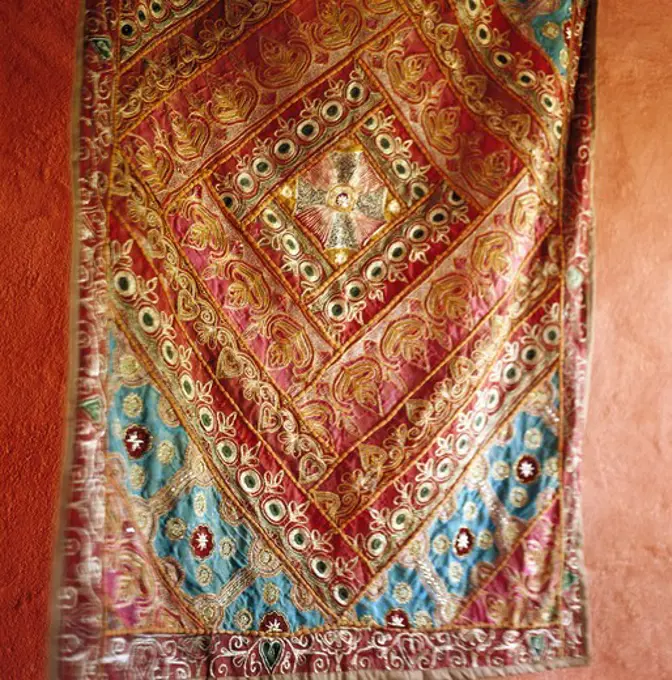
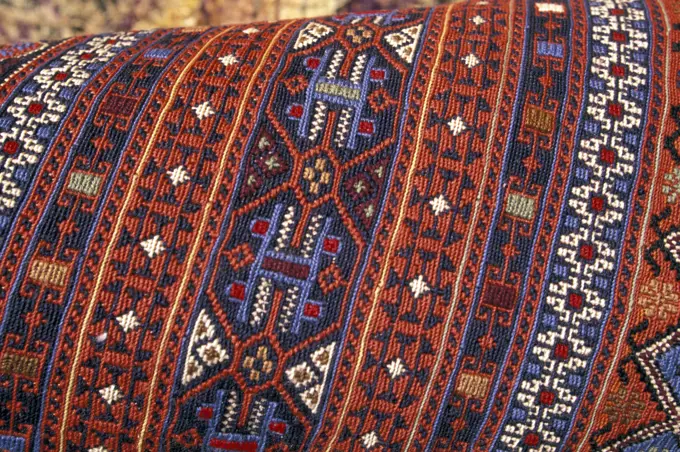
A collection of intricate vintage carpets featuring rich colors, patterns, and decorative elements from various historical periods and regions.

Woman's wrap (Kesa), first half of 20th century, 94 x 51 in. (238.76 x 129.54 cm), Cotton; embroidery, Bhutan, 20th century
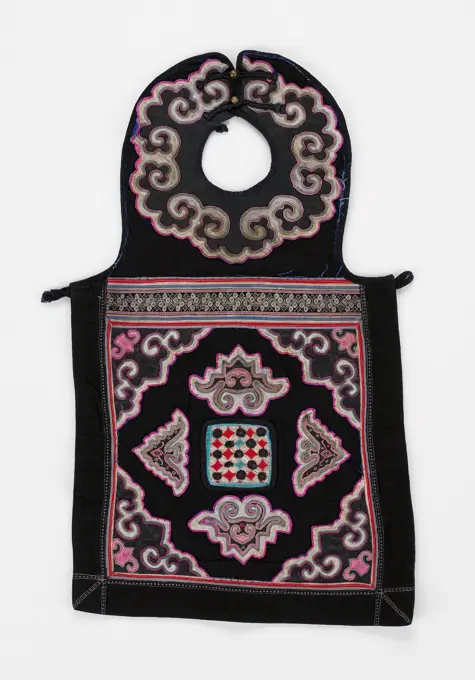
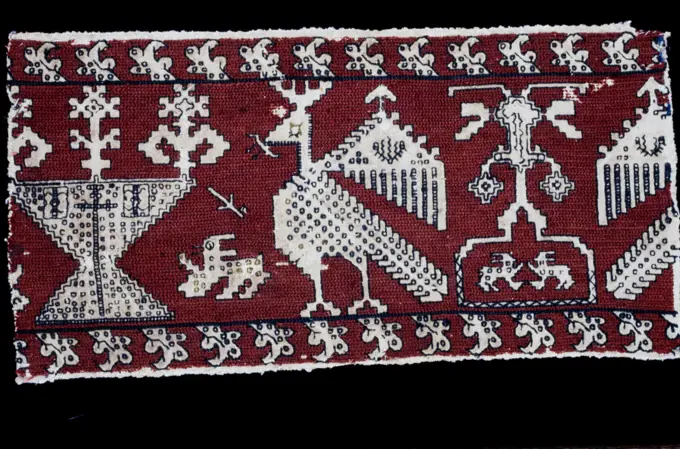
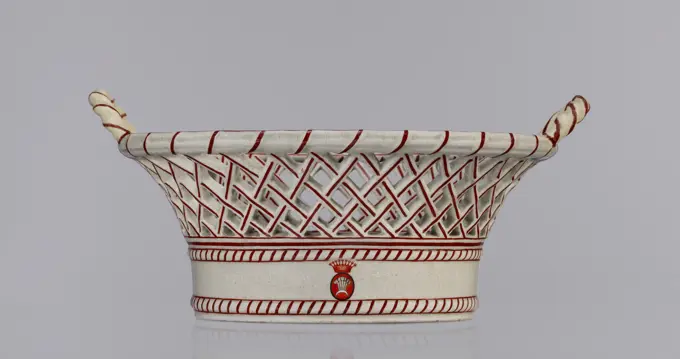
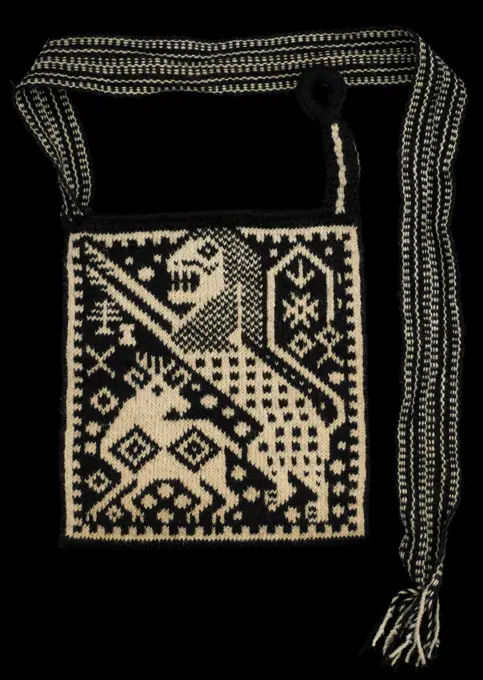
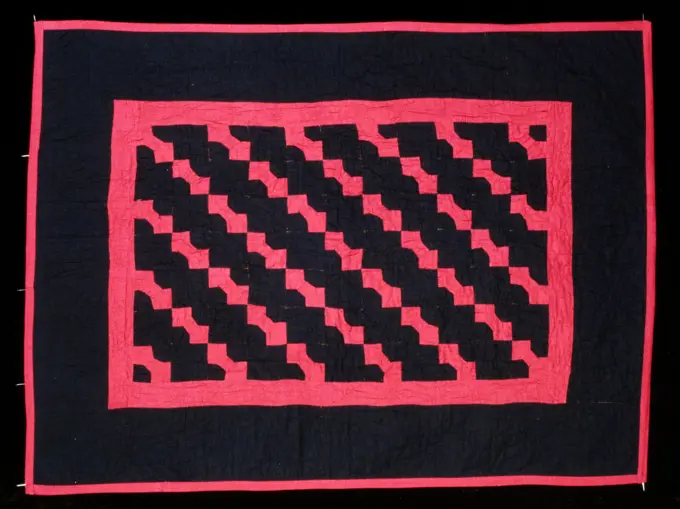
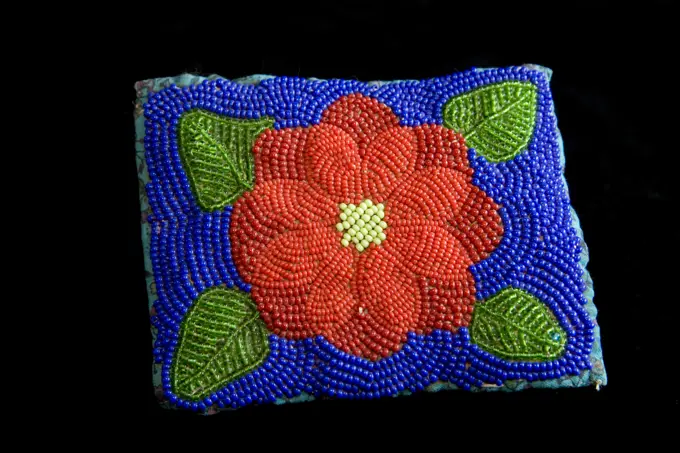
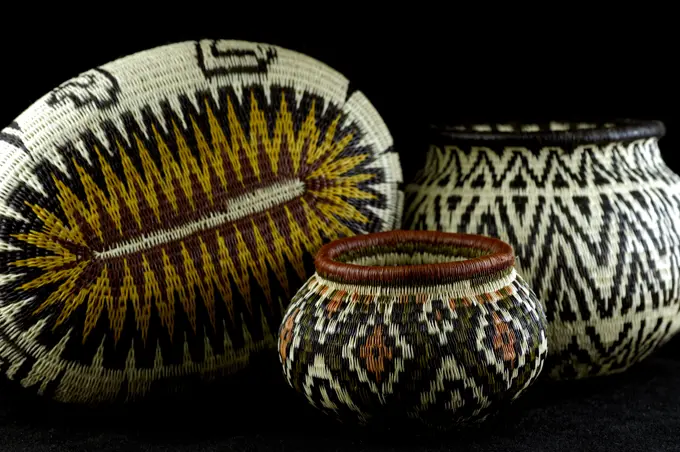
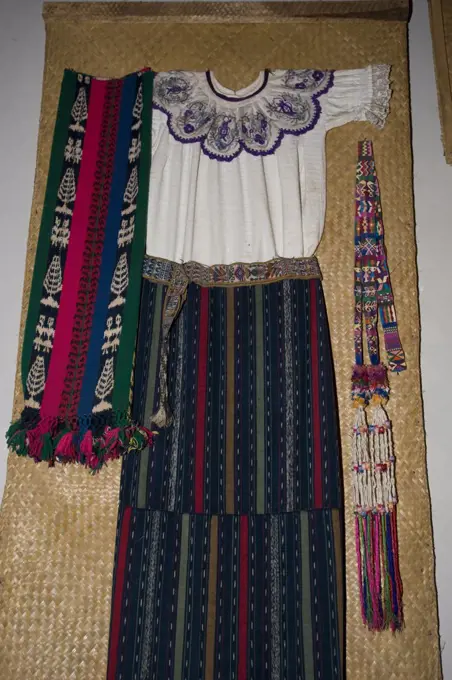
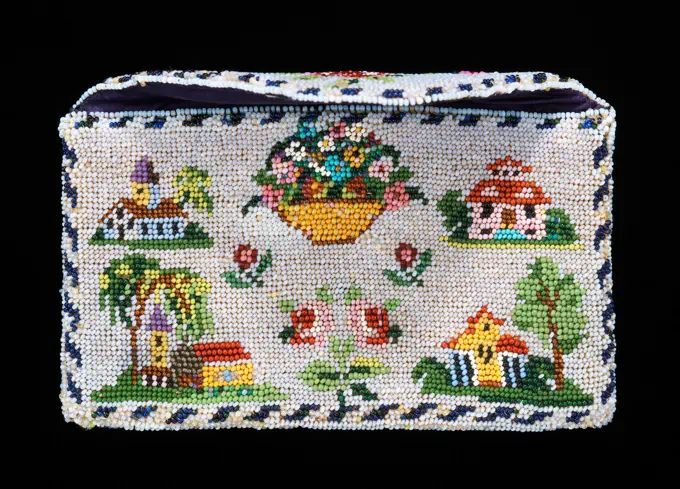
Apron, 23 1/4 x 15 1/4 in. (59.06 x 38.74 cm), Cotton, ChinaShawlBib, 21 3/4 x 13 in. (55.25 x 33.02 cm), Coton, brass beads, ChinaTurkey, Turkish rugsLinen border, 17th century, 5 3/4 x 11 1/4 in. (14.6 x 28.6 cm), Linen, silk; needlework, Morocco, 17th centuryWarf scarf isolated on the white backgroundBorder 17th-18th century Italian. Border 222299Textile (Sudan); woolRound basket. Horodnica (1807-1914), manufactureOrnament, from a seven-piece festival dress, 20th century, 5 x 2 1/2 x 3/4in. (12.7 x 6.4 x 1.9cm), Silver, China, 20th centuryMan's bag (morral), c. 1990s, 14 1/2 x 13 1/4 in. (36.83 x 33.66 cm) (pouch only, without strap), Wool; knitted, Guatemala, 20th-21st centuryOriental wall hanging.Child's Quilt, 'Bars'. United States, Pennsylvania, circa 1890-1900. Textiles; quilts. Cotton plain weave, machine pieced and hand quiltedSquare 19th century. Square 445795EUROPE, Turkey, Ephesus Turquois coast Details of Turkish carpetBaby Carrier, 30 1/2 x 37 in. (77.47 x 93.98 cm), Cotton, silk; needlework, ChinaFragment (Border). Italy. Date: 1601-1625. Dimensions: 7.5 x 33 cm (3 x 13 in.). Linen and silk, plain weave, tied double cloth; edging linen and silk, warp-twining with ground weft fringe. Origin: Italy. Museum: The Chicago Art Institute, Chicago, USA.Traditional Turkish hand made carpet and rugsBowtie Pattern Crib Quilt, c. 1940, Unknown Amish, Cotton; quilted, Canada, 20th centuryAxminster carpet by Watson, Bell, & co. of London.. Wyatt, M. Digby (Matthew Digby), Sir, 1820-1877. Prints. 1853. The Miriam and Ira D. Wallach Division of Art, Prints and Photographs: Art & Architecture Collection. Decorative arts , Exhibitions, Great Exhibition (1851 : London, England)Textile (USA); wool; Warp x Weft: 24.1 x 30.5 cm (9 1/2 x 12 in.); Bequest of Sarah S. Dennen; 1970-25-1Vector illustration of Ukrainian ornament in ethnic style, identity, vyshyvanka, embroidery for print clothes, websites, bannersCarpets or rugs with Arab and Berber symbols and patterns, hanging on a facade for sale, Marrakech, Morocco, AfricaFragment Of A Rank Badge (China); silk, metallicTop view of vintage tin box on the white background.Conciliate belt; Manufaktura Karol Stanis Awa Radziwi A (S UCK; Pasów Factory; Ca 1767-1790), Madze Anski, Jan (fl. Ante 1757-Ca 1800); 1767-1780 (1767-00-00-1780-00-00);Baum, Tadeusz (Fl. Ca 1946) - collection, Lithuania (Grand Duchy of Lithuanian - 1569-1795), Radziwiłł, Karol Stanisław (Vilnius Voivodeship - 1734-1790), Flower bushes (ornament), vegetable ornaments, vegetable ornaments, four -sided belts, stripes Polish, semi -line belts, Poland (culture), szelążki (ornament), Polish clothing, purchase (provenance)Orphrey Band (Italy); silk, metal wrapped linenCutout, Mat meant for individuals to sit on while eat or during rituals, woven mats covered with appliqued cloth in Chettinad, Tamil Nadu, India, AsiaBeaded purse with a floral design made by a Cree beadworker from Canada. (PR)Sampler (Netherlands); Embroidered by Rindelite Brougers; silk embroidery on cotton foundationEmbroidery, Germany 19th century. Beginner's work,  embroidered in silk cross-stitch  on linen, signed by F.C. Meyer, approximately 1820.Latin America,  Panama,  Panamanian arts & crafts.Traditional Embera Indian baskets.Guatemala, Highlands, Antigua, Weaving Center, Colorful Mayan Fabrics, Traditional DressCard case 1820-40 Mexican Rather than create a typical horizontal landscape, the maker of this card case has set four distinct types of architectural structure at each corner of the case. The steepled church, house with extended roof, barn and silo, and column building with peaked roof lend the case a sense of individuality. The case is part of the Mexican beadwork collection of over 600 pieces assembled by Elizabeth Morrow (1873-1955), mother of writer Anne Morrow Lindbergh, the wife of renowned aviator Charles Lindbergh. Morrow collected the objects between 1927 and 1930, when her husband, Dwight Morrow, Sr., served as U.S. ambassador to Mexico. She lent the collection to the Brooklyn Museum in 1938 and upon her death, her children donated it. A collection of 155 pieces of Mexican ceramics and other decorative arts were given to Amherst College, her husband's alma mater. Mrs. Morrow collected Mexican beadwork, along with other examples of colonial and native arts, to decorate their c