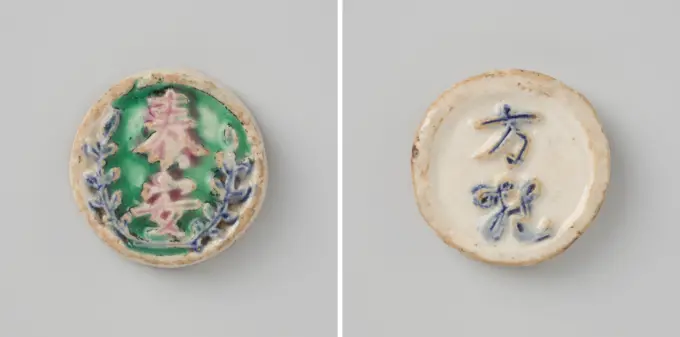
Antique Porcelain Dishes

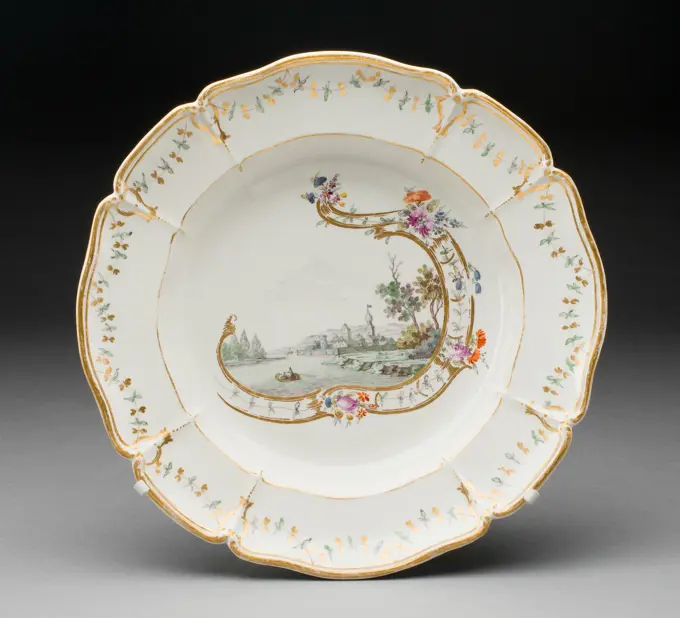
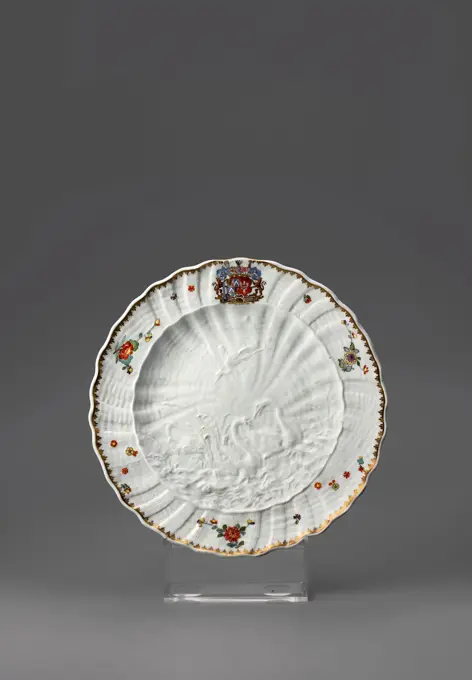
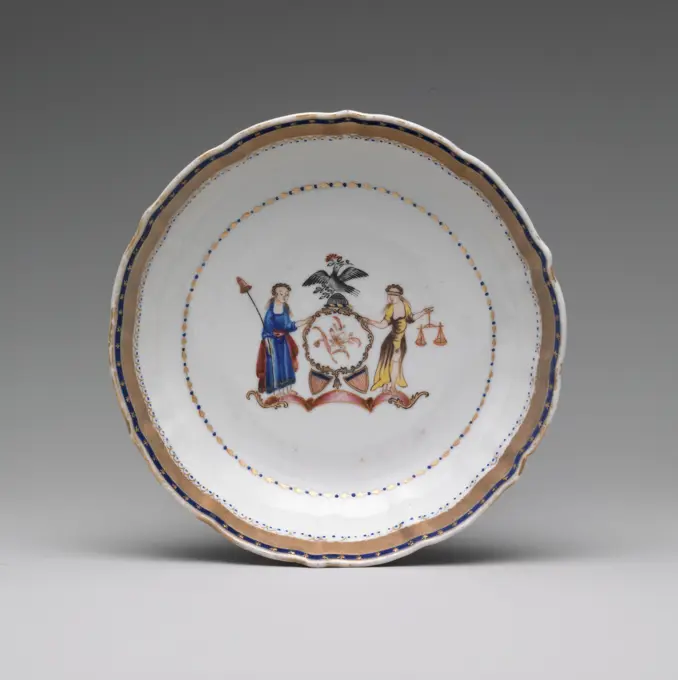
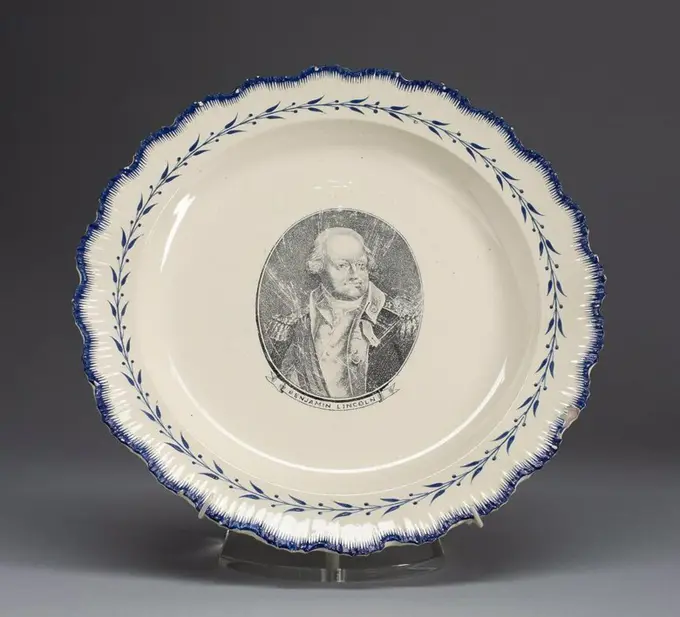
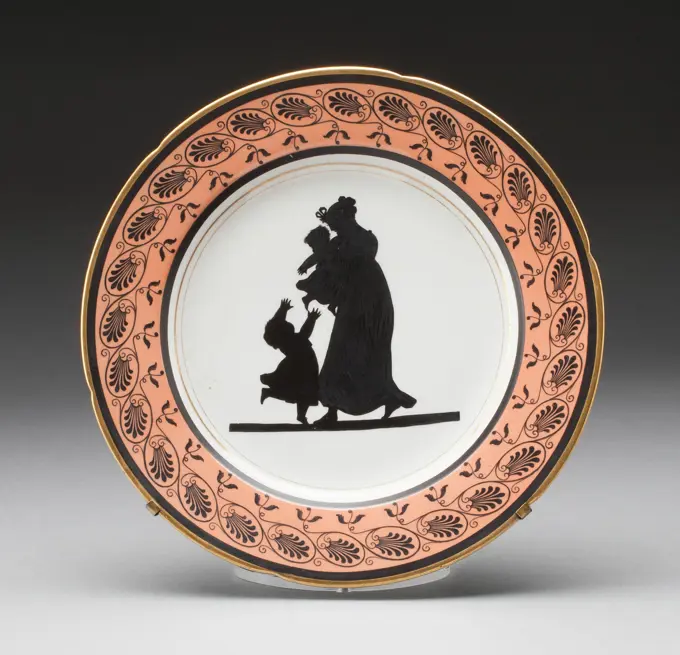
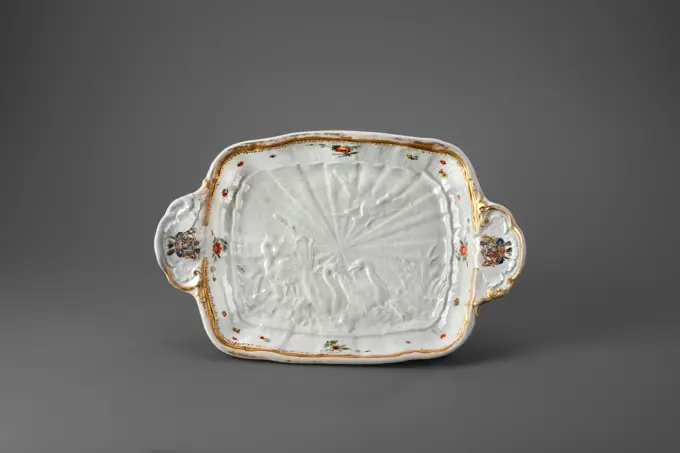
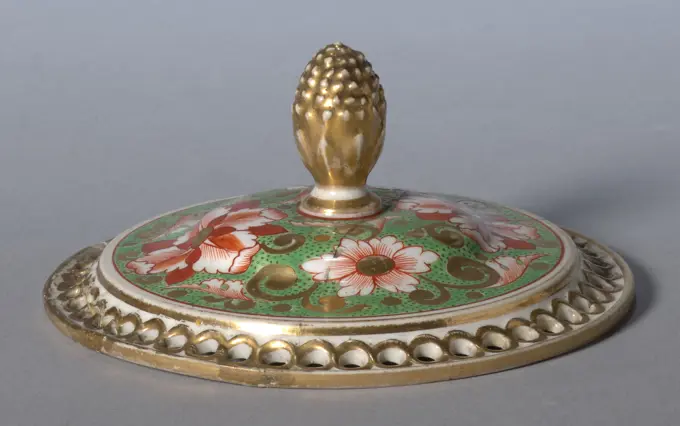
Elegant antique porcelain dishes and bowls featuring intricate floral patterns and gilding, highlighting fine craftsmanship.
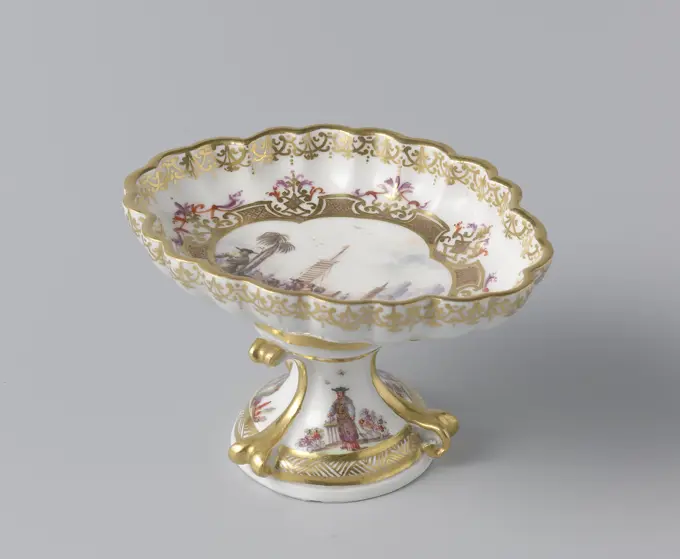
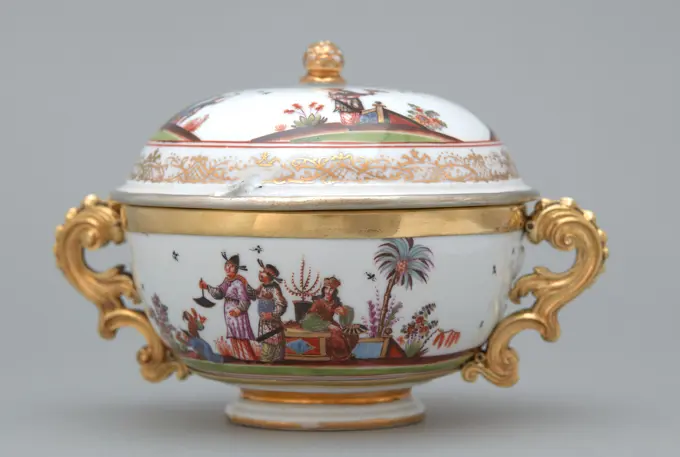
Sugar can, multicolored painted with chinoiseries, Meissener Porzellan Manufaktur, c. 1740 Sugar box made of painted porcelain. The container has a high foot and is painted with Höroldt chinoiseries and port views. The container is marked. Float porcelain Sugar box made of painted porcelain. The container has a high foot and is painted with Höroldt chinoiseries and port views. The container is marked. Float porcelain
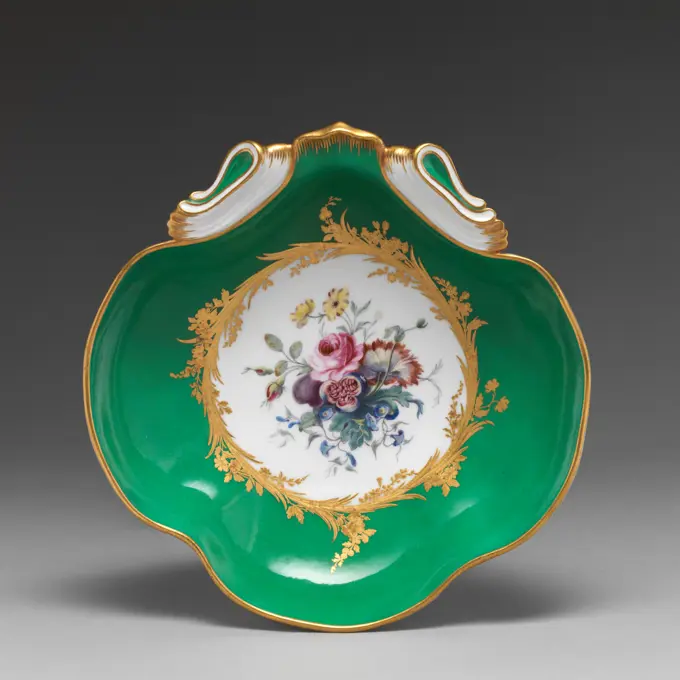
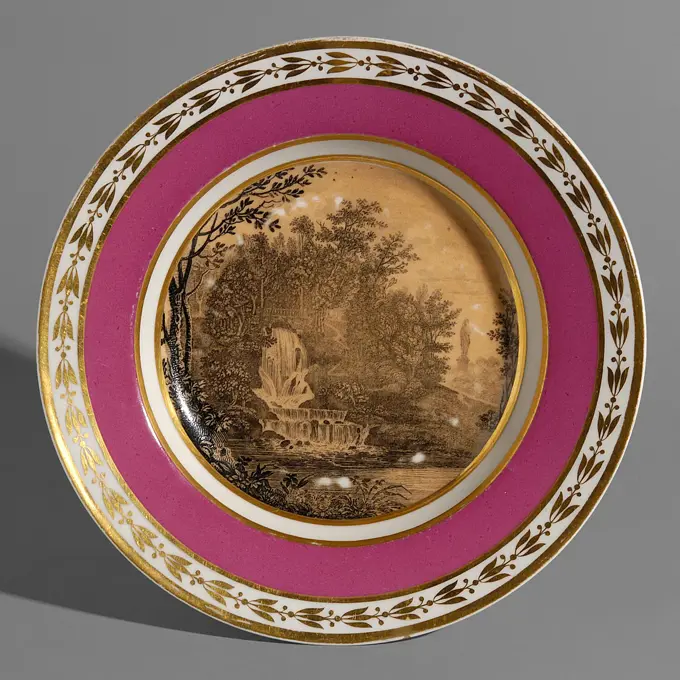
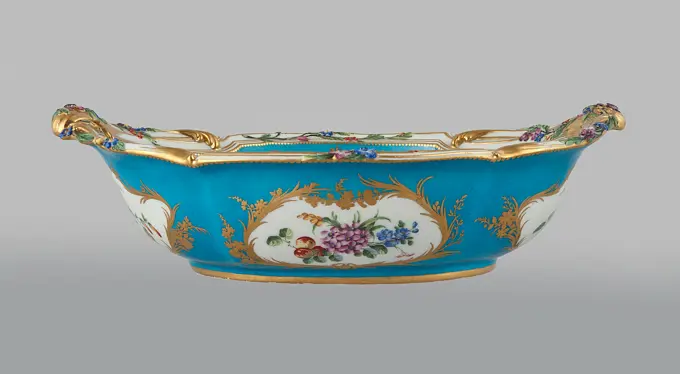
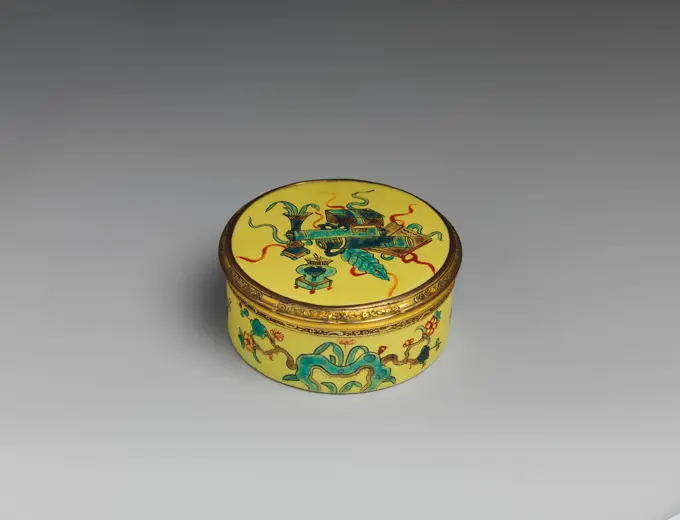
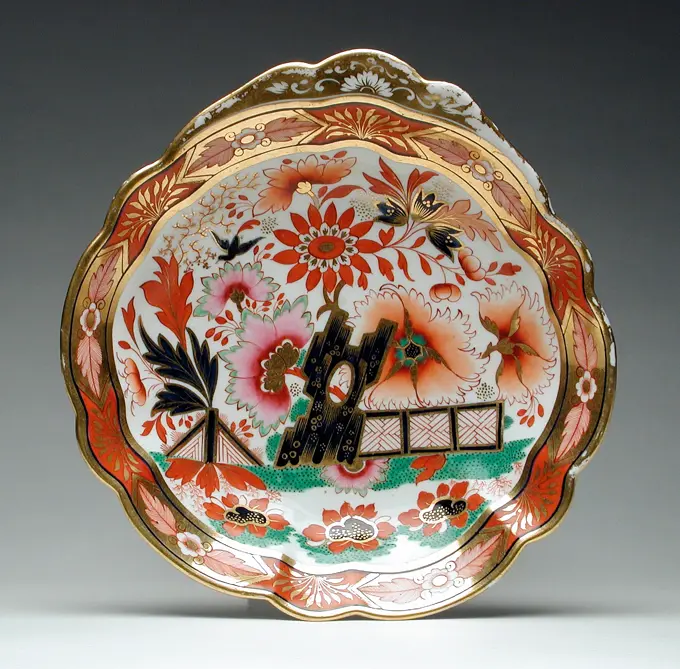
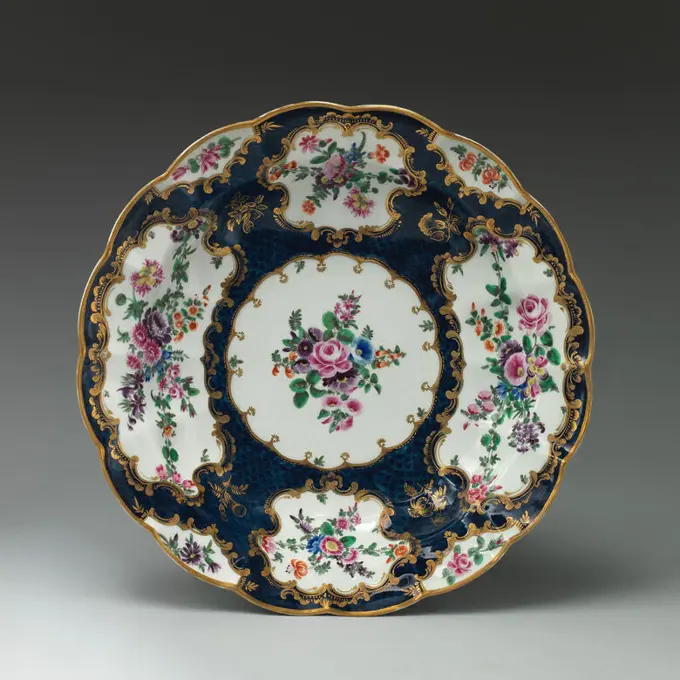
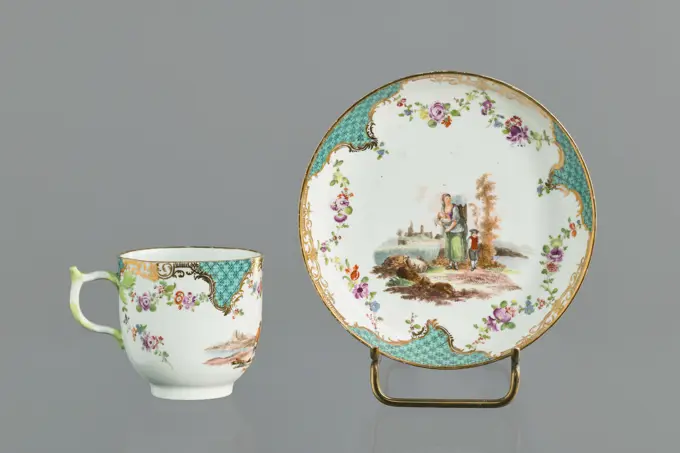
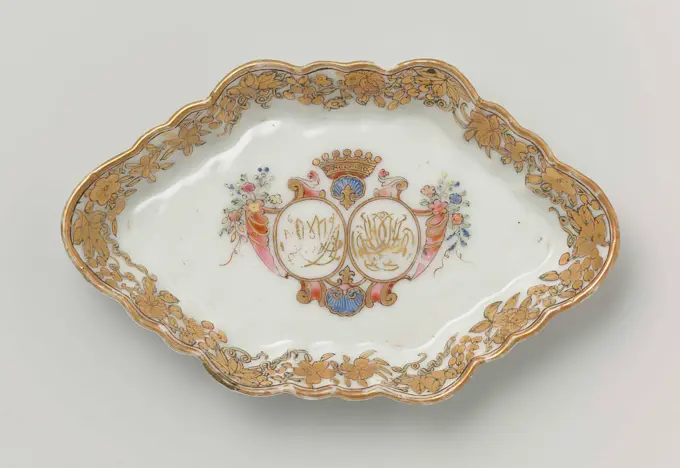
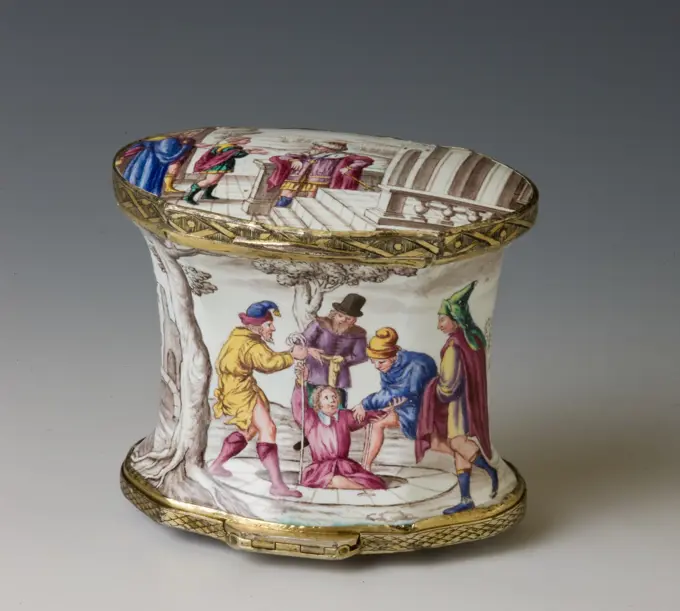
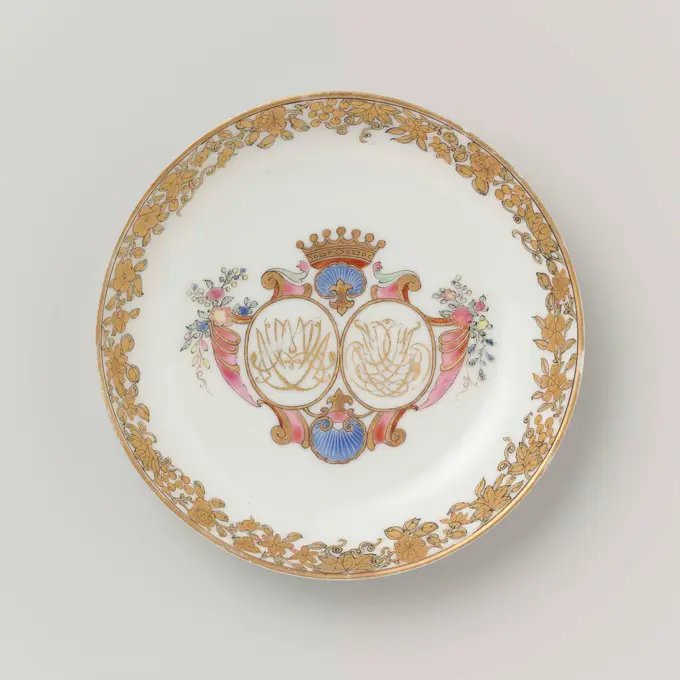
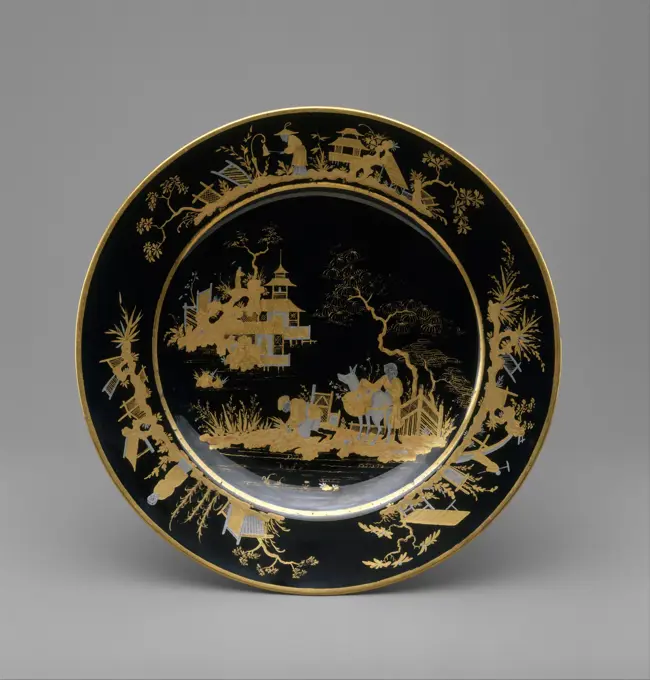
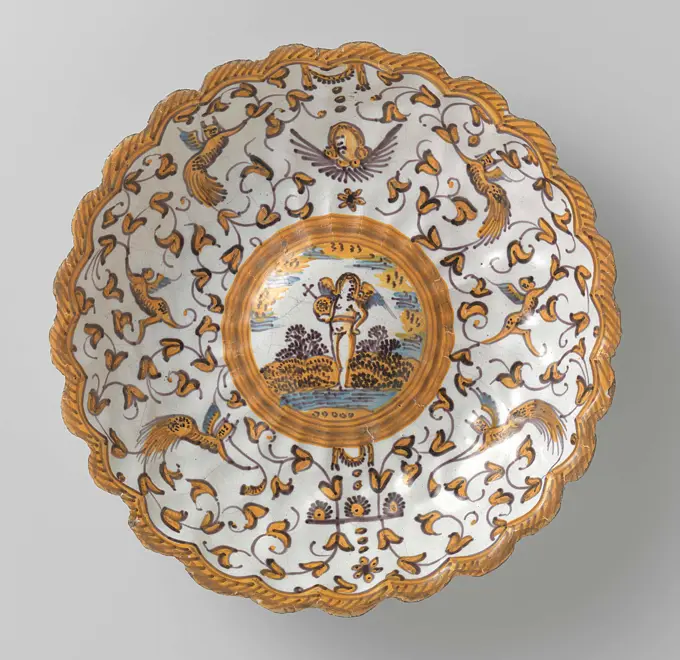
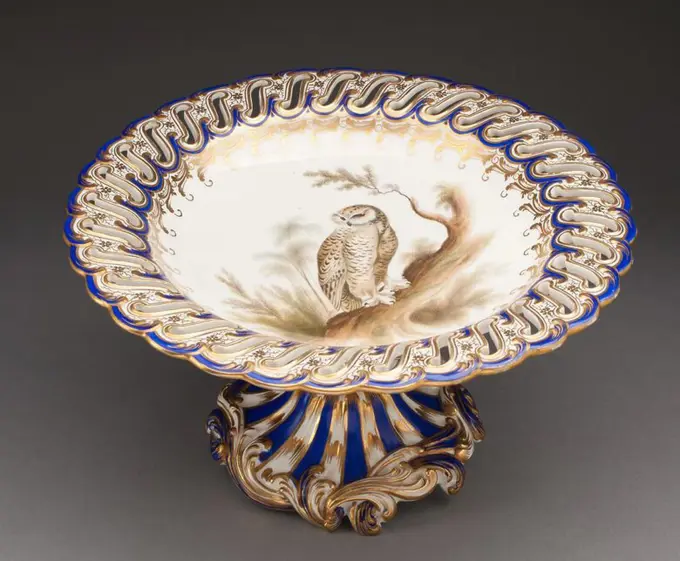
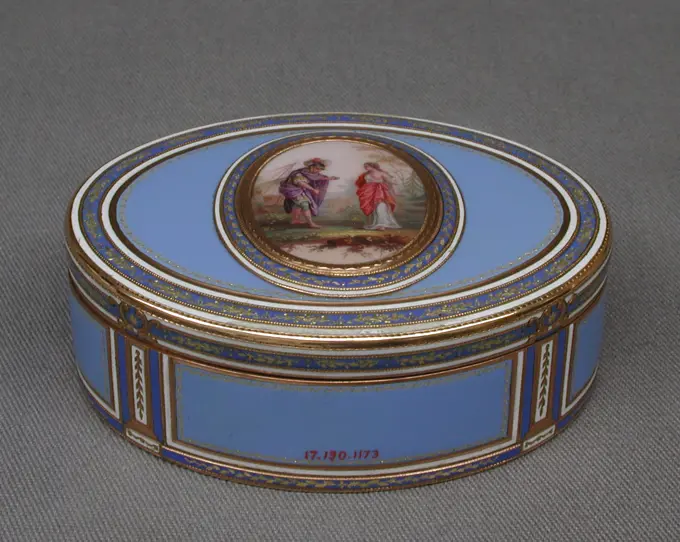
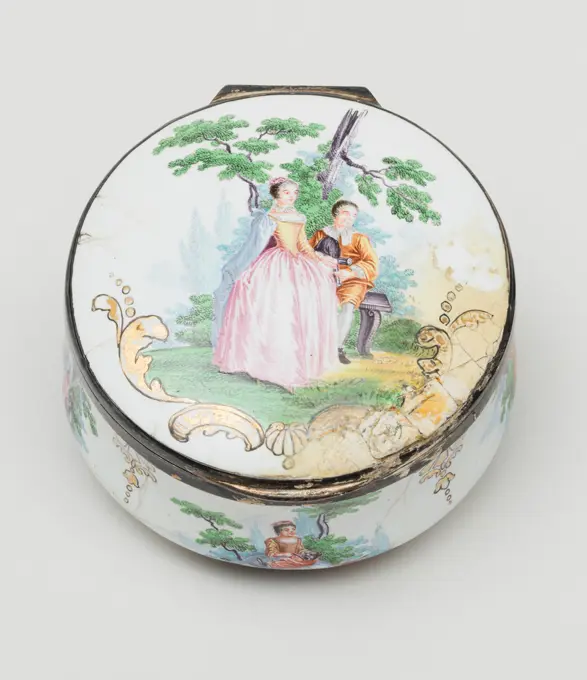
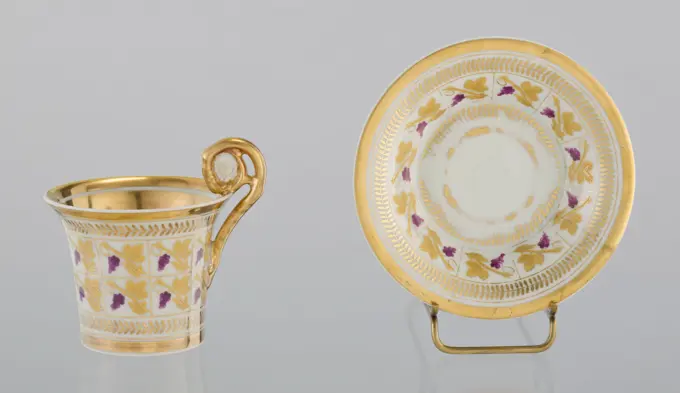
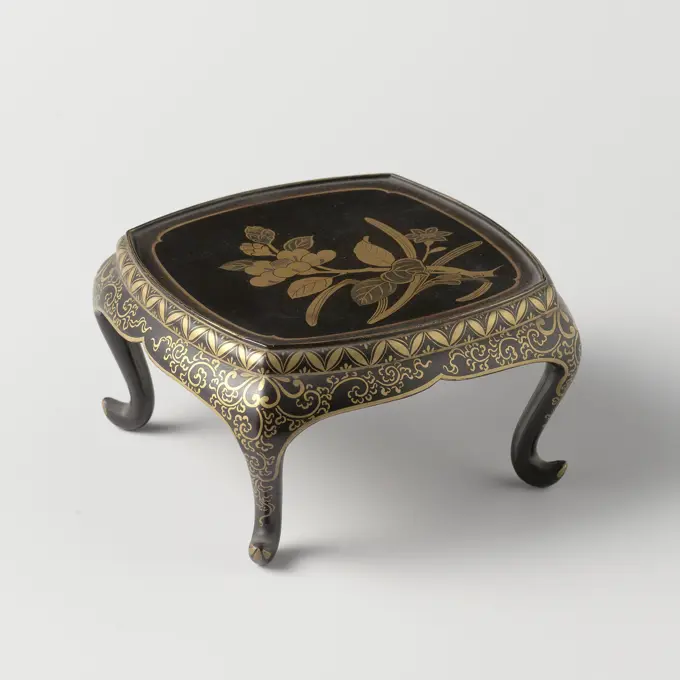
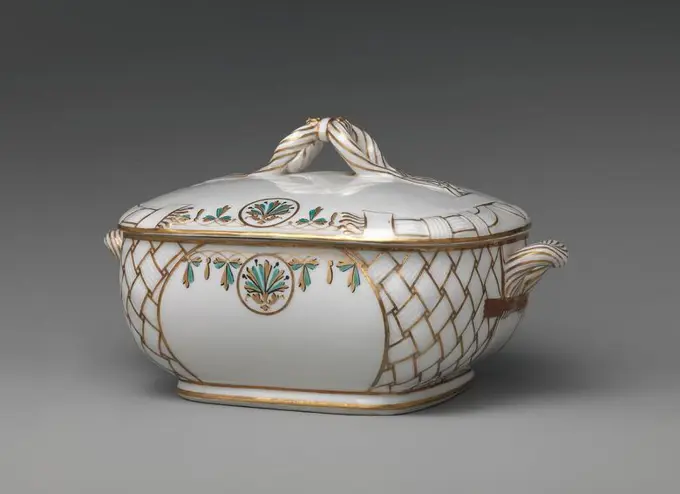
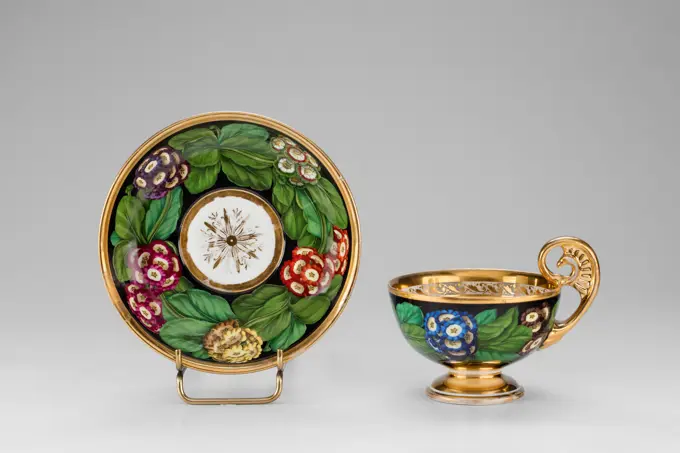
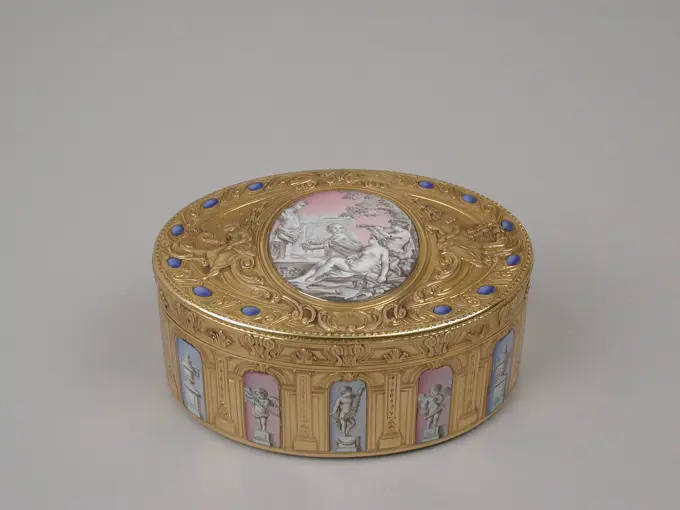
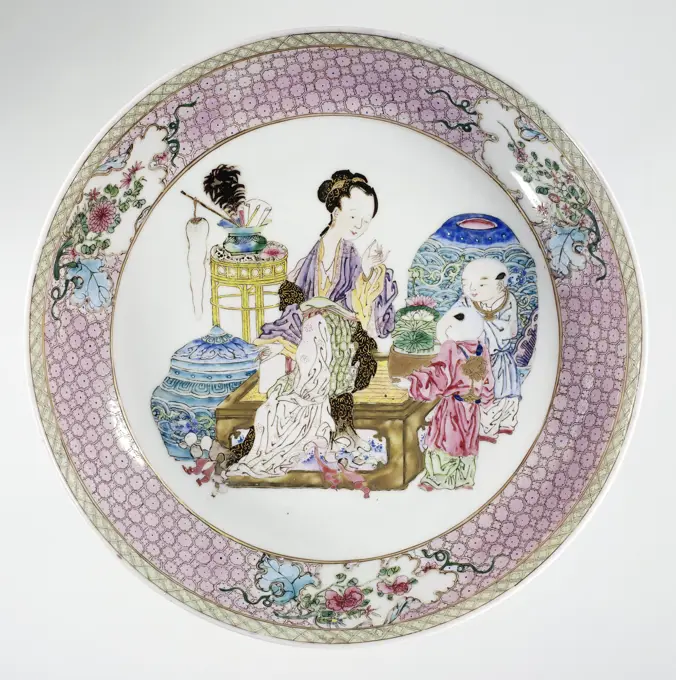
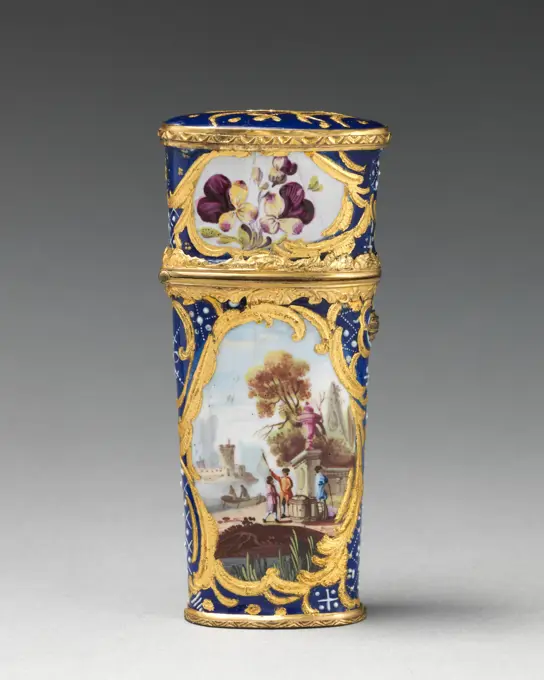
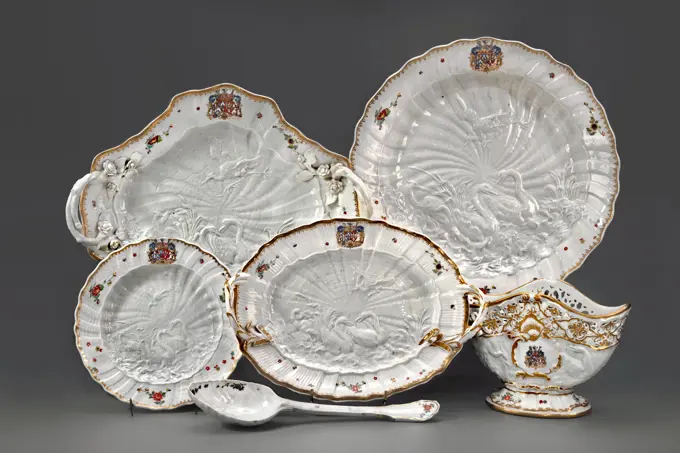
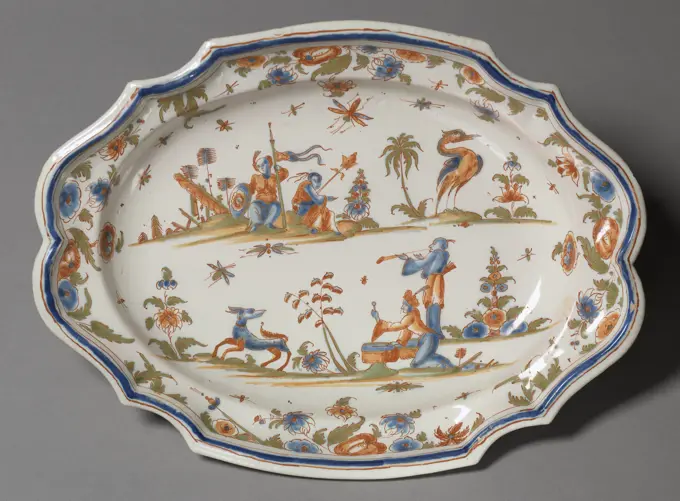
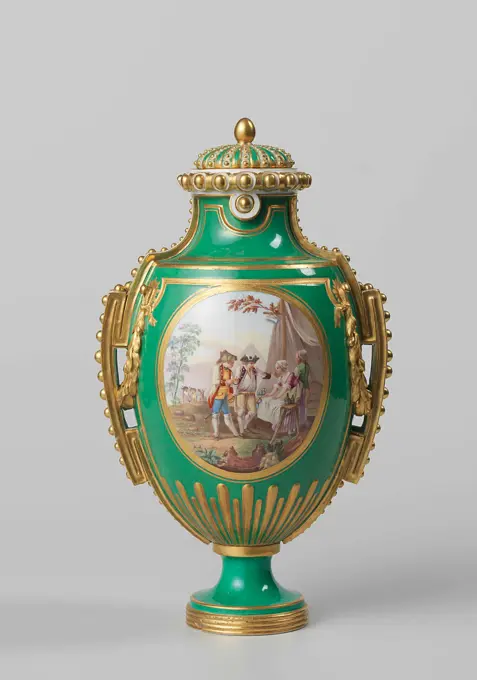
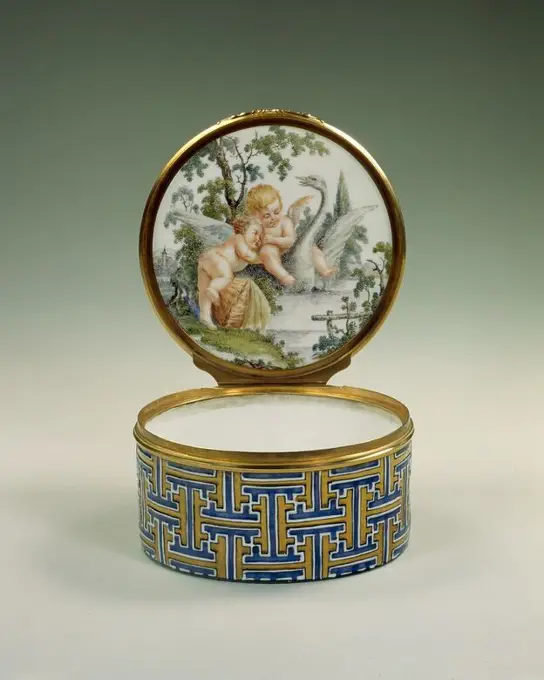
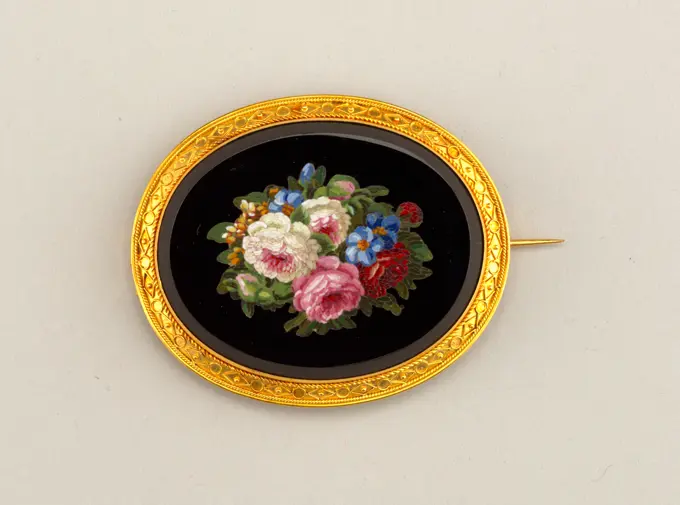
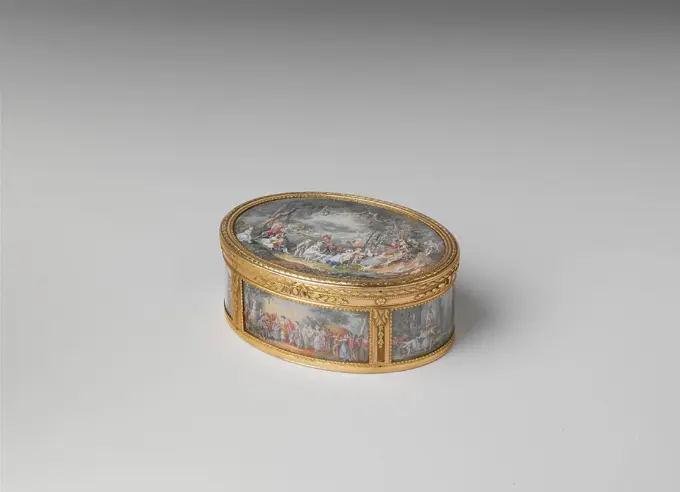
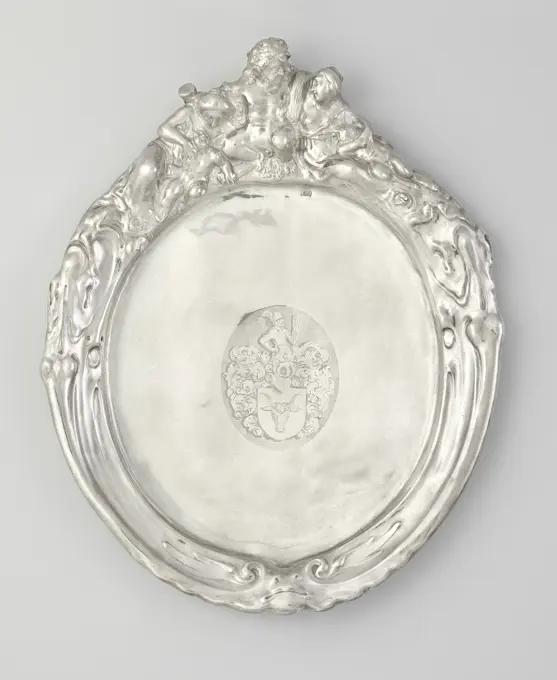
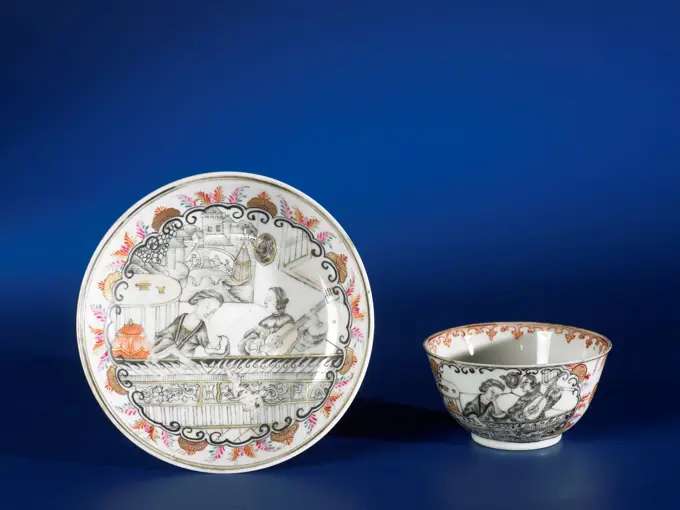
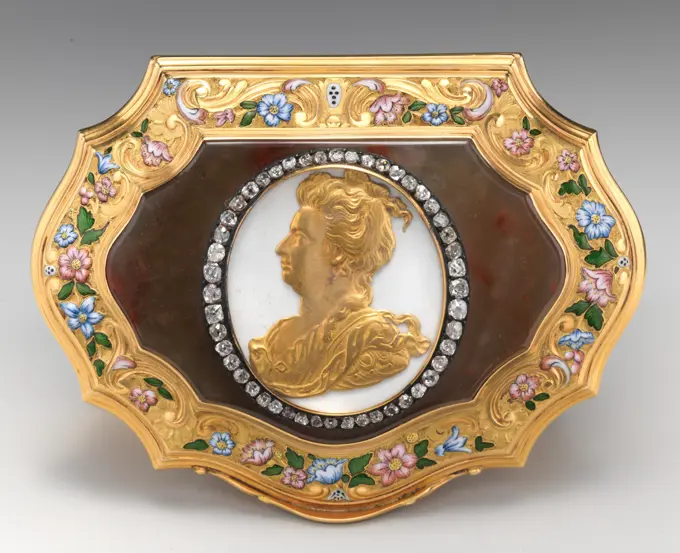
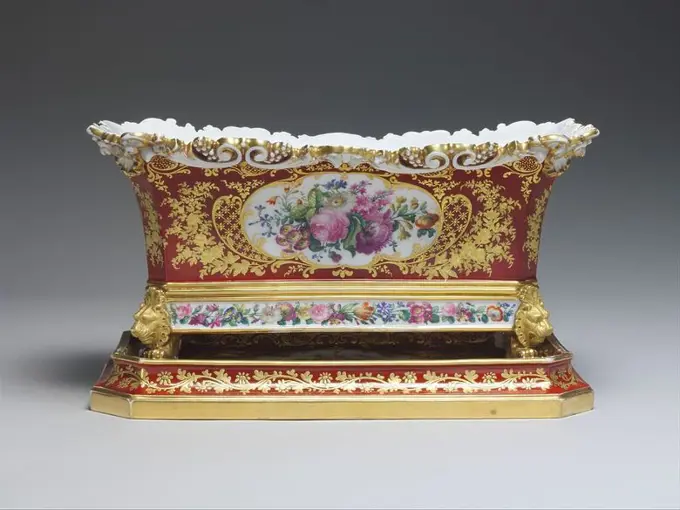
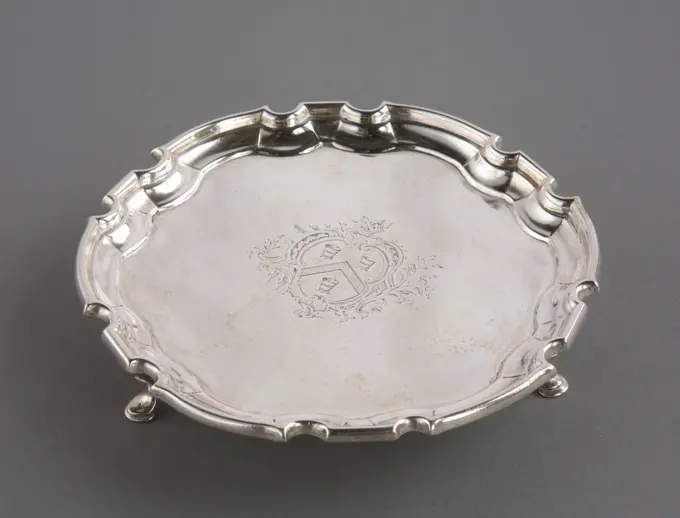
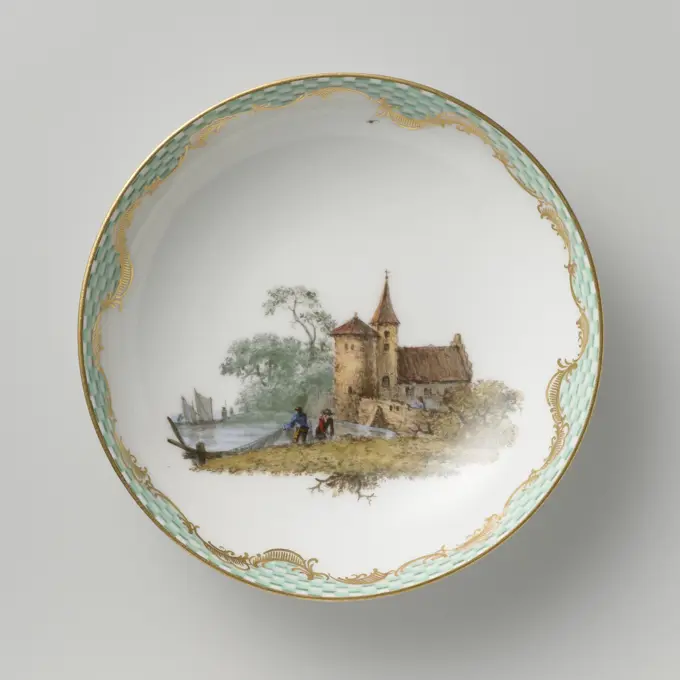
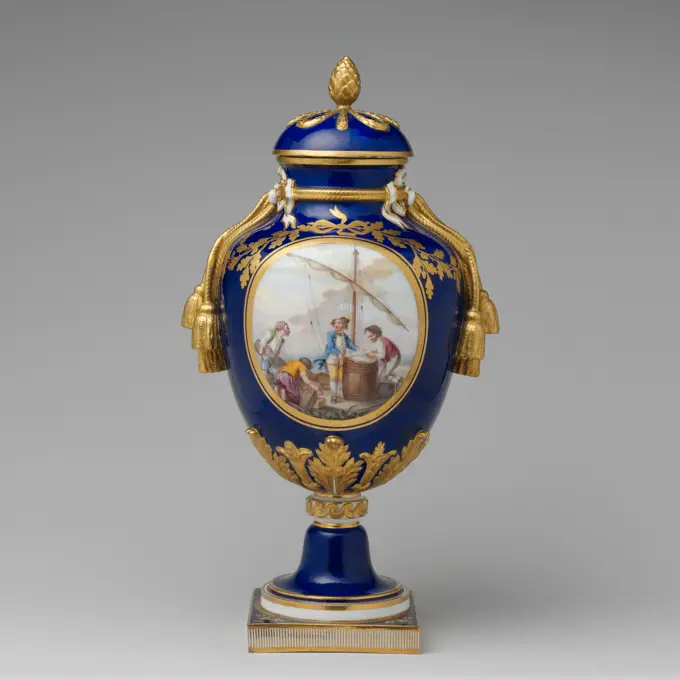
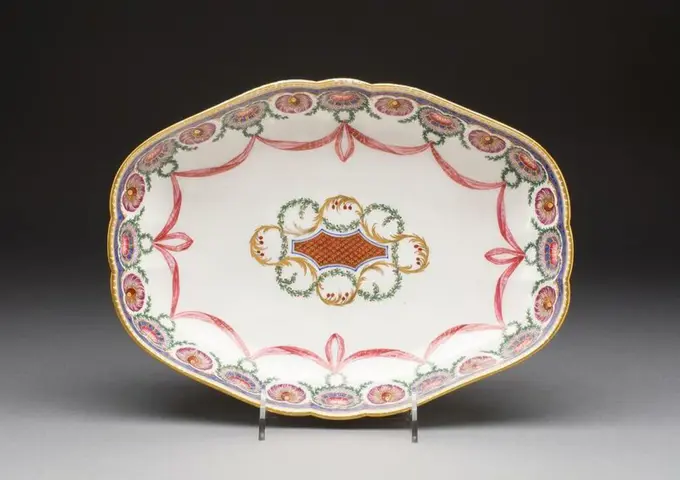
Basin (Jatte ovale de pot à l'eau). Sèvres Porcelain Manufactory; French, founded 1740; Painted by Louis-Jean Thévenet (French, active 1741/45-1777). Date: 1763. Dimensions: 19.4 x 28.6 cm (7 5/8 x 11 1/4 in.). Soft-paste porcelain, polychrome enamels, gilding, and gilt-metal mounts. Origin: Sèvres. Museum: The Chicago Art Institute, Chicago, USA.Sugar can, multicolored painted with chinoiseries, Meissener Porzellan Manufaktur, c. 1740 Sugar box made of painted porcelain. The container has a high foot and is painted with Höroldt chinoiseries and port views. The container is marked. Float porcelain Sugar box made of painted porcelain. The container has a high foot and is painted with Höroldt chinoiseries and port views. The container is marked. Float porcelainFruit dish (compotier coquille) (one of four) (part of a service) 1780 Sèvres Manufactory French. Fruit dish (compotier coquille) (one of four) (part of a service). French, Sèvres. 1780. Soft-paste porcelain. Ceramics-PorcelainA few spherical, bowl saucer; Gotzkowsky-Manufaktur; around 1763/65 (1763-00-00-1765-00-00);Dish, Anonymous, 1740 - 1775  Seaber from Faience. Multicolored painted with a basket and flower decorations. Delft .A plate with a cascade view in the Pawsko; Imperial Porcelain Factory in St. Petersburg (1744-1917); 1. W. 19th century (1801-00-00-1820-00-00);Covered box with a portrait of Charles III of Spain, anonymous, c. 1875 - c. 1899 Porcelain lid with ribbed wall, painted on the glaze in blue, red, pink, turquoise, yellow, black and gold. On the lid a portrait of Karel III of Spain in a medallion; for the medallion the inscription 'Carolus III dei Grata 1802'; A decorative tire around the edge; A decorative band around the outer edge; A yellow flower on the inside of the lid. Possibly a 19th-century European copy (Samson, Paris). European performance in email colors. ChinaParis porcelain. glaze. gold (metal) painting / gilding / vitrification Porcelain lid with ribbed wall, painted on the glaze in blue, red, pink, turquoise, yellow, black and gold. On the lid a portrait of Karel III of Spain in a medallion; for the medallion the inscription 'Carolus III dei Grata 1802'; A decorative tire around the edge; A decorative band around the outer edge; A yellow flower on the inside of the lid. Possibly a 19th-century European copy (Samson, PPelvis; Manufacture de Porcelaine (Vincennes; 1740-1756); 1753 (1753-00-00-1753-00-00);Domaradzki, Czesław (Fl. Ca 1957) - collection, Bleu Celeste, flower decorations, purchase (provenance). Dish, Purple painted with winged putti floating on clouds. Along the edge a guilloches band with dependent flour glulands. Marked with a stork in blue under the glaze. N.B. German porcelain painted in The Hague.My Liwska cylinder with a traffic jam; Manufaktura Majoliki in Nieborów (Nieborów; Wytwórnia; 1881-1899), Hy Ycka, Jadwiga (1856-1922); 1881-1886 (1881-00-00-1886-00-00);Bottle Cooler. Clérissy Pottery Factory; French, late 16th century-1736. Date: 1700-1720. Dimensions: 18.6 x 20.2 cm (7 5/16 x 7 15/16 in.). Tin-glazed earthenware (faience). Origin: Moustiers-Sainte Marie. Museum: The Chicago Art Institute, Chicago, USA.Snuffbox 18th-19th century possibly Saint-Cloud factory In eighteenth-century Europe, Paris led the production of high-quality luxury goods. Parisian goldsmiths made a wide range of small, personal articles such as snuffboxes; étuis to hold sealing wax, tweezers, or utensils for sewing; souvenirs, which contained thin ivory tablets for note taking; and shuttles for knotting lace. Gold snuffboxes and boxes decorated with portrait miniatures were prized and frequently given as royal gifts, often to ambassadors or members of the court in lieu of cash payments for their services. Coveted and admired, these boxes were produced from a variety of materials. The best were skillfully made of gold and embellished with diamonds, enameled decoration, lacquer, and other luxurious materials. By the middle of the century, the taking of snuff had become an entrenched social ritual, and the snuffbox, too, had become an important social prop. Snuffboxes were considered highly fashionable accessories, wiOval Dish, c. 1760-65. Nymphenburg Porcelain Factory (German, founded 1747). Porcelain; overall: 20.4 x 16.4 cm (8 1/16 x 6 7/16 in.).Plate with a mythological image of Cybele, anonymous, c. 1725 - c. 1749 Porcelain plate, painted on the glaze in red, black and gold. On the flat a mythological representation with Cybele pulled into her car by two lions, to the left of her a squat woman who gives her a wreath. To the right of Cybele three more goddesses: Ceres, Flora and Pomone; A decorative band on the wall; The edge with a decorative tire and a 'Speeardhead-Border'. A chip in the edge. Two old labels on the bottom with 'F. Bodenham/ Elmhurst, Hereford/ 73 'and' 7/ Cybele/ ... '. European performance in Encre de Chine. China porcelain. glaze. gold (metal) painting / gilding / vitrification Porcelain plate, painted on the glaze in red, black and gold. On the flat a mythological representation with Cybele pulled into her car by two lions, to the left of her a squat woman who gives her a wreath. To the right of Cybele three more goddesses: Ceres, Flora and Pomone; A decorative band on the wall; The edge with a decorativRound plate of multicolored painted majolica, anonymous, c. 1580 - c. 1620 Round plate of multi -colored painted majolica. On the board and a profile is a used to left women's head painted. The woman wears a large flat hat (or parasol) And a large lace collar. Netherlands earthenware. tin glaze. lead glaze majolica Round plate of multi -colored painted majolica. On the board and a profile is a used to left women's head painted. The woman wears a large flat hat (or parasol) And a large lace collar. Netherlands earthenware. tin glaze. lead glaze majolicaDish with the calling of Peter and Andreas, Anonymous, c. 1750 - c. 1770 Dish of Faïence. In blue on the flat the representation of Mattheus 14 verse 18. A multicolored flower edge with putti and landscapes in blue. Delft . Dish of Faïence. In blue on the flat the representation of Mattheus 14 verse 18. A multicolored flower edge with putti and landscapes in blue. Delft .Dish (one of a pair) ca. 1770-75 Worcester factory. Dish (one of a pair). British, Worcester. ca. 1770-75. Soft-paste porcelain. Worcester factory (British, 1751-2008). Ceramics-PorcelainDessert Service (Shell-Shaped Basin with Handle). Flight, Barr & Barr (England, Worcester, 1813-1840). England, 1813. Furnishings; Serviceware. PorcelainDish (one of a pair). Culture: British, Worcester. Dimensions: Overall: 1 7/8 × 9 3/4 in. (4.8 × 24.8 cm). Factory: Worcester factory (British, 1751-2008). Date: ca. 1770-75. Museum: Metropolitan Museum of Art, New York, USA.Saucer from a set. Gotzkowsky-Manufaktur, manufacturePattipan from the 'SwellenGrebel service' with a double crowned monogram and a border with floral scrolls. Rectangular, hexagonal pattipan of porcelain with ribbed wall, painted on the glaze in blue, red, pink, green, yellow, black and gold. On the flat a crowned, double mirror monogram with 'mva' and 'hedd' surrounded by shell motifs, curlwork and flower branches; The wall with a bond with flower drinks. European performance in email colors.Plate 1700-1799 Germany. Hard-paste porcelain with polychrome enamels and gilding .Snuif box with seaymphs and gods, Anonymous, 1800 - 1900 box Gold snuff box, double model, in email decorated with nymphs and gods. Under the Triumph of Amphitrite; On the inside Mars and Omphale and the judgment of Paris.  gold (metal).Anonymous / 'Octagonal Chinese porcelain platter. Compañía de las Indias'. First half of the XVIII century. Hard-paste porcelain. Museum: Museo del Prado, Madrid, España.Tabakierka. Meissen porcelain manufactory Meissen, c. 1733 Hard Paste PorcelainPlate; Racibórz (Fiansu Factory; 1794-1828); 1830 (1830-00-00-1830-00-00);Plate plate; Koenigliche Porcellain Fabrique, Meissen (1710-1763), Kaendler, Johann Joachim (1706-1775); 1738-1739 (1738-00-00-1739-00-00);Bruehl, Edmund (1888-1962)-collection, Henryk (1700-1763), Męrtlewicz, swan service, coats of arms, message (provenance)Saucer 1770-1800 Chinese. Saucer 7229Desktop for notesSaucer from the 'SwellenGrebel Service' with a Double Crowned monogram and a Border with floral scrolls. Dish of porcelain, painted on the glaze in blue, red, pink, green, yellow, black and gold. On the flat a crowned, double mirror monogram with 'mva' and 'hedd' surrounded by shell motifs, curlwork and flower branches; The inner edge with a bond with flower drinks. European performance in email colors.Plate 1791 Sèvres Manufactory French The Sèvres factory did not master the production of hard-paste porcelain until 1769. In comparison to soft-paste porcelain, the hard-paste ceramic body was superior: it was whiter, more durable, and usually could be potted or molded more thinly. There is an irony, however, in the fact that this whiter porcelainthe goal of all soft-paste porcelain factorieswas often completely obscured by ground colors that covered the entire visible surface. Strong colors and painted surfaces that simulated other materials were very much in fashion in the late eighteenth century.This hard-paste porcelain plate is decorated in a style that imitates Asian black lacquer. The painting is executed in two tones of gold with platinum highlights on a black ground. The abbreviated landscapes in the center and along the border reflect a type of decoration known as chinoiserie. These fanciful depictions of Asian scenes as imagined by Europeans usually include figures in oriePlate. Culture: American. Dimensions: Diam. 8 3/4 in. (22.2 cm). Maker: Ott and Brewer (1871-1893). Date: ca. 1884-90.This plate features a Japanesque design of lily pads and blossoms, grasses and a dragonfly in finely executed raised gold paste work. Museum: Metropolitan Museum of Art, New York, USA.Tea Bowl and Saucer Tea Bowl And Saucer; Possibly by Christian Frederich Herold (German, 1700-1779); Manufactured by Meissen Porcelain Factory (Germany), Meissen Porcelain Manufactory (Germany); Germany; hard paste porcelain, vitreous enamel, goldDish with a bare angel on the flat. Round dish of multi-colored padded faience, with a ribbed and scalloped edge. In the middle is a circle in which a standing, naked angel has been painted on a ground. Leaf rights and animals are painted on the edge. The dish is painted in the colors yellow, purple and blue.Compote. Chamberlain and Company; Worcester, England, 1840-1852. Date: 1849. Dimensions: 12.6 × 24.4 × 24.4 cm (4 15/16 × 9 5/8 × 9 5/8 in.). Soft-paste porcelain with polychrome enamels and gilding. Origin: . Museum: The Chicago Art Institute, Chicago, USA.Gaming purse late 17th century French. Gaming purse 169683Butter dish and stand.Cup and Saucer 1815-16 Austrian, Vienna. Cup and Saucer 461012Scale, leaf shaped. Scale of porcelain, leaf-shaped scallops, on one side with an acanthus sheet embossed. Edge and leaf with golden trim. Part of a crockery, painted in sepia with landscapes or topographical faces.Snuffbox early 19th century Les Frères Toussaint. Snuffbox 193851Spoon TRAY WITH THREE FIGURES in a Landscape in Front of a Pavilion. Pattipan of porcelain, rectangular and hexagonal, with lobed wall, painted on the glaze in red, black and gold. On the flat and lord and lady on a terrace for a pavilion and a table with objects of a scholar, next to them a servant; Left of the couple a pond; The wall with napkin interspersed with flower drinks in cartouches. Bottom unglazed. European forms with encre de chine.Cup and Saucer: Saucer, mid-18th century. England, mid-18th Century. Enamel on metal; diameter: 14.2 cm (5 9/16 in.); overall: 3.2 cm (1 1/4 in.).Cilidrical covered box in the shape of a cricket's cage, anonymous, c. 1675 - c. 1699 Cylindrical porcelain box on three legs and held together in the form of a cricket cage by three modeled cords, ending in a raised knot as a lid button. Painted in underly glaze blue and on the glaze red, green, yellow and black. The lower half of the box with waves, birds and flower branches; The upper half is modeled in grille work with a flower drink in each box. On the lid a fishnet pattern with loose flowers. Imari. Japan porcelain. glaze. cobalt (mineral) painting / vitrification Cylindrical porcelain box on three legs and held together in the form of a cricket cage by three modeled cords, ending in a raised knot as a lid button. Painted in underly glaze blue and on the glaze red, green, yellow and black. The lower half of the box with waves, birds and flower branches; The upper half is modeled in grille work with a flower drink in each box. On the lid a fishnet pattern with loose flowers. Imari. Subdamer painted porcelain. The saucer is covered with an orange-red fond, in which braco-shaped four passes are saved with (water) landscapes with European figures, sometimes with bales and ships. The dish has been marked.Box; enamel, metalFili Anka with a saucer; Baranówka (Porcelain Manufaktura; 1804-2012); around 1825 (1820-00-00-1830-00-00);Foot or standard for a box, 1700 - 1800 Foot for a square box with four curved legs. Decorated with flower branches and sities in gold-hiramakia on a black soil. Note: see also AK-NM-6138. Japan wood (plant material). lacquer (coating). gold (metal) lacquering Foot for a square box with four curved legs. Decorated with flower branches and sities in gold-hiramakia on a black soil. Note: see also AK-NM-6138. Japan wood (plant material). lacquer (coating). gold (metal) lacqueringCovered Vegetable Dish. Culture: American. Dimensions: 5 3/8 x 9 11/16 in. (13.7 x 24.6 cm). Maker: Union Porcelain Works (1863-ca. 1922). Date: 1885.Union Porcelain Works was one of the most important and inventive American porcelain manufacturers in the second-half of the nineteenth century. In addition to their imaginative works designed by the German-born artistic director, Karl H. L. Müller, the firm's mainstay was the production of heavy porcelain hotel dinnerware. This extensive service was made by Thomas Carll Smith, head of the Union Porcelain Works, as a gift to his daughter, Pastora Forest Smith Chace. The neoclassical decoration of the gilt bellflower and basket motif is complimented by turquoise enamel. Unlike the firm's more eccentric and lavish designs created for their display at the Philadelphia Centennial Exposition in 1876, the pottery favored a more restrained classical style for their dinner services. This service descended in the Chace family. Museum: MetropolitaTeacup and saucer, with primula decoration. Manufaktura porcelany w Slavkovie (1792- ), factorySnuffbox with grisaille decoration of Cupid and Venus ca. 1766 Jean-Baptiste Carnay In eighteenth-century Europe, Paris led the production of high-quality luxury goods. Parisian goldsmiths made a wide range of small, personal articles such as snuffboxes; étuis to hold sealing wax, tweezers, or utensils for sewing; souvenirs, which contained thin ivory tablets for note taking; and shuttles for knotting lace. Gold snuffboxes and boxes decorated with portrait miniatures were prized and frequently given as royal gifts, often to ambassadors or members of the court in lieu of cash payments for their services. Coveted and admired, these boxes were produced from a variety of materials. The best were skillfully made of gold and embellished with diamonds, enameled decoration, lacquer, and other luxurious materials. By the middle of the century, the taking of snuff had become an entrenched social ritual, and the snuffbox, too, had become an important social prop. Snuffboxes were considered highlySaucer-dish with a woman and two boys, anonymous, c. 1725 - c. 1735 Porcelain dish, covered with a pink glaze and painted on the glaze in blue, red, pink, green, yellow, purple, black and gold. On the flat a sitting woman with two boys surrounded by happiness objects; the wall with a tire servetwork interspersed with leaf -shaped cartouches with flower branches; On the inner edge a band with servetwork; The back is covered with a pink glaze. Famle Rose with a Ruby Back. China porcelain. glaze. gold (metal) painting / gilding / vitrification Porcelain dish, covered with a pink glaze and painted on the glaze in blue, red, pink, green, yellow, purple, black and gold. On the flat a sitting woman with two boys surrounded by happiness objects; the wall with a tire servetwork interspersed with leaf -shaped cartouches with flower branches; On the inner edge a band with servetwork; The back is covered with a pink glaze. Famle Rose with a Ruby Back. China porcelain. glaze. gold (metal) painting Vanity case ca. 1760-1800 British, Staffordshire. Vanity case. British, Staffordshire. ca. 1760-1800. Enameled copper. EnamelsCover, De Witte Starre, 1762 - 1772 Lid of a butter fleet, from Faience. Decorated with high -running leaves and flowers and a pear as a handle. Delft . Lid of a butter fleet, from Faience. Decorated with high -running leaves and flowers and a pear as a handle. Delft .. Round dish of painted porcelain. The dish is painted with landscapes in which figures and along the edge a wide strip of green braid. The dish has been marked.Oval platter, plate plate, basket - bottle stand, round platter, rhomboidal platter, platter spoon; Koenigliche Porcellain Fabrique, Meissen (1710-1763), Eberlein, Johann Friedrich (1695-1749), Kaendler, Johann Joachim (1706-1775); 1742 (1742-00-00-1742-00-00), 1738-1739 (1738-00-00-1739-00-00), 1737-1741 (1737-00-00-1737-00-00), 1737 -1740 (1737-00-00-1740-00-00), 1738 (1738-00-00-1738-00-00);Bruehl, Edmund (1888-1962)-collection, Henryk (1700-1763), Męrtlewicz, swan service, coats of arms, message (provenance), platters, purchase (provenance). Round dish of painted porcelain. The dish is painted with landscapes in which figures and along the edge a wide strip of green braid. The dish has been marked.Platter, c. 1740. France, Lyons, mid-18th century. Tin- glazed eathenware (faience) with enamel decoration; overall: 36.2 x 27.3 cm (14 1/4 x 10 3/4 in.).Pair of vases (vases à perles or vases à panneaux). The classicizing shape of the vases was probably designed by the renowned sculptor Falconet, whose statue of Cupid is on view in this gallery. The vases owe their name to the simulated pearls’ and raised panels with painted scenes. They may have formed a set with the vase ballon also displayed here, even though the green colour of the ground differs considerably.Vase on wooden stand. Kinkôzan, Sôbei VII (1867-1927), male artistVase, one of a pair, c. 1860, 16 5/8 x 13 1/16 x 9 7/8 in. (42.23 x 33.18 x 25.08 cm), Glazed porcelain, France, 19th centuryPlate under the jug; Koenigliche Porcellain Fabrique, Meissen (1710-1763); around 1730-1735 (1730-00-00-1735-00-00);Plate with the arms of the Herzeele family, anonymous, c. 1740 - c. 1760 Porcelain plate, painted on the glaze in blue, red, pink, black and gold. On the flat the coat of arms of the Herzeele family. The weapon consists of two fields: on the left a red background with a golden twig, right 1. A gold ring with four red hearts, 2. A red background with two crossed knots, 3. Three black -green swallows. The helmet sign is a crown and the weapon is worn by a lion and a griffin, standing on a golden pedestal in Louis XIV style. For the weapon flower ranks in Bianco Sopra Bianco. A Spearhead border on the wall. The edge with a decoration in the Viennese du Paquier style with flowers, garlands and peacocks. Weapon porcelain with email colors. China porcelain. glaze. gold (metal) painting / gilding / vitrification Porcelain plate, painted on the glaze in blue, red, pink, black and gold. On the flat the coat of arms of the Herzeele family. The weapon consists of two fields: on the left a red bacJug saucer. Koenigliche Porcellain Fabrique, Meissen (1710-1763), factorySnuffbox. Culture: German. Dimensions: Height: 2 3/16 in. (5.6 cm); Diameter: 3 3/8 in. (8.6 cm). Date: ca. 1770. Museum: Metropolitan Museum of Art, New York, USA.Circular snuff box, Stamped and rolled gold, cut opalescent glass, metallic foil, Circular, with detachable cover; gold, the cover, sides and base decorated with silhouette landscapes of trees and birds painted in puce color on silver foil under enamel; matte gold borders studded with small silver bosses; lined with silver foil stamped to simulate engine-turning, under amber-colored horn., Paris, France, 1779, containers, Decorative Arts, Circular snuff box, Circular snuff boxPrzeszo Przyszoci Höroldt, Johann GregoriusJARRA DE BOLA CON EFIGIE DE FERNANDO VII-TALAVERA COMIENZOS S XIX. Location: PRIVATE COLLECTION. MADRID. SPAIN. FERNANDO VII (1784-1833).Box base. Culture: China. Dimensions: H. 2 in. (5.1 cm); Diam. 3 1/2 in. (8.9 cm). Museum: Metropolitan Museum of Art, New York, USA.Carnavalet museum, medal collection Right a glorious gymnastics, holding discs and a flag is crowned with laurels by a victory with him over a cloud and holding a palm; At the rear, parallel bars and its feet, Massuaes and Altères; Reverse a crown oak leaves and bay leaves.Box, Anonymous, 1700 - 1800 Oval golden box, completely enamelled with paintings on a half-transparent, equally pink-like soil. Marked.  gold (metal). Oval golden box, completely enamelled with paintings on a half-transparent, equally pink-like soil. Marked.  gold (metal).Octagonal vase with gold birds 1877 Worcester factory Listen to experts illuminate this artwork's story Listen Play or pause #418. Christopher Dresser and the Birth of Industrial Design Supported by Bloomberg Philanthropies We're sorry, the transcript for this audio track is not available at this time. We are working to make it available as soon as possible.. Octagonal vase with gold birds. British. 1877. Porcelain. Ceramics-PorcelainBrooch; stone mosaic, onyx, goldSnuffbox with six scenes of country pastimes. Artist: and Henri Joseph van Blarenberghe (French, Lille 1750-1826 Lille); Miniatures by Louis Nicolas van Blarenberghe (French, Lille 1716-1794 Fontainebleau). Culture: French, Paris. Dimensions: Overall (confirmed): 1 3/8 x 3 3/8 x 2 1/2 in. (3.5 x 8.5 x 6.4 cm); Miniaitures: Top, oval, 2 1/8 x 3 in. (53 x 74 mm); bottom, oval, 2 1/8 x 3 in. (53 x 74 mm); front 3/4 x 1 7/8 in. (21 x 48 mm); back 3/4 x 1 7/8 in. (21 x 48 mm); left side 3/4 x 1 7/8 in. (21 x 48 mm); right side 3/4 x 1 7/8 in. (21 x 48 mm). Maker: Box by Pierre François Drais (French, 1726-ca. 1788). Date: 1774-75.There are six marks on the oval box, including the paris mark for 1774-75, and the mark of Pierre-François Drais, a master in 1763, working to 1788. The top shows a delicate fête champêtre, signed and dated (at the bottom) van Blarenberghe / 1744: attended by revelers, a peasant couple, a young man with a violin and a young woman gathering flowers in her overskirt,Dish. Seated on the rim of this dish are Bacchus, the god of wine, accompanied by Ceres, the goddess of agriculture at the right, and Venus, the goddess of love, with her son Cupid at the left. Together they personify the maxim: Without food and drink, love is cold’. An unidentified coat of arms is engraved on the bottom of the dish.Epergne. unknown, craftsmanSaucer with a woman and a man with a mandolin, anonymous, c. 1760 - c. 1780 Porcelain dish, painted on the glaze in blue, red, pink, black and gold. On the flat of the dish a lobed cartouche with a European woman and a man with a mandolin on a terrace in front of a building, a spinging dog for the balustrade; A castle in the background; Around the cartouche half flower straws and leaves. European performance in email colors and Encre de Chine. China porcelain. glaze. gold (metal) painting / gilding / vitrification Porcelain dish, painted on the glaze in blue, red, pink, black and gold. On the flat of the dish a lobed cartouche with a European woman and a man with a mandolin on a terrace in front of a building, a spinging dog for the balustrade; A castle in the background; Around the cartouche half flower straws and leaves. European performance in email colors and Encre de Chine. China porcelain. glaze. gold (metal) painting / gilding / vitrificationSnuffbox with portrait of Queen Anne (1665-1714) 1757-58 () possibly French, Paris In eighteenth-century Europe, Paris led the production of high-quality luxury goods. Parisian goldsmiths made a wide range of small, personal articles such as snuffboxes; étuis to hold sealing wax, tweezers, or utensils for sewing; souvenirs, which contained thin ivory tablets for note taking; and shuttles for knotting lace. Gold snuffboxes and boxes decorated with portrait miniatures were prized and frequently given as royal gifts, often to ambassadors or members of the court in lieu of cash payments for their services. Coveted and admired, these boxes were produced from a variety of materials. The best were skillfully made of gold and embellished with diamonds, enameled decoration, lacquer, and other luxurious materials. By the middle of the century, the taking of snuff had become an entrenched social ritual, and the snuffbox, too, had become an important social prop. Snuffboxes were considered highlyPlate, rectangular, with two shells and two fool heads in relief, the flowerpot (attributed to), after Jan de Visscher, c. 1725 - c. 1750 Plate of Faïence, rectangular, with two shells and two fool heads in relief. In the middle of blue a cow herdster RotterdamRotterdamafter print by: Northern Netherlands . Plate of Faïence, rectangular, with two shells and two fool heads in relief. In the middle of blue a cow herdster RotterdamRotterdamafter print by: Northern Netherlands .Jardinière and stand. Culture: French, Fontainebleau. Decorator: Probably decorated at the workshop of Feuillet, Boyer, Blot, Hébert (French, active ca. 1817-1900). Dimensions: Overall (with stand): 6 1/8 × 11 × 6 in. (15.6 × 27.9 × 15.2 cm). Factory: Fontainebleau (Manufacture Royale, established 1530, 1535 or 1539). Maker: Jacob Petit (French, 1796-1865). Date: ca. 1834-48. Museum: Metropolitan Museum of Art, New York, USA.Partial coffee service. Culture: French, Sèvres. Decorator: Pictorial decoration by Jean Charles Develly (active 1813-47); Gilded by Pierre Riton (active 1821-60). Dimensions: Coffeepot: overall (confirmed): 7 9/16 x 6 15/16 x 4 1/4 in. (19.2 x 17.6 x 10.8 cm);Milk jug: overall (confirmed): 7 7/16 x 3 7/8 x 3 1/4 in. (18.9 x 9.8 x 8.3 cm);Sugar bowl: overall (confirmed): 5 5/8 x 5 1/4 x 4 1/16 in. (14.3 x 13.3 x 10.3 cm);Tray: overall (confirmed): 3/4 x 17 3/4 x 13 11/16 in. (1.9 x 45.1 x 34.8 cm). Factory: Sèvres Manufactory (French, 1740-present). Patron: Commissioned by Louis Philippe, King of France (French, Paris 1773-1850 Claremont, Surrey) for Queen Marie-Amélie. Date: 1836.The best of the Sèvres porcelain produced in the mid-nineteenth century displays an originality of conception unmatched by the other European ceramic manufactories of the period. This inventiveness is reflected in the unusual subject matter and bold ornamental patterns employed in the decoration of this sShaving basin with the arms of Holland, anonymous, c. 1700 - c. 1724 Porcelain shaving basin, painted in underly glaze blue and on the glaze blue, red, green, yellow, eggplant, black and gold. On the flat the crowned weapon with the lion and below the inscription 'Holland'. The weapon is surrounded by two flower branches (peony) and four butterflies. The edge is covered with servetwork interrupted by saved lobed cartouches with animals (roosters, goats). Between these cartouches along the edge, two saved, opposite, scalloped cartouches with prunus branches. The outer wall with two peon branches. Weapon porcelain with Famillie Verte. China porcelain. glaze. cobalt (mineral). gold (metal) painting / gilding / vitrification Porcelain shaving basin, painted in underly glaze blue and on the glaze blue, red, green, yellow, eggplant, black and gold. On the flat the crowned weapon with the lion and below the inscription 'Holland'. The weapon is surrounded by two flower branches (peony) and fouCameo of Venus and Cupid, Probably a Hat Badge Mounted as a Pendant 1500-1600 Northern Italy. Gold, chalcedony, enamel, pearls, and glass .Handscreen, Hand-painted silk leaf with passementerie, turned ivory handle, Handscreen with a cream-colored leaf, hand-painted with a basket of flowers and a bird; scrolling trim around edges; turned ivory handle., France, late 18th century, costume & accessories, HandscreenSaucer, painted with flower sitting on her knees picking woman., Anonymous, c. 1700 - c. 1750Brooch van Gold, c. 1905 In the middle a representation of a mother with child in email, surrounded by an edge of 41 diamonds. In a purple pouch. Rotterdam gold (metal). diamond (mineral) In the middle a representation of a mother with child in email, surrounded by an edge of 41 diamonds. In a purple pouch. Rotterdam gold (metal). diamond (mineral)Tray, painted with chinoiseries, pasquale antonibon, 1760 - 1775 Tray multicolored (blue, manganese, red, green and yellow) painted with chinoiseries. The edge and handles are painted with leaf vines. New ones . Tray multicolored (blue, manganese, red, green and yellow) painted with chinoiseries. The edge and handles are painted with leaf vines. New ones .Saucer With Two Figures in a Water Landscape and a Flowering Tree. Dish of porcelain with straight wall, painted on the glaze in red, black and gold. On the flat of the dish two people next to a flowering tree and a fence in a river landscape; The border with curlwork. A chip and a crack in the dish. Milk and blood.Watch. Culture: British, London. Dimensions: Diameter: 2 1/2 in. (6.4 cm). Maker: Watchmaker: Thomas Tompion (British, 1639-1713). Date: ca. 1695 or later. Museum: Metropolitan Museum of Art, New York, USA.Joseph Richardson Sr., Salver, c. 1737, silver.Dish, multi -colored painted with a landscape with figures., Meissener Porzellan Manufaktur, 1777 Round dish of painted porcelain. The dish is painted with landscapes in which figures and along the edge a wide strip of green braid. The dish is marked. Float porcelain Round dish of painted porcelain. The dish is painted with landscapes in which figures and along the edge a wide strip of green braid. The dish is marked. Float porcelainVase with cover (vase à gland) (one of a pair) ca. 1775 Sèvres Manufactory French The two primary reserves of these vases (see also 58.75.76a, b) feature dockside scenes of sailors and merchants with barrels of cargo and the mast of a ship in the middle distance. This type of marine theme was popular at Sèvres and was a specialty of the painter Jean-Louis Morin (act. 1754-87). While neither of these vases bears the painter's mark of Morin, the decoration can be attributed to him on the basis of stylistic affinities to other works on which his mark appears.Jeffrey H. Munger, 2007. Vase with cover (vase à gland) (one of a pair). French, Sèvres. ca. 1775. Soft-paste porcelain. Ceramics-PorcelainBandbox. Dated: 1935/1942. Dimensions: overall: 22.9 x 30.4 cm (9 x 11 15/16 in.) Original IAD Object: 13" high; 20" long; 16" wide. Medium: watercolor, graphite, and gouache on paperboard. Museum: National Gallery of Art, Washington DC. Author: Gilbert Sackerman.Sugar-bowl with a lid (from a service set). Stroeber, Krzysztof (fl. 1810-1830), painter, Manufaktura porcelany w Slavkovie (1792- ), factoryPlate. English for the American market; Leeds. Date: 1785-1795. Dimensions: Diam. 24.3 cm (9 9/16 in.). Creamware. Origin: England. Museum: The Chicago Art Institute, Chicago, USA.Plate Made 1800-1810 Coalport. Soft-paste porcelain, orange and black enamels and gilding . William Locke of Norbury, the YoungerSweets for sweets; Koenigliche Porcellain Fabrique, Meissen (1710-1763), Kaendler, Johann Joachim (1706-1775), Eberlein, Johann Friedrich (1695-1749); 1740 (1739-00-00-1740-00-00);Bruehl, Henryk (1700-1763), swan service, coats of arms, purchase (provenance)Cover for a Potpourri Vase, c. 1810. Derby (Crown Derby Period) (British). Porcelain; diameter of mouth: 11.5 cm (4 1/2 in.); overall: 15.1 cm (5 15/16 in.); container: 10 cm (3 15/16 in.).Speelhuisensning from Thailand worth a Fuang, 1760-1871 ,, 1760 - 1871 coin Round porcelain playing house pencil, which is also used as a mint. Front: between two branches two Chinese characters. Rail side: two Chinese characters.  porcelainBox, c. 1810. Probably by F. Joanin (Swiss). Gold and enamel; overall: 2 x 4.8 cm (13/16 x 1 7/8 in.).