Antique Porcelain Dishes

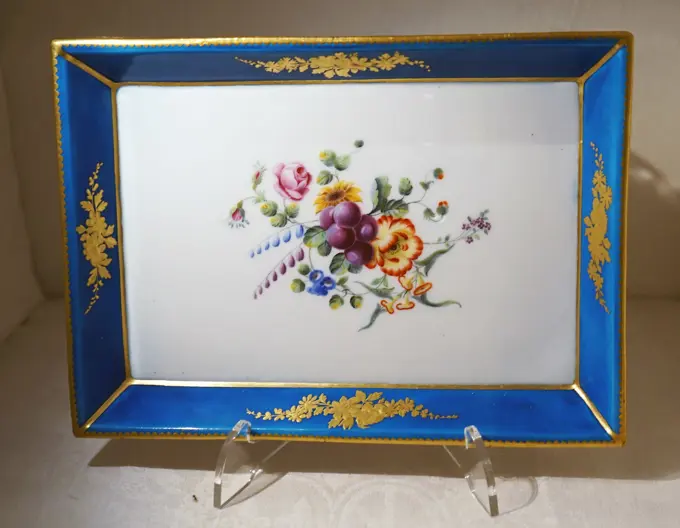
Elegant antique porcelain dishes and bowls featuring intricate floral patterns and gilding, highlighting fine craftsmanship.
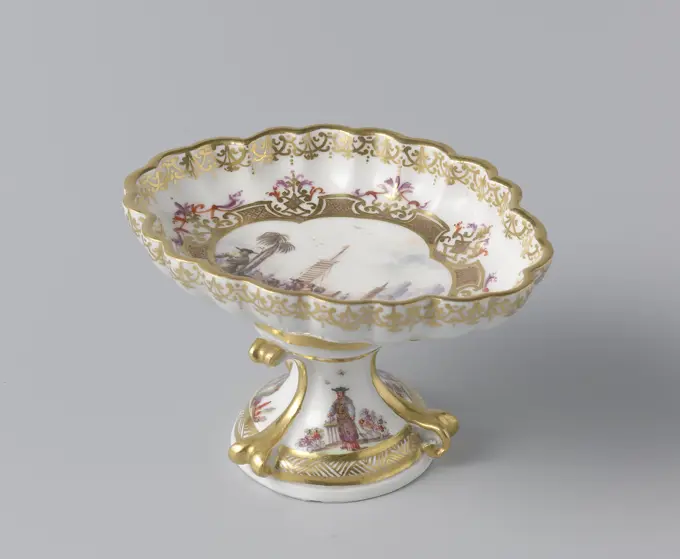
Sugar can, multicolored painted with chinoiseries, Meissener Porzellan Manufaktur, c. 1740 Sugar box made of painted porcelain. The container has a high foot and is painted with Höroldt chinoiseries and port views. The container is marked. Float porcelain Sugar box made of painted porcelain. The container has a high foot and is painted with Höroldt chinoiseries and port views. The container is marked. Float porcelain
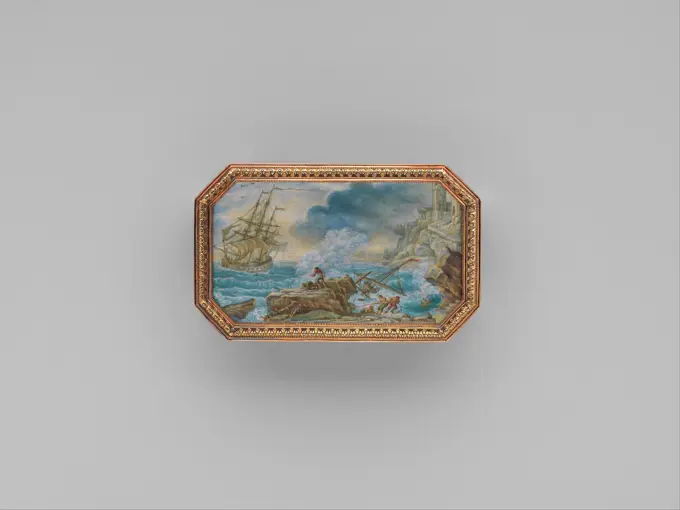
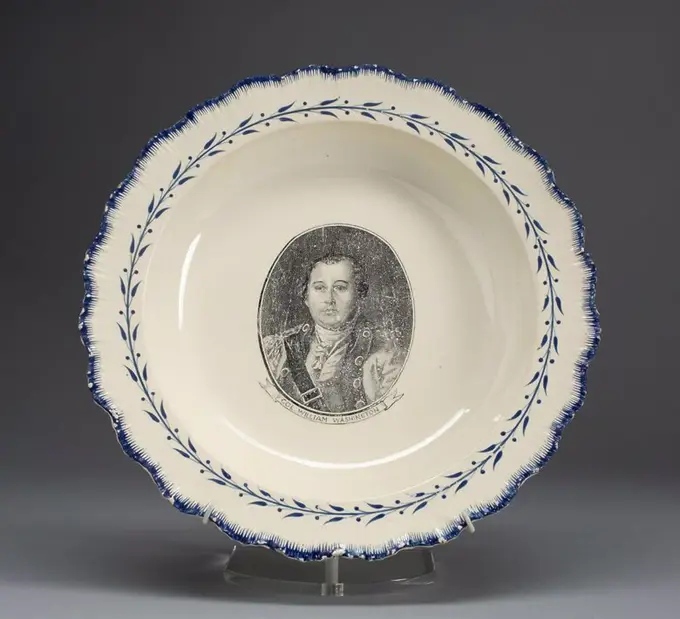
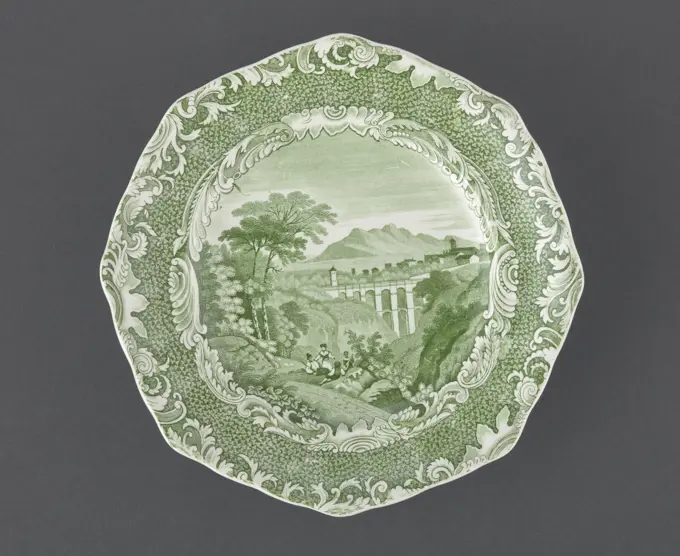
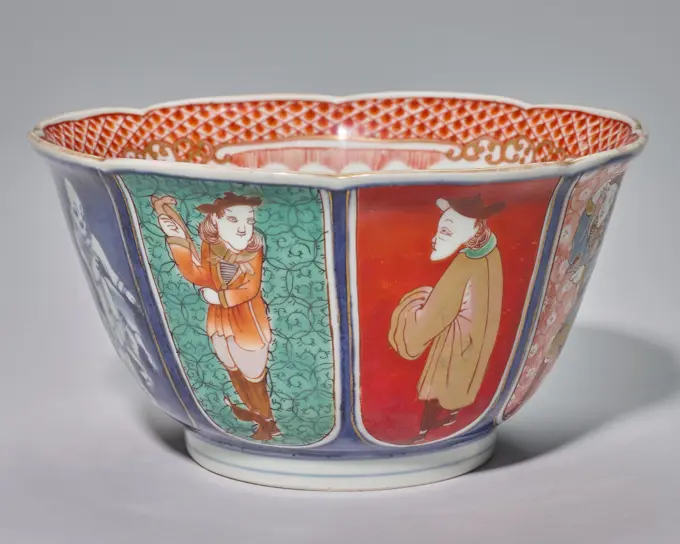
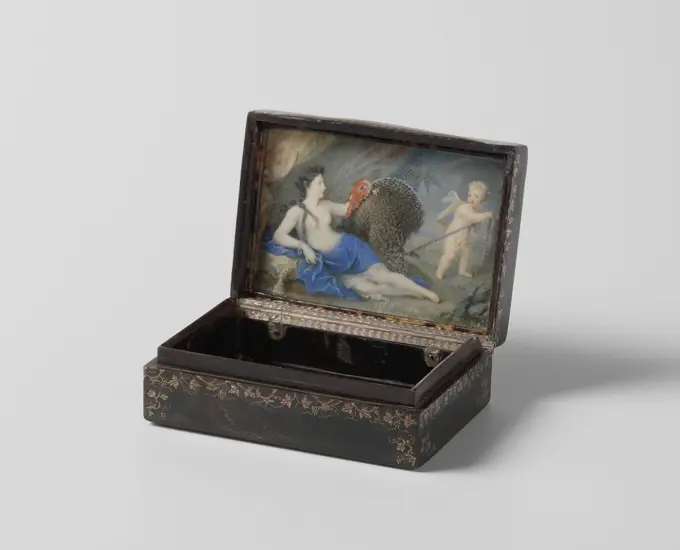
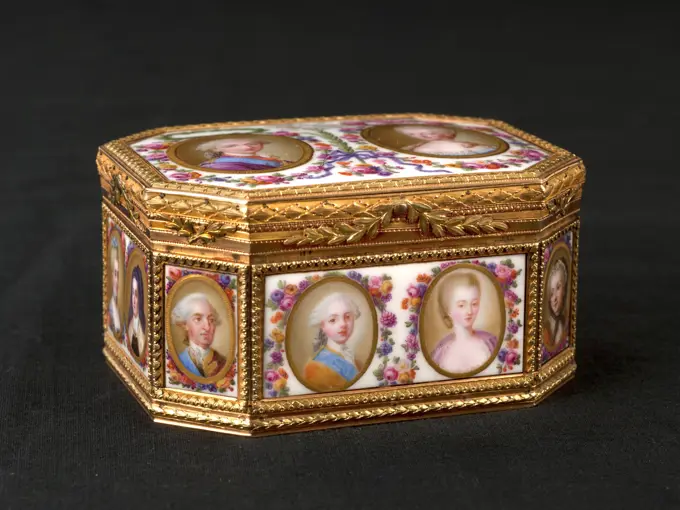
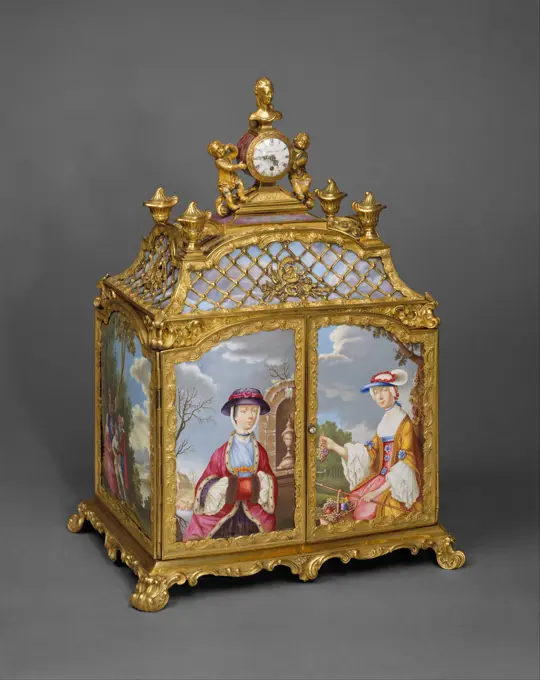
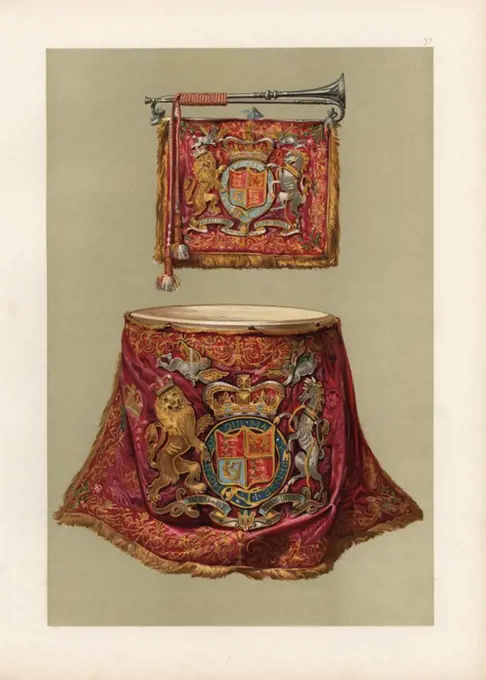
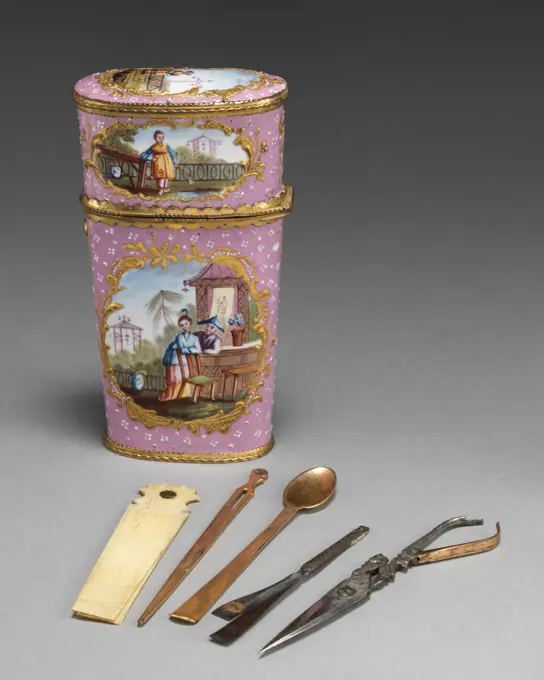
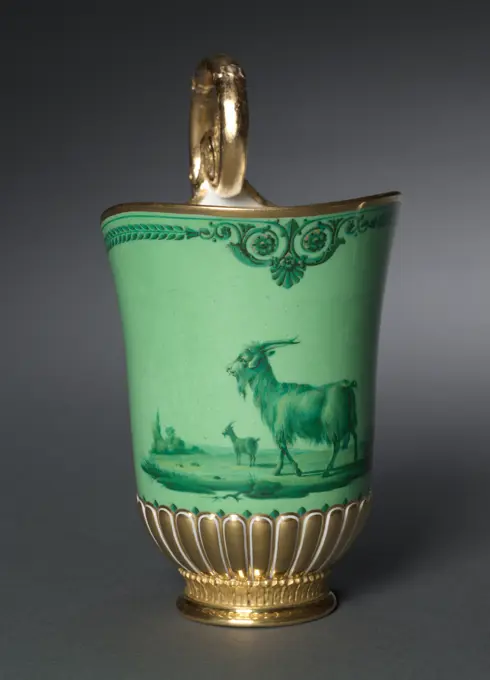
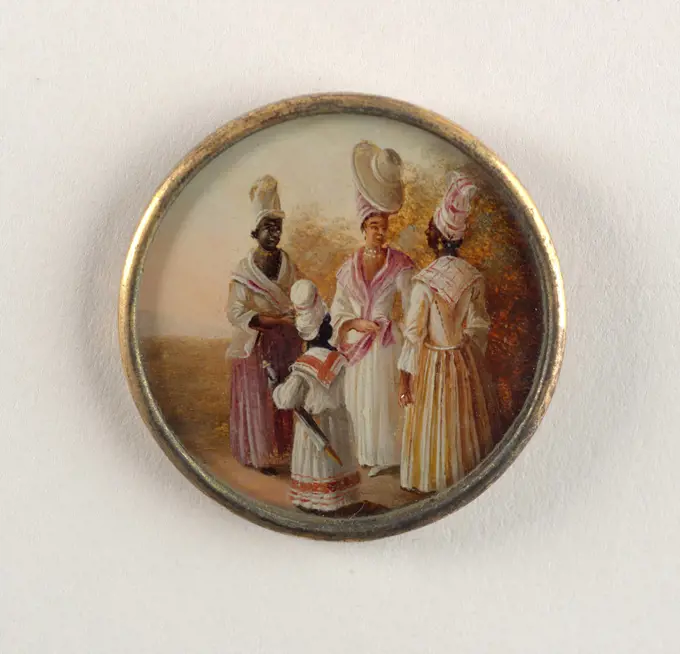
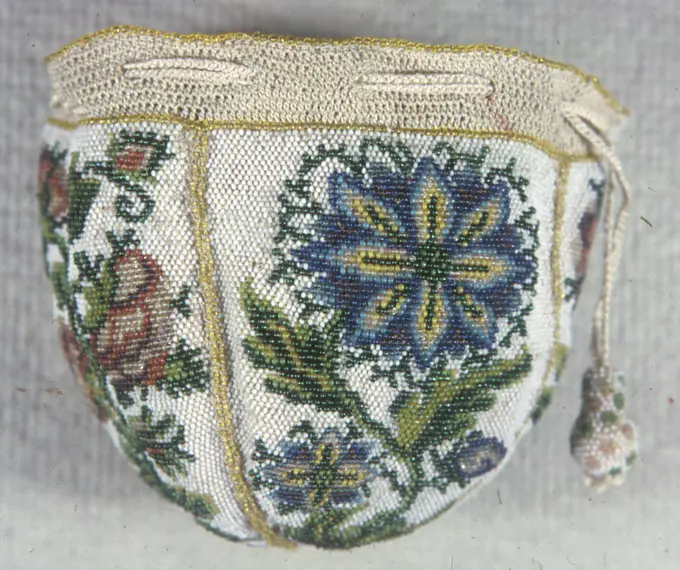
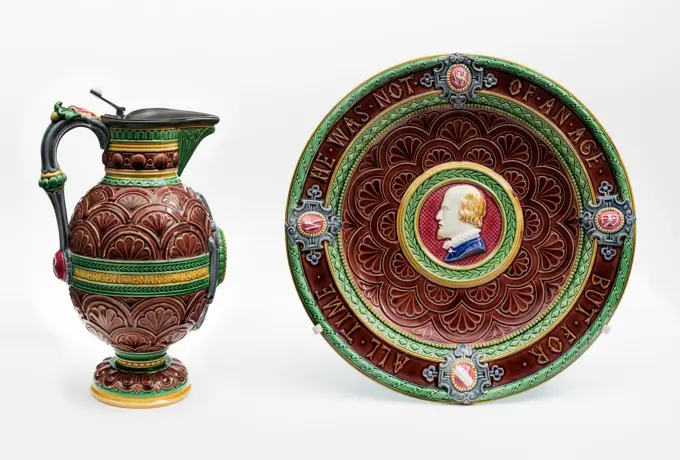
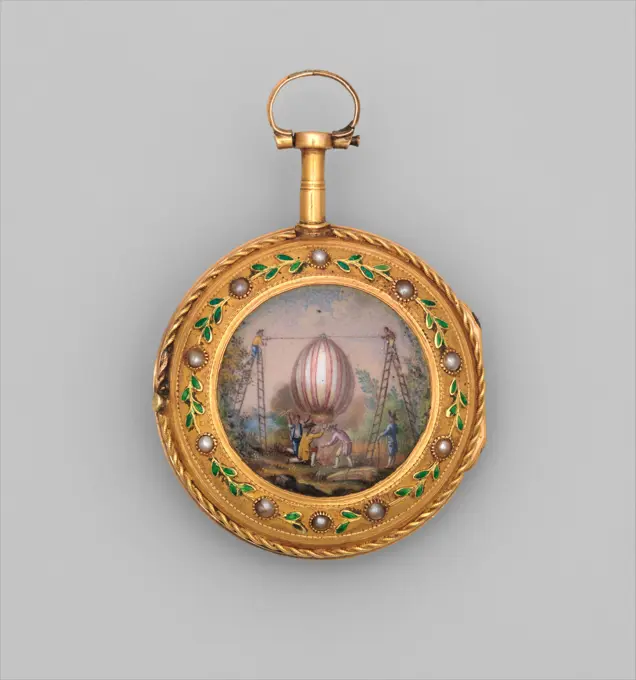
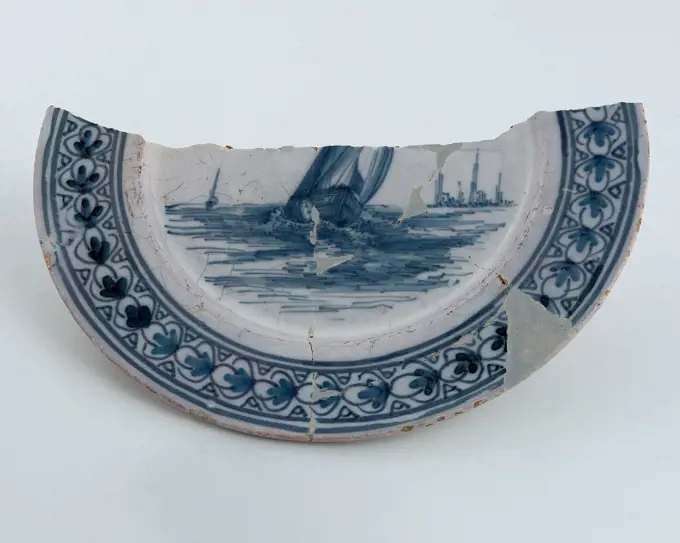
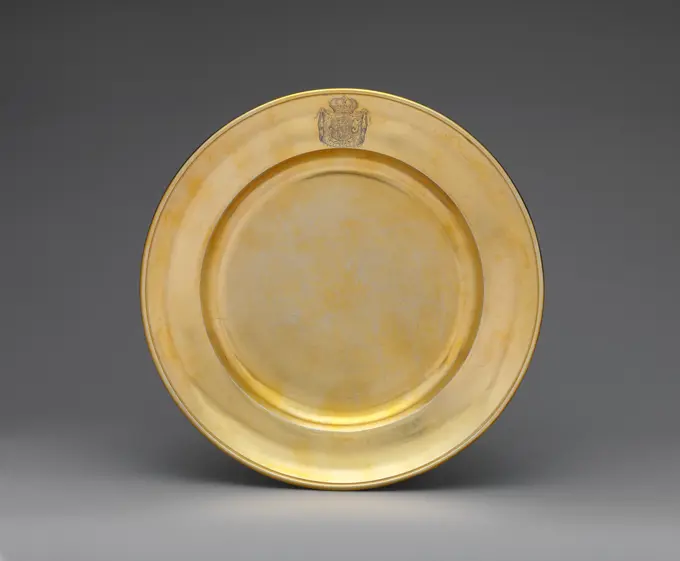
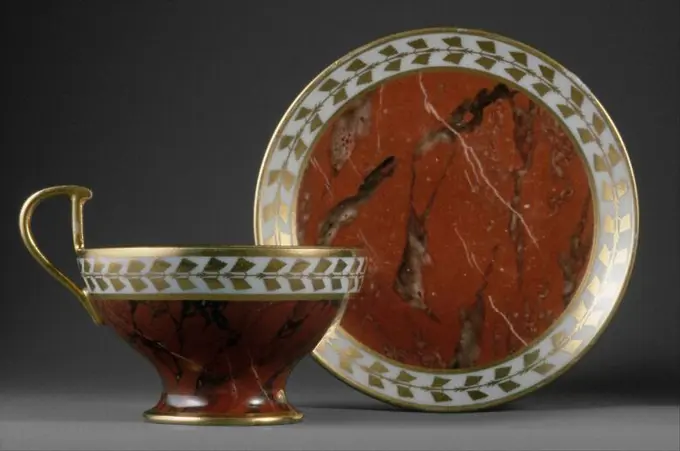
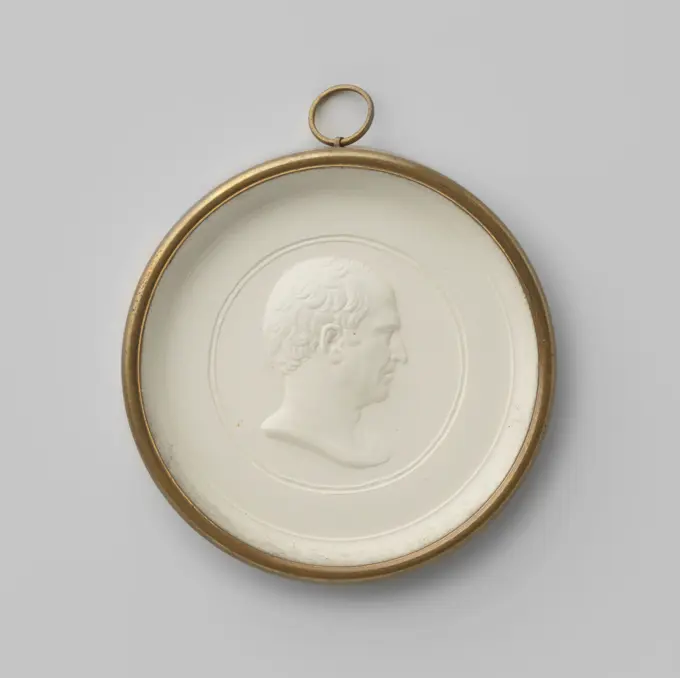
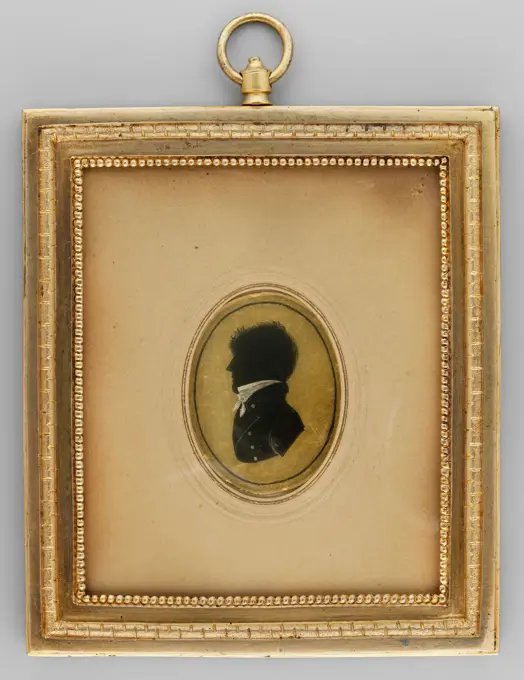
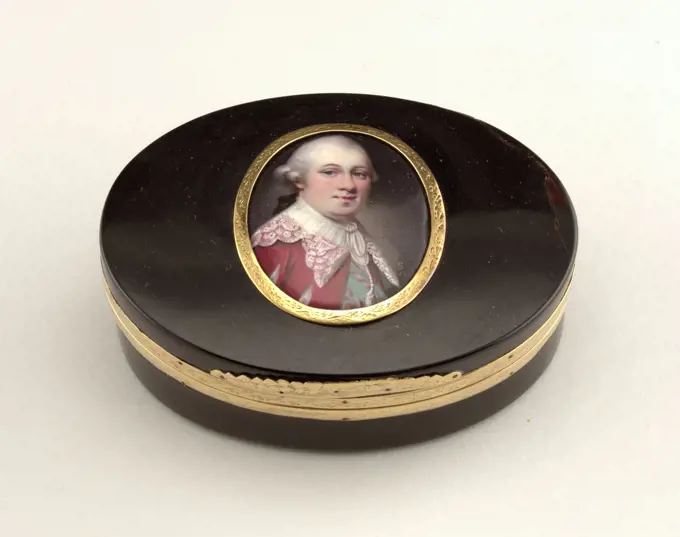
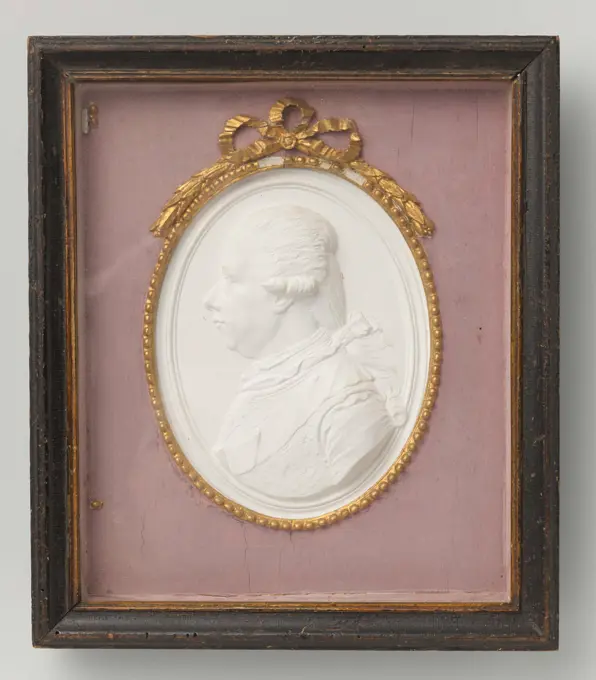
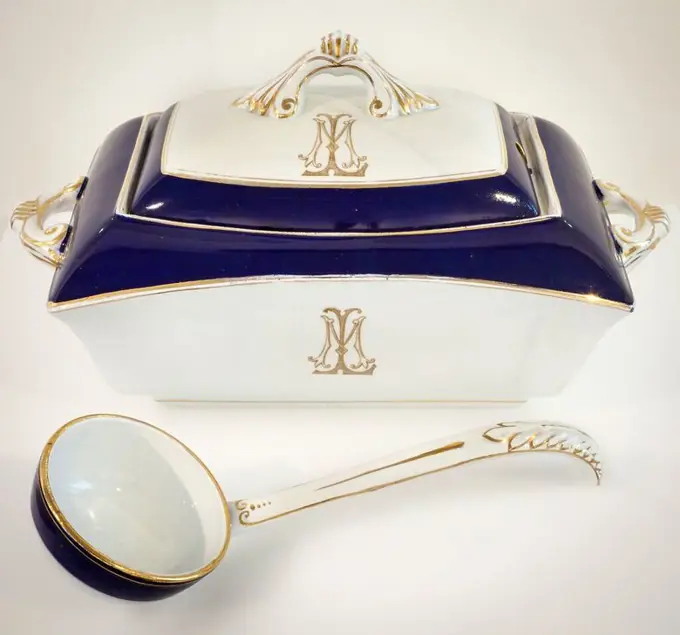
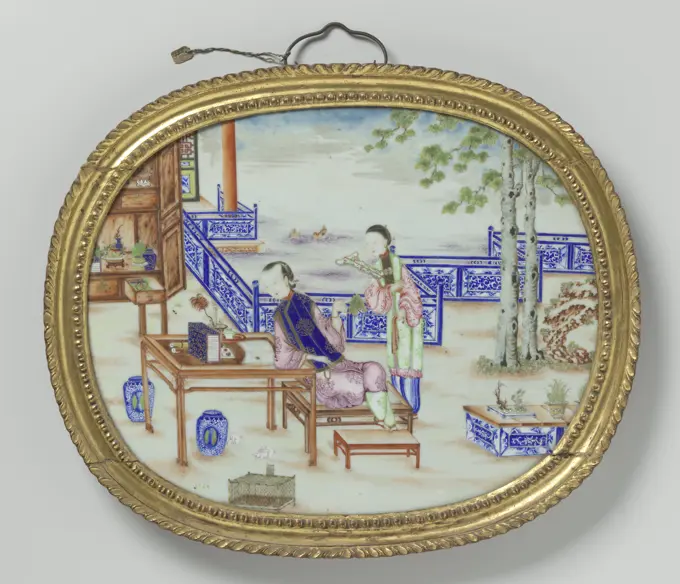
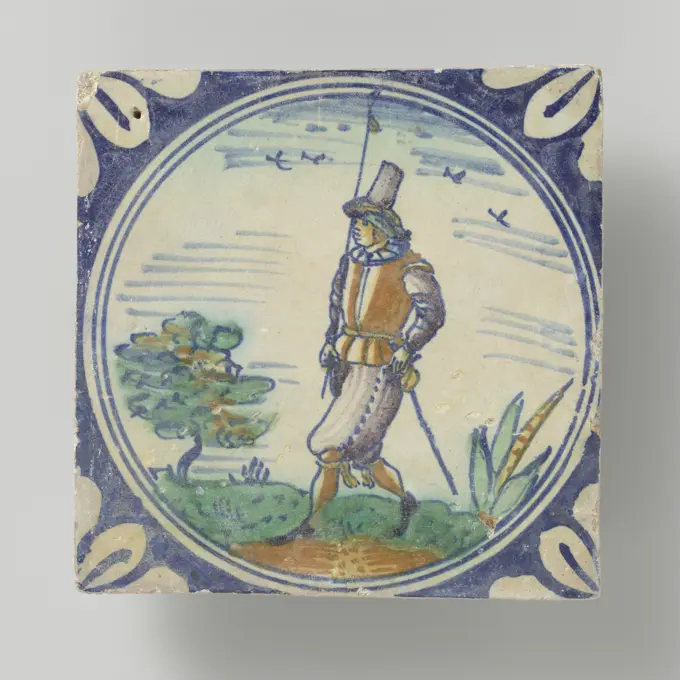
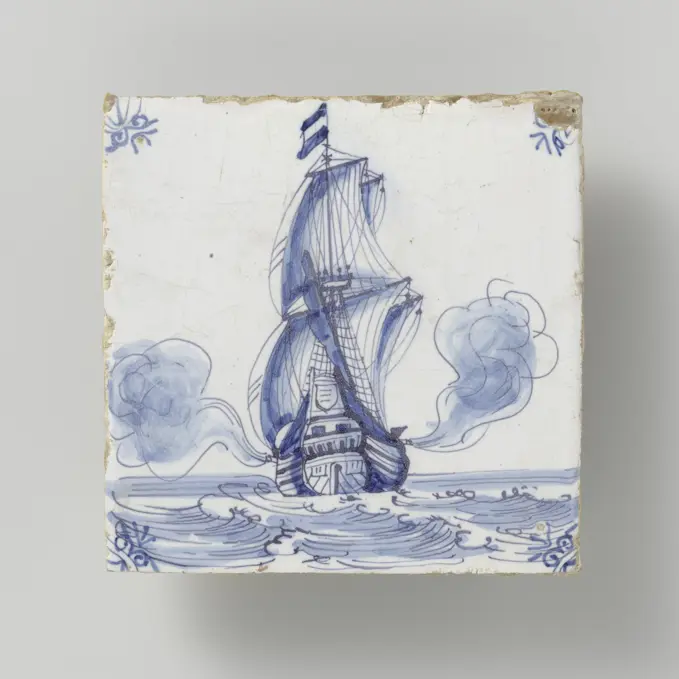
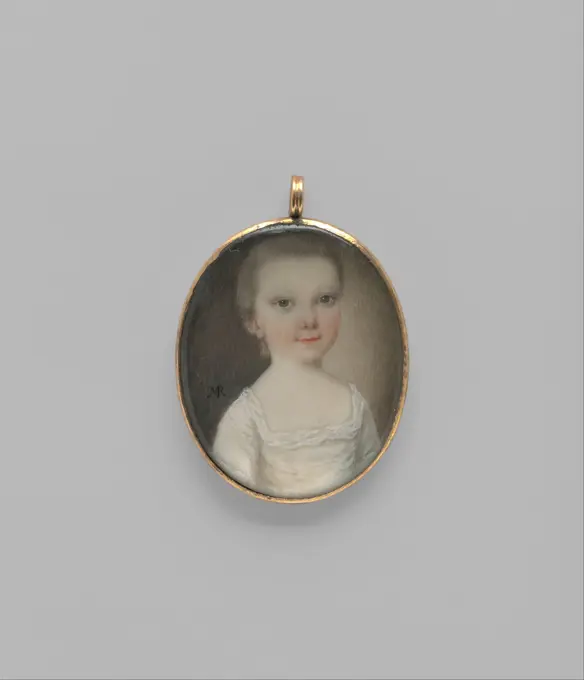
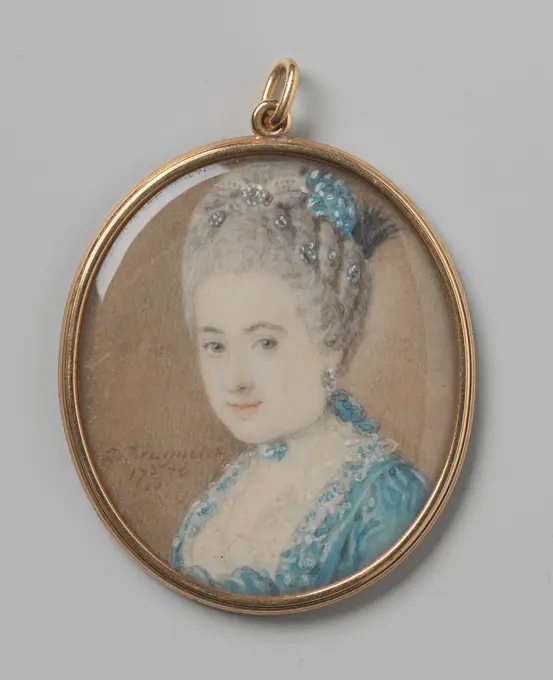
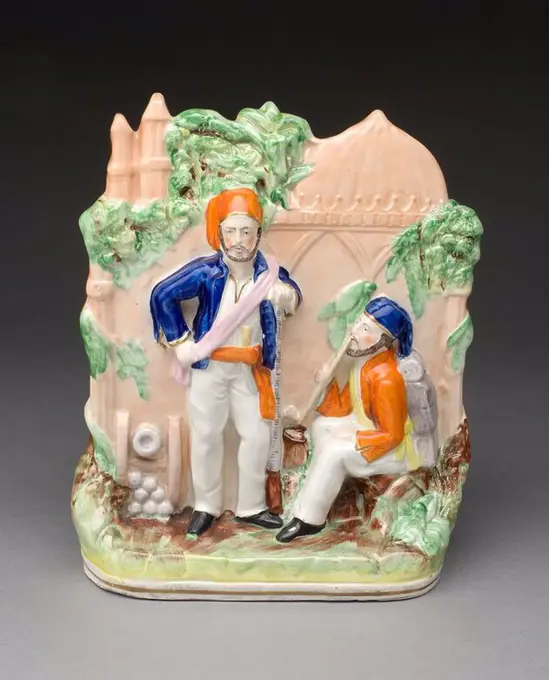
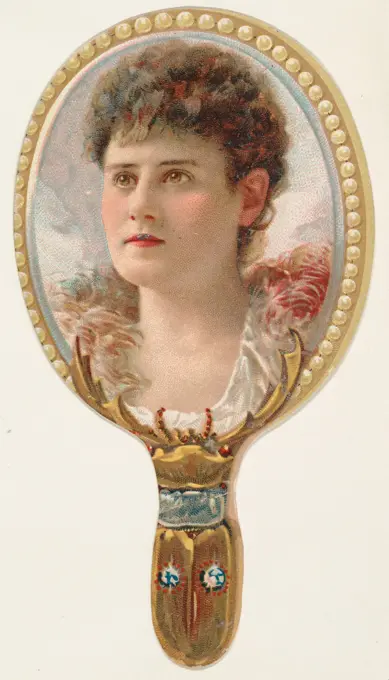
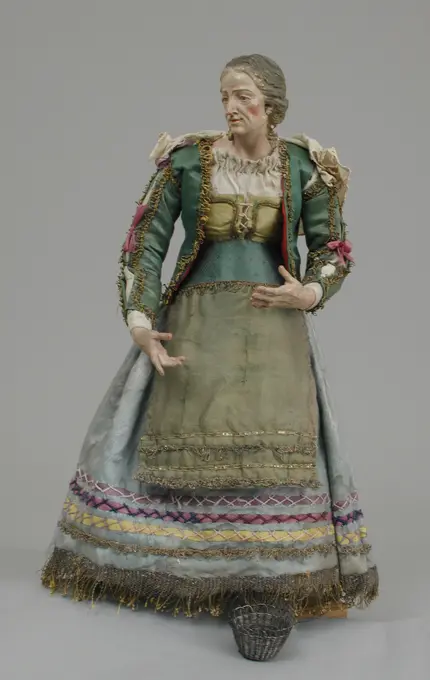
Tea Bowl and Saucer. China, Qianlong period, circa 1750-1755. Furnishings; Serviceware. PorcelainFoot of Cachepot with three portraits, 1877 photograph Foot from Cachepot on three legs. Inscription: 11 June 1840 -11 December 1877.  porcelainTureen with Cover. China, Qianlong reign; Chinese, made for the American market. Date: 1782-1795. Dimensions: 11.4 × 19.7 × 11.4 cm (4 1/2 × 7 3/4 × 4 1/2 in.). Porcelain with enamel and gilding. Origin: China. Museum: The Chicago Art Institute, Chicago, USA.Saucer with a Chinese junk and the arms of Amsterdam, anonymous, c. 1800 - c. 1899 Porcelain dish, painted on the glaze in blue, red, pink, green, yellow, black and gold. On the front of the dish, a flower entered with a Chinese jonk with crew on the waves on it, above it the weapon of Amsterdam. Scherf missing from the edge. Weapon porcelain with email colors. China porcelain. glaze. gold (metal) painting / gilding / vitrification Porcelain dish, painted on the glaze in blue, red, pink, green, yellow, black and gold. On the front of the dish, a flower entered with a Chinese jonk with crew on the waves on it, above it the weapon of Amsterdam. Scherf missing from the edge. Weapon porcelain with email colors. China porcelain. glaze. gold (metal) painting / gilding / vitrificationSalt Dish. Boston and Sandwich Glass Factory (United States, Massachusetts, Sandwich, 1825-1888). United States, 1830-1850. Furnishings; Serviceware. Pressed glassSnuffbox with six maritime scenes 1770-71 Dominique-François Poitreau In eighteenth-century Europe, Paris led the production of high-quality luxury goods. Parisian goldsmiths made a wide range of small, personal articles such as snuffboxes; étuis to hold sealing wax, tweezers, or utensils for sewing; souvenirs, which contained thin ivory tablets for note taking; and shuttles for knotting lace. Gold snuffboxes and boxes decorated with portrait miniatures were prized and frequently given as royal gifts, often to ambassadors or members of the court in lieu of cash payments for their services. Coveted and admired, these boxes were produced from a variety of materials. The best were skillfully made of gold and embellished with diamonds, enameled decoration, lacquer, and other luxurious materials. By the middle of the century, the taking of snuff had become an entrenched social ritual, and the snuffbox, too, had become an important social prop. Snuffboxes were considered highly fashionable aBrooch with cameee, c. 1850 A brooch, cameee, representing a bacchante. In a golden frame with fine gem and cable edges. Netherlands gold (metal) A brooch, cameee, representing a bacchante. In a golden frame with fine gem and cable edges. Netherlands gold (metal)Lady with hurdy-gurdy ca. 1750-55 Saint James's Factory. Lady with hurdy-gurdy. British, London. ca. 1750-55. Soft-paste porcelain. Ceramics-PorcelainLady with hurdy-gurdy. Culture: British, London. Dimensions: 3 1/8 × 1 1/4 in. (7.9 × 3.2 cm). Maker: Saint James's Factory (British, ca. 1748/49-1760). Date: ca. 1750-55. Museum: Metropolitan Museum of Art, New York, USA.Dessert Dish, Meissen Porcelain Manufactory, German, active from 1710 to the present, hard paste porcelain, vitreous enamel, gold, Oval, with partially gilded molded scrollwork that forms handles. Relief decoration divided bowl into two., Germany, mid- 19th century, ceramics, Decorative Arts, dish, dishTwo boards painted with representations, recto - handwritten, This photo is part of an album., photograph, photo, album sheet, photos, B. 2. 30, height 125 mm, width 175 mm, photographer, 1880 - 1940, cardboard, photographic paper, photo paper, gelatin silver print, developing gelatin silver printSoup Plate. English for the American market; Leeds. Date: 1785-1795. Dimensions: Diam. 24.3 cm (9 9/16 in.). Creamware. Origin: England. Museum: The Chicago Art Institute, Chicago, USA.Framed plaque, anonymous, c. 1770 - c. 1790 Faïence plate, painted in blue with a seascape. Delft . Faïence plate, painted in blue with a seascape. Delft .Plate; Copeland & Garret (England; Ceramics; 1833-1847); 1833-46 (1833-00-00-1846-00-00);Pair of Tureens, Liners, and Stands.Teapot Worcester factory British 1879 After the end of the Flight, Barr & Barr ownership of the Worcester factory in 1840, the firm went through a succession of owners and mergers before falling under the ownership of Kerr & Binns in 1852. During the partnership, the factory sought to rebuild its former eighteenth-century reputation in porcelain and known for Renaissance-inspired designs. With the establishment of the Royal Worcester Porcelain Company in 1862, the company gradually gained recognition for its Japanese-inspired designs, which formed part of Japonisme, a collective fascination with Japan that took place in Europe and the United States following the opening of Japanese markets to the West by Commodore Perry in 1853. View more. Teapot. British, Worcester. 1879. Bone china. Ceramics-PorcelainGeorge Wickes, Dish (gilt), 1739/40, silver gilt.Bowl with Dutch and Chinese Figures, 19th-20th century, Unknown Japanese, 4 1/8 x 7 7/8 x 7 7/8 in. (10.48 x 20 x 20 cm), Imari ware; porcelain with underglaze blue and overglaze enamels, Japan, 19th-20th century, When political turmoil in China prevented Dutch traders from filling European orders for decorative porcelains, they turned to the budding porcelain industry in Japan. From the mid-1600s to the mid-1700s, vast quantities of brilliantly colored wares were shipped abroad. At the same time, the Japanese themselves developed a taste for porcelain. This bowl, with its amusing depictions of exotic foreigners, was undoubtedly made for the domestic market.Snuffbox with a depiction of Venus, Amor and a Turkey, c. 1750  Snuif box made of turtle and inlaid with gold. On the inside of the lid a performance in Gouache of a lying half -naked woman with a turkey, which is held on a chain by Amor. The show is derived from the myth of Leda and the Swan. West-Europa (possibly) gold (metal). ivory. gouache (paint) painting walker and runner birds: turkey IstanbulPaul-Nicolas Ménière (1775-1826). Tabatière with the portraits of the royal family (Louis XVI and Marie-Antoinette on the lid). Soft porcelain of Sèvres, gold. 1776-1777. Paris, Cognacq-Jay museum. 144731-4Square bottle with birds, flowering plants and pavilions, anonymous, c. 1700 - c. 1724 Square bottle of porcelain with a gilt, bronze cap, painted on the glaze in red, green, yellow, purple, black and gold. On the walls twice pavilions on an island with rocks and flowering plants (bamboo), a bird on a branch, and twice a flying bird at a prunus branch and bamboo. On the shoulder a band with prunus branches and a leaf motif; Rank around the neck. A meander pattern on the neck. The cap is in the form of a braided ring, ending in a Hoo bird head on a flower rosette. The edge has been ground. Arita, decorated in Europe  In the Japanese Kakiemon style. Japanpainter: Europe (possibly) porcelain. glaze. gold (metal). dop: bronze (metal) painting / gilding / vitrification Square bottle of porcelain with a gilt, bronze cap, painted on the glaze in red, green, yellow, purple, black and gold. On the walls twice pavilions on an island with rocks and flowering plants (bamboo), a bird on a branch, aJewel cabinet with watch probably ca. 1765-70 James Cox This cabinet bears the signature of the London jeweler and entrepreneur James Cox. On its doors are enameled personifications of Winter and Summer after compositions of the Four Seasons by the British painter Robert Pyle (act. 1761-66). Additional scenes are based on engravings after François Boucher (1703-1770) and Jean-Antoine Watteau (1670-1733). With characteristic inventiveness, Cox included a hidden drawer above the more obvious drawers inside; a jeweled button on the back of the cabinet opens the secret drawer.. Jewel cabinet with watch 2036429 Plates of Americanviews.  After: William Henry Bartlett, British, 1809-1854Plate with a mahout on an elephant, flower sprays and ornamental borders, anonymous, c. 1760 - c. 1780 Plate of porcelain with lobed edge, painted on the glaze in red, pink, green, purple, black and gold. On the flat a man, kornak, on an elephant; Four flower branches on the wall surrounded by a decorative band with servetwork and 'Spearhead-border'; The same tire around the edge. Two chips in the edge. European performance in email colors. China porcelain. glaze. gold (metal) painting / gilding / vitrification Plate of porcelain with lobed edge, painted on the glaze in red, pink, green, purple, black and gold. On the flat a man, kornak, on an elephant; Four flower branches on the wall surrounded by a decorative band with servetwork and 'Spearhead-border'; The same tire around the edge. Two chips in the edge. European performance in email colors. China porcelain. glaze. gold (metal) painting / gilding / vitrificationSilver state trumpet and silver state kettledrum adorned with crimson bannerets embroidered in gold with the Royal Arms. Probably made by William Shaw in the reign of King George III. Chromolithograph from an illustration by William Gibb from A.J. Hipkins' "Musical Instruments, Historic, Rare and Unique," Adam and Charles Black, Edinburgh, 1888. Alfred James Hipkins (1826-1903) was an English musicologist who specialized in the history of the pianoforte and other instruments. William Gibb was a master illustrator and chromolithographer and illustrated "The Royal House of Stuart" (1890), "Naval and Military Trophies" (1896), and others.Coffee Cup with Military Encampment. Derby Porcelain Works (England, 1756-1848). England, circa 1790. Furnishings; Serviceware. Porcelain, gildingNécessaire ca. 1760-80 British, Staffordshire. Nécessaire. British, Staffordshire. ca. 1760-80. Copper, enamel. Enamels-PaintedCream Jug, designed 1788, made 1831-1834. Sèvres Porcelain Factory (French, est. 1756). Gilt porcelain; overall: 17.1 x 9.2 x 12.1 cm (6 3/4 x 3 5/8 x 4 3/4 in.).Button, Gouache paint on tin verre fixé, ivory (backing), glass, gilt metal, Button depicting scene of four figures in a landscape. Three women and a child wearing dresses. At center a light-skinned woman in jewelry and large turban topped with a sunhat., late 18th century, costume & accessories, Decorative Arts, ButtonBag and Samplers Made 1725-1775 France. SablÈ; white ground with floral design in colored beads; also needles, thread and extra beads used in the making of SablÈ bags .Shakespeare Ewer and Basin 1873 England. Tin glazed earthenware with pewter mounts . Mintons Ltd.Cameo set in a modern ring. UnknownPendant Watch, with Indicators for the Date and Phases of the Moon, and an Aspectarium, Wybe Wijbrants, c. 1610 - c. 1625 Oval copper watch, the Carrure with a quoted silver tifles and relief decorated. Women's busts are painted in the two lids, one with a wing hat and mill collar, the second with a diadem and a collar composing around the shoulders (from later date). The leaf -shaped, oval dial is equipped with a silver numeral ring with entered Roman figures and a rotatable round with the monthly figures. One wiser. The Platine, with a long gorge, is marked: W. Vibrandi Leoardice. Clockmaker: Leeuwardenjeweler: Netherlands copper (metal). silver (metal) Oval copper watch, the Carrure with a quoted silver tifles and relief decorated. Women's busts are painted in the two lids, one with a wing hat and mill collar, the second with a diadem and a collar composing around the shoulders (from later date). The leaf -shaped, oval dial is equipped with a silver numeral ring with entered Roman fWatch ca. 1783-90 Watchmaker: Daniel Vauchez French enthusiasm for ballooning was sparked by the June 4, 1783, ascent of a hot air balloon created by Joseph and Étienne Montgolfier. Four months later, a Montgolfier balloon with a crew of a sheep, a duck, and a rooster was launched at Versailles in the presence of Louis XVI (1754-1793) and Marie Antoinette (1755-1793). The first human flight, which took place on November 21 that year, was witnessed by Benjamin Franklin, among others. The Museums watch is a typical novelty, and it demonstrates how greatly early attempts at human flight captured the French imagination. In the enamel a balloon is launched by three men, one carrying burning straw with which to ignite the flame that heated the air in the balloon.. Watch 194176Blue-and-white faience plate on stand, flat flag, decor with rigged sailing ship, plate crockery holder fragment earthenware ceramic pottery glaze tin glaze, hand turned fried glazed painted baked Half faience plate on stand flat flag and shallow shoulder Blue decor on white fond In the mirror rigged sailing ship fishing ship and part of the coastline. Ornamental band along the flag with chain of leaves and padding in the form of letter: . Cookery archeology Rotterdam City Triangle Pakkenbrug Nieuwehaven indigenous pottery decorate serving food serving table archaeological find in the soil Rotterdam Nieuwe Haven 2nd cesspool 22-08-1980Sconce (one of a pair) ca. 1720 British. Sconce (one of a pair). British. ca. 1720. Gilded pine and gesso, silver, silk, wool tent and cross stitch on canvas. Woodwork-FurnitureFootbath -Plate (one of two) 1730 Gottlieb Menzel These plates are part of the addition to the Double-Gilded Service of about 1718. The number 224 incised on the reverse indicates the extent of this first grand German parade service, made for Alberts grandfather Augustus II the Strong (1670-1733), king of Poland (1697-1704, 1709-33) and elector of Saxony (1694-1733; hence the engraved arms). The king is best remembered as a patron of the arts and architecture, commissioning the Zwinger Palace and the fabled Green Vault filled with jeweled treasures as well as separate chambers displaying silver and gilded-silver parade buffets. Augustus commissioned the so-called Double-Gilded (intended to imitate gold) Service from Augsburg, a center of European goldsmithing, on the occasion of the four-week-long festivities surrounding the wedding of Alberts parents in August 1719.. Plate (one of two) 206437Seat cover, Medium: silk, wool Technique: plain weave with discontinuous wefts (tapestry), Shaped panels for a seat cover. A, seat top, has a square center panel with an ewer, lamp and flute with garlends in blues, greens, golds, rose and gray on an ivory ground. Surrounded by a lavender border with a gold grape vine. B, facing, has a grape vine in golds on lavender., France, 19th century, woven textiles, Seat coverCup and saucer. Culture: French, Sèvres. Dimensions: Height with handle (cup .1): 3 in. (7.6 cm); Diameter (saucer .2): 5 3/16 in. (13.2 cm). Factory: Sèvres Manufactory (French, 1740-present). Date: ca. 1804-5. Museum: Metropolitan Museum of Art, New York, USA.Pair of vases (vases cuir). Artist: Figural decoration based on sculptures by Étienne-Maurice Falconet (French, Paris 1716-1791 Paris). Culture: French, Sèvres. Dimensions: vases only: 16 3/8 × 8 3/4 in. (41.6 × 22.2 cm);vases on gilt-bronze base (removed): 18 7/8 in. (47.9 cm). Factory: Sèvres Manufactory (French, 1740-present). Date: ca. 1765-70.The curious form of these vases was inspired by pilgrim flasks made of leather-encase gourds intended for carrying water. The modeling realistically creates the impression of cut leather panels laced together, enclosing an inner container. The painted decoration makes no reference, however, to the function of the pilgrim flasks; the figures of Cupid and Psyche are based on popular sculptures by Etienne-Maurice Falconet (1716-1791).Jeffrey H. Munger, 2007. Museum: Metropolitan Museum of Art, New York, USA.Watchcase cover: Tisiphone Casting Snakes at Athamas and Ino first quarter of the 17th century Jean de Court French. Watchcase cover: Tisiphone Casting Snakes at Athamas and Ino 461552Lidded Dish. The plain decoration of the parts of this lidded dish amply showcases the colour nuances of the stone. Mined in Italy since antiquity, agate is named after the Achates River in Sicily. The most important deposits in the mid-16th century were in German territories.Handscreen (France); engraved, hand-colored and painted paper leaf, turned wood handleVase, 1840-1860. Bohemia (), 19th century. Glass with enamel and gilt decoration; diameter: 31.5 x 9 cm (12 3/8 x 3 9/16 in.).Ashtray 'm.l. Verheul & Zonen / Amsterdam / Sand and gravel etc. '(Promotional gift?). .Cicero, Romeins jurist en senator, Gottfried Eichler, 1821 locket One -sided medallion in brass ring rear glass on bearing eye and carrying ring. Front: breastpiece man to the right. Reverse: label with inscription. Berlin gypsum. brass (alloy). glass castingPair of mirror knobs 18th century British. Pair of mirror knobs. British. 18th century. Enamel on copper, brass. Enamels-Painted. Dish of porcelain, painted on the glaze in red, black and gold. On the flat a crowned monogram with 'J.M.' Includes two-tied palm branches. Five groups with leaf reflections and shell motifs on the wall. The inner edge with a wavy band. Dish has been broken; Shard missing. European performance in Encre de Chine.Doctor Franciszek Wawnikiewicz or. 1800, poviat doctor in Opoczno in the Radom land profile silhouette;  1824 (1824-00-00-1824-00-00);amateurs, doctors, Polish miniatures, men, profiles, silhouettes, purchase (provenance)Elizabeth Moutal, Chair Seat, 1935 1942 Chair SeatChelsea Porcelain Manufactory / 'Chandelier'. Ca. 1765. Hard-paste. Museum: Museo del Prado, Madrid, España. Author: FÁBRICA DE PORCELANA DE CHELSEA.Parasol, with a deck made of brOOCHED RIPS side on a frame and stick with wood handle, painted and gilded, anonymous, c. 1690 - c. 1710 Parasol, with a deck made of browned rips side on a frame and stick with wood handle, painted and gilded. Model: frame consisting of eight flat slats. Cover of heavy creamy -white ripszijde broched with colored flowers and trimmed with a galon of brushes of gold thread and silk. A bigger brush to every points. Lined with pink taf side. Decoration: The pole is painted red and gilded, caught in a sliced gilded arm, to which a second stick is attached. This is decorated at the bottom with a sliced and gold -plated button. On top of a sliced head with angel's heads (missing). France (possibly) frame: Wood (plant material). Stok: Wood (plant material). deck: Silk. Passement:. Passement: Parchment (Animal Material). Lining: Silk. Gilding: Gold Leaf cutting / gilding Parasol, with a deck made of browned rips side on a frame and stick with wood handle, paintedPortrait medallion of Prince Willem V, Johann Heinrich Schepp, 1784 Portrait medallion of Prince Willem V. de Prins, to the left, wears tail wig, harness with inner lining, shirt, the board of which is still visible, ermine mantle and an order tint, which largely covers an order sign. Sprinkle under the cutting surface of the arm.  gypsum Portrait medallion of Prince Willem V. de Prins, to the left, wears tail wig, harness with inner lining, shirt, the board of which is still visible, ermine mantle and an order tint, which largely covers an order sign. Sprinkle under the cutting surface of the arm.  gypsumTea caddy (part of a set) ca. 1770 British, South Staffordshire Containing two canisters for tea (green and black) and a larger one for sugar, this chest could be locked to secure its valuable contents; both tea and sugar were expensive commodities during the eighteenth century. The polychrome pastoral scenes and Italianate landscapes, combined with Rococo-style gilding against a pink ground, create an opulent effect. Listen to experts illuminate this artwork's story Listen Play or pause #413. Retail Value. High and Low Supported by Bloomberg Philanthropies We're sorry, the transcript for this audio track is not available at this time. We are working to make it available as soon as possible.. Tea caddy (part of a set). British, South Staffordshire. ca. 1770. White enamel on copper painted in polychrome enamels. Enamels-PaintedGilded bronze Rococo footpiece, Meissener Porzellan Manufaktur, c. 1750 The duck is on a gilded bronze rococo footage. Float porcelain. bronze (metal) gilding The duck is on a gilded bronze rococo footage. Float porcelain. bronze (metal) gildingOval snuffbox with circular portrait miniature, Tortoiseshell, chased gold, enamel on copper, Oval hinged tortoiseshell box, gold rim and frame; enamel portrait of a man in a red coat, slashed; white collar, green band; white wig., England, ca. 1775, containers, Decorative Arts, Oval snuffbox with circular portrait miniatureCovered Cup and Saucer ca. 1795-1818 and later Austrian (Vienna) and probably Bohemian. Covered Cup and Saucer. Austrian (Vienna) and probably Bohemian. ca. 1795-1818 and later. Hard-paste porcelain. CeramicsPendant mid-17th century German, possibly Strasbourg. Pendant 194004Michiel de Ruyter (1607-1676). Bust of Loosdrechts porcelain on a pedestal in the form of a column with green cannelures and gilding, representing Michiel Adriaansz. De Ruyter.Box 1800-1810 Swiss. Box 198666Carnet de Bal, 1774-1775. France, 18th Century (style of Louis XVI). Enamel on steel (), gold mounts; overall: 8.5 x 5.3 x 1.1 cm (3 3/8 x 2 1/16 x 7/16 in.).Medallion portrait of Willem V. Medallon portrait in plaster, bust to the left in profile (Willem V), in uniform with honorary sign on left chest and with wig, with profiled edge. In inner list of gold-plated (plaster), Pearl edge with bow on top and dependent laurel branches. This is light violet surrounding, which is in black wooden table with gold-plated inner edge; Behind glass.Shell-Shaped Dish (three of four). Humphrey Chamberlain, Jr. (England, Worcester, 1791-1824). England, 1807-1811. Furnishings; Serviceware. PorcelainAnonymous / "Sopera y cazo", Around 1890, Ceramics (White paste painted in blue and gold over varnish), Pickman y Cía factory (Seville), Tureen: 18, 7 x 36 x20 cm, Saucepan: 15 x 9.4 cm.Fragment Hardy pottery with a multicolored image. Fragment hard-baked pottery; Creamware. The fragment has a multicolor representation of a woman in a landscape. The fragment has a brand: Dawson.Cann, c. 1770. England, 18th century. Ceramic; overall: 15.5 x 10.3 x 14.2 cm (6 1/8 x 4 1/16 x 5 9/16 in.).Satirical Beaker; Northern Germany, Germany; 1660; Free-blown colorless (slightly pinkish-gray) glass with gold leaf and enamel decoration; 21.7 cm (8 9,16 in.)Button (Haiti); Attributed to Agostino Brunias (Italian, ca. 1730-1796); Made for Toussaint L'Ouverture; gouache paint on tin verre fixé, ivory (backing), glass, gilt metalOval panel with a woman and her servant on a fenced terrace, anonymous, c. 1770 - c. 1775 Porcelain oval plaque, painted on the glaze in blue, red, pink, green, yellow, purple, brown, black and gold. The show shows a woman at a desk with objects from a scholar with a servant next to her with a fan. In the foreground a cage from which two rabbits have come. In the background a cupboard with valuables (vase with coral, fingercitroen, tripod). Plants, trees and a rock on the terrace. Around the terrace a pond with two Beijingenden. Original gilded list. Porcelain with email colors. China Porcelain. Glaze. Gold (Metal). List: Wood (Plant Material) painting / gilding / vitrification Porcelain oval plaque, painted on the glaze in blue, red, pink, green, yellow, purple, brown, black and gold. The show shows a woman at a desk with objects from a scholar with a servant next to her with a fan. In the foreground a cage from which two rabbits have come. In the background a cupboard with valuables Bell-shaped cup with a portrait of Johannes Cocceius, anonymous, c. 1725 - c. 1749 Bell -shaped head of porcelain, painted on the glaze in black and gold. On the outside a medallion with the portrait of Johannes Cocceius with the inscription 'Iohannes Cocceius'; On the outer edge a bond with branches in Meissen-style. A crack and two chips in the edge. European performance in Encre de Chine. China porcelain. glaze. gold (metal) painting / gilding / painting Bell -shaped head of porcelain, painted on the glaze in black and gold. On the outside a medallion with the portrait of Johannes Cocceius with the inscription 'Iohannes Cocceius'; On the outer edge a bond with branches in Meissen-style. A crack and two chips in the edge. European performance in Encre de Chine. China porcelain. glaze. gold (metal) painting / gilding / paintingHat Box. Dated: c. 1939. Dimensions: overall: 21.7 x 29.5 cm (8 9/16 x 11 5/8 in.) Original IAD Object: 10 3/8" high. Medium: watercolor, gouache, and graphite on paperboard. Museum: National Gallery of Art, Washington DC. Author: Joseph Rothenberg.Tile, multi -colored painted with a soldier or a standard bearer, 1625 - 1700 Tile, multi -colored painted with a soldier or a standard bearer. Netherlands earthenware. tin glaze majolica Tile, multi -colored painted with a soldier or a standard bearer. Netherlands earthenware. tin glaze majolicaField of nine tiles with ships, anonymous, c. 1650 - c. 1680 Field of nine tiles (3 x 3) each with a blue and purple painted ship. An ox head in the corners. Netherlands earthenware. tin glaze majolica Field of nine tiles (3 x 3) each with a blue and purple painted ship. An ox head in the corners. Netherlands earthenware. tin glaze majolicaRing (Italy); gold, carved shell; Overall: 2.6 x 2.3 x 2.2 cm (1 x 7/8 x 7/8 in.)Hester Middleton ca. 1752-58 Mary Roberts The set of five miniatures (2007.61-.65)portrays a group of cousins, the children of brothers William (1710-1775) and Henry (1717-1784) Middleton of Charleston, South Carolina, and Suffolk, England.. Hester Middleton 19429Object from a Dessert Service 'The Razumovsky Service', made from soft-paste porcelain. Dated 18th CenturyWine Cup 19th century Japan. Wine Cup 57738Portrait of a woman. Portrait of a woman. Bust, to the left. Part of the portrait miniaturen collection.Sultan and Moor ca. 1787 Royal Porcelain Manufactory Danish. Sultan and Moor 207104Plate with portrait of Wilhelmina. Plate with portrait of Wilhelmina. On the edge of the board is in two orange Banderols 'Netherlands will rise / .londen.1941.'. Central a round photo of Wilhelmina. At the rear is a metal wire with green plastic enveloped to handle the board.Giuseppe garibaldiChimney Ornament. England, Staffordshire. Date: 1825-1835. Dimensions: H. 22.2 cm (8 3/4 in.). Glazed earthenware with polychrome enamel decoration. Origin: Staffordshire. Museum: The Chicago Art Institute, Chicago, USA. Author: Staffordshire Potteries.Hand mirror with woman in feathered collar, from the Novelties series (N122) issued by Gail & Ax Tobacco to promote Navy Long Cut 1889 Issued by Gail & Ax Tobacco Trade cards from the "Novelties'" series (N122), issued in an unnumbered set of 25 cards in 1889 by Gail & Ax to promote the Navy Long Cut brand. The set was also published in the same year by W. Duke, Sons and Co. to promote Honest Long Cut Tobacco.. Hand mirror with woman in feathered collar, from the Novelties series (N122) issued by Gail & Ax Tobacco to promote Navy Long Cut. 1889. Commercial color lithograph. Issued by Gail & Ax TobaccoOld woman late 18th century Italian, Naples. Old woman. Italian, Naples. late 18th century. Polychromed terracotta head; wooden limbs; body of wire wrapped in tow; various fabrics. Crèche