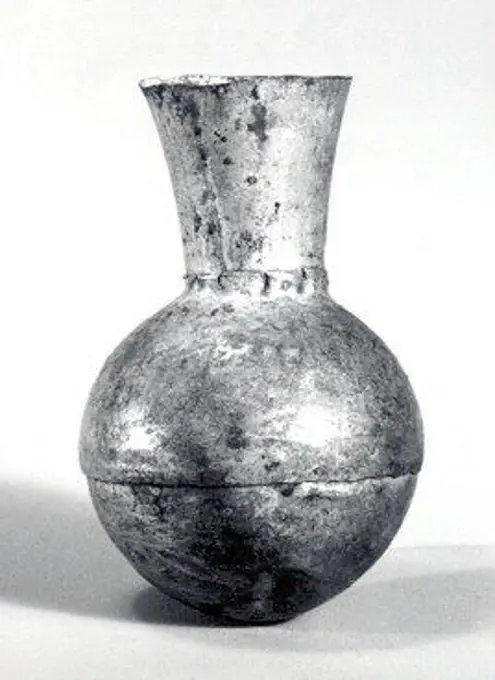
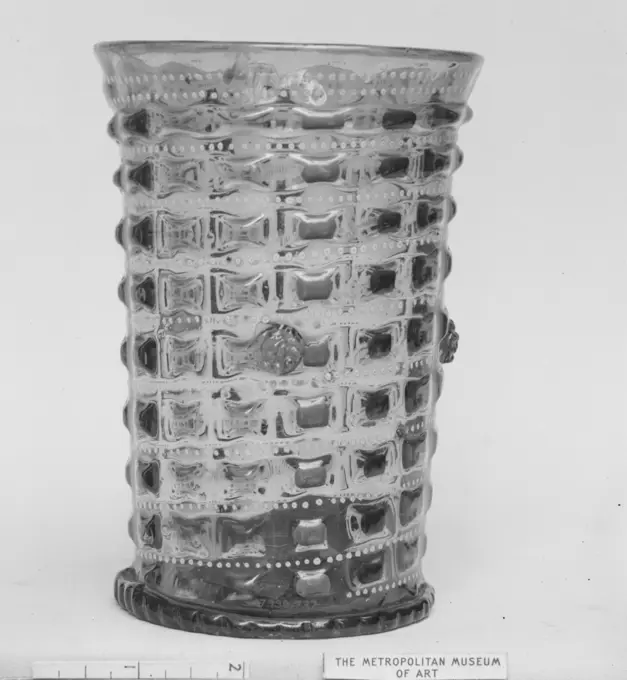
Antique Pottery and Vessels

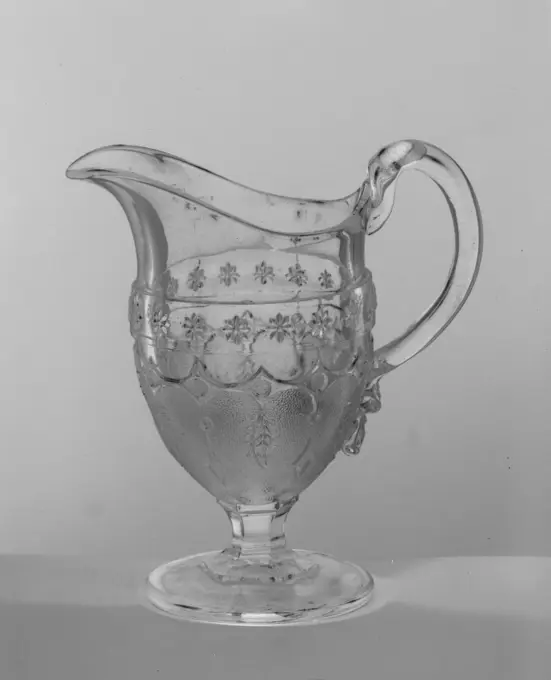
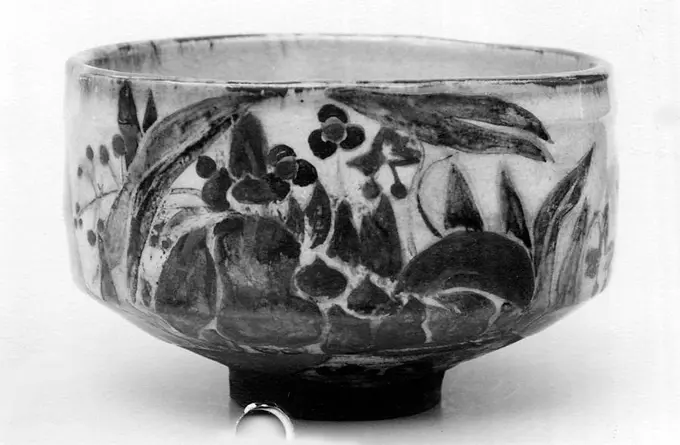
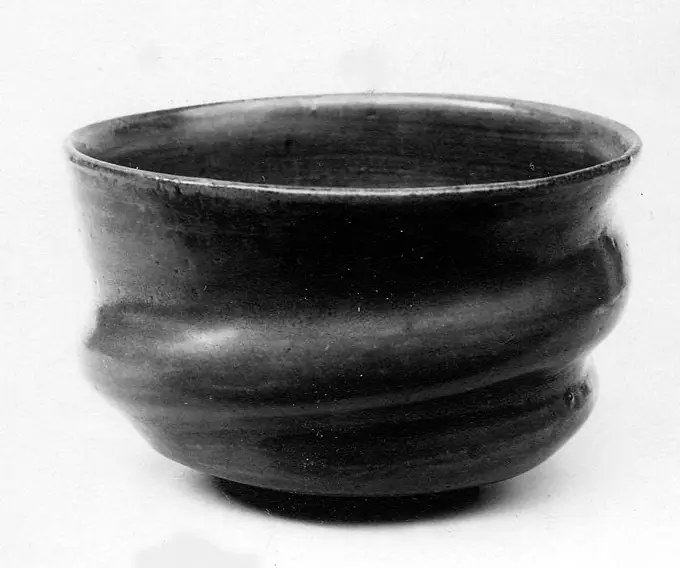
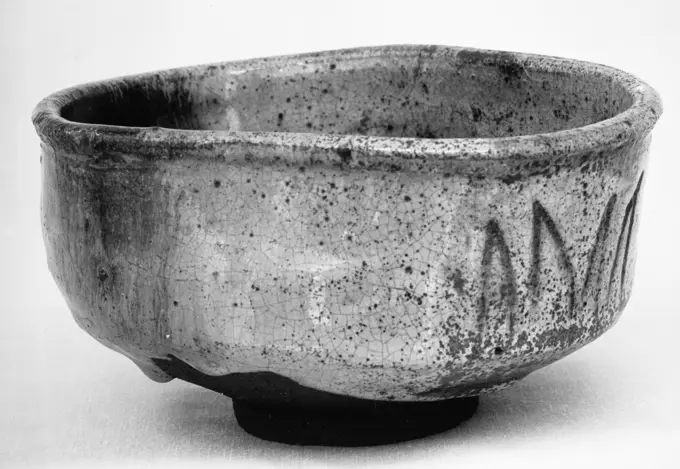
Images of vintage jars, bowls, and ewers from various cultures, showcasing unique designs and historical craftsmanship.
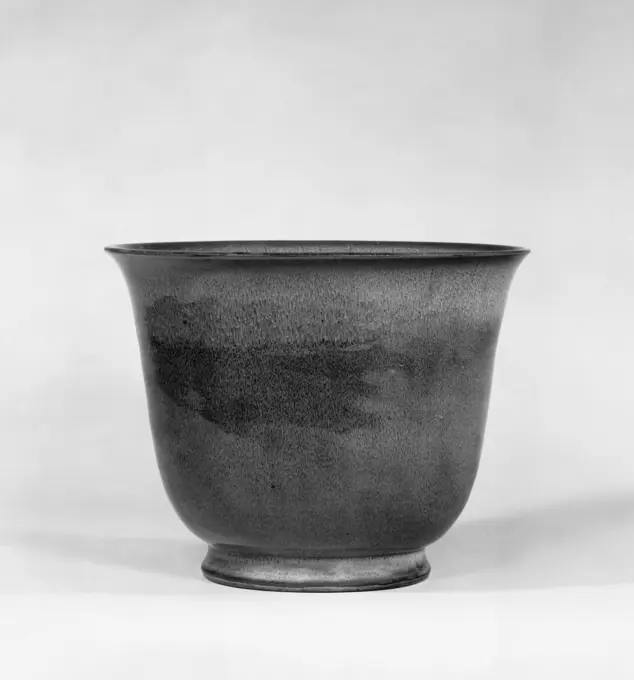
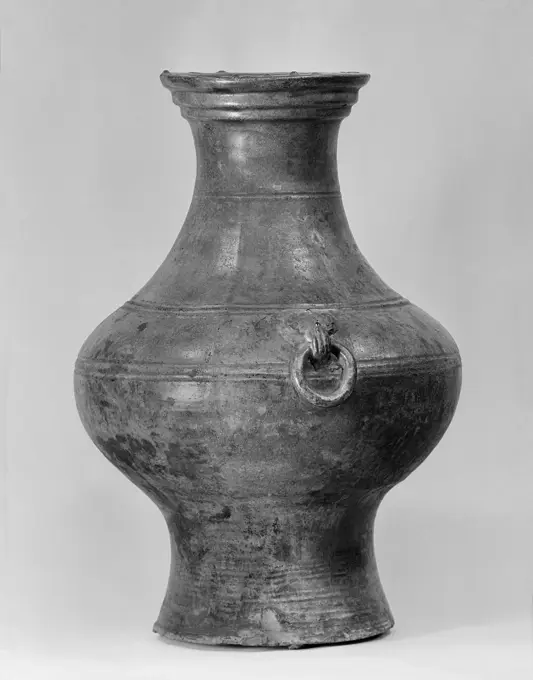
Flower Pot 13th-14th century China. Flower Pot 49924
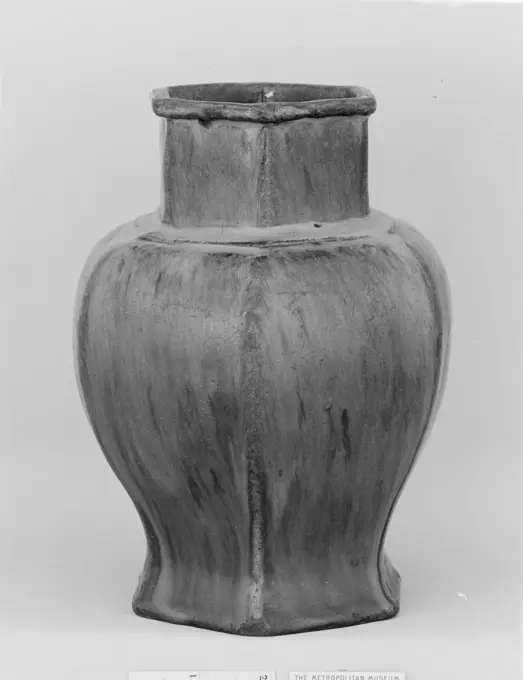
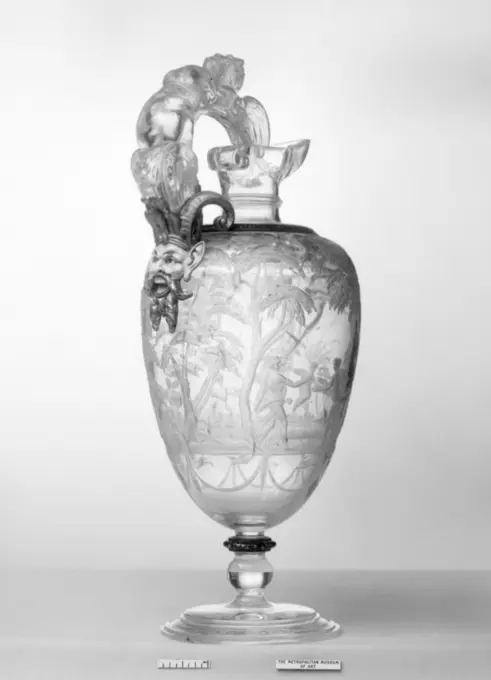
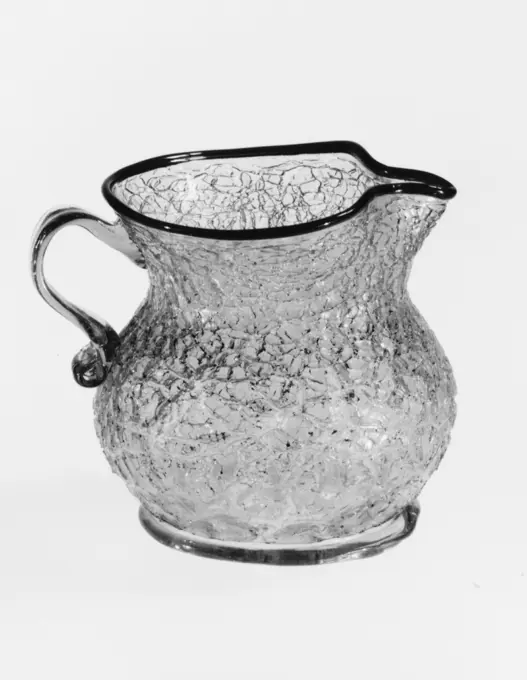
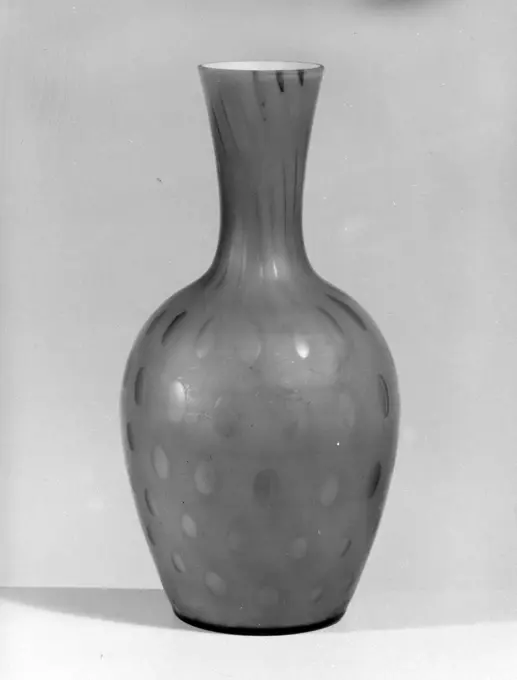
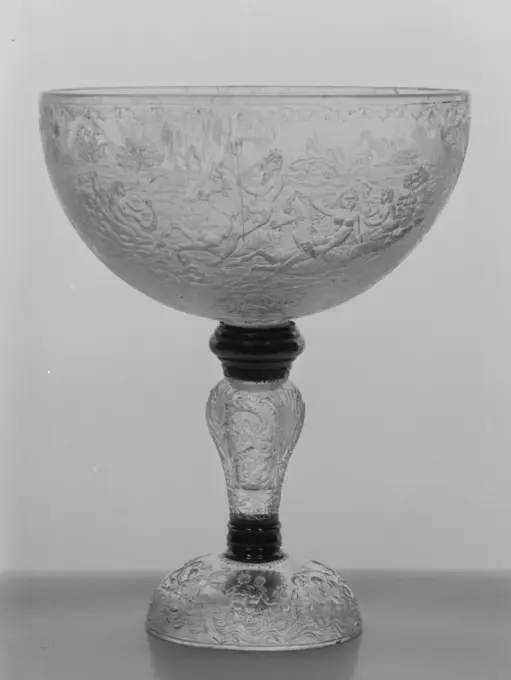
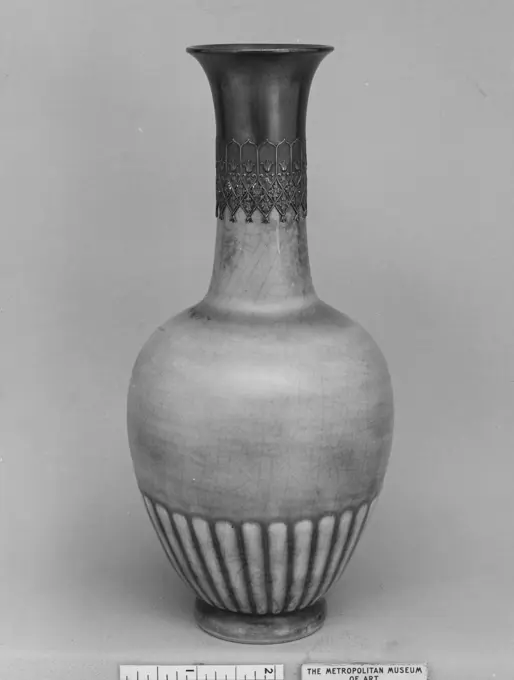
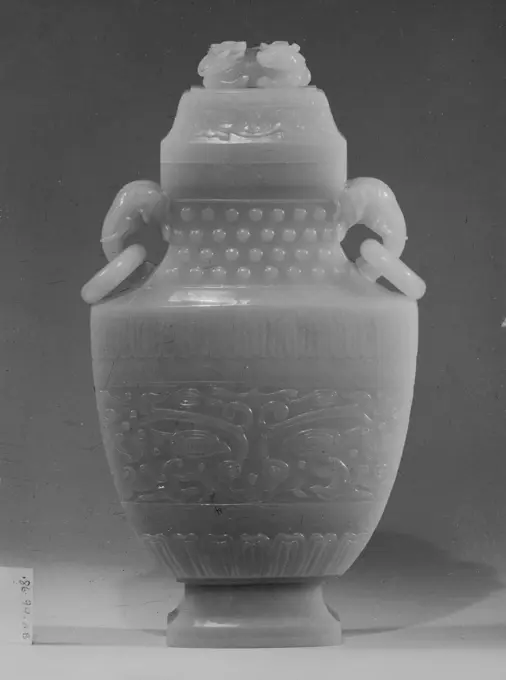
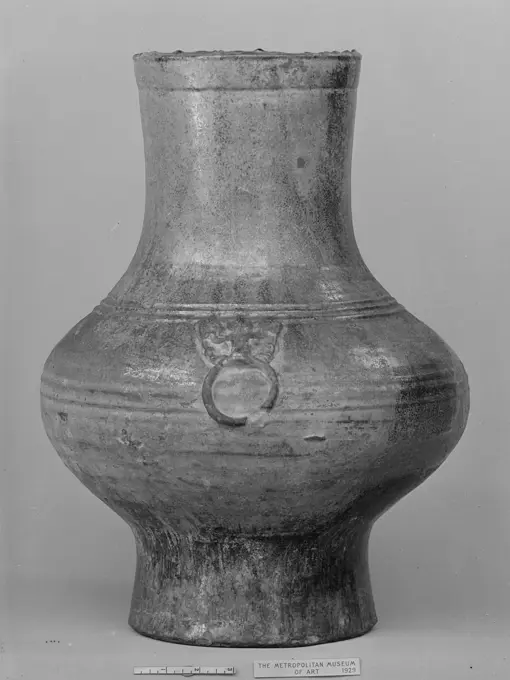
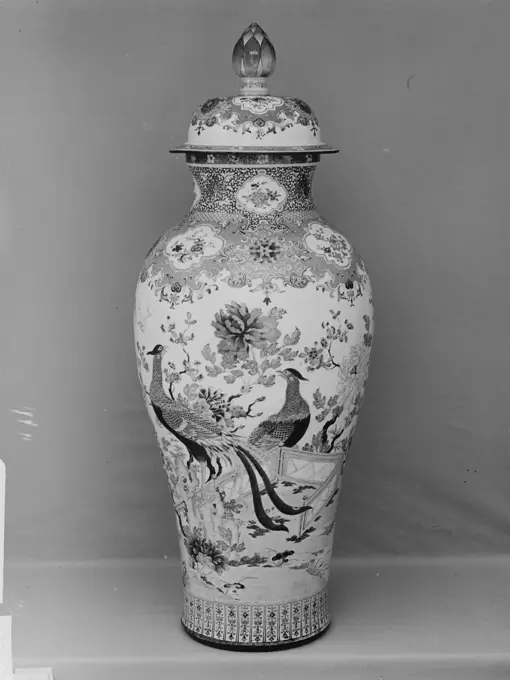
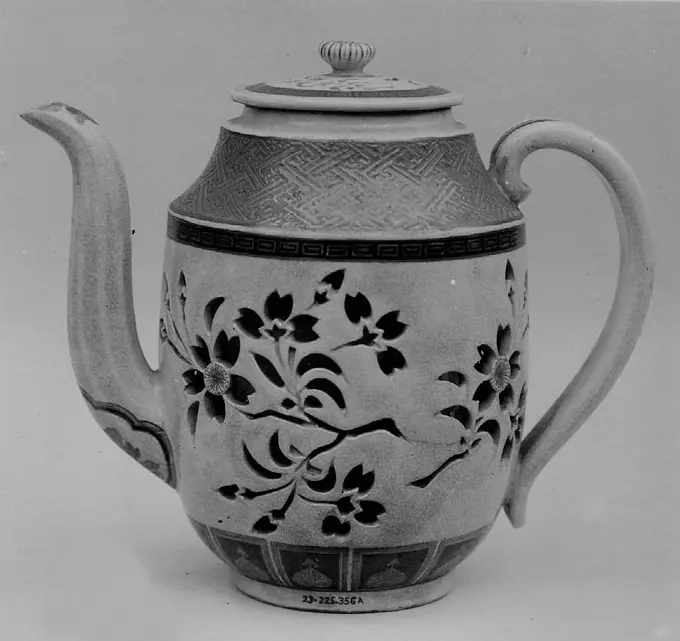
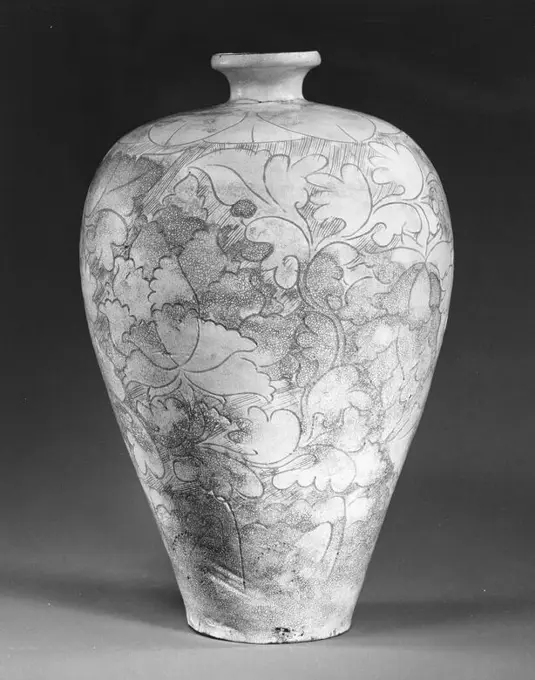
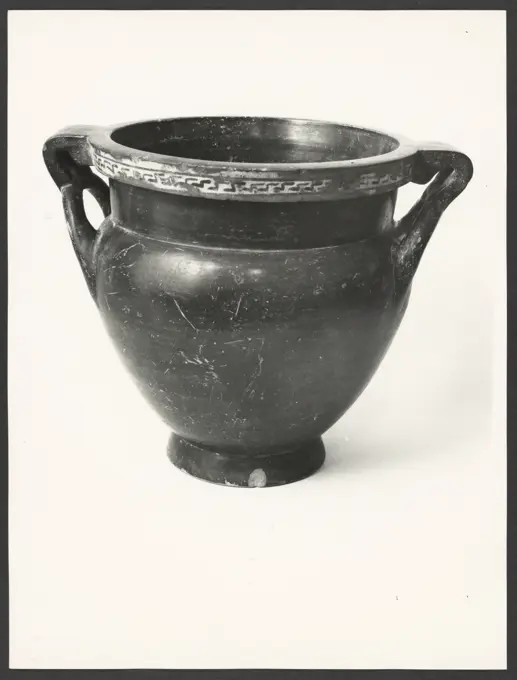
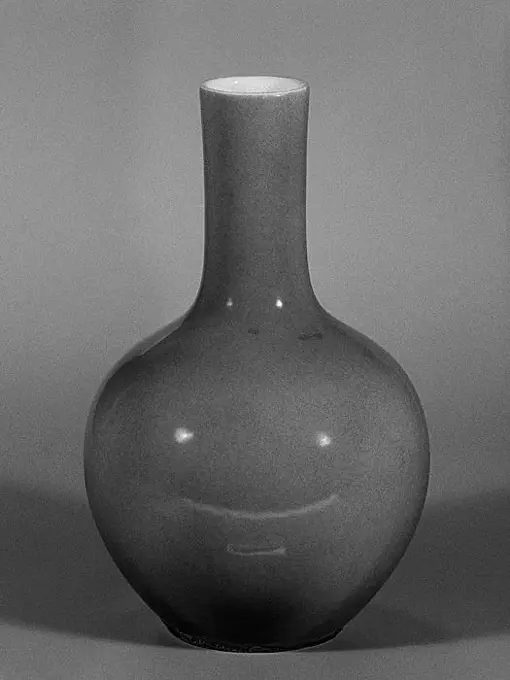
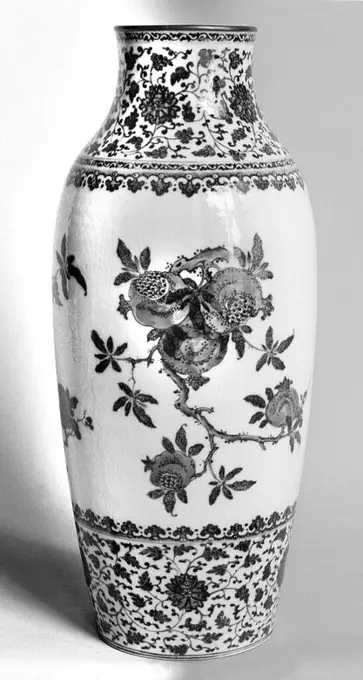
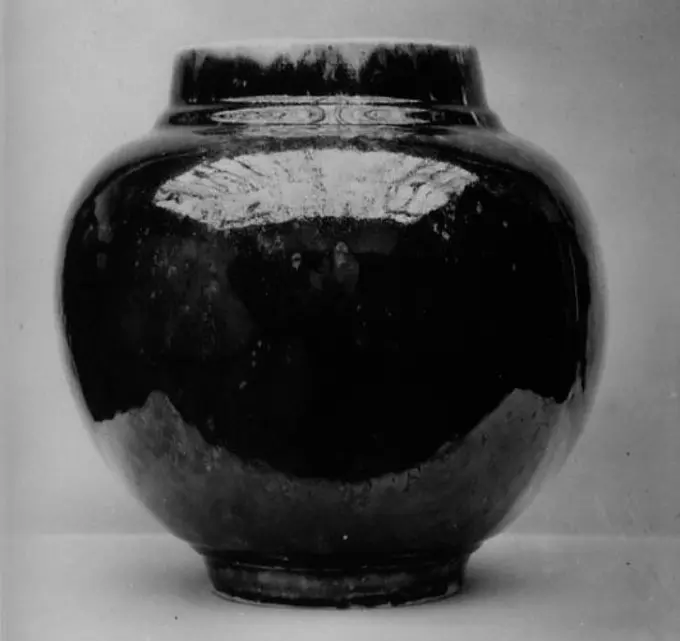
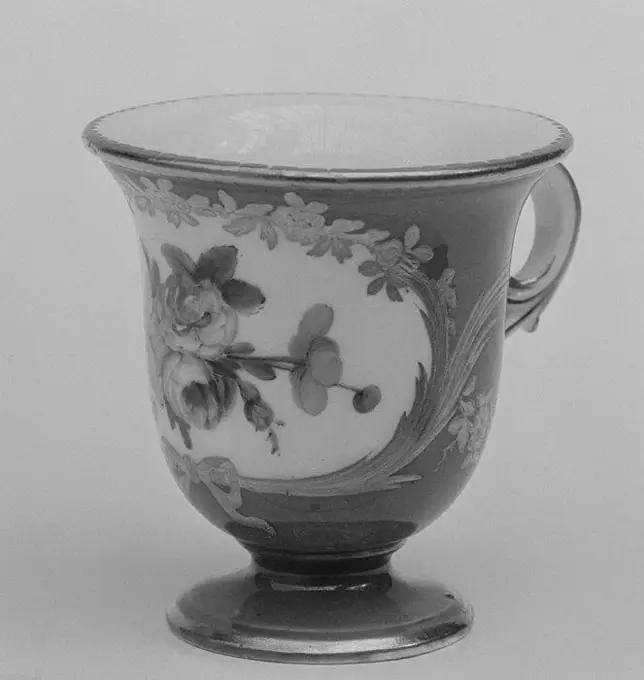
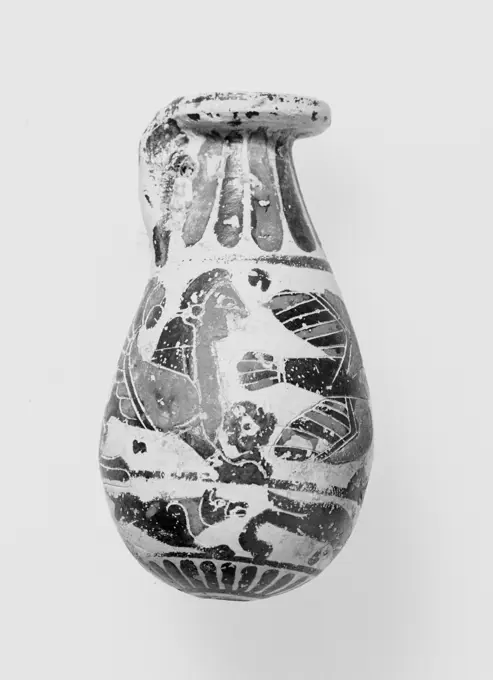
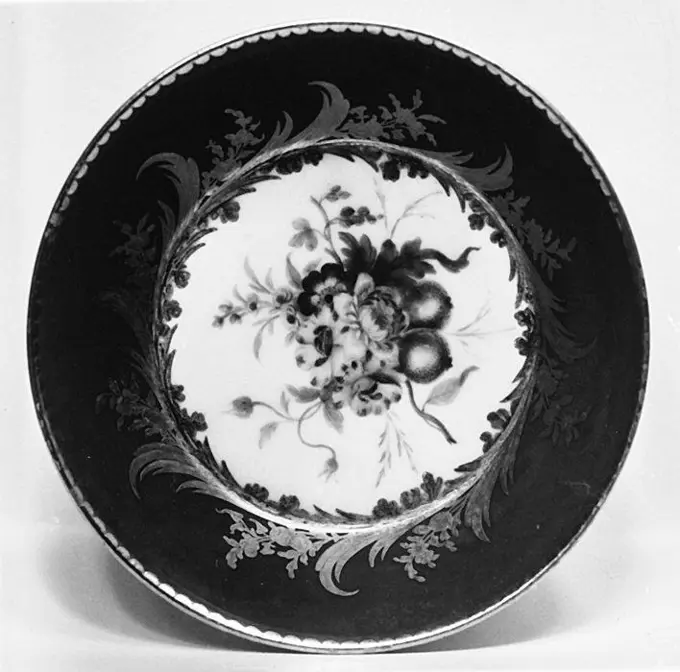
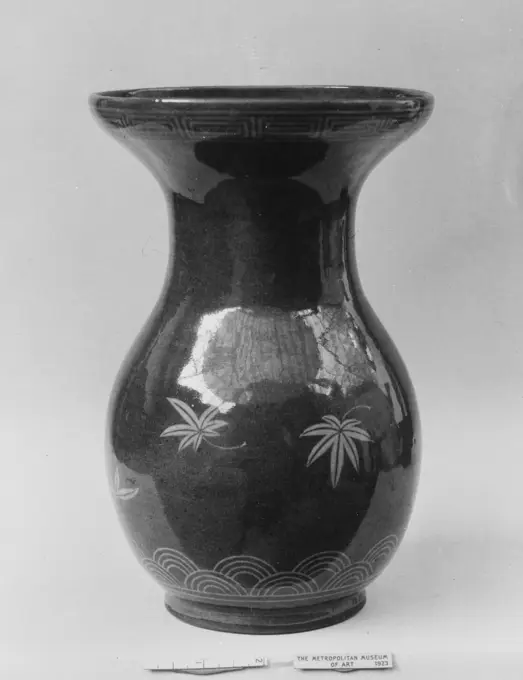
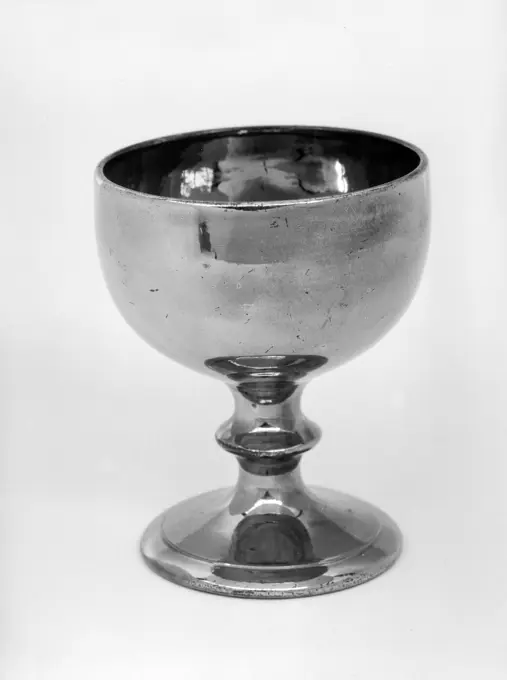
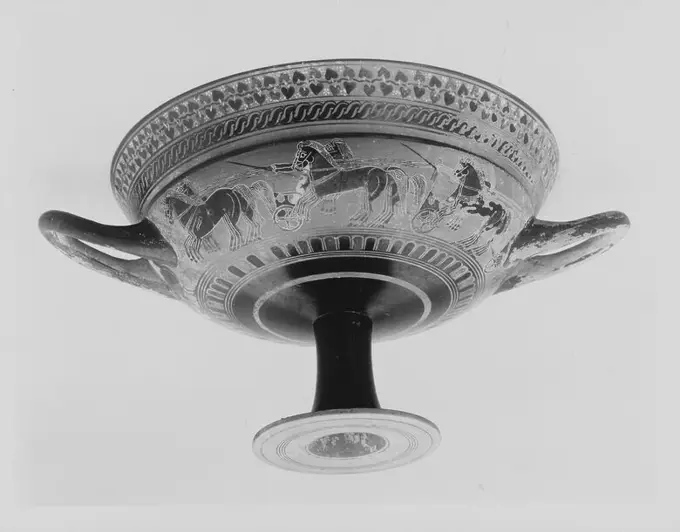
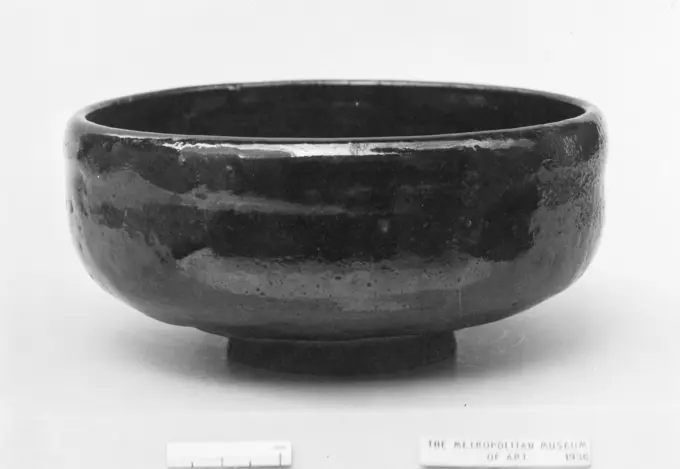
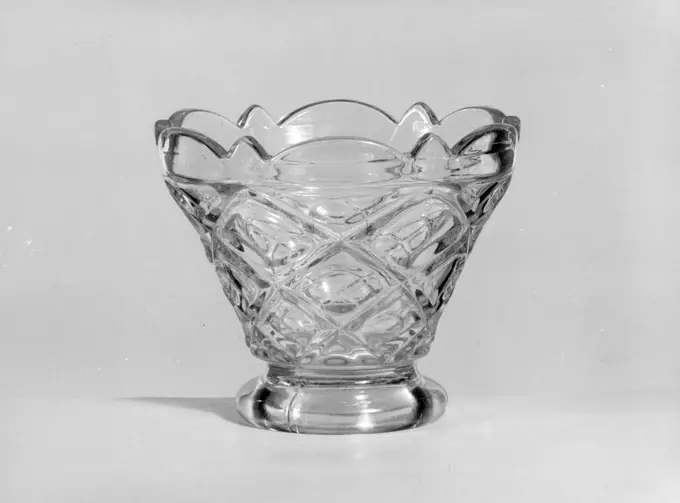
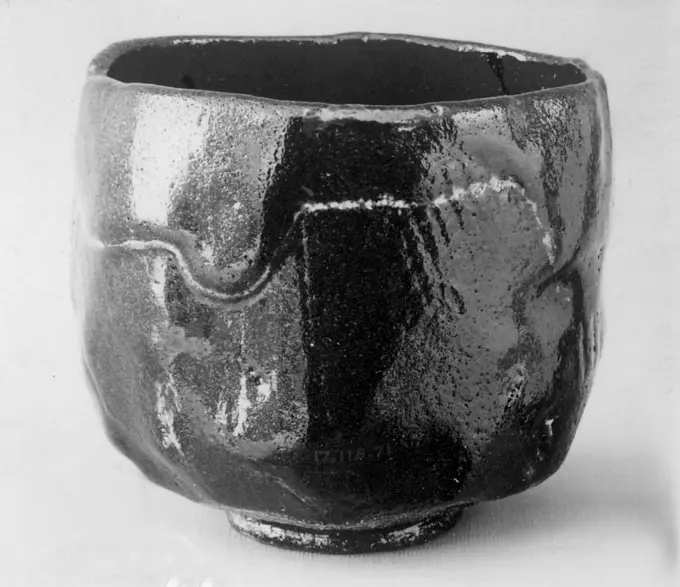
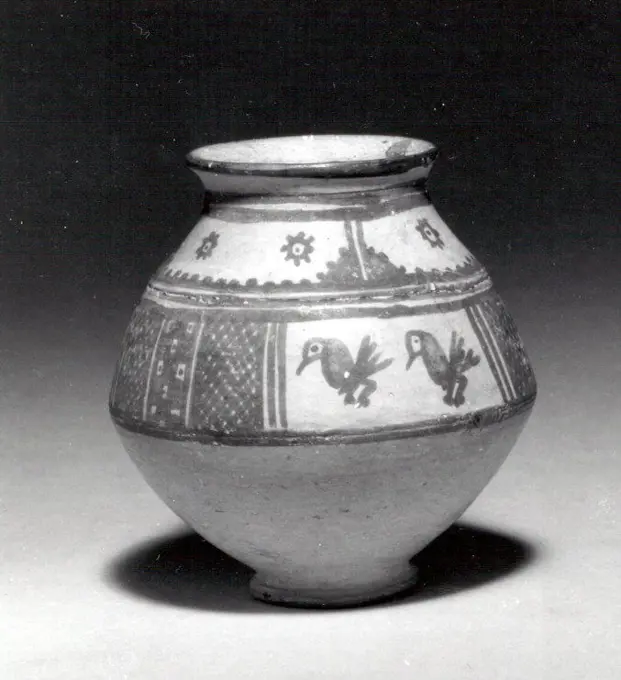
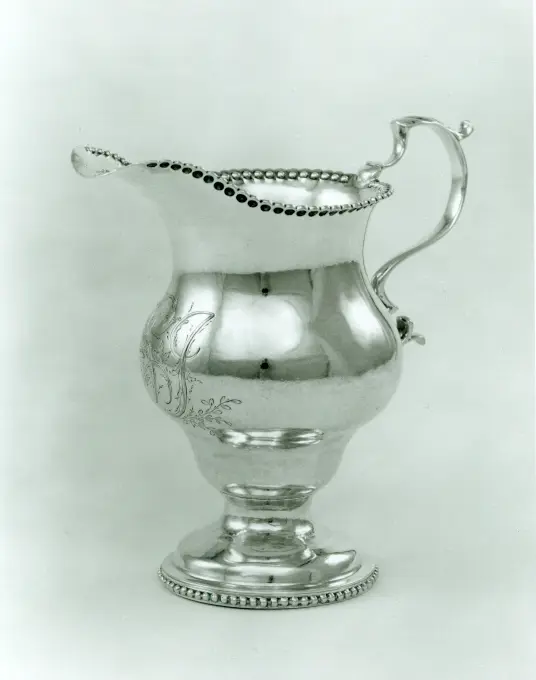
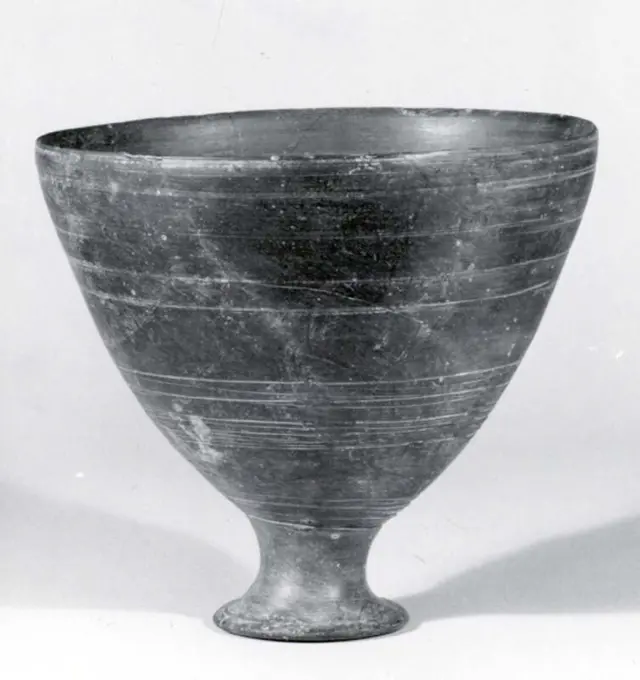
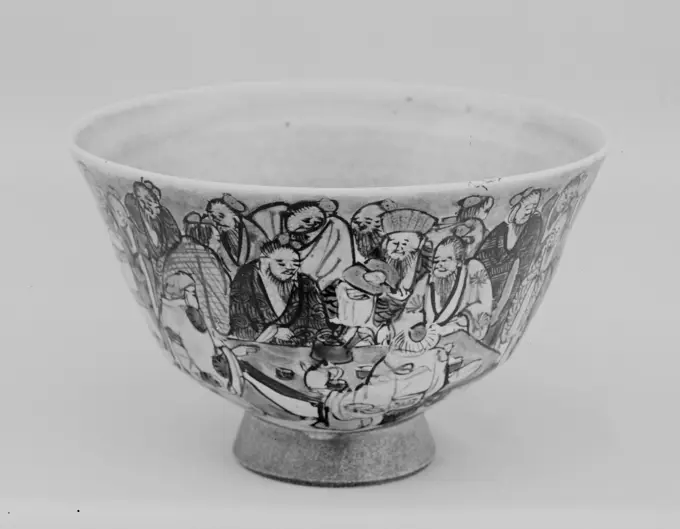
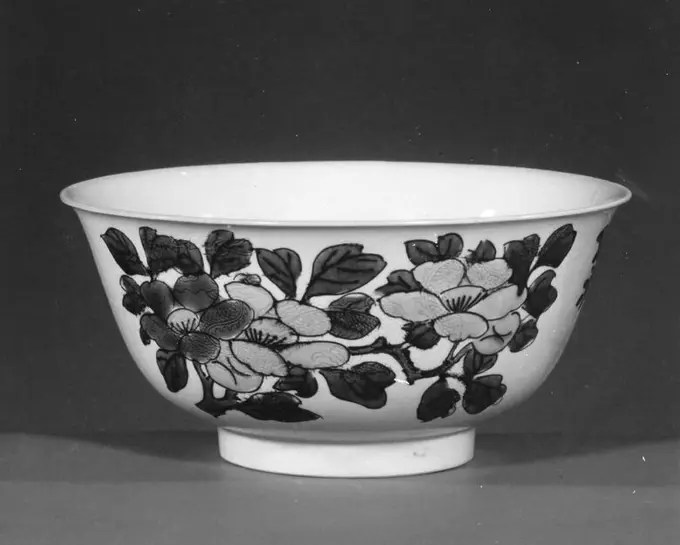
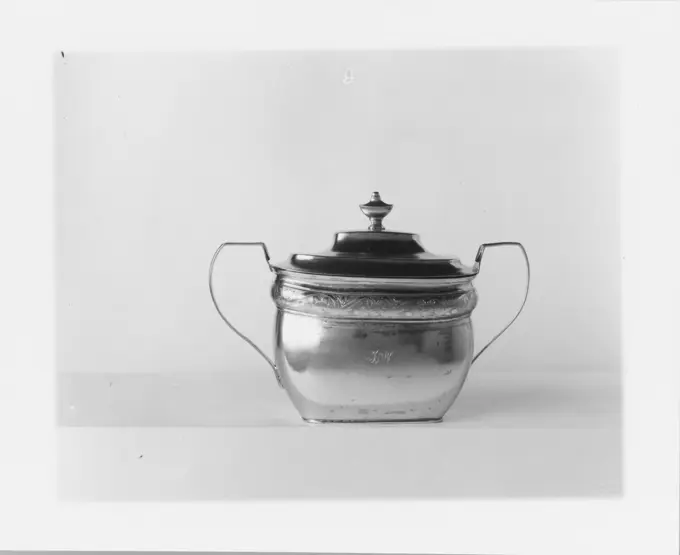
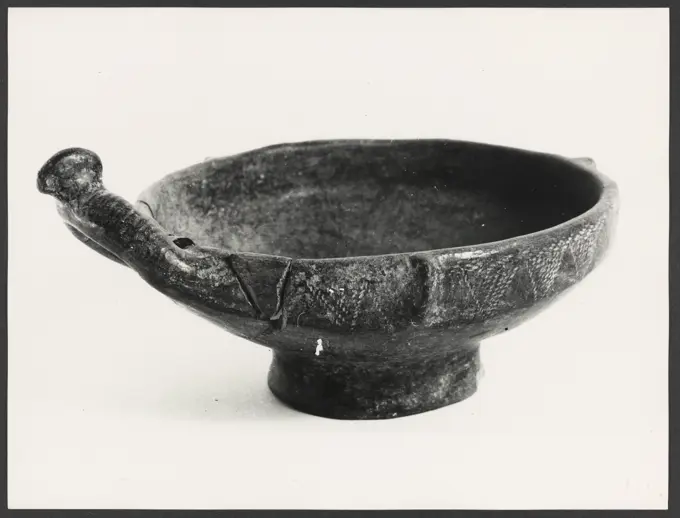
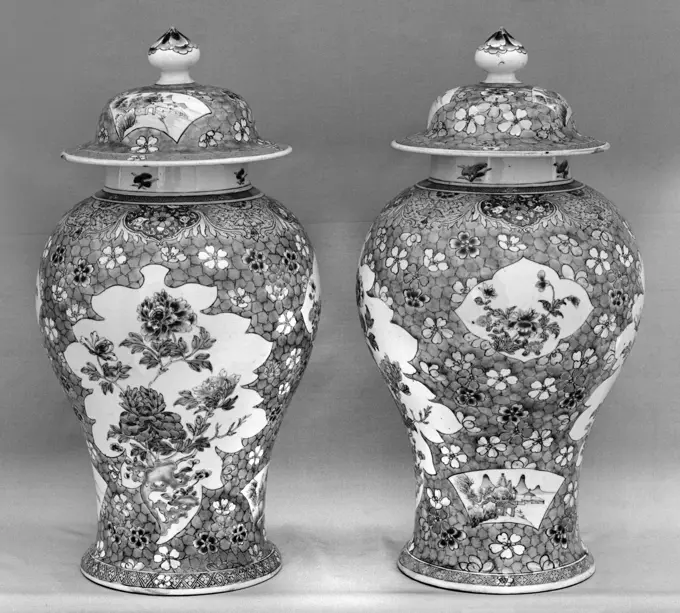
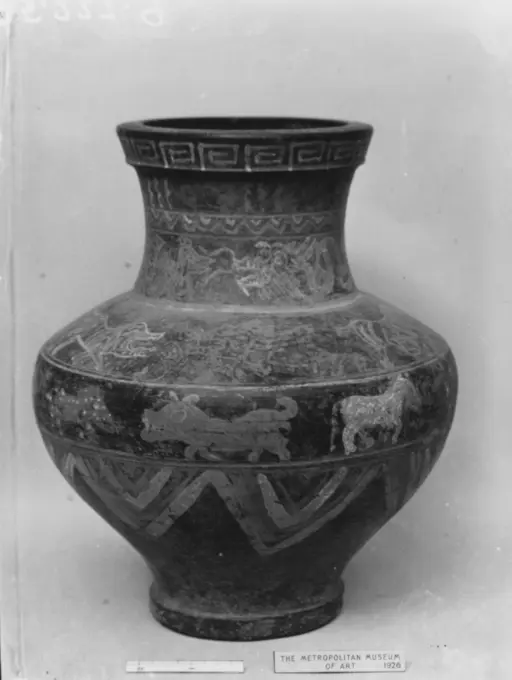
Jar in the shape of bronze container (hu) 1st-2nd century China. Jar in the shape of bronze container (hu). China. 1st-2nd century. Earthenware with lead green glaze. Han dynasty (206 B.C.-A.D. 220). CeramicsVase early 19th century Japan. Vase. Japan. early 19th century. Clay covered with a mottled glaze. Edo period (1615-1868). CeramicsCovered Box. Culture: China. Dimensions: H. 1 1/2 in. (3.8 cm); Diam. 2 3/8 in. (6 cm). Date: late 18th-19th century. Museum: Metropolitan Museum of Art, New York, USA.Ewer ca. 1590, with 19th century additions Mounts probably by Charles Duron For comparable baroque-style enameled gold mounts and especially the satyr's mask, see an agate ewer with enameled gold mounts signed by the Paris goldsmith and enameler Charles Duron. Both the satyr's mask of this agate ewer and the one on 17.190.542 are likely to have been based on the mount of a lapis lazuli cup that was formerly in the collection of King Louis XIV and is now in the Galerie d'Apollon at the Louvre. The lapis lazuli body of the Louvre's cup is now known to be Italian, XVI century, and the mounts, similar in the enamel colors as well as the style to the Duron mask, to be French, XVII century.. Ewer 193523Covered bowl with Thai celestial beings 19th century China. Covered bowl with Thai celestial beings 46230Tea Jar 1820 Japan. Tea Jar 62769Flower Pot 13th-14th century China. Flower Pot 49924Bowl. Culture: Japan. Dimensions: H. 1 1/2 in. (3.8 cm); Diam. 4 7/16 in. (11.3 cm). Date: 18th century. Museum: Metropolitan Museum of Art, New York, USA.Double-bottomed Bowl mid-16th century China. Double-bottomed Bowl. China. mid-16th century. Porcelain painted in overglaze polychrome enamels. Ming dynasty (1368-1644), Jiajing period (1522-66). CeramicsTea jar early 16th century Gorodayu Shonzui Japanese. Tea jar 52803Pitcher early 17th century Italian (Venice), or façon de Venise. Pitcher. Italian (Venice), or façon de Venise. early 17th century. Colorless (gray) and transparent dark blue-green nonlead glass. Blown, ice-glass technique, trailed.. GlassVase China. Vase. China. Nephrite, spinach-green. Qing dynasty (1644-1911), Qianlong period (1736-95). JadeBowl. Culture: American. Dimensions: 2 1/2 x 5 3/8 x 5 3/8 in. (6.4 x 13.7 x 13.7 cm). Maker: Robert Palethorp Jr. (1797-1822). Date: 1817-21. Museum: Metropolitan Museum of Art, New York, USA.Vase with cover 1749-58 Höchst Manufactory. Vase with cover 200886Jar with Zoomorphic Handle and Spout late 11th-12th century Cambodia. Jar with Zoomorphic Handle and Spout 37431Vase after 1885 American. Vase. American. after 1885. Blown satin green glass. Made in United StatesTeabowl ca. 1850 Makuzu Kōzan I (Miyagawa Toranosuke) Japanese. Teabowl 63190Meiping vase with peaches, pomegranades, and fingered citrons late 17th-early 18th century China. Meiping vase with peaches, pomegranades, and fingered citrons. China. late 17th-early 18th century. Porcelain painted in underglaze cobalt blue (Jingdezhen ware), wooden stand. Qing dynasty (1644-1911), Kangxi period (1662-1722). CeramicsStanding cup first half 16th century Northern Italian The bands of silver above and below baluster of stem are not contemporary with the crystal cup.. Standing cup. Northern Italian. first half 16th century. Rock crystal, silver. Natural Substances-Rock CrystalVase China. Vase. China. Porcelain. Qing dynasty (1644-1911), Kangxi period (1662-1722). CeramicsCovered Bowl 1900 Tiffany & Co.. Covered Bowl 2326Covered Jar China. Covered Jar 52834Jar 18th century Japan. Jar. Japan. 18th century. Clay covered with a streaked glaze (Seto ware). Edo period (1615-1868). CeramicsCovered vase 18th century China. Covered vase. China. 18th century. Jade. JadeVase. Culture: China. Dimensions: H. 6 5/8 in. (16.8 cm). Museum: Metropolitan Museum of Art, New York, USA.Jar China. Jar 52735Chocolate pot with cover Elkington & Co. British 19th century, after 1777-78 original This electrotype is after an eighteenth-century (1777-78) original, at time of reproduction in the Victoria and Albert Museum, London. View more. Chocolate pot with cover. British, Birmingham, after British, London original. 19th century, after 1777-78 original. Silver on base metal. Metalwork-ElectrotypeVase China. Vase. China. Pottery. Han dynasty (206 B.C.-A.D. 220). CeramicsVase ca. 1825 French. Vase. French. ca. 1825. Cut blown glass. Made in FranceLazio Viterbo Viterbo Museo Civico41. Hutzel, Max 1960-1990 Views of paintings (Middle Ages through 18th c.), frescoes, a tabernacle, coffin, sculpture reliefs, portal fragments, busts, sculpture, tapestry found in the Pinacoteca, Second floor gallery and Second floor cloister sequences. Antiquities: Many views of Etruscan and Roman fragments, sculpture, sarcophagi, pottery, masks, jewelry and other objects found in the Storeroom sequence (inventory numbers on back of prints), and the Cloister, Second floor Cloister, Valle Giulia, Sala Romana and Sala Etrusca sequences. General Notes: There are eight separate numerical sequences for this location. The cloister as an architectural structure, rather than museum site, is documented in the record and file for S. Maria della Verita, Cloister, all views of which are stored in Medieval core collection. Five views from the Museo Civico Second floor cloister sequence are stored in Medieval. German-born photographer and scholar Max Hutzel (1911-Campania Caserta Capua Museo Campano058. Hutzel, Max 1960-1990 Medieval: Byzantine architectural fragments; parchment fragments with miniatures (12th century) from Montecassino; painted wooden crucifix (13th century); Carolingian crucifixes; Bishop's miter (11th century) of gold and silver damask; fresco (13th century). Post-medieval: Architecture (15th century). Formerly the Palazzo Antignano. Unusual Catalan/Moorish-style portal; Paintings on panel and canvas (15th-18th centuries); marble intarsia (16th century); marble sculpture: busts of Christ and Mary (17th century); sculpture of saints in marble and in wood (15th century); painted and gilded sculpture in wood; marble grave sculpture (16th century); sarcophagus with allegorical carvings; gold reliquary "Rosa d'Oro"; crucifix made of elephant tusk Specific Location: Pianterreno Antiquities: Italic sculpture (seated women holding babies); inscription. Photo campaign #1: 533 photos. Roman relief and sculpture; cinerary urns; Greek aBowl 18th century Japan. Bowl. Japan. 18th century. Clay with a streaked glaze (Satsuma ware). Edo period (1615-1868). CeramicsJug 1820-40 American. Jug 4560Large Vase with Cover and Design of Peacocks China. Large Vase with Cover and Design of Peacocks. China. Porcelain with famille rose. Qing dynasty (1644-1911), Qianlong period (1736-95). CeramicsCovered jar with Thai mythical figures 19th century China. Covered jar with Thai mythical figures. China. 19th century. Porcelain painted in overglaze polychrome enamels (Bencharong ware for Thai market). Qing dynasty (1644-1911). CeramicsJar 1st century China. Jar 44793Goblet 17th century Italian, Venice (Murano). Goblet. Italian, Venice (Murano). 17th century. Glass. GlassWine pot 1870 Japan. Wine pot 63053Vase with lid. Culture: Japan. Dimensions: H. (with lid) 27 7/8 in. (70.8 cm). Date: 18th century. Museum: Metropolitan Museum of Art, New York, USA.Vase. Culture: China. Dimensions: H. 12 in. (30.5 cm). Date: 11th-early 12th century. Museum: Metropolitan Museum of Art, New York, USA.Cup last quarter 17th century P. S., Augsburg. Cup 202368Lazio Roma Subiaco Monastery of S. Scolastica Archaeological Museum7. Hutzel, Max 1960-1990 Antiquities: Views of antiquities in museum, including sarcophagi, plates, vases, coins. General Notes: Hutzel guide says we have negatives, but we cannot find them. German-born photographer and scholar Max Hutzel (1911-1988) photographed in Italy from the early 1960s until his death. The result of this project, referred to by Hutzel as Foto Arte Minore, is thorough documentation of art historical development in Italy up to the 18th century, including objects of the Etruscans and the Romans, as well as early Medieval, Romanesque, Gothic, Renaissance and Baroque monuments. Images are organized by geographic region in Italy, then by province, city, site complex and monument.Creamer 1835-45 Robert and William Wilson. Creamer 2730Vase 18th century China. Vase 48276Creamer 1870-75 Richards and Hartley Flint Glass Co.. Creamer 2702Vase 18th century China. Vase 60628Covered Jar 16th century China. Covered Jar. China. 16th century. Porcelain. Ming dynasty (1368-1644). CeramicsTeabowl ca. 1840 Kenzan IV Japanese. Teabowl 63232Ewer with cover (one of a pair) ca. 1715-30 Chinese, for European, possibly Continental, market. Ewer with cover (one of a pair) 210209Decanter with scene of children harvesting grapes (Autumn) (one of a pair) ca. 1870-80 Austrian or Bohemian. Decanter with scene of children harvesting grapes (Autumn) (one of a pair). Austrian or Bohemian. ca. 1870-80. Glass, engraved incavo. GlassBowl. Culture: Japan. Dimensions: H. 4 1/4 in. (10.8 cm); Diam. 8 3/4 in. (22.2 cm). Date: 1780. Museum: Metropolitan Museum of Art, New York, USA.Vase mid-17th century French. Vase 193575Bowl (part of a service) 1785-1800 Chinese, for British market. Bowl (part of a service). Chinese, for British market. 1785-1800. Hard-paste porcelain. Ceramics-Porcelain-ExportVegetable Dish 1800 Japan. Vegetable Dish. Japan. 1800. White porcelain decorated with colored enamels (Arita ware). Edo period (1615-1868). CeramicsBowl with Cover. Culture: Japan. Dimensions: H. (with cover) 4 5/8 in. (11.7 cm); Diam. 6 in. (15.2 cm). Date: 1800. Museum: Metropolitan Museum of Art, New York, USA.Jar. Culture: China. Dimensions: H. 12 1/2 in. (31.8 cm). Museum: Metropolitan Museum of Art, New York, USA.Teabowl ca. 1830 Japan. Teabowl 63198Teabowl late 17th century Japan. Teabowl 62700Cup 1750 Japan. Cup. Japan. 1750. Clay covered with a mottled glaze of Zhun type (Kiyomizu ware). Edo period (1615-1868). CeramicsSauceboat ca. 1755 Worcester factory. Sauceboat 205086Vase. Culture: China. Dimensions: H. 16 5/8 in. (42.2 cm); Diam. 7 in. (17.8 cm); Diam. of rim 3 3/4 in. (9.5 cm); Diam. of base 5 in. (12.7 cm). Museum: Metropolitan Museum of Art, New York, USA.Vase ca. 1890 Ernest Chaplet French. Vase. French (Limoges). ca. 1890. Porcelain. Ceramics-PorcelainVase. Culture: China. Dimensions: H. 35 1/4 in. (89.5 cm); Diam. 11 in. (27.9 cm); Diam. of rim 10 5/8 in. (27 cm); Diam. of base 10 1/4 in. (26 cm). Museum: Metropolitan Museum of Art, New York, USA.Ice cream cup (Tasse à glace) (part of a service) 1780 Sèvres Manufactory French. Ice cream cup (Tasse à glace) (part of a service) 231155Jar 1st century B.C. China. Jar 49900Late Proto-Corinthian Alabastron. UnknownSaucer (one of nine) (part of a service) 1786 Sèvres Manufactory French. Saucer (one of nine) (part of a service) 197848Vase 1875 Japan. Vase. Japan. 1875. Brown pte with incised decoration around the body; glaze, craquelé. Meiji period (1868-1912). CeramicsSauceboat ca. 1745 British, Staffordshire. Sauceboat 199555Goblet 1800-1830 British (American market). Goblet. British (American market). 1800-1830. Earthenware, lusterware. Made in Staffordshire, EnglandTerracotta kylix: hybrid Siana lip-cup (drinking cup). Culture: Greek, Attic. Dimensions: H. 7 in. (17.8 cm)diameter 11 1/8 in. (28.3 cm). Date: ca. 560 B.C..Interior, Herakles fighting an AmazonExterior, obverse and reverse, three chariotsThis cup is distinguished by its rich decoration and by the sensitivity with which the composition is applied to the shape. On the interior, Herakles' opponent is identifiable as a woman by the white pigment that indicates her flesh. The chariots on the exterior have been described as racing, but it is equally possible that they are advancing in a procession. Museum: Metropolitan Museum of Art, New York, USA.Teabowl ca. 1880 Kichizaemon. Teabowl 63194Footed bowl 1850-70 American With the development of new formulas and techniques, glass-pressing technology had improved markedly by the late 1840s. By this time, pressed tablewares were being produced in large matching sets and innumerable forms. During the mid-1850s, colorless glass and simple geometric patterns dominated. Catering to the demand for moderately-priced dining wares, the glass industry in the United States expanded widely, and numerous factories supplied less expensive pressed glassware to the growing market. At the Exhibition of the Industry of All Nations at New Yorks Crystal Palace in 1853, for example, the New England Glass Company exhibited 130 pieces of one design, "consisting of bowls, tumblers, champagnes, wines, and jelly glasses." This object belongs to one such service. Although the glass manufactory is not known, the glassware is very typical of the large services that were very popular with Americas middle class in the nineteenth century.. Footed bowl. AmVase. Culture: China. Dimensions: H. 14 in. (35.6 cm). Museum: Metropolitan Museum of Art, New York, USA.Teabowl ca. 1870 Keinyu Japanese. Teabowl. Keinyu (died 1893). Japan. ca. 1870. Clay covered with a black glaze; on the lower part with a transparent brown glaze (Raku ware). Meiji period (1868-1912). CeramicsTripod Chalice. UnknownMiniature vessel ca. 1600-1400 B.C. This vessel has a globular body with a sharp carination, a flat base and everted rim. It is made of buff clay, and has dark brown painted decorations in two registers. The lower register alternates geometric decorations, namely crosshatching and vertical rows of circles, with images of birds. The birds have short, bent legs, big heads and long beaks. The upper register has panels whose lower corners are filled with studded triangles, perhaps meant to indicate wooded slopes. The panels each two suns.Vessels with very similar decoration have been found at Tepe Giyan and Godin Tepe in western Iran. At both sites they come from graves, and it is difficult to say whether these vessels served a ritual purpose or were objects of everyday life (or both). This vessel was formerly in the possession of the archaeologist Ernst Herzfeld, who purchased it in Hamadan. He wrote that he was inspired by this vessel to explore Tepe Giyan, in the belief that it originatJoseph Richardson, Jr. and Nathaniel Richardson, Creampot, c. 1790, silver.Jar. Culture: China. Dimensions: H. 1 1/2 in. (3.8 cm). Museum: Metropolitan Museum of Art, New York, USA.Cup and saucer 18th century possibly Dutch. Cup and saucer 188992 possibly Dutch, Cup and saucer, 18th century, Hard-paste porcelain, Height (Cup): 2 1/4 in. (5.7 cm); Diameter (Saucer): 2 3/4 in. (7 cm). The Metropolitan Museum of Art, New York. Rogers Fund, 1906 (06.350a, b)Terracotta stand for a cauldron 7th century B.C. Italic, Villanovan. Terracotta stand for a cauldron 251471Jug (part of a set) ca. 1735-40 Meissen Manufactory German. Jug (part of a set) 199166Bowl late 15th century Italian, Venice (Murano). Bowl. Italian, Venice (Murano). late 15th century. Glass, enamelled and gilt. GlassBowl 14th century. Bowl. 14th century. Silver. Attributed to Egypt. MetalVase 1700 Japan. Vase. Japan. 1700. White porcelain with slip relief; decorated with blue under the glaze, polychrome enamels (Arita ware). Edo period (1615-1868). CeramicsGoblet 3rd century BC-1st century AD Parthian This conical goblet sits on a flat foot and is decorated with horizontal incised lines. The surface has been burnished. It is made of a dark gray clay, using a potters wheel. It was excavated at Shahr-i Qumis in northern Iran, which has been identified as the ancient city of Hecatompylos, established by the Parthians as their capital by about 200 B.C. In Greek Hecatompylos means ‘a hundred gates, suggesting that the city was quite large. Indeed, the modern archaeological site includes several mounds, only a few of which have been excavated, and a vast area covered with potsherds. This vessel comes from Site VI, a building which has been interpreted as a fortified garrison. It was most likely a drinking vessel, probably for wine. Indeed, clay bullae used to seal wine jars have been found elsewhere at the site.. Goblet 325977Bowl 19th century Nonomura Ninsei Japanese. Bowl. Nonomura Ninsei (Japanese, active ca. 1646-94). Japan. 19th century. Clay covered with a transparent crackled glaze and decorated with polychrome enamel (Kyoto ware, Banko style). Edo (1615-1868) or Meiji period (1868-1912). CeramicsProbably Petter Gabriel Aasmundsen, Tankard, c. 1820, silver.Bowl (one of a pair). Culture: China. Dimensions: H. 2 9/16 in. (6.5 cm); Diam. 5 3/4 in. (14.6 cm). Museum: Metropolitan Museum of Art, New York, USA.Sugar Bowl 1800-1810 William G. Forbes. Sugar Bowl. American. 1800-1810. Silver. Made in New York, New York, United StatesWine container (Hu) China. Wine container (Hu) 61042Cruet 1880-87 Probably Hobbs, Brockunier and Company. Cruet. American. 1880-87. Blown glass. Made in Wheeling, West Virginia, United StatesLazio Latina Sezze Antiquarium Comunale58. Hutzel, Max 1960-1990 German-born photographer and scholar Max Hutzel (1911-1988) photographed in Italy from the early 1960s until his death. The result of this project, referred to by Hutzel as Foto Arte Minore, is thorough documentation of art historical development in Italy up to the 18th century, including objects of the Etruscans and the Romans, as well as early Medieval, Romanesque, Gothic, Renaissance and Baroque monuments. Images are organized by geographic region in Italy, then by province, city, site complex and monument.Jar with Cover (one of a pair) China. Jar with Cover (one of a pair). China. Porcelain. Qing dynasty (1644-1911), Qianlong period (1736-95). CeramicsVase China. Vase. China. Pottery. Han dynasty (206 B.C.-A.D. 220). CeramicsMiniature Silver Jar 11th-12th century Chancay. Miniature Silver Jar 308738Bowl on Wood Stand 19th century China. Bowl on Wood Stand. China. 19th century. Glass. GlassVase China 18th centuryFooted Bowl 1850-70 American With the development of new formulas and techniques, glass-pressing technology had improved markedly by the late 1840s. By this time, pressed tablewares were being produced in large matching sets and innumerable forms. During the mid-1850s, colorless glass and simple geometric patterns dominated. Catering to the demand for moderately-priced dining wares, the glass industry in the United States expanded widely, and numerous factories supplied less expensive pressed glassware to the growing market. At the Exhibition of the Industry of All Nations at New Yorks Crystal Palace in 1853, for example, the New England Glass Company exhibited 130 pieces of one design, "consisting of bowls, tumblers, champagnes, wines, and jelly glasses." This object belongs to one such service. Although the glass manufactory is not known, the glassware is very typical of the large services that were very popular with Americas middle class in the nineteenth century.. Footed Bowl. AmBeaker late 16th-early 17th century probably Bohemian. Beaker. probably Bohemian. late 16th-early 17th century. Glass, enamelled. Glass