Antique Pottery and Vessels

Images of vintage jars, bowls, and ewers from various cultures, showcasing unique designs and historical craftsmanship.
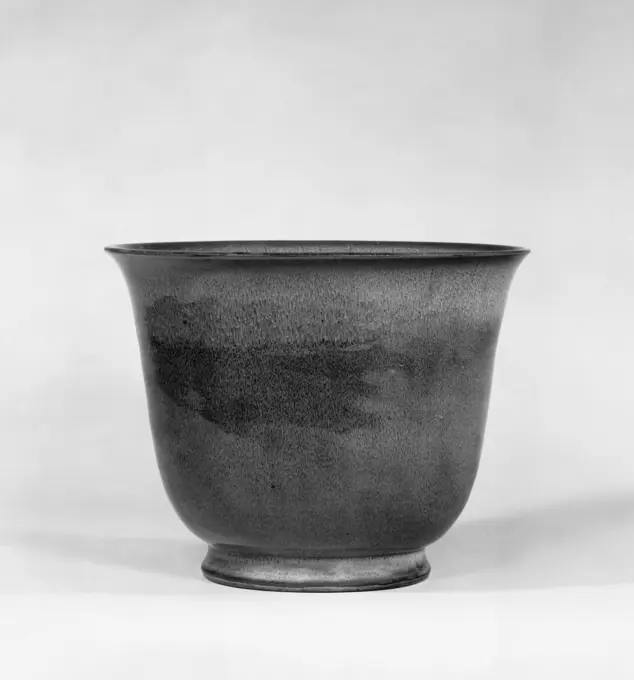
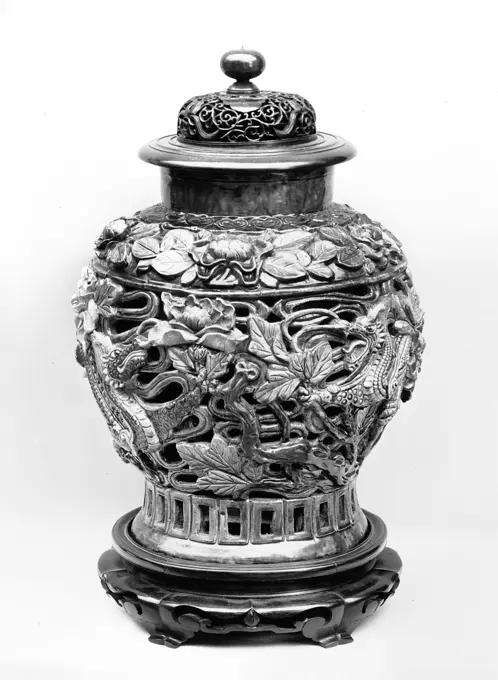
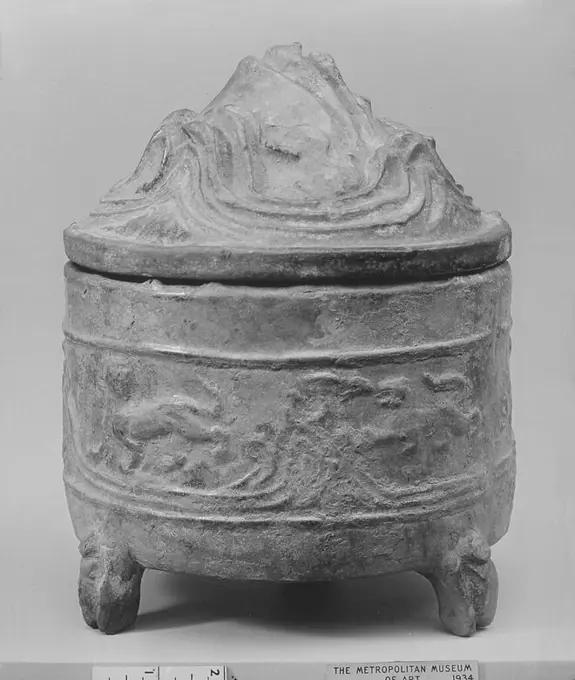
Flower Pot 13th-14th century China. Flower Pot 49924
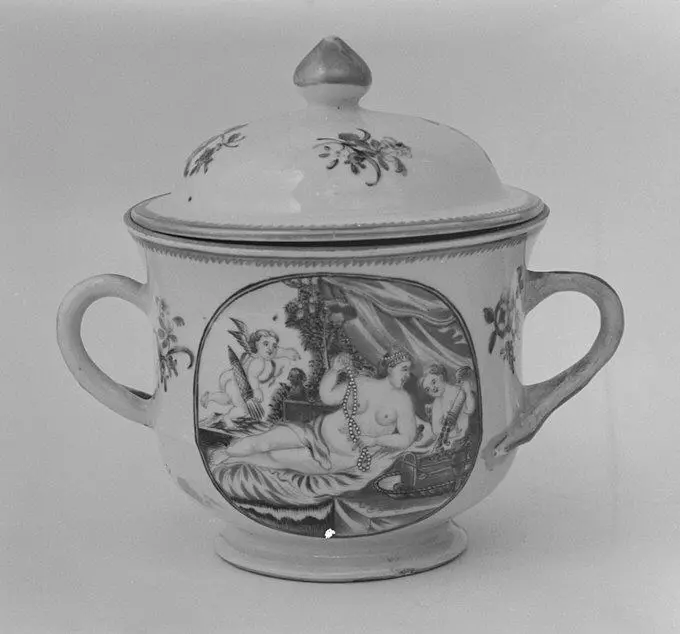
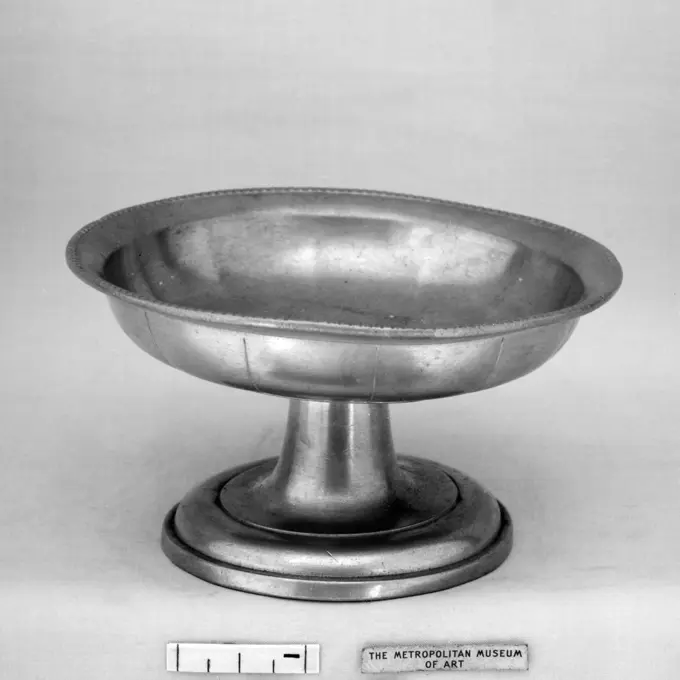
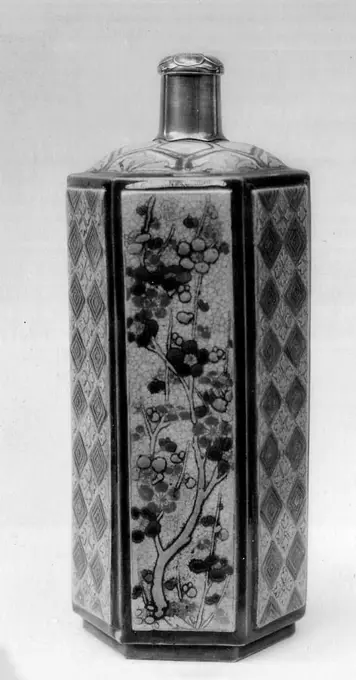
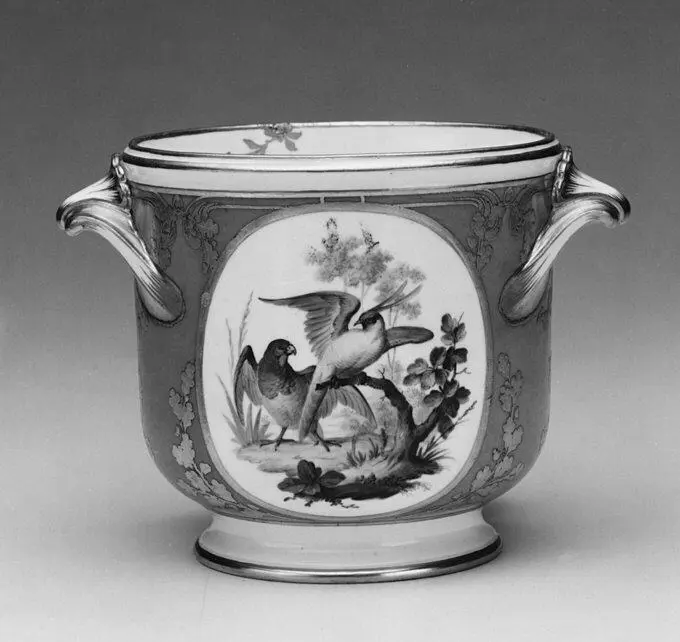
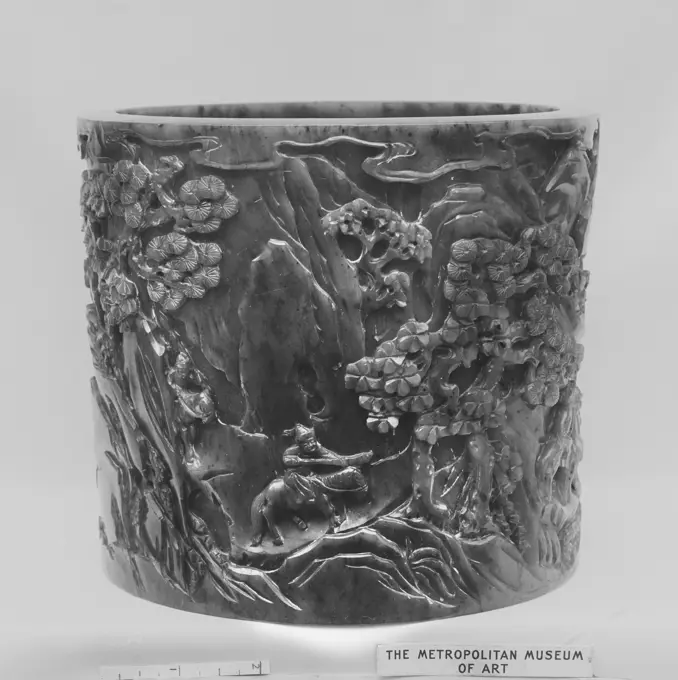
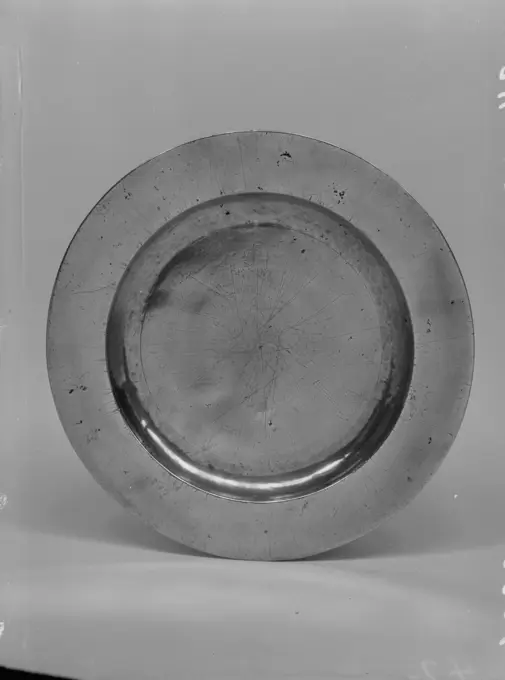
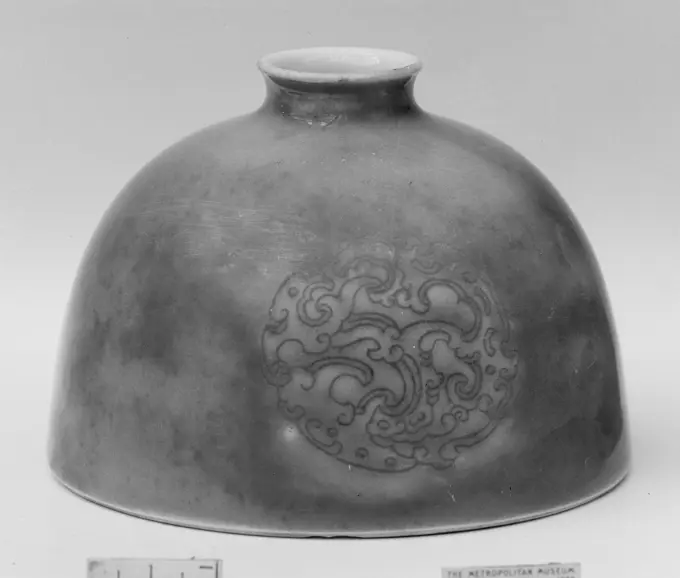
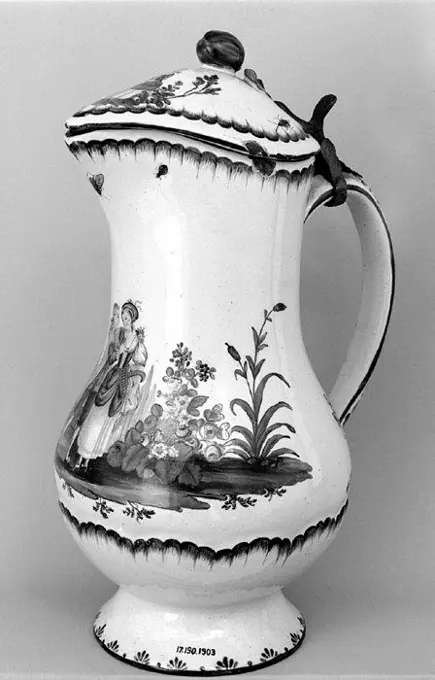
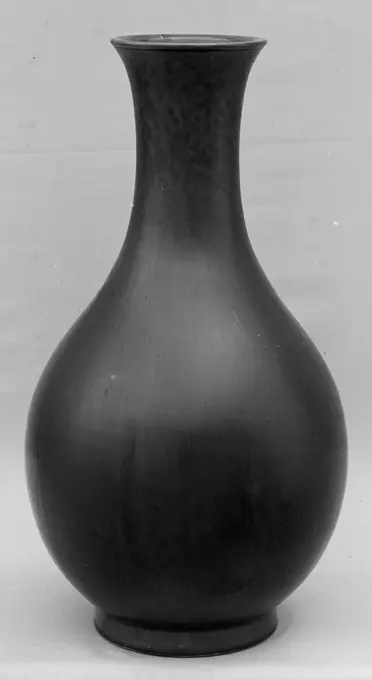
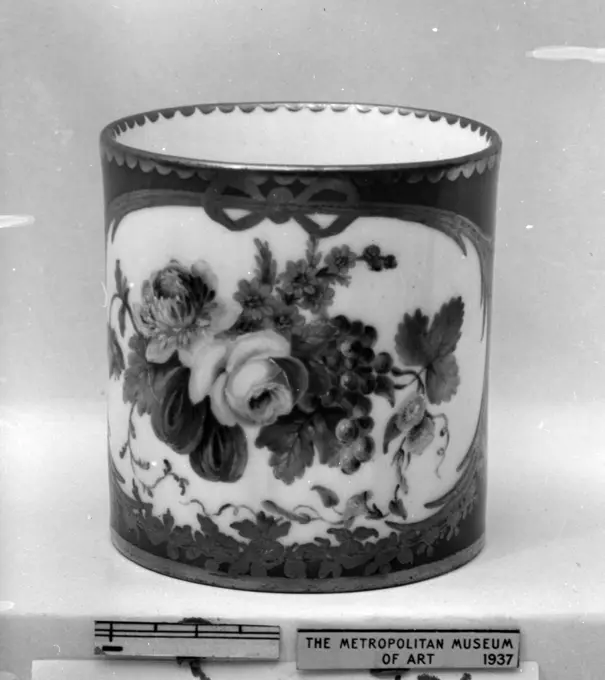
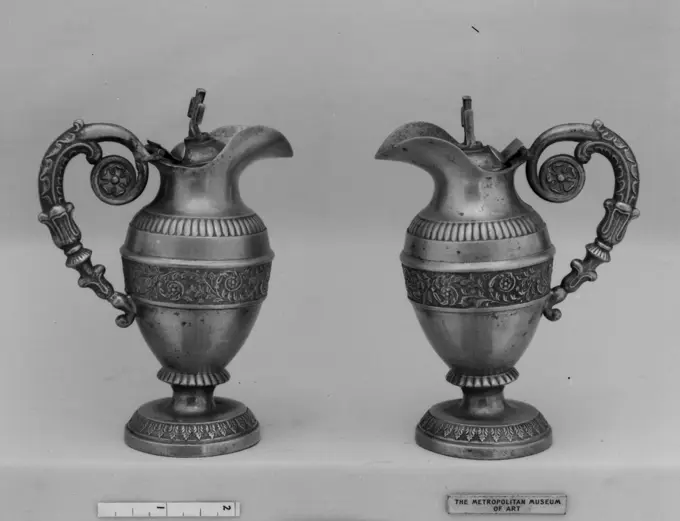
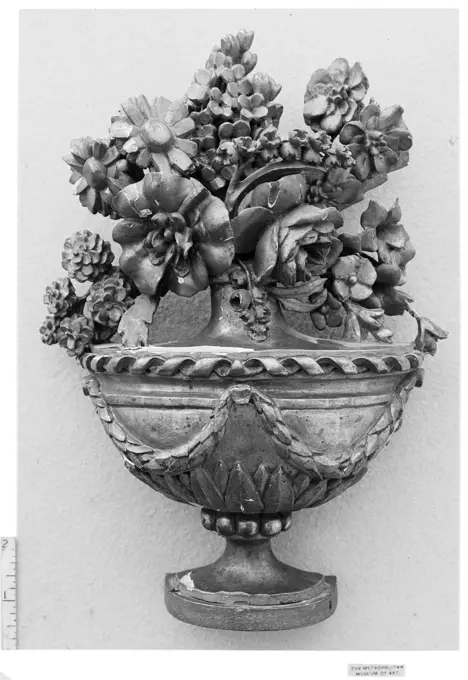
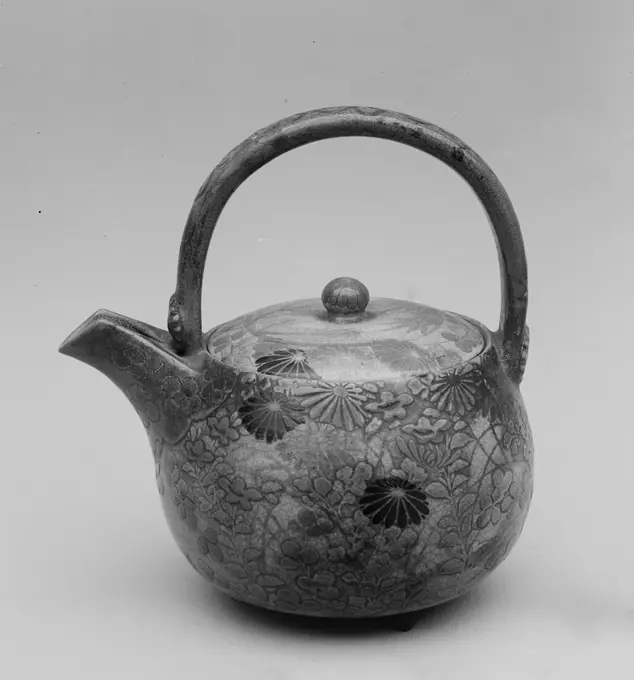
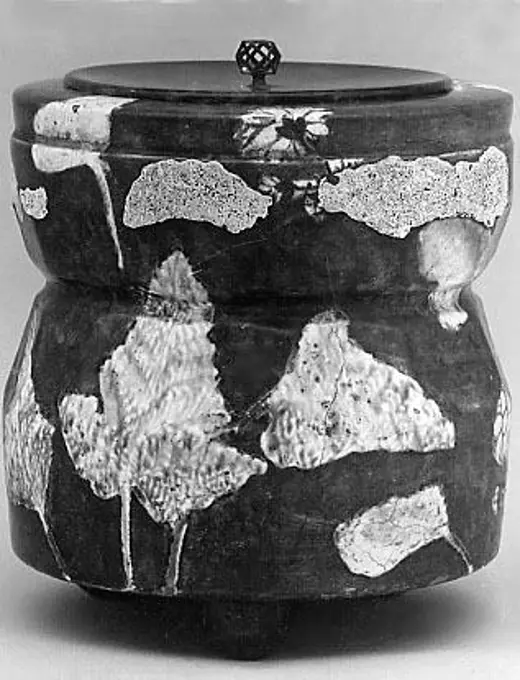
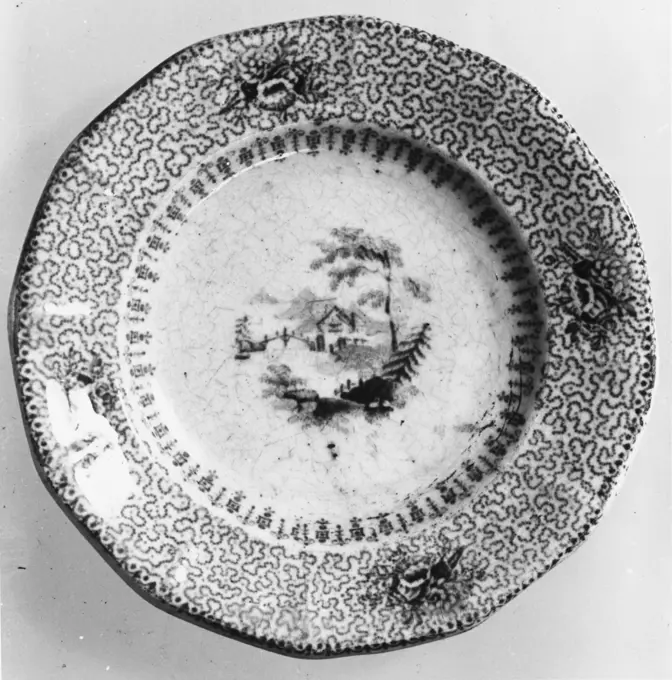
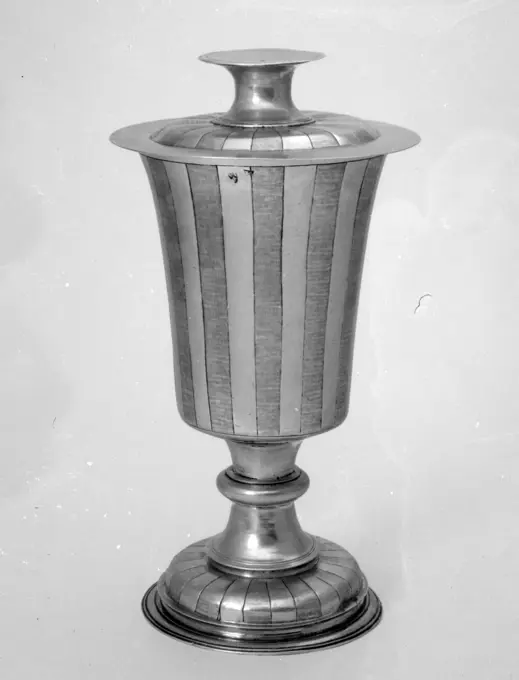
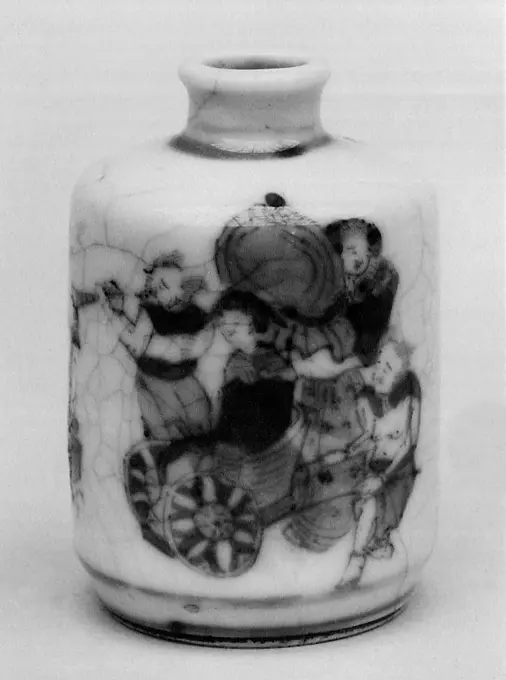
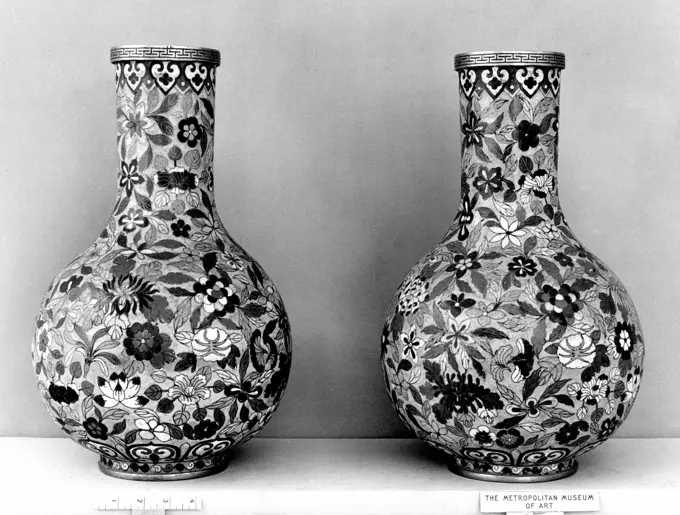
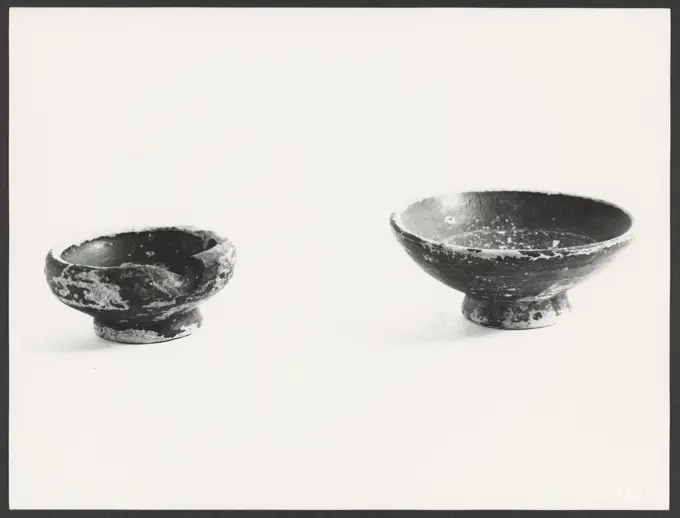
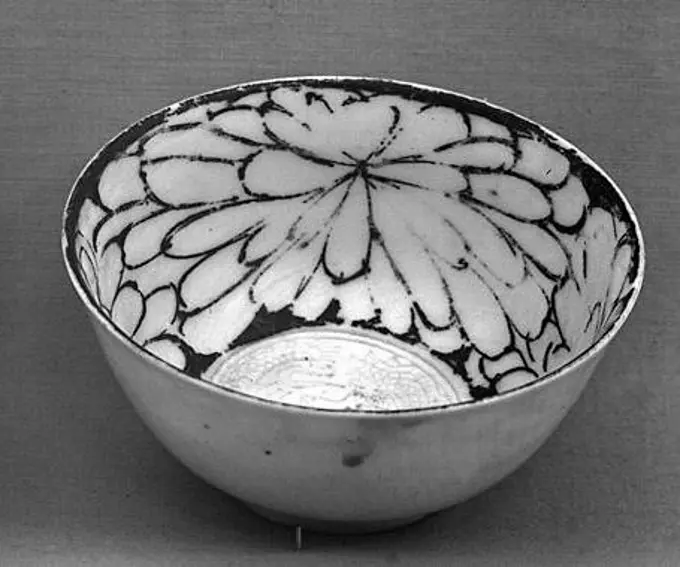
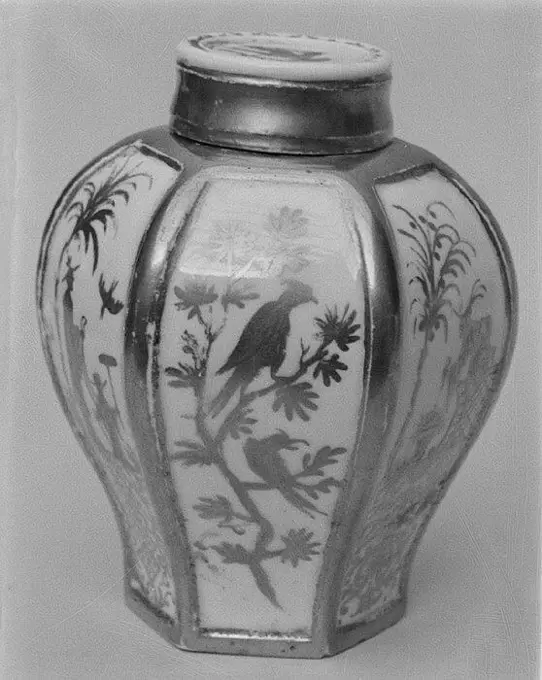
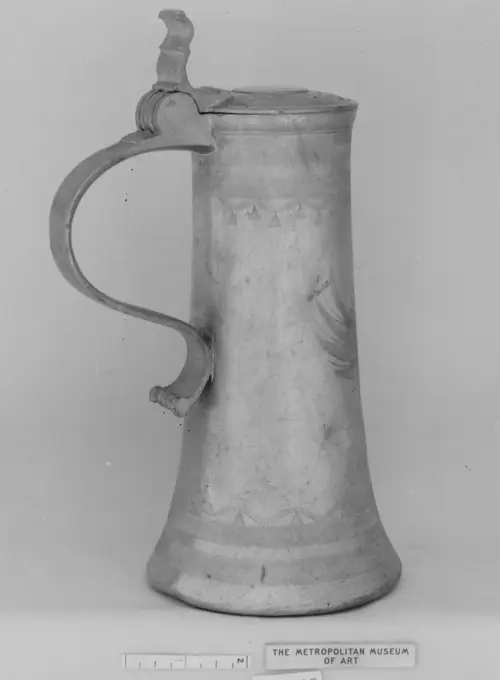
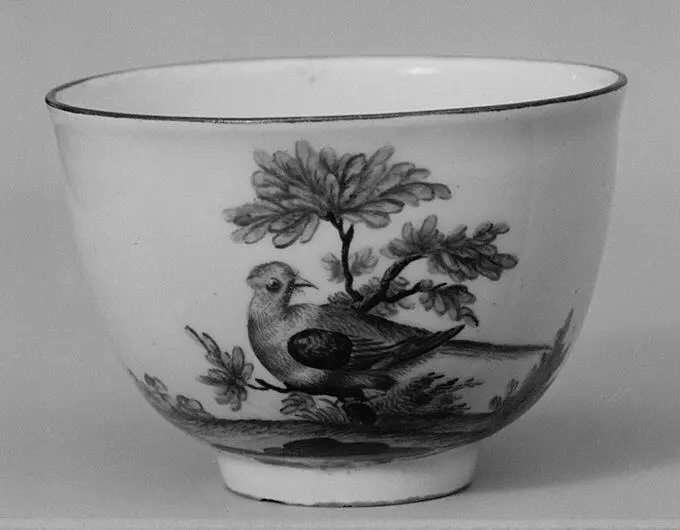
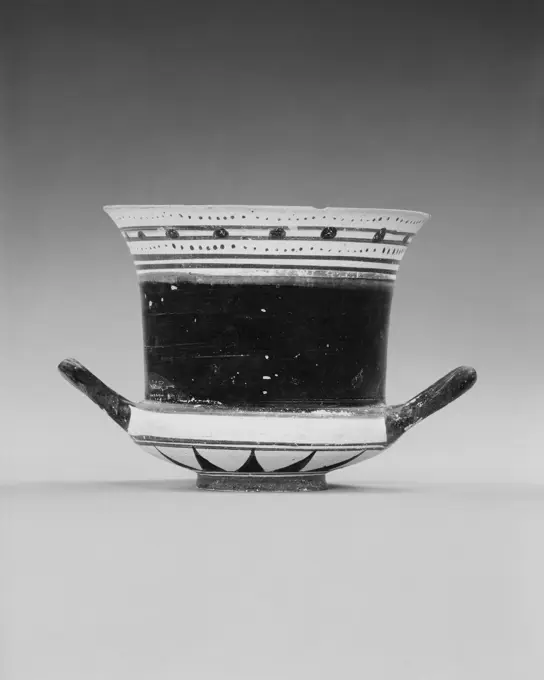
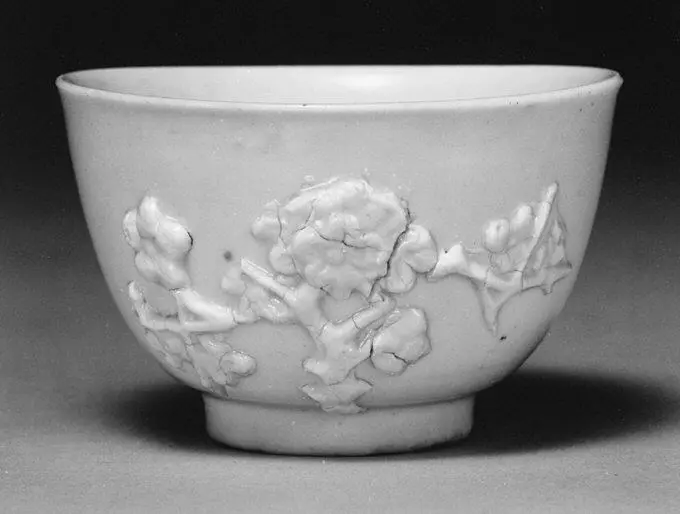
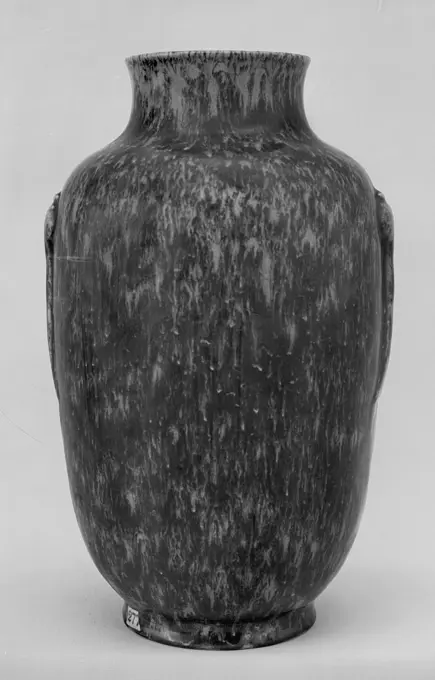
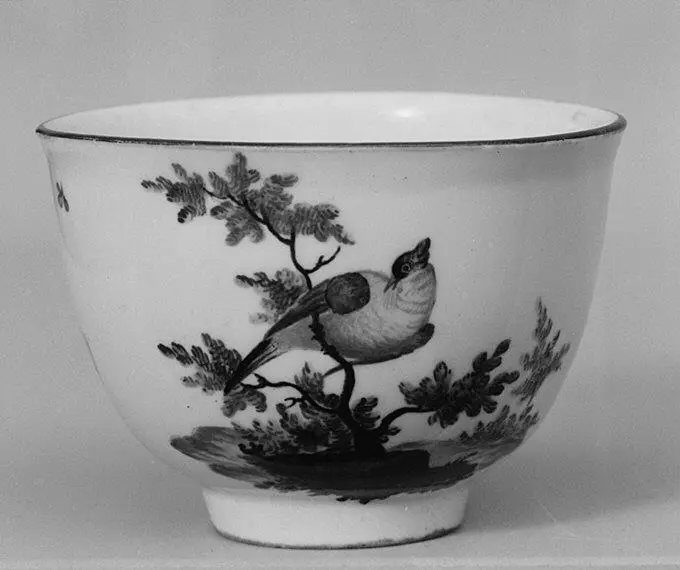
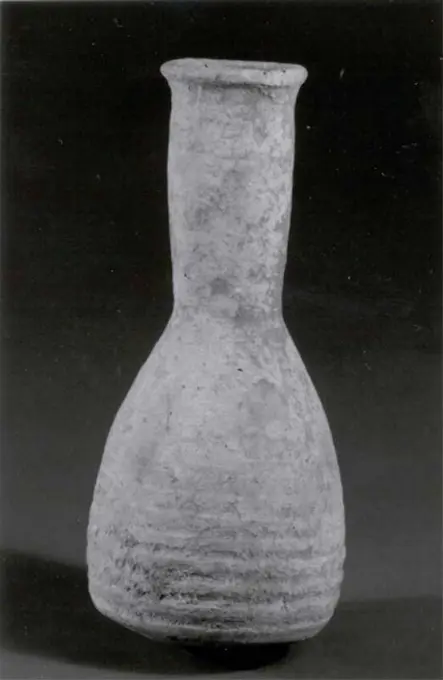
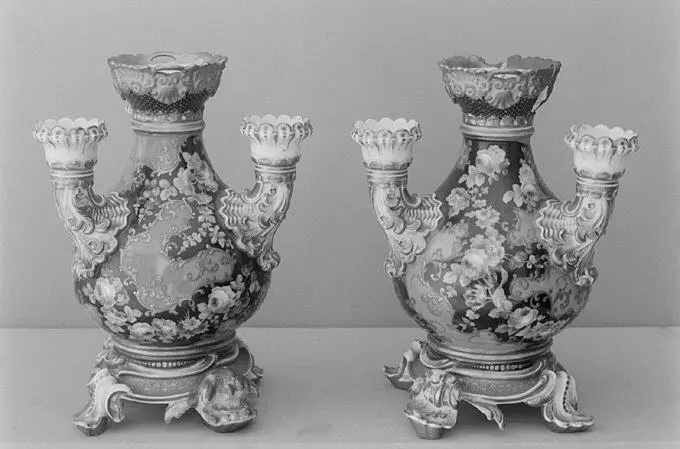
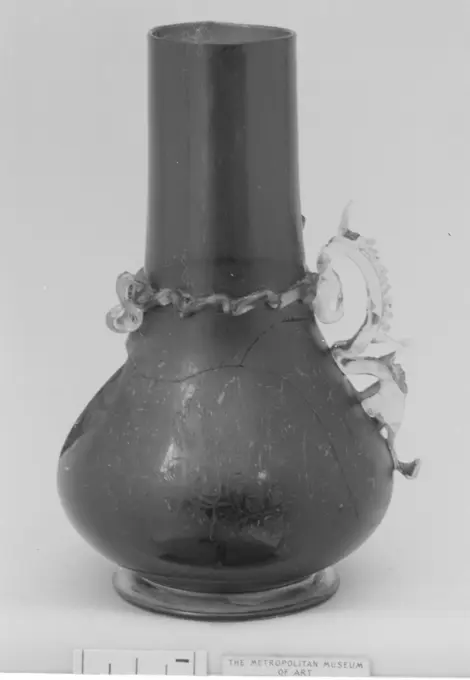
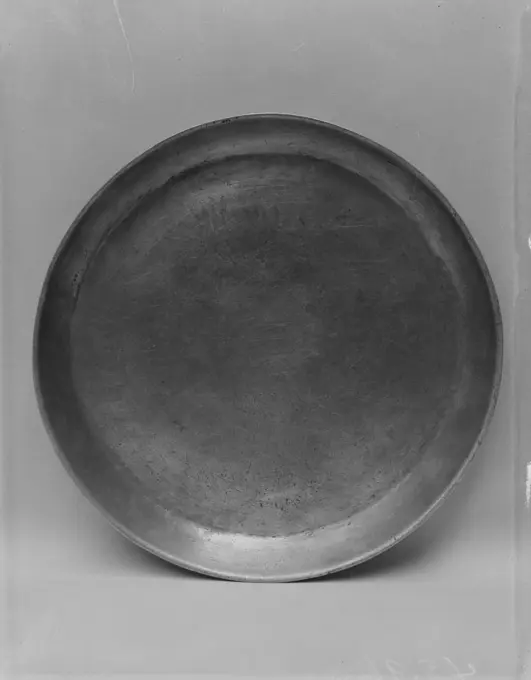
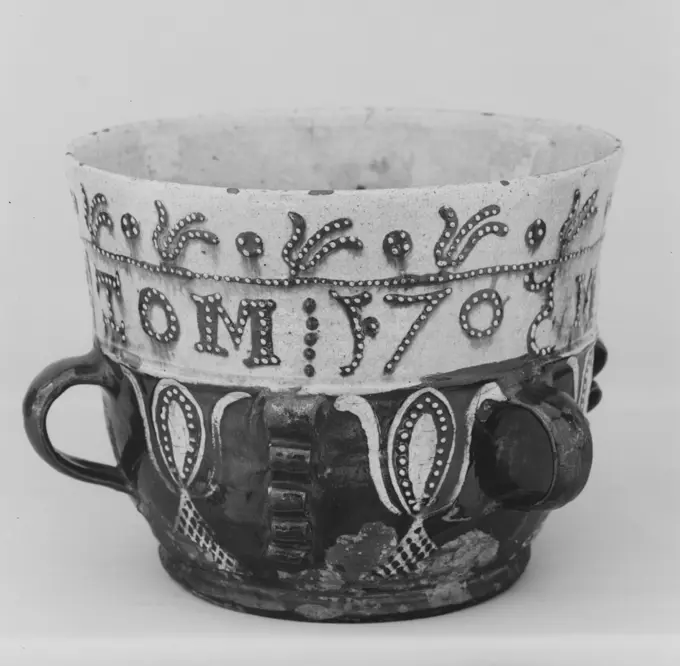
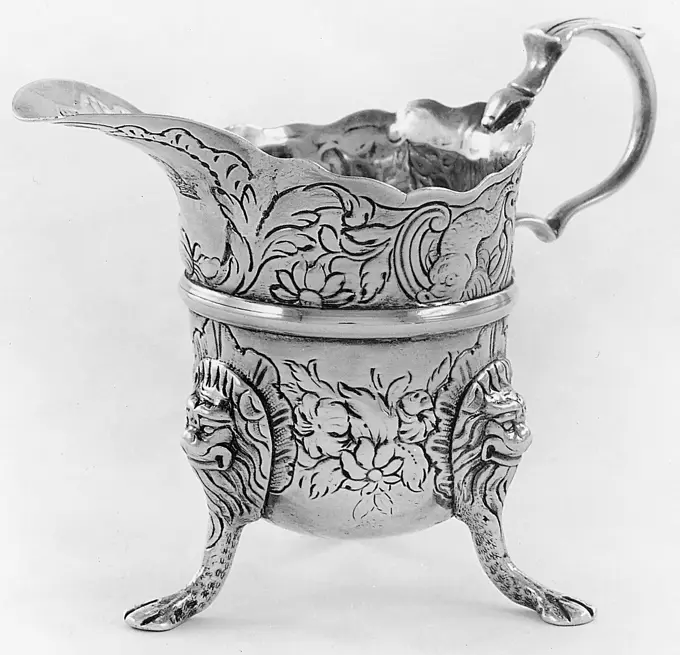
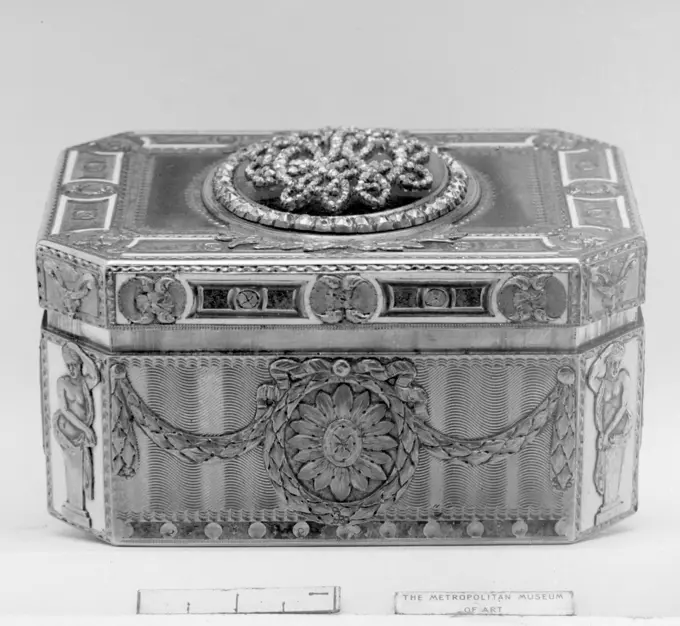
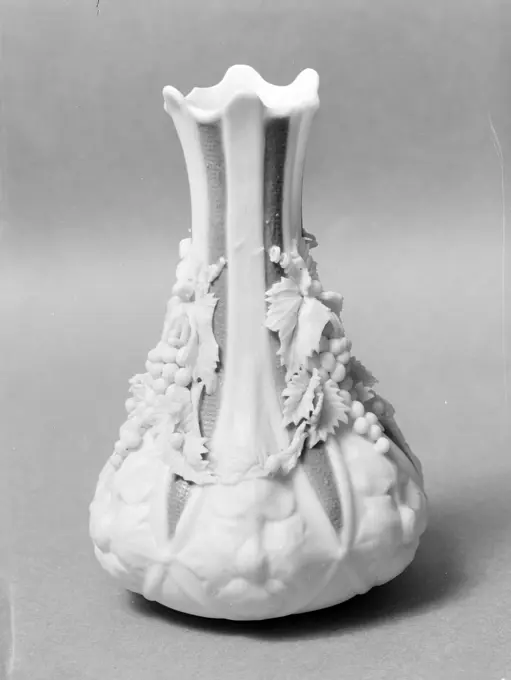
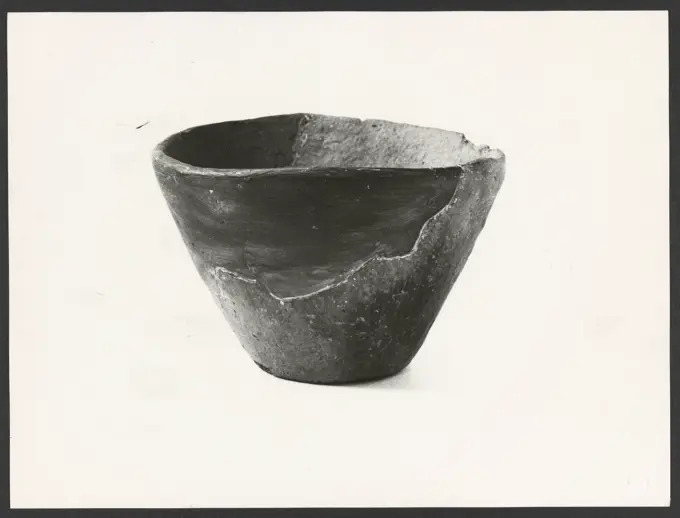
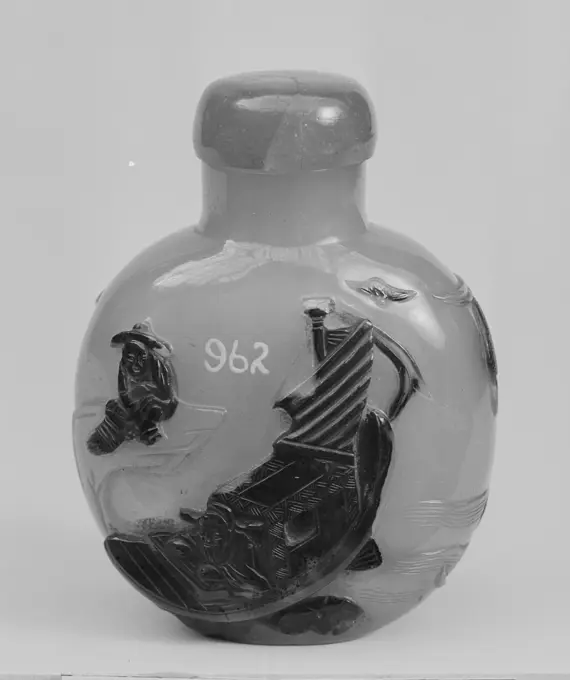
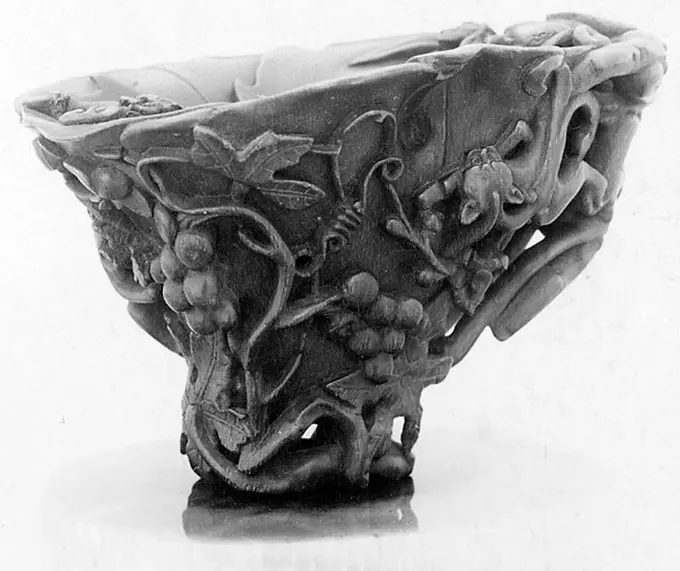
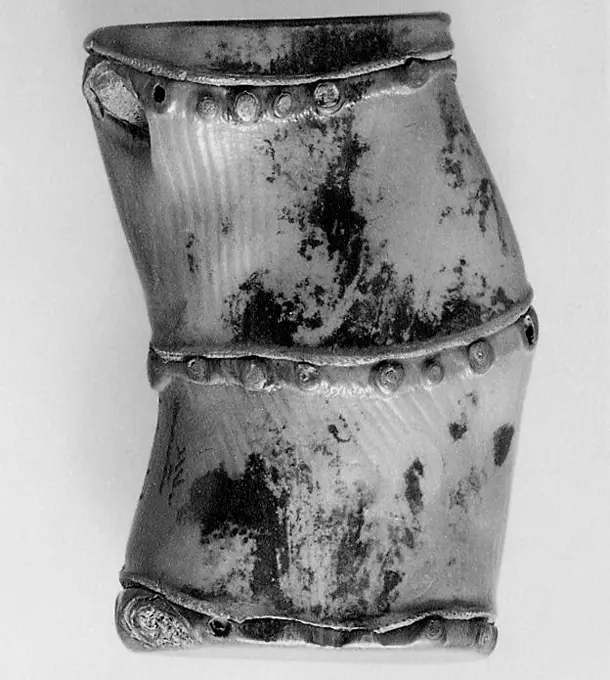
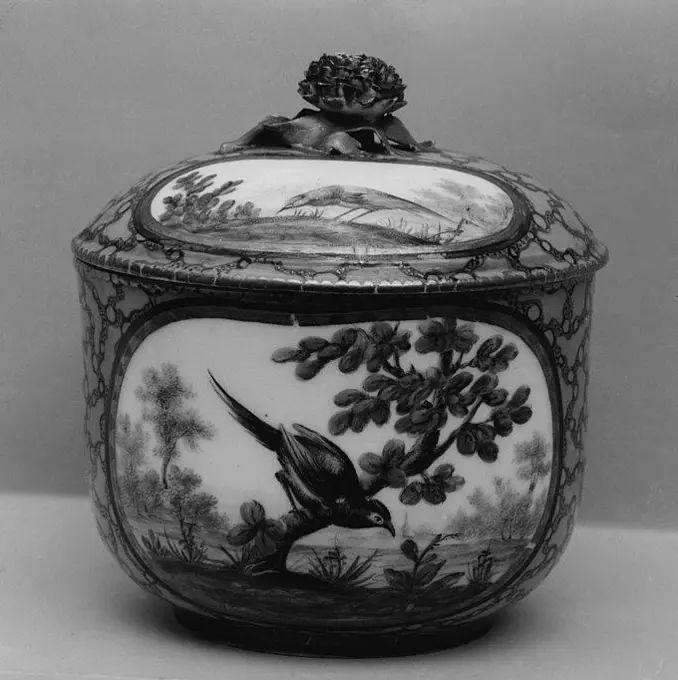
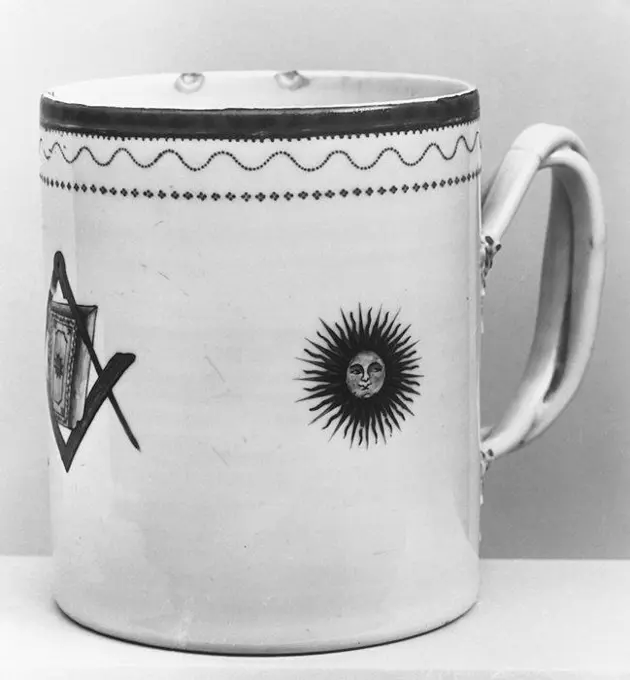
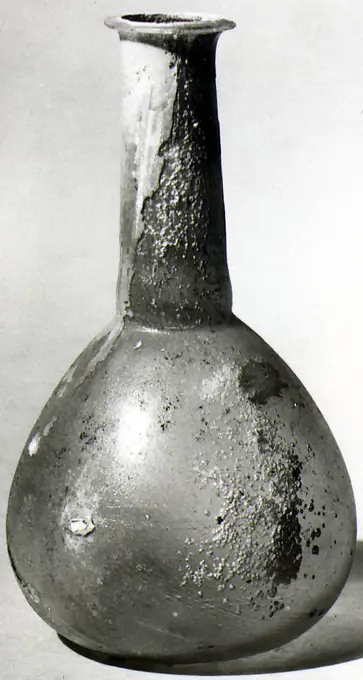
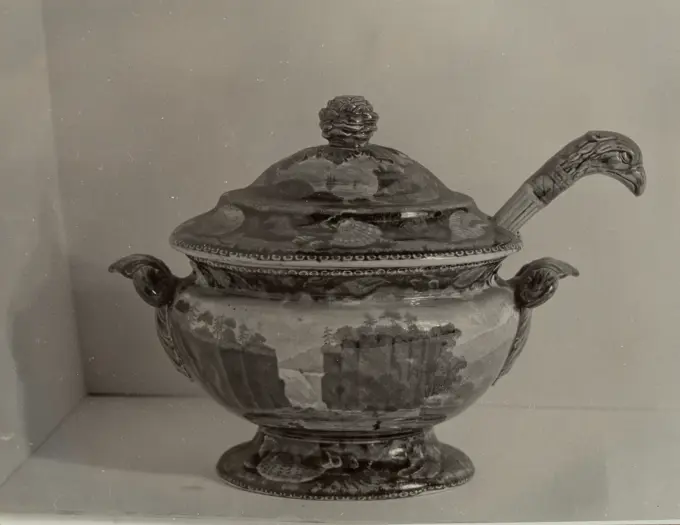
Jar China. Jar. China. Pottery painted in polychrome enamels. Ming dynasty (1368-1644). CeramicsSugar bowl with cover (part of a service) 1750-70 Chinese, for Continental European market. Sugar bowl with cover (part of a service) 201230Bowl. Culture: China. Dimensions: H. 4 in. (10.2 cm); Diam. 7 7/8 in. (20 cm). Date: late 17th-early 18th century. Museum: Metropolitan Museum of Art, New York, USA.Tazza A. Hertel 18th-19th centuryCup with Cover 19th century China. Cup with Cover 42019Hexagonal Wine Bottle 1720 Japan. Hexagonal Wine Bottle. Japan. 1720. Pottery with light glaze, craquelé; decorations in colored and gold enamels; Faience and silver (Awata ware). Edo period (1615-1868). CeramicsWine cooler (seau à demi-bouteille) (one of two) (part of a service) 1771-72 Sèvres Manufactory French The table services produced at Sèvres in the eighteenth century were highly prized and extremely expensive. They were not only purchased by the Crown and members of the aristocracy but also given by the king as diplomatic gifts to foreign courts and visiting dignitaries, and the esteem in which they were held did much to enhance the factorys prestige and fortunes. Because the number of pieces composing a service was very large, the cost was enormous, but this did not deter many courtiers from ordering a dinner or dessert service, or both.One of the most celebrated services produced at Sèvres was delivered to Louis-René-Édouard, prince de Rohan-Guémenée (1734-1803), on September 7, 1772. All of the pieces were decorated with the rich turquoise ground color known as bleu céleste and with birds encircled by an elaborate gilt wreath of oak leaves and acorns. Many of the components of theKylix, band-cup. Culture: Greek, Attic. Dimensions: 5 15/16 in. (15 cm)Other: 8 1/4 in. (21 cm)Other (width with handles): 10 13/16in. (27.4cm)Diam. of foot: 3 3/4 in. (9.5 cm). Date: 3rd quarter of the 6th century B.C..Meaningless inscriptions between handles; at handles, palmettes. Museum: Metropolitan Museum of Art, New York, USA.Brush holder 18th century China. Brush holder. China. 18th century. Jade. Qing dynasty (1644-1911), Qianlong period (1736-95). JadeIncense Burner 19th century Japan. Incense Burner 459211 lge. vase, glazed pottery for the Boston Public Schools , Vases. The Massachusetts WPA Federal Art Project Photograph CollectionCup with handle 1760 () possibly Sèvres Manufactory French. Cup with handle 194892Dish 1780-88 Joseph Danforth. Dish. American. 1780-88. Pewter. Made in Middletown, Connecticut, United StatesGoblet ca. 1740 Meissen Manufactory German. Goblet 199194Water coupe China. Water coupe. China. Porcelain with peach-bloom glaze (Jingdezhen ware). Qing dynasty (1644-1911), Kangxi mark and period (1662-1722). CeramicsWater jug ca. 1788 Levavasseur Faience, or tin-glazed and enameled earthenware, first emerged in France during the sixteenth century, reaching widespread usage among elite patrons during the seventeenth and early eighteenth centuries, prior to the establishment of soft-paste porcelain factories. Although characterized as more provincial in style than porcelain, French faience was used at the court of Louis XIV as part of elaborate meals and displays, with large-scale vessels incorporated into the Baroque garden designs of Versailles. Earlier examples of French faience attest to the strong influence of maiolica artists from Italy. Later works demonstrate the ways in which cities such as Nevers, Rouen, Lyon, Moustiers, and Marseille developed innovative vessel shapes and decorative motifs prized among collectors throughout Europe. While faience can be created from a wide mixture of clays, it is foremost distinguished by the milky opaque white color achieved by the addition of tin oxide tJar. Culture: China. Dimensions: H. 9 1/4 in. (23.5 cm); Diam. 7 3/4 in. (19.7 cm). Museum: Metropolitan Museum of Art, New York, USA.Vase with flowers. Culture: French. Date: 18th century. Museum: Metropolitan Museum of Art, New York, USA.Vase 18th century China. Vase. China. 18th century. Porcealin with yellow glaze (Jingdezhen ware). Qing dynasty (1644-1911). CeramicsCreamer 1780-1820 American or British. Creamer 2595Lazio Viterbo Viterbo Museo Civico78. Hutzel, Max 1960-1990 Views of paintings (Middle Ages through 18th c.), frescoes, a tabernacle, coffin, sculpture reliefs, portal fragments, busts, sculpture, tapestry found in the Pinacoteca, Second floor gallery and Second floor cloister sequences. Antiquities: Many views of Etruscan and Roman fragments, sculpture, sarcophagi, pottery, masks, jewelry and other objects found in the Storeroom sequence (inventory numbers on back of prints), and the Cloister, Second floor Cloister, Valle Giulia, Sala Romana and Sala Etrusca sequences. General Notes: There are eight separate numerical sequences for this location. The cloister as an architectural structure, rather than museum site, is documented in the record and file for S. Maria della Verita, Cloister, all views of which are stored in Medieval core collection. Five views from the Museo Civico Second floor cloister sequence are stored in Medieval. German-born photographer and scholar Max Hutzel (1911-Cup (Gobelet litron) (one of nine) (part of a a service) 1787 Sèvres Manufactory French. Cup (Gobelet litron) (one of nine) (part of a a service). French, Sèvres. 1787. Soft-paste porcelain. Ceramics-PorcelainPair of mass cruets French 19th century View more. Pair of mass cruets. French. 19th century. Pewter. Metalwork-PewterVase with flowers 18th century French. Vase with flowers. French. 18th century. Wood, gilt. WoodworkSnuff Bottle China. Snuff Bottle 41296Wine Kettle 1780 Japan. Wine Kettle. Japan. 1780. Clay covered with a crackled transparent glaze and decorated with colored enamels and gold (Awata ware). Edo period (1615-1868). CeramicsBeaker ca. 1670-71 Georg Reischl. Beaker 192008Sugar bowl ca. 1775 Mary Makemeid. Sugar bowl 192156Water Jar Japan early 19th centuryCup Plate ca. 1839-ca. 1867 Joseph Clementson. Cup Plate 6022Pair of dishes ca. 1755 Worcester factory. Pair of dishes 206829Lazio Latina Sezze Antiquarium Comunale10. Hutzel, Max 1960-1990 German-born photographer and scholar Max Hutzel (1911-1988) photographed in Italy from the early 1960s until his death. The result of this project, referred to by Hutzel as Foto Arte Minore, is thorough documentation of art historical development in Italy up to the 18th century, including objects of the Etruscans and the Romans, as well as early Medieval, Romanesque, Gothic, Renaissance and Baroque monuments. Images are organized by geographic region in Italy, then by province, city, site complex and monument.Communion cup and paten 1630-35 Valerius Sutton. Communion cup and paten. British. 1630-35. Silver. Metalwork-SilverJug ca. 1770-90 probably German. Jug. probably German. ca. 1770-90. Milk glass. GlassSnuff Bottle 18th century China. Snuff Bottle 41729Vase 19th century China. Vase 40616Vase. Culture: China. Dimensions: H. 4 1/4 in. (10.8 cm). Date: 18th century. Museum: Metropolitan Museum of Art, New York, USA.Lazio Latina Sezze Antiquarium Comunale50. Hutzel, Max 1960-1990 German-born photographer and scholar Max Hutzel (1911-1988) photographed in Italy from the early 1960s until his death. The result of this project, referred to by Hutzel as Foto Arte Minore, is thorough documentation of art historical development in Italy up to the 18th century, including objects of the Etruscans and the Romans, as well as early Medieval, Romanesque, Gothic, Renaissance and Baroque monuments. Images are organized by geographic region in Italy, then by province, city, site complex and monument.Cup with flowers China 19th centuryCaddy ca. 1720-25, decorated ca. 1725-30 Meissen Manufactory German. Caddy 199141Tankard or flagon dated 1749 German. Tankard or flagon. German. dated 1749. Pewter. Metalwork-PewterJug with cover ca. 1725 Meissen Manufactory German. Jug with cover 199134Cup (part of a service) ca. 1770 Frankenthal Porcelain Manufactory. Cup (part of a service) 196946Terracotta lekaina (two-handled drinking cup) 6th century B.C. Greek, Laconian A specific Laconian vase shape, the lakaina, is never decorated with figural scenes, though bands of dots decorate the lip.. Terracotta lekaina (two-handled drinking cup). Greek, Laconian. 6th century B.C.. Terracotta. Archaic. VasesBowl. Culture: China. Dimensions: Diam. 6 1/2 in. (16.5 cm). Date: 19th century. Museum: Metropolitan Museum of Art, New York, USA.Teabowl ca. 1760 Doccia Porcelain Manufactory Italian The gift of the Hans Syz Collection in 1995 endowed the Museum with nearly three hundred examples of European and Asian ceramics meticulously acquired by Swiss-born collector Dr. Syz (1894-1991) to chart the migration of models and patterns from East to West. Documenting a continuous process of influence and adaptation, these pieces provide a discriminating review of the nuances of stylistic change resulting from three centuries of trade.. Teabowl 208410Chamber candlestick 1764 () Pierre-Joseph Pontus. Chamber candlestick 200260Incense Burner. Culture: Japan. Dimensions: H. 3 3/4 in. (9.5 cm). Date: 1700. Museum: Metropolitan Museum of Art, New York, USA.Vase first half of the 19th century China. Vase. China. first half of the 19th century. Porcelain with mottled green and blue glaze. Qing dynasty (1644-1911). CeramicsCup (part of a service) ca. 1770 Frankenthal Porcelain Manufactory. Cup (part of a service) 196953Guibi 18th century China. Guibi. China. 18th century. Jade. Qing dynasty (1644-1911). JadeJar with cover ca. 1755 Mennecy. Jar with cover 200835Bough Vase British (American market) 1775-1800 View more. Bough Vase. British (American market). 1775-1800. Earthenware. Made in Staffordshire, EnglandAnefo photo collection. Assignment RVD Medisch Historic exhibition Waaggebouw Amsterdam. August 14, 1949. Amsterdam, Noord-HollandPlate 1812-17 Blakeslee Barnes. Plate. American. 1812-17. Pewter. Made in Philadelphia, Pennsylvania, United StatesPlate 1718-99 Francis Bassett, I. Plate. American. 1718-99. Pewter. Made in New York, New York, United StatesCampania Caserta Capua Museo Campano016. Hutzel, Max 1960-1990 Medieval: Byzantine architectural fragments; parchment fragments with miniatures (12th century) from Montecassino; painted wooden crucifix (13th century); Carolingian crucifixes; Bishop's miter (11th century) of gold and silver damask; fresco (13th century). Post-medieval: Architecture (15th century). Formerly the Palazzo Antignano. Unusual Catalan/Moorish-style portal; Paintings on panel and canvas (15th-18th centuries); marble intarsia (16th century); marble sculpture: busts of Christ and Mary (17th century); sculpture of saints in marble and in wood (15th century); painted and gilded sculpture in wood; marble grave sculpture (16th century); sarcophagus with allegorical carvings; gold reliquary "Rosa d'Oro"; crucifix made of elephant tusk Specific Location: Pianterreno Antiquities: Italic sculpture (seated women holding babies); inscription. Photo campaign #1: 533 photos. Roman relief and sculpture; cinerary urns; Greek aBottle Mounted on a Quadruped. UnknownUnguentarium ca. 1st century A.D. Nabataean. Unguentarium 325893Snuff Bottle China. Snuff Bottle 41342Bowl. UnknownCircular bowl with cover and saucer 1720-25 Meissen Manufactory German. Circular bowl with cover and saucer. German, Meissen. 1720-25. Hard-paste porcelain. Ceramics-PorcelainCreamer ca. 1870 Possibly James Gillinder and Sons American. Creamer. American. ca. 1870. Pressed amber glass. Made in Philadelphia, Pennsylvania, United StatesKiln Waster 12th-13th century China. Kiln Waster. China. 12th-13th century. Porcelaneous ware and stoneware with celadon glazes (Longquan ware). Southern Song dynasty (1127-1279). CeramicsFunerary urn. National Museum, Athens , Antiquities, Urns. Nicholas Catsimpoolas Collectionunknown (unknown), work, Bowl (kai-wan), not dating, arts and craftsPair of flower vases ca. 1834-40 Fontainebleau. Pair of flower vases 187792 Factory: Fontainebleau, Manufacture Royale, established 1530, 1535 or 1539, Maker: Jacob Petit, French, 17961865, Pair of flower vases, ca. 183440, Hard-paste porcelain, Each, H. 9 1/4 in. (23.5 cm.). The Metropolitan Museum of Art, New York. Gift of Henry G. Marquand, 1894 (94.4.228, .229)Bliżej Kultury unknownVase 17th century possibly Dutch. Vase. possibly Dutch. 17th century. Glass. GlassDish 1807-13 Thomas Danforth, III. Dish. American. 1807-13. Pewter. Made in Philadelphia, Pennsylvania, United StatesPosset pot 1705 British, Staffordshire The name inscribed round the lip, "Mary Shiffilbottom 1705" may refer to the christening day of a daughter.. Posset pot 192334Maker's mark W.W, Cream Jug, c. 1750, silver.Cup 18th century Japan. Cup. Japan. 18th century. White porcelain decorated with enamels (Arita ware). Edo period (1615-1868). CeramicsWatch ca. 1680 Watchmaker: Pierre Derssigny. Watch. French, Paris. ca. 1680. Silver. HorologyCovered Teakettle 1700-1800. Covered Teakettle. 1700-1800. CopperSnuffbox 1768-69 Charles Le Bastier French In eighteenth-century Europe, Paris led the production of high-quality luxury goods. Parisian goldsmiths made a wide range of small, personal articles such as snuffboxes; étuis to hold sealing wax, tweezers, or utensils for sewing; souvenirs, which contained thin ivory tablets for note taking; and shuttles for knotting lace. Gold snuffboxes and boxes decorated with portrait miniatures were prized and frequently given as royal gifts, often to ambassadors or members of the court in lieu of cash payments for their services. Coveted and admired, these boxes were produced from a variety of materials. The best were skillfully made of gold and embellished with diamonds, enameled decoration, lacquer, and other luxurious materials. By the middle of the century, the taking of snuff had become an entrenched social ritual, and the snuffbox, too, had become an important social prop. Snuffboxes were considered highly fashionable accessories, with some merchVase 1830-70 American. Vase. American. 1830-70. Parian porcelain. Probably made in Bennington, Vermont, United StatesBottle vase with floral scrolls late 17th-early 18th century China. Bottle vase with floral scrolls 47495Lazio Latina Sezze Antiquarium Comunale4. Hutzel, Max 1960-1990 German-born photographer and scholar Max Hutzel (1911-1988) photographed in Italy from the early 1960s until his death. The result of this project, referred to by Hutzel as Foto Arte Minore, is thorough documentation of art historical development in Italy up to the 18th century, including objects of the Etruscans and the Romans, as well as early Medieval, Romanesque, Gothic, Renaissance and Baroque monuments. Images are organized by geographic region in Italy, then by province, city, site complex and monument.Coffeepot 1768-69 Charles Donze. Coffeepot 200370Box with cover China. Box with cover. China. Nephrite, light sage-green. Qing dynasty (1644-1911), Qianlong period (1736-95). JadeSnuff bottle with stopper 18th-19th century China. Snuff bottle with stopper. China. 18th-19th century. Agate, quartz. Qing dynasty (1644-1911). Snuff BottlesCruet Boston & Sandwich Glass Company American 1825-92Cup China. Cup. China. Rhinoceros horn. Qing dynasty (1644-1911), Qianlong period (1736-95). HornTankard 1778 Nymphenburg Porcelain Manufactory. Tankard 202361Seal China. Seal 41059Sugar bowl 1760 () possibly Sèvres Manufactory French. Sugar bowl 194891Mug ca. 1790-1810 Chinese, probably for American market. Mug 198580Snuff bottle with stopper China Qing dynasty (1644-1911) View more. Snuff bottle with stopper. China. Jadeite. Qing dynasty (1644-1911). Snuff BottlesCruetGlass perfume bottle 1st century A.D. Roman Colorless with blue-green tinge.Rim folded out, over, and in with beveled upper edge; cylindrical neck, expanding downward and tooled in around base; tall bulbous body; concave bottom.On body, three bands of two fine abraded horizontal lines.Intact; many bubbles and blowing striations; dulling, patches of deep pitting and iridescent weathering.. Glass perfume bottle 254685 Roman, Glass perfume bottle, 1st century A.D., Glass, H.: 4 3/4 in. (12.1 cm). The Metropolitan Museum of Art, New York. Gift of Miss Ida H. Ogilvie, 1951 (51.80.4)Shirley Plantation, Shirley, Charles City County, Virginia. Carnegie Survey of the Architecture of the South. United States  Virginia  Charles City County  Shirley, Pitchers, Tableware.Helmut Hiatt, Soup Tureen  Southern Passaic Falls, c 1936 Soup Tureen - Southern Passaic FallsCup 19th century Japan. Cup 46493Pendants 20th century China. Pendants. China. 20th century. Jade, seed pearls. JadeDish China. Dish. China. Painted enamel. Qing dynasty (1644-1911), Qianlong period (1736-95). EnamelsJohn Chartier, Pair of Sauce Boats, 1732/33, silver.Maker's mark orb and star with annulets, Tankard, 1649/50, silver.Double Spout and Bridge Bottle with Bird 5th-2nd century B.C. Paracas. Double Spout and Bridge Bottle with Bird. Paracas. 5th-2nd century B.C.. Ceramic, slip, pigment. Peru. Ceramics-ContainersBrush washer 18th century China. Brush washer. China. 18th century. Jade (nephrite). Qing dynasty (1644-1911). Jade