Antique Pottery and Vessels

Images of vintage jars, bowls, and ewers from various cultures, showcasing unique designs and historical craftsmanship.
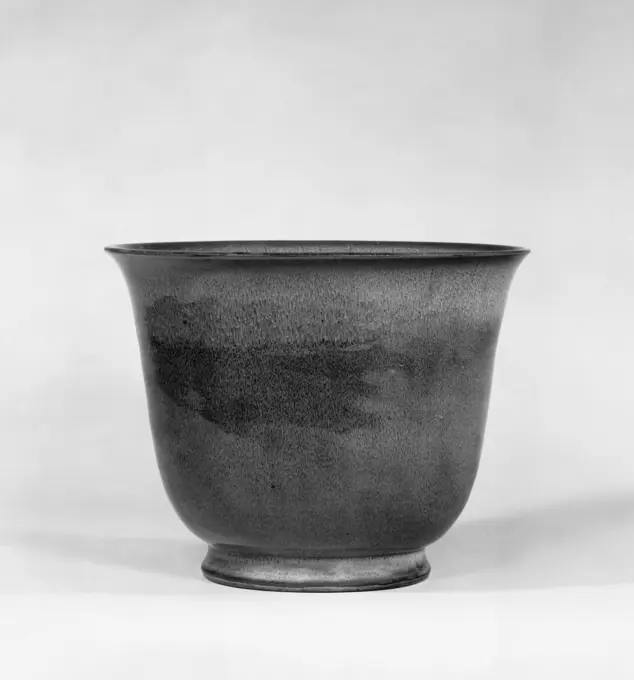
Flower Pot 13th-14th century China. Flower Pot 49924
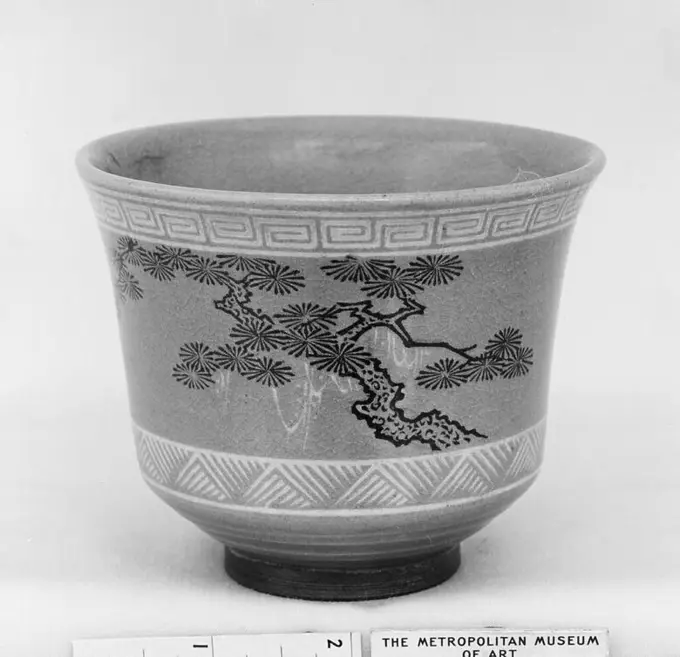
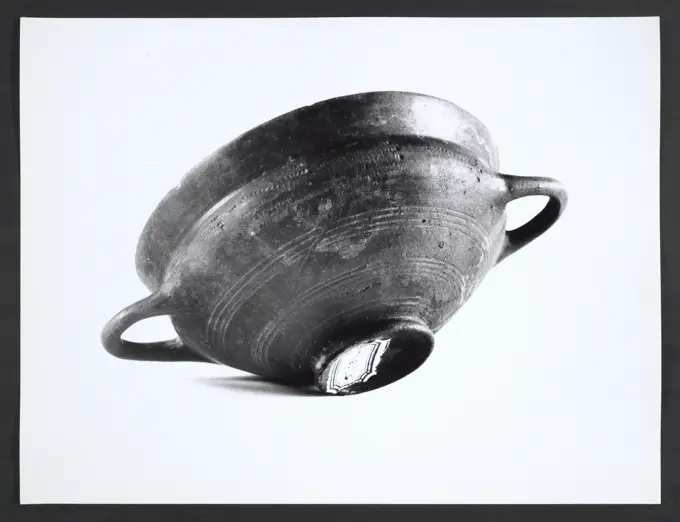
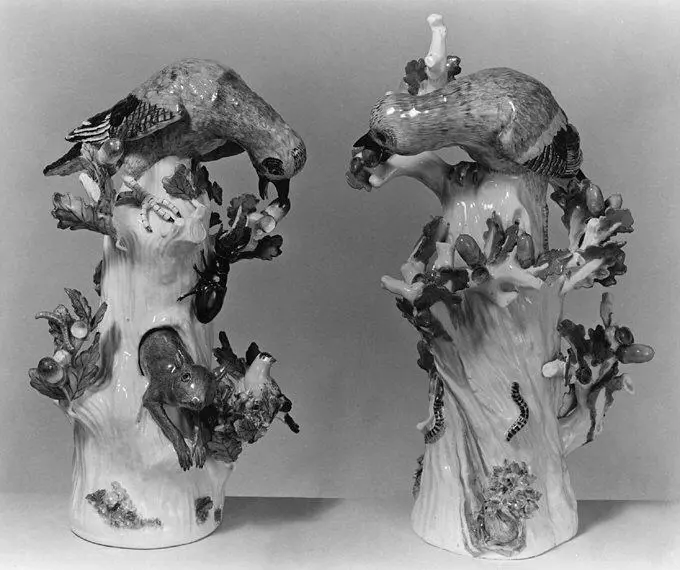
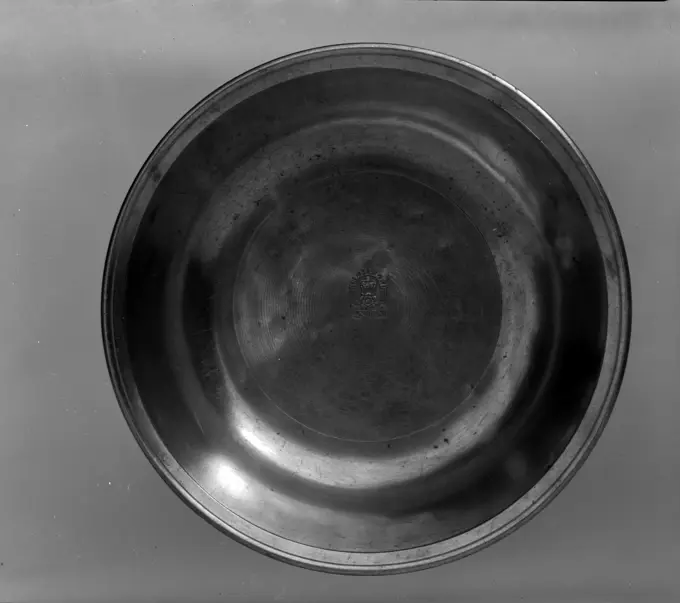
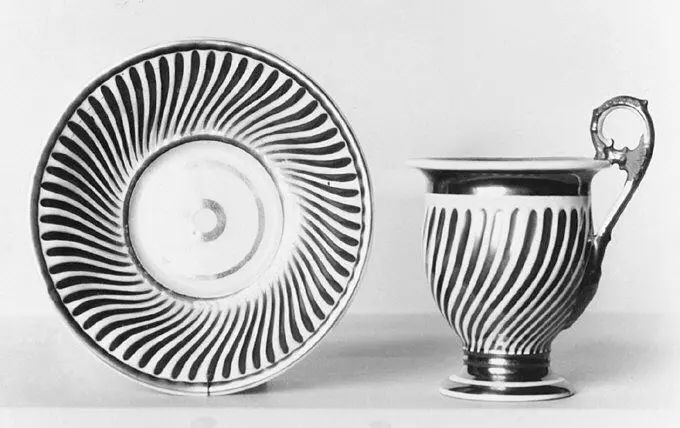
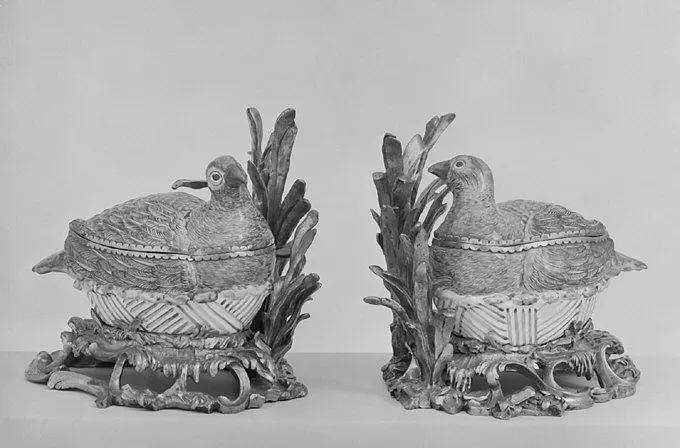
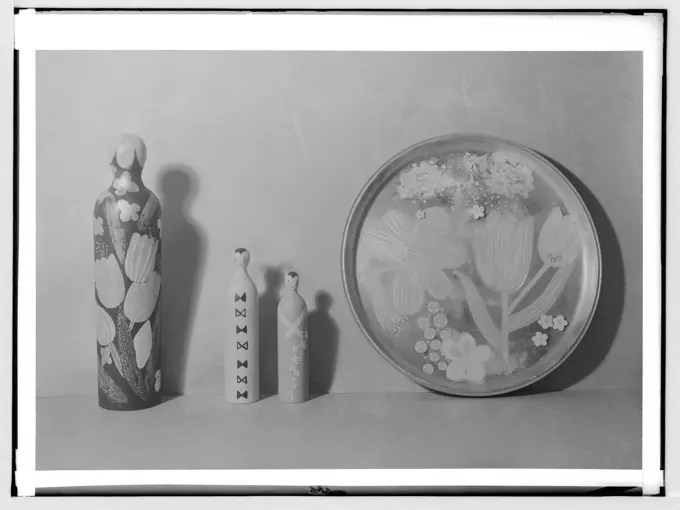
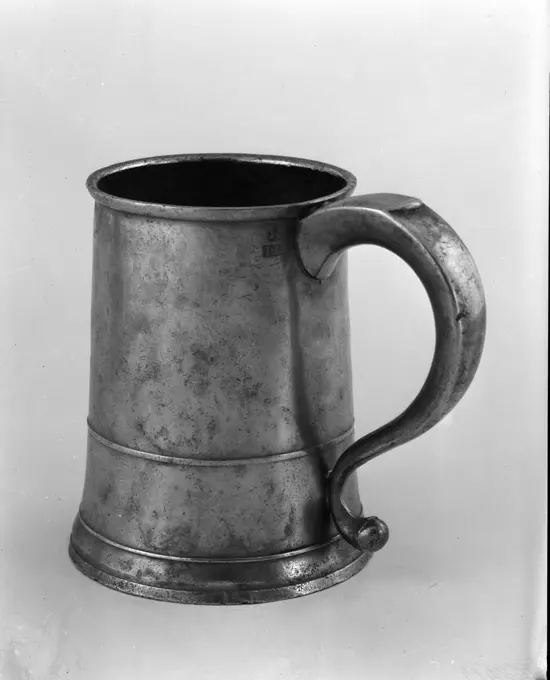
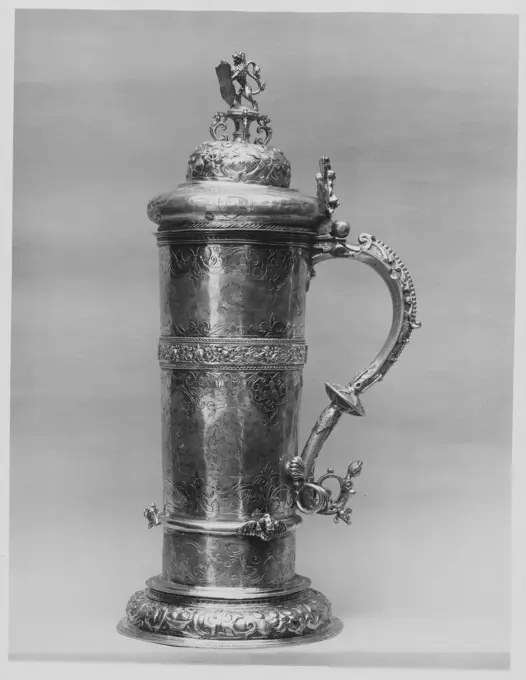
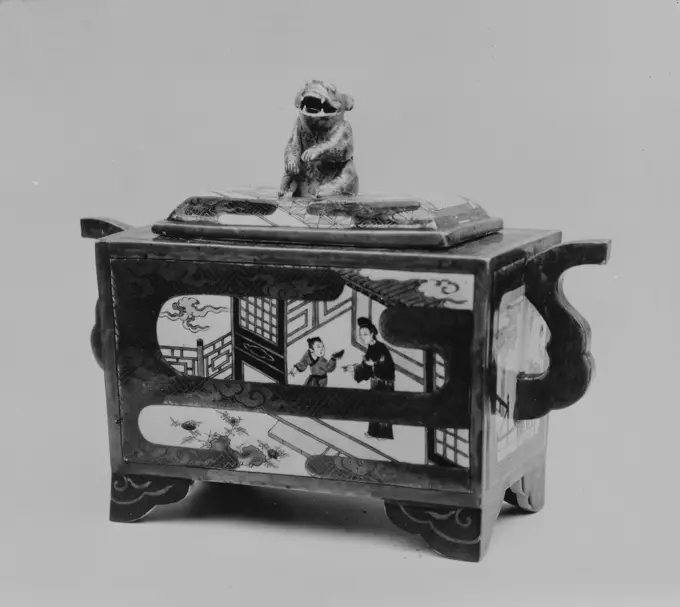
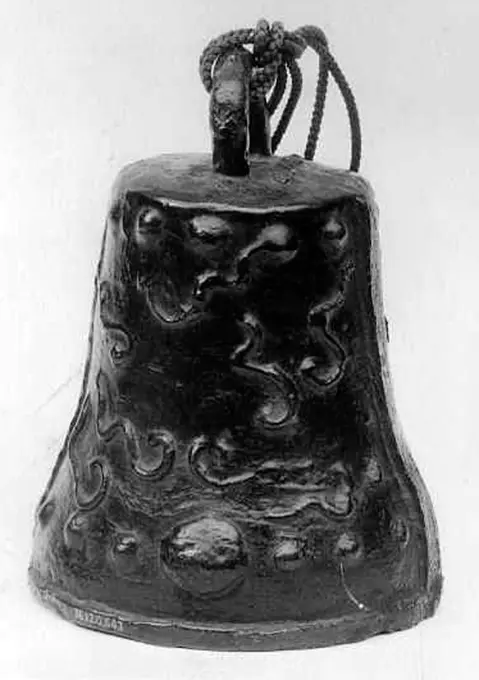
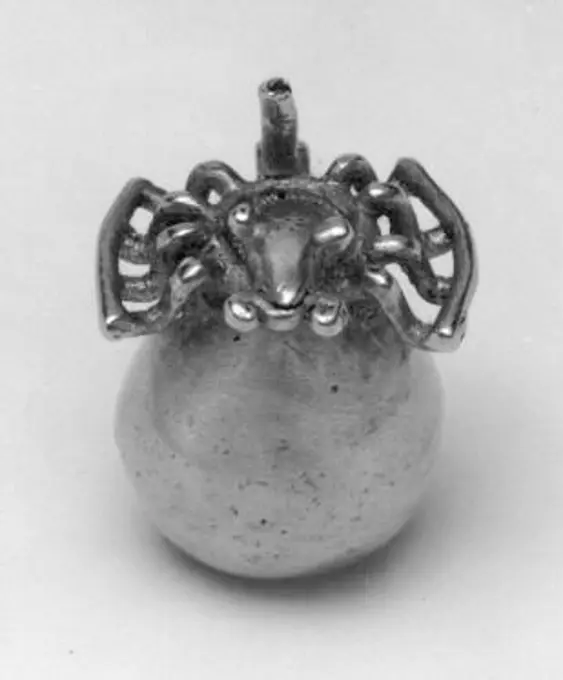
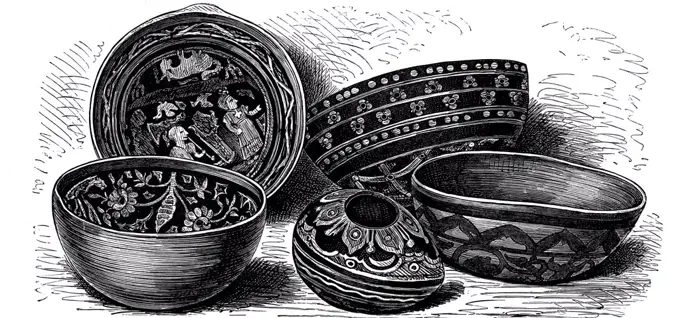
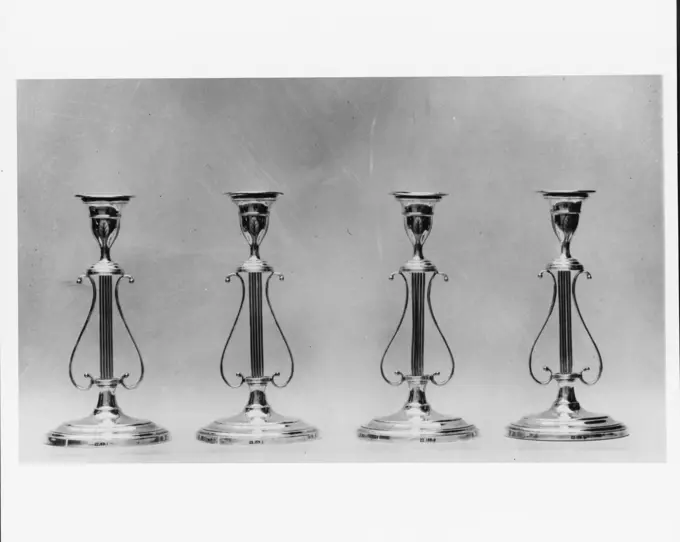
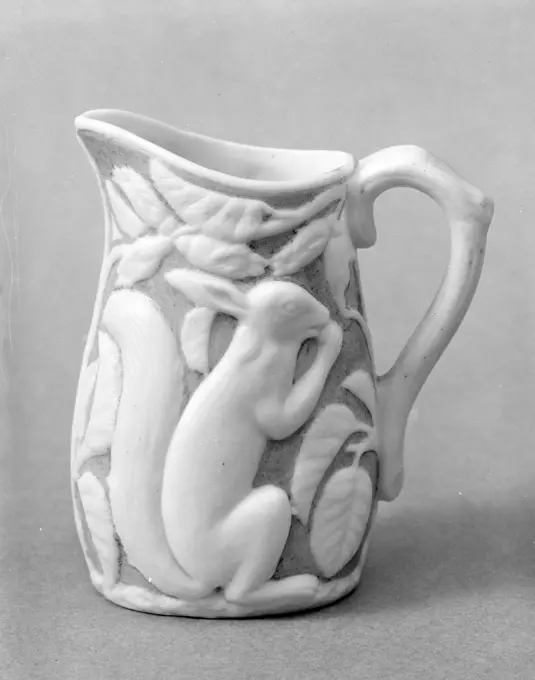
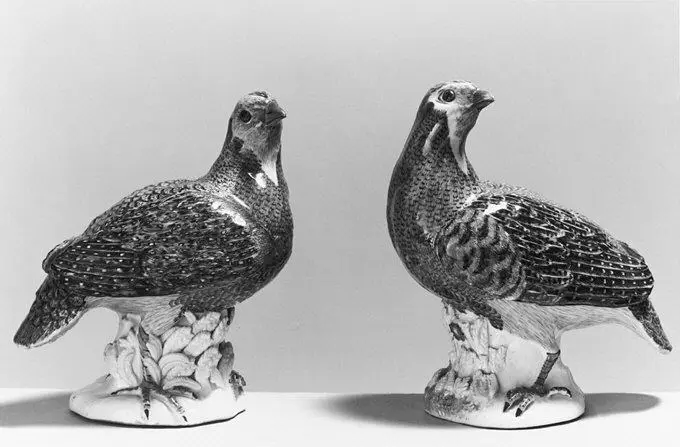
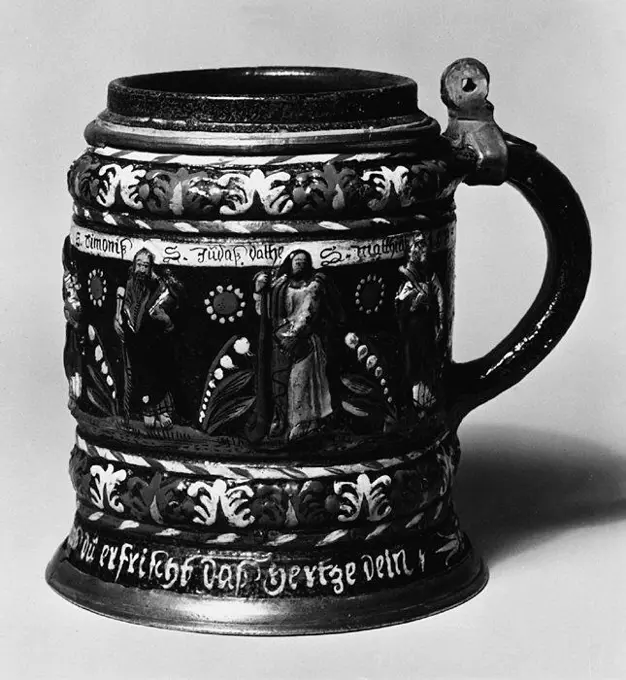
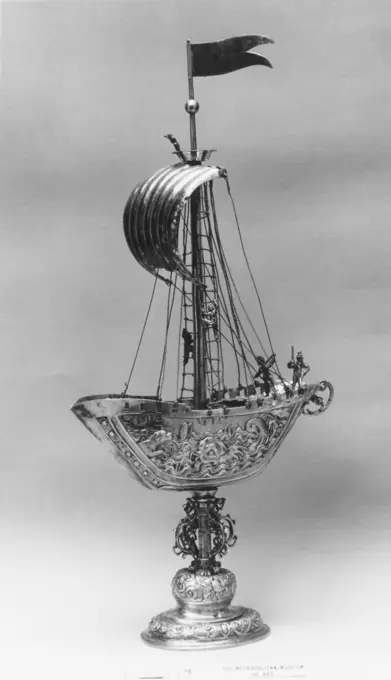
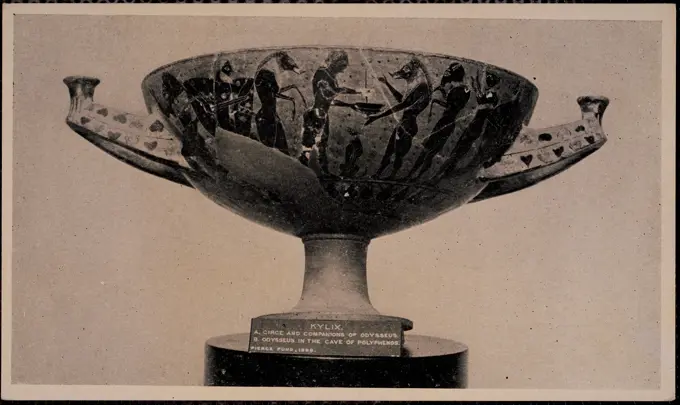
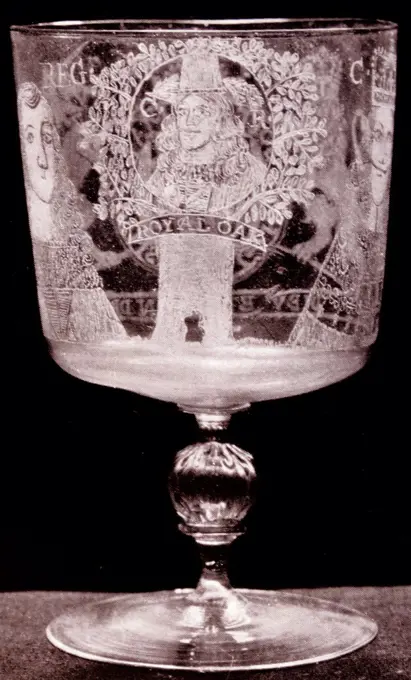
17th Century Royal Oak Goblet. Dated 17th CenturyDeep Cup. Culture: Japan. Dimensions: H. 3 1/4 in. (8.3 cm); Diam. 3 7/8 in. (9.8 cm); Diam. of foot 1 7/8 in. (4.8 cm). Date: 19th century. Museum: Metropolitan Museum of Art, New York, USA.Lazio Viterbo Viterbo Museo Civico28. Hutzel, Max 1960-1990 Views of paintings (Middle Ages through 18th c.), frescoes, a tabernacle, coffin, sculpture reliefs, portal fragments, busts, sculpture, tapestry found in the Pinacoteca, Second floor gallery and Second floor cloister sequences. Antiquities: Many views of Etruscan and Roman fragments, sculpture, sarcophagi, pottery, masks, jewelry and other objects found in the Storeroom sequence (inventory numbers on back of prints), and the Cloister, Second floor Cloister, Valle Giulia, Sala Romana and Sala Etrusca sequences. General Notes: There are eight separate numerical sequences for this location. The cloister as an architectural structure, rather than museum site, is documented in the record and file for S. Maria della Verita, Cloister, all views of which are stored in Medieval core collection. Five views from the Museo Civico Second floor cloister sequence are stored in Medieval. German-born photographer and scholar Max Hutzel (1911-Urna, VRS, with a crown over.Ancient form vases depicted in the decorative sculptures of the Saint-Benoit church in Paris, 12th century. The Arts of the Middle Ages and at the Period of the Renaissance by Paul Lacroix, 1874Jay (one of a pair) 1740-45 Meissen Manufactory German Porcelain birds have their origins in the princely tradition of maintaining collections of living animals and birds in menageries and aviaries, which were viewed as microcosms of the universe, and emblems of royal power and enlightenment. These collections often included exotic birds such as parrots, admired for their rarity, as well as more familiar native species.In 1731 the Meissen manufactory began a new genre in European porcelain, producing several hundred life-size and near-life-size porcelain birds and animals, many destined for the Japanese Palace of Augustus the Strong, Elector of Saxony (1670-1733). To create them, factory modelers found inspiration in nature, looking both to living and stuffed specimens, as well as zoological illustrations and Asian porcelain precedents. The great Meissen modeler Johann Joachim Kändler is known to have copied from life the birds kept at the royal aviary at Schloss Moritzburg.Surviving pBasin 1760-80 American. Basin. American. 1760-80. Pewter. Made in Boston, Massachusetts, United StatesCoffeepot ca. 1750-70 Pierre Amiraux. Coffeepot. British, Channel Islands (Jersey). ca. 1750-70. Silver. Metalwork-SilverCup 3rd Millennium BC (). Cup 327264Goblet late 17th-early 18th century Italian, Venice. Goblet 461506Jelly mold dated 1785 Leonhard Finck the Elder. Jelly mold 193308Cup and saucer early 19th century probably French, Paris. Cup and saucer 188637 probably French, Paris, Cup and saucer, early 19th century, Hard-paste porcelain, Height (cup .78): 4 1/8 in. (10.5 cm); Diameter (saucer .79): 5 in. (12.7 cm). The Metropolitan Museum of Art, New York. Gift of Alfred Duane Pell, 1902 (02.6.78, .79)Teapot with cover ca. 1750 German. Teapot with cover. German. ca. 1750. Milk glass. GlassPair of dishes in the form of quails ca. 1760 Ferrat Manufactory Faience, or tin-glazed and enameled earthenware, first emerged in France during the sixteenth century, reaching widespread usage among elite patrons during the seventeenth and early eighteenth centuries, prior to the establishment of soft-paste porcelain factories. Although characterized as more provincial in style than porcelain, French faience was used at the court of Louis XIV as part of elaborate meals and displays, with large-scale vessels incorporated into the Baroque garden designs of Versailles. Earlier examples of French faience attest to the strong influence of maiolica artists from Italy. Later works demonstrate the ways in which cities such as Nevers, Rouen, Lyon, Moustiers, and Marseille developed innovative vessel shapes and decorative motifs prized among collectors throughout Europe. While faience can be created from a wide mixture of clays, it is foremost distinguished by the milky opaque white color achieHat Finial early 20th century China. Hat Finial 60891Writer's Water Bottle China. Writer's Water Bottle. China. Porcelain. Qing dynasty (1644-1911), Kangxi period (1662-1722). CeramicsThree wooden tops and plates with a floral decorQuart Mug 1780-88 Joseph Danforth. Quart Mug. American. 1780-88. Pewter. Made in Middletown, Connecticut, United StatesFlagon with cover late 16th-early 17th century German, probably Lübeck. Flagon with cover 193589Bliżej Kultury unknownUnknown, Jug and Cover, c. 1760, silver plated.Censer with cover 1750 Japan. Censer with cover. Japan. 1750. Porcelain decorated with colored enamels (Arita ware, Imari type). Edo period (1615-1868). CeramicsBell 17th century Japan. Bell 60031Brush Holder China. Brush Holder. China. Porcelain decorated in underglaze blue. Qing dynasty (1644-1911), Qianlong period (1736-95). CeramicsThe silver hoard from Hildesheim - uncovered. In 1868. The original is in the Royal Museum in Berlin. The Hildesheim Treasure ranks among the biggest silver hoards from the period when the Roman Republic was being transformed into an empire. At the time of its discovery, the hoard consisted of around 70 valuable silver objects, most of which date to the 1st century AD. The hoard consists of about 70 exquisitely crafted solid silver vessels for eating and drinking.Helmet (Hachi) early 19th century Japanese. Helmet (Hachi). Japanese. early 19th century. Iron, gilding. HelmetsVase ca. 1820 Japan. Vase. Japan. ca. 1820. Porcelain. Edo period (1615-1868). CeramicsBell possibly 18th century Vienna. Bell 206067Jug 1770-1800 British. Jug. British. 1770-1800. Earthenware, transfer-printed. Made in Merseyside, Liverpool, EnglandGoblet presented to White House. View of a goblet, presented to the White House, commemorating former President Harry S. Trumans 75th birthday. Washington, D.C.Snuffbox ca. 1730 Meissen Manufactory German. Snuffbox 205877Bell 6th-10th century Panamanian This gold bell is topped with the form of an eight-legged spider.. Bell. Panamanian. 6th-10th century. Gold. Panama. Idiophone-Shaken-crotal bellCampania Caserta Capua Museo Campano074. Hutzel, Max 1960-1990 Medieval: Byzantine architectural fragments; parchment fragments with miniatures (12th century) from Montecassino; painted wooden crucifix (13th century); Carolingian crucifixes; Bishop's miter (11th century) of gold and silver damask; fresco (13th century). Post-medieval: Architecture (15th century). Formerly the Palazzo Antignano. Unusual Catalan/Moorish-style portal; Paintings on panel and canvas (15th-18th centuries); marble intarsia (16th century); marble sculpture: busts of Christ and Mary (17th century); sculpture of saints in marble and in wood (15th century); painted and gilded sculpture in wood; marble grave sculpture (16th century); sarcophagus with allegorical carvings; gold reliquary "Rosa d'Oro"; crucifix made of elephant tusk Specific Location: Pianterreno Antiquities: Italic sculpture (seated women holding babies); inscription. Photo campaign #1: 533 photos. Roman relief and sculpture; cinerary urns; Greek aTwo-handled cup 1728-29 Possibly by Christopher Locker. Two-handled cup 199657Vessels of japanned earthenware from Brazil. Engraving from Ratzel The History of Mankind c1890Terracotta kylix: lip-cup (drinking cup) 3rd quarter of the 6th century B.C. Attributed to the Tleson Painter Obverse, roosterReverse, grazing deer. Terracotta kylix: lip-cup (drinking cup) 252945Candlestick 1800-1830. Candlestick. 1800-1830. Silver plate on copper. Made in EnglandThree cast-iron vases from the Royal Prussian exhibited on the Great Exhibition of the Works of Industry of All Nations of 1851 in London; Cast-Iron Vases. Royal Prussian Foundry.Hanging Lantern 1800-1825 American. Hanging Lantern 4737Bottle 18th century German. Bottle. German. 18th century. Glass, pewter. GlassSmallsword. Culture: French, Paris. Dimensions: L. 36 1/2 in. (92.7 cm); L. of blade 29 15/16 in. (76 cm); W. 4 in. (10.2 cm); D. 2 3/4 in. (7 cm); Wt. 1 lb. 2 oz. (510 g). Date: hallmarked for 1694-95. Museum: Metropolitan Museum of Art, New York, USA.Cup and saucer ca. 1770 Imperial Porcelain Manufactory. Cup and saucer. Austrian, Vienna. ca. 1770. Hard-paste porcelain. Ceramics-PorcelainEarthen vessel with conical bottom, vintage engraved illustration. From Natural Creation and Living Beings.Terracotta pyxis (box) with lid. Culture: Greek, Attic. Dimensions: H. with cover 4 5/8 in. (11.7 cm)H. without cover 3 1/8 in. (7.9 cm). Date: ca. 460 B.C..Interior scene with six women conversing and working woolThe woman to the right of the column, who has just arrived, offers a long fillet (band) to her seated friend and receives a flower in return. Behind her, another woman walks toward a seated woman holding up a necklace. Two women work wool. One stands with a distaff in her left hand. From the hank of wool wound around it, she has drawn out a length of fibers and is twisting them into yarn with her right hand by twirling the long spindle that hangs over a wool basket. The other woman sits with one leg propped up and her skirt raised above the knee. She apparently is winding wool into a skein and drawing the yarn over her leg to prevent it from snarling. Museum: Metropolitan Museum of Art, New York, USA.Objects, stove for wood, in Saint Peter's Church yard, Philadelphia, Pennsylvania , Stoves, Churches. Frank Cousins Glass Plate Negatives CollectionPitcher 1830-70 American. Pitcher. American. 1830-70. Parian porcelain. Probably made in Bennington, Vermont, United StatesCummings' Columbian Art Tresures Exhibit. Photographs of Marshall Plan Programs, Exhibits, and PersonnelApulian Chous (Shape 3). Felton Group (Greek (Apulian))Vase China. Vase. China. Porcelain. late Ming dynasty (1368-1644). CeramicsPartridge (one of a pair) 1741 Meissen Manufactory German. Partridge (one of a pair) 203033Tankard dated 1683 German, Saxony German stoneware tankards were brought to America in large numbers on Dutch fur-trading ships. Shards of these popular vessels have been uncovered at seventeenth century sites in New York and New England.. Tankard 194601Ship (Nef) probably ca. 1620 Heinrich Winterstein. Ship (Nef). German, Augsburg. probably ca. 1620. Silver, partly gilt. Metalwork-SilverAthenian black figured kylix, sixth century, B. C. Circe and the companions of Odysseus, Museum of Fine Arts, Boston , Drinking vessels, Goddesses, Circe Mythological character. Nicholas Catsimpoolas CollectionUnmarked, Argyle (fused silverplate), c. 1795, silverplate.