Antique Pottery Collection

Diverse antique pots and coffee makers, showcasing intricate designs and historical craftsmanship in stoneware and pewter.
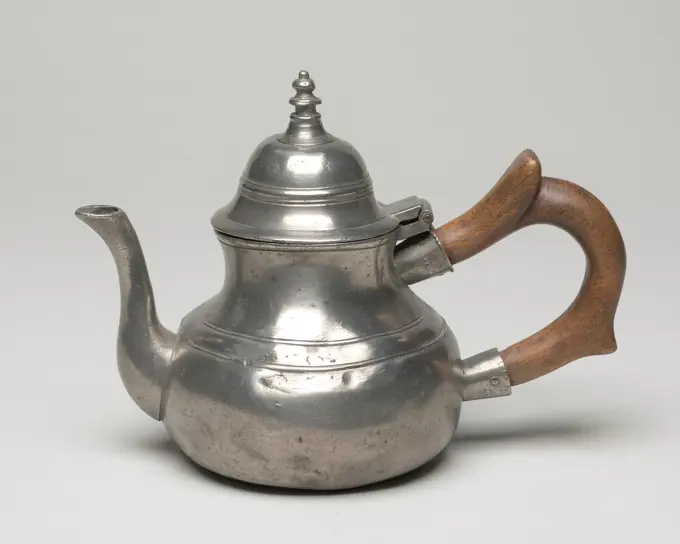
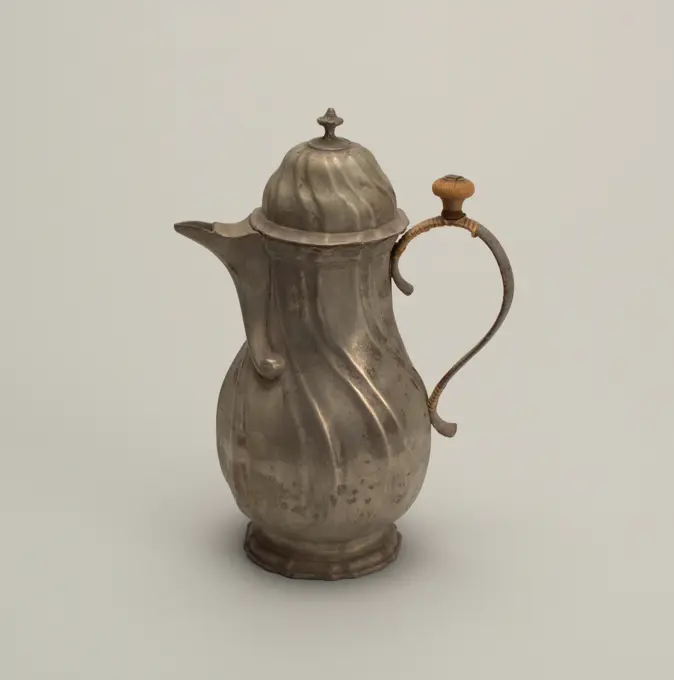
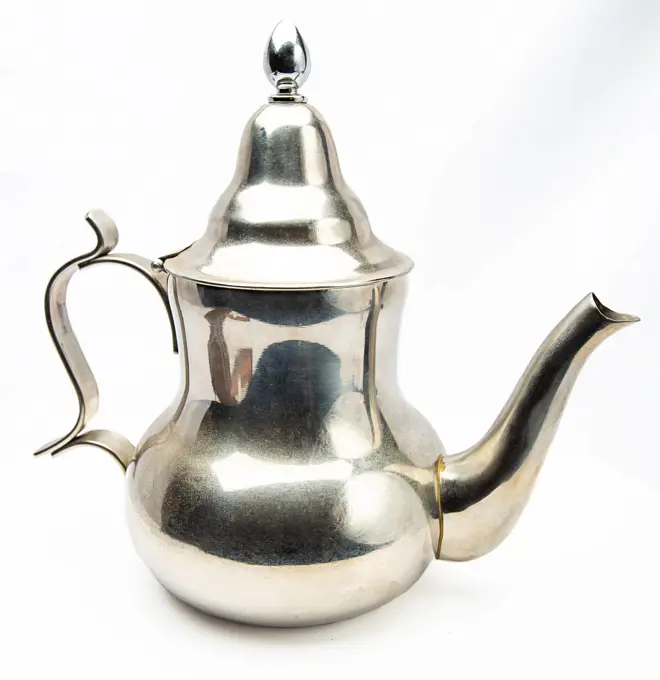
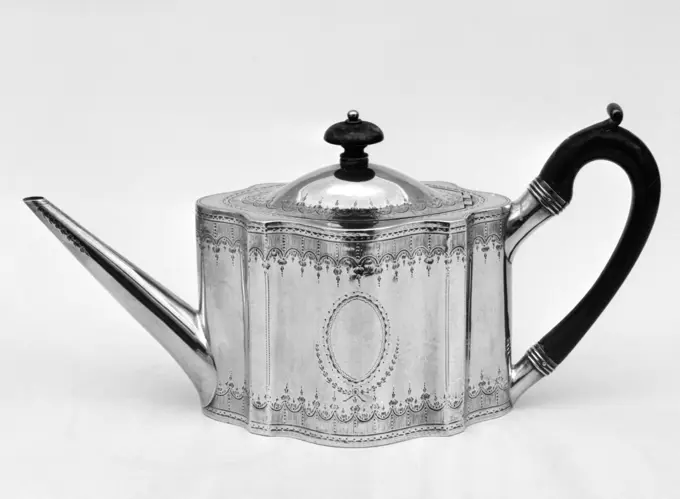
Teapot, 18th century, 5 3/4 x 7 3/4 x 4 1/2 in. (14.61 x 19.69 x 11.43 cm), Pewter, England, 18th century
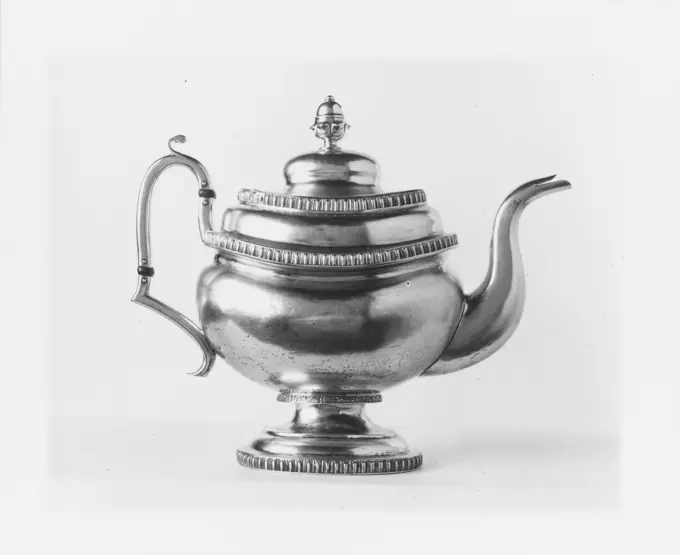
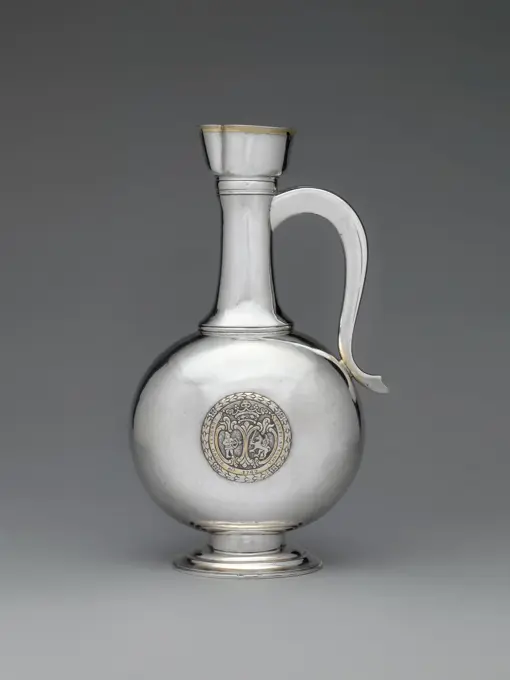
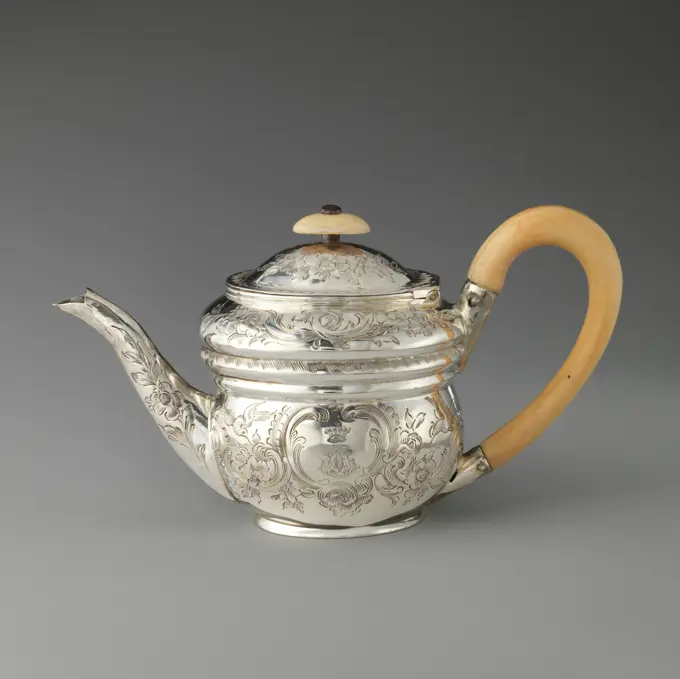
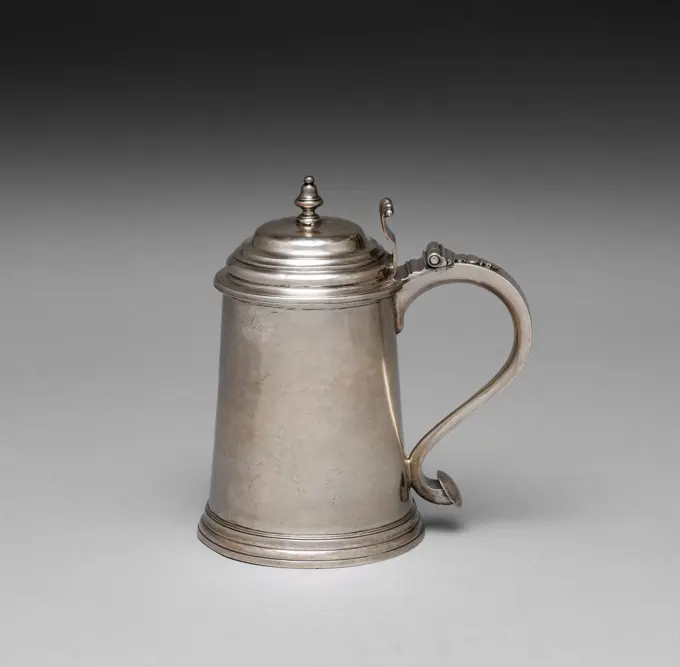
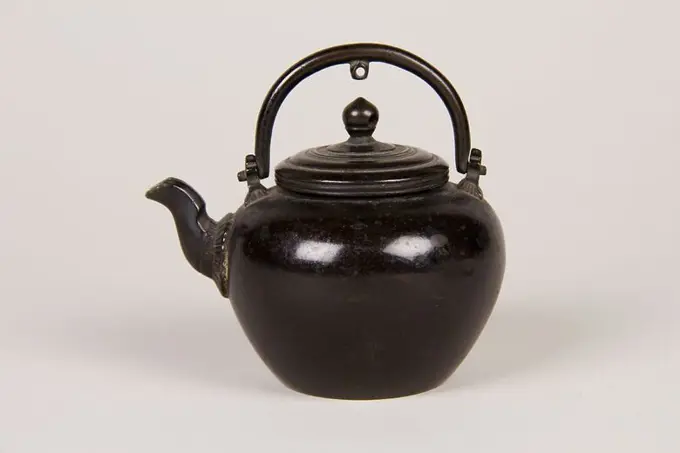
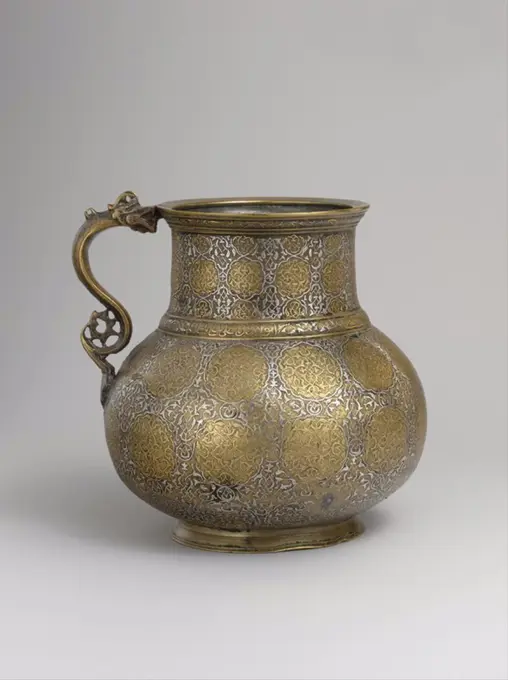
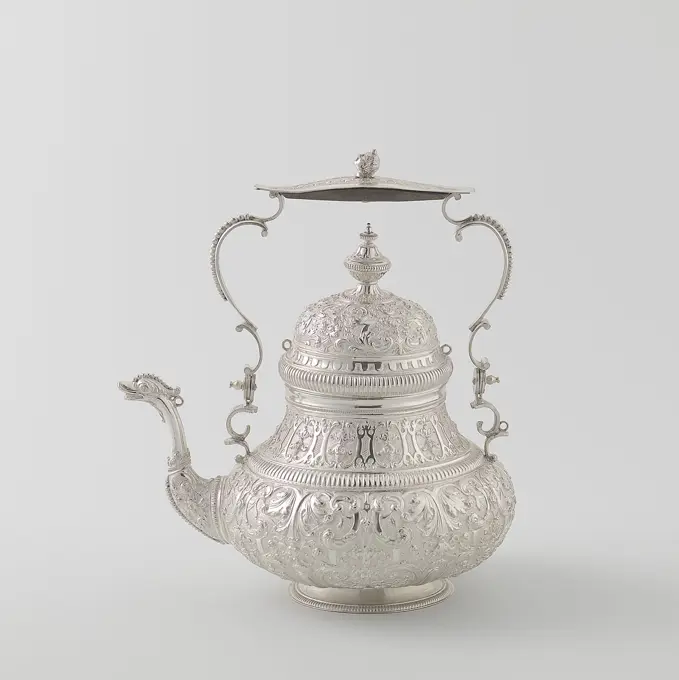
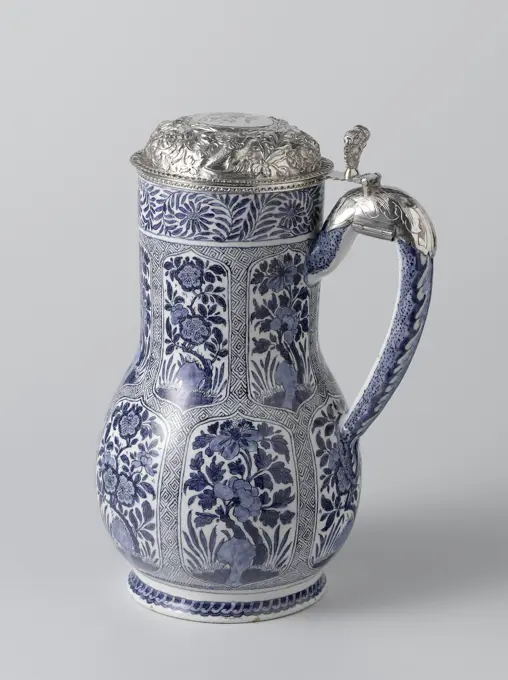
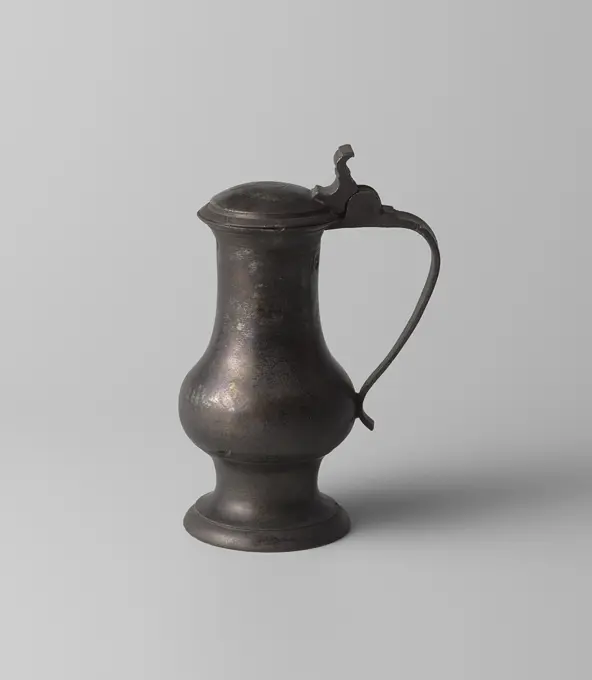
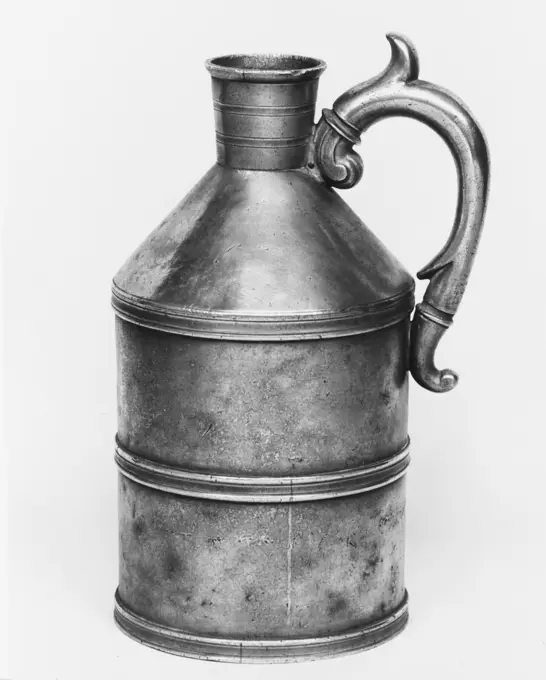
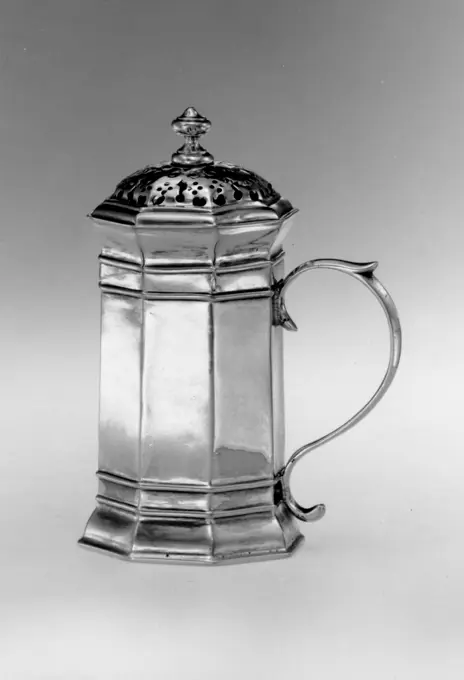
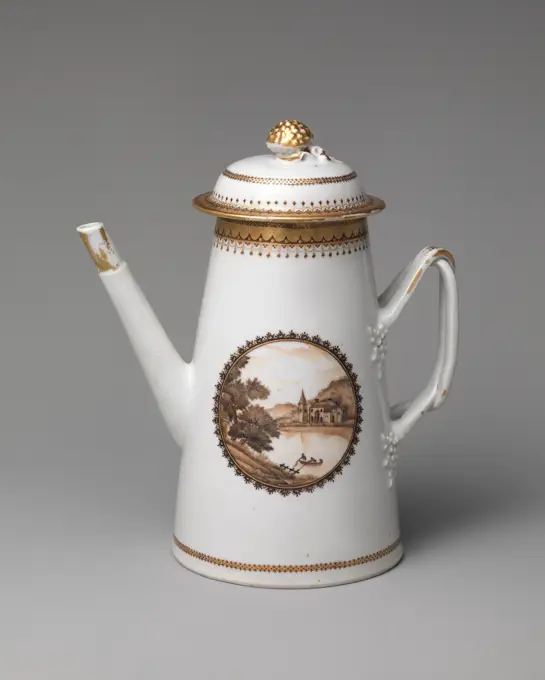
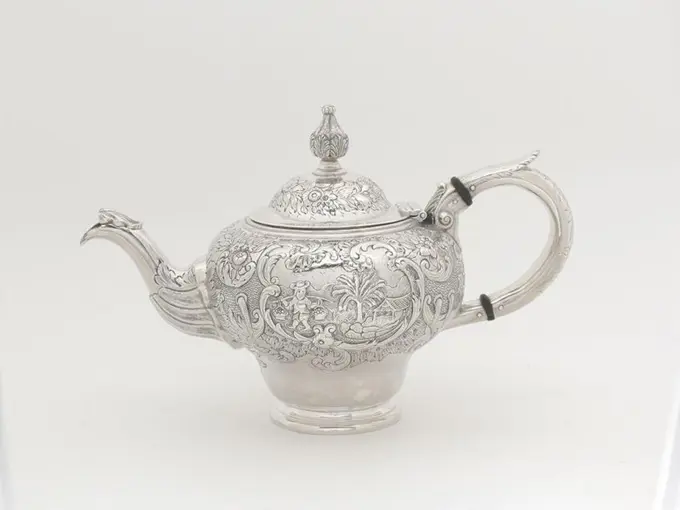
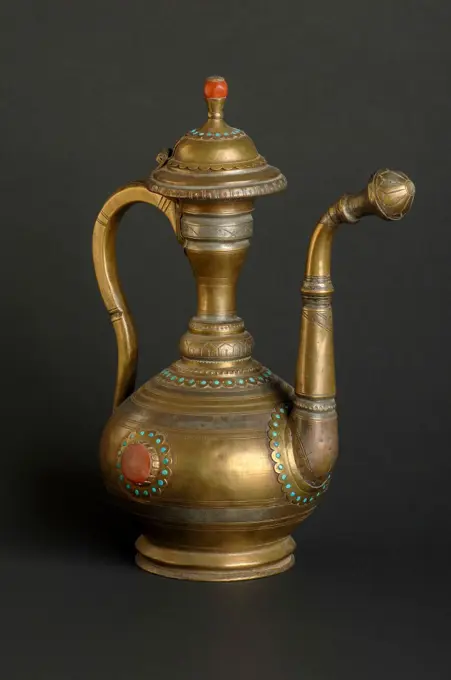
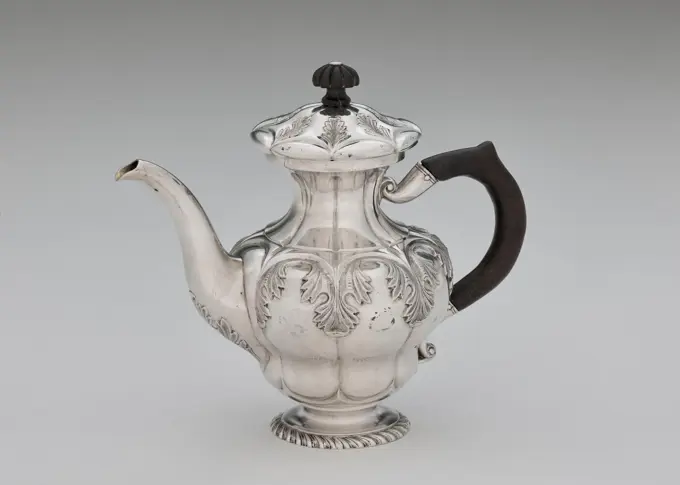
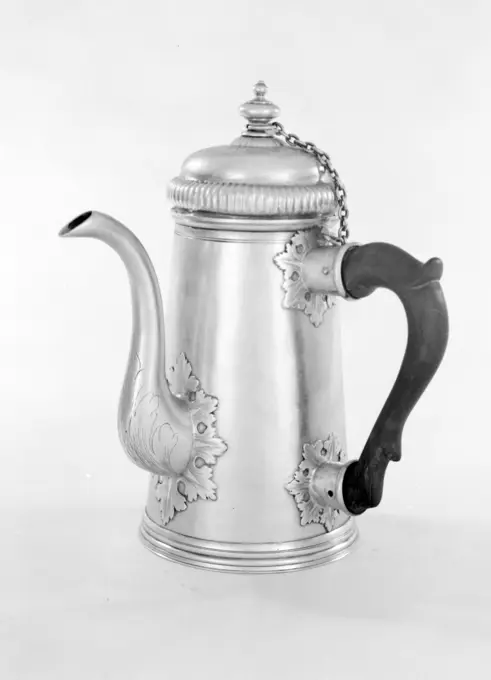
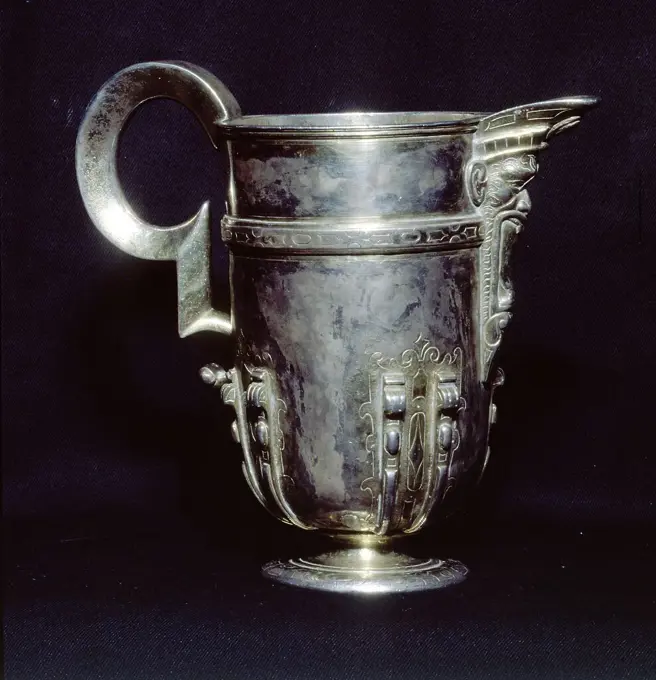
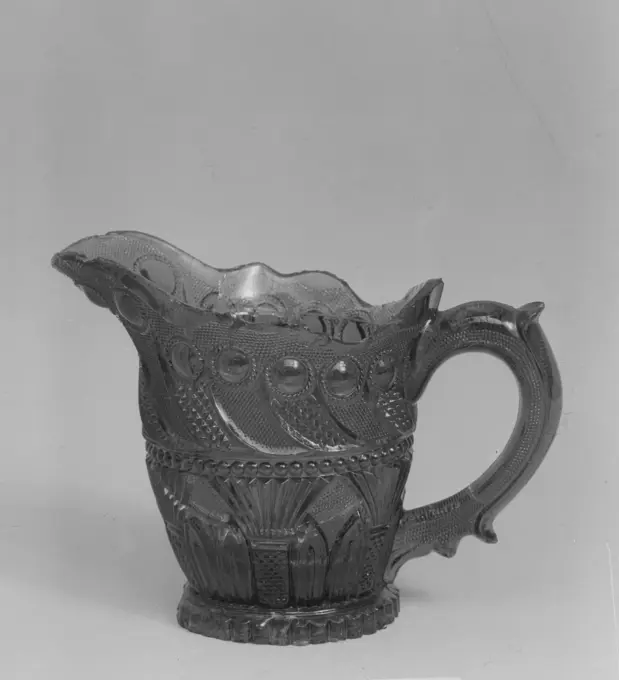
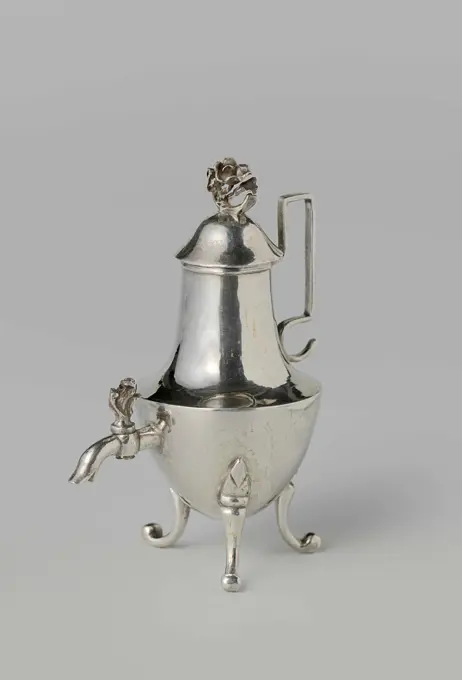
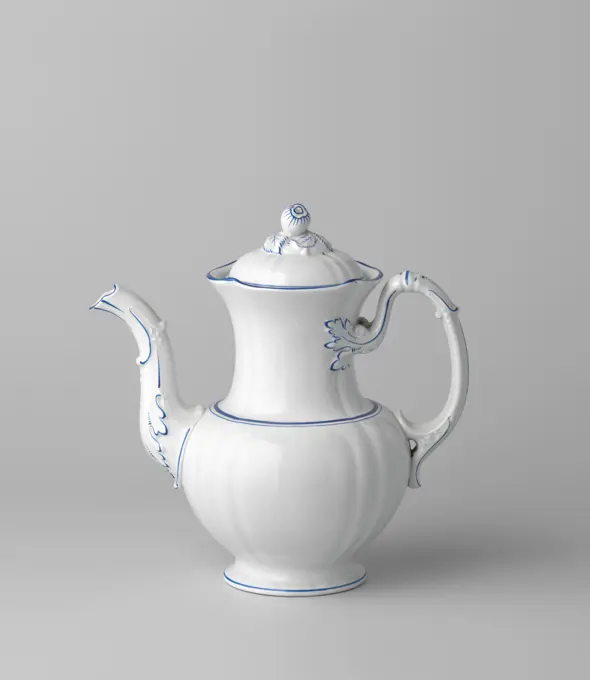
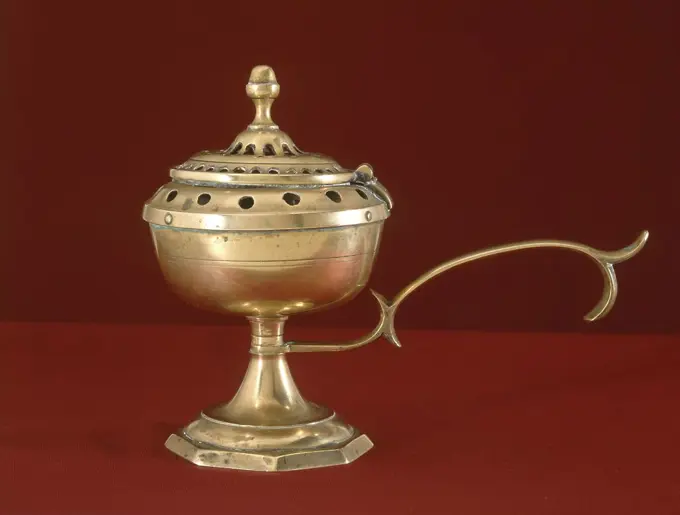
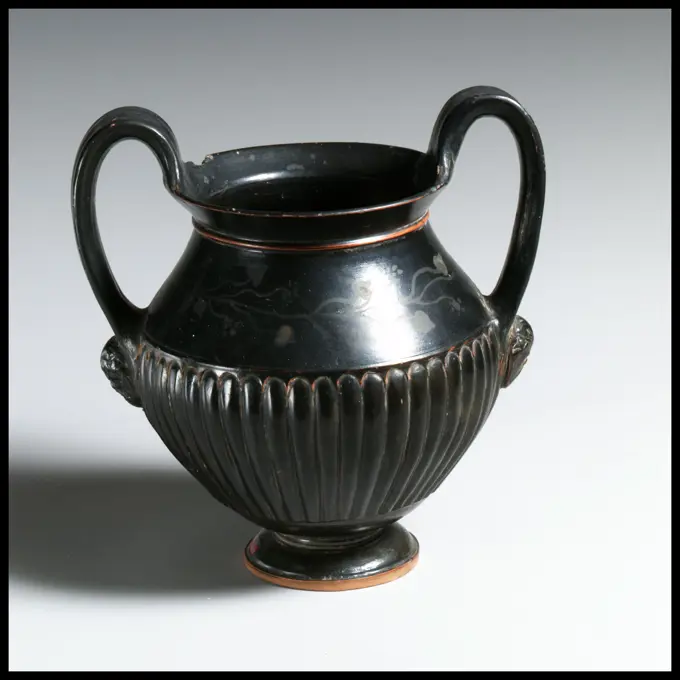
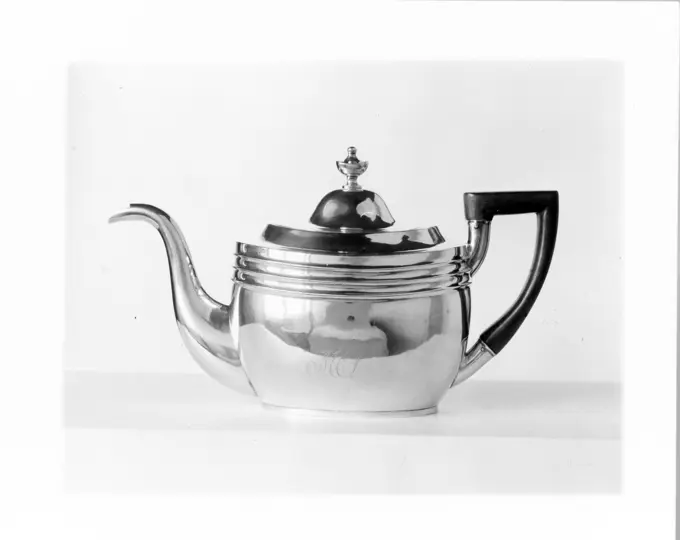
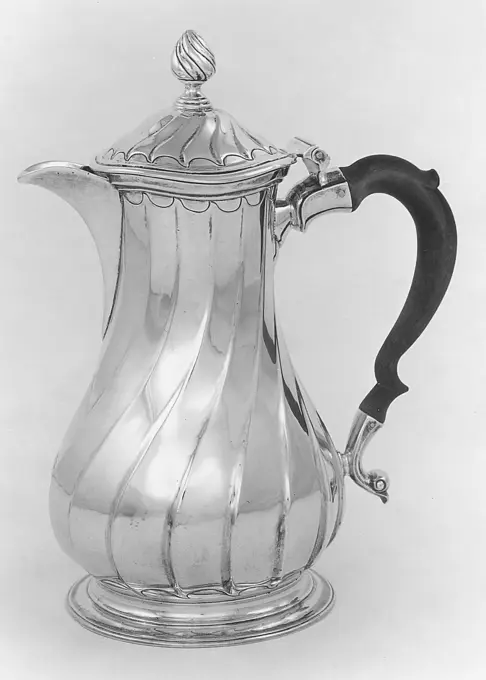
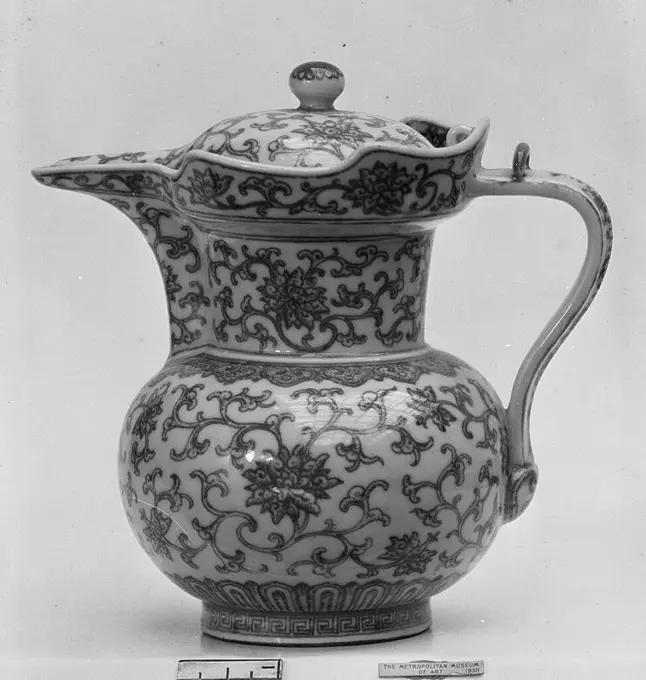
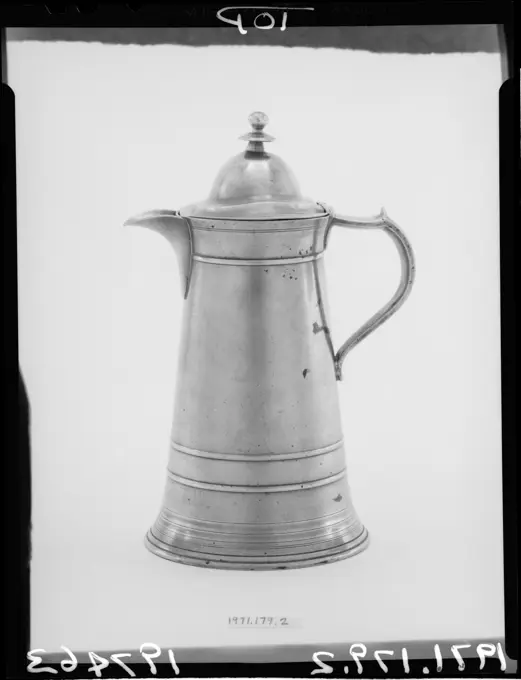
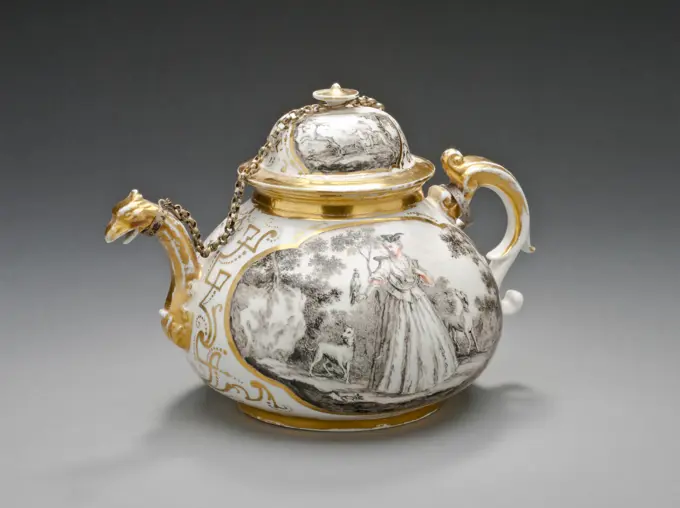
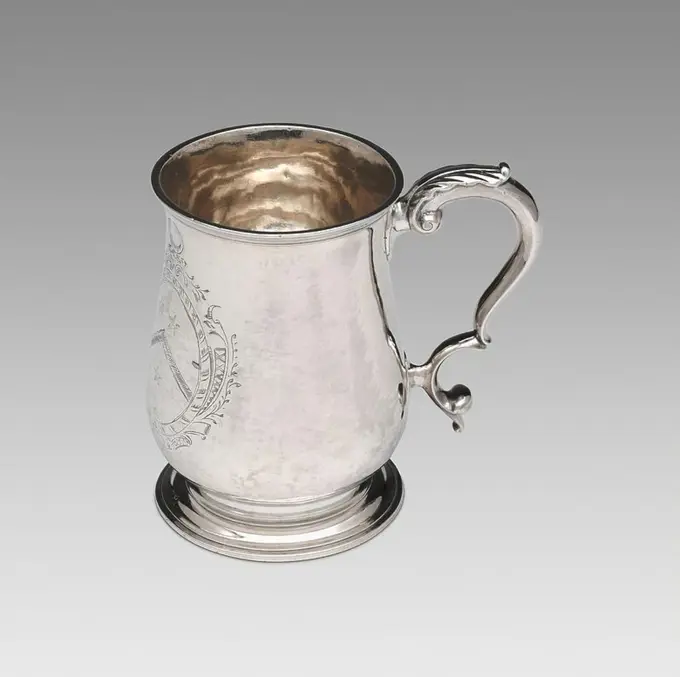
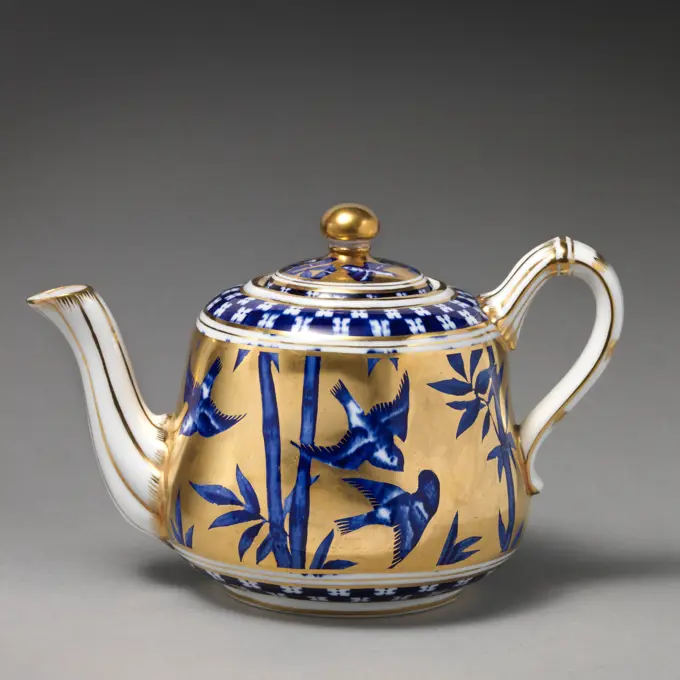
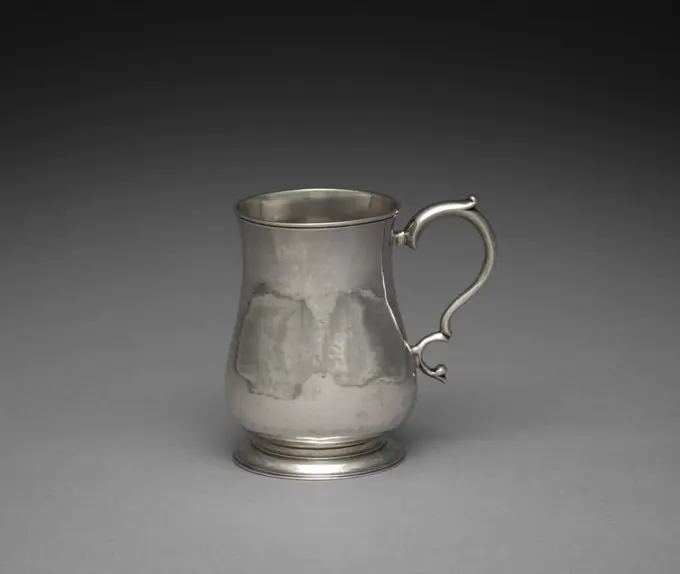
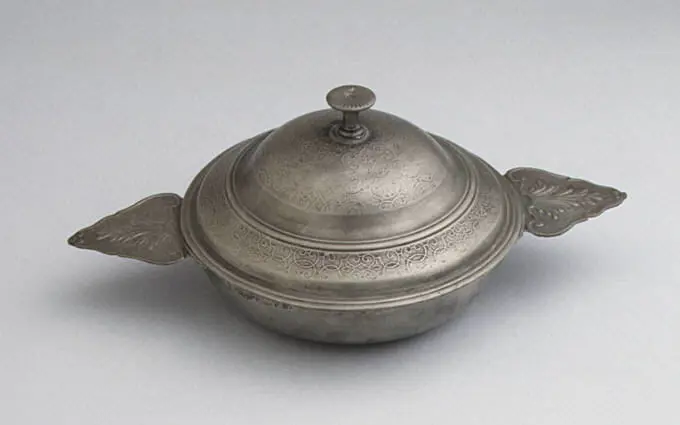
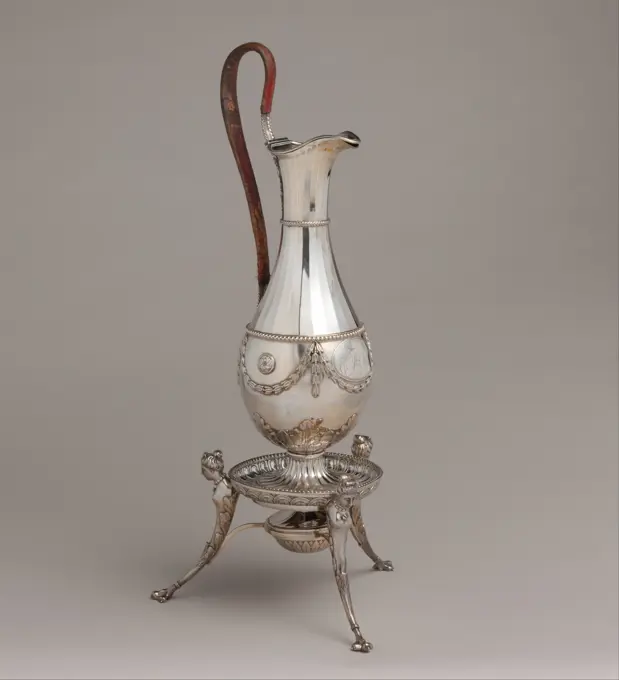
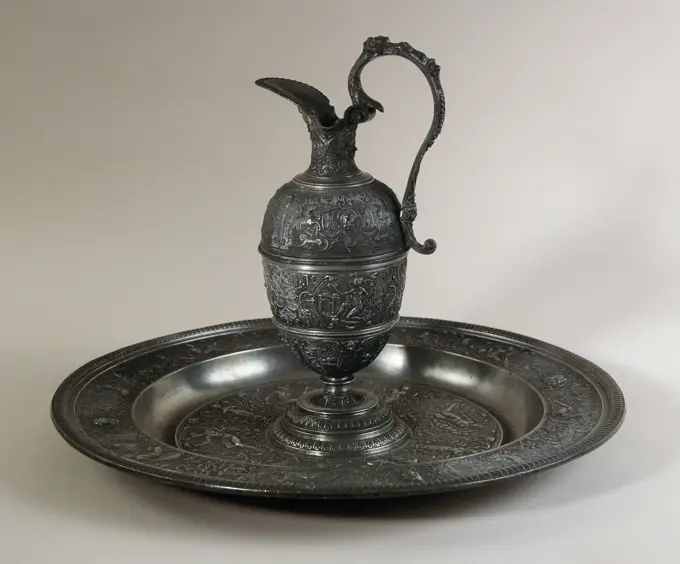
Ewer with Bamboo-shaped Spout, Fluting, and Leaves 1201-1300 Korea. Stoneware with celadon glaze and underglaze incised and carved decoration .Coffeepot Coffeepot; pewter, knobCoffee Pot, 1742-1743. England, Newcastle, 18th century. Silver; diameter: 11.2 cm (4 7/16 in.); with cover: 22.3 cm (8 3/4 in.); without cover: 17.2 cm (6 3/4 in.).Teapot, 18th century, 5 3/4 x 7 3/4 x 4 1/2 in. (14.61 x 19.69 x 11.43 cm), Pewter, England, 18th centuryCovered Tankard. Johann George Kranth; German; Regensburg, Germany. Date: 1786-1796. Dimensions: 22.9 x 12.7 x 17.8 cm (9 x 5 x 7 in.). Pewter. Origin: Regensburg. Museum: The Chicago Art Institute, Chicago, USA.Thomas Fletcher, Teapot, c. 1815, silver.Boiler. Round kettle on stand ring. The boiler has a fixed, flat handle and a lid with a round button. The boiler is marked: crowned o and a tilt.Teapot ca. 1825 Garrett Eoff. Teapot. American. ca. 1825. Silver. Made in New York, New York, United StatesPitcher (England); glazed earthenware, luster decoration silver resist (chipped); 13.3 x 17 x 14 cm (5 1/4 x 6 11/16 x 5 1/2 in.); Bequest of Jane M. Epstine; 2006-20-38Covered Pot, c. 1811-1825. After a design by Harvey Lewis (American, 1835). Silver; overall: 25.7 x 27.3 cm (10 1/8 x 10 3/4 in.).Coffee pot; Harris, Charles Stuart (Fl. 1852-1897), Harris, C.S. & Sons (London; company z Otnicz; Fl. 1817-1933); 1895/96 (1895-00-00-1896-00-00);Wine decanter 1779 Johannes Szakáll The goldsmith designed this innovative, even forward-looking, vessel to serve mulled wine, a popular spiced drink. The beverage was prepared by placing spices on the slightly funnel-shaped filter of the decanter and then pouring hot wine over them. The inscriptions on the medallions applied to either side of the flattened round body may refer to two weddings. One inscription, G. BETHLEN GERGELY/G. KENDEFFI RACHEL/1779, may mark the union of the decanters recipients; the other inscription, BÁNFI SUSANNA/KENDEFI GÁBOR/A O 1742, perhaps records the marriage of the brides parents. There is a discrepancy between the goldsmiths presumed death in 1772 and the applied date of 1779. It is possible that the guild allowed the masters widow to continue his workshop after his death as was often the case.LiteratureCatalogue of Fine European Silver. Sale cat., Sothebys, Geneva, November 10, 1981, p. 68, no. 172.Judit H. Kolba. Hungarian Silver: The Nicolas M. Coffee pot; Hunt & Roskell (London; company Z Otnicz; Fl. 1822-1965), Benson, Alfred & Webb, Henry Hugh (Fl. 1889-1894); 1889/90 (1889-00-00-1890-00-00);Sugar bowl with cover 1779-80 Jacques Favre. Sugar bowl with cover 200104Teapot. Malcz, Karol (1797-1867), goldsmithCreamer ca. 1850 Samuel Kirk and Son. Creamer. American. ca. 1850. Silver. Made in Baltimore, Maryland, United StatesMiniature teapot 1805 John Troby. Miniature teapot. British, London. 1805. Silver, ivory. Metalwork-Silver-MiniatureTankard, c. 1750. Jonathan Clarke (American, 1706-1766), or Joseph Clark (American). Silver; with handle: 20.6 x 19 cm (8 1/8 x 7 1/2 in.).Coffee Pot Made 1745-1755 Staffordshire. Salt-glazed stoneware .Buliera-Imbryk; Malcz, Karol (1797-1867); around 1840 (1836-00-00-1845-00-00);Westerwald stoneware fopkan, pichet trompeur, puzzle jug with ajour neck, kerbschnitt and tin lid, fopkan, pichet trompeur, puzzle jug jug drinking vessel holder soil find tin ceramics stoneware glaze salt glaze, hand turned decorated carved glazed baked Stoneware fopkan, pichet trompeur, puzzle jug gray shard with salt glaze profiled bandoor with long pointed tail cord bands and profile rings around neck belly and foot. Neck openwork and with drinking spout. Pewter lid Punched brand on the inside of the lid: crowned rose brand archeology indigenous pottery import drink foppen drinkgelag. .O van Kerkwijk collection.Ritual Ewer. Culture: Japan. Dimensions: H. to knob 2 3/4 in. (7 cm); W. at spout 3 5/8 in. (9.2 cm); D. 2 7/8 in. (7.3 cm). Date: 13th century.This small gilt-bronze vessel, called kundika in Sanskrit, is a ritual implement used to sprinkle water in Buddhist ceremonies. Although East Asian kundika more often take the shape of long-necked bottles, examples like this one, with its short, bulbous body, are also found. A kundika is one of the eighteen implements that Buddhist monks and nuns need in order to perform their duties. Museum: Metropolitan Museum of Art, New York, USA.Dragon-Handled Jug with Inscription. Dimensions: Ht. 5 5/8 in. (14.3 cm)Max. Diam. 6 1/8 in. (15.6 cm)Diam. of Rim: 3 3/8 in. (8.6 cm)Diam. of base: 5 1/2 in. (14 cm). Date: late 15th- first quarter 16th century.This elegantly-formed jug with dragon-headed handle is covered with intricate silver and gold inlay, including a minute inscription around the base of its neck. It is inscribed with an invocation to 'Ali ibn Abi Talib the son-in-law of the Prophet Muhammad. As the Shi'i Muslim community holds a special reverence for 'Ali, scholars have suggested that this jug may have been created in the early 16th century, for a follower of the Shi'i Safavid dynasty. Museum: Metropolitan Museum of Art, New York, USA.Theeketel, gabijnus van der lely, 1738 Tea boiler on low foot. The wide, round barrel gradually turns into a tapered neck. The curved spout ends in a dragon head; The highly skinned lid has a vase -shaped button. Vat, spout and lid are decorated with fine, driven flowers and leaves between band work on a granulated soil, interrupted by ribbed, horizontal profiles. The hinged handle is made up of volutes with a pearl series on the back and an ebony connecting piece, on which silver batter with a cobbler as a crown. Leeuwarden silver (metal). ebony (wood) granulation Tea boiler on low foot. The wide, round barrel gradually turns into a tapered neck. The curved spout ends in a dragon head; The highly skinned lid has a vase -shaped button. Vat, spout and lid are decorated with fine, driven flowers and leaves between band work on a granulated soil, interrupted by ribbed, horizontal profiles. The hinged handle is made up of volutes with a pearl series on the back and an ebony connecting piecPaul de Lamerie, Coffeepot, 1728/29, silver.Tray, Marteleline.  Manufacturer: Gorham Manufacturing Company, American, founded 1831  Maker: Samuel R. WoolleyMaker Chaser: F. VierlingStudio, vintage and brass coffee pot, victorian drinkware and decor on white background. Metal, antique container and tools for tea with copper cup, retro collectable and rustic design with patinaPort of cover; Non -like Lona Huta; 1780 (1780-00-00-1780-00-00);Teapot. Culture: American. Dimensions: 10 9/16 x 9 13/16 x 5 7/16 in. (26.8 x 24.9 x 13.8 cm); 34 oz. 13 dwt. (1079.2 g). Maker: Rogers, Smith and Company (1857-77). Date: ca. 1875. Museum: Metropolitan Museum of Art, New York, USA.Lidded jug, anonymous, c. 1700 - c. 1730 Can of fowence with silver lid Delftilversmith: Enkhuizen silver (metal) Can of fowence with silver lid Delftilversmith: Enkhuizen silver (metal)Pewter jar with lid. Pewter jar with lid. The flat foot is profiled and spreads narrow to the belly. The boller belly ends in a narrower, cylindrical neck, which is profiled at the top, and is closed with a vaulted lid. The handle starts with the profiled thumb trust with double hinge, and ends on the belly. A pile on the inside.Teapot ca. 1740 British (American market). Teapot. British (American market). ca. 1740. Stoneware. Made in Staffordshire, EnglandTeapot. Culture: Japan. Dimensions: H. 2 1/2 in. (6.4 cm). Date: 18th century. Museum: Metropolitan Museum of Art, New York, USA.Gabriel Sleath, Teapot, 1726/27, silver.Teapot (part of a service) ca. 1765-75 Worcester factory Eighteenth- and nineteenth-century porcelain tea sets usually comprised a teapot and stand, milk jug, sugar bowl, tea caddy, spoon tray, slop basin, six or twelve tea bowls with or without handles, and six or twelve saucers, a coffee pot and six or twelve coffee cups and a dish for cake. The Worcester factory made tea bowls with a handle if the decoration was European and without a handle for Oriental designs.. Teapot (part of a service) 198459Jug with Cover 1810-1820 Staffordshire. Lead-glazed earthenware with lustre decoration .Walter Brind, Teapot, 1773/74, silver.Teapot 1779 Efgraf Borovschtjikov. Teapot. Russian, St. Petersburg. 1779. Silver. Metalwork-SilverDemijohn 1830-55 James Harvey Putnam. Demijohn 3101Teapot 1845 Andrew Ellicott Warner. Teapot. American. 1845. Silver. Made in Baltimore, Maryland, United StatesCoffeepot.   Maker: Shaw and FisherSilver tea pot Vintage silver tea isolated against white background Copyright: xZoonar.com/YannxPoirierx 12727556John Burt, Pepper Box, c. 1720, silver.Standing cup with cover 17th-18th century probably French. Standing cup with cover. probably French. 17th-18th century. Glass. GlassSpouted jug with a lion's head, chip carving and floral scrolls, anonymous, c. 1591 - c. 1600 Can of stoneware on high base with a spherical body and narrow neck. The C-shaped ear is attached to the neck and shoulder. Profiles on the neck, belly and foot. From the abdomen a long, slightly bent spout, connected to the neck by means of a bridge. A printed and imposed lion's head in relief in relief in relief. The spout is decorated in relief with leaf vines, the date '1591' and a Saterkop. The belly is divided into entered courses, separated in the middle by a profile. The lower part with a stamped leaves and the upper part with a lot of cut. On the neck tires with stamped rosettes and leaf motifs. Attached to the ear a pewter frame with lid. Raeren. Rae Stoneware. Glaze. Cobalt (Mineral). frame: tin (metal) vitrification Can of stoneware on high base with a spherical body and narrow neck. The C-shaped ear is attached to the neck and shoulder. Profiles on the neck, belly and foot. From tCoffeepot 1800-1830 Chinese. Coffeepot 2134Teapot. Obadiah Rich; American, 1809-1888; Boston, Massachusetts. Date: 1848. Dimensions: h. 14.4 cm (5 3/4 in.); 492.4 grams. Silver and wood. Origin: Boston. Museum: The Chicago Art Institute, Chicago, USA.. .Miniature teapot (part of a set) 1827 and 1829 Henry Flavelle The production of miniature silver furniture and tea, coffee, and chocolate equipment was a specialty of goldsmiths known as "toy men." The miniatures were probably intended for dollhouses. From the mid-eighteenth century in England until the present, porcelain and fine earthenware miniatures have been made as well.. Miniature teapot (part of a set). Henry Flavelle. Irish, Dublin. 1827 and 1829. Silver. Metalwork-Silver-MiniatureTeapot 19th century Japan. Teapot. Japan. 19th century. Clay covered with a spotted glaze (Takatori ware). Edo (1615-1868) or Meiji period (1868-1912). Ceramicsancient oriental metal teapot on dark background. antique bronze tableware. ancient metal utensilsCoffeepot with a view of Commodore MacDonoughs Victory.  Manufacturer: Enoch Wood and Sons, British, 1820-1846Publisher source material by: Benjamin Tanner, American, 1775-1848 After: Hugh Reinagle, American, 1788-1834Printer source material by: Rogers and Esler, active 1816Honorand: Commodore Thomas Macdonough, American, 1783-1825Coffee pot; Malcz, Karol (1797-1867); around 1840 (1836-00-00-1845-00-00);Coffeepot ca. 1700 Robert Shields. Coffeepot. British, Liverpool. ca. 1700. Silver. Metalwork-SilverVINAJERA DE PLATA. Author: PEDRO ZUBIETA (S XVI). Location: Iglesia de san Juan bautista. MARCHENA. Seville. SPAIN.Hugh Arnett and Edward Pocock, Chocolate Pot, 1727/28, silver.Cream pitcher 18th century British, Bristol. Cream pitcher. British, Bristol. 18th century. Glass. GlassPitcher 1860-70 Bryce, Walker and Company. Pitcher. American. 1860-70. Pressed glass. Made in Pittsburgh, Pennsylvania, United StatesCreamer 1830-40 American. Creamer. American. 1830-40. Lacy pressed blue glass. Made in New England, United StatesTeapot 1788-89 Possibly by John Lambe. Teapot 198836Kraantjeskan. Kraantjeskan on three outs of bent legs. The button of the lid is a flower, the tap button is also a flower. The handle is rectangular at the top and bottom. The tap jug has been marked: STK. = Amsterdam, MT. = Hendrik Duller.Teapot ca. 1740-45 Meissen Manufactory German. Teapot 199300Coffee pot with lid, white, with blue piping and pear -shaped lid button, Peter Regout, c. 1860 - c. 1890 Coffee pot with lid of earthenware, belonging to a coffee and tea set, white, with blue piping and peer-shaped lid button. Maastricht . Coffee pot with lid of earthenware, belonging to a coffee and tea set, white, with blue piping and peer-shaped lid button. Maastricht .Jug. Boston and Sandwich Glass Company (attributed to the) (United States, Massachusetts, Sandwich, 1825-1888). United States, 1830-1840. Furnishings; Serviceware. GlassTeapot. Culture: Japan. Dimensions: H. 4 in. (10.2 cm). Date: 19th century. Museum: Metropolitan Museum of Art, New York, USA.BRASERILLO PARA DAR FUEGO - CHOFETA. Location: FOSFORERA ESPAÑOLA. MADRID. SPAIN.Terracotta kantharos (drinking cup with high handles) ca. 400-350 B.C. Attributed to the Xenon Group The Xenon Group refers to a variety of Apulian pottery identifiable by certain popular shapes, such as the kantharos, and by the decoration of the black-glazed surface with motifs in a matte pinkish color. The Dionysiac references here include the ivy tendril on the shoulder and the satyr heads under the handles.. Terracotta kantharos (drinking cup with high handles) 254206 : Attributed to the Xenon Group, Terracotta kantharos (drinking cup with high handles), ca. 400350 B.C., Terracotta, H. 4 15/16 in. (12.5 cm). The Metropolitan Museum of Art, New York. Rogers Fund, 1941 (41.162.39)Teapot 1750-1760 Staffordshire .Teapot ca. 1810 Joel Sayre. Teapot. American. ca. 1810. Silver. Made in New York, New York, United StatesCruet Bryce Brothers American after 1876 View more. Cruet. American. after 1876. Pressed amethyst glass. Made in Pittsburgh, Pennsylvania, United StatesLewis Herne and Francis Butty, Jug and Cover, 1757/58, silver.Ewer in Shape of Tibetan Monk's Cap. Culture: China. Dimensions: H. with cover: 5 3/4 in. (14.6 cm); Diam. 3 3/4 in. (9.5 cm). Date: mid-18th century.This shape was introduced to the repertory of Chinese ceramics in the fourteenth century due in part to the prominence of Tibetan monks and practices at the Mongol Yuan (1271-1368) court. Museum: Metropolitan Museum of Art, New York, USA.Sugar bowl, anonymous, c. 1770 - c. 1800 Pear -shaped sugar bowl on three high legs, which ends in a sphere. The lid is arched and has a pointed button. The pot has two handles. The top edge of the pot is serrated. The sugar bowl is marked with an unreadable brand and an ax. Netherlands silver (metal) Pear -shaped sugar bowl on three high legs, which ends in a sphere. The lid is arched and has a pointed button. The pot has two handles. The top edge of the pot is serrated. The sugar bowl is marked with an unreadable brand and an ax. Netherlands silver (metal)Tankard early 17th century I. B. (Austrian). Tankard 191896Pewter measuring jug with inscription LAMOLY, Measuring jug measuring instrument tin, cast Horizontal solder flat bottom and hollow base flattened spherical body with high flared neck, the donut mouth flat bowed ear with two-pivot hinge, two holes on board. Profile edge rings on body and board calibration marks on board: measure V STeapot with cover and stand (part of a service) ca. 1770 Worcester factory. Teapot with cover and stand (part of a service) 205449Small jug with a lid. Plaue a.d.Havel, factoryFlagon ca. 1837-60 Rufus Dunham. Flagon. American. ca. 1837-60. Pewter. Made in Westbrook, Maine, United StatesTankard.   Maker: Henricus Boelen II, American, 1697-1755Covered Wine Pot 19th century China. Covered Wine Pot. China. 19th century. Painted enamel. Qing dynasty (1644-1911). EnamelsJARRO DE VIDRIO MODERNO. Location: MUSEE D'ARTS DECORATIFS. MADRID. SPANIEN.Teapot 1735-1745 StaffordshireSilver migratory jar, stretched spherical and trimmed with pearl edges., J.M. van Kempen (firm), 1886 Silver migratory jar. Stretched spherical and trimmed with pearl edges. Voorschoten silver (metal) Silver migratory jar. Stretched spherical and trimmed with pearl edges. Voorschoten silver (metal)Pitcher, clear and greensih glass, Clear glass spouted vessel with a light green tint., Iran, 17th-18th century, glasswares, Decorative Arts, PitcherTeapot. Attributed to Bartholomäus Seuter (Germany, Augsburg, circa 1676-1754)Meissen Porcelain Manufactory (Germany, Meissen, founded 1710). Germany, circa 1725. Furnishings; Serviceware. Porcelain with enamel, gilding, and gilded silver mountsCann. Benjamin Burt; American, 1729-1805; Boston, Massachusetts. Date: 1760-1770. Dimensions: 12.7 × 8.9 × 13.3 cm (5 × 3 1/2 × 5 1/4 in.). Silver. Origin: Boston. Museum: The Chicago Art Institute, Chicago, USA.Tea pot (part of a service) ca. 1875-81 Coalport. Tea pot (part of a service). British, Coalport. ca. 1875-81. Porcelain. Ceramics-PorcelainCann, c. 1760-1770. Benjamin Pierpont (American, 1730-1797). Silver; overall: 10.3 cm (4 1/16 in.); with handle: 11.2 cm (4 7/16 in.); without handle: 7.7 cm (3 1/16 in.).Bucket 1400-1500 Flanders. Brass .Écuelle 1720-70 French. Écuelle 208077Ewer 12th century. Ewer 451879Teapot. Culture: British, Staffordshire. Dimensions: Overall: 3 1/4 × 6 1/8 in. (8.3 × 15.6 cm). Date: ca. 1755. Museum: Metropolitan Museum of Art, New York, USA.Teaset.   Maker: Hugh Wishart, American, active ca. 1793-1824Hot water jug 1775-76 James Wyatt British Made at the factory of Matthew Boulton and John Fothergill, located outside Birmingham in what would become the industrial Midlands, this hot-water jug and tripod stand (see 66.192.5a-c) were acquired by the Museum more than twenty-four years apart, yet the base of the jug fits perfectly into the little ledge on the stand. Its date of manufacture, 1775-76, is a useful indication of how deeply the Neoclassic taste had become the public taste, for only ten years earlier it was a more esoteric style favored by a small aristocratic clientele.. Hot water jug 208129Maker's mark WE, possibly William Eaton, Teapot, 1821/22, silver.Pitcher. Dated: 1935/1939. Dimensions: overall: 30.2 x 22 cm (11 7/8 x 8 11/16 in.) Original IAD Object: 12" High(approx). Medium: watercolor, graphite, gouache, and heightening on paper. Museum: National Gallery of Art, Washington DC. Author: Charles Caseau.Tankard.   Maker: Adrian Bancker, American, 1703-1772Measure Dutch late 18th-early 19th centuryMeasure late 18th-early 19th century Dutch. Measure 193304François Briot. Aiguière, called temperance, in its basin. Museum of Fine Arts of the City of Paris, Petit Palais. 26359-11 Acute, handle, pelvis, jug, civil gold, pitcher, temperance, carafe