Antique Pottery Collection

Diverse antique pots and coffee makers, showcasing intricate designs and historical craftsmanship in stoneware and pewter.
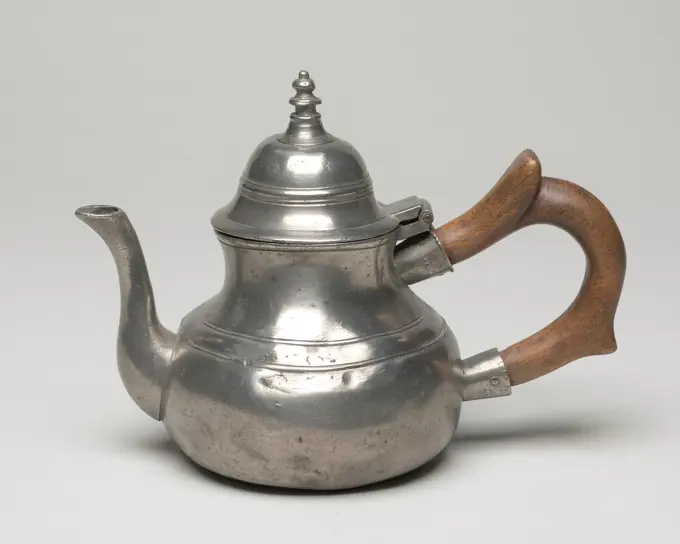
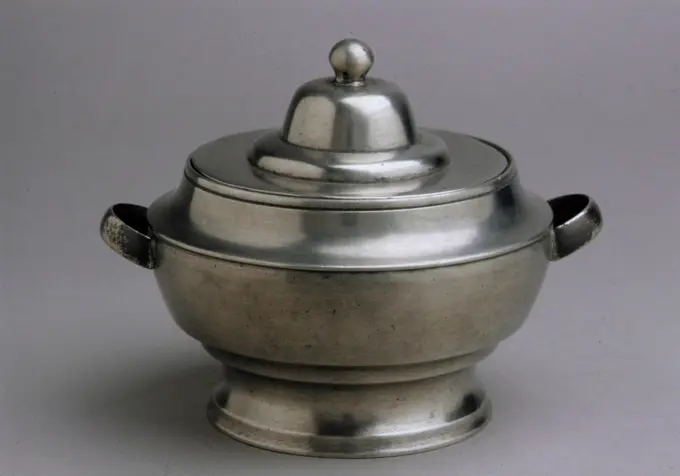
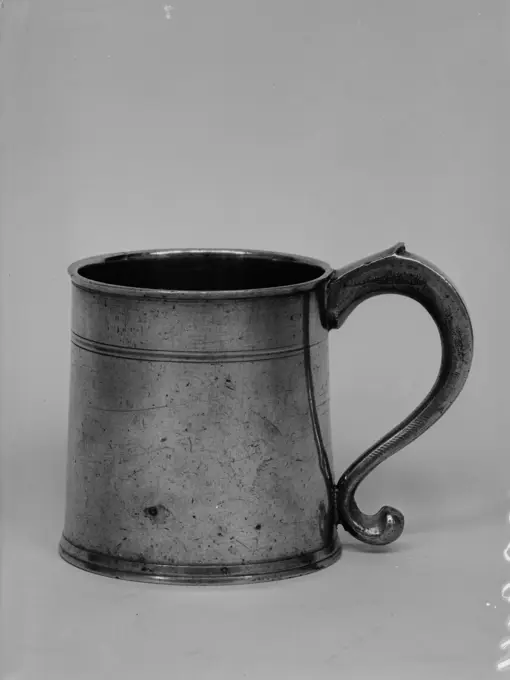
Teapot, 18th century, 5 3/4 x 7 3/4 x 4 1/2 in. (14.61 x 19.69 x 11.43 cm), Pewter, England, 18th century
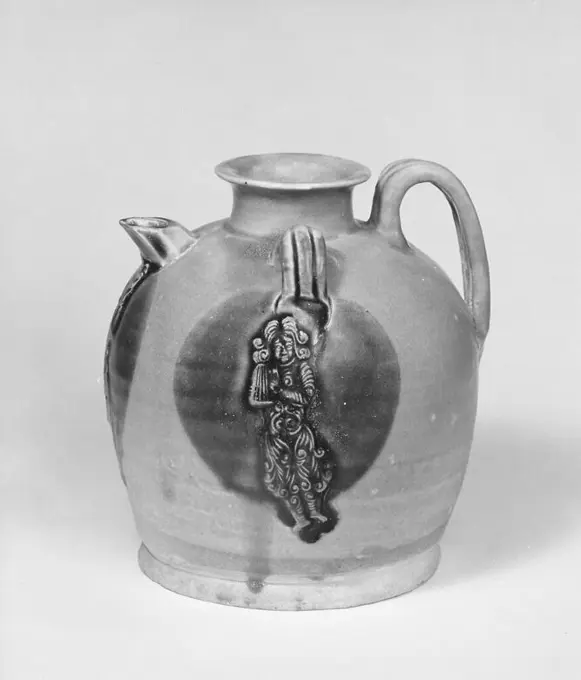
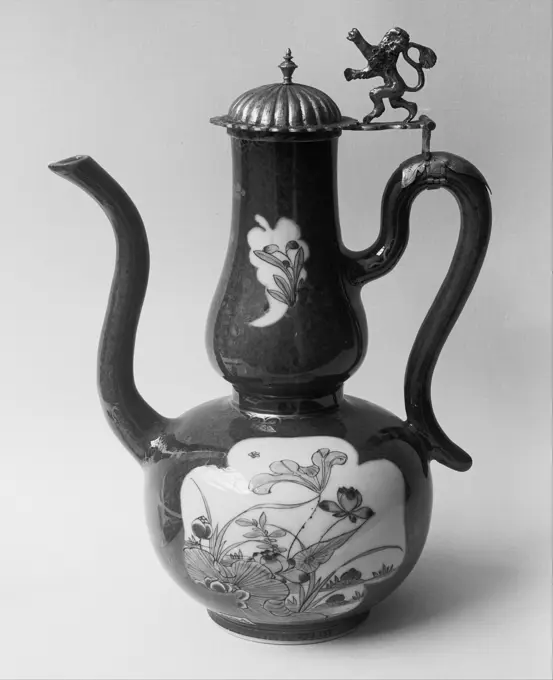
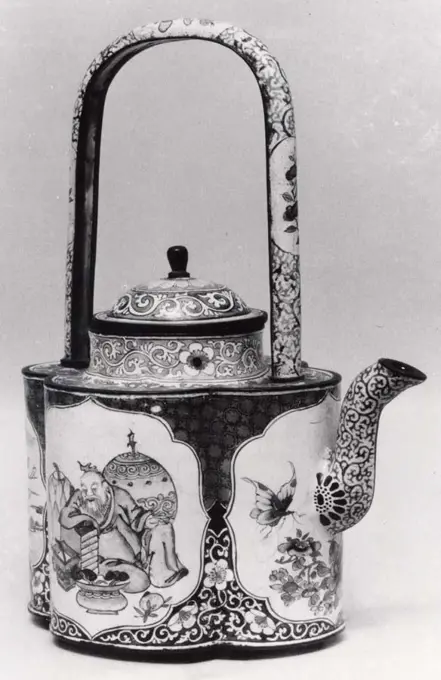
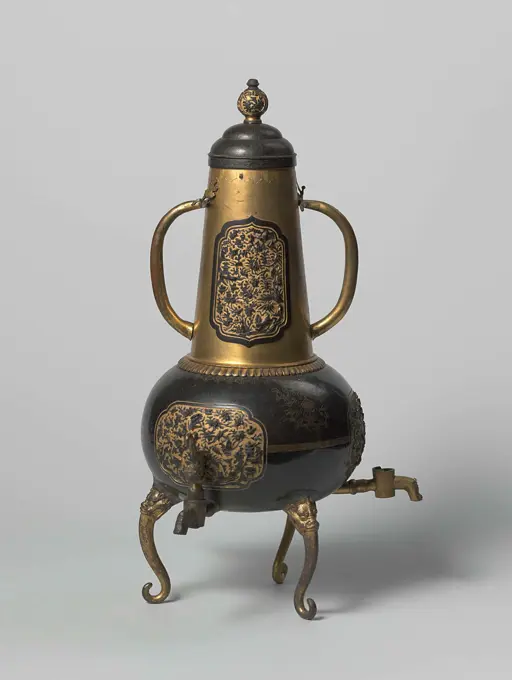
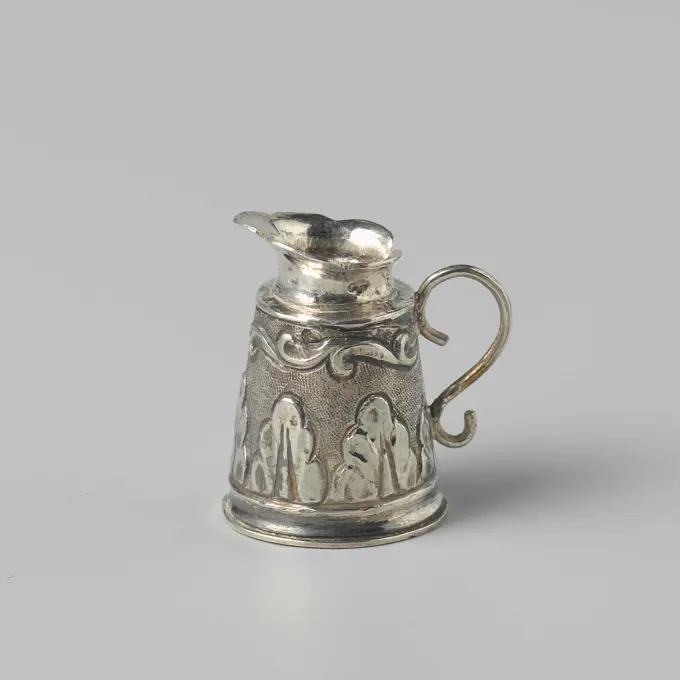
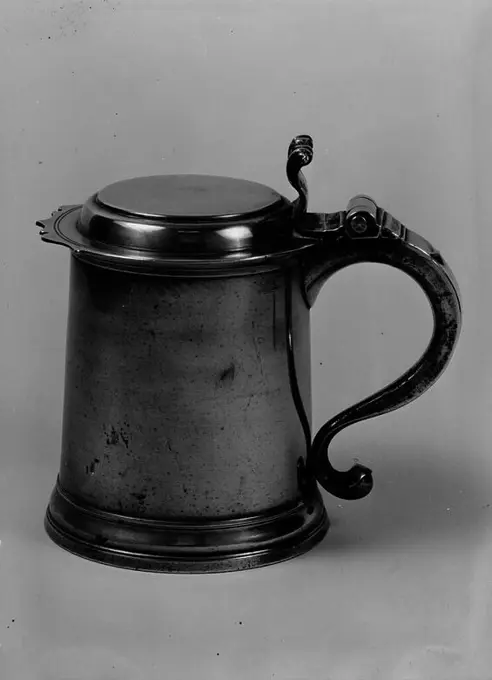
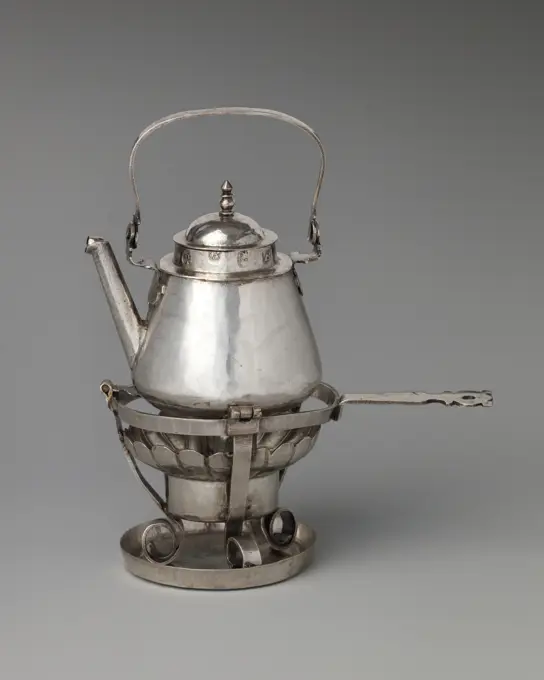
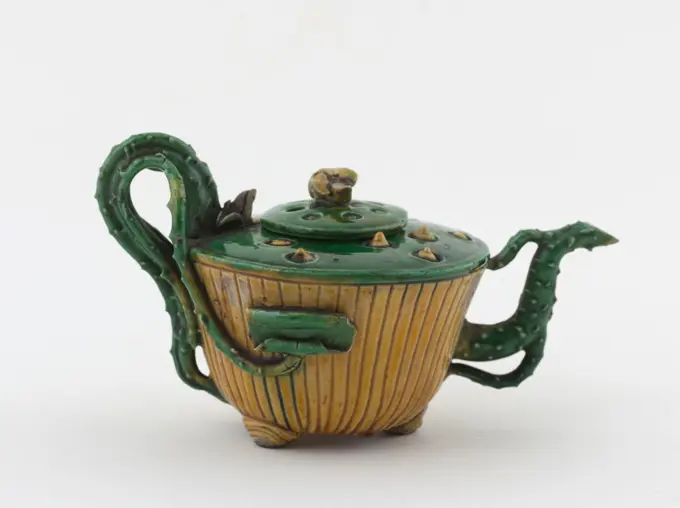
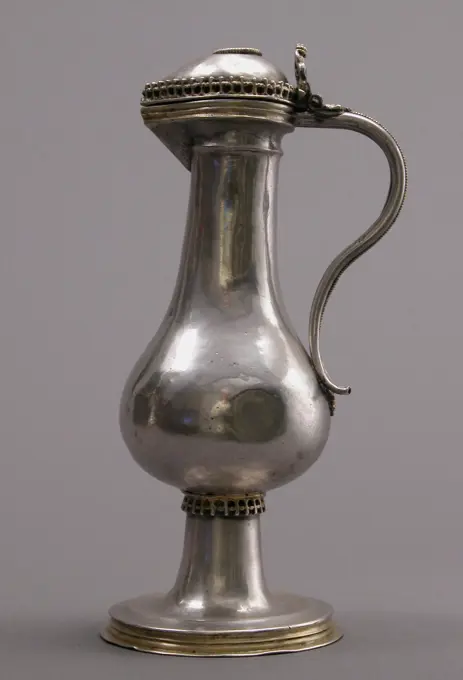
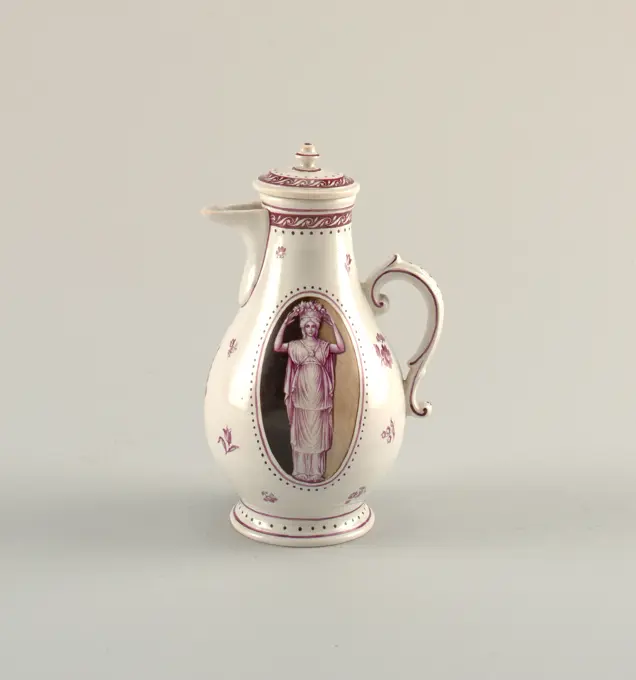
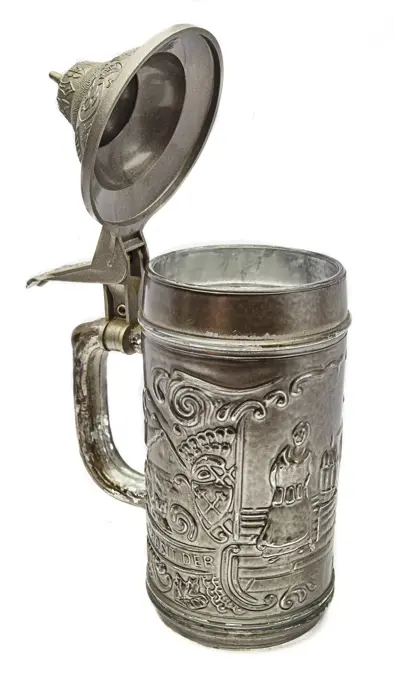
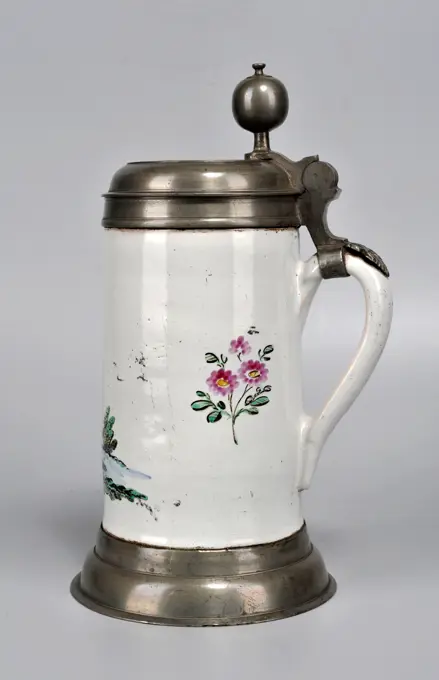
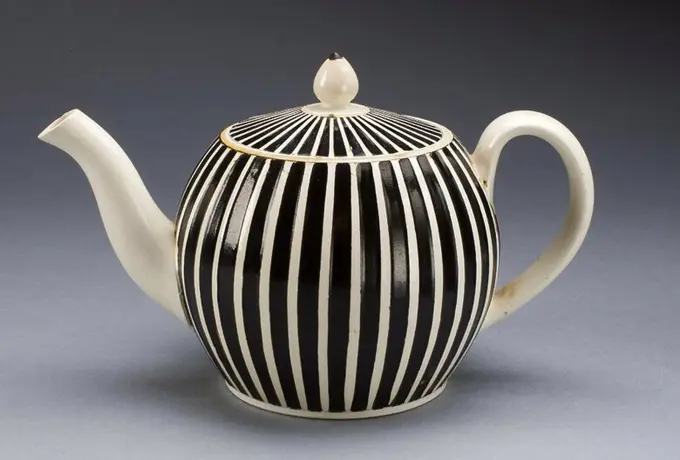
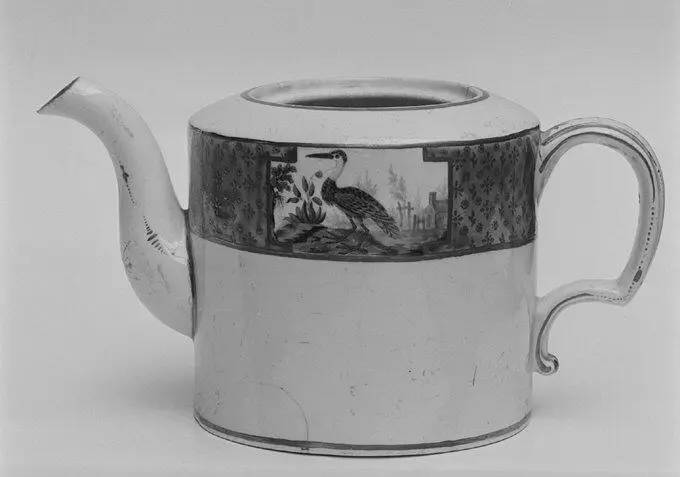
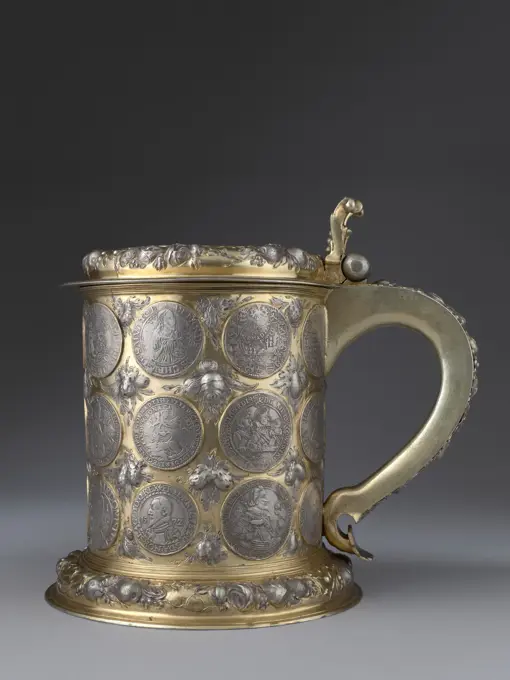
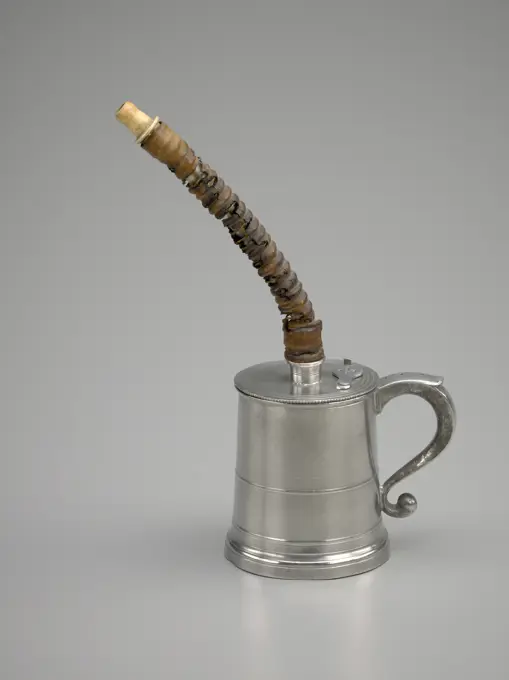
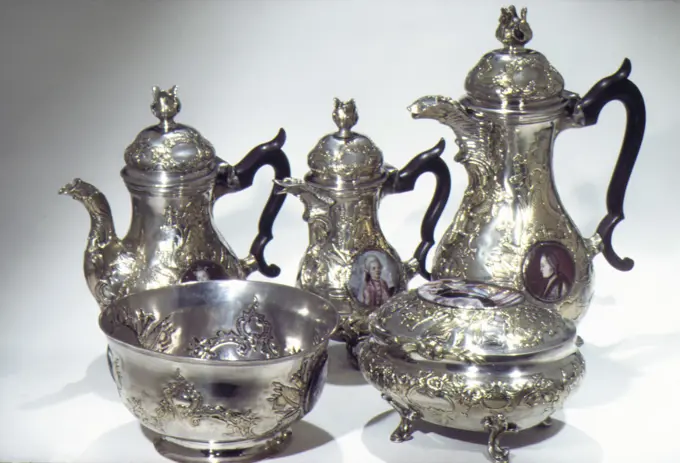
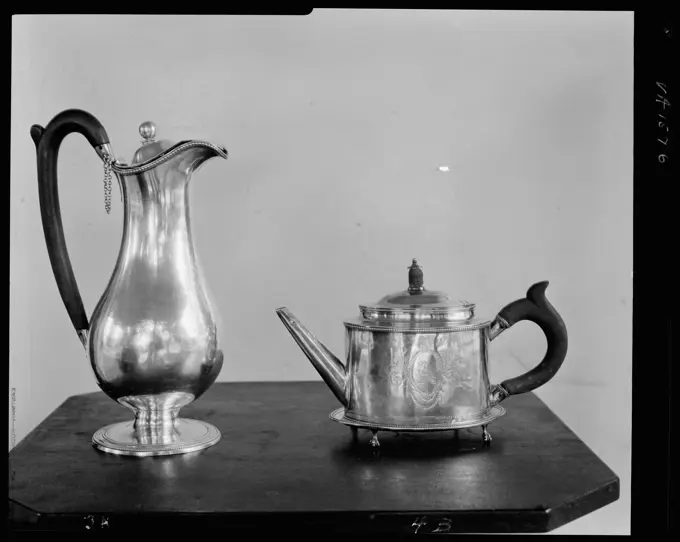
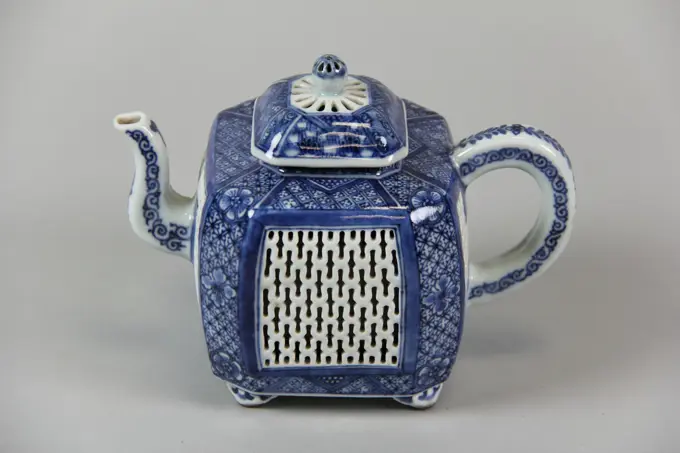
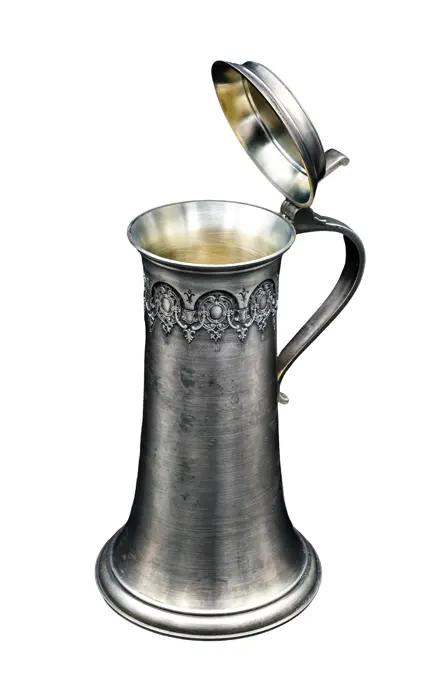
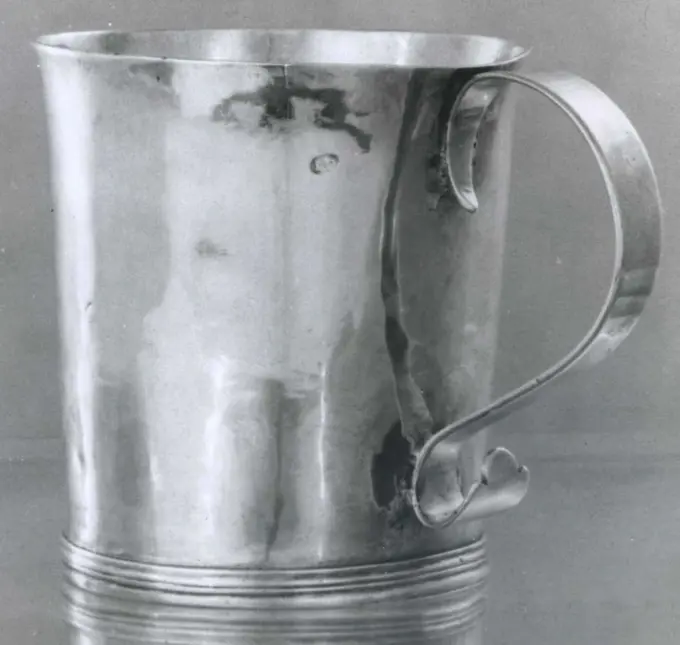
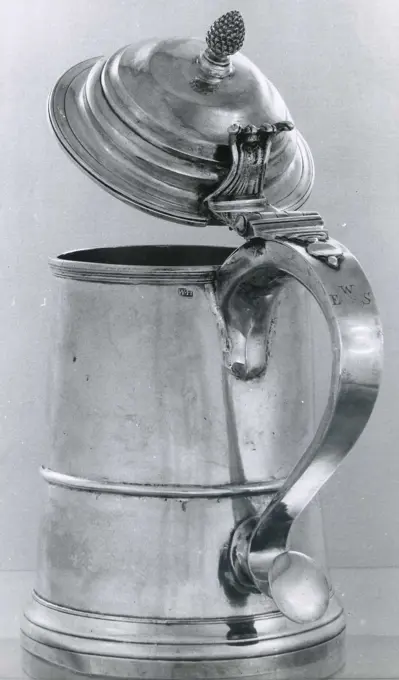
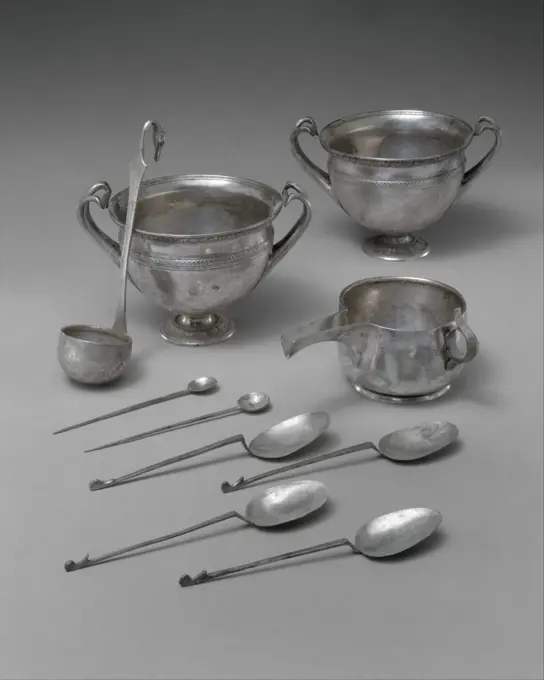
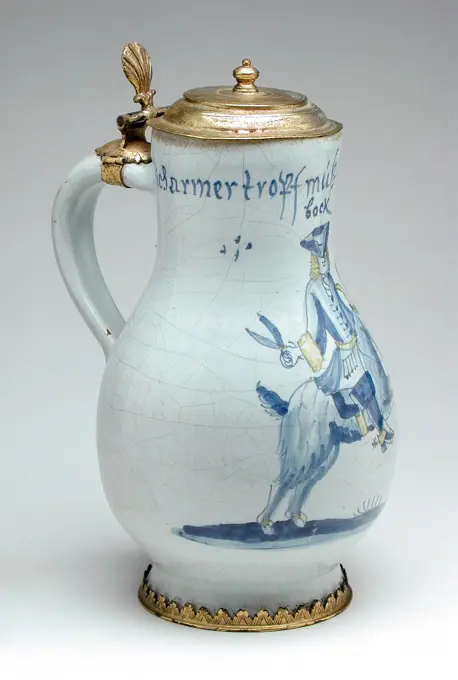
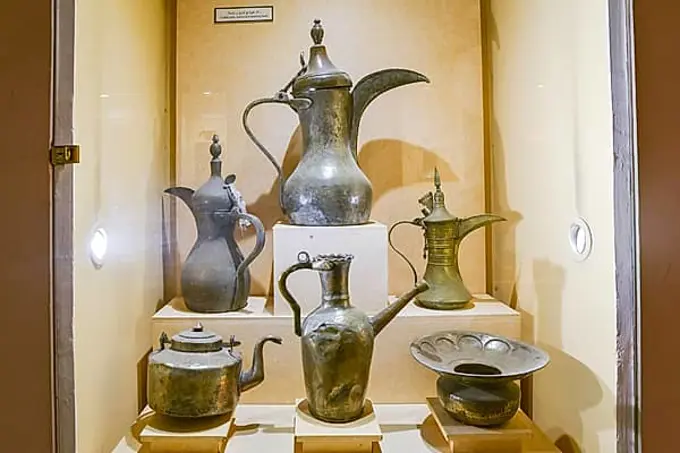
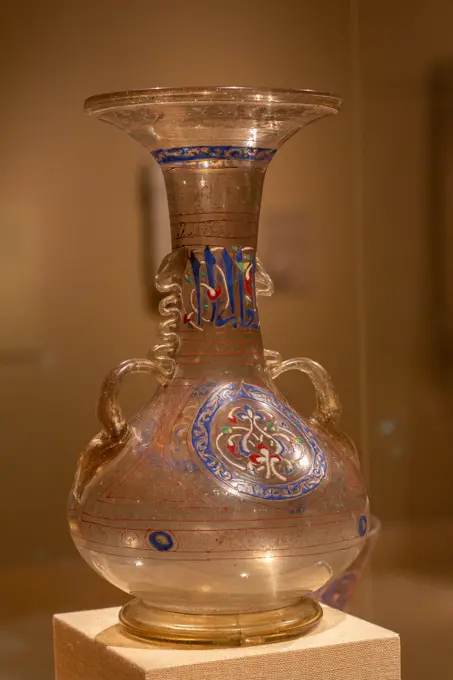
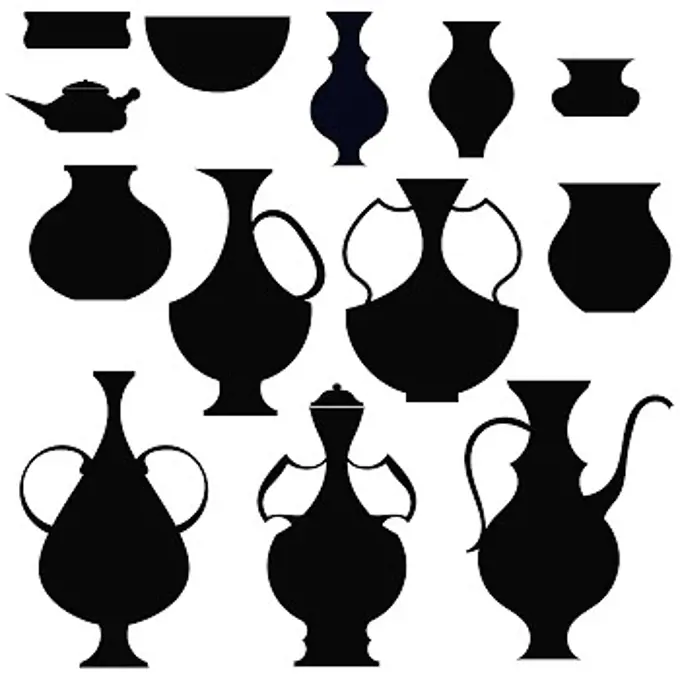
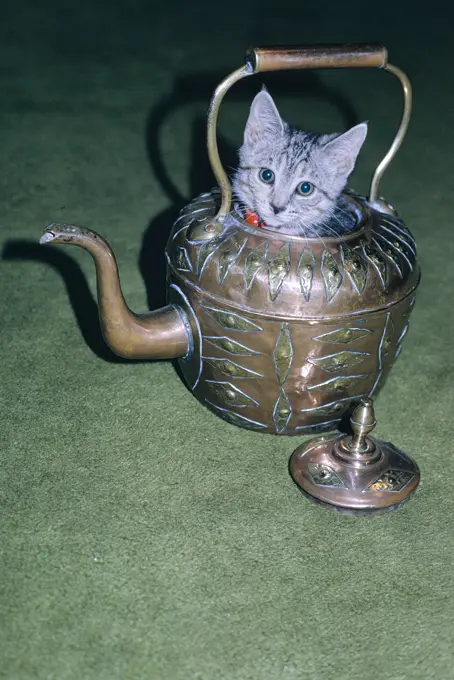
John Read and Daniel Sleamaker, Coffeepot, 1703/4, silver.Ewer with Dancing Figure. Culture: China. Dimensions: H. 6 in. (15.2 cm). Date: ca. 9th century.The curly hair of the dancer appliqued to the ewer suggests that this figure is not of Chinese ethnicity. He may represent a South or Southeast Asian individual, or even someone from Central Asia. Similar dancing figures, depicted on ceramics from north China, often represent Sogdians, a trading people based in present-day Uzbekistan, known for their whirling dances. Museum: Metropolitan Museum of Art, New York, USA.Coffeepot.   Maker: Samuel R. Richards, Jr., active ca. 1793 - 1818  Maker: Samuel Williamson, American, 1772-1843Teapot with lid, multi -colored painted with chinoiseries and the coat of arms of the Venetian Morosini family, Meissener Porzellan Manufaktur, 1731 Teapot with lid, made of painted porcelain. The pot is painted with Höroldt chinoiseries and the coat of arms of the Venetian Morosini family. The teapot is marked. Float porcelain Teapot with lid, made of painted porcelain. The pot is painted with Höroldt chinoiseries and the coat of arms of the Venetian Morosini family. The teapot is marked. Float porcelainEwer late 17th-early 18th century China. Ewer 50885Teapot with Cover late 18th-19th century China. Teapot with Cover 42071Coffee urn. Large crane jug of partly black and partly (fire) gold-plated suassa, from various parts soldered together. The can have a conversed belly, black, with insurgent decorations (along top edge, band over the middle of the abdomen and three patterns with flowers and leaves), also three cartouches with similar performances in embossed trees, branches with leaves and flowers, Birds, pagodas and people in a boat. On the underside of the three legs are soldered as stylized heads of samples with lurff-shaped legs stabbed from their mush, in curl. Each leg is exactly between two cartouches on the belly. In the middle of each cartouche is a tap soldered from gold-plated suassa. Here is a tap in the form of dolphins. On the round belly, a straight sleeve-shaped neck is attached from gold-plated suassa, somewhat tapered. Along the top edge, entered decorations have been made in horizontal tires. Two smooth, round ears are attached to the neck, which on the top as stylized branches fell Milk jug. Cup shaped milk jug with an S-shaped handle and a wide spout. The wall of the can be decorated with acanthus leaves and rocaille ornaments embossed on a roughened surface. The milk jug has been marked with a sword. The milk jug is saved as part of a coffee and tea table (BK-NM-11177-158).CreamPitcher.   Maker: Boston and Sandwich Glass Works, American, 1826-88Ewer 18th century possibly German. Ewer. possibly German. 18th century. Glass. GlassEwer with Engraved Fish Scale Pattern, Inscribed in Persian with the name "Khairullah". India; Deccan. Date: 1701-1725. Dimensions: 32 cm (12 5/8 in.). Brass repoussé. Origin: India. Museum: The Chicago Art Institute, Chicago, USA.Ewer, from a ewer and basin set, late 18th century, 9 1/4 x 8 1/2 x 5 3/4 in. (23.5 x 21.59 x 14.61 cm), Silver, Spain, 18th centuryPitcher, Glazed earthenware, silver resist, transfer printed and luster decoration, Tapering bulbous form with circular mouth and deep spout; large, squared loop handle. Yellow glaze ground with silver luster bands and black transfer-printed decoration: on one side, medalion with message, 'May The Tree of Liberty Ever Flourish,' accompanied by various symbols and attributes; on the opposite side, cartouche with message 'Success to the United States of America,' accompanied by symbols and attributes, and surmounting ribbon with 'E Pluribus Unum'; under spout, 'Peace and Prosperity to America' within oval wreath. Yellow-glazed interior., England, ca. 1800, ceramics, Decorative Arts, PitcherPitcher 1830-50 American. Pitcher 5684Sugar bowl (part of a set) 1808 Danish, Copenhagen. Sugar bowl (part of a set) 198848Silver Sauceboat,  1770s. Teapot with lid, painted porcelain. The pot is painted with Höroltt chinoiseries and the weapon of the Venetian Morosini family. The teapot has been marked.Pitcher. Dated: 1937. Medium: watercolor, graphite, and gouache on paperboard. Museum: National Gallery of Art, Washington DC. Author: Ralph Atkinson.Tankard. Culture: American. Dimensions: H. 7 in. (17.8 cm). Maker: Frederick Bassett (1740-1800). Date: 1761-99. Museum: Metropolitan Museum of Art, New York, USA.Miniature kettle with stand and brazier 1703/4 George Manjoy British. Miniature kettle with stand and brazier. British, London. 1703/4. Silver. Metalwork-Silver-MiniatureMustard pot and spoon (one of a pair) 1771-72 Edward Aldridge II. Mustard pot and spoon (one of a pair) 197381Hobnail Creamer. Culture: American. Dimensions: H. 4 1/8 in. (10.5 cm). Maker: Probably Hobbs, Brockunier and Company (1863-1891). Date: after 1886. Museum: Metropolitan Museum of Art, New York, USA.Water bucket. Yellow and green glaze porcelain cookie. Paris, Cernuschi museum. 78836-26 Asian art, Chinese art, porcelainPitcher. Dated: 1935/1942. Dimensions: overall: 30.5 x 22.9 cm (12 x 9 in.). Medium: watercolor, gouache, and graphite on paperboard. Museum: National Gallery of Art, Washington DC. Author: Vincent Burzy.Pitcher 1800-1830 American. Pitcher 5749Incense Burner China. Incense Burner 61107Cruet 1518 German This pair of silver vessels closely resembles the handled silver flagons perched on the shelf in the upper right corner of the nearby painting. Such objects were created for use on the table, where they reflected the high status of their owners. This pair was used in church services. Their diminutive scale reflects the small quantity of wine used in the Mass prior to the Reformation. For the liturgy, such objects were always made in pairs (for wine and water). Since these two liquids were combined in the chalice, cruets were often distinguished by the letters V (vinum) and A (aqua) engraved on the lid.. Cruet 467484Cup ca. 1815 William Thomson. Cup 5369Naples - National Museum. Bronze dairy, with a stupendously worked handle. .Cann.   Maker: Joseph Moulton III, American, 1744-1816Tankard.   Maker: Stephen Emery, 1749-1801Tankard c 1755-1765 Philadelphia. Silver . John BaylyCoffeepot And Lid (Italy); Manufactured by Doccia Porcelain Factory (Italy); glazed porcelainPewter beer mug isolated pewter beer mug with open top Copyright: xZoonar.com/YannxPoirierx 12344327Treatments, miniatures, gardener, genre scenesCoffeepot. Meissen Porcelain Manufactory; German, founded 1710. Date: 1710-1720. Dimensions: 8 1/16 × 5 15/16 × 3 9/16 in. (20.5 × 13.5 × 9.1 cm). Red stoneware lacquered black, with unfired colors and gilding. Origin: Meissen. Museum: The Chicago Art Institute, Chicago, USA.Teapot. England, probably Leeds. Date: 1775-1785. Dimensions: 11.1 x 17.8 x 10.8 cm (4 3/8 x 7 x 4 1/4 in.). Lead-glazed earthenware. Origin: Leeds. Museum: The Chicago Art Institute, Chicago, USA.Teapot ca. 1787 Tournai. Teapot 188703 Factory: Tournai, Belgian, established ca. 1750, Teapot, ca. 1787, Hard-paste porcelain, 4  7 3/8 in. (10.2  18.7 cm). The Metropolitan Museum of Art, New York. Gift of Alfred Duane Pell, 1902 (02.6.191)Sugar Bowl 1830-45 George Richardson. Sugar Bowl. American. 1830-45. Pewter. Made in Cranston, Rhode Island, United StatesTankard ca. 1780 British, Sheffield. Tankard 204468Przeszo Przyszoci Beckhausen, Jakob (1647 1705)Mug 1795-1816 Samuel Danforth. Mug. American. 1795-1816. Pewter. Made in Hartford, Connecticut, United StatesTankard, c. 1707-1708, Robert Cooper, British, (London, England), active 1670 - 1717, 7 3/4 x 8 3/4 x 5 3/4 in. (19.69 x 22.23 x 14.61 cm), Silver, England, Queen Anne, The design of this tankard is a fashionable form made in England and America during the late 17th and early 18th centuries. This example is handsomely decorated with a familial coat of arms.Inhaler.   Maker: Robert Palethorp, Jr., AmericanAfter design by: John Mudge, British, 1721-1793Cup probably 19th century Spanish. Cup. Spanish. probably 19th century. Glass. GlassCoffee service 1773 Johan Henrik Blom The service (47.51.1-.5) is thought to have been given by Empress Catherine II to Count Pyotr Rumiantsev, governor of the Ukraine and leader of the victorious Russian forces in the war with Turkey (1768-74). Enamel portraits on the utensils depict the imperial line from Peter the Great to Catherine II to her son, later Paul I. Facing are: Catherine II on the coffeepot, the empress Elizabeth on the teapot, the empress Anna on the bowl, Peter III on the cream jug, and Catherine I on the sugar-box lid. The shape and decoration recall silver utensils made in northern Germany, especially Berlin. German silver was highly esteemed in Russia, where a large German artistic community had influenced the transmission of Western forms since the time of Peter the Great. The goldsmith, born in Vyborg at the Gulf of Finland, might also have spent time in northern Germany during his journey years.Wolfram Koeppe, 2003. Coffee service. After a painting by Pietro RoCreamer ca. 1884-87 Mount Washington Glass Company. Creamer. American. ca. 1884-87. Blown glass. Made in New Bedford, Massachusetts, United StatesShirley Plantation, Shirley, Charles City County, Virginia. Carnegie Survey of the Architecture of the South. United States  Virginia  Charles City County  Shirley, Teapots, Tableware.Vintage Tea Pot Engraving Detailed vintage engraving of a teapot, evoking a sense of antiquity and classic style. Perfect for culinary or decorative themes. Copyright: xHypnoCreativexTeapot 18th century China. Teapot. China. 18th century. Porcelain with openwork decoration, painted in underglaze blue. Qing dynasty (1644-1911). CeramicsFlagon.   Maker: Boardman and Company, American, 1825-27Tankard 1670-75 Hans Jacob Mair. Tankard 187176Pitcher; Bruckmann & Söhne (Heilbronn; Wytwórnia Z Otnicz; 1805-1973) - the company Z 2. PO. 19th century (1860-00-00-1899-00-00);Ein alter silberner Bierkrug mit einem Deckel auf weißem Hintergrund Ein alter silberner Bierkrug mit einem Deckel auf weißem Hintergrund LicenseRF Copyright: xZoonar.com/RobertoxSorinx 23255010Vintage Tea Pot Engraving Ephemeral Vintage tea pot engraving, ephemeral vector illustration Copyright: xHypnoCreativexWine Pot with Cover 19th century Japan. Wine Pot with Cover 60791Cup.   Maker: John Dixwell, American, 1680-1725arabic tea cups with teapot white tableAntique Tea Pot Engraving Detailed engraving of a vintage tea pot, evoking a sense of old-world charm and elegance. The intricate detailing and classic style make it a beautiful depiction of a timeless beverage. Copyright: xHypnoCreativexRetro cartoon with texture. Isolated on White.Tankard.   Maker: William Homes, Sr., American, 1717-1783Silver cochlear (spoon) mid-1st century B.C. Roman The pointed end was used to extract the snail from its shell.. Silver cochlear (spoon) 250917Pear-Shaped Jug with the 'Tailor on the Goat'. Hanau Faïence Factory (Germany, 1661-1806). Germany, 1700-1750. Furnishings; Serviceware. Tin glazed earthenware, pewterCup and Saucer ca. 1780 French, possibly. Cup and Saucer. French, possibly. ca. 1780. Porcelain. Possibly made in Paris, FranceNathaniel Smith & Co., Inkstand, 1796/97, silver and colorless glass.Kraków  Sukiennice  Exhibition of Muhammads, Asian and European ceramics; February April 1934 Światowida Photo AgencyAbu dhabi, UAE - 27th april, 2025: traditional dallah coffee pot on display at a heritage museum, representing Arabic hospitality and the cultural rituals of coffee serving in the Gulf regionVessels from Roman times, a bronze jug from the left, a large bronze bucket with handles, bronze casseroles and a large kettle-like ribbed bronze vess...Ancient metal jug in oriental style in antique marketVase with Handles second half 14th century In the early phase of enameling, glassmakers left the undersides of their vessels unadorned or sparsely decorated, because of the difficulty of heating the end facing away from the furnace sufficiently for the enamel to adhere. The gilding on this piece, now abraded, was originally much richer.. Vase with Handles. second half 14th century. Glass, colorless with brown tinge; blown, folded foot, applied handles, enameled and gilded. Attributed to Syria. GlassVintage golden arabic decorations. Holidays composition with dates fruits. Oriental hospitality concept. Ramadan kareemBlack silhouettes potsVintage Photograph. Playful kitten peeks out of vintage brass teapot on green carpet.antique copper utensils isolated on white background