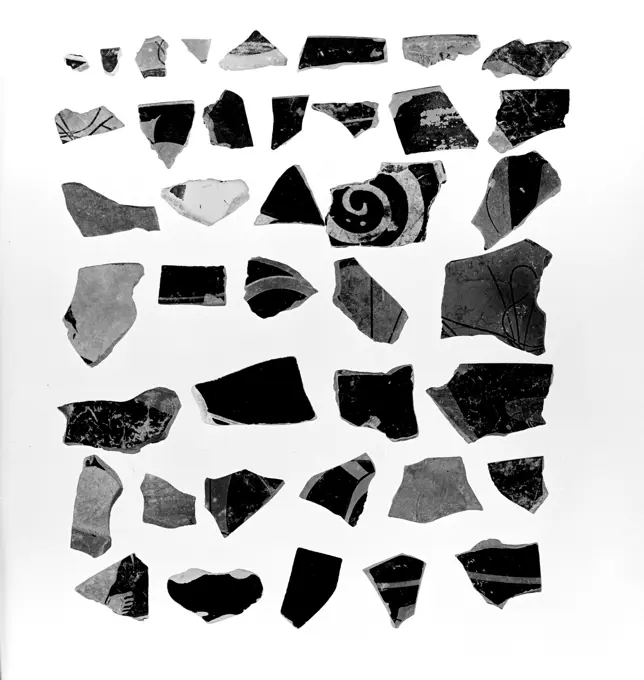
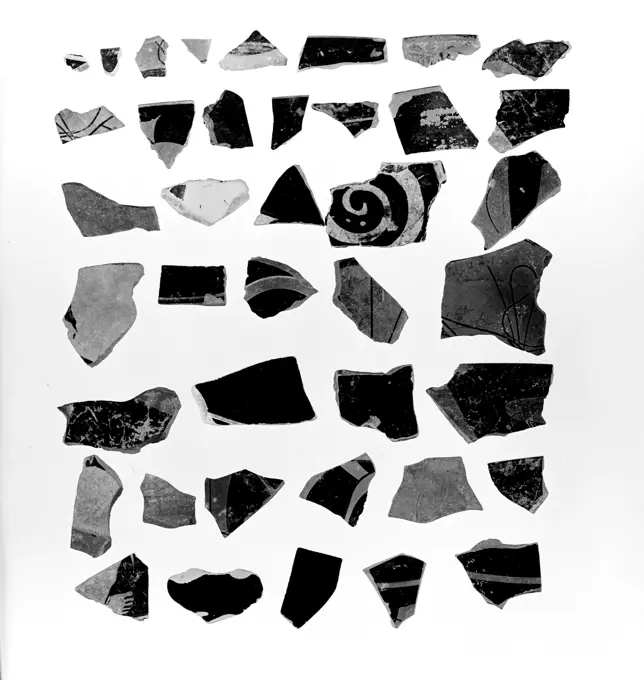
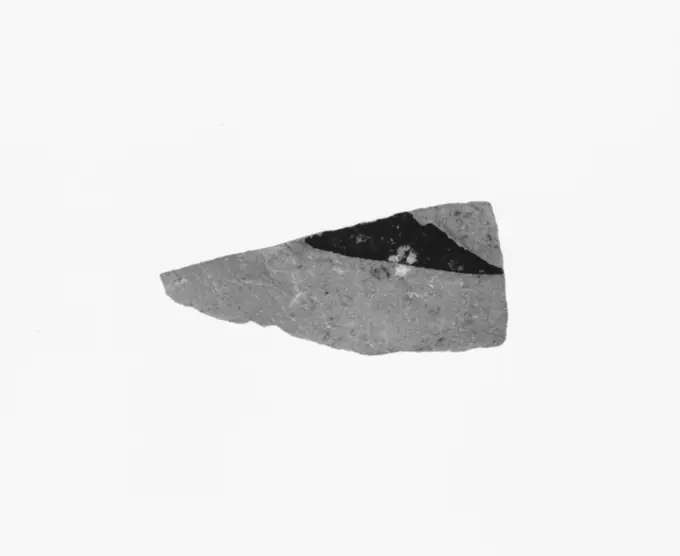
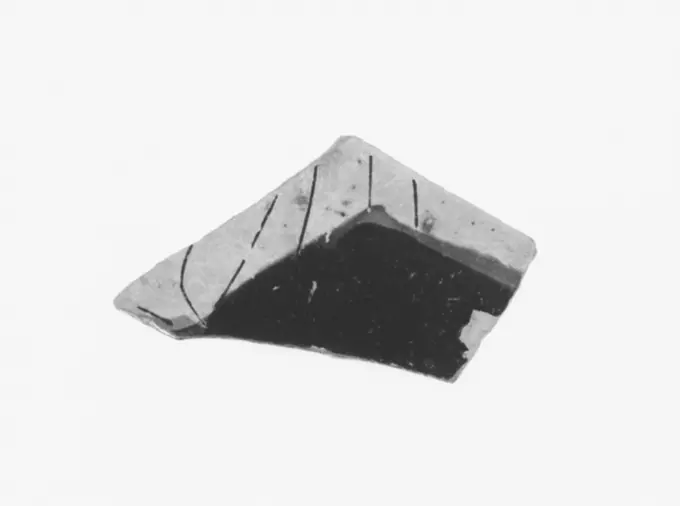
Antique Pottery Fragments

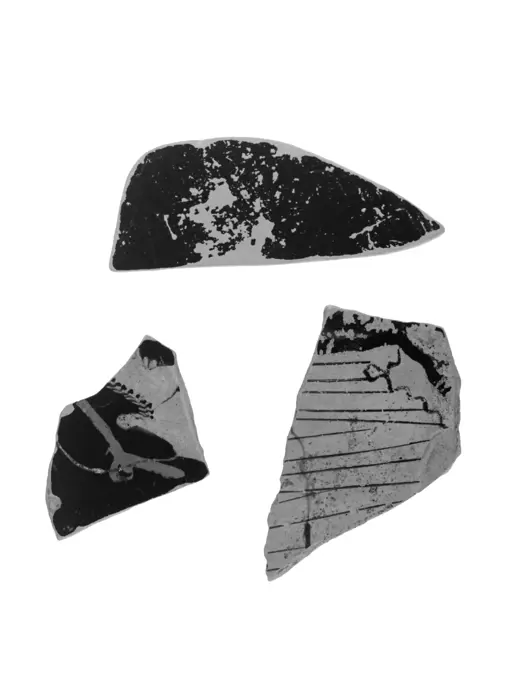
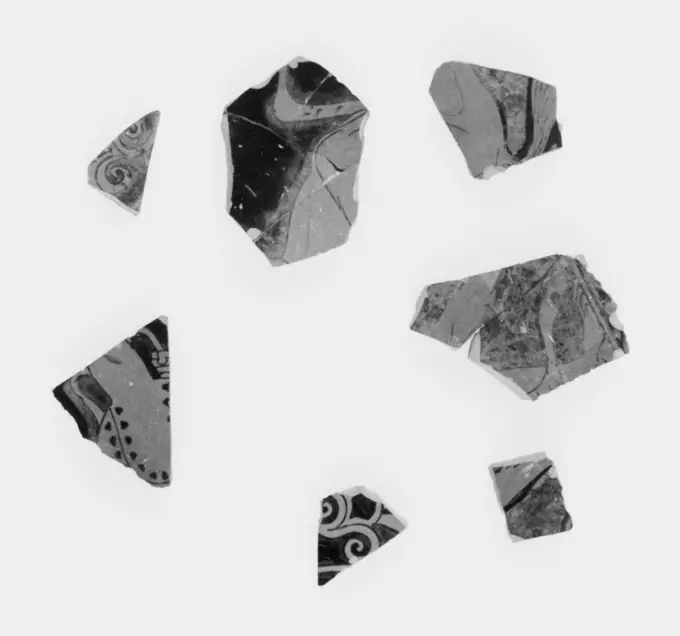
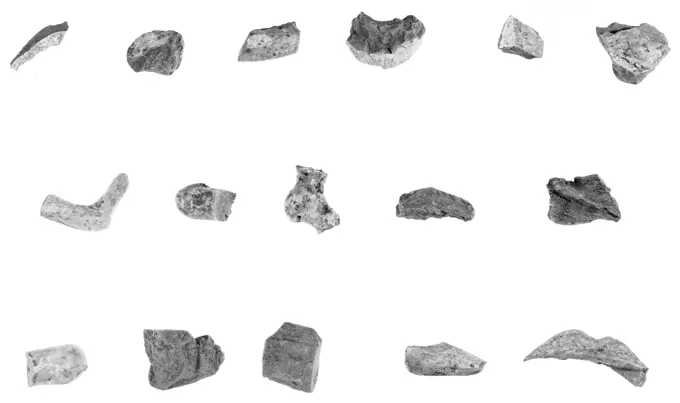
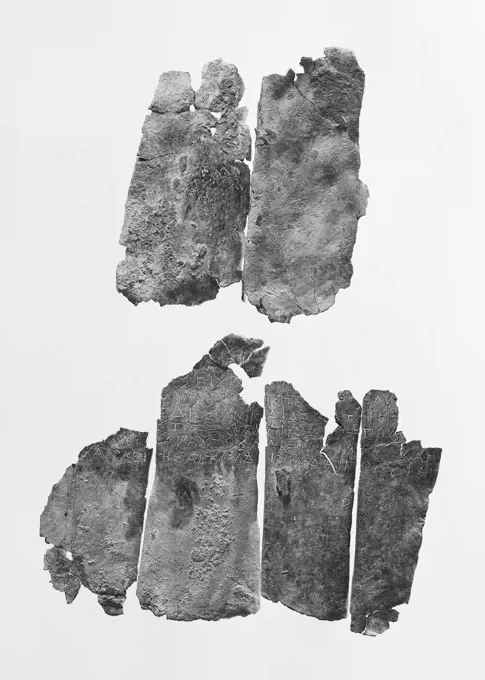
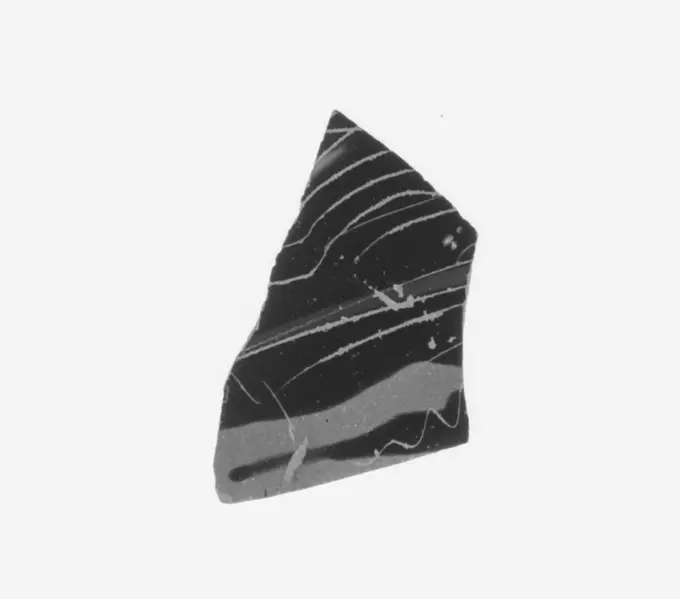
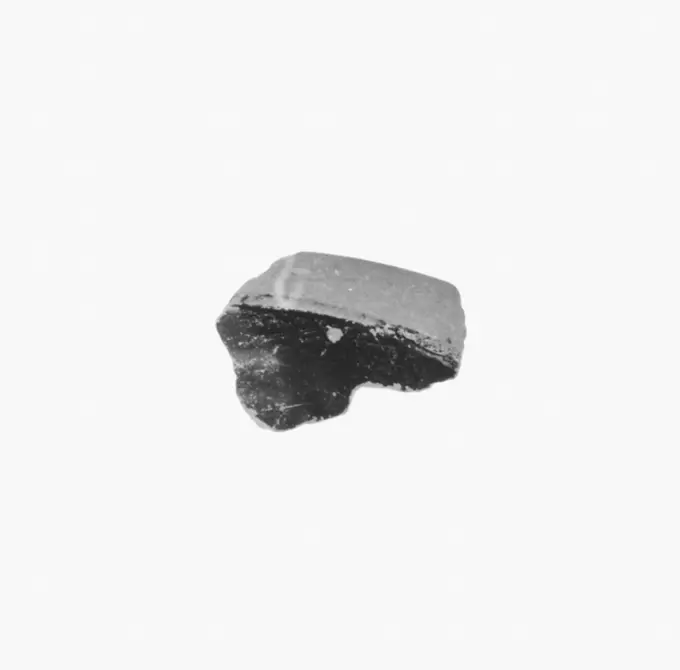
Black and white images of ancient pottery fragments, showcasing their historical significance and archaeological features.

Attic Vase Fragment. Unknown
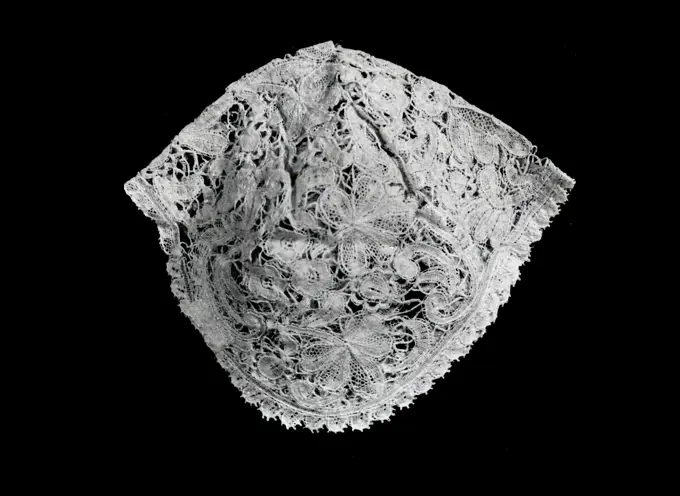
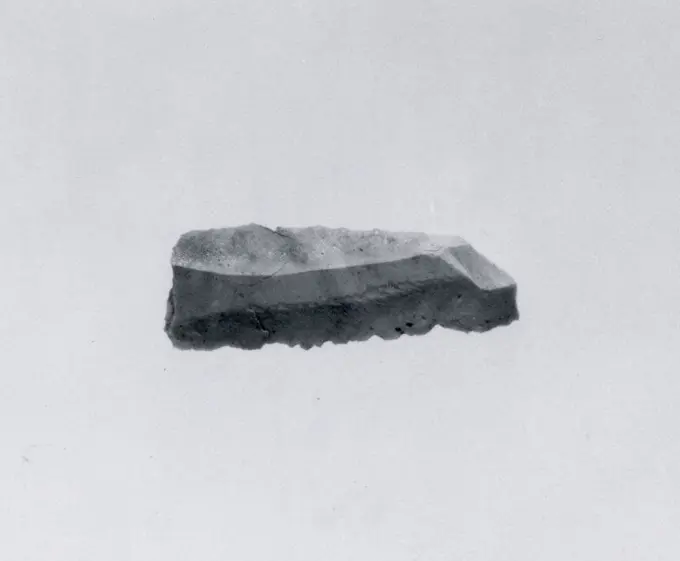
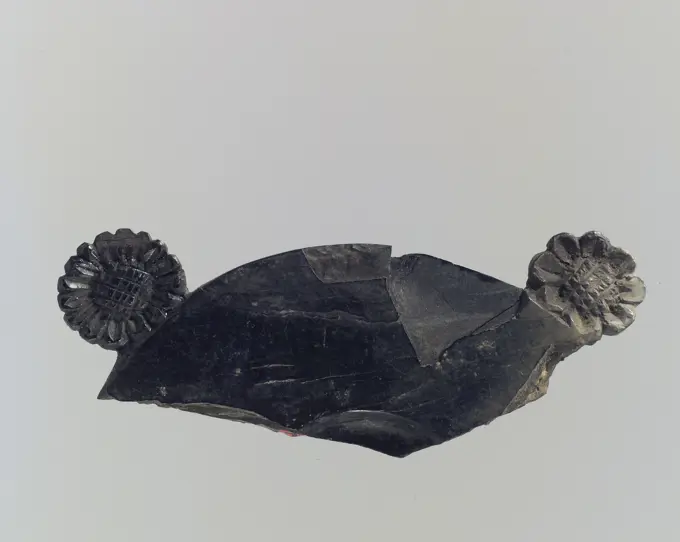
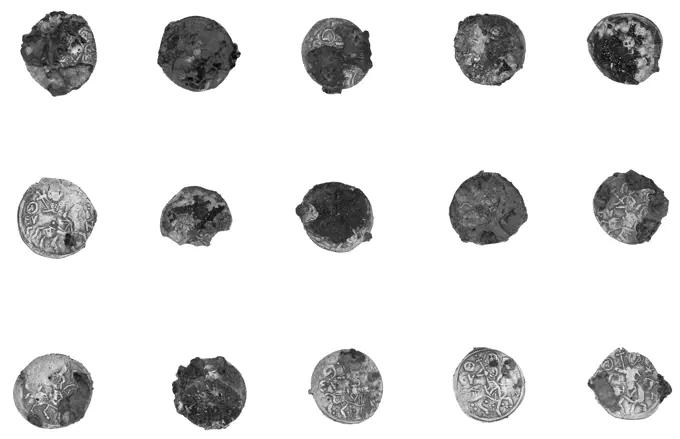
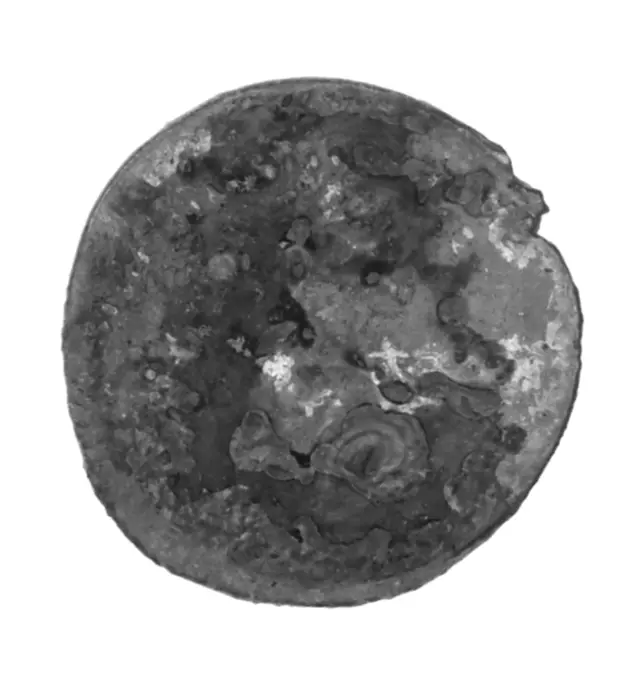
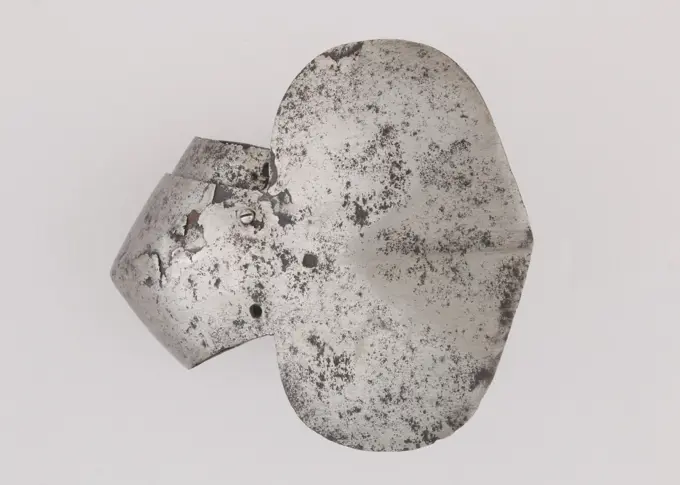
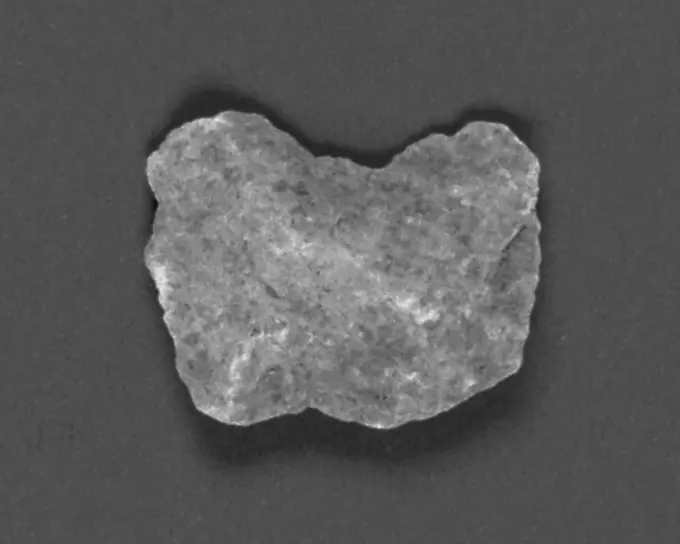
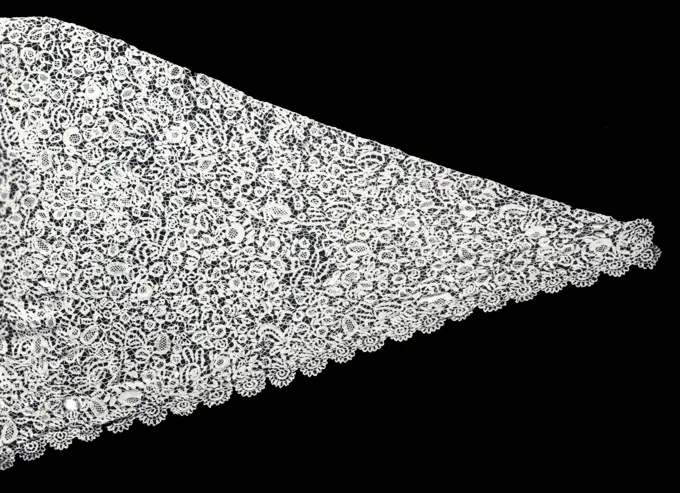
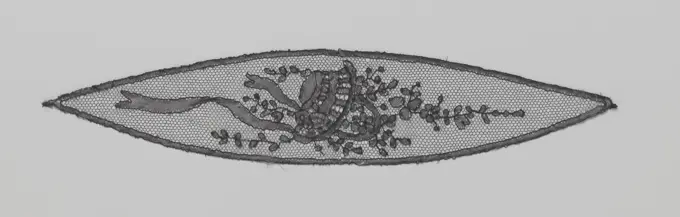
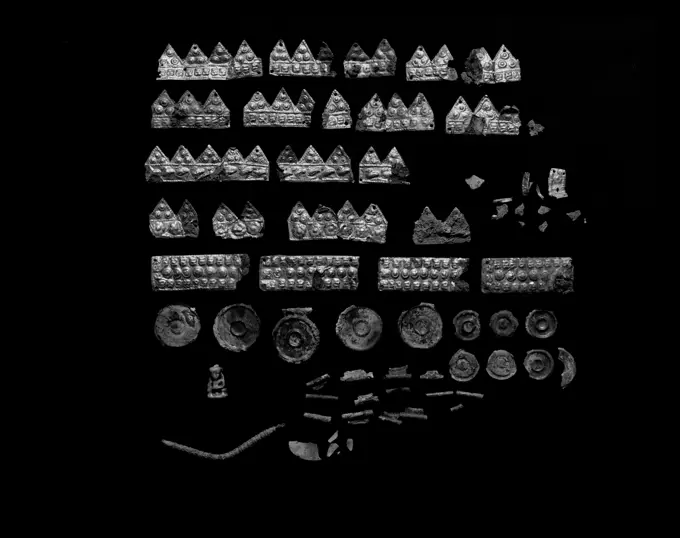
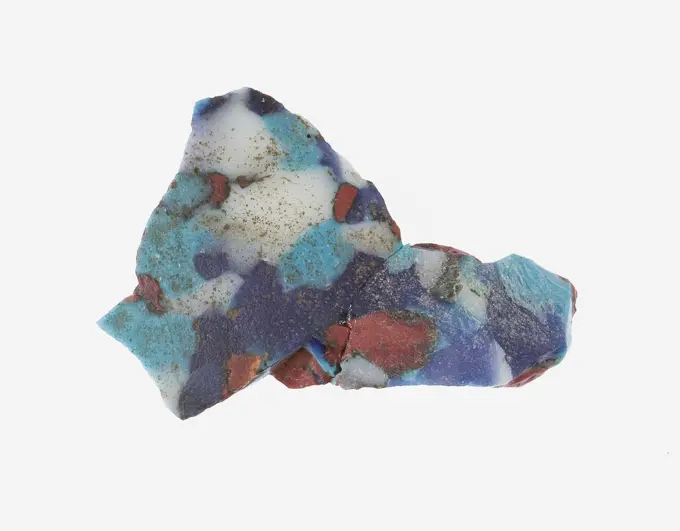
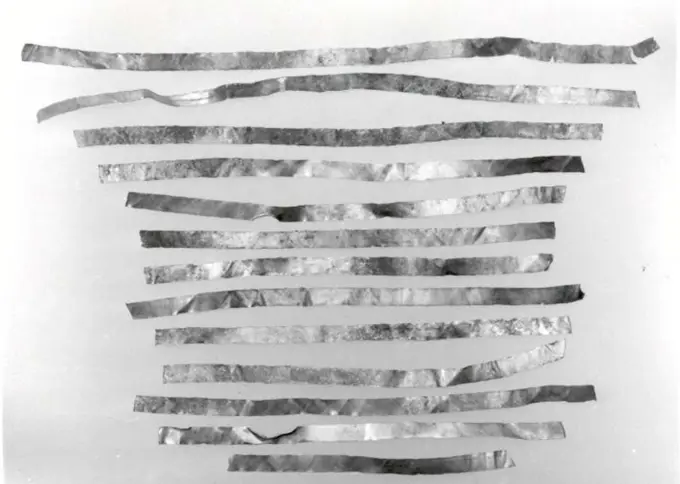
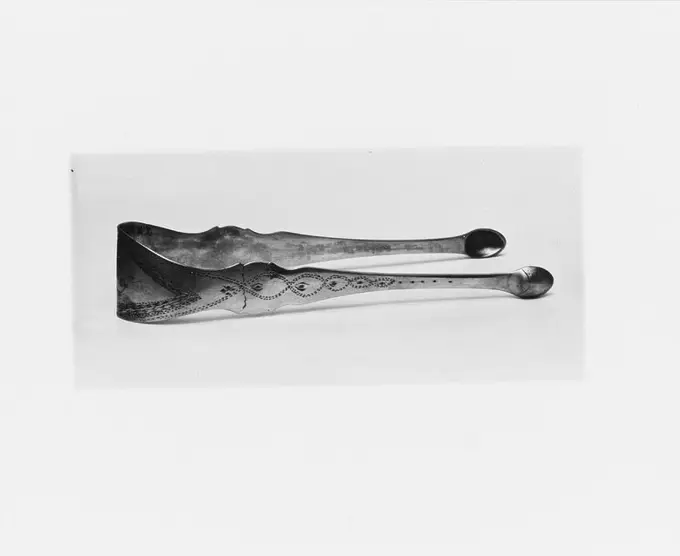
Attic Vase Fragment. UnknownAttic Red-Figure Kylix Fragment. UnknownAttic Red-Figure Kylix Fragment. UnknownAttic Red-Figure Kylix Fragment. UnknownAttic Red-Figure Kylix Fragment. UnknownAttic Red-Figure Kylix Fragment. UnknownAttic Vase Fragment. UnknownAttic Red-Figure Cup Fragment. UnknownAttic Vase Fragment. UnknownAttic Black-Figure Neck Amphora Fragment. Attributed to the Swing Painter (Greek (Attic), active about 550 - 525 B.C.)Attic Red-Figure Pelike Fragment.Blade ca. 4600-3600 B.C. Ghassulian. Blade 326547Attic Panathenaic Amphora Fragment. Unknown about 430 B.C. Ext: curved line in added red; int: black.Attic Black-Figure Amphora Fragment. UnknownFigure Fragment. UnknownAttic Black-Figure Oinochoe Fragment. UnknownBabies Cap Made 1850-1900 Belgium. Cotton, bobbin part lace of a type known as Duchesse de Bruges .Attic Red-Figure Pelike Fragment (part of 86.AE.199.1).Attic Black-Figure Neck Amphora Fragment (comprised of 2 Joined Fragments). Attributed to the Swing Painter, painter (Greek (Attic), active about 550 - 525 B.C.) about 530 B.C. Composed of two fragments. Exterior, black. Interior, undecorated.Attic Vase Fragment. UnknownHead Fragment. UnknownEngraved Gem. UnknownSealing ca. 2030-1640 B.C. Middle Kingdom. Sealing 565892Attic Black-Figure Eye Cup Fragment. UnknownAttic Black-Figure Nicosthenic Amphora Fragment. UnknownAttic Red-Figure Kylix Fragment. UnknownAttic Red-Figure Kalpis Fragment. UnknownAttic Red-Figure Kalpis Fragment. UnknownAttic Black-Figure Band Cup Fragment. UnknownAttic Black-Figure Eye Cup Fragment. UnknownAttic Black-Figure Amphora Fragment (Consists of Four Non-Joining Fragments). UnknownAttic Red-Figure Plastic Keras Fragment (comprised of 3 joined fragments). Unknown 500 - 490 B.C. Misfired. Equine leg and legs of a figure moving to right. Interior glazed.Unattributed Trebizond Coin. UnknownAttic Cup Fragment. UnknownBlade ca. 4600-3600 B.C. Ghassulian. Blade 326549Fragmentary Cypriot Jug. Unknown about 2000-1900 B.C. Fragments of a Cypriot Red-Polished ware jug decorated with incision. Horizontal lines encircle the neck, shoulder and body. Two bands of connecting diamonds decorated with stripes are present on the body.Lid fragment ca. 9th-8th century B.C. Assyrian This broken piece of carved ivory was probably a lid for a small round box, called a pyxis by scholars. The lid is smooth and flat on top with part of a circular depression visible at the center and two rosettes extending from the edges. The rosettes are shown with a hatched pattern in the center and differ from each other in their number of petals and the relative size of the petals. The underside of the lid is rounded and the rosettes are supported by rounded ridges carved into the surface. A fragmentary central ridge seems to have originally formed a ring on the underside of the lid. Boxes of this type could have held precious goods including luxurious commodities such as spices, incense, cosmetics, perfumes or ointments. The black and gray color of the lid suggests that is was damaged by fire during the sack of the Assyrian palace buildings at Nimrud at the time of Assyrias final defeat in 614 and 612 B.C.Built by the Assyrian king AsSealing ca. 1981-1640 B.C. Middle Kingdom. Sealing 564858Coin A.H. 169-70/ A.D. 785-86. Coin. A.H. 169-70/ A.D. 785-86. Copper. Excavated in Iran, Nishapur. Mint Wasit. CoinsAttic Vase Fragment. UnknownDrohiczyn seal. unknown, managerTrebizond Coin; about 13th century; Silver, Byzantine Coinage of the empire of TrebizondsSealing ca. 2030-1640 B.C. Middle Kingdom. Sealing 565335Trebizond Coin; about 13th century; Silver, Byzantine Coinage of the empire of TrebizondsUnattributed Trebizond Coin. UnknownAttic Red-Figure Vase Fragment. UnknownDrohiczyn seal. unknown, managerAttic Red-Figure Duck Askos Fragment (comprised of 2 joined fragments). UnknownElbow Defense (Couter) ca. 1430-40 Italian This is part of a large find of medieval armor discovered in 1840 in the ruins of the fortress of Chalcis, on the Greek island of Euboea (then a Venetian colony called Negroponte). The fortress had been captured and destroyed by the Turks in 1470. Now divided largely between the Ethnological Museum, Athens, and The Metropolitan Museum of Art, the Chalcis hoard contains many rare and unusual elements of fourteenth- and fifteenth-century armor. Of particular importance are the variety of headpieces and the many fragments of brigandines (armor for the torso constructed of small plates riveted to layers of fabric), some of which retain portions of their original velvet covering. The Chalcis armor provides a unique picture of the armament used in the Aegean, one of the easternmost military outposts of the Venetian empire.. Elbow Defense (Couter) 23173Attic Black-Figure Neck Amphora Fragment (comprised of 2 Joined Fragments). UnknownAttic Red-Figure Stamnoid Fragment. Attributed to the Brygos Painter (Greek (Attic), active about 490 - 470 B.C.)Attic Red-Figure Mule's Head Rhyton Fragment (part of 81.AE.216.A). Attributed to the Brygos Painter (Greek (Attic), active about 490 - 470 B.C.)Canosan Oinochoe Fragment. UnknownShoulder Fragment of a White Vase ca. 1295-1070 B.C. New Kingdom, Ramesside. Shoulder Fragment of a White Vase. ca. 1295-1070 B.C.. Glass. New Kingdom, Ramesside. From Egypt, Memphite Region, Lisht North, Cemetery, MMA excavations. Dynasty 19-20Drohiczyn seal. unknown, managerTablet (Lamella) Cursing Slaves. UnknownEngraved Gem Inset Into a Ring. UnknownLoose fragments of prints. Fragments of various prints.Lamella Fragment (comprised of 6 unjoined fragments); Selinunte, Sicily, Italy; 4th century B.C; Lead;Door Jamb: Part of Tomb Entrance 6th century China. Door Jamb: Part of Tomb Entrance. China. 6th century. Stone. Northern and Southern Dynasties (386-581). SculptureGlass Fragment 12th century French. Glass Fragment. French. 12th century. Colorless glass. Glass-StainedAttic Black-Figure Lekythos Fragment. UnknownAttic Red-Figure Stamnos Fragment. UnknownAttic Vase Fragment. UnknownTrimming, Medium: metallic strips and metallic-wrapped linen thread Technique: bobbin lace, Metallic wrapped white thread and strips of metal in a shell pattern with scalloped edges., Europe, 17th century, lace, TrimmingAttic Black-Figure Eye Cup Fragment. UnknownDrohiczyn seal. unknown, managerAttic Black-Figure Eye Cup Fragment. UnknownSherd ca. early to mid-3rd millennium B.C. Indus. Sherd 324714Attic Black-Figure Amphora Fragment. UnknownTrebizond Coin; about 13th century; Silver, Byzantine Coinage of the empire of TrebizondsTrebizond Coin; about 13th century; Silver, Byzantine Coinage of the empire of TrebizondsTrebizond Coin; about 13th century; Silver, Byzantine Coinage of the empire of TrebizondsTrebizond Coin; about 13th century; Silver, Byzantine Coinage of the empire of TrebizondsAnthropomorphic Eccentric Flint. Guatemala or Mexico, Southeastern Lowlands, Maya, 600-900 CE. Stone. ChertVessel fragment with child in marshes ca. 1070-664 B.C. Third Intermediate Period or later. Vessel fragment with child in marshes 553660Blade ca. 4600-3600 B.C. Ghassulian. Blade 326551Attic Cup Fragment. UnknownMacro Close up image of raw material Manganese Ore rock isolated on black reflective backgroundAttic Red-Figure Vase Fragment. UnknownTrebizond Coin; about 13th century; Silver, Byzantine Coinage of the empire of TrebizondsFragment of an Archaic Kline Monument. UnknownHalf Shawl Made 1850-1869 England. Cotton, bobbin part lace of a type known as Honiton with clothwork tape and plaited bar ground .Spire -shaped stocking insert from Kloskant with flower basket, anonymous, c. 1911 Black bobbin gubble: Chantilly side. Pointed -shaped model. The pattern consists of a flower basket with ribbons that hang to the tip of the stocking. The motifs are made in netslag with thicker contour threads. They are connected by a hexagonal grid, a tuler land. A rose soil has been used sparingly as a decorative land. Along the circumference of the stocking insert, an edge has been made in netslag, which is finished on the inside and outside with a thicker contour wire. Geraardsbergen whole: Silk bobbin lace Black bobbin gubble: Chantilly side. Pointed -shaped model. The pattern consists of a flower basket with ribbons that hang to the tip of the stocking. The motifs are made in netslag with thicker contour threads. They are connected by a hexagonal grid, a tuler land. A rose soil has been used sparingly as a decorative land. Along the circumference of the stocking insert, an edge has been made in neAttic Red-Figure Kylix Fragment. UnknownTextile Appliqué. UnknownTextile Appliqué. UnknownFemale Bust Applique; 2nd century B.C; Silver; 4.5 cm (1 3,4 in.)Xylophone 19th century Kenyan These slabs would be placed across two pieces of freshly cut banana wood laid horizontally on the ground and played by striking with small wooden hammers.. Xylophone 501088Fragment of a Dish of Polychrome Mosaic Glass ca. 1390-1353 B.C. New Kingdom Among the glass fragments found at the site of Malqata during the Museum's excavations from 1910-1912 were nine pieces of mosaic glass that probably come from the same dish (11.215.724-.732). The dish was made in a mold and, judging from a rim fragment (11.215.727) and a base fragment (11.215.729), it was about 15 cm (5 7/8 in) in diameter.. Fragment of a Dish of Polychrome Mosaic Glass. ca. 1390-1353 B.C.. Glass. New Kingdom. From Egypt, Upper Egypt, Thebes, Malqata, Palace of Amenhotep III, MMA excavations, 1910-12. Dynasty 18Hair ribbon ca. 2600-2500 B.C. Sumerian. Hair ribbon 322899Map of South Africa on weathered woodCoin 9th-11th century. Coin. 9th-11th century. Copper. Excavated in Iran, Nishapur. CoinsBlade ca. 4600-3600 B.C. Ghassulian. Blade 326557Attic Red-Figure Kylix Fragment. UnknownSutra Cover Sutra Cover, ca. 17th-18th century. Carved wood, 9 3/4 x 28 in. (24.8 x 71.1 cm).   Asian Art ca. 17th-18th centuryCollection of the Dutch Heidematschappij. Above females down males. undatedTongs. Culture: American. Dimensions: L. 6 in. (15.2 cm). Maker: Marked by I. C.. Date: 1800-1830. Museum: Metropolitan Museum of Art, New York, USA.Coin 8th-9th century. Coin. 8th-9th century. Copper. Excavated in Iran, Nishapur. CoinsAttic Red-Figure Lidded Skyphoid Fragment. Attributed to Onesimos, painter (Greek (Attic), active 500 - 480 B.C.) Attributed to Euphronios, potter (Greek (Attic), active 520 - 480 B.C.) about 490-480 B.C. Part of handle - black exterior, undecorated inner surface.