Antique Pottery Fragments

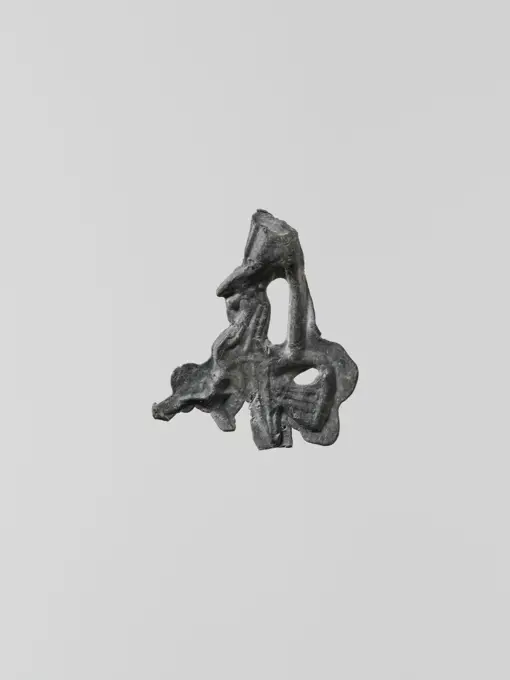
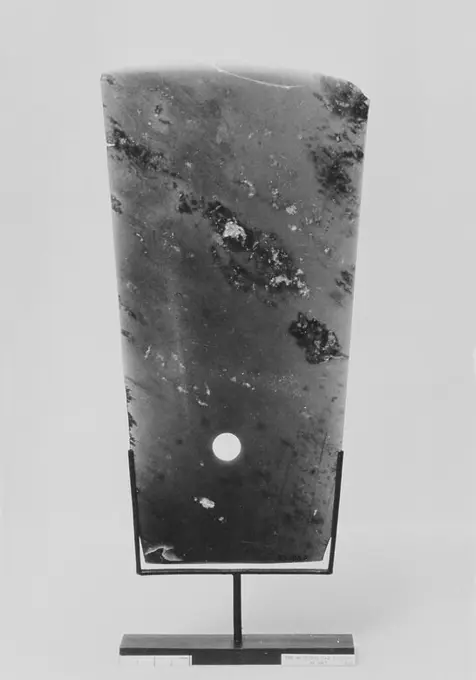
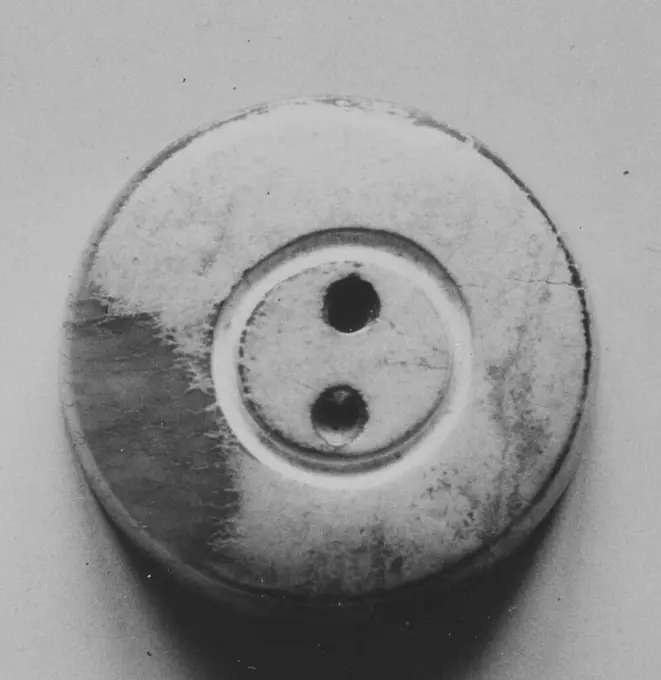
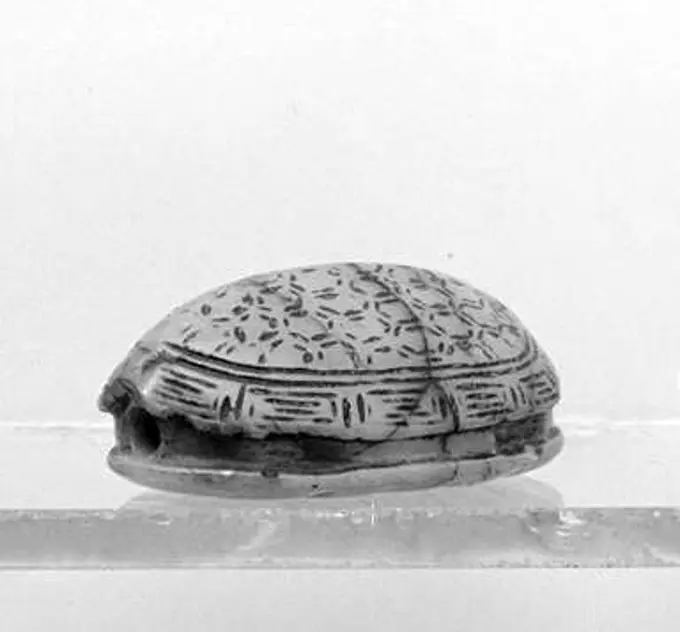
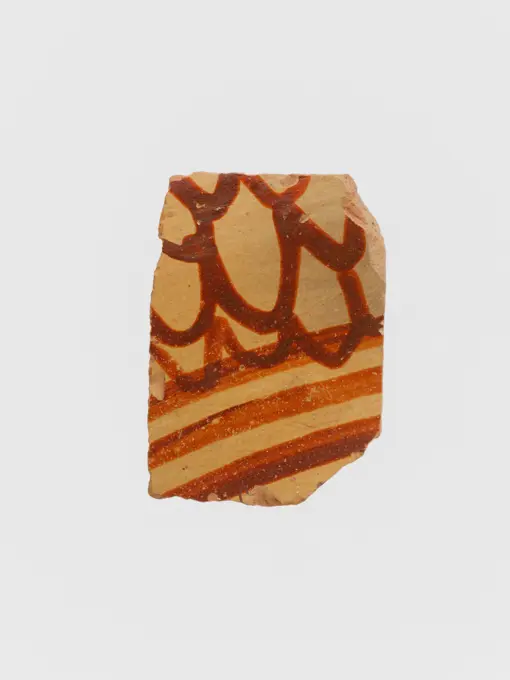
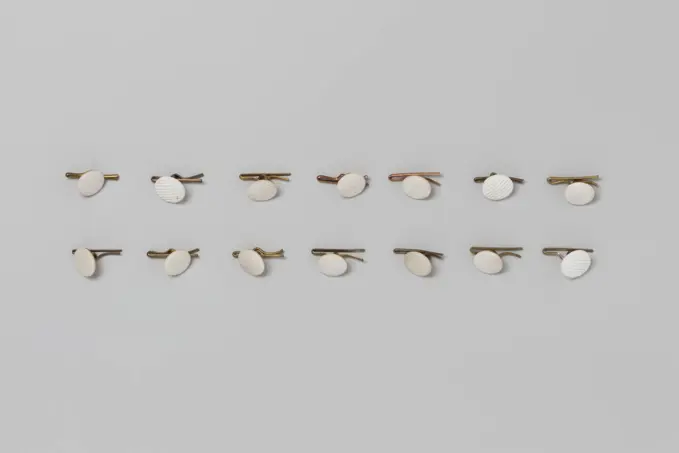
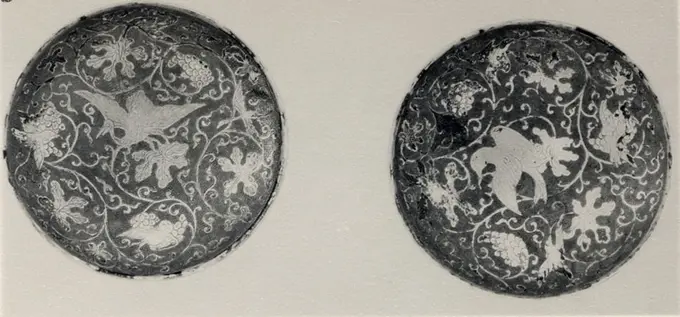
Black and white images of ancient pottery fragments, showcasing their historical significance and archaeological features.

Attic Vase Fragment. Unknown
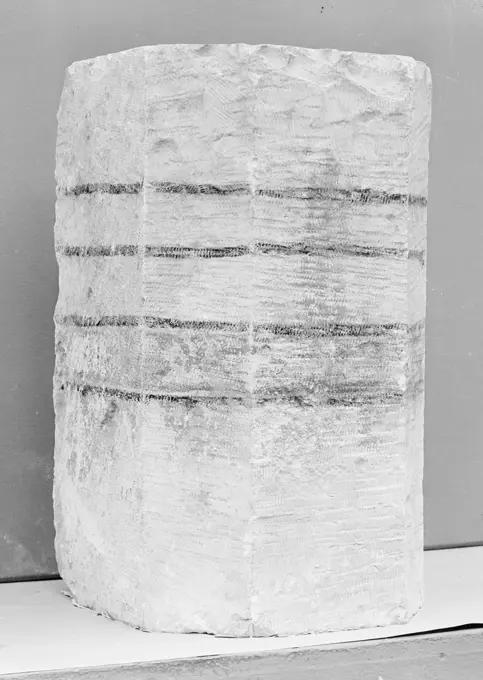
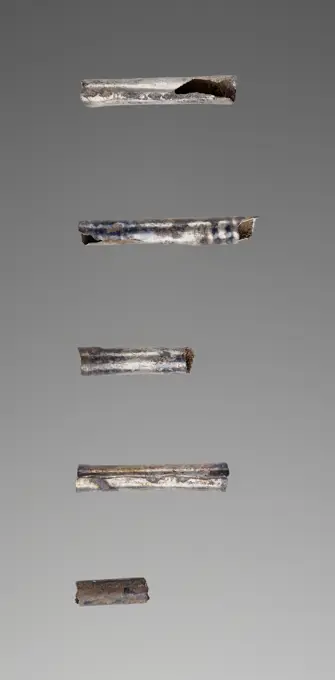
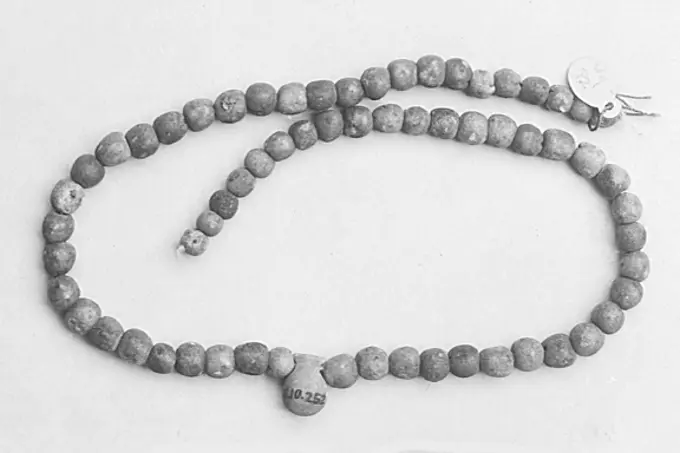
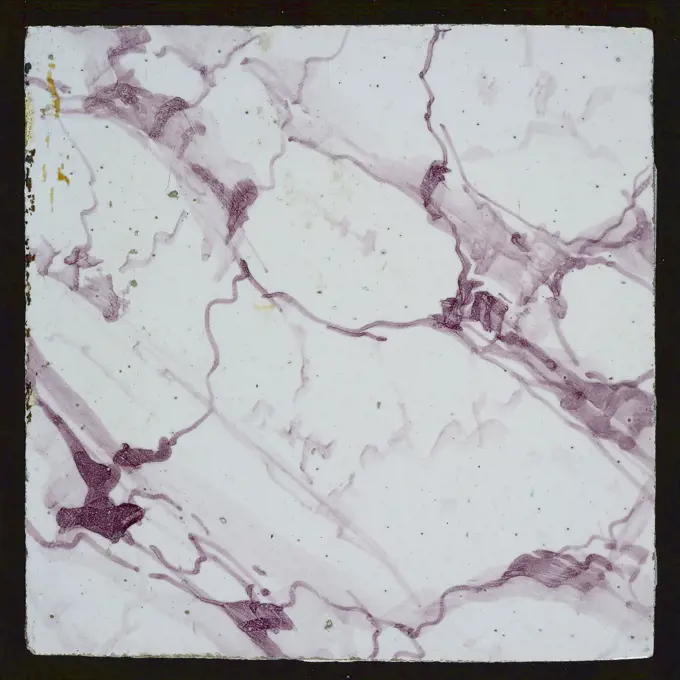
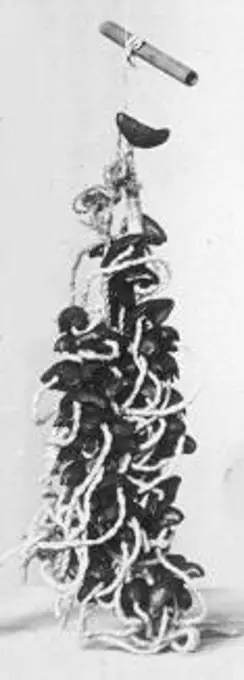
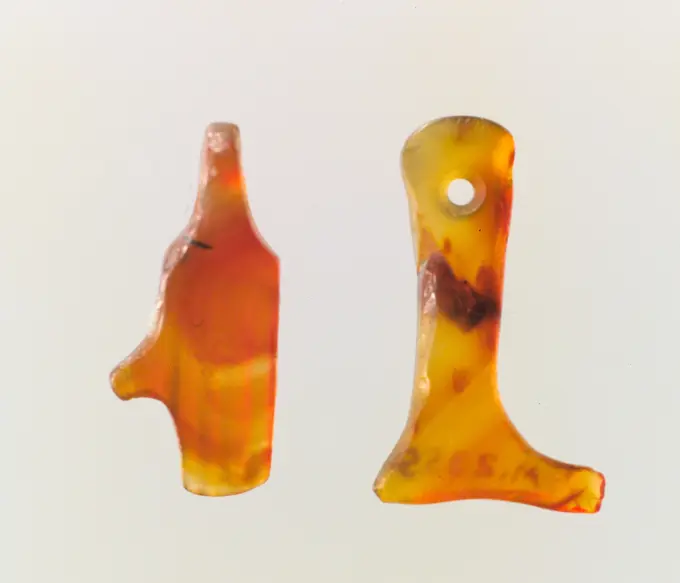
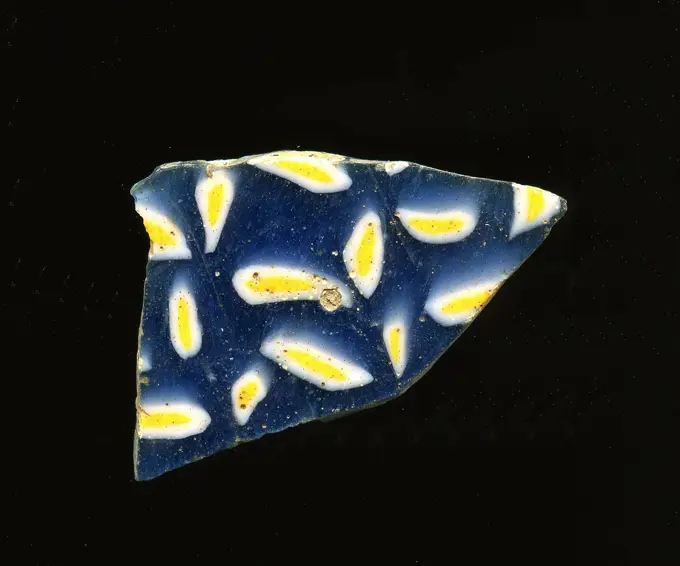
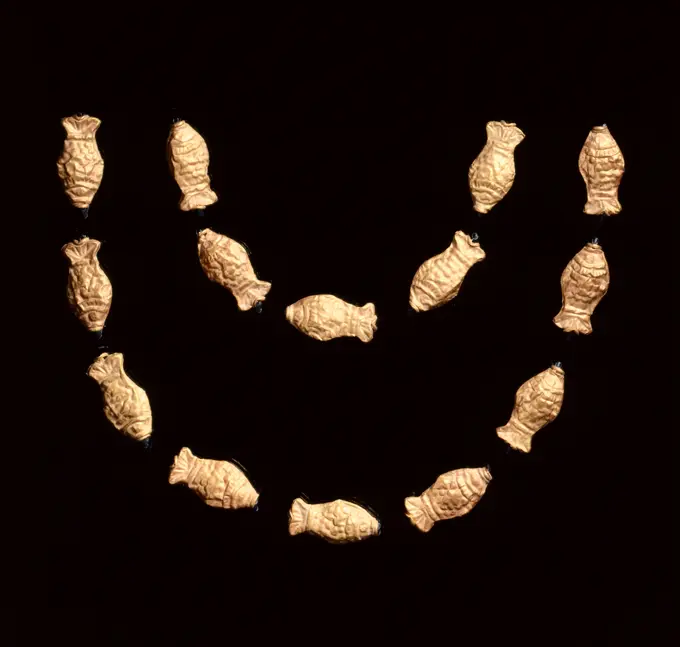
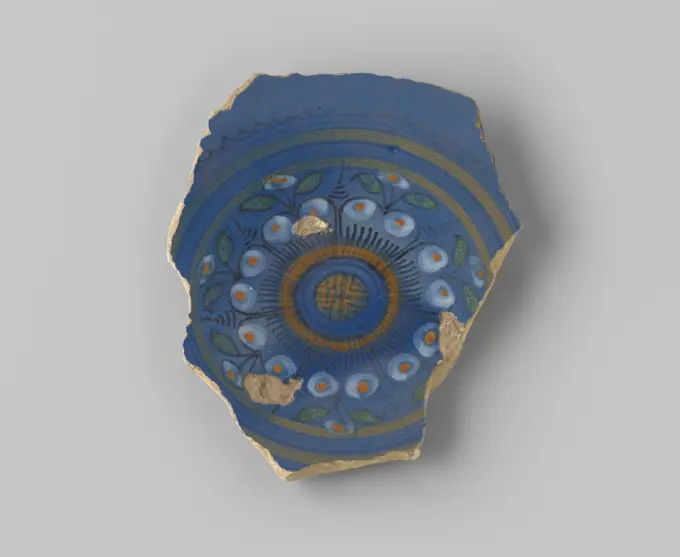
Poll photo collection. Advertising photography. Verkade cookies. January 1, 1932Arrowhead ca. 3rd-7th century A.D. Sasanian. Arrowhead 323108Part of a Rib from Groined Vaulting 13th century French or German. Part of a Rib from Groined Vaulting. French or German. 13th century. Stone, polychromy. Sculpture-ArchitecturalApulian Krater Handle Fragment (part of 77.AE.16.78). UnknownFragmentary Suspension Tube. UnknownFragmentary Suspension Tube. UnknownNecklace of Ball Beads and a Vase Amulet ca. 2040-1640 B.C. Middle Kingdom-Early New Kingdom. Necklace of Ball Beads and a Vase Amulet. ca. 2040-1640 B.C.. Faience, anhydriteBlue faience beads; blue marble amulet. Middle Kingdom-Early New Kingdom. From Egypt, Upper Egypt, Thebes, Asasif, Courtyard CC 41, Tomb R 2, Burials P x, MMA excavations, 1915-16. Dynasty 12-18Paper plane. Aircraft from newspaper on  white background. Vector illustration.
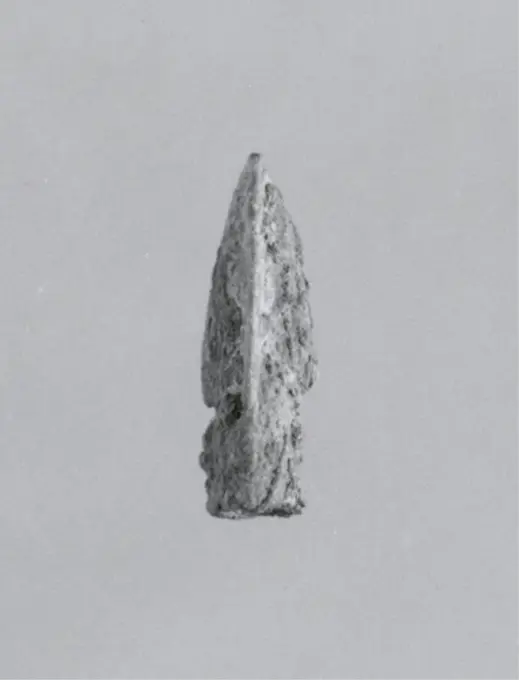
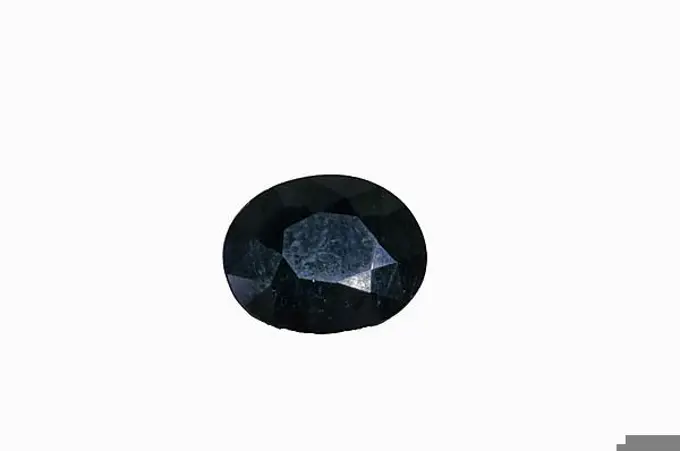
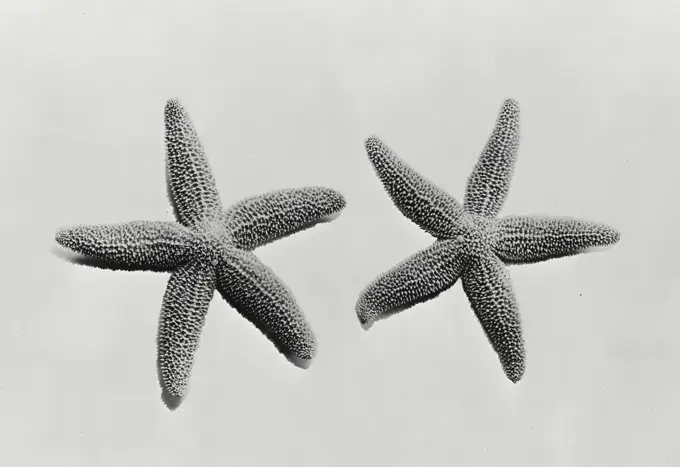
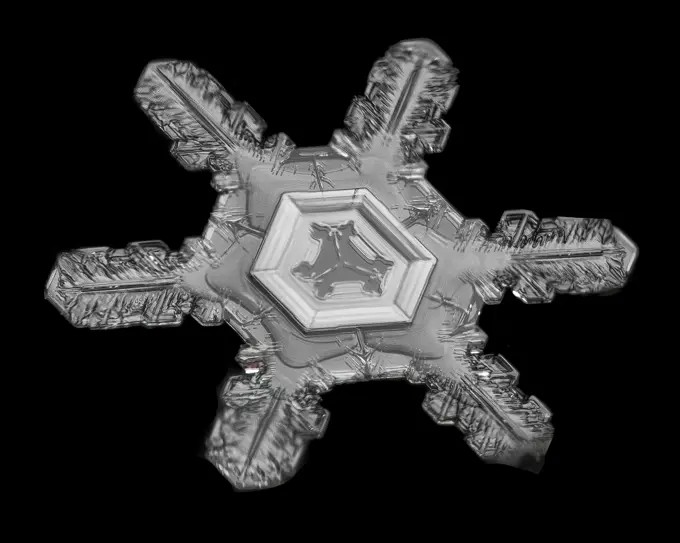
Pair of Thigh Defenses (Cuisses) with Knee Defenses (Poleyns) 16th century German. Pair of Thigh Defenses (Cuisses) with Knee Defenses (Poleyns) 34871Pendant China. Pendant. China. Nephrite, white with faint greenish tint. Qing dynasty (1644-1911), Yongzheng period (1723-35). JadeKarte von Palästina auf verwittertem Holz - Map of Palestine on weathered wood Karte von Palästina auf verwittertem Holz - Map of Palestine on weathered wood Copyright: xZoonar.com/lantapixx 12311045Attic Panathenaic Amphora Fragment. Unknown about 430 B.C. Ext: white column with added yellow line, edge of a black form with an incised border and added red; int: black.Lazio Roma Grottaferrata Museo22. Hutzel, Max 1960-1990 German-born photographer and scholar Max Hutzel (1911-1988) photographed in Italy from the early 1960s until his death. The result of this project, referred to by Hutzel as Foto Arte Minore, is thorough documentation of art historical development in Italy up to the 18th century, including objects of the Etruscans and the Romans, as well as early Medieval, Romanesque, Gothic, Renaissance and Baroque monuments. Images are organized by geographic region in Italy, then by province, city, site complex and monument.Vector silver paint smear stroke stain set on white background. Abstract gray glittering textured art illustration. I.Fashion boiler tube.Fashion (depicted name)Arrowhead ca. 1st-2nd century A.D Parthian This is a bronze socketed trilobate (i.e., three-bladed’) arrowhead. It was excavated at Yarim Tepe in northeastern Iran, six miles south of the modern town of Gonbad-e Kavus. Yarim Tepe was a small settlement, inhabited from the Neolithic to the Parthian period, with many interruptions. Trilobate arrowheads were once associated with the Scythians and Cimmerians, nomadic peoples from the Eurasian steppe who invaded the Near East in the 8th century B.C. However, this type of arrowhead appears far and wide in space and time, indicating it was widely used in the ancient Near East, doubtless on account of its efficacy at piercing armor. Since it was found in the earliest level at Yarim Tepe along with Parthian pottery, this arrowhead is most likely of Parthian date. The Parthians were famed in antiquity as archers, and gave their name to the Parthian shot,’ a tactic in which a mounted archer rides away from his enemy while firing arrows at him..Attic Black-Figure Cup Fragment. Unknownseashell on a white backgroundTwenty-One Pebbles. Culture: China, Turkestan. Dimensions: Overall (a): 3 1/4 x 2 1/4 x 1 in. (8.3 x 5.7 x 2.5 cm)Overall (b): 3 x 2 3/4 x 3/4 in. (7.6 x 7 x 1.9 cm)Overall (c): 3 1/4 x 2 3/4 x 3/4 in. (8.3 x 7 x 1.9 cm)Overall (d): 3 3/4 x 2 3/4 x 1 in. (9.5 x 7 x 2.5 cm)Overall (e): 2 3/4 x 1 1/2 x 1 1/4 in. (7 x 3.8 x 3.2 cm)Overall (f): 3 x 2 1/4 x 1 in. (7.6 x 5.7 x 2.5 cm)Overall (g): 3 x 2 1/4 x 1 in. (7.6 x 5.7 x 2.5 cm)Overall (h): 3 1/4 x 2 1/4 x 1 in. (8.3 x 5.7 x 2.5 cm)Overall (i): 2 3/4 x 2 1/4 x 1 in. (7 x 5.7 x 2.5 cm)Overall (j): 3 1/4 x 2 1/4 x 1 in. (8.3 x 5.7 x 2.5 cm)Overall (k): 4 x 2 1/2 x 3/4 in. (10.2 x 6.4 x 1.9 cm)Overall (l): 2 x 2 x 1/2 in. (5.1 x 5.1 x 1.3 cm)Overall (m): 2 3/4 x 2 1/4 x 1 1/4 in. (7 x 5.7 x 3.2 cm)Overall (n): 2 1/4 x 1 1/4 x 1 1/4 in. (5.7 x 3.2 x 3.2 cm)Overall (o): 3 1/4 x 2 1/2 x 1 1/4 in. (8.3 x 6.4 x 3.2 cm)Overall (p): 3 x 2 x 3/4 in. (7.6 x 5.1 x 1.9 cm)Overall (q): 3 x 2 x 3/4 in. (7.6 x 5.1 x 1.9 cm)Overall (r):Statuette of a cock, 2 Greek, Laconian. Statuette of a cock, 2 251671 Greek, Laconian, Statuette of a cock, 2, Lead, Height: 1 1/16 in. (2.8 cm). The Metropolitan Museum of Art, New York. Gift of A. J. B. Wace, 1924 (24.195.105)Reliefs from the tomb of Meketre ca. 1981-1975 B.C. Middle Kingdom. Reliefs from the tomb of Meketre 668655Hatchet. Culture: China. Dimensions: H. 3 3/4 in. (9.5 cm); W. 7 3/8 in. (18.7 cm). Date: ca. 2400 B.C.. Museum: Metropolitan Museum of Art, New York, USA.Detail trabercules of Red Admiral scaleCylindrical beads from the mummy of Ukhhotep ca. 1981-1802 B.C. Middle Kingdom. Cylindrical beads from the mummy of Ukhhotep. ca. 1981-1802 B.C.. Faience. Middle Kingdom. From Egypt, Middle Egypt, Mummy of Ukhhotep, Khashaba excavations, 1910-11; Probably from Meir, Tomb of Ukhhotep. Dynasty 12Sword Pommel. Culture: China. Dimensions: H. 1 1/2 in. (3.8 cm); W. 7/16 in. (1.1 cm). Museum: Metropolitan Museum of Art, New York, USA.Attic Vase Fragment. UnknownA plate Economic Huta Z BkowiceOld rusty metal with rusty bolts.Blade ca. 4600-3600 B.C. Ghassulian. Blade 326546Plain speckled purple tile, floor tile tile sculpture ceramic earthenware glaze, d 1.7Tile, purple on white marbled, wall tile tile sculpture ceramic earthenware glaze, baked 2x glazed painted Square yellow shard four nail holes. Purple on white fond imitateEngraved Gem. UnknownRattle late 19th century Guyanese. Rattle. Guyanese. late 19th century. nut shells or fruit pits, cotton cord. Demerara, Guyana. Idiophone-Shaken-rattleSet with stones of different shapes. Wireframe of stones from black lines. 3D. Vector illustrationFoot Amulet ca. 2465-2100 B.C. Old Kingdom-First Intermediate Period During the Old Kingdom and First Intermediate Period, small amulets of hands (10.130.2358) and feet (10.130.2355) were commonly included in bracelets and anklets. These amulets protected the limbs and extremities of their wearers, while possibly conferring abilities such as dexterity, creative potential, or speed. Often these amulets were made of carnelian, an orange-red stone. The color, reminiscent of blood, would bring power and energy to the amulet.. Foot Amulet. ca. 2465-2100 B.C.. Carnelian. Old Kingdom-First Intermediate Period. From Egypt. Dynasty 5-8Sharp of yellowish baking earthenware, with blue glaze at the front, on which a flower pattern in yellow, white, black, green and orange, and with lead glaze, anonymous, 1600 - 1650 at the rear  Northern Netherlands earthenware. glaze majolica  Northern Netherlands earthenware. glaze majolicaDocument Sealing ca. 1390-1353 B.C. New Kingdom. Document Sealing. ca. 1390-1353 B.C.. Mud. New Kingdom. From Egypt, Upper Egypt, Thebes, Malqata, King's Palace, West magazine, MMA excavations, 1910-12. Dynasty 18Statuette of a warrior-10. Culture: Greek, Laconian. Dimensions: Height: 15/16 in. (2.4 cm). Museum: Metropolitan Museum of Art, New York, USA.SAPHIR STONE against white backgroundGirdle ornament China. Girdle ornament. China. Jade. Han dynasty (206 B.C.-A.D. 220). JadeCostume Ornament. Culture: Peru; central coast (). Dimensions: Overall: 1 1/4 in. (3.18 cm). Date: 11th-12th century. Museum: Metropolitan Museum of Art, New York, USA.Terracotta vessel fragment with three bands and a scale pattern ca. 1400-1300 B.C. Mycenaean Three red bands and scale pattern.. Terracotta vessel fragment with three bands and a scale pattern. Mycenaean. ca. 1400-1300 B.C.. Terracotta. Late Helladic IIIA. VasesFibula, fragment 7th century B.C. Etruscan Oval piece of amber with holes and remains of a bronze pin through center.. Fibula, fragment. Etruscan. 7th century B.C.. Amber. Archaic. Miscellaneous-AmberGold Fragments with Dangles 1st century B.C.-A.D. 7th century Moche (). Gold Fragments with Dangles 313368Vest button of plastic with relief rib, fixed eye and loose against clamp, anonymous, c. 1900 - c. 1940 Vest button of plastic with relief rib, fixed eye and loose against clamp. Netherlands (possibly) copper (metal) Vest button of plastic with relief rib, fixed eye and loose against clamp. Netherlands (possibly) copper (metal)Knock button of plastic with relief rib with a fixed eye, anonymous, c. 1900 - c. 1940 Vest button of plastic with relief rib with a fixed eye. Netherlands (possibly) copper (metal) Vest button of plastic with relief rib with a fixed eye. Netherlands (possibly) copper (metal)Attic Black-Figure Oinochoe Fragment. UnknownBox 8th century China. Box 49566Mosaic glass fragment. The small glass fragment shows on a blue background White ovals with a yellow center. In Roman times, it used colored, ornamented glass for vessels, mosaics, wall decorations and furniture ornaments. For the production, different colored glasses were shaped to tubes and rods. These were compressed and heated, causing a long bar. The glass sliced now had a wide variety of amorphous or floral patterns.Oak Leaf () Attachment. UnknownFresco Fragment. UnknownFragment of the fabric;The collection of ancient EgyptSet of mountain gray rocks. Cartoon isometric 3d flat style. Set of different boulders. Vector illustration. Set of mountain gray rocks. Cartoon isometric 3d flat style. Set of different bouldersMiniaturowy stolik do gry w duodecim scripta. warsztat rzymski, workshopBee Amulet ca. 2150-2100 B.C. Late Old Kingdom. Bee Amulet. ca. 2150-2100 B.C.. Green feldspar. Late Old Kingdom. From Egypt; Said to be from Southern Upper Egypt, Aswan (Syene)burnt paper paper with burnt edges over white background ,model released, Symbolfoto Copyright: xZoonar.com/RuslanxNassyrovx 2014643 ,model released, Symbolfoto ,property releasedwhite crumpled  paper on black  backgroundObra de vidrio de Javier Vidal, siglo XXI. Author: JAVIER VIDAL (S. XX).Water Exploding and Splashing against Black BackgroundBrush-washer coupe 18th century China. Brush-washer coupe. China. 18th century. Nephrite. JadeVintage photograph. Close-up of two starfishAttic Black-Figure Column Krater Fragment (part of 81.AE.207.408.3, comprised of 2 joined fragments). UnknownStone font Letter Y 3D Stone font Letter Y 3D rendering illustration isolated on white background Copyright: xZoonar.com/MilicxDjurovicx 21521852Funerary FaceCoverbig amber in sun. big amber in sunCopy key, by impression in a plasticine, studio photography with black backgroundPoll photo collection. Rubber heels for Goodyear Wingfoot. 1932Set of four lion masks 17th century French These bronze lion masks are probably from a fountain.. Set of four lion masks. French. 17th century. Bronze. Metalwork-Bronzetumbled green Rhyolite rock isolated on white closeup of sample of natural mineral from geological collection - tumbled green Rhyolite rock isolated on white background Copyright: xZoonar.com/ValeryxVoennyyx 14991651Close-up of a single snowflake with intricate patterns against a black background.Piece 18th century French. Piece 220564Necklace Beads in the Form of Fish, 185-72 BC. India, Shunga Period (c. 187-78 BC). Gold repoussé with granulation; Jewelry in ancient India often consisted of elements associated with water, such as fish and other aquatic plants and animals. Since water is essential for life, imagery that connotes water is life-affirming, or auspicious, and therefore appropriate adornment.Stamp seal ca. 3rd-7th century A.D. Sasanian. Stamp seal. Sasanian. ca. 3rd-7th century A.D.. Chalcedony, milky. Sasanian. Iran or MesopotamiaAmulet - pierścionek z kartuszem Amenhotepa III. unknown, authorOrnament ca. late 3rd millennium B.C.. Ornament. ca. late 3rd millennium B.C.. Faience. Early Bronze Age. Mesopotamia, Tell TayaBounce Rock Close-UpMatryoshka Dolls