Antique Silver Jugs

Stylish silver jugs and pitchers characterized by elegant shapes and historical significance, reflecting detailed craftsmanship and artistry.
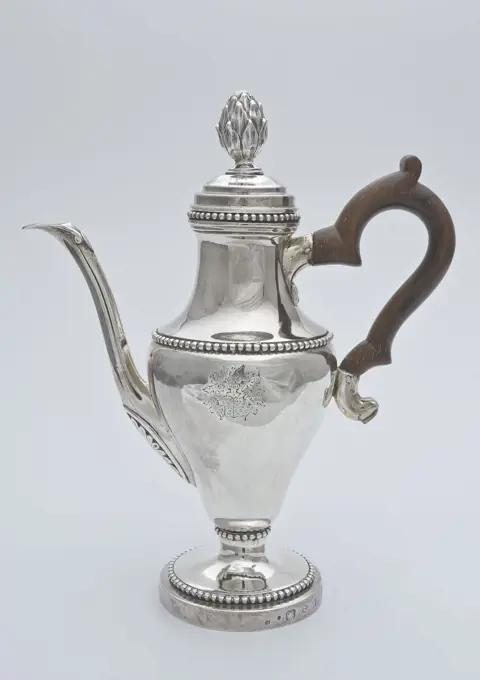
Silver jug with wooden handle with reversed pear-shaped body, with family crest, long narrow decorated spout and bud in the form of pine cone, tableware holder silver wood, cast Inverted pear shaped body with high bell-shaped neck on round constricted foot with ascending profile edge narrow long spout punctured wooden ear in the form of question mark, lid with ascending profile edges with large pine cone as bud, outer edge foot (debossed) heraldry Noothoven van Goor pour serving
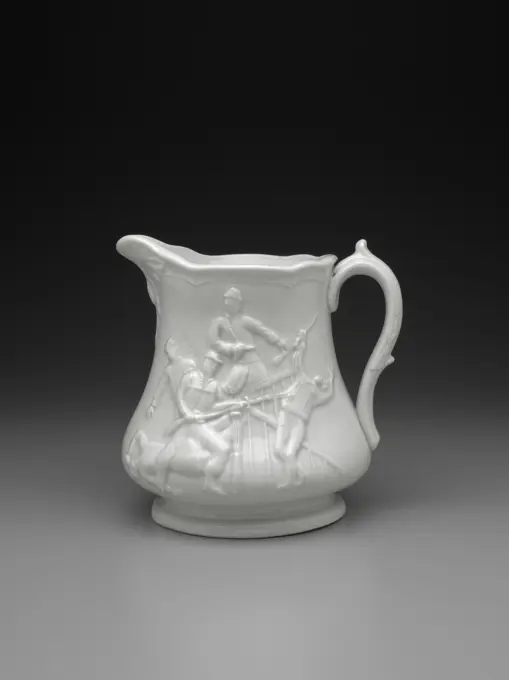
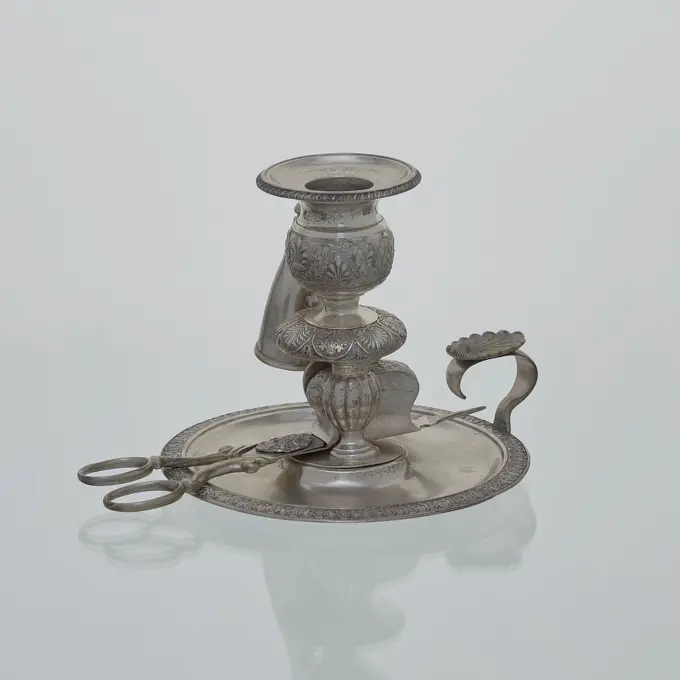
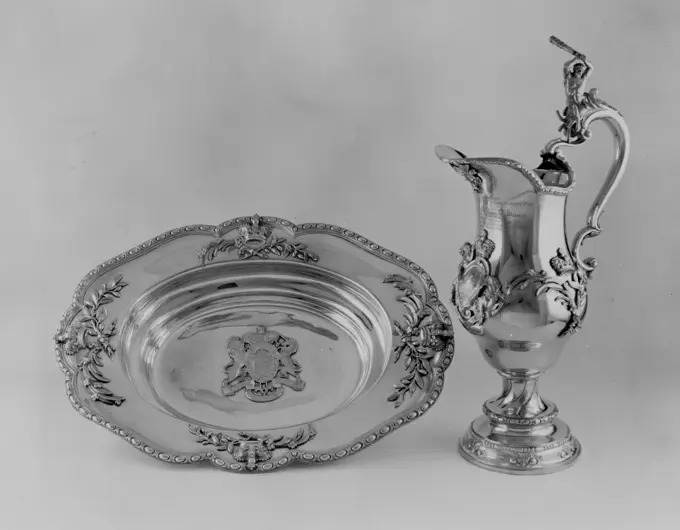
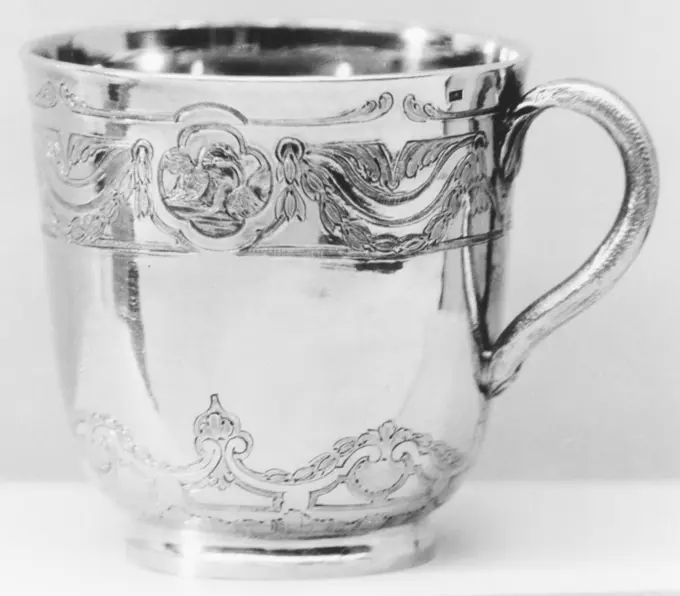
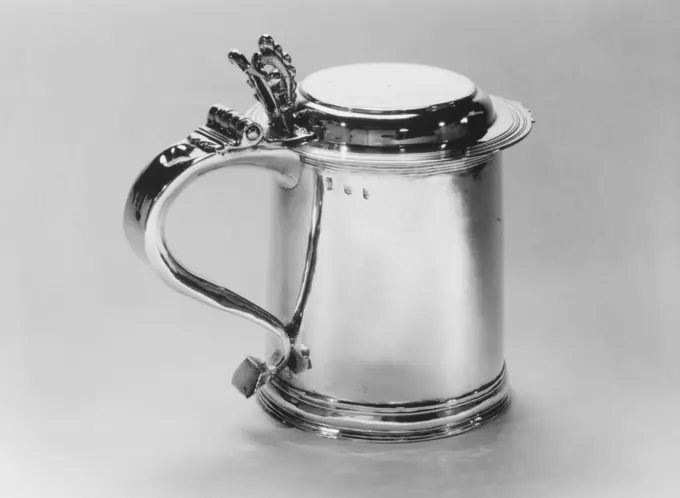
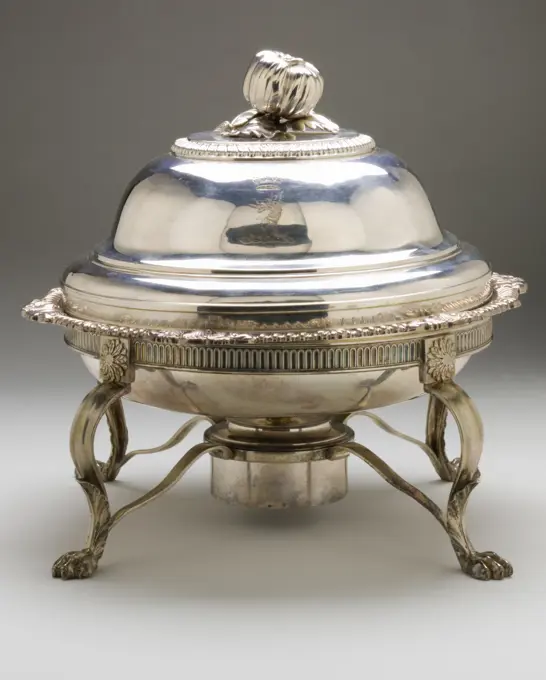
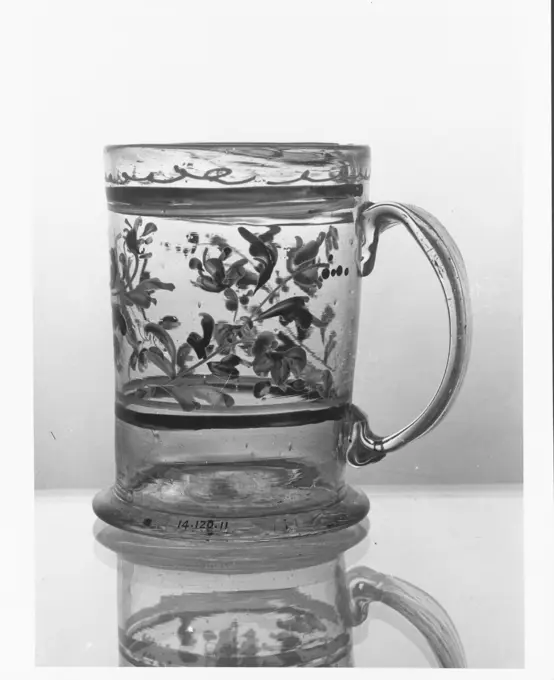
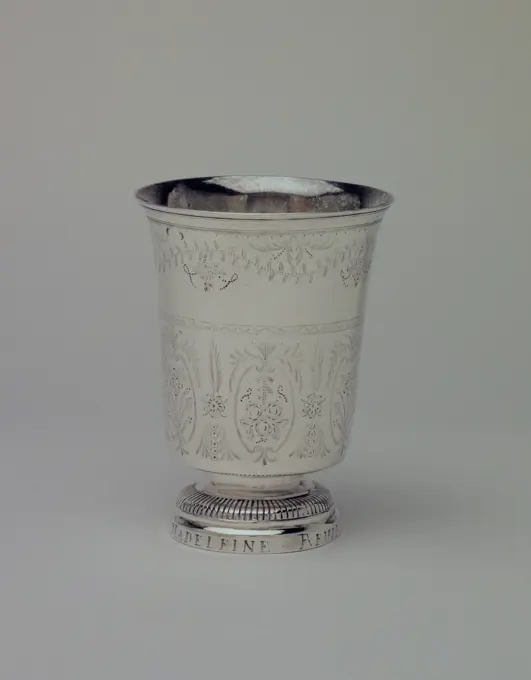
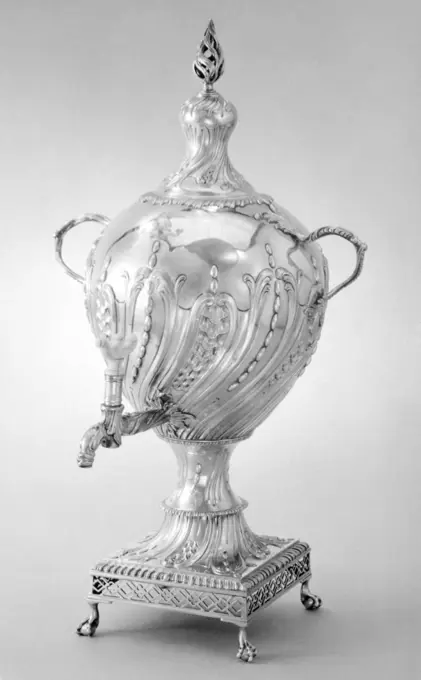
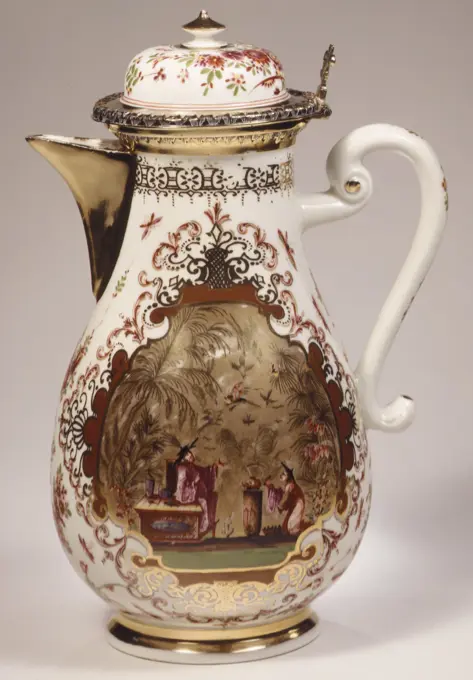
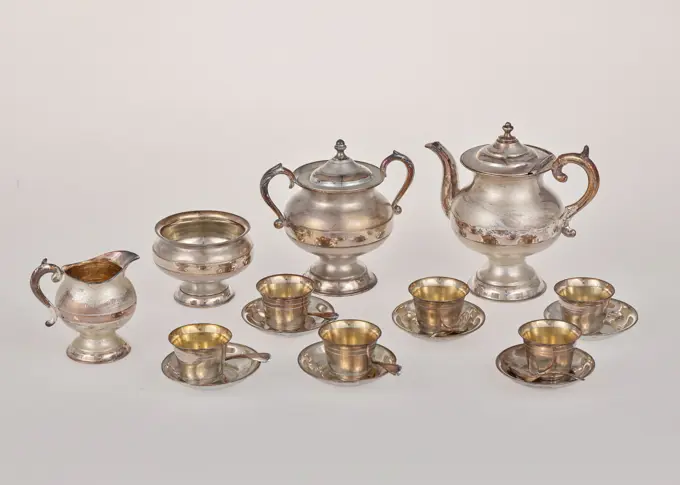
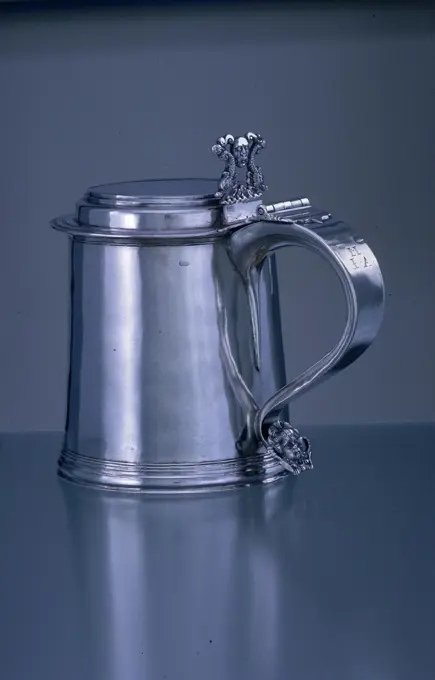
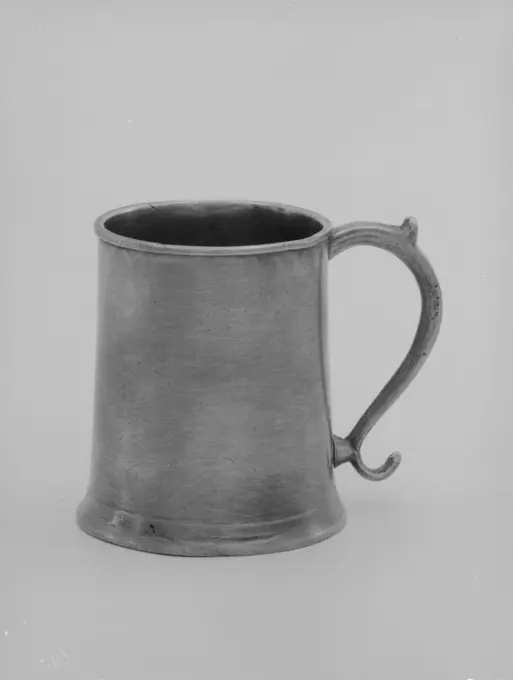
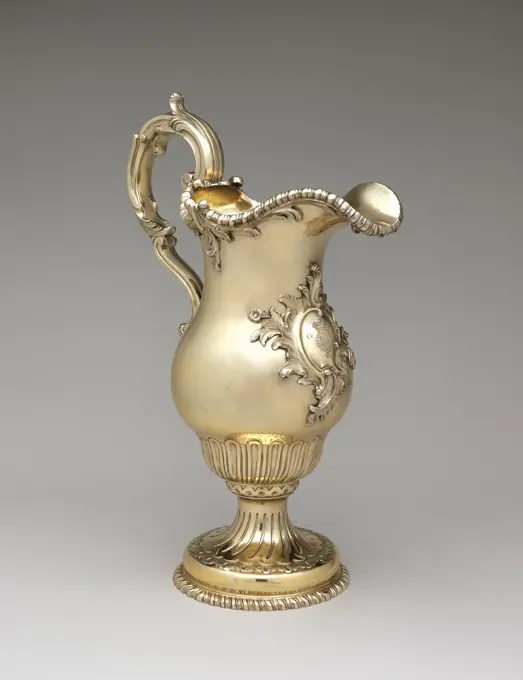
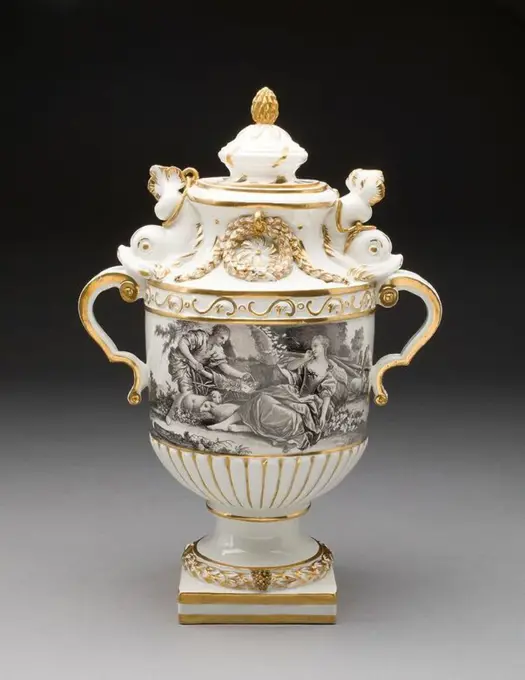
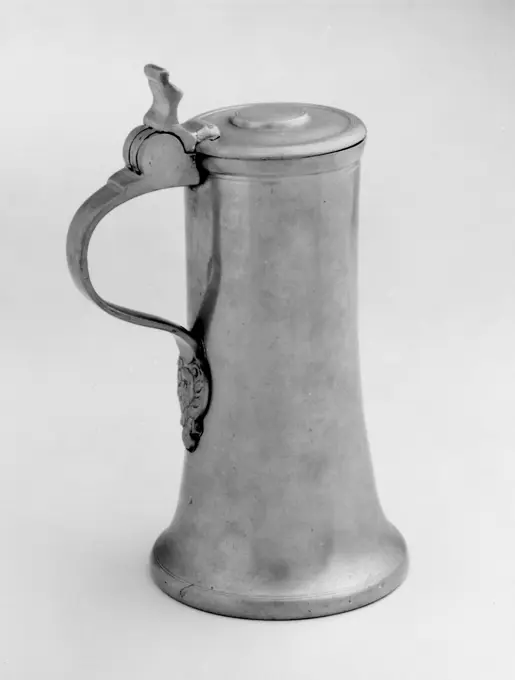
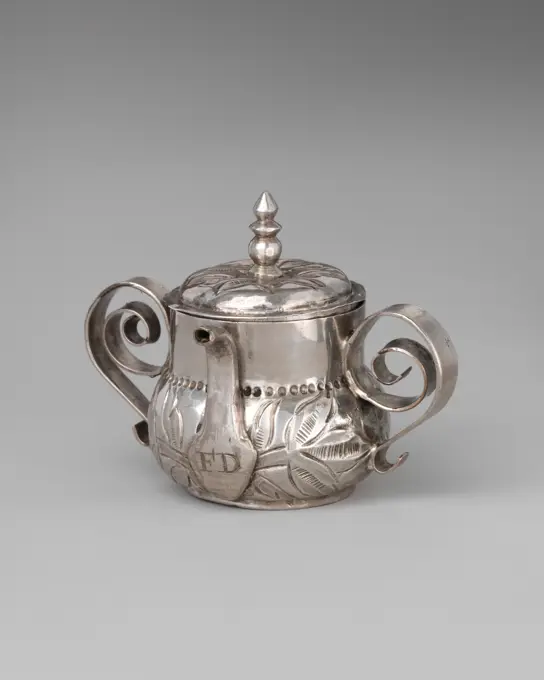
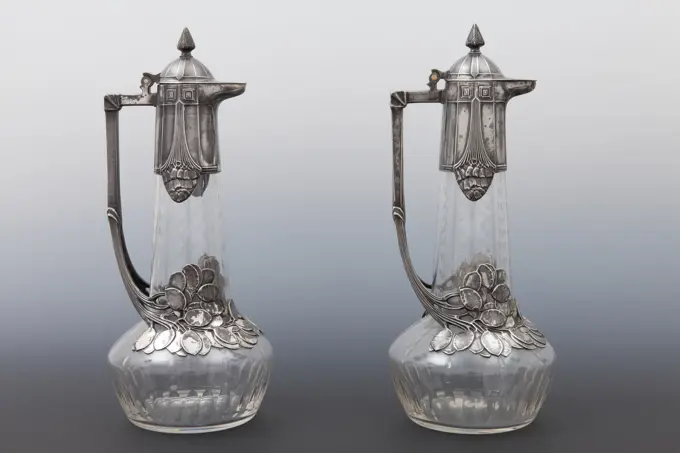
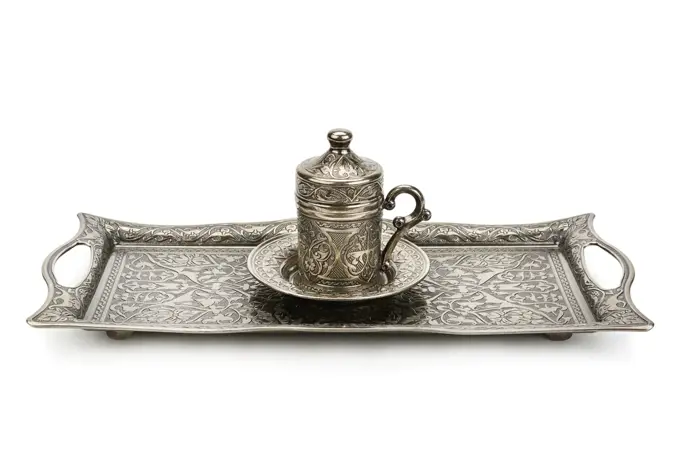
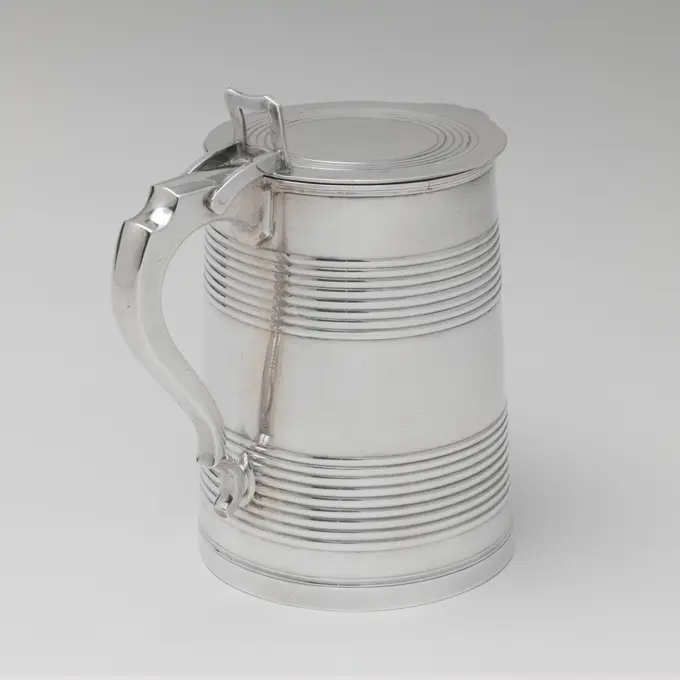
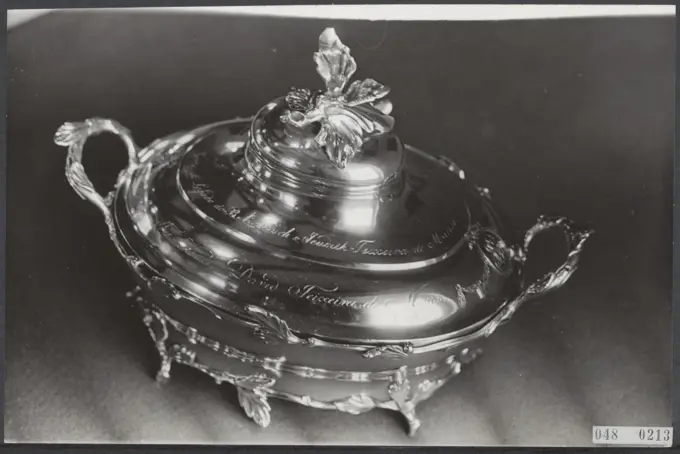
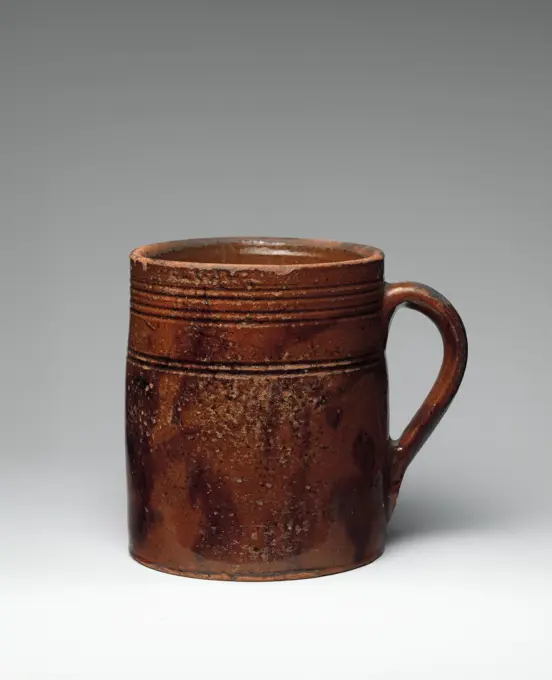
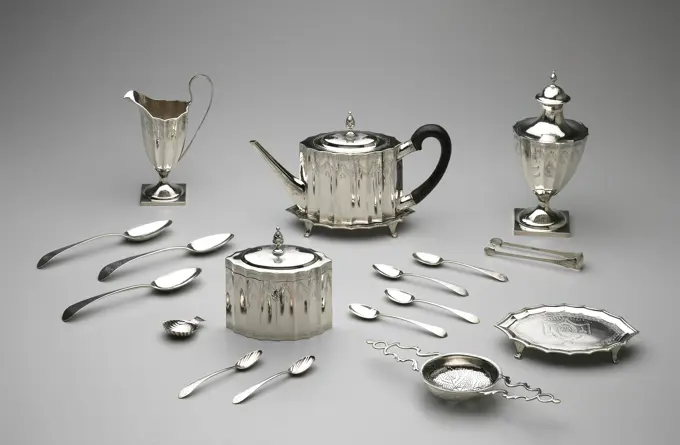
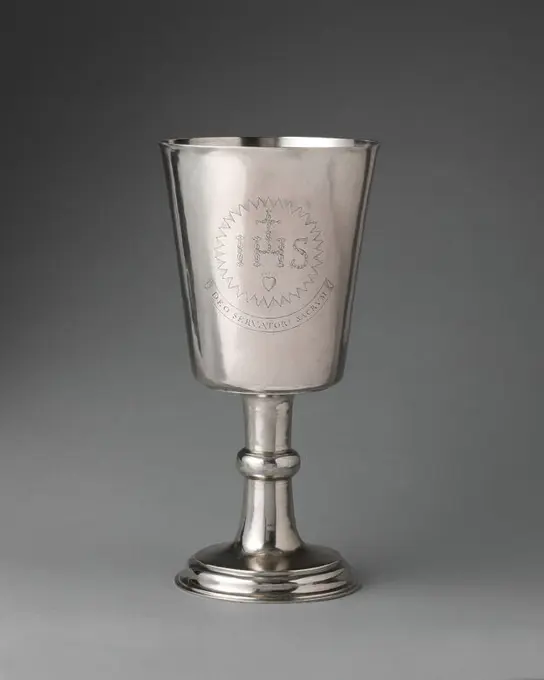
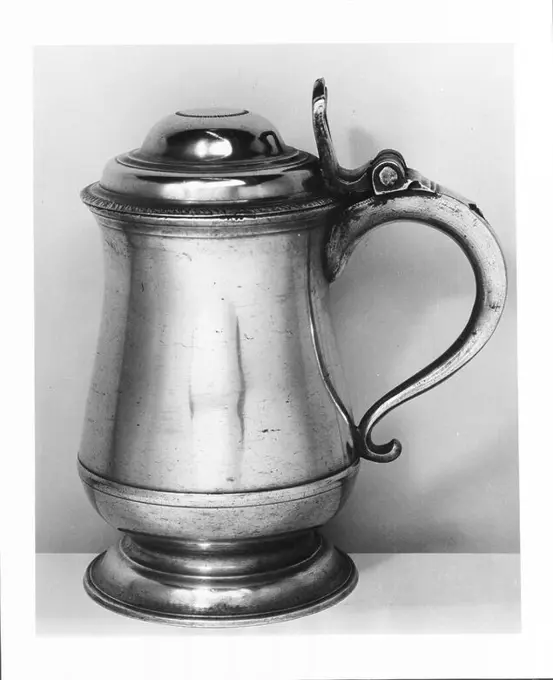
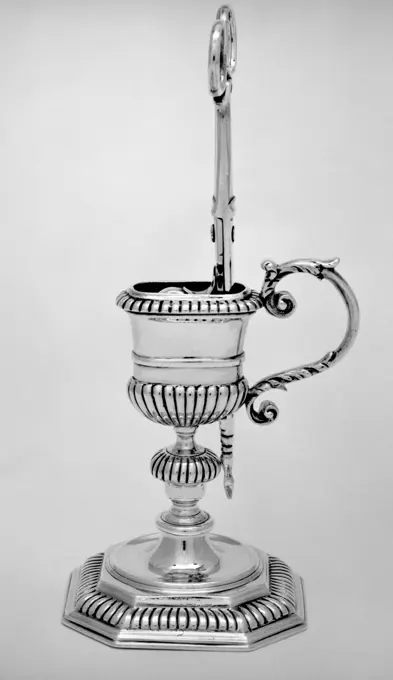
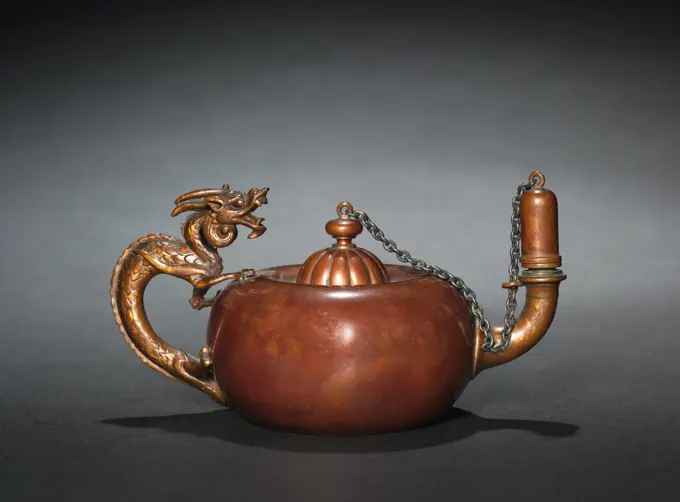
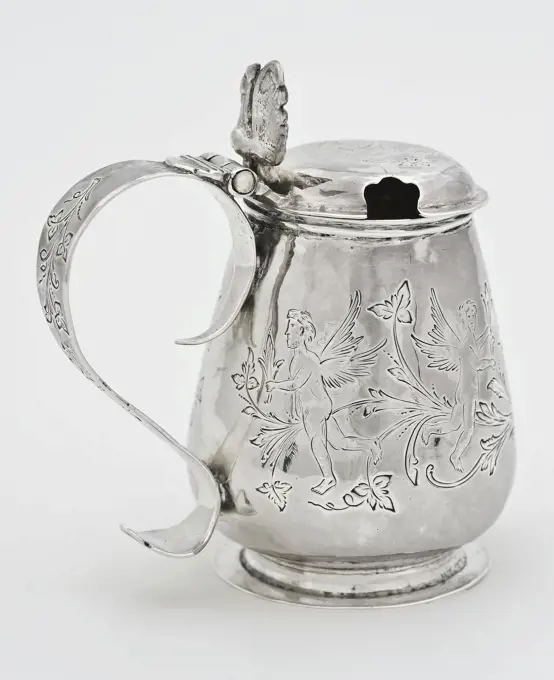
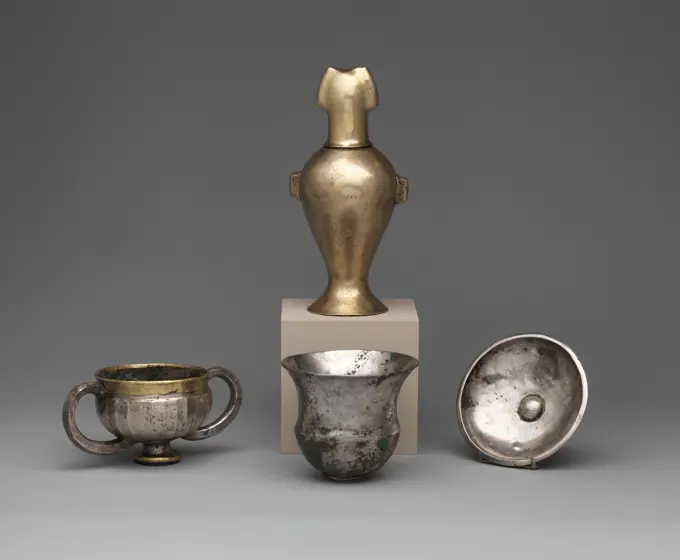
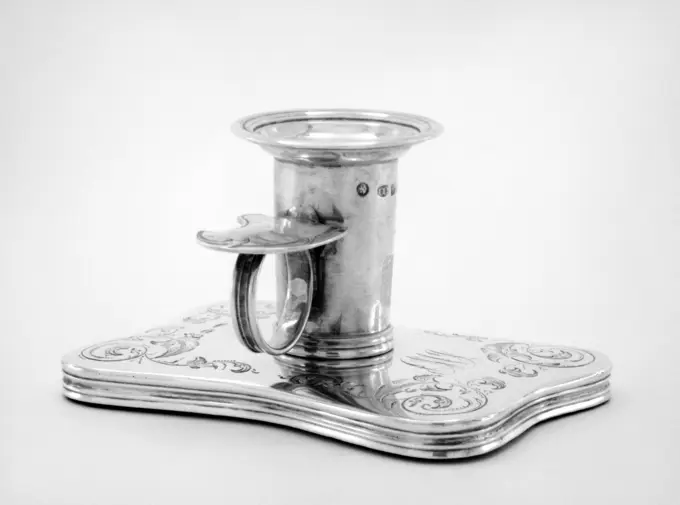
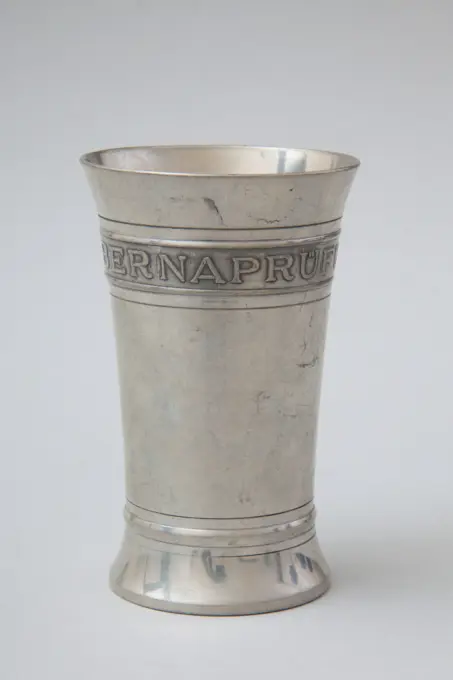
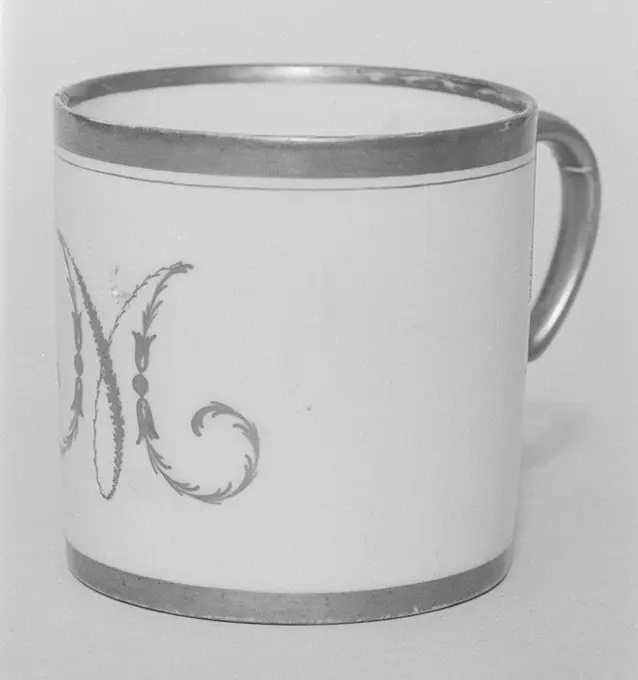
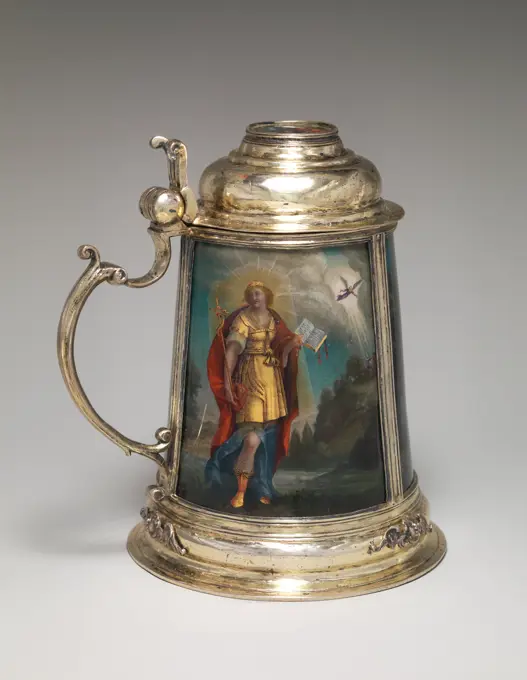
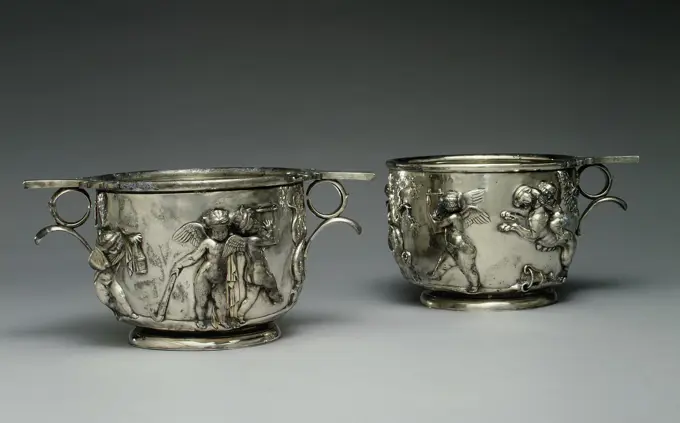
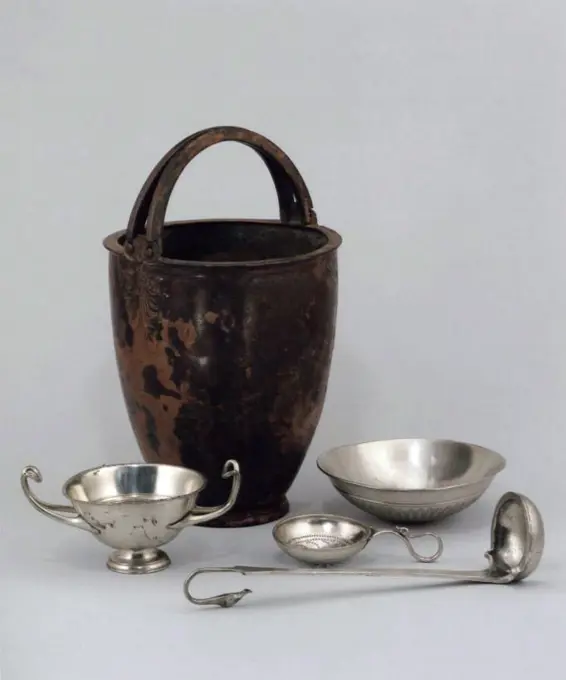
Bronze situla (bucket) with swinging handles 4th century B.C. Greek Although found together in Prusias (Bithynia), the pieces constitute a set of typical Greek drinking vessels of the 4th century B.C. The wine may been contained in the situla, with the ladle used for serving. Strainers filtered the impurities from the wine. The cup was for drinking, and the phiale, with delicate gilt decoration on the exterior, served for pouring the libation.. Bronze situla (bucket) with swinging handles. Greek. 4th century B.C.. Bronze, silver. Classical. BronzesPitcher; Lapar, Leon (1818-1897); 19th century (1801-00-00-1900-00-00);Pitcher. Modeler: Charles Coxon, British, 1805-1868 Maker: Millington, Astbury and Paulson, American, 1859-1870Honorand: Elmer Ephraim Ellsworth, American, 1837-1861Honorand: James W. Jackson, American, ca. 1824-1861Candlestick. Ludwig, Johanne Wilhelm (fl. 1808-1849), goldsmithJar with cover ca. 1740 V.C.D.. Jar with cover 200264Royal Plate on show in London: Historic Exhibits from Buckingham Palace and Windsor Castle."This basin and ewer was used at the Christening of George the Third at Norfolk House, June the 21st in the year 1738 was presented on that occasion by his father Frederick Prince of Wales and on 17th. of October 1780 it was used at the Christening of H.R.H. Prince Alfred son of George the Third". Thus reads the inscription on the ever. The scrolled handle is surmounted by a demi-figure of Hercules slaying the Hydra.Frederick, Prince of Wales, son of George II, who died in 1751 was an enlighted patron of the London goldsmiths. July 28, 1954.Cup (Gobelet à pied) 1769-70 Jacques-Pierre Marteau. Cup (Gobelet à pied). French, Paris. 1769-70. Silver gilt. Metalwork-SilverTankard ca. 1685 Katherine Mangy. Tankard 205665Entrée Dish with Cover and Warming Stand with Burner. Paul Storr (England, London, 1771-1844)William Bateman II (England, circa 1800-circa 1875). England, a-b) 1813; c-e) 1833. Furnishings; Serviceware. SilverMug 18th century. Mug 5289Old russian tea samovar Old russian tea samovar with tray isolated on white background Copyright: xZoonar.com/AndreyxEreminx 6983062Anonymous. "Cup". Money. 1798-1809. Museum of Fine Arts of the City of Paris, Petit Palais. 74382-9 Money, silverware, gobletTankard ca. 1700 Russian. Tankard 204975Cabaret. unknown, authorTeapot late 18th century Chinese, probably for British market. Teapot 198851Hot water urn 1765-66 Louisa Courtauld British Tea was brewed in small silver or ceramic teapots. As it cooled or became bitter, a hostess could refresh the pot with hot water poured from a kettle or urn. While a kettle was kept hot with a lamp burning mineral spirits, urns had the advantage of a simple interior compartment that held a heated iron rod or block. The design of this vase-shaped vessel reflects an awareness of Classical forms, but the scrolling ornament is firmly rooted in the rococo.. Hot water urn 204693Galvanoplastic reproduction of a drinking jet decorated with flowers, fruits and band work. Galvanoplastic reproduction of a drinking jet decorated with driven flowers, fruits and band work. Gold plated.Coffeepot (part of a service) 1723-26 Meissen Manufactory German The pieces of this service (1974.356.424-.430) come from one of the most richly decorated Meissen tea and coffee services. The gold background was added after the enamel was fired, either at the factory or in Augsburg, where the gilt-silver mounts were applied. This model was the most commonly produced at Meissen in the 1720s and 1730s. The design of the low octagonal sugar box dates to the earliest years of the factory; this example can be assigned to 1726-27 based on stylistic grounds as well as the factory mark KPM on the base.. Coffeepot (part of a service). German, Meissen with German, Augsburg mounts. 1723-26. Hard-paste porcelain and silver-gilt. Ceramics-PorcelainCup and saucer, from a children's tea service, c. 1875, James Tuff, 1 1/8 x 2 1/16 x 2 1/16 in. (2.86 x 5.24 x 5.24 cm), Silver plated pewter, United States, 19th centuryPitcher. Designer: Christopher Dresser (British, Glasgow, Scotland 1834-1904 Mulhouse). Dimensions: H. 8-3/8, Diam. 5-3/4 in. (21.3 x 14.6 cm). Manufacturer: James Dixon & Sons (British, founded Sheffield, 1806). Date: ca. 1881. Museum: Metropolitan Museum of Art, New York, USA.Tankard.   Maker: William Cowell, Sr., American, 1682-1736Mug 1795-1816 Samuel Danforth. Mug. American. 1795-1816. Pewter. Made in Hartford, Connecticut, United StatesEwer 1755/56 Abraham Portal British Although silver made by the Jewel Office for diplomatic officers was generally classical in inspiration, this ewer (68.141.316) and basin (68.141.317) represent a rare foray into the rococo style. They were part of a large service for three dozen guests made for Sir Charles Hanbury Williamss embassy to Russia in 1755.. Ewer 238337Urn. Frankenthal Porcelain Factory; German, founded 1755. Date: 1776-1777. Dimensions: 29.2 × 19.7 × 13.3 cm (11 1/2 × 7 3/4 × 5 1/4 in.). Hard-paste porcelain, monochrome black, and gilding. Origin: Frankenthal. Museum: The Chicago Art Institute, Chicago, USA.Eggcoddler.   Maker: William Forbes, American, 1799-1864Retailer: Ball, Black and Company, New York, active ca. 1851-76Scent Bottle, c. 1860-70. Tiffany & Co. (American, New York, est. 1837). Silver; overall: 8 x 7.9 x 2.5 cm (3 1/8 x 3 1/8 x 1 in.).Flagon probably 18th century Austrian, Salzburg. Flagon 208078Ancient lamp isolated on the whitePint Mug with Spout 1835-1845 England. Pewter .Pair of altar vases Falck, GeorgePresentation cup, c. 1725, John Hamilton, Irish, dates unknown, 7 1/2 x 11 1/4 x 6 1/4 in. (19.05 x 28.58 x 15.88 cm), Silver, Ireland, 18th centuryCoal Hod ca. 1800. Coal Hod. ca. 1800. Brass. Spreading of silver. The urn-shaped pot is resting on a square pedestal on four bolts. The sides are decorated with lion heads.Cruet , c. 1740. Héraud- LeRoy Factory (French). Glass;Miniature posset cup with cover 1691/92 George Manjoy British. Miniature posset cup with cover. British, London. 1691/92. Silver. Metalwork-Silver-MiniatureCaudle Cup, one of apair.   Maker: John Coney, American, 1655-1722Pair of jugs Wurttemberg metal goods factory (WMF)Old aluminum kettle Old aluminum kettle with wooden handle isolated on white background Copyright: xZoonar.com/AndreyxEreminx 5494384SacrekelchTurkish coffee cup and tray with arabic decoration with metal cup and dish isolated on a white background.Tankard ca. 1796 Samuel Alexander This tankard was presented by the merchants of Philadelphia to Captain John Hodge of the American ship Sedgeley in honor of his daring rescue at sea of 160 sailors, soldiers, and passengers from the British transport ship Aurora on February 2, 1796. The tankard was accompanied by a large silver tray (1971.99.2), which descended together in the Hodge family.. Tankard 8178Elsevier photo collection. Exhibition Museum De Waag Amsterdam name "Jewish marriage". "Santa Companhia de Dotar Orphas Donzellas" name bowl lid, total silver, Jewish-Portuguese marriage ceremonies, Z.G. lots scale. found lots straight monetary assistance upcoming wedding party expense. marriage, draw lot sometimes amounts paid (these amounts brought rich Jewish institutions, especially poorer beliefs). April 19, 1966. Amsterdam, Noord-HollandMug 1800-1830 American. Mug 5291Covered Vase, 1881. Meissen Porcelain Factory (German). Porcelain with pte-sur-pte decoration; overall: 27.7 x 14.5 cm (10 7/8 x 5 11/16 in.).Punch strainer, 1792, Paul Revere, Jr., American, 1734-1818, 1 1/8 x 11 1/8 in. (2.86 x 28.26 cm), Silver, United States, Federal, The most complete Revere service known, this set was made for a Boston merchant and his wife, John and Mehitable Templeman. It includes one of only two tea caddies made by Revere. The locked boxes held loose tea, an expensive and fashionable commodity. The shell-shaped spoon was used for measuring tea and the sieve was used for straining punch, a beverage often served along with tea. The second stand may have been used as a tray for spoons no longer in use. The accompanying teaspoons and tablespoons have only recently been reunited with this service.JARRON DE PLATA PUNZON TOLEDANO S XIX. Location: CONVENTO DE SAN CLEMENTE-MUSEO. Toledo. SPAIN.Communion cup. Culture: British, London. Dimensions: Overall: 10 1/8 × 5 in. (25.7 × 12.7 cm). Maker: Probably by Ralph Leeke (British, active 1679-1702). Date: 1683-84. Museum: Metropolitan Museum of Art, New York, USA.Tankard. Culture: American. Dimensions: H. 8 1/8 in. (20.6 cm). Maker: William Will (1742-1798). Date: 1764-98. Museum: Metropolitan Museum of Art, New York, USA.Snuffers and stand 1700-1701 John Laughton II. Snuffers and stand 204877Ewer. New England Glass Company (United States, Massachusetts, East Cambridge, 1818-1888). United States, 1840-1860. Furnishings; Serviceware. Blown glassOil Lamp, 1880. Gorham Manufacturing Company (American, founded 1831). Copper ; overall: 6.7 x 12.4 x 7.4 cm (2 5/8 x 4 7/8 x 2 15/16 in.).SVD, Mustard pot with ear and lid, engraved with angels and tendrils, mustard pot pot crockery holder silver, ear), driven cast engraved Round flat setting ring constricted foot bulb upward narrowing body (model cognac glass) ear as question mark with lower curl shaped like three-sided molded thumb rest in form of cock hinged flat arched lid with flat outer edge and with notch for spoon bottom bottom (smashed) serveTAZA ESMALTADA. Location: PRIVATE COLLECTION. MADRID. SPAIN.Mug; Karlsthal (glassworks; 1754-Post 1874), Jeleniogórska Basin (engraving center; Ca 1600-); 1785 (1785-00-00-1785-00-00);Group of four vases ca. 2300-2000 B.C. Northwest Anatolian These four vases, which are said to have been found together, are best paralleled by pieces found by Heinrich Schliemann at Troy in a stratigraphic level know as Troy II. The wealth of jewelry and objects from the latest phase, Troy IIg, led Schliemann to believe that he had found the city described by Homer. In reality, this material is datable to about a thousand years before the Trojan War.. Group of four vases 256977Pair of bases and candleholders (part of a set) 1848-49 Johann Bernhard Hertz (Hentz) The firm of Nicholls & Plincke was founded by members of the relatively large community of English silversmiths and craftsmen working in Saint Petersburg. After 1840 it was one of the most important retailers of luxury items before Carl Fabergé overshadowed all competitors. Several contemporary Saint Petersburg newspapers praised the high-quality products of the magasin anglais Nicholls & Plincke.According to the donor's family tradition, this rare set with more than fifty items bearing the monogram CMI was "originally made for and used by Colin Macrae Ingersoll 1819-1903, when he accompanied his father, Ralph Isaacs Ingersoll 1788-1872, to the Court of Czar Alexander II of Russia, where the latter served President James Knox Polk 1795-1849 as Minister Plenipotentiary from 1846 to 1848.. The family story has always been that the set and case were made for stagecoach travel in Russia."Plain s. Candlestick with foot. Signature and dated.Anonymous. "Blue porcelain pot-pourri with white floral patterns". Blue porcelain with white floral patterns. 1701-1800. Paris, Carnavalet museum. 101428-15Service with gold borders on a red ground, anonymous, c. 1820 Porcelain service, covered on the glaze with red and gold. The crockery consists of a coffee pot, bowl, sugar bowl, can and twelve cups and dishes. All parts are decorated with golden tires, sometimes with a flower drink, on a red background. Empire. France (possibly) porcelain. glaze. gold (metal) painting / gilding / vitrification Porcelain service, covered on the glaze with red and gold. The crockery consists of a coffee pot, bowl, sugar bowl, can and twelve cups and dishes. All parts are decorated with golden tires, sometimes with a flower drink, on a red background. Empire. France (possibly) porcelain. glaze. gold (metal) painting / gilding / vitrificationCaudle Cup with Cover. Arthur Manwaring; English, active 1643-91; London, England. Date: 1659-1660. Dimensions: 17.2 × 24.6 cm (6 3/4 × 9 3/4 in.). Silver. Origin: London. Museum: The Chicago Art Institute, Chicago, USA.John Bayly, Creampot, c. 1750, silver.Mustardpot.   Maker: Robert and William Wilson, American, active 1824-46Pair ofGoblets.   Maker: Andrew Ellicott Warner, American, 1786-1870Pair of altar cruets 1737-45 Michael Wissmar The initials on the lids of the cruets, A and V, stand for aqua and vinum. The underside of the tray (see 1989.10.3) bears the initials FMG and the date 1739.. Pair of altar cruets 237793Helmut Hiatt, Liverpool Jug, c 1936 Liverpool JugPitcher.   Maker: Freeman Porter, American, w. 1835-1860Detail of a metallic cup and Turkish glasses, a nice tableware of Arab origin with a black backgroundVintage metal kettle isolated vintage metal kettle against a white background Copyright: xZoonar.com/YannxPoirierx 12727563Candle holder with candle attachment, 18th-19th century, 3 1/2 x 3 1/4 x 2 1/4in. (8.9 x 8.3 x 5.7cm), Glass, United States, 18th-19th centuryTea urn, c. 1790, Sheffield plate (silver fused to copper), wood, England, 18th centuryCommemorative cup of the defensive sports competition Bernaprüfung Moser, K. (fl. 1950)Cup and saucer ca. 1798-1802 Etienne Blancheron. Cup and saucer 201858Jug with cavalry scene ca. 1680 Wölfgang Rössler Wolgang Rössler is recognized as the most important independent decorator of German faience active in Nuremberg. He specialized in schwarzlot, a black and white decoration technique that drew upon Rösslers parallel work as a copper engraver. His talents are evident in the complexity of the battle scene, with plumes of smoke created by the warring figures on horseback.. Jug with cavalry scene. German, with Nuremburg decoration and Augsburg mounts. ca. 1680. Tin-glazed earthenware; gilded silver mounts. Ceramics-PotteryTankard 1649 Images based on printed designs by Dietrich Mayer The arms on the lid (Rahn impaling Escher) are those of Hans Heinrich Rahn (1593-1669), who married Ursula Escher in 1612. He became a Burghermaster of Zurich in 1655. The personification of Faith, Hope, and Charity are variants of the figures in an engraving by Dietrich Meyer. Better known as painter and engraver, Meyer is thought to have learned the verre eglomise technique from the Zurich master Hans Jakob Sprungli.. Tankard 204969President's Cup. President's Cup. Awarded to the Service football team which yearly wins the Service title. Awarded to the U.S. Coast Guard in 1931 by reason of the Coast Guard's victory over the Marine Corps team. 11-1-32.Pair of silver scyphi (cups) with relief decoration late 1st century B.C.-early 1st century A.D. Roman These silver cups represent Roman metalwork of the highest quality. They were undoubtedly produced by one of the leading Roman workshops that supplied the imperial family as well as affluent and cultured private individualsthe same clientele for whom the villas around Rome and Naples were built, decorated, and furnished.The cups are decorated in high relief with figures of cupids and are partially gilt. The cupids, several of whom are shown dancing and playing instruments, may be associated with Dionysiac festivities and so are eminently suitable as subjects on vessels meant for a drinking party. But here the figures have little, if any, real symbolism and were chosen simply because they formed an attractive group. Like many other pieces of ornate silverware, these cups were clearly intended as much for display as for use. Listen to experts illuminate this artwork's story Listen PlayBord, anonymous, 1782 Round eating plate with scalloped edge. Shiringes are engraved on the edge. A flower is engraved in the center of the board. The board is marked: stk. = Amsterdam, JRL. = X (1782) and Mt. = Foot 430. The board is a copy of a set consisting of 36 identical plates (BK-NM-111177-189 to BK- NM-11177-224). Amsterdam silver (metal) Round eating plate with scalloped edge. Shiringes are engraved on the edge. A flower is engraved in the center of the board. The board is marked: stk. = Amsterdam, JRL. = X (1782) and Mt. = Foot 430. The board is a copy of a set consisting of 36 identical plates (BK-NM-111177-189 to BK- NM-11177-224). Amsterdam silver (metal)Jar And Cover (England); Henry Chawner; glass, silverGarnitures (Three Vases and Covers). Chamberlain's Factory (England, Worcester, 1788-1852). England, circa 1810. Furnishings; Accessories. Porcelain with enamel and gilding, marble