Antique Silverware

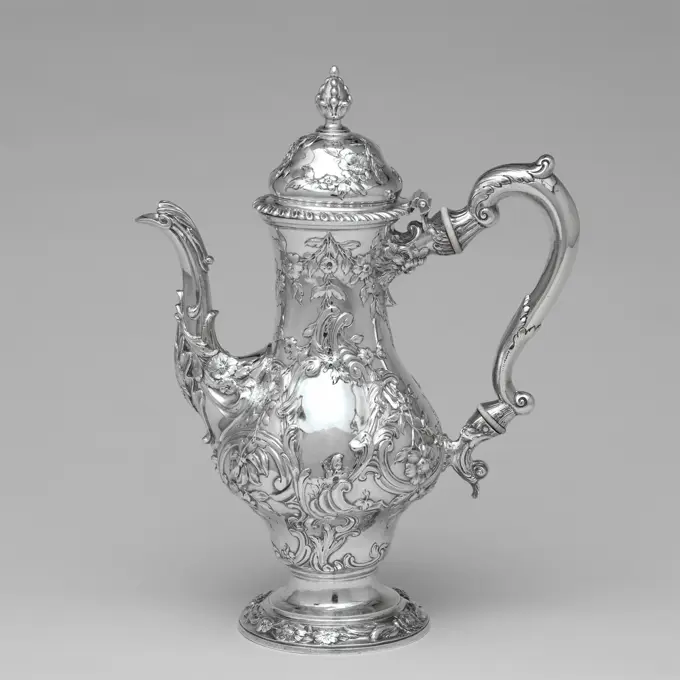
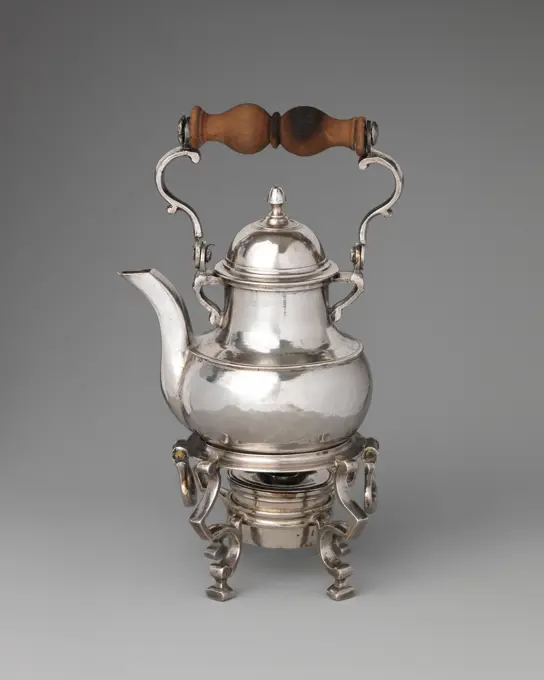
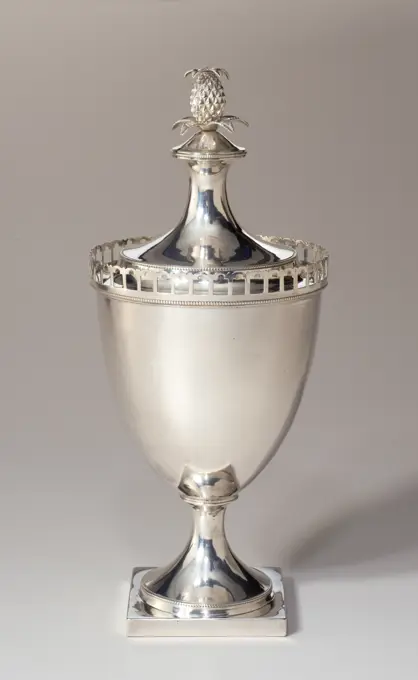
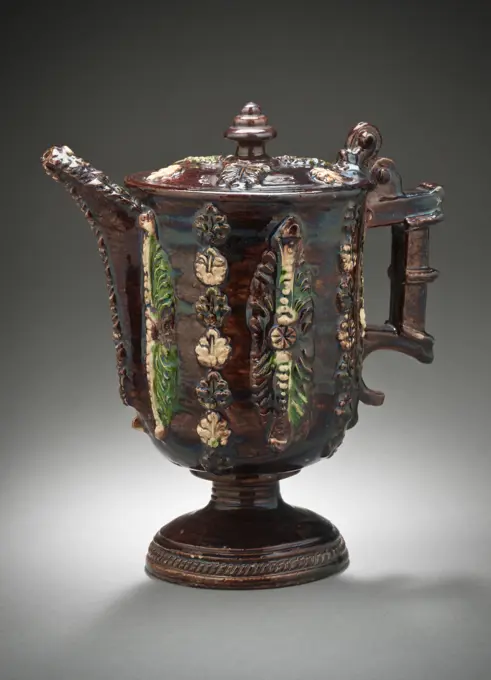
Luxurious antique silverware and decorative items, including jugs and ewers, showcasing intricate designs and historical craftsmanship.

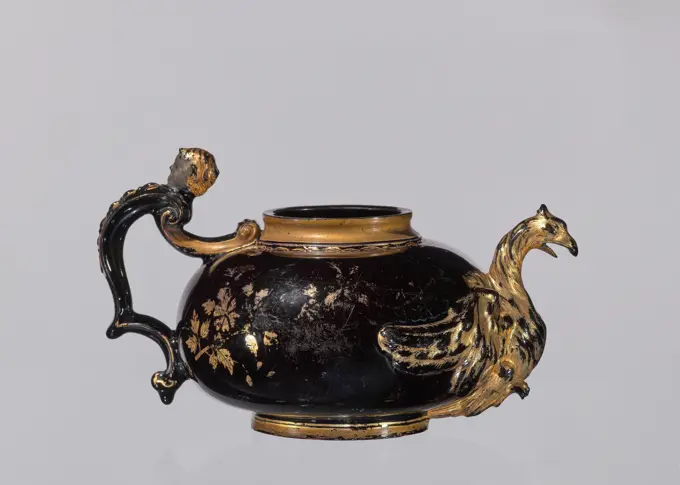
Coffee Pot, Meissener porcelain manufactory, 1722 - 1726 Coffee pan of painted porcelain. The jug has a gilded silver frame around the lid and jug. The KAN is painted in gold with three river landscapes, always on a console. The silver frame is marked. porcelain company: MeissenAugsburgsilversmith: Augsburg porcelain. silver (metal) gilding Coffee pan of painted porcelain. The jug has a gilded silver frame around the lid and jug. The KAN is painted in gold with three river landscapes, always on a console. The silver frame is marked. porcelain company: MeissenAugsburgsilversmith: Augsburg porcelain. silver (metal) gilding
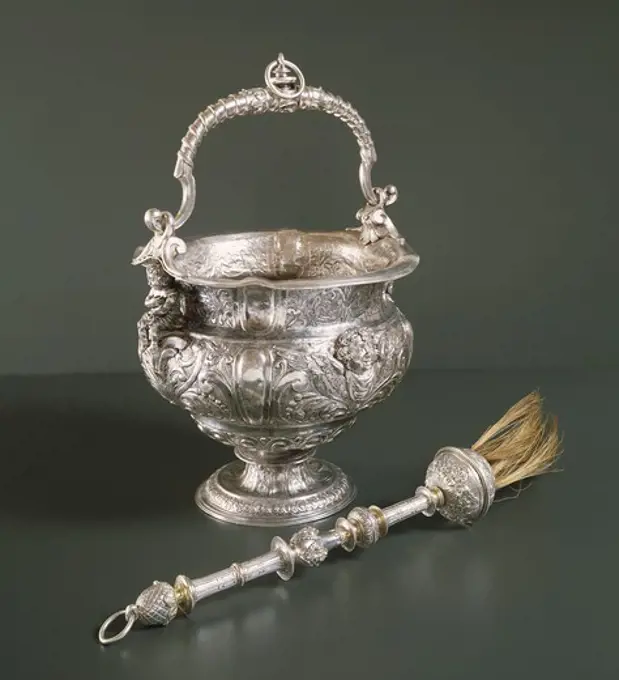
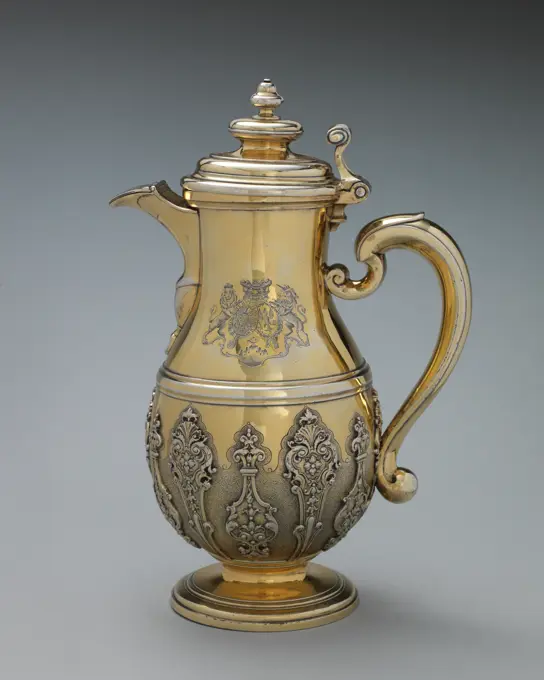
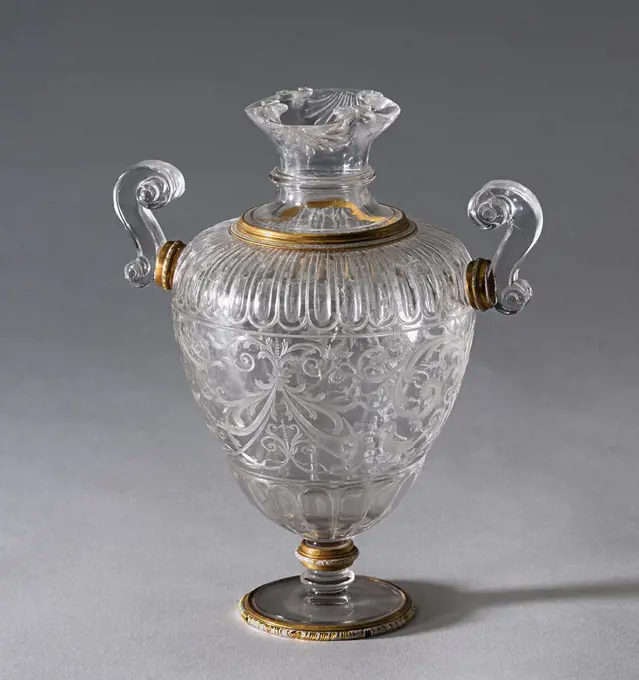
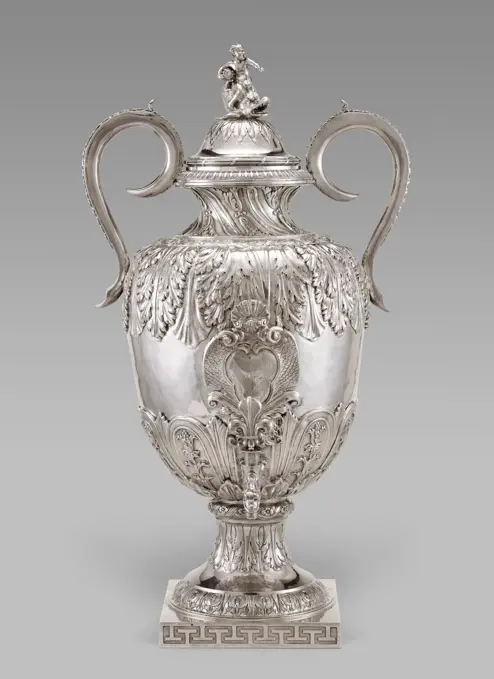
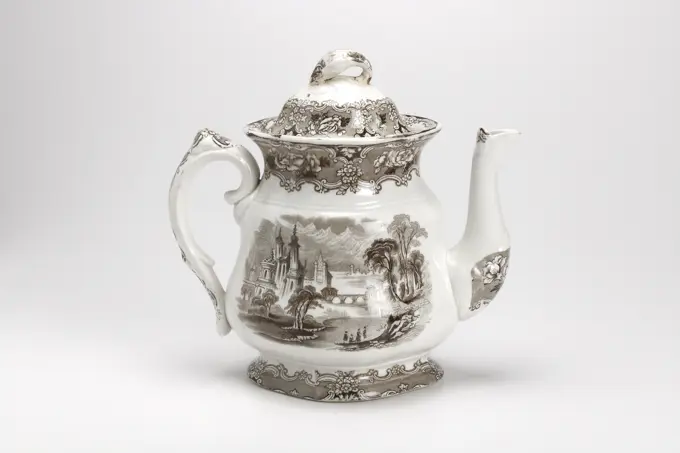
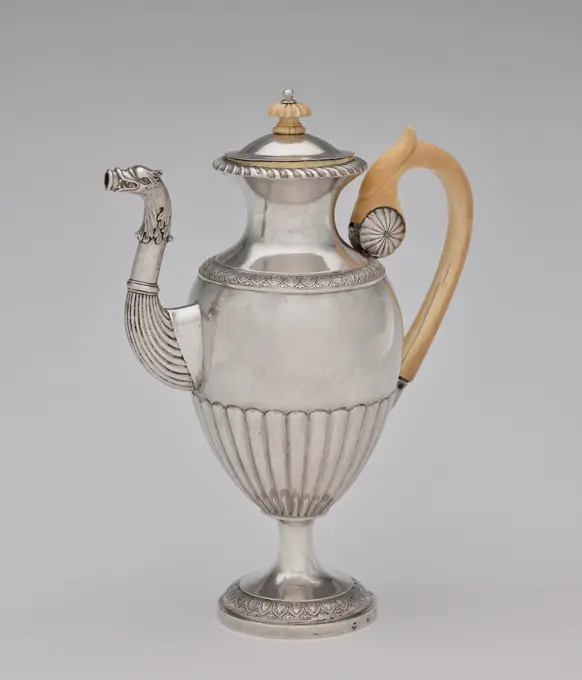
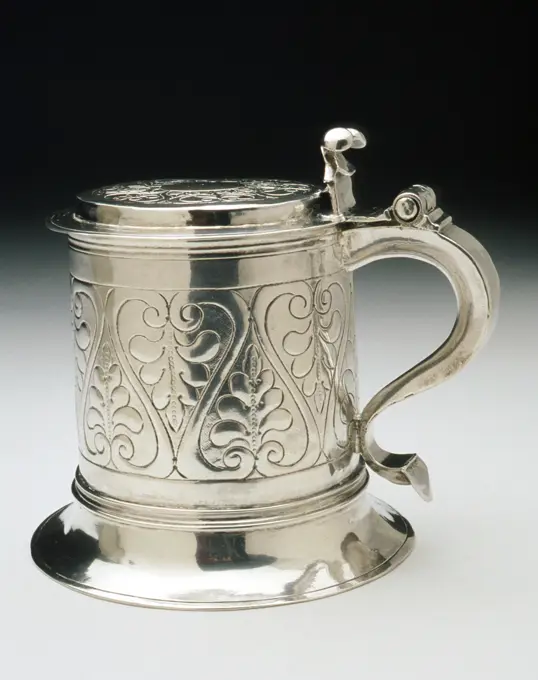
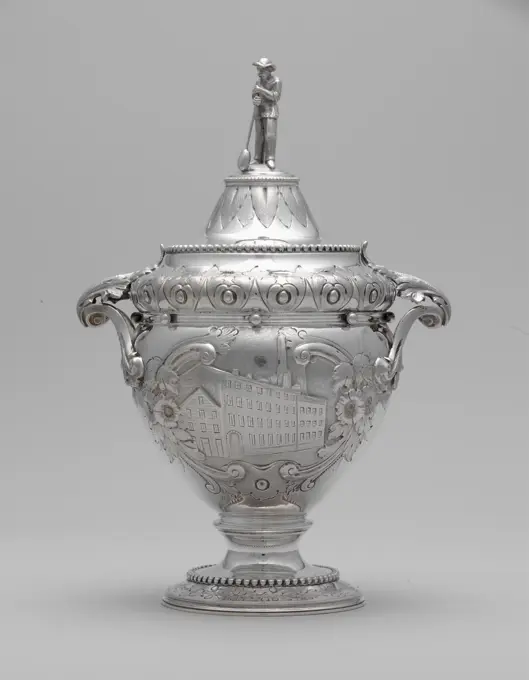
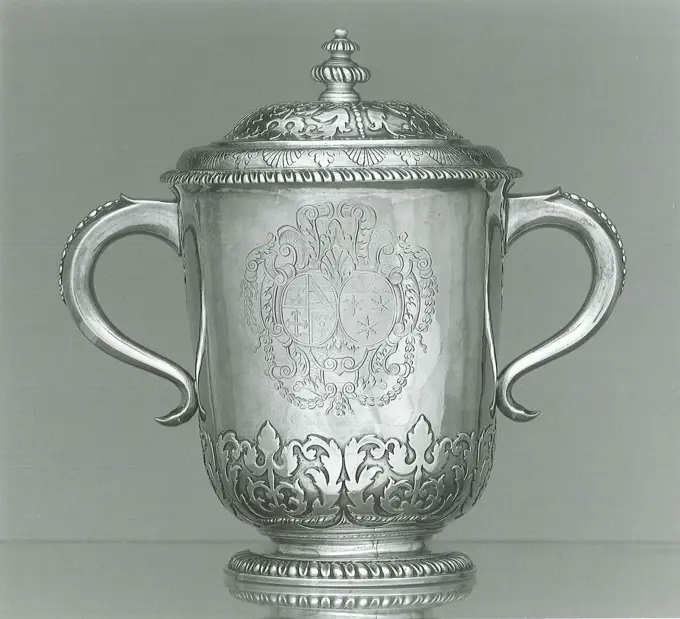
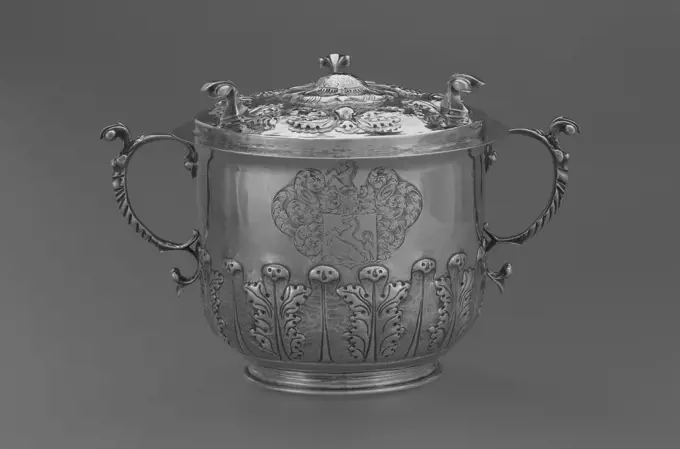
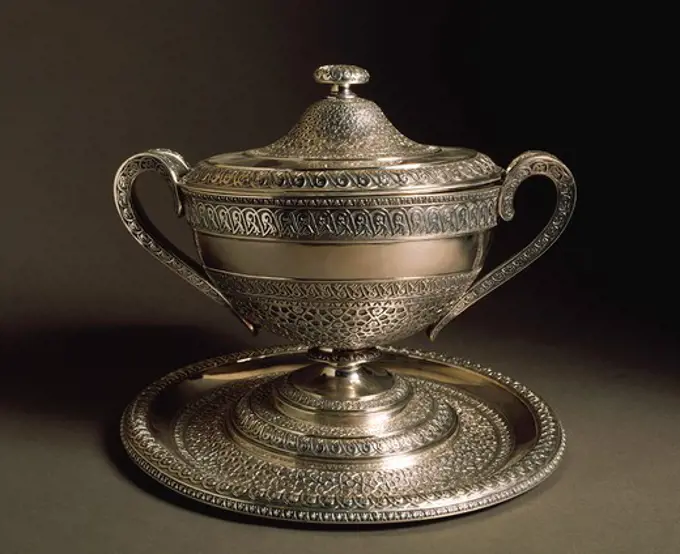
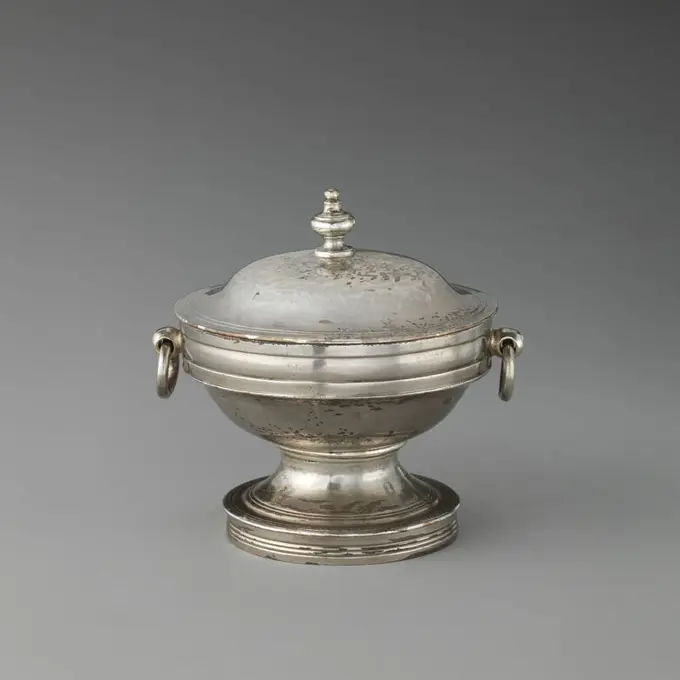
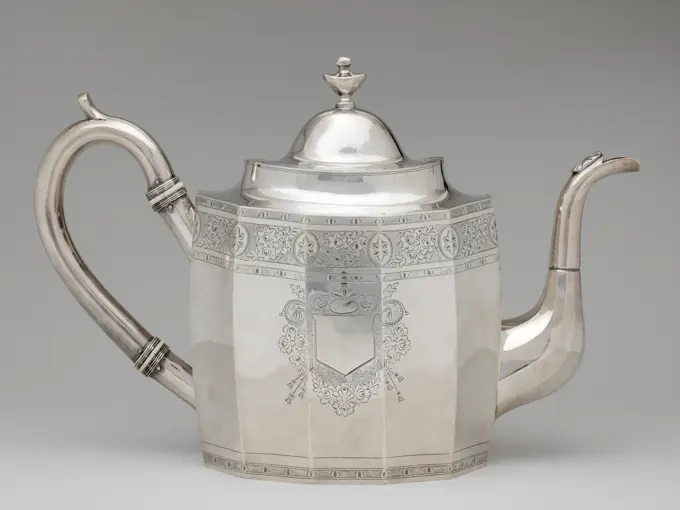
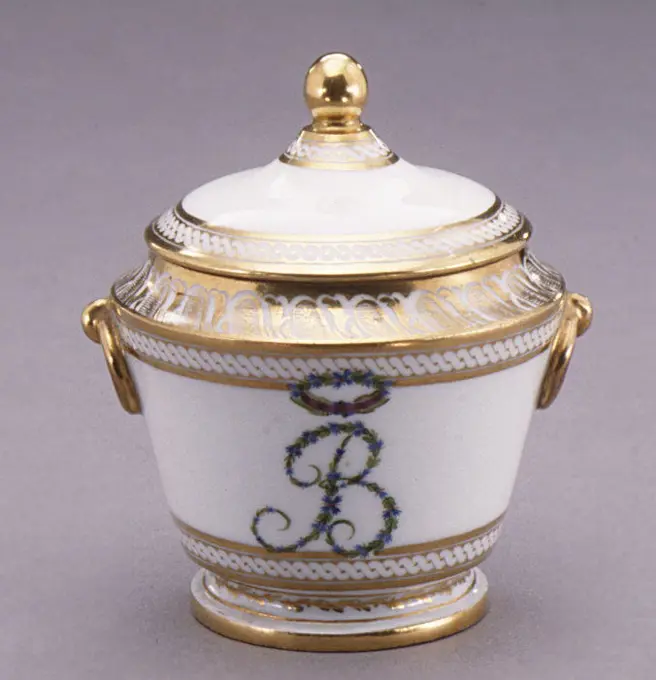
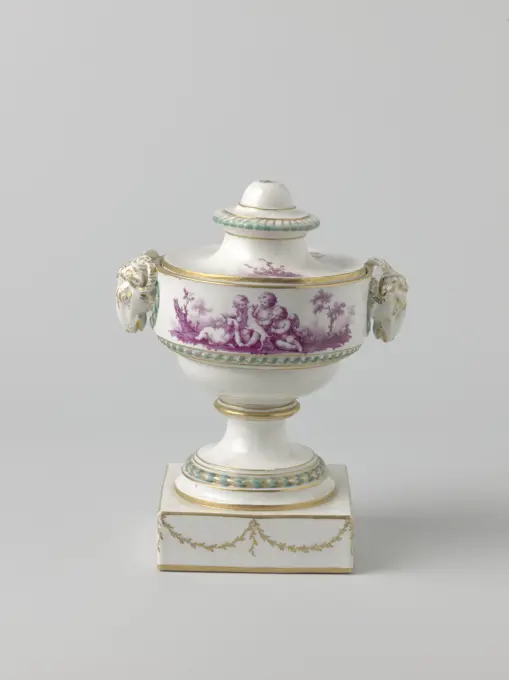
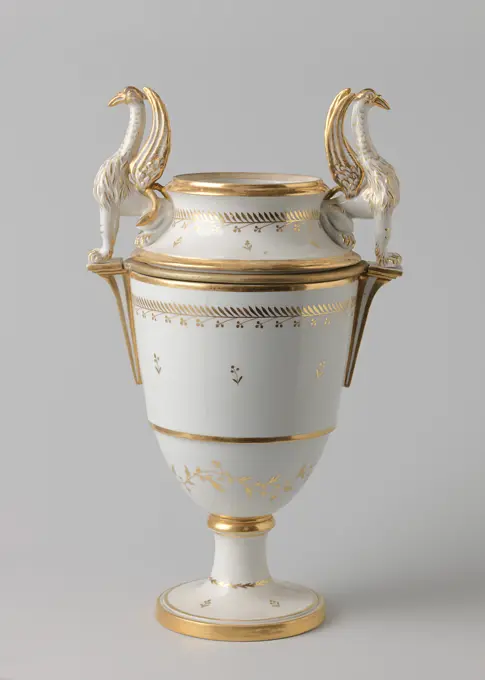
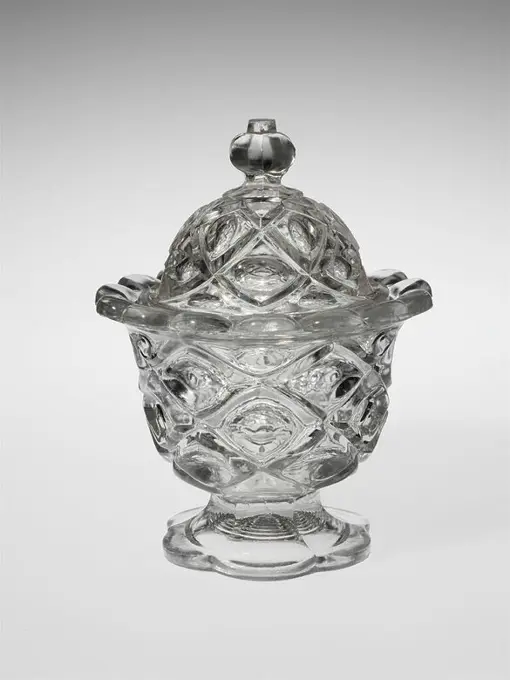
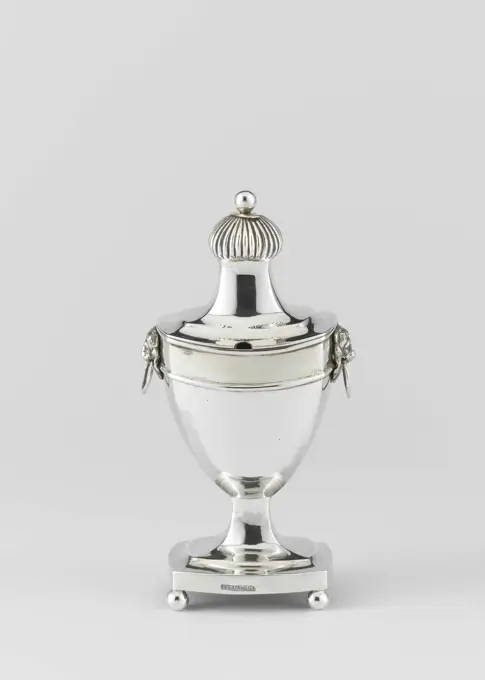
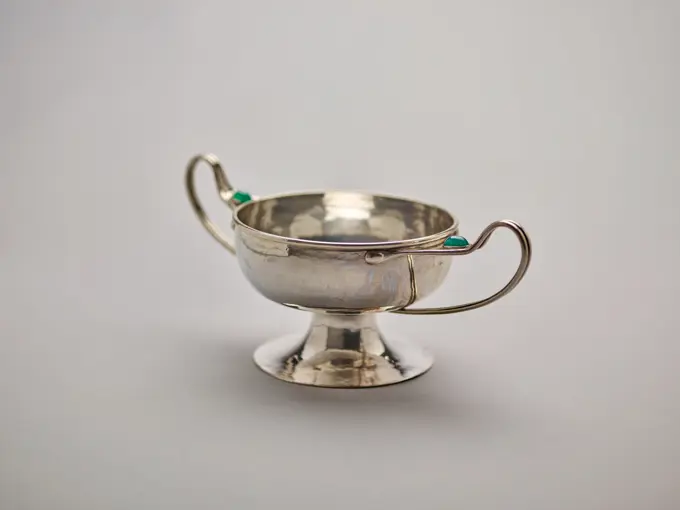
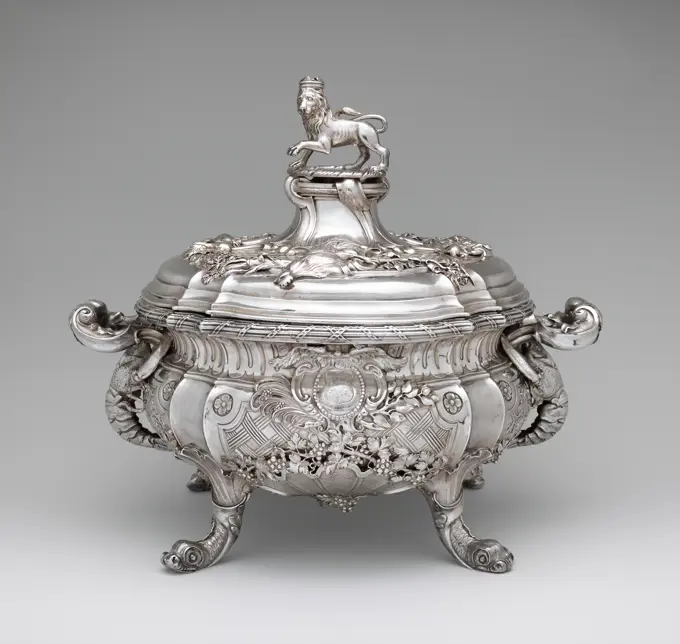
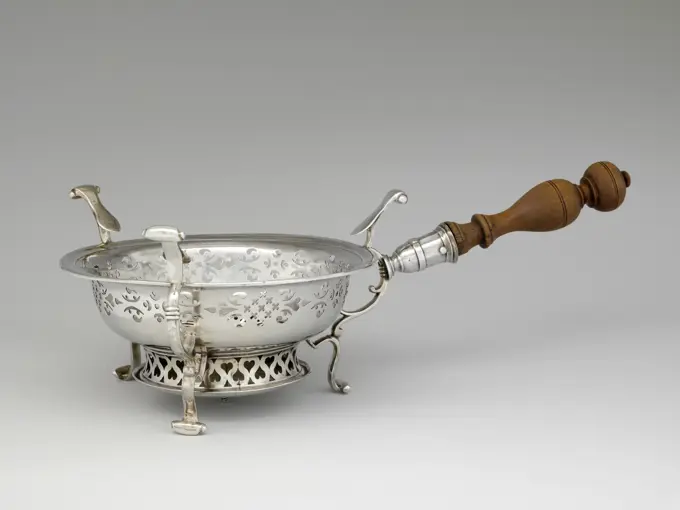
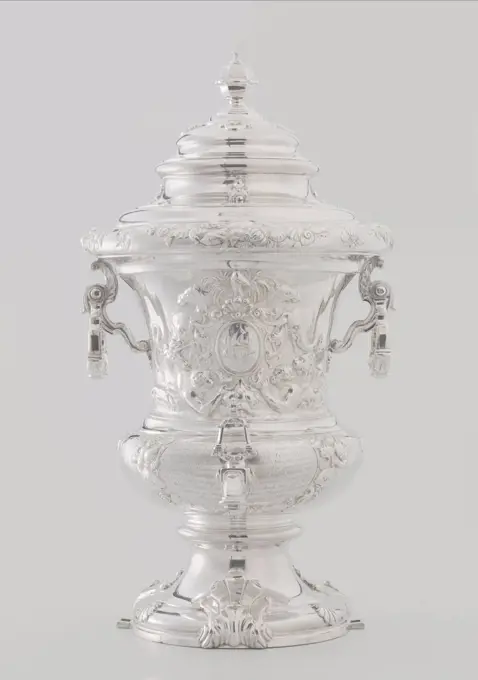
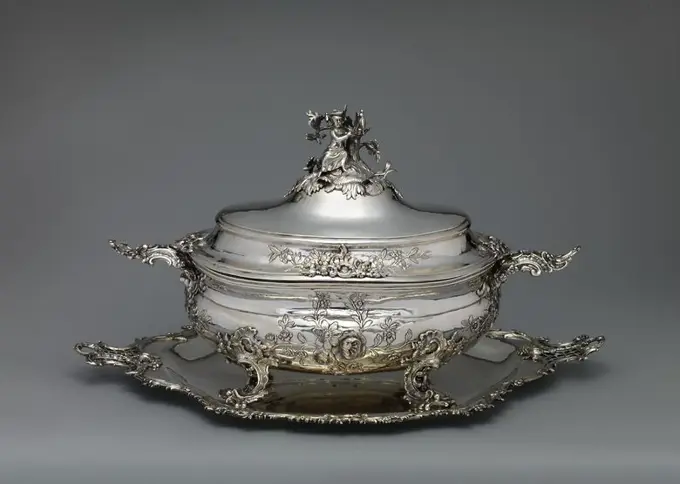
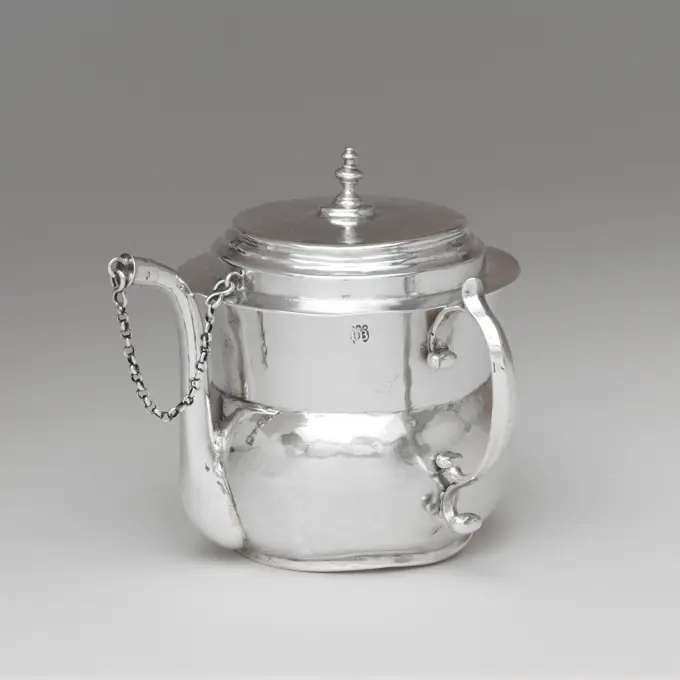
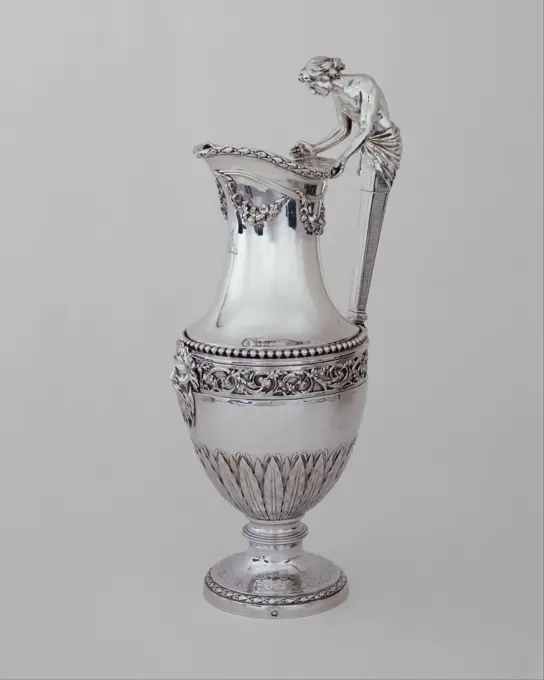
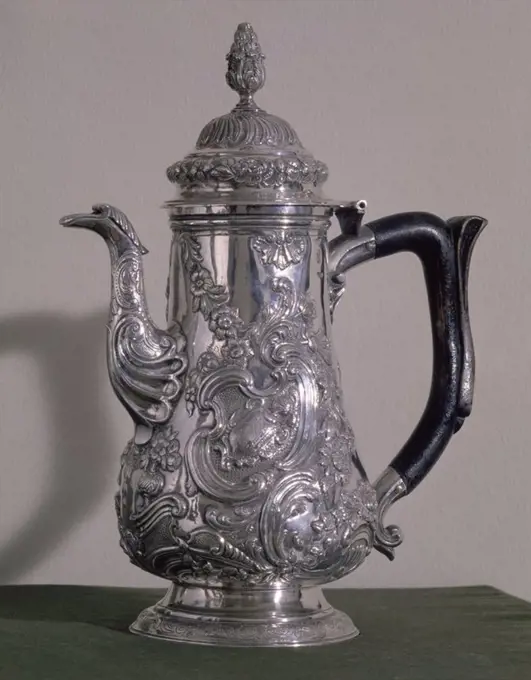
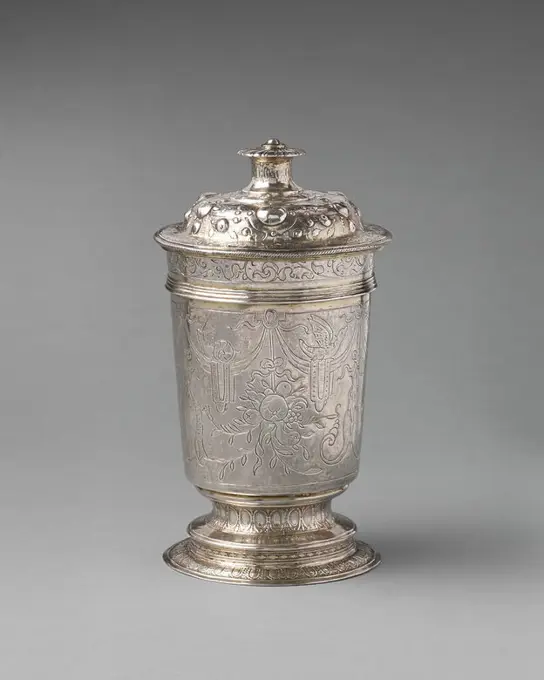
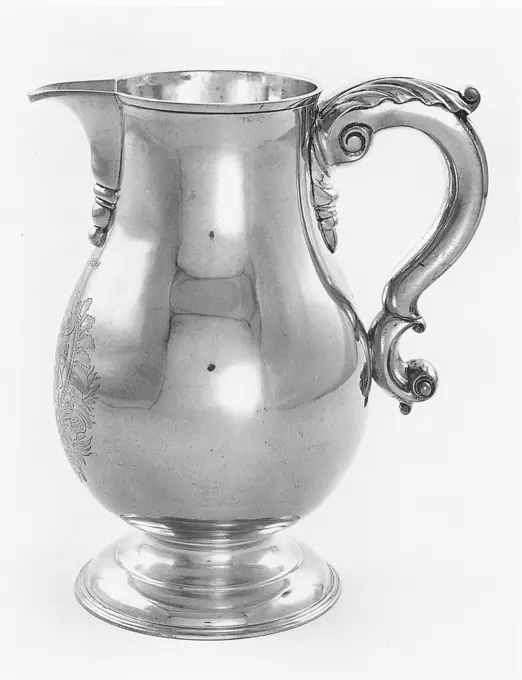
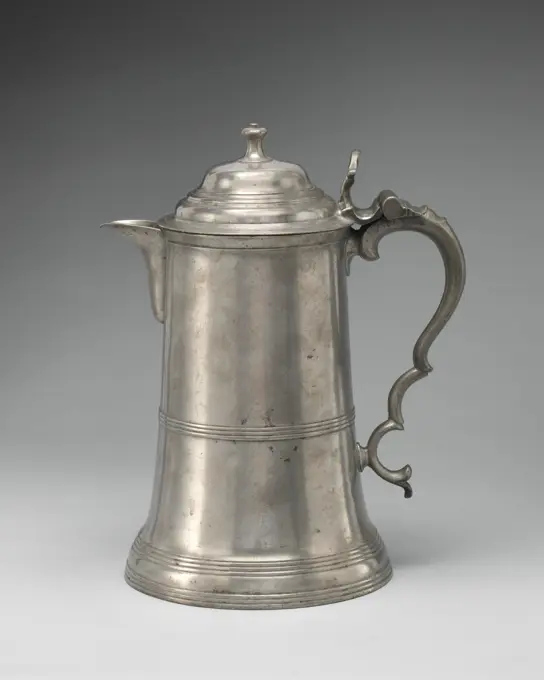
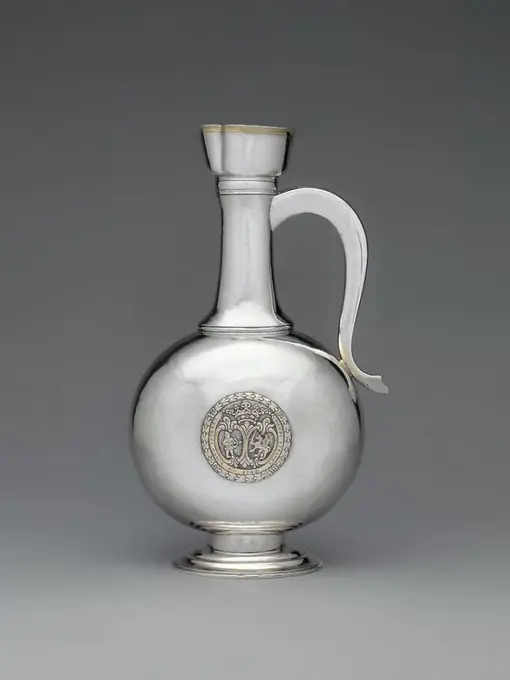
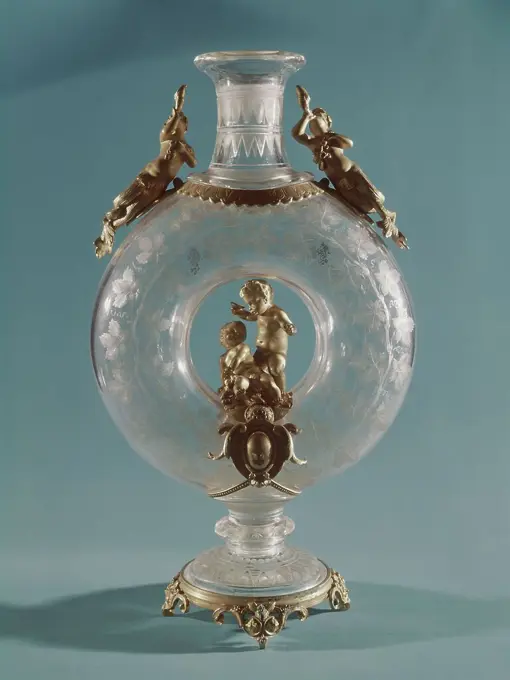
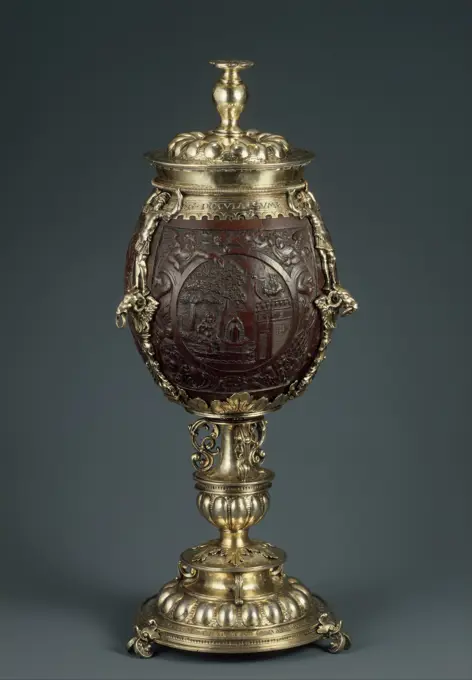
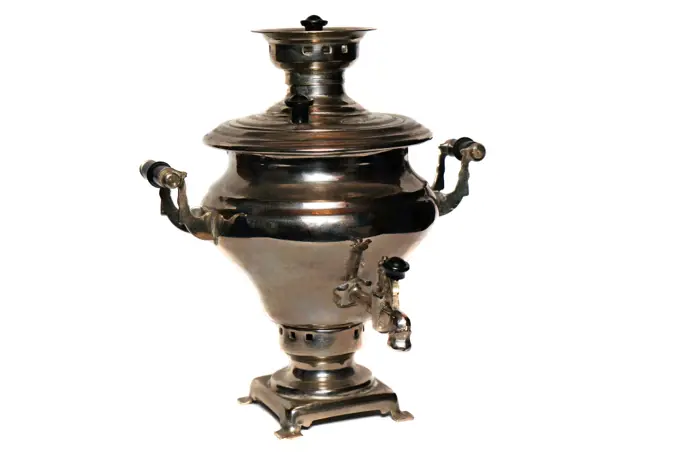
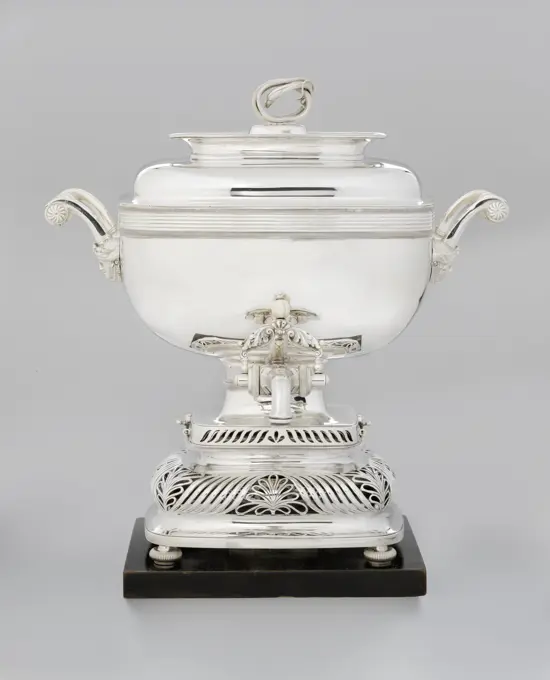
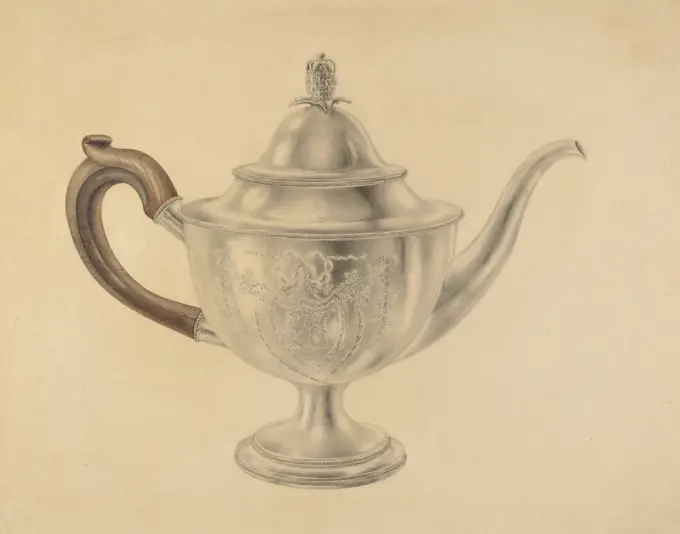
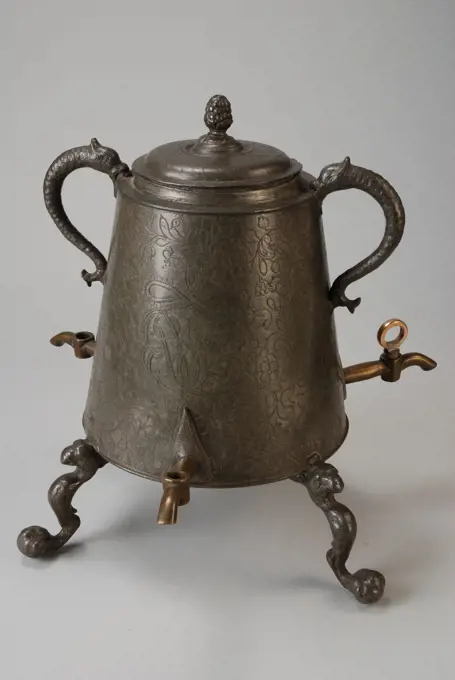
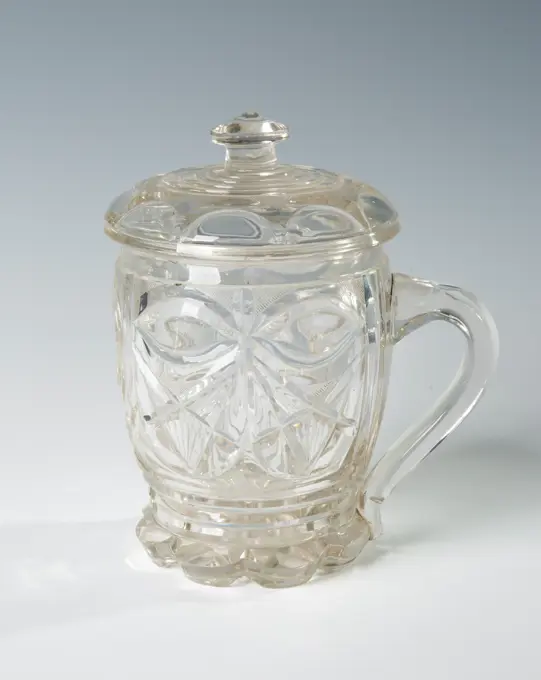
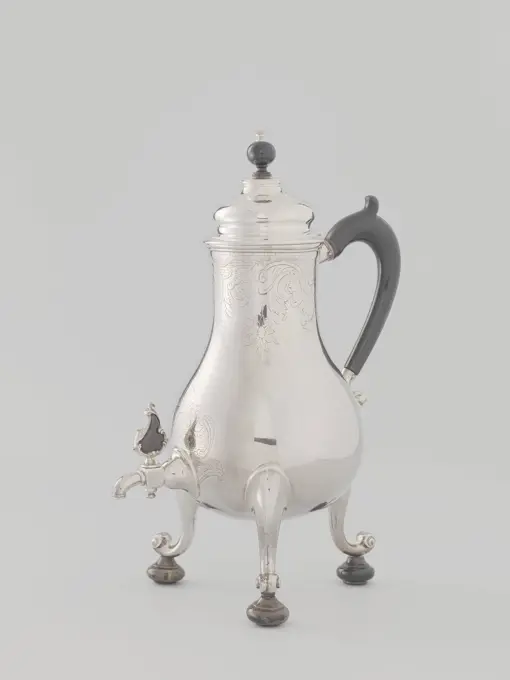
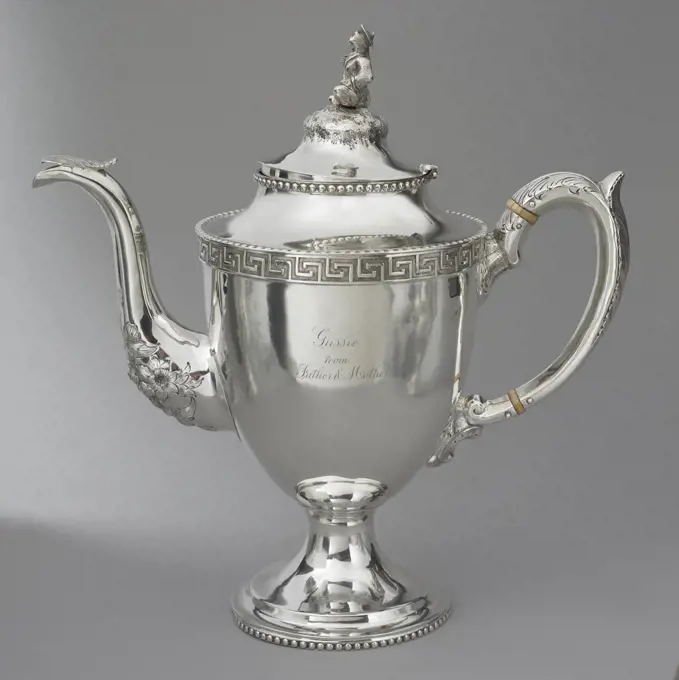
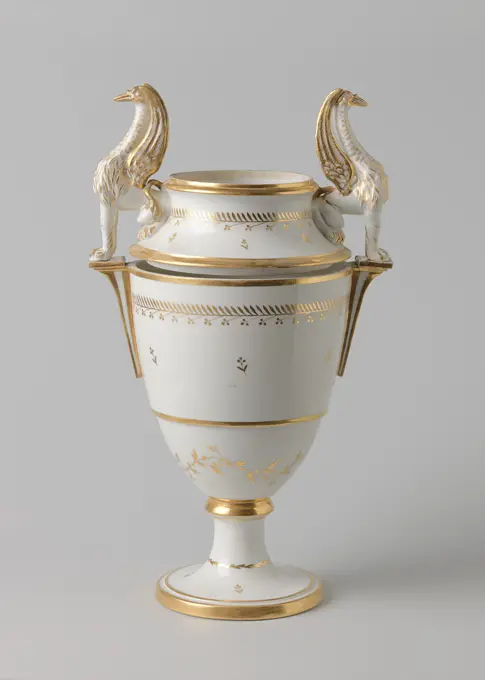
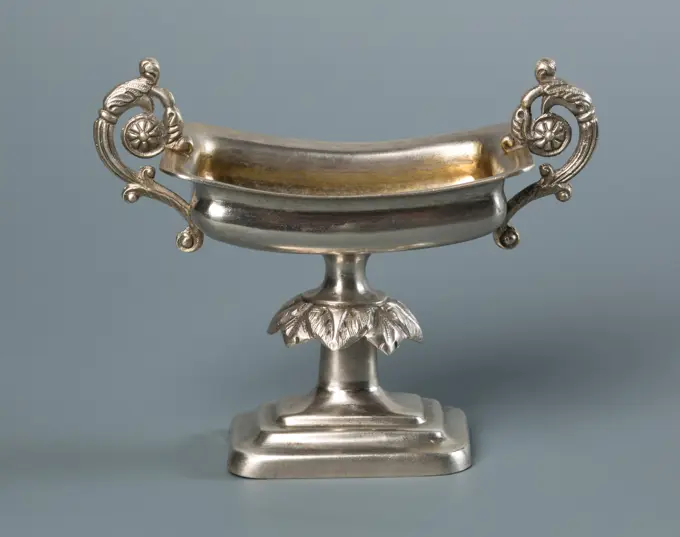
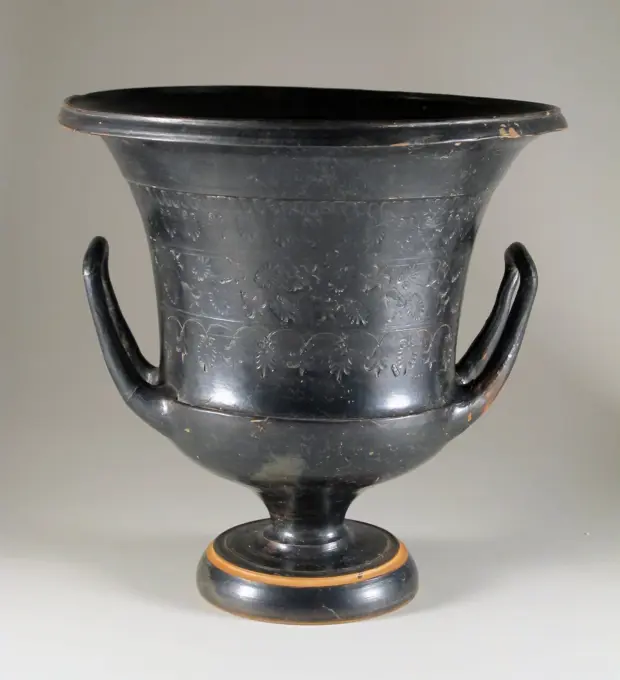
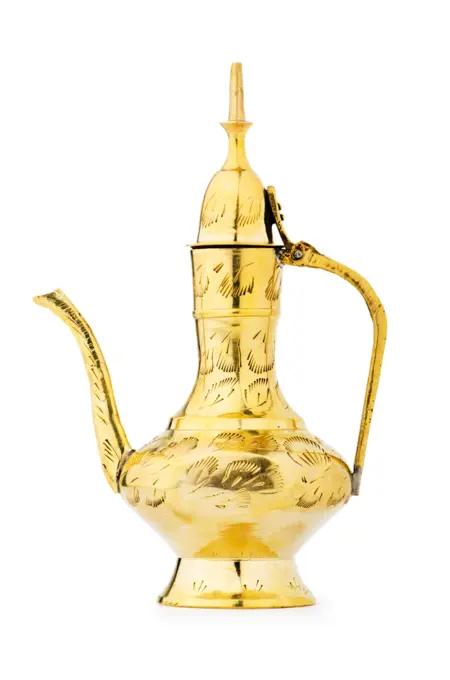
Piet Heyn ewer, Francisco Enriquez, 1550 - 1600Silversmith's art, Italy, 17th century. Unknown Florentine artist, silver aspersorium, 1642. From Florence.Jug with cover (one of a pair) 1713/14 Simon Pantin I British The arms of later owners Frederick Augustus (1763-1827), Duke of York,and his wife, Frederica Charlotte of Prussia, are engraved on the sides.. Jug with cover (one of a pair). British, London. 1713/14. Silver gilt. Metalwork-SilverVase with Two Handles. Dated: c. 1600 (vase); 19th century (handles). Dimensions: overall: 19.4 x 15.9 cm (7 5/8 x 6 1/4 in.). Medium: rock crystal and enameled gold. Museum: National Gallery of Art, Washington DC. Author: Milanese 17th Century (vase); Western European 19th Century (handles).Fountain.Coffeepot - Joseph Clementson, 1839-1864 Joseph Clementson, 1839-1864Coffee jug. Radke, Emil (fl. 1830-ca 1867), goldsmithBulge Westwalewicz, Stanis AwCoffee Pot, Meissener porcelain manufactory, 1722 - 1726 Coffee pan of painted porcelain. The jug has a gilded silver frame around the lid and jug. The KAN is painted in gold with three river landscapes, always on a console. The silver frame is marked. porcelain company: MeissenAugsburgsilversmith: Augsburg porcelain. silver (metal) gilding Coffee pan of painted porcelain. The jug has a gilded silver frame around the lid and jug. The KAN is painted in gold with three river landscapes, always on a console. The silver frame is marked. porcelain company: MeissenAugsburgsilversmith: Augsburg porcelain. silver (metal) gildingMaker's Mark HG between two mullets and four pellets, probably Henry Greenway, Tankard (refurbished), 1654/55, silver.Coffeepot - Henry Birks & Sons Limited, 1893-2015 Henry Birks & Sons Limited, 1893-2015Creampot. Culture: American. Dimensions: 5 5/8 x 4 3/4 x 2 7/8 in. (14.3 x 12.1 x 7.3 cm); 5 oz. 9 dwt. (169.7 g). Maker: Myer Myers (1723-1795). Date: 1772-76. Museum: Metropolitan Museum of Art, New York, USA.Silversmith's Art, Italy 19th century. Silver coffeepot, Empire style.Galvanoplastic reproduction of a jar with lid crowned by a melon, fa. Elkington & Co., after 1872 - Before 1878 Galvanoplastic reproduction of a jar with lid with two handles. Round the base with a band with Acanthusblad. Similar ornament is applied to the lid, which is crowned by a melon. London copper (metal). silver (metal) Galvanoplastic reproduction of a jar with lid with two handles. Round the base with a band with Acanthusblad. Similar ornament is applied to the lid, which is crowned by a melon. London copper (metal). silver (metal)Sugar bowl 1862-63 Wood and Hughes Presented to Christian Dorflinger upon his retirement from the Long Island Flint Glass Works in 1863, this service (2006.90.1-4) is ornamented with meticulously chased scenes of the glassworks itself. The sugar bowl is ornamented with an image of the exterior of the factory building. The finials, cast in the form of glassblowers, also reference Dorflingers trade. Dorflinger was one of the most successful nineteenth-century American glassmakers, operating several factories in Brooklyn before his retirement. He later established a thriving glasshouse in White Mills, Pennsylvania. The Museum has two important glass items from Dorflinger's Brooklyn period: an 1859 presentation vase (1988.391.1) and an 1861 compote (1972.232.1) made for President and Mrs. Abraham Lincoln.. Sugar bowl 4832Two-handled CoveredCupMaker: Gerrit Onckelbag, American, 1670-1732, Two-handled CoveredCup, ca.1695, Silver, 5 3/4 × 8 3/4 in. (14.6 × 22.2 cm), Made in New York, New York, American, 17thcentury, Containers -MetalsSilversmith's Art, England 19th century. Punched silver tureen with tray on circular, bordered base, volute-shaped handles and cover, decorated with vegetable and geometric motifs. London, 1849.Ewer, Pewter, Domed foot with irregularly hammered flange (probably the lid of a coffee pot originally); body in two parts, the lower bowl-shaped, the upper flaring and having a shell and scroll relief around the irregular edge. Double-scrolled foliated handle., Germany, 18th-19th century, metalwork, Decorative Arts, EwerMiniature tureen with cover. Culture: British, London. Dimensions: 2 1/2 × 2 3/8 in. (6.4 × 6 cm). Maker: Possibly by Thomas Howell (entered 1791). Date: ca. 1790. Museum: Metropolitan Museum of Art, New York, USA.Sugar bowl and lid, Gilt silver, Footed urn-shaped gilt bowl with mascaron handle on each side. Neck has band of large vertical granules. Foot with band of small granules and leaf motif. Everted lip decorated with same band, upon which rests lid with granulation border and artichoke finial. On lid, engraved coat of arms: two dogs holding crowned shield., France, 19th century, metalwork, Decorative Arts, Sugar bowl and lidTureen with cover 1775-76 Jacques-Nicolas Roettiers This tureen came from a service purchased in 1805 by Chancellor Robert R. Livingston (1746-1813) from Governor Morris (1752-1816), American politician and diplomat.. Tureen with cover 206569Tureen And Cover, 1775-78; pewterEwer and Basin, Johannes Lutma (1584-1669), 1647 The round can rest on a sea lobby. This consists of a low right -wing base, a vaulted part, a smoothly constricted middle part and a printed spherical nodus. The lobes on the lower and top are formed as masks built from soft tisses. The egg-shaped body has a constricted sub-part that is decorated with palm-like leaves against a background of soft ornaments. The wall above is driven with a circular performance. The goddess Ceres is shown with ears of ears and a sickle in her stimulated hand, seated on a victory car composite, pulled through the sea by a creature with the forecast of a goat and the abdomen of a snake. The creature carries a basket filled with shells on the back and is led by two children, one of whom carries a stick with fish hanging. The cart is pushed by a third child with a stick with fish in hand. Behind this there are two winged sea emissions, one of a dolphin comforting, the other a basket with shells. The slightly iArgyle (England); copper, silver, wicker; 16.5 x 14 x 12 cm (6 1/2 x 5 1/2 x 4 3/4 in.) Diameter: 9.2 cm (3 5/8 in.); Bequest of Walter Phelps Warren; 1986-61-14-a,bPrzeszo Przyszoci Drent wheets, Philipp jakob v (1677 1742)Two-handled cup with cover 1701-2 Christopher Waggoner. Two-handled cup with cover 205668Coffeepot 1762-63 Benjamin Brewood II The wealthy colonial merchant Samuel Verplanck owned several pieces of London silver, including this coffeepot marked by Benjamin Breewood II in 1762. Its inverted pear-shaped repoussé-decorated body and spout represent the height of English rococo styling. Samuel was sent to study banking in Holland, where he met and married his cousin Judith Crommelin. The couple returned to New York in 1763 and moved into the familys elegant Wall Street home. Verplanck family silver, furniture, and paintings now in the Metropolitans collection exemplify the imported luxury goods owned by prominent colonists.. Coffeepot 2136Soup tureen with a cover. Bandau, Johann Georg I (fl. 1768-1816), goldsmithBaking of Kastanjevaas decorated with griffins, Porcelinfabriek aan den Amstel, c. 1810  Baking of Kastanjevaas whose ears has the shape of griffins. Netherlands porcelainSoup tureen. Nast, Ludwik (fl. 1827-1839), goldsmithPitcherMiniature kettle with brazier 1718/19 Robert Keble British The production of miniature silver furniture and tea, coffee, and chocolate equipment was a specialty of goldsmiths known as "toy men." The miniatures were probably intended for dollhouses. From the mid-eighteenth century in England until the present, porcelain and fine earthenware miniatures have been made as well.. Miniature kettle with brazier. British, London. 1718/19. Silver, wood. Metalwork-Silver-MiniatureCoffee Pot 1809-60 This coffee pot is typical of the objects that were displayed in open niches in reception rooms of upper-class Syrian residences during the Ottoman period. Coffee Pot. 1809-60. Silver, parcel-gilt. Attributed to Turkey. MetalSamuel R. Richards and Samuel Williamson, Sugar Bowl and Cover, c. 1798, silver.Ornamental Ewer with Floral Decoration. Palissy (after), Bernard (France, 1509-1590). France, possibly Agen, circa 1560-1600. Furnishings; Serviceware. Lead-glazed earthenware, Palissy wareCoffeepot ca. 1830 Robert and William Wilson. Coffeepot 20424Sugar bowl with cover (part of a traveling tea service) ca. 1788 Dihl et Guérhard French. Sugar bowl with cover (part of a traveling tea service) 194846Teapot.   Maker: Hugh Wishart, American, active ca. 1793-1824Coffeepot 1738-39 Sébastien Igonet. Coffeepot 200118Vase with lid, painted with putti, manufacture Oud-Loosdrecht, c. 1778 - c. 1782 vase Vase with rams heads and lid of porcelain, painted in beet red with four putti on one side on one side in a landscape near a bird cage with two birds in front, on the other four putti in a landscape with a sheep (); On the lid two soils with, among other things, musical instruments and a basket with roses. Around the round foot a leaf wreath, under the putti scenes a band with braid work, around the ramskoppen a laurel wreath and along the lid button godrons, all in relief and decorated in green and gold. On the square plinth leaf guirlandes in gold. Gold pisses along the different edges. The rams heads are decorated in gold. Loosdrecht porcelainCuppa of Kastanjevaas decorated with griffins. Cuppa of Kastanjevaas decorated golden edges and spreader flowers and flower branches.TankardEwer. Lamp meter on high, bell-shaped base. The handle of the can be wound with a floral rank. The can have a wide spout. The donation cannot be noticed. The donator is on a tray (BK-NM-11177-181-BI), on the tray there are also six drinking glasses (BK-NM-11177-181-B-III T / M BK-NM-11177-181-B- VIII). The tray is on a folding table (BK-NM-11177-181-A).Waszek from the cover; Paris, Rue de la Fontaine-Au-Roi (La Courtille); 1771-1786 (1771-00-00-1786-00-00);Sugar Bowl. Culture: American. Dimensions: H. 7 in. (17.8 cm); Diam. 5 3/8 in. (13.7 cm). Date: 1850-70.With the development of new formulas and techniques, glass-pressing technology had improved markedly by the late 1840s. By this time, pressed tablewares were being produced in large matching sets and innumerable forms. During the mid-1850s, colorless glass and simple geometric patterns dominated. Catering to the demand for moderately-priced dining wares, the glass industry in the United States expanded widely, and numerous factories supplied less expensive pressed glassware to the growing market. At the Exhibition of the Industry of All Nations at New York's Crystal Palace in 1853, for example, the New England Glass Company exhibited 130 pieces of one design, "consisting of bowls, tumblers, champagnes, wines, and jelly glasses." This object belongs to one such service. Although the glass manufactory is not known, the glassware is very typical of the large services that were very popChocolate pot 1697-98 Benjamin Bradford. Chocolate pot. British, London. 1697-98. Silver, wood. Metalwork-Silver. This is not just any service. These objects belong to a huge coffee and tea service that originally comprised more than a thousand pieces. The Russian tsar Nicholas I bought it from the French silversmith Biennais in 1817. The pieces are double gilded, so they look like they are made of solid gold. The geometric shapes and type of rims are typical of the early Empire style.. Mustard pot of silver. The urn-shaped pot is resting on a square pedestal on four bolts. The sides are decorated with lion heads.Pitcher Made 1810-1820 Leeds. Lead-glazed earthenware with lustre decoration .Silver Butter Dish. Set with Chrysoprase gemstones. Maker: Charles Robert Ashbee. Maker: Guild of Handicraft. Made in Chipping Campden, Gloucestershire, EnglandTeapot 1818-28 George Richardson. Teapot. American. 1818-28. Pewter. Made in Boston, Massachusetts, United StatesThe cuppa of a chestnut vase. The cuppa of a chestnut vase decorated golden edges and golden branches and spreading flowers on the foot.Tureen 1736/37 Paul de Lamerie British This tureen, made to serve a spicy game stew known as oille, shows the design influence of French silver of the 1730s. It may have been made for the 4th Earl of Chesterfield, a great Francophile who was so enamored of French cuisine that he hired a well-known French chef, Vincent La Chapelle, who introduced to England a new style of cuisine, richly sauced and subtly seasoned.. Tureen 200583Chafing Dish 1740-45 John Burt. Chafing Dish 1535Wine fountain and cooler, attributed to Alger Mensma, 1731 - 1732Tureen and stand. Culture: German, Augsburg. Dimensions: Tureen Overall (confirmed): 10 3/4 x 18 x 8 3/8 in. (27.3 x 45.7 x 21.3 cm); Stand Overall (confirmed): 21 x 12 5/8 in. (53.3 x 32.1 cm); Overall weight (non-confirmed): 8.5 lbs. (3850 g). Goldsmith: Bernhard Heinrich Weyhe (German, 1702-1782). Date: 1769-71.A précis of how the precious metal silver could be transformed into a superior work of art by an artistic and imaginative mind, this tureen is a product of eighteenth-century Augsburg, undisputedly the foremost center of gold- and silversmithing in central Europe at the time. The sophisticated play of textures, daring juxtaposition of plain and lightcatching areas with detailed Rococo decoration, and whimsical sculptural elements reflect the commanding originality of the Augsburg artisans, particularly Bernhard Heinrich Weyhe, the maker of this piece and the leading Augsburg master. The touch of exotic chinoiserie in the pagoda-shaped outline of the tureen's lid, so en vogue. Soup tester on a sudacy. On four spherical legs, which tapered at the bottom and whose boundary portion is ribbed, the oval dish rests with raised middle piece. The also oval foot An of the terrine with four pins is screwed. The oval bowl-shaped body of the terrine widens upwards. The lid is made up of two vaulted portions, the upper steep whose upstream is crowned by a grip in the form of two leaf branches with acorns, which are rotated in the middle around each other. At the short sides of the terrine there are removable lion masks with a ring in the muil; These are attached to the corpus with clamps. Along the lower and top edge of the right-walled foot edge of saucer and terrine, around the body of the terrine at the lion masks and along the top edge, and the separation of the two parts of the lid, running edges. The terrine is equipped with a loose inner shell.. Cup of porcelain, decorated in gold with vignettes in which musical instruments and war care. Marked with swords.Chrysanthemum, Tiffany & Company, American, established 1853, Silver, ivory, Reeded globular body, engraved with foliate monogram 'RMA', rising to tall slightly bulging cylindrical neck with wavy rim; loop handle with ivory insulators on one side, and long curved spout heavily decorated with chrysanthemums and foliage opposite; base with four foliate feet. Slightly domed and reeded lid with flower bud knop., New York, New York, USA, 1891-1902, metalwork, Decorative Arts, coffeepot, coffeepotSpout Cup ca. 1714 Jacob Boelen American. Spout Cup 7862David Willaume, Teapot, 1714/15, silver.Ewer 1784-85 Jean-Baptiste-François Chéret The draped garlands below the rim, the scrolling bands of arabesques in the middle, and the water leaves above the foot of this ewer are standard Neoclassical motifs typically found on late eighteenth-century French silver. The unexpected feature of the ewer, however, is the handle in the form of Narcissus emerging from a pedestal. The half bust of Narcissus is placed so that he leans forward, gazing down at the undecorated but highly reflective surface of the hinged cover. The three-dimensional representation of the Narcissus story, very cleverly conceived, distinguishes this ewer as an exceptional example of French silver of the late eighteenth century.The ewer would have been accompanied originally by a basin, and both would have been used for washing as part of the daily ritual and grooming known in France as la toilette.. Ewer 206816Kettle; Koenigliche Porcellain Fabrique, Meissen (1710-1763), Boettger, Johann Friedrich (1682-1719); 1709-1720 (1709-00-00-1709-00-00);Probably Matthew E. Lofthouse, Tankard, 1723/24, silver.Peer-shaped tin from tin with lid. Gloves of tin. The conical foot carries a pear-shaped body that is decorated with some profiled, horizontal lines. Upwards the body runs outwards and has a small spout. The flat lid runs in a point and is around with the thumb trust. The thumbs of thumb is formed by two acorns and runs over in the handle via a one-case hinge.CAFETERA DE PLATA. Location: MUSEUM OF FINE ARTS. Malaga. SPAIN.Measure early 19th century James Yates. Measure. British, Birmingham. early 19th century. Pewter. Metalwork-PewterCup with cover. Culture: British, London. Dimensions: Height: 6 1/2 in. (16.5 cm). Maker: M., London (ca. 1581-1586). Date: 1581/82. Museum: Metropolitan Museum of Art, New York, USA.Pitcher, Covered; pewterAymé Videau, Jug, 1742/43, silver.Flagon 18th century British. Flagon. British. 18th century. Pewter. Metalwork-PewterLid, brown with light spots, Peter Regout, c. 1801 - c. 1879 Cover of earthenware with brown lust glaze. Light spots on the lid. Maastricht earthenware. luster glaze vitrification Cover of earthenware with brown lust glaze. Light spots on the lid. Maastricht earthenware. luster glaze vitrificationartDrinking jug of Tin (Rembrandtkan), Anonymous, 1650 - 1700 Tin drinking jug, also known as Rembrandtkan. The foot is double profiled and also on the transitions from foot to belly and from belly to neck are profiles. The jug is closed with a vaulted and profiled lid. At the thumb rest with double hinge, the handle starts, which starts almost horizontally from there. Northern Netherlands tin (metal) Tin drinking jug, also known as Rembrandtkan. The foot is double profiled and also on the transitions from foot to belly and from belly to neck are profiles. The jug is closed with a vaulted and profiled lid. At the thumb rest with double hinge, the handle starts, which starts almost horizontally from there. Northern Netherlands tin (metal)Wine decanter. Culture: Hungarian, Kolozsvár. Dimensions: Overall: 12 13/16 x 4 7/16 in. (32.5 x 11.2 cm). Maker: Johannes Szakáll (active 1748-72). Date: 1779.The goldsmith designed this innovative, even forward-looking, vessel to serve mulled wine, a popular spiced drink. The beverage was prepared by placing spices on the slightly funnel-shaped filter of the decanter and then pouring hot wine over them. The inscriptions on the medallions applied to either side of the flattened round body may refer to two weddings. One inscription, G. BETHLEN GERGELY/G. KENDEFFI RACHEL/1779, may mark the union of the decanter's recipients; the other inscription, BÁNFI SUSANNA/KENDEFI GÁBOR/A O 1742, perhaps records the marriage of the bride's parents. There is a discrepancy between the goldsmith's presumed death in 1772 and the applied date of 1779. It is possible that the guild allowed the master's widow to continue his workshop after his death as was often the case.Literature<i>Catalogue of Fine Kettle; Malcz, Karol (1797-1867); before 1834 (1800-00-00-1834-00-00);William Gamble, Teapot (redecorated), 1718/19, silver.PIEZA DE VIDRIO MODERNO. Location: MUSEE D'ARTS DECORATIFS. MADRID. SPANIEN.Cup with cover 1533/34 Hans van Amsterdam The exotic coconut, or "Indian nut" as it is called in Renaissance inventories, had been collected and displayed as an object of "miraculous powers" in the treasuries of pagan temples since Greek and Roman antiquity. These could be seen as predecessors of medieval church treasuries and later secular Kunstkammer and Wunderkammer. The coconut's curious form and obscure origin in faraway lands supported the idea of using the odd shell of the nut as a medicinal antidote. For instance, poisoned wine could be neutralized by drinking it from a coconut used as a cup, such as the example illustrated here. The carvings on this cup represent heroic themes from the Old Testament: Lot and his daughters, Samson and the Lion, and David with Bathsheba. All are mounted in silver gilt and decorated with grotesque herm figures, masks, and fruits. Latin inscriptions warn of the excessive appreciation of wine. Similar cup designs were popularized north of the alpinOld vintage Russian samovar                               Tea urn, company Bennewitz a zone, 1828 The rectangular bowl (B) with rounded corners rests on four round, convex, vertically ribbed legs with vaulted, rejuvenating upper areas that are attached to the base. It is made up of a right -wing base, a concave part, a globe open -up part and a constricted part, above it a convex vertically ribbed edge, to which two eyes are attached, and a straight, raised, openwork wall. The openwork part of the Komfoor shows S-shaped curves and in the middle of each side and on the corners of palmets. The crowning wall is opened on the front and rear with similar motifs. A burner with a Lonthouder is attached to the center of the base of gushed wood. The boiler (a) rests on a right -wing base, which fits over the raised wall of the bowl and is open in exactly the same way. Two brackets close in the eyes of the grain. The boiler has a vaulted, rejuvenating foot. A vertically ribbed edge runs along the top. The vaulted, widening barrel is crowned by a straigPitcher (USA); Manufactured by Duncan Glass Company; glass (pressed)American 20th Century, Teapot, 1935 1942 TeapotCann.   Maker: Peter David, American, 1691-1755Soup tureen, 1734-1735, Paul de Lamerie, English, (born Holland), 1688-1751, 10 x 14 1/2 x 10 in. (25.4 x 36.83 x 25.4 cm), Silver, England, George IIConical tap jug on high legs, engraved with family crest Van Dam, with separate lid and three copper taps, one with stop, tap jug tableware holder tin copper, cast engraved Tap jug in conical shape on three high claw-shaped legs with two ears in the shape of dolphins; fairly flat lid with fruit cluster as bud; three copper taps with annular plugs of which only one of the counterfeit plugs is present; the body engraved with vines flowers and birds in between on one side coat of arms of the Van Dam family stamping wild boar on grass ground in front of an oak tree with pearl-shaped crown above it and on the other side monogram in elegant capitals with pearl ribbon above it Initials possible on the body include and an heraldry pouring coffee fauna flora drinking dinnerware Van Dam RotterdamCup, decorated with a vignette with farmer at ton. Cup, decorated in gold and with a vignette with a farmer at a tub in brown, purple and green.A mug with a coverCoffeepot, pewter, On shaped, flaring foot a pyriform body with grouped vertical gadrooning. Spout attached to body and decorated with incised lines and relief bands. Hinged domed cover with tall finial. Wooden handle with spur attached with pegs., Silesia (Strehlen), Germany, ca. 1760, metalwork, Decorative Arts, coffeepot, coffeepotKraantjeskan, Nicolaas van Diemen (attributed to), 1756 The pear-shaped can, with a loose, profiled lid, has three legs, which rest on ebony bobbins, a tap and a on the other hand placed C-shaped ebbony ear. The cast, bent legs end in volutes, as well as the silver connecting piece on the bottom of the ear. The connecting piece on the top of the ear is surrounded by a profile edge at the onset of the wood. The curved, cast tap has a cube -shaped widening in the middle, in which the rotating tap fits. The handle of this is formed by an asmetrical cartouche, filled with an ebony plate, built from leaf voles. A double profile runs around the opening of the tap. The body is closed by a profile edge at the top. The lid has a flat top, on which the ebbenhouten spherical button with torn base, crowned by a silver button. At the bottom of the upper edge of the body, a engraved decoration of masonry has been applied, closed on the bottom by a heavy edge of (leaf) volutes and rocailles, where twcoffeepot, silver, Urn-shaped body with spreading foot and concave shoulder and greek key border. Fret band on shoulder, beading on foot and rim. Spout with repousse flowers; handle curved, with leaf repousse. On hinged cover, the seated figure of a Chinese, in the round. Engraved on one side: 'Gussie from Father and Mother.' Monogram on opposite side: 'A J()S().', Philadelphia, Pennsylvania, USA, 1825-50, metalwork, Decorative Arts, coffeepotSauceboat with stand (one of a pair) French 19th centuryWooden ring from Kastanjevaas decorated with griffins. Wooden ring chestnut thorn between bin and cuppa, gold painted.Salt cellar Pogorzelski, JanTerracotta calyx-krater (bowl for mixing wine and water) late 5th century B.C. Greek, Boeotian Black-glazed with stamped decoration.. Terracotta calyx-krater (bowl for mixing wine and water) 244822Tankard with Christian scenes, anonymous, c. 1620 - c. 1650 Beer mug of stoneware on a slightly spreading foot and with a slightly egg -shaped body. The C-shaped ear is attached to a profile under the edge and on the abdomen. Covered with a brown Engobe. On the belly in relief seven Christian representations, including Christ on the Cross, Christ with the Lamb, Mary with child, etc. Below and above a profile with leaf vines. Attached to the ear a pewter frame with lid; marked on the inside with 'H.O . s.'. Creusen. Creusen Stoneware. Glaze. Engobe. frame: tin (metal) vitrification Beer mug of stoneware on a slightly spreading foot and with a slightly egg -shaped body. The C-shaped ear is attached to a profile under the edge and on the abdomen. Covered with a brown Engobe. On the belly in relief seven Christian representations, including Christ on the Cross, Christ with the Lamb, Mary with child, etc. Below and above a profile with leaf vines. Attached to the ear a pewter frame with lidJohn Burt Lyng, Creampot, c. 1770, silver.Ancient lamp isolated on the whiteSilversmith's art, Italy, 17th century. Unknown Florentine artist, silver chalice, 1642. From Florence.