Antique Silverware

Luxurious antique silverware and decorative items, including jugs and ewers, showcasing intricate designs and historical craftsmanship.

Coffee Pot, Meissener porcelain manufactory, 1722 - 1726 Coffee pan of painted porcelain. The jug has a gilded silver frame around the lid and jug. The KAN is painted in gold with three river landscapes, always on a console. The silver frame is marked. porcelain company: MeissenAugsburgsilversmith: Augsburg porcelain. silver (metal) gilding Coffee pan of painted porcelain. The jug has a gilded silver frame around the lid and jug. The KAN is painted in gold with three river landscapes, always on a console. The silver frame is marked. porcelain company: MeissenAugsburgsilversmith: Augsburg porcelain. silver (metal) gilding
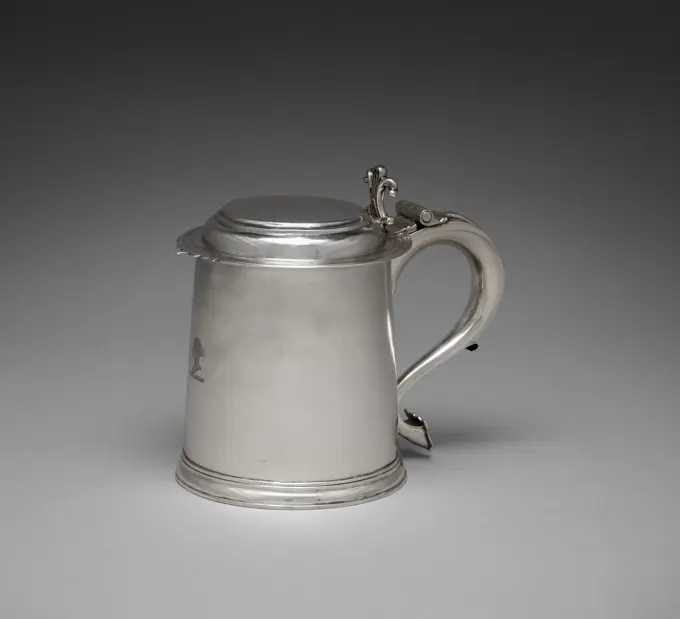
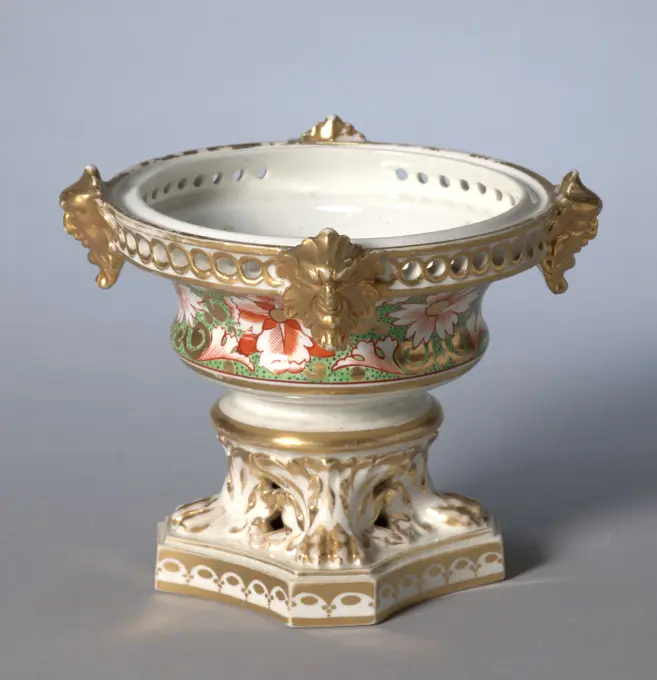
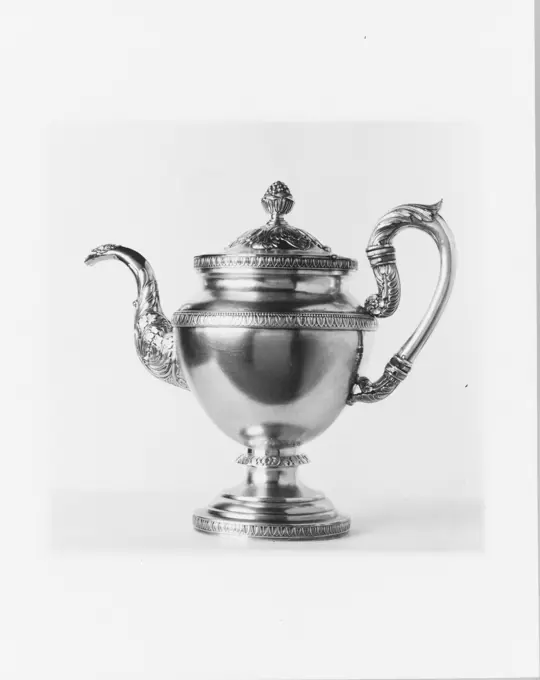
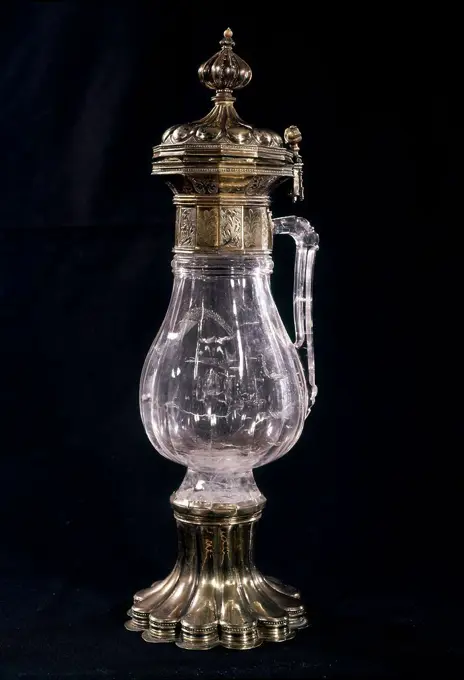
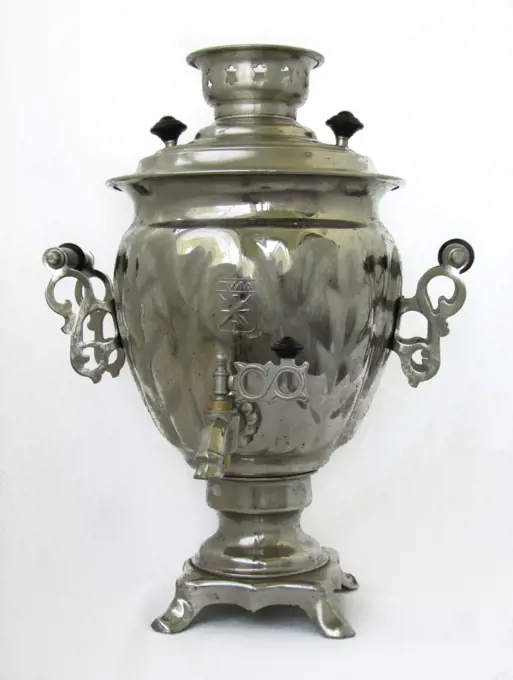
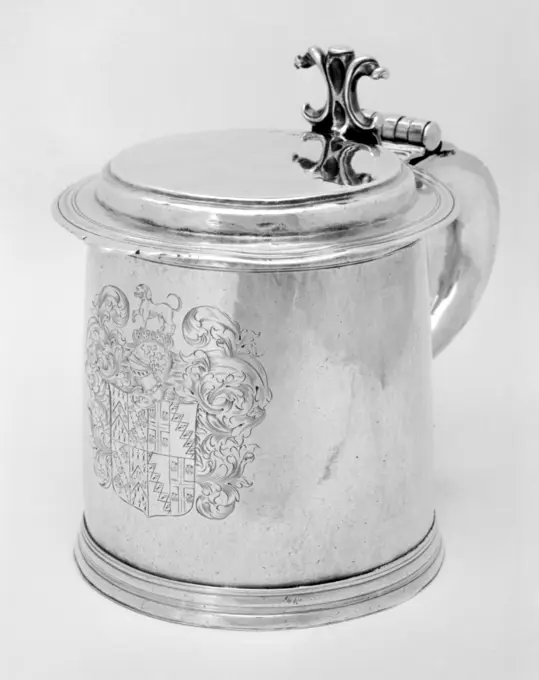
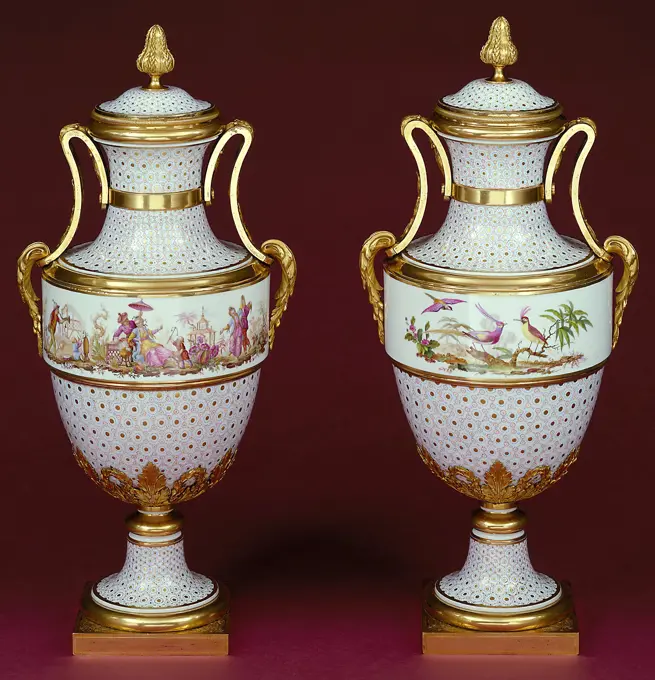
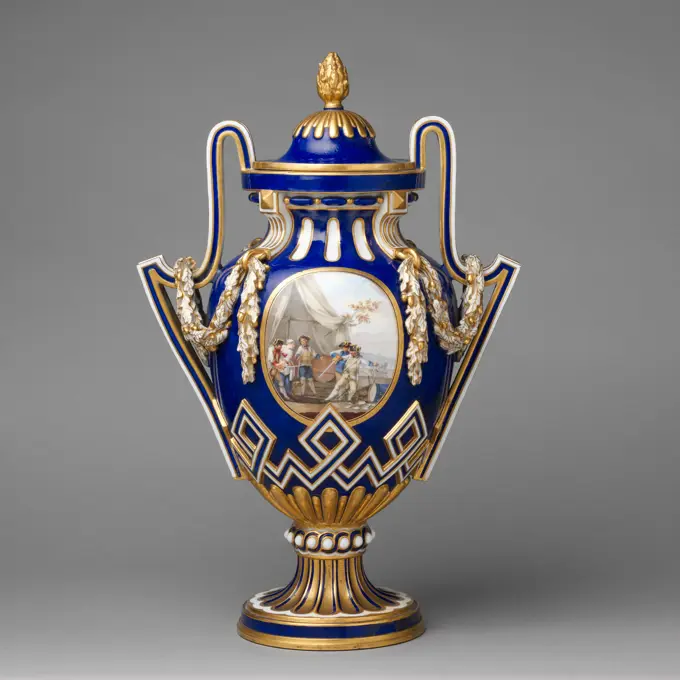
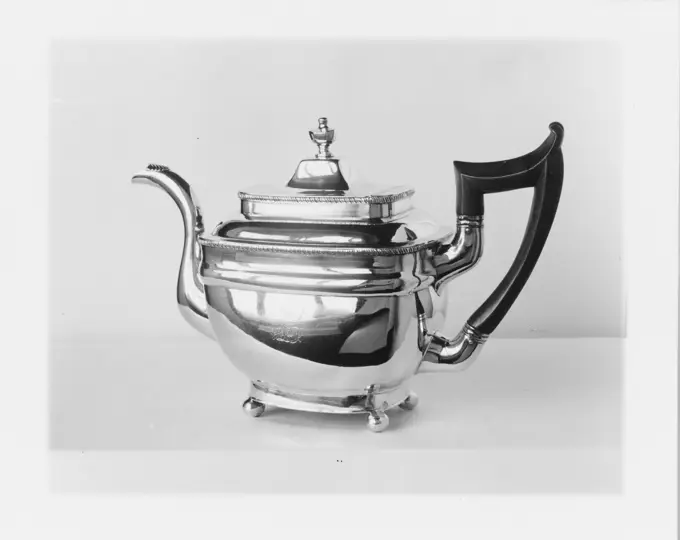
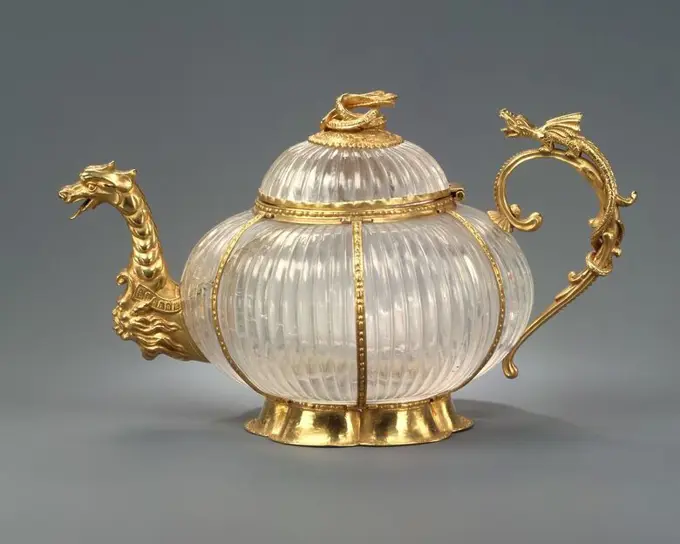
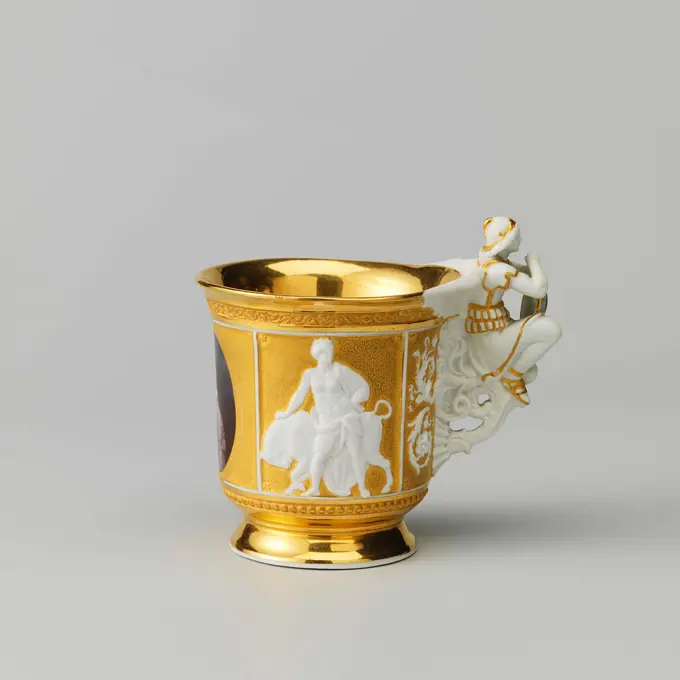
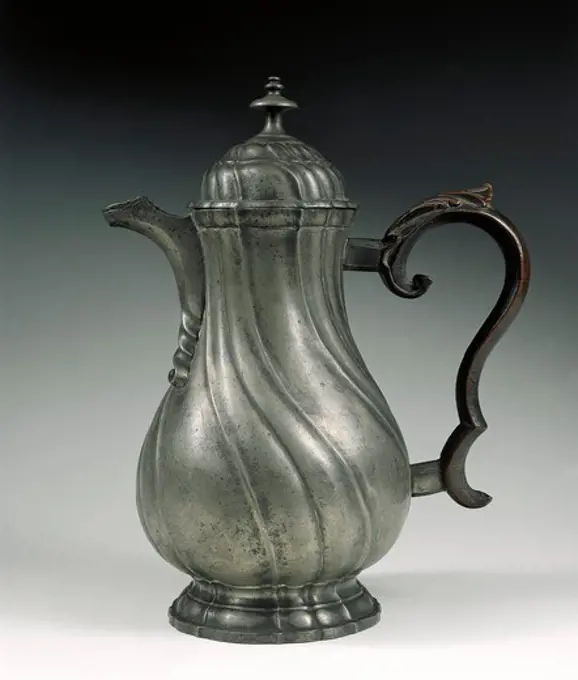
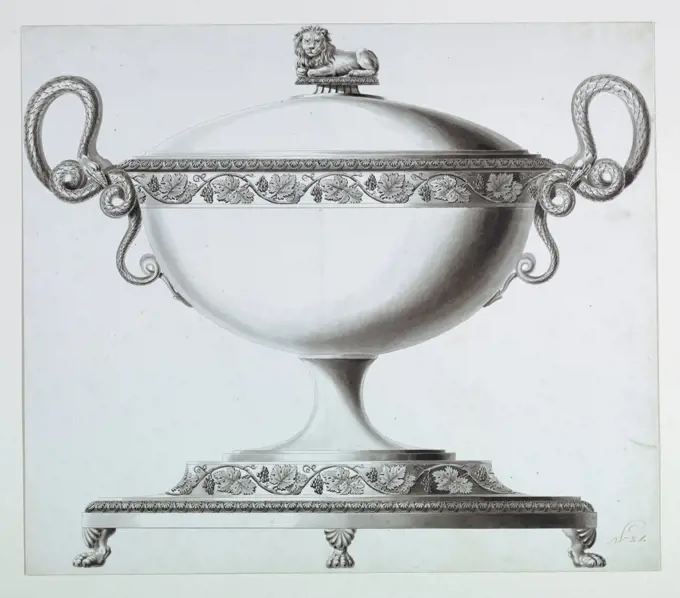
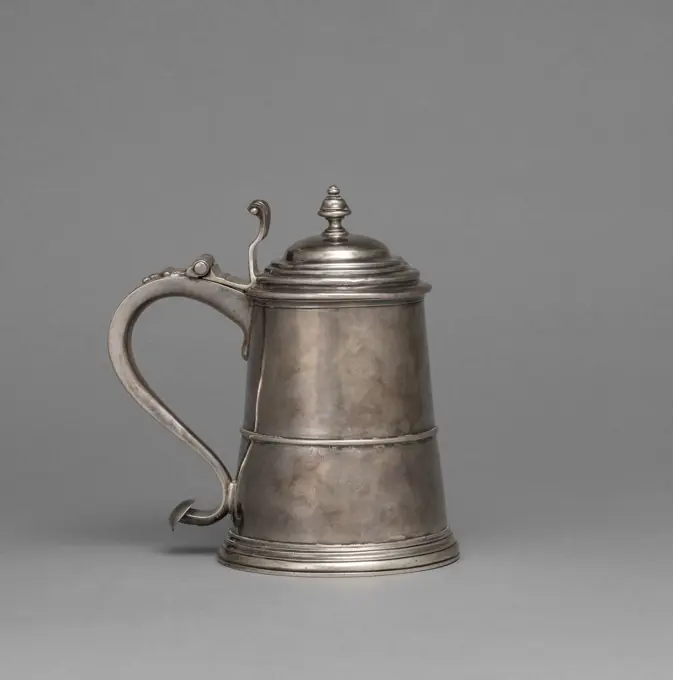
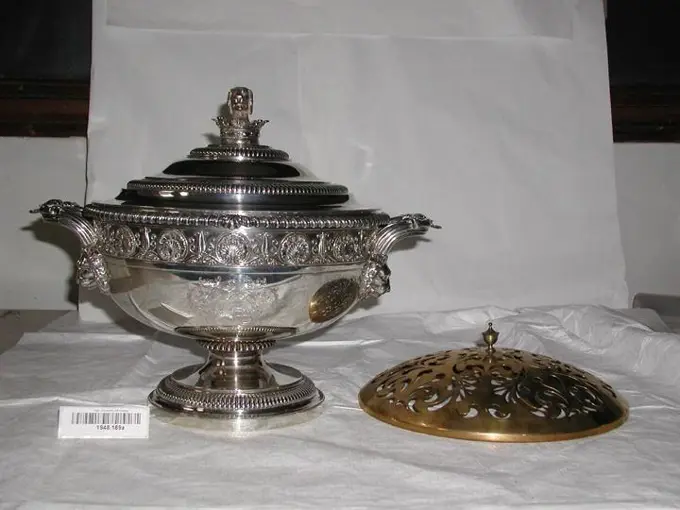
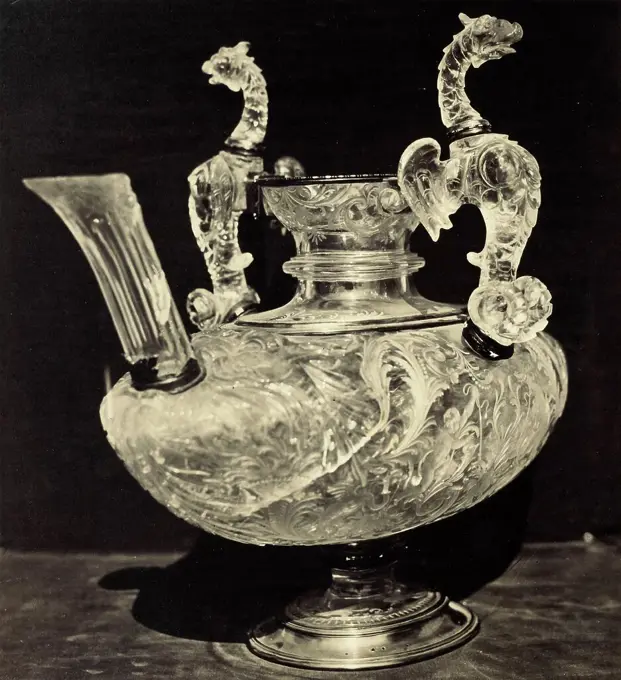
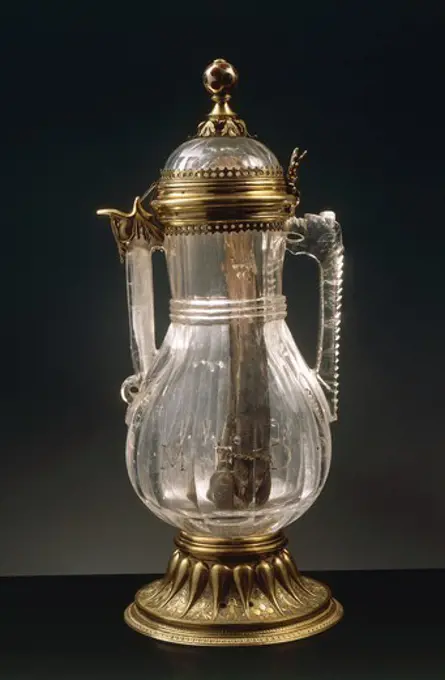
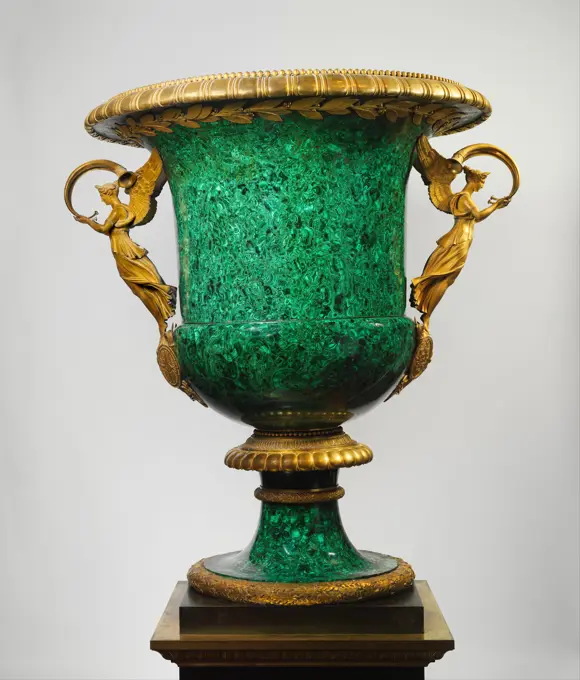
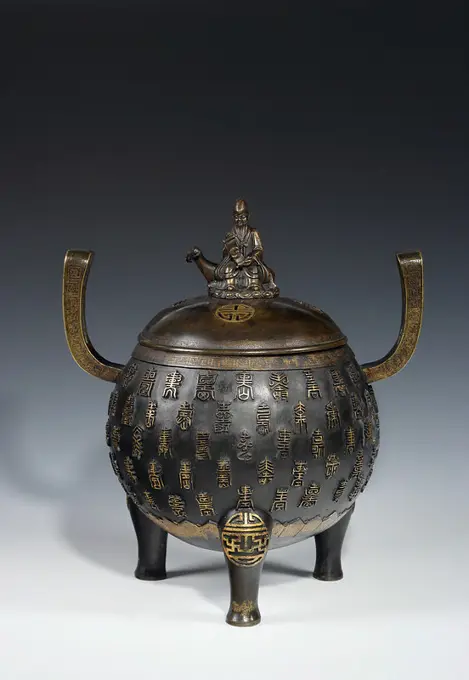
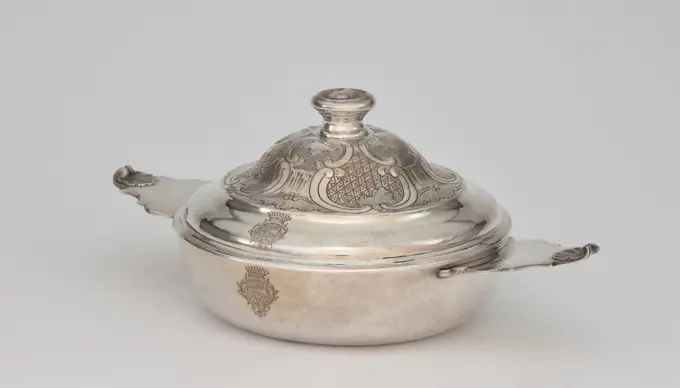
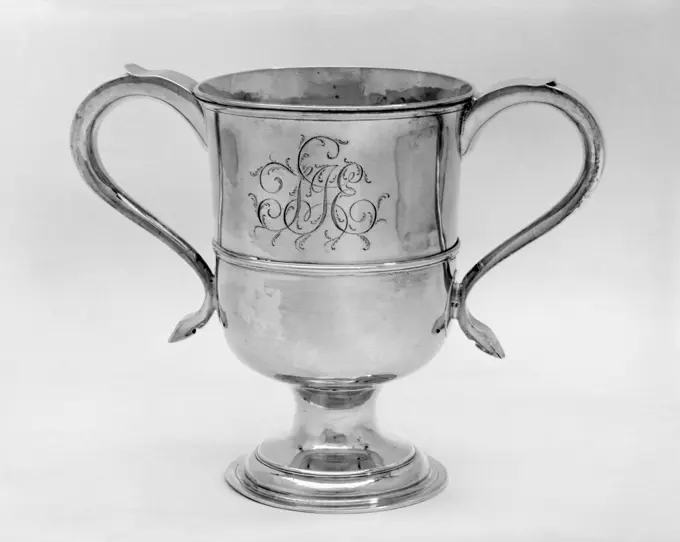
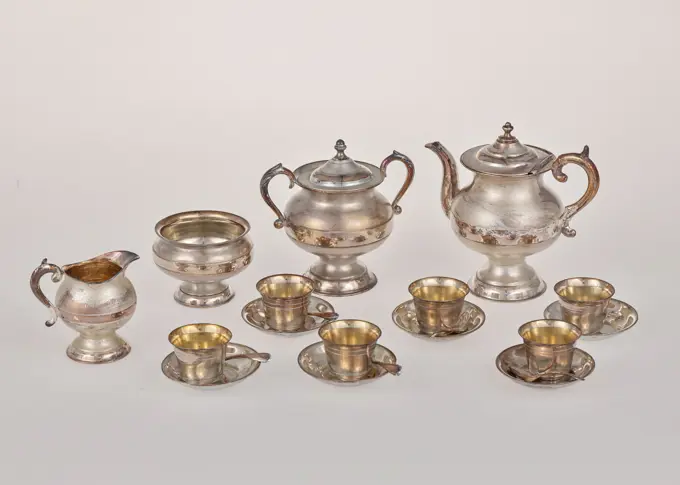
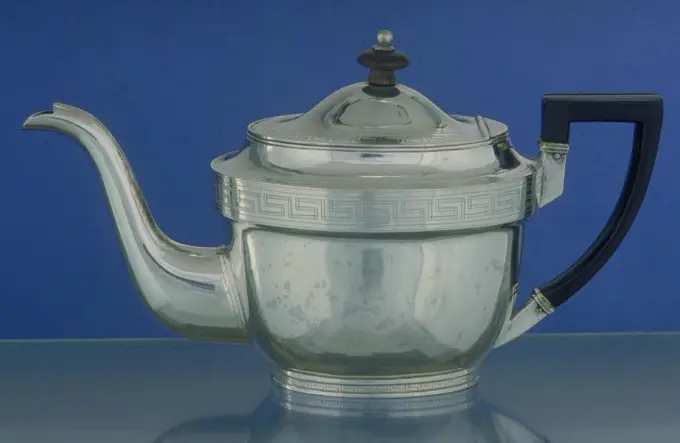
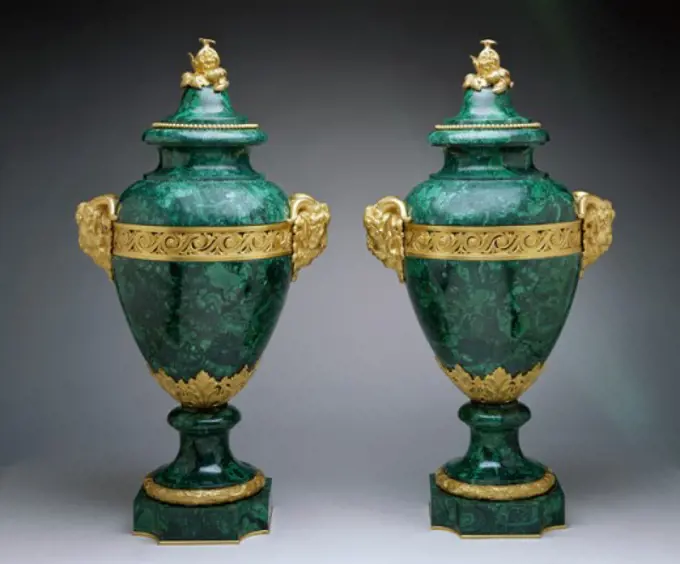
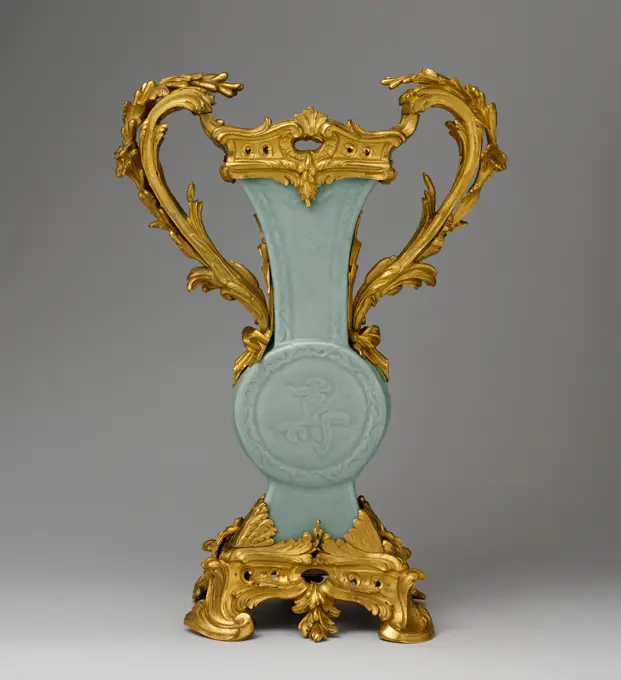
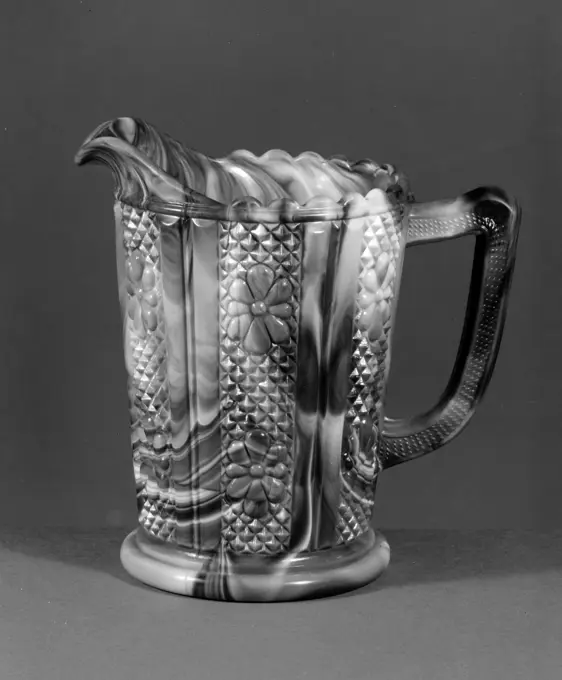
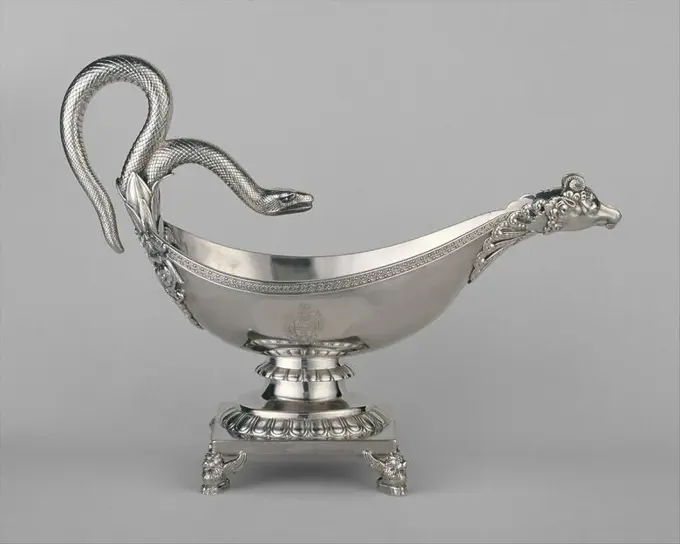
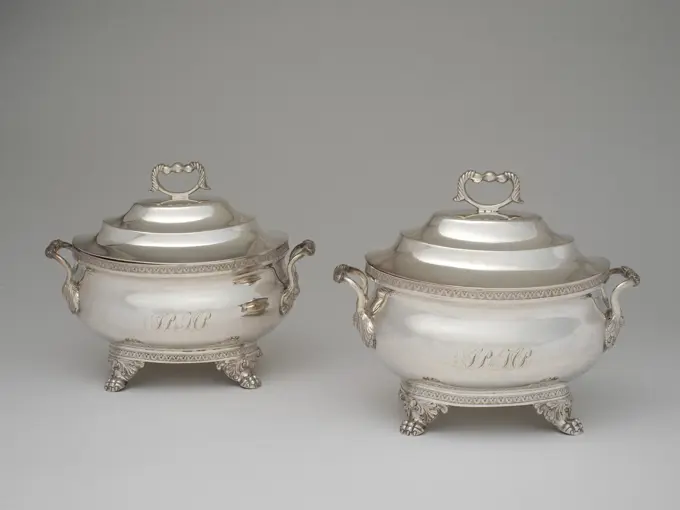
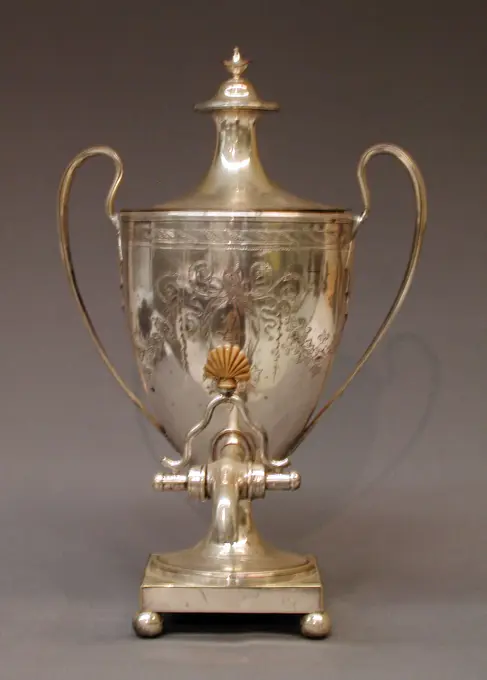
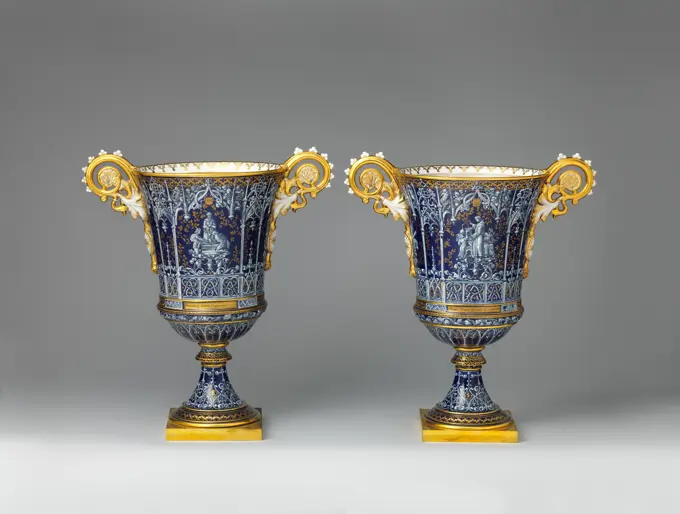
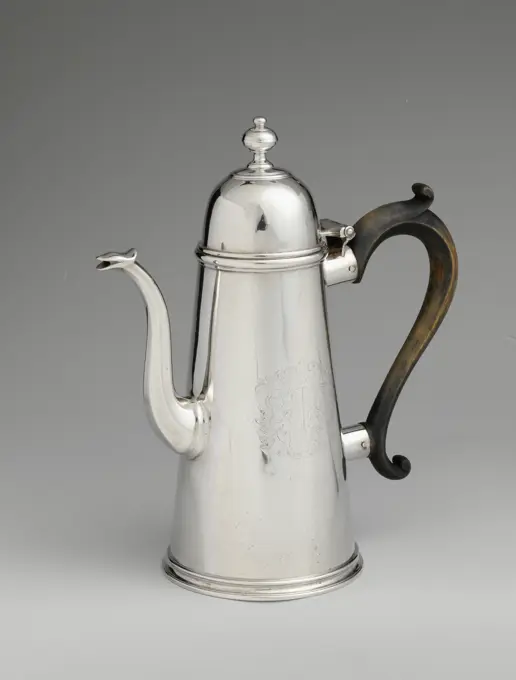
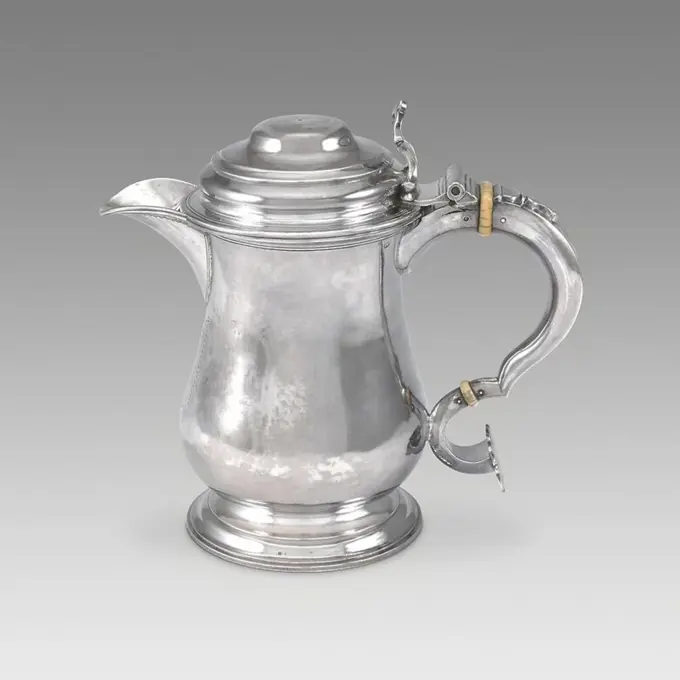
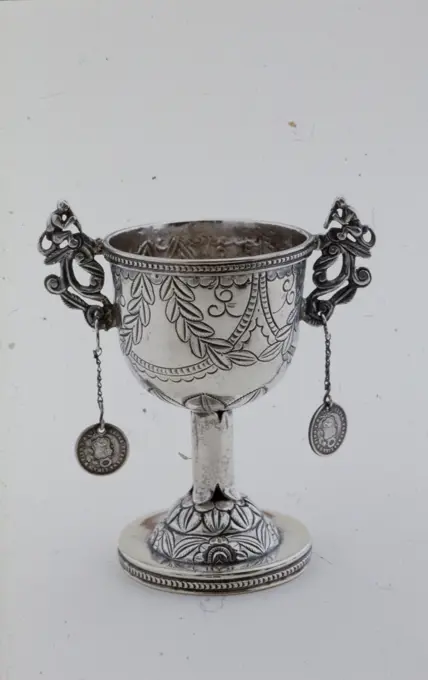
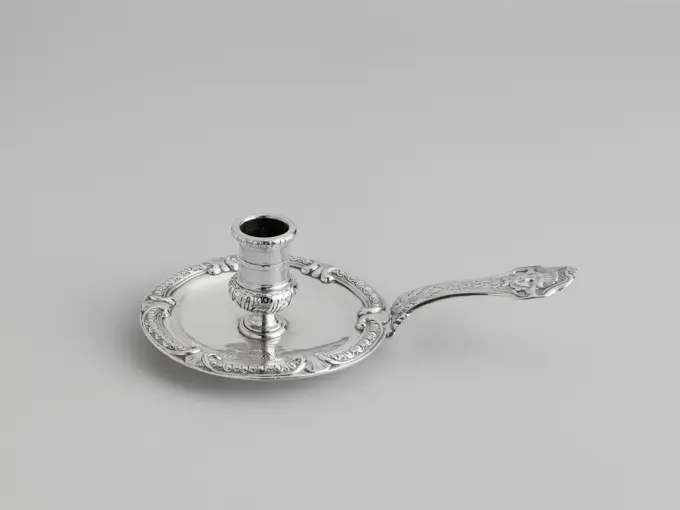
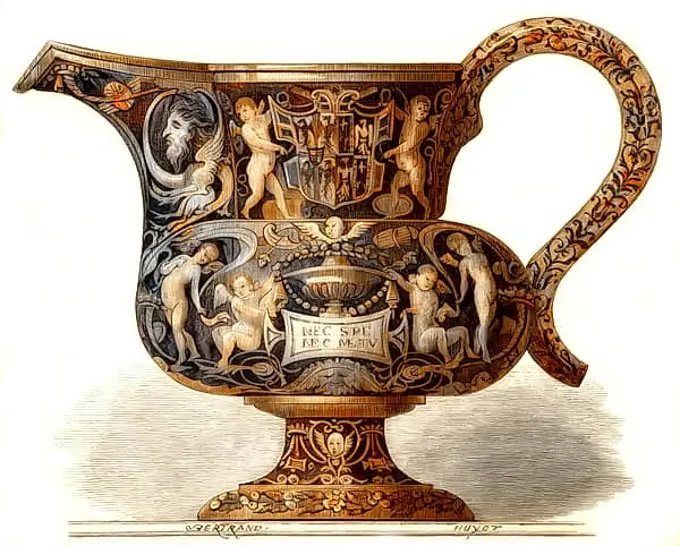
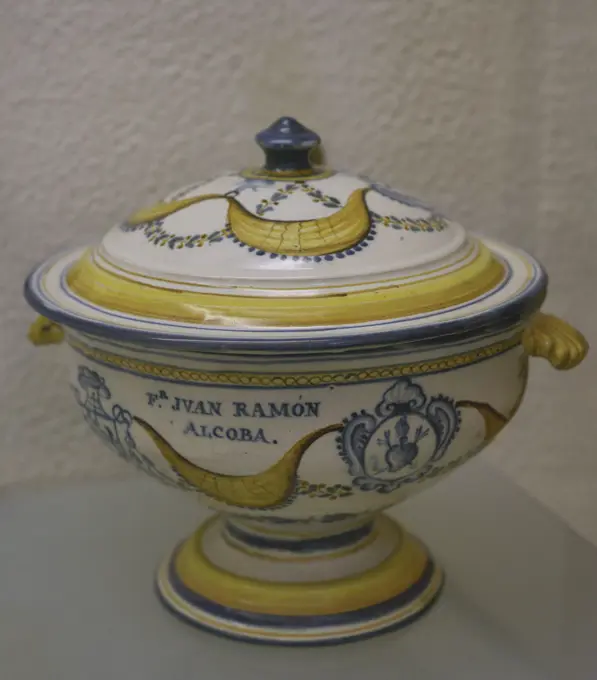
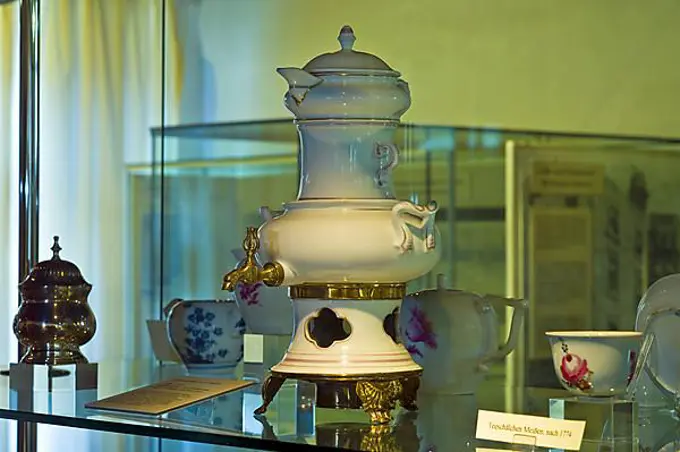
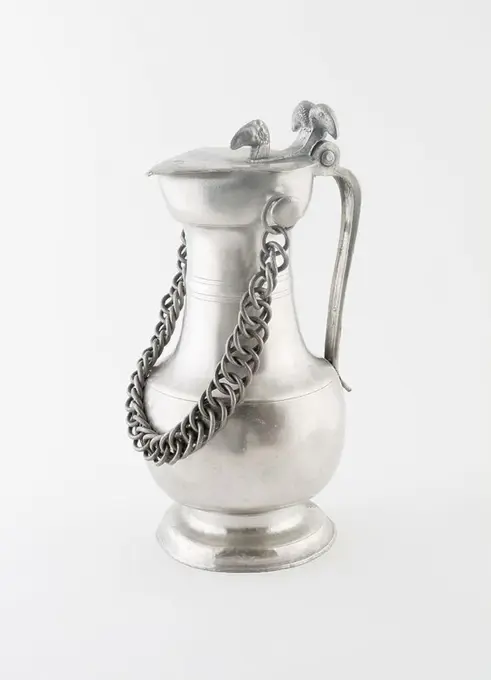
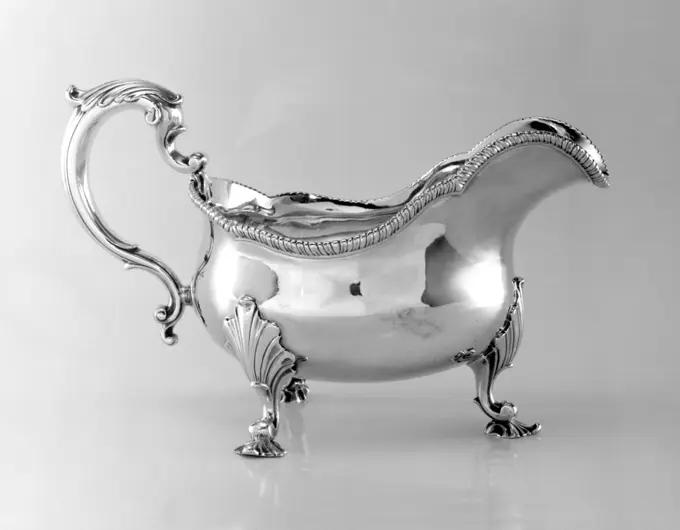
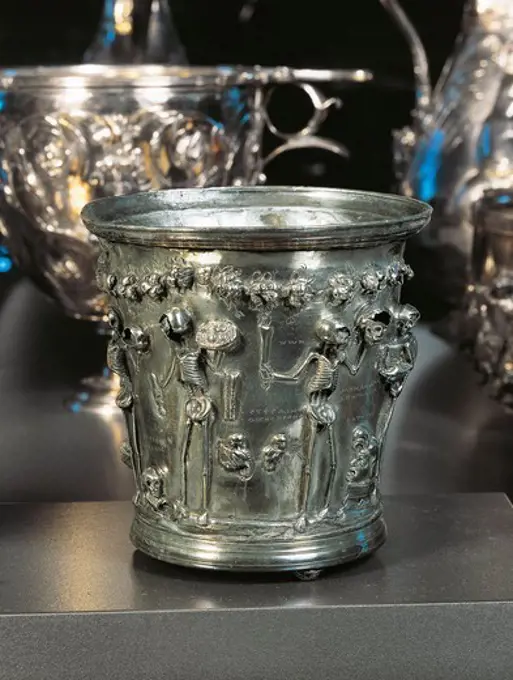
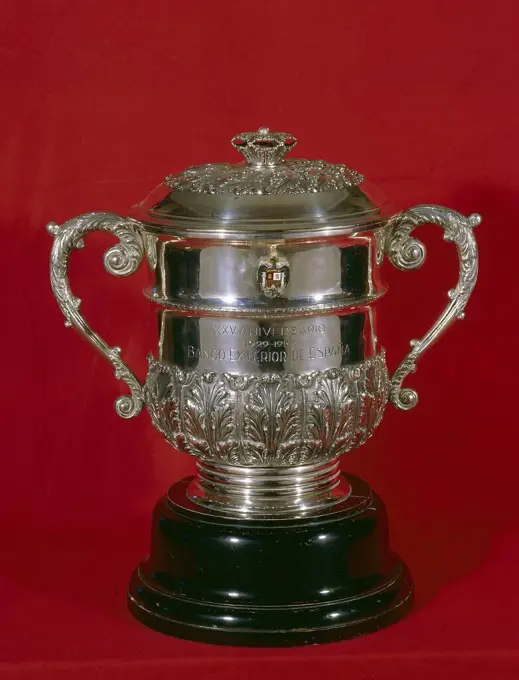
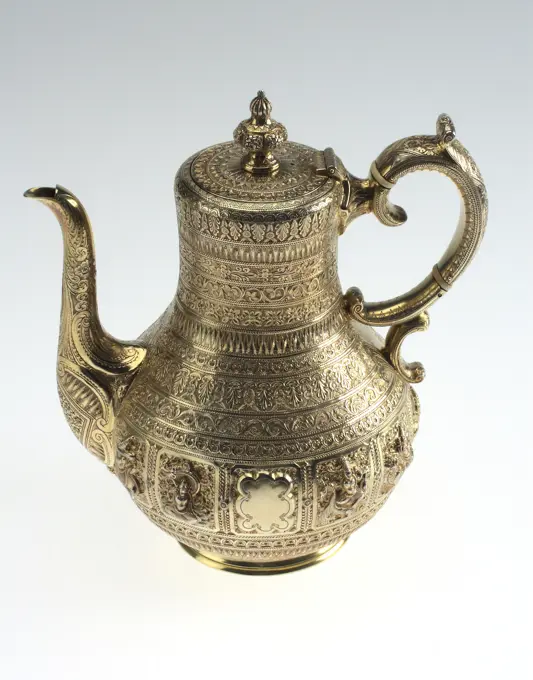
Coffeepot - Traditional Indian Iconography Goldsmith's Alliance Goldsmith's AllianceTankard, 1703. Anthony Nelme (British). Silver; overall: 19.1 x 21.8 x 14.3 cm (7 1/2 x 8 9/16 x 5 5/8 in.).Potpourri Vase, c. 1810. Derby (Crown Derby Period) (British). Porcelain; diameter of mouth: 11.5 cm (4 1/2 in.); overall: 15.1 cm (5 15/16 in.); container: 10 cm (3 15/16 in.).Galvanoplastic reproduction of a jug with the triumph of Bacchus, fa. Elkington & Co., After 1854 - Before 1880 Galvanoplastic reproduction of a jug with lid with the triumph of Bacchus. Partially gilded. London copper (metal). silver (metal) gilding Galvanoplastic reproduction of a jug with lid with the triumph of Bacchus. Partially gilded. London copper (metal). silver (metal) gildingTeapot ca. 1830 Thomas Fletcher American. Teapot 8368JARRA DE CRISTAL DE ROCA ARTE BORGONON S XV. Location: CATEDRAL-INTERIOR. Toledo. SPANIEN.Old russian samovar. old russian samovar isolated on a white backgroundTankard 1694-95 Probably by V. C., London. Tankard 198026Covered vase, one of a pair, 1780, Sèvres Porcelain Factory; Decorator: Fallot (birds); Decorator: Charles-Eloi Asselin (figures); Decorator: Vincent Taillandier (ground pattern); Maker: Jean-Claude-Thomas Duplessis (gilt-bronze mounts), French, active 1764-1790, 20 1/4 x 9 1/4 x 7 in. (51.44 x 23.5 x 17.78 cm), Hard-paste porcelain, enamel, gilt bronze, France, 18th centuryTankard.   Maker: Joseph Edwards, Jr., American, 1737-1783Vase with cover (vase à btons rompus) ca. 1764 Sèvres Manufactory French This vase is notable for the bold zigzag-and-diamond ornament above the foot, the highly architectural handles, and the draped oak garlands linking the handles to the vase. These elements reflect a growing awareness at Sèvres of the Neoclassical style, which was gaining popularity in France in the 1760s. Curiously, the painted decoration showing soldiers in an encampment, like that found on other early Neoclassical vases from Sèvres, ignores the new stylistic influence.. Vase with cover (vase à btons rompus). French, Sèvres. ca. 1764. Soft-paste porcelain. Ceramics-PorcelainPair of salt cellars on dolphins. Schwartz, Jan Maciej (1772-1828), goldsmithVase with cover (vase parent). Culture: French, Sèvres. Decorator: Alfred-Thompson Gobert (French, 1822-1895). Dimensions: Height (with cover): 14 in. (35.6 cm). Factory: Sèvres Manufactory (French, 1740-present). Modeler: Modeled by Albert-Ernest Carrier-Belleuse (French, Anizy-le-Chteau 1824-1887 Sèvres). Date: 1883-85.Sèvres porcelains were presented by the French government to members of the American committee that organized the erection of the Statue of Liberty. Among them was Richard Butler, who received this one. Museum: Metropolitan Museum of Art, New York, USA.Jardiniere with angels, early 20th century, Richard-Ginori manufacture, Reading hall, ground floor, Palazzo Spinola, Milan, Lombardy, Italy.Teapot ca. 1810 Alfred Welles. Teapot. American. ca. 1810. Silver. Made in Boston, Massachusetts, United StatesTeapot. Culture: German, Dresden mounts and Indian, Mughal crystal. Dimensions: Overall: 3 5/8 × 6 1/16 in. (9.2 × 15.4 cm). Date: rock crystal ca. 1700, mounts ca. 1720.From the turn of the seventeenth century until about 1725, the Saxon court at Dresden flourished as a center for the production of fanciful decorative object sin which goldsmiths' work was combined with such varied and exotic materials as jade, rhinoceros horn, and emeralds. Each of these materials--like the ostrich eggs, coral, and coconut shells popular in the previous century-- symbolized contact with a remote part of the world; when mounted in gold or silver, they became trophies of European trade and expansion.Such is the context of this teapot. The ribbed body and cover are of Indian rock crystal, and part of the finial on the lid probably is also Indian. Chased with flowering vines distinctly Eastern in character, the disk of the finial originally served as a platform for two small creatures of which only one,Cup with portraits of Philips, count of Flanders and Maria van Hohenzollern-Sigmaringen. The head is painted multi-colored with the portraits of Philips, count of Flanders and his wife Maria von Hohenzollern-Sigmaringen. In addition to the portraits on the heads in biscuit relief Hercules () With the Lion and Europe () With the bull. The ears in the form of a winged figure in biscuit, which holds a glazed coat of arms on the shot with crowned alliance arms of the couple and the meaningful niece Ohne Gott. The head is gold-plated, with an enrolled vermiculé () - pattern. Signature: Scepter with around eagle brand in underglaze blue; Inserted upside down a D. the portraits are signed: a.ambronn. With associated dish (BK-1985-42-a-1).Pewter coffee pot with wooden handleDesign for a Tureen, Joseph Anton Seethaler II, German, 1799-1868, Pen and ink, brush and wash on paper, The vessel is banded with a grapevine meander. The finial is in the form of a crouching lion, and coiled snakes, form the handles. The base rests on paw feet and is encircled iwth a similar grapevine meander band. Lower right (in red ink): 'No. 21.', Augsburg, Germany, 1825-1835, metalwork, Drawing, DrawingTankard, c. 1730-1740. Ephraim Cobb (American, 1708-1775/77). Silver; overall: 18.8 cm (7 3/8 in.); with handle: 17.7 cm (6 15/16 in.); without handle: 12.3 cm (4 13/16 in.).Sugar bowl &cover.   Maker: Samuel R. Richards, Jr., active ca. 1793 - 18181 Large Soup Tureen, 4 Small SauceTureens.   Maker: Paul Storr, British, 1771-1844crystal decanter engraved with animal handles, from the Louvre, Charles Thurston Thompson, c. 1866 - c. 1890.Miniature tankard. Culture: possibly Norwegian. Dimensions: 1 3/8 × 1 1/8 in. (3.5 × 2.9 cm). Date: 18th and 19th century. Museum: Metropolitan Museum of Art, New York, USA.Three Vases, Part of a Garrionure, Meissener Porcelain Manufaktur, c. 1735 - c. 1740 Cylindrical vase with a constricted base and a wide -ranging mouth, made of painted porcelain. The vase is painted on one side with a pair in a landscape with a vase on a high pedestal behind them. On the other side, a few is painted in a landscape with a fountain with a men's bust behind them. The vase is marked. The vase was originally caught in a gilded bronze frame. Float porcelain. bronze (metal). gilding (material) gilding Cylindrical vase with a constricted base and a wide -ranging mouth, made of painted porcelain. The vase is painted on one side with a pair in a landscape with a vase on a high pedestal behind them. On the other side, a few is painted in a landscape with a fountain with a men's bust behind them. The vase is marked. The vase was originally caught in a gilded bronze frame. Float porcelain. bronze (metal). gilding (material) gildingSilversmith's art, Italy, 12th century. Rock crystal tankard with hinged cover, mounted in enamelled gilded silver. Height cm. 37.3. Signed LAV.R.MED.Monumental vase lapidary work: early 19th century; pedestal and mounts: 1819 Pedestal and mounts by Pierre Philippe Thomire French Malachite is a carbonate mineral often associated with copper ores. As explained by Jeffrey Post, it "grows in layers of tiny crystals, and its colors correlate with different crystal sizes: smaller crystals form light green bands and larger crystals make darker ones."1 In the late eighteenth and nineteenth centuries, most malachite came from mines in Russia owned by the noble Demidov family, who exploited hardstone quarries and metal deposits on their estates in the remote Ural Mountains. One of the great discoveries in the history of semiprecious stones occurred in the 1820s, when an enormous boulder of malachite weighing about five hundred tons was unearthed in the Urals.2 A schistose material, malachite is extremely brittle, and only small display objects can be cut from single blocks of this rock. Large objects require a core structure, to which thGuillaume Henry, Cream Jug, c. 1730/31, silver.Ding-type censer with lid topped with the figurine of Shouxing. unknown, craftsmanSilver chalice, year fifteen hundred, Huesca Diocesan Museum, Aragon community, Spain.Kettle and Stand, Pieter Zöllner, 1854 Ketel on grower of silver with legs center piece in the handle. The broth and the bowl are richly decorated with masks and floral motifs. Rotterdam silver (metal). bone (material) Ketel on grower of silver with legs center piece in the handle. The broth and the bowl are richly decorated with masks and floral motifs. Rotterdam silver (metal). bone (material)Covered Urn 1785-1815 Chinese. Covered Urn. Chinese. 1785-1815. Porcelain. Made in ChinaÉcuelle; Dulaurier, Louis I; 1690; 1760-1761 (1690-00-00-1761-00-00);Two-handled cup 1791-92 John Langlands. Two-handled cup 197419Cup and saucer, from a children's tea service, c. 1875, James Tuff, 1 1/8 x 2 1/16 x 2 1/16 in. (2.86 x 5.24 x 5.24 cm), Silver plated pewter, United States, 19th centuryPepperBox. Maker, attributed to: James Turner, American, 1744-1759Teapot.   Maker: Ebenezer Moulton, American, 1768-1824Tankard ca. 1650 Valentinius (Felten) Urbiger The harmonious proportions, the careful distinction between matte and polished areas, and the powerful lid with its sculptural finial give this great tankard a particular elegance. The little recumbent stag, a symbol of hunting, rests on the lid framed by thin branches of so-called Krauswerk, or silver scroll-sheet foliage, that defines the space. Various tankards and covered cups with a similar stag cast are known. The decorative finials were prefabricated and bought from specialists. Its model was very popular (see István Heller. Ungarische und siebenbürgische Goldschmiedearbeiten: Vom Ende des 16. Jahrhunderts bis zum Ende des 19. Jahrhunderts. Munich, 2000, nos. 1 and 2, pp. 66-68 and Erdély régi művészeti emlékeinek kiállítása az Iparművészeti múzeumban / Ausstellung alten Kunstgewerbes aus Siebenbürgen. Exh. cat. Országos Magyar Iparművészeti Múzeum. Budapest, 1931, no. 71, pl. VII and Klaus Pechstein. Deutsche Goldschmiedekunst vom 1French Malachite Covered Urns 19th C. Antiques-Housewares Teapot.   Maker: John Moulinar, American, born 1722Mug 1764-98 William Will. Mug 5377Pair of vases porcelain mid-18th century, mounts ca. 1740-50 Chinese with French mounts The blue-green celadon vases have the Chinese character shou meaning long life” in low relief on their body. Originally even taller, these vases have been cut down and were mounted in Paris with scrolled and pierced handles, lip, and base. These mounts have been compared to work by Jean-Claude Duplessis père (ca. 1695-1774) a talented goldsmith, gilt-bronze worker, and porcelain designer. Duplessis’s name occurs regularly in the Livre-Journal or account book of the dealer Lazare Duvaux’s for the ten-year period of 1748-1758. In September of 1750, for instance, he sold the Marquis de Voyer d’Argenson a pair of large celadon porcelain vases mounted by Duplessis in gilt bronze for 3000 livres. This exceptionally high price indicates that the vases must have been of great importance, just like the Museum’s pair.. Pair of vases 207507Cup.   Maker: John B. Jones, American, 1782-1854Jacob Hurd, Salver, c. 1745, silver.Creamer 1870-90 Challinor, Taylor and Company. Creamer. American. 1870-90. Pressed purple marble glass. Made in Tarentum, Pennsylvania, United States. Meissener Porzellan ManufakturMeissen, before 1731hard-paste porcelainSauceboat. Culture: American. Dimensions: 8 11/16 x 11 5/8 x 3 1/2 in. (22.1 x 29.5 x 8.9 cm); 32 oz. 15 dwt. (1019.1 g). Maker: Anthony Rasch (ca. 1778-1858). Date: ca. 1815.These commanding sauceboats, fashioned in the French Empire taste, are marked by Rasch, a Bavarian-born Philadelphia silversmith. They are among the most sophisticated silver vessels produced in the United States in the early nineteenth century and are distinguished by their bold ornamental scheme, which includes magnificent cast serpent handles and ram's-head spouts. The engraved armorials are those of the Milligan family of Maryland. Museum: Metropolitan Museum of Art, New York, USA.Porringer with cover and plate (part of a traveling set) 1768 Louis Imlin III the Younger. Porringer with cover and plate (part of a traveling set) 198727Covered Sauce Tureen ca. 1817 Edward Lownes This pair of sauce tureens exemplifies the elegant simplicity and sophistication of early nineteenth-century American silver. The maker, Edward Lownes, trained under his uncle, the silversmith Joseph Lownes. He would become one of the small group of Philadelphia silversmiths who manufactured objects of superb quality during the first third of the nineteenth century. Edward Lowness oeuvre was devoted primarily to tea-, coffee-, and tablewares in the so-called "round style," which was influenced by contemporary French fashions. These sauce tureens are handsome examples of that genre, enhanced by refined die-rolled borders and cast and chased leaf and paw feet. In his later work, primarily from the 1830s, Lownes transitioned to a revived rococo style. He scrupulously kept abreast of the latest fashions. He also played an active role in his profession. He was one of the founders of Philadelphias celebrated Franklin Institute, which opened in 18Censer with thoroughly rejuvenated lid. The components are poured, with the exception of the chains. The spherical tub of rings placed on a roundly profiled base is provided. Lid in the form of a twice rejuvenating round towering, with holes that have the shape of a doorway or be round. The lid is also equipped with rings and ribs. Three pairs of eyes. Sixly ring carrier with a hole for the lid chain. Four renewed necklaces. The eye on the ring carrier is missing.Pepperbox.   Maker: John Jackson, American, active ca. 1731-72Tea urn ca. 1785 British. Tea urn. British. ca. 1785. Sheffield plate. Metalwork-SilverplateVase (vase gothique Fragonard) (one of a pair) manufactured 1832, decorated 1844 Model designed by Alexandre Evariste Fragonard French These two vases decorated in the neo-gothic taste embody the eclecticism that characterizes so much of the art produced in mid-nineteenth-century France. The model for this vase was designed by Alexandre-Évariste Fragonard (French, 1780-1850), one of the most prolific designers at the Sèvres factory during the 1820s and 1830s. Given the title vase gothique Fragonard at Sèvres, the model transforms a Medici vase shape (entry 74) with the addition of prominent scrolling handles that are embellished with trefoils and stylized vegetation in low relief.1 The elaborate profile of the handles diminishes the essentially Neoclassical character of the vase’s form, and instead, the form com-bines harmoniously with the painted neo- Gothic decoration to suggest, however loosely, a work of art made in the late fifteenth century.2 Nonetheless, the Gothic quality oRock crystal vase with carved filigree silver frame, The Treasury, St Mark's Basilica, Venice. Goldsmith art, Italy, 10th century.Coffeepot 1725-35 Charles Le Roux American With its assertive linearity, tall tapering body, and high-domed lid, this vessel represents the earliest form of coffeepot made in colonial America. It and the accompanying square salver with an upcurved rim and bracket feet (1997.498.2) are rarities in American silver. Both are engraved with the arms of Assheton quartering Shepley, for Ralph Assheton (1695-1745/6) of Philadelphia. The coffeepot and salver remained together, in family hands, until 1989.. Coffeepot. American. 1725-35. Silver. Made in New York, New York, United StatesTankard. John Bayly; American, 1734-1769; Philadelphia, Pennsylvania. Date: 1755-1765. Dimensions: 21 × 22.2 × 11.4 cm (8 1/4 × 8 3/4 × 4 1/2 in.). Silver. Origin: Philadelphia. Museum: The Chicago Art Institute, Chicago, USA.Cup, 19th-20th century, 4 1/4 x 4 1/8 x 2 3/4 in. (10.8 x 10.5 x 7.0 cm), Silver, Peru, 19th-20th centuryChamber candlestick 1732-33 Jean-Baptiste Boullemer. Chamber candlestick 200258Situla or Holy Water bucket made with silver. Augsburg (Germany) 1580-1600). The bucket was made to contain Holy Water for use during baptisms and other church services. It is decorated with garlands of flowers and fruit and emblems of the crucifixion of Christ.Italian hanap, Faience, 16th centuryTankard (Schnelle) ca. 1570-80 Workshop of Hans Hilgers German stoneware tankards were brought to America in large numbers on Dutch fur-trading ships. Shards of these popular vessels have been uncovered at seventeenth century sites in New York and New England.. Tankard (Schnelle) 191733Creamer.   Maker: Newell Harding and Company, American, active ca. 1852-81Tureen. 18th century. Ceramic. From Talavera de la Reina (Toledo province, Spain). The owner's name appears: Juan Ramón Alcoba. Sephardic Museum. Toledo. Castile-La Mancha. Spain.Tap with lid, and accompanying bottom leaf, van Tin, Nicolaas Kraan (attributed to), c. 1720 - c. 1812 Coffee pan from Tin, a so -called tap jug. The legs are formed by volutes and rest on wooden bulbs. In addition, the pear -shaped, hexagonal can. Just below the lip edge, the handle is applied, which extends to the widest point of the jug and partly of wood. At the bottom of the belly is the tap. The loose lid is hexagonal and has a wooden button. The jug belongs to a Tin leaf that serves as a chassis. On the three wooden legs is a leaf with a raised, openwork tire. On top of that is a grant on three legs. The upper edge of the Comfoor is decorated with an openwork band with garlands. Amsterdam tin (metal). wood (plant material) casting Coffee pan from Tin, a so -called tap jug. The legs are formed by volutes and rest on wooden bulbs. In addition, the pear -shaped, hexagonal can. Just below the lip edge, the handle is applied, which extends to the widest point of the jug and partly of'Louis XVI. Gold Repeater, (c.1770), Old Chelsea Porcelain Porringer and Cover, (c.1710), 1903. Artist: UnknownPorcelain samovar in the Norden Tea Museum, East Frisia, Aurich district, Germany, EuropeJardiniere, one of a pair, c. 1800, 5 3/4 x 10 x 7 1/2 in. (14.61 x 25.4 x 19.05 cm), Porcelain, England, 18th-19th centuryCovered Flagon with Chain. Giovanni del Barba; Swiss, active first half 19th century; Switzerland. Date: 1840-1850. Dimensions: 34.3 x 16.5 x 18.4 cm (13 1/2 x 6 1/2 x 7 1/4 in.). Pewter. Origin: Wallis. Museum: The Chicago Art Institute, Chicago, USA.Flower vase, from the AR hunters suite. Kaendler, Johann Joachim (1706-1775), sculptor, Eberlein, Johann Friedrich (1695-1749), modeller, Heintze, Johann George (1706/7-?), painter, Koenigliche Porcellain Fabrique, Meissen (1710-1763), factoryThe Royal Yacht Squadron Regatta - the Emperor's Cup, 1858. 'When the Emperor Napoleon III. visited her Majesty last summer at Osborne, he honoured the Royal Yacht Club-house at West Cowes with a visit, and, as an acknowledgment of his kindly feeling for the members, requested their acceptance of a cup, to be sailed for as a prize, in commemoration of his own former connection with the club. Mr. C. F. Hancock, of Bruton-street, was honoured with his order on the occasion for the Napoleon Cup. It consists of a large silver tankard. The top is formed by a group of lion-hunters, the horse of oneDramcup.   Maker: Benjamin Sanderson, 1608-1693Vintage Tea Kettle Engraving An ornate vintage tea kettle engraving, showcasing a classic and elegant style. This detailed artwork evokes a sense of nostalgia and traditional tea service. Copyright: xHypnoCreativexJARRON OVOIDE CON TAPA - SIGLO XV/XVI - 46'5 cm - CERAMICA ITALIANA. Location: MUSEO LAZARO GALDIANO-COLECCION. MADRID. SPAIN.CreamPitcher. Maker, forgery: Paul Revere, American, 1735-1818Pair of sauceboats 1761-62 John Parker British. Pair of sauceboats 200585Boscoreale treasure, Silver glass, Relief with skeletons representing Greek philosophers and inscriptions advising to enjoy pleasures of life, From Boscoreale (province of Naples)Augsburg, Haid et filius, JJ, Hauer, Johann Thomas, Six decorative vases, verso - stamped, Designs for six ornamental vases with garlands. The vase at the top right has goat heads on either side., print, ornament print, prints, ornament prints, height 168 mm, width 213 mm, Hungarian, 1748 - 1820, print maker, printmaker, 1785 - 1786, paper, etching, etchings, engraving, engraving (printing process), Work conception, after own design by, Publication (Event), Publication, publisherTea and coffee service from J.D. Preuyt (1801-1887), cattle farmer and mayor of Geervliet, donated to him for his jubilee in 1873., Pieter Zöllner, 1859 - 1873 service (set) Ten silver crockery parts in which gold and silver tokens are inlaid. To Preuyt to the gift on the day of his 50th anniversary as a schout secretary and mayor of Geervliet, which was celebrated on June 12, 1873. In the lids of the crockery, the gold medals that Preuyt had won at exhibitions for prize-winning fat were set Livestock in the years between 1852 and 1872. silversmith: RotterdamGeervliet silver (metal). gold (metal)  decorations, honours (as symbols of the state, etc.) (+ society) GeervlietSet of individual antique teapots. Black outline, white outline, cartoon style. Vector illustration.Tea glass with teapot and metal sugar bowlNational Sporting Trophies Exhibition In London-The Football Association Challenge Cup loaned by the Football Association to the exhibition of National Sporting Trophies which was opened by the Duke of Edinburgh (Monday April 30), at Hutchinson House London. ***** is the third Challenge Cup and has been ***** since 1911. It was designed and ***** Pattorini of Bradford and the ***** of it were Bradford City-the ***** on which they have reached the *****. It is after the style of an antique ***** urn. April 28, 1951. (Photo by Fox Photos)DishTeapot.  Manufacturer: Corning Glass Works, American, 1878-1990 Designer Frederick Carder, American, born England, 1863-1963International TrophyCovered Tankard with Arms of the Holy Roman Empire (Reichsadler Stein). Central Germany, 1743. Furnishings; Serviceware. Glass, enamel, silverCOPA DE PLATA DEL XXV ANIVERSARIO DEL BANCO EXTERIOR DE ESPAÑA. Location: BANCO EXTERIOR-COLECCION. MADRID. SPAIN.