Antique Silverware Collection

Elegant silver teapots, jugs, and cannisters showcasing vintage craftsmanship with intricate designs, reflecting historical artistry.
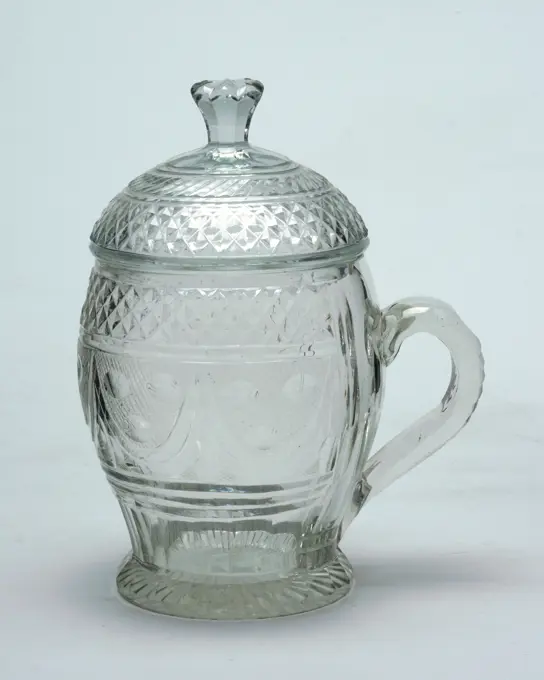
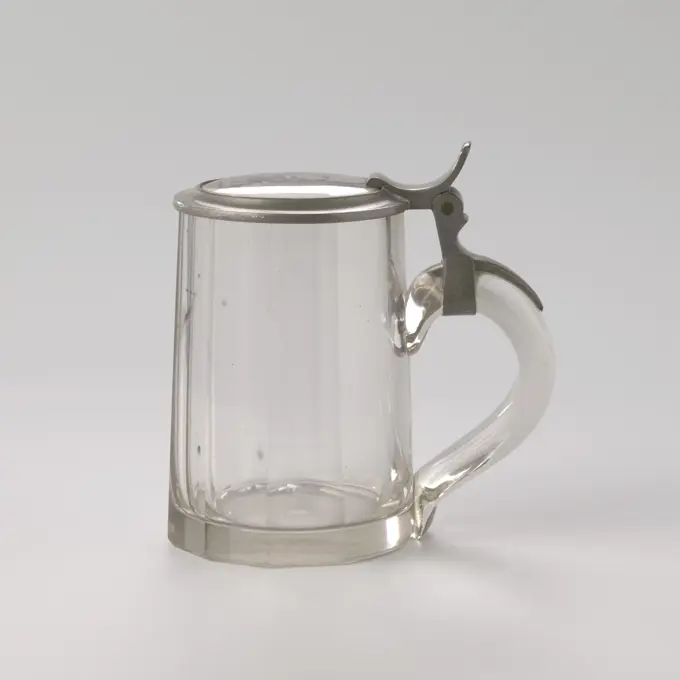
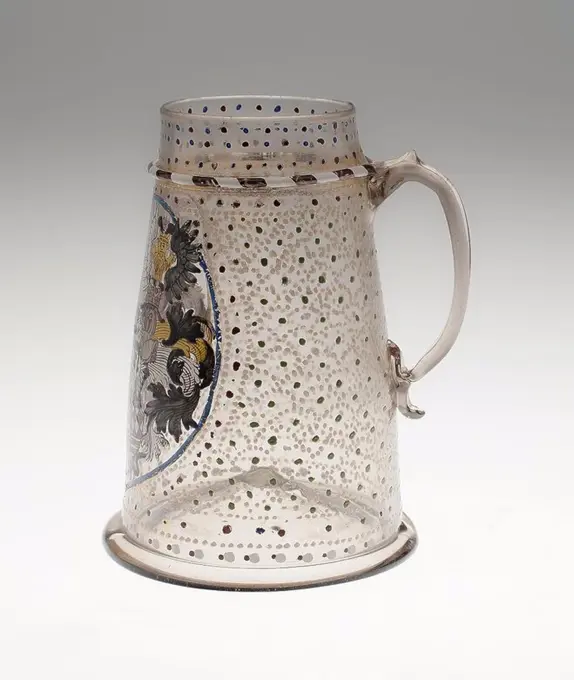
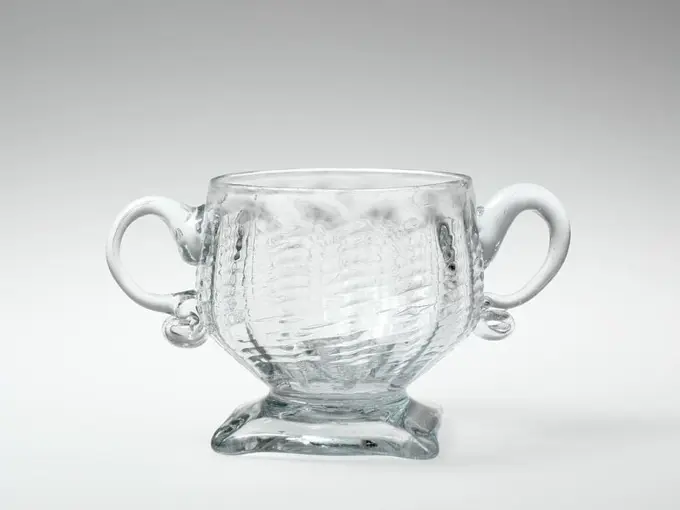
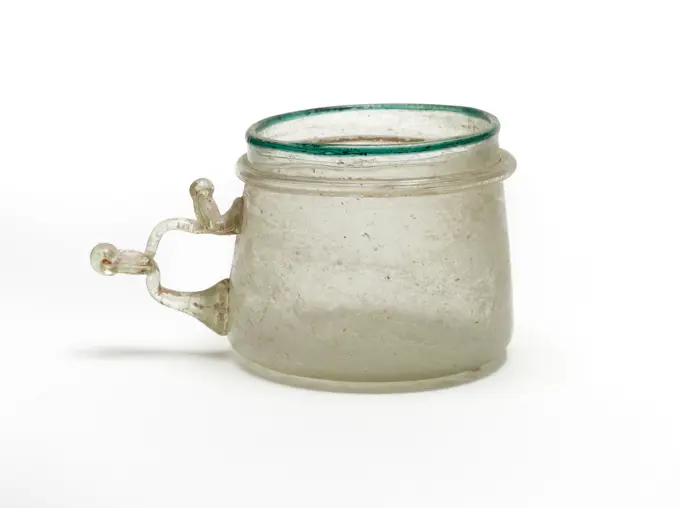
Mug And Cover; glass
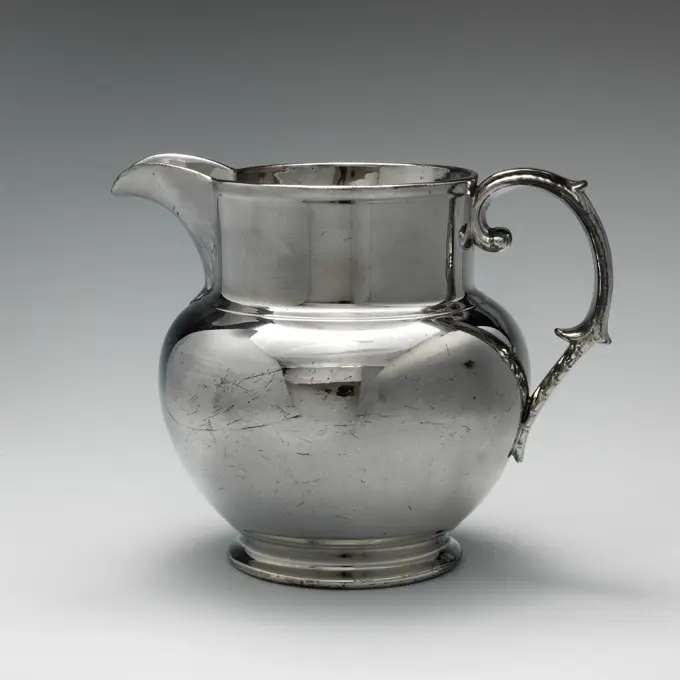
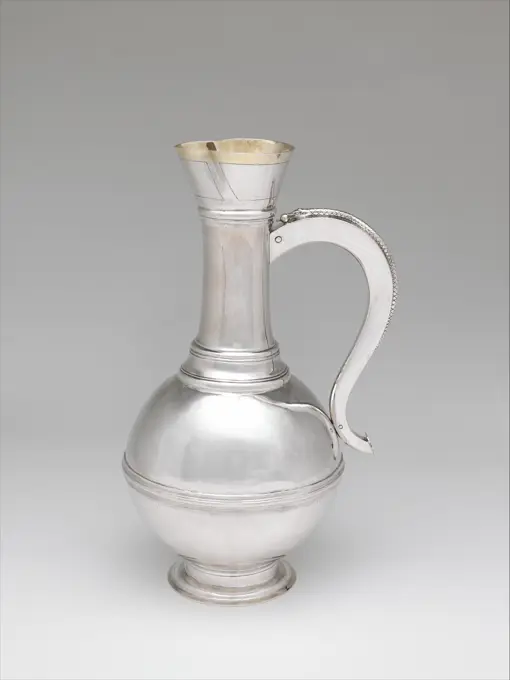
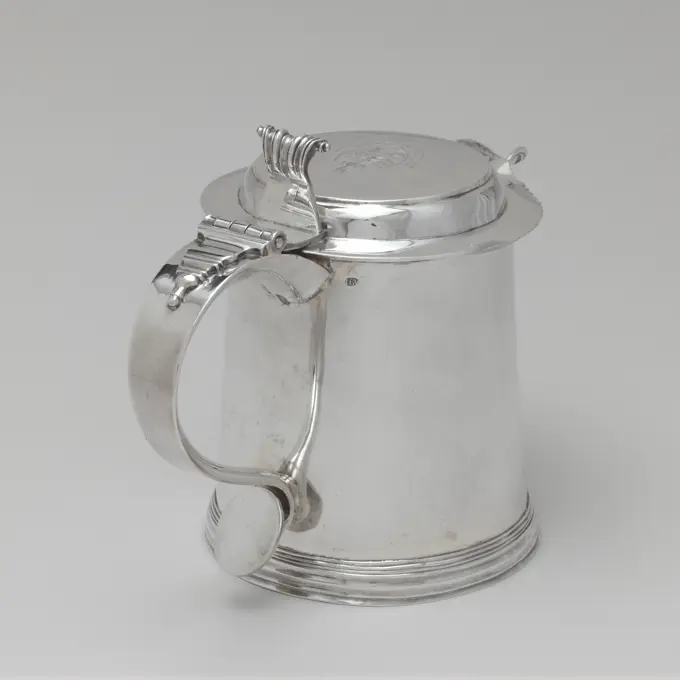
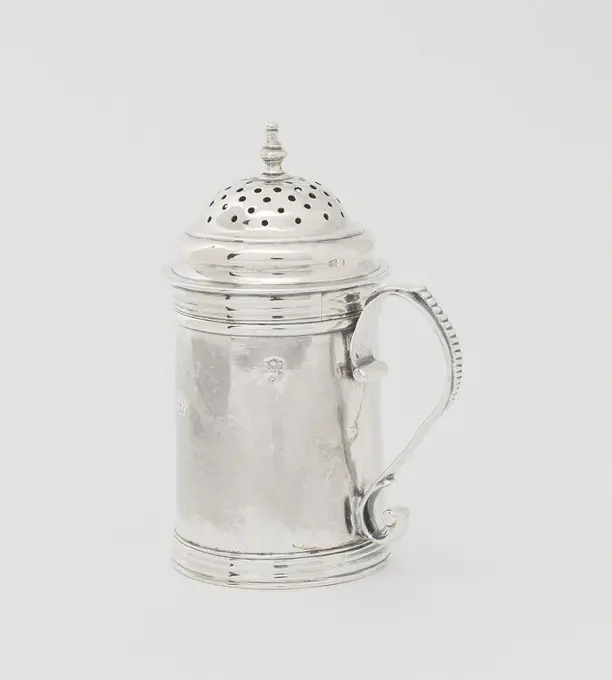
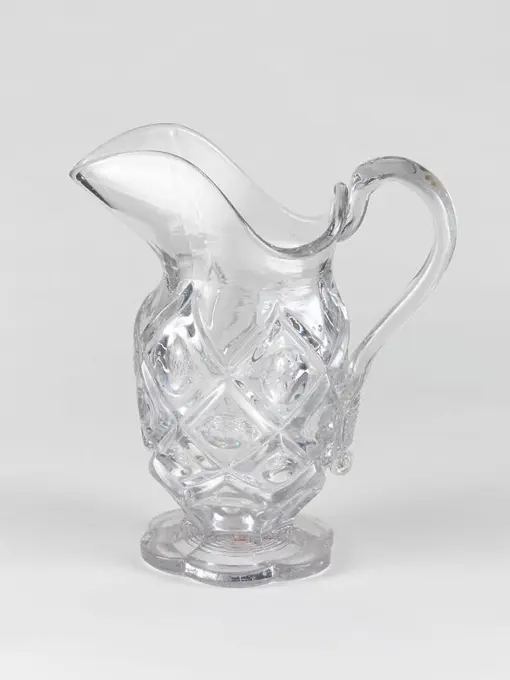
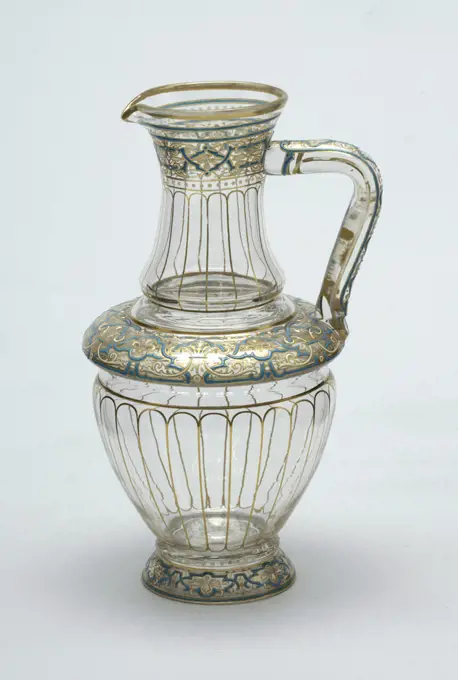
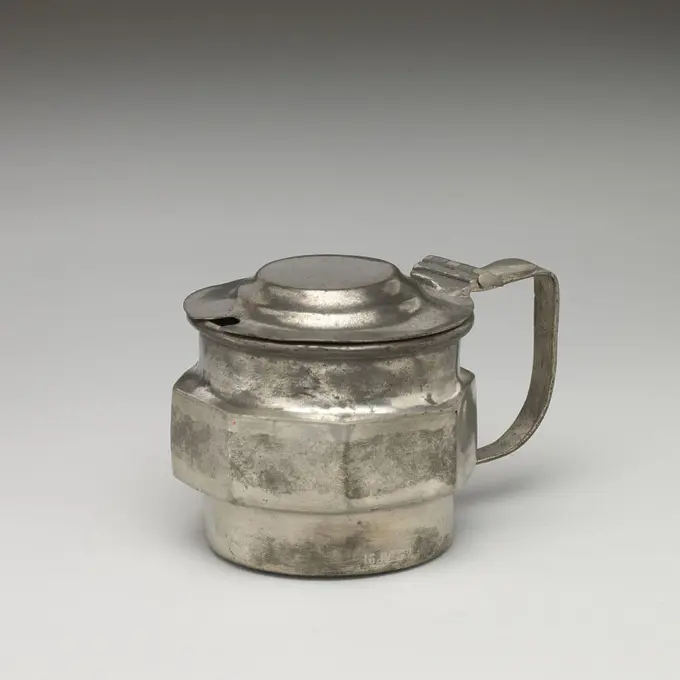
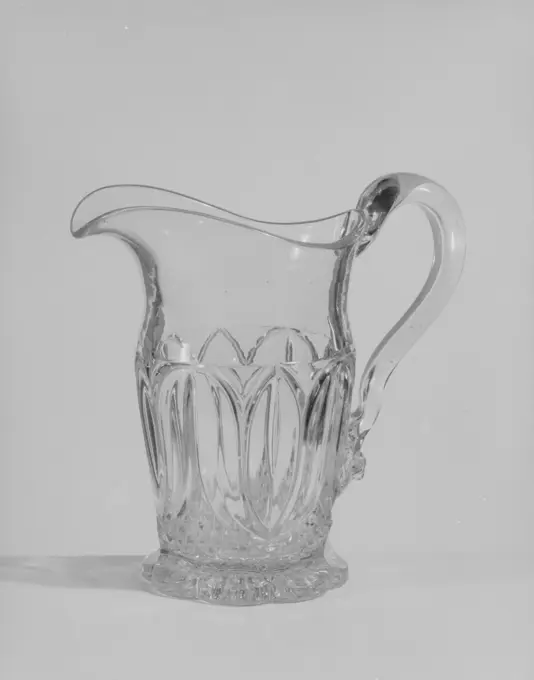
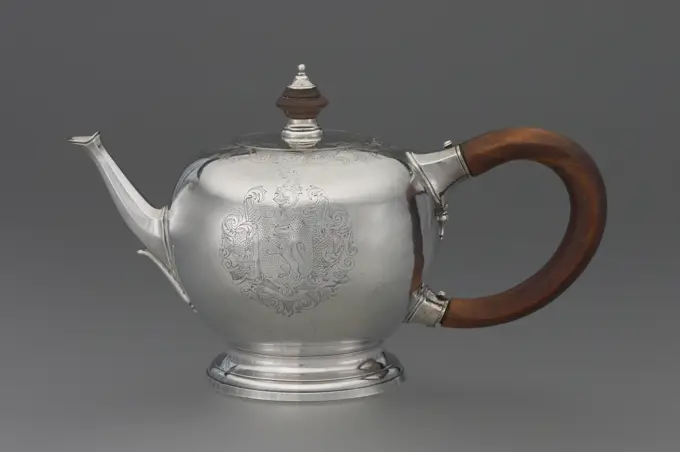
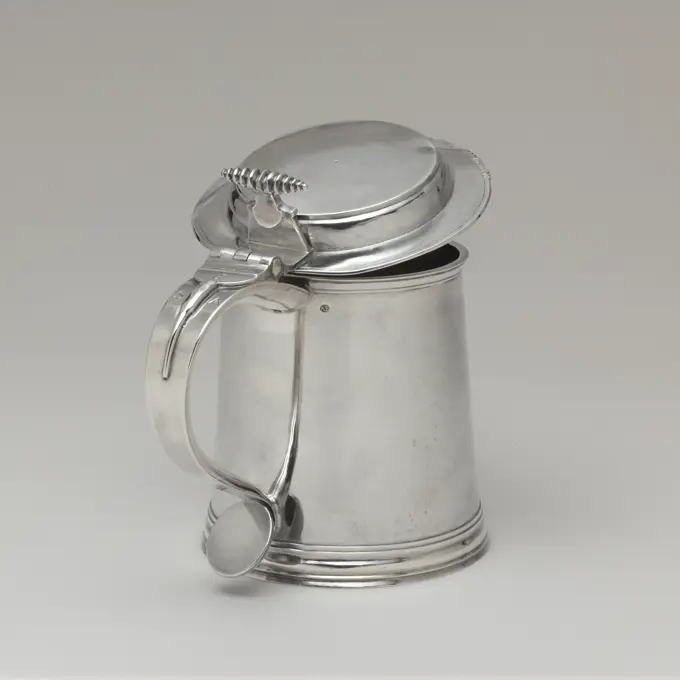
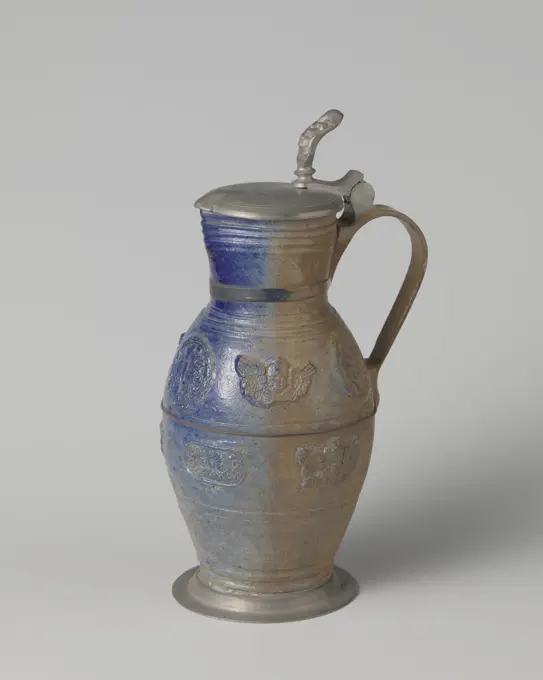
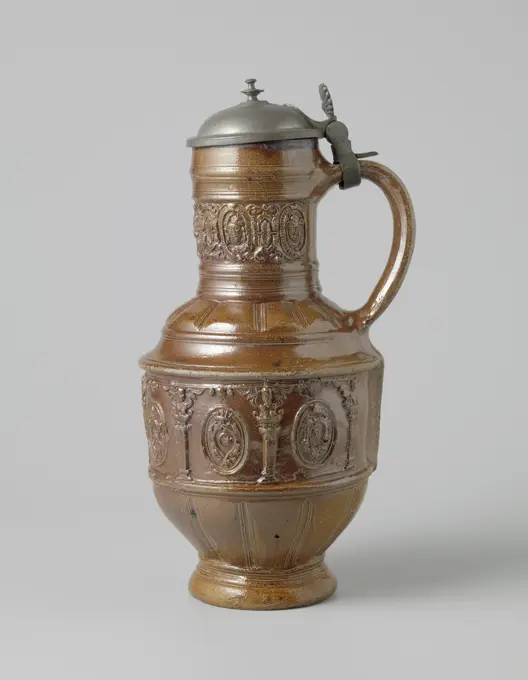
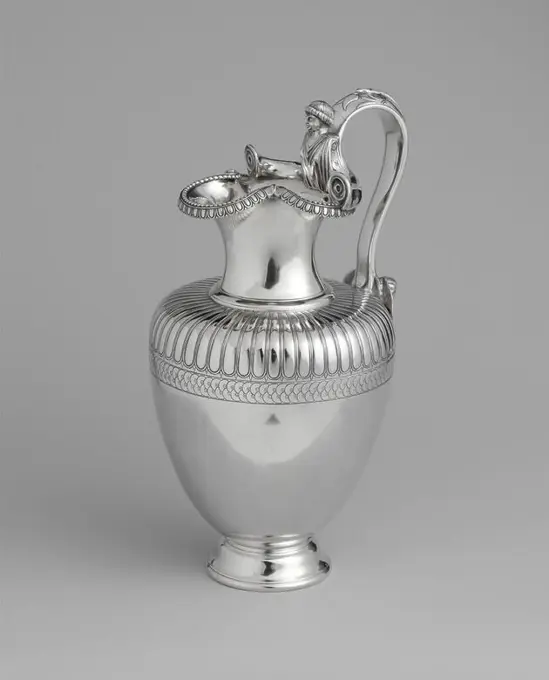
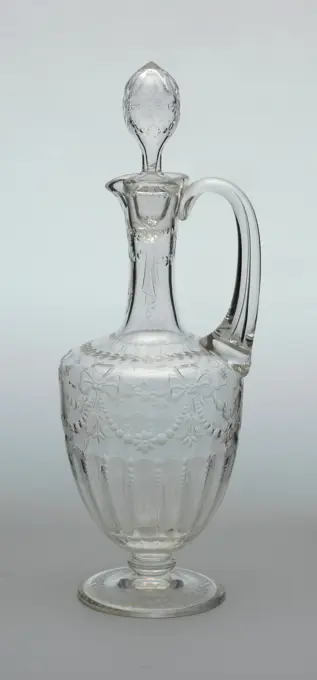
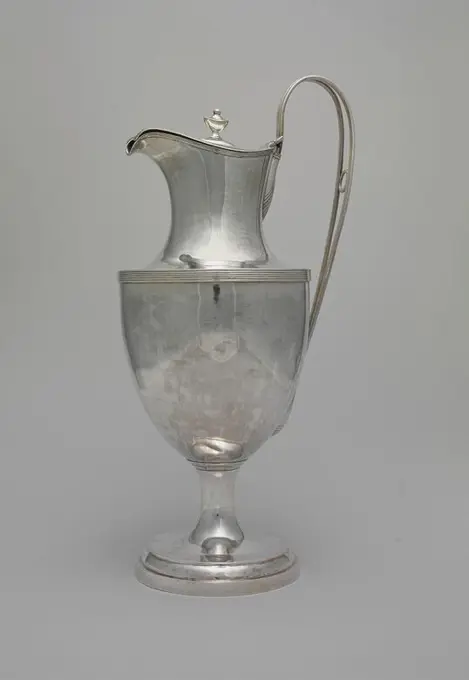
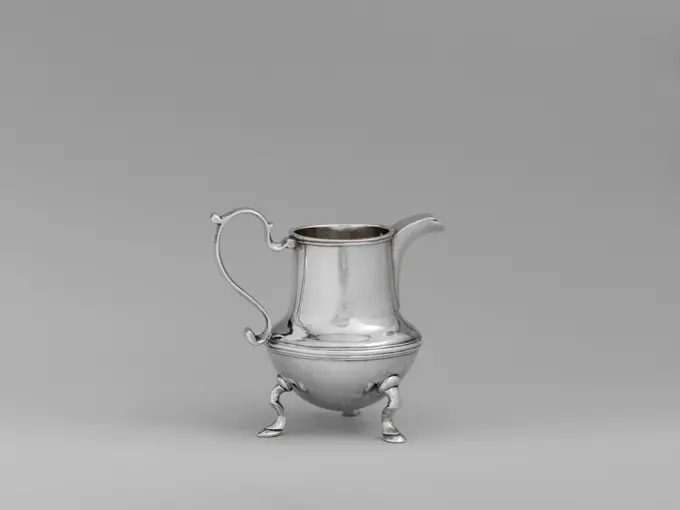
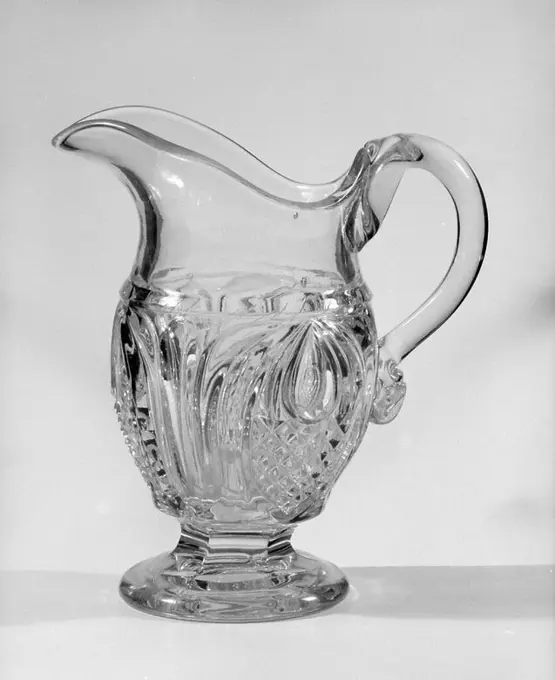
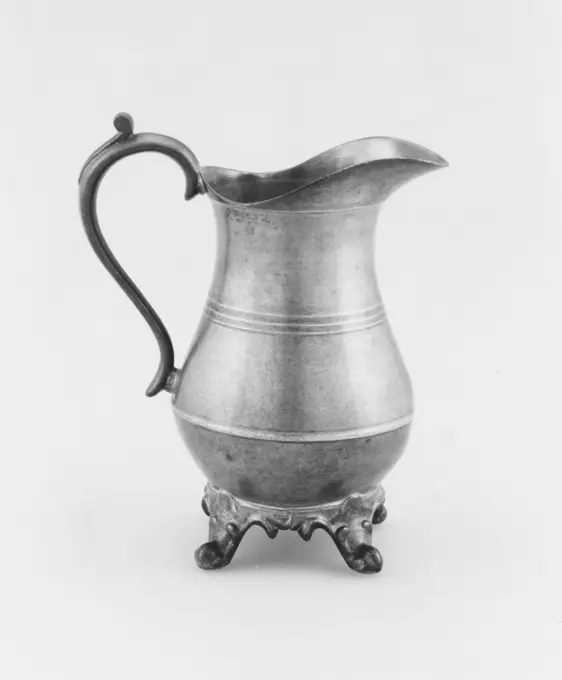
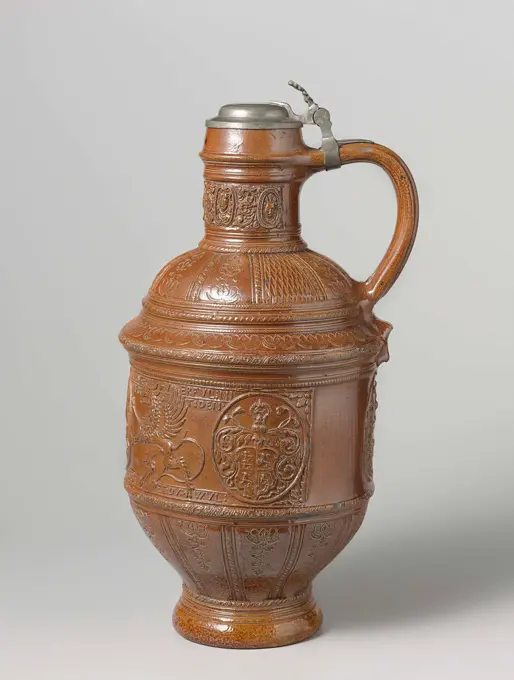
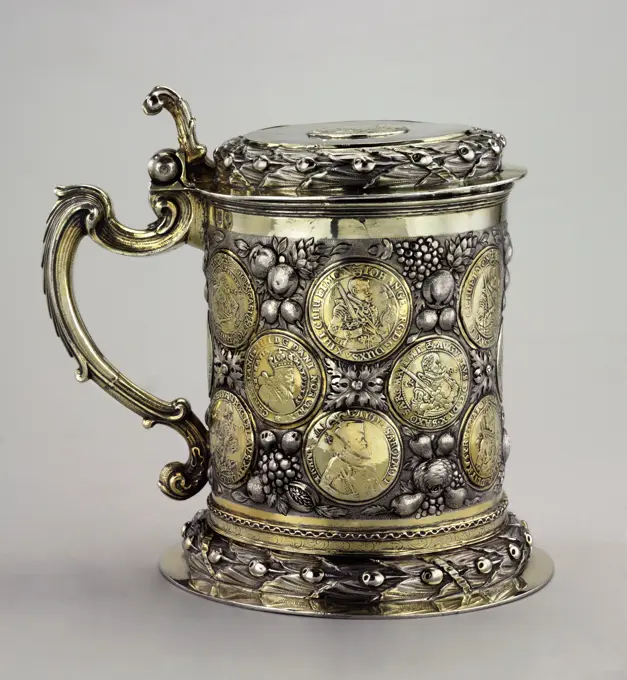
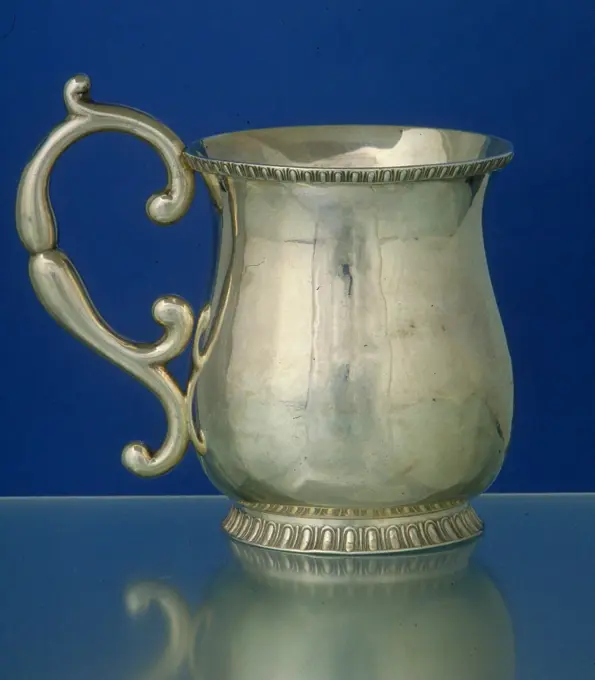
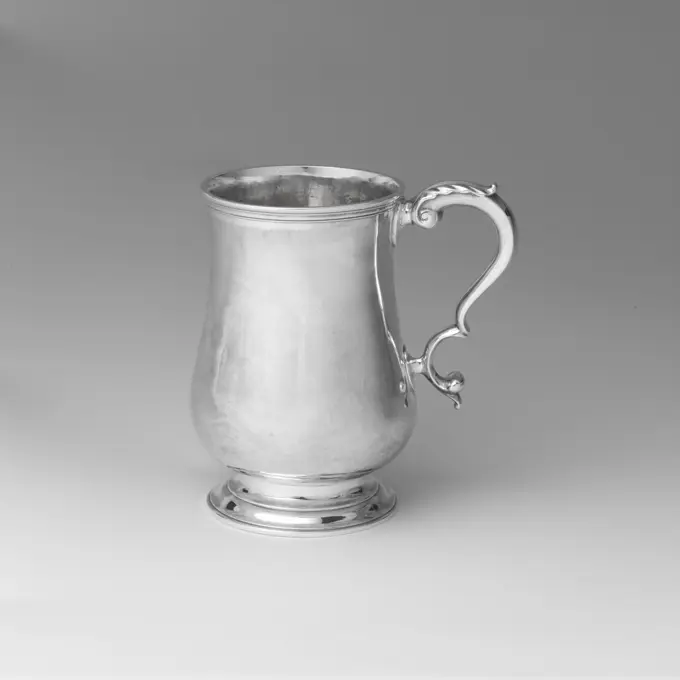
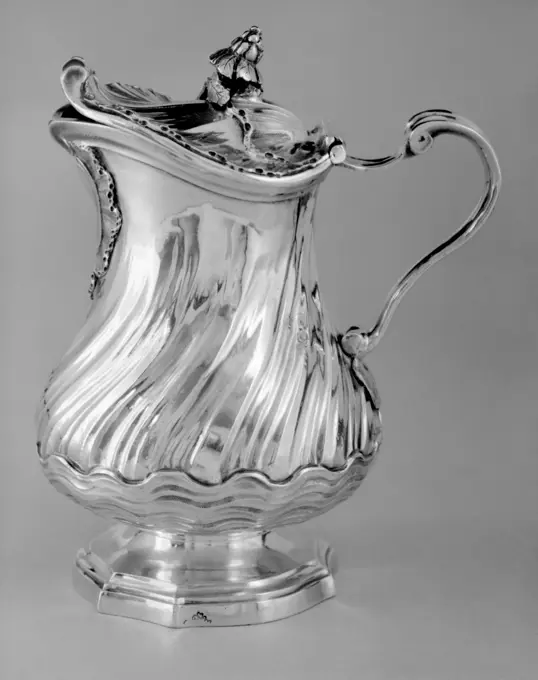
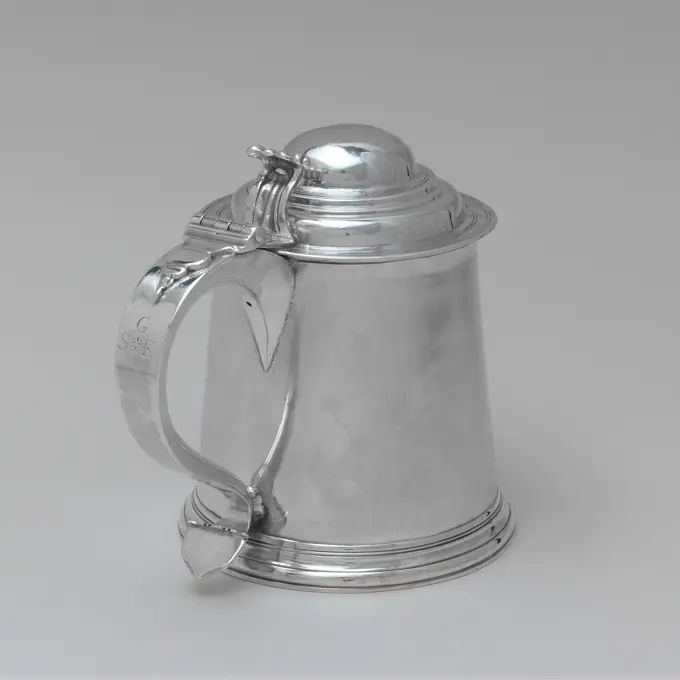
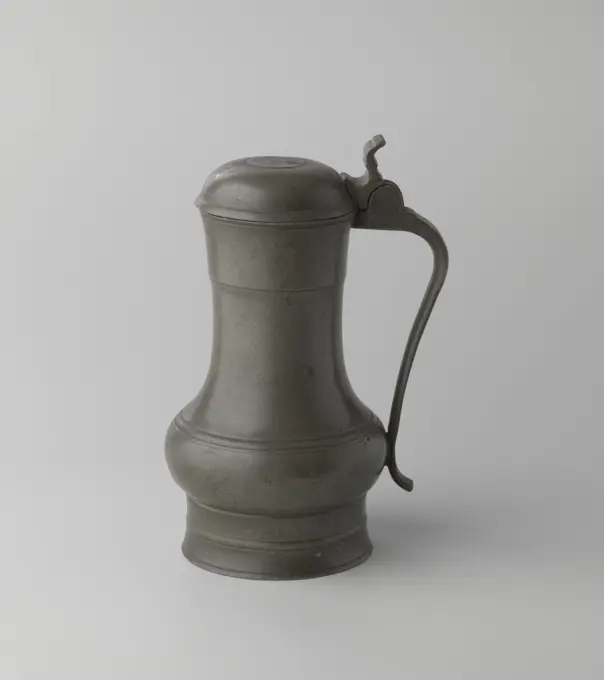
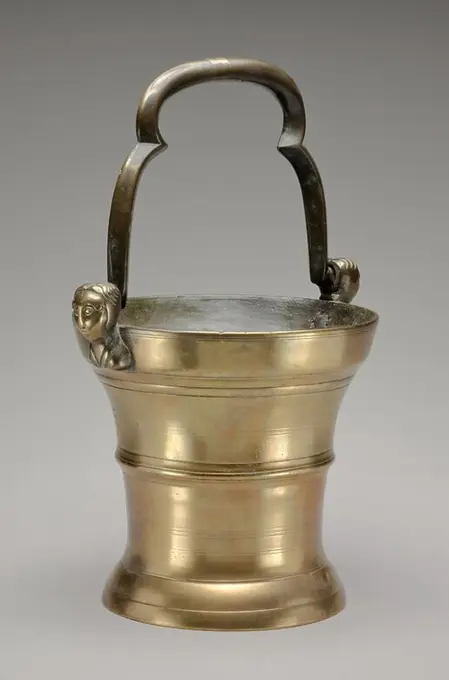
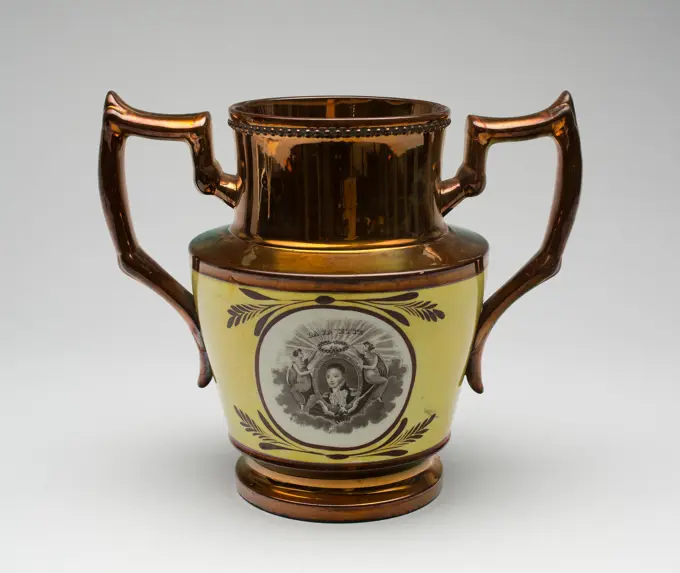
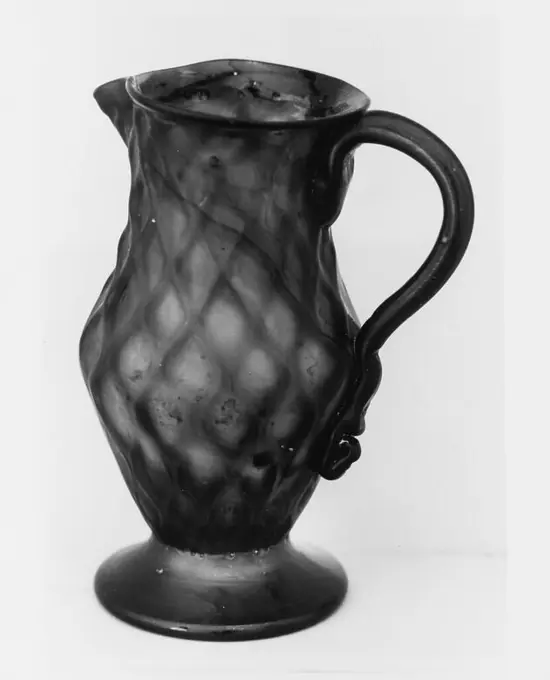
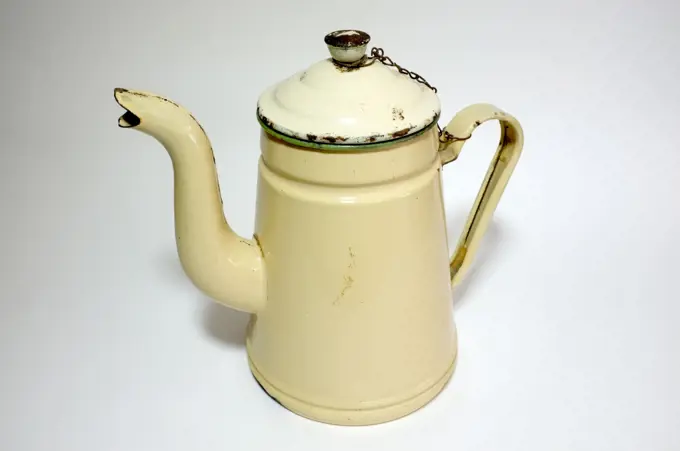
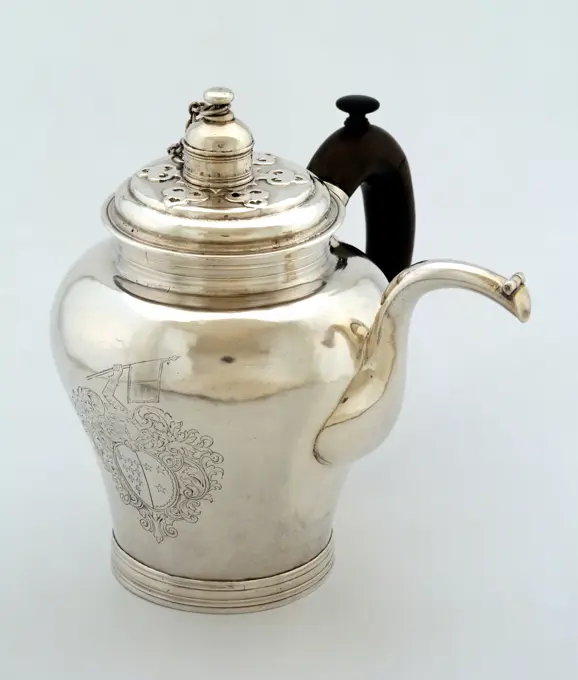
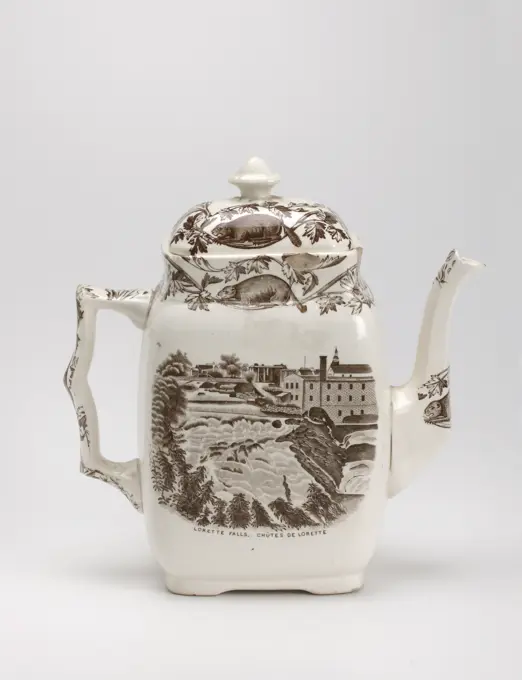
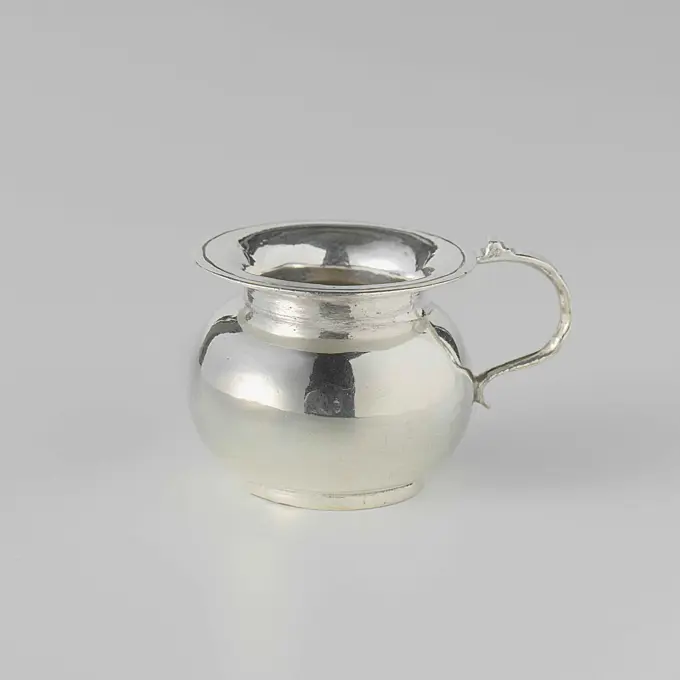
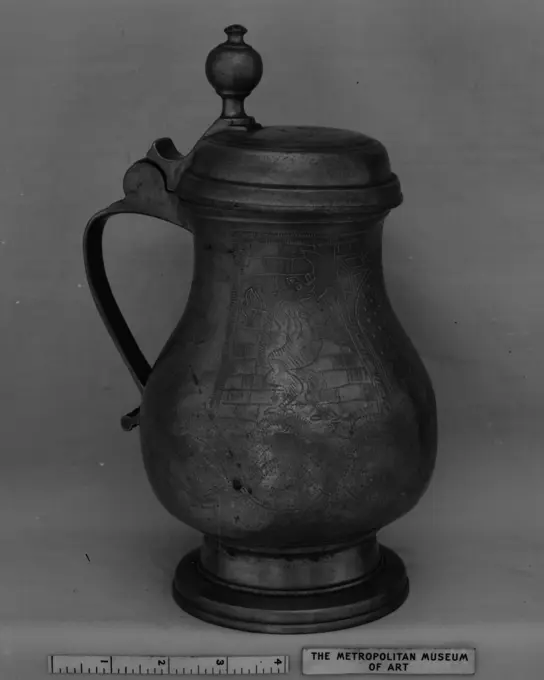
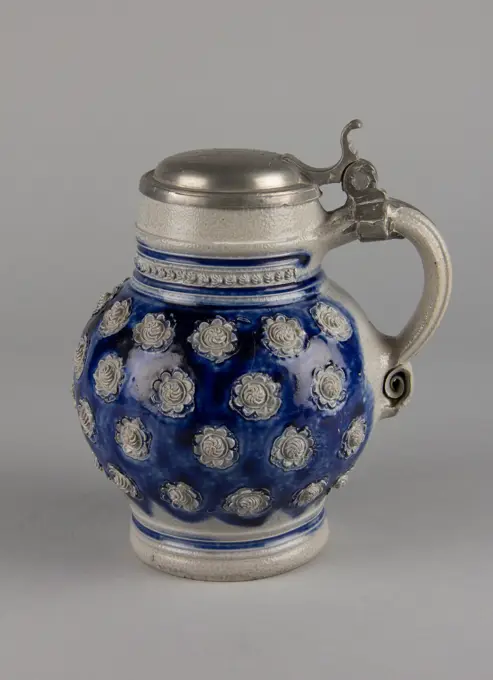
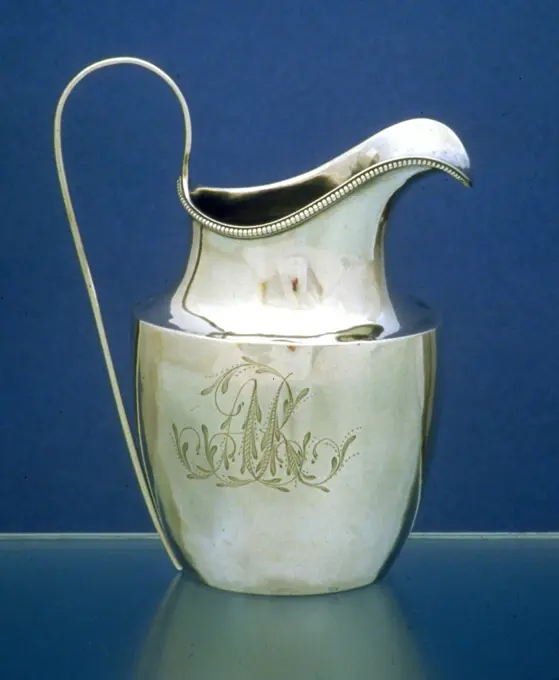
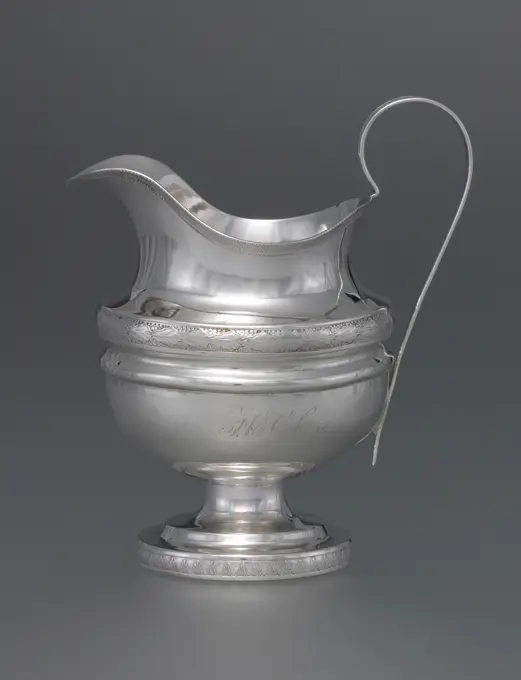
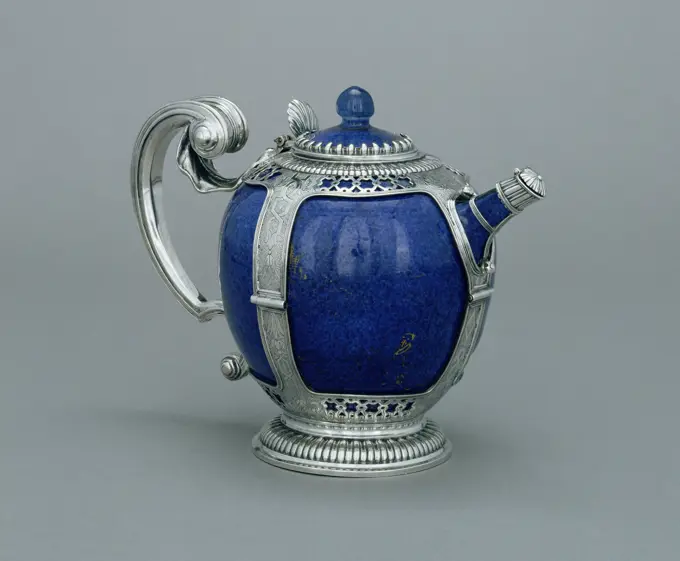
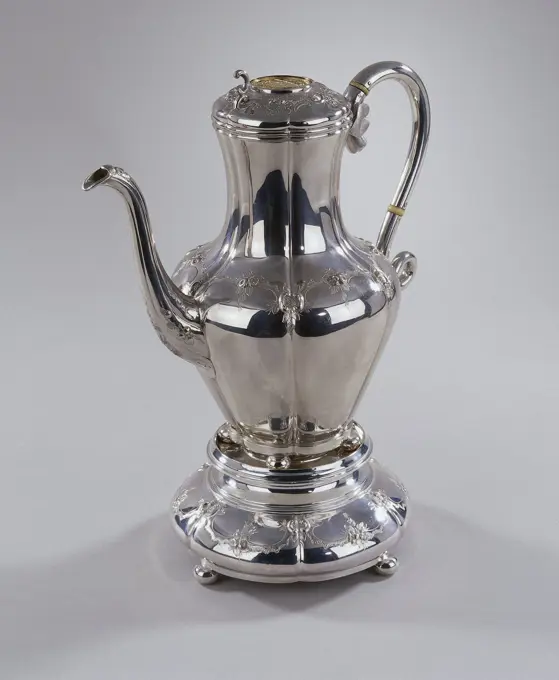
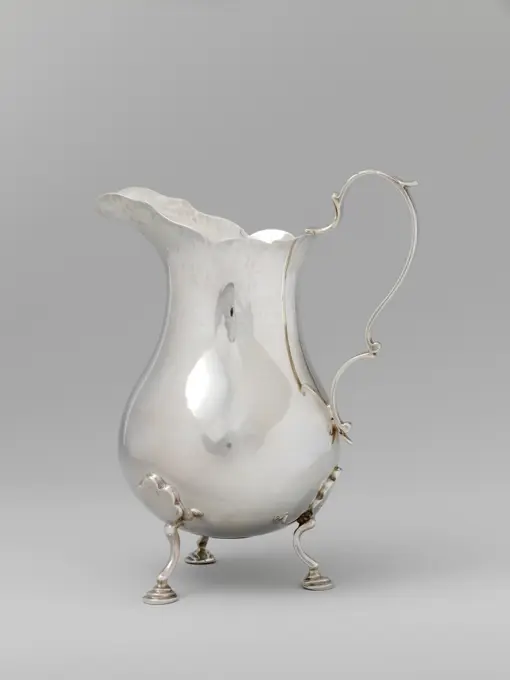
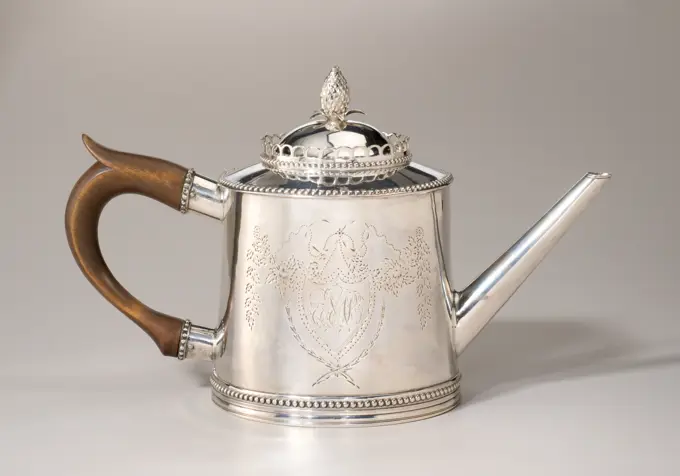
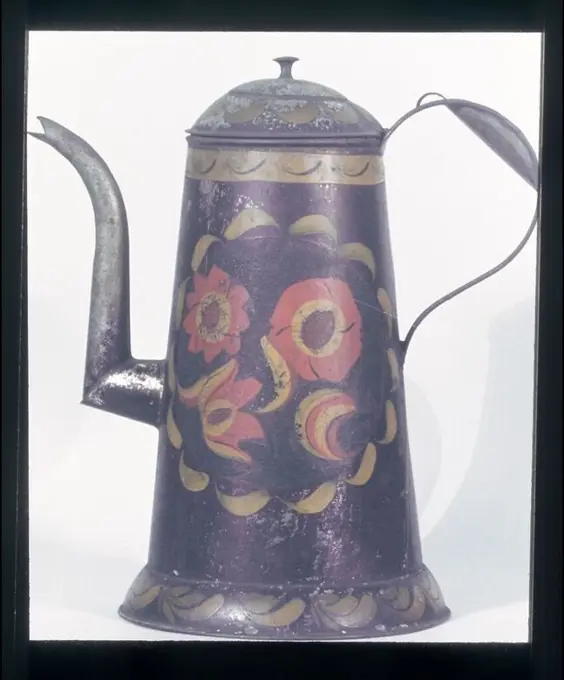
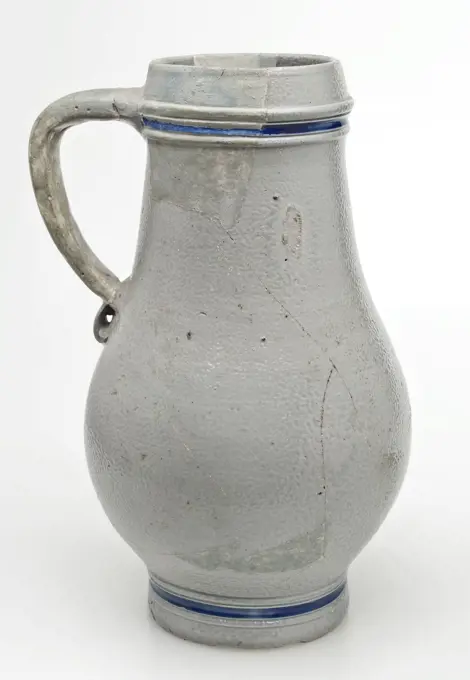
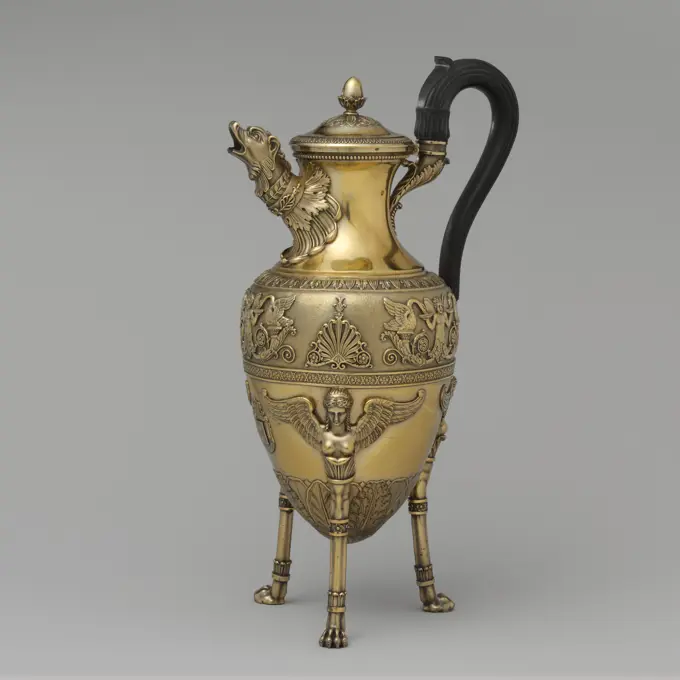
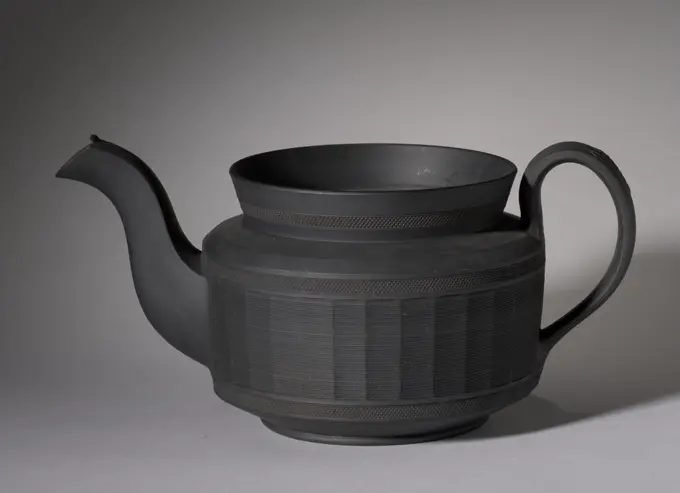
Teapot. Daniel Van Voorhis; American, 1751-1824; New York, New York. Date: 1788-1798. Dimensions: 15.9 × 28.6 × 12.1 cm (6 1/4 × 11 1/4 × 4 3/4 in.); 680.3 grams. Silver. Origin: New York City. Museum: The Chicago Art Institute, Chicago, USA.Cann.   Maker: Samuel Minott, American, 1732-1803Cann.  Maker: Samuel Minott, American, 1732-1803Jug early 19th century British, Staffordshire. Jug. British, Staffordshire. early 19th century. Pottery, lustered. Ceramics-PotteryGloves of tin with lid. Gloves of tin. At the stand ring, the pear-shaped body, which is three times vaulted. At the top the body ends in a narrow, light walking loop edge with Sneb. The top is closed with a vaulted lid that can and sneb covered. The thumb trust in shell shape has a three-hopped hinge. A brace-shaped handle is attached to the neck, which extends to the widest point of the abdomen and on which a janus head is applied. The small spout originates from a gemchon form.Miniature coffeepot 1776 Elizabeth Roker. Miniature coffeepot. British, London. 1776. Silver. Metalwork-Silver-MiniatureMug And Cover; glassWine decanter ca. 1780 Simon Petrus Conrad This decanter was used to serve mulled wine. The sculpted snake holding an apple in its mouth and resting on the scroll handle symbolizes temptation, serving as a warning not to drink too much. Restrained gilded lines emphasize the decanters harmonious form, and the spectacular design clearly signals the imagination and technical ability of the artist, who transformed valuable metal into a work of art. Less than a dozen related vessels have survived. Ambassador Salgo owned a second example (acc. no. 2010.110.61a, b). Another decanter is owned by the Prince of Liechtenstein and is prominently displayed in the familys palace in Vienna (see Johann Kräftner, ed., Der Fürst als Sammler: Neuerwerbungen unter Hans-Adam II. von und zu Liechenstein. Vienna, 2010, pp. 144-145, no. 57). LiteratureCatalogue of Fine European Silver. Sale cat., Sothebys, Geneva, November 10, 1981, p. 69, no. 173.Judit H. Kolba. Hungarian Silver: The Nicolas M. Salgo CollTankard 1740-65 John Brevoort. Tankard 8186Beer mug. Round beer mug with hinged lid of silver, with driven, poured, imposed and engraved decorations of flower branches and seed beads. Engraved on the bottom of the bottom: HB together, for Hendrik Boonen.Pitcher c 1827-1848 New York City. Silver . Baldwin Gardiner (Retailer)BeerJug.   Maker: Crichton Brothers, American, 1912-1930Communion flagon Townsend and Compton 19th century View more. Communion flagon. British, London. 19th century. Pewter. Metalwork-PewterCan with lid, with sunflowers and peacocks, anonymous, c. 1680 - c. 1700 Can with lid. On the wall Radgravure with sunflowers and peacocks with young in landscape with trees glassblower: EnglandNorthern Netherlands glass. copper (metal) glassblowing Can with lid. On the wall Radgravure with sunflowers and peacocks with young in landscape with trees glassblower: EnglandNorthern Netherlands glass. copper (metal) glassblowingPepper Box. William Cowell, Sr.; American, 1682/83-1736; Boston, Massachusetts. Date: 1715-1725. Dimensions: 10.2 × 5.1 × 5.1 cm (4 × 2 3/4 × 2 1/4 in.); 101.7 grams. Silver. Origin: Boston. Museum: The Chicago Art Institute, Chicago, USA.Mleczny from the church r Czk; Malcz, Karol (1797-1867); 1940s (0-00-00-0-00-00);Pitcher. Culture: American. Dimensions: H. 6 1/2 in. (16.5 cm). Date: 1850-60.With the development of new formulas and techniques, glass-pressing technology had improved markedly by the late 1840s. By this time, pressed tablewares were being produced in large matching sets and innumerable forms. During the mid-1850s, colorless glass and simple geometric patterns dominated. Catering to the demand for moderately-priced dining wares, the glass industry in the United States expanded widely, and numerous factories supplied less expensive pressed glassware to the growing market. At the Exhibition of the Industry of All Nations at New York's Crystal Palace in 1853, for example, the New England Glass Company exhibited 130 pieces of one design, "consisting of bowls, tumblers, champagnes, wines, and jelly glasses." This object belongs to one such service. Although the glass manufactory is not known, the glassware is very typical of the large services that were very popular with America's middleTankard.   Maker: Samuel Casey, American, 1723-1773Beaker 1600-1799 Germany. Glass .Inkwell 17th century Northern European (probably German). Inkwell. Northern European (probably German). 17th century. Transparent dark green glass. Blown, pattern molded.. GlassPitcher, Ludwig Lobmeyr, Austrian, 1829 - 1917, J. & L. Lobmeyr GmbH, Vienna, Austria, founded ca. 1935, Enameled and gilt glass, Enameled glass pitcher with blue, white, and gold foliate design, possibly of Near Eastern influence., Vienna, Austria, ca. 1877, glasswares, Decorative Arts, PitcherBeer pulm Met PortraT Keizer Wilhelm I, 'Poultry Exhibition 1872 / Preuss: Hof: Altenburg', c. 1872 photograph. object   glass. tin (metal)Mustard pot. Culture: possibly British. Dimensions: Overall: 2 3/8 × 2 1/8 in. (6 × 5.4 cm). Date: 18th century. Museum: Metropolitan Museum of Art, New York, USA.Pitcher 1860-70 Bryce, Walker and Company. Pitcher. American. 1860-70. Pressed glass. Made in Pittsburgh, Pennsylvania, United StatesTeapot.  Maker: John Burt, American, 1692-1745Coffee pot, copper, silver, wood, Tall pear-shaped body on collet foot; hinged domed lid with ball finial; long, flat spout with shallow flutes, joined at bottom with shell mount; long hardwood loop handle joined at bottom with long tubular socket and at top with elaborate acanthus mount; beading around base of lid., Sheffield, England, ca. 1785, metalwork, Decorative Arts, Coffee potTankard 1731-50 Adrian Bancker. Tankard 8179Jug with the coat of arms of Saxony and angel heads, anonymous, c. 1620 - c. 1640 Can be made of stoneware on a high base with an egg -shaped body and wide neck with pinched spout. The C-shaped ear is attached to the neck and belly. Profiles on the neck, shoulder, belly and foot. The front half of the jug is covered with cobalt blue. Printed and imposed medallions in relief on the shoulder with the Wapen van Saxony, interspersed with angel heads. On the abdomen angel heads and medallions with flower vines. The jug is caught in a pewter frame with tires around the neck and belly. The lid has a thumb lever in the shape of a face. Zeitz/ Cologne/ Thüringen. Zeitz (possibly) Stoneware. Glaze. Cobalt (Mineral). frame: tin (metal) vitrification Can be made of stoneware on a high base with an egg -shaped body and wide neck with pinched spout. The C-shaped ear is attached to the neck and belly. Profiles on the neck, shoulder, belly and foot. The front half of the jug is covered with cobalt bluCann.   Maker: John Edwards, American, 1671-1746Jug with coats of arms and masks in medallions, Jan Emens Mennicken, c. 1570 - c. 1600 Jug of stoneware on high foot with a cylindrical body with round shoulder and a wide neck. The C-shaped ear is attached to the neck and shoulder. Profiles on the neck, belly and foot. Covered with a brown Engobe. The cylindrical belly with a printed and laid band in relief with coats of arms in medallions separated by pillars with busts. In the relief the brand 'I.E.'. The lower part of the abdomen runs slanted to the foot and, like the shoulder, is divided into entered courses. On the neck a band in relief with masks in medallions separated by curls and stylized leaves. Attached to the ear a pewter frame with lid and lid button. Raeren. Rae Stoneware. Glaze. Engobe. frame: tin (metal) vitrification Jug of stoneware on high foot with a cylindrical body with round shoulder and a wide neck. The C-shaped ear is attached to the neck and shoulder. Profiles on the neck, belly and foot. Covered with a brownEwer. Culture: Italian, Naples. Dimensions: Height: 10 13/16 in. (27.5 cm). Maker: Giacinto Melillo (1846-1915). Date: ca. 1890. Museum: Metropolitan Museum of Art, New York, USA.Decanter And Stopper (England); glassMug 1761-93 Henry Will. Mug. American. 1761-93. Pewter. Possibly made in Albany, New York, United States; Possibly made in New York, New York, United StatesCreamer 1850-70 American. Creamer 2624Flagon. Culture: American. Dimensions: Overall: 16 7/16 x 7 1/2 in. (41.8 x 19.1 cm); 45 oz. 19 dwt. (1428.6 g)Foot: Diam. 5 1/2 in. (14 cm). Maker: Rufus Farnam (active ca. 1796-1833); Henry Farnam (1773-ca. 1833). Date: 1800-1830. Museum: Metropolitan Museum of Art, New York, USA.Creampot 1730-45 Adrian Bancker. Creampot 2655Jug, glass, Straigh-sided oval body with shaped lip, pouring spout, notched loop handlesides cut with sallow faceting under lip, then bands of diamonds, vertical flute, diamonds and wide flutes; a star on the bottom; glass bubbly, bluish, Europe, ca. 1800-10, glasswares, Decorative Arts, JugPitcher. Culture: American. Dimensions: H. 6 11/16 in. (17 cm). Date: 1850-70. Museum: Metropolitan Museum of Art, New York, USA.Creamer 1854-65 Thomas Danforth Boardman. Creamer 13408Jar with pewter lid, with pelican, griffins and the year 1599. Jar of stoneware with pewter lid. The stage-stood center piece is decorated with a fries with medallion, in which a pelican. The medialon is ceased by 2 griffins and flanked by 2 weapons, from Saxony and Brunswijk. In between a caption and the year 1599.Port of cover; Pichgiel, Christian (Fl. 1681-1700); 1689-99 (1689-00-00-1699-00-00);Działyńska, Izabela Elżbieta née Czartoryski (1830-1899) - collection, baroque (style), numismaticsCann.   Maker: Colin van Gelder Forbes, 1776-1859Tankard.   Maker: John Coburn, American, 1725-1803Cann ca. 1785 Stephen Emery. Cann 5334Mustard pot or milk pot 1763-64 Jean-Baptiste-François Chéret. Mustard pot or milk pot. French, Paris. 1763-64. Silver. Metalwork-SilverTankard with Mansfeld Arms. German; probably Saxony. Date: 1590-1600. Dimensions: H. 14 × 11.4 cm (5 1/2 × 4 1/2 in.). Colorless glass, enamel. Origin: Saxony. Museum: The Chicago Art Institute, Chicago, USA.Old Abe/Frosted Eagle pattern covered sugar bowl c 1880-1890 Ohio. Glass . Crystal Glass Company (Manufacturer)Tankard 1730-50 Philip Syng Jr. Characteristic of Syngs surviving tankards are the tall domed cover, applied handle drop, and triangular-shaped handle terminal evident here. Although the initials, G over S * E, engraved on the handle are contemporary with the tankards date of manufacture, the identity of the original owners is unknown. The underside of the tankard is nicely engraved with the original scratch weight of 34 troy ounces, 17 pennyweights, and 12 grains. This feature, which is routine on early English silver, is far less common on American examples. This tankard is one of several outstanding pieces of early American silver bequeathed to the Metropolitan Museum by Scientific American editor and publisher Charles Allen Munn (1859-1924).. Tankard 8226Mug. Culture: American. Dimensions: H. 5 13/16 in. (14.8 cm). Maker: Thomas Danforth Boardman (1784-1873); Sherman Boardman (1787-1861). Date: 1810-50. Museum: Metropolitan Museum of Art, New York, USA.Measure second half 17th century possibly Flemish. Measure 193323Tankard 1700-1710 Gerrit Onckelbag In 1698, Giles Shelley (1664-1710), a New York City merchant and sea captain, sailed in command of the ship Nassau for Madagascar, a favorite haunt of Captain Kidd and his pirates. Shelley returned to New York with a vast amount of treasure but, suspected of complicity with Kidd, he was arrested on a charge of piracy. He was later released and lived for many years, a wealthy and respected merchant. This tankard was probably presented to Shelley by the merchants who financed his enterprise. The handsomely engraved coat of arms is that of the Shelley family, and the scene on the cover depicts a thirty-two-gun ship, possibly the Nassau.. Tankard 8213Charles Adam, Dredger, 1716/17, silver.Pitcher 1800-1830 American. Pitcher 5705Jug of Tin (Rembrandtkan), Anonymous, 1675 - 1725 Tin jug, a so -called Rembrandtkan. A round band runs on the foot. Double profile on the abdomen and profiled on the transition from neck to lip edge. The jug is closed with a sphere arched, profiled lid. The thumb rest passes through a double hinge into the handle, which bends slightly outside. Northern Netherlands tin (metal) casting Tin jug, a so -called Rembrandtkan. A round band runs on the foot. Double profile on the abdomen and profiled on the transition from neck to lip edge. The jug is closed with a sphere arched, profiled lid. The thumb rest passes through a double hinge into the handle, which bends slightly outside. Northern Netherlands tin (metal) castingPitcher 1800-1900 Probably New England Glass Company. Pitcher. American. 1800-1900. Pressed glass. Made in East Cambridge, Massachusetts, United StatesBucket. South Netherlandish, Valley of the River Meuse. Date: 1400-1500. Dimensions: H. with lifted handle: 40.6 cm (16 in.). Brass. Origin: Flanders. Museum: The Chicago Art Institute, Chicago, USA.Vase c 1850 England. Earthenware .Silversmith's Art, Scotland 19th century. Silver jug with repousse zoomorphic decoration. Glasgow, 1857.Cream Jug. Culture: American or British. Dimensions: H. 4 1/8 in. (10.5 cm). Date: 1780-1820. Museum: Metropolitan Museum of Art, New York, USA.Antique yellow iron KettleChocolate pot, 1686, George Garthorne, English, active 1680-1730, 7 1/2 x 7 3/4 x 7 11/16in. (19 x 19.7 x 19.5cm), Silver, wood, England, 17th centuryCoffeepot - Lorette Falls, Chutes de Lorette, Quebec Views D'après Cochran & Fleming, 1896-1920Waterpot. Waterpot, round, with a volutely handle. The pot has a wide, flat edge, along which a line is engraved. The pot has been labeled: STK. = Amsterdam, Mt. = Frederik of Source I, Crowned O, the letter V, a Recker (1812-1813) and a boar cup.Pitcher; Boles Avice (ceramic family; Ca 1400-), Altmann, Johann Gottlieb (1780-1851); 1830-1850 (1830-00-00-1850-00-00);Bolesławiec KamionkaCharles Hougham, Cream Jug, 1771/72, silver.Flagon 18th century German or Swiss. Flagon. German or Swiss. 18th century. Pewter. Metalwork-PewterSugar bowl. Culture: American. Dimensions: H. 4 1/4 in. (10.8 cm); Diam. 3 1/8 in. (7.9 cm). Maker: Possibly by American Flint Glass Manufactory (1764-1774) or; Possibly by Henry William Stiegel (American (born Germany), Cologne 1729-1785 Charming Forge, Pennsylvania) or; Possibly by Stenger Glass House. Date: 1765-90. Museum: Metropolitan Museum of Art, New York, USA.Boiler. Round boiler with a wide basis and upwards sloping. The boiler has a handle and a lid with button. The wall of the boiler is six-spempety in clams. The lid is decorated with leaf motifs and the knob has the shape of a flower bud. The boiler is marked: STK. = Amsterdam and Mt. = Attributed to Frederik from STRANT I.Tankard 1767-98 Probably William J. Elsworth. Tankard. American. 1767-98. Pewter. Made in New York, New York, United StatesAntique glass 1898, Middle Eastold copper kettle isolated on whiteTwo-Handled Sauceboat 1730-1731 England. Silver . Edward FelineDecanter and stopper, glass, England, late 19th century, glasswares, Decorative Arts, Decanter and stopperJug with cover 1717-18 James Fraillon. Jug with cover 205068Mug mid-17th century Such pieces, or wooden models of them, were imported into Japan and copied at the kilns in Hizen for export.. Mug 49306Creampitcher.   Maker: Joseph Shoemaker, American, 1765-1829CreamPitcher.  Maker: Jabez C. Baldwin, American, 1777-1819Mounted Teapot. UnknownCup with Handle. Eastern Mediterranean, first half of 11th century. Glass. Glass, free-blown and tooled with applied thread and handleJoseph Richardson Jr., Teapot, part of Four-Piece Tea Service, c. 1795-1800, silver.Tankard (schnelle) with the coat of arms of Cologne-Paderborn, Monogrammist LW, c. 1576 - c. 1590 Jug (schnelle) of stoneware with cylindrical, tapered body and C-shaped ear. Profiles under the edge and above the foot. On the body in relief three times a printed and imposed, elongated box with the weapon of Cologne-Paderborn and the heart shield of the graves of Isenburg. Above the weapon the date '1576' and in each box the brand 'L.W.'. The jug is caught in a pewter frame with lid. Siegburg. Siegburg Stoneware. Glaze. frame: tin (metal) vitrification Jug (schnelle) of stoneware with cylindrical, tapered body and C-shaped ear. Profiles under the edge and above the foot. On the body in relief three times a printed and imposed, elongated box with the weapon of Cologne-Paderborn and the heart shield of the graves of Isenburg. Above the weapon the date '1576' and in each box the brand 'L.W.'. The jug is caught in a pewter frame with lid. Siegburg. Siegburg Stoneware. Glaze. frame: tin (metTankard 17th century () German, Westerwald (Grenzhausen) German stoneware tankards were brought to America in large numbers on Dutch fur-trading ships. Shards of these popular vessels have been uncovered at seventeenth century sites in New York and New England.. Tankard 194596Tankard with cover 19th century, after 1605 original British, after German original This electrotype is after a seventeenth-century original (1605), in the Victoria and Albert Museum, London, at the time of reproduction.. Tankard with cover 185892Cream pitcher, c. 1750, 3 1/2 x 6 3/8 x 3 3/4 in. (8.89 x 16.19 x 9.53 cm), Silver, England, George IIJug (Pichet) 18th century Italian, Venice (Murano). Jug (Pichet) 185979Creamer 1790-1800 Possibly John David Jr.. Creamer 2668Water Pitcher after 1883 Probably New England Glass Company. Water Pitcher. American. after 1883. Blown glass. Made in East Cambridge, Massachusetts, United StatesWater Pitcher ca. 1846 William F. Ladd. Water Pitcher. American. ca. 1846. Silver. Made in New York, New York, United StatesSilver coffee pot from a coffee and tea set of 11 parts that belonged to J.D. Preuijt (1801-1887) given to him at his jubilee in 1873., Pieter Zöllner, 1872  Silver round coffee pot with scalloped and engraved ornaments with flower motifs. A golden medal is placed in the lid and can hinges. The medal is from the Dutch Society for Agriculture (1847): '1st prize dragige heifers',' J.D. Preuijt The Hague 1872 '. Ivory rings in the handle. In the pot is loose a filter with handle and a coffee pharmaceutical is loose in it. Two leaves are attached between handle and lid. The pot is on four legs. Rotterdam silver (metal). gold (metal). ivory engraving  GeervlietMug ca. 1740 George Fielding. Mug 5338Creamer 17601780 Philippus Priee. Creamer. Dutch. 17601780. Silver. Made in Middelburg, HollandTin crater jug with lid. Koffiekan van tin, a so-called tap jug. The legs are formed by volutes and rest on wooden spheres. Above it is pear-shaped, hexagonal can. Just below the lip edge, the handle has been applied, which goes through to the widest point of the can and part of wood. At the bottom of the belly is the tap. The loose lid is hexagonal with a wooden button.Cylindrical stein with a tin frame. Prószków Śląski (fabryka fajansu ;1763-1853), factoryCoffeepot ca. 1790 Chinese. Coffeepot 191123John David, Teapot, c. 1790, silver.Coffeepot. Culture: American. Dimensions: H. 10 3/4 in. (27.3 cm). Date: 1800-1830.This coffeepot is an example of "toleware," a type of painted tin houseware, which was most popular in Pennsylvania. The colorful profusion of flowers on this piece is typical of Pennsylvania German painted decoration. Museum: Metropolitan Museum of Art, New York, USA.Gray stoneware jug with ear, blue bands around neck and foot, ball model with wide neck opening, water jug crockery holder soil find ceramic stoneware glaze salt glaze, hand-turned glazed fried Jug stoneware gray glazed with blue piping around neck and foot one ear: restoration in plaster. Ear with curl attached to the belly Bol model with elongated shoulder and wide neck archaeology Valckensteyn Poortugaal Albrandswaard indigenous pottery import drink serve serve Soil discovery: castle Valckensteyn in Poortugaal now Albrandswaard 1961-1962.Tray, from a six-piece coffee and tea set, 1 9/16 x 28 3/8 x 18 1/4 in. (3.97 x 72.07 x 46.36 cm), SilverCoffeepot 1797-1809 Martin-Guillaume Biennais French This coffeepot came from the Borghese service.. Coffeepot 197465Teapot, 1800s. Davenport Pottery and Porcelain Factory (British). Black basalt; diameter of mouth: 11.8 cm (4 5/8 in.); overall: 10.6 x 23.5 cm (4 3/16 x 9 1/4 in.).