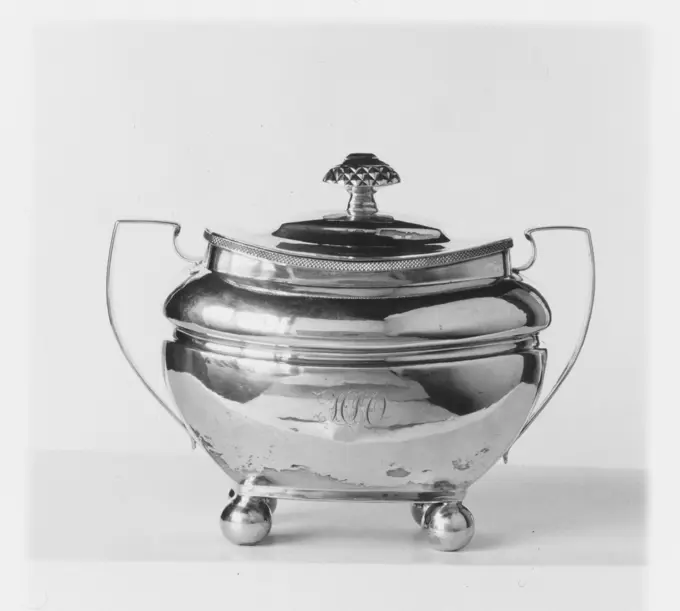
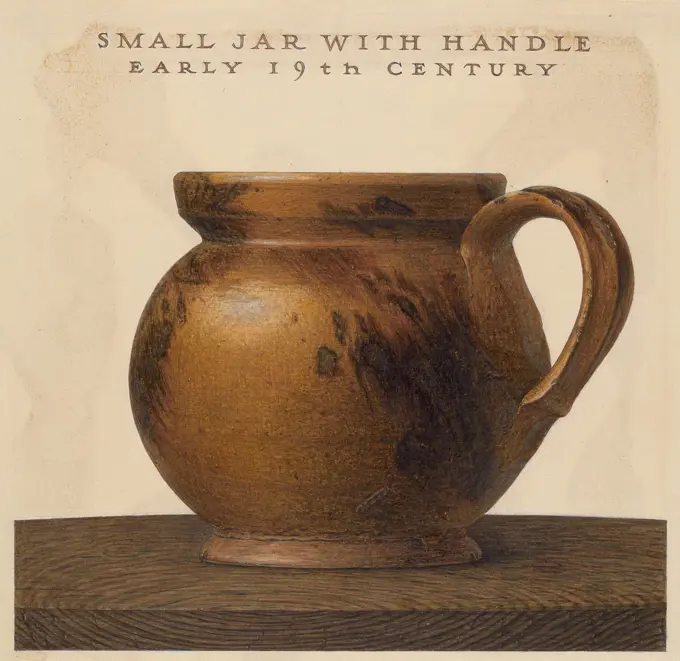
Antique Silverware Collection

Elegant silver teapots, jugs, and cannisters showcasing vintage craftsmanship with intricate designs, reflecting historical artistry.
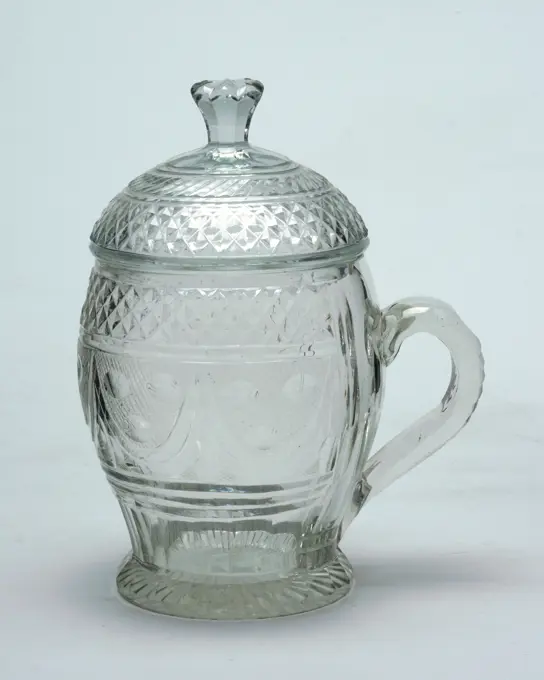
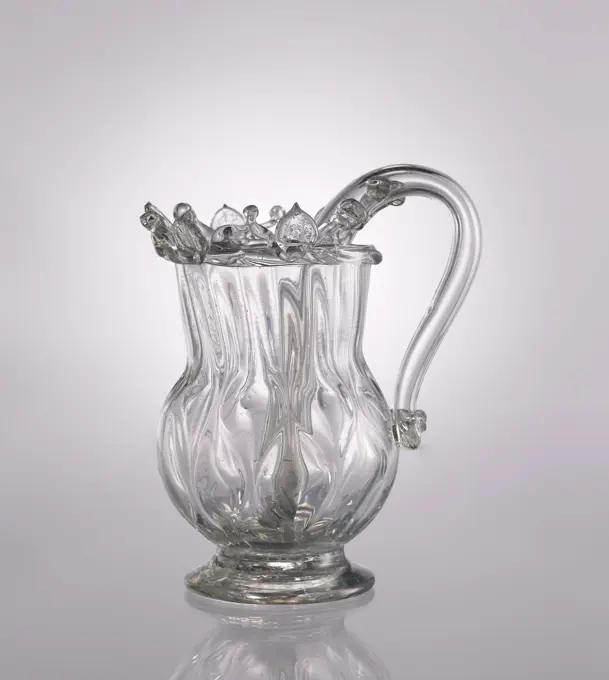
Mug And Cover; glass
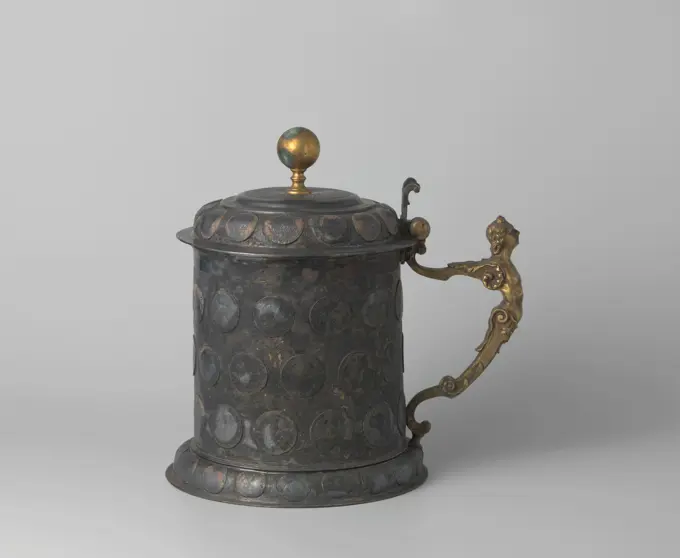
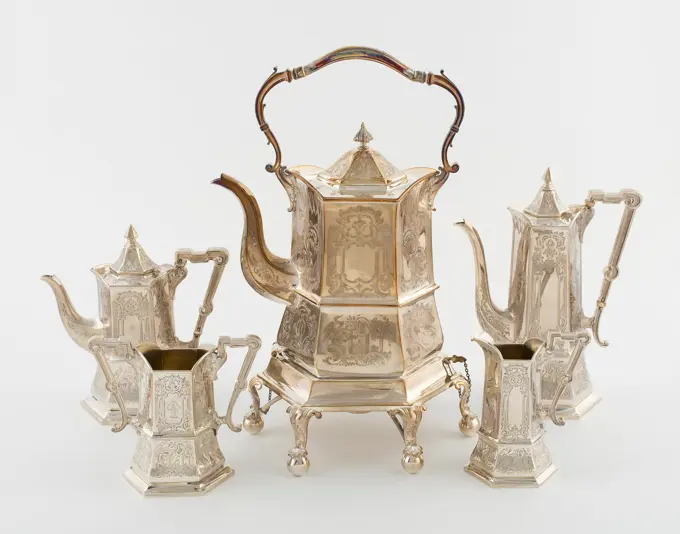
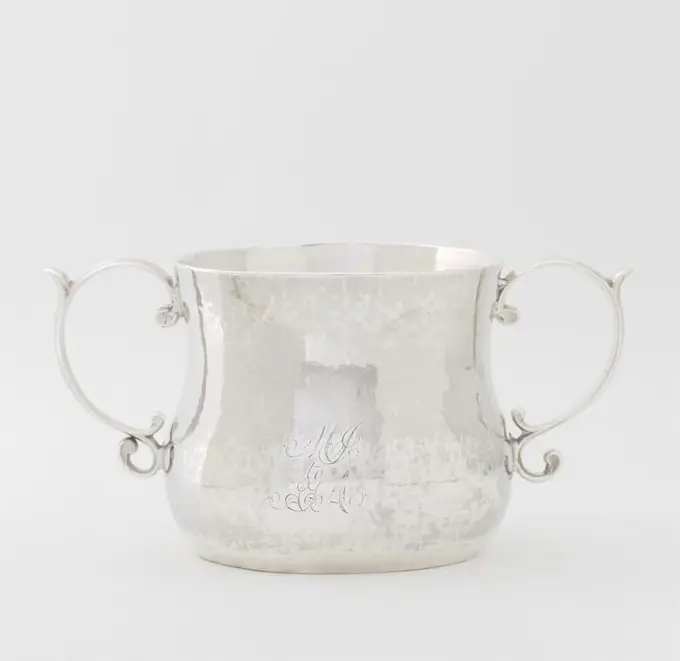
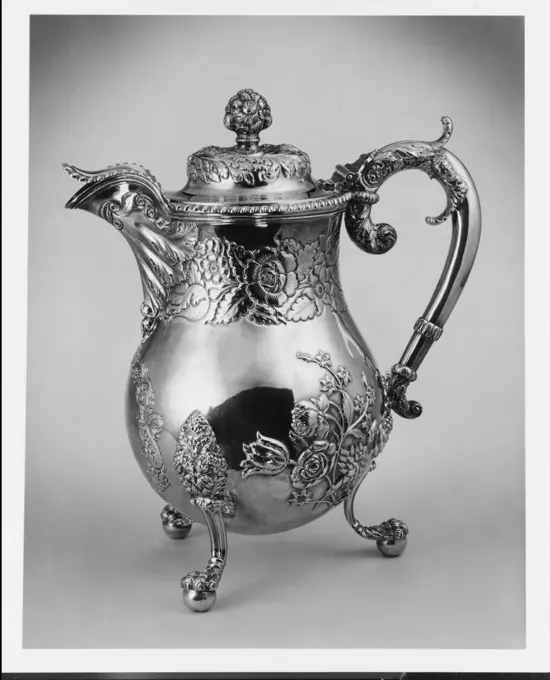
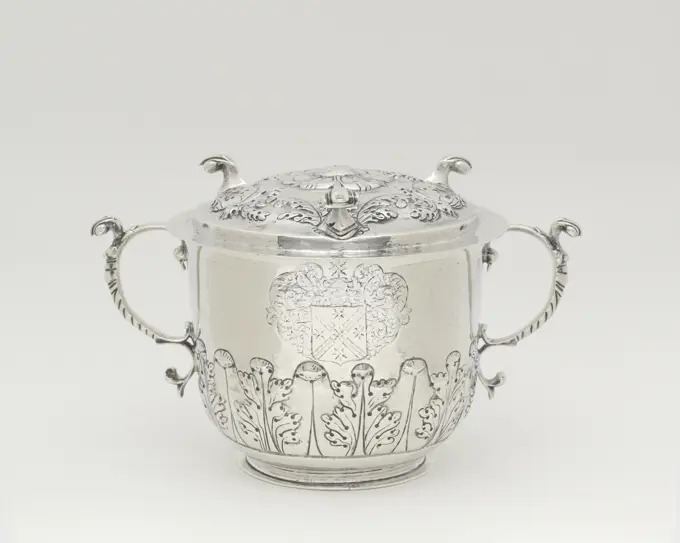
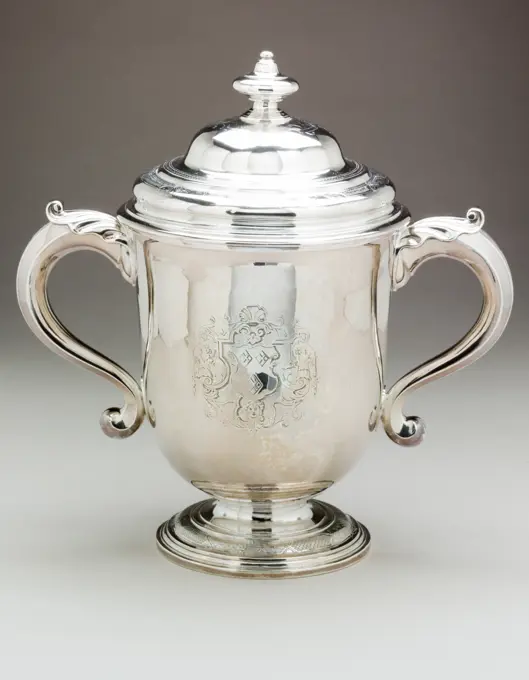
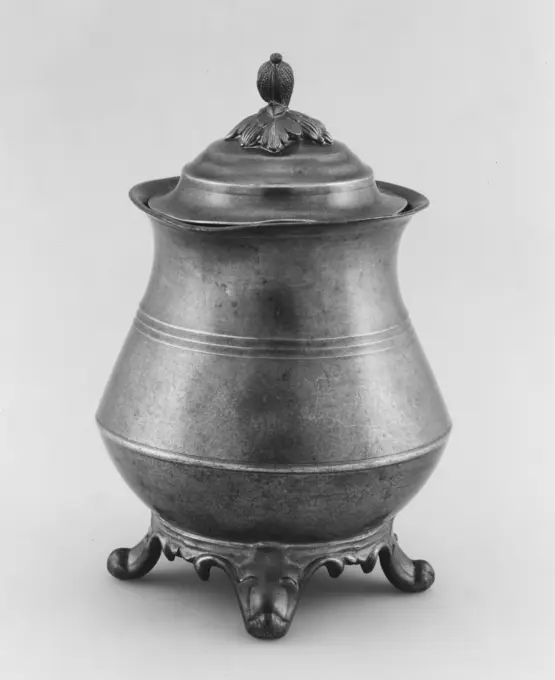
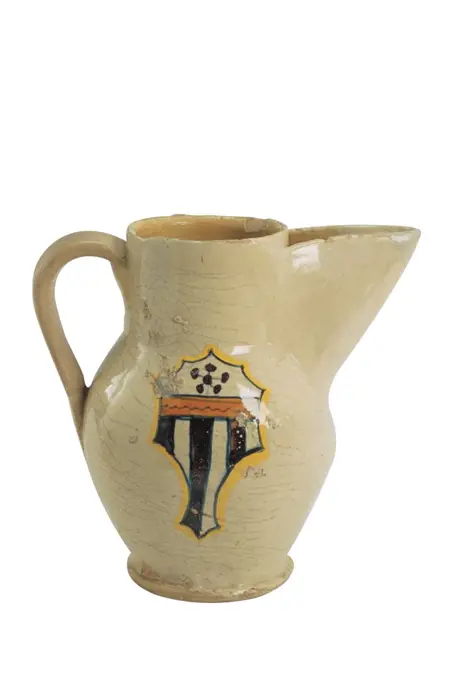
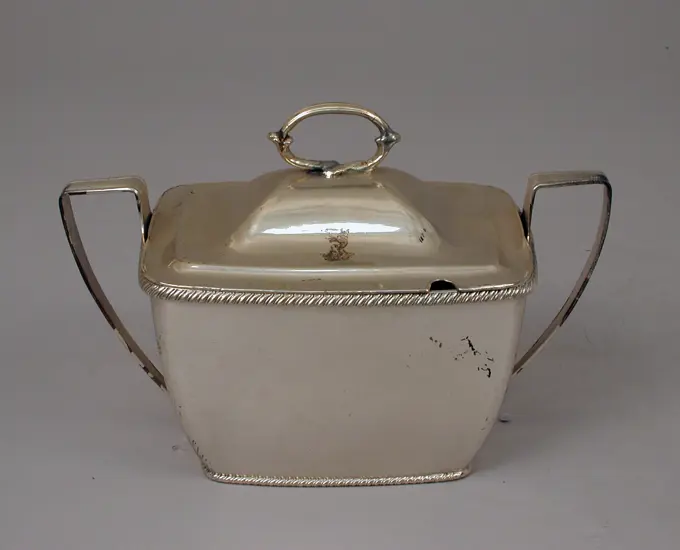
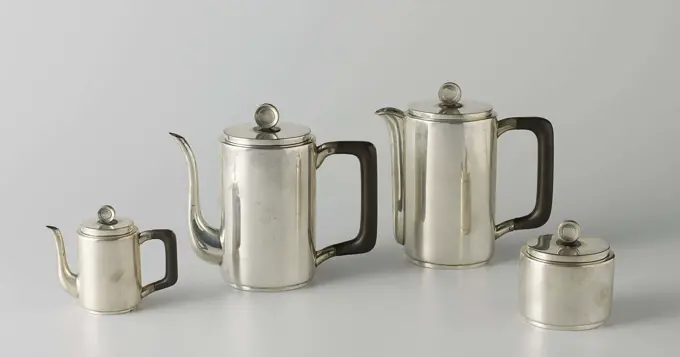
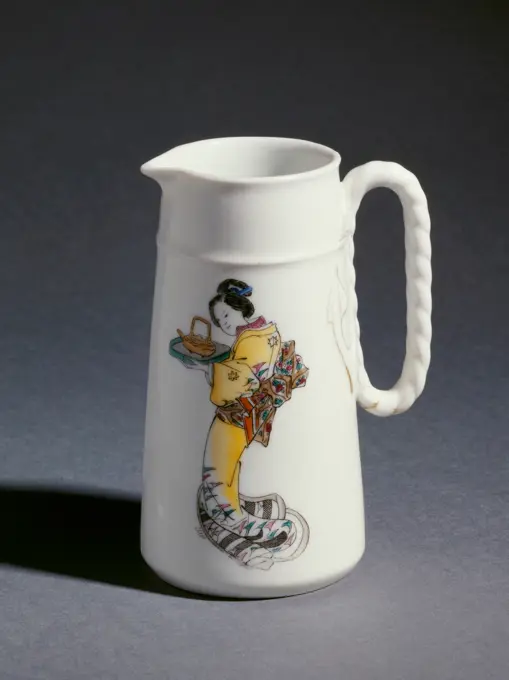
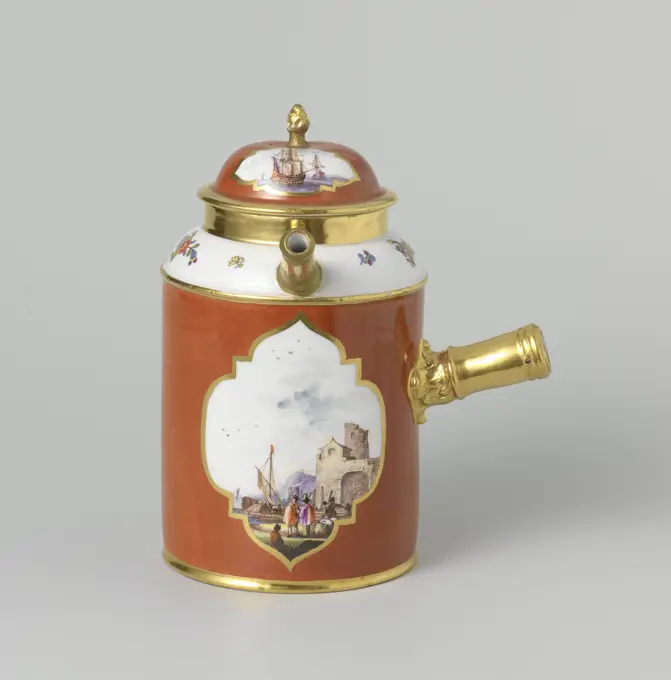
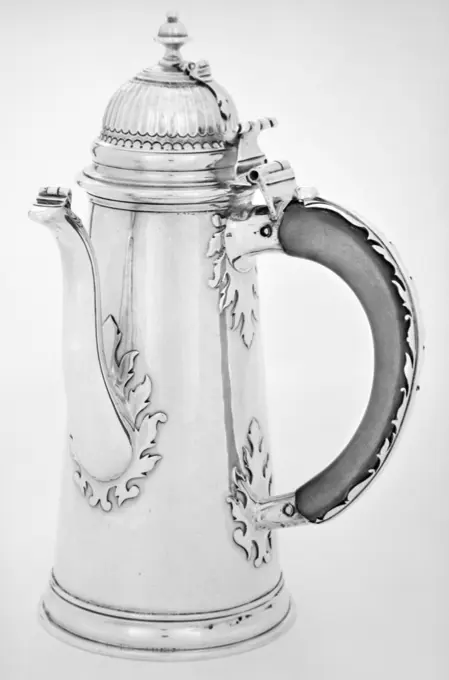
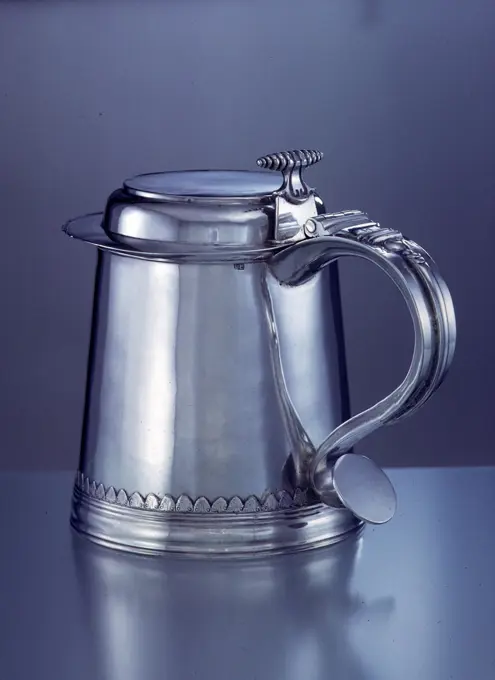
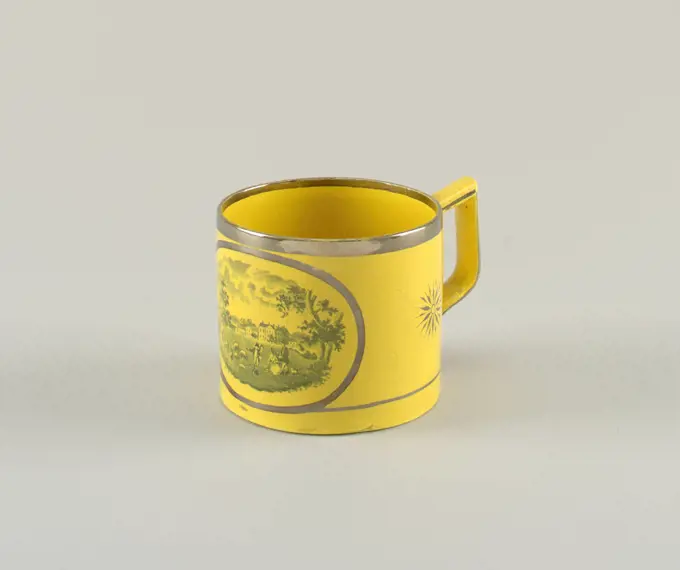
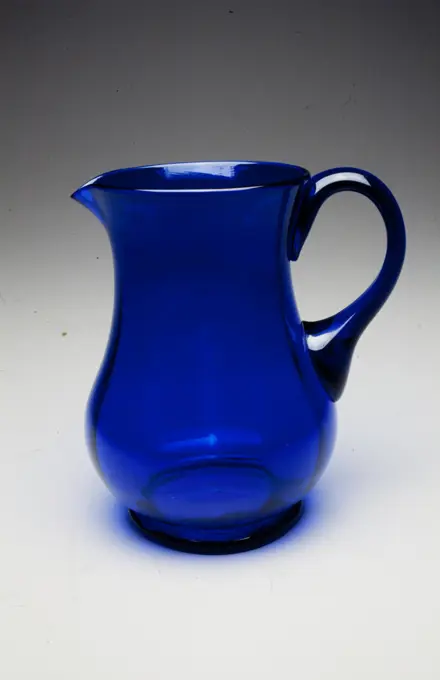
Pitcher, 18th century, Stiegal Glass Works, American, (Manheim, Pennsylvania), 7 1/4 x 6 1/4 x 4 3/4in. (18.4 x 15.9 x 12.1cm), Blue glass, United States, 18th centuryGalvanoplastic reproduction of a drinking can in which German Daalders, Fa. Elkington & Co., 1881 Galvanoplastic reproduction of a drinking jug in which people -like German Daalders are used; with engraved and driven band work ornament; The handle is formed by a half figure of a man. Partially gilded. London copper (metal). silver (metal) gilding Galvanoplastic reproduction of a drinking jug in which people -like German Daalders are used; with engraved and driven band work ornament; The handle is formed by a half figure of a man. Partially gilded. London copper (metal). silver (metal) gildingJug British 19th century View more. Jug. British. 19th century. Lustreware. Ceramics-PotteryNo maker's mark, Teapot, 1715-16, silver.Tea and Coffee Service 1865 London. Sterling silver and ivory . George Angell (Maker)Joseph Richardson Jr., Creampot, part of Four-Piece Tea Service, c. 1795-1800, silver.Caudle Cup. Jeremiah Dummer; American, 1645-1718; Boston, Massachusetts. Date: 1680-1700. Dimensions: 7.6 × 15.2 × 7.6 cm (3 1/4 × 6 1/2 × 3 1/2 in.); 223.7 grams. Silver. Origin: Boston. Museum: The Chicago Art Institute, Chicago, USA.Covered Ewer ca. 1827 Frederick Marquand This early Rococo Revival-style ewer is distinguished by its bold and skillfully rendered foliate ornament. It was presented in 1827 to Valentine Mott, a prominent New York surgeon, and is marked by Marquand, whose retail establishment was succeeded by the prestigious firm Ball, Black and Company. Marquands brother and executor, Henry G. Marquand, later served as president of The Metropolitan Museum of Art.. Covered Ewer 2056Two-Handled Covered Cup c 1698-1720 New York. This luxurious vessel, by one of New Yorkís foremost early silversmiths, was used to serve syllabub, a sweetened or flavored wine, cider, beer, or ale into which milk was whipped. The cover helped preserve the frothy drink and also, using its three equidistant handles as legs, could be inverted into a stand for the cup. The vessel bears the mark CK, standing for Cornelius Kierstede, a third-generation New York silversmith of Dutch descent. Kierstede opened a shop around 1698 in New York, where he worked, off and on, until moving to New Haven, Connecticut, in the early 1720s. Like the Van Cortlandt family, who commissioned this cup and whose coat of arms it bears, and the Stuyvesant family, whose descendants owned the object until the Art Institute acquired it, the majority of Kierstedeís patrons were wealthy Dutch colonists. This cup is one of four nearly identical pieces made during the same period by Kierstede and two other well-known NewHot water jug, orivit, c. 1905 Hot water jug of silver. Almost cylindrical but narrowing upwards. On the sides, a palmet from below expand to the upper edge. A straight spout and angular ear. Germany silver (metal) Hot water jug of silver. Almost cylindrical but narrowing upwards. On the sides, a palmet from below expand to the upper edge. A straight spout and angular ear. Germany silver (metal)A cup with a saucer unknownCup and Cover. Paul de Lamerie (Holland, active England, London, 1688-1751). England, London, 1731-1732. Furnishings; Serviceware. SilverSugar Bowl 1854-65 Thomas Danforth Boardman. Sugar Bowl 13406Panata Jug, by Rome workmanship, 1445 - 1448, 15th Century, glazed pottery. Italy: Emilia Romagna: Ravenna: Faenza: International Museum of Ceramics. Whole artwork. Side of the jug with heraldic shield shaped as a horse head of Orsini family. On the opposite wall, not visible, image of the bull as Borgia heraldryVexierglas. Niemcy, creatorHedwig beaker. This is one of sixteen extant Hedwig glasses, a type of beaker named after Saint Hedwig of Silesia (1174-1234), who owned two of them. According to an inscription on the bottom of this glass, it belonged a German count in 1643. The glass was then thought to be a thousand years old. In fact, it probably originated in the 12th century and was made in Sicily.Size of approx. 0.86 liters with handle. Size of approx. 0.86 liters with handle, marked. Probably from Alkmaar.Mug 1763-64 William Grundy. Mug. British, London. 1763-64. Silver. Metalwork-SilverTerracotta mug with horizontal rills. Culture: Greek, South Italian, Apulian. Dimensions: H. 2 3/4 in. (7 cm). Date: late 5th century B.C..Ribbed. Museum: Metropolitan Museum of Art, New York, USA.Old aluminum kettle with wooden handle Old aluminum kettle with wooden handle isolated on white background Copyright: xZoonar.com/AndreyxEreminx 6490883Sauce tureen ca. 1800-1805 British. Sauce tureen. British. ca. 1800-1805. Sheffield plate. Metalwork-SilverplateSake Pourer, c. 1893-1914. Seifū Yohei III (Japanese, 1851-1914). Porcelain;Right-walled milk jug, oval in diameter with a c-shaped bent black wooden ear with silver turns, and a spout flowing upwards. Signature and dated. Can be part of a coffee service.Anonymous. Petit Palais, Museum of Fine Arts of the City of Paris.Tea teapot; Malcz, Karol (1797-1867); 1930s (1830-00-00-1839-00-00);Félix Bracquemond (1833-1914). Service of "Japanese thirteen graces". Broc. Porcelain, 1868. Museum of Fine Arts of the City of Paris, Petit Palais. Art Menager, Broc, Ceramic, Ceremony du The, Faience, Fleur, Flowers and ribbons, Japanese, Ribbon, Table service, Service, Theiere, Crockery, 19th 19th 19th 19th 19th centuryHobnail Pitcher after 1886 Probably Hobbs, Brockunier and Company. Hobnail Pitcher 5806Hobnail Creamer. Culture: American. Dimensions: H. 4 1/2 in. (11.4 cm). Maker: Probably Hobbs, Brockunier and Company (1863-1891). Date: after 1886. Museum: Metropolitan Museum of Art, New York, USA.Sugar bowl, from a tea service, 1792, Paul Revere, Jr., American, 1734-1818, 9 5/8 x 3 1/8 in. (24.45 x 7.94 cm), Silver and wood, United States, Federal, The most complete Revere service known, this set was made for a Boston merchant and his wife, John and Mehitable Templeman. It includes one of only two tea caddies made by Revere. The locked boxes held loose tea, an expensive and fashionable commodity. The shell-shaped spoon was used for measuring tea and the sieve was used for straining punch, a beverage often served along with tea. The second stand may have been used as a tray for spoons no longer in use. The accompanying teaspoons and tablespoons have only recently been reunited with this service.Chocolate can, multi -colored with water landscapes in saved four passes in an Oranjerode Fond, Meissener Porzellan Manufaktur, c. 1735 Chocolate cane of painted porcelain. The KAN is covered with oneoranjerode fond, in which accolade -shaped four passes are saved with (water) landscapes with European figures, sometimes with bales and ships. The chocolate tan has been marked. Float porcelain Chocolate cane of painted porcelain. The KAN is covered with oneoranjerode fond, in which accolade -shaped four passes are saved with (water) landscapes with European figures, sometimes with bales and ships. The chocolate tan has been marked. Float porcelainOld tea kettle, close upFooted Cup with Handle (Scheuer), c. 1500-1525. Germany, probably Saxony, 16th century. Green glass; diameter: 6.6 x 4.8 cm (2 5/8 x 1 7/8 in.).Tea being poured into glassHandmade pottery clay jug isolated on whiteTankard possibly 18th century Meissen Manufactory German. Tankard 200926Chocolate pot 1705-6 Robert Cooper. Chocolate pot 204901Tankard.   Maker: Jacob Gerritse Lansing, American, 1681-1767Mug, Shepherd scene, England, 18th-mid-19th century, ceramics, Decorative Arts, MugSugar Bowl ca. 1810 Garret Forbes. Sugar Bowl. American. ca. 1810. Silver. Made in New York, New York, United StatesMaker's mark M.S, Dredger, c. 1720, silver.Coffee maker with the image of Necker. Earthenware. Around 1789. Paris, Carnavalet museum. 73801-31 Cafetiere, Efigie, Revolutionary Faience, Swiss financial, State Man, Revolutionary Periode, French RevolutionChocolate pot ca. 1740-45 Meissen Manufactory German. Chocolate pot 199126Turkish tea pot made in a traditional styleTurkish tea pot made in a traditional styleTankard, Meissener porcelain manufactory, 1725 - 1747 Beer mug from Red Böttger-SteenGoed, with a silver lid and foot ring. The cylindrical pul is completely polished. The foot edge protrudes somewhat, while the mouth edge is jumping. The cold -painted decoration in gold consists of chinoiseries on a console of band work and leaf vines. From left to right on the console: a table on which a boy with parasol stands, a Chinese on a chair with a high backrest that a dog, a kneeling figure, a palm tree, a standing figure with a pointed hat and a fan in the left hand And a squat figure accompanied by a boy who holds a parasol over his head. On the left and right the group is flanked by a tree and a straight console, on which two birds with eggs and on the left one bird on the left. A tire of C-Voluten and dots runs along the mouth rim of the beer mug. The lid is profiled and decorated on the curve with driven lambrekijns. In the middle of the lid, a medallion is engraved with leaf vines and Uzbekistan, Langar, Water pitchersMug; Non -like Lona Huta; 1712 (1712-00-00-1712-00-00);genre scenesJohn Matulis, Bean Pot, 1935 1942 Bean PotVector silhouettes of vases. Isolated crockery