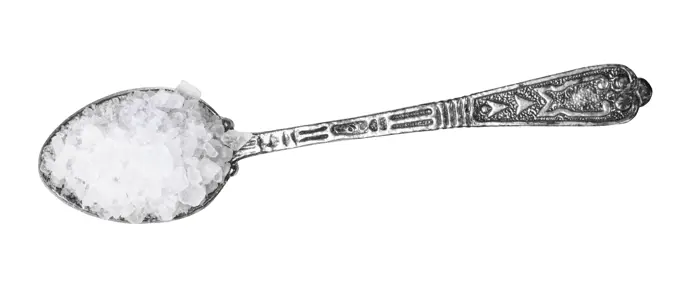
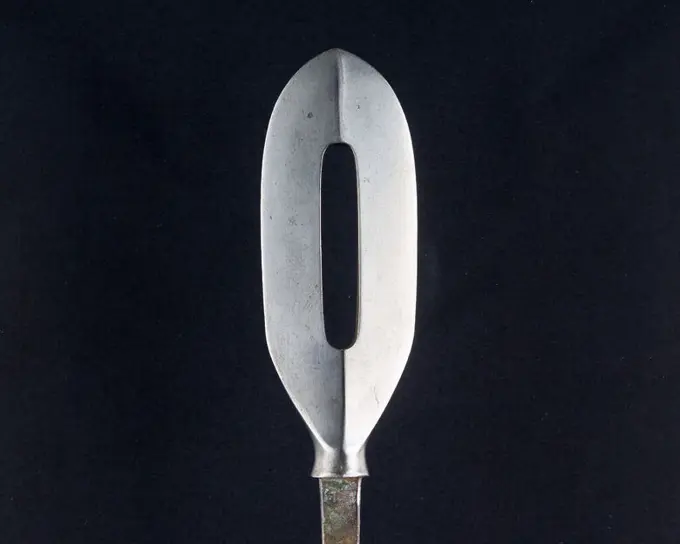
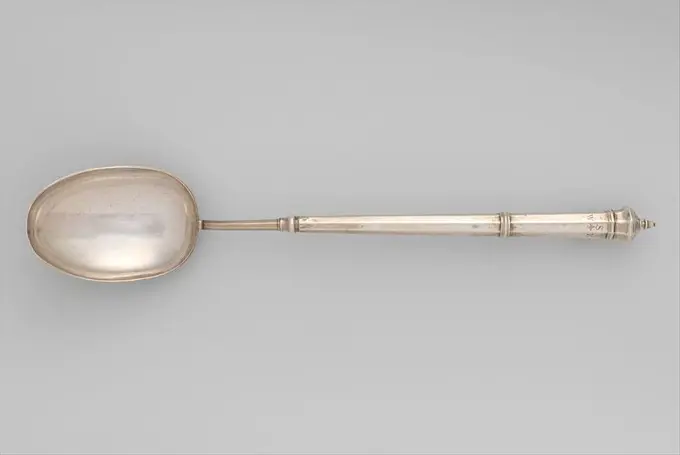
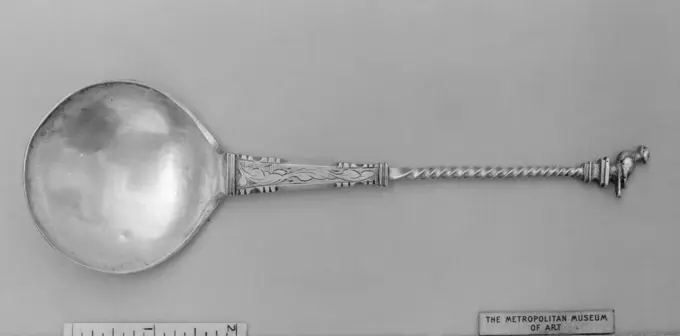
Antique Spoons Collection

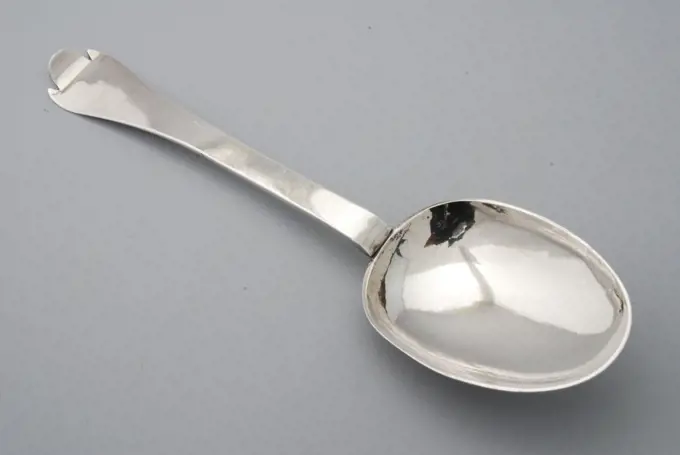
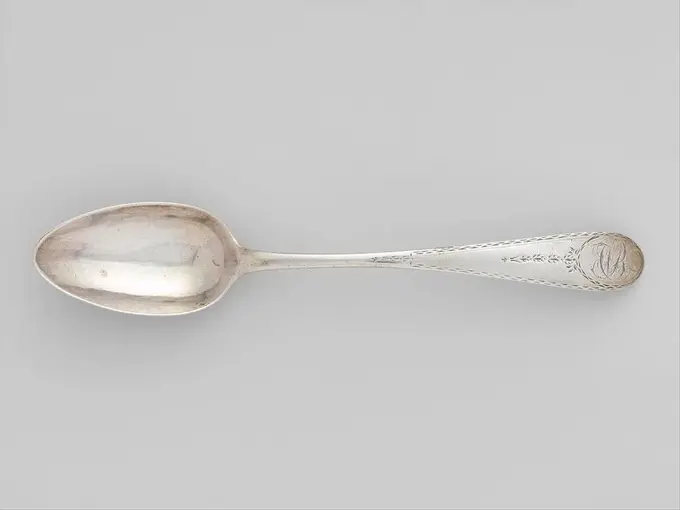
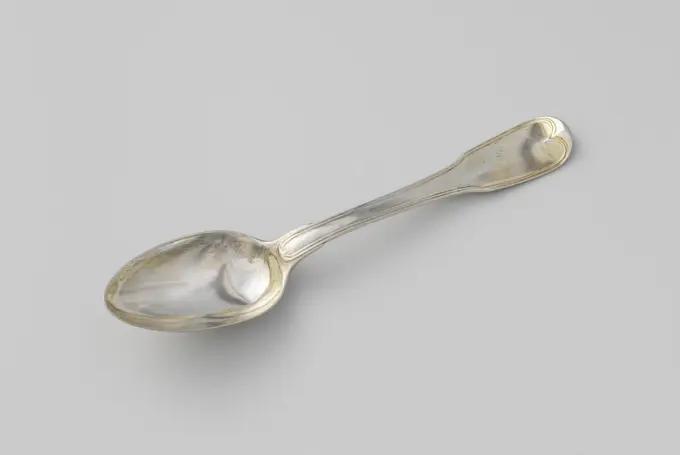
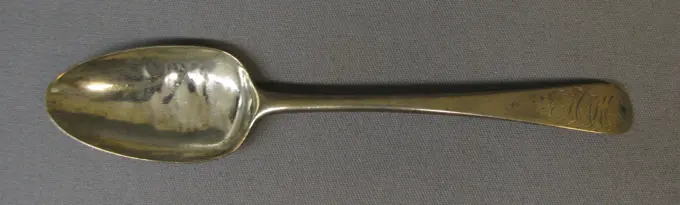
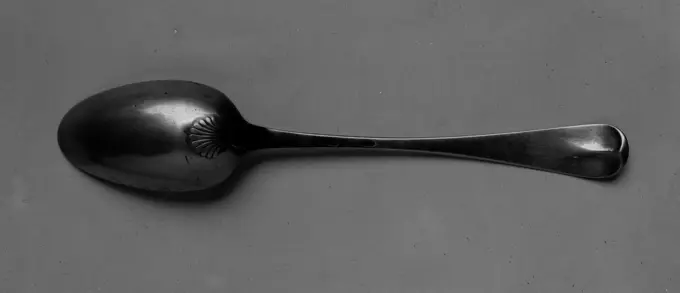
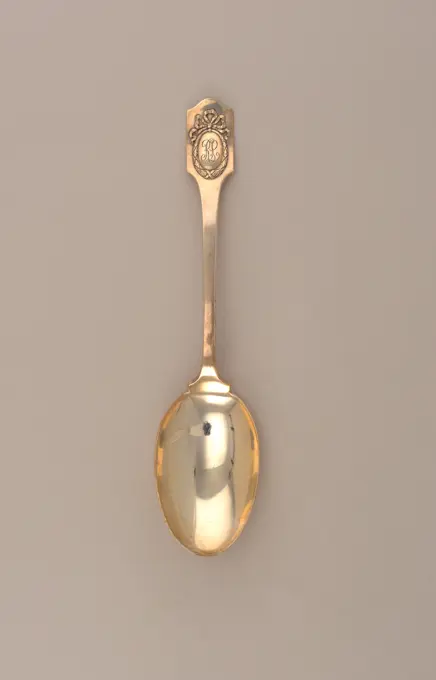
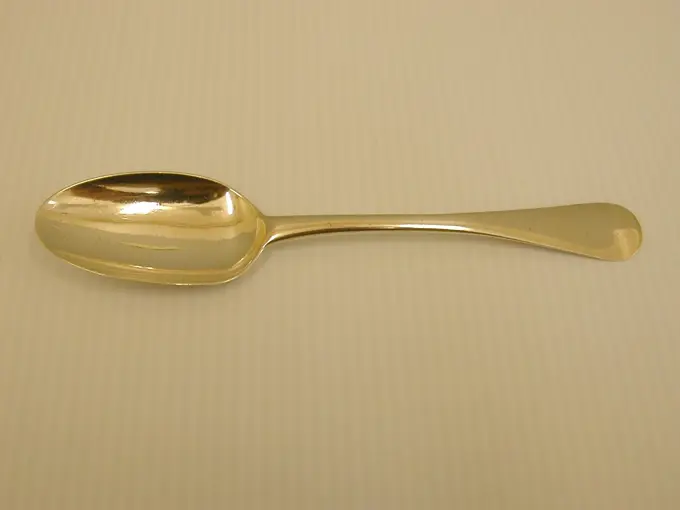
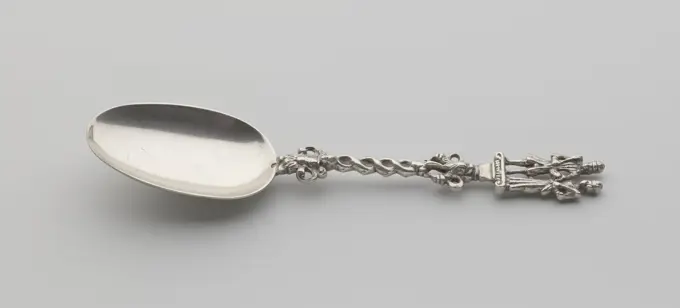
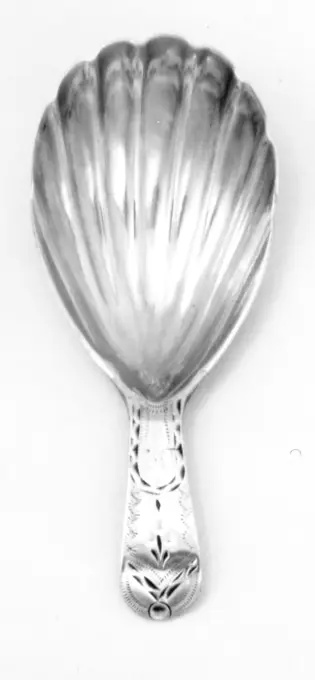
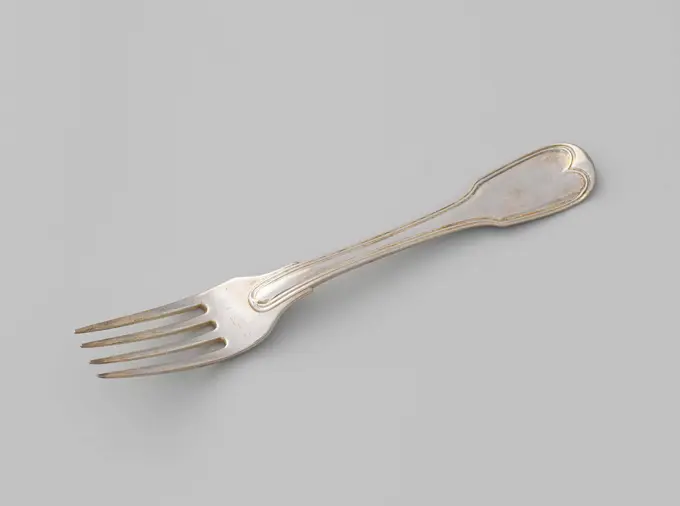
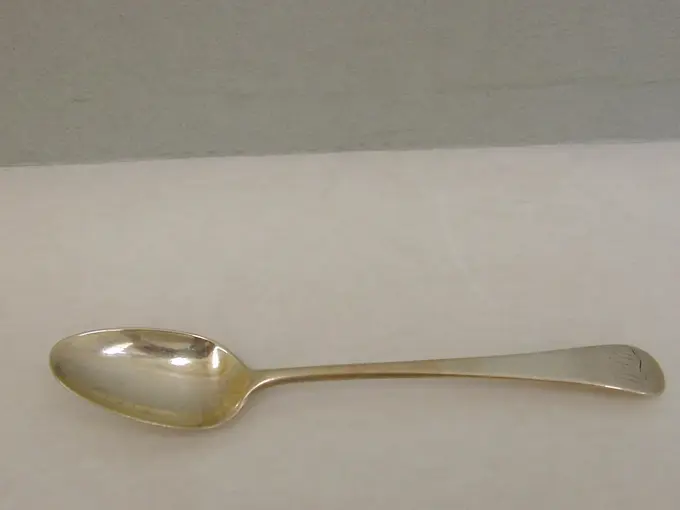
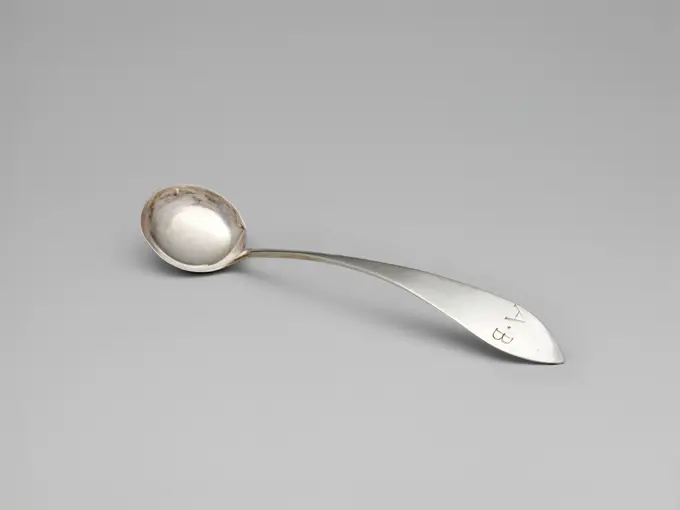
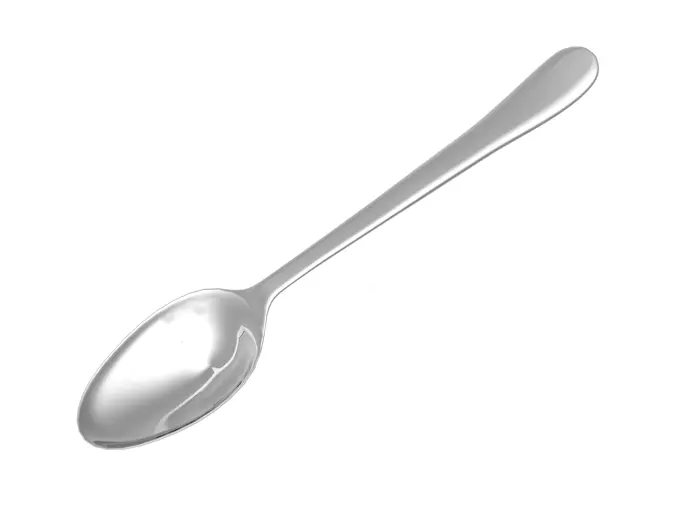
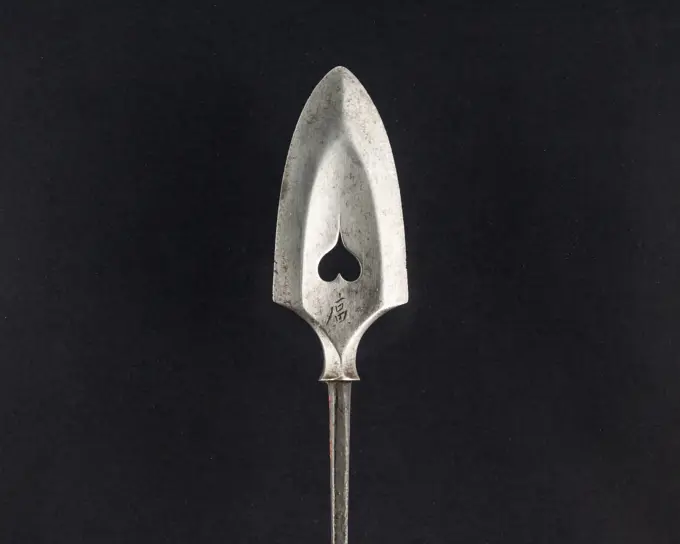
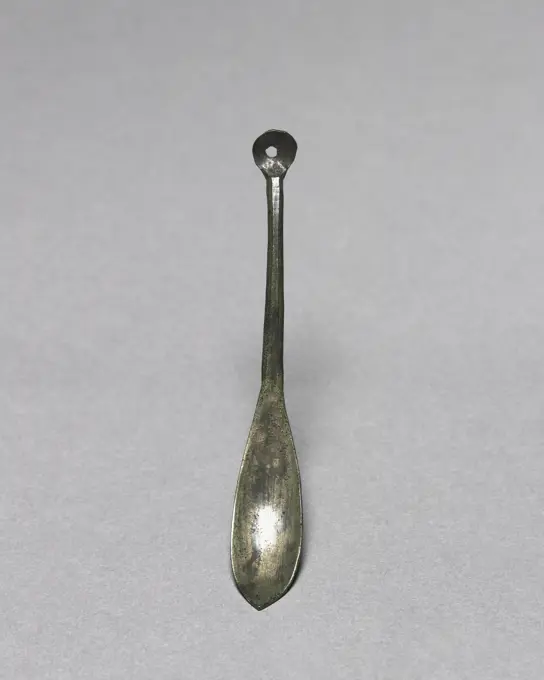
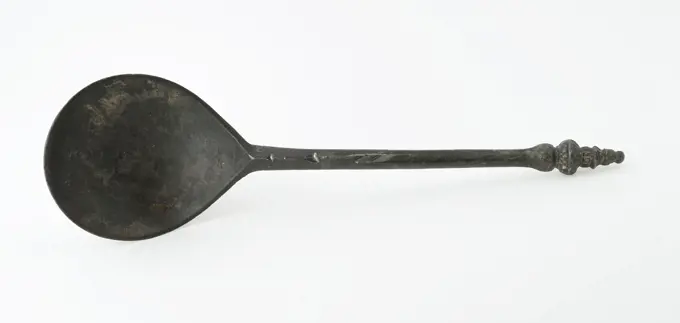
A variety of antique spoons collected from different periods, showcasing unique designs and materials like pewter and silver.

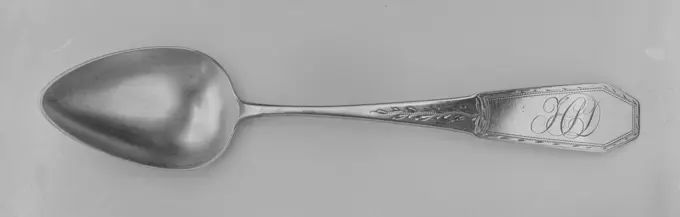
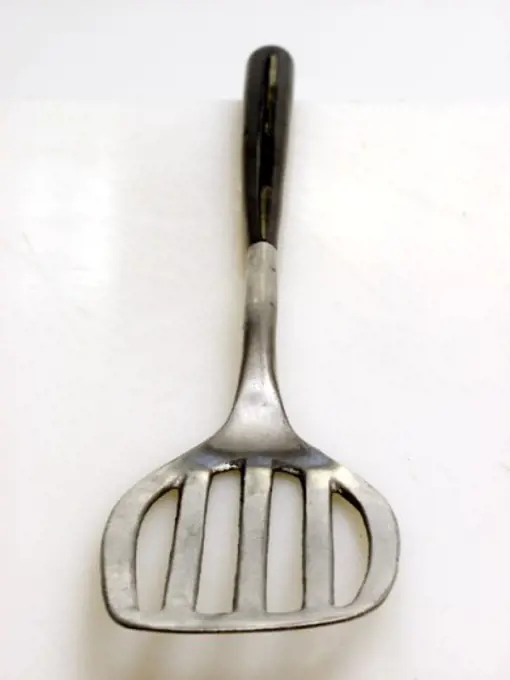
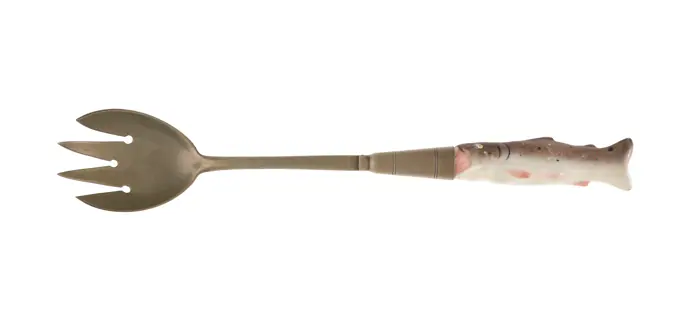
Spoon, 20th century, 7/8 x 7 7/8 x 1 1/8in. (2.2 x 20 x 2.9cm), Pewter, France, 20th century
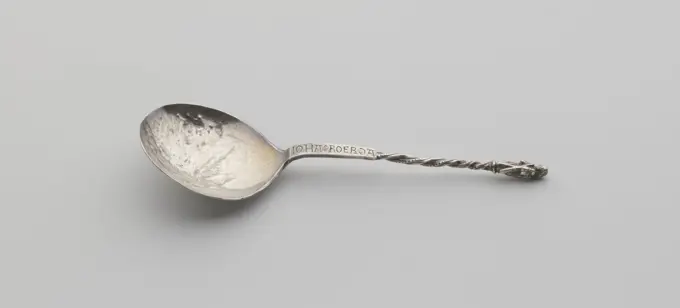
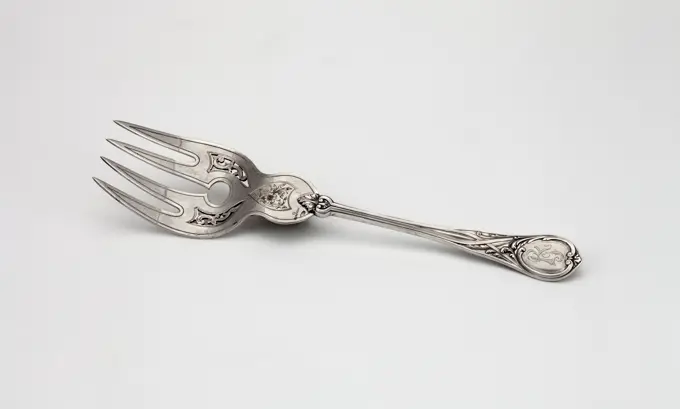
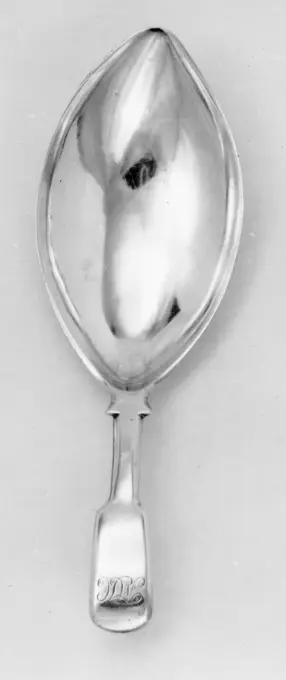
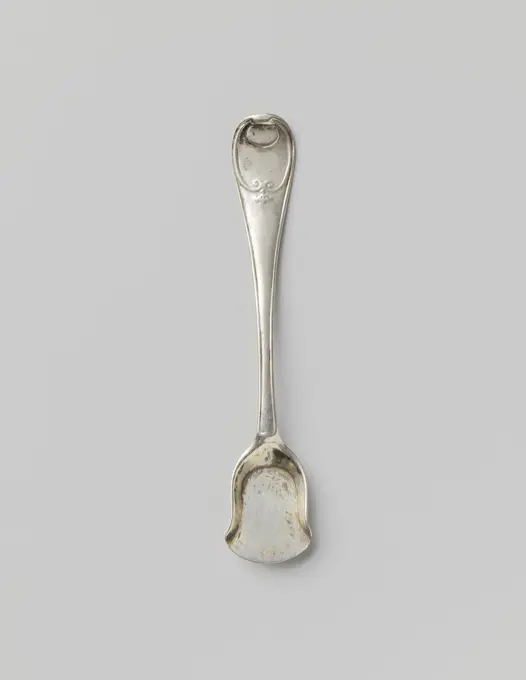
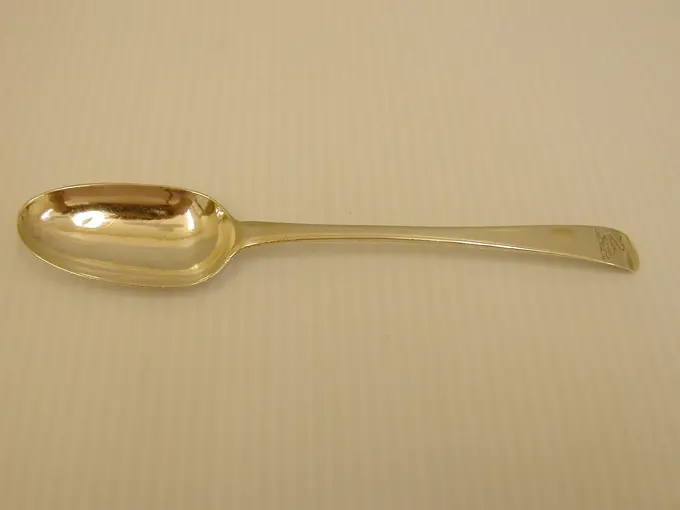
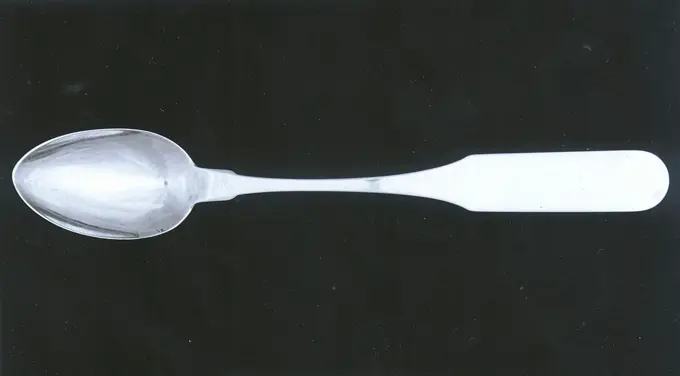
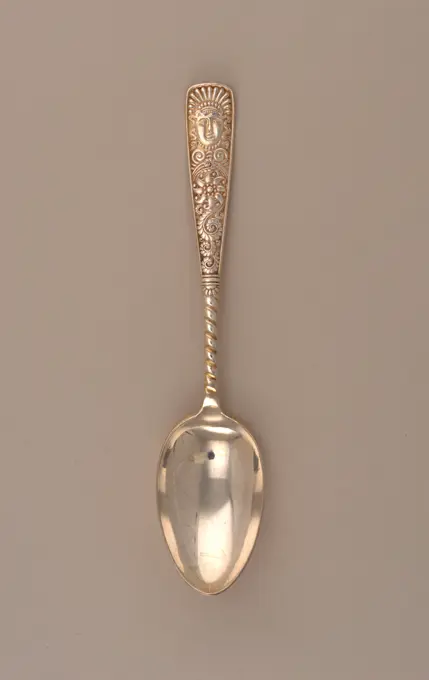
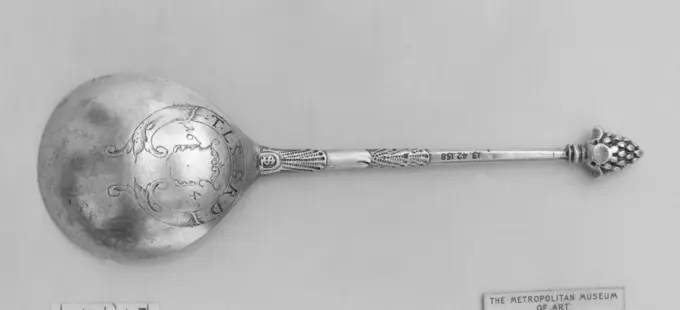
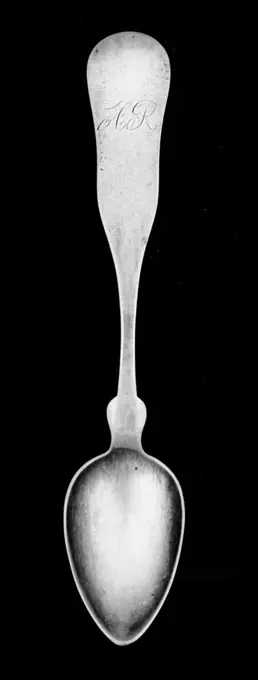
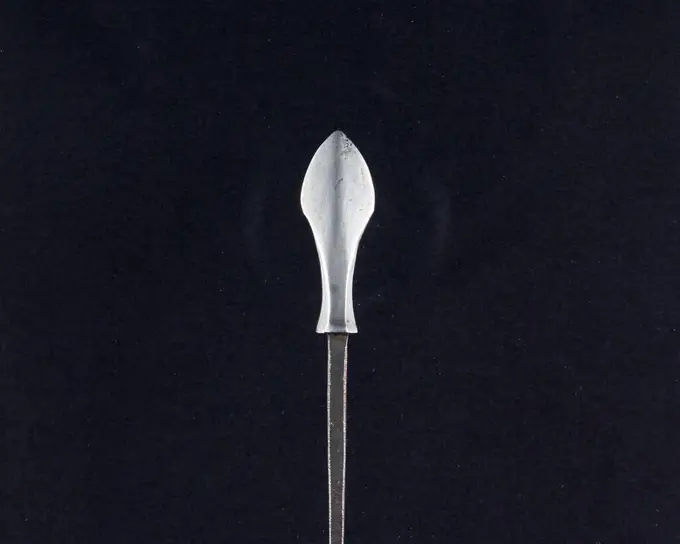
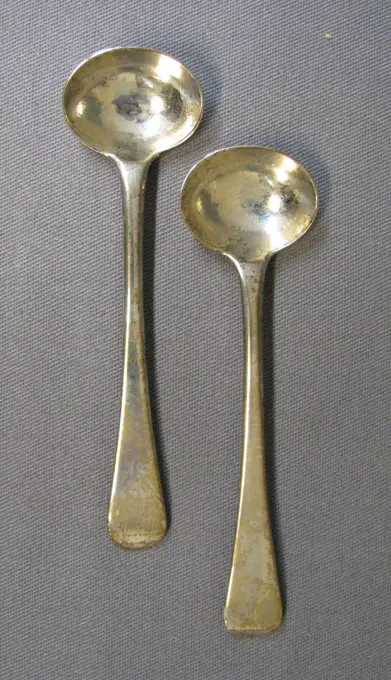
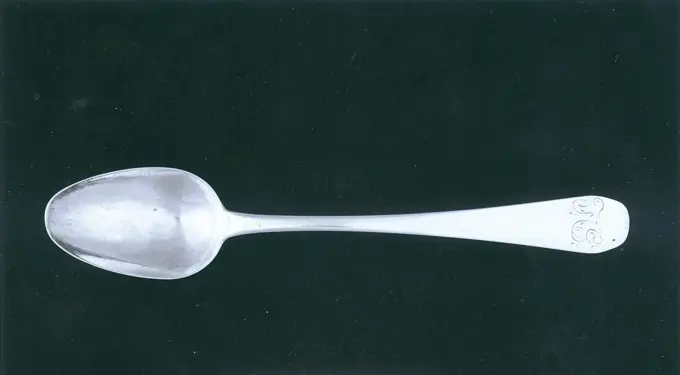
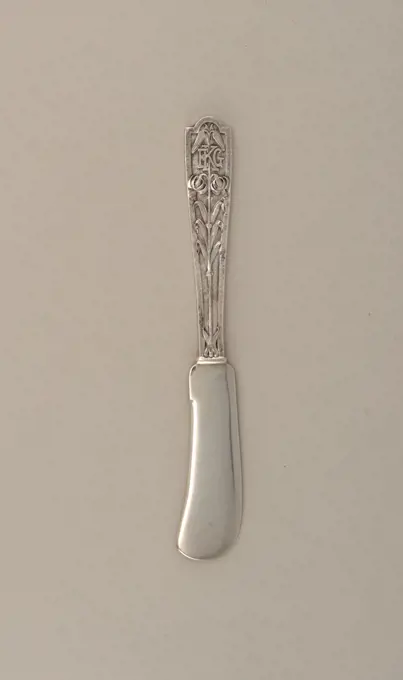
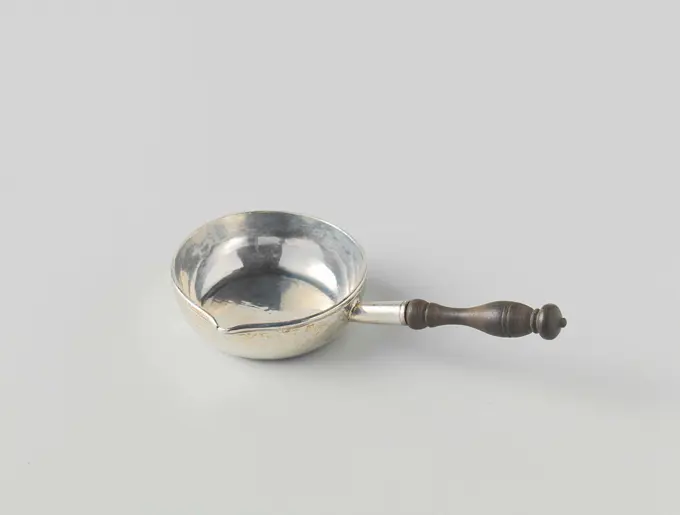
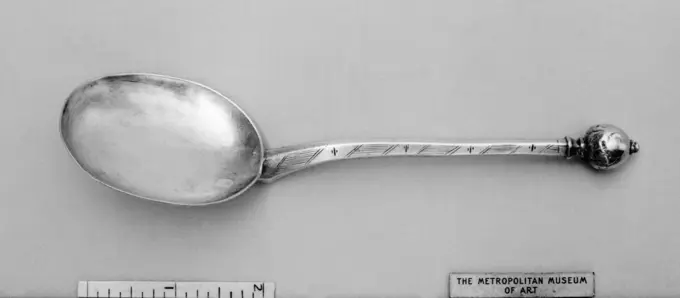
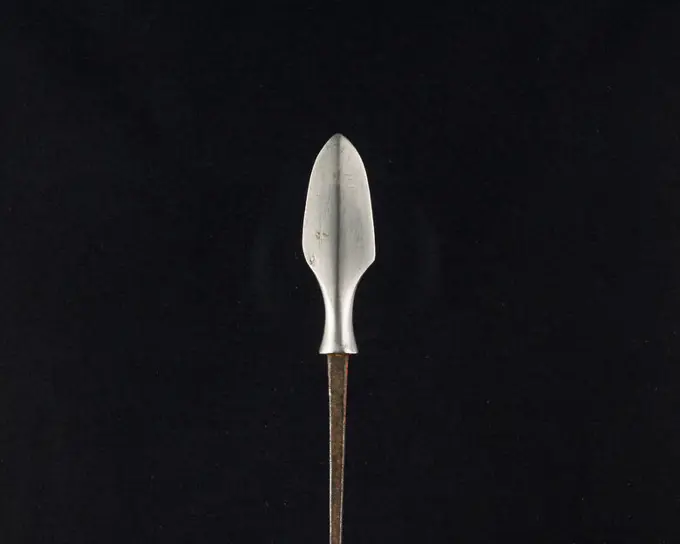
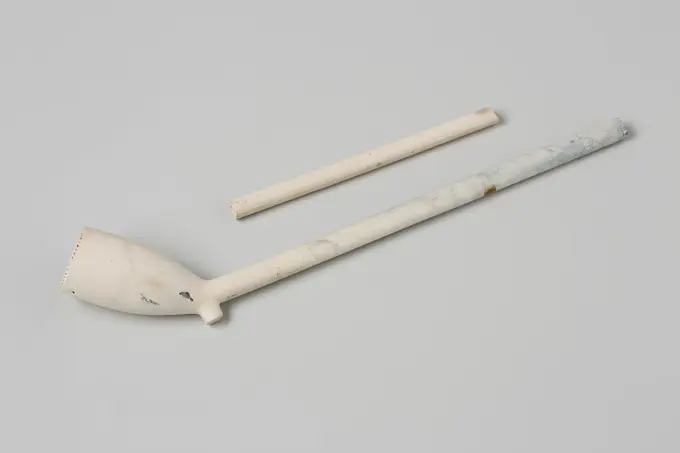
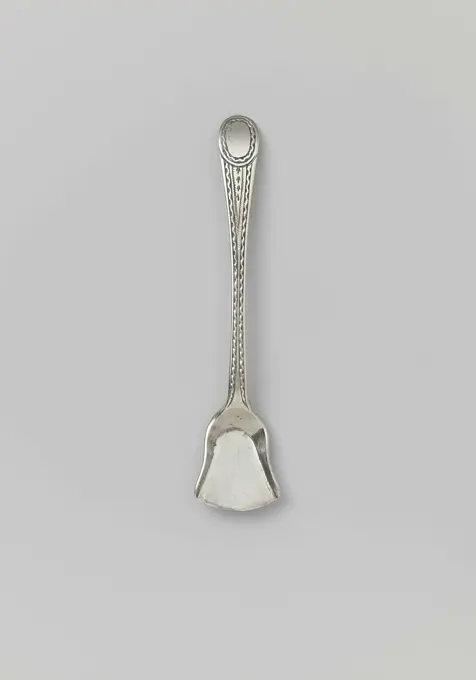
Spoon, 20th century, 7/8 x 7 7/8 x 1 1/8in. (2.2 x 20 x 2.9cm), Pewter, France, 20th centurySpoon 1800-1810 American. Spoon 7812Tablespoon. Maker, attributed to: Jonathan Reed, ca. 1695-1742a hundred; Klinkosch, Josef Carl von (1822-1888); 1872-88 (1890-00-00-1890-00-00);Incense spoon - Pierre Huguet dit Latour (1771-1829)Lepel, Pieter Oosterman, 1783 Simple silver spoon. NOTE: see BK-NM-7871-A T/M E.  silver (metal) Simple silver spoon. NOTE: see BK-NM-7871-A T/M E.  silver (metal)a hundred; Klinkosch, Josef Carl von (1822-1888); 1872-88 (1890-00-00-1890-00-00);Jacob Hurd, Tablespoon, 1702-1758, silver.Spoon with clifford helmet sign. The egg-shaped bin of the spoon is on both upstairs and bottom by means of single praise connected to the flat, curved stem, which widened to the spatula-shaped end. Upper and bottom of the handle are surrounded by a double fillet edge, which is injected at the end. The Clifford Helmet is engraved on the underside of the spatula.Spoon. Probably Italy, circa 17th century. Furnishings; Serviceware. SilverTable Spoon 1780-90 Joseph Richardson Jr.. Table Spoon. American. 1780-90. Silver. Made in Philadelphia, Pennsylvania, United StatesTeaspoon 19th century German. Teaspoon 188121Spoon ca. 1743-45 Johann Beckert V German. Spoon 231605Table Spoon ca. 1780 Paul Revere Jr. American. Table Spoon 8126Silversmith: Sacharias du Vignon, Silver spoon for the golden wedding of Jansz van Eijck and Baafjen Joosten Brakel, spoon cutlery silver, forged engraved Oval bake flat handle with pied the biche rat tail handle backsaten: wedding party feast golden wedding 50th wedding anniversary Jansz van Eijck Baafjen Joosten van Brakel eat remember marriageTable Spoon. Culture: American. Dimensions: L. 9 1/4 in. (23.5 cm). Maker: Benjamin Halsted (1734-1817). Date: 1780-90. Museum: Metropolitan Museum of Art, New York, USA.Lepel van tin.Spoon from tin. The handle is hexagonal. The bin is a slight oval form.Dessertspoon.  Maker: Antoine Danjen, American, 1781-1827Unknown, Tea Spoon, c. 1760, silver.Spoon 1717-18 British, London. Spoon. British, London. 1717-18. Silver. Metalwork-SilverSilver sugar sprinkle spoon with open-worked container, scoop spoon spoon kitchenware silver, engraved mashed Deep oval bowl (transversely placed) with finely scalloped upper edge backward curved stem with pointed stem end rear stem (smashed) sugar sprinkles sprinkle sugarSpoon with the Helmet helmet, Roelof Helweg, 1806 The egg-shaped container of the spoon is connected to the flat, bent stem on both the top and bottom by means of a single praise, which broadens to the spatula-shaped end. At the top and bottom of the handle are surrounded by a double file edge, which has been swept up at the end. The Clifford helmet is engraved on the underside of the spatula. Amsterdam silver (metal) The egg-shaped container of the spoon is connected to the flat, bent stem on both the top and bottom by means of a single praise, which broadens to the spatula-shaped end. At the top and bottom of the handle are surrounded by a double file edge, which has been swept up at the end. The Clifford helmet is engraved on the underside of the spatula. Amsterdam silver (metal)Spoon 1770-71 British, London. Spoon 208874Dessert spoon with the Helmet Helmet, Roelof Helweg, 1806 The egg-shaped container of the spoon has a narrowed end and is connected to the flat, bent stem on both the top and bottom by means of a single praise, which broadens to the spatula-shaped end. At the top and bottom of the handle are surrounded by a double file edge, which has been swept up at the end. On the bottom of the spatula of both the spoons and the forks, the Clifford helmet sign is engraved. Amsterdam silver (metal) The egg-shaped container of the spoon has a narrowed end and is connected to the flat, bent stem on both the top and bottom by means of a single praise, which broadens to the spatula-shaped end. At the top and bottom of the handle are surrounded by a double file edge, which has been swept up at the end. On the bottom of the spatula of both the spoons and the forks, the Clifford helmet sign is engraved. Amsterdam silver (metal)Vintage metal spoon on dark backgroundSTOP fork; Fraget, Józef (Warsaw; Silver and Plated Products Factory; 1824-1945); Years of the 19th century (1880-00-00-1900-00-00);Spoon of silver, anonymous, c. 1575 - c. 1600 Silver spoon with a partially twisted stem. On top of the stem the image of St Andries. Engravings: IOHA: Roerja and Anna: Si: VIF. Groningen (), Perhaps at the end of the 16th century. The flat part of the handle is engraved. Groningen (possibly) silver (metal) Silver spoon with a partially twisted stem. On top of the stem the image of St Andries. Engravings: IOHA: Roerja and Anna: Si: VIF. Groningen (), Perhaps at the end of the 16th century. The flat part of the handle is engraved. Groningen (possibly) silver (metal)Powerful fork for fish; Graczew, brothers (St. Petersburg; Sreber label; Fl. 1866-1918); 1908-1917 (1908-00-00-1917-00-00);Partage Plus, geometric-spray (ornament), purchase (provenance)Lepel, Rudolph Sondagh, 1789 Spoon of silver, with an egg -shaped container. The flat, curved stem extends to the rounded end. Rotterdam silver (metal) Spoon of silver, with an egg -shaped container. The flat, curved stem extends to the rounded end. Rotterdam silver (metal)Spoon ca. 1800 T. P. Drown. Spoon 7777Spoon, J. M. van Kempen and Sons, founded 1835, Silver, The shallow pointed oval bowl with a flat edge and a slightly curved edge. The surface engraved with two crossed ivy fronds with pierced leaves encircling the bowl. The flat, slightly curved stem engraved with spiralling ivy vine. With rounded pointed terminal., Voorschoten, Netherlands, 1877, cutlery, Decorative Arts, SpoonWilliam Pugh, Caddy Spoon, 1814/15, silver.Coffee spoon with egg -shaped container and spatula -shaped end, Roelof Helweg, 1806 The egg-shaped container is connected to the flat, bent stem on both the top and bottom by means of a single praise, which broadens to the spatula-shaped end. At the top and bottom of the handle are surrounded by a double file edge, which has been swept up at the end. The Clifford helmet is engraved on the underside of the spatula. Amsterdam silver (metal) The egg-shaped container is connected to the flat, bent stem on both the top and bottom by means of a single praise, which broadens to the spatula-shaped end. At the top and bottom of the handle are surrounded by a double file edge, which has been swept up at the end. The Clifford helmet is engraved on the underside of the spatula. Amsterdam silver (metal)ForkSpoon 1765-80 Joseph Moulton. Spoon 7839Apostle spoon 19th century Possibly by Gustaf Stafhell the Elder Swedish. Apostle spoon 188137 Maker: Possibly by Gustaf Stafhell the Elder, Swedish, active 171455, Apostle spoon, 19th century, Silver, parcel-gilt, 6 in. (15.2 cm). The Metropolitan Museum of Art, New York. Gift of Mrs. Samuel P. Avery, 1897 (97.2.102)"Louis XVI" tableware Spoon; Designed by Joseph E. Birmingham; Manufactured by Shreve & Co.; USA; silver; cm: L: 10.7 x W: 2.8a hundred; Rossdeutscher & Reisig (Wrocław XIX-XX century (1800-00-00-1810-00-00);Fork with clifford helmet sign. The four-eddy fork is on both upstairs and bottom by means of single praise connected to the flat, curved stem, which widened to the spatula-shaped end. Upper and bottom of the handle are surrounded by a double fillet edge, which is injected at the end. The Clifford Helmet is engraved on the underside of the spatula.Fork;  19th century (1800-00-00-1810-00-00);Tablespoon.   Maker: M.B., American, ca. 1760Lepel, anonymous, 1775 - 1800 A silver spoon, with four double -flung branches, and a king and a queen at the top, and an oval smooth container. Brands: a master sign, and a climbing lion v. Holland. At the end of the 18th century, probably Amsterdam. Amsterdam (possibly) silver (metal) A silver spoon, with four double -flung branches, and a king and a queen at the top, and an oval smooth container. Brands: a master sign, and a climbing lion v. Holland. At the end of the 18th century, probably Amsterdam. Amsterdam (possibly) silver (metal)Spoon, 19th century, 6 1/8 x 2 1/16 in. (15.56 x 5.24 cm), Mountain goat horn, United States, 19th centuryLepel, anonymous, 1629 Silver spoon with stem crowned by an apostle with sword (Paulus). Brands: Two signs not to be deciphered, above which drip -shaped input on the container L.I. Groningen, annual letter X (1629). The lower part of the handle is flat and cisited with, among other things, a mask and a peacock.  silver (metal) Silver spoon with stem crowned by an apostle with sword (Paulus). Brands: Two signs not to be deciphered, above which drip -shaped input on the container L.I. Groningen, annual letter X (1629). The lower part of the handle is flat and cisited with, among other things, a mask and a peacock.  silver (metal)Teaspoon.   Maker: Jacob Hurd, American, 1702-1758Spoon 1720-21 Possibly by William Darker. Spoon 202090Thomas Northcote, Caddy Spoon, 1792/93, silver.Fork with clifford helmet sign. The four-eddy fork is on both upstairs and bottom by means of single praise connected to the flat, curved stem, which widened to the spatula-shaped end. Upper and bottom of the handle are surrounded by a double fillet edge, which is injected at the end. The Clifford Helmet is engraved on the underside of the spatula.Spoon.   Maker: Godfrey Shiving, active ca. 1779Toy spoon - Inconnu / UnknownSpoon 1703-4 Henry Greene. Spoon 197454Spoon 17th century Jacob Oberlin. Spoon 192082Ladle 1770-1800 Saunders Pitman. Ladle 4669Salt spoon, creat -shaped with engraved stem and oval on the point, Jan Pieter Barbier (attributed to), c. 1400 - c. 1950 Four salt laps of silver. Create -shaped with engraved stalks, an oval on the point. Brand: The Hague (unreadable), Master sign i.p.b. (attributed to Jan Pieter Barbie (r)). Numbered A to D. The Hague silver (metal) Four salt laps of silver. Create -shaped with engraved stalks, an oval on the point. Brand: The Hague (unreadable), Master sign i.p.b. (attributed to Jan Pieter Barbie (r)). Numbered A to D. The Hague silver (metal)Silver of Silver, Jacob Schenk (attributed to), 1790 Salt spoon of silver, with scoop -shaped container. The underside of the end of the stem is engraved. Amsterdam silver (metal) engraving Salt spoon of silver, with scoop -shaped container. The underside of the end of the stem is engraved. Amsterdam silver (metal) engravingDessertSpoon.   Maker: I. H., active ca. 1785Tablespoon.  Artist: Joseph Farr, 1775-1845Spoon with Palm Fronds 5th-6th century Byzantine Spoons were the basic eating utensil for the early Byzantine world.. Spoon with Palm Fronds. Byzantine. 5th-6th century. Silver. Metalwork-Silver"Assyrian Head" pattern Spoon; Manufactured by Meriden Silver Plate Company (United States); USA; silver plate; cm: L: 18Fork with the Helmet helmet sign, Roelof Helweg, 1806 The fourth fork is on both the top and bottom by means of only praise to the flat, curved stem, which broadens to the spatula-shaped end. At the top and bottom of the handle are surrounded by a double file edge, which has been swept up at the end. The Clifford helmet is engraved on the underside of the spatula. Amsterdam silver (metal) The fourth fork is on both the top and bottom by means of only praise to the flat, curved stem, which broadens to the spatula-shaped end. At the top and bottom of the handle are surrounded by a double file edge, which has been swept up at the end. The Clifford helmet is engraved on the underside of the spatula. Amsterdam silver (metal)Fruitlet spoon first half 17th century Lukas Andersen Steen. Fruitlet spoon 192298Figure-top spoon probably 1712 Dutch, Enkhuizen. Figure-top spoon 188284 Dutch, Enkhuizen, Figure-top spoon, probably 1712, Silver, 7 7/8 x 1 7/8 in. (20.0 x 4.8 cm). The Metropolitan Museum of Art, New York. Gift of Mrs. Samuel P. Avery, 1897 (97.2.261)Lons Ball & Co., Tea Spoon, c. 1830, silver.Caddy spoon 1804-5 Joseph Taylor. Caddy spoon 188204 Maker: Joseph Taylor, Caddy spoon, 18045, Silver, Length: 2 3/4 in. (7 cm). The Metropolitan Museum of Art, New York. Gift of Mrs. Samuel P. Avery, 1897 (97.2.180)Figure-top spoon probably second half 19th century probably Dutch. Figure-top spoon. probably Dutch. probably second half 19th century. Silver. Metalwork-Silver2 tablespoons. Bateman, Peter & Bateman, Ann (fl. 1791-1799), goldsmith, Bateman (Londyn ; firma złotnicza ; fl. 1761-1843), goldsmiths companyArrowhead (Yanone). Culture: Japanese. Dimensions: L. 7 3/8 in. (18.8 cm); L. of head 1 1/2 in. (3.8 cm); W. 9/16 in. (1.4 cm); Wt. 0.7 oz. (19.8 g). Date: 18th century. Museum: Metropolitan Museum of Art, New York, USA.Two salt spoons 1808-9 James Ede. Two salt spoons 187973 Maker: James Ede, entered 1808, Maker: Alexander Hewat, entered 1808, Two salt spoons, 18089, Silver, Length (each): 4 in. (10.2 cm). The Metropolitan Museum of Art, New York. Gift of Mrs. Amelia B. Lazarus, in the name of Miss Emilie Lazarus, 1895 (95.1.20, .21)Teaspoon.   Maker: Robert Brookhouse, American, 1779-1866Three teaspoons KOHN GEZALadle ca. 1765 Benjamin Halsted. Ladle 8040Folding Fork And Spoon Bowl (Germany); silver; L x W (fork): 15.5 x 1.9 cm (6 1/8 x 3/4 in.) L x W (spoon bowl): 6.3 x 4.2 cm (2 1/2 x 1 5/8 in.); The Robert L. Metzenberg Collection, gift of Eleanor L. Metzenberg; 1985-103-77-a,bSugar Sifter, 1805-1806. John Beldon (British). Silver; overall: 16.3 cm (6 7/16 in.).Rockledge Silver Service Luncheon Fork; Designed by George Washington Maher (American, 1864-1926); Manufactured by Gorham Manufacturing Company (United States); Client: Ernest L. and Grace King; USA; silver; L x W x D: 16.9 x 2.5 x 2.2 cm (6 5/8 x 1 x 7/8 in.)Pair ofTablespoonsRockledge Silver Service, George Washington Maher, American, 1864-1926, Gorham Manufacturing Company, Providence, Rhode Island, USA, founded 1818, Ernest L. and Grace King, Silver, Of 'Martele' silver, the handle decorated with a native lily motif and initials E.K.G. conjoined., 1911-12, cutlery, Decorative Arts, Butter knife, Butter knifeSpoon and SaltBoar Spear 16th century German. Boar Spear 26728Saucepan. Saucepan with spout and a starter for the wooden handle. The saucepan is marked: STK. = Amsterdam, jrl. = E (1739), mt. = Frederik from STRANT II.Silver shiny spoon of silver shiny spoon copyright: xzoonar.com/DR.XNORBERBERTXLANGEX 14318362Arrowhead (Yanone) 18th century Japanese Although today Japanese warriors are renowned most for their swordsmanship, archery, especially from horseback, has been an essential part of samurai warfare and culture for centuries. Arrows were fitted with heads of varying shape according to their intended use in war, the hunt, or target practice. Arrowheads made for use on the battlefield incorporated different designs intended for specialized purposes such as the piercing of armor or to cause maximum damage to horses and unarmored personnel.Large arrowheads, pierced and elaborately chiseled with landscapes, birds, flowers, dragons, and Buddhist divinities, were created to be admired for the beauty of their metalwork and design rather than for use in archery. Such highly elaborate examples may have been made for presentation or as a votive offerings to a shrine.. Arrowhead (Yanone). Japanese. 18th century. Steel. Archery Equipment-ArrowheadsSpoon with Dual Heads, 918-1392. Korea, Goryeo period (918-1392). Bronze; overall: 7.5 cm (2 15/16 in.).Lepel.Spoon of silver, with striker oval bowl and peak tapered stem. The handle is engraved at the top with a flower drink and an oval medallion.Spoon with fig-shaped bowl and hexagonal handle with decorated knob, spoon cutlery soil find tin, cast profiled turret as stem end diamond-shaped stem section fig-shaped tray needle or rattail joint from stem to tray brand: crowned rose archeology Rotterdam Beukelsdijk food Soil discovery: Beukelsdijk Rotterdam (August 1908)top view of silver salt spoon with coarse Sea Salt top view of silver salt spoon with coarse grained Sea Salt isolated on white background Copyright: xZoonar.com/ValeryxVoennyyx 13600451Arrowhead (Yanone). Culture: Japanese. Dimensions: L. 11 3/8 in. (28.9 cm); L. of head 4 1/4 in. (10.8 cm); W. 1 1/2 in. (3.8 cm); Wt. 5.6 oz. (158.8 g). Date: 18th century. Museum: Metropolitan Museum of Art, New York, USA.Serving Spoon. Culture: American. Dimensions: 2 1/16 x 16 5/16 x 3 in. (5.2 x 41.4 x 7.6 cm); 7 oz. 2 dwt. (220.2 g). Maker: Jacob Hurd (American, Boston, Massachusetts 1702/3-1758 Boston, Massachusetts). Date: 1730-40. Museum: Metropolitan Museum of Art, New York, USA.Fork with clifford helmet sign. The four-eddy fork is on both upstairs and bottom by means of single praise connected to the flat, curved stem, which widened to the spatula-shaped end. Upper and bottom of the handle are surrounded by a double fillet edge, which is injected at the end. The Clifford Helmet is engraved on the underside of the spatula.Figure-top spoon 1683 Dutch, Hoorn. Figure-top spoon 188311 Dutch, Hoorn, Figure-top spoon, 1683, Silver, Overall: 7 9/16  2 3/8 in. (19.2  6 cm). The Metropolitan Museum of Art, New York. Gift of Mrs. Samuel P. Avery, 1897 (97.2.288)wooden spoon isolated on white backgroundThe Attarouthi Treasure - Wine Strainer. Culture: Byzantine. Dimensions: Overall (funnel and strainer): 2 5/16 × 6 15/16 × 3 7/8 in., 6oz. (5.8 × 17.6 × 9.8 cm, 169g)Overall (strainer only): 3 9/16 × 1 1/16 in., 1.8oz. (9.1 × 2.7 cm, 52g)weight of funnel without strainer: 4.1oz. (117g). Date: 500-650.Wine was poured into the chalices through a strainer to remove impurities before it was used in the Eucharist. This strainer is pierced in a pattern reproducing one type of Christogram, a monogram of the initials of Christ's name in Greek, I (Iesous) X (Christos). Museum: Metropolitan Museum of Art, New York, USA.Fork with the Helmet Clifford, Hendrik Helweg, 1832 The fourth fork is on both the top and bottom by means of only praise to the flat, curved stem, which broadens to the spatula-shaped end. At the top and bottom of the handle are surrounded by a double file edge, which has been swept up at the end. The Clifford helmet is engraved on the underside of the spatula. Amsterdam silver (metal) The fourth fork is on both the top and bottom by means of only praise to the flat, curved stem, which broadens to the spatula-shaped end. At the top and bottom of the handle are surrounded by a double file edge, which has been swept up at the end. The Clifford helmet is engraved on the underside of the spatula. Amsterdam silver (metal)Concept of silver fork and spoon on wallServing spoons serving spoonsCarving wooden spoon isolated on white background cutoutAcorn-top spoon first half 17th century German, Strasbourg. Acorn-top spoon 188098 German, Strasbourg, Acorn-top spoon, first half 17th century, Silver, parcel-gilt, Length: 6 3/8 in. (16.2 cm). The Metropolitan Museum of Art, New York. Gift of Mrs. Samuel P. Avery, 1897 (97.2.63)Arrowhead (Yanone). Culture: Japanese. Dimensions: L. 6 5/8 in. (16.8 cm); L. of head 2 in. (5.1 cm); W. 5/8 in. (1.6 cm); Wt. 0.7 oz. (19.8 g). Date: 18th century. Museum: Metropolitan Museum of Art, New York, USA.Pipe and fragment blowjob from the wreck of the East India Flying Heart. An intact Earthen Goudse Pijp with the heel brand crowned ws and decoration on the handle. A piece of stem from an earthen Gouda pipe. Fragments or bowls and votes.Saline spoon, scoop-shaped with engraved stem and oval at the point. Four salt spokes of silver. Scoop-up with engraved stalks, at the point an oval. Brand: The Hague (illegible), Master Sign I.P.B. (attributed to Jan Pieter Barbie (R)). Numbered a to D.