Antique Spoons Collection

A variety of antique spoons collected from different periods, showcasing unique designs and materials like pewter and silver.

Spoon, 20th century, 7/8 x 7 7/8 x 1 1/8in. (2.2 x 20 x 2.9cm), Pewter, France, 20th century
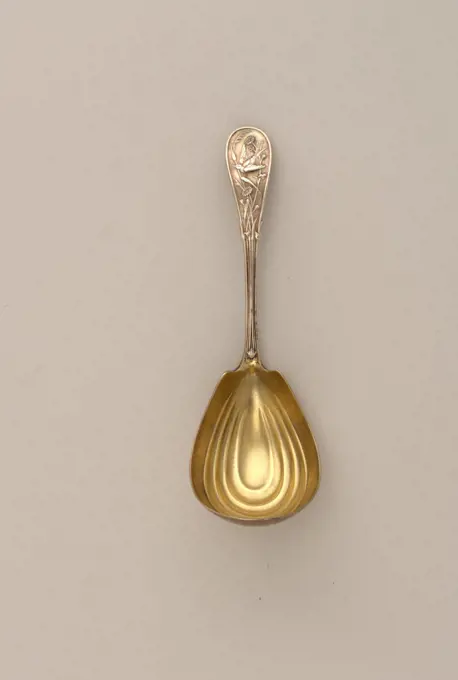
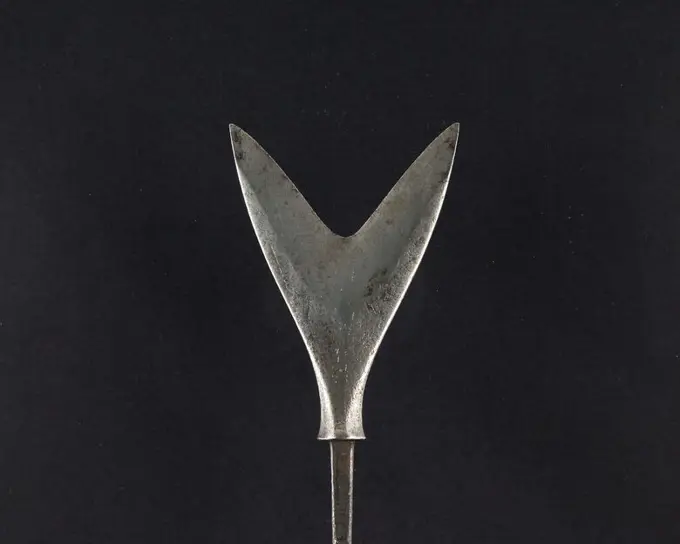
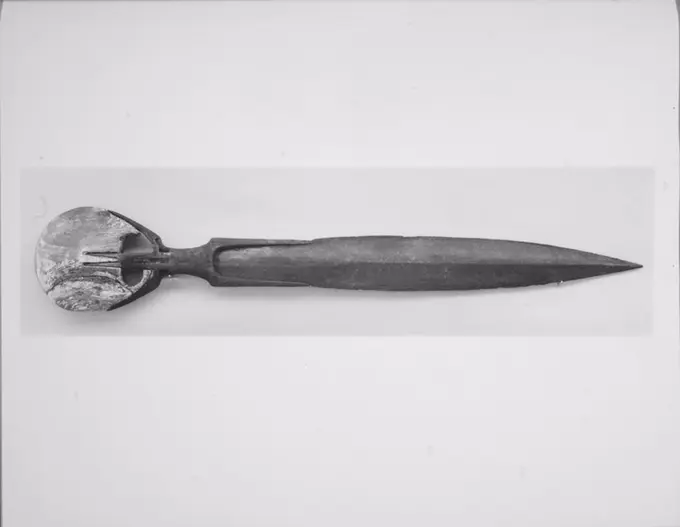
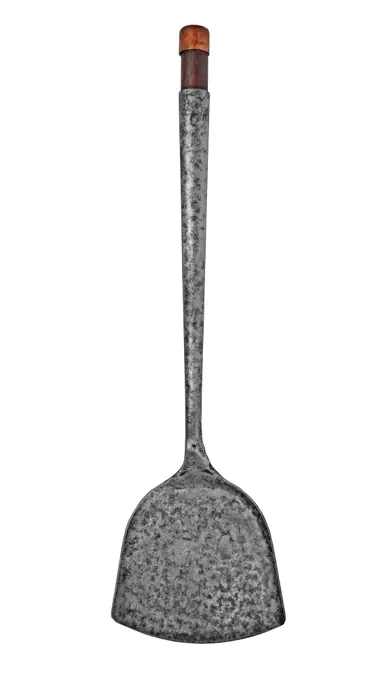
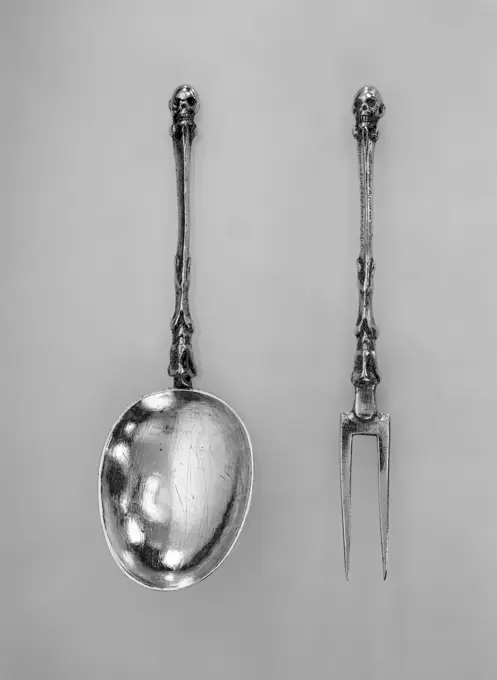
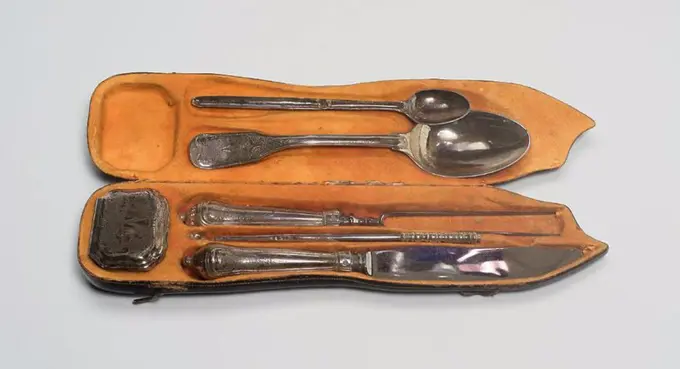
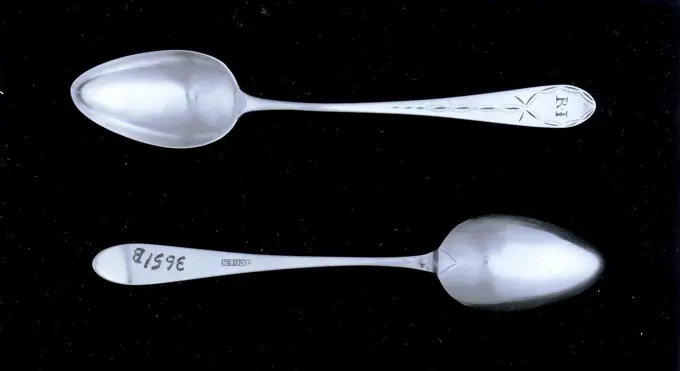
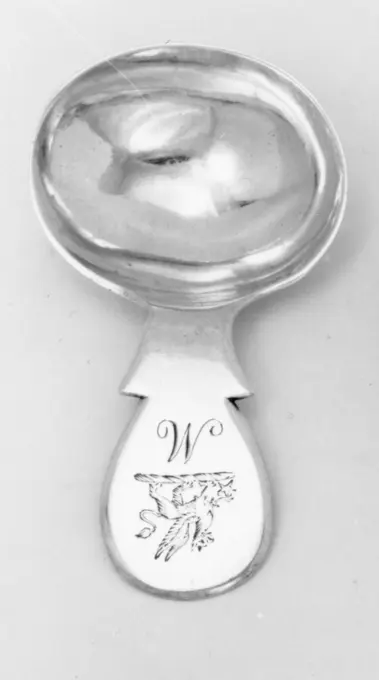
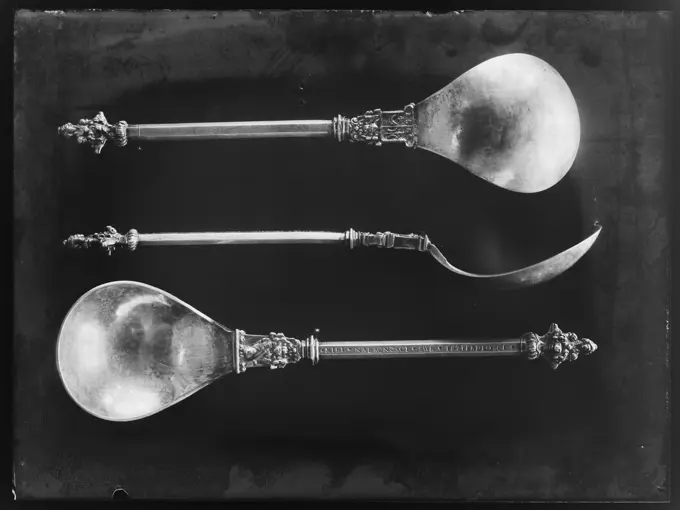
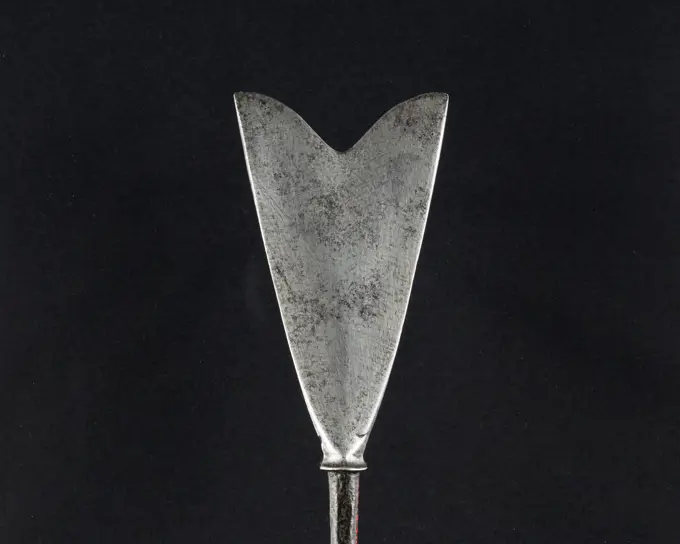
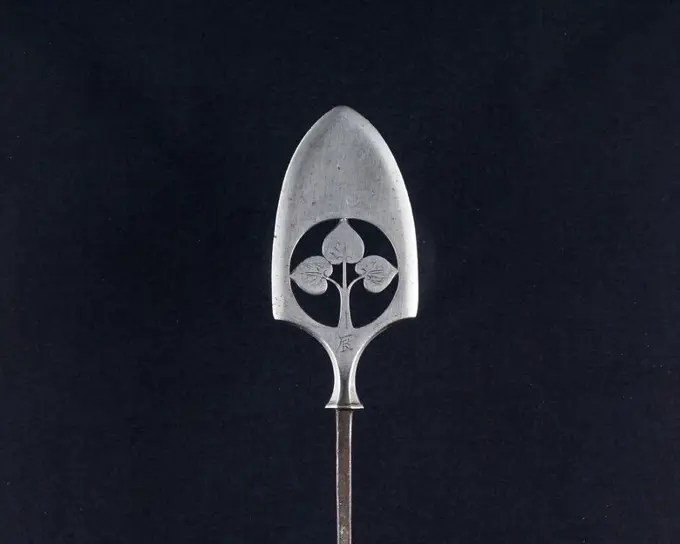
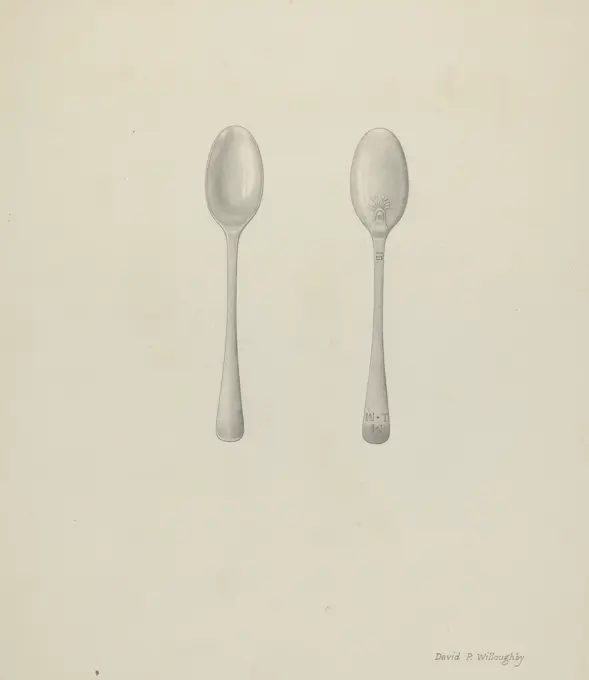
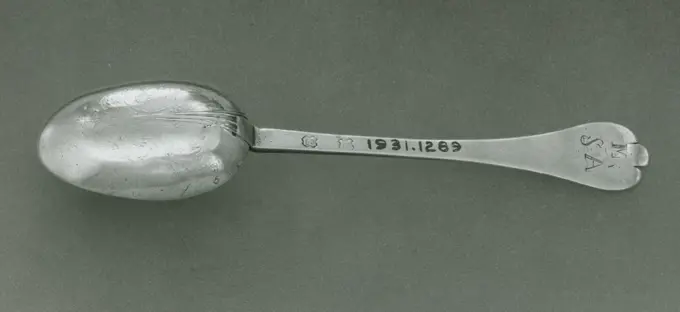
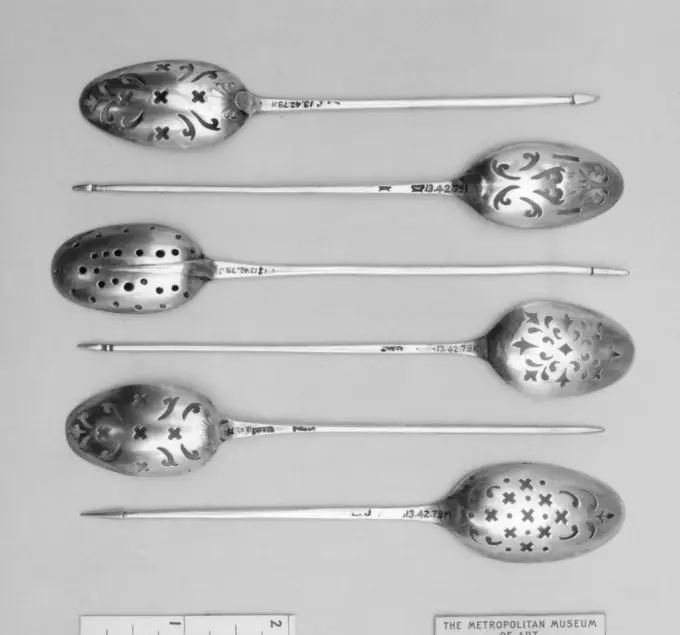
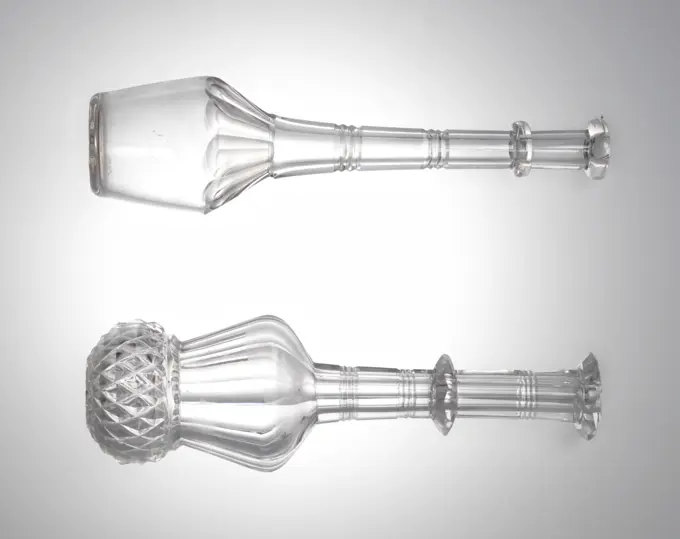
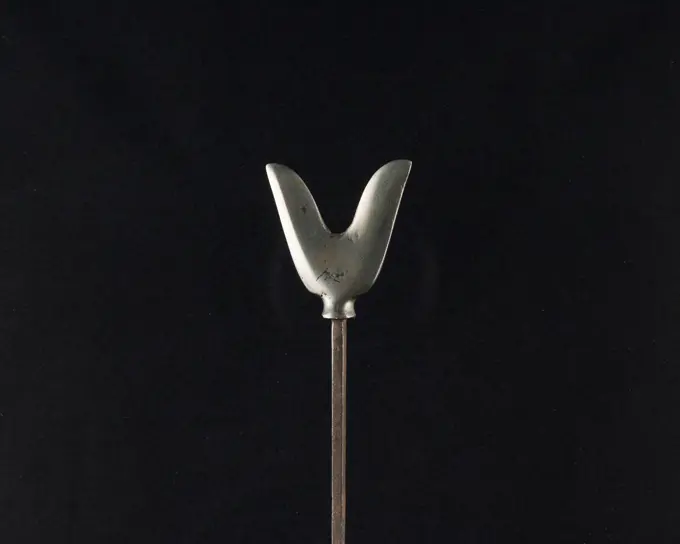
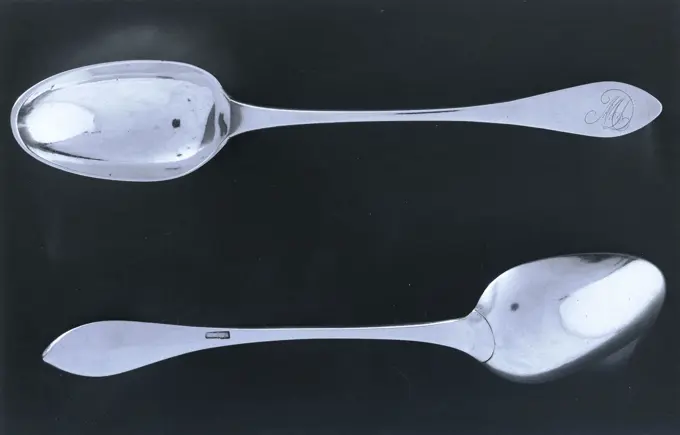
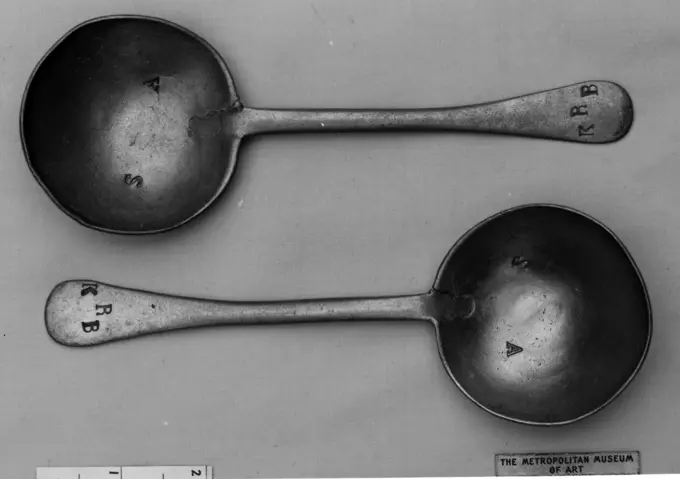
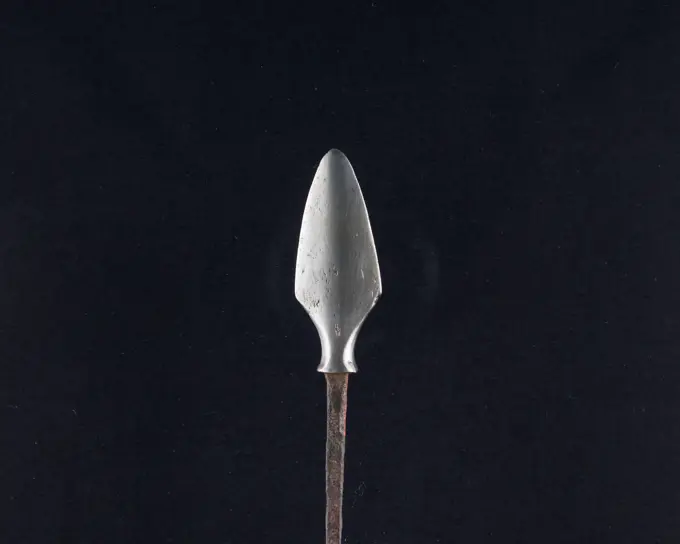
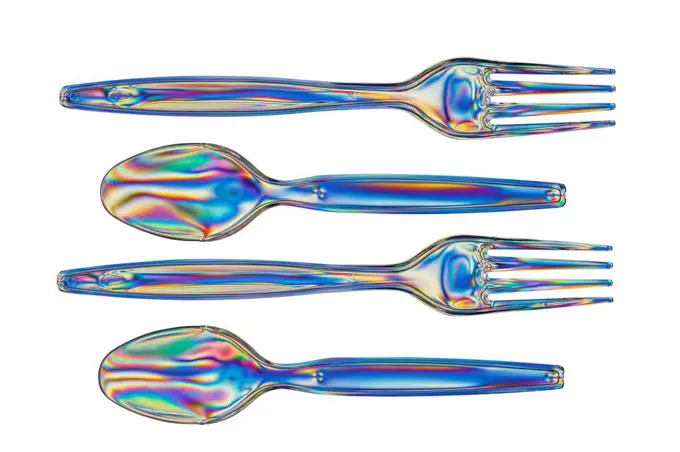
Spoon.   Maker: John Coney, American, 1655-1722Spoon, Edward C. Moore (1827-1891), silver, gilt, Pear-shaped bowl stamped with four concentric ridges, the tapering reeded stem with rounded terminal, embossed with a a bird among flowering plants and grass. Reverse similarly embossed with vacant area., 19th century, cutlery, Decorative Arts, SpoonArrowhead (Yanone). Culture: Japanese. Dimensions: L. 8 1/4 in. (21 cm); L. of head 3 1/4 in. (8.3 cm); W. 2 1/2 in. (6.4 cm); Wt. 2.2 oz. (62.4 g). Date: 18th century. Museum: Metropolitan Museum of Art, New York, USA.Ladle 1800-1830 Roe and Stollenwerck. Ladle 4671Ladle with Shell-Shaped Bowl, silver, copper, Bowl in shell form, with round bosses on alternate flutes, attached to handle with ribbed shell mount; long handle has feathered edge and rounded end., Sheffield, England, 1760-1780, cutlery, Decorative Arts, ladle, ladleDagger. Dimensions: l. 38 cm (14 15/16 in). Dynasty: Dynasty 18. Date: ca. 1550-1295 B.C.. Museum: Metropolitan Museum of Art, New York, USA.vintage rusty wok chuan spatula over white, clipping pathVarious vintage teaspoons on a green surfaceSpoon and fork, anonymous, 1671 Spoon of silver, with egg -shaped container. The stem is crowned by a skull. Inscription on the bottom bin. Batavia silver (metal)   Batavia Spoon of silver, with egg -shaped container. The stem is crowned by a skull. Inscription on the bottom bin. Batavia silver (metal)   BataviaWilliam Pugh, Caddy Spoon, 1806/7, silver.Moderne 1900 palmier Fork; Attributed to Paul Follot (French, 1877-1941); Made by Maison Cardeilhac; France; silver; cm: L: 19 x W: 2.5 x D: 1.8George C. Erickson, Twelve Individual Spreaders, 1908-36, Hand-cast silver.Vintage wooden spoon  isolated on white backgroundFork van Zilver, A. Keun, 1821 Fork of silver, with 3 teeth. The flat, curved stem extends to the rounded end.  silver (metal) Fork of silver, with 3 teeth. The flat, curved stem extends to the rounded end.  silver (metal)Fork from a Traveling Set. Augsburg, Germany. Date: 1761-1763. Dimensions: H. 21.6 cm (8 1/2 in.). Silver. Origin: Augsburg. Museum: The Chicago Art Institute, Chicago, USA.Collection of fanned out silver spoonsFork (part of a set) 16th-17th century possibly Dutch. Fork (part of a set). possibly Dutch. 16th-17th century. Steel, silver. Metalwork-SilverFourteaspoons.   Maker: Daniel Bloom Coen, American, active ca. 1777-1806Fork with Porcelain Handle, Meissen Porcelain Manufactory, German, active from 1710 to the present, F. & E. Marcus, German, 18th century onwards, hard paste porcelain, vitreous enamel, steel, Three tine fork with tapering tubular porcelain handle. White ground decorated with blue and white stylized flowers., Germany, 18th century, cutlery, Decorative Arts, fork, forkSamuel Waters, Three Tea Spoons, c. 1790, silver.Twelveteaspoons.   Maker: Daniel Rogers, American, 1735-1816top view of hand carved maple wooden soup spoon top view of hand carved maple wooden soup spoon isolated on white background Copyright: xZoonar.com/ValeryxVoennyyx 13095908SixTablespoons.  Artist: Ebenezer Moulton, American, 1768-1824Textur von grauem Stoff mit braunen Streifen und zwei alten Holzlöffeln. Draufsicht mit Kopierraum Texture of gray fabric with brown stripe and two wooden old vintage spoons. Top view with copy space. LicenseRF Copyright: xZoonar.com/KatsiarynaxHuravax 23373610White clay pipe with embossed, crowned N and initials CHL on the boiler, clay pipe smoking equipment smoking ground find ceramics pottery, pressed baked side mark embossed: crowned N with above the initials CHL archeology indigenous pottery tobacco smokingGeorge Lowe II, Caddy Spoon, 1837/38, silver.Bliżej Kultury unknownArrowhead (Yanone) 18th century Japanese Although today Japanese warriors are renowned most for their swordsmanship, archery, especially from horseback, has been an essential part of samurai warfare and culture for centuries. Arrows were fitted with heads of varying shape according to their intended use in war, the hunt, or target practice. Arrowheads made for use on the battlefield incorporated different designs intended for specialized purposes such as the piercing of armor or to cause maximum damage to horses and unarmored personnel.Large arrowheads, pierced and elaborately chiseled with landscapes, birds, flowers, dragons, and Buddhist divinities, were created to be admired for the beauty of their metalwork and design rather than for use in archery. Such highly elaborate examples may have been made for presentation or as a votive offerings to a shrine.. Arrowhead (Yanone). Japanese. 18th century. Steel. Archery Equipment-ArrowheadsArrowhead (Yanone). Culture: Japanese. Dimensions: L. 8 7/8 in. (22.6 cm); L. of head 3 in. (7.6 cm); W. 1 7/16 in. (3.7 cm); Wt. 1.2 oz. (34 g). Date: 18th century. Museum: Metropolitan Museum of Art, New York, USA.David P Willoughby, Silver Teaspoon, c 1936 Silver TeaspoonTablespoon.  Maker: John Allen, American, 1671-1760 Maker: John Edwards, American, 1671-1746Olive spoon 1725-26 Charles Girard. Olive spoon 200232Strainer spoon 18th century British. Strainer spoon 192180Toddy Lifter (syphon); cut glassArrowhead (Yanone) 18th century Japanese Although today Japanese warriors are renowned most for their swordsmanship, archery, especially from horseback, has been an essential part of samurai warfare and culture for centuries. Arrows were fitted with heads of varying shape according to their intended use in war, the hunt, or target practice. Arrowheads made for use on the battlefield incorporated different designs intended for specialized purposes such as the piercing of armor or to cause maximum damage to horses and unarmored personnel.Large arrowheads, pierced and elaborately chiseled with landscapes, birds, flowers, dragons, and Buddhist divinities, were created to be admired for the beauty of their metalwork and design rather than for use in archery. Such highly elaborate examples may have been made for presentation or as a votive offerings to a shrine.. Arrowhead (Yanone). Japanese. 18th century. Steel. Archery Equipment-ArrowheadsPair ofTablespoons.   Maker: Henry Lupp, American, 1760-1800Spoon 1700-1800 Flemish. Spoon. Flemish. 1700-1800. Pewter. Metalwork-PewterArrowhead (Yanone) 18th century Japanese Although today Japanese warriors are renowned most for their swordsmanship, archery, especially from horseback, has been an essential part of samurai warfare and culture for centuries. Arrows were fitted with heads of varying shape according to their intended use in war, the hunt, or target practice. Arrowheads made for use on the battlefield incorporated different designs intended for specialized purposes such as the piercing of armor or to cause maximum damage to horses and unarmored personnel.Large arrowheads, pierced and elaborately chiseled with landscapes, birds, flowers, dragons, and Buddhist divinities, were created to be admired for the beauty of their metalwork and design rather than for use in archery. Such highly elaborate examples may have been made for presentation or as a votive offerings to a shrine.. Arrowhead (Yanone). Japanese. 18th century. Steel. Archery Equipment-ArrowheadsWooden spoonApostle spoon ca. 1600 Dutch or Northern German For similar apostle spoons in the Metropolitan Museum's collection, see 13.42.99a and 13.42.99b.. Apostle spoon. Dutch or Northern German. ca. 1600. Wood, silver. Metalwork-Silver In CombinationVintage spoons retro vintage used old spoons on a table Copyright: xZoonar.com/FuroxLxFelixx 7841366Two saltspoons.   Maker: Benjamin H. Tisdale, American, active ca. 1812-45Coloured light interference pattern of spoons and forks. When photographed through cross-polarised white light some transparent plastics display colou...Object ID #18706087; Made by Jean-Charles Cahier; silver; L x W x D: 21.3 x 2.5 cm (8 3/8 x 1 in.)Wooden spoon on striped cloth