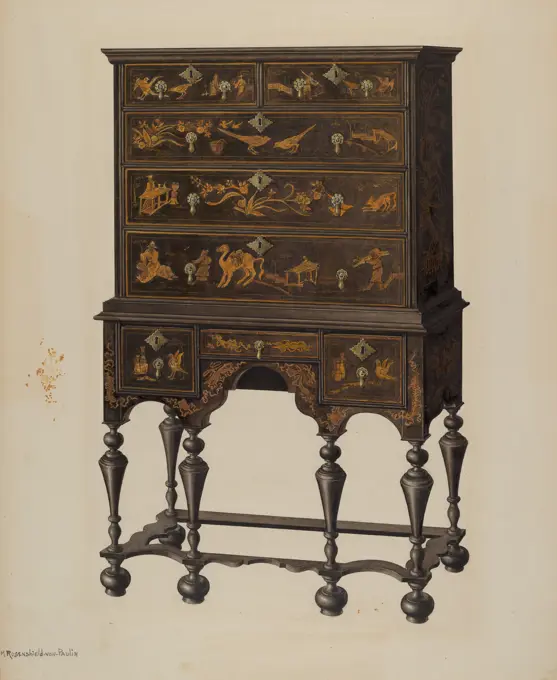
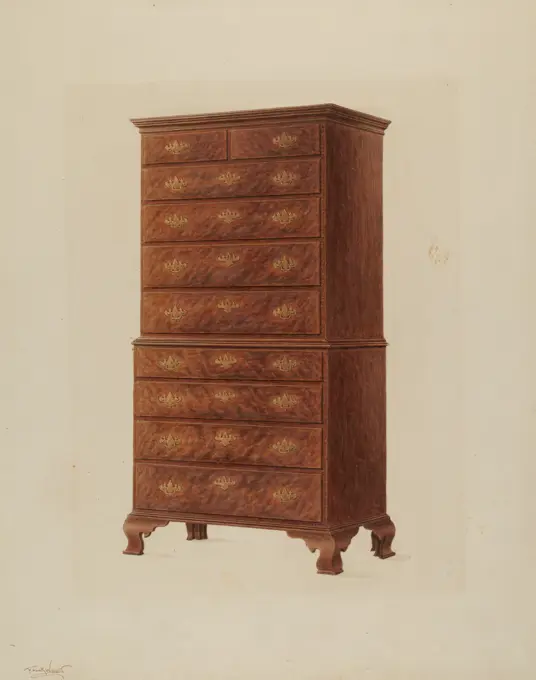
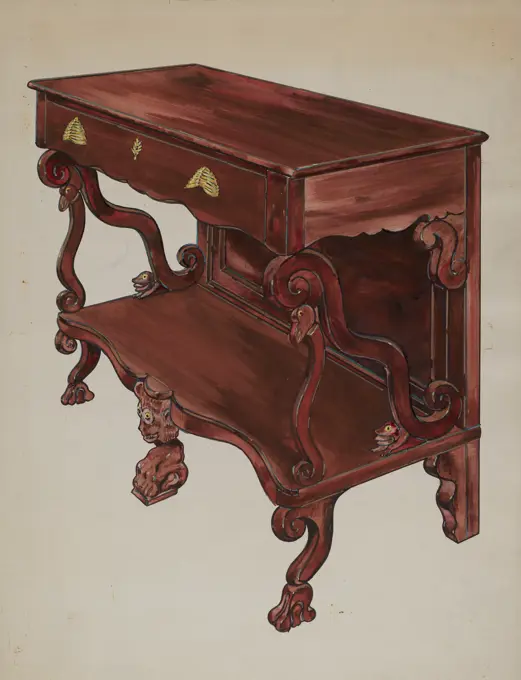
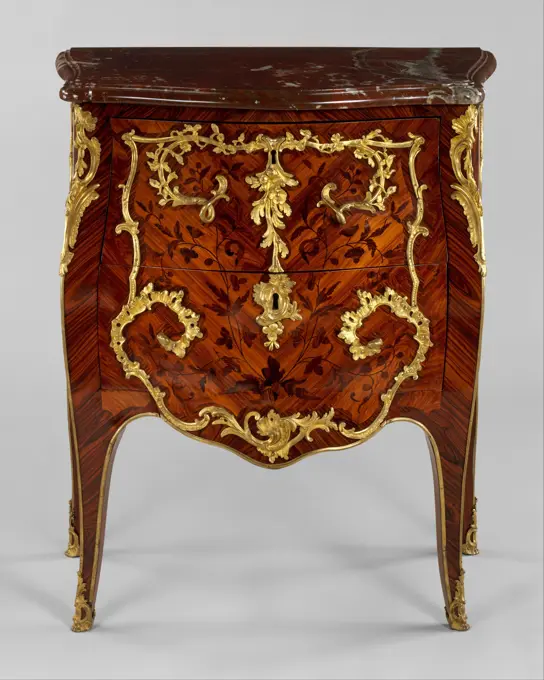
Antique Tables and Furniture

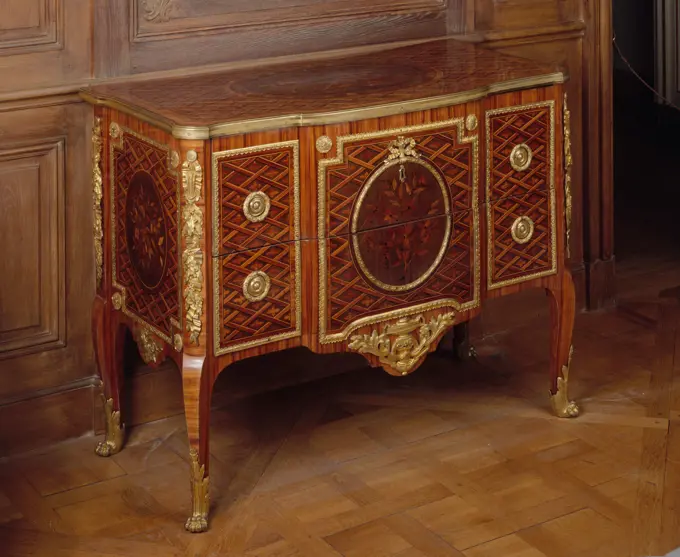
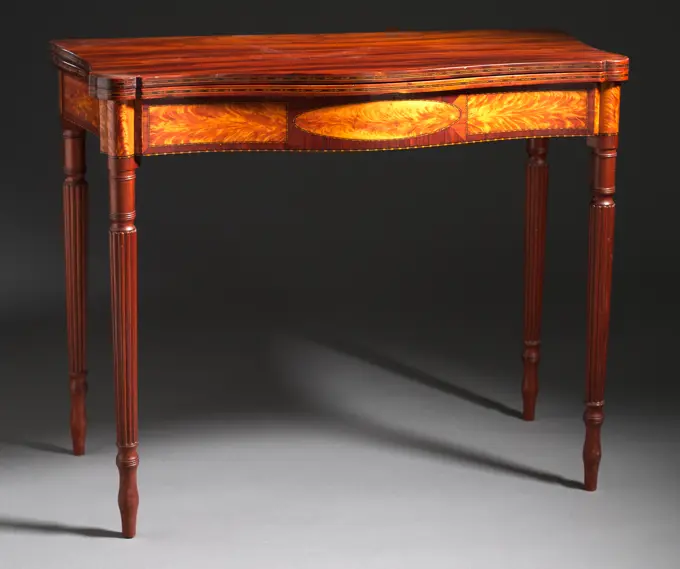
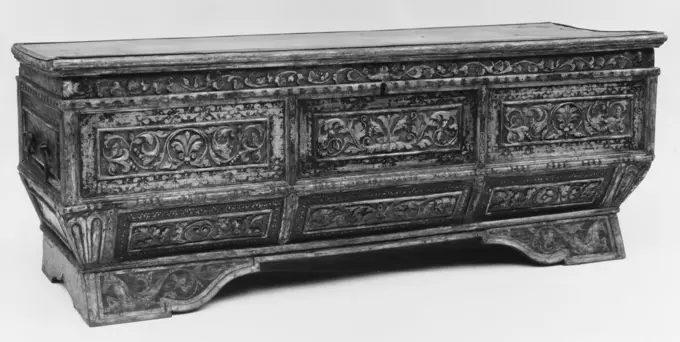
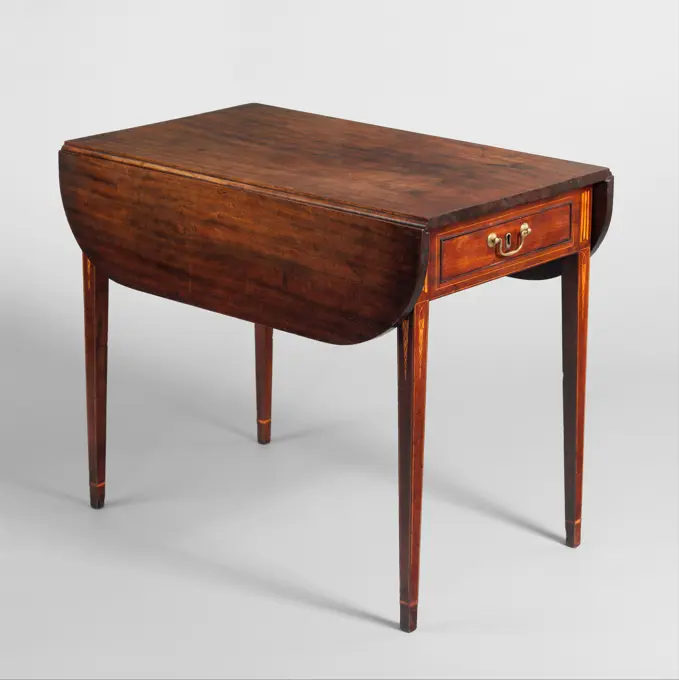
Elegant antique tables in diverse styles, highlighting intricate craftsmanship and design details, including writing and dressing tables from different historical periods.
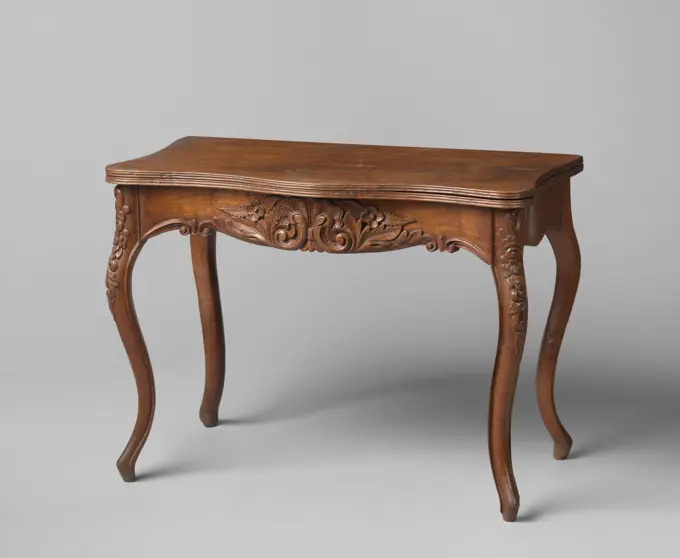
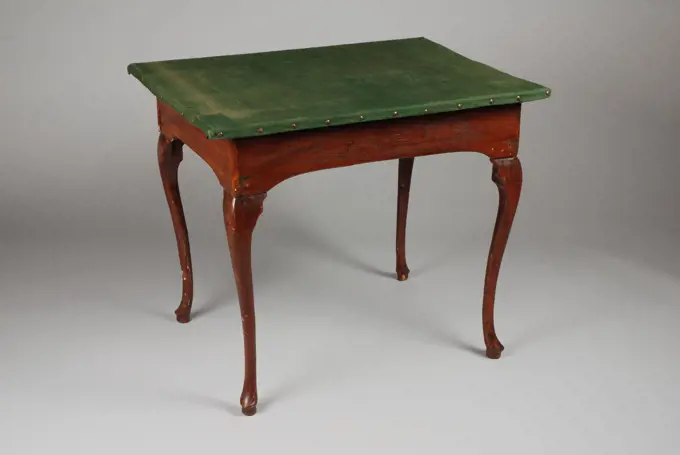
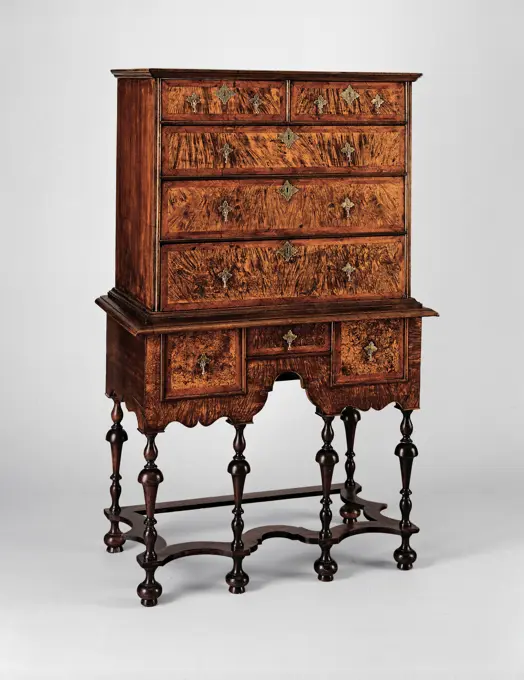
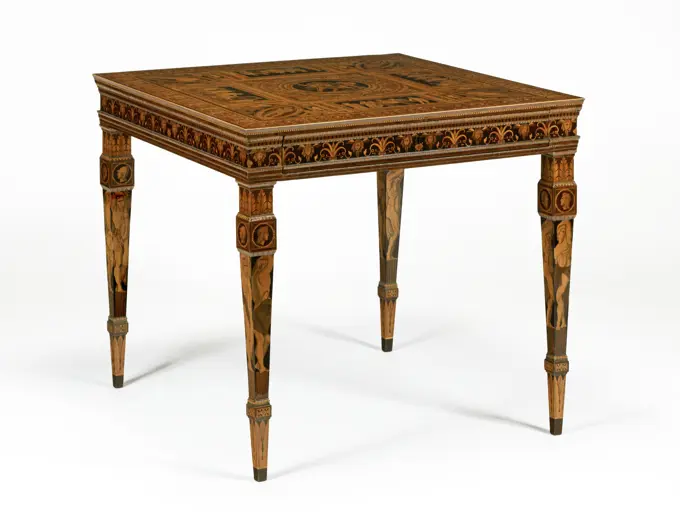
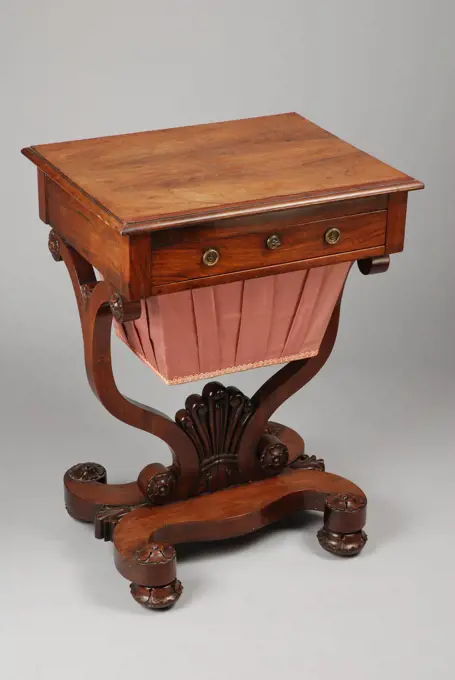
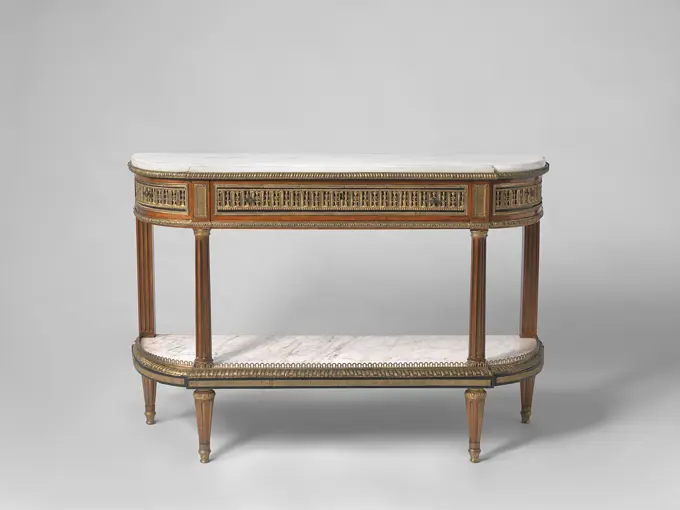
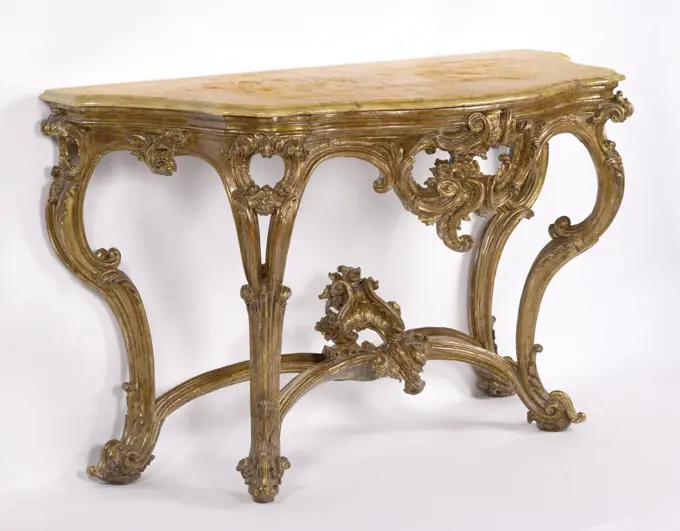
Playing table in Neo-Rococo style of djatihout, folding, anonymous, c. 1850 - c. 1875 Playing table in Neo-Rococo style of Djatihout, foldable. S-shaped curved legs, the front two sliced with a flour in the middle of leaf motifs, the front with a scalloped bottom edge, cut with a shell motif in the middle of flowers and leaves decorated volutes, the sides with a waved bottom edge, the waved, foldable leaf with ribbed sides. Dutch East Indies, The wood (plant material) Playing table in Neo-Rococo style of Djatihout, foldable. S-shaped curved legs, the front two sliced with a flour in the middle of leaf motifs, the front with a scalloped bottom edge, cut with a shell motif in the middle of flowers and leaves decorated volutes, the sides with a waved bottom edge, the waved, foldable leaf with ribbed sides. Dutch East Indies, The wood (plant material)
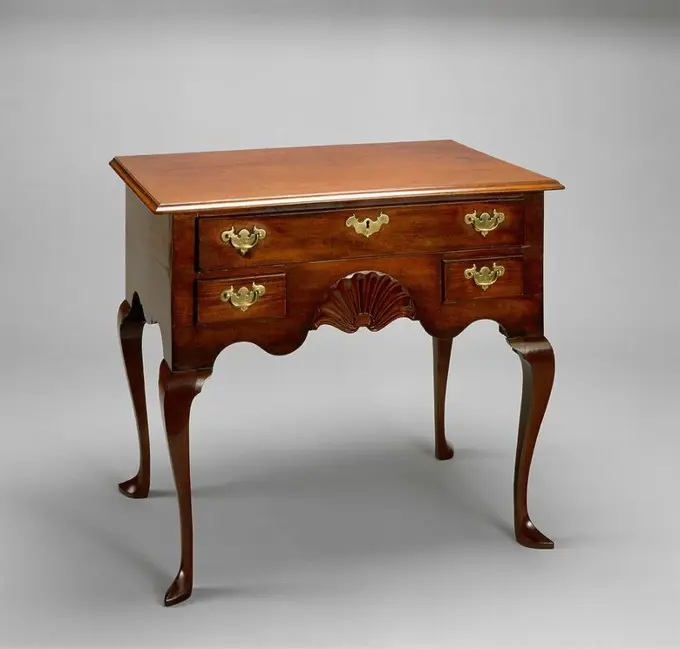
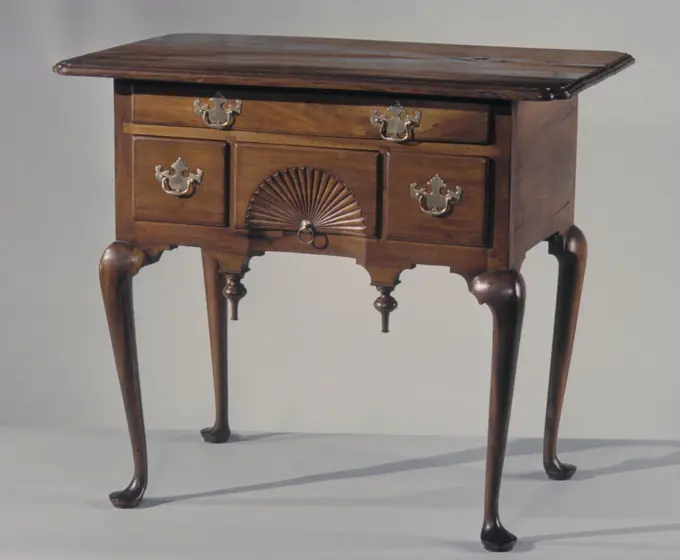
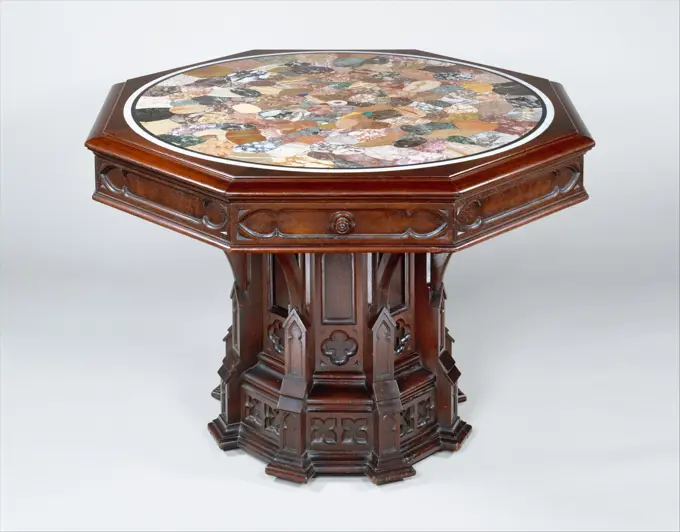
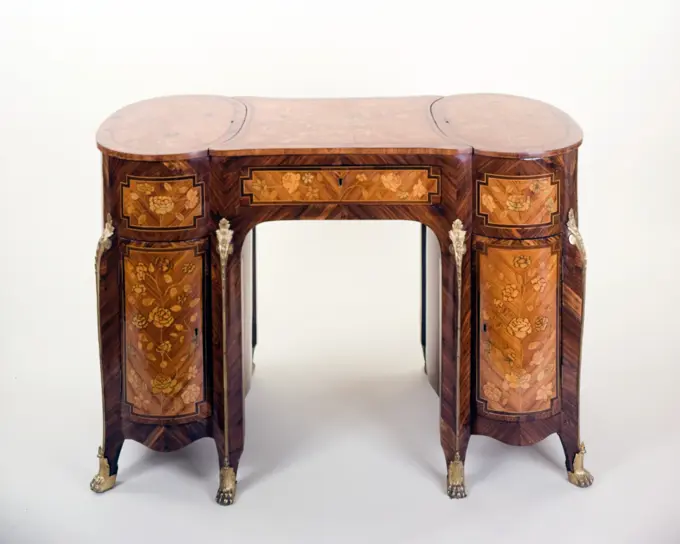
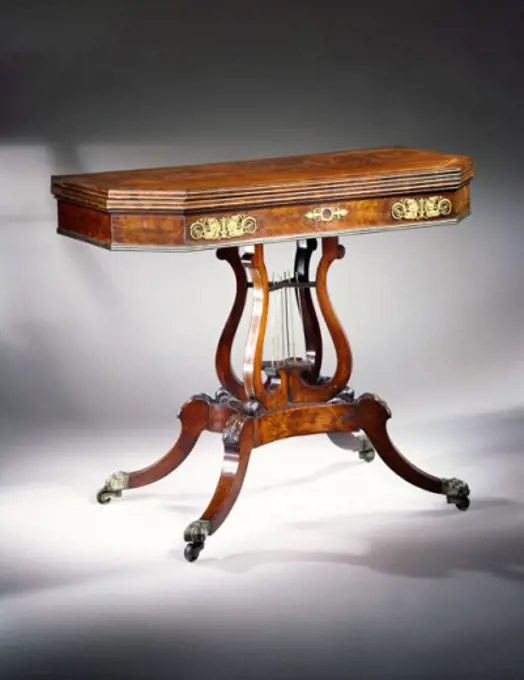
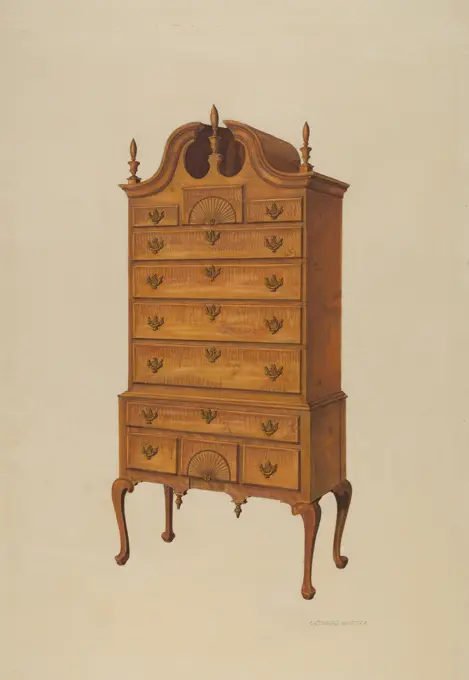
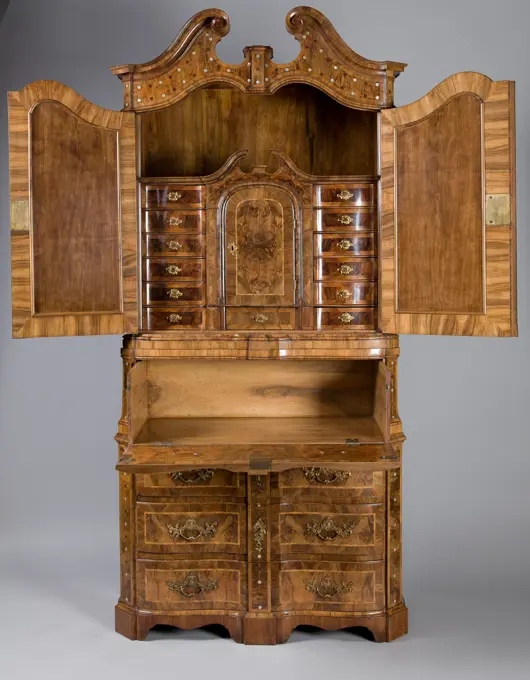
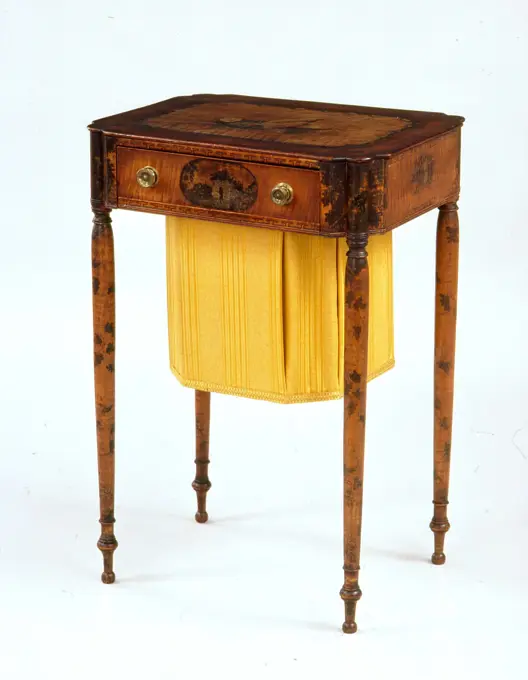
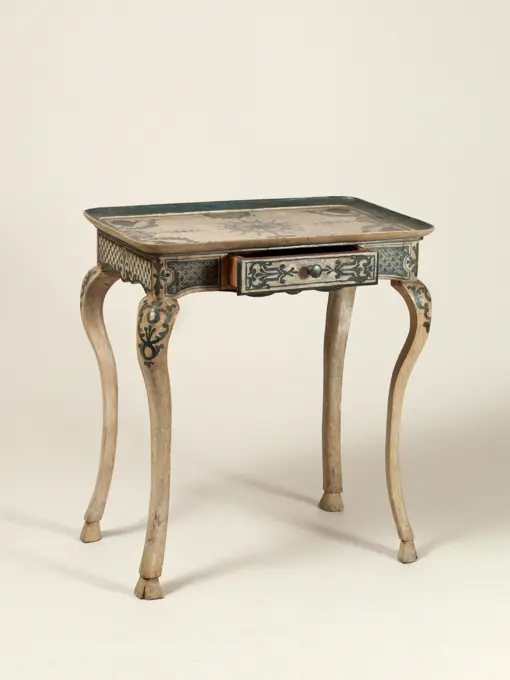
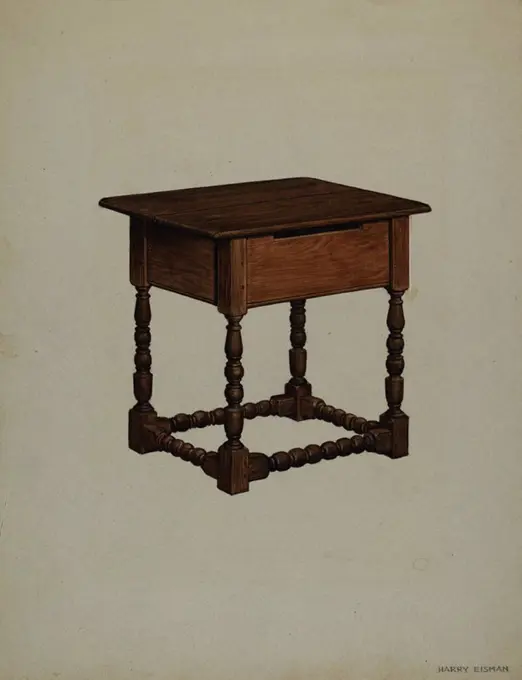
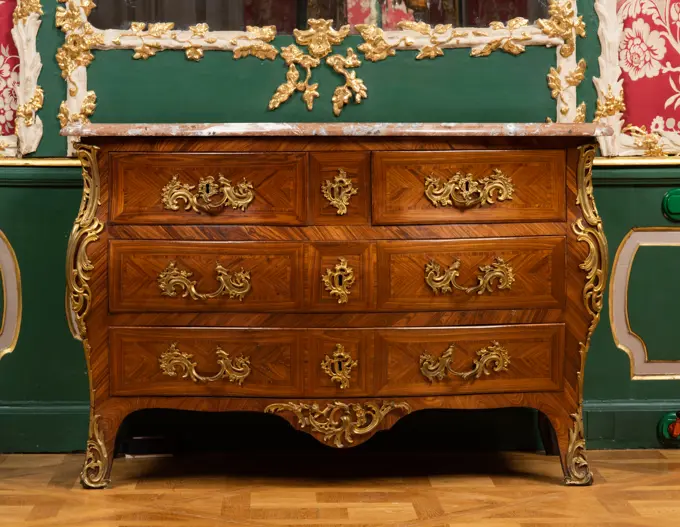
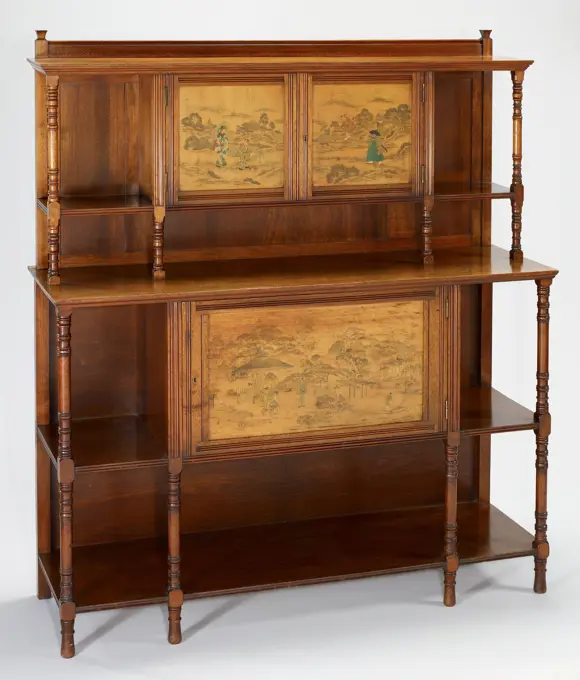
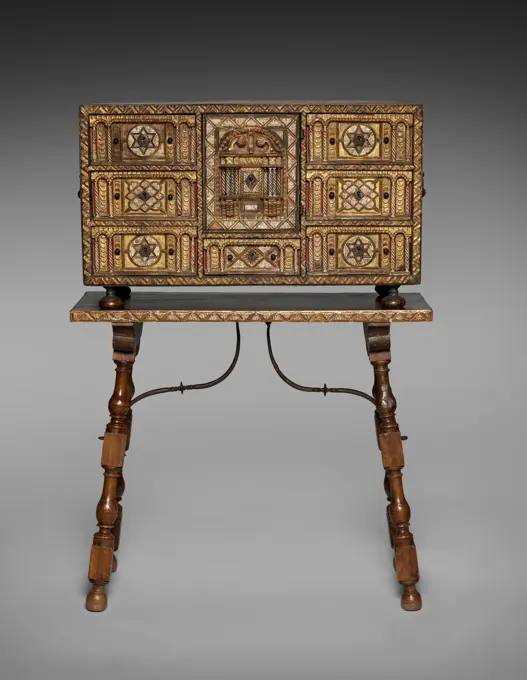
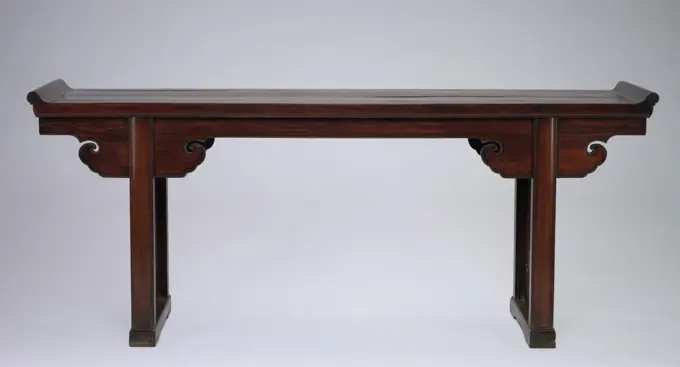
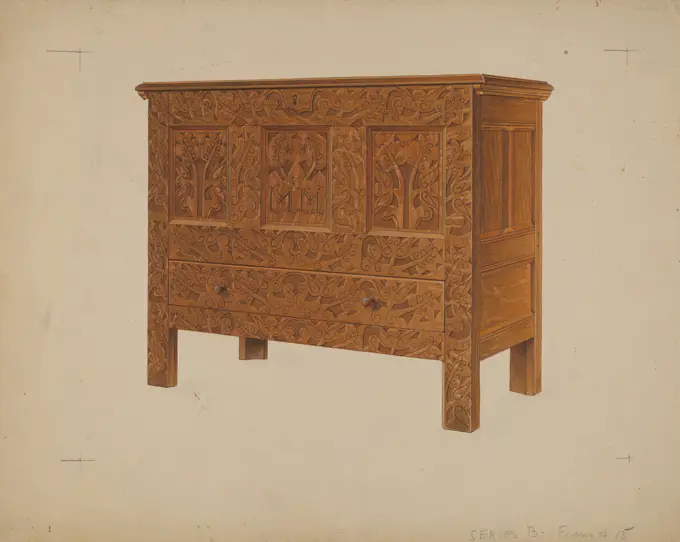
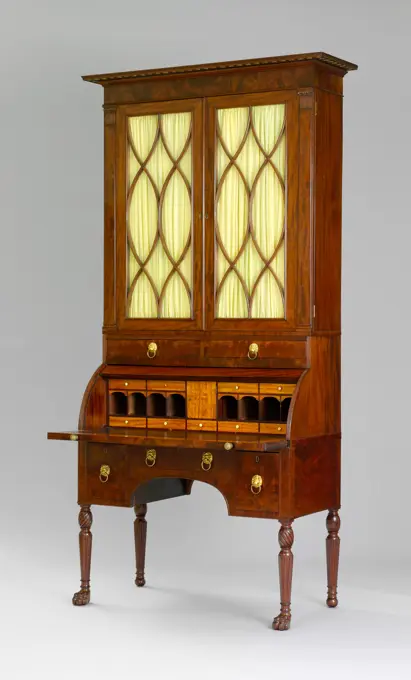
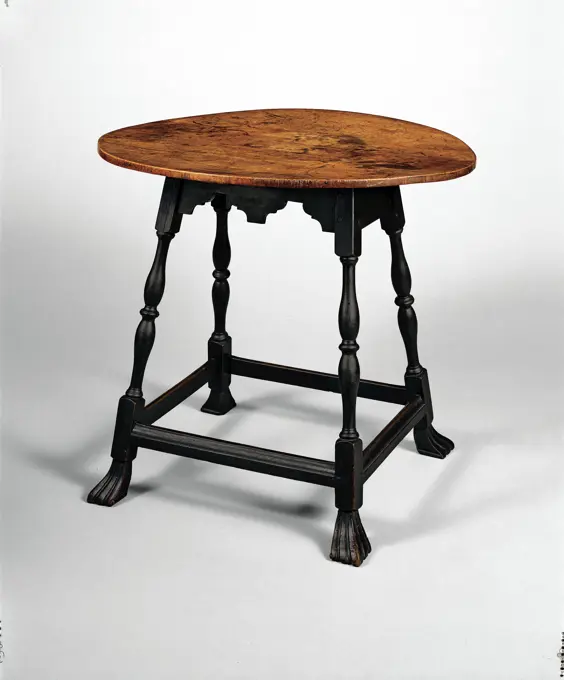
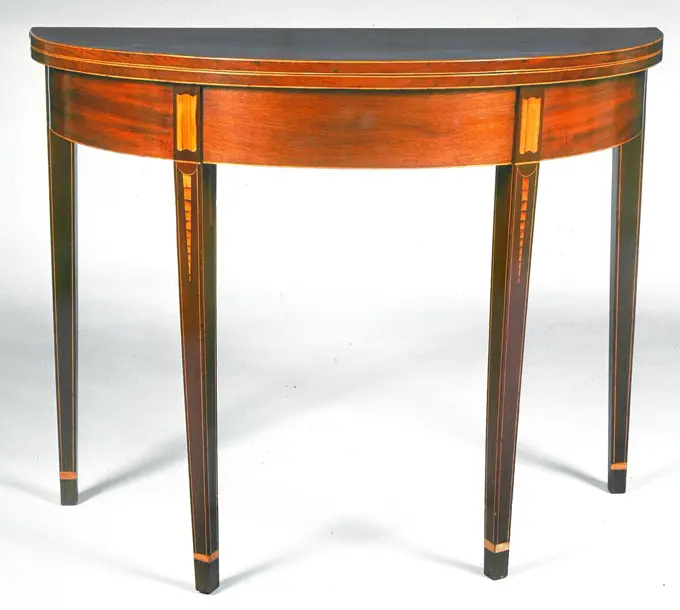
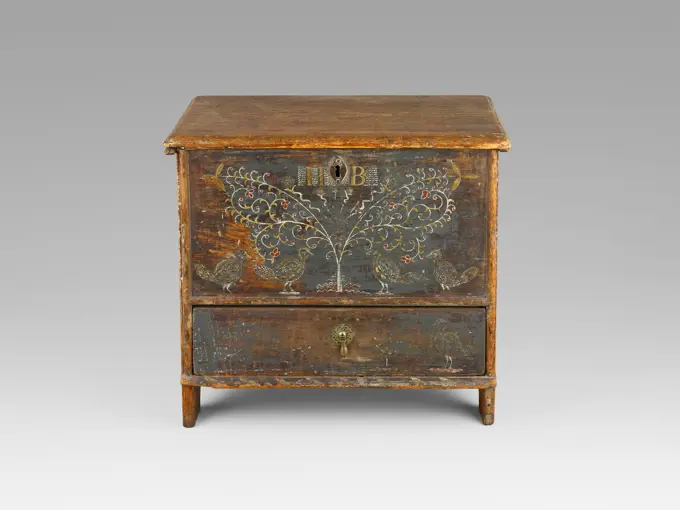
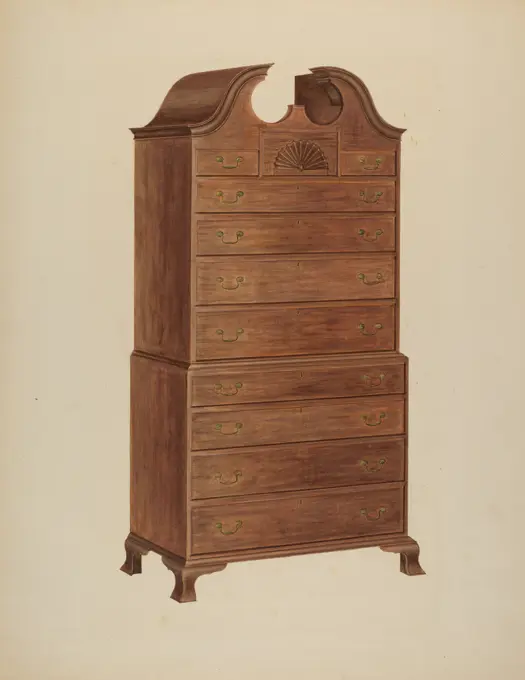
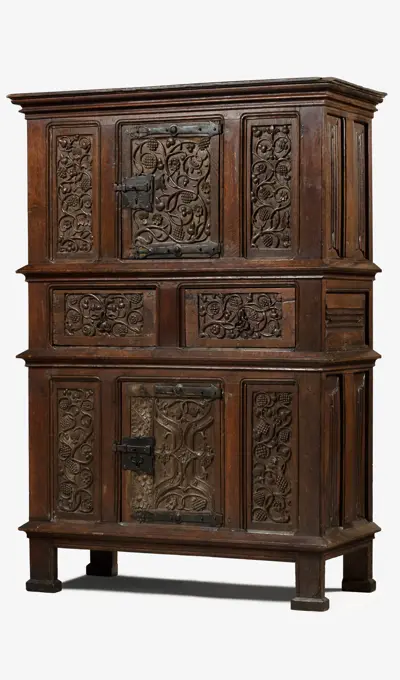
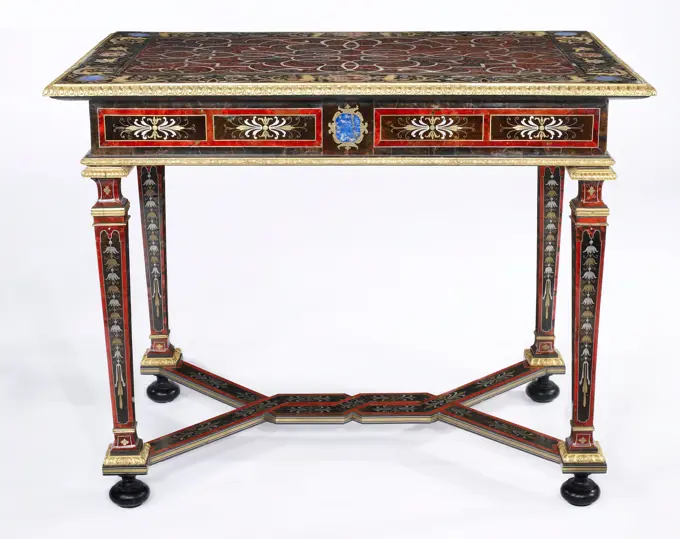
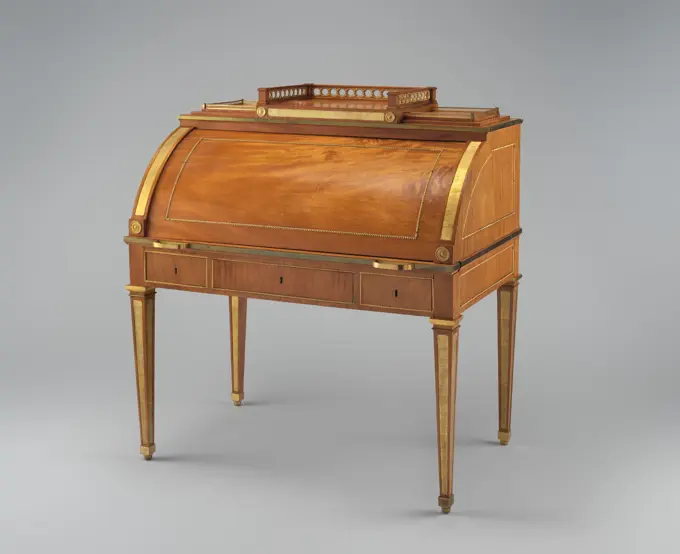
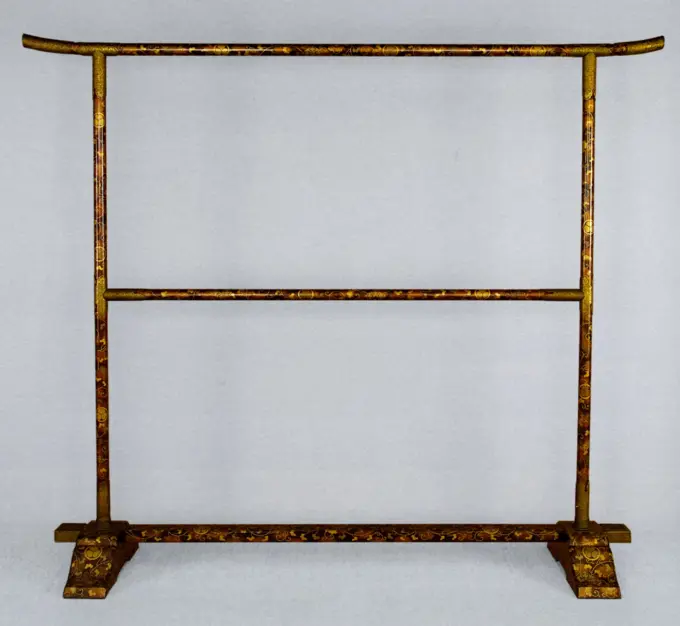
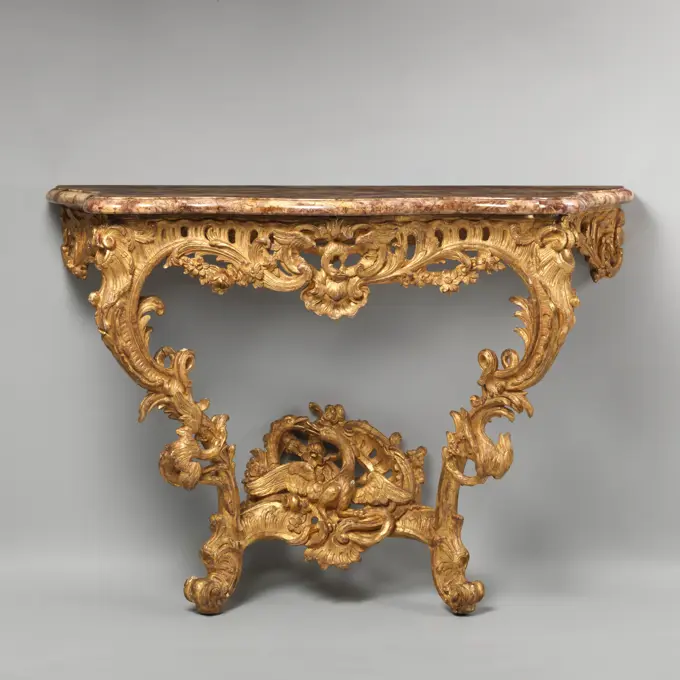
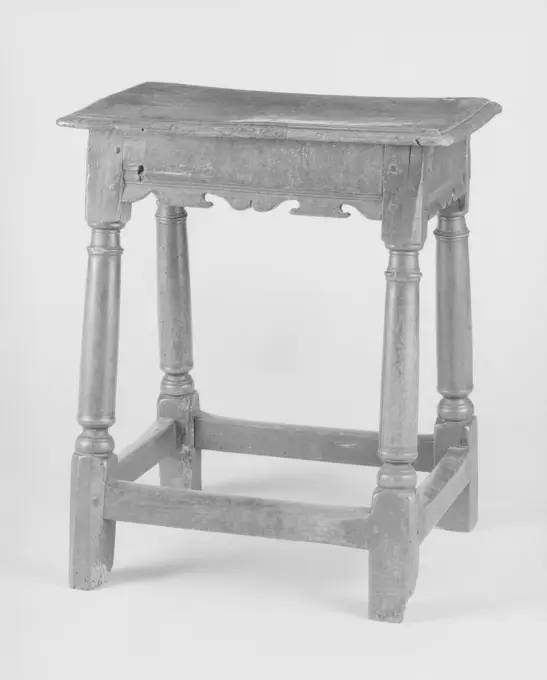
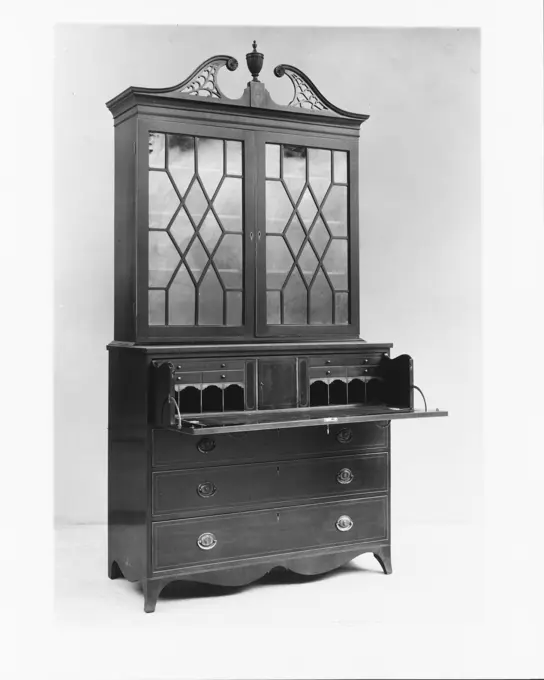
Mahogany writing table, David Roentgen, c. 1780 - c. 1785 Table with mahogany on a core of several types of wood. Show the conical, in diameter square, extracted legs on thickened bobbins, as well as the bottom of the lines and the side of the rectangular leaf, profiled leaf copper edges; On the houses above four copper "guttae". On the rules raised elongated panels with beveled corners; Two trig after on the corners. Front and behind a drawer with two built -in side drawers; Under the writing valve with leather two drawers with bronze tractors. Neuwied wood (plant material). oak (wood). spruce (wood). cherry (wood). mahogany (wood). copper (metal). bronze (metal). leather gilding Table with mahogany on a core of several types of wood. Show the conical, in diameter square, extracted legs on thickened bobbins, as well as the bottom of the lines and the side of the rectangular leaf, profiled leaf copper edges; On the houses above four copper "guttae". On the rules raised elongated panelsDressing Table. Culture: American. Dimensions: 30 3/8 x 34 1/4 x 22 1/2 in. (77.2 x 87 x 57.2 cm). Date: 1740-50.A classic example of the Queen Anne style, this dressing table has cabriole legs that terminate in delicate "slipper" feet and a carved shell that is fully integrated into the scrolls of the skirt. Museum: Metropolitan Museum of Art, New York, USA.Playing table in Neo-Rococo style of djatihout, folding, anonymous, c. 1850 - c. 1875 Playing table in Neo-Rococo style of Djatihout, foldable. S-shaped curved legs, the front two sliced with a flour in the middle of leaf motifs, the front with a scalloped bottom edge, cut with a shell motif in the middle of flowers and leaves decorated volutes, the sides with a waved bottom edge, the waved, foldable leaf with ribbed sides. Dutch East Indies, The wood (plant material) Playing table in Neo-Rococo style of Djatihout, foldable. S-shaped curved legs, the front two sliced with a flour in the middle of leaf motifs, the front with a scalloped bottom edge, cut with a shell motif in the middle of flowers and leaves decorated volutes, the sides with a waved bottom edge, the waved, foldable leaf with ribbed sides. Dutch East Indies, The wood (plant material)DressingTableDrawfall with double y-shaped cross and paws ending in bulbs .. trend table of oak with a double y-shaped cross and paws with vase-shaped seas. The lower houses and the rules are out of the horizontal direction; The upper in vertical direction, they correspond to a vertically placed educated panel in the center of the front and rear rule. A cut-out corrugated edge runs along the bottom of the rules. The legs rest on bulbs.William Spiecker, Bishop Hill  Accounting Desk, c 1938 Bishop Hill: Accounting DeskCard Table. United States, New York, circa 1820-1830. Furnishings; Furniture. Mahogany, pine, satinwoods, brass, verde antique, gilt bronze, giltCollector's cabinet, with appearance of classicist building, glued with mahogany. Oak gathering cupboard glued with mahogany. The four-door cupboard has been treated like the facade of a classicist building, articulated by a colossal composite pilast order. A portrait medallion with a raised men's head is applied in the frontoon. The two middle doors carry a field, decorated with bead lists with staggered corners, around which leaf rights, as well as the medallions at the bottom, hung on a bow. The side doors bear above and only a garland and crossed branches.Dressing Table 1740-90 American. Dressing Table. American. 1740-90. Cherry, maple, white pine. Probably made in Connecticut, United StatesTable. UnknownIrving I Smith, Chest, c 1936 ChestOval table with falling leaves. Culture: American. Dimensions: 25 1/2 x 32 1/2 x 32 1/2 in. (64.8 x 82.6 x 82.6 cm). Date: 1715-40.In its overall design, this table exemplifies the type of small oval tables with a trestle base characteristic of New England. The simple, slim turned frame makes for a very compact unit that is easy to store when not in use. On this example the top is only 9 ¼ inches wide when the leaves are down. Museum: Metropolitan Museum of Art, New York, USA.Table ca. 1860 American Although the maker of this table is unknown, it was probably produced in New York after a design by the British architect Augustus Welby Northmore Pugin, published in his book Gothic Furniture (London, 1835). Just as the Gothic Revival library was enlivened by the contrasting colors of various types of wood, this table features an extraordinary specimen marble top composed of brightly colored pieces of marble and other minerals. The tabletop is supported by architecturally inspired flying buttresses extending from the central post, an excellent example of how Gothic Revival furniture employed features reserved for use in buildings during the Gothic period (12th-15th century).. Table 8079CupboardAnonymous. Chêne and walnut toilet with two oval bodies gathered by a central part with a mirror, marquetry with floral decor, golden bronzes (closed overview on a clear background), around 1765. Paris, Cognacq-Jay museum. Bronze dore, oak, floral decor, decoration, two bodies, flower, marquetry, mirror, furniture, walnut, oval, central part, Louis XV style, 18th century, wood, furniture, toiletTableQueen Anne playing table, table furniture interior design wood pine wood paint brass, Geewood pine with rectangular leaves covered with green cloth Rotterdam City Center Cool Eendrachtsweg Queen Anne Repositioned from the former Schielandshuis of the Hoogheemraadschap on the Eendrachtsweg RotterdamNew York Classical Mahogany Table Antiques Leonard Battee, Highboy, c 1939 HighboyHall cupboard (Schrank). unknown, authorDressingtablePrague with a wardrobeM Rosenshield von Paulin, Highboy, 1939 HighboyFrank Wenger, Chest On Chest, c 1937 Chest-On-ChestNeo-Boulle bookcase with 2 doors, Anonymous, c. 1840 - c. 1850  Neo-boulle bookcase with 2 doors. Marked: pp1.  oak (wood). ebony (wood). bronze (metal). brass (alloy).Miniature basinstandSebastian Simonet, Table, c 1936 TableCommode ca. 1755-60 Roger Vandercruse, called Lacroix French This small two-drawer sommode, made about 1755-60, appears to be an early work of Roger Vandercruse Lacroix. The two drawers are treated as a single decorative unit with continuous floral marquetry of endcut kingwood framed by scrolled and foliated mounts. Few pieces of furniture by Lacroix in the Louis XV style are known, and the present example belongs to no established group of his furniture. The mounts were used in varing combinations on commodes by a number of contemporary cabinetmakerse.g., Charles Chevallier le jeune (maître before 1738-1771), Pierre Macret (1727-1796), Nicolas Petit (1732-1791), Adrien Faizelot Delorme (maître 1748, retired 1783), and Matthieu Criaerd (1689-1776)and were probably commercially available in Paris in the 1750s.[Bill Rieder, 1984. Commode 206974High chest of drawers 1700-1730 American A new form introduced with the William and Mary style, the high chest of drawers was a prestigious addition to the early-eighteenth-century home. The scalloped skirt, curved stretchers, and six turned legs on this chest bring lightness and movement to the form. The large, smooth surfaces of the drawer fronts of the upper and lower cases were achieved by abandoning the panel-and-frame tradition in favor of dovetailed-board constructiona technique created by the new craft of cabinetmaking. Dramatic surface decoration, accomplished here by bordering the richly figured walnut-veneered drawer fronts with a herringbone pattern, is characteristic of furniture dating from the 1690s to the 1730s.. High chest of drawers 4289. Low cupboard from oak. The corner styles and the rear styles of the side walls have detached Tuscan columns; The middle style is half a column. They wear consoles with lion heads. The tray in the front is decorated with dragons from whose body refurbishes. The doors have cornissions, awarded by semicircular shells. The corns have a devil mask in the middle. The panels in the pedestal exhibit a central vase pattern from which tendrils come.Table. Francesco Abbiati (Italian, active about 1780 - about 1800)Charles Bowman, Desk, c 1939 DeskCard and Writing Table (Table à quadrille brisée). UnknownDouble -curved base cabinet with drawer -horing with desk; top with sloping valve with grunt edge; Silver, Anonymous, c. 1750 - c. 1800 Part of desk, miniature with rebellion of ebony and the spider of tropical wood. The loose pedestal with stocked curved bent legs shows flower and leaf work, volutes and rocailles. On it is the base cabinet with a double bent lower piece and a drawer with silver key plate; Hengsels with rosettes, framed by grunts on the sides. Indonesia wood (plant material). ebony (wood). silver (metal). glass Part of desk, miniature with rebellion of ebony and the spider of tropical wood. The loose pedestal with stocked curved bent legs shows flower and leaf work, volutes and rocailles. On it is the base cabinet with a double bent lower piece and a drawer with silver key plate; Hengsels with rosettes, framed by grunts on the sides. Indonesia wood (plant material). ebony (wood). silver (metal). glassLesser with Bible dated 1716, on twisted tribe on round -profited pedestal, worn by three bulbs, anonymous, c. 1700 - c. 1800 Lesser with Bible. The desk is made of teak and iron wood. The rectangular leaf has a profiled upright edge and tranquility on a twisted trunk, standing on a round -wide -facing pedestal on three buns. The Bible in leather band with copper seizure on the corners and copper closure was printed in 1716 by Pieter Keur in Dordrecht. Indonesia wood (plant material). teak (wood). mahogany (wood). padouk (wood). ironwood Lesser with Bible. The desk is made of teak and iron wood. The rectangular leaf has a profiled upright edge and tranquility on a twisted trunk, standing on a round -wide -facing pedestal on three buns. The Bible in leather band with copper seizure on the corners and copper closure was printed in 1716 by Pieter Keur in Dordrecht. Indonesia wood (plant material). teak (wood). mahogany (wood). padouk (wood). ironwoodOval Table with FallingLeavesDiningtableRosewood Biedermeier sewing table, sewing table table furniture interior design wood rosewood silk brass, Rosewood Biedermeier sewing table with rotating blade including shallow storage compartment under cupboard deep drawer covered with pink changeant silk base with carving flower ornaments BiedermeierTOCADOR DE LA EPOCA DE FERNANDO VII. Location: MUSEO DEL ROMANTICISMO-OBJETOS VARIOS. MADRID. SPAIN.Rear wall. Rear wall of BK-16670 mirror, consists of two matching parts by means of metal pins.Side Table; Unknown; Italy, Sicily, Europe; mid-18th century; Silver gilt limewood with a Giallo Verona Marble top; Object: H:  104 x W:  183 x D:  78 cm (H:  40 15/16 x W:  72 1/16 x D:  30 11/16 in.)Desk or writing table. Culture: British. Dimensions: Overall: 36 × 34 1/2 × 27 3/8 in. (91.4 × 87.6 × 69.5 cm). Date: ca. 1780-90. Museum: Metropolitan Museum of Art, New York, USA.Chest of drawers 1770-1800 American. Chest of drawers 20598Secretary bookcase, c. 1770, 82 x 40 x 22 in. (208.28 x 101.6 x 55.88 cm), Mahogany with white pine, United States, 18th centuryCupboard 1675-1700 American. Cupboard. American. 1675-1700. Oak, pine, maple, walnut. Made in United StatesWorktable'Marquetry Writing Table of King William III', 1938. Creator: Unknown.Anonymous. Cabaret table. Bois, around 1725. Paris, Carnavalet museum. 50254-17 Furniture, cabaret table, wood, furnitureTavern Table. Dated: 1936. Dimensions: overall: 28.6 x 22.7 cm (11 1/4 x 8 15/16 in.) Original IAD Object: 24"high. Top: 17"x24 1/4". Medium: watercolor colored pencil, pen and ink, and graphite on paperboard. Museum: National Gallery of Art, Washington DC. Author: Harry Eisman.Dresser;  18th century (1701-00-00-1800-00-00);Cabinet, c. 1881, Utagawa Kunihisa; Manufacturer: Jackson & Graham, English, London, 1836-1885, 55 x 46 1/2 x 15 3/16 in. (139.7 x 118.11 x 38.58 cm), Walnut, pigment, and metal, England, 19th centuryDaybed 1725-50 American. Daybed 2281Chest, late 1600s. Spain, Colonial, late 17th Century. Turned and joined wood, gilded and painted red with applied bone columns and bone inlays, wrought iron hardward; overall: 53.5 x 94.5 x 37 cm (21 1/16 x 37 3/16 x 14 9/16 in.).Side Table with Everted Ends, late 1500s-1600s. China, late Ming dynasty (1368-1644). Redwood veneer and camphor wood; overall: 88 x 51.8 cm (34 5/8 x 20 3/8 in.). The classic Chinese furniture is an art of carpentry and joinery, which makes use of a mortise-and-tenon framework. Design and craftsmanship, coupled with the organic material of the hardwood, create endless aesthetic possibilities. This side table is beautifully carved with cloud-collar spandrels on the aprons as well as openwork panels with cloud-collar patterns inset between the legs and the feet. The table has a narrow top in proportion to its length and bears the detail of the upturned ends that makes it more formal, and possibly used as an altar table.Cabinet; unknown, Solis, Virgilius (1514-1562; st.); 2. PO. XVII century (1651-00-00-1700-00-00);Adonis (Mentol.), Afrodyta (Mitol.), Apollo (Mello.), Artmidamida (Mitol.), Asklepios (Mitol.), Atena (Mitol.), Chiome (Mitol.), Eneasz (Lit.), Europe ( Europe ( Europe (lit.), Europe ( Europe ( Europe (lit.), Europe ( Europe ( Europe (Lit.), Europe (lit.), Europe ( Europe ( Europe. Mitol.), Faeton (Mitol.), Glaukus (Mitol.), Herkuos (Mitol.), Hermes (Mitol.), Hesperia (Mitol.), Jazon (Mozon (Mitol.), Kadmos (Mitol.), Orfeusz (Mitol. ), Ovidius Naso, Publius (43 A.C. -Ca 17). Meammorfozy, pipalion (Mitol.), Posejdon (Mitol.), Skylla (OfficientMartin Partyka, Hadley Chest, c 1937 Hadley ChestBlack altar table, 15th-16th century, Unknown Japanese, 11 × 22 13/16 × 12 9/16 in. (27.94 × 57.94 × 31.91 cm), Black lacquer, Japan, 15th-16th century, Low tables like this one would have been placed in front of the central image in a Buddhist temple. Implements such as an incense burner, bowls, candle stands, and offerings of flowers would be arrayed across its surface.Cylinder Desk and Bookcase 1815-20 Attributed to Duncan Phyfe Scottish The exacting craftsmanship, rarely seen roll-top mechanism, and first-quality woods indicate that this bookcase was certainly made by one of the finest furniture establishments in the United States. One particular featurethe spiral-fluted ellipsoids above the tapered legsrelates this cylinder desk and bookcase to a labeled Duncan Phyfe work table in the Winterthur Museum collection. The writing board is mechanically activated and moves forward as the roll-top, or cylinder, front is lifted.. Cylinder Desk and Bookcase 3159Anonymous (n. - d.), Console table (main title), 1710. Golden wood, marble (Aleppo breach). Petit Palais, Museum of Fine Arts of the City of Paris.Bishop Hill: Accounting Desk. Dated: c. 1938. Dimensions: overall: 37 x 50.5 cm (14 9/16 x 19 7/8 in.) Original IAD Object: 51" high; 80" long; 49" wide. Medium: watercolor and graphite on paperboard. Museum: National Gallery of Art, Washington DC. Author: William Spiecker.Small table 19th century Italian. Small table 460500Painted Chest of Drawers. United States, possibly Connecticut, circa 1700. Furnishings; Furniture. Pine, tulip poplar, oakWriting desk with a raised back, Jean-Henri Riesener, c. 1775 Table decorated with Marqueterie in several types of wood on oak core and with gilded bronze. The front legs are placed overhoeks. The connecting sheet between the legs, the front line, the wrapper and attachment are, within three fields, decorated in the middle with rose branches and on either side with rosettes and windows. Only the center panel of the attachment with two jalouzied doors shows, among other things, a winch, books and ink cooker. Marble leaf with gallery; Many gilded bronze frames. France wood (plant material). oak (wood). purpleheart (wood). boxwood. maple (wood). rosewood (wood). bronze (metal). marble (rock). textile materials gilding Table decorated with Marqueterie in several types of wood on oak core and with gilded bronze. The front legs are placed overhoeks. The connecting sheet between the legs, the front line, the wrapper and attachment are, within three fields, decorated in the middle with rose brSweden, Blekinge, Blekinge, Karlskrona, Karlskrona, external marina (depicted, town).Sweden, Blekinge, Blekinge, Karlskrona, Karlskrona, External War Gogs (depicted, City)Oval table 1735-60 American The dynamic composition of this table results from its splayed legs, scalloped skirt, and well-defined "Spanish" feet. The oval was the preferred shape for tabletops in the early eighteenth century; by midcentury, circular tops had become more popular. Small portable tables had many domestic uses, including the serving of tea.. Oval table 8073Anonymous, two -body cabinet (common name), 1792. Building: oak and conifer; Placing: walnut, rush walnut, rosewood, amaranth, holly, tongue charm, maple and ebony wood, tinted wax and bone; Golden copper. Carnavalet museum, history of Paris. Masonic eye, rooster, balance of justice, a couple of doves, flags, lances, baillonets, bouches of cannons, balls, drums, Hercules figure, laurel garland, trumpet, funeral urn, beams of lictors, garlands flowers and fruit.Dressing table. Culture: British. Dimensions: Overall: 31 1/2 × 22 × 19 5/8 in. (80 × 55.9 × 49.8 cm). Date: ca. 1790. Museum: Metropolitan Museum of Art, New York, USA.Buffet cupboard inlaid with geometric motif on the panels on the bottom, Jacob Pieter van den Bosch, c. 1900 - c. 1915 Buffet cupboard of mahogany resting on four high legs. The cabinet is divided into two parts. The lower part has two doors. Each door consists of a panel on the bottom, inlaid in the middle with a small geometric pattern, and a window with a rod distribution on the top. The upper part of the cabinet consists of a drawer with an open niche above and a door with a window on either side. The corner styles channeled at the top end in a round shape and contain a inlaid circle motif. The upper rules of the front and the walls protrude forward and have rounded corners. The side walls also contain windows at the top. The cabinet contains copper fittings in the form of key plates and handles. Amsterdam mahogany (wood). oak (wood). ebony (wood). wood (plant material) Buffet cupboard of mahogany resting on four high legs. The cabinet is divided into two parts. The lower part has Cardtable. Retailer: George Shipley, American, active ca. 1789 - 1803Manufactureration with Bedstede, O.A. Sky, Wall shot, side shot and panels. Manufacturing of oak, consisting of a bedstead and wall shot. The bedstead has corner styles with a plinth, on the left a hermatant, on the right a hermcaryatide. The shaft rejuvenated to the bottom shows Schubsteek. The figures appear halfwayed naked, an arm on the back, with the other their drug-beaten robe loving. On the heads resting ionic capitals, which bear the main gear. This has a frieze, divided into courses, divided into courses, within which a Moresk cartouche with ebony caps to oak pillows. The consoles were treated with shell decoration as lion's heads. The frieze is closed above with a flat edge list, which is crocked over the consoles. The ogief-shaped crown table rests on small consoles. In the porch, the upper spray (bottom of the architraph) has a healed tooth list with support pieces in the corners. The side shot has styles and head frame on the outside as at the front and two panels placed Console table. Gilded console tables were a part of the standard furnishings in the splendid formal rooms of Italian city palaces (palazzi). They were often placed below a mirror with a frame that was also gilded. By the mid-18th century, all of the Italian centres of production were embracing the French Rococo style, each city developing its own variation of it.Chest of Drawers c 1700-1730 Pennsylvania. Walnut, tulip, and pine . Artist unknownTavern Table. Dated: c. 1936. Dimensions: overall: 23 x 22.8 cm (9 1/16 x 9 in.) Original IAD Object: 24"high; top: 17"x24 1/4". Medium: watercolor, colored pencil, gouache, and graphite on paper. Museum: National Gallery of Art, Washington DC. Author: Isadore Goldberg.cabinet, wood, lacquer, ivory, Small cabinet of lacquered wood painted in different tones of gold, pale green, and red. The cabinet is made up of three rows of drawers set above a single long drawer, the three rows are hidden behind a pair of doors which peek out; the cabinet rests on a detachable footed stand. The face of the doors and long drawer have a recessed rectangular panel each with curved edges and rolled curves. The panels are ornamented with scenes of figures grouped about buildings set in elaborate landscapes., China (for export), ca. 1810, furniture, Decorative Arts, cabinetChest-Over-Drawer c 1725 Taunton. This chest belongs to a group of furniture attributed to drum maker and joiner Robert Crosman, who likely learned the furniture-making trade from family members. The pieceís simple plank construction is characteristic of Crosmanís work. Although the flat top is undecorated, a white tree with ocher leaves and red flowering buds, and four birds surround the initials ìH Bî on the central panel. Early painted chests were likely made for young women as dowry vessels. The inclusion of womenís initials on chests, as well as the use of a decorative vocabulary that bespeaks fertility and prosperity, supports this long-standing view. The initials on known Crosman chests are thought to be those of his sitters and other women in his family; the initials on this chest could be those of Hannah Blake, a relative of Crosmanís second wife.. White pine, iron, brass, and paint . Robert Crosman. Buffet cabinet of oak decorated with marquetery with, among other things, rolling cartouches, moresken, flower drinks with cartouches and a block pattern. The bottom piece with two drawers and two flat arches, which meet in a console, wears the upper part with two doors, decorated with buildings within a rolling cartouche, and a middle agriculture with flower drinks around a cartouche with the year 1583. The two panels of the rear bulkhead exhibit cities and ruins. A Hermcaryatide and Atlant support the excellent hood.Casket first half 16th century probably Italian, Tuscany. Casket 191637Secretary ca. 1780-90 French. Secretary 199652Arthur Johnson, Chest on Chest, c 1938 Chest-on-ChestCupboard. unknown, creatorCenter table, c. 1680, Hans Daniel Sommer, German, 1643-1685, 32 x 41 x 27 in. (81.28 x 104.14 x 68.58 cm), Wood, tortoiseshell, brass, pewter, hard stone, ebony, horn, Germany, 17th century, Hans Daniel Sommer came from a family of German cabinetmakers. Many had worked in France and were well versed in the elaborate decorative techniques favored by the French court. Sommer established his own workshop in western Germany in the 1660s and made ornate baroque furniture for the German nobility.Ferdinand Cartier, Sofa, 1942 SofaRolltop desk ca. 1785-86 David Roentgen David Roentgens rolltop desks are perhaps the best-known style icons of his oeuvre. This one is likely the “small Cylinder-top writing desk of yellow wood costing 250 rubles, plus 90 [for transport and packing” listed in an invoice dated March 23, 1786, and delivered to Empress Catherine II. The desks distinctive yellow color comes from the veneers of exotic hardwood, called yellowheart, or pau amarello (Euxylophora paraensis). When splashed with sunlight, the wood glows with an almost mystical radiance. The veneers are complemented by finely chased gilt-bronze mounts that may have been supplied by François Rémond from Paris. The top rolls up and disappears into the desk, exposing a central open compartment with two adjustable shelves. It is flanked on either side by a pigeonhole with stepped platforms that conceal spring-operated secret drawers. A leather-lined slide extends the space for writing; below it are three large drawers.. Rolltop deKimono Rack (Ik) with Scrolling Foliage and Tokugawa Family Crest 18th century Japan As numerous extant examples demonstrate, in the Momoyama (1573-1615) and early Edo periods artisans from various painting schools depicted on folding screens an array of sumptuously patterned garments, including Noh robes casually draped over kimono racks. These compositions of garments on lacquer clothing stands appeared in paintings as “advertisements” for kimono makers as well as in paintings of both brothel scenes and the interiors of military residences. In fact, a twelfth-century document mentions the interior furnishings appropriate for a room in an aristocrat’s house, including a clothing stand draped with garments. By the thirteenth, fourteenth, and fifteenth centuries, lacquer clothing stands had become a conventional item included in the bridal trousseau of wealthy women. The kimono rack on view could have been part of the trousseau of a Tokugawa princess.. Kimono Rack (Ik) with Scrolling Frank Wenger, Table, 1935 1942 TableConsole table (one of a pair) ca. 1735-40 French These side tables have richly carved supports, pierced throughout with asymmetrical shell-forms and cartouches, floral garlands, foliage, and birds and are a wonderful expression of the Rococo style. Such tables were the work of carpenters or menuisiers who were primarily involved with preparing building timbers. The decorative carvings were completed by highly-skilled carvers - neither of the craftsman signed their work and their identity remains unknown.. Console table (one of a pair). French. ca. 1735-40. Pine: carved and gilded; brocatello marble. Woodwork-FurnitureWorktableMartin Carlin (1730-1785). "Building convenient with floral motif in medallion against a background of trellis, Louis XVI period (overview in the bottom room). Bois, Bronze, 1770. Paris, Cognacq-Jay museum. 35091-15 Bronze wood, Louis XVI time, trellis background, medallion, furniture, floral motif, chest of drawers, furnitureChest of drawers 1735-50 American The sprays and vases of flowers, trees, buildings, figures, dogs, birds, and butterflies on this chest recall print sources that were more typically used by young women as inspiration for floral paintings and fancy embroidery. The female figure under a tree (top drawer) and the male figure holding a pole with a fishing net (second drawer) relate to the fishing lady” needlework pictures produced in girls’ boarding schools in Boston in the mid-eighteenth century.. Chest of drawers 2010Commode ca. 1760 Denis Genty Genty, who worked as a cabinetmaker and as a furniture dealer, foreshadowed in his marquetry decoration the scrolling outline and placement of the Rococo-style mounts. The mounts protected the corners, feet, and keyhole; gave access to the drawers by means of handles; emphasized the serpentine shape of the commode; and added a sculptural element to the piece. Here, half the mounts have been removed to illustrate their importance. Displayed from the back, the separate corner mount shows that only the front side was gilded. The incised mark III matches that on the stile of the commode, indicating that this particular mount was intended for the front right corner.. Commode 207877Nutcracker, 1600-1800. Pinto Collection - Purchased from Edward H Pinto, 1965.. This English, carved boxwood nutcracker probably dates from the late 17th century or beginning of the 18th century. Screw thread nutcrackers were a novelty at that time, and as the process of cutting the screw thread was a difficult and precise operation, such novelties were no doubt regarded as luxury items. Nutcrackers came in a variety of shapes and sizes. They were used for cracking wild hazelnuts and walnuts which were much smaller than the cultivated varieties we usually eat today.Bake Room Table. Dated: c. 1936. Dimensions: overall: 22.7 x 27.9 cm (8 15/16 x 11 in.) Original IAD Object: 27 3/4" high; 21 3/4" wide; 66" long. Medium: watercolor, graphite, and colored pencil on paper. Museum: National Gallery of Art, Washington DC. Author: Alfred H. Smith.Card Table. Culture: American. Dimensions: 27 1/4 x 35 5/8 in. (69.2 x 90.5 cm). Maker: Stephen Goddard (1764-1804); Thomas Goddard (1765-1858). Date: 1790-1804. Museum: Metropolitan Museum of Art, New York, USA.Federal Card Table. United States, Massachusetts, 1800-1815. Furnishings; Furniture. Mahogany, flaming birch, pine, inlaysChest (cassone) early 16th century Italian, Venice or Lombardy. Chest (cassone) 188943 Italian, Venice or Lombardy, Chest (cassone), early 16th century, Wood covered with gesso and paint, 68 3/4  22 3/4  25 3/4 in. (174.6  57.8  65.4 cm). The Metropolitan Museum of Art, New York. Rogers Fund, 1905 (05.23.7)Drop-leaf Pembroke Table ca. 1795 John Townsend American. Drop-leaf Pembroke Table 5579Hundred;  1. W. 19th century (1801-00-00-1825-00-00);Joint stool 1650-1700 British Joint stools were the most basic and common form of seventeenth-century seating. Samuel Harts probate inventory mentions four “Joynt stools.” Due to the extreme rarity of surviving seventeenth-century American joint stools, this English example is used for display on the third floor of the American Wing in the 1680 Samuel Hart Room (gallery 709) from Ipswich, Massachusetts.. Joint stool 4553Desk and Bookcase ca. 1800 American. Desk and Bookcase. American. ca. 1800. Mahogany. Made in United States. Lack cabinet. The overhoeks placed double S-shaped paws of the base are connected by a double H-shaped cross with oval cross piece that shows, just like the quarterly fries with tray, birds, insects, plants, figures and houses in raised golden lacquer with red on black Ground. On the two cupboard doors yacht scenes in a landscape with houses; The sides show landscapes with birds. The cabinet is scalloped at the bottom; At the top of a cartel list. Large gold-plated copper decorated batter pieces.