Antique Textile Art

A collection of intricate textiles including 18th-century carpets, embroidered linen, and silk fragments, showcasing rich colors and historical patterns.

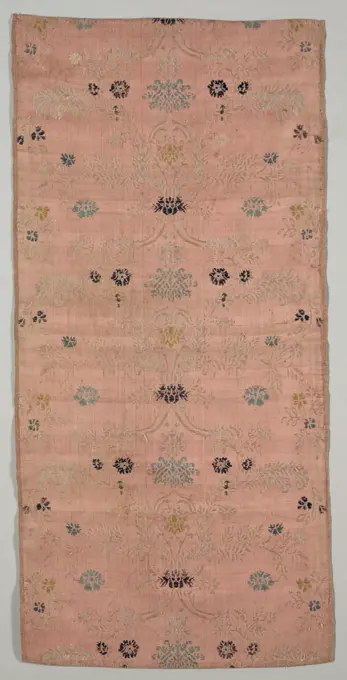
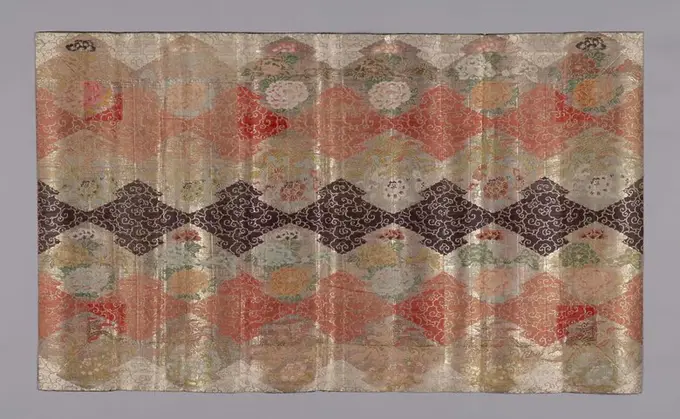
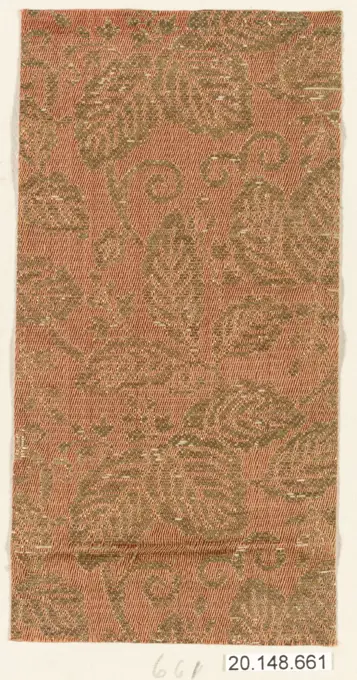
Fragment, Medium: silk Technique: woven, Scrolling vine and large flowerheads on a pink-orange ground., Japan, 17th-18th century, woven textiles, Fragment
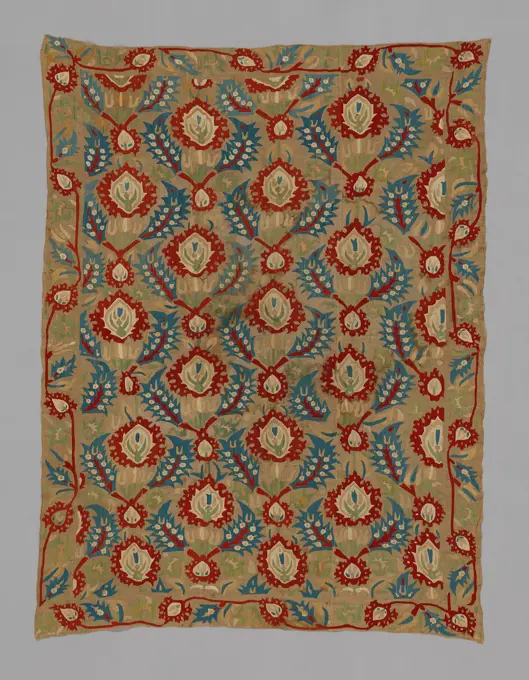
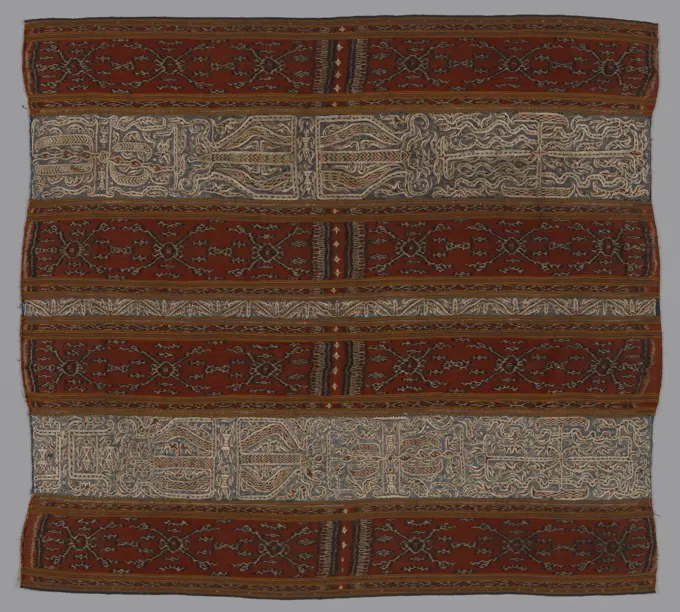
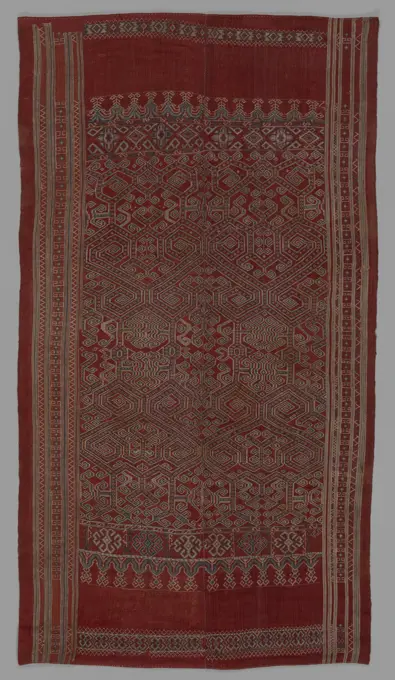
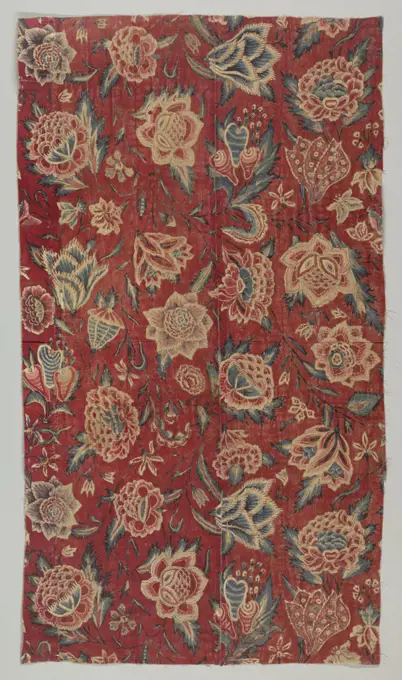
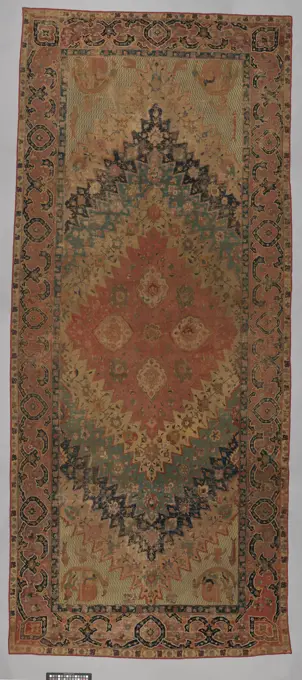
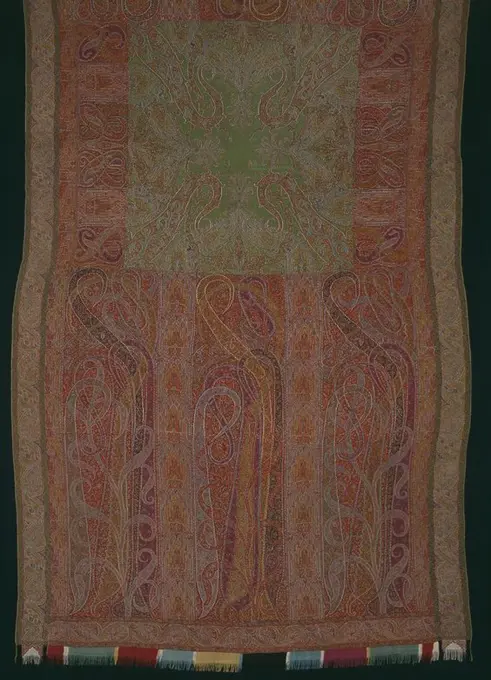
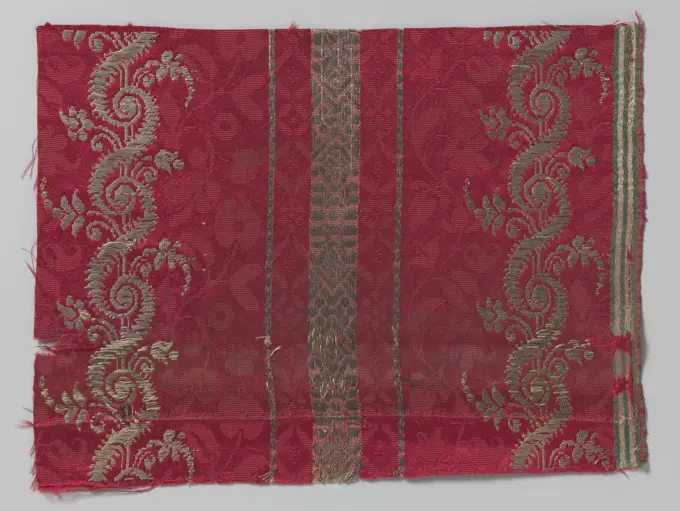
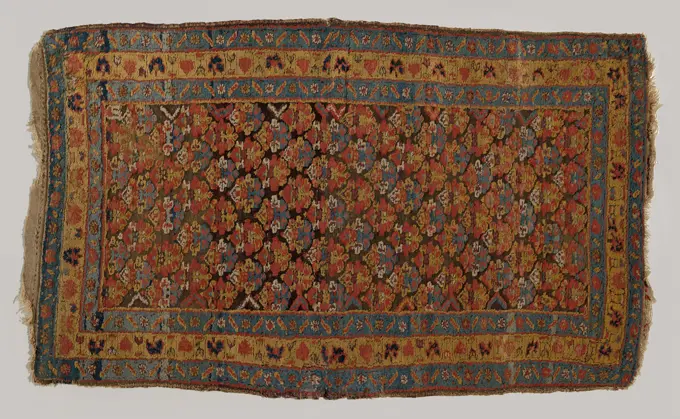
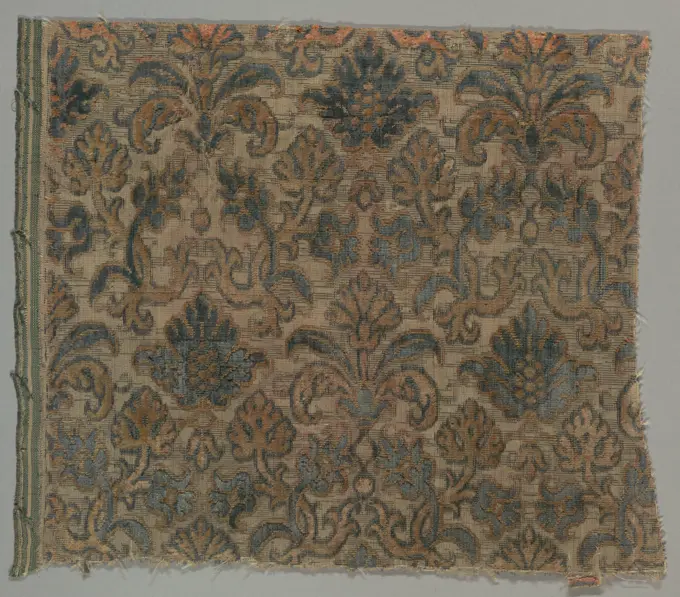
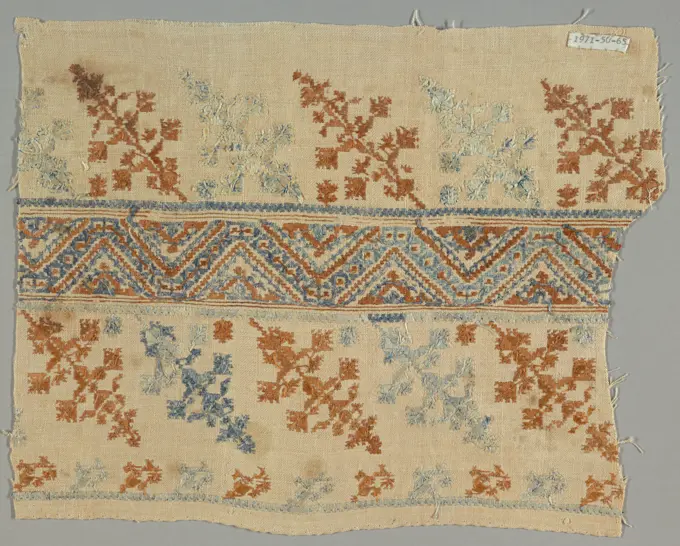
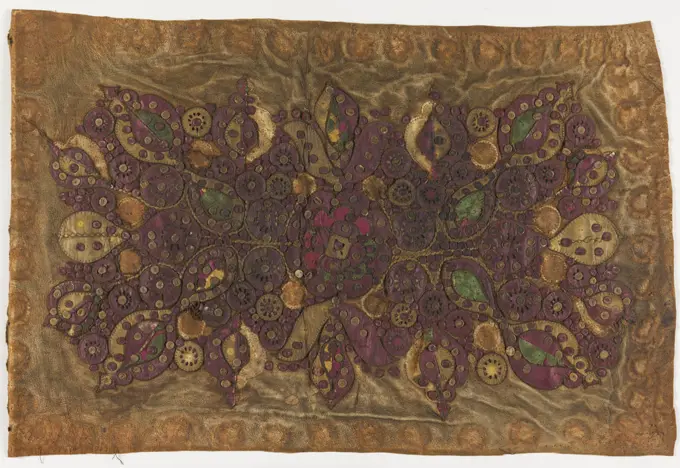
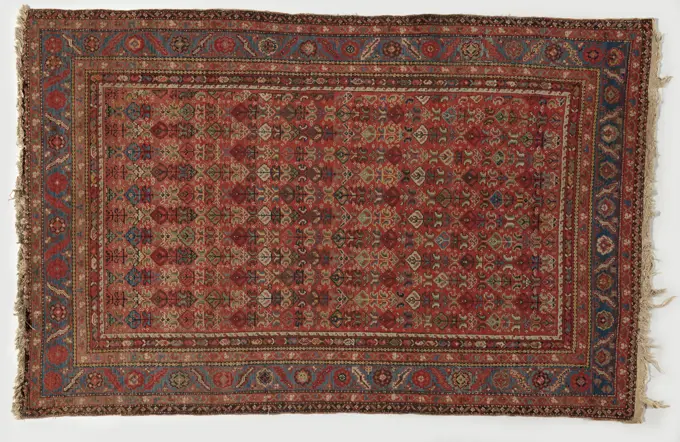
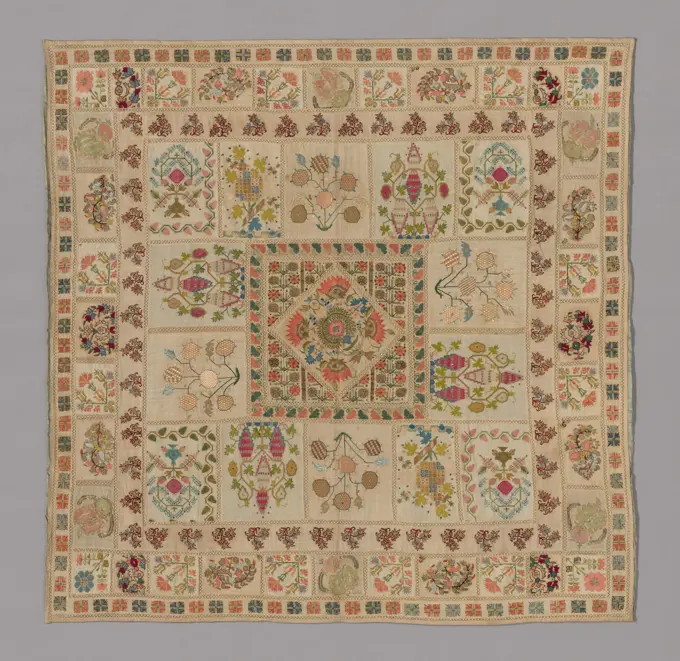
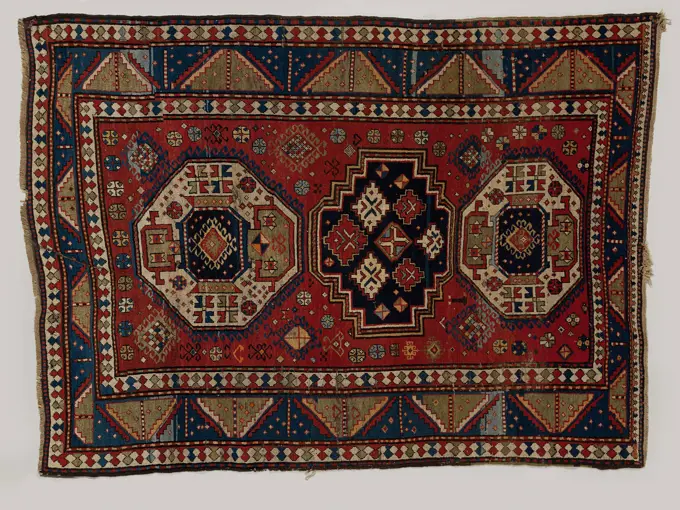
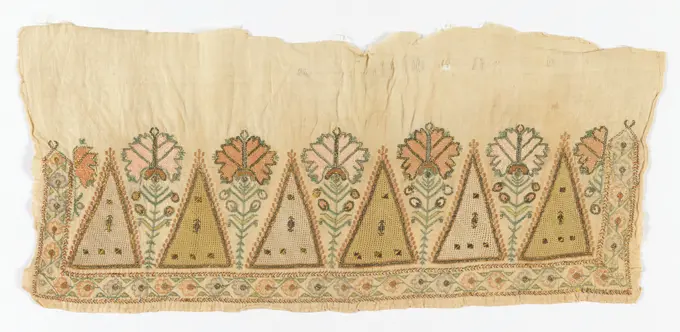
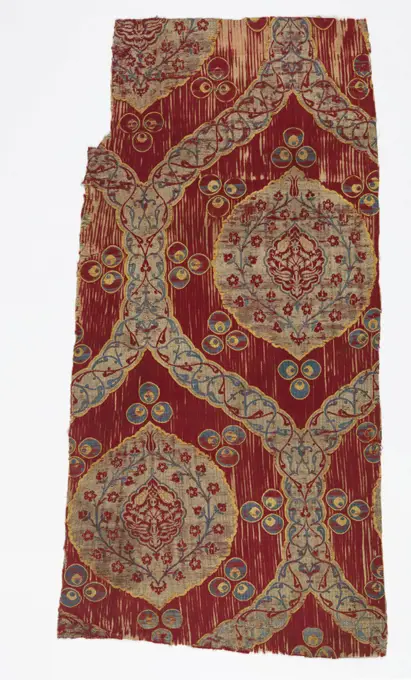
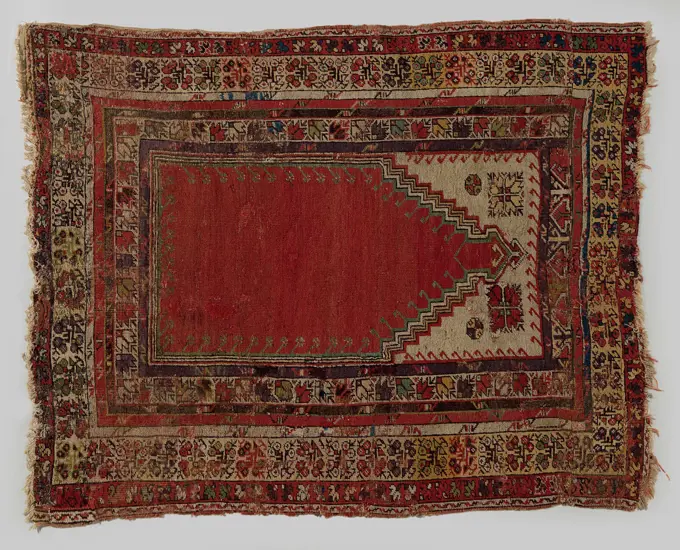
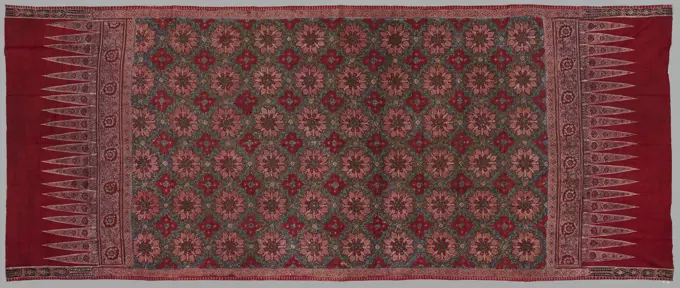
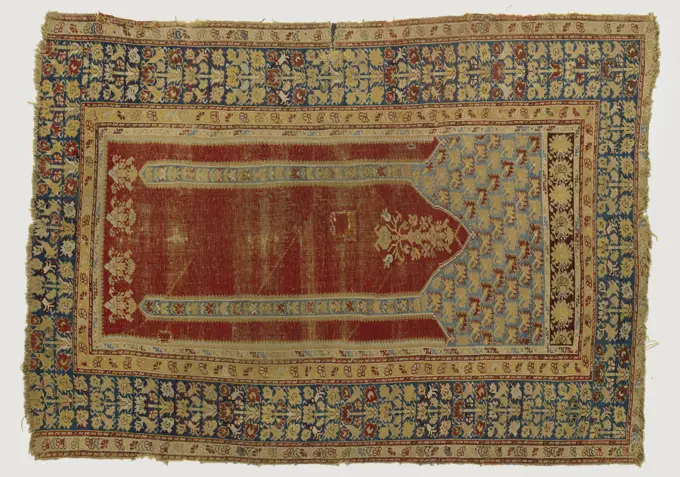
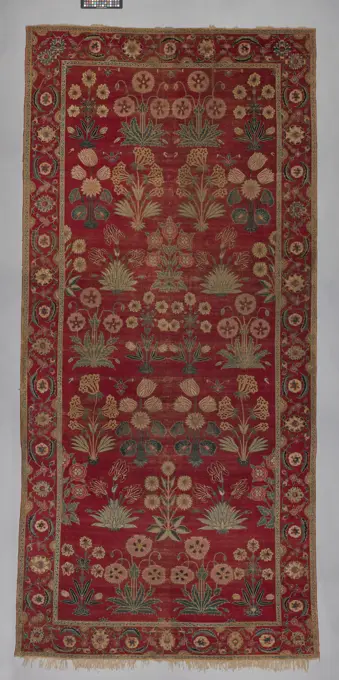
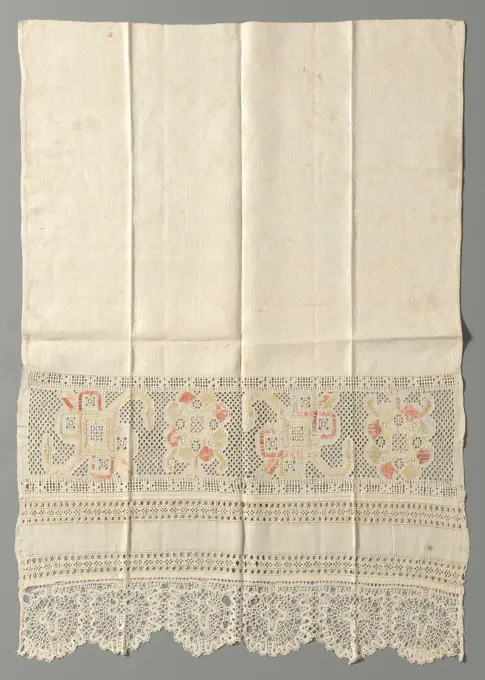
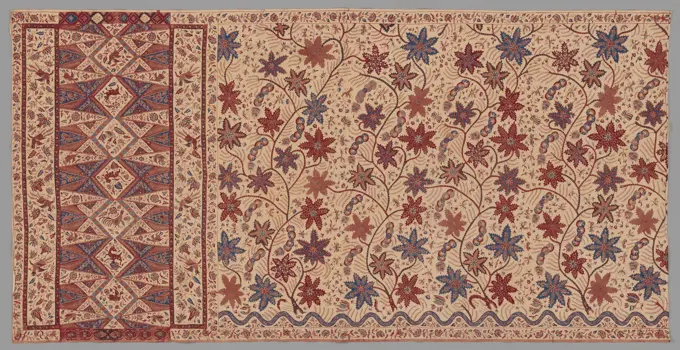
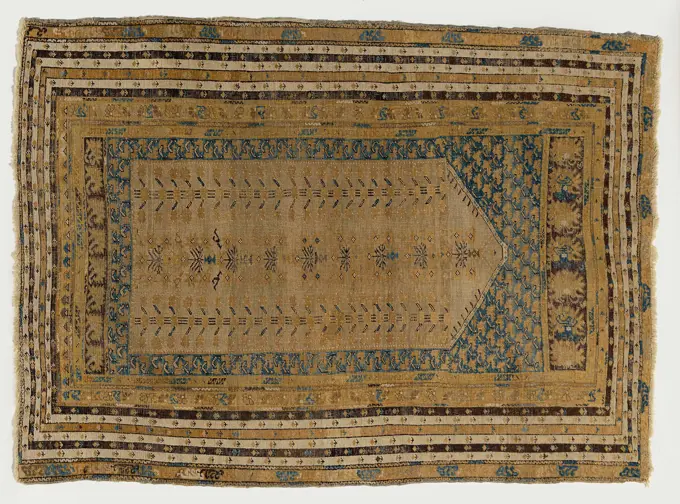
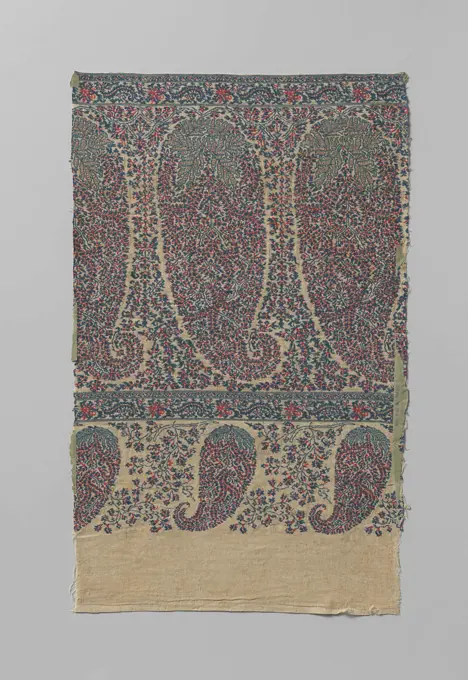
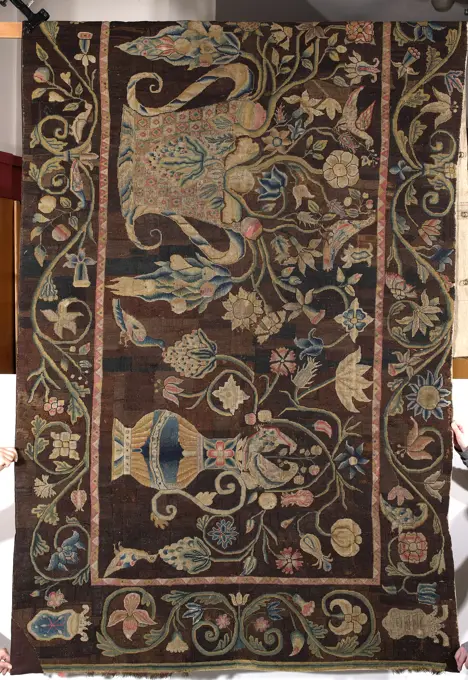
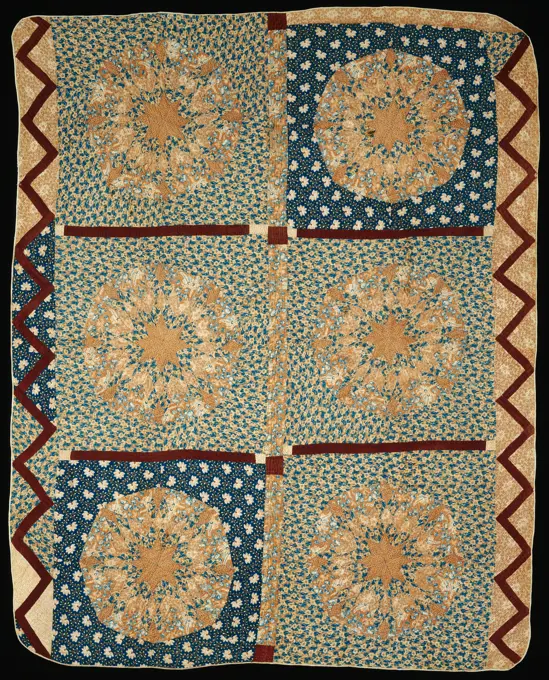
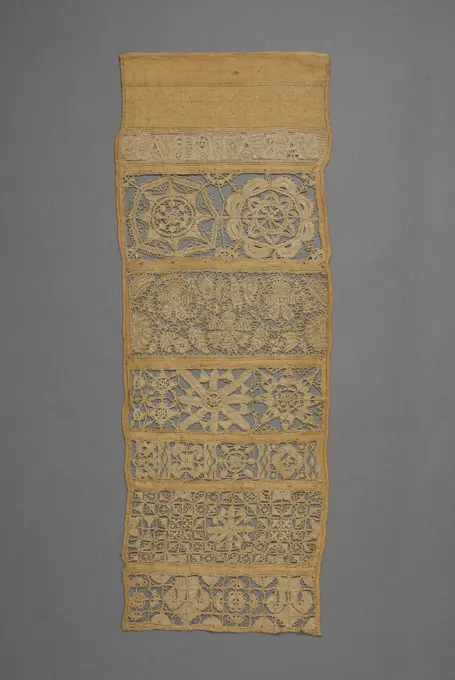
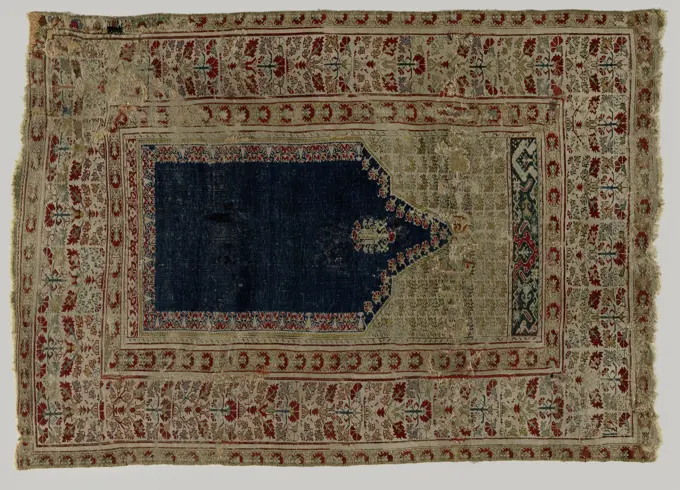
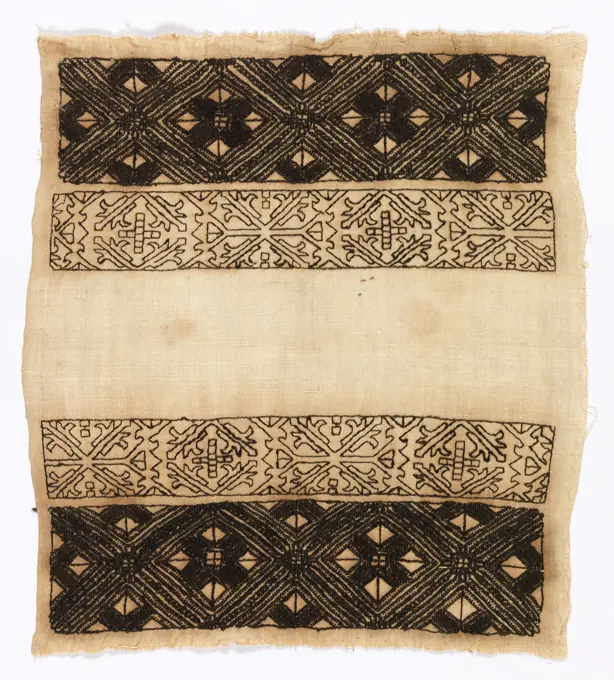
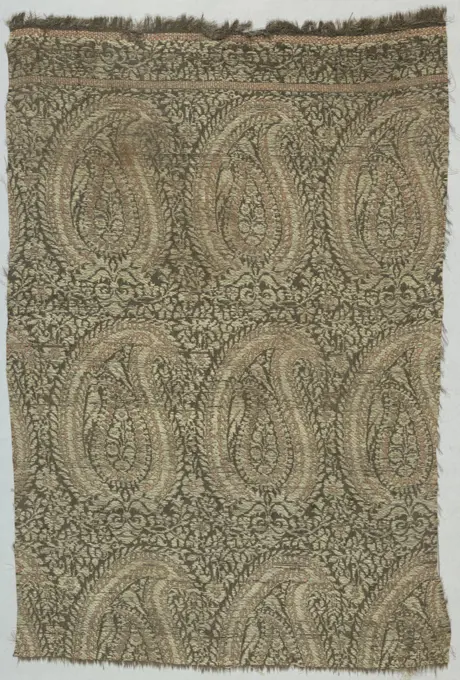
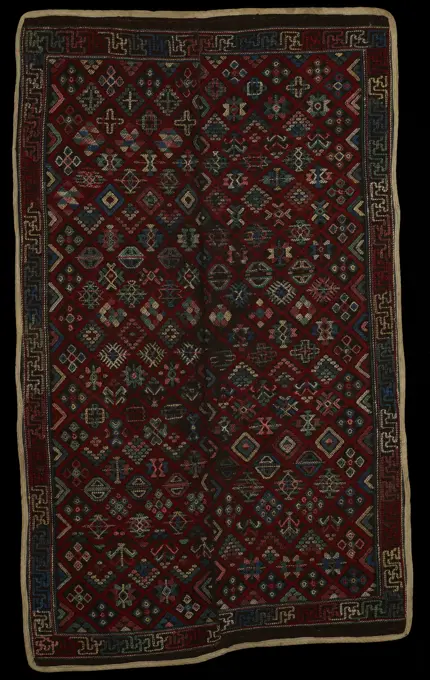
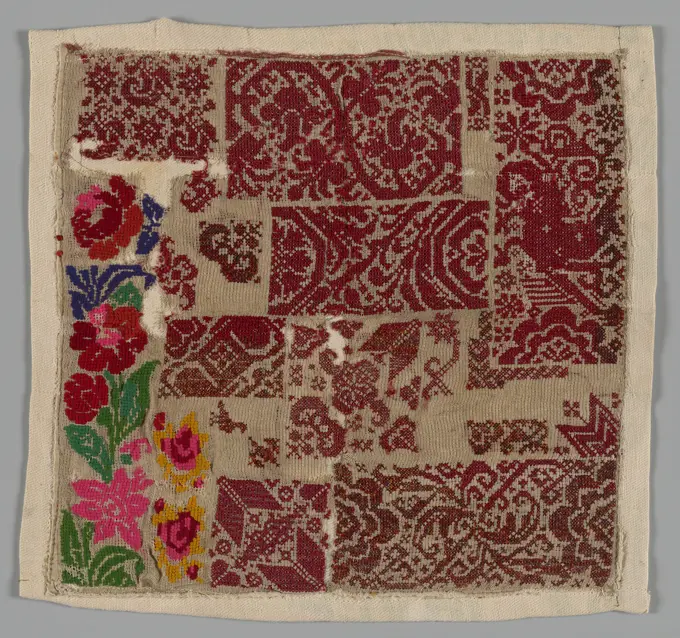
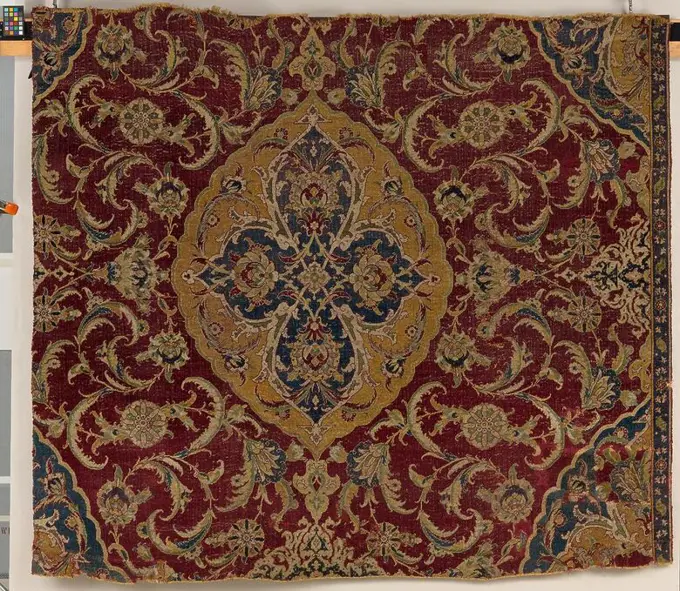
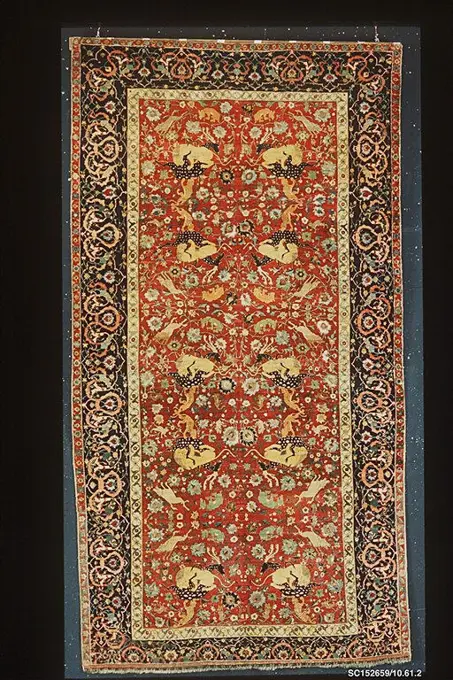
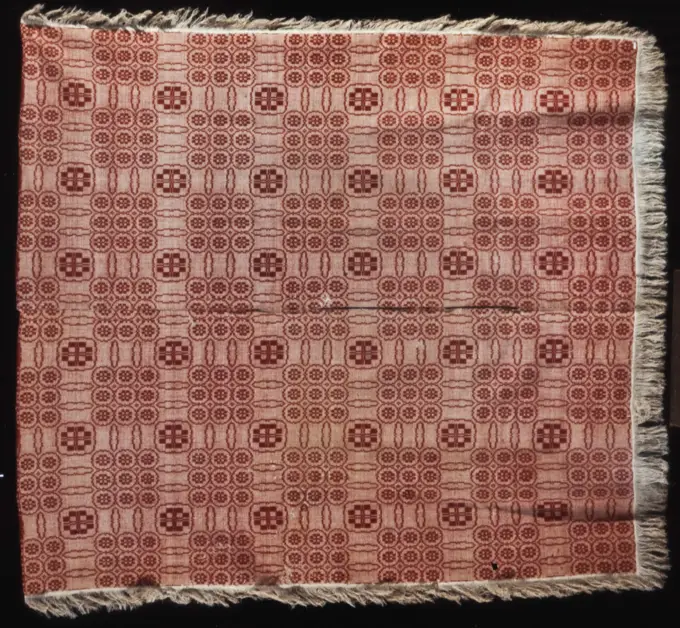
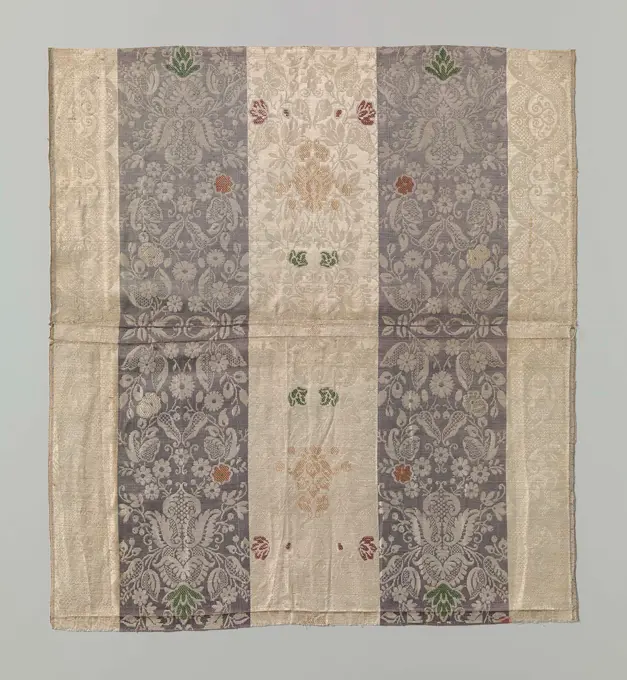
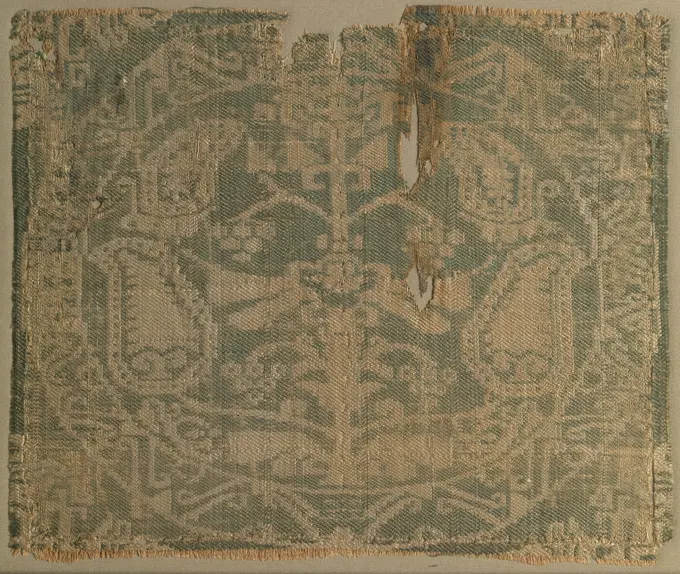
Carpet probably 18th century. Carpet 451852Cover Made 1675-1725 Turkey. embroidered linen. Three bands ogival motif and flowers, palmette border .Fragment, Medium: silk Technique: woven, Scrolling vine and large flowerheads on a pink-orange ground., Japan, 17th-18th century, woven textiles, FragmentBid rug with one cross panel, Kula ,, 1800 - 1900 Prayer rug with one cross panel, Kula. Midfield: Red Mihrab with flat triangular façade, in which a branched flower stem hangs in blue and yellow. The swing are sky blue with straight rows of Anjelieren. A narrow upper ware panel is in brown with Anjelieren. Edges: multiple. The widest consists of seven lines in white, purple, black and beige. The first inner zoom is white, the second pale yellow and is won in piping. Outside only runs one such a piping. Care wool Prayer rug with one cross panel, Kula. Midfield: Red Mihrab with flat triangular façade, in which a branched flower stem hangs in blue and yellow. The swing are sky blue with straight rows of Anjelieren. A narrow upper ware panel is in brown with Anjelieren. Edges: multiple. The widest consists of seven lines in white, purple, black and beige. The first inner zoom is white, the second pale yellow and is won in piping. Outside only runs one such a piping. Care woolWomans Ceremonial Skirt (Tapis)Wool carpet with geometric ornaments decorated, c. 1824 - c. 1874 Wool carpet. In the middle section figures, in which geometric ornaments, including cross shapes on red soil. The middle section is framed by different edges, the widest of which with eight -pointed stars and various colors on white soil. Colors: mainly red, furthermore light and dark blue, yellow and green. Eastern wool Wool carpet. In the middle section figures, in which geometric ornaments, including cross shapes on red soil. The middle section is framed by different edges, the widest of which with eight -pointed stars and various colors on white soil. Colors: mainly red, furthermore light and dark blue, yellow and green. Eastern woolPiece 18th-19th century Japan. Piece. Japan. 18th-19th century. Silk. Textiles-WovenCeremonial Weaving (PuaSungkit)Perkenkleed, Koghan, Anonymous, 1700 - 1900 Bed dress, Koghan. Midfield: Two jobs of five contiguous rectangles, the "beds", in different colors are separated by a black and white block band. Inside each perk is an octagon with a separate cartouche. From the bottom to the top. Left: 1. Goudoker field with blue field corner; 2. Red with brown; 3. Green-blue with green; 4. Red with terracotta; 5. White with terra. Right: 6. Red with red; 7. Green with ocher yellow; 8. Terra with red; 9. Golder with blue and 10. Red with red. Fillings with the "crabs motif" in opposite colors. Rand: single. Tilt a tilting edge with reciproque in blue and terrarood. Koghan wool Bed dress, Koghan. Midfield: Two jobs of five contiguous rectangles, the "beds", in different colors are separated by a black and white block band. Inside each perk is an octagon with a separate cartouche. From the bottom to the top. Left: 1. Goudoker field with blue field corner; 2. Red with brown; 3. Green-blue with green; 4. Red Fragment, Medium: linen, silk, wool Technique: warp-faced plain weave patterned by weft faced plain weave, Small scale design of eight-pointed stars and lozenges in blue and white., 17th century, woven textiles, FragmentLength of Silk Cloth, 1600 - 1700. France or Italy, 17th-18th century. Plain compound cloth; silk; overall: 110.7 x 52.1 cm (43 9/16 x 20 1/2 in.).Shawl, anonymous, c. 1800 Cashmere scarf of white wool woven in keperbinding with decoration of butas in Espinolé tissue on the edges and ends. Technology: twillbinding 2: 2. Backside: The colorful impact wires were beaten at the points of contact. Espoliné In the side edges, twill binding 2: 2. Is the chain there from silk Middle pattern: a narrow edge of Botas, which is the other way around, runs around the plain white middle, also in the other way around, also in a running pattern. Overhoeks are larger Botas. Bota edge: Eight Botas with small volute are standing next to each other in a running pattern, separated by a straight, black line. The flowers in the botas are loose, without a bine gel suitable on a whimsical black branch, which has many branches. Red rosette leaves support the flowers that are in red, pink, lciht blue, gray and yellow. Concentric, but a narrow flower branch runs with solid white stock. In the swallow triangularly suitable flowers with a border of Baluwe leavOriental carpet. Oriental carpet, gridding rug, in soumm technique. Midfield is a grid work of sawing tendrils against a yellow part. There is a braid or knot motif within each mesh. Triple edge, the widest of which is decorated with kufian motifs. Upper and bottom frills. The rug has been shortened.Ceremonial cloth. Ceremonial cloth with animal figures.Chintz, Medium: cotton Technique: mordants (black, 3 reds, 2 purples) applied by brush or pen (red over a resist); blue applied by brush over resist; yellow (now faded) applied by brush; chintz on plain weave, Various flowers with trailing stems on a red ground., India, 18th century, printed, dyed & painted textiles, ChintzFragment 17th century Italian. Fragment 230108Eastern carpet, Tekke Volk, c. 1830 - c. 1870 Eastern carpet that was probably used to close the tent entrance, Tekke Ensi. Turkestan ketting: wool Eastern carpet that was probably used to close the tent entrance, Tekke Ensi. Turkestan ketting: woolOne of the 3,000 oriental rugs from Arthur T. Gregorian Inc., 2284 Washington Street, Newton Lower Falls, Mass. 02162 , Rugs, Textile industry, Tichnor Brothers Collection, postcards of the United States"Portuguese" Carpet with Maritime Scenes 17th century This is one of a group of unusual carpets, long referred to as "Portuguese" carpets because of the European figures in Portuguese dress that appear in them. In the center of the field are five concentric lozengeshaped medallions decorated with flowering vines. The maritime scene in each corner contains ships manned by Europeans. In addition, fish, a widemouthed sea monster, and a small halfsubmerged nude human figure, which is probably a merman, swim in the water. The exact source and meaning of the scene are unknown.. "Portuguese" Carpet with Maritime Scenes 450528Cover Made 1675-1725 Turkey. linen, plain weave, embroidered in silk in polychrome in large scale floral motif (backed in cotton, plain weave; pieced in center). .Fragment (Towel End) Made 1801-1900 Turkey. Embroidered in design of floral sprays .Piece 19th century Japan. Piece 67950Textile (Greece); silk on linen; Bequest of Marian Hague; 1971-50-138Fragment, Medium: silk Technique: two connected structures; 3/1 twill and plain weave (lampas), Eight-pointed stars and more eight-pointed stars within squares., Spain, 15th century, woven textiles, FragmentFragment 16th-17th century Italian. Fragment. Italian. 16th-17th century. Silk. Textiles-WovenLong Shawl. India. Date: 1840-1845. Dimensions: 334.1 x 148.8 cm (131 3/8 x 58 1/2 in.). Wool, double interlocking 2:2 'S' twill tapestry weave, woven in rectangular sections; attached "Harlequin" tabs of pieced twill weaves; embroidered in darning, flat, and stem stitches; main warp fringe. Origin: India. Museum: The Chicago Art Institute, Chicago, USA.Textile, Medium: silk Technique: plain compound satin weave with supplementary weft, Symmetrical large scale floral motif derived from the pomegranate brocaded in light blue, yellow and brown on a mauve ground., France, 17th century, woven textiles, TextileBatiked decorative cloth with stylized butterflies and stars, c. 1910 Batiked decorative cloth made of linen with a design of stylized motifs (including butterflies and stars) in a diamond shape, in black and brown and beige on an écru fond. Haarlem linen (material) Batiked decorative cloth made of linen with a design of stylized motifs (including butterflies and stars) in a diamond shape, in black and brown and beige on an écru fond. Haarlem linen (material)Fragment red silk. Fragment red silk with pattern of vertical flower and leaf garlands in the ground and over it also vertical pendulum tires and stripes and a geometric band in the middle.Suzani: Divan Cover, 1700s. Uzbekistan, Bukhara. Cotton: plain weave; silk: embroidery; average: 166.4 x 101.6 cm (65 1/2 x 40 in.).Curtain, with floral design on yellow fond. Silk curtain with floral design on a yellow fond, from the small dance hall of Palace Noordeinde.Panel, Medium: wool, linen Technique: woven, Striped fabric with weft patterning on the warp-faced stripes., 17th century, woven textiles, PanelQuiltFood Offering Cover (TutupMakan)Floral rug with diagonally placed flowers in blue and mustard yellow on brown fond. Triple edge with pink and white flowers, zigzag leaves and brown tendrils. Floral rug, Kurdistan. Midfield: Dark brown fond with flowers that are diagonally placed per color blue and mustard yellow. All flowers are composed of pink-red and pairs of smaller white flowers. Edge: triple and just narrow. The middle in ocher yellow with floral rank; Inner and outer cobalt blue with pink and white flowers, zigzag leaves and brown tendrils. Beard: at the top of a white / beige beard; At the bottom of a small rest and crazy frills.Fragment; silk; Bequest of Richard Cranch Greenleaf in memory of his mother, Adeline Emma Greenleaf; 1962-56-133Ornamental tapiser;  End of the 18th century (1791-00-00-1800-00-00);Square cashmere scarf with a small central star around which a multicolored full pattern, anonymous, c. 1850 - c. 1870 Palmens scarf, woven in a square model, with multicolored full pattern with a small central star and beyond white motif frames. The center pattern is double -sided symmetrical compared to both axes and diagonals. From the eight -pointed central star eight spring motifs, the Karmir Botas, that are elongated and show a strongly turned closed volute. Between these are eight white -lists of palmets, those four of which are larger, clock -shaped and combined. These end in smaller plamets, which come across the sides, where they cut a wide wavy, continuous edge. The standing edges have symmetrical elongated and rosette -shaped four -passes, or cartouches. The horizontal existence of gates that are symmetrical to the standing central axis. Narrow, black intermediate lists between the two edges and the middle. The technology consists of a woolen necklace (presumably). A linen Edward White, Coverlet, 1935 1942 CoverletArras cover. unknown, authorFragment (Iran); silk, metallic threadCarpet 18th century. Carpet 448422Fragment (Spain); silk on linen foundation; Bequest of Marian Hague; 1971-50-65Tapestry. unknown, authorTextile, Medium: leather Technique: appliquéd and embroidered, Leather appliquéd on leather showing abstracted floral design composed of various shapes, primarily small circles. With some stem stitch embroidery., possibly Slovakia, possibly Romania, 19th century, embroidery & stitching, TextileSampler(Limar)Oriental carpet ,, 1800 - 1925 Eastern carpet, medailla rug. In midfield a brown grid pattern, cut over by a large round medallion made up of meanders. Triple edge, the middle one with bats, circles with stars and lucky signs; On the corners of Azalea flowers. Ningh-Asia Ketting an element: Cotton (Textile). Pool: Silk Eastern carpet, medailla rug. In midfield a brown grid pattern, cut over by a large round medallion made up of meanders. Triple edge, the middle one with bats, circles with stars and lucky signs; On the corners of Azalea flowers. Ningh-Asia Ketting an element: Cotton (Textile). Pool: SilkKesa. Japan. Date: 1801-1825. Dimensions: 119.2 x 201.9 cm (47 x 79 1/2 in.). Silk and silver-leaf-over-lacquered-paper strips, warp-float faced 2:1 'Z' twill weave with weft-float faced 1:2 'S' twill interlacings of secondary binding warps and supplementary patterning wefts; lined with silk, plain weave. Origin: Japan. Museum: The Chicago Art Institute, Chicago, USA.Prayer rug with upper ware panels, Ladik ,, 1800 - 1850 Prayer rug with upper ware panels, Ladik. Midfield: Steenrode Mihrab with three equally high straight -line facades, supported by two floating columns. The white you are raised with a pink cross panel, with white/purple omega-band, moving into a red panel with alternating blue and white tulips. Edges: triple. The main edge is cobalt blue, on which stocky window roses in red and white stand between slanted tulips in pink, red and white. Frank: sewn, cotton fringe in pale pink-yellow, which around the corners approx. 12 cm. Go on the side edges. Ladik wool Prayer rug with upper ware panels, Ladik. Midfield: Steenrode Mihrab with three equally high straight -line facades, supported by two floating columns. The white you are raised with a pink cross panel, with white/purple omega-band, moving into a red panel with alternating blue and white tulips. Edges: triple. The main edge is cobalt blue, on which stocky window roses in red and whOriental carpet ,, 1800 - 1975 Oriental carpet, flower rug. In midfield a pattern of floral motifs against a light red background. Multiple edges, the widest of which with rosette flowers on tendrils. A solid white beard on the bottom. Ferahan (possibly) Ketting an element: Cotton (Textile) Oriental carpet, flower rug. In midfield a pattern of floral motifs against a light red background. Multiple edges, the widest of which with rosette flowers on tendrils. A solid white beard on the bottom. Ferahan (possibly) Ketting an element: Cotton (Textile)Valance (For a Bed) Made 1701-1800 Cyclades. Linen, plain weave; embroidered with silk in double running cross, and long-armed cross stitches; edged with cotton, plain weave with extended weft-cut fringe .Cover Made 1601-1650 Italy. Linen, plain weave; embroidered in double running, hem and two-sided Italian cross stitches; edged with bobbin straight lace .Cover Made 1875-1900 Turkey. Embroidered cover .Chalice veil 1700-1750 Russian. Chalice veil 173374Textile; silk; Warp x Weft: 59.5 x 55 cm (23 7/16 x 21 5/8 in.) Repeat H: 18.5 cm (7 5/16 in.); 1974-71-2Carpet with three medallions filled with geometric figures on red ground. Three edges; Middle by diagonals in green and blue triangles divided .. Oriental carpet with three medallions filled in the middle on a red ground with geometric figures. Three edges whose middle diagonals are divided into green and blue triangles.Loper with windows and tires, anonymous, c. 1700 - c. 1799 A wool runner. A narrow middle compartment with various figures in diamond shape on dark blue soil. In the length of different edges, the width of which has a beige soil with diamond shapes in width in various colors, separated by geometric ornaments. Colors: red, dark blue, brown, light blue and yellow. Caucasus wool A wool runner. A narrow middle compartment with various figures in diamond shape on dark blue soil. In the length of different edges, the width of which has a beige soil with diamond shapes in width in various colors, separated by geometric ornaments. Colors: red, dark blue, brown, light blue and yellow. Caucasus woolTowel Border; silk, cotton and metalFragment (Spain); linen, woolFragment, Medium: silk, metallic Technique: woven, Bands with interlaced ornament forming ogives containing floral forms and cintamani balls., Turkey, 16th century, woven textiles, FragmentSilk Square used in Tea Ceremony, 1700s-1800s. Japan, 18th-19th century. Silk; average: 28 x 28.6 cm (11 x 11 1/4 in.).Prayer dress. Prayer dress, stepped mirab on red fond, yellow and red edges.Piece second half 16th century Chinese, Macao, for Iberian market. Piece 222994Band 17th century Italian. Band 217224Hip Wrapper (tapis), 1800-1850. India, Coromandel Coast, 1st half 19th Century. Cotton; plain weave; block printed, drawn resist, painted mordants, dyed; overall: 259.1 x 108 cm (102 x 42 1/2 in.).Eastern carpet ,, 1800 - 1900 Oriental carpet, prayer rug, knotted wool, decorated with a terra-cotta mihrab, with a rectangular top, stuck by two columns. A stylized lamp hangs in the top. The you are filled with planeely leaves. Around three edges and four hems. Care wool Oriental carpet, prayer rug, knotted wool, decorated with a terra-cotta mihrab, with a rectangular top, stuck by two columns. A stylized lamp hangs in the top. The you are filled with planeely leaves. Around three edges and four hems. Care woolCarpet with Irises, Tulips, and Other Flowering Plants ca. 1650 Flowering plants, especially favored by Mughal artists, frequently appear in carpets. Here, the drawing of the flowers and the shading of the leaves are rendered with great care and as naturalistically as possible. Yet nature is disregarded when two unrelated flowers grow from the same stem.. Carpet with Irises, Tulips, and Other Flowering Plants 452197Lin of Linen Damask with edge embroidery and climbing side with geometric motifs with red and gold colored embroidery. Lap of natural linen damask with open sewing on one short silk - work with joined wires and work with pulled out wires - and a sloping edge of climbing side: esteuropese side. On the Damask, with a small diamond pattern, a wide strip of work with joined wires and work with pulled out wires is sewn. The four geometric motifs that have arisen here are partly with red and gold colored wires with embroidery. On this strip, a narrower linen strip is sewn with work with pulled out wires along the long edges. Subsequently, the scoop of climbing side is sewn from this. The LAP may be a part of a towel.Garden Carpet. Date/Period: 1001/1100. Cotton and wool. Width: 380 cm. Height: 925 cm. Author: UNKNOWN.Waist Wrapper (Sarung, Bang BiruLung-Lungan)Textile (England); cotton; Warp x Weft: 48 x 64 cm (18 7/8 x 25 3/16 in.) Repeat H x W (minimum): 38.5 x 21 cm (15 3/16 x 8 1/4 in.)Prayer cloth with two transverse panels, kula. Prayer cloth with two transverse panels, kula. Midfield: around a greybee mihrab with flat, straight-line gable and two columns of stems with flowers, a kobllat blue edge with yellow anjelieren runs that goes through as swing. A wide top panel and a narrow down panel and black fond, each with a row of beige carnations. Edges: Multiple. There are six stripes in black, white and ocher between Oknerele Zomen with running flower drinks.Tablecloth or spread of application side with stripes and flowering branch and with old pink lining, anonymous, c. 1850 - c. 1874 Tablecloth or spread of application side. Pattern with five standing stripes filled with a wavy flowering branch, which is cut by volutes with a grid filling. Old pink lining. Belgium (possibly) cotton (textile) Tablecloth or spread of application side. Pattern with five standing stripes filled with a wavy flowering branch, which is cut by volutes with a grid filling. Old pink lining. Belgium (possibly) cotton (textile)Fragment of a rug in cashmers scarf technique. A fragment of a garment with a wide edge of palm motifs filled with fine red and blue twigs and a bunch of green leaves.Tapestry;  18th century (1701-00-00-1800-00-00);Studziński, Franciszek (1895-1967) - collection, coats of arms, flowers, tapestries, fruit, birds, purchase (provenance)Bedcover (Sunburst Quilt) Made 1810-1830 Kentucky. Cotton, plain weaves; printed; pieced; backed with cotton, plain weave; cotton batting; quilted with cotton thread .Ritual Weaving(Tampan)Sampler with needle lace and cutwork 1644 Sarah Thral Pure white work samplers such as this one have survived in smaller numbers than their more colorful counterparts. But while this example may lack the immediate visual impact of a contemporary polychrome band sampler, closer inspection rewards the viewer who studies the technical skill deployed by Sara Thral, particularly in the creation of her own name in lace stitches.. Sampler with needle lace and cutwork 228305Oriental carpet ,, 1740 - 1760 Oriental carpet, prayer rug, knotted wool, decorated with a corn blue mihrab, pointed and toothed top, in which there is a stylized lamp. Beige swing with planting leaves. Around the midfield three edges and plain gray intermediate hems. Ghiordes wool Oriental carpet, prayer rug, knotted wool, decorated with a corn blue mihrab, pointed and toothed top, in which there is a stylized lamp. Beige swing with planting leaves. Around the midfield three edges and plain gray intermediate hems. Ghiordes woolTextile Fragment 13th-14th century Dated to either the thirteenth or fourteenth century, this plain-woven cotton fragment once belonged to a larger textile. This densely decorated fragment emulates common methods of ornamentation and technique used in the province of Gujarat during the Middle Ages. Its border is decorated with a repeated stylized floral motif. The fragments larger design consists of small ogival motifs enclosed within intertwined tendrils forming larger medallions that run parallel to each other and repeat vertically. The textiles ornamentation is associated to Gujarat as the fragments decorative program borrows heavily from Jain painted manuscript traditions and architecture commonly found and made in the province. The vibrancy of the red dye comes from the Indian mulberry plant, which was commonly used in dye practices also associated with Gujarat.Found near the site of Fustat, Egypt, these textiles have been preserved largely due to the arid and dry climate of thConciliate belt; Manufaktura Paschalis Jakubowicz (Lipków; Pasów label; 1788-1794); 1788-1790 (1788-00-00-1790-00-00);Fredro, Aleksander (1793-1876), Contact belts, Polish belts, purchaseFragment 17th century Italian. Fragment 230321Embroidery (Near East); linen and silksPiece 17th century Japan. Piece 71656Fragment. Italy. Date: 1601-1700. Dimensions: 28.2 x 26.5 cm (11 x 10 3/8 in.). Silk, silver gilt strips, and gold gilt strips wound around silk fiber core, plain weave with supplementary patterning and supplementary brocading wefts tied by supplementary binding warps in twill interlacing. Origin: Italy. Museum: The Chicago Art Institute, Chicago, USA.Textile, Medium: silk, metallic thread Technique: plain compound satin with supplementary weft, Repeats of a flowering plant in grey on a blue ground., Iran, 17th century, woven textiles, TextileRug;  around 1840 (1835-00-00-1845-00-00);gift (provenance), KilimySampler 19th century Spanish. Sampler 228185Piece 18th-19th century Japan. Piece 67357Mattress cover (Yathra denkheb), 20th century, 60 x 36 in. (152.4 x 91.44 cm), Wool, cotton; single-face supplementary weft patterning, Bhutan, 20th century, In Bhutanese homes large, firm cushions or low box-frame couches provide comfortable places to take one's rest. Colorful textiles called denkheb function as a type of mattress cover that both protects and embellishes the sleeping surface. The most prestigious form of denkheb originates in central Bhutan and consists of two panels of yathra cloth stitched together lengthwise.Medaillon, Kazak, Anonymous, 1800 - 1900 Medaillas, Kazak. Midfield: Dark terrarode fond with a double medallion in green/blue and blue of a constricted rectangle with dots at the head and tail. Inside, bwee blocks with T-hooks in uneven colors, blue and green/blue. Field filling of asterisks. Edges: double. The outer edge is made of ultramarine blue with a saw blade with slightly white and yellow and the wine glass motif in green/blue and red. The inner edge is a edge edge in Bruin and Terra. Jumper wool Medaillas, Kazak. Midfield: Dark terrarode fond with a double medallion in green/blue and blue of a constricted rectangle with dots at the head and tail. Inside, bwee blocks with T-hooks in uneven colors, blue and green/blue. Field filling of asterisks. Edges: double. The outer edge is made of ultramarine blue with a saw blade with slightly white and yellow and the wine glass motif in green/blue and red. The inner edge is a edge edge in Bruin and Terra. Jumper woolSampler(Limar)Fragment of an Ottoman Court Carpet. Dimensions: Rug: L. 62 in. (157.5 cm)W. 69 1/4 in. (175.9 cm) Wt. 21lbs. (9.5 kg) with cradle. Date: last quarter 16th century.Although Mamluk Cairo fell to the Ottomans in 1517, the city continued to be a major center for artistic production. Using the same materials and techniques as earlier Mamluk carpets, Ottoman court carpets such as this were produced in Egypt for export, primarily to the Ottoman court in Istanbul. The immense scale of this carpet's drawing suggests it once formed part of an even larger carpet. Museum: Metropolitan Museum of Art, New York, USA.CoasterCarpet 16th century This carpet comes from the shrine of Shaikh Safi at Ardabil, the dynastic shrine of the Safavids. The shrine attracted gifts from royalty, including the most famous pair of carpets from the mid-sixteenth century, made for a prayer hall commissioned by Shah Tahmasp (r. 1524-76). With its pairs of lions attacking stags, tigers, hares, bears, foxes and wolves across a field of vines and blossoms, this carpet, however, would not have been used in spaces designated for prayer and instead may have served as a floor covering in the refectory of dormitory. This carpet featured losses along the fold lines from improper storage, insertions from other carpets, and damaging adhesive on the back. Recent conservation treatment required removing the adhesive and humidifying the fibers. The carpet was pressure-mounted using an underlay support of custom-dyed red wool fabric to visually minimize areas of loss.. Carpet. 16th century. Silk (warp and weft), wool (pile); asymmetrically Summer and Winter Coverlet, 19th century, 80 1/2 x 74 in. (204.47 x 187.96 cm), Wool and cotton, United States, 19th centuryRug with medallions in which leaf vines and insects, brown on a beige soil, c. 1900 - c. 1925 Rug with medallions and floral motifs in brown, red, pink, purple, blue and olive green on a beige stock. Three lobed medallions can be seen in midfield, with stylized leaf vines, dragonflies and butterflies. The lobes of medallions are accolade -shaped. Medallions are surrounded by leaf vines and floral motifs. On a narrow edge, from Beige, there are thin cross stripes in the aforementioned colors. A narrow in between list of blue, pink and bright green has been extended to the corners. Netherlandsmaker: Beverwijkmaker: Moordrecht wool Rug with medallions and floral motifs in brown, red, pink, purple, blue and olive green on a beige stock. Three lobed medallions can be seen in midfield, with stylized leaf vines, dragonflies and butterflies. The lobes of medallions are accolade -shaped. Medallions are surrounded by leaf vines and floral motifs. On a narrow edge, from Beige, there are thin crosFragment multicolored brochure side. Two set fragments of purple and white striped silk, on which colored flowers and tendrils. Note: Self side; Multicolor, solid binding twill (1 self-side = 0.4 cm). 2 fragments with paper stuck together, does not correct in terms of pattern.Strip for a wander with lace border with four -legged friends along the edge, Anonymous, c. 1550 - c. 1599 Strip for a wander of natural -colored lace -ups, work with extended threads. The pattern consists of a more or less symmetrical composition in which two elongated S-Voluten are stimulated diagonally. A composite leaf or pine cone on a straight line comes as a motif for the left and right of the S-Voluten and vice versa also in between. Under the composition with the volutes, a job with one -sided four -legged friends, possibly dogs, is made. The symmetrical pattern is not completely beating. The strip is finished along all sides with a scrap of Kloskant. Italy  bobbin lace Strip for a wander of natural -colored lace -ups, work with extended threads. The pattern consists of a more or less symmetrical composition in which two elongated S-Voluten are stimulated diagonally. A composite leaf or pine cone on a straight line comes as a motif for the left and right of the S-Voluten and vRoundel with Central Asian-style "Candelabra Tree" 7th-9th century This beige and green silk textile fragment displays a roundel with a border of scrolling vines and leaves, at the center of which a stylized tree of life appears, bearing flowers, leaves, and fruit. The composite tree, as well as the fragmentary abstract floral designs around it, can be understood as an Islamic interpretation of the composite tree motifs popular in pre-Islamic Sasanian art. This fragment may have originally been part of a tunic or other garment, and is stylistically related to similar textiles found in Egypt.. Roundel with Central Asian-style "Candelabra Tree" 446864