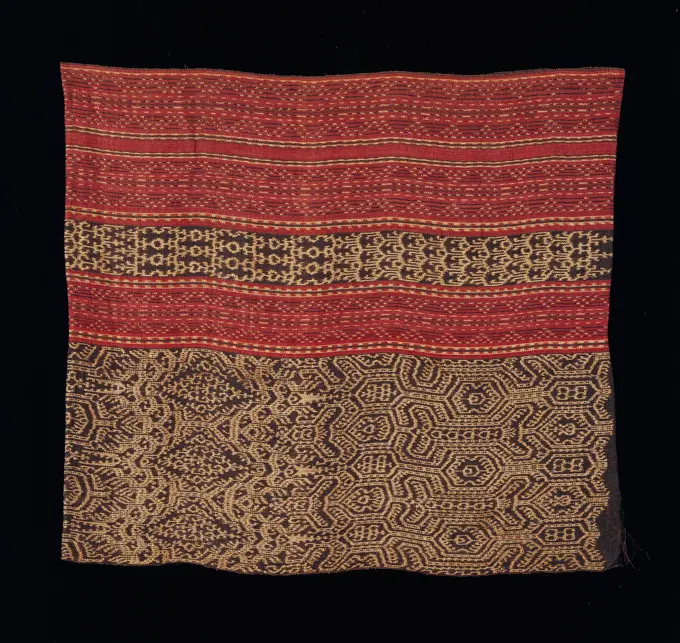
Antique Textile Art

A collection of intricate textiles including 18th-century carpets, embroidered linen, and silk fragments, showcasing rich colors and historical patterns.

Fragment, Medium: silk Technique: woven, Scrolling vine and large flowerheads on a pink-orange ground., Japan, 17th-18th century, woven textiles, Fragment
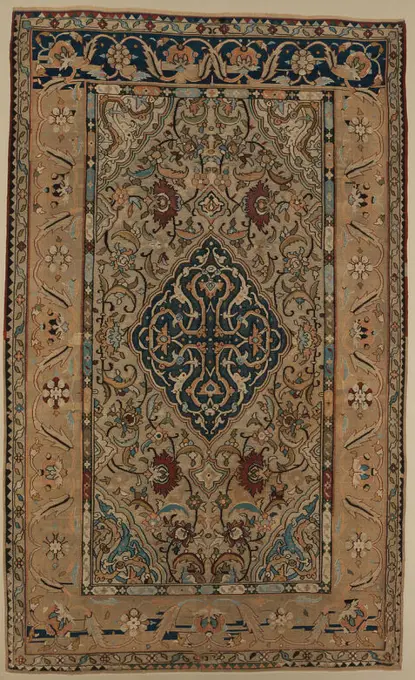
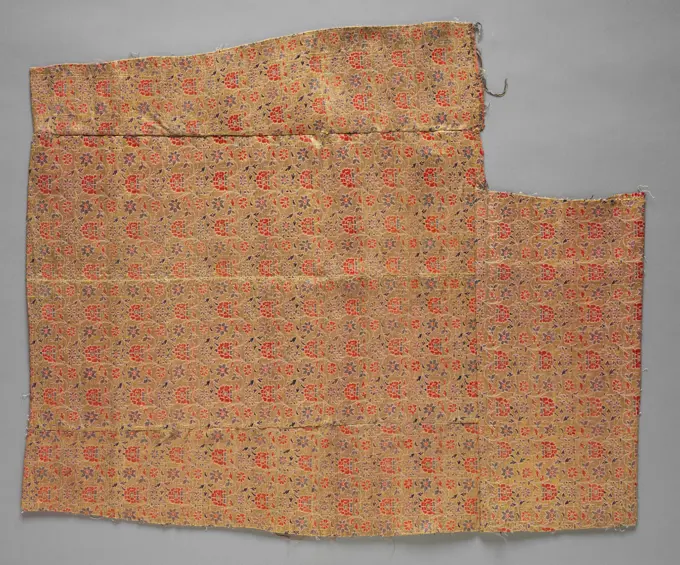
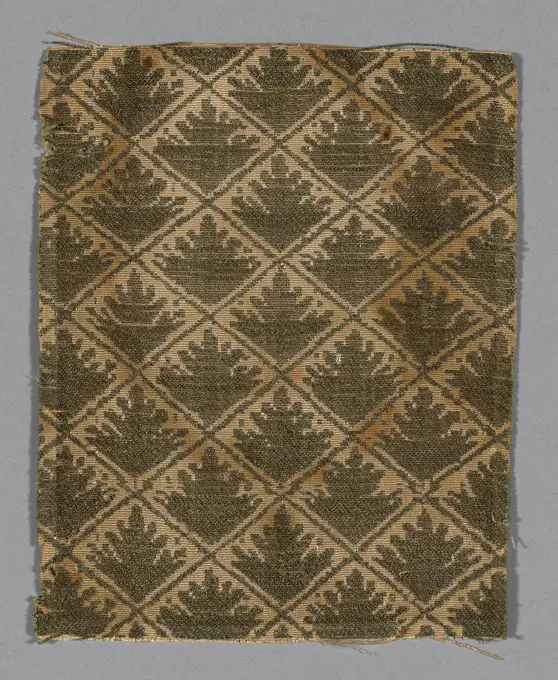
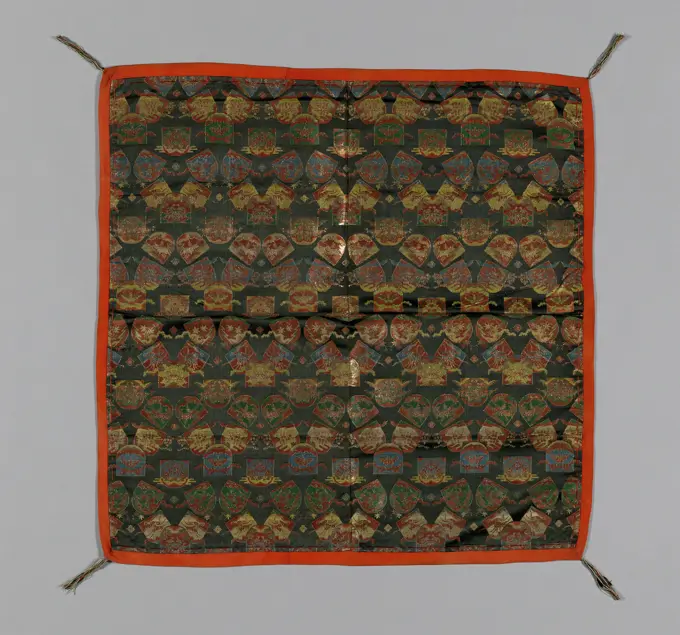
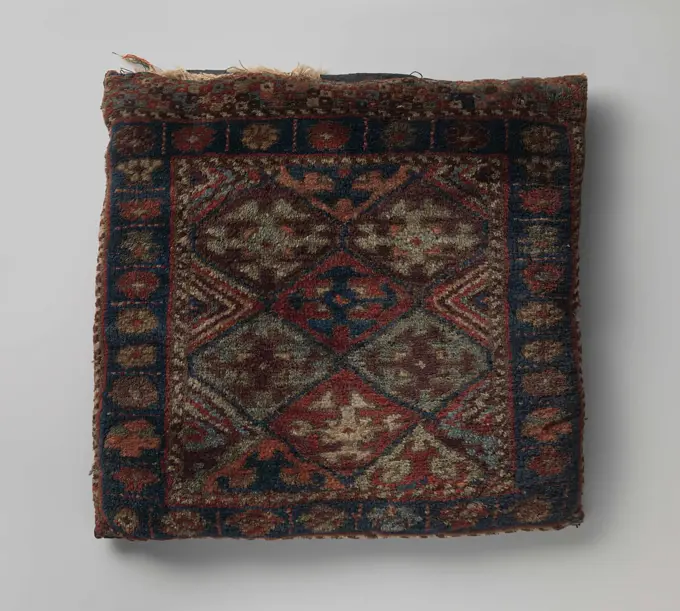
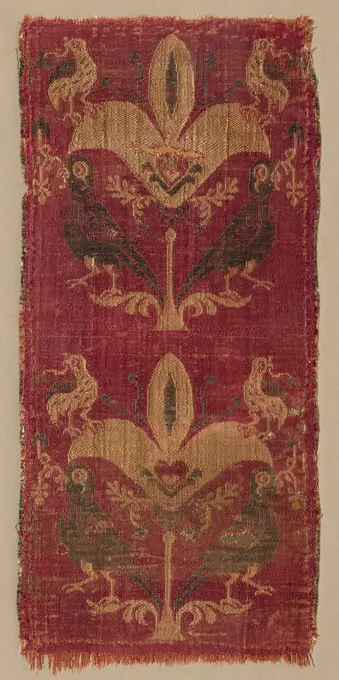
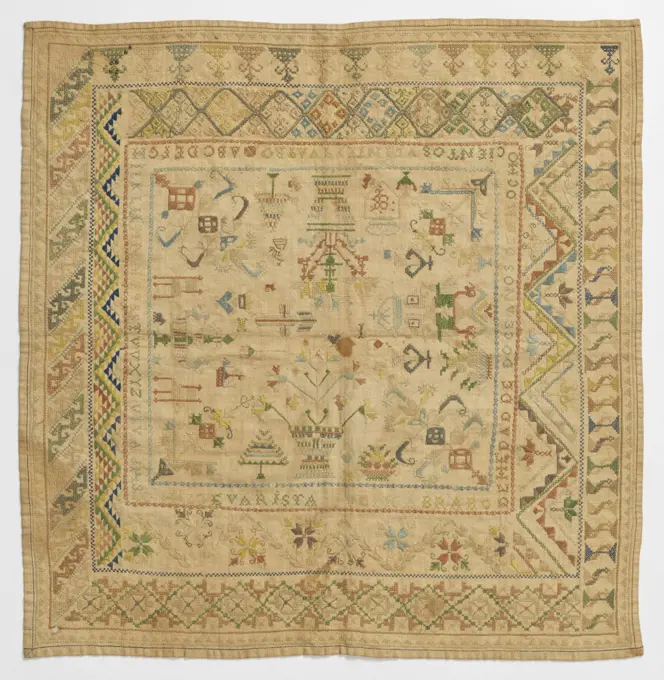
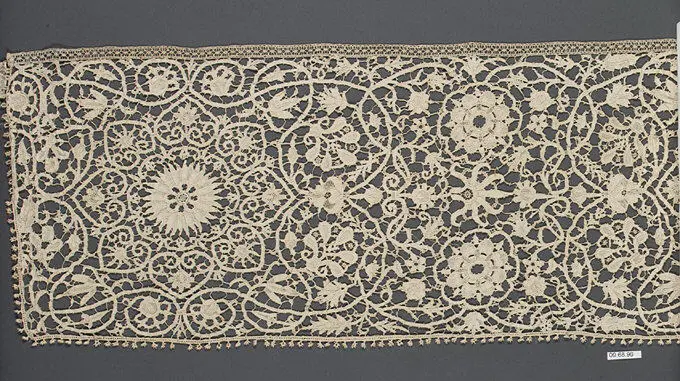
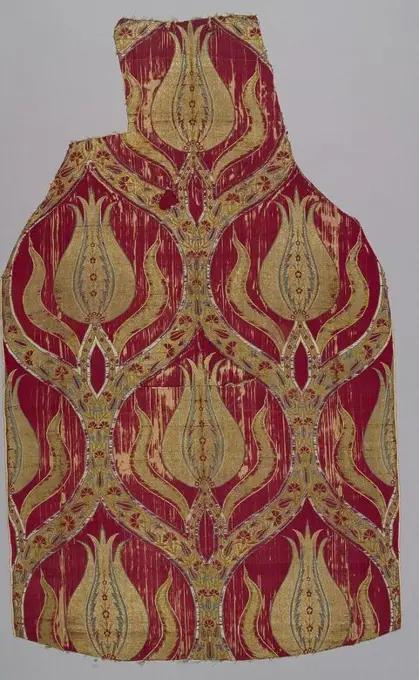
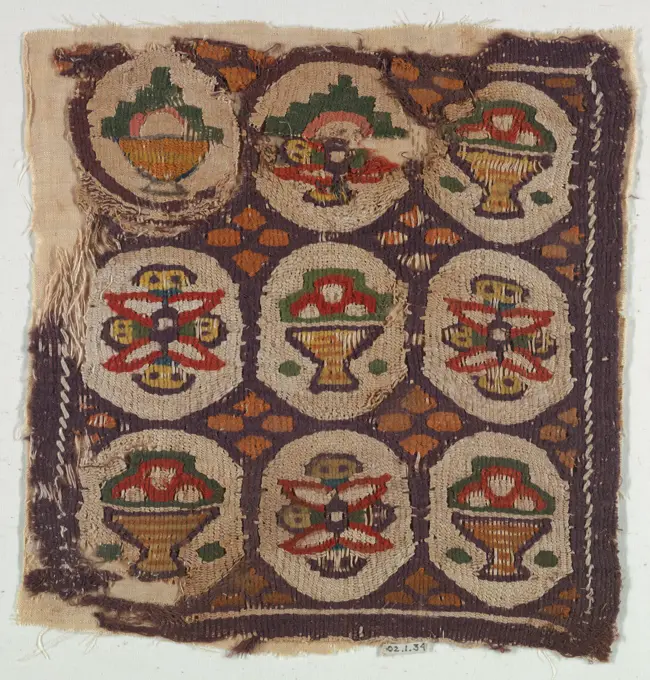
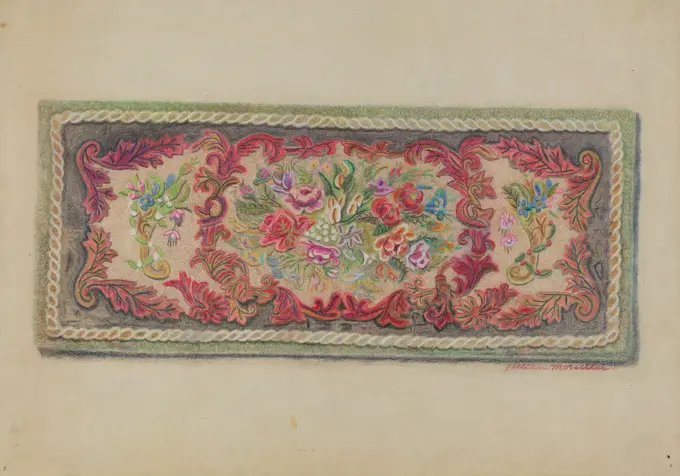
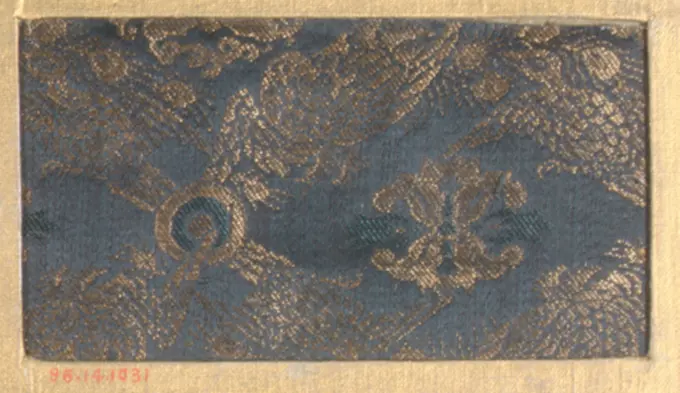
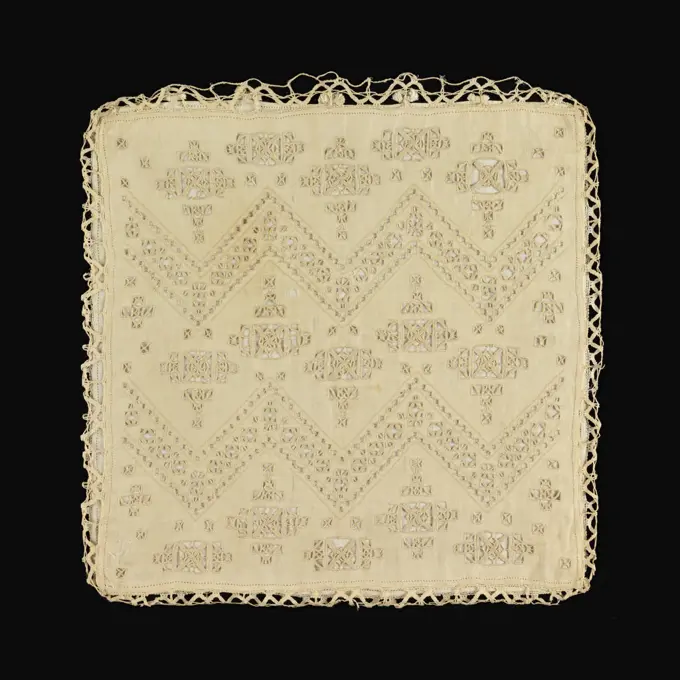
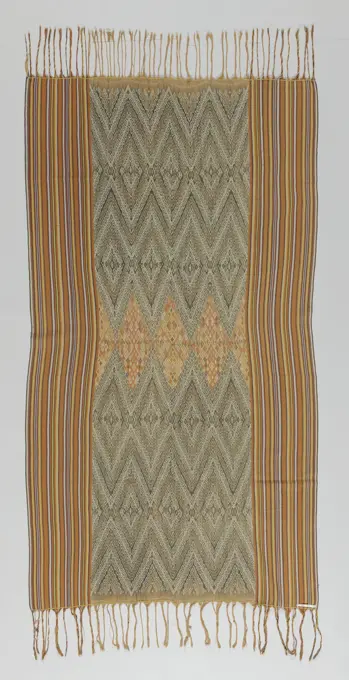
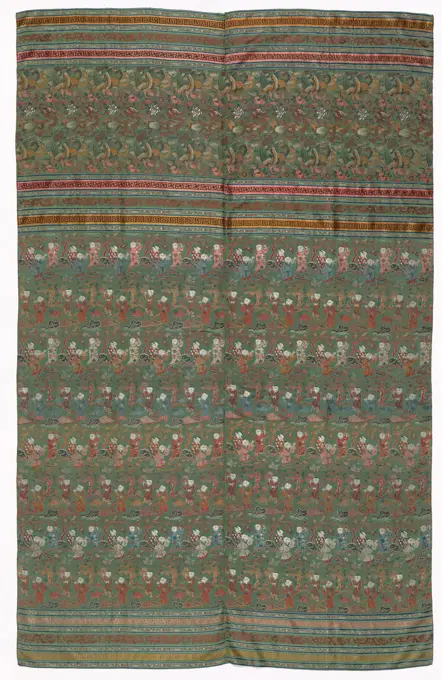
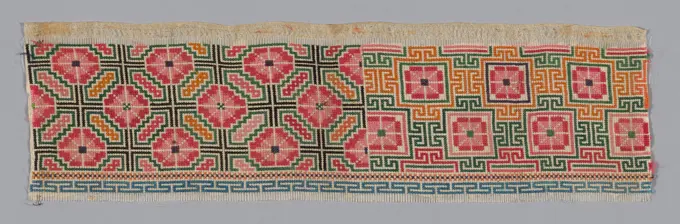
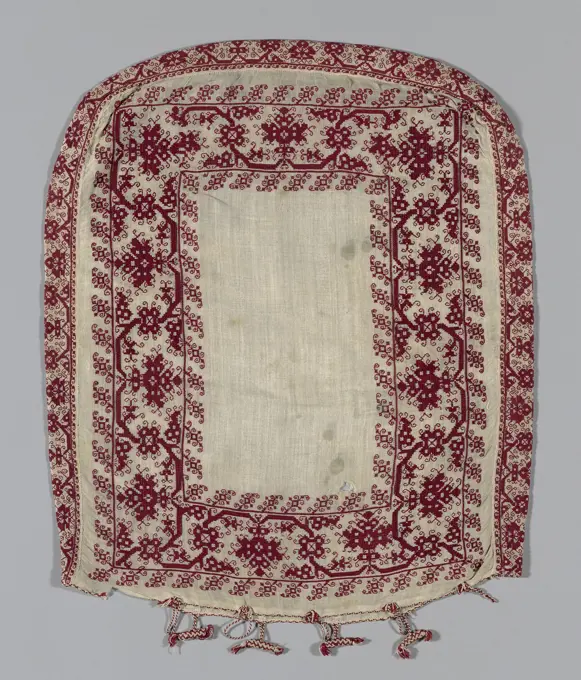
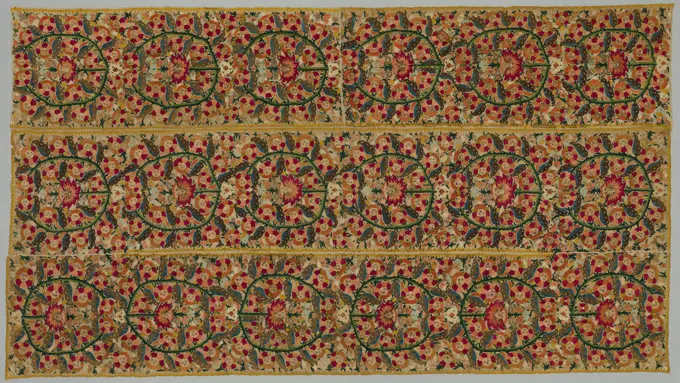
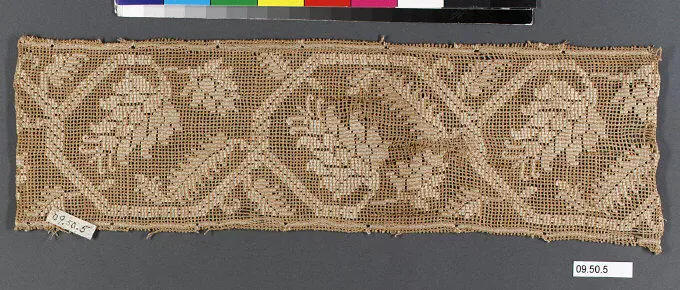
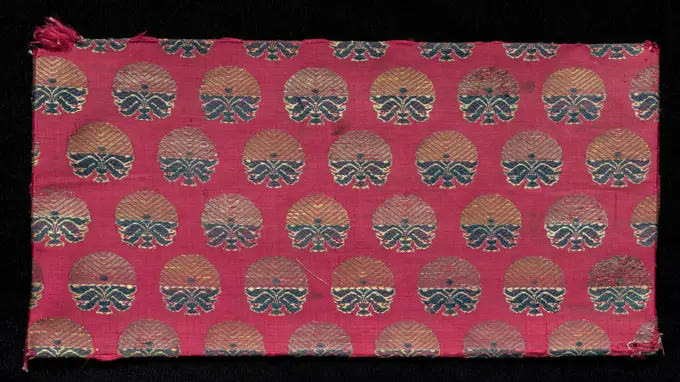
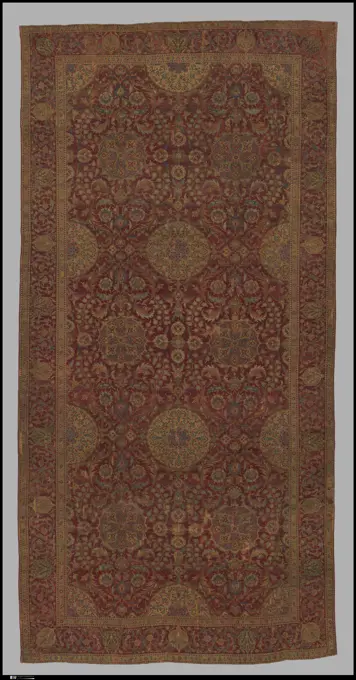
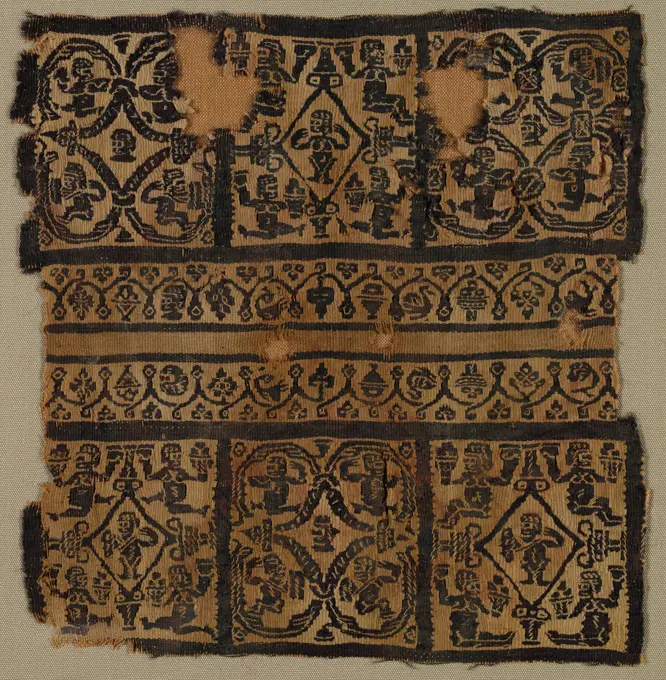
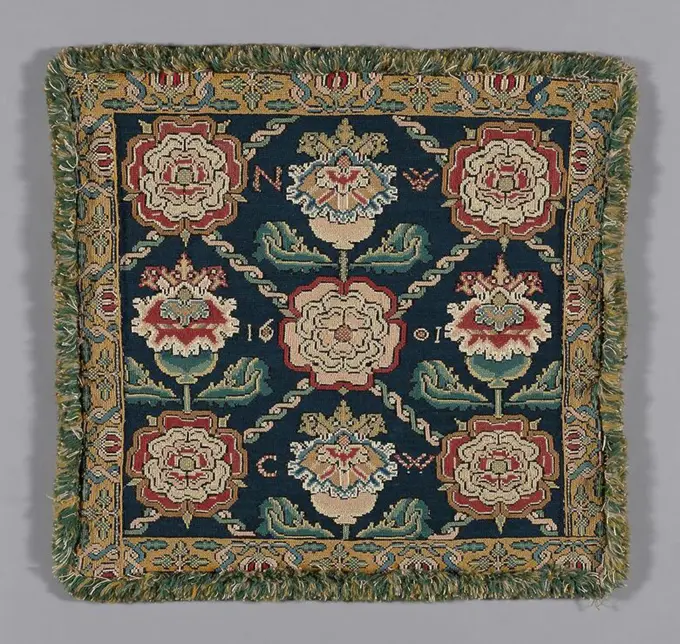
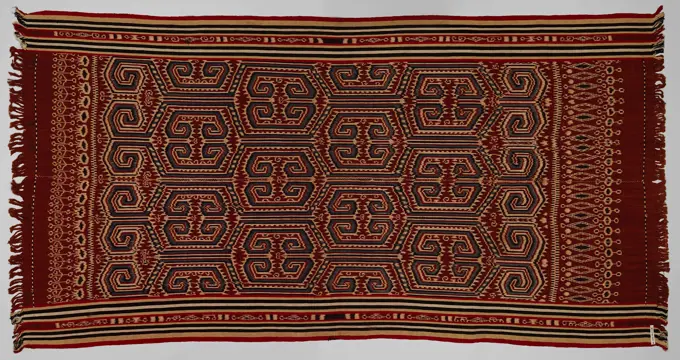
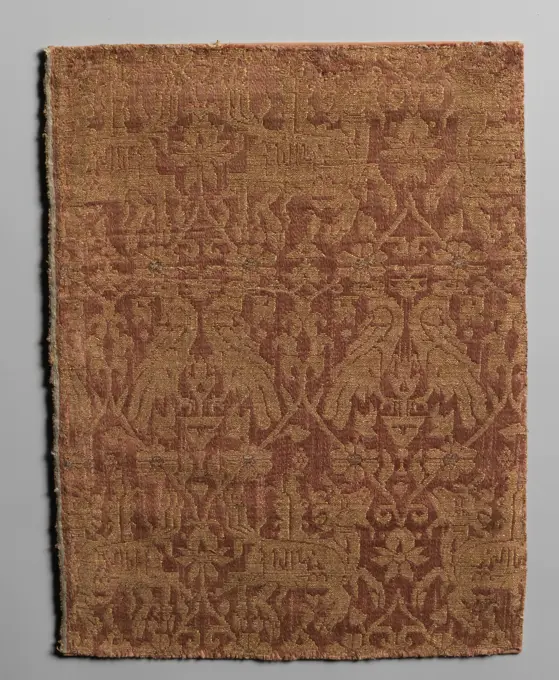
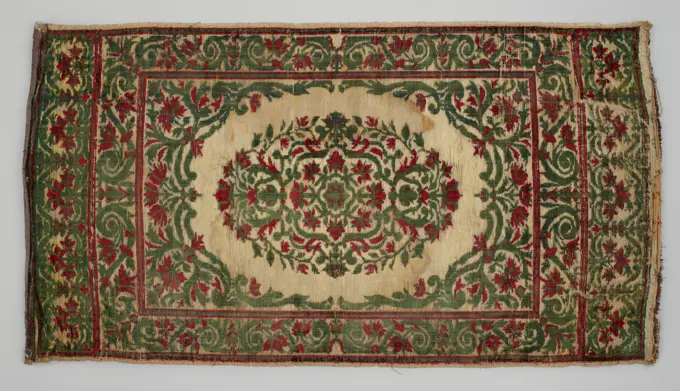
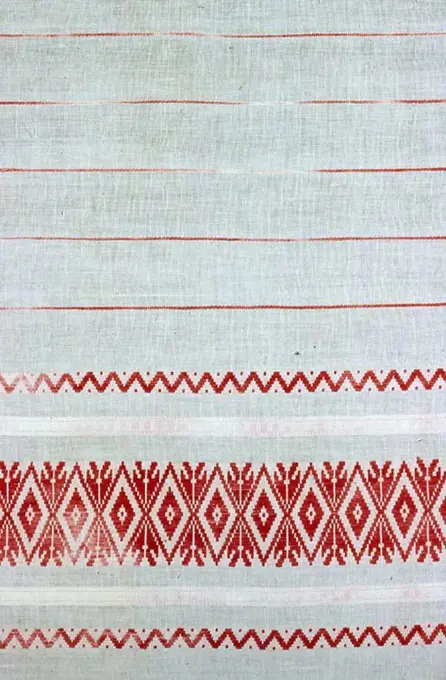
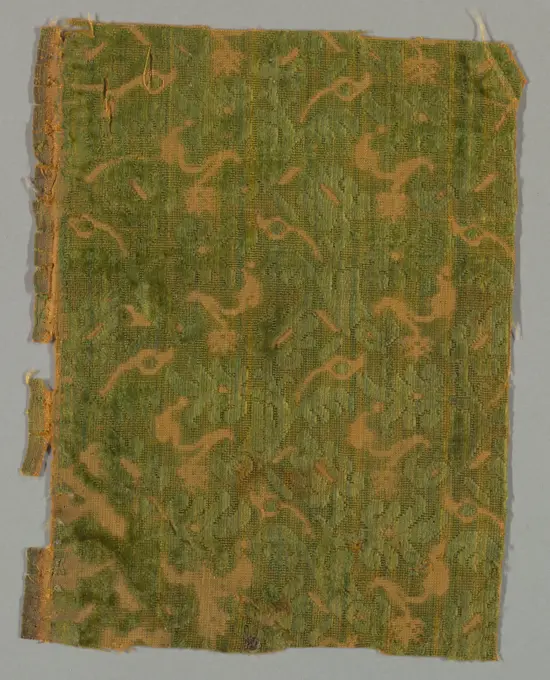
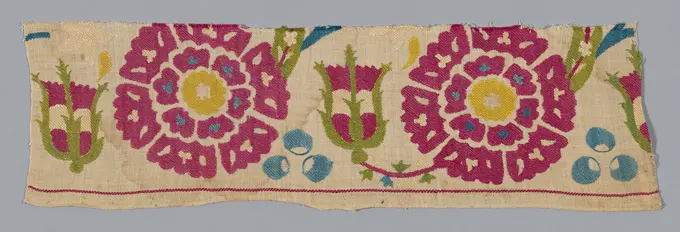
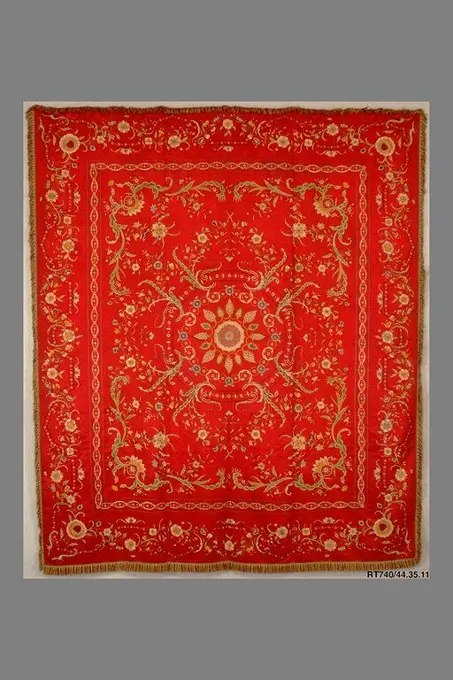
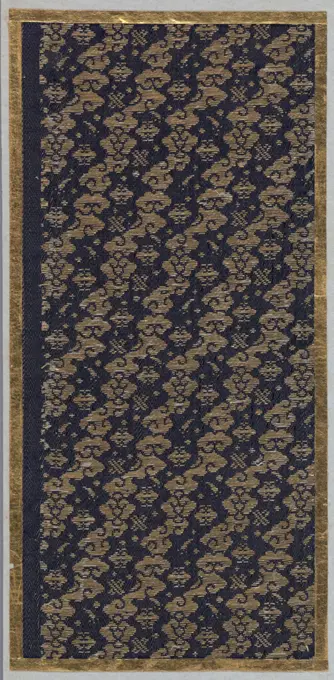
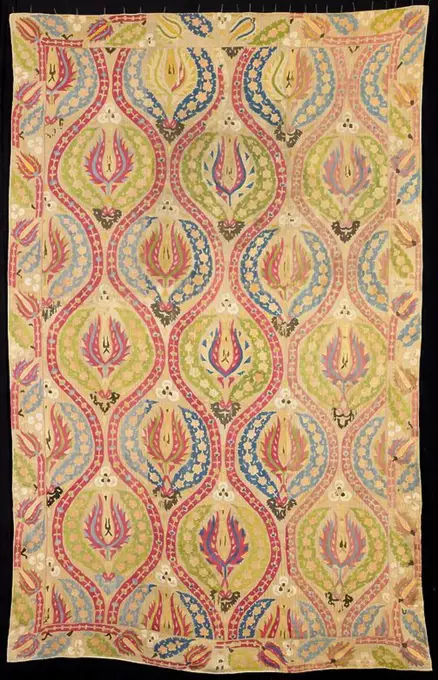
Cover. Turkey. Date: 1601-1700. Dimensions: 217 x 139.5 cm (85 1/2 x 54 7/8 in.). Linen, plain weave; embroidered with silk in running stitches (twill darning); lined with cotton, plain weave. Origin: Turkey. Museum: The Chicago Art Institute, Chicago, USA.Sampler (Germany); Embroidered by C. H. S.; silk and cotton embroidery, linen foundation; Warp x Weft: 75 x 29 cm (29 1/2 x 11 7/16 in.); Bequest of Mrs. Henry E. Coe; 1941-69-111Ritual Weaving(Tampan)Oriental carpet ,, 1850 - 1900 Eastern carpet of knotted wool, medallion rug in carpet format. Northwest Perzia wool Eastern carpet of knotted wool, medallion rug in carpet format. Northwest Perzia woolTextile with Brocade 15th century Spanish or Italian (). Textile with Brocade 463600Piece 18th century Japan. Piece 71529Carpet. Dimensions: H. 93 in. (236.2 cm)W. 57 in. (144.8 cm)Wt. in mount 138 lbs. (62.6 kg). Date: late 16th-early 17th century.This carpet was among those produced for export to Europe and was formerly in the collection of the Royal House of Saxony. Unlike examples with scenes of animal combat or floral patterns within the central medallions, the field of this carpet contains a cross, an apt symbol for a European patron. The leaves with serrated edges, lotus flowers, and overlapping vine scrolls in the corners are typical decorative features of this class of carpet. Microscopic examination has revealed that the core of the metal-wrapped threads contained two colors of silk-a standard white and an intense red. Red is an unusual color for the core. Also uncommon is the use of two separate metal threads woven together in a single row, each containing a different colored core. Metal strips of both threads, previously gold and silver, are oxidized and appear here as dark gray. Museum: Conciliate belt; Manufaktura Karol Stanis Awa Radziwi A (S UCK; Pasów Factory; Ca 1767-1790), Madze Anski, Jan (fl. Ante 1757-Ca 1800); 1767-1780 (1767-00-00-1780-00-00);Krzeszowice, collection, Madżarski, Jan ( -A 1800), Tkacz, Radziwiłł, Karol Stanisław (1734-1790), Vilnius Voivode, Słuck, Persjarnia, two-part heads, metal thread, two-sided belt, Lita belt, index belts, Polish beltsBand Made 1801-1900 England. Cotton, plain weave; embroidered with silk in chain and cross stitches; backed with silk, weft-float faced 4 1 satin weave; bow of silk, weft-float faced 4 1 satin weave .Fragments; silkPiece 16th-17th century Italian. Piece 223544Fragments, 1700s. Iran, 18th century. Silk, brocaded, with metal thread weft; overall: 67.3 x 56.1 cm (26 1/2 x 22 1/16 in.).Fragment Made 1601-1700 Italy. silk .Fukusa (Gift Cover) Made 1850-1875 Japan. Kinran, fancy compound satin, silk, and gilt paper; lined with red silk crepe .Baby Carrier Panel, 23 x 20 1/2 in. (58.42 x 52.07 cm), Cotton; dyed, ChinaCover sheet saddle bag, decorated with grid work in which cross flowers. Cover sheet of a saddle bag, Jaffi Kurdistan Mosul. Midfield is divided into windows through a grid work in which cross flowers. The half diamonds are filled with concentric rhombus lines. Checkered border with rosettes. An embroidered beard on two sides.Rugs and Carpets: China - 19th century - Khotan carpetMedalleled or diamond membrelt. Medalleled or diamond membrelt, Kurdistan Midfield: Dark Terrarood Found within which two green blocks between which a large double tilted with top façade in green with red flower and orange star in the heart. The corners with large halved gable caps; Two in green and two in brown and strewn with floral motifs. Edge: In the same red color with branched ster flowers. Inner and outskirts with speck decor.Palmettes and Birds from a Tunic or Curtain, 500s-600s. Egypt or Syria, Byzantine or Islamic periods, 6th-7th Century. Complementary weft-faced plain weave with inner warps (samit); silk; overall: 31.1 x 14 cm (12 1/4 x 5 1/2 in.); mounted: 36.2 x 20.3 cm (14 1/4 x 8 in.). The symmetrical pattern displays back-to-back green parrots with branches in their beaks and two speckled birds perched on the leaves of a long-stemmed palmette.Sampler, Evarista Cuenca Brabo, Spanish, aged 12, Medium: linen, silk Technique: embroidered, Embroidered sampler has a field patterned by an identical flowering plant in each corner. At sides, a bowl of flowers, a fountain and two chairs, a crowned double-headed eagle. Two outer borders with a variety of geometric and floral patterns. Inner guard border with an inscription followed by the alphabet. Inscription reads: 'Viva JHS Lo Hizo Evarista Cuenca Brabo de Hedad de Doce Años de Mil Ocho Cientos y Quatro.', Spain, 1824, embroidery & stitching, SamplerEmbroidered Textile, 18th-19th century. Turkey, 18th-19th century. Embroidery: gold filé around silk core laid over cotton, couched at edges in silk, and sequins on silk ground ; average: 47.6 x 55.3 cm (18 3/4 x 21 3/4 in.).Fragments 16th century. Fragments 446823Handicraft with embroidered blue flowers. Handicraft with blue flower in art nouveau, on a gray linen rectangle, in outlines and with various blackware fills. Belonging to series of eight white and ten colored needlework, manufactured by Aagje tapp for obtaining the deed beautiful and / or useful needlework to the industrial school, BK-1974-105-A to R.Carpet 16th century. Carpet 451780Sari, 1800s. India, 19th century. Tie-dyed, embroidered borders; overall: 155 x 165.1 cm (61 x 65 in.).Samples (USA); Manufactured by Orinoka Mills (United States); Warp x Weft (a): 22 × 65 cm (8 11/16 × 25 9/16 in.) Warp x Weft (b): 22.5 × 65 cm (8 7/8 × 25 9/16 in.) Warp x Weft (c): 17 × 33 cm (6 11/16 in. × 13 in.)Table cover, Medium: cotton or linen Technique: embroidered, bobbin lace border, Blue and brown embroidery on a white ground fabric. Inscription at the bottom, but mostly illegible., Spain, 18th century, embroidery & stitching, Table coverFragment van een sprei () van katoen met veelkleurig zijde borduurwerk.Fragment of a cotton bedspread () Cotton with embroidery. The pattern has spiral drinks with flowers and fruits. The fragment is probably from the same bedspread as BK-NM-3614.Border ca. 1600 Italian Punto in arialiterally, "stitches in the air"is one of the earliest styles of needle lace, which is itself developed from cutwork of primarily geometric design. When lacemakers transitioned to using a foundation of threads laid out according to a pattern drawn on parchment, they were able to incorporate more fluid lines and curves into their designs.. Border 218035Coverlet Fragment (USA); linen, woolFragments (Italy); silk; Bequest of Richard Cranch Greenleaf in memory of his mother, Adeline Emma Greenleaf; 1962-56-125-aFragment. Dimensions: Textile: L. 44 in. (111.8 cm)W. 26 3/4 in. (67.9 cm). Date: 16th century.Ottoman lampas and velvet textiles often feature large-scale designs displayed within the ogival framework. This example incorporates an elongated tulip flanked by two wavy lines and divided by saz style serrated leaves centering tiny blossoms. Delicate carnations and tulips wind their way along vines inside the ogival lattice. Though slightly worn, the gold surface features metal-wrapped thread emphasized by the bright red background, a color combination popular at the Ottoman court. Based on the shape of the fragment, this lampas-woven silk (kemha) was probably once used as part of a garment. Museum: Metropolitan Museum of Art, New York, USA.Fragment (Egypt), 4th-5th century; warp; s-spun linen. wefts; s-spun linen. s-spun woolsTowel End; linenLillian M Mosseller, Hooked Rug, c 1936 Hooked RugTowel border, 19th century, 9 x 17 3/4in. (22.9 x 45.1cm), Embroidered silk on cotton, Morocco, 19th centuryShawl. Shawl with hook and diamond motifs.Piece 18th-19th century Japan. Piece 66753Textile with Fleur-De-Lis Motif. Culture: Italian. Dimensions: Overall: 3 1/8 × 4 1/8 in. (8 × 10.5 cm)Storage (Mat with 09.50.1022): 8 1/2 × 13 in. (21.6 × 33 cm). Date: 13th century. Museum: Metropolitan Museum of Art, New York, USA.Carpet with flowerguirles, anonymous, c. 1660 - c. 1690 Tapisserie with flower wreath - a tablecloth or the inside of a sky of a four -poster bed. There is an oak leaf wreath on a cadmium yellow stock, in which flowers. Flower wreaths winding around it. France Ketting: Wool. Entry: Wool. Entry: Silk tapestry Tapisserie with flower wreath - a tablecloth or the inside of a sky of a four -poster bed. There is an oak leaf wreath on a cadmium yellow stock, in which flowers. Flower wreaths winding around it. France Ketting: Wool. Entry: Wool. Entry: Silk tapestryFragment of Samiet with star patterns and Kousic writing, Anonymous, 1600 - 1799 Excerpt of a tissue of silk with black chain wires and white, black, red and yellow impacts that together form a border ornament consisting of adjacent black-and-white outlined 16-angles on red soil in which a stir-shaped intersecting kuffian characters and a yellow star as heart decoration. Along the sides of the 16 corners small white surfaces in which black characters. A white and black edge decoration encloses the red fields. Persia silk samite Excerpt of a tissue of silk with black chain wires and white, black, red and yellow impacts that together form a border ornament consisting of adjacent black-and-white outlined 16-angles on red soil in which a stir-shaped intersecting kuffian characters and a yellow star as heart decoration. Along the sides of the 16 corners small white surfaces in which black characters. A white and black edge decoration encloses the red fields. Persia silk samitePillow cover, Medium: linen Technique: cutwork and embroidery with bobbin lace, Pillow cover ornamented in conventional design worked in cutwork and embroidery. Joined to the back with bobbin lace. Pillow covered in green silk., USA, ca. 1900, lace, Pillow coverRug;  after. 19th century (1848-00-00-1852-00-00);rugCover (possibly Turban Cover) Made 1701-1800 Turkey. Linen, plain weave; embroidered with silk in fishbone, double running, and twined double running stitches; lined with cotton, plain weave .Shawl; Patola, Patan. Shawl with geometric motifs and woven owner name.2 Band Fragments with Botanical and Geometric Decoration Coptic. 2 Band Fragments with Botanical and Geometric Decoration, 5th-7th century C.E. Wool, 2 3/8 x 5 3/8 in. (6 x 13.7 cm).   Egyptian, Classical, Ancient Near Eastern Art 5th-7th century C.E.Shawl, Anonymous, 1900 - 1949 Shawl with crochet and diamond motifs. Timor cotton (textile) Shawl with crochet and diamond motifs. Timor cotton (textile)Length of furnishing fabric, called "Calimanco". Culture: British, Norwich. Dimensions: Overall: 97 3/4 × 19 in. (248.3 × 48.3 cm). Date: mid-18th century.Brightly colored wool textiles such as this length of furnishing fabric were a staple of the British textile industry. So-called "calimancos" were made of long-staple worsted wool, had a natural sheen and were long-wearing. These fabrics were used domestically and imported, especially to North America. Many bed quilts and quilted petticoats with plain calamanco linings have survived from the 18th century, but fewer of the striped patterns still exist today. Museum: Metropolitan Museum of Art, New York, USA.Wedding headpiece, 30 1/2 x 22 1/2 in. (77.47 x 57.15 cm) (without fringe or tassels), Cotton, silk; needlework, ChinaWrapping Cloth (Bunti), mid 20th century, 52 1/2 x 60 in. (133.35 x 152.4 cm), Silk, cotton; discontinuous supplementary weft patterning, Bhutan, 20th centuryKussaba, 19th century, India, 19th centuryCompound Weave Textile, 1800s . China, Qing dynasty (1644-1911). Compound weave: silk and gold; overall: 523 x 139.7 cm (205 7/8 x 55 in.).Band Made 1875-1900 China. Forty-four pairs and eight odd pieces of embroidered sleeve, ankle bands, etc. on gauze. . Han-ChineseSarong, early 1900s. Indonesia, Java, early 20th century. Plain weave cotton with resist diamond motif in black and red on yellow ground; overall: 194.3 x 99.4 cm (76 1/2 x 39 1/8 in.).Pillow Cover Made 1501-1700 Italy. linen and silk .Four Borders from a Bedspread, 1700s. Greece, Epirus, Yaninna, 18th century. Embroidery: silk on linen tabby ground; overall: 210.2 x 119.4 cm (82 3/4 x 47 in.).Kelim. Stripes rug in Kelim technology. Midfield is completely filled with crossbans with geometric patterns.Fragment; silk, metallicFragment late 16th century Italian. Fragment 230167Sampler, Medium: silk on cotton Technique: cross and darning stitches on plain weave foundation with paired warps and paired wefts (basket weave). Counted stitches., Darning sampler with six darning crosses simulating plain weave, twills and knitting. Three practice squares and isolated motifs such as crowns, people, and flowers., Netherlands, 19th century, embroidery & stitching, SamplerStrip 16th century Italian. Strip 215407Dante Chair back 17th century Italian or Spanish. Dante Chair back 461571Ceremonial Headpiece, 30 1/2 x 21 in. (77.47 x 53.34 cm), Cotton, ceramic beads, metal bells, silk, ChinaSampler, Maria Manula Lobe y Cantabrana, Medium: silk on linen Technique: embroidered on plain weave, Embroidered sampler showing pattern of flowering plants, a tree, bowl of flowers, crowned double-headed eagle crest, a crossed floral form surrounded by birds, flowers and keys. Outer borders are geometric of varying widths. Pink ribbon attached to outer edge with bow in each corner., Spain, 1801, embroidery & stitching, SamplerStrip 17th century Italian, Abruzzi and Calabria. Strip. Italian, Abruzzi and Calabria. 17th century. Embroidered net, buratto, punto à rammendo, silk. Textiles-LacesBrocaded Book Cover, 1800s. India, 19th century. Brocade; silk and metal; overall: 14 x 27.9 cm (5 1/2 x 11 in.).Ottoman Court Carpet late 16th-17th century This splendid carpet, with feathery leaves, stylized lotus flowers, and tightly curled cloudband scrolls, displays characteristics associated with a group of carpets of debated provenance. While the wool and weaving methods of this group are akin to carpets woven in Egypt, their designs probably were produced in Istanbul. Documents reveal that on at least one occasion in 1585, the Ottoman sultan Murad III requested that a number of Cairene weavers, along with a quantity of Egyptian wool, be brought to the court in Istanbul. Such interactions may explain the unexpected combination of materials, technique, and design found in these carpets. Listen to experts illuminate this artwork's story Listen Play or pause #6648. Overview: Ottoman Court Carpets Supported by Bloomberg Philanthropies We're sorry, the transcript for this audio track is not available at this time. We are working to make it available as soon as possible.. Ottoman Court Carpet Cushion Cover Made 1601-1650 Turkey. velvet .Textile (Indonesia); silkBlue and White Woolen Coverlet. Dated: c. 1938. Dimensions: overall: 49.1 x 40.6 cm (19 5/16 x 16 in.) Original IAD Object: 86" long; 74" wide. Medium: watercolor and graphite on paper. Museum: National Gallery of Art, Washington DC. Author: Frank Gutting.Piece 18th-19th century Japan. Piece. Japan. 18th-19th century. Silk. Edo period (1615-1868). Textiles-WovenFragment, Sleeve Ornament from a Tunic, 500s - early 600s. Egypt, Byzantine period, 6th-early 7th century. Tapestry (probably originally inwoven in tabby ground); wool; overall: 21.6 x 20.6 cm (8 1/2 x 8 1/8 in.); mounted: 29.8 x 28.6 cm (11 3/4 x 11 1/4 in.).Galloon 17th-18th century probably European. Galloon 213867Oriental carpet decorated with flower vines ,, 1800 - 1900 Eastern carpet of knotted wool. Midfield: Infinite report of Steenrode and Witte Zigzag bands, set over the width, with dark blue slender and flower. Three edges: The middle and widest has a dark blue foundation on which multicolored octagon, with gun -hooked contours and diamond filling, connected by a straight handle with cross -rack. The inner edge is light yellow, the outer edge brick with carnations. On the short sides three narrow hems of flat tissue ("beard") with squares, the middle one in red and green, which on either side of white and dark blue. Long braided fringes with colored brushes. In excellent condition. High pole, cool sides. Shiraz wool Eastern carpet of knotted wool. Midfield: Infinite report of Steenrode and Witte Zigzag bands, set over the width, with dark blue slender and flower. Three edges: The middle and widest has a dark blue foundation on which multicolored octagon, with gun -hooked contours and diaCushion Cover. England. Date: 1601. Dimensions: 49.5 × 52.8 cm (19 1/2 × 20 3/4 in.). Linen, plain weave; embroidered with silk, linen, and wool yarns in long-armed cross stitches; edged with wool and linen, plain weave with extended weft cut fringe. Origin: England. Museum: The Chicago Art Institute, Chicago, USA.Kontusz sash/belt. unknown, authorPiece 18th-19th century Japan. Piece 66779Robe 17th century Tibet. Robe. Tibet. 17th century. Silk and metal tapestry on gold ground.. early Qing dynasty (1644-1911). Textiles-CostumesCloth; PUA. Cloth with shields.Textile 14th-15th century Spanish. Textile 468130Towel (Italy); silk on linen; Bequest of Marian Hague; 1971-50-105Skoutari” carpet unknownOver Towel Section. Sweden. Date: 1765-1785. Dimensions: 76.2 x 78.1 cm (30 x 30 3/4 in.). Cotton, plain weave; brocaded. Origin: Sweden. Museum: The Chicago Art Institute, Chicago, USA.Close-up of a Mekri carpet, TurkeySampler, Medium: glass beads, cotton Technique: embroidered in cross, long-armed cross, and overcasting sewing on beads, on plain weave foundation, Two alphabets and a signature in reverse. Opalescent beads., Mexico, 1860, embroidery & stitching, SamplerTextile, Technique: woven, combination of two structures, Woven fragment with design in red on cream colored ground. Fringed in red and white stripes., 17th century, woven textiles, TextileBand Made 1875-1900 China. Forty-four pairs and eight odd pieces of embroidered sleeve, ankle bands, etc. on gauze. . Han-ChineseFragment (Italy); silk; Bequest of Richard Cranch Greenleaf in memory of his mother, Adeline Emma Greenleaf; 1962-56-81-aSampler. Culture: Dutch. Dimensions: H. 14 x W. 14 5/8 inches (35.6 x 37.1 cm). Date: 1796. Museum: Metropolitan Museum of Art, New York, USA.Rug with Interlaced Rosettes. Date/Period: 1500. Rug. Wool Wool. Height: 1,580 mm (62.20 in); Width: 1,140 mm (44.88 in). Author: UNKNOWN ARTIST.Fragments; silk, metallic yarnsFragment Made 1601-1700 Turkey. linen( ), plain weave; embroidered with silk in regular surface darning and surface darning on the diagonal .Piece 17th century China. Piece. China. 17th century. Silk, metallic thread. Textiles-WovenFragment European 19th centuryBedcover late 18th-early 19th century China. Bedcover 69551Fragment (Japan)Textile 14th century Italian. Textile. Italian. 14th century. Silk, metal thread. Made in Lucca, Italy. Textiles-Woven-BrocadeFragment from a cover or wall hanging Made 1600-1750 Turkey. Cotton, plain weave; embroidered with silk .Skirt, 20th century, 27 7/8 x 64 in. (70.82 x 162.56 cm) (tubular), Raffia; ikat, Indonesia, 20th centuryBand (from Woman's Trousers) Made 1875-1900 China. .