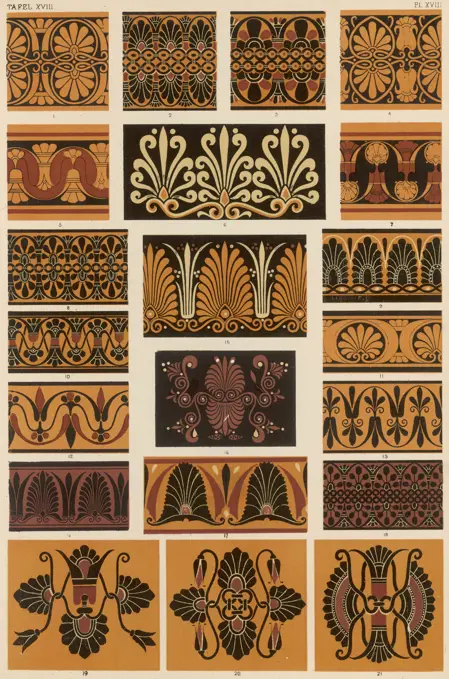
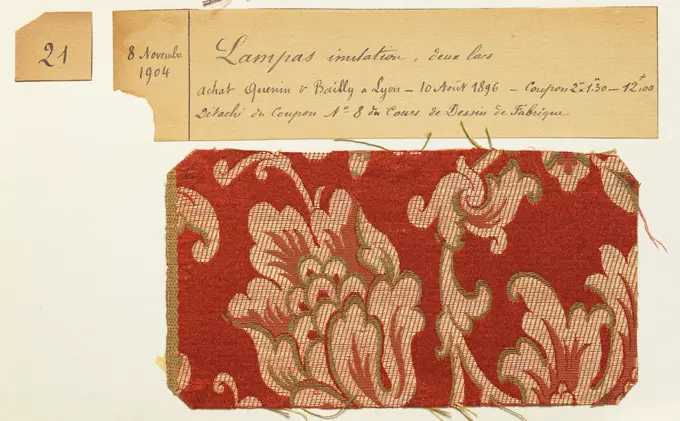
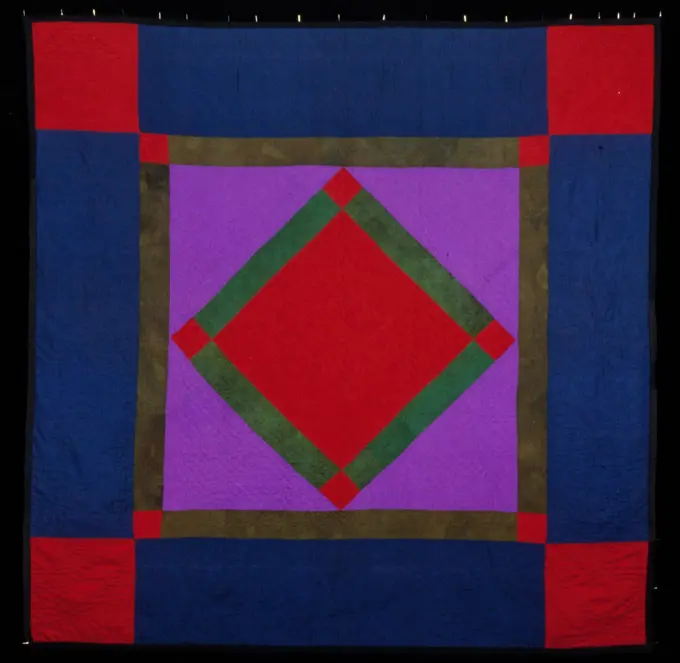
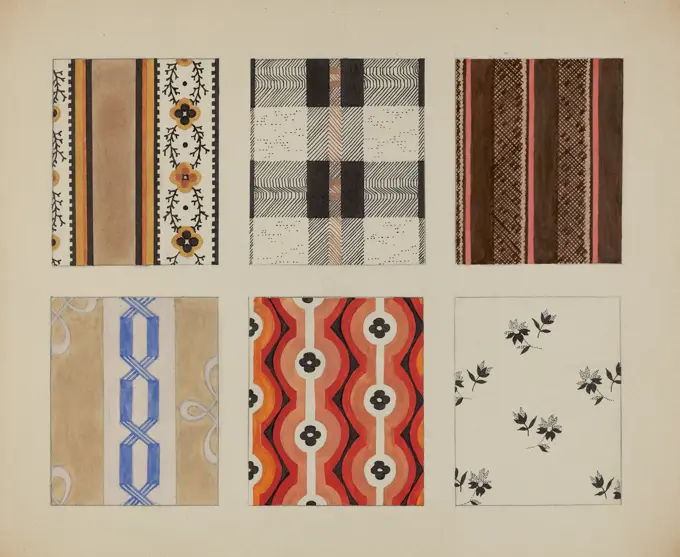
Antique Textile Art

A collection of intricate textiles including 18th-century carpets, embroidered linen, and silk fragments, showcasing rich colors and historical patterns.

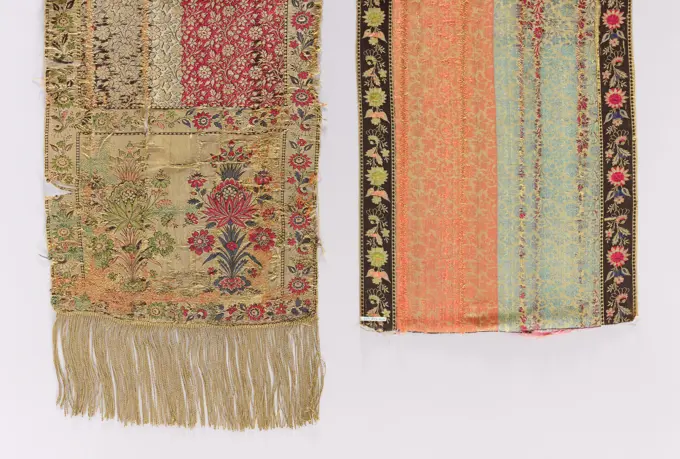
Fragment, Medium: silk Technique: woven, Scrolling vine and large flowerheads on a pink-orange ground., Japan, 17th-18th century, woven textiles, Fragment
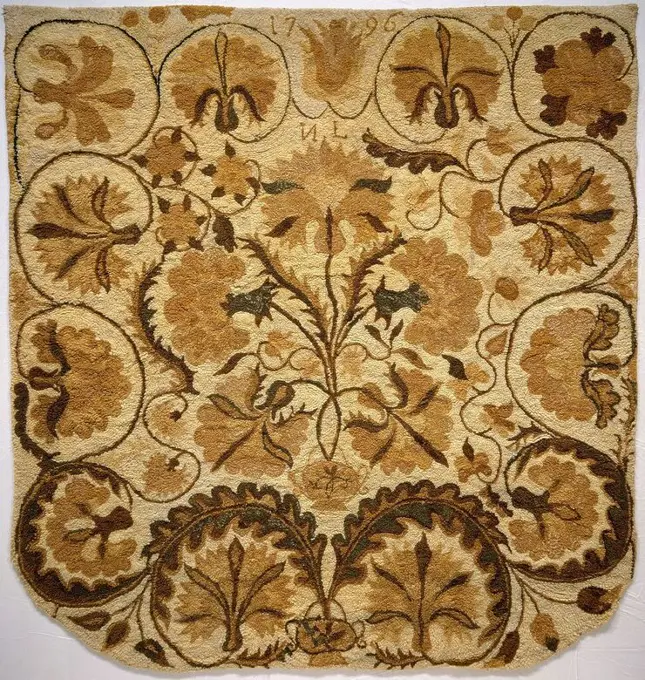
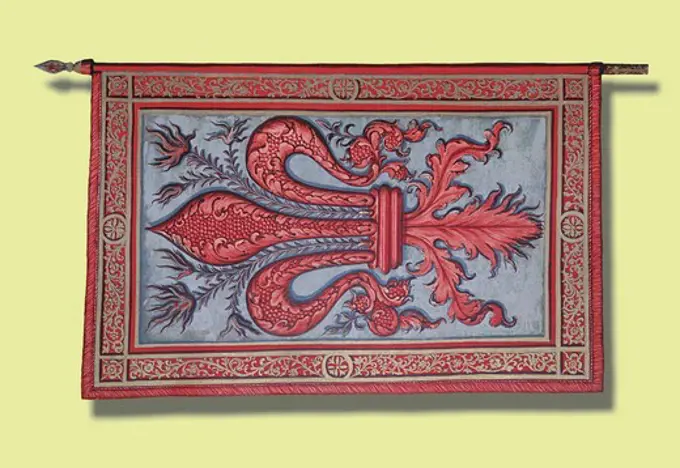
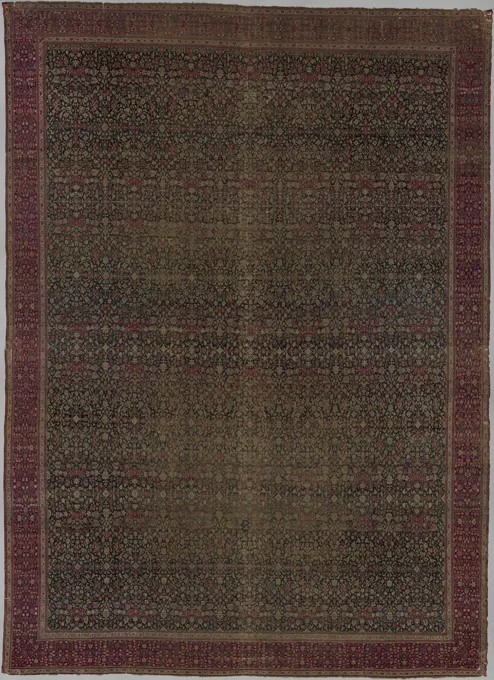
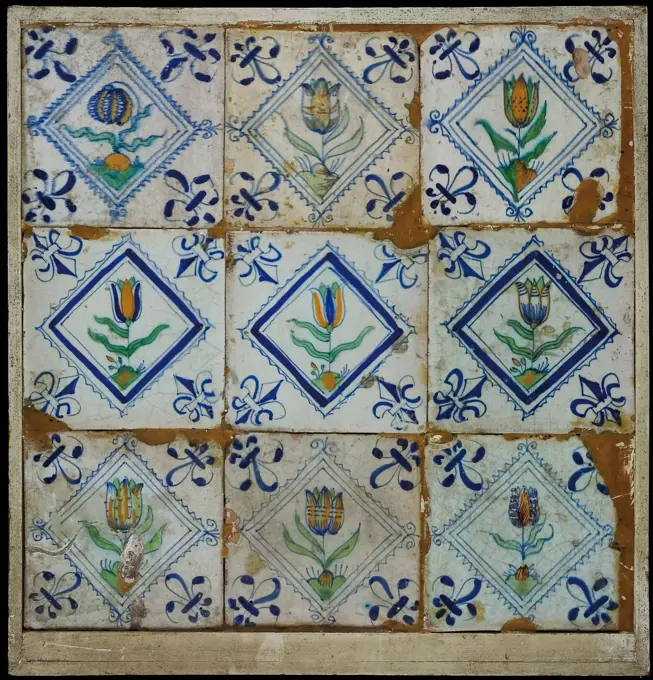
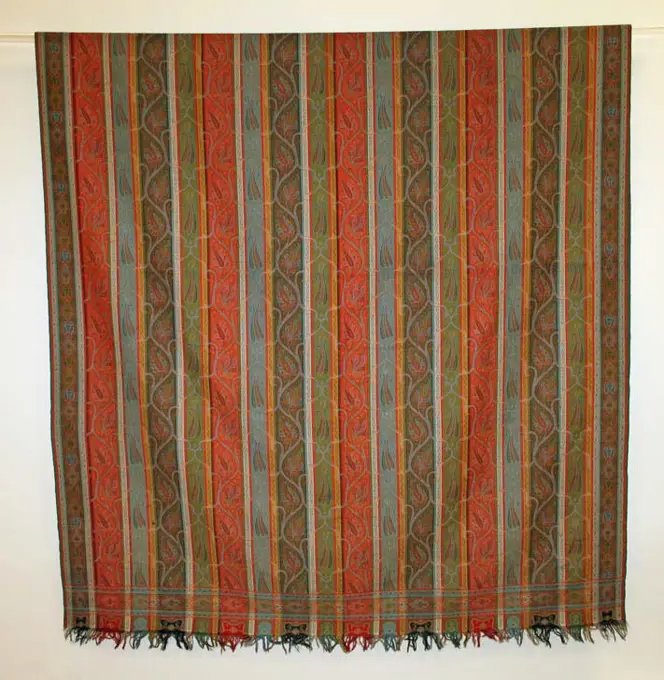
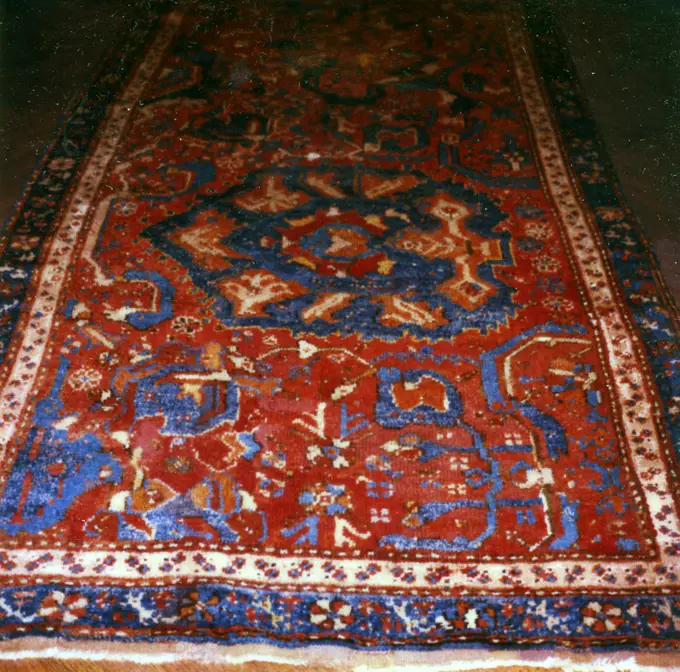
Jiasha (Mantle) Made 1650-1725 China. Silk, gold-leaf-over-lacquered-paper-strip-wrapped silk, and peacock feathers, slit tapestry weave with interlaced outlining; silk, 1 1 plain oblique interlaced tapes; lined with silk, warp-float faced 4 1 satin weave . Han-ChineseBed rug. Culture: American. Dimensions: 93 1/4 x 89 in. (236.9 x 226.1 cm). Maker: N. L.. Date: 1796.Bed rugs (referred to as "ruggs" during the late eighteenth century) are completely home-manufactured products. The wool yarn pile is needleworked (not hooked, as was once assumed) in running stitch on a base of handloomed wool or linen. Most often, the base is a wool blanket, the surface of which is entirely obscured by embroidery. All the wool used for making bed rugs such as the Museum's two examples (13.207) was most likely shorn from local sheep. The fleeces were then washed, carded, spun, and dyed by the rug maker.Although a few extant bed rugs are embroidered with stitches that lie flat to the surface of the base, the majority have a looped pile that may have been either clipped or left uncut. Both of the Museum's bed rugs have cut pile faces. The one illustrated here has some random loops left uncut: the unevenness of the surface seems to indicate that the loops were made withBanniere de Florence, Heraldry - Flags & BannersTextile Fragment 3rd-4th century. Textile Fragment. 3rd-4th century. Wool, linen; tapestry weave. Attributed to Egypt. TextilesKruje, Durres, Albania. Geometric patterned woven rug for sale at an outdoor market in Kruje.Conciliate belt;  2nd half 18th century (1751-00-00-1800-00-00);Carpet with a millefleur pattern 18th century Indian, Kashmir. Carpet with a millefleur pattern 461547Cope Hood (Spain); silk, metallic threadSampler (Mexico); Embroidered by San Juana Ramires; silk and cotton embroidery on cotton foundationSampler (Mexico); Embroidered by Teresa Sepeda; silk embroidery on linen foundationIndian TradeClothFragment From A Garment (Egypt); warp; s-spun linen. wefts; s-spun linen, s-spn woolsTile field, nine tiles, orange, green and blue on white, eight tulips and flower in square, corner pattern lily, tiled field wall tile tile sculpture ceramic earthenware glaze, baked 2x glazed paintedKontusz sash/belt. unknown, authorSampler Made 1808 Netherlands. Cotton, plain weave; embroidered in darning and cross stitches .Fragment, linen/silk damask, Germany, 1763, woven textiles, FragmentShawl ca. 1860 French. Shawl. French. ca. 1860. woolBaby carrier, mid 20th century, 23 1/2 x 24 1/2 in. (59.69 x 62.23 cm), Cotton, silk, China, 20th centuryUshak Carpet Made 1775-1825 Turkey. Blue, red-brown and white .Dress of écru cheese cloth () With colorful embroidery in floss silk .. Dress from écru cheese cloth () With colorful embroidery in floss silk. Stiff pattern with only an edge of tooth-shaped matching orange and green satin stitch. Finished with pink-red crocheted. Rotterdam, ca. 1920-1930. Condition: almost all green floss silk poet.Comb with Two Women. Sri Lanka, 18th century. Jewelry and Adornments; combs. Ivory with traces of paintTowel or Napkin (Altered) Made 1801-1900 Turkey. Embroidered .in iran antique carpet textile  handmade beautiful arabic ornamentblur in iran antique carpet textile  handmade beautiful arabic ornamentFragment 17th century Italian. Fragment 230513Ornaments from Greek and  Etruscan vases in the British  Museum and the Louvre        Date: 1868Storage Bag, 20th century, 18 x 24 in. (45.72 x 60.96 cm), Wool, nettle fiber, United States, 20th centurySample (France)Quilt, 'House Medallion with Multiple Borders'blur in iran antique carpet textile  handmade beautiful arabic ornamentFringe 18th century Italian or Spanish. Fringe 224943Fringed Bag 7th century Nasca. Fringed Bag. Nasca. 7th century. Camelid hair. Peru, Rio Grande de Nasca. Textiles-WovenTurkey, Kusadasi. Turkish carpet workshop & showroom.Rosette Fragment Coptic. Rosette Fragment, 5th-7th century C.E. Linen, wool, 3 3/4 x 4 in. (9.5 x 10.2 cm).   Egyptian, Classical, Ancient Near Eastern Art 5th-7th century C.E.Diamond and Square Pattern Quilt, c. 1940, Unknown Amish, Cotton; quilted, United States, 20th centuryShaman's Hat, from a two-piece set, 20th century, 7 1/2 x 11 9/16 in. (19.05 x 29.37 cm), Cotton, printed paper, metal buttons, metallic thread; needlework, Vietnam, 20th centurySeller sitting in the shade behind a beautiful Berber carpet, Marrakech, Morocco, AfricaInscribed Textile (Tiraz) FragmentDorothy Posten, Materials from Quilt, c 1937 Materials from QuiltSteel bobbin with coarse wire as an example of forms with a fragment side in which this technique is used, anonymous, c. 1900 - c. 1930 sample Steel Natural-colored bobbin with coarse wire as an example of shape stroke with two ribs with a cluny-side fragment in which this technique is used. The date concerns the steel. West-Europa cotton (textile) bobbin lace / tally (or jewel)Sampler (Spain); Embroidered by R. Ruiz; silk embroidery on cotton foundation; Warp x Weft: 50 x 49 cm (19 11/16 x 19 5/16 in.); Bequest of Mrs. Henry E. Coe; 1941-69-56Harstad, Norway cruise Hurtigruten artwork quilt in oldest house in Northern NorwayCoverlet Made 1892-1893 United States. Cotton and wool, plain weave double cloth with extended ground weft fringe; attached plain weave with extended ground weft fringe .Ethel Dougan, Afghan (detail), c 1937 Afghan (detail)Souvenirs, Souvenirs, Handicrafts in Madurai, South India, India, Asia, Diverse oriental carpets with colourful, traditional patterns and textures, Impressions from South India, Thanjavur, Madurai, Kovalam, Malabar Coast, Malabar, Kerala, AsiaBurse, 19th century, 10 1/2 x 9 3/4 in. (26.7 x 24.8 cm), Embroidered red silk, satin, Colombia, 19th centuryDarning sampler, Esther Lucas, Medium: silk embroidery on cotton foundation Technique: running (pattern darning) and cross stitch on plain weave, Darning sampler with five pattern crosses. Hemmed on all four sides., Five holes were cut from the plain weave foundation fabric and the holes darned to simulate five different weaves; twill, herringbone twill, bird's eye diaper and two float patterns. Inscription in cross stitch., Yorkshire, England, 1785, embroidery & stitching, Darning samplerCommemorative textile, Medium: cotton Technique: block printed on plain weave, Portrait of the English King George III alternates with the English shield and crown. In a straight repeat. Brown, blue, two reds, faded yellow., England, early 19th century, printed, dyed & painted textiles, Commemorative textile