Antique Textile Fragments

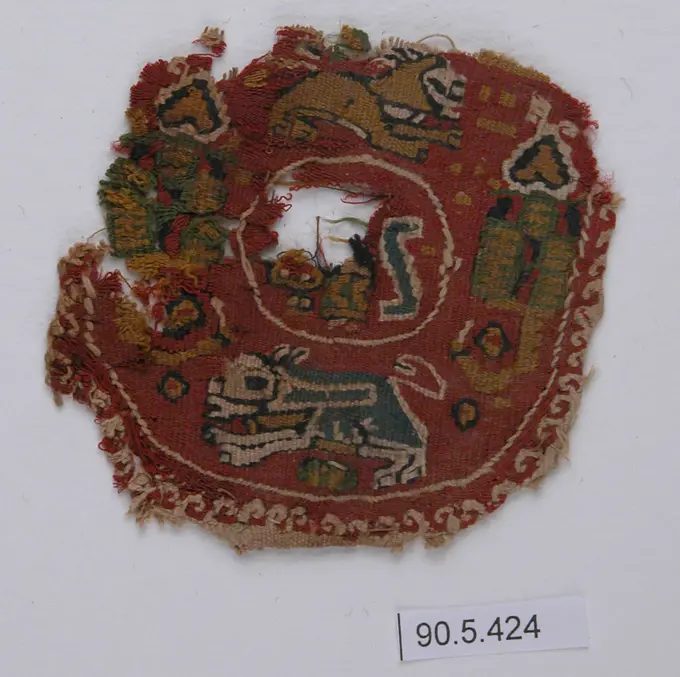
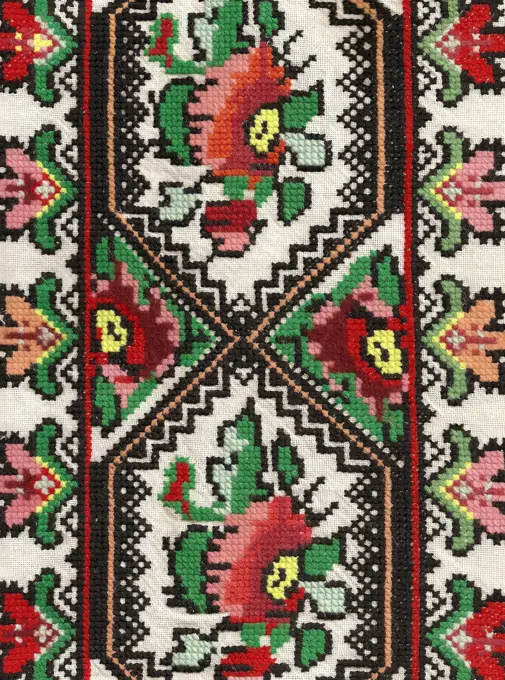
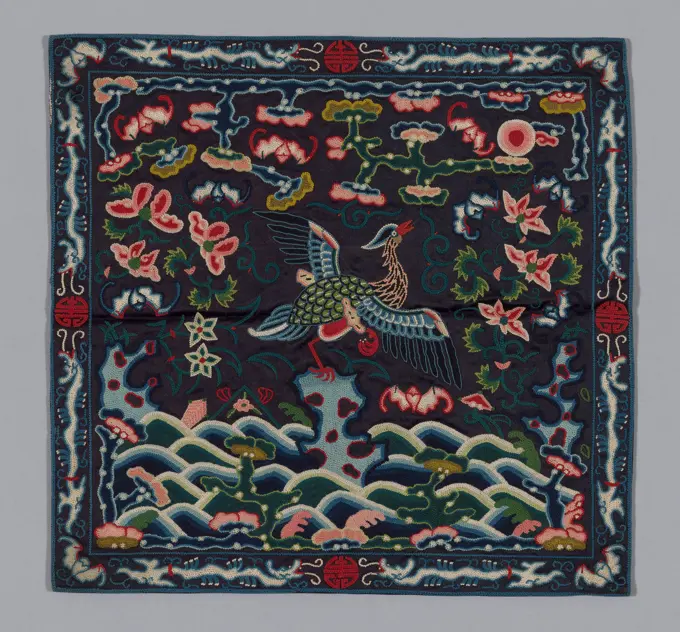
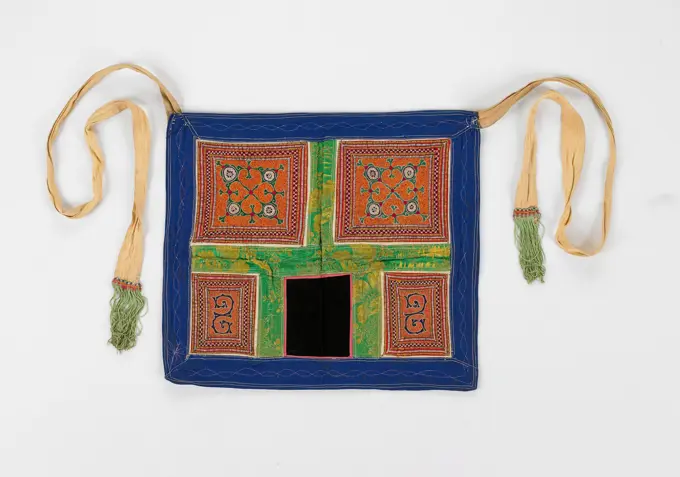
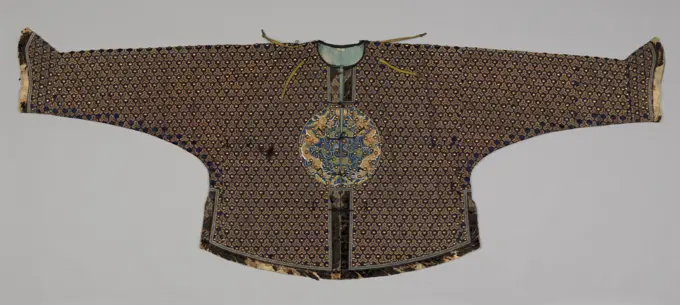
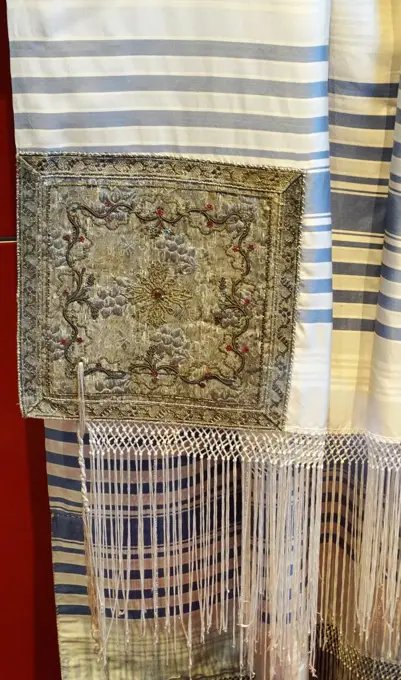
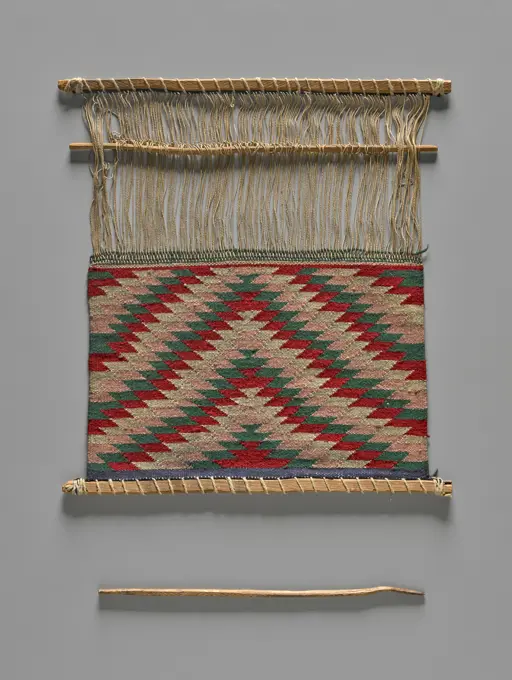
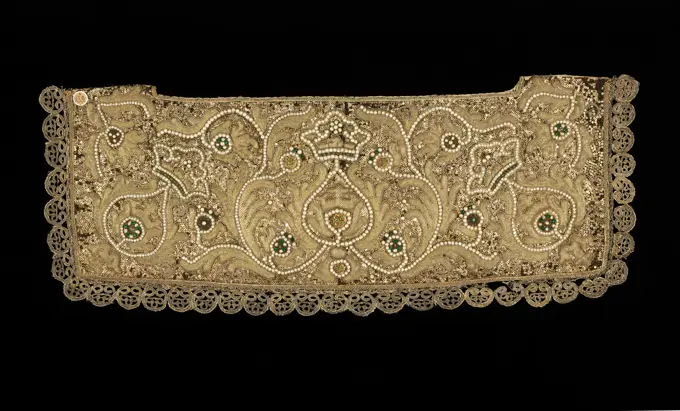
Intricately designed textile fragments from historical periods, highlighting various patterns and textiles from Turkey and China.

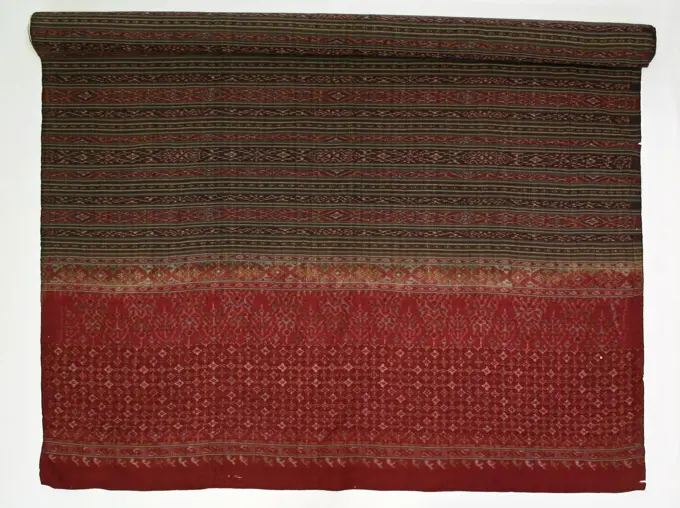
Kamben geringsing (ceremonial cloth), Medium: cotton Technique: tied resist patterning in warp and weft (double ikat) on plain weave Label: cotton with tied resist patterning in warp and weft (double ikat), Cotton textile created in the double ikat or 'geringsing' technique showing a 'kota-mesir' pattern (four-pointed star, notched internal pattern, divides piece into semi-circular segments). Semi-circles depict 'wayang patlikur isi' motif (geometric wayang figure) and other figures. Wide border at end with geometric pattern. Design in tan on black. Fringed., Tenganan, Bali, Indonesia, 19th century, printed, dyed & painted textiles, Kamben geringsing (ceremonial cloth)
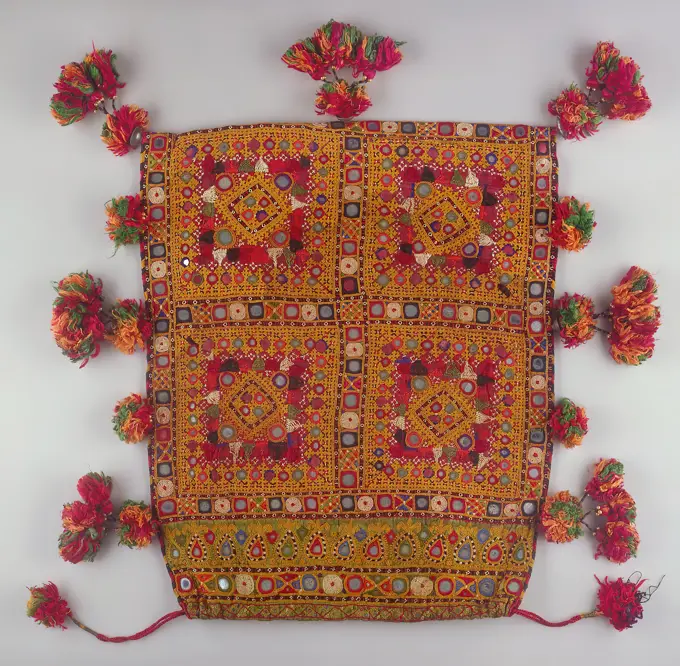
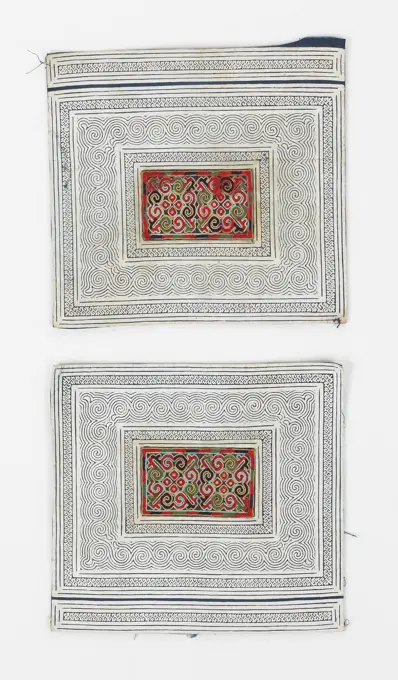
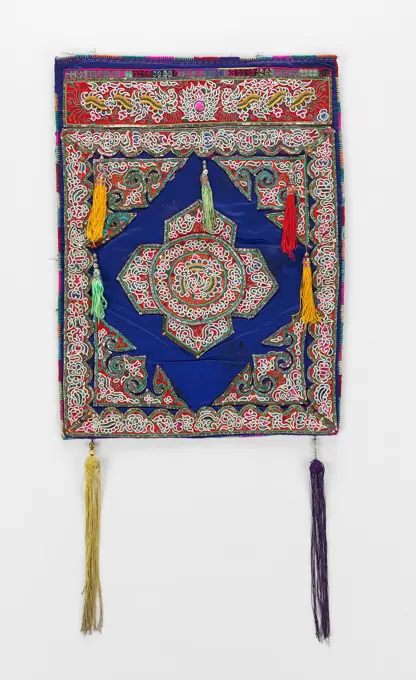
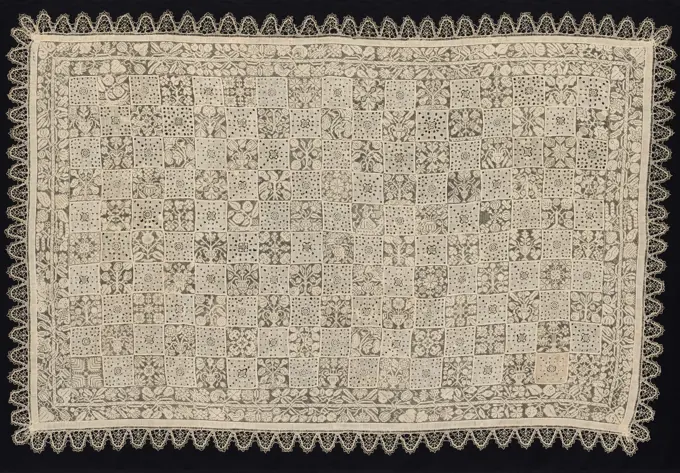
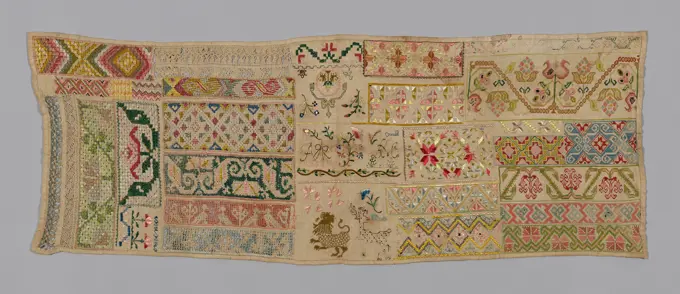
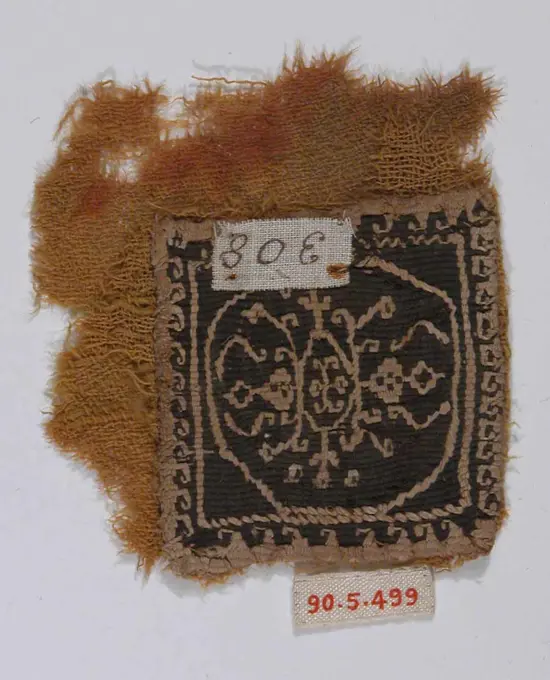
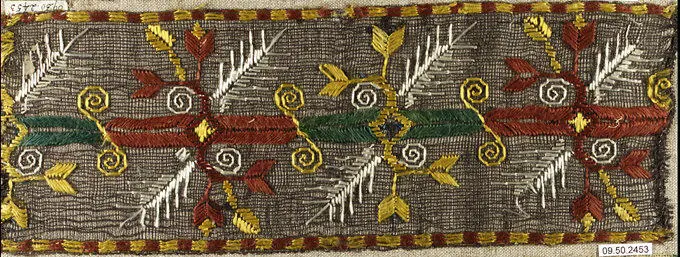
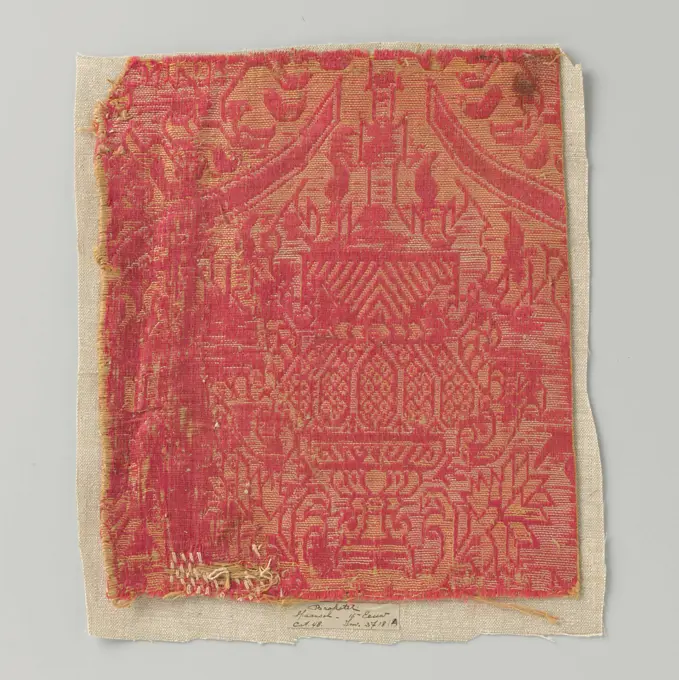
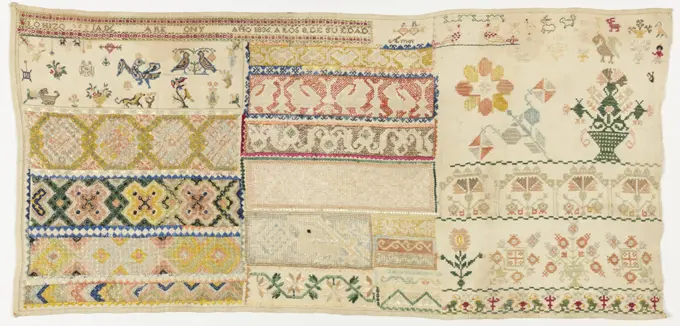
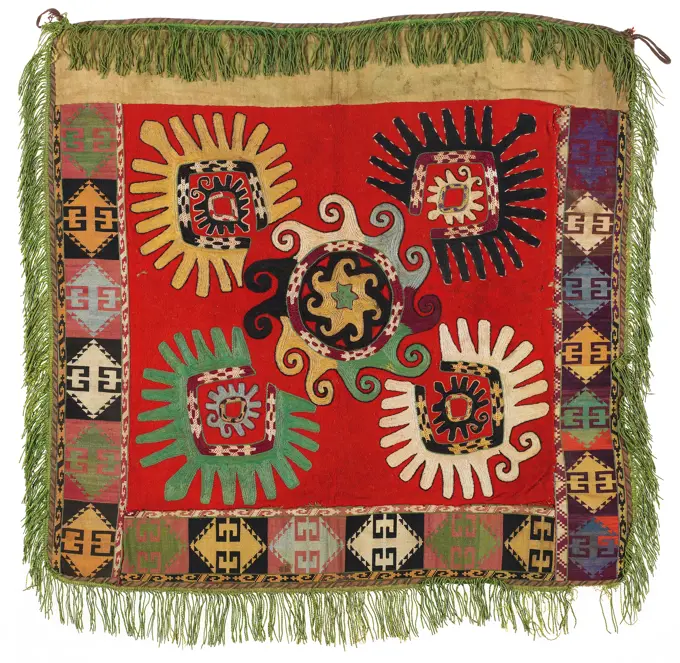
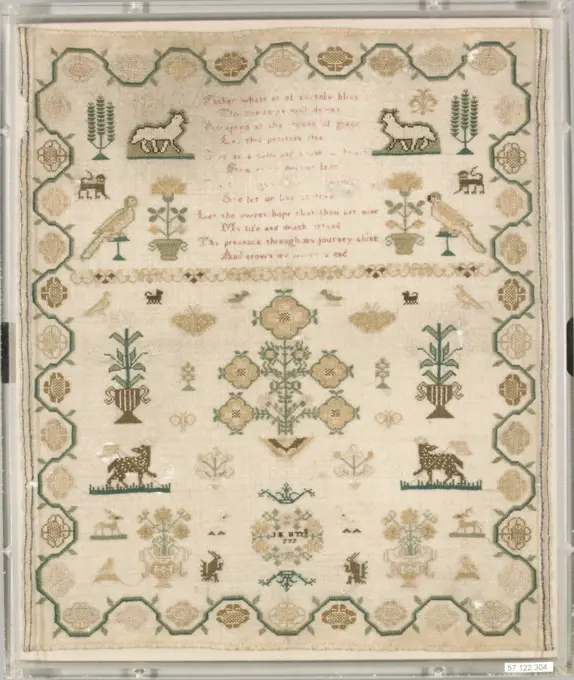
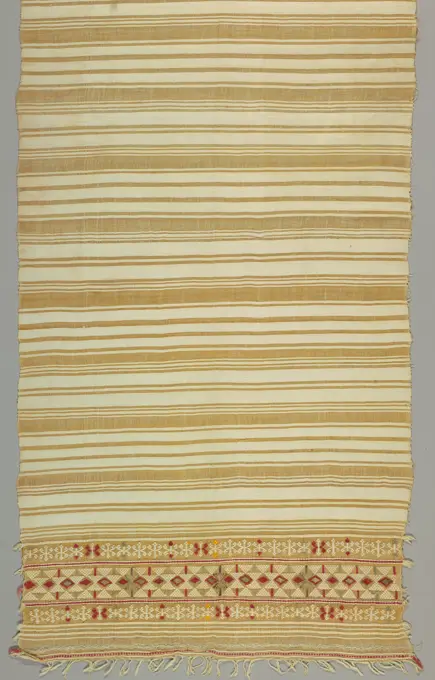
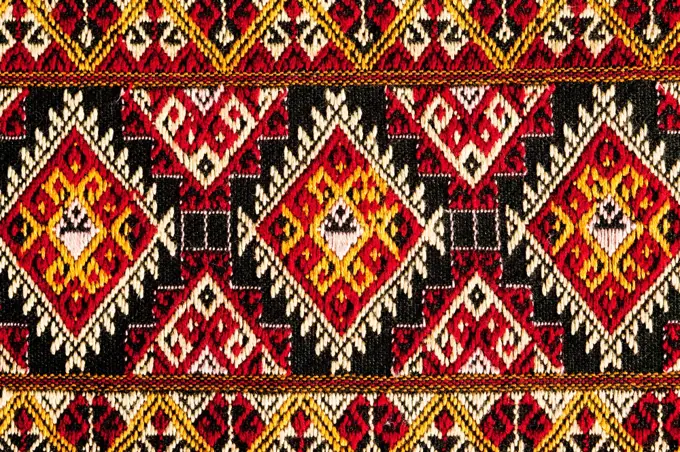
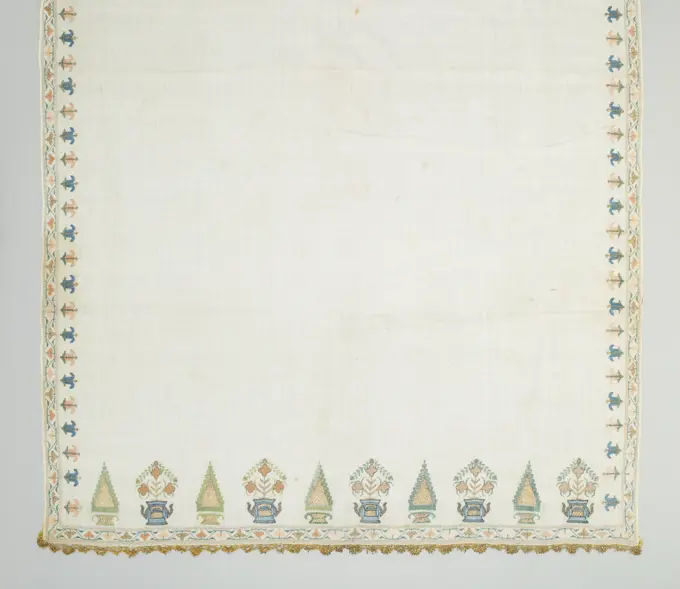
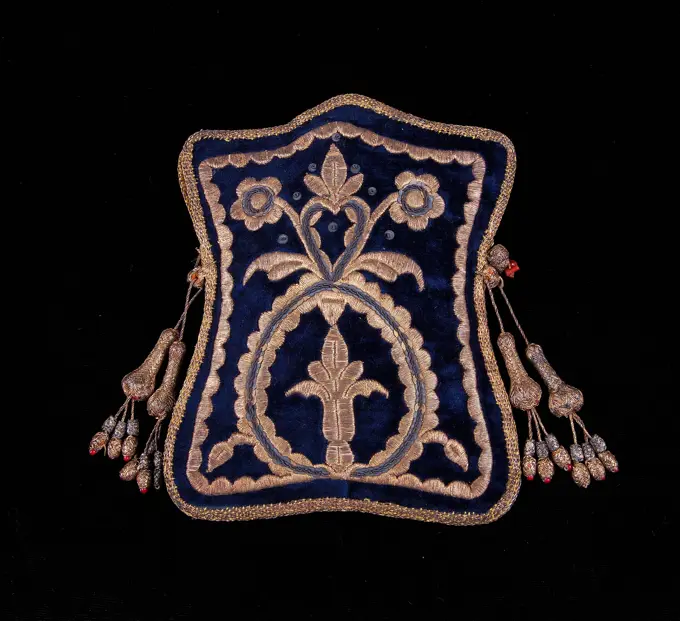
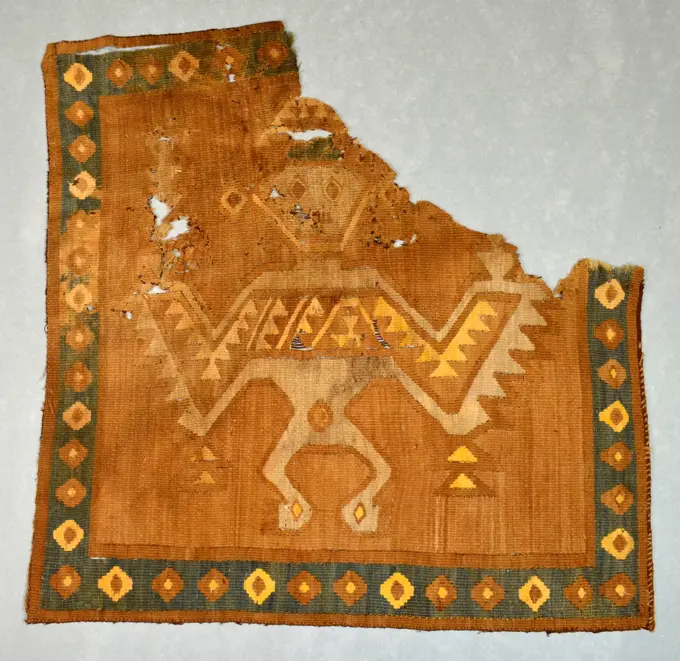
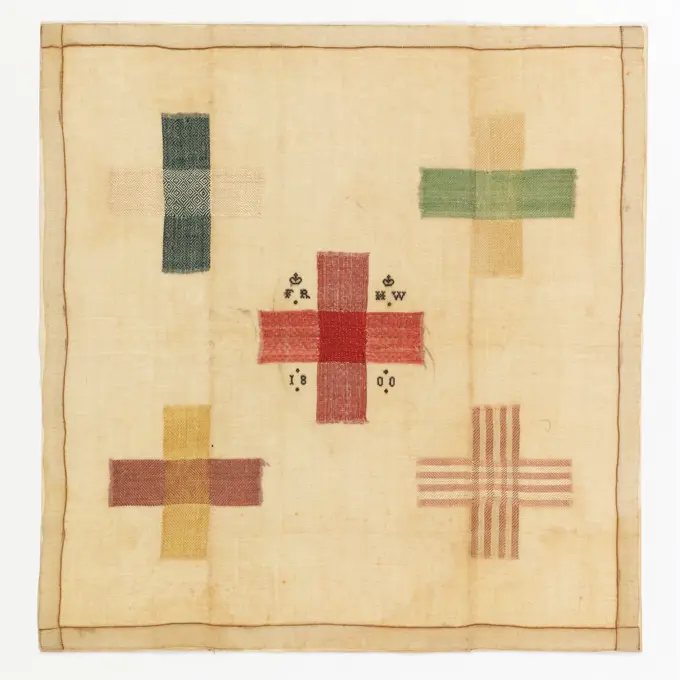
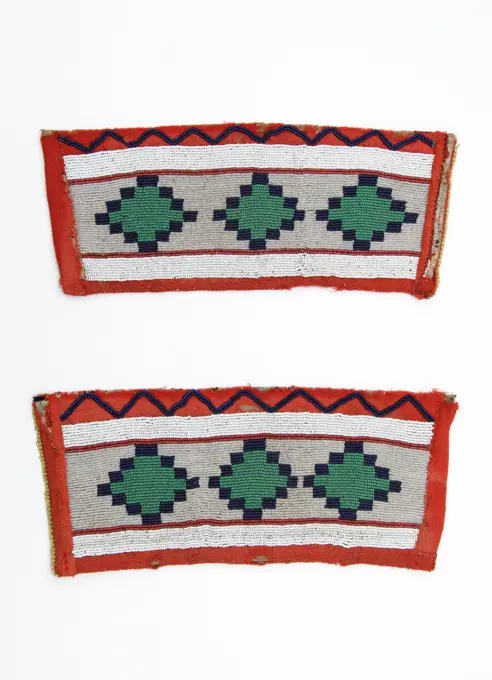
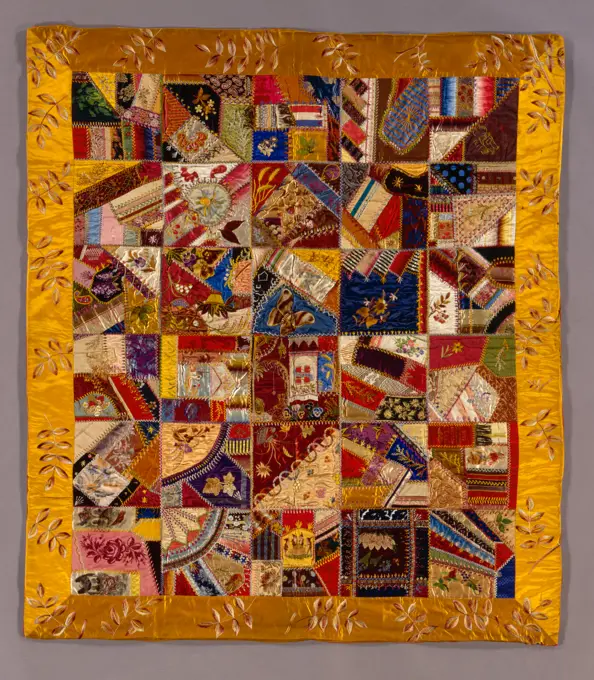
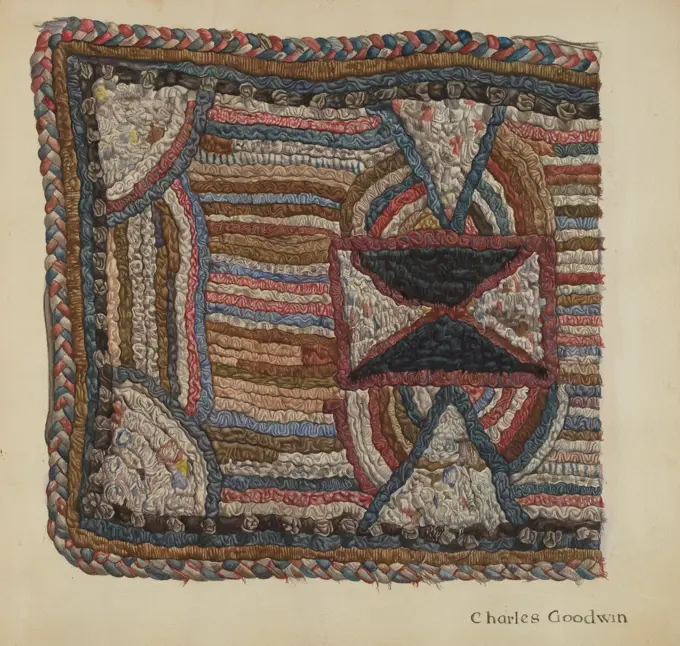
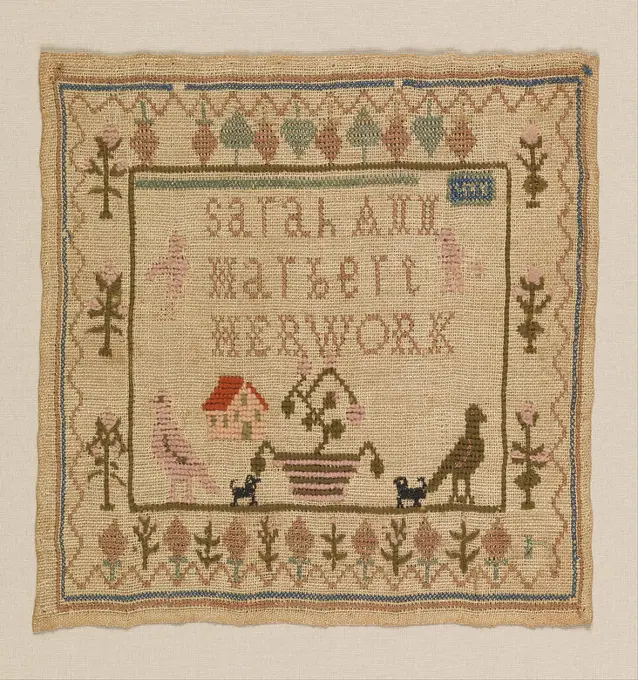
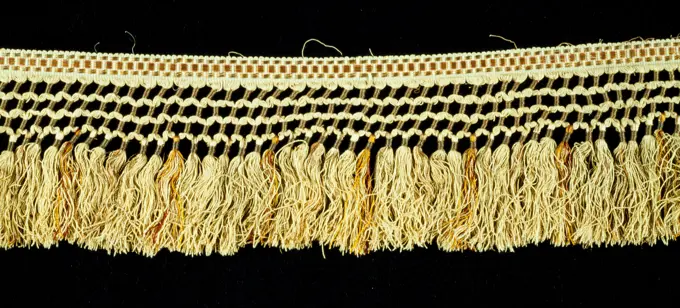
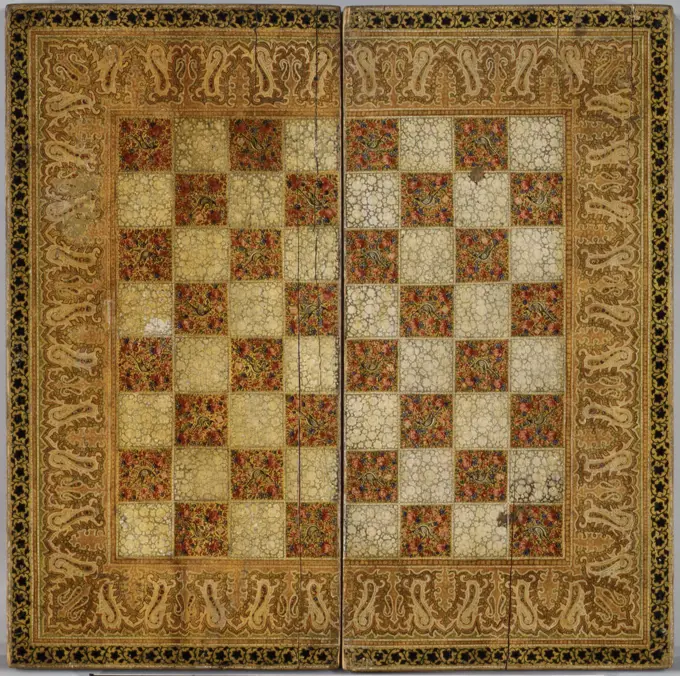
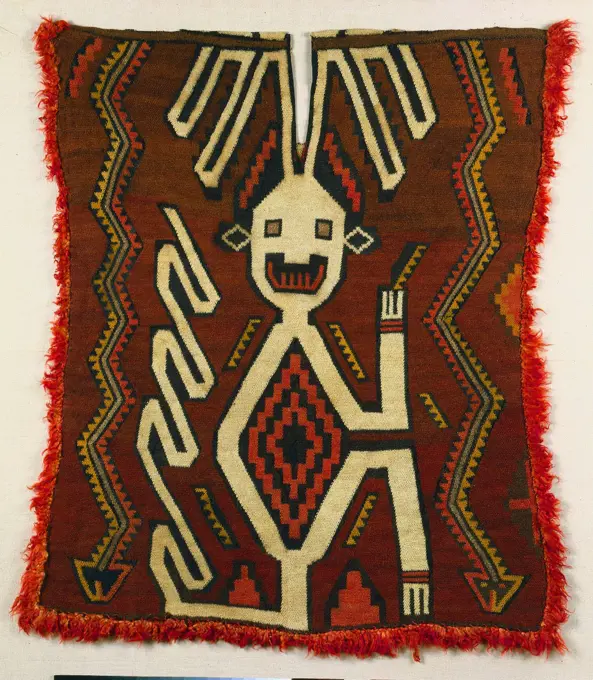
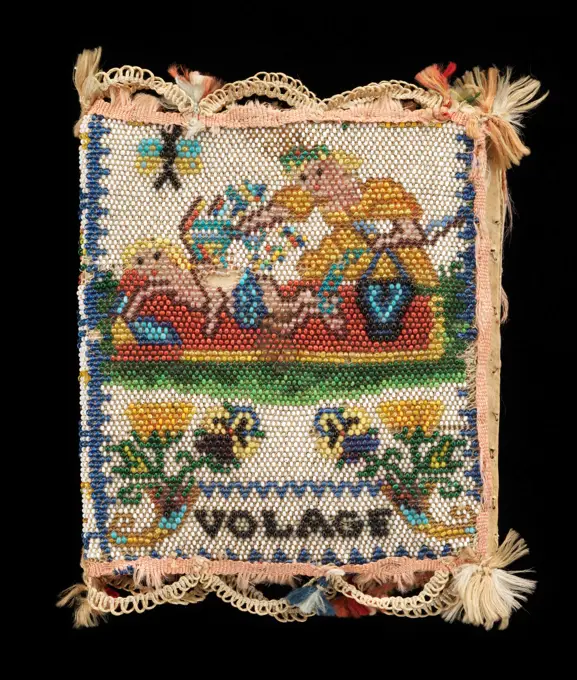
Textile Fragment, undetermined Nasca-Wari. , 200-1000. Cotton, camelid fiber, 3 15/16 × 3 1/8 in. (10 × 7.9 cm).   Arts of the Americas 200-1000Purse fourth quarter 18th century American. Purse 156492Pouch, 19th century, 15 3/4 x 13 3/8 in. (40 x 34 cm), Cotton, mirrors; embroidery, India, 19th centuryPair of Batik and Embroidered Cuffs, 20th century, 9 1/8 x 8 3/4 in. (23.18 x 22.23 cm) (a)9 1/8 x 8 1/2 in. (23.18 x 21.59 cm) (b), Cotton, China, 20th centurySkirt Malaysia (Malayan) late 19th centuryWall Decoration, 20th century, 18 3/4 x 14 in. (47.6 x 35.6 cm), Cotton, silk, sequins, beads, embroidery, China, 20th centuryBorders, Medium: silk embroidery on cotton foundation, Two borders, probably from sleeve or bottom of dress, worked in silks in red, yellow, orange, white, and outlines of black. Design shows a stylized flower head, with heart-shaped leaves at the center and small leaf-shaped corner designs. Repeat about 3 inches wide, separated by a narrow border of completely stylized smaller flower-head. A bottom border of drawn work, made by whipping groups of threads in similar colors to embroidery, about 1/2 inch wide., Greece, 19th century, embroidery & stitching, BordersCloth with One Figure of a Woman Carrying a Cross Surrounded by Floral and Vegetal Patterns, 18th century. Italy, 18th century. Needle lace, filet/lacis (knotted ground and darned in two directions), alternating reticella squares (open cutwork) and bobbin lace edging; bleached linen (est.); overall: 196.7 x 130.6 cm (77 7/16 x 51 7/16 in.). The only figure represented on this large lace cloth is located in the center. The figure is a woman, shown in profile, carrying a cross, standing on top of a creature or within a vessel shaped like a creature.Head Cloth (kain Kepala) (Indonesia); cottonSampler Made 1825-1875 México. Linen, plain weave; embroidered with silk floss in cross, long-armed cross, flame, running, double running, square open-work, and satin stitches; drawnwork embroidered with linen and silk floss in Aztec, buttonhole, chain, coral, darning, hem and interlocking stitches .Textile Sample from Sample Book. Culture: Japan. Dimensions: 3 1/8 in. × 5 in. (7.9 × 12.7 cm). Date: 19th century. Museum: Metropolitan Museum of Art, New York, USA.Kontusz sash/belt. unknown, authorBaby Carrier, 20 3/4 x 17 in. (52.71 x 43.18 cm), Cotton; needlework, ChinaTextile, Medium: cotton Technique: plain weave, Gingham in brown, white, green and red., USA, late 19th century, woven textiles, TextileTextile Fragment 4th century. Textile Fragment 443985Sampler (Netherlands); silk embroidery on linen foundationTextile Fragment, 800-1100. Peru, North Coast, 9th-12th Century. Slit tapestry, cotton warp, camelid-fiber wefts; overall: 17.5 x 18 cm (6 7/8 x 7 1/16 in.).Piece 18th century Japan. Piece 71982Strip 17th century Italian, Abruzzi and Calabria. Strip. Italian, Abruzzi and Calabria. 17th century. Embroidered net, buratto. Textiles-LacesPanel Made 1715-1725 Netherlands. Silk, warp-float faced 4 1 satin weave self-patterned by ground wefts bound in weft-float faced 1 4 twill interlacings by main warp .Fragment red brocatel. Fragment red silk with pattern of stylized vase surrounded by leaf raft.Pouch 1830-60 American. Pouch 168387Sampler, Medium: silk embroidery on linen foundation Technique: embroidered in cross, satin, running, long-armed cross, and back stitches, with withdrawn element work with needle made fillings and aztec stitches on plain weave foundation, Three columns of geometric and pattern bands in many colors, with spot motifs including birds., Mexico, 1836, embroidery & stitching, SamplerAt torba ilgich, late 19th-early 20th century, 27 x 28 in. (68.58 x 71.12 cm), Silk, cotton, wool; cross-stitch, slanted buttonhole stitch, double chain stitch, chain stitch, Uzbekistan, 19th-20th centurySampler 1777 British. Sampler. British. 1777. Silk on wool. Textiles-EmbroideredTextile (Albania); cotton, silkAncient thai woven cloth patternEmbroidered kerchief unknownSample (France)Handbag, 20th century, 8 13/16 x 7 7/8 in. (22.38 x 20 cm) (without tassels or straps), Cotton; embroidery, Vietnam, 20th centuryDrawstring bag 1630 British. Drawstring bag 84220Bag late 18th century Russian. Bag 169906Tapestry Fragment with Figure Chimú 12th-15th century View more. Tapestry Fragment with Figure. Chimú. 12th-15th century. Camelid hair. Peru. Textiles-WovenCard case late 19th century American or European. Card case 84205Kontusz sash. Manufaktura Szczepana Filsjeana (Kobyłka ; wytwórnia pasów ; 1787-1794), manufacturePeruvian weaving for sale in a market in Lima, Peru.Darning Sampler (England); Embroidered by Hannah Walne; linen, silk and paper backingPurse Made 1601-1800 Spain. Needle made lace of straw; lace is backed by a sheet of Mica; under this is a sheet of paper with pieces of brocaded fabrics glued to it; lace is worked in buttonhole over wire and the background filled with double Brussels stitch; ornamented with couched silk cord, metal .Legging strip -Details of Tai Lu Textiles, Thailand, Southeast Asia, AsiaBag Made 1601-1700 England. Silk, weft-float faced satin weave; embroidered in silk threads and gilt strip wound around a silk fiber core in couching and padded couching stitches; looped fringe attached in seams; draw-strings silk, braid, terminating in tassels, interlaced through holes cut along upper edge; lining; silk, plain weave .Textile Fragment 5th-6th century. Textile Fragment 443910Evening shawl 1875-85 possibly French. Evening shawl 168876Indian ornament, Jones, Owen, 1809-1874, Color lithograph, 1856Man's Shawl, 16 1/2 x 25 1/2 in. (41.91 x 64.77 cm), Cotton, ChinaNational style of embroidery.Hand made work. National style of embroidery.Hand made work. Copyright: xZoonar.com/andriixsalivonx 1750484Rug (Third-phase Chief Blanket Style, Germantown Weaving), c. 1890-1910. America, Native North American, Southwest, Navajo, Post-Contact, Early Period. Tapestry weave: cotton and wool (Germantown); overall: 162 x 211 cm (63 3/4 x 83 1/16 in.).Badge Made 1850-1875 China. Embroidered . ManchuSampler, Medium: silk embroidery on linen foundation Technique: embroidered, Biblical scenes, a ship, a church, baskets of flowers, and an alphabet enclosed in a border of strawberries., Germany, 1815, embroidery & stitching, SamplerApron, 13 1/4 x 14 3/4 in. (33.66 x 37.47 cm), Cotton, silk, metallic thread, ChinaSewing sample, France, late 19th century, Sewing sampleConciliate belt; Laboratory of Antoni Pułowski (Kraków; Pasów label; 1793-1800), studio of Daniel Chmielewski (Kraków; Pasów label; 1796-1825); XVIII/19th century (1790-00-00-1810-00-00);Ceremonial Uniform: Jacket, 1644-1911. China, Qing dynasty (1644-1911). Satin weave silk with gold metal thread embroidery; supplementary weft; black velvet; metal (brass); lined in blue silk; overall: 74.9 x 204.5 cm (29 1/2 x 80 1/2 in.).A Jewish prayer shawl made with silk and silver thread brocade corners. Netherlands c1850.Wallet. XIXth. GAL1974.23.10Handloom.   Maker: UnknownBag, Medium: glass beads, cotton thread Technique: beaded knitting, Knitted bag with colored glass beads in design of a band of roses set between leaf borders; at bottom a lattice design; fringed at top., USA, mid-19th century, costume & accessories, BagMartha L Lanscher, Woven Coverlet, 1935 1942 Woven CoverletLegging strip -Sampler (England); silk embroidery on woolSampler, Medium: silk embroidery on wool Technique: cross, satin, stem and knotting stitches on plain weave foundation, Several verses including one for Whitsunday, for Christmas, for Easter, a landscape with a shepherd and shepherdess and scattered ornament, England, 1804, embroidery & stitching, SamplerCeremonial loincloth, leather embroidered with pearls, National-Culture-Museum, Pretoria, South AficaVestment 1675-1725 Russian This object is from the collection of Natalia de Shabelsky (1841-1905), a Russian noblewoman compelled to preserve what she perceived as the vanishing folk art traditions of her native country. Traveling extensively throughout Great Russia, she collected many fine examples of textile art of the wealthy peasant class. From the 1870s until moving to France in 1902, Shabelsky amassed a large collection of intricately embroidered hand-woven household textiles and opulent festival garments with rich decoration and elaborate motifs. The Brooklyn Museum holdings include many fine examples including the majority of the garments. Portions of Shabelsky's collection are also housed at the Museum of Fine Arts, Boston, the Cleveland Art Museum, and the Russian Museum of Ethnography in St. Petersburg.The use of gold and pearls indicate that this panel was quite costly. Though it dates from the late-17th to early 18th century, the lace is likely a later edition, probably thNavajo rugs, Hubbell Trading Post National Historic Site, Arizona, UsaWaist Wrapper(Sarung)Pouch fourth quarter 19th century American. Pouch 168399Fragment of percale for aprons  bears playing unknownSash second quarter 19th century European. Sash 121940Orphrey band, Medium: silk, metal wrapped linen Technique:combination of two structures; 471 satin plus 2/2 twill plus 3/1 twill, Sunburst with the monogram 'IHS' on a checkerboard background with cherubs. Partial selvage on right., Italy, 16th century, woven textiles, Orphrey bandMan's Tunic. Peru, South Coast, Nasca, 200-600. Costumes; principal attire (entire body). Camelid fiber, discontinuous warp and weftCrazy QuiltCIIp of needlework sampler unknownCharles Goodwin, Shaker Shirred Rug, 1935 1942 Shaker Shirred RugSampler. Date/Period: Ca. 1860. Sampler. Medium: wool embroidery on linen foundation. Technique: embroidered in counted cross and long-armed cross stitches on plain weave foundation. Author: Sarah Ann Marbert.Trim, fringe, 18th-19th century, 5 1/4 x 24 in. (13.34 x 60.96 cm), Passementerie, 18th-19th centuryChess and backgammon board ca. 1830 Indian. Chess and backgammon board. Indian. ca. 1830. Wood. Chess SetsTunic, 400-200 BC. Peru, South Coast, Ica Valley, Ocucaje site, Paracas people. Looped camelid fiber; average: 94 x 82.6 cm (37 x 32 1/2 in.).Beaded Bag (landscape scene), 19th century. America, 19th century. Metal beads; overall: 21 x 15 cm (8 1/4 x 5 7/8 in.).Paul Kelly, Textile Samples, c 1939 Textile SamplesPall, embroidered, red  Paschal Lamb unknownAccessory 1790-1810 French. Accessory 156859