Antique Textile Fragments

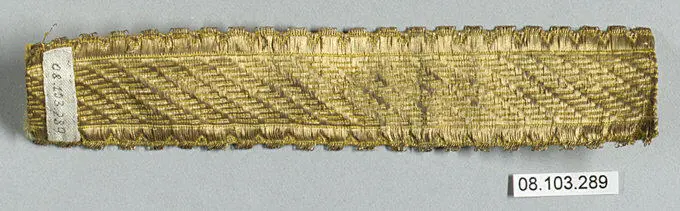
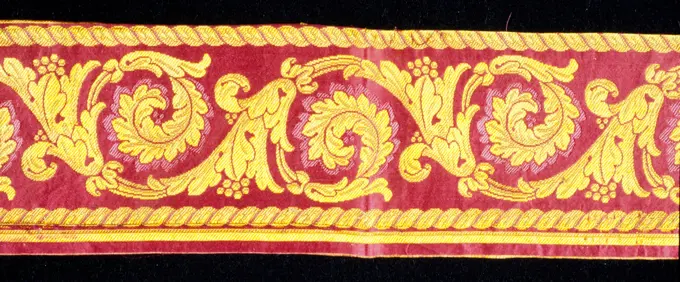
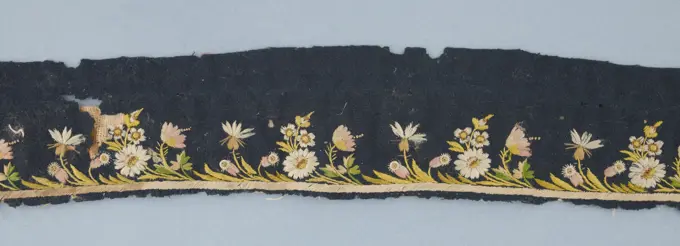
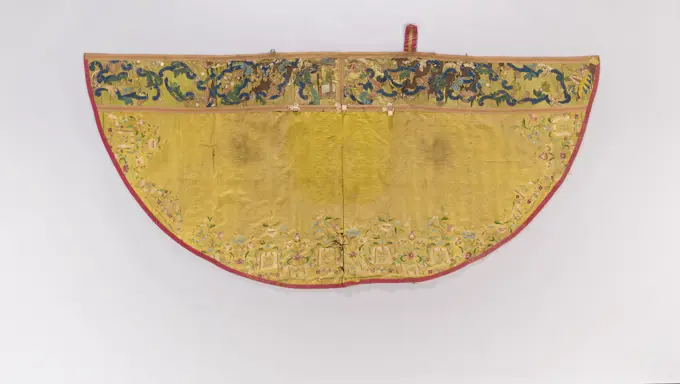
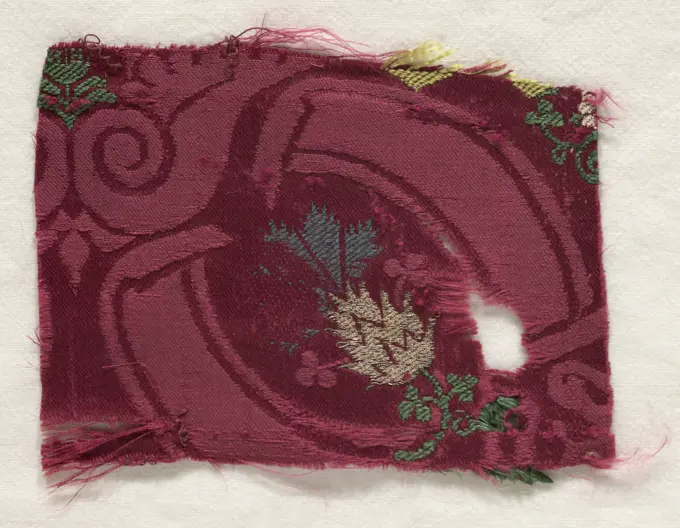
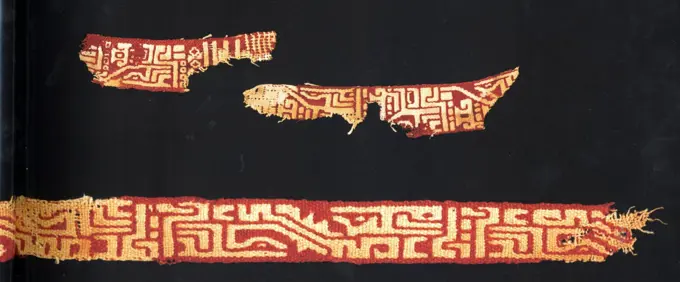
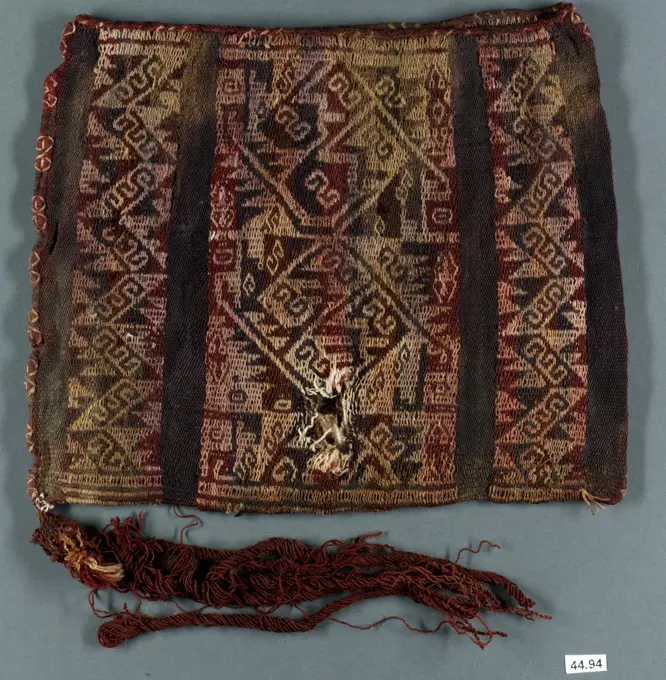
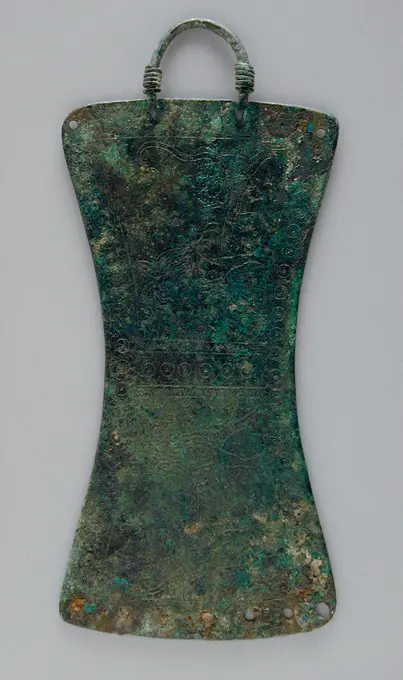
Historical textile fragments showcasing intricate embroidery and weaving techniques, highlighting patterns of flowers and geometric shapes.
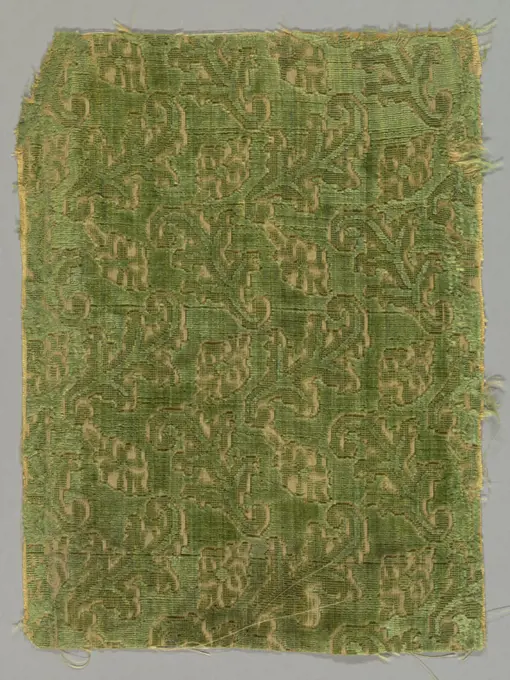
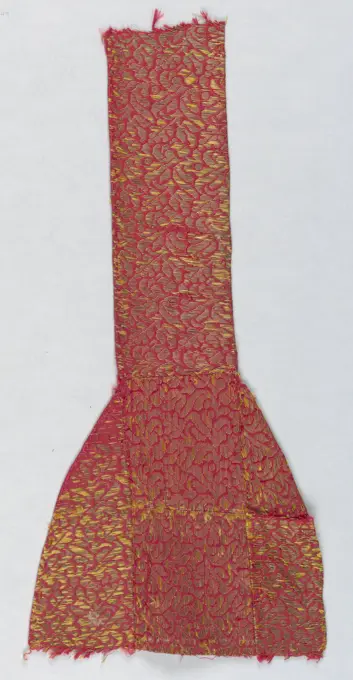
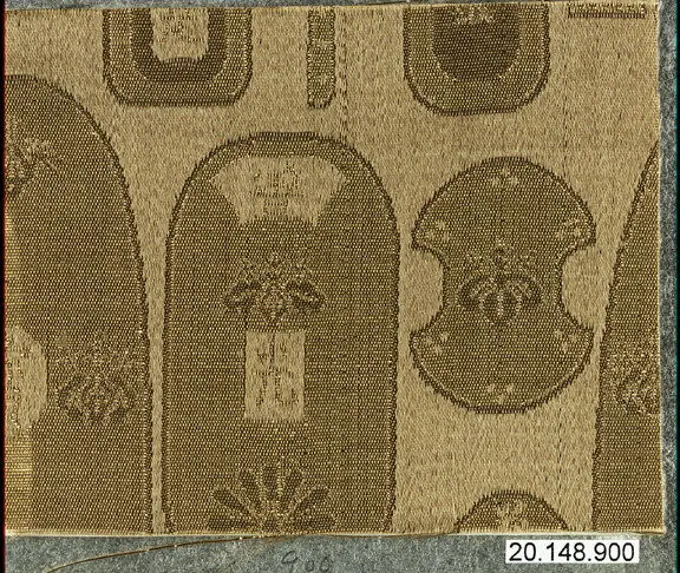
Fragments, Medium: silk Technique: cut and uncut supplementary warp pile (velvet) in a plain weave foundation, Green cut and uncut velvet in a diagonal arrangement of stylized leaves., Italy, 16th-17th century, woven textiles, Fragments
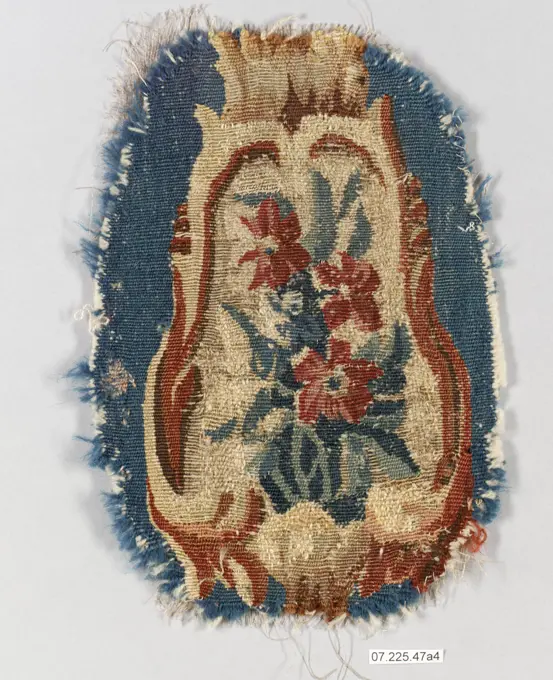
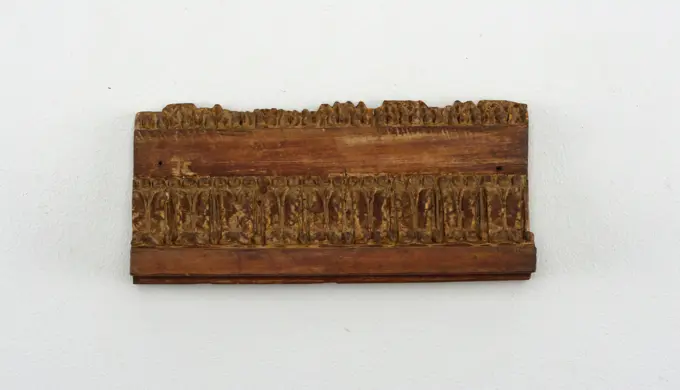
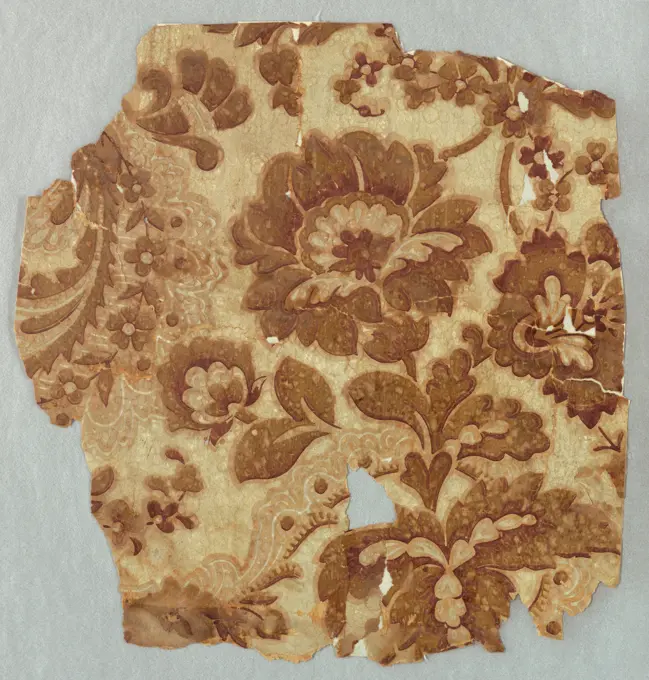
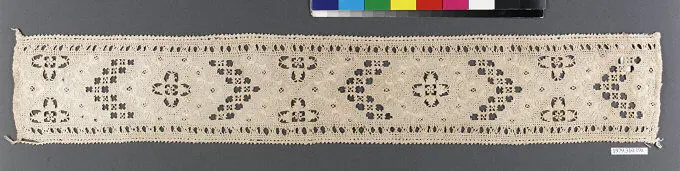
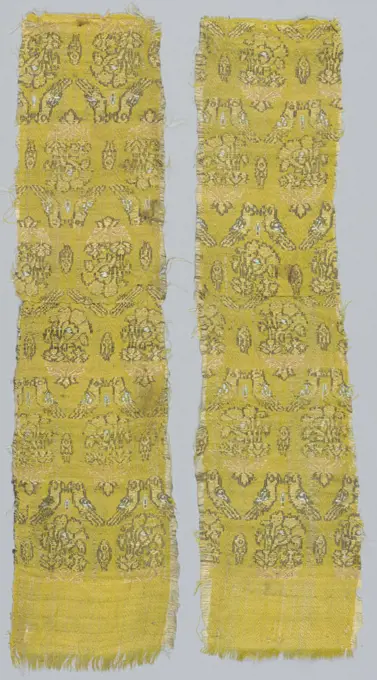
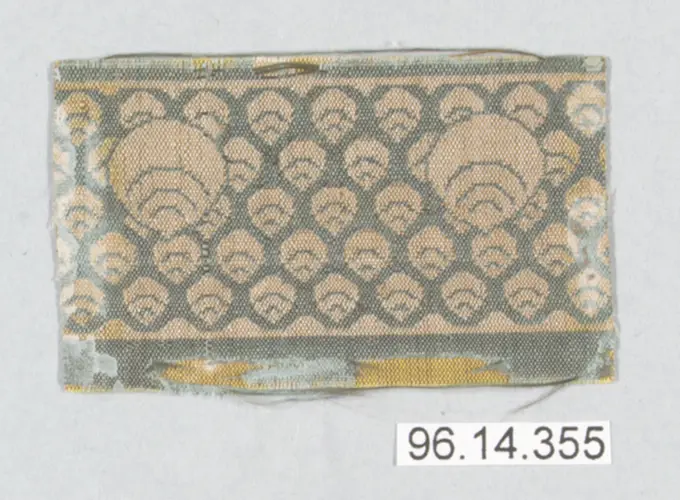
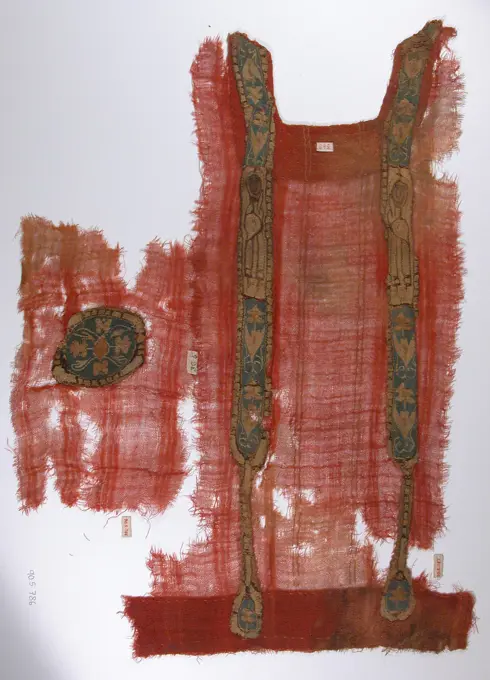
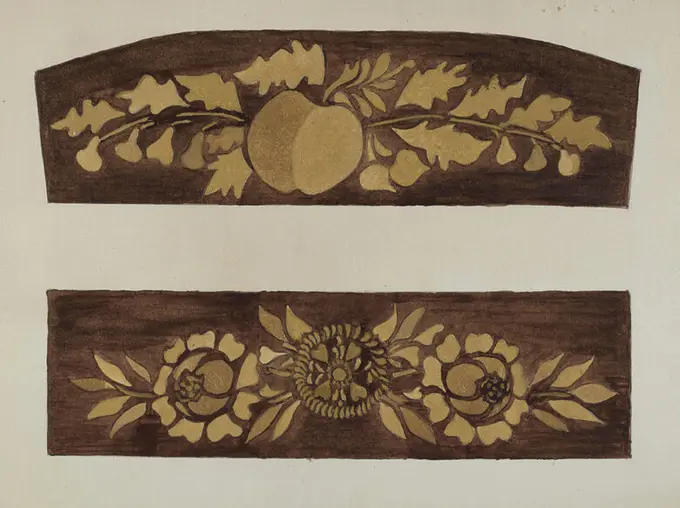
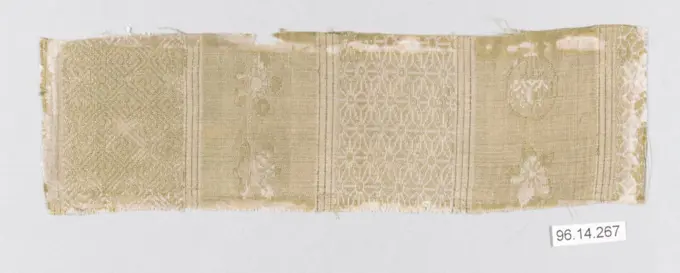
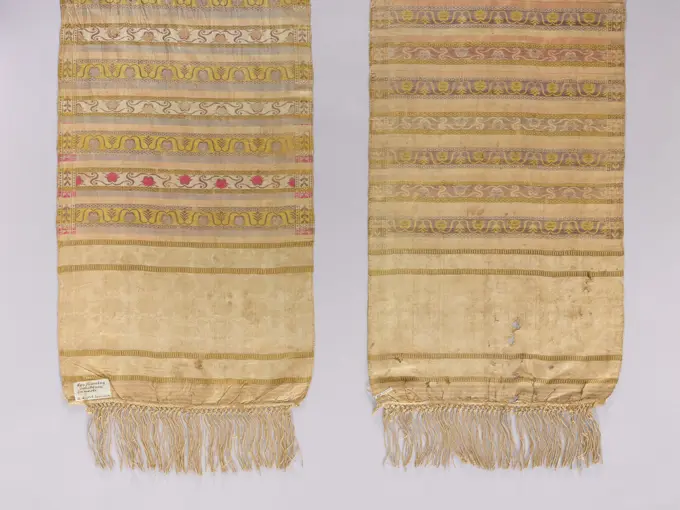
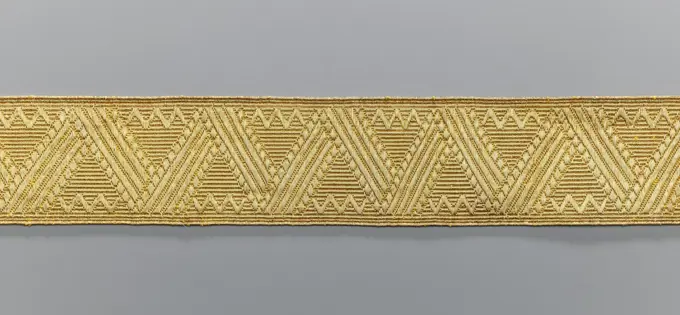
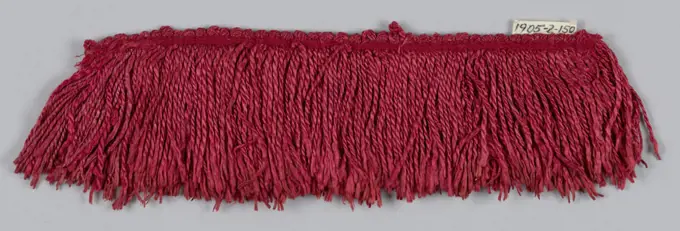
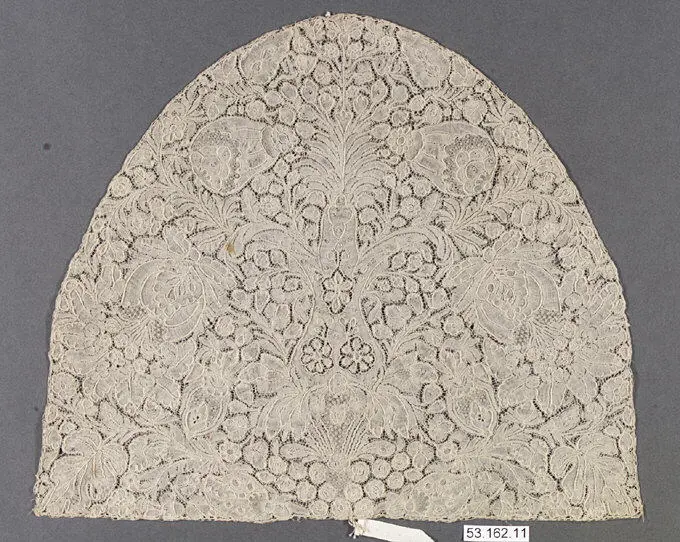
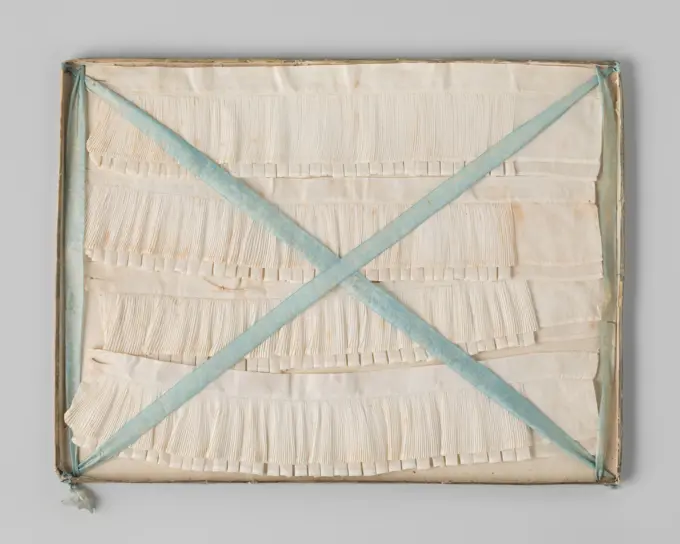
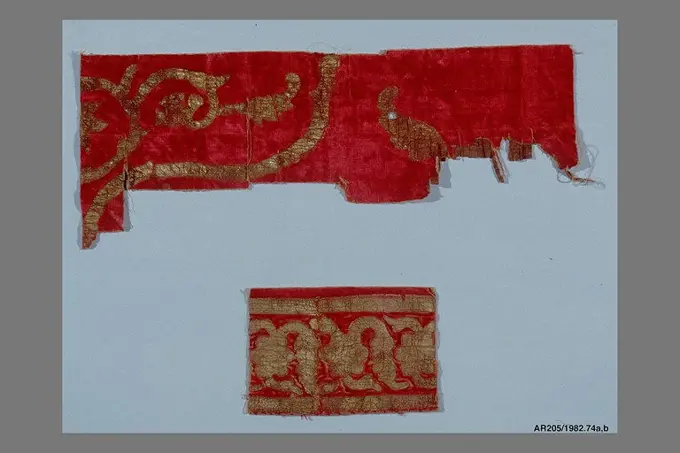
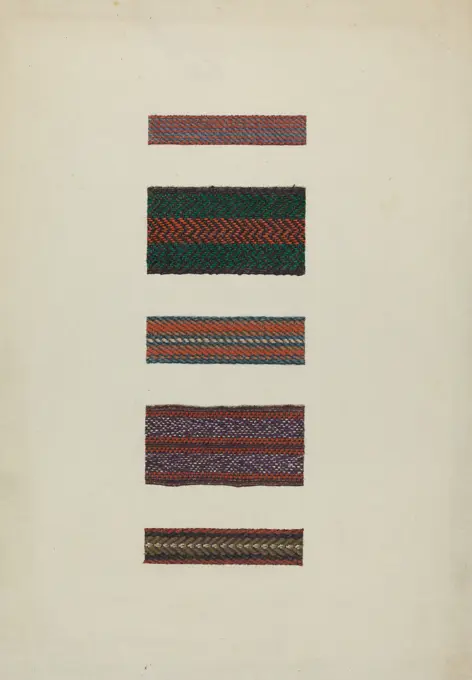
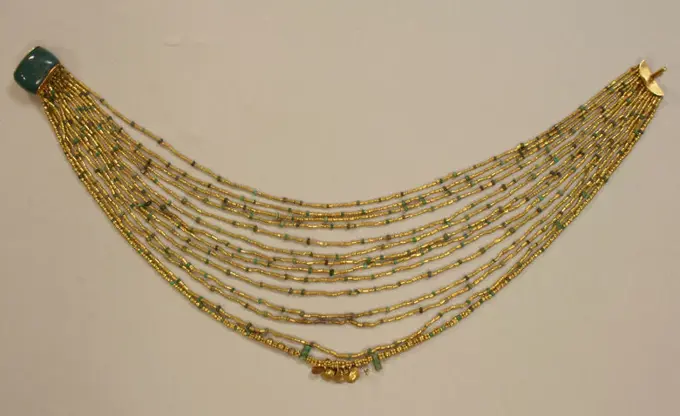
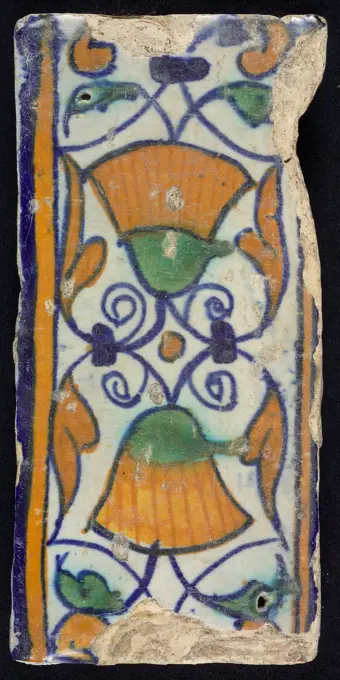
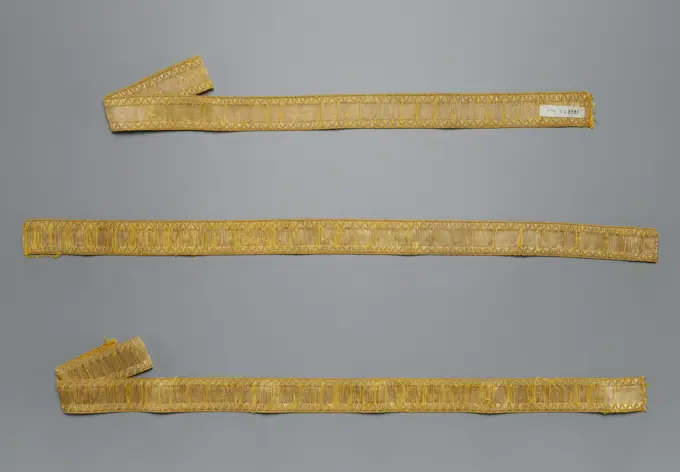
Arthur G Merkley, Tyler Coverlet, c 1941 Tyler CoverletGalloon 17th-18th century Italian. Galloon 213786Trim, border, 18th-19th century, 5 1/2 x 18 3/4 in. (13.97 x 47.63 cm), Silk; passementerie, 18th-19th centuryEmbroidered collar from a habit unknownPiece 18th century China. Piece 71536Mitts. Culture: European. Date: late 17th century.Knitted in the round with no seams, this mitt is among a finite number of extant 17th century silk and metallic knit objects. Fine workmanship was required to incorporate the rigid metallic yarns into the silk stockinette without distorting the pattern. The brocade lining at top of this piece adds both beauty and stability to the knitted extension. Museum: Metropolitan Museum of Art, New York, USA.Fragment; linenPurse, Medium: linen Technique: plain weave with embroidery and deflected element, Small pouch with an embroidered flap showing a design of diagonal grape vines., New York, New York, USA, ca. 1910, embroidery & stitching, PurseKościelna Kapa;  2nd half 18th century (1751-00-00-1800-00-00);Stola with embroidery, c. 1800 - c. 1900   brocade (textile). textile materials embroidering   brocade (textile). textile materials embroideringFragment, 1800s. India, 19th century. Brocade; overall: 6.4 x 19.1 cm (2 1/2 x 7 1/2 in.).Rocaille cartouche with flowers ca. 1735-50 Probably manufactured in the Beauvais. Rocaille cartouche with flowers 230685Molding; wood, carvedSidewall (USA); machine-printed; 20.5 x 20 cm (8 1/16 x 7 7/8 in.)Bands 15th-16th century Italian The Metropolitan Museum's great lace collection was started when the Museum became the first among American museums to organize a permanent collection of lace with the acceptance of the McCallum Collection in 1879 and the bequests of Mrs. John Jacob Astor, Mrs. Robert L. Stuart, Mrs. Augustus Cleveland, and Mrs. A. W. Winters shortly thereafter. In 1893 a loan collection of antique laces shown at the World's Columbian Exposition in Chicago was assembled by a committee of New York women headed by Catharine Augusta Newbold. About 1900 Miss Newbold arranged and labeled an exhibition of laces and linenworks lent to the Metropolitan Museum by Mrs. James Boorman Johnstone and the Misses Johnstone. "Her scholarly knowledge of lace technique enabled the Museum for the first time to offer a comprehensive display of lace illustrating its historical development," wrote Miss Frances Morris, then curator of the textile department. Miss Newbold's name occurs again in Bandbox Lid Fragment (USA); block-printed paper on pasteboard support; 24.5 x 7 cm (9 5/8 x 2 3/4 in.)Socks early 19th century Italian. Socks 121209Piece 18th century Japan. Piece 71996Fragment, Medium: silk Technique: 4&1 satin with supplementary weft floats, Confronted parrots, fis and palmettes in yellow., Iran, 17th-18th century, woven textiles, FragmentTextile 19th century Japan. Textile 68076Piece 18th-19th century Japan. Piece 66080Fragment with Botanical Decoration Coptic. Fragment with Botanical Decoration, 5th-7th century C.E. Wool, linen, 64.114.269a: 2 5/8 × 11 in. (6.6 × 28 cm).   Egyptian, Classical, Ancient Near Eastern Art 5th-7th century C.E.Textile Sample from Sample Book 19th century Japan. Textile Sample from Sample Book 68242Fragment of a sleeve, anonymous, c. 400 - c. 599 Natural wool fragment of a sleeve with two horizontal woven tires in blue, with lyre shapes with a leaf interspersed with rosettes. Toothed edges along both sides of the tires. With two self -sides and a finishing board at the bottom. Linke and right was originally a rip wire. Perhaps sleeve from a tunic0. Egypt Necklace and impact: Wool tapestry Natural wool fragment of a sleeve with two horizontal woven tires in blue, with lyre shapes with a leaf interspersed with rosettes. Toothed edges along both sides of the tires. With two self -sides and a finishing board at the bottom. Linke and right was originally a rip wire. Perhaps sleeve from a tunic0. Egypt Necklace and impact: Wool tapestryFragment of fabric with a decorative belt and tabul; Egyptian workshop; IV-V century (301-00-00-500-00-00);Paper fan box with loose lid, covered on the outside with multicolored printed paper, c. 1675 - c. 1699 Paper fan box, covered on the outside with multicolored printed paper. Loose lid. France (possibly) whole: Paper painting / printing Paper fan box, covered on the outside with multicolored printed paper. Loose lid. France (possibly) whole: Paper painting / printingFragment 18th century possibly Italian. Fragment 230405Sampler 19th century German. Sampler 228659Piece 18th-19th century Japan. Piece. Japan. 18th-19th century. Silk. Edo (1615-1868) or Meiji period (1868-1912). Textiles-WovenStrip Norwegian 20th centuryTextile, Medium: cotton, wool Technique: discontinuous supplementary weft in plain weave foundation; plain weave patterned by brocaded supplementary weft floats. Note: this fabric has four selveges, A square fabric with a pattern which can be divided into four equal parts. Each part has an architectural-like geometric motif in orange, yellow-green, and blue. The background (foundation fabric) is brown cotton., Peru, 1200-1500, woven textiles, TextileGalloon early 19th century French. Galloon 213952Wrapping Cloth, Fragment or Mantle, Fragment Nasca. Wrapping Cloth, Fragment or Mantle, Fragment, 200-1000 C.E. Camelid fiber, cotton, 22 3/4 × 32 1/2 in. (57.8 × 82.6 cm).   Arts of the Americas 200-1000 C.E.Tunic Fragment with Applied Bands 6th-9th century The red gossamer fabric of this lightweight tunic fragment is accented with stitching and undyed linen self-bands (ornamental bands of multiple, undyed weft threads). The decorative clavi in gold, brown, and blue tones were woven separately and applied to the garment. Each combines the figure of a female, possibly a saint, with panels of gold palmettes on a blue ground; a gold pendant decorated with a leaf dangles from each. Textual and visual sources attest to the existence of tunics of different weights, which could be layered, but those of light, open weave such as this example are less often preserved.. Tunic Fragment with Applied Bands 444266Manipel of yellow sides of embroidery, anonymous, c. 1800 - c. 1849 Manipel of yellow sides atine with embroidery in silk and in high-relief with gold and silver wire with a representation of Greek cross. Manipel is part of a couple (BK-2008-176-A to E). Netherlands silk. silver thread. Manipel of yellow sides atine with embroidery in silk and in high-relief with gold and silver wire with a representation of Greek cross. Manipel is part of a couple (BK-2008-176-A to E). Netherlands silk. silver thread.Piece 17th century Japan. Piece 71087Embroidered Interior Textile, anonymous, c. 1750 - c. 1760  France (possibly) silk. braid embroidering  France (possibly) silk. braid embroideringHitchcock Chair. Dated: c. 1940. Dimensions: overall: 22.9 x 30.5 cm (9 x 12 in.) Original IAD Object: as on rendering. Medium: watercolor, colored pencil and graphite on paper. Museum: National Gallery of Art, Washington DC. Author: Genevieve Sherlock.Kesa with yellow silk lining and ivoryringPiece 18th-19th century Japan. Piece 65992Kontusz sash/belt. unknown, authorFragment (Japan)Embroidered Handkerchief, second half of 19th century. Switzerland, second half of 19th century. Embroidery: linen; average: 47 x 47 cm (18 1/2 x 18 1/2 in.).Chintz fragments, Medium: cotton Technique: mordants for red and purple applied over resist; madder dyed; blue applied by immersion over resist, (chintz) on plain weave, Fragment of a larger design. Fragment includes part of a stripe, part of a floral arrangement, and what might be the tail of a bird., India, late 18th century, printed, dyed & painted textiles, Chintz fragmentsPiece 18th century China. Piece 71546Gallon;  beginning of the 19th century (1801-00-00-1810-00-00);Textile Fragment 4th-5th century. Textile Fragment 443644Piece 18th century China. Piece 71539Tissue fragment with clavus. Coarse natural linen tissue fragment consisting of two pieces sewn together, on which a multicolor (yellow, red, dark blue, light blue, black) clavus is sewn. In the middle of the clavus is a stylized floral owl and fanning battle drinks. Here around three edges with geometric motifs. In the underground tissue in three places stripes by thickened weft threads and links next to the clavus two flushes loops and a few raised wires.Tkanina koptyjska. warsztat egipski, workshopFragment (Italy); silk; Warp x Weft: 22 x 18.5 cm (8 11/16 x 7 5/16 in.); 1976-36-1Fringe; silver foil on a silk coreFragment, Medium: Technique: discontinuous interlocked warps with continuous weft, Large zigzag design consisting of four rows in shades of tan, dark blue, on red background., Peru, 1420-1532, woven textiles, FragmentBorders (France); cotton; Warp x Weft (a): 480 x 7 cm (15 ft. 9 in. x 2 3/4 in.) Warp x Weft (b): 308 x 6.5 cm (10 ft. 1 1/4 in. x 2 9/16 in.); Bequest of Elinor Merrell; 1995-50-295-a,bBorder (Fragment) Made 1850-1900 Belgium. Cotton, machine-made twist net; embroidered in back, buttonhole, chain (tambour work), cross, darning, and overcast stitches .Fragment of Silk Textile, 18th century. Spain, 18th century. Plain cloth, brocaded; silk; average: 66.7 x 57.8 cm (26 1/4 x 22 3/4 in.).Fringe (Greece); silkFringe, Medium: silk Technique: woven, Red fringe with a woven heading and picots on the top edge and red skirt threads., Italy, 16th century, trimmings, FringeKontusz sash/belt. Królewska manufaktura jedwabna w Grodnie (Grodno; wytwórnia tkanin jedwabnych i pasów; 1768-1780), manufactureNeedlecase 1805-10 French. Needlecase 222179Shirt collar, 20th century, 15 1/2 x 4 3/4 in. (39.37 x 12.07 cm), Cotton; needlework, Vietnam, 20th centuryFragment. Dimensions: H. 11 in. (27.9 cm)W. 7 in. (17.8 cm). Date: 5th-6th century. Museum: Metropolitan Museum of Art, New York, USA.Leather; leather, embossedCassone Front late 14th centuy Italian. Cassone Front. Italian. late 14th centuy. Wood, gilt stucco. Woodwork-FurnitureFragment (Egypt); warp; s-spun linen. wefts; s-spun linen, s-spun woolFringe European 19th centuryModel or a topsail. Model of a marc sail on a ra. The sail has fourteen sailing covers up and twenty downstairs, cross tires, three results, two pop stuff, boelijn sprouts and chop horns, reinforced with leather. The steering board Schoothoorn consists of an eye with a stocking, which consists of ports of a brass ring that connects the ends of the corpses, which are each of an eye with stocking. The revenues consist of rifles instead of reefseizing: the rifles are on the rifles running ropes that are stitched at the reef holes; Through this rope, the resources are achieved, which are attached to the RA on a metal rod.Fragments from a Belt orTie.  Artist: UnknownSkirt (Democratic Republic of the Congo); raffiaTextile Fragment 5th century. Textile Fragment 443905Fragment of a Tunic 4th century. Fragment of a Tunic 443718Cap crown early 18th century Flemish, Brussels. Cap crown 227661Four jabots, anonymous, c. 1800 - c. 1810 Jabot of linen consisting of a double smooth edge with two strips of which are sewn, the upper of which is very finely pleated and the bottom in wider flat pleats are folded and ironed. A founded buttonhole in the smooth edge. Netherlands Board: Linen (Material). Strip: Linen (Material) Jabot of linen consisting of a double smooth edge with two strips of which are sewn, the upper of which is very finely pleated and the bottom in wider flat pleats are folded and ironed. A founded buttonhole in the smooth edge. Netherlands Board: Linen (Material). Strip: Linen (Material)Border 15th-16th century Italian, Sicily. Border 212806Trimming, White, black, and colored silk in uncut velvet weave., Two crowned shields; one shows seven bees under three crosses, and the other show a sun-face within a border with stars () in blue, pink, yellow, and black on white., Spain, 18th century, trimmings, TrimmingFragment, Medium: silk, metallic Technique: woven, Rows of pattern on red background., 17th century, woven textiles, FragmentChintz Fragments (India); cottonFragments ca. 1635. Fragments 453161Ingrid Selmer Larsen, Shaker Rug Bindings, 1935 1942 Shaker Rug BindingsFragment, Medium: silk, metallic Technique: plain weave with supplementary weft, Red ground with design on gold of an open flower and leaf., France, 17th century, woven textiles, FragmentBand Fragment with Animal and Botanical Decoration Coptic. Band Fragment with Animal and Botanical Decoration, 5th-7th century C.E. Wool, 1 9/16 x 9 13/16 in. (4 x 25 cm).   Egyptian, Classical, Ancient Near Eastern Art 5th-7th century C.E.Fragment; metallic, silkMulti-strand Necklace. Culture: Calima (Yotoco). Dimensions: Length 13-5/8 in. (34.6 cm). Date: 1st-7th century. Museum: Metropolitan Museum of Art, New York, USA.Maniple Fragment; sillk, metallicTextile 18th century Japan. Textile 53677Cap Crown (Belgium); linenTextile Fragment 5th century. Textile Fragment 448915Sarcophagus of a married couple. warsztat rzymski, workshopBorder tile, flower decoration in blue, yellow and green, upper and lower edge blue and yellow, border tile wall tile tile material ceramics earthenware glaze, baked 2x glazed painted Border tiles fragment flower decoration in blue yellow and green top and bottom edge blue and yellow.Fringe first half 19th century French. Fringe 225104Three one -sided galls;  18th century (1701-00-00-1900-00-00);Square (Egypt); warp; s-spun linen. wefts; z-spun linen, z-spun woolGalloon late 18th-early 19th century European. Galloon 224968Bag 12th-15th century Arica. Bag. Arica. 12th-15th century. Camelid hair. Chile, Central Andes. Textiles-WovenFragment, Medium: linen Technique: bobbin lace (continuous tape with bars added), Elongated triangle of bobbin lace of continuous tape. Side edges cut., Belgium, 17th century, lace, FragmentPassementerie 17th century () possibly Italian. Passementerie 214174Anonymous / "Pendentive", End of s. XVI.'Kizil Kuh' Plaque. Western Iran, Luristan bronzes, circa 1000-800 B.C.. Tools and Equipment. Bronze, hammeredFragment, Medium: Warp; S-spun linen. Wefts; S-spun linen, S-spun wool Technique; slit tapestry with supplementary weft wrapping, A leaf shape with geometric patterning in the center., Egypt, 3rd-4th century, woven textiles, FragmentMedallion, Medium: Warp; z-spun wool, Weft; S-spun wool Technique: supplementary weft floats in plain weave foundation, Medallion contains eight pointed star filled with geometric forms. Mounted on plain weave linen, Egypt, 4th-6th century, woven textiles, Medallion