Antique Timepieces

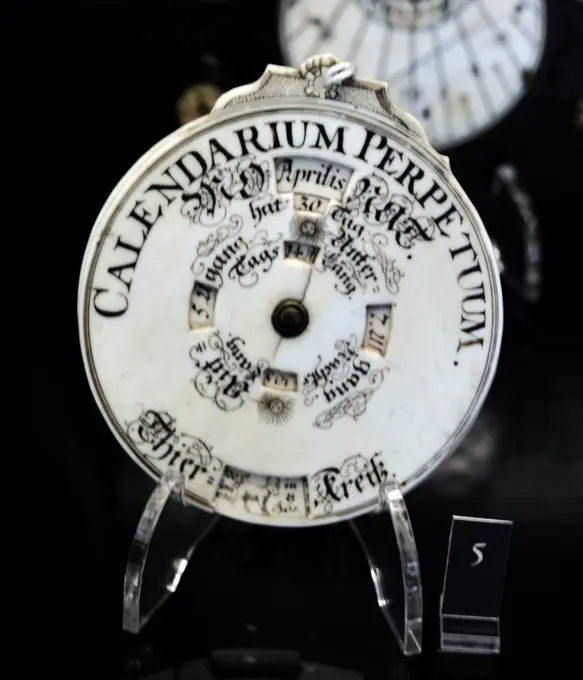
A collection of historical pocket watches and ornate clocks, showcasing intricate designs and craftsmanship in metallic finishes.

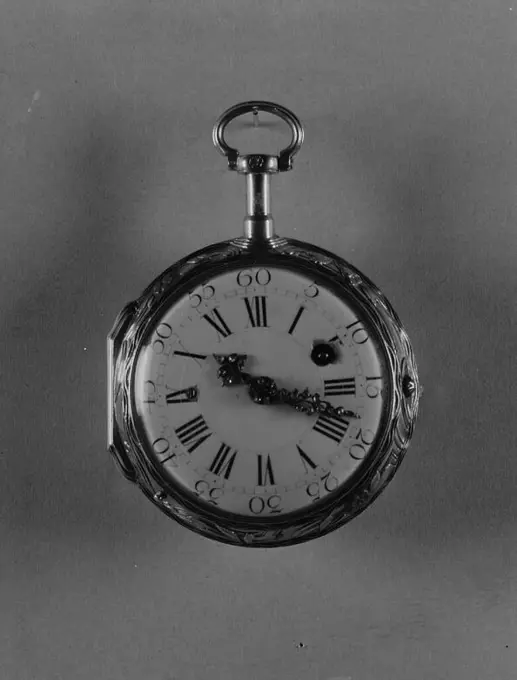
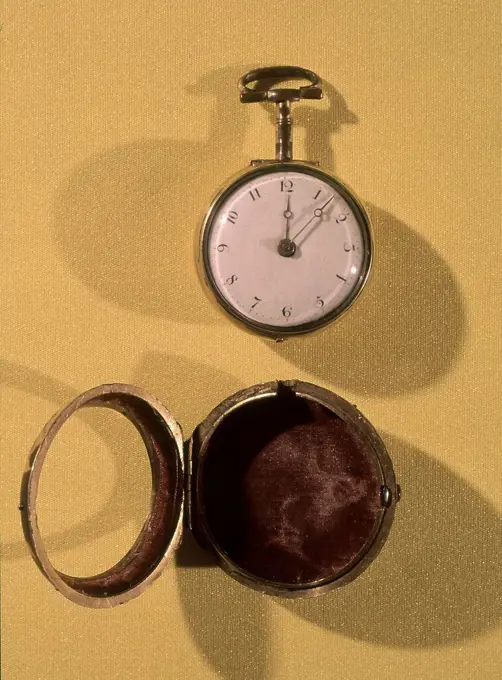
Watch of gilded copper, J. Worke (Possible), c. 1775 - c. 1800 Gilded copper watch with an enamelled dial. The two cupboard bottoms are made of glass, the edges with leaf work engraved. London copper (metal). glass gilding Gilded copper watch with an enamelled dial. The two cupboard bottoms are made of glass, the edges with leaf work engraved. London copper (metal). glass gilding
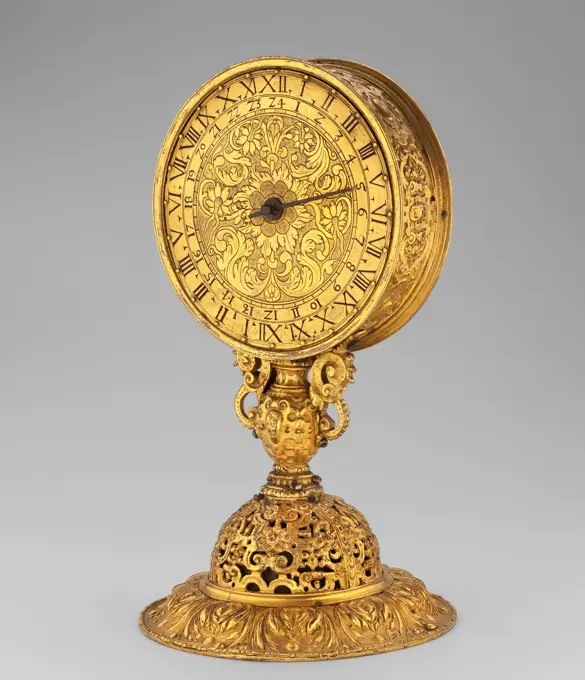
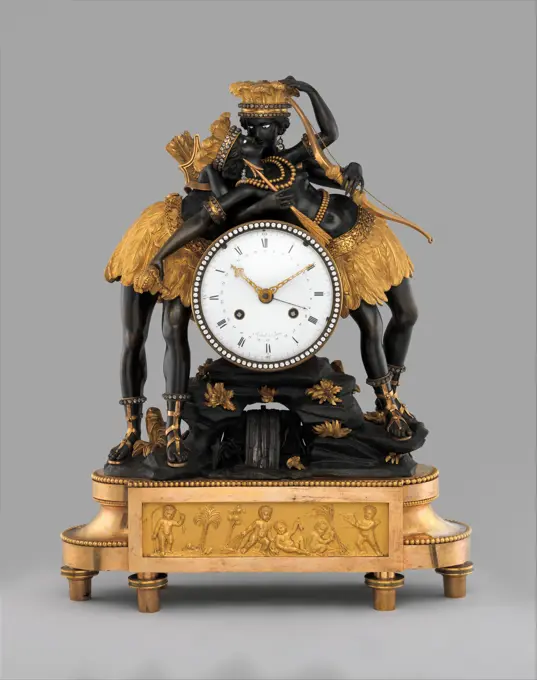
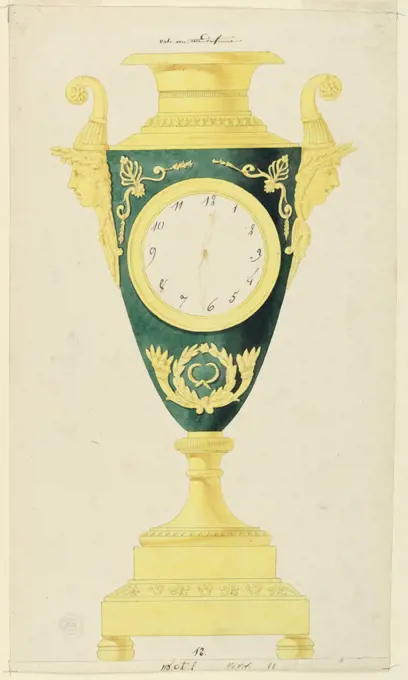
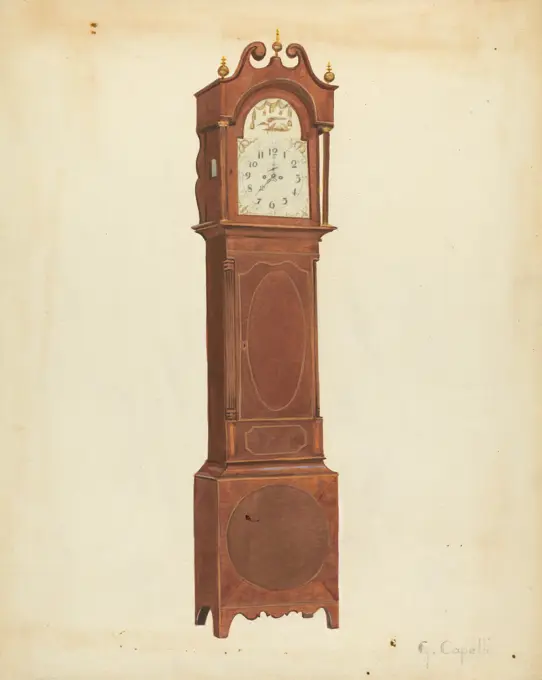
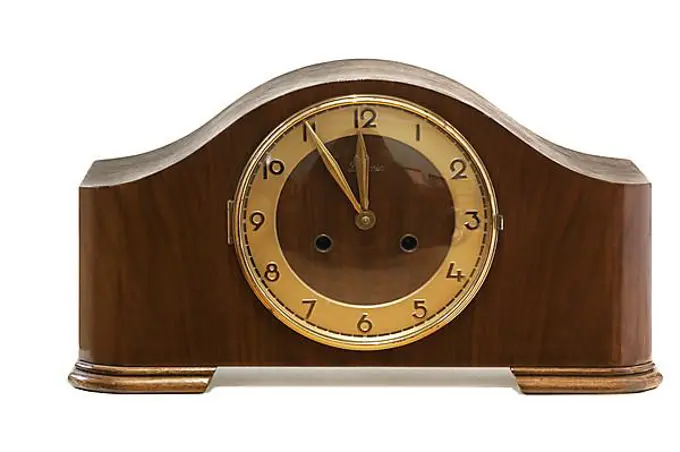
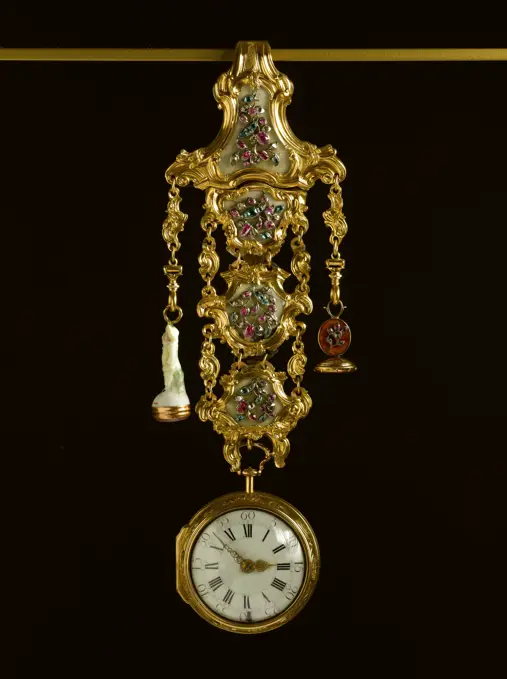
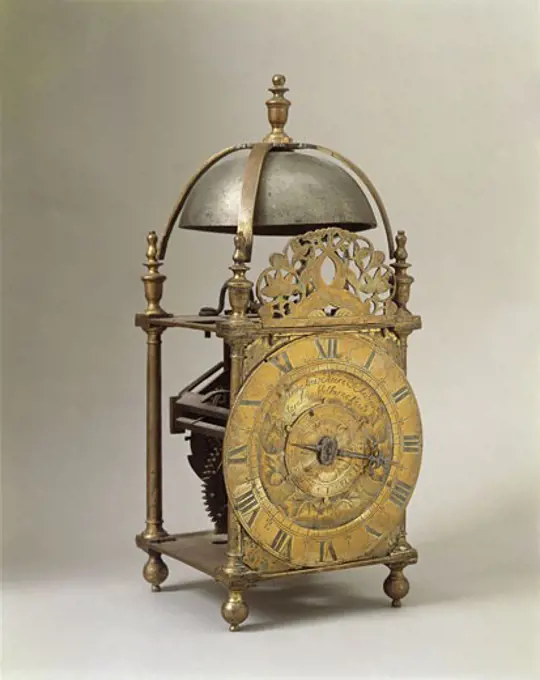
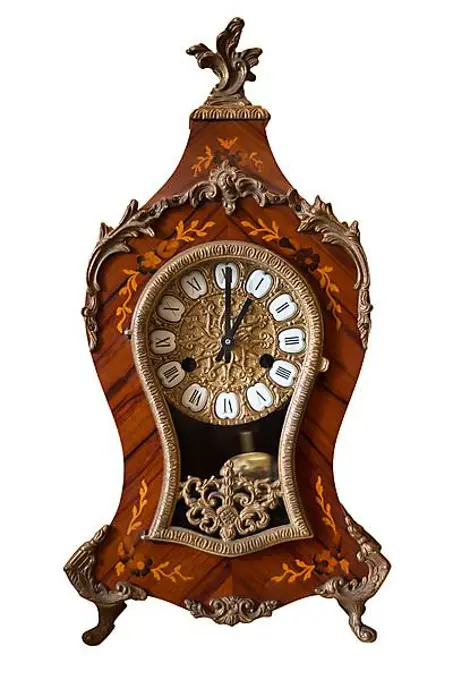
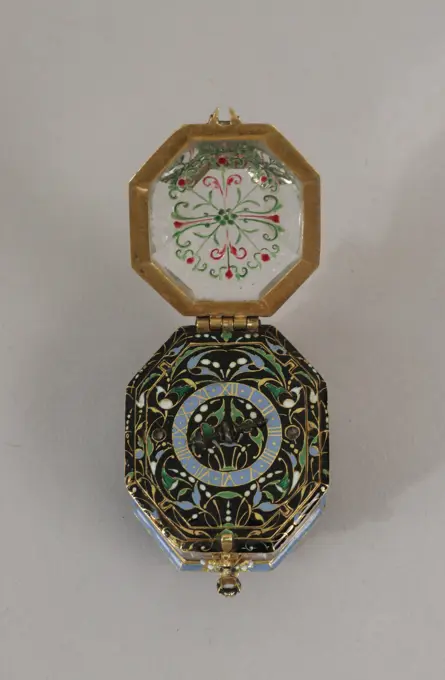
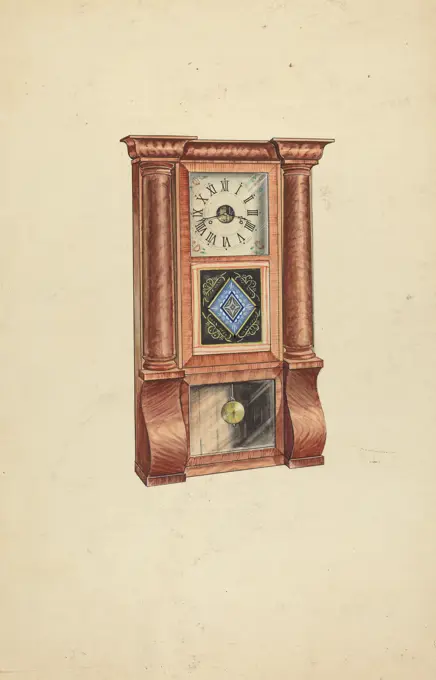
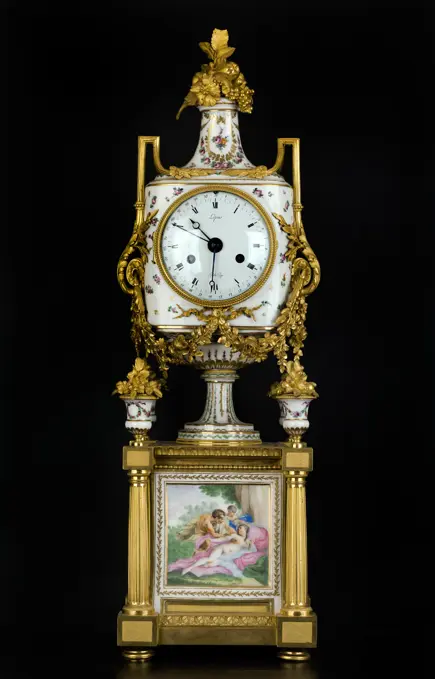
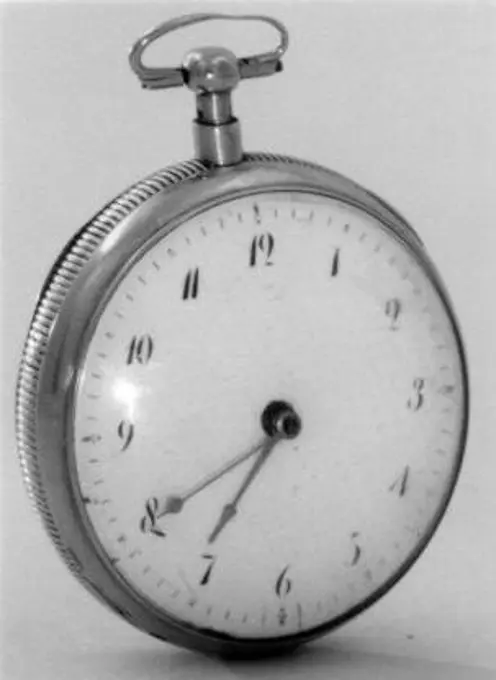
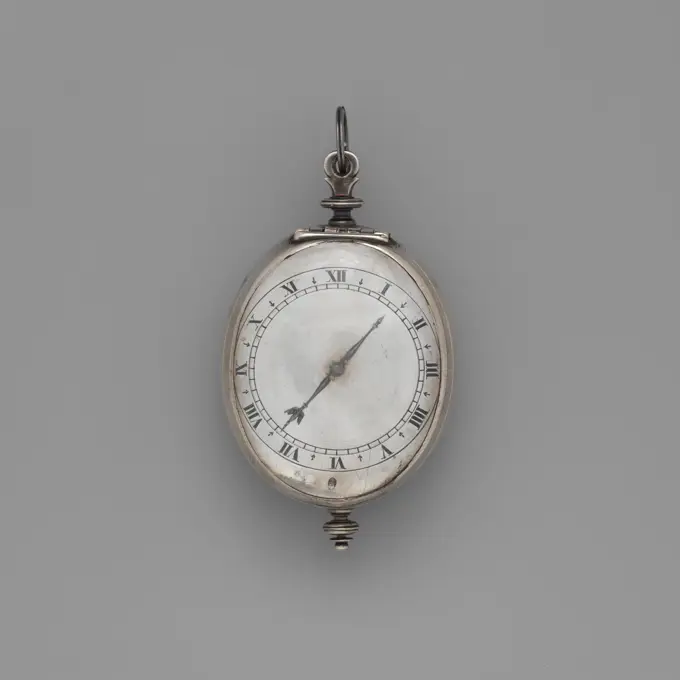
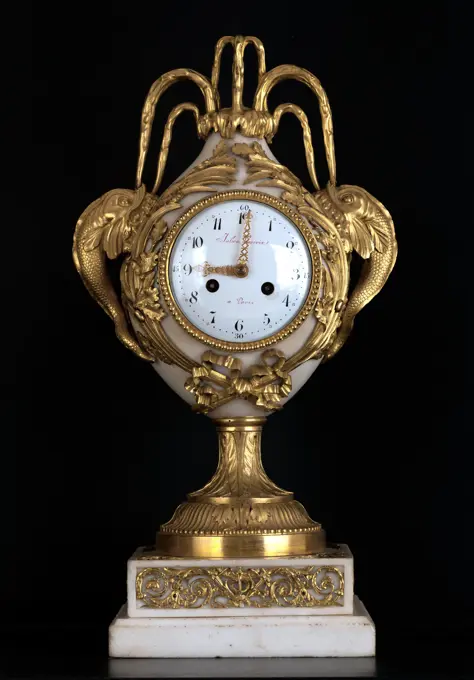
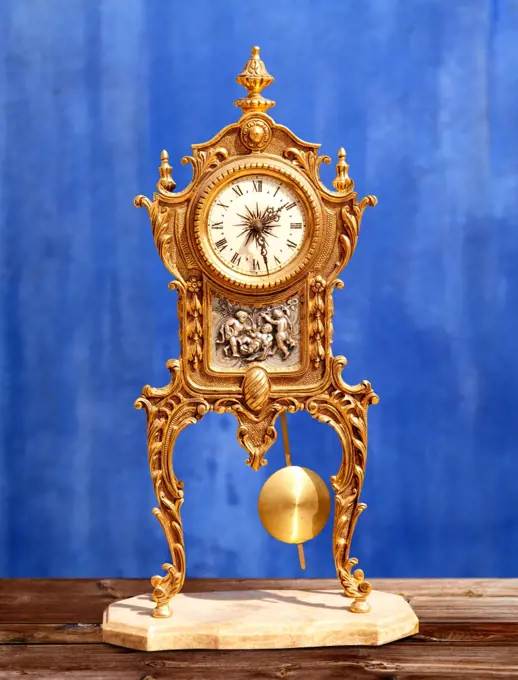
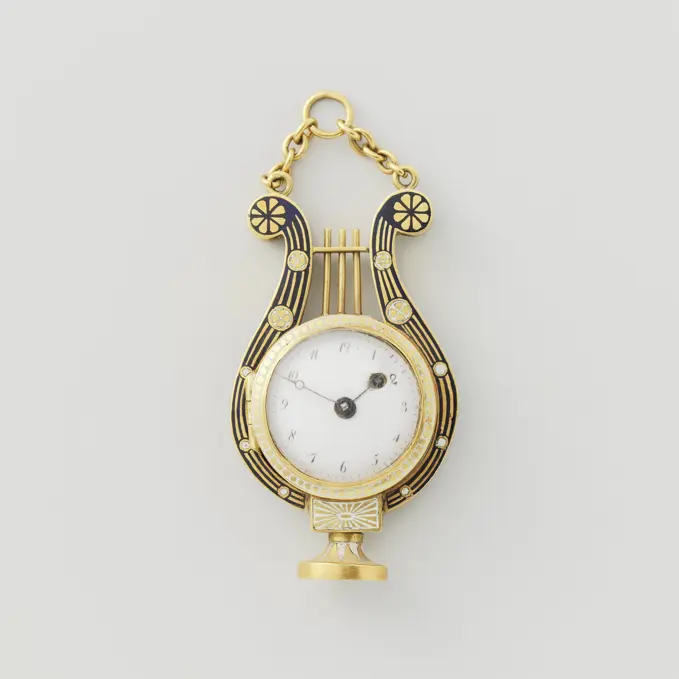
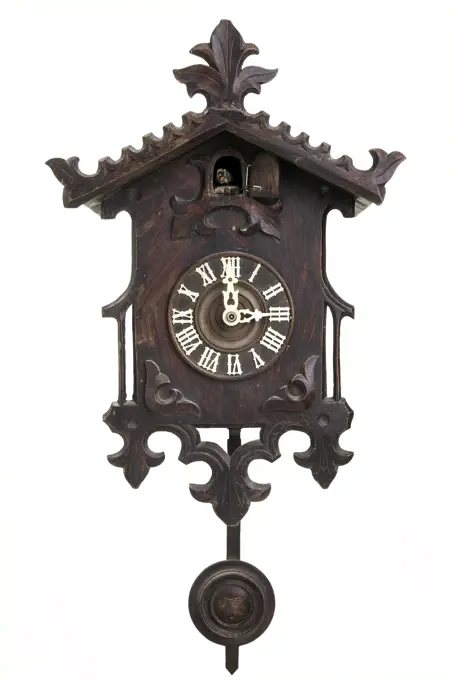
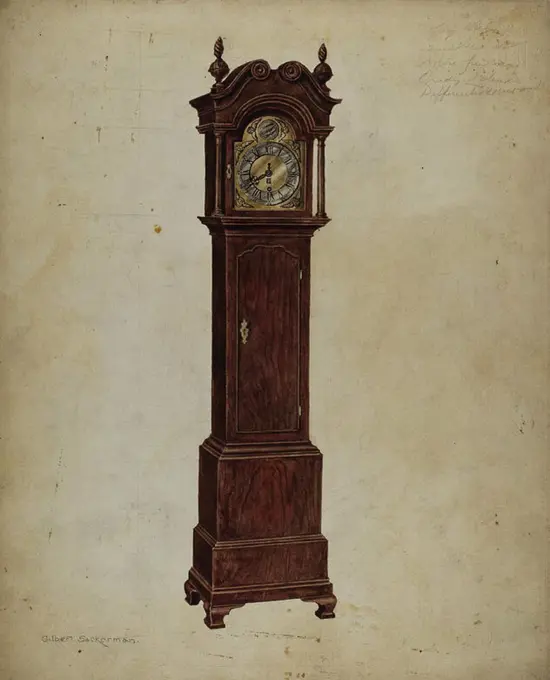
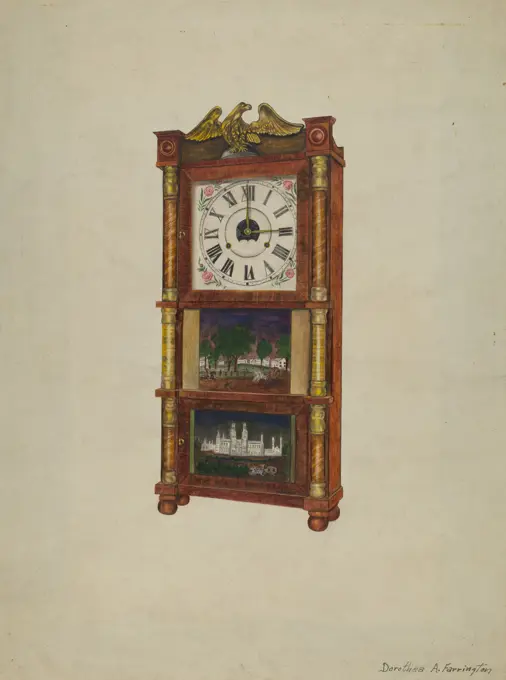
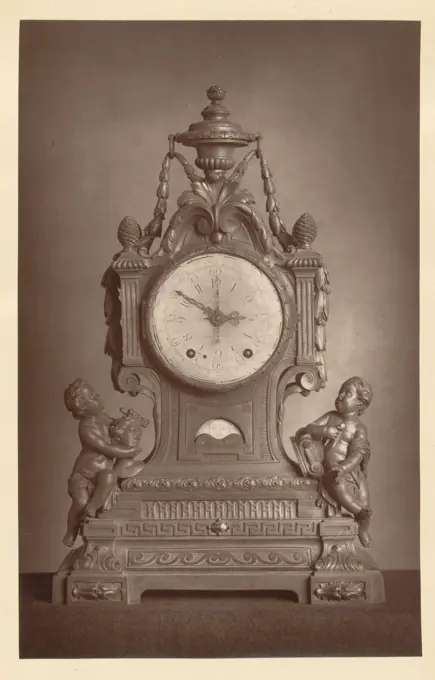
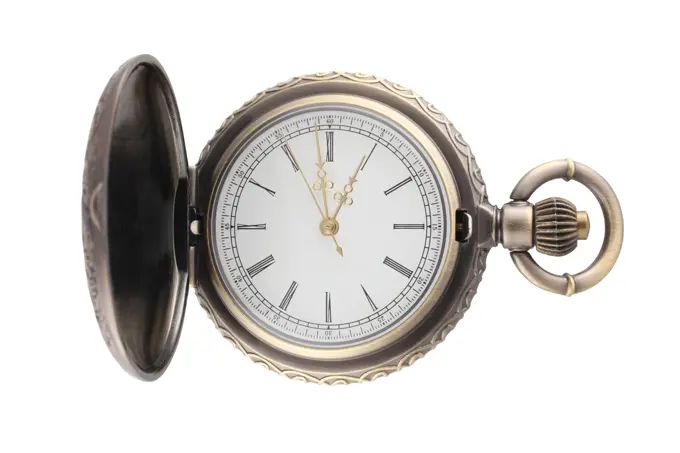
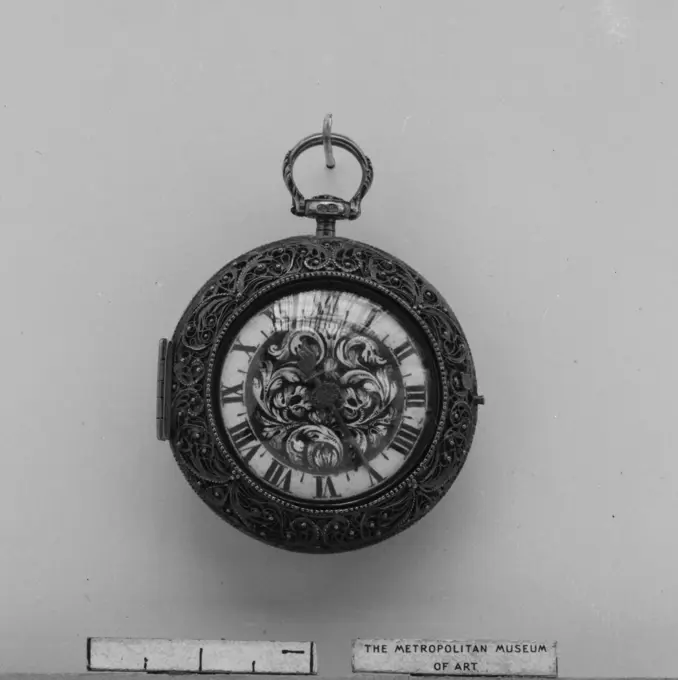
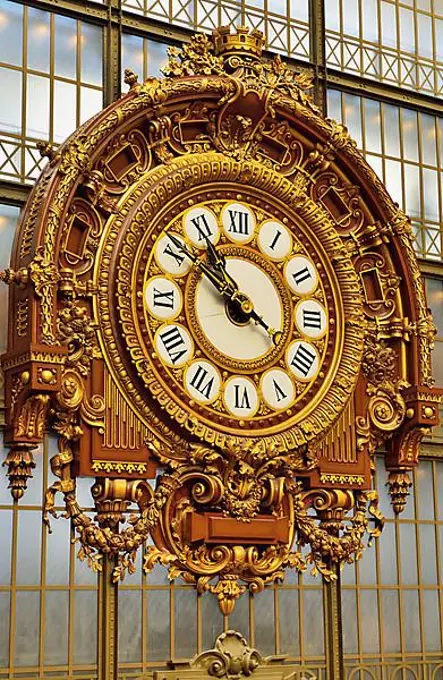
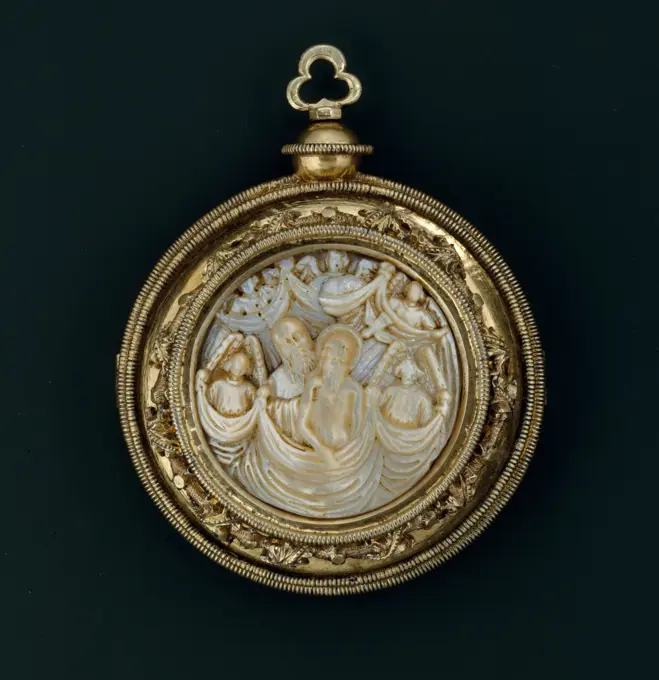
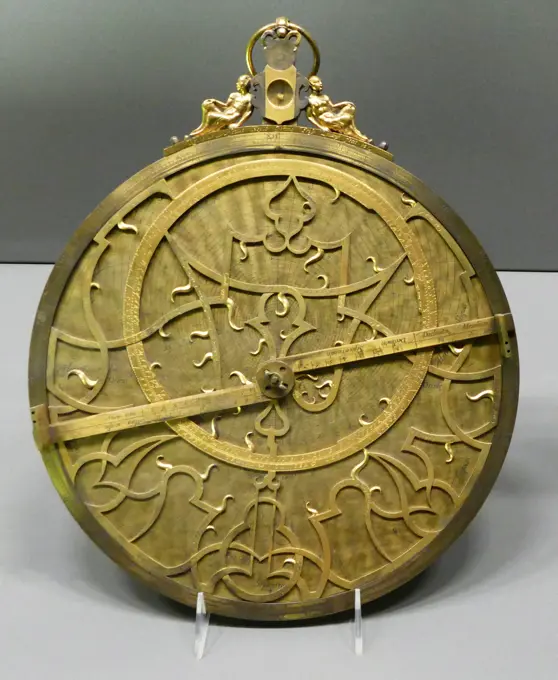
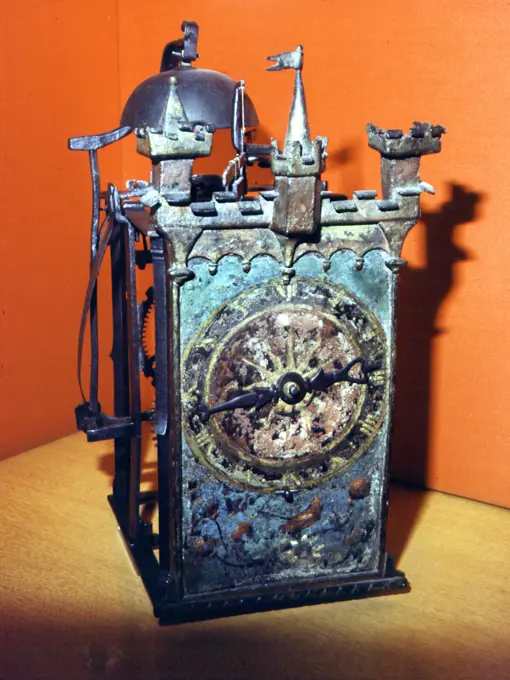
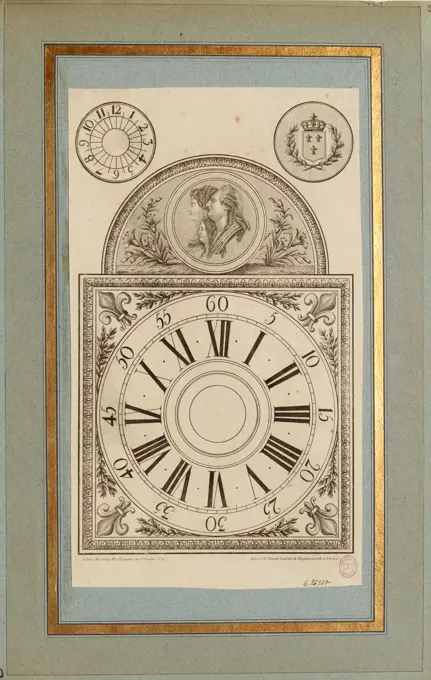
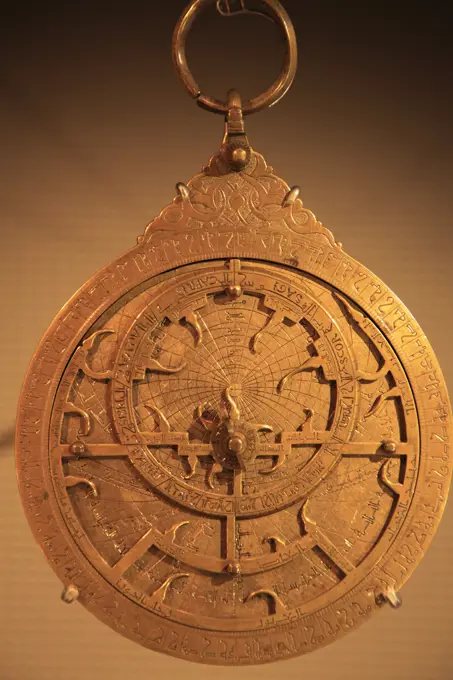
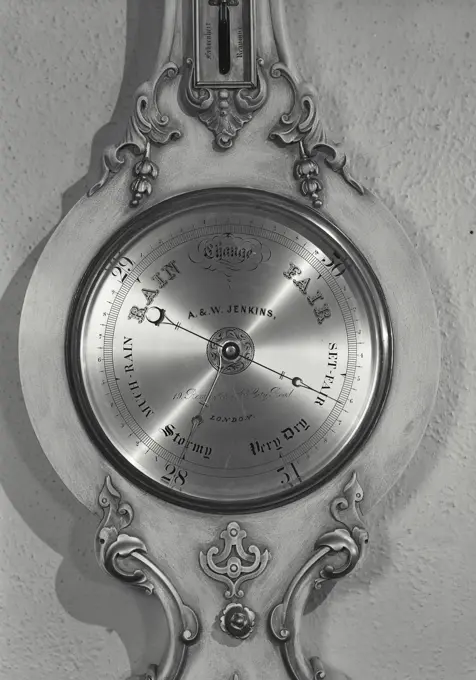
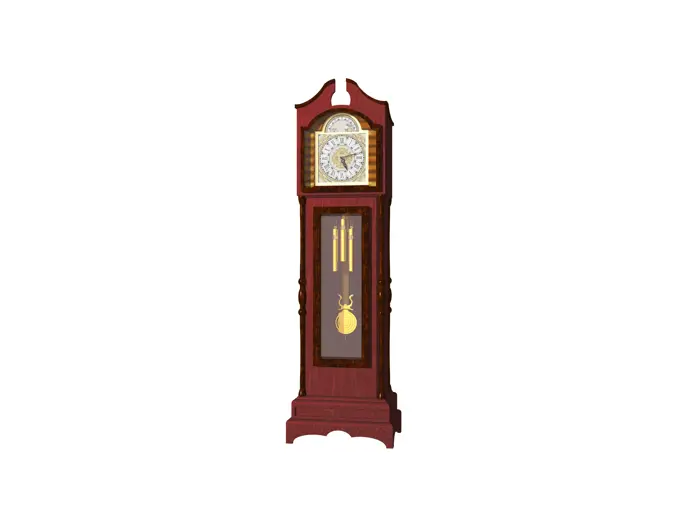
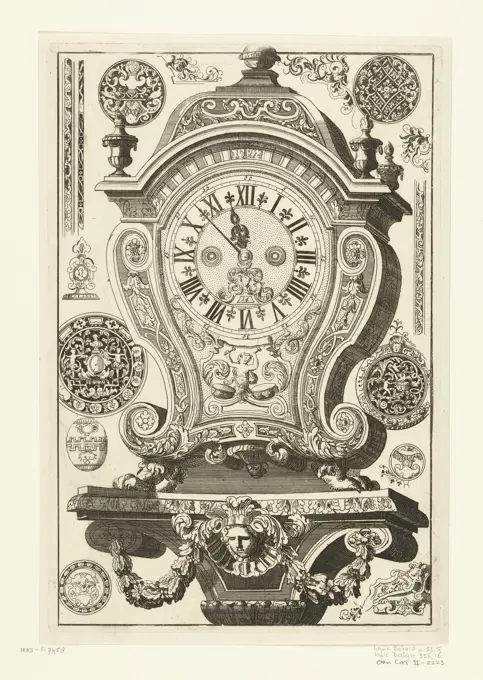
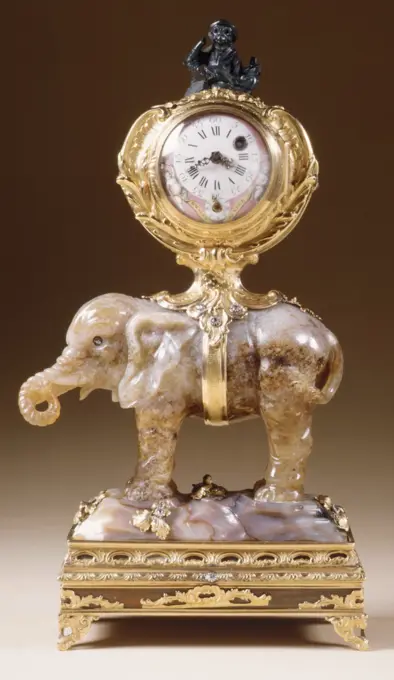
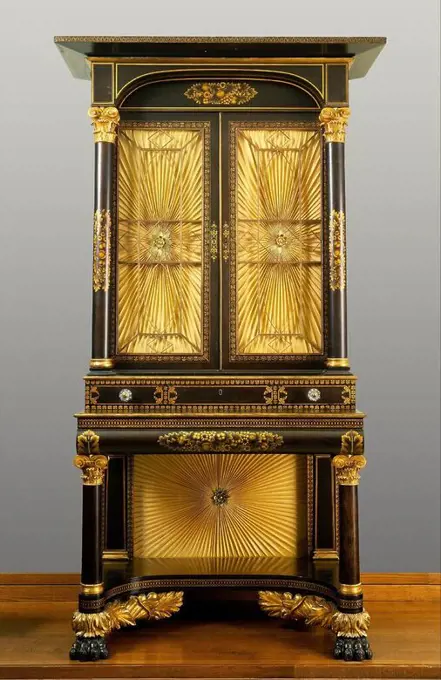
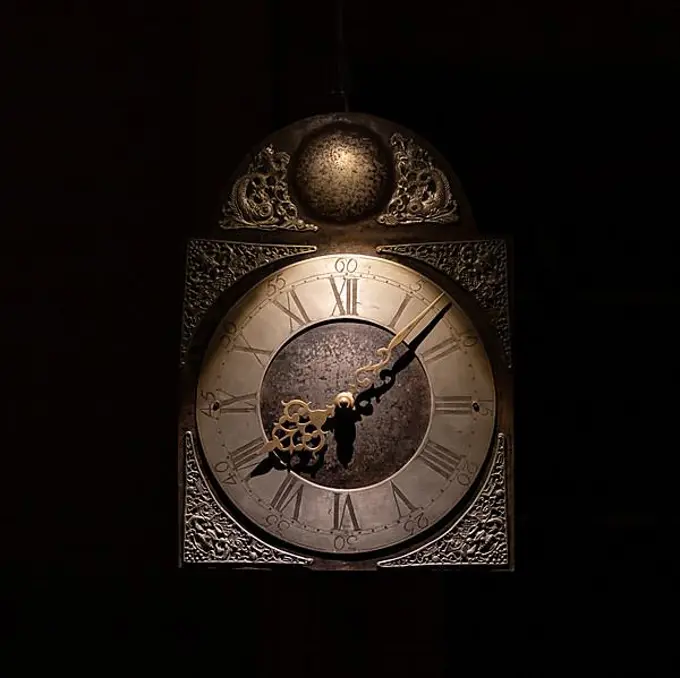
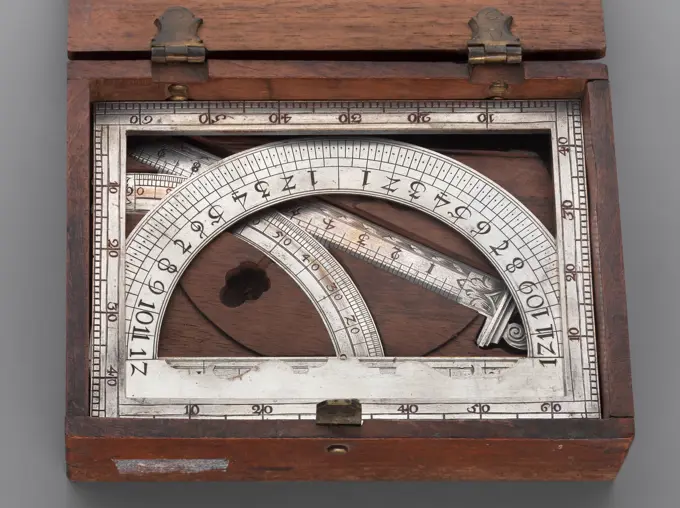
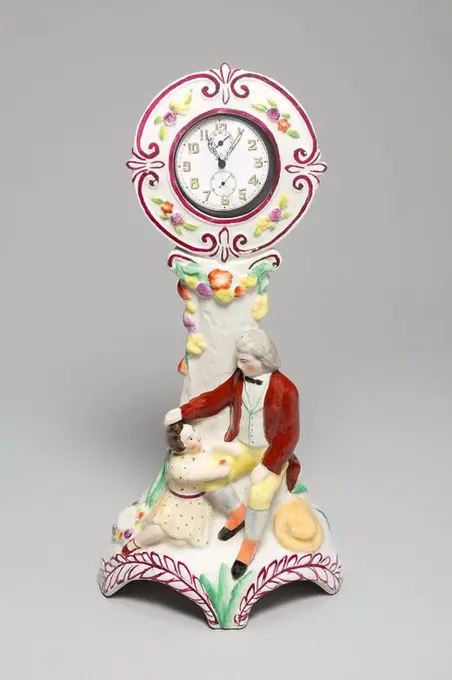
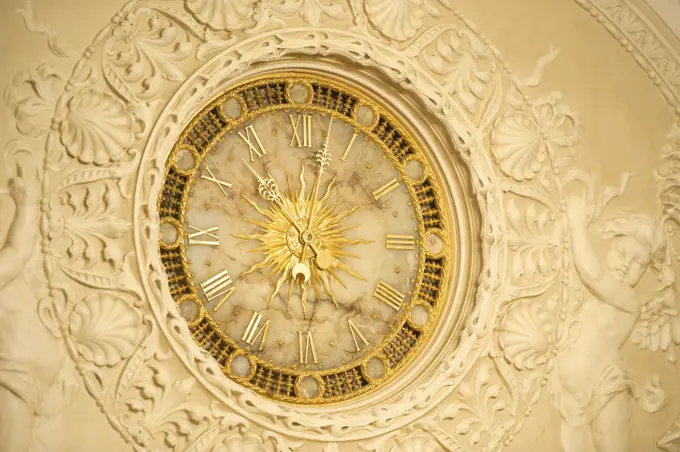
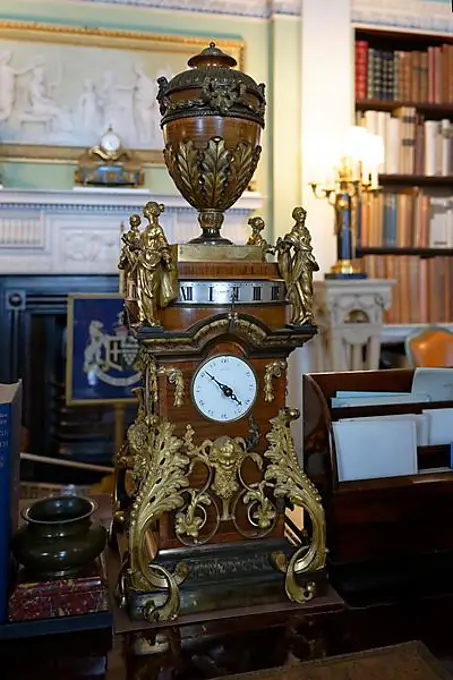
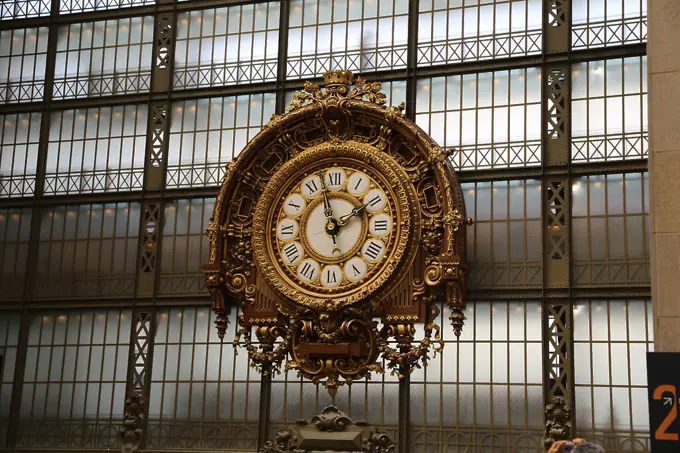
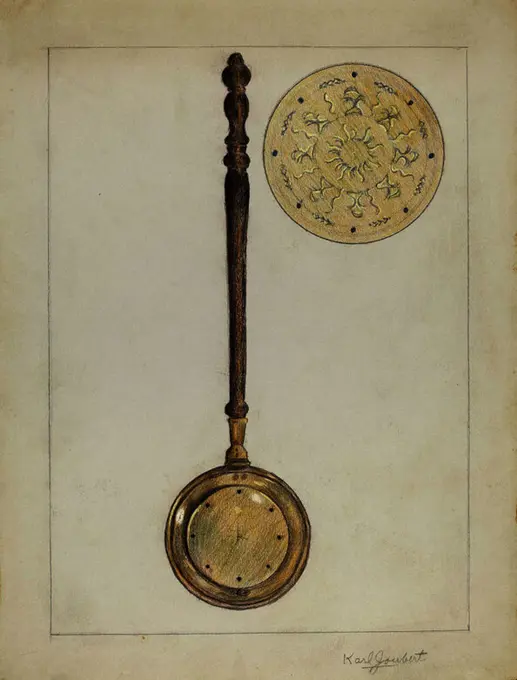
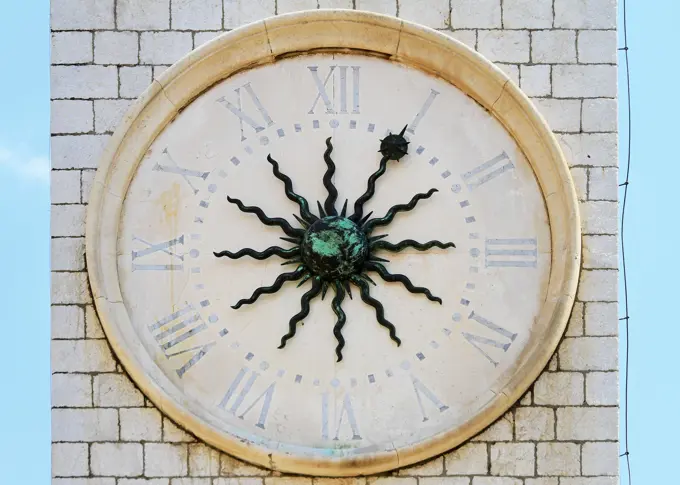
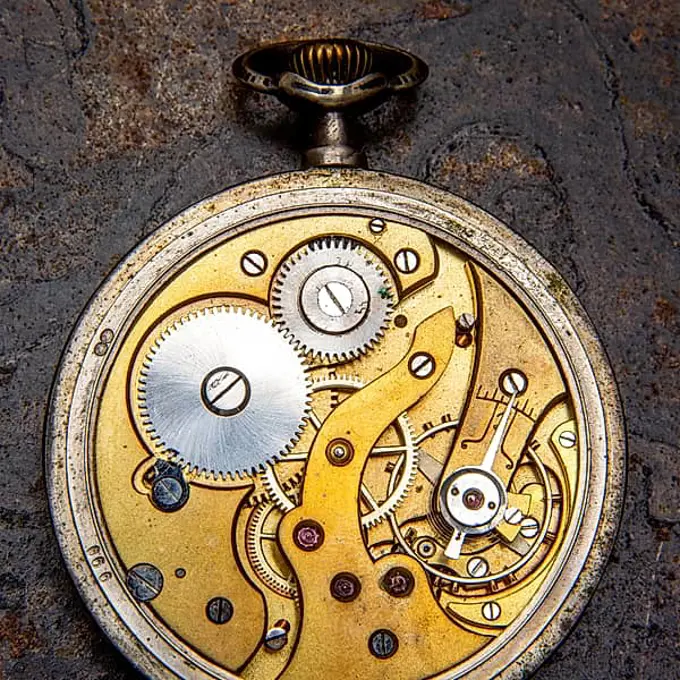
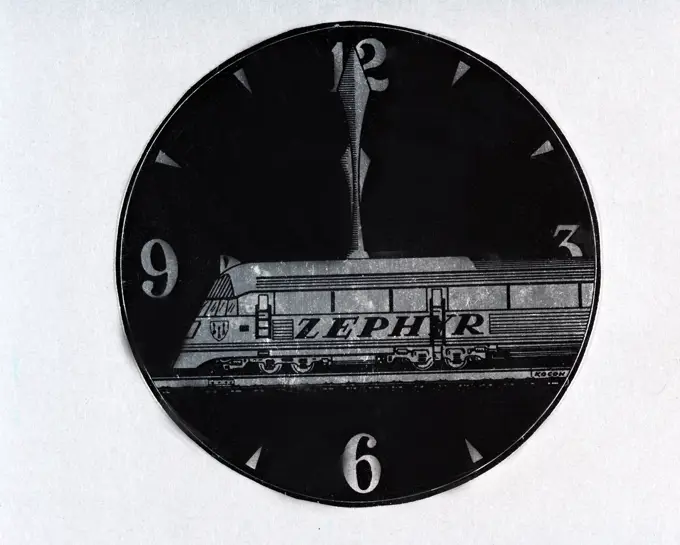
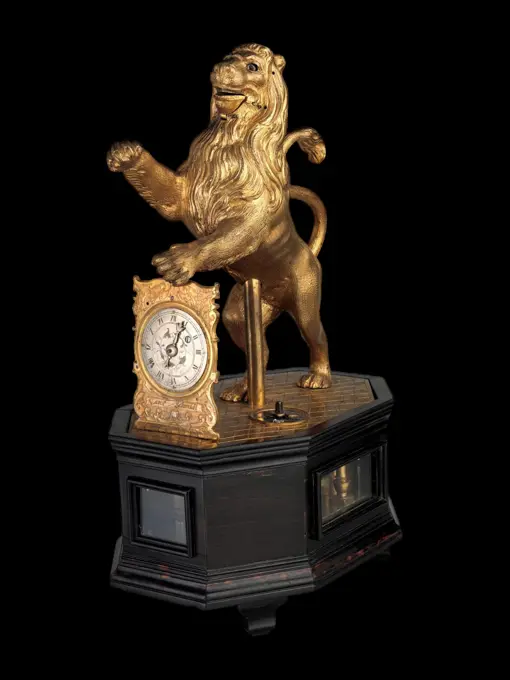
Gold watch. Golden rehearsal watch with an enamelled dial. The cupboard is smooth.Monstrance clock;  around 1580 (1575-00-00-1584-00-00);Szwarc, Szymon (1884-197.) - collection, fitting ornament, renaissance (style), plant (ornament), volutes, purchase (provenance)Tall Clock. Dated: 1937. Dimensions: overall: 45.7 x 36.5 cm (18 x 14 3/8 in.) Original IAD Object: none given. Medium: watercolor, colored pencil, and graphite with someheightening on paperboard. Museum: National Gallery of Art, Washington DC. Author: Arsen Maralian.Clock ca. 1800 Clockmaker: Laurent Ridel In 1800, Deverberie & Cie, a Parisian factory that made ornamental bronzes of various kinds, was prepared to supply more than thirty varieties of clockcases, each of a different design. Jean-Simon Deverberie designed the cases and made the basic models for casting, and they were cast, gilded, and assembled in his factory. The bronzes had interchangeable parts that could be assembled in various ways, and some cases were provided by the factory with movements by Parisian clockmakers, Ridel among them. To judge from the number of surviving examples, one of the more popular products of the factory was the pendule aux indiens, or clock with Native American figures. These figures were ultimately derived from European personifications of the Four Continents, in which the natives of America are to be identified by their feathered skirts and headdresses. But as with the Chinese figures, European ideas of faraway peoples were sometimes hazy during this peAn antique Clock,  Old woodgrain clock.  Obscure point of view, angled perspective, depiction of time, blurred swinging pendulum.Watch 17th century Watchmaker: Duhamel. Watch 187245 Maker: Watchmaker: Duhamel, Watch, 17th century, Gold, enamel, Diameter: 1 1/2 in. (3.8 cm). The Metropolitan Museum of Art, New York. The Moses Lazarus Collection, Gift of Josephine and Sarah Lazarus, in memory of their father, 1888-95 (90.22.5)Gold watch, Gilbert, c. 1800 - c. 1850 Gold watch, with white enamelled dial. On the rear bottom a show in multi -colored email from two girls with an altar on which a flaming heart. Paris gold (metal). Gold watch, with white enamelled dial. On the rear bottom a show in multi -colored email from two girls with an altar on which a flaming heart. Paris gold (metal).Time is the money: symbolized euro coin as a clock isolated on whiteVintage photograph. Clock on wall casting shadowDesign for Clock, Unknown, Lefebvre Manufactory, Tournai, Pen and black ink, brush and yellow, brown, and green wash on white laid paper, Design for a large clock. Intended to be executed in green and gilded bronze. The dial is in the body of a vase which has a high foot and two female heads with horns as handles. Inscriptions above and below., Belgium, early 19th century, timepieces & measuring devices, Drawing, DrawingGiacinto Capelli, Grandfather Clock, c 1935 Grandfather ClockGrandfather clock from the 1950s, Industrial Museum Lauf an der Pegnitz, Middle Franconia, Bavaria, Germany, EuropeGold and pomponne châtelaine with brilliant patterns, rubies and hard stone emeralds. Rigaud. London (England), mid -18th century. Paris, Cognacq-Jay museum. 39251-3 Brilliant, chatelaine, emerald, pattern, gold, small goldsmith, hard stone, pomponne, ruby, supportClose-up of an antique clock, EnglandDesign for clock, Lefebvre Manufactory, Tournai, Brush and yellow, red, green watercolor, black wash, graphite, on cream laid paper, Base on cushion feet, upper portion with circular elements simulating spouting water in center and at each side. Above base are two mermaids, one blowing a horn, the other covering her ears. They are seated in water, flanked by tall sea grass. Above is a clock, topped by a circular fountain., Belgium, 1800-1825, metalwork, Drawing, DrawingWatch with a pastoral. Ladies watch from gold and email. An email painting representing a loving couple on the olloof. Along both the rear and front base an edge of opals.Ornate antique clock, classic clock with floral motives made in italy isolate on white backgroundWatch ca. 1630-40 Watchmaker: Pierre Vernede. Watch. French, Agen. ca. 1630-40. Case: rock crystal and enameled gold mounts; Dial: gold, champlevé enamel, and painted enamel; Movement: gilded brass and partly blued steel. HorologyRetro clock Antique clock with decorative frame on the wall Copyright: xZoonar.com/Baloncicix 14637907Lawrence Phillips, Clock, c 1953 ClockPendulum. Porcelain. Golden bronze, 1770-1785. Paris, Cognacq-Jay museum. 78927-20 Lie, angel, decorative art, bronze gilded, naked woman, garden form, painting, pendulum, outdoor, porcelain, 18th 18th 18th 18th 18th 18th 18 century, coupleMusic Box ca. 1820 Swiss Gold quarter-repeating watch with open white enamel face and ribbed border.. Music Box. Swiss. ca. 1820. Various materials. Switzerland. IdiophoneWatch ca. 1640-50 Watchmaker: Robert Grinkin The plain silver dial and blued-steel hand of this watch display their makers fine sense of design. The clearly engraved chapter ring registers hours and quarters, probably approaching the limits of precision in a watch of this type. The glass cover may have been made to emphasize these features, perhaps at the same time when the present pendant and finial were added.. Watch. British, London. ca. 1640-50. Case: silver; Movement: gilded brass and steel, partly blued. HorologyGiant ornamental clock, Musee d'Orsay, Paris, France, EuropeWatch with an enamelled performance of three children, Matthey & Comp., C. 1400 - c. 1950 jewellery Gold watch. On the cupboard an enamelled representation of three children.  gold (metal).Anonymous. Pendulum. Marble, gilded bronze, 1770-1780. Paris, Cognacq-Jay museum. 78927-18 Anse, bronze gilded, gilding, fountain, clock, clock, water jet, marble, pendulum, fish, 18th 18th 18th 18th 18th 18th 18 centuryTall Clock 1805-15 Joakim Hill. Tall Clock. American. 1805-15. Mahogany, maple, cherry, tulip poplar, white pine. Made in Flemington, New Jersey, United Statesold clock on a white backgroundAlvin M Gully, Empire Mirror, 1936 Empire Mirror19th Century White and Gilded Clock. Found in the Library of Upton House. time concept with hourglass isolatedWatch. Culture: German, Dresden. Dimensions: Overall: 1 1/4 × 7/8 in. (3.2 × 2.2 cm). Maker: Watchmaker: Johann Possdorfer (German, active Prague and Dresden, recorded 1620-24). Date: ca. 1630-40.The association of Possdorffer with the superb Swiss clockmaker Jobst Bürgi (1552-1632) during a period when both worked in Prague for Prince Karl I of Liechtenstein (1569-1627) undoubtedly provided the opportunity for the transmission of the technical secrets of Bürgi's cross-beat escapement from Prague to Dresden. There, Possdorffer made a watch with a cross-beat escapement, which probably made it one of the most accurate portable timekeepers until the invention of the balance spring. The watch is now in the Grünes Gewölbe in Dresden. The Metropolitan Museum's watch has an ordinary verge escapement, and with an enameled dial that registers hours and half hours only, it is remarkable more for its tiny size than for its accuracy. The rock crystal cover is a replacement. Museum: Metropolitan MAzimuth Compass. Azimutuskas in Cardanus ring in a wooden box. The compass boiler is weighted with a lead weight at the bottom. The rose is suspended in a peculiar way: a small cardanus ring is applied in the boiler, in which a vertical axis hangs at the bottom as a pendulum. The upper surface of this axis has been eroded and provided with a gem. The rose has a hole in the middle, over which a brass bridge runs straight down, which is on the gem of the shaft. Due to the hole in the rose, a single compass needle is no longer possible: this has been taken care of by two parallel needles. The rose is balanced with red varnish. Box and lid wear a stamp from an anchor in a circle.Clock. Dated: c. 1936. Dimensions: overall: 28.4 x 22.7 cm (11 3/16 x 8 15/16 in.) Original IAD Object: 33 1/2"high; 22 1/2"wide. Medium: watercolor, colored pencil, gouache, and graphite on paperboard. Museum: National Gallery of Art, Washington DC. Author: Lawrence Phillips.Men's watch of silver, Buschmann, c. 1400 - c. 1950 Men's watch, rehearsal watch, of silver with double unadorned cupboard. On the dial a rounds with enamelled scene, representing a boy and a girl at a source. With key. London silver (metal). Men's watch, rehearsal watch, of silver with double unadorned cupboard. On the dial a rounds with enamelled scene, representing a boy and a girl at a source. With key. London silver (metal).ancient vintage golden brass pendulum clock in blue grunge backgroundLyre-shaped Watch, Breguet & Fils, c. 1820 - c. 1830 Gold and email watch in the form of a harp. Decorated with golden lines and rosettes. The base of the harp is a cachet with an amor. clockmaker: Parisjeweler: Switzerland (possibly) gold (metal). carnelian. glass Gold and email watch in the form of a harp. Decorated with golden lines and rosettes. The base of the harp is a cachet with an amor. clockmaker: Parisjeweler: Switzerland (possibly) gold (metal). carnelian. glassalte Schwarzwälder Kuckucksuhr isoliert *** Old Black Forest Cuckoo clock isolated 1030401838Clock. Dated: 1935/1942. Dimensions: overall: 36.5 x 29.1 cm (14 3/8 x 11 7/16 in.). Medium: watercolor, colored pencil, graphite and some heightening on paperboard. Museum: National Gallery of Art, Washington DC. Author: Gilbert Sackerman.Dorothea A Farrington, Clock, c 1939 ClockClock in the style of LouisTaschenuhr Taschenuhr LicenseRF Copyright: xZoonar.com/OlgaxPopovax 23387936Watch ca. 1660 Watchmaker: Abraham Cailliatte. Watch. Swiss, Geneva. ca. 1660. Enamel on gold, gilded brass, silver, blued steel. HorologyBelle Epoque train station clock, Musee Quai d'Orsay, Paris, Ile de France, France, EuropeGolden ancient compass isolated on white backgroundCompass pointing north.Antique Gold Clock Antique Tabletop Gold Clock at Flea Market Copyright: xZoonar.com/Baloncicix 7318339Anonymous (n. - d.), Shell -shaped watch (main title), 1575. Golden brass, engraved and chiseled, silver, cut rock crystal. Petit Palais, Museum of Fine Arts of the City of Paris.Osculatory ca. 1490 Austrian Worn as a pendant, the osculatory was kissed by the celebrant of the Mass at the mingling of the bread and wine to signify the unity of the Church through the bond of charity. The plaque on the front represents the Trinity and refers to the Redemption of man through Christ's sacrifice on the cross. Engraved on the back plate are SS. Ursula and Barbara. A number of other objects in The Cloisters Treasury, including the silver and mother-of-pearl tabernacle, also come from the treasury of St. Peter's monastery in Salzburg.. Osculatory. Austrian. ca. 1490. Silver, silver gilt, and mother-of-pearl. Made in Salzburg, Austria. Metalwork-SilverPendant watch with and inner and in outer Case, Matthijs Bobels, c. 1600 - c. 1625 Silver watch from Haarlems Maksel, in which engraved: Mathys Bockels Haerlem ", Double Silver Cabinet, covered again in and with roggenvel. clockmaker: Haarlemjeweler: Netherlands silver (metal). Silver watch from Haarlems Maksel, in which engraved: Mathys Bockels Haerlem ", Double Silver Cabinet, covered again in and with roggenvel. clockmaker: Haarlemjeweler: Netherlands silver (metal).Astronomical calendar, by Chapotot, late 17th century Early clock, 16th cent. ENGLAND.Large watch with gold-plated dial, Protestant Seminary, Blaubeuren, Swabian Jura, Baden-Württemberg, GermanyPendulum with Louis XVI, Marie Antoinette and Dauphin (TF)old golden pocket watch on burlap backgroundQatar, Doha, Museum of Islamic Art, planispheric astrolabe, 14th century,Vintage photograph. Closeup of barometer faceA clock; A.K. (watchmaker; Poland; 1620-1630); 1620-1630 (1620-00-00-1630-00-00);Repeater Watch. Culture: French. Dimensions: 2 1/2 x 1 3/4 in. (6.4 x 4.4 cm). Maker: Probably Samuel Dupont. Date: 1756-62. Museum: Metropolitan Museum of Art, New York, USA.Compass Of The Count Of Grandpre Musee de la Marine, Paris, France RELOJ DEL SIGLO XVIII CON SU CHICHONERA. Author: Lomax. Location: PRIVATE COLLECTION. MADRID. SPAIN.Tower clock and sundial at the town hall tower, Bautzen, Upper Lusatia, Saxony, Germany, EuropeOld stand clocks with weights and pendulum old stand clocks with weights and pendulum copyright: xzoonar.com/DR.XNORBERBERTXLANGEX 14133012Watch and display case Patek, AntoniPendule with masks a garland, Anonymous, Daniël Marot (I), After 1706 - Before 1800 print A tapered pendulum with a mask and garland on the bottom. The pendulum is surrounded by a dial, three watch cabinets and eleven other ornaments. Copy of page 6 from the Nouveaux Liure de Boïtes de Pendulles, published by Daniel Marot around 1706. Leaf from the second edition. Netherlands (possibly) paper etchingFireplace clockClock, marble, bronze, ceramic, Paris, France, ca. 1785, timepieces & measuring devices, Decorative Arts, ClockMiniature clock in the form of an elephant supporting a watch case ca. 1750, watch dial a later 18th century replacement possibly German, Dresden Hardstoneswhich were found in abundant supply and variety in the mines of Saxony and Silesiaare the focal element in much German goldsmiths' work and galanterien of the eighteenth century. The carving of stones into naturalistic and zoomorphic forms has been traditionally associated with Dresden, where the court jeweler Johann Melchior Dinglinger (1664-1731) produced ornamental figures of great skill and inventiveness composed of jewels, hardstones, and gold; such pieces are invariably unmarked, however, and their origin cannot be considered certain. In addition to this piece only one other comparable model is known, an agate bull supporting a watch, also in the Museum's collection (48.185.1), evidently from the same workshop. The bull clock is about fifteen years earlier in date and somewhat less finished in several details of carving and Grandfather clock with rotating figure of the Death of Altoetting in the collegiate parish church of St. Philip and St. James, Altoetting, Bavaria, Germany, EuropeSecretary-bookcase. Culture: American. Dimensions: 102 x 55 3/4 x 28 1/8 in. (259.1 x 141.6 x 71.4 cm). Maker: Possibly by Robert Fisher (American, active 1824-37). Date: 1825-35.Neoclassicism was the dominant style in American furniture for the first four decades of the nineteenth century. In contrast to the earlier Neoclassical designs characterized by light, delicate forms and geometric lines, this secretary, or writing desk, is associated with the later phase of Neoclassicism between 1815 and 1845. While by definition all Neoclassical furniture draws upon the past through the use of motifs and elements from antiquity such as acanthus leaves, animal-paw feet, and palmettes, late Neoclassical furniture is distinguished by its bold forms and often monumental character. Here the ebonized mahogany, the painted and gilded fretwork in imitation of brass inlay, the naturalistic stenciling of fruits and flowers on the rounded front molding and cornice, the columns with carved and gilded cPier table and mirror, John Linnell (II), c. 1775 Semi -round wall table with a mirror of gilded wood, resting on four conical -canling decorated legs. The cross is bent three times from behind and from the front. Rule with braid and rosettes; At the bottom with ten semi -circular rosettes, including chalice. Purple Scagliola leaf. The three -part mirror shows kelkranken on either side, connected in the middle by braiding with rosette. At the top of a buccanium in the middle of chalice. Opened attachment with vase, rosette and leaf vines. London wood (plant material). pine (wood). linden. looking glasses. plaster. gilding (material). amalgam gilding  Shardeloes Semi -round wall table with a mirror of gilded wood, resting on four conical -canling decorated legs. The cross is bent three times from behind and from the front. Rule with braid and rosettes; At the bottom with ten semi -circular rosettes, including chalice. Purple Scagliola leaf. The three -part mirror shows kelkranken on eitBrass mechanical celestial sphere by Johan Reinhold, 1588A picture of an old clock on display at the Tower Clock Museum in St. Catherine's Church (Gdansk)Poodle for navigation utensils;  18th century (1701-00-00-1800-00-00);gift (provenance), containersWatch and Stand. England, Staffordshire. Date: 1825-1835. Dimensions: 26.7 x 12.5 cm (10 1/2 x 4 15/16 in.). Glazed earthenware with polychrome enamel decoration. Origin: Staffordshire. Museum: The Chicago Art Institute, Chicago, USA. Author: Staffordshire Potteries.A telephone exchange made by Wilhelm Emil Fein, A telephone exchange, crank switch by Fein, 1881, digitally restored reproduction of a 19th century original, exact date not knownUSA, Florida, St. Augustine, Flagler College, Hotel Ponce de Leon, Thomas Edison clock.Silver half hunter pocket watchInterior view, clock, Old Library, Harewood House, Harewood, England, Great BritainStation clock inside the Orsay Museum. Paris. France.Warming Pan. Dated: 1935/1942. Dimensions: overall: 30 x 22.8 cm (11 13/16 x 9 in.). Medium: graphite and colored pencil on paper. Museum: National Gallery of Art, Washington DC. Author: Karl Joubert.Clock Clock with sun hands and Roman numbers Copyright: xZoonar.com/Baloncicix 7387421Old black forest cuckoo clock in front of old fashioned wallpaper wall, Germany, EuropePrzeszo Przyszoci unknownShelf clock, by Turin Work, 1840, 19th Century, Unknow. Italy, Piemonte, Turin, Royal Palace. Whole artwork. Shelf clock knight armor sword horse sheath decoration black gold white round clock face Roman numerals.Wall Clock. Dated: c. 1938. Dimensions: overall: 36.4 x 29 cm (14 5/16 x 11 7/16 in.) Original IAD Object: 28"high. Medium: watercolor, colored pencil, graphite, and some heightening in paperboard. Museum: National Gallery of Art, Washington DC. Author: Lawrence Phillips.A marine chronometer used for experiments by Abraham-Louis Breguet (1747-1823) a Swedish a horologist. Dated 19th CenturySpain, Murcia region, Barranda, music museumA detailed close up of a vintage pocket watch reveals its delicate gears and mechanisms. This exquisite craftsmanship highlights the artistry involved in timekeepingWallClockclockwork gears isolated on white backgroundIvory from elephant tusks was a luxury material imported overland from Africa to medieval Europe. The Portuguese voyages of discovery opened up new trade routes making it available for a wider range of similar objects.A830758A U12N MIDNIGHT ZEPHYR LOGO JOHN ALLEN (Project Engineer) JUN 27 83EG&G/NTS PHOTO LAB Publication Date: 6/27/1983  ALLEN, JOHN; ART, SUBJECTS; ARTWORKS; CLOCK; DECALS; EDGERTON, GERMESHAUSEN & GRIER; EG&G; LOGOS; MIDNIGHT ZEPHYR; N-TUNNEL; NEVADA; NEVADA TEST SITE; NTS; NUCLEAR ENERGY TECHNOLOGY; SYMBOLS; TEST SITES; UGT; UNDERGROUND TESTING; LOGO  historical images. 1972 - 2012. Department of Energy. National Nuclear Security Administration. Photographs Related to Nuclear Weapons Testing at the Nevada Test Site.Laterne und Kiefernzapfen auf weiss - Lantern and pine cone on white Laterne und Kiefernzapfen auf weiss - Lantern and pine cone on white Copyright: xZoonar.com/lantapixx 12046096clock on a white background The photo shows the clock on a white background Copyright: xZoonar.com/AlekseyxKorneevx 8505101Ancient German machine clock in the form of a lion from Augsburg Antique German machine clock in the form of a lion from AugsburgEngraving depicting thermometer design which could hung from a light fixture. Dated 19th Century