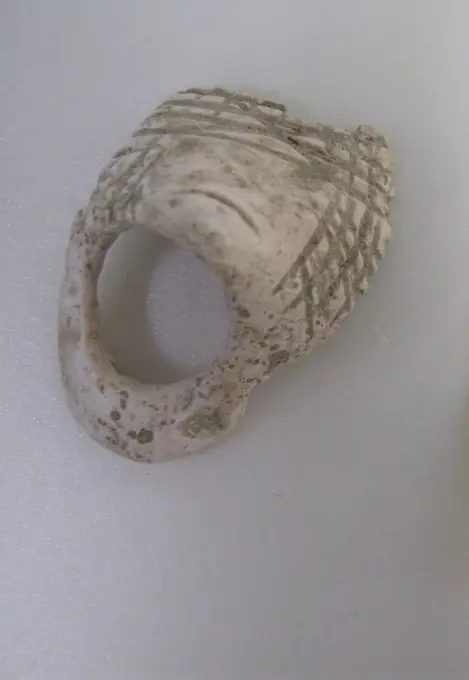
Antique Tool Fragments

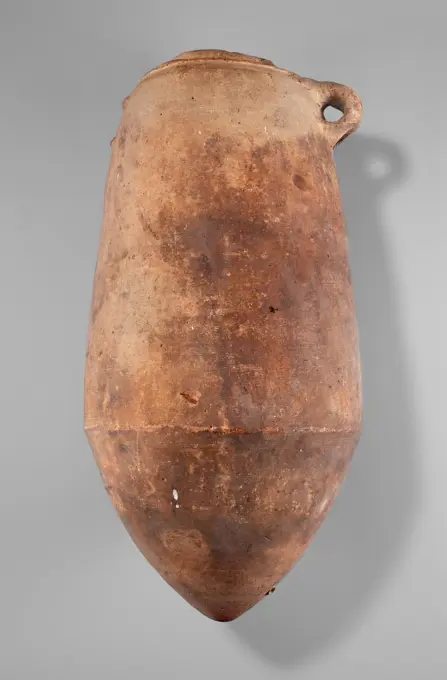
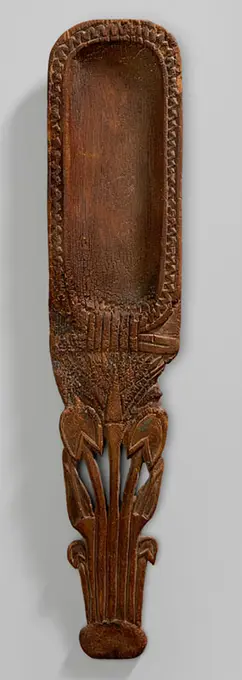
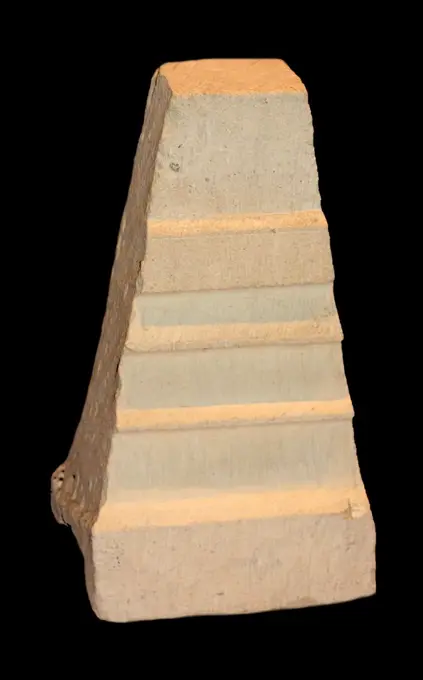
Collection of historical artifacts including wood fragments, a trowel, and an ancient palette, highlighting their antique craftsmanship and historical significance.
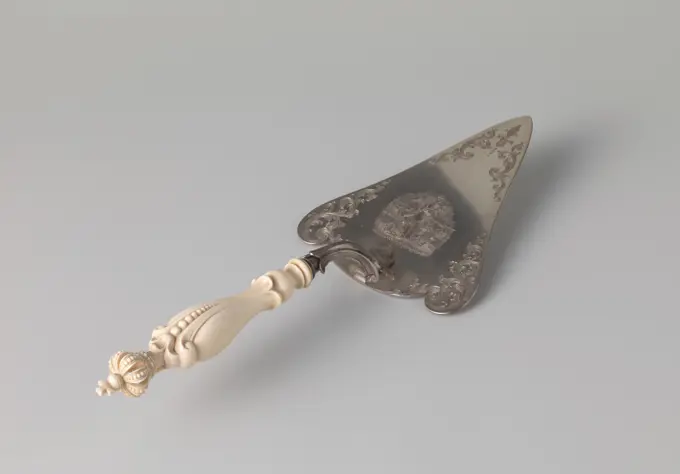
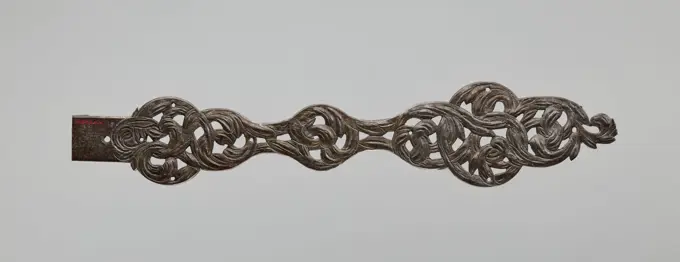
Trowel used by King William III when laying the memorial stone of the Oranjesluizen, Frima Benten and Sons, 1870 trowel Silver trowel with ivory steel. Steal gracefully cut out, with plant motifs, with a sliced crown button with cross. The silver part of the handle in the form of leaves, supported by a square rod, attached to the flat with a pedestal. The flat graceful shape, with the engraved representation of crowned standing woman with Hermesstaf in her hand, other supportive to anchor. On the downside inscription Links: Climbing Lion with annual letter L. Rail side on the right dating etc. Amsterdam ivory. silver (metal) forging / engraving / striking (metalworking) / cutting  Orange locks
Trowel used by King William III when laying the memorial stone of the Oranjesluizen, Frima Benten and Sons, 1870 trowel Silver trowel with ivory steel. Steal gracefully cut out, with plant motifs, with a sliced crown button with cross. The silver part of the handle in the form of leaves, supported by a square rod, attached to the flat with a pedestal. The flat graceful shape, with the engraved representation of crowned standing woman with Hermesstaf in her hand, other supportive to anchor. On the downside inscription Links: Climbing Lion with annual letter L. Rail side on the right dating etc. Amsterdam ivory. silver (metal) forging / engraving / striking (metalworking) / cutting Orange locks
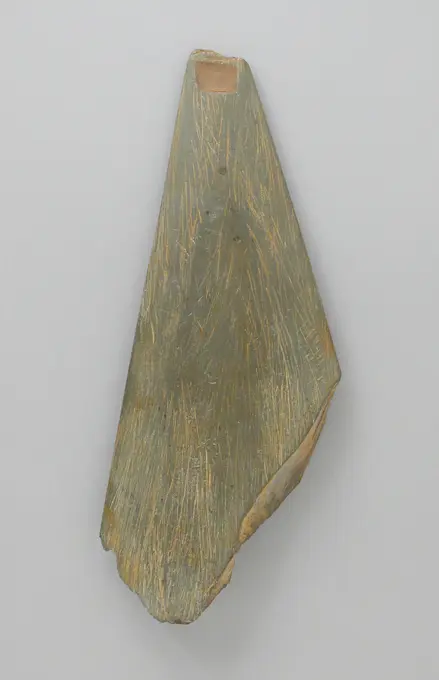
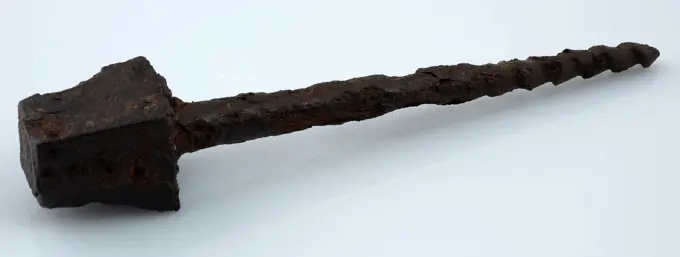
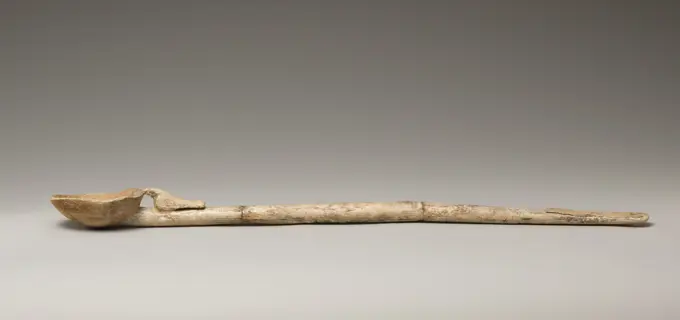
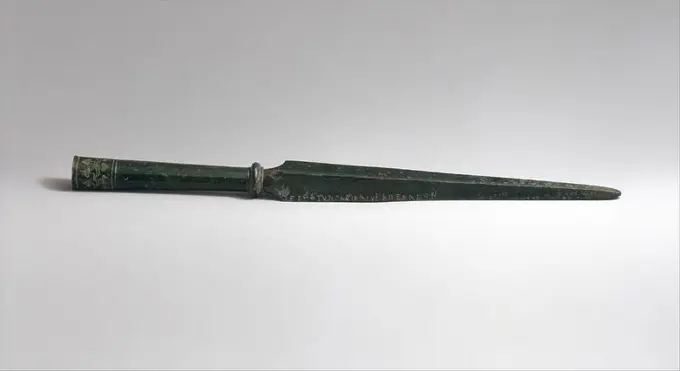
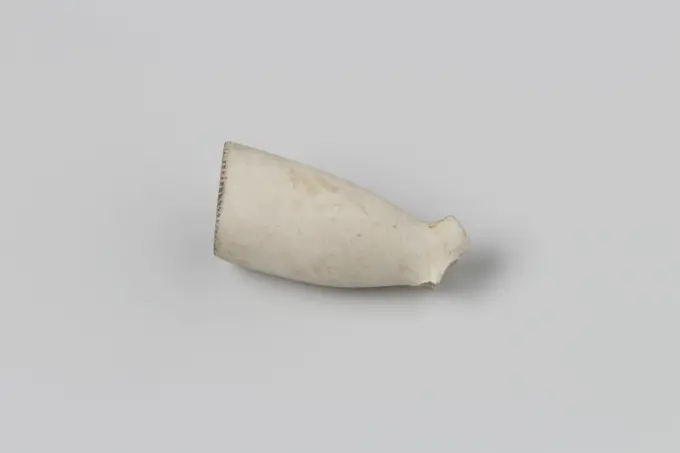
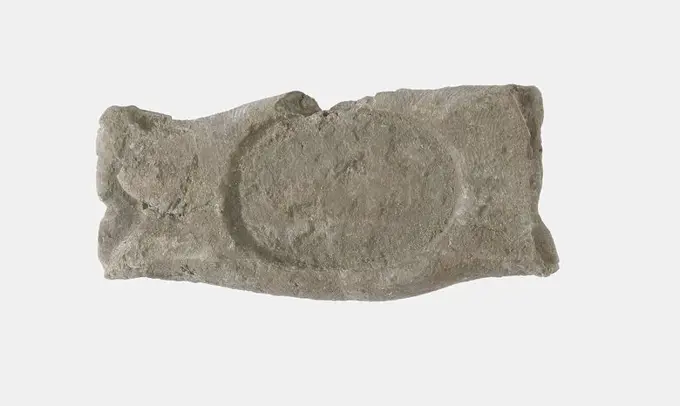
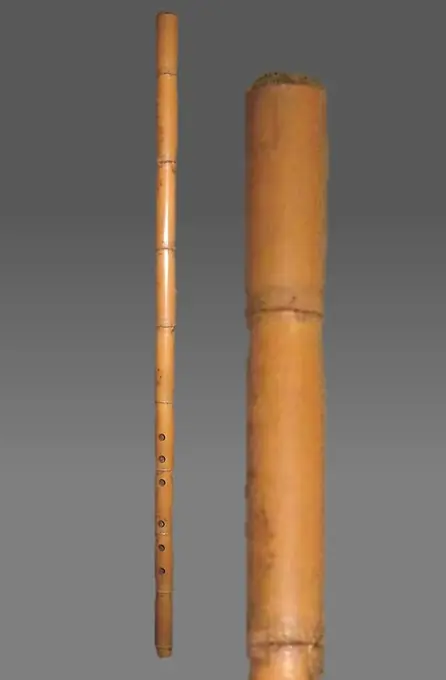
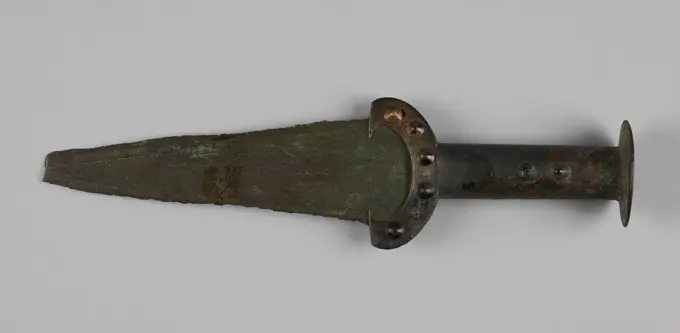
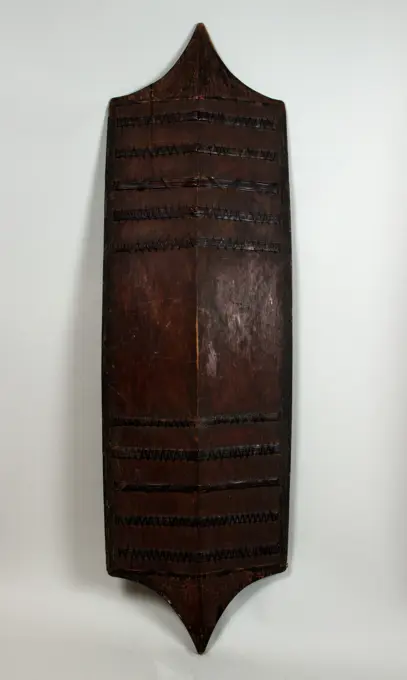
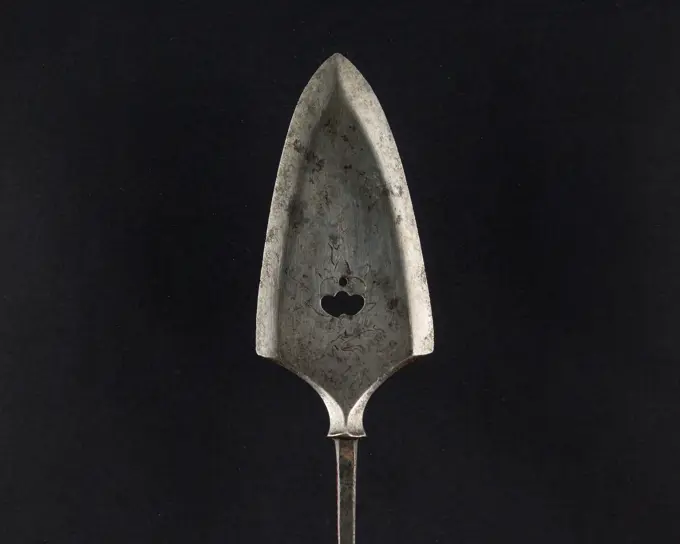
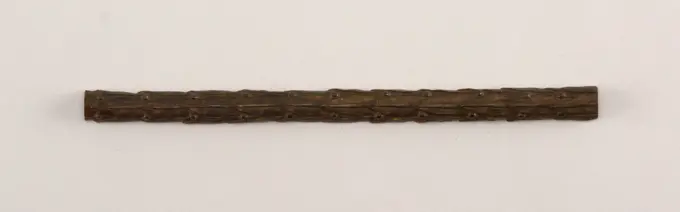
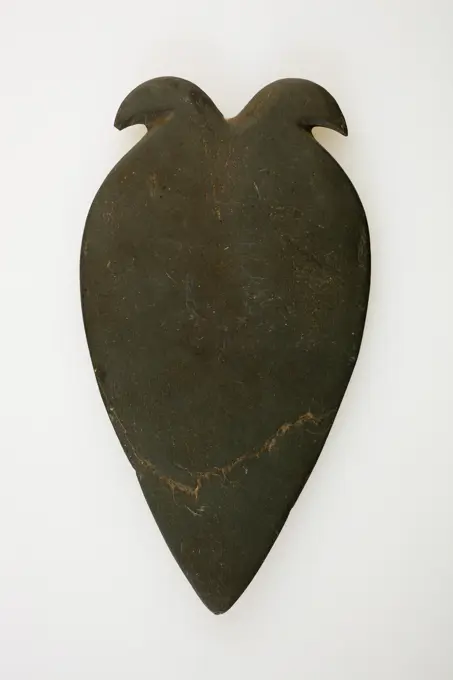
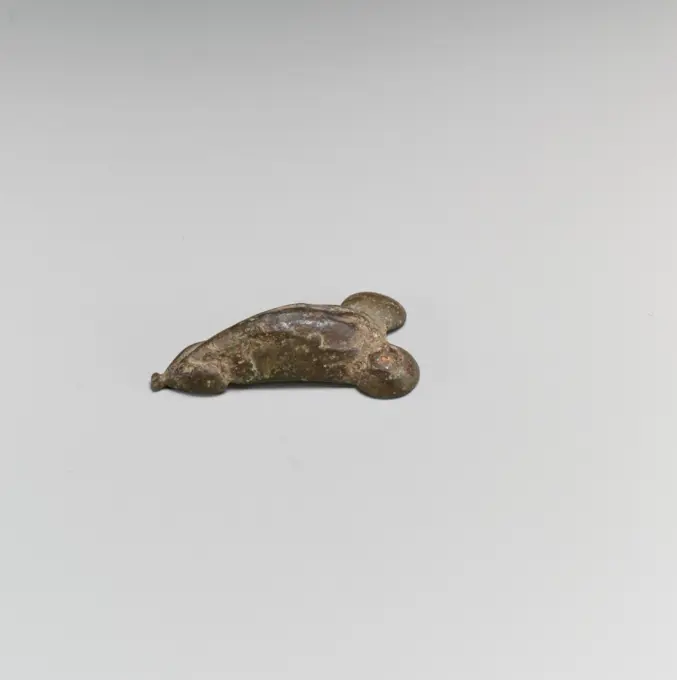
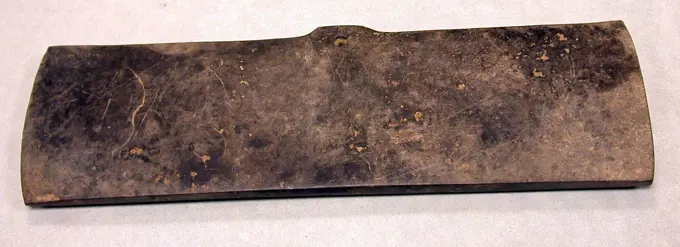
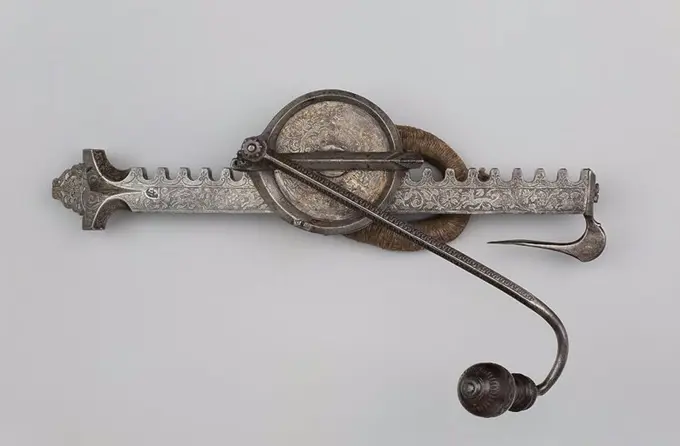
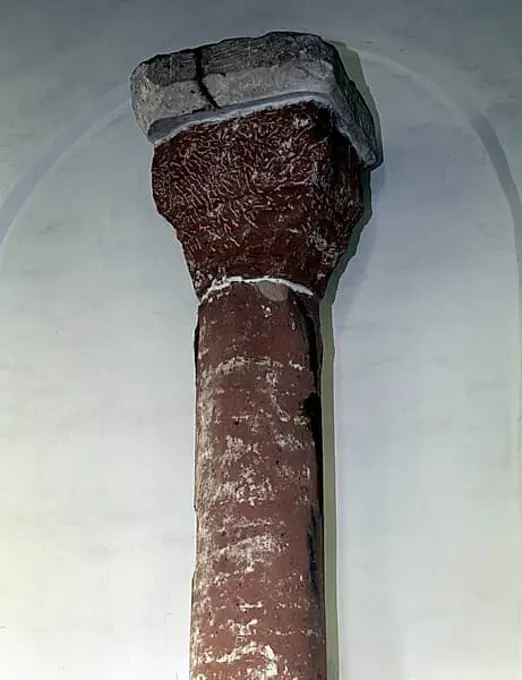
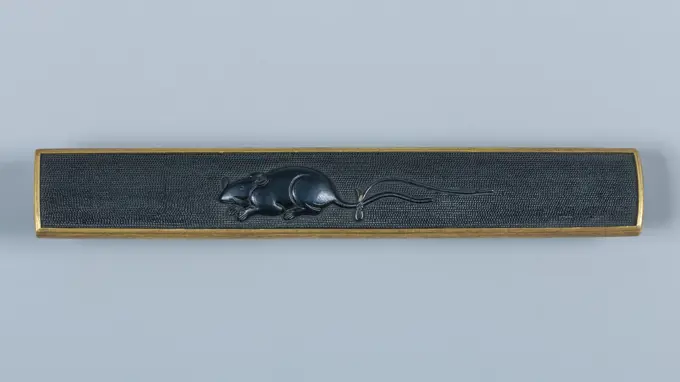
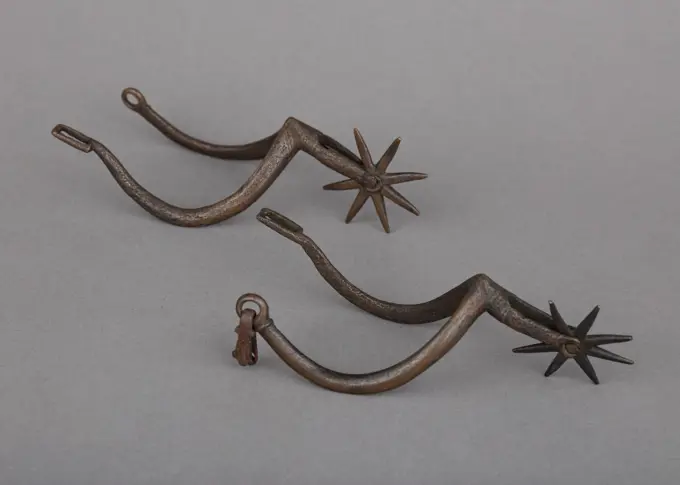
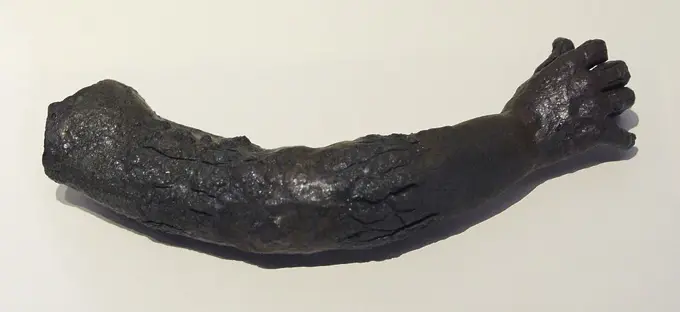
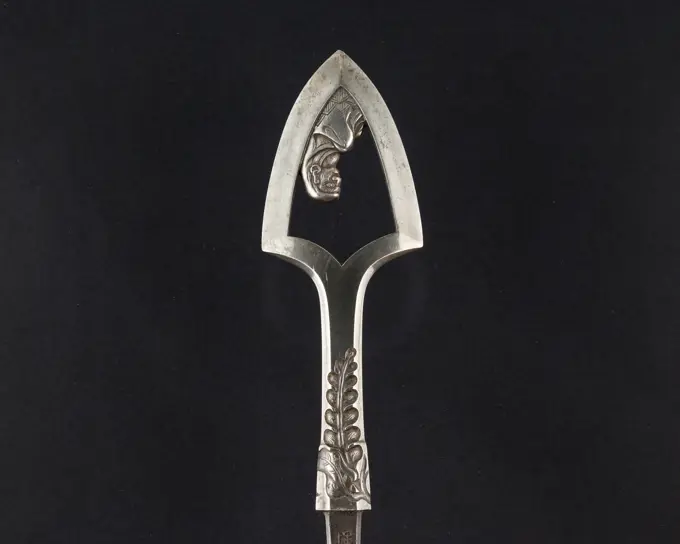
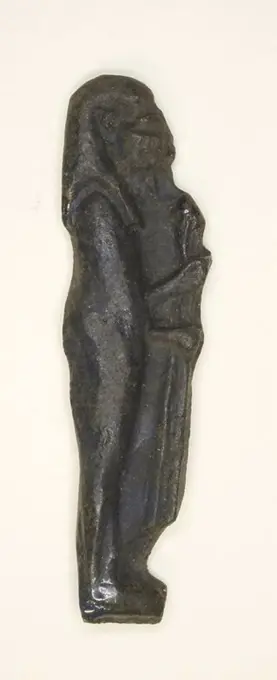
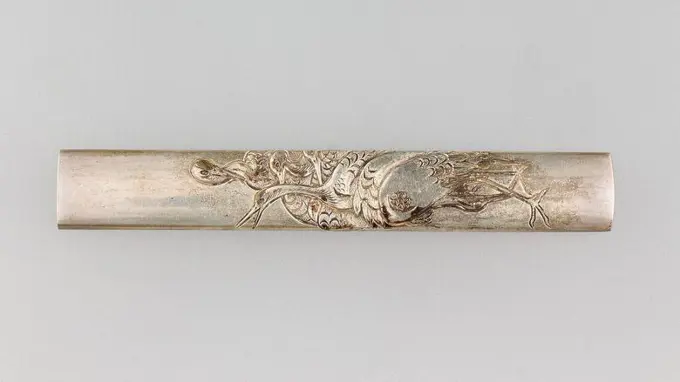
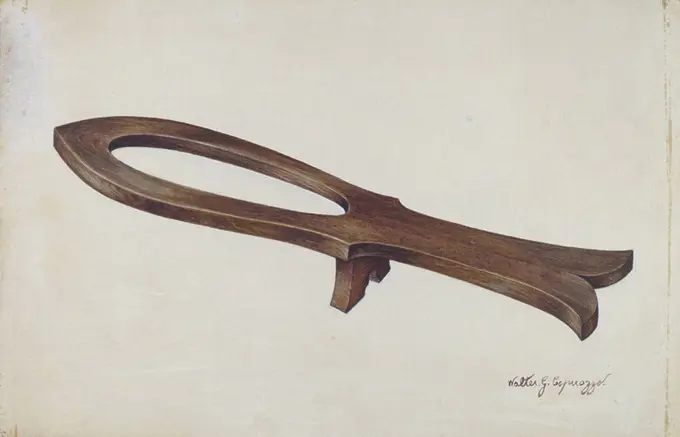
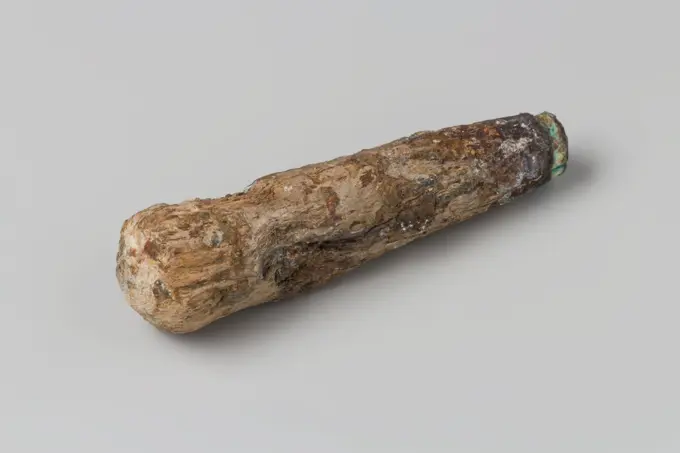
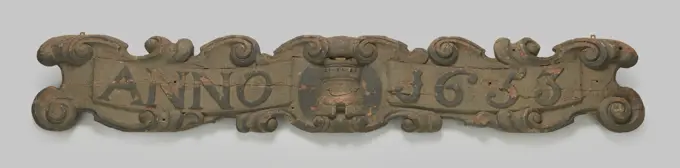
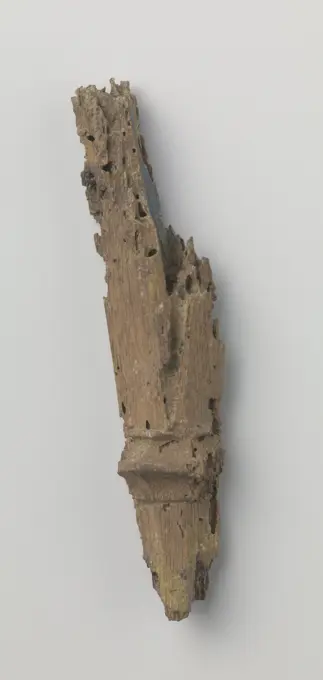
Fragment; (possibly) belonging to the retable of Soest, c. 1475 - c. 1499   wood (plant material)   wood (plant material)Trowel used by King William III when laying the memorial stone of the Oranjesluizen, Frima Benten and Sons, 1870 trowel Silver trowel with ivory steel. Steal gracefully cut out, with plant motifs, with a sliced crown button with cross. The silver part of the handle in the form of leaves, supported by a square rod, attached to the flat with a pedestal. The flat graceful shape, with the engraved representation of crowned standing woman with Hermesstaf in her hand, other supportive to anchor. On the downside inscription Links: Climbing Lion with annual letter L. Rail side on the right dating etc. Amsterdam ivory. silver (metal) forging / engraving / striking (metalworking) / cutting  Orange locksPalette. Egypt, Pre-Dynastic Period (circa 5500 - 3050 BCE). Tools and Equipment; palettes. SlateScrew with trapezoid square high head, screw fastener part ground find iron metal, archeology confirmSabel with Schede, Anonymous, c. 1781 sabre Sabel with sheath. The saber has a copper hilt and openwork side brackets. Marked: VOC M 1781 (VOC, room of Middelburg). The blade is bent and has a narrow blood channel, 4/5 length. Pre -bridge and double bump plate on which a thumb ring. Wooden gr. Great Britain Iron (Metal). hilt: copper (metal). Schede: Leather. Handle: Wood (Plant Material)   England. MiddelburgSculpted style of oak, from the so -called house of Alva, Warmoestraat in Amsterdam, c. 1500 - c. 1699 Carryed oak style, from the so -called house of Alva, Warmoestraat in Amsterdam. In total it concerns six painted styles (see BK-KOG-754-1 to 4 & 6 to 7). See also BK-KOG-755-A to H, these are two capitals and six styles of untreated oak that come from the same house.  oak (wood). paint (coating) Carryed oak style, from the so -called house of Alva, Warmoestraat in Amsterdam. In total it concerns six painted styles (see BK-KOG-754-1 to 4 & 6 to 7). See also BK-KOG-755-A to H, these are two capitals and six styles of untreated oak that come from the same house.  oak (wood). paint (coating)Bronze chisel ca. 2900-2200 B.C. Minoan Shaft is squared off with a flat end.. Bronze chisel 247622Spoon with a falcon on the handle ca. 3300-3100 B.C. Predynastic, Naqada III This early example of a toilet spoon (partly reconstructed) has a long handle, rounded for most of its length, and then tapering and flattening toward one end. Vertically through the flattened end is a hole, perhaps for suspension. At the other end is a hemispherical bowl to hold cosmetic material. Facing the bowl is the figure of a falcon that rests its beak on the rim. Although falcons are rarely depicted during this period, this high-soaring bird of prey was already beginning to take on solar connotations. The ivory from which this spoon was carved could be from either a hippopotamus or an elephant tusk.. Spoon with a falcon on the handle. ca. 3300-3100 B.C.. Ivory. Predynastic, Naqada III. From Egypt, Northern Upper Egypt, Mahasna, Tomb H128, EEF excavations 1908-1909Bronze spear-butt. Culture: Greek. Dimensions: total length 16 5/8 in. (42.3 cm); length without socket 10 13/16 in. (27.5 cm). Date: ca. 500 B.C..A spear-butt covers the end of a spear that touches the ground. This particularly fine example bears the inscription sacred to the Tyndaridai from the Heraeans. The Tyndaridae are Kastor and Polydeukes. The Heraeans are the inhabitants of a city in Arkadia from whom the spear-butt was taken as part of the victors' booty. Museum: Metropolitan Museum of Art, New York, USA.AncestorPanelBaluster with stabbed C and S-Voluten, Anonymous, c. 1740 - c. 1760 S-shaped baluster with stabbed C and S-Voluten with rocaille shells. Northern Netherlands wood (plant material) S-shaped baluster with stabbed C and S-Voluten with rocaille shells. Northern Netherlands wood (plant material)Six-Pounder Shot.Whitworth Garnet for a Zsponder. The term grenade, although common for this projectile, is incorrect because it does not carry an explosive charge; It is actually a bullet. It is from solid iron and has an elongated oval shape with a flattened basis; Six sloping oval impressions were made in the sides; These follow a screw movement, which gives the ball its rotational movement in a loop with hexagonal drawn soul.Hair pin of brown plastic, c. 1875 - c. 1900 A few hairpin from unadorned brown plastic. Netherlands (possibly) whole: cutting A few hairpin from unadorned brown plastic. Netherlands (possibly) whole: cuttingPrzeszo Przyszoci unknownBark ClothSkirtSingle-Edged Knife (Scramasax), c. 500-700. Merovingian, Migration period, 6th-7th Century. Iron, brass, gold foil, gold wire, gemstones; overall: 54.3 x 6.4 cm (21 3/8 x 2 1/2 in.).Fragment Pijpenkop, Unknown, 1720 - 1735 Fragment Pijpenkop. Of the excavations on the Hofstede Arentsburg 1827-1831 under the supervision of Professor Reuvens. Gouda pipe clay Fragment Pijpenkop. Of the excavations on the Hofstede Arentsburg 1827-1831 under the supervision of Professor Reuvens. Gouda pipe clayDeurklopper met plaat.A door knocker with plate. The plate consists of a prisoner on a pedestal with halberd in the left hand.Band from a Womans Ceremonial Skirt (Lau Pahudu)Chopstick, 918-1392. Korea, Goryeo period (918-1392). Bronze; overall: 24.5 cm (9 5/8 in.).BeehiveKnockerSealing. Dimensions: l. 4.7 cm (1 13/16 in). Dynasty: Dynasty 12, late - 13 up to 1700. Date: ca. 1850-1700 B.C.. Museum: Metropolitan Museum of Art, New York, USA.Nāy 19th century Syrian Although used generically for folk flutes, this Arabic term, derived from Persian, refers specifically to bevelled-edged reed flutes of classical music. The reeds vary in length from 12 to 32 inches, usually contain 8 nodes, and should be not less than 3 years old when cut. The musician blows across the sharpened edge while holding the flute at an oblique angle on one side of the mouth. Continuous breathing produces a hauntingly beautiful and seamless melody. The fingers' middle joints cover the holes.. Nāy 501050Elongated lock, anonymousDagg with triangular blade (title awarded). Bronze. Carnavalet museum, history of Paris.Shield 18th-19th century Bornean, Dyak. Shield. Bornean, Dyak. 18th-19th century. Cane. ShieldsOPM, anonymous, c. 1590 - c. 1596  Hitches (4-a) with loose prime; two loose (broken) pieces; Rolling in the handle, decorated at the thickest point with two stripes  iron (metal). wood (plant material) forging / cutting  Nova Zembla. Saving HuysEpée (title awarded). Bronze. Carnavalet museum, history of Paris.Arrowhead (Yanone) 18th century Japanese Although today Japanese warriors are renowned most for their swordsmanship, archery, especially from horseback, has been an essential part of samurai warfare and culture for centuries. Arrows were fitted with heads of varying shape according to their intended use in war, the hunt, or target practice. Arrowheads made for use on the battlefield incorporated different designs intended for specialized purposes such as the piercing of armor or to cause maximum damage to horses and unarmored personnel.Large arrowheads, pierced and elaborately chiseled with landscapes, birds, flowers, dragons, and Buddhist divinities, were created to be admired for the beauty of their metalwork and design rather than for use in archery. Such highly elaborate examples may have been made for presentation or as a votive offerings to a shrine.. Arrowhead (Yanone). Japanese. 18th century. Steel. Archery Equipment-ArrowheadsMount; L x W x D: 22.7 x 1.5 x 0.8 cm (8 15/16 x 9/16 x 5/16 in.)Roman bronze armour scales (26scales)Palette ca. 3850-2960 B.C. Predynastic Period. Palette. ca. 3850-2960 B.C.. Greywacke. Predynastic Period. From EgyptBronze phallic ornament 1st century A.D. Roman This flat-backed relief of a phallus was most likely attached to a larger object in antiquity, perhaps, as was common, to the chariot of a military general.. Bronze phallic ornament 255091 Roman, Bronze phallic ornament, 1st century A.D., Bronze, L. 1 5/8 in. (4.1 cm.). The Metropolitan Museum of Art, New York. Gift of A. Hyatt Mayor, 1960 (60.117.6)Knife; mother-of-pearl, brass, horn, steel ; L x W: 21.4 x 1.8 cm (8 7/16 x 11/16 in.); The Robert L. Metzenberg Collection, gift of Eleanor L. Metzenberg; 1985-103-46ESCULTURA ABSTRACTA. Author: SANTIAGO SERRANO (1942-). Location: PRIVATE COLLECTION. MADRID. SPAIN.Inlay ca. 8th-7th century B.C. Assyrian. Inlay. Assyrian. ca. 8th-7th century B.C.. Glass. Neo-Assyrian. Mesopotamia, Nimrud (ancient Kalhu)Winged Pendant before 16th century Tairona. Winged Pendant 317458CandelabraFragment of Roman sculpture, bronze, 2nd century, from the archeological site of Can Modolell. Museum: MUSEO DE MATARÓ.Goldweight Sword, 19th-20th century, 3 1/4 x 3/4 in. (8.26 x 1.91 cm), Brass, Ghana, 19th-20th centuryBallastlood from the wreck of the East Indians Hollandia, Anonymous, 1700 - in or Before 1743  Ingot. Netherlands lead (metal)   SecondTablecloth with the Battle of Malplaquet and the weapons of John Churchill Hertog by Marlborough and Eurgenius of Savoye, Anonymous, in or after 1709 Tablecloth from Linnamast with the Battle of Malplaquet and the equestrian portraits of Prince Eugenius of Savoye and John Churchill Hertog by Marlborough. Midfield: The symmetrical, tripled in width and doubled in height, pattern shows four scenes from bottom to the top: 1 a scuffle. 2 A fortified city with individual Citadel. 3 On a twisting horse a rider with an all -uniform. 4 two weapons; The coat of arms of John Churchill Hertog of Marlborough: Oval and surrounded by the motto of the order of the garter (acquired in 1702): Honi soit qui mal y Pense, and the whole for a double eagle with crown (received in 1704 from the German emperor); The coat of arms of Savoye surrounded by the chain of the Annunciata (). Standing and lying edges: weapon trophies. Kortrijk linen (material) damask  Malplaquet Tablecloth from Linnamast with the BattAmphora;Deposit of the University of Warsaw from 1937-1939, Egyptian ceramics, Polish-French excavations in Edfu (Egypt)Ceintuur ribbon of gold brocade with Paisley motif, c. 1920 - c. 1930 Ceintuur ribbon of gold brocade with Paisley motif. France (possibly) . Ceintuur ribbon of gold brocade with Paisley motif. France (possibly) .Taca. warsztat nubijski, workshopŁyżeczka kosmetyczna w kształcie kartusza. unknown, authorBand Fragment Coptic. Band Fragment, 5th-7th century C.E. Flax, wool, 3/8 x 4 1/2 in. (1 x 11.4 cm).   Egyptian, Classical, Ancient Near Eastern Art 5th-7th century C.E.Beaker 14th-15th century Chimú. Beaker 310632Schaafbeitel. Schaafbeitel Met right Snede.Chair Leg, AD 300s. Afghanistan, Begram, Kushan Period (1st century-320). Ivory; overall: 43.8 cm (17 1/4 in.).Fireplace wolves;  19th century (1801-00-00-1900-00-00);Umbrella of young people with a cover;  20th century (1901-00-00-1980-00-00);Bronisław Krystall. Testament (Warsaw - exhibition - 2015/2016), Krystall, Bronisław (1887-1983) - collection, men's fashion, testamentary record (provenance)Cranequin ( Winder ) for a Crossbow. South German; possibly Nuremberg; Master H W over W. Date: 1570-1600. Dimensions: L. 62.2 cm (24 1/2 in.). Iron with gilding, wood, and cord. Origin: Nuremberg. Museum: The Chicago Art Institute, Chicago, USA.Glasscherf from v.O.C.-ship the 'white lion'. Glass shard from v.O.C.-ship the 'white lion', fragment window glass.Two vanilla podsA stone base for a statue found in the Temple courtyard in Aquae Sulis. In the Roman city of Bath, England. Dedicated by Sulinus. 1st-3rd century Ad.Theater viewer () Of silver with legs or ivory handle and screw cap, fa. E. Petitpierre, After 1888 Silver theater viewer with legs or ivory handle and screw cap, in tube of brown leather. Round lenses with harmonica leather connected, stored flat together by turning two metal bars apart. Address (in graceful letters on the nose piece): E. Petitpierre optician du Roi à Berlin. Silver brands: tête de bièrre, hare head, (France, control mark after 1888) and a difficult masters that also indicates France. Berlin (possibly)maker: France (possibly) frame: Silver (Metal). Handle: Bone (Material). Handle: Ivory. Glass: Glass forging / cutting / grinding Silver theater viewer with legs or ivory handle and screw cap, in tube of brown leather. Round lenses with harmonica leather connected, stored flat together by turning two metal bars apart. Address (in graceful letters on the nose piece): E. Petitpierre optician du Roi à Berlin. Silver brands: tête de bièrre, hare head, (France, control mark aExposed column in the north aisle, St., Sankt, SaintKnife Handle (Kozuka) mid-18th century Inscribed by Got Mitsutaka (Enj) Japanese This kozuka features a design of a rat.. Knife Handle (Kozuka). Japanese. mid-18th century. Copper-gold alloy (shakud), silver. Sword Furniture-Kozuka. Half a point-shaped 23 cm of grenade, painted red, and a wooden box. The coffin is damaged. The grenade is 51.5 cm long and has a 225 mm caliber. He has burst open length, the nose is still intact. The grenade has two rings holes for cams for a drawn loop with six migratory fields, which have not been applied, and is hollow; In the bottom a bus from a softer metal is poured with a filling hole. There are two shallow holes under the nose, for the ammunition crane. In the wall there are two large, tapered holes, which means that the grenade has been burdened.Pair of Rowel Spurs late 13th - first half 14th century possibly French These spurs are among the earliest types of rowel spurs developed. The first rowel spurs, featuring a revolving disc or star at the end of the neck, appeared in Western Europe around the mid-13th century. They cohabitated with the earlier form, the prick spur, for about a century, before replacing it almost completely in Europe by the mid-14th century. The advantage of the rowel spur over the prick was it allowed the rider to reach the flanks of its horse with one of the points whatever the angle of its foot, which was very convenient regarding the riding position of the time, with long stirrups-leathers and extended legs. The fact that the rowel rolled against the horse instead of hitting it directly reduced also the probability of injuring it too seriously.. Pair of Rowel Spurs. possibly French. late 13th - first half 14th century. Copper alloy. Equestrian Equipment-SpursArm from a human figure. Post-Talayotic Culture. 5th-3rd centuries BC. Bronze. From the Shrine of Predio de Son Corro (Costitx, Majorca, Balearic Islands, Spain). National Archaeological Museum. Madrid. Spain.Ánfora romana de cerámica. Can Serra Museu de Mataró.Barbed Spear, Before 1922. Philippines. overall: 172.7 cm (68 in.); blade: 35 cm (13 3/4 in.).Arrowhead (Yanone) dated 1645 Japanese Although today Japanese warriors are renowned most for their swordsmanship, archery, especially from horseback, has been an essential part of samurai warfare and culture for centuries. Arrows were fitted with heads of varying shape according to their intended use in war, the hunt, or target practice. Arrowheads made for use on the battlefield incorporated different designs intended for specialized purposes such as the piercing of armor or to cause maximum damage to horses and unarmored personnel.Large arrowheads, pierced and elaborately chiseled with landscapes, birds, flowers, dragons, and Buddhist divinities, were created to be admired for the beauty of their metalwork and design rather than for use in archery. Such highly elaborate examples may have been made for presentation or as a votive offerings to a shrine.. Arrowhead (Yanone). Japanese. dated 1645. Steel. Archery Equipment-ArrowheadsIncense Burner 13th century. Incense Burner 453284Amulet of the God Imsety (one of the four Sons of Horus). Egyptian. Date: 780 BC-343 BC. Dimensions: 5 × 1.5 × .75 cm (2 × 9/16 × 1/4 in.). Glass. Origin: Egypt. Museum: The Chicago Art Institute, Chicago, USA. Author: Ancient Egyptian.Anubis Figurine 1000 B.C. Anubis, the dog-like funerary god and supervisor.Knife Handle (Kozuka). Culture: Japanese. Dimensions: L. 3 13/16 in. (9.7 cm); W. 9/16 in. (1.4 cm); thickness 3/16 in. (0.5 cm); Wt. 1.2 oz. (34 g). Date: 18th century. Museum: Metropolitan Museum of Art, New York, USA.Bootjack. Dated: c. 1938. Dimensions: overall: 22.7 x 35.5 cm (8 15/16 x 14 in.) Original IAD Object: 24" long; 9" wide. Medium: watercolor and graphite on paperboard. Museum: National Gallery of Art, Washington DC. Author: Walter G. Capuozzo.TrimHay Knife. Dated: c. 1938. Dimensions: overall: 24.8 x 35.7 cm (9 3/4 x 14 1/16 in.). Medium: watercolor and graphite on paper. Museum: National Gallery of Art, Washington DC. Author: Alfonso Moreno.Messenheft from the wreck of the East Indians Hollandia, Anonymous, 1700 - in Or Before 1743  Knife, handle, cylindrical: tapering; id. NG 1979-403H, eroded. Netherlands wood (plant material)   SecondPair of Trousers, Metal, In the form of a pair of trousers with creases, back pocket, suspenders draped over hips, tool pouch on right hip, overall surface textured to simulate fabric. Flat, flip top lid hinged above tool pouch. Striker on bottom., ca. 1886, containers, Decorative Arts, Matchsafe, MatchsafeBronze handle attachment with duck heads 1st century B.C. Roman This handle attachment would have been mounted to the rim of a basket-shaped vase, with the swinging loop handles themselves fastened between the duck heads. A complete example of such a handle adorns the bronze basket vase (1989.281.86) displayed nearby.. Bronze handle attachment with duck heads 255402Sugar gravy with sliced representation of Andromeda chained on the rock ,, 1650 - 1700  Rasp, caught in wood in which and romeda cut in relief chain the rock. At the top left the shiny sun and on the right -hand side trees and plants. The whole is surrounded by simple cut edge with a shell -shaped bottom. Top has a raised edge with the iron bulging grater between them with raised grater and riding tops. On the inside there is a raised edge in the middle and on the bottom is an opening with a vaulted plateau, which forms the other side of shell. Netherlands wood (plant material). iron (metal) cutting Andromeda chained to the rockAnonymous. "Pair of shoulder legs of an oberleutant of a numbered unit". Wool. 1900-1920. General Leclerc Museum of Hauteclocque and the Liberation of Paris, Jean Moulin Museum. 158936-19Number 1Figure 1st century B.C.-A.D. 4th century Nasca. Figure 313136Material of the painter Ernest Renoux: Shadow: upper element, foot, intermediate part and covers ". Museum of Fine Arts of the city of Paris, Petit Palais. 26987-3 Cover, materials, blacksmith, tool, painter, footCaptured Ordnance, anonymous, 1667 lilla Bronze Lilla on Movable Spil, almost the same as NM-9763. The vision device differs. A dolphin was applied to the mouth and a lizard at the Zundgat. The pivot is richer profiled than NM-9763 and NM-9764. The dolphins on the pivot are broken. The mik is attached to the taps. Hollow tail. Indonesian Archipelago bronze (metal)Tool; wood, steel, brassKnife Handle (Kozuka) late 18th century Japanese A kozuka is a handle of a by-knife that is part of a sword mounting. It is kept in a slot on the reverse of a katana scabbard, often with a matching kgai (hairdressing tool).. Knife Handle (Kozuka). Japanese. late 18th century. Copper-silver alloy (shibuichi), gold, silver, copper, copper-gold alloy (shakud). Sword Furniture-KozukaGoldweight Linked Knots, 19th-20th century, 4 1/4 x 3/4 in. (10.8 x 1.91 cm), Brass, Ghana, 19th-20th centuryCut and painted Cartouche van Genenhout with the weapon of Middelburg., Anonymous, 1653 Cut and painted Cartouche van Genenhout with the weapon of Middelburg in the middle and right and on the left a banderol on which Anno 1653. Gray painted.  wood (plant material). pine (wood). paint (coating) cutting / painting Cut and painted Cartouche van Genenhout with the weapon of Middelburg in the middle and right and on the left a banderol on which Anno 1653. Gray painted.  wood (plant material). pine (wood). paint (coating) cutting / paintingKnife (possibly Germany); ivory, steel, silver; L x W: 16.2 x 1.7 cm (6 3/8 x 11/16 in.); The Robert L. Metzenberg Collection, gift of Eleanor L. Metzenberg; 1985-103-161Souvenir spoon with finial in form of John Bull Saunders & Shepherd British 1894-95Waongoos of black lacquer with Japanese scene in golden lacquer and red inside and fan-shaped erosion. Bone box of black lacquer with Japanese scene in gold lacquer: On the lid are 3 Japanese men at a rectangular table with plants in the background. The sides of the box plant motifs in gold. The red inside has a fan-shaped erosion. Closure with hook and metal hinges.Messenheft from the wreck of the East Indians Hollandia, Anonymous, 1700 - in Or Before 1743 knife (tool) Knife, pistol-grip-shaped fragm id. NG 1979-260H2233. Netherlands wood (plant material). metal   SecondGuitar case, anonymous, c. 1610 - c. 1643 Wooden guitar chest with red leather. On top of a crowned weapon with three lilies around which the order band of St. Michael. Learn everywhere labeled with lilies alternately with crowns above the letter L. Opening at the end with wire hinges. Klep stays closed through decorative lock (buckle missing) and hook, both of iron, probably once gilded. Lining pink padded silk. France wood (plant material). leather. gilding (material) gilding Wooden guitar chest with red leather. On top of a crowned weapon with three lilies around which the order band of St. Michael. Learn everywhere labeled with lilies alternately with crowns above the letter L. Opening at the end with wire hinges. Klep stays closed through decorative lock (buckle missing) and hook, both of iron, probably once gilded. Lining pink padded silk. France wood (plant material). leather. gilding (material) gildingTablecloth ,, 1700 - 1800 Linen tablecloth with peel pattern. Netherlands (possibly) linen (material) Linen tablecloth with peel pattern. Netherlands (possibly) linen (material)Door lock. Door lock with curled iron decorationsFragment, 17th century; silkScherf earthenware from V.O.C. ship De 'Witte Leeuw', Before 1613  Scherf earthenware from V.O.C. ship De 'Witte Leeuw'  earthenware   Sint-HelenaPrzeszo Przyszoci unknownFigurehead from Schooner "Nellie G". Dated: 1935/1942. Dimensions: overall: 24.4 x 35.6 cm (9 5/8 x 14 in.). Medium: watercolor, graphite, and colored pencil on paper. Museum: National Gallery of Art, Washington DC. Author: American 20th Century.Hinge;  2 after. XVII century (1601-00-00-1700-00-00);Standing Figurine with Missing Leg 800 BCE-400 BCE Guerrero state. Jade . OlmecDagger (Khanjar). Culture: Indian, Mughal or Deccan. Dimensions: H. 14 11/16 in. (37.3 cm); H. of blade 10 in. (25.4 cm); W. 2 3/8 in. (6 cm); Wt. 9.4 oz. (266.5 g). Date: 18th-19th century. Museum: Metropolitan Museum of Art, New York, USA.Clay Ring, 400-999, 2 in. (5.08 cm), Earthenware, Mexico, 5th-10th century