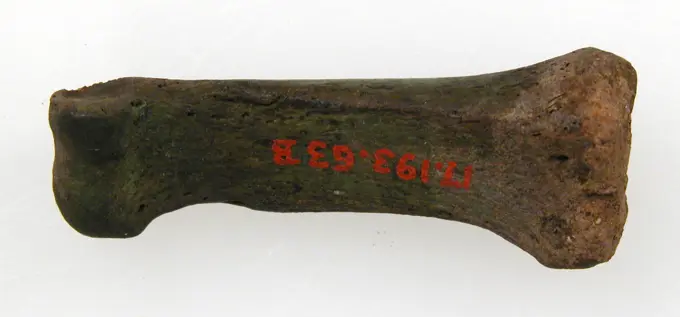
Antique Tool Fragments

Collection of historical artifacts including wood fragments, a trowel, and an ancient palette, highlighting their antique craftsmanship and historical significance.
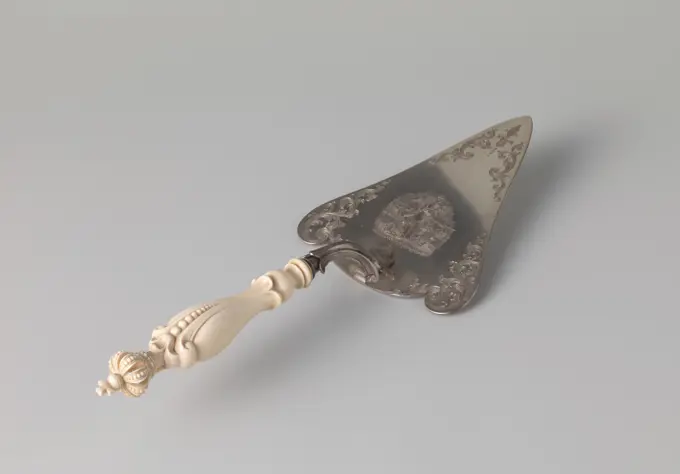
Trowel used by King William III when laying the memorial stone of the Oranjesluizen, Frima Benten and Sons, 1870 trowel Silver trowel with ivory steel. Steal gracefully cut out, with plant motifs, with a sliced crown button with cross. The silver part of the handle in the form of leaves, supported by a square rod, attached to the flat with a pedestal. The flat graceful shape, with the engraved representation of crowned standing woman with Hermesstaf in her hand, other supportive to anchor. On the downside inscription Links: Climbing Lion with annual letter L. Rail side on the right dating etc. Amsterdam ivory. silver (metal) forging / engraving / striking (metalworking) / cutting  Orange locks
Trowel used by King William III when laying the memorial stone of the Oranjesluizen, Frima Benten and Sons, 1870 trowel Silver trowel with ivory steel. Steal gracefully cut out, with plant motifs, with a sliced crown button with cross. The silver part of the handle in the form of leaves, supported by a square rod, attached to the flat with a pedestal. The flat graceful shape, with the engraved representation of crowned standing woman with Hermesstaf in her hand, other supportive to anchor. On the downside inscription Links: Climbing Lion with annual letter L. Rail side on the right dating etc. Amsterdam ivory. silver (metal) forging / engraving / striking (metalworking) / cutting Orange locks
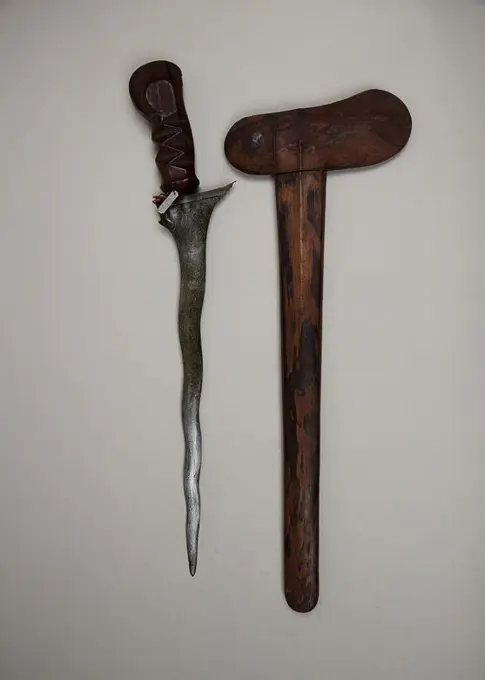
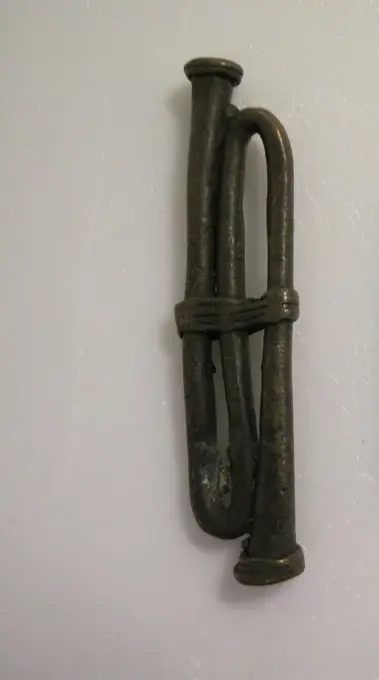
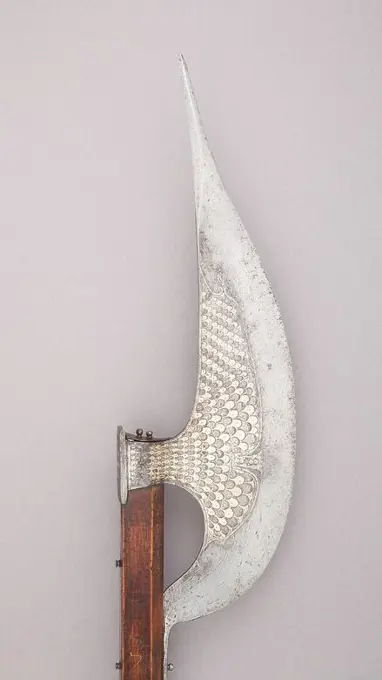
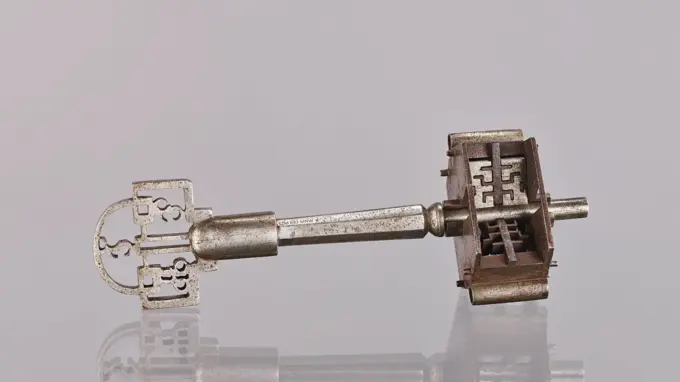
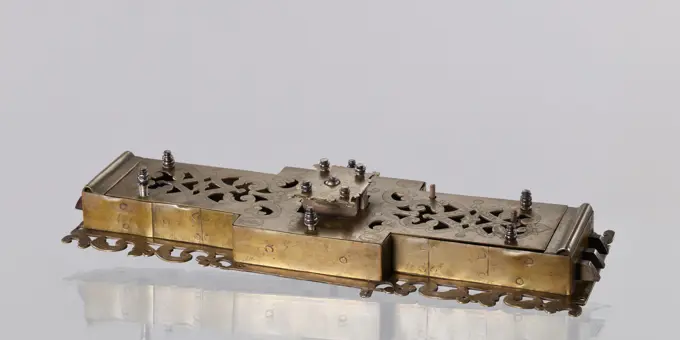
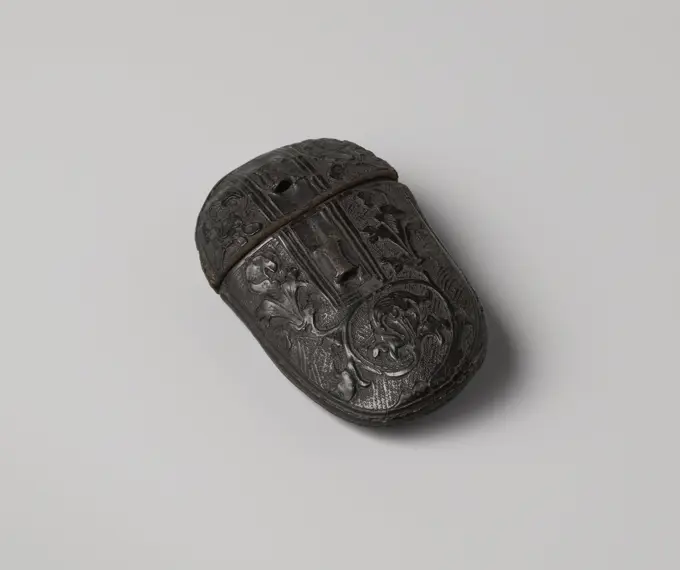
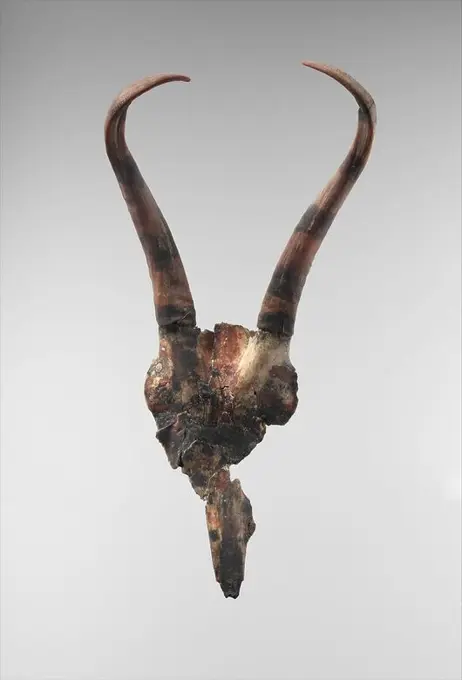
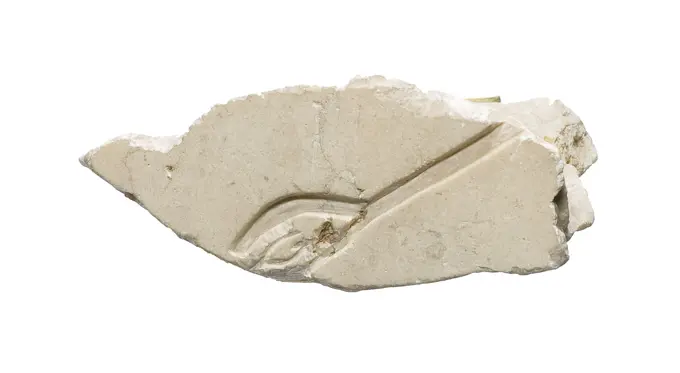
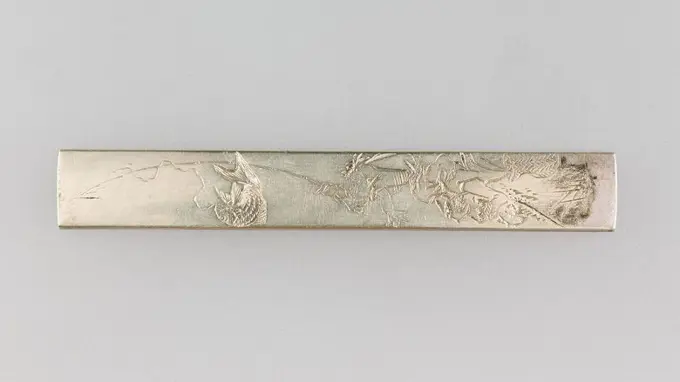
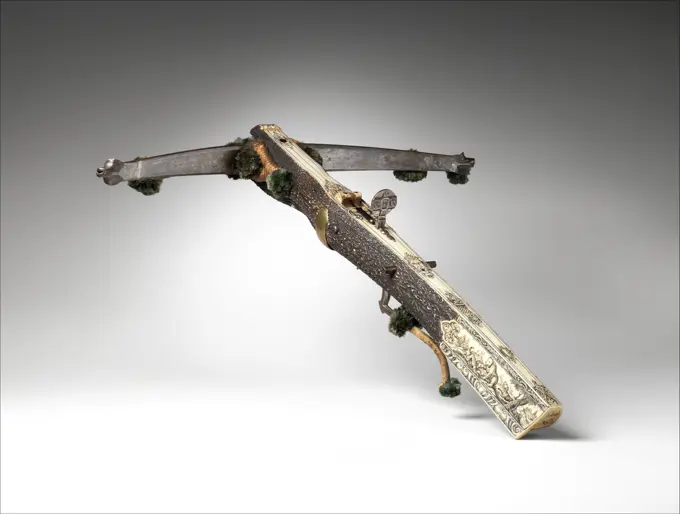
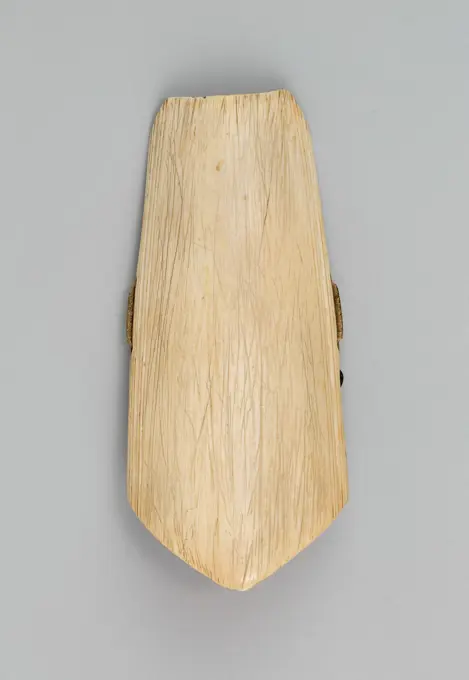
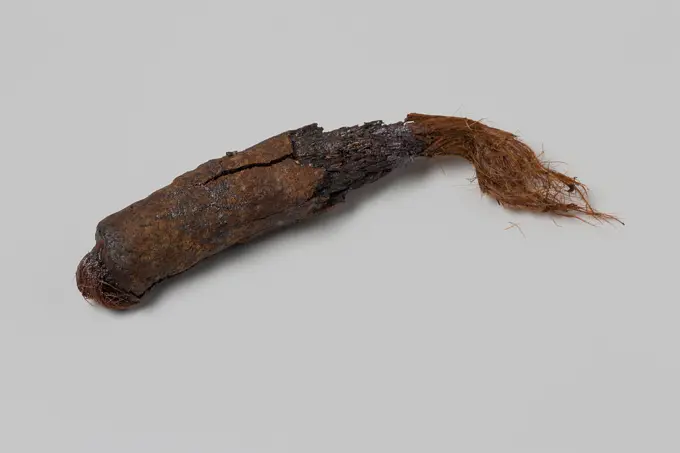
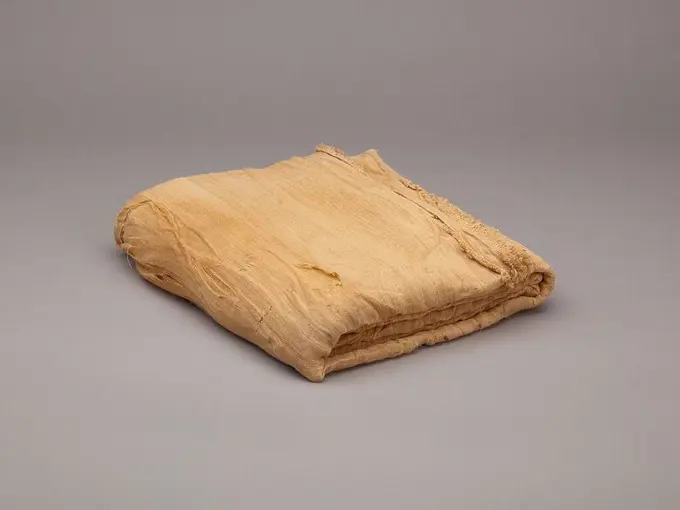
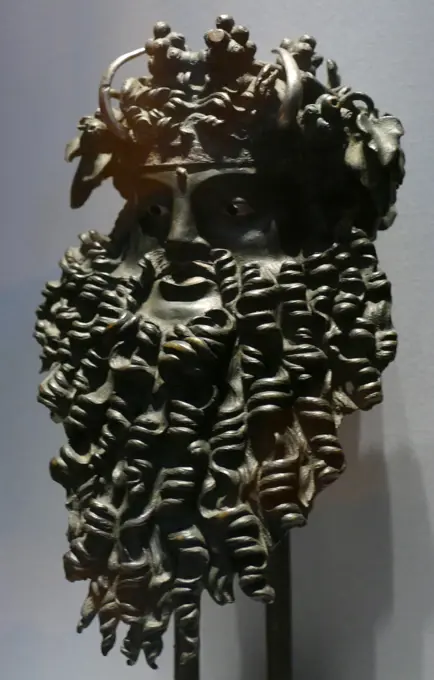
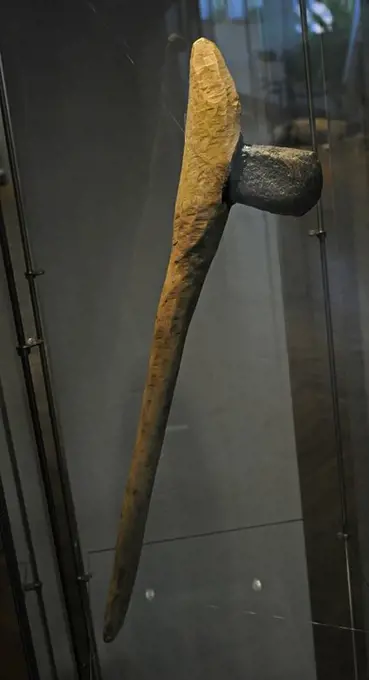
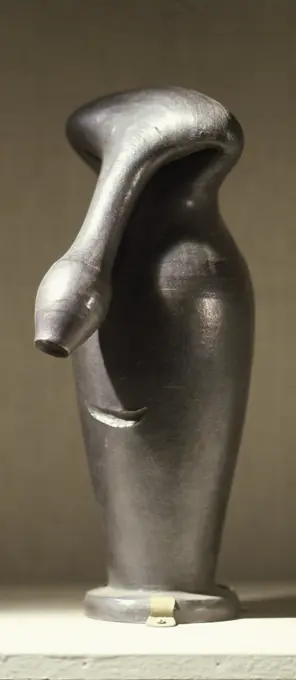
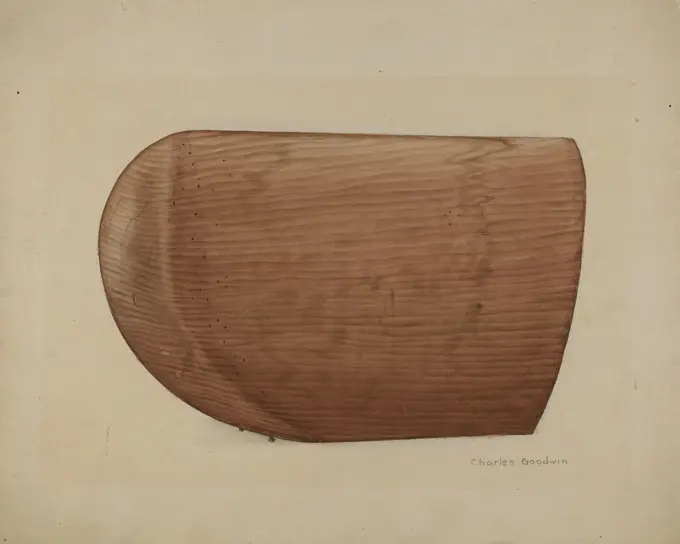
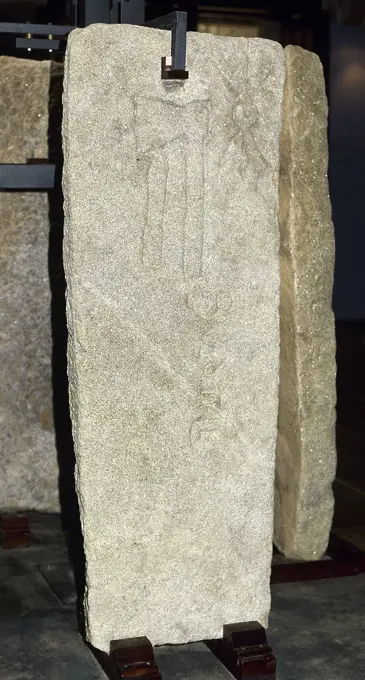
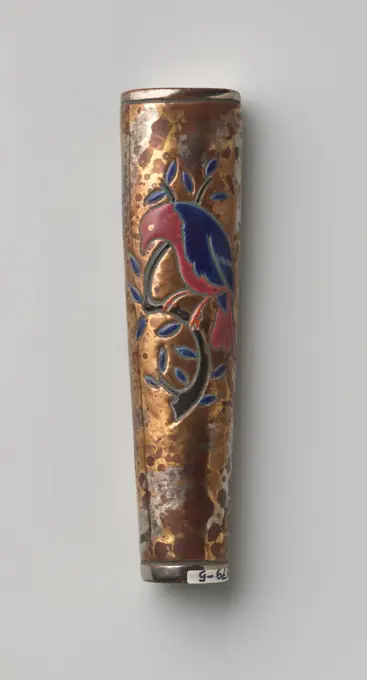
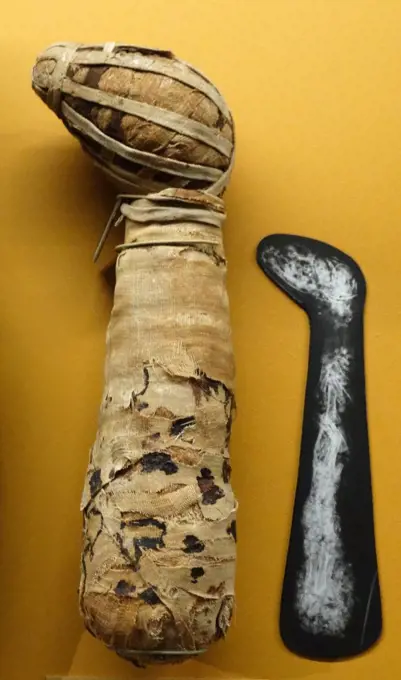
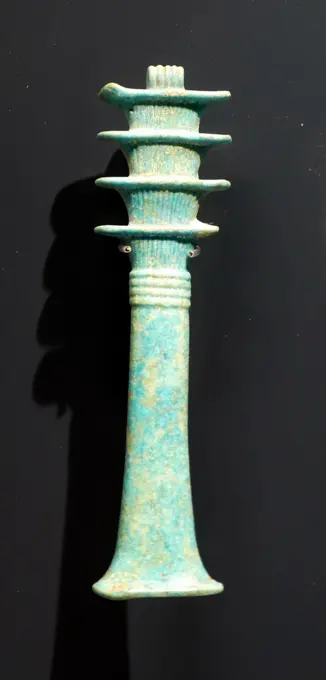
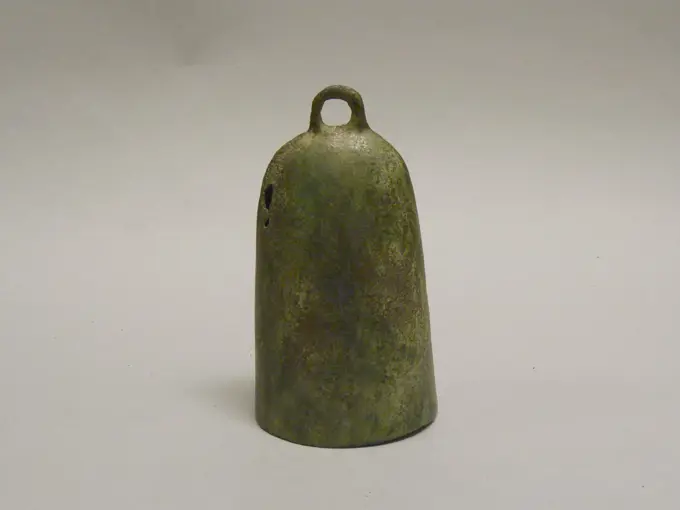
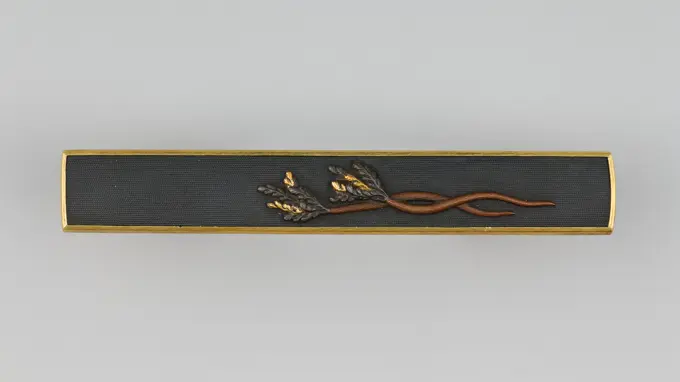
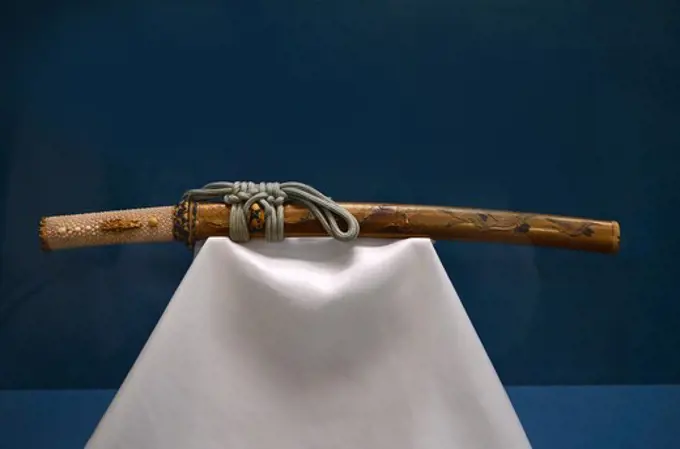
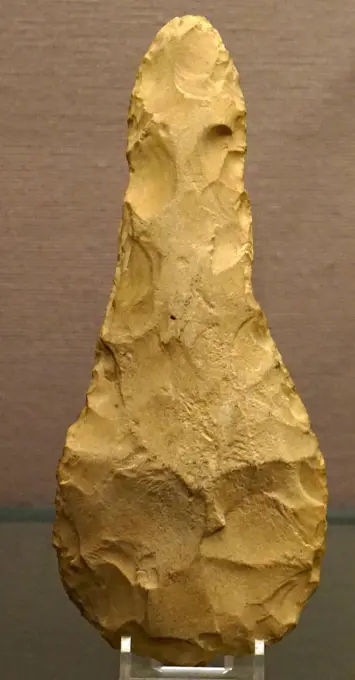
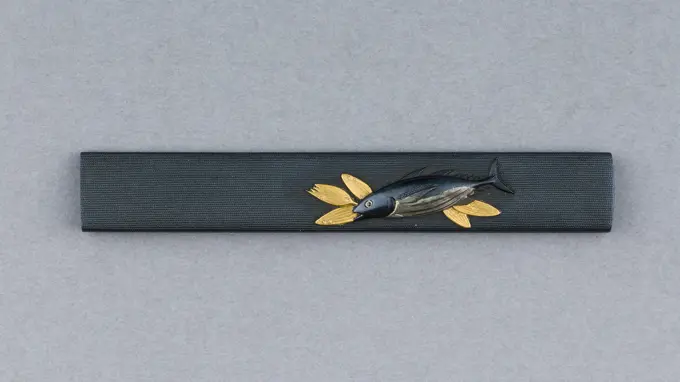
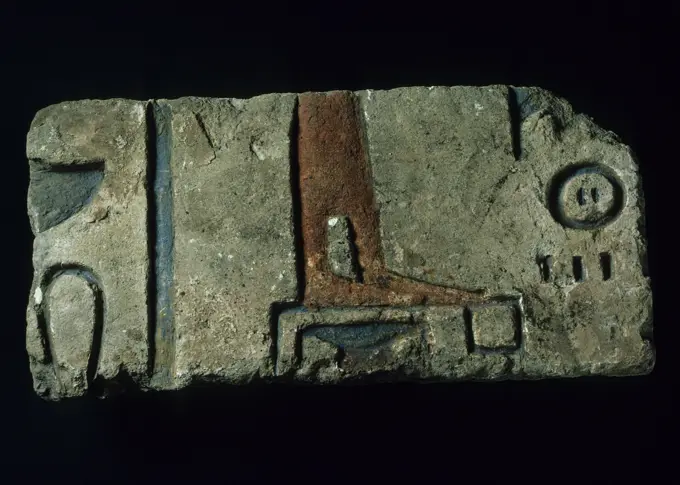
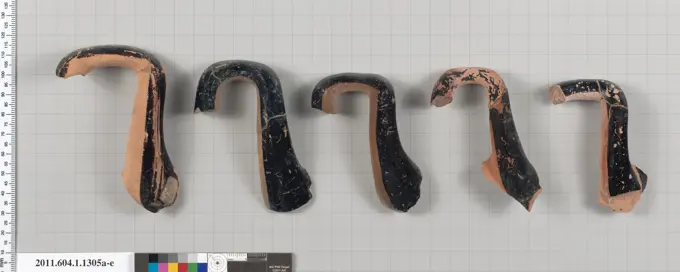
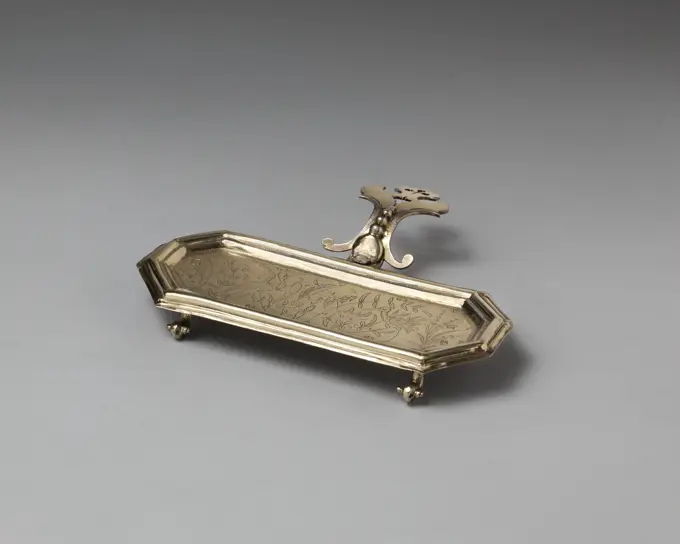
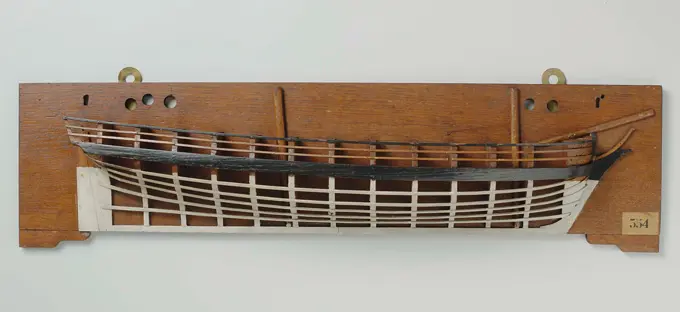
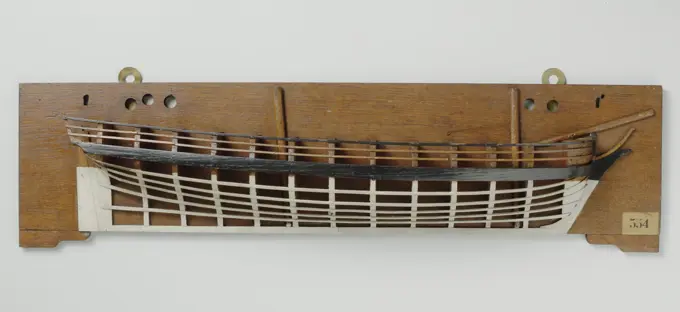
Half Model of an 8-Gun Brig, anonymous, c. 1780 - c. 1825 ship model. half model. builder's model Polychromed mold model (starboard) of a two -mast. Get mirror, Hol Wulf, no details of fence or side gallery; Straight with square stirring king. Seeping back slightly rising, one barkhout. Peaked around. Netherlands wood (plant material)Knife, fork and cutting board, salt, pepper and other ingredients located on a textured concrete backgroundKris with Sheath. Culture: Balinese. Dimensions: L. with sheath 24 3/16 in. (61.4 cm); L. without sheath 19 13/16 in. (50.3 cm); L. of blade 15 in. (38.1 cm); W. 4 5/8 in. (11.7 cm); Wt. 9.2 oz. (260.8 g); Wt. of sheath 6.3 oz. (178.6 g). Date: 16th-19th century. Museum: Metropolitan Museum of Art, New York, USA.Amulet of the God Osiris-Canopus 101 CE-200 CE Egypt. Steatite . Ancient RomanGoldweight Knot, 19th-20th century, 2 9/16 x 5/8 x 1/4 in. (6.51 x 1.59 x 0.64 cm), Brass, Ghana, 19th-20th centuryBrooch (USA); brooch in design of a whistle made from a whip.Axe (Berdiche). Culture: possibly Turkish. Dimensions: L. 71 1/2 in. (181.6 cm); L. of head 26 1/2 in. (67.3 cm); L. of blade 20 in. (50.8 cm); W. 6 1/2 in. (16.5 cm); Wt. 4 lbs. 8.5 oz. (2055.3 g). Date: ca. 14th-15th century. Museum: Metropolitan Museum of Art, New York, USA.Key, lock register;  1 PO. 19th century (1801-00-00-1900-00-00), 1 after. 19th century (1801-00-00-1850-00-00);Castle to the chest;  1759 (1759-00-00-1759-00-00);Fedral of pressed leather with flower decorations., Anonymous, 1500 - 1600 Fedral with lid, made of pressed leather with flower decorations. Flat, oval -shaped with passers -by.  leather Fedral with lid, made of pressed leather with flower decorations. Flat, oval -shaped with passers -by.  leatherDecoration with engraved figures; performance is not entirely clear; signed.Sheet, linen mark, medium spin, irregular weave ca. 1492-1473 B.C. New Kingdom. Sheet, linen mark, medium spin, irregular weave 549007Mount (France); gilt bronze; L x W: 9.2 x 2.8 cm (3 5/8 x 1 1/8 in.)Appliqué for a funeral couch. UnknownBucranium. Dimensions: h. of skull 13.5 cm (5 5/16in); w. of antlers 13 cm (5 1/8 in). Dynasty: Dynasty 14-17. Date: ca. 1640-1550 B.C.. Museum: Metropolitan Museum of Art, New York, USA.Pictorial relief, Aten hand ca. 1353-1336 B.C. New Kingdom, Amarna Period. Pictorial relief, Aten hand 549863A couple of eye to the gates above;  1716 (1716-00-00-1716-00-00);Club, c. 1750-1800, 24 15/16 x 3 7/8 x 7 in. (63.34 x 9.84 x 17.78 cm), Wood, United States, 19th century, This rare club features a horned figure carved into the top, which may represent maymaygwayshi, or water spirits that dwell on riverbanks. Although usually nonthreatening, maymaygwayshi can be mischievous and may blow your canoe away from shore if you dont show the proper respect. The long snakelike figures are mishebeshu, or underwater panthers. The ball club was an important weapon, so men often cultivated trees near the river bank, working over several years to establish a 'crook' between the roots and the trunks of young saplings that would eventually evolve into a burl that could be carved into the circular shape you see here.Pin 10th-15th century The dot-in-circle motif recalls designs presumed to be of magical significance, most likely an abstract eye to ward off the evil-eye, which serve an apotropaic function. Easily reproduced with a tool and visible in many cultures and times, this symbol may have lost its meaning, and become simply a decorative pattern, or may have one that we have not yet discovered.. Pin 447356Trench craftsmanship. 37 mm artillery cartridge with an applied image of the Cathedral in Reims Factory productBase; jade with hardstone baseWall arm of brass, anonymous, c. 1475 - c. 1500 The object is composed of three parts: the arm, the fat catcher on a short trunk, the candle pin. The first two are cast, the third is made from plate. The vertical impetus of the arm has the shape of an animal, the grinning head of which is directed downwards. Two square eyes, which serve to confirm the arm, are located at the place of the animal's legs. The tail has grown into a arm bent forward and upwards with three highs on top and at the bottom of Maaswerk, in which, among other things, fish blowing and a three -leaf termination occur. On the upper part, where the arm becomes hexagonal, there is a more or less round turn on to confirm a coat of arms or something similar. It ends in a hexagonal capital, on which the short round profiled trunk with the round -profiled two or three times and has been applied to the top with rings decorated fat catcher. The arm is broken into the part bending up. The fat catcher, which is not originallyA handle for articles; Koenigliche Porzellanmanufaktur (Meissen; 1807/14-1918); 19th century (1801-00-00-1900-00-00);Ancient Age. Germanic tribes of eastern Germany. Bracelet with snake-head terminals. 3rd century. Bronze. Neues Museum (New Museum). Berlin. Germany.Plaque 5th-8th century. Plaque 449163Ritual tool for the "Opening of the Mouth" ceremony ca. 1479-1458 B.C. New Kingdom. Ritual tool for the "Opening of the Mouth" ceremony. ca. 1479-1458 B.C.. Wood. New Kingdom. From Egypt, Upper Egypt, Thebes, Deir el-Bahri, Temple of Hatshepsut, Foundation Deposit 3 (C), MMA excavations, 1923-24. Dynasty 18Upper Arm Defense (Rerebrace). Culture: Italian. Dimensions: H. 8 1/2 in. (21.6 cm); W. 3 in. (7.6 cm); D. 4 3/4 in. (12.1 cm); Wt. 12.6 oz. (357.2 g). Date: ca. 1430-40. Museum: Metropolitan Museum of Art, New York, USA.Folder with documents and fragments belonging to Malle Babbe, Han van Meegeren, 1930 - 1940 painting. fragment. document Folder with approx. 12 documents, photos and fragments belonging to painting Malle Babbe. Netherlands canvas. oil paint (paint)Musical instrument in Kazakh Museum of Folk Musical Instruments. Almaty, Kazakhstan.Fittings decorated curled leaf motifs, anonymous, 1600 - 1800 Rectangular, open -up piece of fittings of iron iron. The wide center lane consists of leaf motifs that twist in spiral shape to the left and clockwise. In addition, two narrow lanes have been applied with oval surfaces as a decoration. The top is closed with a solid job.  iron (metal). tin (metal) Rectangular, open -up piece of fittings of iron iron. The wide center lane consists of leaf motifs that twist in spiral shape to the left and clockwise. In addition, two narrow lanes have been applied with oval surfaces as a decoration. The top is closed with a solid job.  iron (metal). tin (metal)Key lock. A lock with clover-shaved lid. With key (BK-NM-8726-B).Small column with ivy. Marble. 1st century AD. From House of the Vettii, Pompeii. Special Superintendence for the archaeological goods of Pompeii, Herculaneum and Stabiae.Fragment wooden rake with two teeth, rake tool equipment soil find timber, sawn drilled cut cut Fragment of wooden rake. Head fragment with two wooden teeth borehole of third tooth is still present Teeth have slightly worn points Wooden body is torn archeology Rotterdam City Triangle Groenendaal underground pit clearing cattle farmer Soil discovery Rotterdam underground pit Groenendaal from the 14th to the 15th century layer September 1975.Strip Side Boarding with Shipping Trials Tulfoor Stopwork.STRIP Natural-Colored Edge Embroidery: Stroke on Machine Tulle. IT is A Concatenation of Various Test Steaks With Transit Patterns.Red copper Kruithoorn, c. 1825 - c. 1832 powder horn Red Copper Kruithoorn with yellow copper neck without decorations. Coming from Geldorp, voluntary hunter in 1830-1832 at the Jagers of Smokmaker Corps. Netherlands copper (metal)Imperial Standard Yard, 1825. Maker: Isaac Blackburn. Measuring instrumentLimb against black backgroundGarden bench in Marot style (seat), Anonymous, c. 1700 - c. 1750 Bank of stained pine. The narrow seat rests on cheeks and has a scalloped decorative piece with broken volutes under the rule, in the middle a symmetrical leaf motif with branches and on the corners of brushes. furniture worker: Netherlandsdesigner: The Hague wood (plant material). pine (wood) Bank of stained pine. The narrow seat rests on cheeks and has a scalloped decorative piece with broken volutes under the rule, in the middle a symmetrical leaf motif with branches and on the corners of brushes. furniture worker: Netherlandsdesigner: The Hague wood (plant material). pine (wood)Scherf earthenware from the wreck of the East Indians' t Vliegend Hart ,, 1700 - 1735  Half -round elongated ear of red -baking earthenware that has been broken down on both sides with a rusty core. Netherlands earthenwareStoneware mineral water pitcher, cylindrical with round shoulder, sausage ear and short neck, mineral water pitcher jar product packaging container soil find ceramic stoneware glaze salt glaze approx., hand turned glazed baked Stoneware mineral pitchers cylindrical with round shoulder short neck and sausage ear. Stand area with traces of deduction and soul. Glazed. Marked under the ear and marked on the front with medallion Medallion in the medallion: FACHINGEN in the midfield left clawing lion archeology Rotterdam Kralingen-Crooswijk Struisenburg Oostmaaslaan Boslaan Buizengat advertising indigenous pottery import drinking water drinking medicine packaging Soil discovery: Buizengat Oostmaaslaan Boslaan Rotterdam an old landfill of urban waste.Empty wooden rectangular cutting board on a plain background, flatley with copy space Empty wooden rectangular cutting board on a plain background, flatley with copy space. Kitchen utensils in home kitchen Copyright: xZoonar.com/TetianaxChernykovax 21762635Pennsylvania German Toy Dachshund. Dated: c. 1937. Dimensions: overall: 24.5 x 35.8 cm (9 5/8 x 14 1/8 in.) Original IAD Object: 21" long; 5 3/8" high. Medium: watercolor, graphite, and gouache on paperboard. Museum: National Gallery of Art, Washington DC. Author: Mina Lowry.Wooden canoe prow Sepik tribe; Papua New Guinea; 20th centuryPrzeszo PrzyszociCree Papoose Doll. Dated: 1935/1942. Dimensions: overall: 40.4 x 28.1 cm (15 7/8 x 11 1/16 in.) Original IAD Object: 10 1/2" high. Medium: watercolor and graphite on paper. Museum: National Gallery of Art, Washington DC. Author: Jane Iverson.Powder Horn 1759 Colonial American, Lunenberg, Massachussetts. Powder Horn 29576Knife Handle (Kozuka). Culture: Japanese. Dimensions: L. 3 13/16 in. (9.7 cm); W. 9/16 in. (1.4 cm); thickness 3/16 in. (0.5 cm); Wt. 0.7 oz. (19.8 g). Date: 18th century. Museum: Metropolitan Museum of Art, New York, USA.Incense Box in the Form of a Raft with Flowers. Japan, mid-19th century. Lacquer. Lacquer with gold and silver makie (sprinkled powder) designCHOCOLATERA Y MOLINILLO.Crossbow (Halbe Rüstung) with Winder (Cranequin) dated 1742 Crossbow by Johann Gottfried Hänisch the Elder German This is one of a series of similar bows by Hänisch the Elder for the court of Friedrich August II, Elector of Saxony from 1733 to 1763 and King Augustus III of Poland from 1734 to 1736.. Crossbow (Halbe Rüstung) with Winder (Cranequin) 24924Armour of a horseman. Western Europe, 16th century. Latvian War Museum. Riga. Latvia.Shō Japanese 19th century The Japanese mouth organ used in gagaku (court music) descended from the Chinese sheng. The lacquered air chamber is often decorated. Here a spider waits for the next victim to be ensnared in the web.Archer's Arm Guard 1500-1800 Europe. Ivory .Katzbalger (Infantry Sword) Made 1500-1515 Switzerland. The Katzbalger (German for cat-gutter) was the principal sidearm of the early 16th-century Swiss and German foot soldier. Its short, wide double-edged blade was designed for slashing in close quarters, while the bold S-shaped guard protected the userís hand and forearm from adversariesí blows.. Steel, brass, and walnut burl .Fragment of a rope from the vocal of the VOC East Indied Flying Heart. The object is a piece of 'rope' with a kind of 'case' around it. The diameter is round, the color is brown. The "Case" could be made of wood. Rope.Luristan bronze dagger. 1500 to C. 500 BC., Iron II. Iran. Near East. Museum of Louvre. Paris. France.Copper (Cu) Ingot, 20 lbs     Date: Crassostrea cristagalli shell from the wreck of the Dutch East India ship Witte Leeuw, before 1613  Shell from V.O.C. ship the 'Witte Leeuw'.  .   Sint-HelenaSheet, linen mark, medium spin, irregular weave. Dimensions: L. 482 cm (189 3/4 in); w. 143 cm (56 5/16 in). Dynasty: Dynasty 18. Reign: reign of Thutmose II-Early Joint reign. Date: ca. 1492-1473 B.C.. Museum: Metropolitan Museum of Art, New York, USA.Old electric buege iron old electric iron, Old IronMask of Dionysus-Osiris, Roman, 200 BC - AD 200. bronze mask from the handle of a vessel used in the worship of Dionysus, the god of wine. Silver and bronze highlight the eyes, horns, and lips. Once owned by Mead, now held in the British Museum Prehistory. Stone ax (reconstruction). Archeological Museum. Gdansk. Poland.Bowl;  around 1550 1069 BC ; New PAModel Adze from a Foundation Deposit ca. 1479-1458 B.C. New Kingdom. Model Adze from a Foundation Deposit. ca. 1479-1458 B.C.. Wood, bronze or copper alloy. New Kingdom. From Egypt, Upper Egypt, Thebes, Deir el-Bahri, Tomb of Senenmut (TT 353), Foundation deposit 3 and 5a, MMA excavations, 1926-27. Dynasty 18Vase-Face by Pablo Picasso, Bronze, 1946, 1881-1973Jewelry on display standPIEZA DE JOYERIA, PULSERA DE VIDRIO AZUL RETORCIDA (EN EL MUSEO DE SANTA CRUZ).Half of squeeze shears with broad, pointed leaves, pinch cutter scissor cutting tool soil find iron metal, In point flared blade between blade and handle double knob Straight legs and copper-colored patina across the blades archeology Rotterdam rail tunnel cut Soil discovery: route rail tunnel Rotterdam.Black wooden african mask isolated on whiteCharles Goodwin, Shaker Wooden Bonnet Mold, 1935 1942 Shaker Wooden Bonnet MoldSepulchral tombstone of the guild of the butchers. Church of Santa Maria, 14th century. Noia, La Corun_a province, Galicia, Spain.Pendant (France); fire-gilt bronzeHat 19th century Russian. Hat 173307Parasol button of earthenware with lust glaze, decorated with a bird on a branch in red, blue and black, Gustav Schnitzler, c. 1900 - c. 1925 Parasol button of earthenware with lust glaze, decorated with a bird on a branch in red, blue and black. Nijmegen earthenware. luster glaze vitrification Parasol button of earthenware with lust glaze, decorated with a bird on a branch in red, blue and black. Nijmegen earthenware. luster glaze vitrificationMummified dog from Egypt. Dated 2493 BCGoldweight Dagger, 19th-20th century, 3/8 x 3/8 x 2 1/8 in. (0.95 x 0.95 x 5.4 cm), Brass, Ghana, 19th-20th centuryRight Hand of a Statuette ca. 1353-1336 B.C. New Kingdom. Right Hand of a Statuette. ca. 1353-1336 B.C.. quartzite. New Kingdom. From Egypt, Middle Egypt, Amarna (Akhetaten), Small Aten Temple, Second Pylon, EES excavations, 1931-2. Dynasty 18Egyptian Faience Djed pillar, amulet from an 18th Dynasty Tomb, circa 1400 BCBell 500 B.C.-A.D. 300 Vietnam (North). Bell 51918Votive plaque of silver dedicated to Jupiter Dolichenus. Dated 2nd CenturyKnife Handle (Kozuka) 18th century Got Jujo Japanese A kozuka is a handle of a by-knife that is part of a sword mounting. It is kept in a slot on the reverse of a katana scabbard, often with a matching kgai (hairdressing tool).. Knife Handle (Kozuka). Japanese. 18th century. Copper-gold alloy (shakud), copper, copper-silver alloy (shibuichi), gold. Sword Furniture-KozukaJapan, Tokyo, KatanaPottery Mesopotamia tools, from Ur. Dated 15th Century BCGlove of beige chamois leather, sozet, c. 1900 - c. 1920 Right glove of beige chamois leather with three embroidered gold -colored lines on the back. At the wrist a split with three mother -of -pearl knots. France geheel: chamois (animal material). knopen: mother of pearl Right glove of beige chamois leather with three embroidered gold -colored lines on the back. At the wrist a split with three mother -of -pearl knots. France geheel: chamois (animal material). knopen: mother of pearlKnife Handle (Kozuka) ca. 1615-1868 Japanese A kozuka is a handle of a by-knife that is part of a sword mounting. It is kept in a slot on the reverse of a katana scabbard, often with a matching kōgai (hairdressing tool).. Knife Handle (Kozuka) 34661Relief fragment with a figure of a goddess ca. 1295-1186 B.C. New Kingdom. Relief fragment with a figure of a goddess. ca. 1295-1186 B.C.. Limestone, paint (mostly modern). New Kingdom. From Egypt; Probably originally from Amarna (Akhetaten); Probably from Middle Egypt, Hermopolis (Ashmunein; Khemenu). Dynasty 19Ceramic stove on cast-iron firebox (one of a pair) German, Stockelsdorf 1773Terracotta fragments of kylikes (drinking cups) 5th century B.C. Greek, Attic Right halves of five kylix handles with crosspiece. Terracotta fragments of kylikes (drinking cups) 676712Goldweight Crocodile and Fish on Log, 19th-20th century, 1 x 1 13/16 x 2 in. (2.54 x 4.6 x 5.08 cm), Brass, Ghana, 19th-20th centuryDorothy Brennan, Detail of Early Cutter, c 1938 Detail of Early CutterHorn and Case; Façon de Venise, Spain (possibly); 17th or 18th century; Free-blown amber glass with lattimo canes and applied decoration. Case: leather;Snuffers tray (part of a toilet service) 1683-84 I. H., London. Snuffers tray (part of a toilet service). British, London. 1683-84. Silver gilt. Metalwork-SilverFragment from a Molding with Scrolling Acanthus Leaves 6th-7th century In the 500s Apa (Father) Jeremias founded a Coptic monastery at Saqqara, the ancient Egyptian necropolis (cemetery) of the city of Memphis, near the oldest pyramids. He and the earliest monks lived in tombs at the site. As the monastery grew, several grand churches with lavish decoration were built, as well as many chapels, public buildings, and complexes of cells (rooms) for each monk. The monastery continued to grow after the Arab conquest with materials from early Byzantine tomb structures being reused for additional monastic structures. Inscriptions record prayers to numerous holy figures. Sculptural elements from Saqqara are often carved with deeply undercut patterns to intensify the play of light and shadow and to mask the solidity of the architecture. This sculptural style was popular throughout the Byzantine world in the 500s.. Fragment from a Molding with Scrolling Acanthus Leaves. 6th-7th century. LimestonFinger Bone 7th century Frankish. Finger Bone 465784 Frankish, Finger Bone, 7th century, Bone, Overall: 1 7/16 x 1/2 x 3/8 in. (3.7 x 1.3 x 1 cm). The Metropolitan Museum of Art, New York. Gift of J. Pierpont Morgan, 1917 (17.193.63b)Perfume Bottle with Looped Stopper 100 BCE-400 CE Italy. Glass, mold-blown technique . Ancient RomanHalf Model of an 8-Gun Brig.Polychromed mold model (starboard) of a tweemaster. Wrinkled mirror, hollow wulf, no details of fence or side gallery; Stir straight with square roofing. Sea back slightly ascending, one bark wood. Peaked round trip.Image of cast silver, representing Sint Joris with the dragon, anonymous, c. 1480 - c. 1500 Image of cast silver, representing Sint Joris with the dragon. The statue stands on a high, tube with threads with thread. Northern Netherlands (possibly) silver (metal) Image of cast silver, representing Sint Joris with the dragon. The statue stands on a high, tube with threads with thread. Northern Netherlands (possibly) silver (metal)Form of a blade in concretion from the wreck of the East India Flying Heart. Elongated, gray-brown concretion with traces of iron in the middle. The concretion has probably ever enclosed a flat, elongated, iron object, for example a blade. There are also fragments of a pipe shell enclosed.Spur. Dated: c. 1941. Dimensions: overall: 26.7 x 35.6 cm (10 1/2 x 14 in.) Original IAD Object: 6 1/2" long; 3 1/2" wide. Medium: watercolor, graphite, and pen and ink on paper. Museum: National Gallery of Art, Washington DC. Author: Cornelius Christoffels.Terracotta pot. From Congo.