Antique Tool Fragments

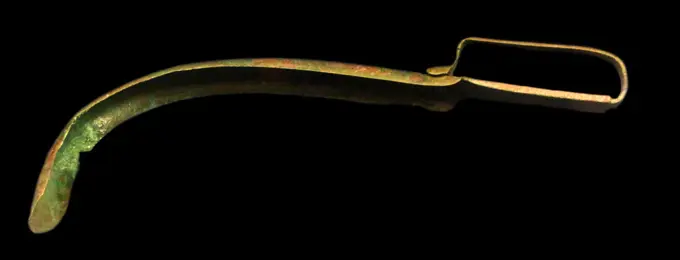
Collection of historical artifacts including wood fragments, a trowel, and an ancient palette, highlighting their antique craftsmanship and historical significance.
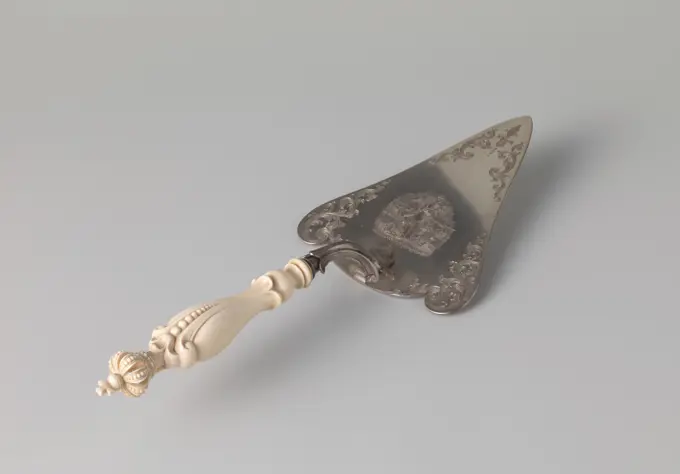
Trowel used by King William III when laying the memorial stone of the Oranjesluizen, Frima Benten and Sons, 1870 trowel Silver trowel with ivory steel. Steal gracefully cut out, with plant motifs, with a sliced crown button with cross. The silver part of the handle in the form of leaves, supported by a square rod, attached to the flat with a pedestal. The flat graceful shape, with the engraved representation of crowned standing woman with Hermesstaf in her hand, other supportive to anchor. On the downside inscription Links: Climbing Lion with annual letter L. Rail side on the right dating etc. Amsterdam ivory. silver (metal) forging / engraving / striking (metalworking) / cutting  Orange locks
Trowel used by King William III when laying the memorial stone of the Oranjesluizen, Frima Benten and Sons, 1870 trowel Silver trowel with ivory steel. Steal gracefully cut out, with plant motifs, with a sliced crown button with cross. The silver part of the handle in the form of leaves, supported by a square rod, attached to the flat with a pedestal. The flat graceful shape, with the engraved representation of crowned standing woman with Hermesstaf in her hand, other supportive to anchor. On the downside inscription Links: Climbing Lion with annual letter L. Rail side on the right dating etc. Amsterdam ivory. silver (metal) forging / engraving / striking (metalworking) / cutting Orange locks
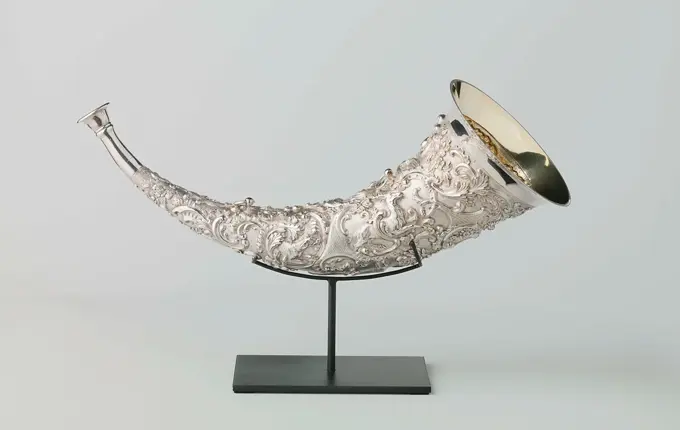
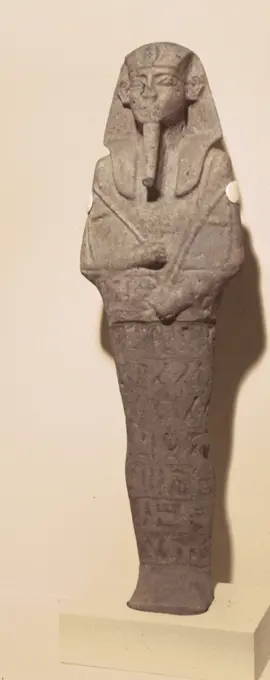
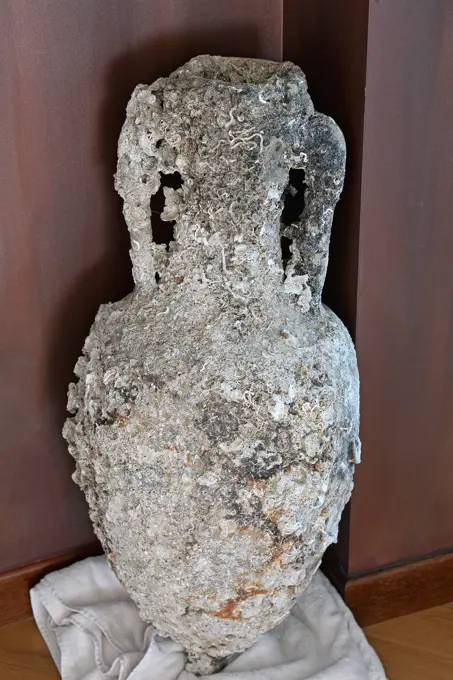
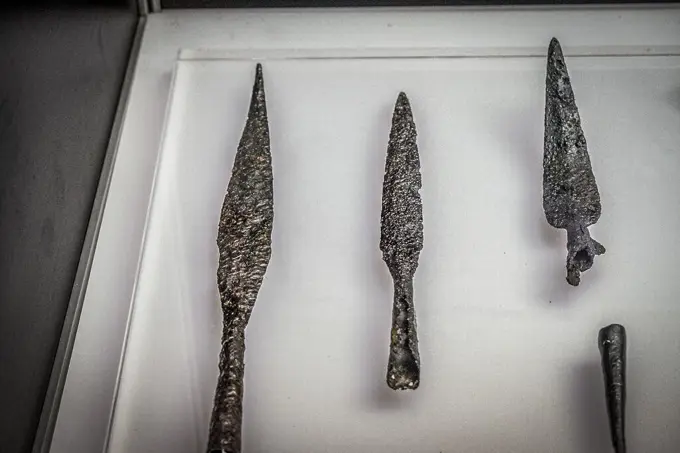
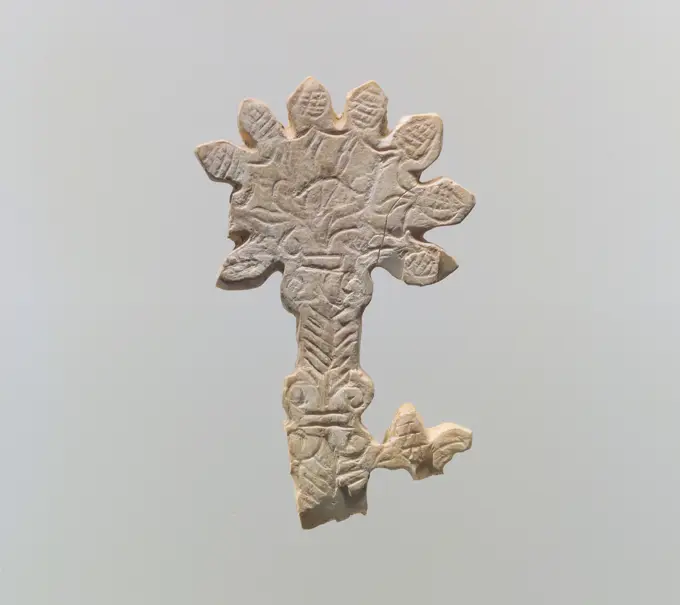
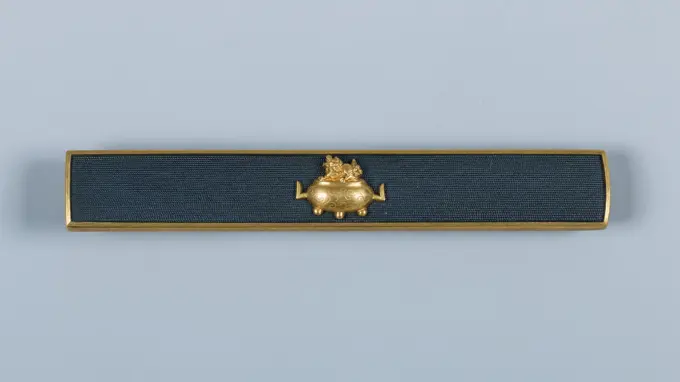
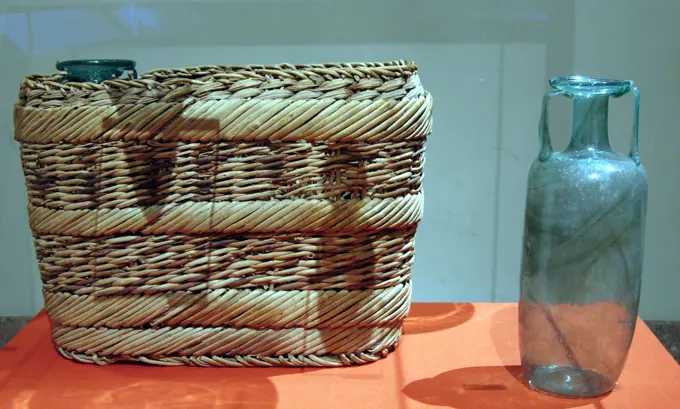
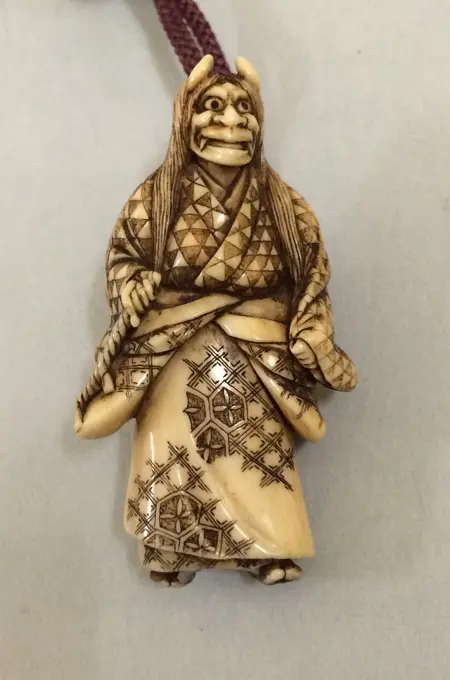
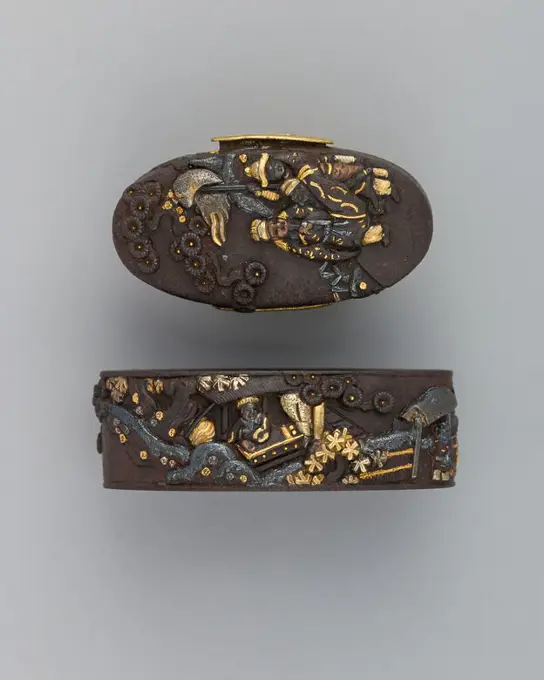
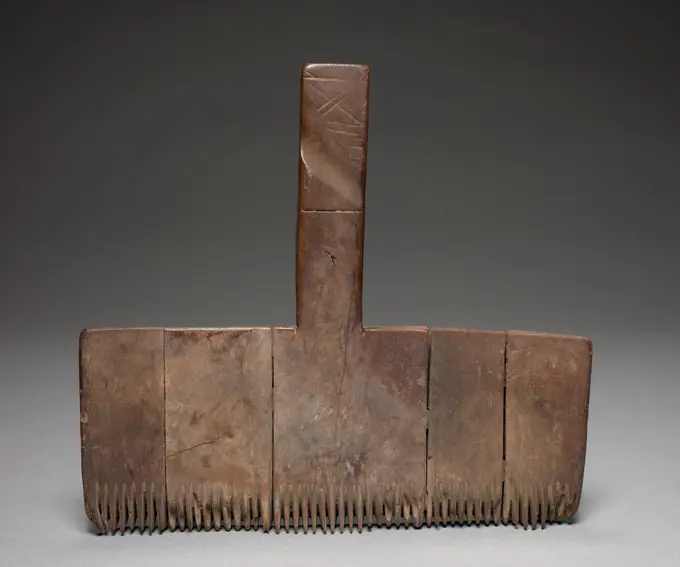
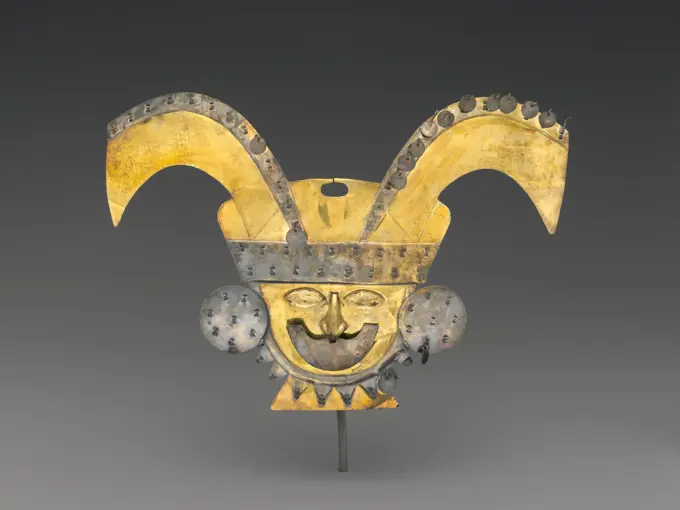
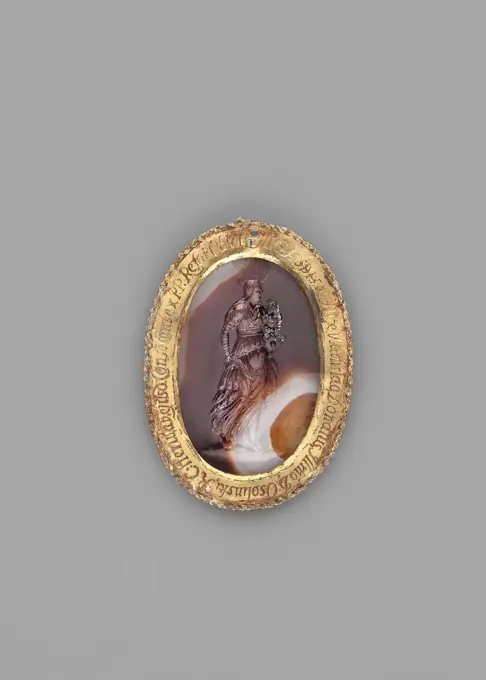
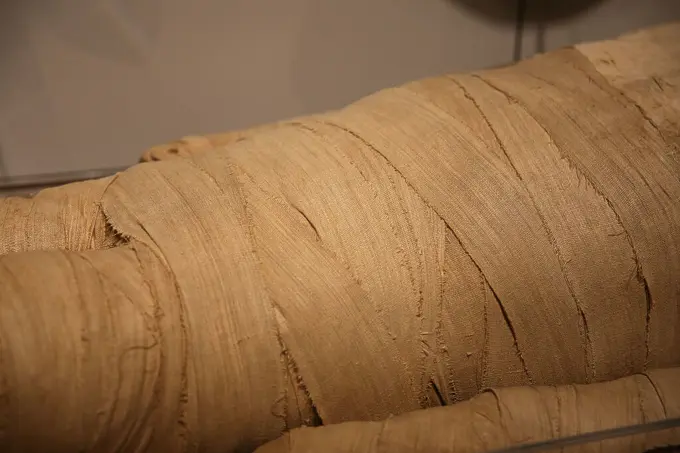
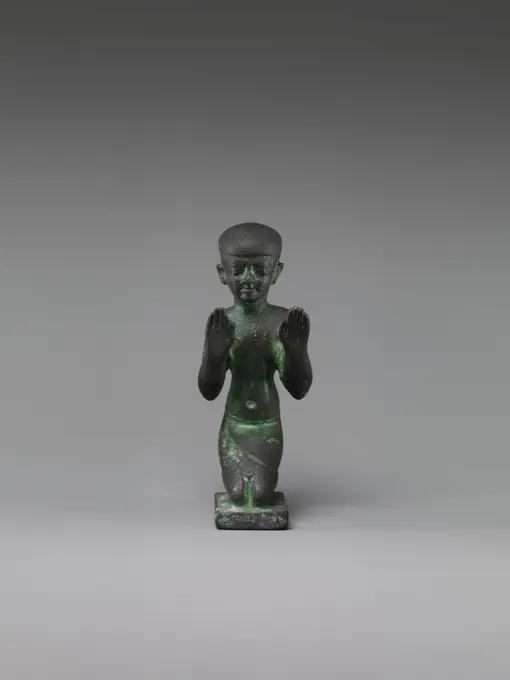
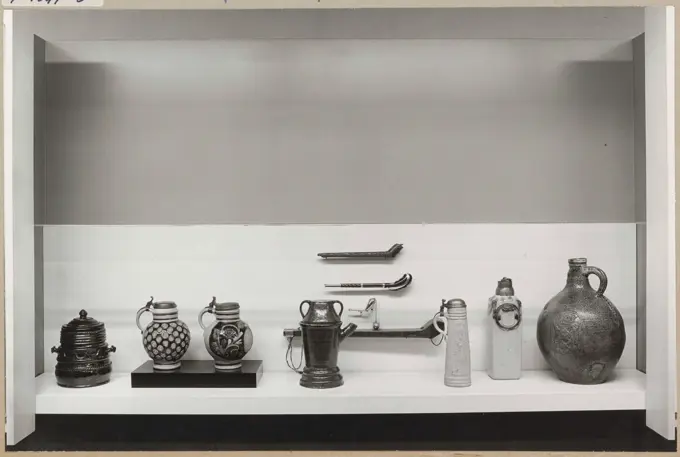
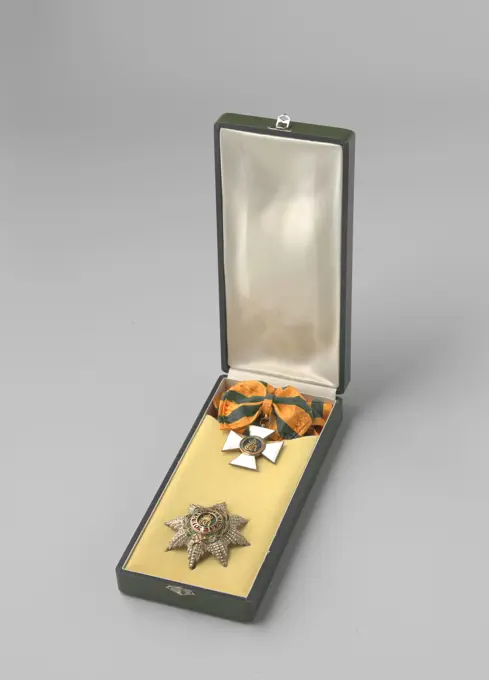
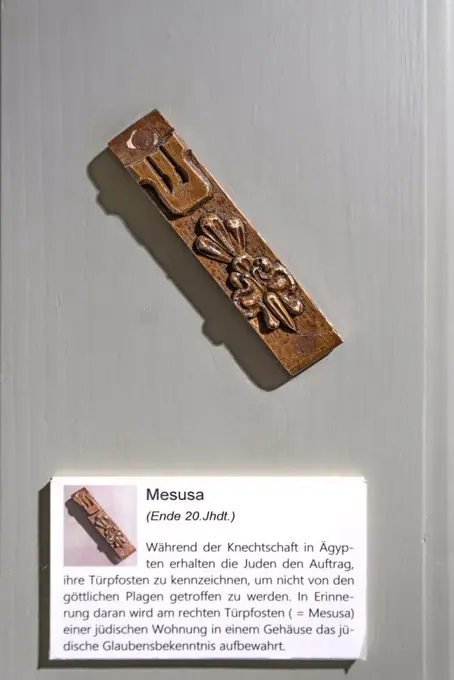
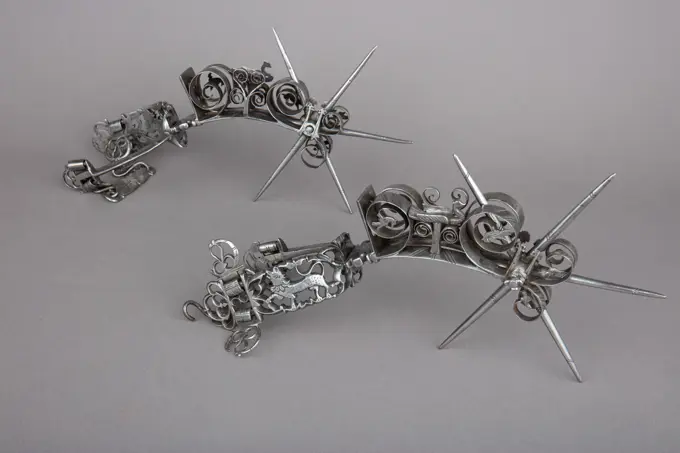
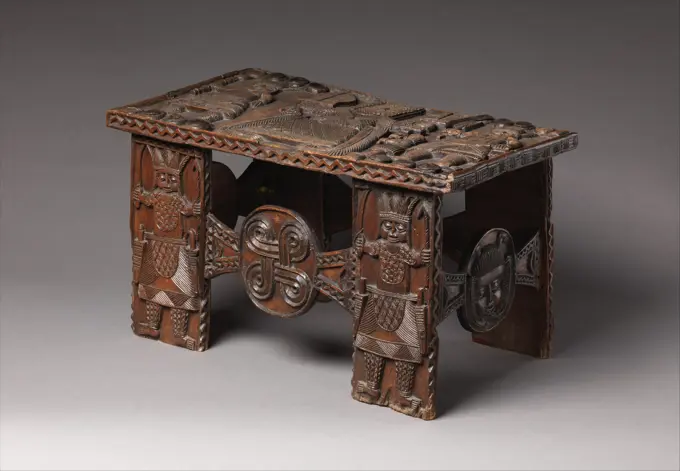
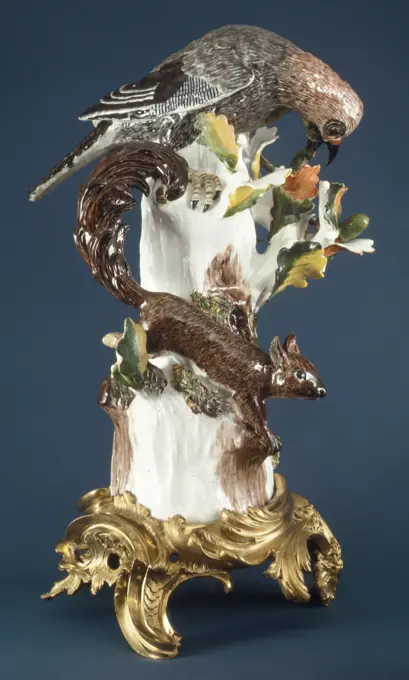
pottery with cardium impression decorations, early Neolithic, Huesca museum, Aragon community, Spain.Kylix with a SymposionScene.  Artist, attributed to: Gales Painter, Greek, Attic, active ca. 530-ca. 500. B.C.Hunting horn. The curved horn has a tapping body, a nozzle and a broached beaten edge. With foam and leafwork, continuous patterns are applied to the wall. Different predators have been included in the recesses: On one side, a dog is a deer, in the other fighting lions, a fox and an eagle with each other. With case (BK-2016-11-2).Wool Tablecloth. Dated: c. 1938. Dimensions: overall: 30.5 x 41.2 cm (12 x 16 1/4 in.) Original IAD Object: 9 1/2" long. Medium: watercolor and graphite on paper. Museum: National Gallery of Art, Washington DC. Author: Frank Maurer.Shelf, Anonymous, 1675 - 1700 Wall rack of teak, partly stained, partly painted and gilded. The rack has three long narrow shelves with profiled edges, which are interconnected by two boards for confirmation and columns placed by six pairs. The two front columns of the inner pairs on the second plank are shorter and purple by two winged putti, against a background of leaf work, which holds a angular and a round coat of arms with brushes under a crown. Indonesia (possibly) wood (plant material). teak (wood). gilding (material) gilding Wall rack of teak, partly stained, partly painted and gilded. The rack has three long narrow shelves with profiled edges, which are interconnected by two boards for confirmation and columns placed by six pairs. The two front columns of the inner pairs on the second plank are shorter and purple by two winged putti, against a background of leaf work, which holds a angular and a round coat of arms with brushes under a crown. Indonesia (possibly) wood (plant mPoppen fabric tin Red lacquered with gold-plated piping. .Bracelet. Culture: Djenné peoples. Dimensions: Diameter 4 in.. Date: 11th-16th century. Museum: Metropolitan Museum of Art, New York, USA.Shabti of Meroitic King, 7th cent. BC. Nubian king. EGYPT.PECTORAL DE PLATA - SIQUEL - PLATERIA ARAUCANA - SIGLO XIX. Location: MUSEO DE AMERICA-COLECCION. MADRID. SPAIN.Ancient Amphora Ancient Amphora Covered WIth Sea Shells Sediment Copyright: xZoonar.com/MarkoxBericx 13673417spearheads from the Carratiermes Necropolis, 3rd-2nd century BC, Museum of the Archaeological Site of Tiermes, Soria, Castile and Leon, Spain.Muslim rosary, Tasbih, 20th century, seeds and cotton, Anthropology National Museum, Madrid, Spain.Walter Praefke, Leather Mail Bag, c 1938 Leather Mail BagSide Chair 1750-75 American. Side Chair 1579Plaque in the form of a tree ca. 9th-8th century B.C. Assyrian This delicate plaque is finely incised with the image of a stylized tree. The trunk is made up of hatched sections connected by volutes, topped by a fan-shaped group of nine branches, each ending in an element that resembles a bunch of fruit or a pinecone. The plaque is broken in several areas, but a fragment of an additional branch is preserved extending from the right side. Stylized trees similar to this one, widely known today as "sacred trees," are represented frequently on the monumental stone reliefs that decorated the walls of the palace of Ashurnasirpal II at Nimrud, also in the Metropolitan Museums collection (see, for example, 32.143.3.). This small object was probably used as a decorative inlay for a piece of furniture or luxury object. Images of flourishing plant life seem to have evoked concepts of abundance and fruitfulness connected with the agricultural cycle, although we do not know whether the Assyrian "sSet of Sword Fittings (Mitokoromono) with Two Additional Knife Handles (Kozuka) and a Pair of Grip Ornaments (Menuki) early-mid-18th century Got Mitsumasa (Juj) Japanese The Got School of sword-fittings makers was founded in the fifteenth century by Got Yj, who is said to have been patronized by the shogun Ashikaga Yoshimasa (1435-1490). The work of the Got masters is characterized by painterly designs carved in high relief on a ground of shakud (an alloy of copper and gold chemically treated to turn a rich blue-black), finished in nanako (tiny circles punched regularly over the surface to give it a granular appearance) with colorful accents in gold and silver. The succeeding generations of Got masters continued to work in these soft metals and concentrated on the smaller sword fittings, such as kozuka (the handle of the small utility knife fitted into a slot on the back of a sword scabbard), kgai (a skewer-like hairdressing tool carried in the front of the scabbard), and menBaluster first half 17th century British. Baluster. British. first half 17th century. Oak. WoodworkTable (Dumb waiter). unknown, creatorScrimshaw: Walrus Tusk. Dated: 1941. Dimensions: overall: 45.9 x 59 cm (18 1/16 x 23 1/4 in.) Original IAD Object: 5" long. Medium: watercolor, graphite, and pen and ink on paper. Museum: National Gallery of Art, Washington DC. Author: Oscar Bluhme.Bottle A.D. 2nd-3rd century Roman Period. Bottle 590602Netsuke of an Actor 19th century Japan. Netsuke of an Actor. Japan. 19th century. Ivory. Edo (1615-1868) or Meiji period (1868-1912). NetsukeComb, c. 100 BCE -c. 200 CE, 2 1/8 x 1-3/8 x 5/16 in. (5.4 x 3.5 x 0.8 cm), Wood, China, 2nd century BCE - 3rd century CEBobbin ca. 1840 British. Bobbin. British. ca. 1840. Wood. Textiles-Methods and Materialscafe Picture of a metalic cofee pot Copyright: xZoonar.com/rgbx 851754Sword-Hilt Collar and Pommel (Fuchigashira). Culture: Japanese. Dimensions: Fuchi (a); H. 1 1/2 in. (3.8 cm); Wt. 0.7 oz. (19.8 g); kashira (b); H. 1 3/8 in. (3.5 cm); Wt. 0.4 oz. (11.3 g). Date: 18th century. Museum: Metropolitan Museum of Art, New York, USA.Prehistory, Italy, Iron Age. Villanovan culture. Iron fibulas. From Ceretolo, province of Bologna.Dagger with GoldFittingCarding Tool, Ptolemaic dynasty (or later). Egypt, Ptolemaic Dynasty (or later). Wood; overall: 25 cm (9 13/16 in.). Carding was the process of removing tangles from and aligning the fibers of wool in preparation for spinning.Border (France); block-printed and flocked on machine made paper; 39 x 7.5 cm (15 3/8 x 2 15/16 in.)Patch Boxes of Kentucky Rifles. Dated: c. 1937. Dimensions: overall: 50.9 x 35.9 cm (20 1/16 x 14 1/8 in.). Medium: watercolor and gouache on paperboard. Museum: National Gallery of Art, Washington DC. Author: Albert Levone.HOZ PARA ZURDOS. (INV. LI-IN-20).(EXPOSICION EL LEGADO CIENTIFICO DE AL-ANDALUS)(DEPOSITO: MUSEO PARROQUIAL LIETOR).Nose Ornament, Turbaned Head 6th-7th century Moche (Loma Negra) This resplendent nose ornament depicts an individual wearing a crescent-shaped nose ornament, large earspools, and a turbaned headdress with projecting plumes, fastened under the chin with a patterned textile band. The object was cut from a piece of gold sheet and the design was worked from both sides. The chinstrap, ear and nose ornaments, headband and upper region of each plume were subsequently silvered. The nose, rendered in high relief, was produced from a separate sheet of gold and was attached to the face by tabs. In addition, dangles were originally affixed throughout the silvered regions, although now only a few surviveon the headdress and ear spools. The eyes were probably once inlaid with white shell; turquoise or a dark stone likely would have been added to represent the pupils. In its original state, the contrast between the gold and the silverincluding the shimmering danglesand the bright eyes must have crRing. Dimensions: Diam. 11/16 in. (1.8 cm). Date: 3rd-12th century. Museum: Metropolitan Museum of Art, New York, USA.Canneted base of lacquered wood and brass cannelures and rings, belonging to a candlestick by Pierre Philippe Thomire, in Or Before 1935 Cannered base of lacquered wood and brass cannelures and rings, belonging to 'Kandelaar of partially gilded bronze, decorated with, among other things, palmets, stylized flower vines, dancing putti with Garrande and a figure in the hand in hand'. The overhanging top is flat and contains two small holes. The top decreases due to the use of a few ridges. The round shaft is characterized by cannelures inlaid with brass. A plate with an annotation has also been applied to the top. The plinth -fined wood is enclosed by brass rings and ends in an octagonal pedestal. For Pendant see BK-14667-A-1. unknown sokkel: wood (plant material) cutting / gilding / drilling Cannered base of lacquered wood and brass cannelures and rings, belonging to 'Kandelaar of partially gilded bronze, decorated with, among other things, palmets, stylized flower vines, dancing putti wGoldweight Bent Seed Pod, 19th-20th century, 2 5/16 x 1 1/4 in. (5.87 x 3.18 cm), Brass, Ghana, 19th-20th centuryMedallion - intaglio with Madonna and the Child. unknown, authorMummy. Ancient Egypt. Detail of linen bandage. Egyptian Museum of Turin. Italy.Lid for a Tiered Food Box, late 1700s. Japan, Edo period (1615-1868). Red lacquer over a wood core, with litharge painting and engraved gold designs (Ryukyuan);Statuette of an adorant from a group with a god 332-30 B.C. Ptolemaic Period Small statuettes of worshipers could accompany divine statuettes, as in 04.2.403.. Statuette of an adorant from a group with a god 551344Dental PliersCupid; fire-gilt bronzeBronze strigil. Strigils were used by athletes, after the games, to scrape clean their body of oil and dust 450-400 BC.One of a Pair of Candelabra 15th century French or Spanish. One of a Pair of Candelabra. French or Spanish. 15th century. Iron. Metalwork-IronSummer has, Straw has for ladies, shop Window Display, Hamburg, Germany 1020925684Knife Handle, 1725-1750. France, 18th century. Soft paste porcelain, steel blade; overall: 25.8 cm (10 3/16 in.).Showcase with various objects including jugs; Establishment of Dutch history in Zaal 102, September 1971..Casanova, Francesco-Giuseppe (n.1727-06-01-D.1802), Le Gué (main title), 1787. Textile, wool, tapestry. Petit Palais, Museum of Fine Arts of the City of Paris.Luxembourg Knighthood (Order of the Eikenkroon), received by Willem Drees, Anonymous, After 1841 - Before 1951  The order sign is a white Geemailled Teutoons Maltzerkruis in Gold, with an elevated medallion in the heart in which a crowned W in Gothic script (to Willem II, King of the Netherlands and Grand Duke of Luxembourg, which founded order in 1841) on a green background with diamond shape and within a golden frame.  gold (metal).   Netherlands. Luxemburg (land)Embrasse belonging to a set of curtains with flower design on yellow fond, le mirepère et fils, 1850 - 1860 Embrasse belonging to a set of silk curtains with floral design on yellow stock from the small dance hall of Noordeinde Palace. manufacturer: LyonThe Hague silk. lampas (textile material) Embrasse belonging to a set of silk curtains with floral design on yellow stock from the small dance hall of Noordeinde Palace. manufacturer: LyonThe Hague silk. lampas (textile material)Linen bags containing embalmers' salt from Deir el-Bahri, Egypt. Dated 1070 BCTreasure of Tanis, gold and precious stone rings of Psusennes IShadow Puppet (Wayang Kulit) of ButaRentetMezuzah on the door to the former synagogue, Franconian Switzerland Museum, Tüchersfeld, Upper Franconia, Bavaria, Germany, EuropePair of Rowel Spurs first half 18th century Mexican Each of these incredible spurs is adorned on the heel band with delicate pierced decoration featuring lions walking among vegetal scrolls. Small birds and a swan inhabit its long curved neck, which holds an impressive rowel.While the pierced decoration has been influenced by the importation, via Spain, of horse equipment made in Southern Germany in the 16th and 17th century, as well as by Chinese textiles, 18th-century Mexican spurs like these examples, in addition to bits and stirrups, often feature native designs and animals, such as birds and monkeys.Only a few very skilled spur makers, mostly working in Mexico City, were able to create such metalwork. Some parts, like the neck, are made out of a single iron sheet, sliced and curled to create the iron scrolls and their small birds. The pieces were usually heated several times during their manufacture, giving the metal a shiny aspect meant to imitate silver. Impressive, but highly iBronzen Kanon the Moucher, I. Bérenger, 1786 cannon Bronze cannon of 12 cm, smooth French model called Le Moucheur. Douai bronze (metal)LANCHA CANONERA DE BARCELO PARA BLOQUEO DE GIBRALTAR. Location: MUSEO NAVAL / MINISTERIO DE MARINA. MADRID. SPANIEN.Stool: Oba with Mudfish Legs (Agba) 19th century Edo peoples At its origins, the centralized city-state of Benin was founded by Edo-speaking peoples. The accounts by official court historians and descriptions provided by visitors evoke a vibrant cultural center continually redefined by its leadership through shifting internal and external power dynamics. According to oral tradition, circa 1300, Edo chiefs are reputed to have reached out to the leader of neighboring Ife, Oranmiyan, to establish a new divinely sanctioned royal dynasty. Since then, the investiture of Benins rulers to the title of obas has conferred upon them at once a role of chief priest officiating in important religious ceremonies and presiding over an elaborate structure of palace officials. During the fifteenth century reign of Oba Ewuare, Benins armies were formed and the fortification of its capital with a massive wall undertaken. In parallel, delegations of Portuguese traders assiduously sought to secure exclusiJay (one of a pair) 1740 Meissen Manufactory German Porcelain birds have their origins in the princely tradition of maintaining collections of living animals and birds in menageries and aviaries, which were viewed as microcosms of the universe, and emblems of royal power and enlightenment. These collections often included exotic birds such as parrots, admired for their rarity, as well as more familiar native species.In 1731 the Meissen manufactory began a new genre in European porcelain, producing several hundred life-size and near-life-size porcelain birds and animals, many destined for the Japanese Palace of Augustus the Strong, Elector of Saxony (1670-1733). To create them, factory modelers found inspiration in nature, looking both to living and stuffed specimens, as well as zoological illustrations and Asian porcelain precedents. The great Meissen modeler Johann Joachim Kändler is known to have copied from life the birds kept at the royal aviary at Schloss Moritzburg.Surviving prinClose up or macro of a  brown zipper and a little model man on white backgroundTassel 17th-19th century European. Tassel 460354Pre-Columbian era. Cace Andean panpine. Ica Vallery, Peru.Image of a silver supper cup of the Nicolaikerk (Nicolaaskerkhof 8) in Utrecht.Shepherd Italian, Naples 19th century View more. Shepherd. Italian, Naples. 19th century. Polychromed terracotta head and limbs; body of wire wrapped in tow; linen and cloth garments; leather bag. Crèchewooden abacus on a dark backgroundClose-up view of tool using for vertical balanceBrooch with monogram CF, Amsterdam ,, c. 1850 - c. 1900 history medal Brooch with orange cocarde on which a silver monogram CF with soldered an enamelled coat of arms Amsterdam Amsterdam silver (metal). speld: iron (metal). cocarde: textile materials solderingCharles Bowman, Wine Chest, c 1937 Wine ChestNational Museum in Warsaw. Old Art Gallery. A fragment of the exhibition of Egyptian art (room 2) - wooden cabinet Figure Isis; Romanowski, Henryk (1915-1984); 1949 (1949-00-00-1949-00-00);Bronze helmets of Arcadian or Laconian type, which imitate the woolen cap worn by wayfarers, hunters and mariners. 450-425 BCMUSEO DEL GROS-HORLOGE: MAQUINARIA Y CAMPANARIO. ROUEN, FRANCIA.Portrait of an unknown man with sideburns, Anonymous, 1855 - 1870 photograph. brooch   glass. metal. human hair ambrotype historical persons. sideburnsDoor ContestArmbinde der Schutzstaffel - Brassard de la SS (title awarded), 1937. Fabric, mechanical seams. Museum of the Liberation of Paris - General Leclerc Museum - Jean Moulin Museum.