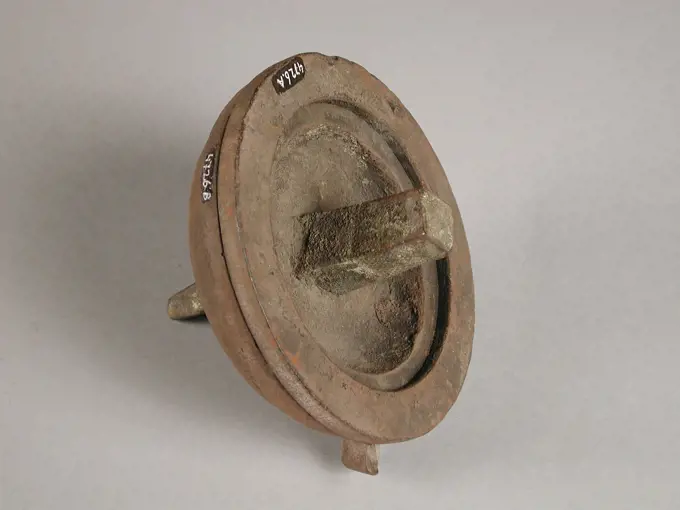
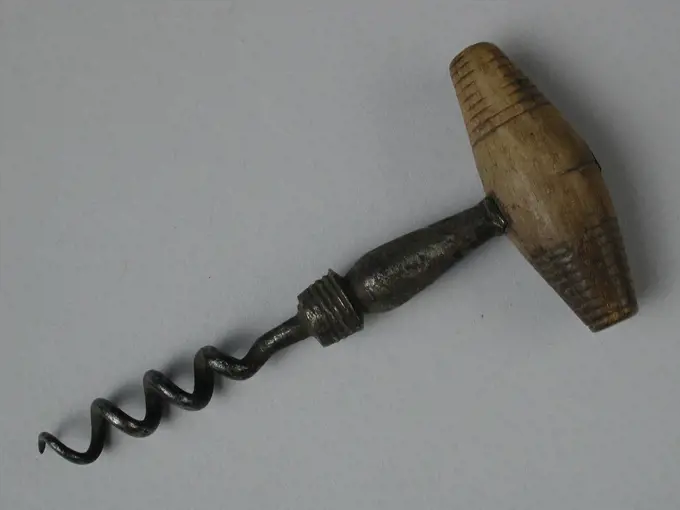
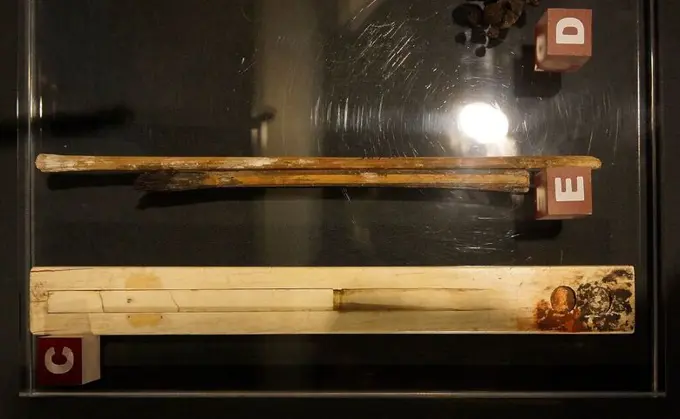
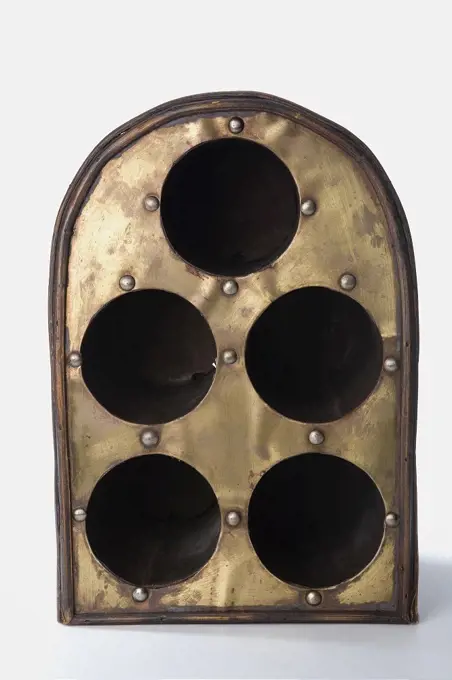
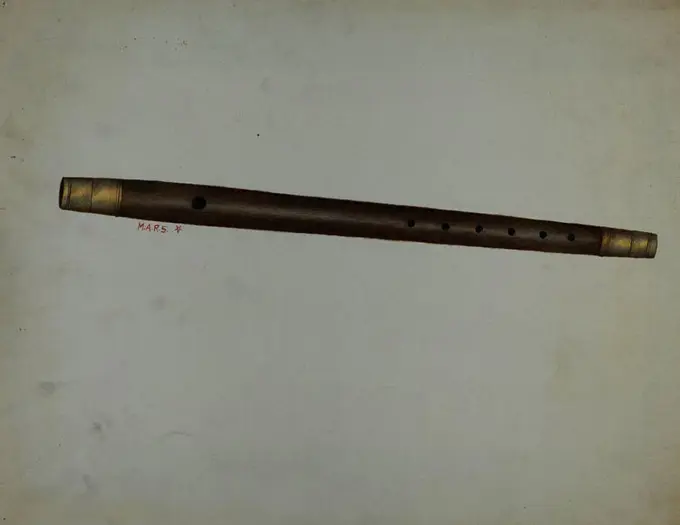
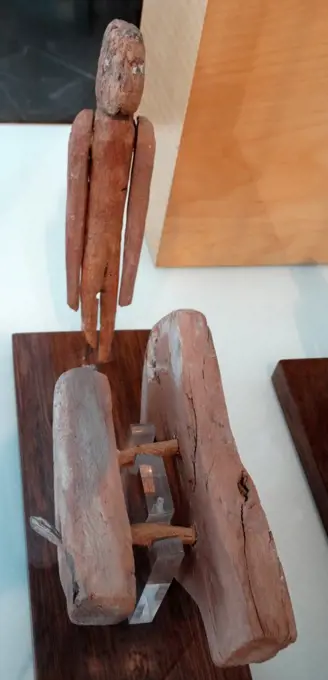
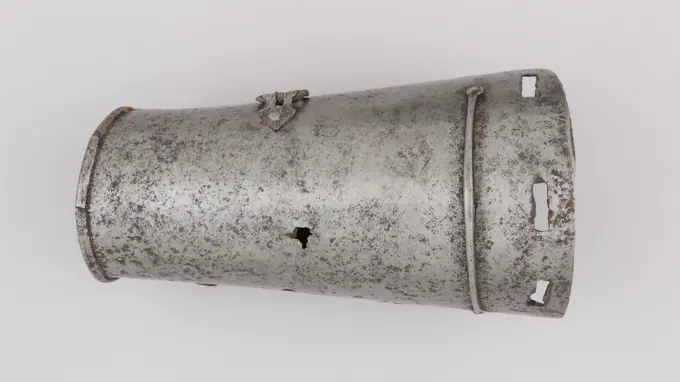
Antique Tools

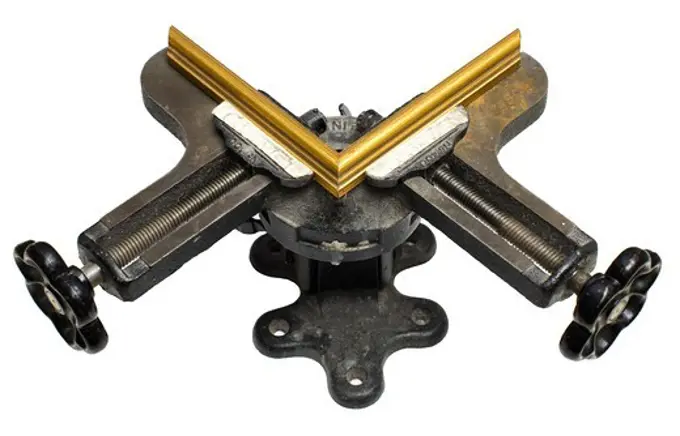
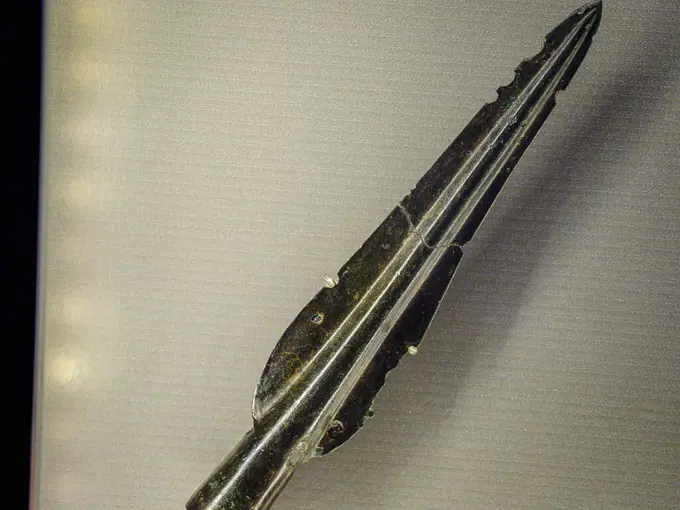
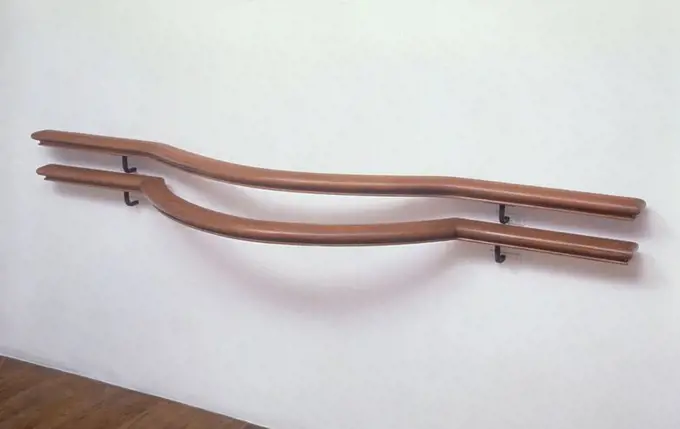
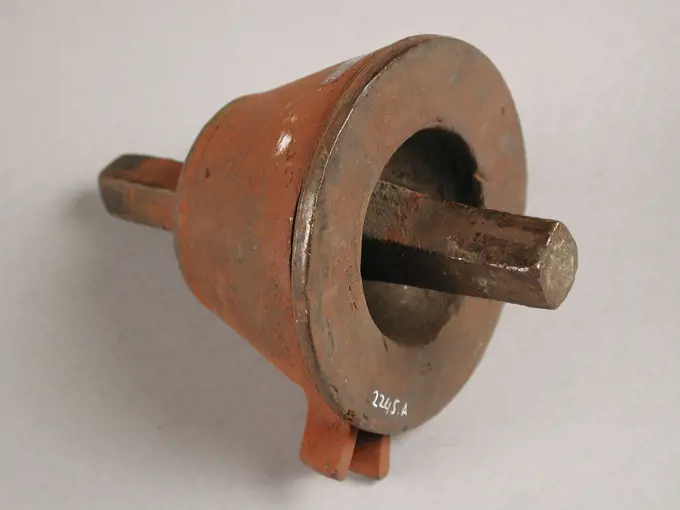
Selection of vintage medical and mechanical tools, showcasing craftsmanship from the 16th to 19th centuries, including extractors and spanners.
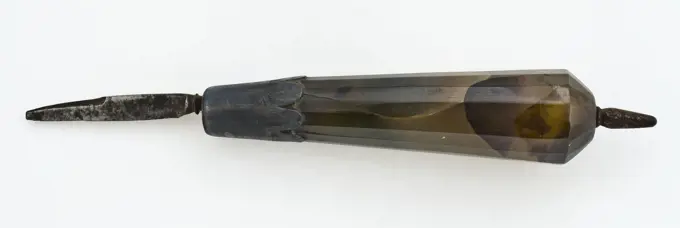
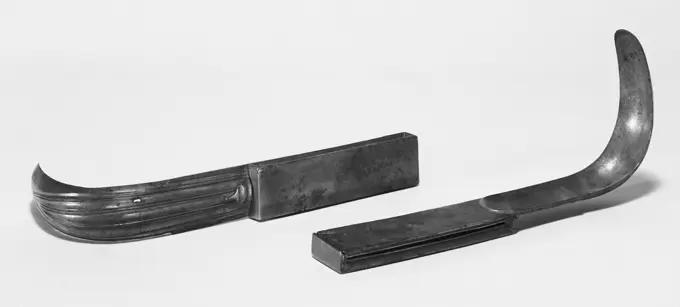
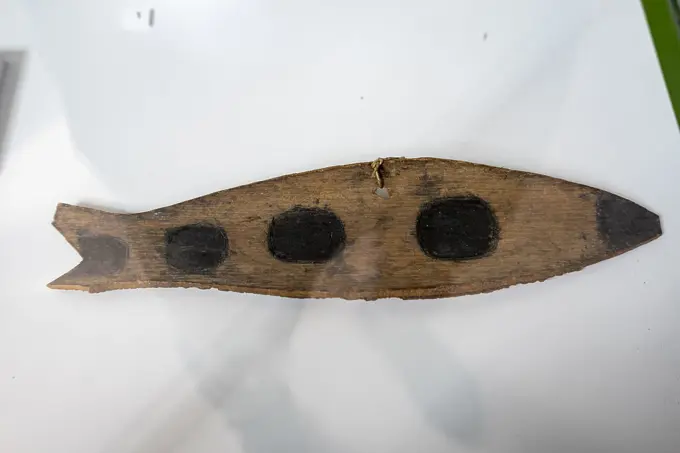
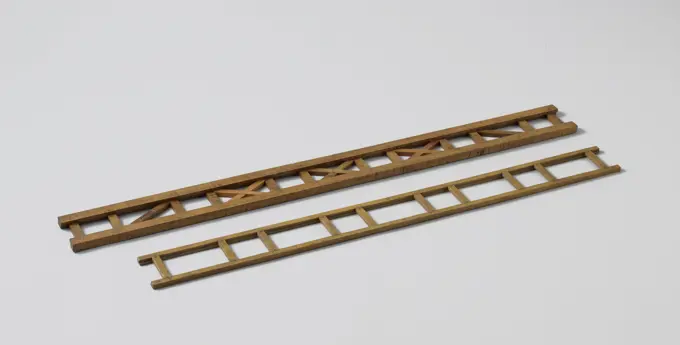
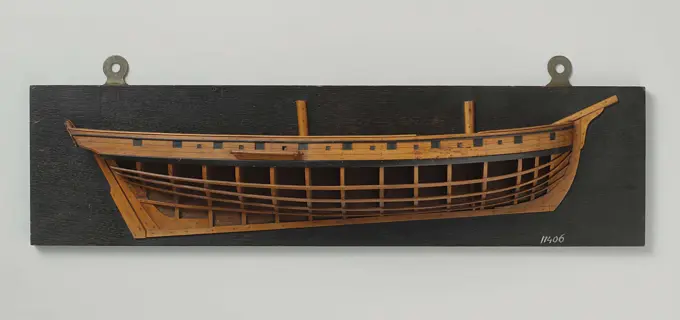
Pencil knife with glass multi-faceted glass handle and short narrow blade, penknife knife cutting tool glass silver tin metal w 13.0, The penknife was in use until 1850.
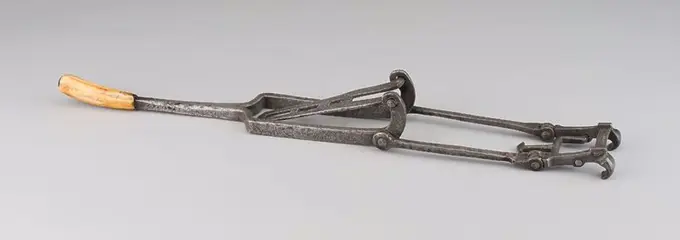
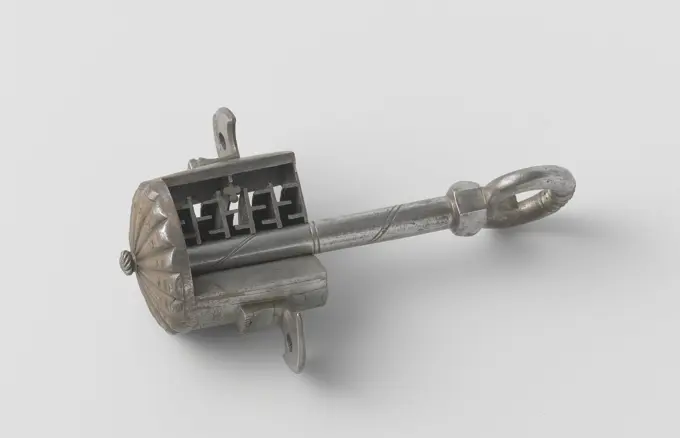
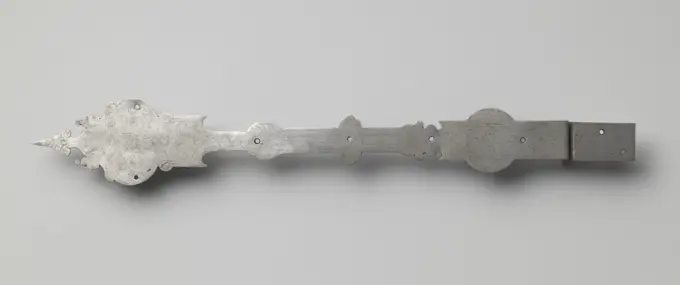
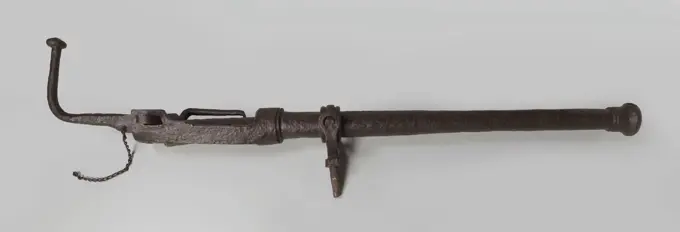
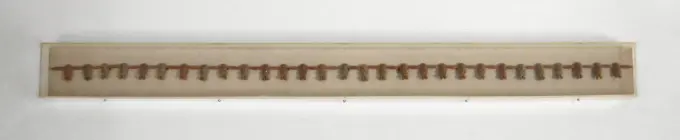
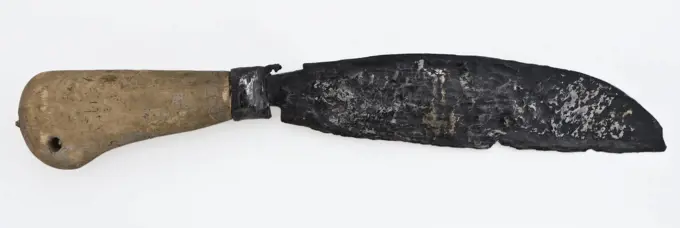
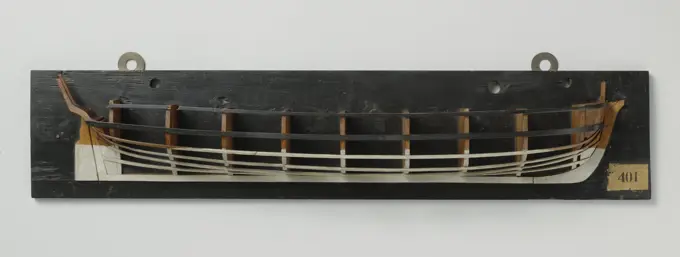
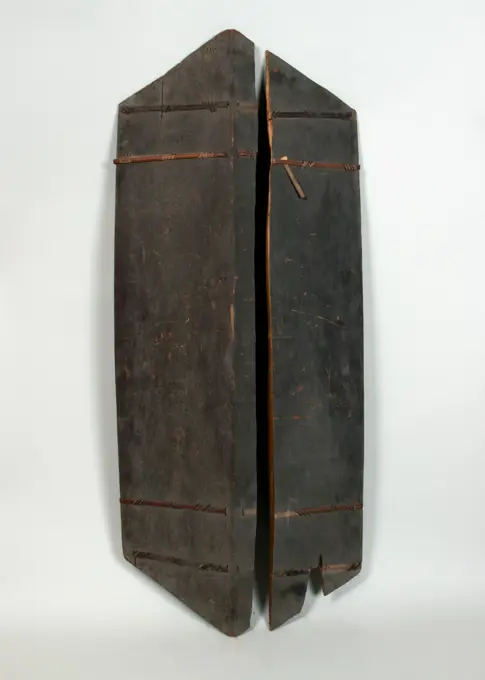
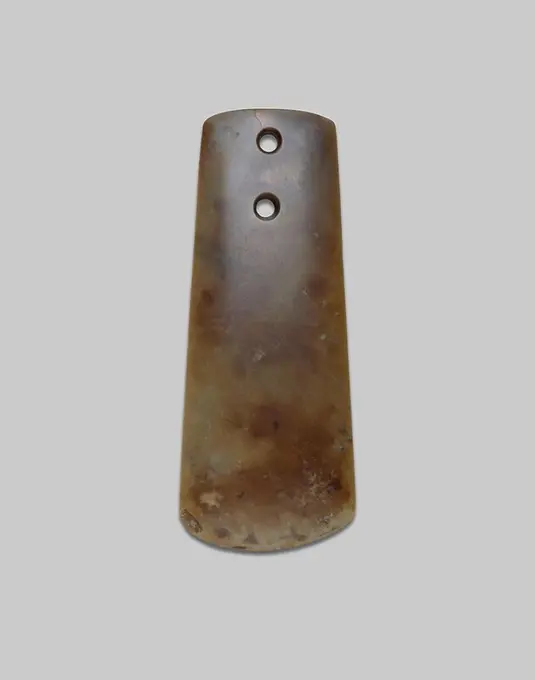
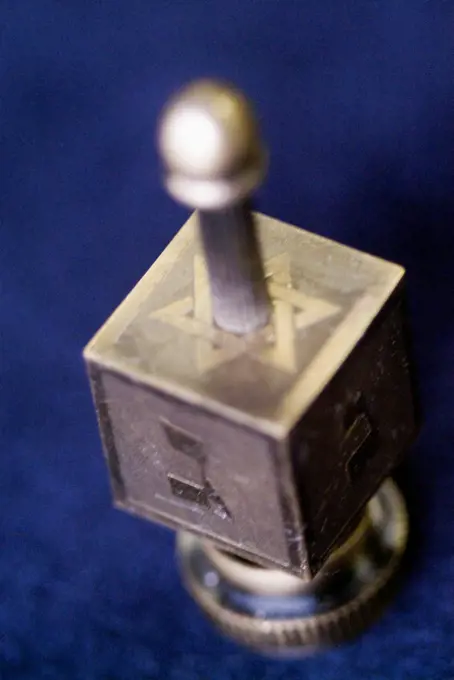
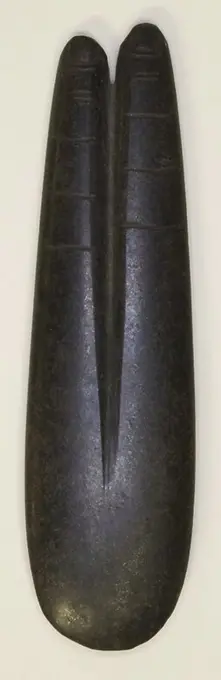
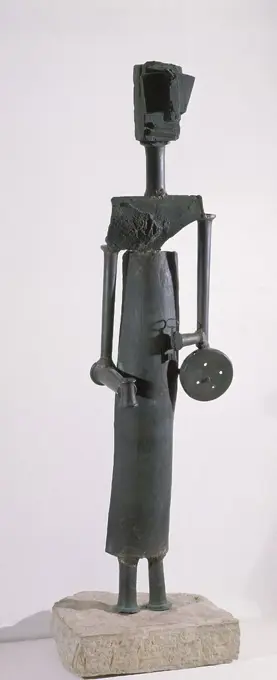
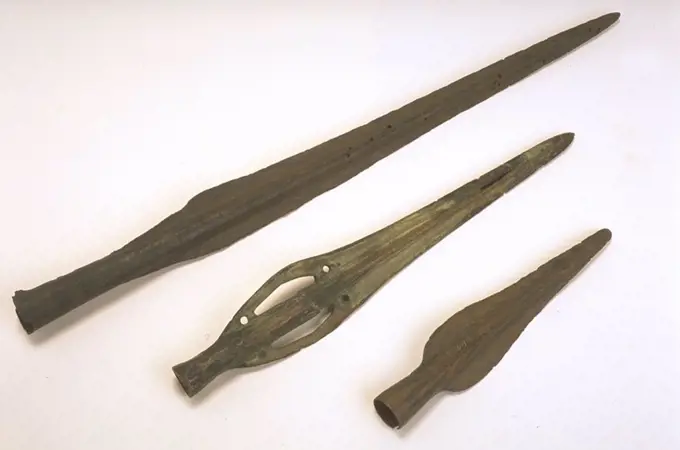
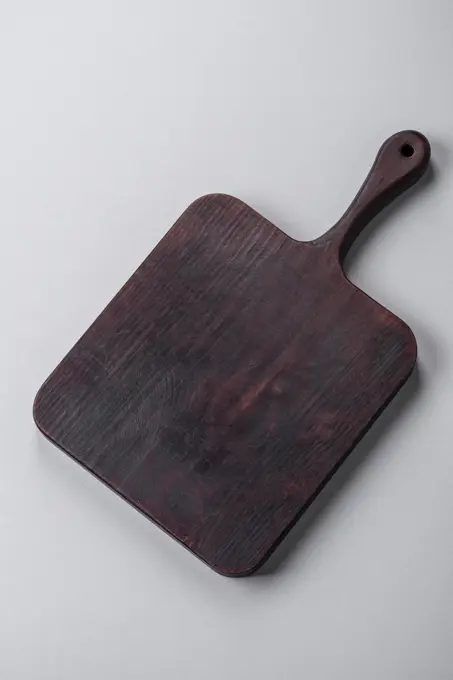
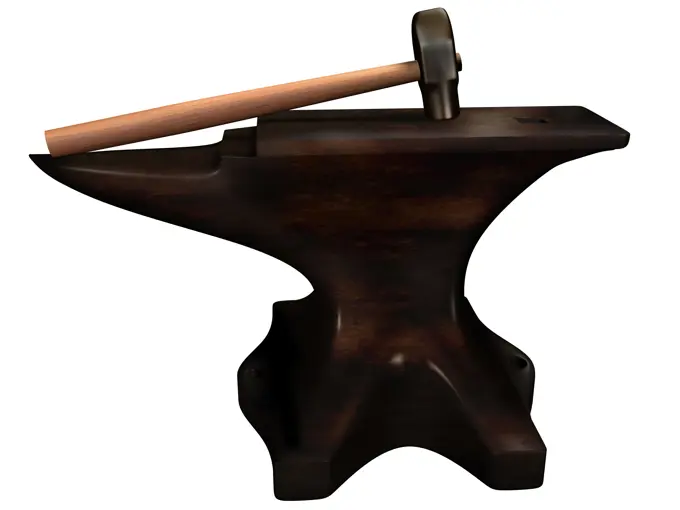
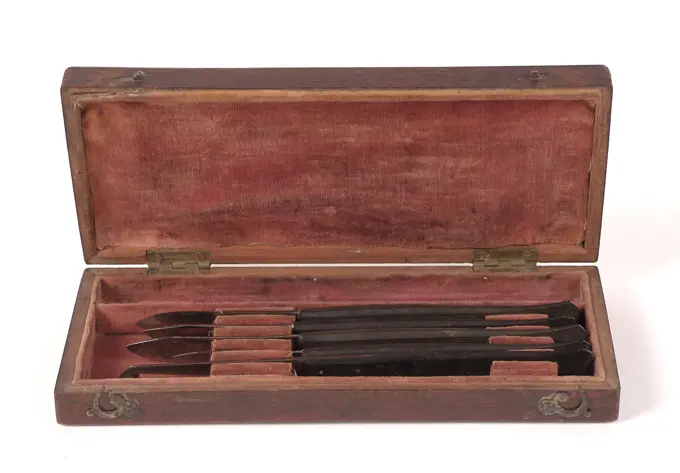
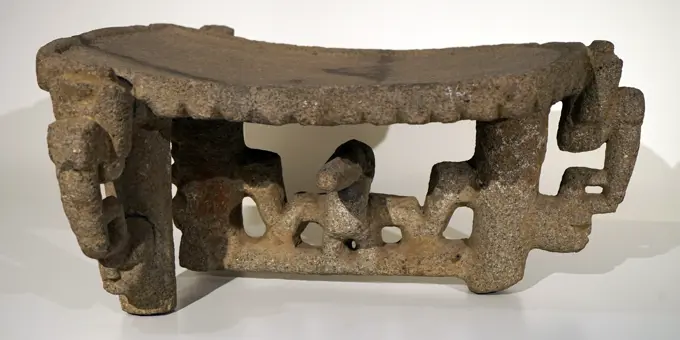
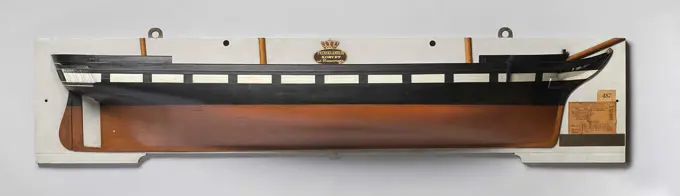
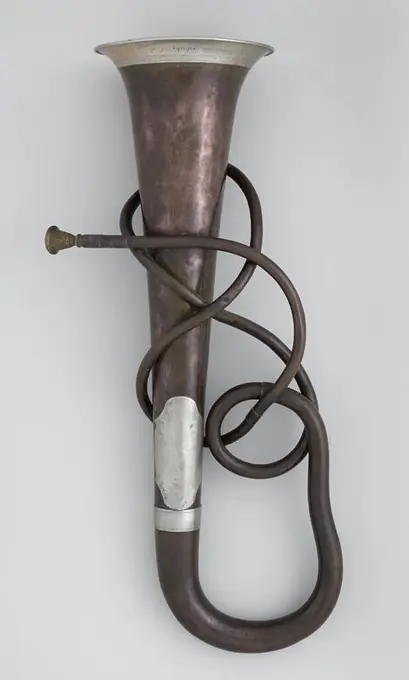
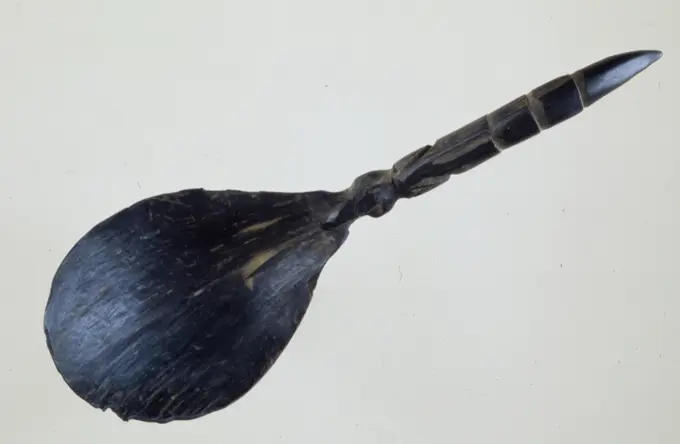
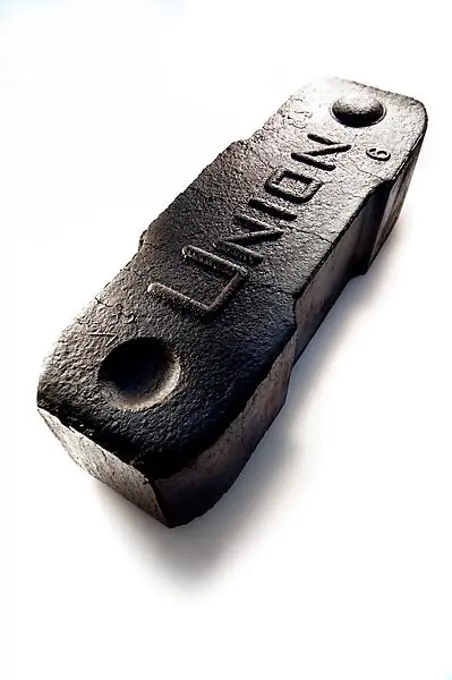
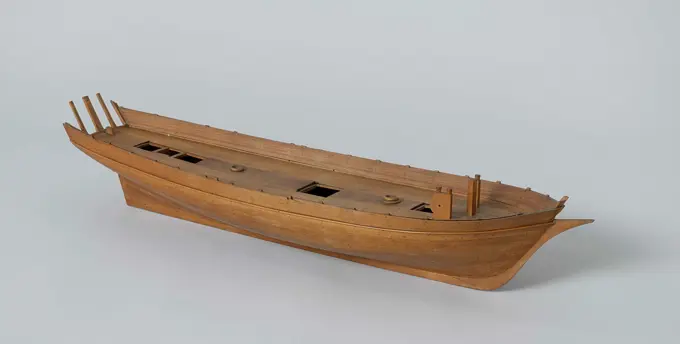
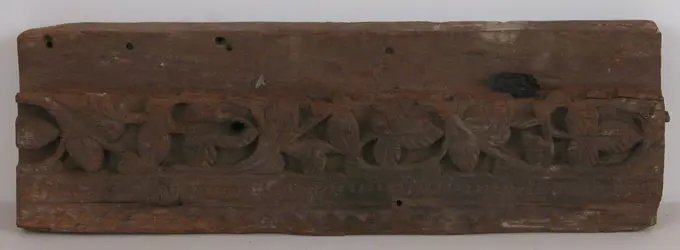
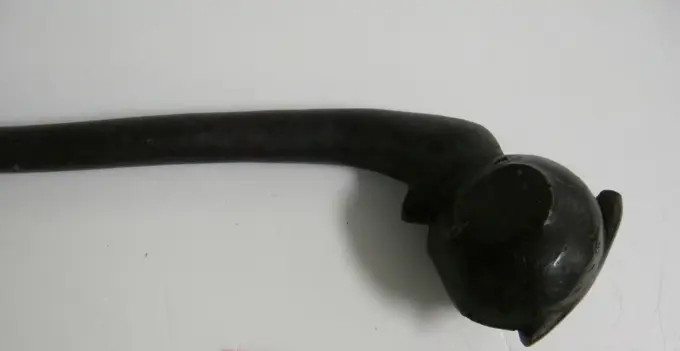
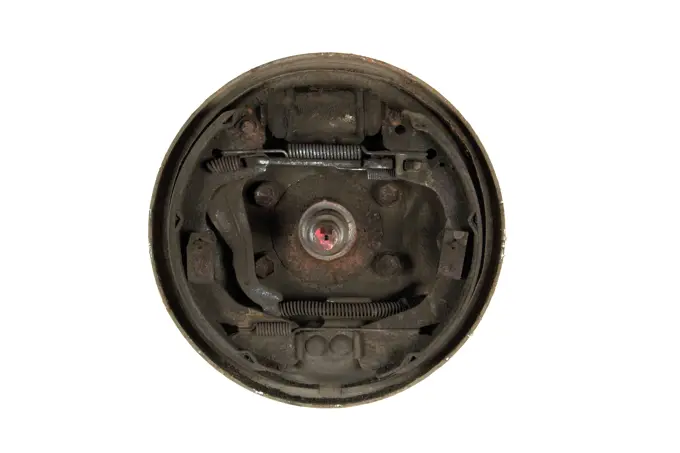
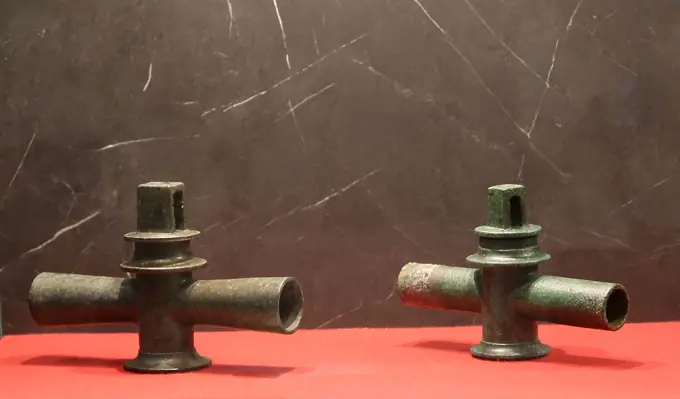
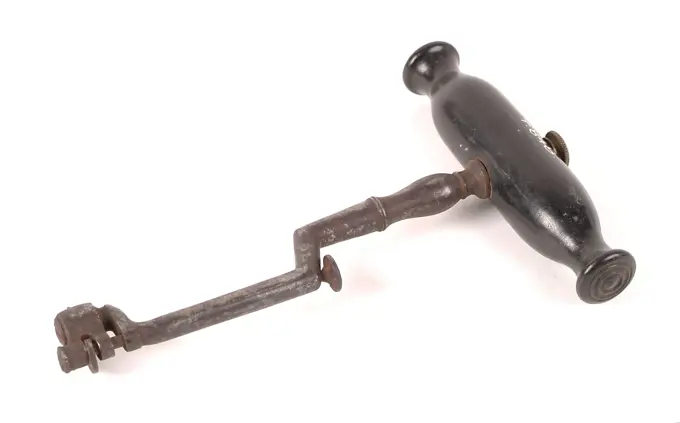
Medical instrument - Tooth Extractor, 1810-30. This dentist's tool is an early type of tooth extractor known as a 'dental key'. It has an ebony cross-bar handle and cranked steel shaft. It dates from the early nineteenth century. In earlier times, barbers commonly carried out surgical bleeding and tooth extractions in addition to shaving and cutting hair!.. Purchased from Edward H Pinto, 1965.. ."Goat's Foot" Spanner for a Crossbow. European. Date: 1500-1533. Dimensions: L. 35.4 cm (15 1/2 in.). Iron. Origin: Europe. Museum: The Chicago Art Institute, Chicago, USA.Door stalk of iron iron, decorated with engraving and fool heads, anonymous, 1600 - 1700 Door stalk of eater decorated with engravings. The batter is from the hinge as follows: a baluster -shaped start, transfersing into a narrow, straight from which some leaf motifs spring from the end, which curls like volutes. In the middle of it, two fool heads look at each other. The whole ends in a pointed leaf.  iron (metal). tin (metal) engraving Door stalk of eater decorated with engravings. The batter is from the hinge as follows: a baluster -shaped start, transfersing into a narrow, straight from which some leaf motifs spring from the end, which curls like volutes. In the middle of it, two fool heads look at each other. The whole ends in a pointed leaf.  iron (metal). tin (metal) engravingCalfate hammer with one iron ring and hole in the middle, anonymous, c. 1596 hammer Calfate hammer with one iron ring and hole in the middle. The wood is split and the stem is or NM-7773-2, or is missing.  iron (metal). wood (plant material) forging / cutting  Nova Zembla. Saving HuysIron lock with key, anonymous, c. 1500 - c. 1600   iron (metal)   iron (metal)Pencil knife with glass multi-faceted glass handle and short narrow blade, penknife knife cutting tool glass silver tin metal w 13.0, The penknife was in use until 1850.Pleated fan and case, Linen leaf embroidered by machine and by hand, carved and pierced celluloid sticks, cardboard case lined with silk satin, White linen leaf embroidered by machine and by hand. Design of floral palmettes and a monogram in center. Celluloid sticks and guards, carved and pierced with cartouches at the top. Cardboard case, covered and lined with silk satin, France, ca. 1875, costume & accessories, Pleated fan and caseHinge, c. 1400 - c. 1950   iron (metal)   iron (metal)Hand Cannon barrel late 18th-early 19th century; stock, dated 1865 Inscribed by Kazuki Nobumichi Japanese The decoration on the barrel shows carp ascending a waterfall, symbolic of success in life.. Hand Cannon. Japanese. barrel late 18th-early 19th century; stock, dated 1865. Iron, gold, silver, wood, brass. Firearms-Hand CannonSteel van Fork or Spoon from the wreck of the East Indians Hollandia, Anonymous, 1700 - in or before 1743 spoon Cutlery, fragment: stem of fork or spoon; flat, widening towards wavy end, on underside inscription at upper end C.K.D.M., 2 marks HK,()K. Netherlands tin (metal)   SecondCopper knife blade or case with eye, embossed ornament of female knife, sheath sheath holder soil find copper metal w 13,7, die-cast engraved Knife or dagger sheath with eye and decoration. At the top two thickened rings archeology Rotterdam City Triangle Oudehaven pocket knife work knife handcraft knife utensil tool decorate store transport Soil discovery: Oude Haven Rotterdam.Stanchion-Plate or Staple late 16th century German. Stanchion-Plate or Staple 468792Key 15th century German The decoration of Gothic iron locks and keys was often elaborate and of the highest standard of workmanship. The motifs were frequently drawn from Gothic architecture, reproducing on a miniature scale complicated tracery patterns and even tiny statuettes. A number of these tiny locks were compound, with some of the mechanisms concealed from view, and required two or even three keys used in sequence to open them. It has been suggested that the greatly expanded use of locks on doors, or coffrets and other types of storage chests was a result of the increasing urbanization of life and the new emphasis on material wealth and private ownership which developed in the late Middle Ages.. Key 468875Brooch -Iron sheet spring lock with rectangular lock plate, one lap and curl, door lock padlock lock closing device iron, Iron latch lock with rectangular lock plate, one bolt and curl and key, with incised XVIIII hollow key handle and heart-shaped eye suspension and closingHaakbus, anonymous, c. 1500 - c. 1700  Crochet bus with loose room. Voghelaar (). Posted on an affan.  iron (metal). wood (plant material)   HaarlemmermeerRäler from derailment on the route between Ulvshyttan and Sellnäs, here photographed in Hagalund.Line; PIK, Jakub (1806-1897); 19th century (1801-00-00-1900-00-00);Necklace, 100 BCE - 250 CE, 40 1/2 x 1 3/8 in. (102.87 x 3.49 cm) (approximate)3 13/16 x 41 3/16 x 2 1/8 in. (9.68 x 104.62 x 5.4 cm) (mount, plexi case), Stone, Mexico, 1st century BCE - 2nd century CEWrought iron knife with wooden handle, knife cutlery soil find wrought iron wood, hand-forged cut drilled Wrought iron iron knife with wooden handle Between the handle and the blade an iron cuff The handle is pierced on the widest part of archeology Rotterdam City center Stadsdriehoek Oudehaven Newport eat cutlery table room kitchen cook prepare food Soil discovery: Oude or Nieuwe Haven Rotterdam.Half Model of a Schooner Gunboat, anonymous, c. 1780 - c. 1820 ship model. half model. builder's model Polychromed mold model (starboard). Get mirror, Hol Wulf, no details of the fence, no side gallery; Straight with square stirring king. Zeeg to both ends ascending, one barkhout and one reehout. No traces of the rig. Peaked around. Netherlands wood (plant material)Arc-shaped Pendant (huang) 600 BCE-400 BCE China. Jade .MORE SASTS STOUKING YOUR KANNGieter, Broker in Amsterdam, Widuwe H. de Groot, c. 1828 - c. 1849  twisted wooden stick, covered with silver on both ends; top: crowned coat of arms, flanked by two lions; on the side inscription; Bottom: Climbing Lion Inside Bladerkrans Amsterdam silver (metal). ebony (wood) engraving  AmsterdamProtractor, Jan Marten Kleman, 1814 - 1820 instrument Brass transporter or degree arch in a wooden box. The radius of the degree arch is 102 mm. The center of the bow is indicated with an iron needle and the instrument has an arm with a nonius on the arch. Two visors can be mounted on the arm. A loose sight needle has been added. The company Kleman made this transporter on instructions by Captain at Sea C. Jager. Amsterdam wood (plant material). brass (alloy). iron (metal). textile materialsTools, anonymous, c. 1590 - c. 1696  Dissel of iron whose wood is missing. The opening for the handle, or the house, is rectangular and the hammer -shaped long head is octogonal and runs wider at the end.  iron (metal) forging  Nova Zembla. Saving HuysModel of an Anchor Stock, anonymous, Adriaan Beeloo, 1883 instruction model Model of a wooden anchor stick composed of two halves, held together by iron hoops. Where the shaft runs through the stick, there are iron strips against the sides and reinforcements above and below the hole. model maker: NetherlandsAmsterdam wood (plant material). iron (metal)Shield 18th-19th century Bornean, Dyak. Shield. Bornean, Dyak. 18th-19th century. Wood, cane. ShieldsKeys; 1904-21-87-a/fSliced and gold-plated foot. Organic and Plated Foot, Managing at a Lacquer (AK-RAK-2013-3-1).Keyhole Plate Latch; wrought and gilded ironAxe. China. Date: 4000 BC-3000 BC. Dimensions: 17.1 × 6.9 × 0.3 cm (6 3/4 × 2 3/4 × 1/8 in.). Jade. Origin: China. Museum: The Chicago Art Institute, Chicago, USA.Hand saw on whiteClose up of a Jewish dreidelAmulet of Two Fingers. Egyptian. Date: 664 BC-332 BC. Dimensions: 9.9 × 2.7 × 1 cm (3 7/8 × 1 1/16 × 3/8 in.). Hematite. Origin: Egypt. Museum: The Chicago Art Institute, Chicago, USA. Author: Ancient Egyptian.Half Model of a 6-Gun Schooner-Brig.Polychromed blanket mold model (starboard) of a tweemaster. The deck is closed and surrounded by a railing with two gunpaints. Sharp presence, faucet with lion mask. Elliptical fence, surrounded by continuous railing, no side gallery, strongly falling stern; Stir with round roaring (Soetermeer's version) and rounded stir sheet. Saints almost flat with emerging bow, one recessed bark wood. Peaked round trip, sharp underwater ship. Both masts slope back. Scale 1:40 (derived).LA TAULIERE 1948 BRONCE SOBRE PIEDRA. Author: PABLO PICASSO. Location: PRIVATE COLLECTION. MOUGINS. France.Caliber (test)  7 lines Dżons i SynESPADAS HALLADAS EN LA RIA DE HUELVA. BRONCE AJUAR. (DEPOSITO: MUSEO ARQUEOLOGICO NACIONAL).Empty wooden cutting board on gray textured concrete background Empty wooden cutting board on gray textured concrete background. Cutlery, preparation for dinner Copyright: xZoonar.com/TetianaxChernykovax 21909276Anvil Isolated illustration of a blacksmith anvil and hammer Copyright: xZoonar.com/PaulxFleetx 2611565Half Model of a Ship, anonymous, c. 1750 - c. 1820 ship model. half model. builder's model Mallen model (port) of a three -mast. No guns and no decks indicated, half cover and baking deck can be distinguished by the Gillingen. Get mirror, hollow wulf, no details of fence, side galleries or rudder. The Zeeg rises to both ends, two barkhouts and one reehout. Peaked around. Netherlands (possibly) wood (plant material)Hinge..Model of a Slip Hook for Lifeboats. Wooden model of a slip hook, gray painted, consisting of two parts: a cram, fixed with an eye in the floor of the boat, and a key with an eye for the tabee of the Davit and a thick end. This can be due to the opening of the staple, which is reduced by a thicker leg of the cram; But a bracket around the other leg reduces the opening even further and clamps the key. Only when the boat is in the water and the tension of the hoist is gone, this bracket falls through its own weight and the key is released. Scale 1: 1.Medical instrument - Surgeon's Instrument Case,.. This surgeon's mahogany instrument case was used by William Aston, a surgeon, about 1798. It contains five scalpels with ebony handles, made by Laundy. The silver blow pipe was used for inflating blood vessels in dissection... Purchased from Edward H Pinto, 1965.. .Lock; 1906-3-3Ritual grinding stone (metate) made from Pedra stone, Costa Rica. Dated 6th Centuryold carpenter tool on wooden backgroundHalf Model of a Screw Steamer.Polychromed, completely covered molds model (starboard) of a three-mounted screw steam vessel. Elf gunpaints on a deck. Pretty vertical venture, shipment image is a gold-plated curl. Elliptical fence of a floor with windows and gilded national arms; Side gallery of one floor; Stir with round roaring (American rudder) and rounded stir sheet; The model has a screw sleeve for a screw light device. Sollect almost flat, a Reehout. Pretty sharply peaked round trip 1:40 (scale by model).Adze ca. 1550-1295 B.C. New Kingdom. Adze. ca. 1550-1295 B.C.. Wood, bronze or copper alloy, leather. New Kingdom. From Egypt, Upper Egypt, Thebes, Deir el-Bahri, Temple of Hatshepsut, forecourt, Foundation Deposit 4 (D), MMA excavations, 1923-24Two-piece bronze mold for lid of goblet, mold casting tool tools base metal bronze, cast twisted Two-piece bronze mold for making lid with screw thread for gortap Rotterdam tin tinker tin tin Meeuws Druy craft Forms originate from the 18th century Rotterdam tinnegieter J Druy. The large molds that were not signed or dated were the property of the tinker guild and were rented to the small tin caster.BOMBA DE MANO BREDA FABRICADA EN ITALIA. Location: PRIVATE COLLECTION. Laguardia. ALAVA. SPAIN.metal worker: Gresnich, Miniature corkscrew, corkscrew opener kitchenware miniature toy relaxant model metal steel wood, forged turned Double conical handle with grooves. Right across it steel spiral. Wooden handle 1868 Sibilla van Embden playing open kitchenDog harness fastener -Half Model of a 20-Gun Sloop of War, anonymous, c. 1836 ship model. half model. builder's model Polychromed planks Mallen model (starboard) of a three -mast. Twelve gun gates on one deck, campanjedek and baking deck indicated by Gillingen. The Schegbeeld is a female bust. Elliptical fence of one floor, side gallery of one floor, decorated with carving; Stir with round roser king (Soetermeer's version). The model is equipped with all the rest with Juffer blocks. Flat Zeeg, one barkwood and one reehout. Peaked around, fairly sharp underwater ship. Scale 1:40 (scale on model). Flushing (possibly) wood (plant material). brass (alloy)Plane, 1700s. Europe, 18th century. Wood; overall: 5.1 x 7.3 x 2.9 cm (2 x 2 7/8 x 1 1/8 in.).old folder isolated on white backgroundMuseo de Luxor.Tenor Bugle in B-flat. Artist: Josef Serpek (Austrian, fl. 1862-). Culture: Austrian. Dimensions: Height: 26 15/16in. (68.4 cm)Diameter (Of bell): 7 11/16 in. (19.6 cm)Weight: 2.2 lbs. (997.913 g). Date: ca. 1862.Although Mary Elizabeth Adams Brown purchased this instrument from Leopoldo Franciolini, who has become infamous for selling forged and fantastical instruments, there is no reason to assume that this instrument is a fake. Instead, its fanciful configuration suggests that it was made for use in a carnival parade or historical pagentry event. Museum: Metropolitan Museum of Art, New York, USA.Disc from v.o.c.-ship the 'white lion'. Wooden disk.Close-up of a wine rackWooden Fife. Dated: c. 1937. Dimensions: overall: 29 x 37.8 cm (11 7/16 x 14 7/8 in.) Original IAD Object: 16" long. Medium: watercolor, graphite, and pen and ink on paper. Museum: National Gallery of Art, Washington DC. Author: Margaret Stottlemeyer.Model of a farmer with oxen. Wood. 11th-12th Dynasties (2134-1783 BC).pulley Forearm Defense (Vambrace) ca. 1400 Italian This is part of a large find of medieval armor discovered in 1840 in the ruins of the fortress of Chalcis, on the Greek island of Euboea (then a Venetian colony called Negroponte). The fortress had been captured and destroyed by the Turks in 1470. Now divided largely between the Ethnological Museum, Athens, and The Metropolitan Museum of Art, the Chalcis hoard contains many rare and unusual elements of fourteenth- and fifteenth-century armor. Of particular importance are the variety of headpieces and the many fragments of brigandines (armor for the torso constructed of small plates riveted to layers of fabric), some of which retain portions of their original velvet covering. The Chalcis armor provides a unique picture of the armament used in the Aegean, one of the easternmost military outposts of the Venetian empire.. Forearm Defense (Vambrace) 23106Sweden, Blekinge, Blekinge, Karlskrona, Karlskrona, external marina (depicted, town).Sweden, Blekinge, Blekinge, Karlskrona, Karlskrona, External War Gogs (depicted, City)Covered Box 17th century China. Covered Box. China. 17th century. Wood, lacquer, brass. LacquerSilver buckle. Polybotal design of 1788.Double pouch for 7.5 mm rifle cartridges Smidt Rubin Factory productRescue jaws Powerful hydraulic equipment for crashes and accidents Copyright: xZoonar.com/Baloncicix 7063960Model of a Maintop, anonymous, c. 1780 - c. 1800 demonstration model Model of a large march, completed at the front. The construction of this march is different from other marches: all beams and floor parts are of the same thickness and consist of two boards placed on top of each other. The result is a march of equal thickness and with simple half -wood connections. The march edge is thicker and equipped with a brass batter. Netherlands wood (plant material). brass (alloy)Iron mortar on wooden base. Iron mortar on elm wood base.Strigil. UnknownFish figure, Cubeo culture, Amazonia, collected in 1933-34, wood and plant pigment, Anthropology National Museum, Madrid, Spain.Half Model of a Tow Yacht.Molds model (port) of a platter passenger vessel. The skin above the bark wood is closed. The deck is closed and has a long deck house with ten lights. Flat mirror, hollow wulf, gate plate; Wide stir, keel with heeling. The seam runs back to back, one bark wood.Model of Diagonal Framing, anonymous, anonymous, c. 1822 instruction model Model that demonstrates the cross connection between the guns according to Seppings. It consists of two road beams, between which gates and diagonal braces, supporters and keys are applied. United Kingdom wood (plant material). brass (alloy)   EnglandHalf Model of a Gunboat.Semi-model of a sailing colon (trusses and cents) with two masts.Black tube in which 13 crochet hooks (two of plastic and eleven of metal), c. 1900 - c. 1950 Black tube in which 13 crochet hooks (two of plastic and eleven of metal). Germany (possibly) whole: Paper. crochet hook:. crochet hook: metal Black tube in which 13 crochet hooks (two of plastic and eleven of metal). Germany (possibly) whole: Paper. crochet hook:. crochet hook: metalPicture frame on work tool, close-uplanza de bronce, cueva de Arenaza, Galdames, Arkeologi Museoa, museo aqueologico, Bilbao, Bizkaia, Pais Vasco, Spain.Loop.Women's non -circle;  beginning of the 20th century (1901-00-00-1910-00-00);gift (provenance), collarA BANISTER AFTER-1987. Author: JUAN MUÑOZ.Two-piece bronze mold for foot of jug or candlestick, cast molding tool tools base metal bronze, cast turned Two-piece bronze for the base of an object such as jug or candlestick Rotterdam tin foundry tin stain tin Meeuws Druy craft Shapes are from the 18th century Rotterdam tinnegieter J Druy. The large molds that were not signed or dated were the property of the tinker guild and were rented to the small tin caster.Spoon, 19th century, 6 3/4 x 2 1/4 in. (17.15 x 5.72 cm), Mountain goat horn, United States, 19th centuryA six-inch Union brand coal briquetteModel of a Two-Masted Ship.Model of the hull of a ship, the two masts and superstructure are missing as well as the fence.ESCULTURA. Author: TXOMIN BADIOLA. Location: GALERIA SOLEDAD LORENZO. MADRID. SPAIN.Clamps from the wreck of the East Indians Hollandia, Anonymous, 1700 - in or Before 1743  Terminals; id. 75-52H1447. Netherlands copper (metal)CLASS LOCK. A clipping lock, on which engraved flowers.Very old domino in wooden box against the white backgroundPanel 8th-9th century. Panel 448930Dance Wand (), c. 1920-1930, 23 3/16 x 3 1/8 x 4 in. (58.9 x 7.9 x 10.2 cm), Wood, Tanzania, 20th century1/4 TICAL OF SALUNG UIT BIRMA VAN MONEY MONGKUT, 1851-1866 ,, 1851 - 1866 coin Silver, grain -shaped mint. Equipped with one consequence (KRA): fishing hook  silver (metal) castingCopper-Alloy Faucet and Conduit 6th-7th century Byzantine Byzantine cities often drew their water supplies from aqueducts many miles in length. The cross on this faucet may have been meant to bless the water or protect the drinker.. Copper-Alloy Faucet and Conduit 468203Old brake pads and cylinder brake drum isolated Old brake pads and cylinder brake drum, isolated on a white background Copyright: xZoonar.com/OleksandrxKostiuchenkox 3457630Half Model of a Paddle Steamer.Polychromed and completely covered molds model (starboard) of a three-way passenger steam ship. On the shich a shipment show the three heads of the Helledog Cerberus presenting. With the front and rear deck, traps for guns. Elliptical fence, pushkel board with national arms; Stir with Round Roerk King (Soetermeer's version). Harter cabinet in the side, supported by four brass supports, and with a grid deck before and behind it; Both for and behind three doors in the charter cabinet. Completely flat seam, a bark wood. Running. Scale 1:40 (Scale by model).italy  patch lombardy    cross castellanza blur   abstract   rusty brass brown knocker in a  door curch  closed woodSiertraliewerk, anonymous, c. 1700 Decorative grid work. Part of a sign of a forge in the Beulingstraat in Amsterdam. Amsterdam iron (metal) forging  Amsterdam Decorative grid work. Part of a sign of a forge in the Beulingstraat in Amsterdam. Amsterdam iron (metal) forging  AmsterdamRoman era. Hydraulic valves. Used for to control the flow of water. From Pompeii, Italy. Bronze. 1st century AD. Naples. Archaeological Museum. Italy.