Antique Tools

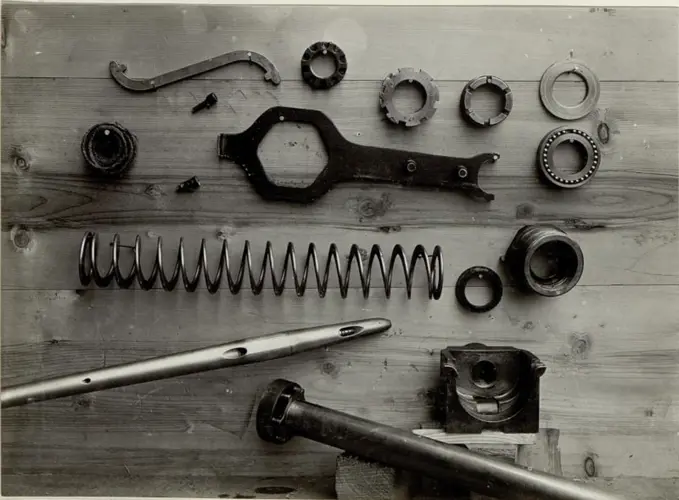
Selection of vintage medical and mechanical tools, showcasing craftsmanship from the 16th to 19th centuries, including extractors and spanners.
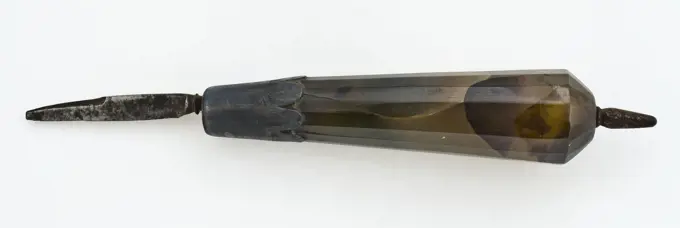
Pencil knife with glass multi-faceted glass handle and short narrow blade, penknife knife cutting tool glass silver tin metal w 13.0, The penknife was in use until 1850.
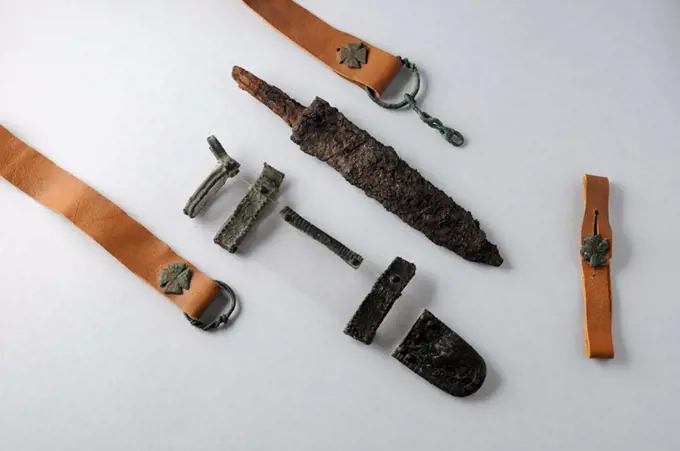
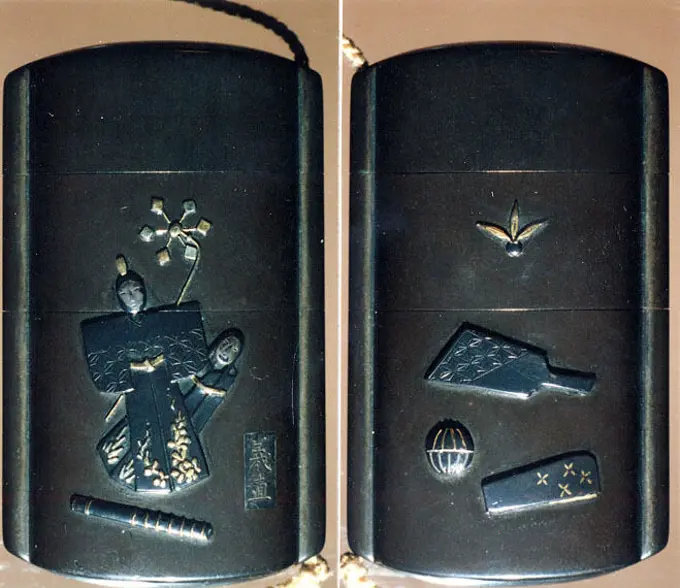
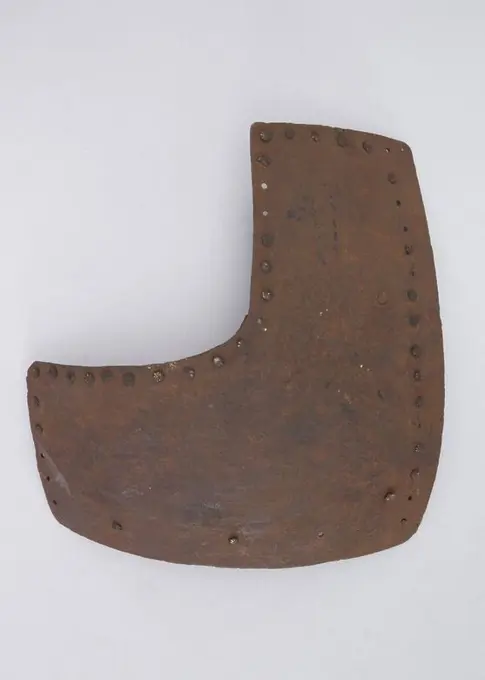
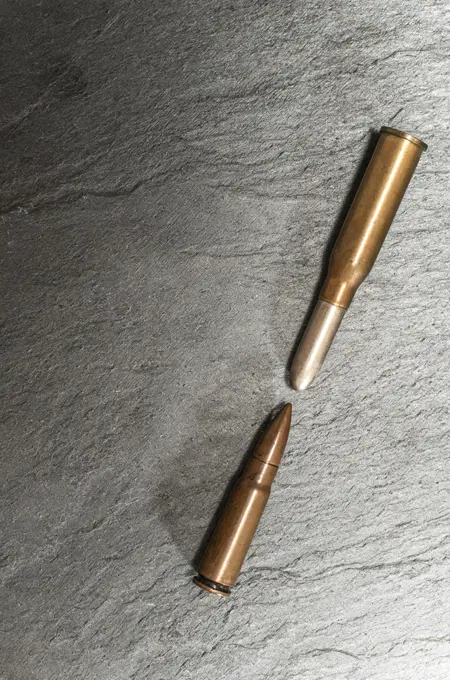
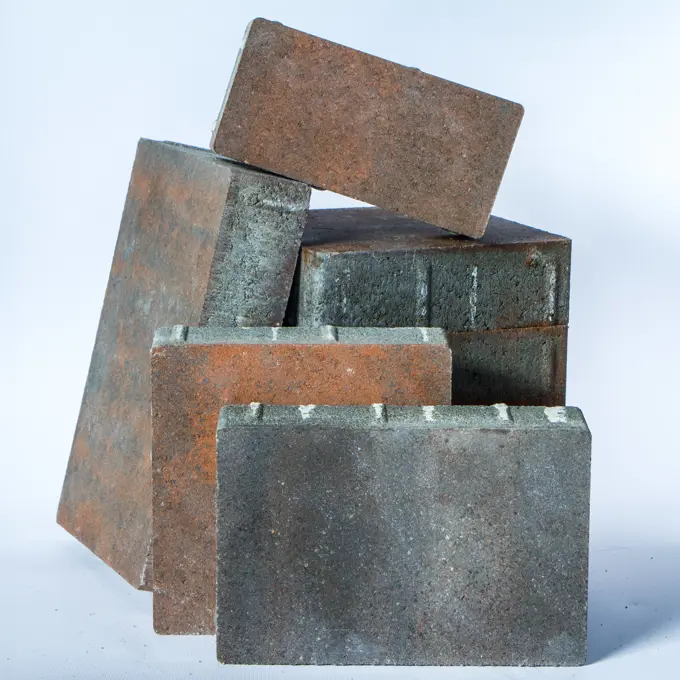
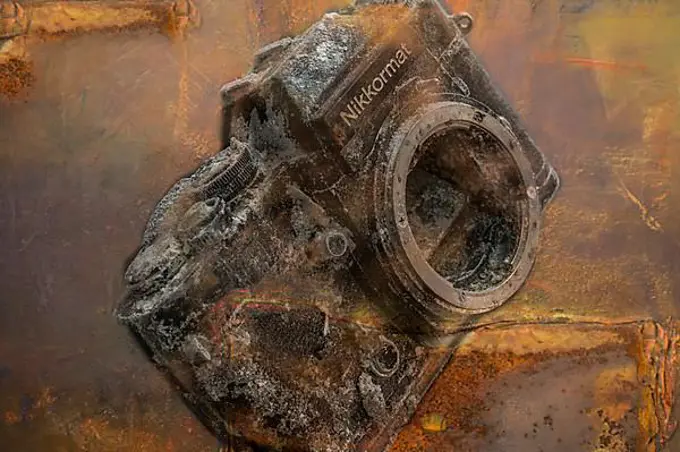
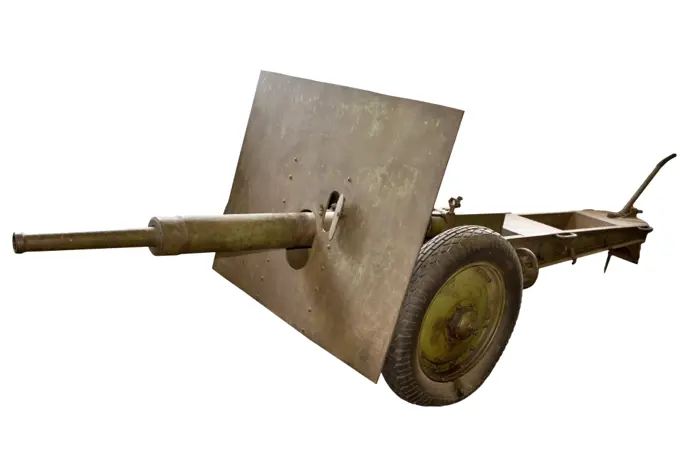
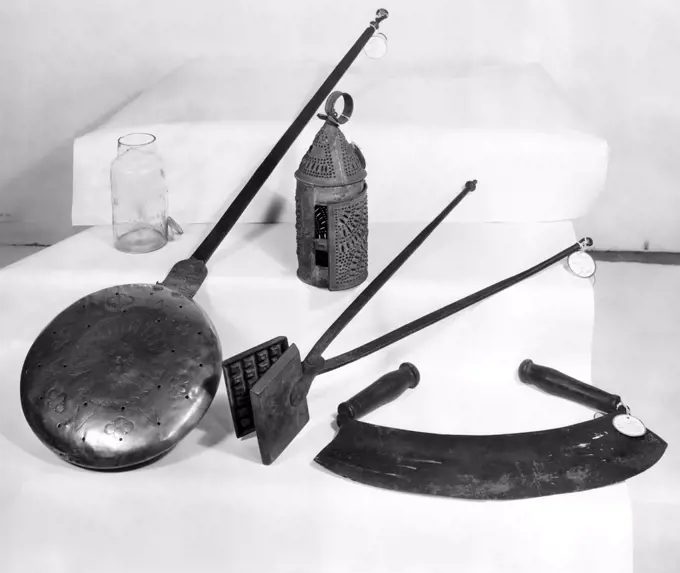
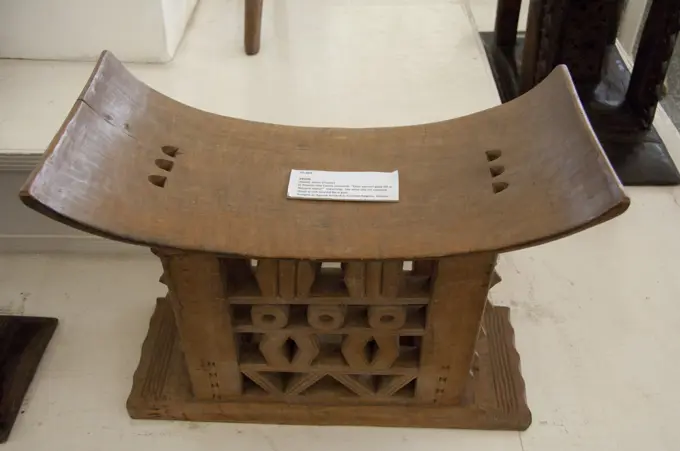
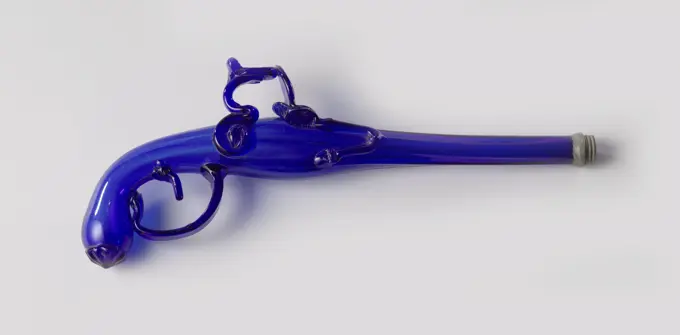
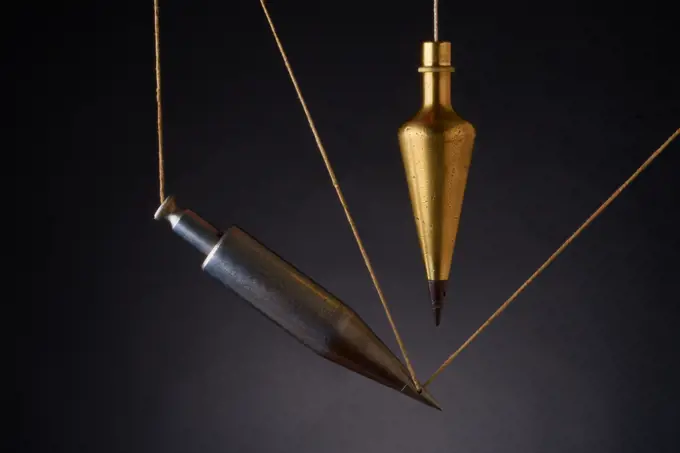
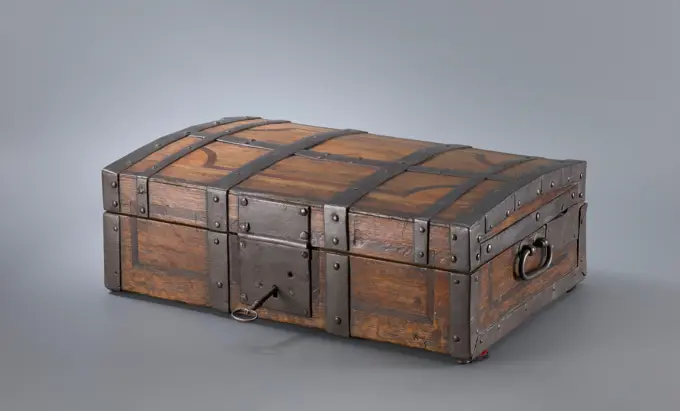
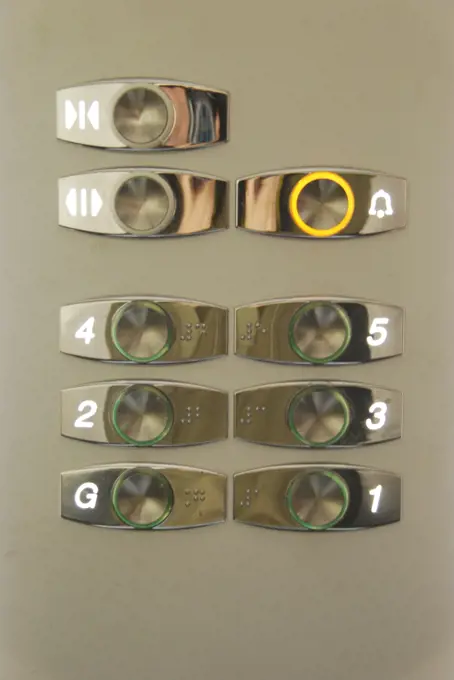
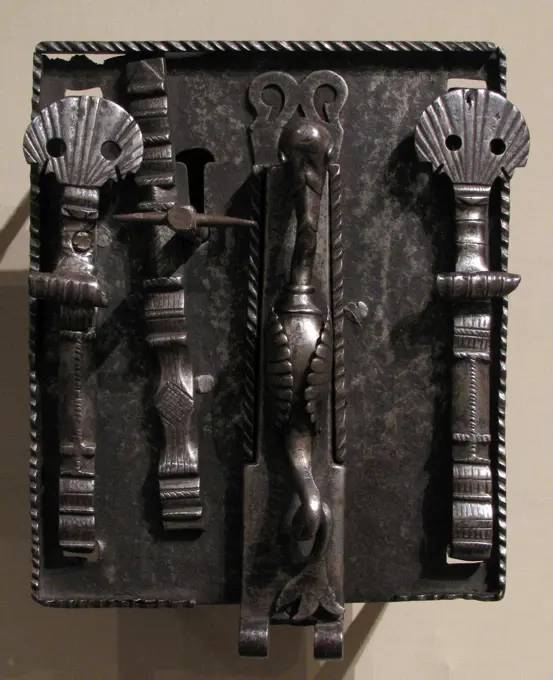
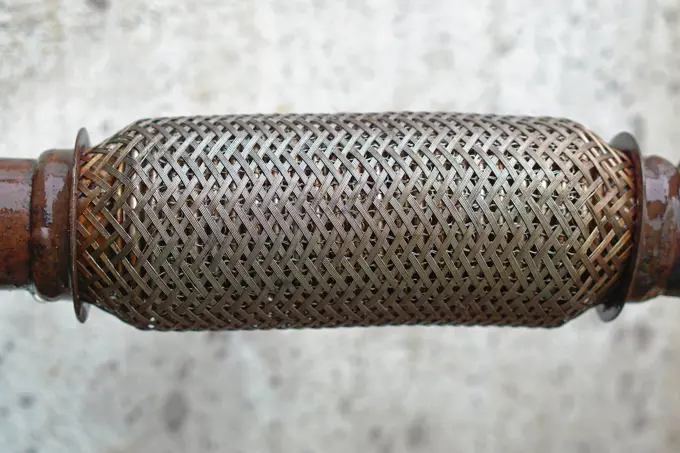
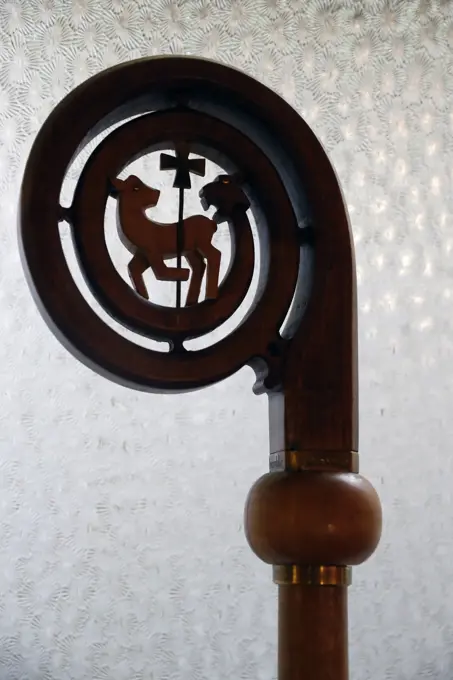
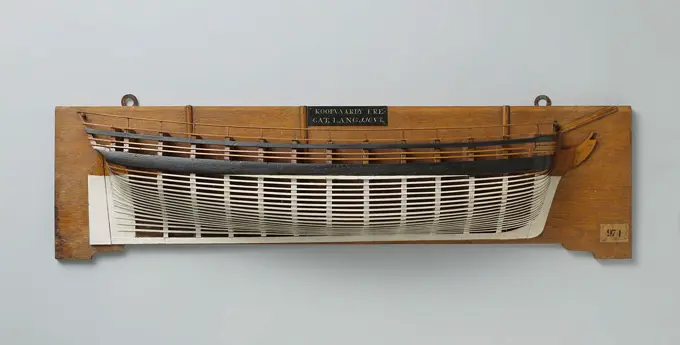
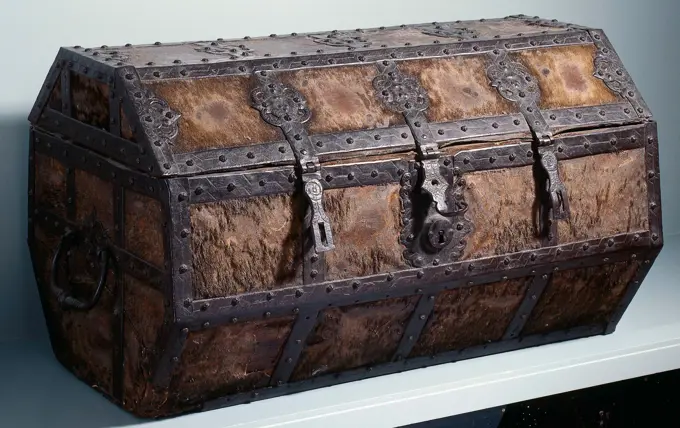
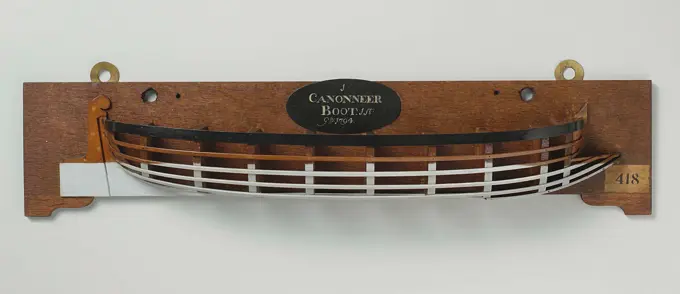
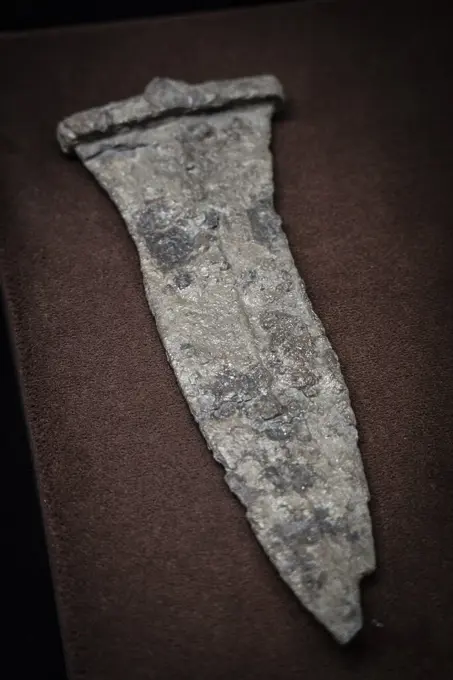
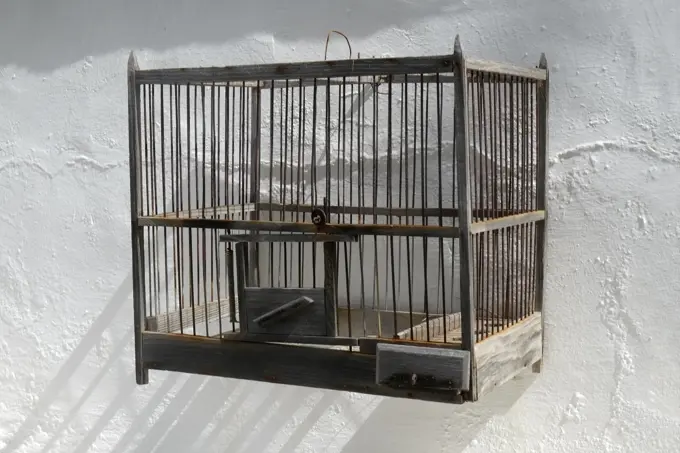
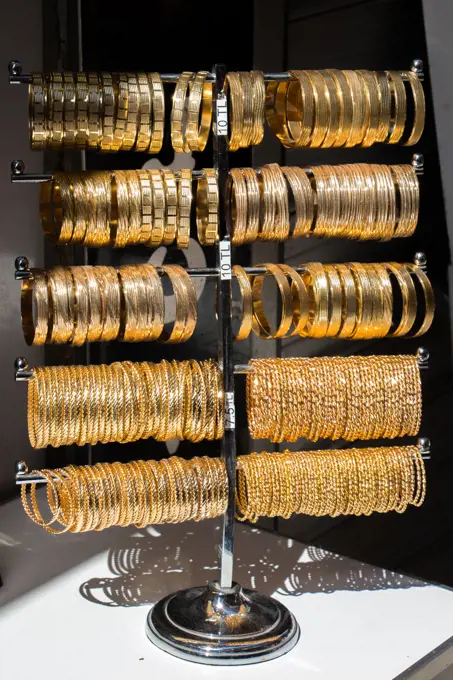
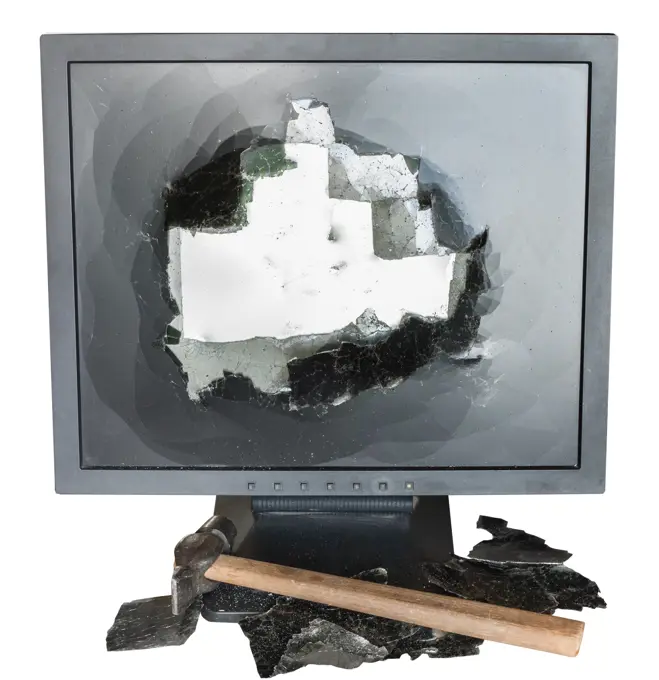
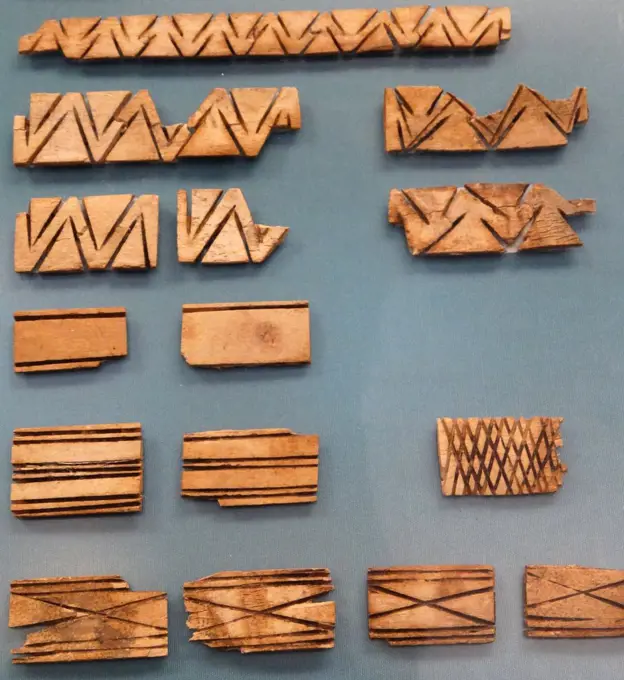
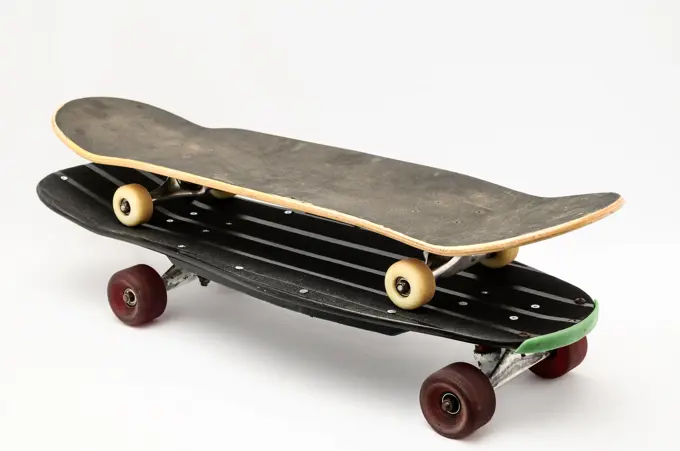
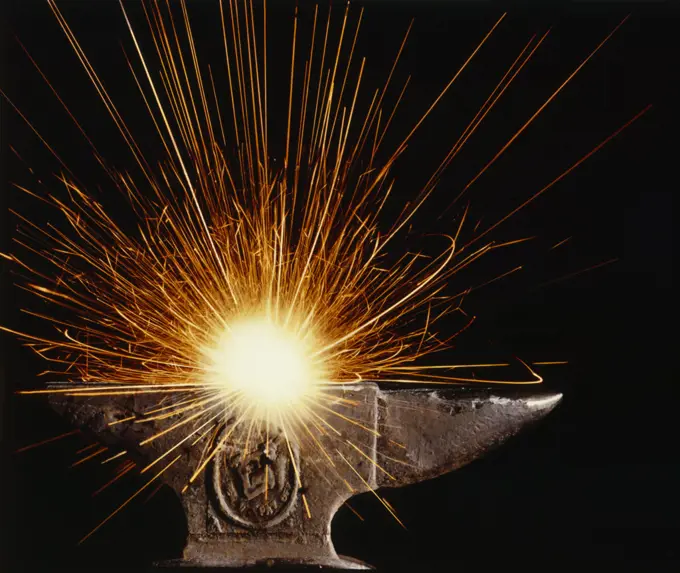
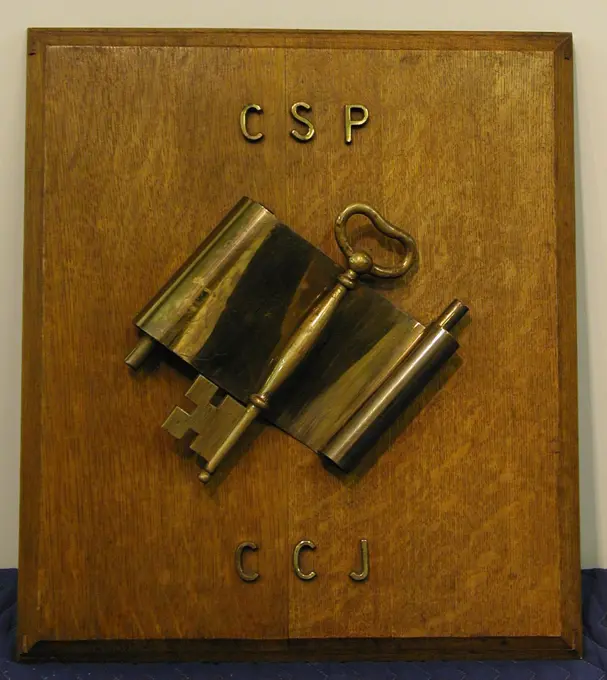
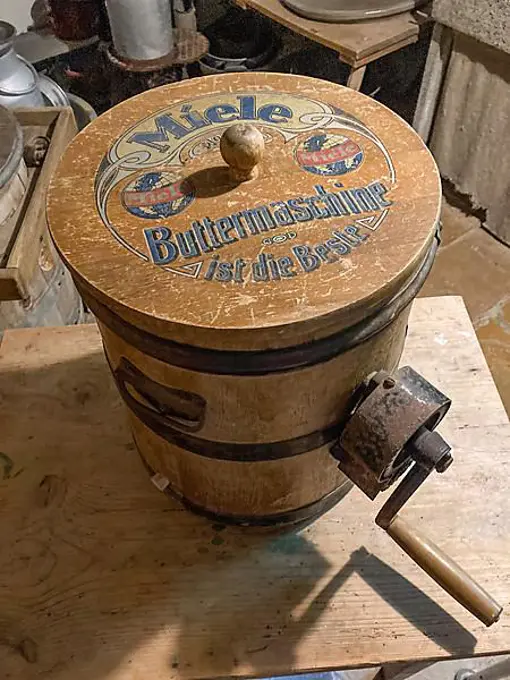
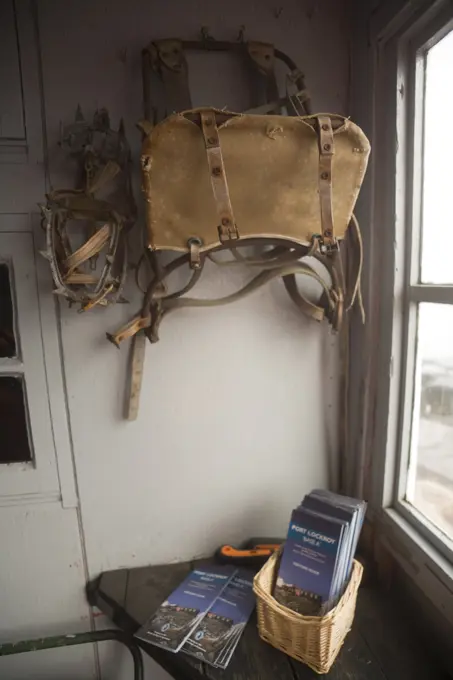
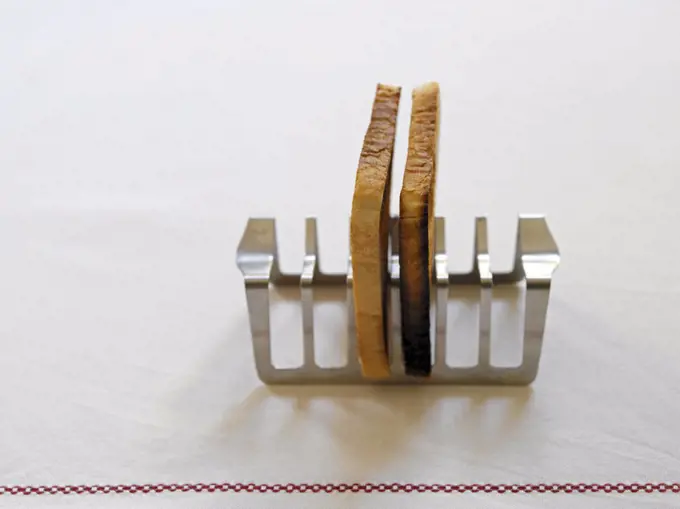
Slices of toast in rackIron knife, with your accessory of the sheath and bronze strap to them. Length knife 11.6 cm. Case 9 cm ( 6 th - 7 th CE ).- Visigoth period, from the "Afflicted Necropolis " - Archaeological site of Complutum in Alcalá de Henares ( Madrid ). SPAIN.Coupling box MF-VRK 23176 Hy I, 71-73.Kockums AB (depicted name), U 5 (depicted name)BoxFingered Gauntlet for the Right Hand Made 1590-1630 Flanders. Steel, leather, brass, and gilding .Case (Inrō) with Symbols of Girls' Festival (obverse); Emblems for New Year Festival (reverse) 19th century Japan. Case (Inrō) with Symbols of Girls' Festival (obverse); Emblems for New Year Festival (reverse) 58930Bricklayer bronze set square and compasses, From Banasa (Morocco)ARCA - SIGLO XVI. Location: MUSEE HISTORIQUE. Bilbao. Biscay. SPAIN.Brigandine Plate. Culture: Italian. Dimensions: H. 9 1/4 in. (23.5 cm); W. 8 7/8 in. (22.5 cm); Wt. 1 lb. 3.6 oz. (555.7 g). Date: 1400-1450. Museum: Metropolitan Museum of Art, New York, USA.CONG OF JADE. CONG OF JADE; Grafgift, symbol of earth, used in sacrificiality in Zhou period. This Cong is late imitation.Rope tensioner made of wood, background blue tentDiskobolos (discus-thrower) of Myron. An athlete is coiled up in a taut, momentary pose, about to throw the discus - one of the pentathlete's five events. The cast combines a headless statue from Hadrian's Villa and the head of a statue found in Rome. Copied closely from a lost bronze victor statue by the Athenian sculptor, Myron, active c 460-440 BC.Background of various weapon cartridges ammunitions on stone dark base. Military conflict concept.Wooden sculpture, Bhimtal, Nainital, Kumaon, Uttarakhand, India, Asia India Copyright: xJagdishxAgarwal/DinodiaxPhotox -Case (Inrō) with Design of Objects for Tea Ceremony 18th century Japan. Case (Inrō) with Design of Objects for Tea Ceremony 58686Paving stones of different colors on a white background Paving stones of different colors on a white background. Free space for text. Copyright: xZoonar.com/by_rmannx 13477546Fork or knife German, Meissen 19th century View more. Fork or knife. German, Meissen. 19th century. Porcelain. Ceramics-PorcelainOld rusty analog SLR camera, symbolic picture of outdated technologySIN TITULO 1987. Author: TXOMIN BADIOLA.isolated object on white -  military cannonA block with grid systemModel or a tubular boiler. Model of a tubular or pipe boiler with extendable chimney. For the model two doors to the smeed in the middle and two for the ovens on the sides. The model has eight and ninety flames. On top of the boiler a loose chimney with an extendable part, which is operated with two levers (now defective), and a separate steam cap with a manhole. At the bottom of the model of the boiler, the swallow holes can be seen for cleaning the boilers. The connections for the steam line and other pipelines are omitted to the model.Fragments Pipe stems from the wreck of the East Indians Hollandia, Anonymous, 1700 - in Or Before 1743  Pipe, stem; fragment. Netherlands pipe clay   SecondKitchenware, Early American household appliances, l-r: fruit jar, brass bed warmer, town crier's lantern (back), antique waffle iron, meat tenderizer.Rutile. minerals. North America; USA; Pennsylvania; Chester CountyModel of a Gun and Carriage, anonymous, c. 1845 demonstration model Polychromed model of a cannon on a role horse. The 49 cm long wooden run is black, red and white dyed and has a caliber of 21 mm. The grape has an extra long neck on which a percussion slot is mounted by means of a bracket. The head of the hammer has the shape of a mouth and falls around the Zundgat, so that the beam that comes out of the Zundgat does not hit the hammer. The hammer turns in a fork of the bracket, in which a tumbler is applied with the deduction running through a disc. The role horse is painted green. The cheeks, with three staircases and an ellipse -shaped cut at the bottom, are further apart at the back than at the front and are connected by a sloping calf and the axle stations. The sole plate connects front and rear axle. The role horse has a breastpiece with breast valve; Stelwig and the stake block are missing. The wooden wheels are double and all of the same cross -section. Scale 1: 6 (estimate). Africa, Ghana, Accra. National Museum, regarded as one of the finest museums in sub-Saharan Africa. Akan (Fante) wooden stool.MODEL-ENTROPY 1984. Author: CADY NOLAND.Fashion, 20th century. Crocodile clutch bag with golden metal and pietra dura clasp, 1930s.Gun box with flint lock, anonymous, c. 1860 - c. 1900  Pistool today with flint lock. Iron quadrangular loop with a sliding valve that can be closed with a round pin. On top of the barrel is the fire steel which can be folded up and an iron rooster. The flask is made of wood and is attached to the barrel by means of two screws. A straight iron tractor under the loop. Europe kolf: wood (plant material). haan, loop: iron (metal)   NetherlandsGlass in shape of a gun, anonymous, c. 1650 - c. 1700 Kolf and walking from a faintly ribbed, blue tube. A rosette -shaped flask button at the bottom. The melted parts - wheel lock, lock plate, tractor and bracket - are solid. The mouth of the loop is finished with a pewter thread frame. Low Countries glass. tin (metal) glassblowing Kolf and walking from a faintly ribbed, blue tube. A rosette -shaped flask button at the bottom. The melted parts - wheel lock, lock plate, tractor and bracket - are solid. The mouth of the loop is finished with a pewter thread frame. Low Countries glass. tin (metal) glassblowingPlumb bobs, antique surveying equipmentHalf Model of a 68-Gun Ship of the Line, anonymous, c. 1795 ship model. half model. builder's model Polychromed mold model (starboard) of a three -mast. Three and thirty gun gates spread over three decks; Baking deck not indicated. Wandering mirror, hollow wulf; Hek and side gallery not indicated; Straight with square stirring king. Seeping backwards, two mountain wood and one reehout. Round underwater ship. Scale 1:50 (derived). Netherlands wood (plant material)Half Model of a 32-Gun Frigate.Molds model (starboard) of a three-master. Twelve gunposes on one deck. Wrinkled mirror, hollow wulf, no details of fence or side gallery; Straight stir with square stirring king and keel with heel. The seam runs something on both ends, one bark wood and one Reehout. Peaked round trip. Scale approx. 1:55 (derived).Copper agricultural tool from the Indus Valley Civilisation at Mohenjo-Daro, Pakistan. The Indus Valley Civilisation was a Bronze Age culture, (33001300 BCE; mature period 26001900 BCE) mainly in the north-western regions of South Asia, extending from what today is northeast Afghanistan to Pakistan and northwest India. Dated 2700 BCOld rusty canister, jerrycan isolated on white background, with clipping pathOld water valve, isolated on white background Old water valve, isolated on white background Copyright: xZoonar.com/OleksandrxKostiuchenkox 8897783Model of a Ship's Galley, anonymous, 1800 - 1858 demonstration model Model of a shipy butter, painted black. It is a cube -shaped structure with an oven on the front and a chimney at the back. Two bins, one of which has two compartments, hang at the top; They have round openings at the top. A separate compartment, in which a grid can be pushed along an opening in the side, is built inside the oven so that the hot gases can all around it. model maker: Netherlands (possibly)after design by: Denmark iron (metal). paint (coating)Copper agricultural tool from the Indus Valley Civilisation at Mohenjo-Daro, Pakistan. The Indus Valley Civilisation was a Bronze Age culture, (33001300 BCE; mature period 26001900 BCE) mainly in the north-western regions of South Asia, extending from what today is northeast Afghanistan to Pakistan and northwest India. Dated 2700 BCWeight set made of brass weight set from brass copyright: xzoonar.com/dr.xlangeex 13111493A detailed photograph showing close up view of vintage locomotive drive wheels and drive shaftsSheng (  ) late 19th century Chinese Southeast Asian in origin and used before the twelfth century B.C., the sheng also played an important role in Confucian music. Now, it accompanies folk songs and is occasionally used in the Beijing opera to add harmony. Similar to the Western harmonica, which it inspired, the sheng is the only Chinese wind instrument capable of sounding many notes at the same time. It is played by blowing and sucking. The bamboo pipes, symbolizing the folded wings of the phoenix, are fitted with free reeds made of metal, concealed by the bowl-shaped wind chamber.. Sheng (  ). Chinese. late 19th century. Wood, metal, ivory. Qing dynasty (1644-1911). China. Aerophone-Free Reed-mouth organHalf Model of a 28-Gun Sloop of War.Polychromed mold model (starboard) of a three-master, the skin above the bark wood closed. Fourteen guns divided over two decks, semi-deck and baking deck indicated by gillings. Wrecked mirror, hollow wulf, fence closed but not elaborated, no side gallery: stir with square rhythm and stirring blade rounded on the waterline. Side in front and behind ascending, one bark wood and two reans. Peaked round trip. Scale 1:40 (derived).Goldsmith's art, France, 20th century. Mauboussin, agate, diamond, emerald and gold brooch, 1920.Copy of a reliquary made in Scandinavia at the end of the 10th cent. The wooden casket was clad with elk horn and gilt-bronze bands. The form imitated a Viking house. The original reliquary was kept in the cathedral in Cammin, Pomerania, but disappeared during World War II. National Museum of Denmark.A weapon in the shape of currency. From the Congo. Made from iron.Double barreled, double wheellock pistol Menzer, Hans (fl. 1615 1655), Monogramista HGHHalf Model of a 50-Gun Frigate, anonymous, c. 1809 ship model. half model. builder's model Polychromed mold model (starboard) of a three -mast. Two twenty guns on two decks. Get mirror, Hol Wulf, no details of fence or side gallery; Stir with square stirring king and rounded leaf. See at both ends slightly ascending, one barkhout and one reehout. Peaked around. Scale approx. 1:50 (scale on model). Netherlands wood (plant material)   Rotterdam. East-IndiaHistoric cannon in Italy Historic cannon seen in La Spezia, a city in the southern part of the Liguria region in Italy Copyright: xZoonar.com/AchimxPrillx 21424920Mustard dish. Radke, Emil (fl. 1830-ca 1867), goldsmithTravel box on;  1730-1760 (1730-00-00-1760-00-00);Strzałecki, Antoni Jan (1844-1934), Strzałecki, Antoni Jan (1844-1934)-collections, ribbon (ornament)Military flashlight of the Swiss army Factory productInk pad inkwellstainless steel elevator push buttons on a residential buildingCoffer lock and key probably early 16th century Spanish The shrine of Saint James the Great at the cathedral of Santiago da Compostela was one of the most popular pilgrimage sites of the Middle Ages. Cockleshell emblems of the saint appeared everywhere in Spanish ornament, from nail heads to window grilles. They appear on the bottom end of the two giant staples by which this lock was attached to a coffer or chest. A winged monster with a fish tail ornaments the hasp of the lock; a swiveling baluster conceals the keyhole.. Coffer lock and key. Spanish. probably early 16th century. Wrought iron. Metalwork-IronCatalytic converter Catalytic converter Copyright: xZoonar.com/NikolaxObradovicx 9731169Crook of a bishop's crozier with Agnus Dei, Lamb of God.  France. tailor meter ruler. soft tailor meter ruler in metric unitsHalf model or a merchantman. Polychromed mold model (starboard) of a three-master. No decks or gunposes indicated. The model has a railing. Wrinkled mirror, hollow wulf, no details of fence or side gallery; Stir straight with square roofing. Side forward and back ascending, one bark wood and one Reehout. Peaked round trip. Scale approx. 1:40 (derived).Sailor chest. Suitcase of oak, covered with a seal skin and fittings with in part to simple orumans-sleeved iron. The suitcase is octagonal, has a lock and two robberies for padlocks and two handles on the narrow sides. Inside two bulkheads.First World War (1914-1918). Germany. 150 mm artillery shell grenade (left) and 205 mm artillery shell grenade without a fuse (right). Latvian War Museum. Riga. Latvia. Cauldron Ornament, c. 1200. Central Europe, Bronze Age. Bronze with iron rivets; overall: 23.2 cm (9 1/8 in.).Offering historic cannons. Historical cannon type "turn bass" offered to the tradition room of the subway service by the grandson of Mr. Ket. The rotary base was used between 1550 and 1860 on board various ship types for enter maneuvers. The cannons were in possession of the grandfather of sailor ket that has served aboard various submarines for the Second World War.Old electrical systemHalf Model of a Gunboat.Polychromed mold model (starboard) of a flat bottom. The lower part of the fore ship has been extended in a point, on which a small triangular arranged arranged. Peak stern, broad stir. The seam goes forward and back, one bark wood. This gaffan panel boat had one piece.dagger, Cabezon de Pisuerga, Roman Hispania, Valladolid Museum, Community of Castile and Leon, Spain.Rusty Parking Meter Against Battered Red MetalVogelkaefig, Vogelbauer Selbst gebauter Vogelkaefig aus Holz und Drahtstangen vor weisser Wand. Querformat. Self-made bird cage made of wood and wire rods in front of a white wall. Horizontal format. Copyright: xZoonar.com/BernhardxKuhx 22500222Crook of a bishop's crozier with Agnus Dei, Lamb of God.  France. Luster terminal burntShop display of dozens of golden bracelets and banglesBlue Faience Statuette God Tutu 1260 B.C.Parts of an Italian 65mm mountain range.Decoration industrial style loft cafe, stock photoVase China. Vase 43754broken monitor, glass shards and hammer broken monitor, glass shards and hammer isolated on white background Copyright: xZoonar.com/ValeryxVoennyyx 9191406Decorative bone inlay (1750-1550 BC) from Jericho in Palestine. fragments were found scattered on the floor of Tomb P19. Some were undoubtedly applied to small rectangular or cylindrical wooden boxes, parts of which were recovered. Others might have been used to ornament items of furnitureOld Used Wooden Skateboard Vintage Style Black Skateboard on a white Background Copyright: xZoonar.com/albertoxgiacomazzix 12938360Anvil with sparks flying, studio shotA collection of vintage keys on a decorative plate.Scroll and KeyPlaqueHand butter churn C Butter churn made of beech wood for the production of butter by Miele & Cie. KG produced production period from 1901 to 1956 in Freilichtmuseum Neuhausen, Neuhausen ob Eck, district of Tuttlingen, Baden-Wuerttemberg, Germany, EuropePort Lockroy, Antarctica.  Relic snow and ice gear, British station.Shot of a case of 60mm mortar shells inside a warehouse at Government ordnance Facility #4 in Bosnia and Herzegovina, during Operation JOINT ENDEAVOR. Subject Operation/Series: JOINT ENDEAVOR Country: Bosnia And/I Herzegovina (BIH)Pilgrim vase 1876 Union Porcelain Works The Philadelphia Centennial Exhibition in 1876 was a critical catalyst for the development of the American Art Pottery movement. In celebration of the country's hundred-year history, the enormous fair--for which preparations began in 1871--was designed to demonstrate America's technological and artistic progress in the years since gaining its independence. Ceramics played a critical role at the fair, providing an anthology of world ceramics, the repercussions of which were felt for decades. American ceramics manufacturers saw the Centennial Exhibition as an opportunity to elevate the aesthetic and technical quality of their wares and to seize a greater part of the burgeoning ceramics market from foreign rivals. For the first time, the fair would provide a major international showcase for their products; it signaled an increasing emphasis on the artistic aspects of ceramic production. Among the important American potteries exhibiting special wares