Antique Tools and Artifacts

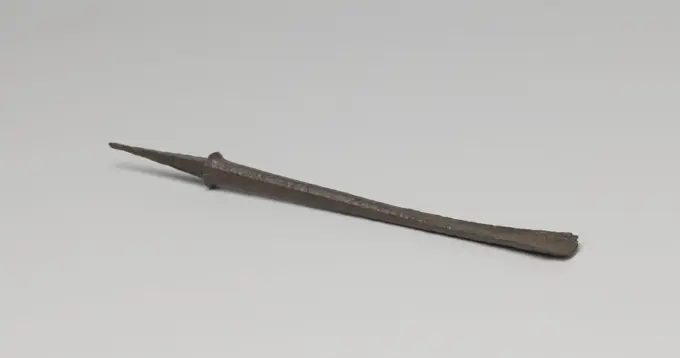
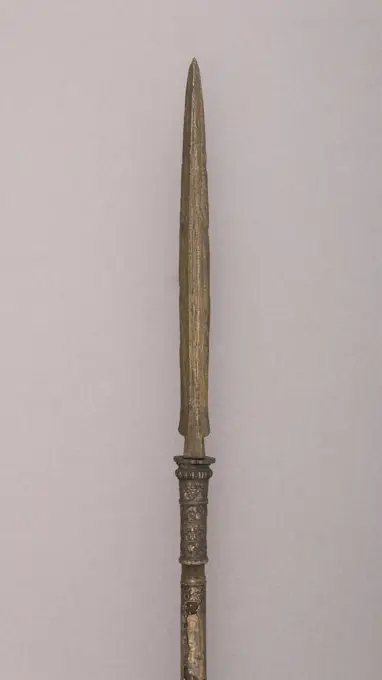
Historical tools like chisel and spear, showcasing their craftsmanship and unique designs, reflecting an antique aesthetic.
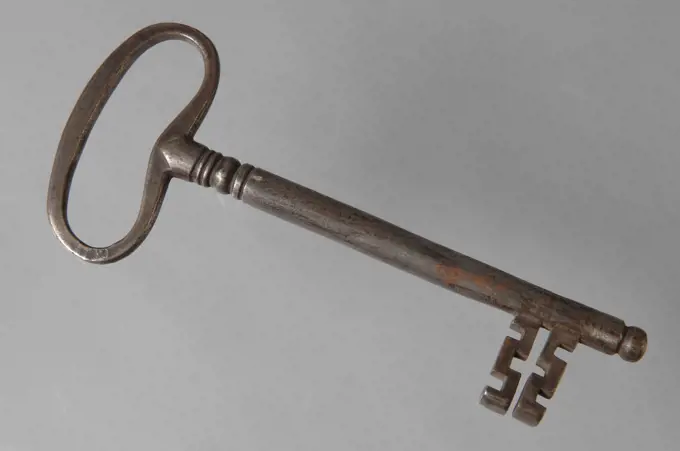
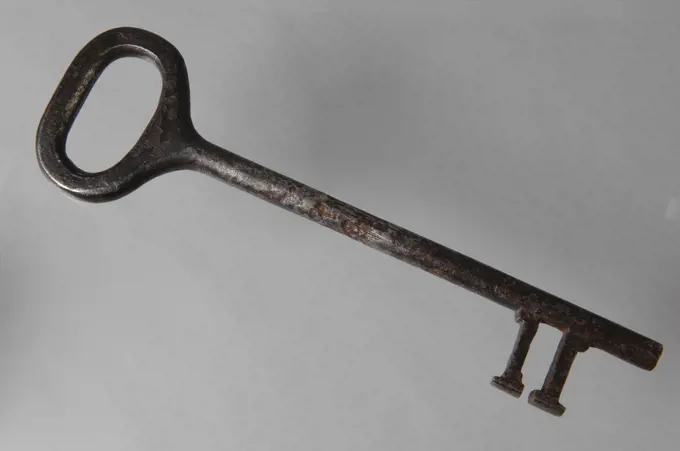
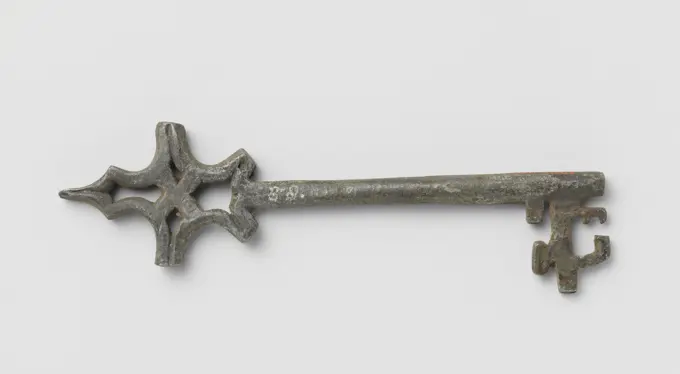
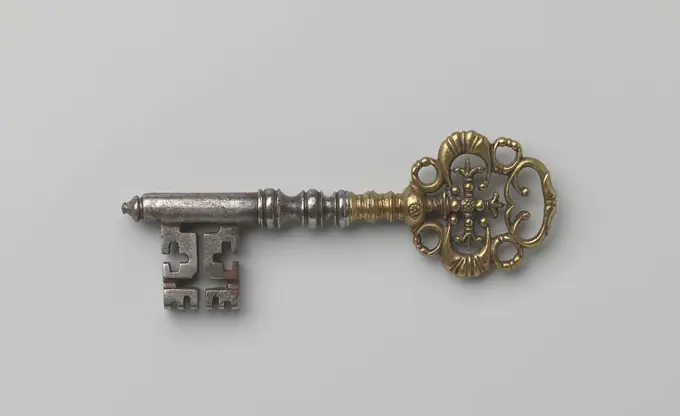
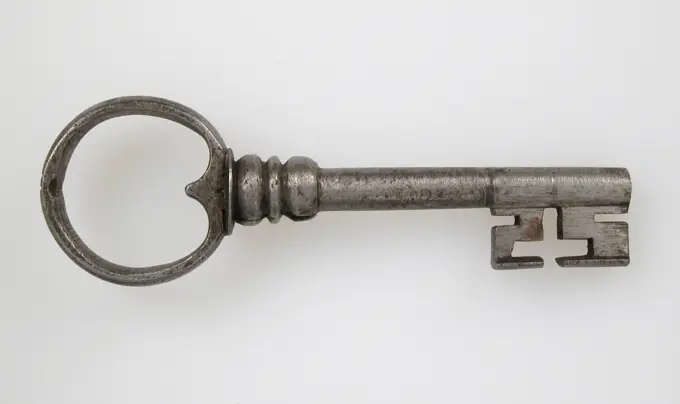
Iron key with elongated eye, solid key handle and cruciform beards in beard, key iron commodity founding iron, hand-forged key with typical elongated and flattened heart-shaped eye (handle) solid key handle (with socket wrench end) Collar consisting of single profile edges cruciform battens (horizontal and vertical) in key beard and asymmetrical keyhole cross-section archeology Rotterdam City triangle Delftsevaart hang-en-sluitwerk The object was excavated and found at the partial reclamation of the Delfsevaart for the purpose of making the lift over the Vaart in the summer of 1928.
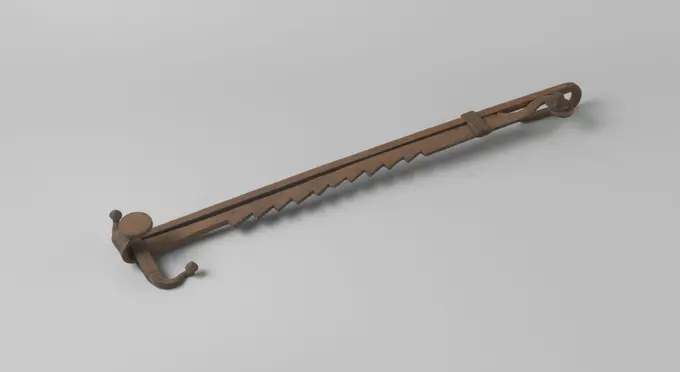
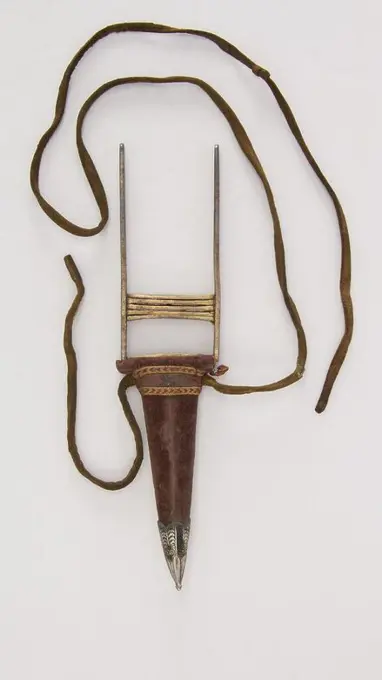
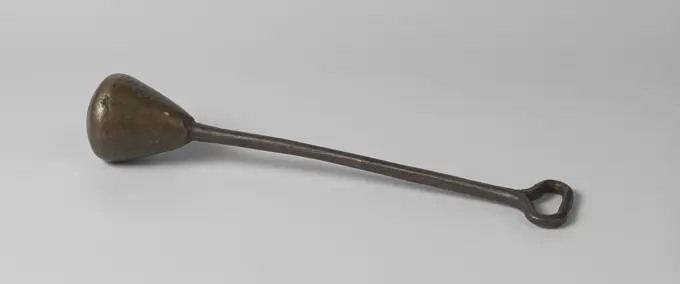
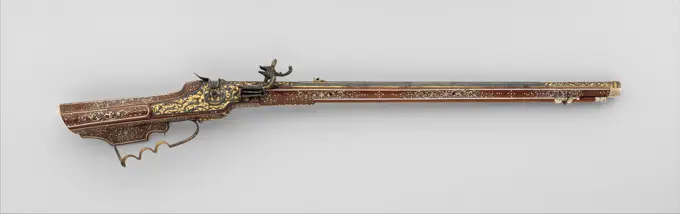
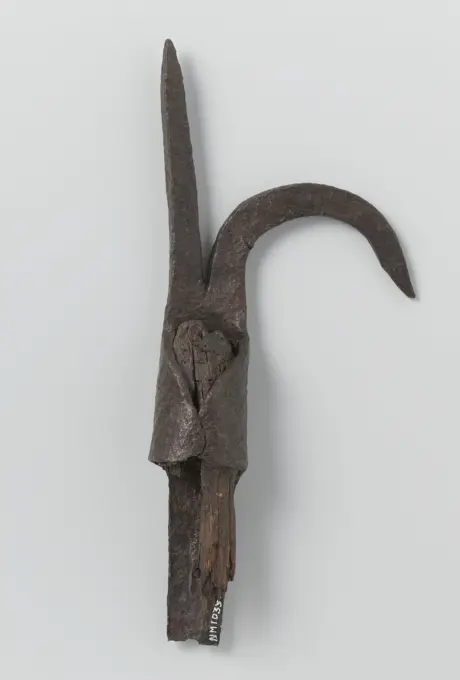
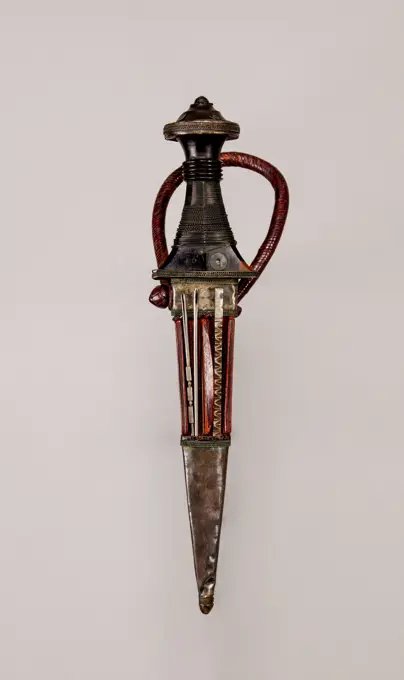
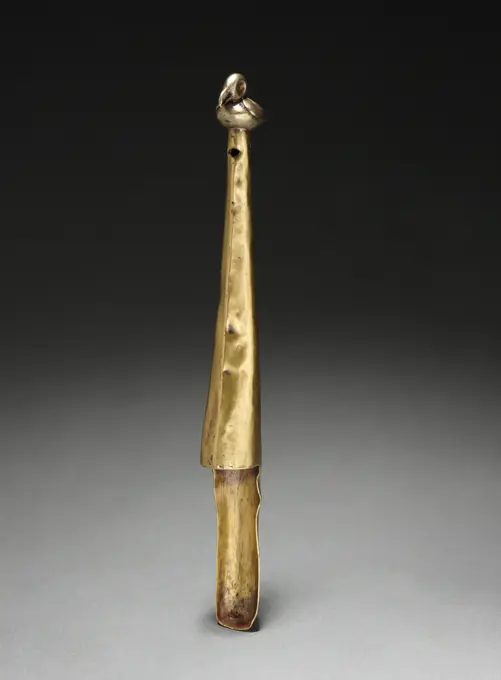
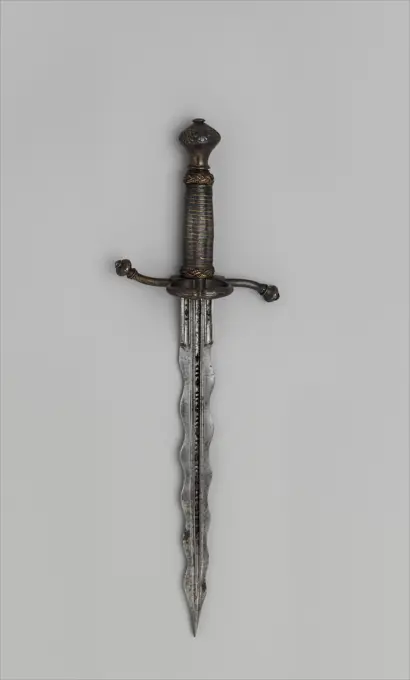
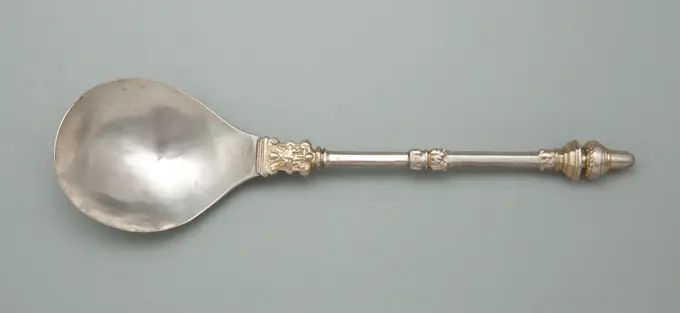
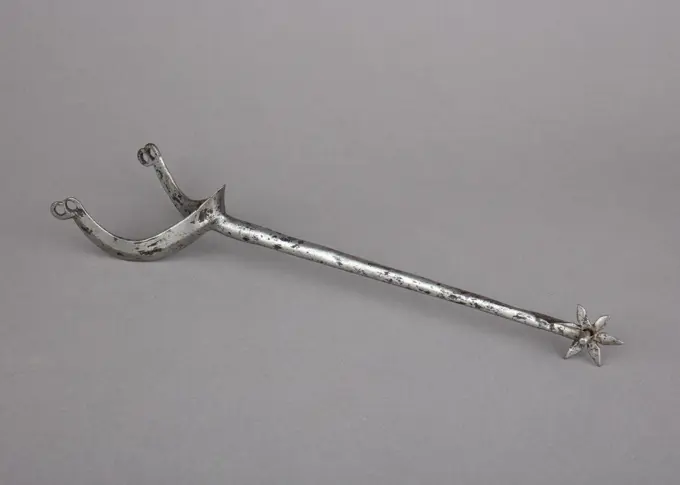
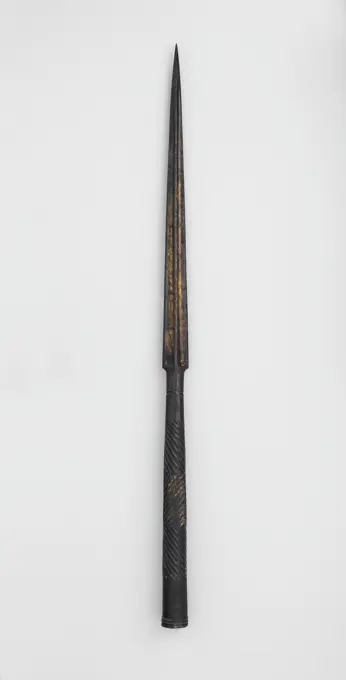
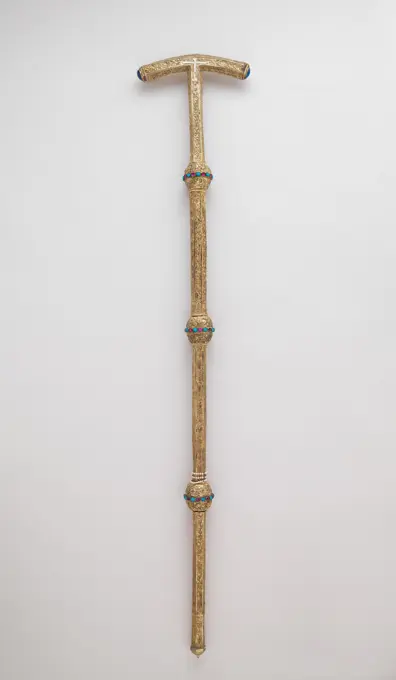
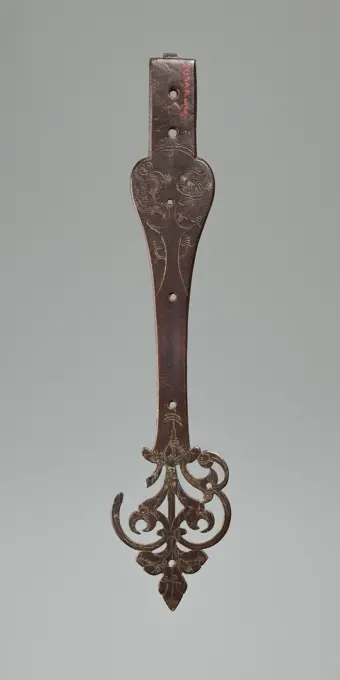
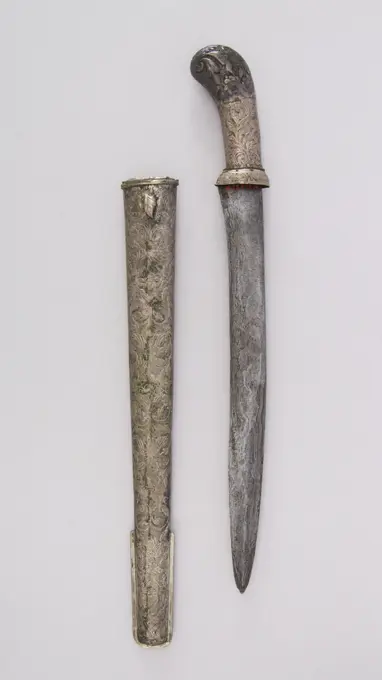
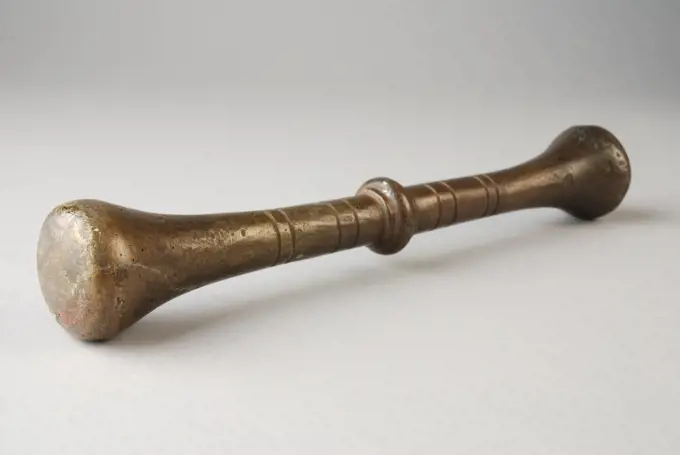
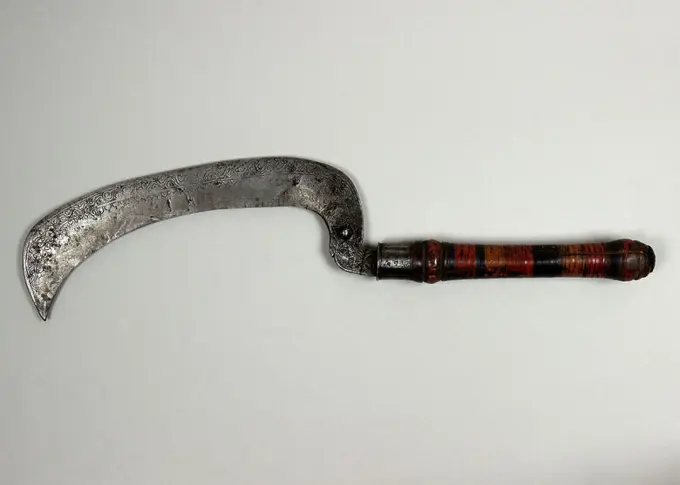
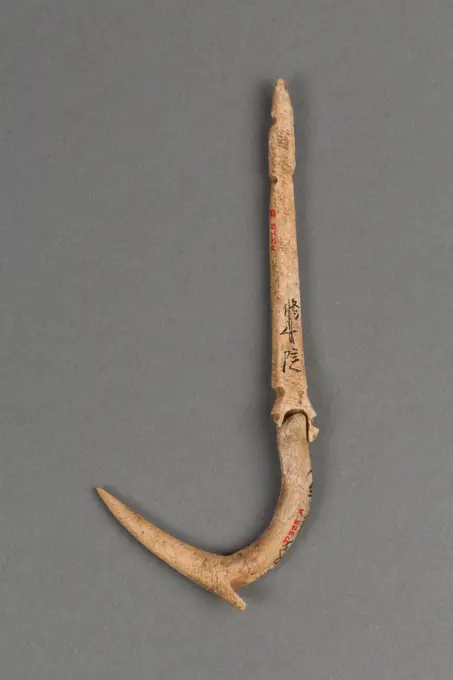
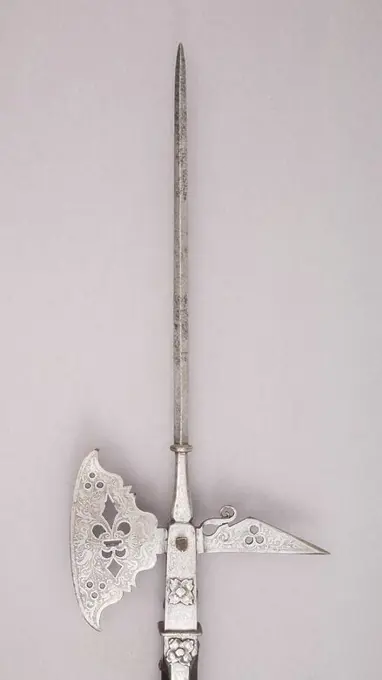
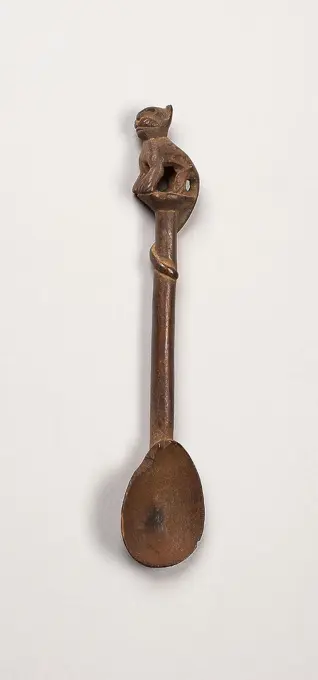
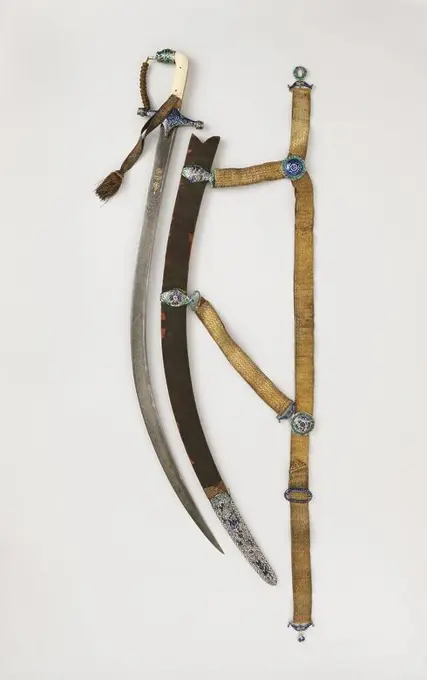
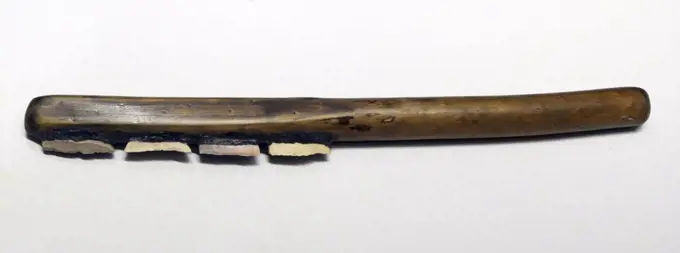
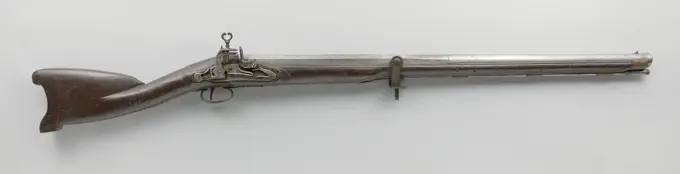
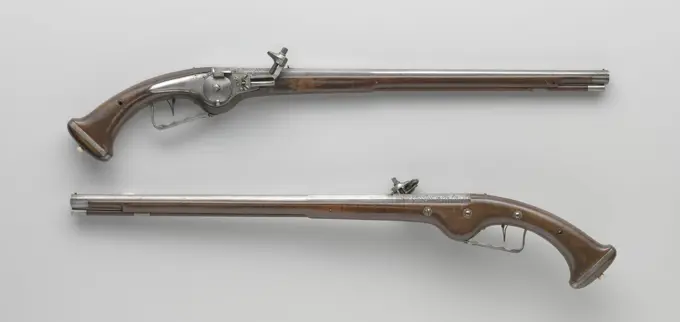
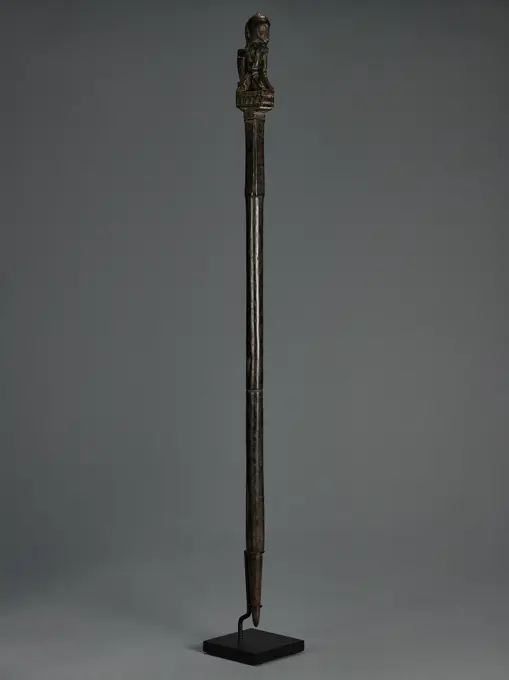
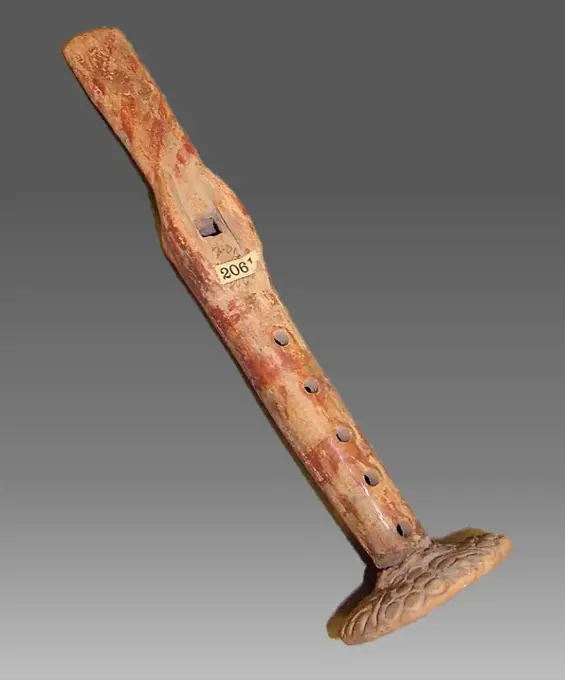
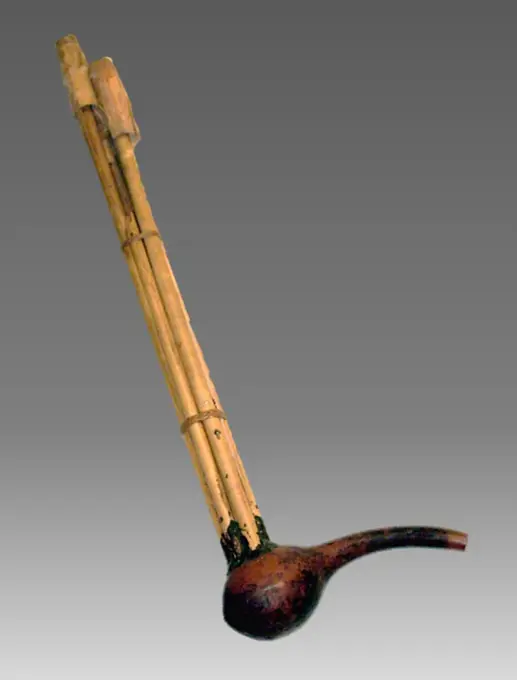
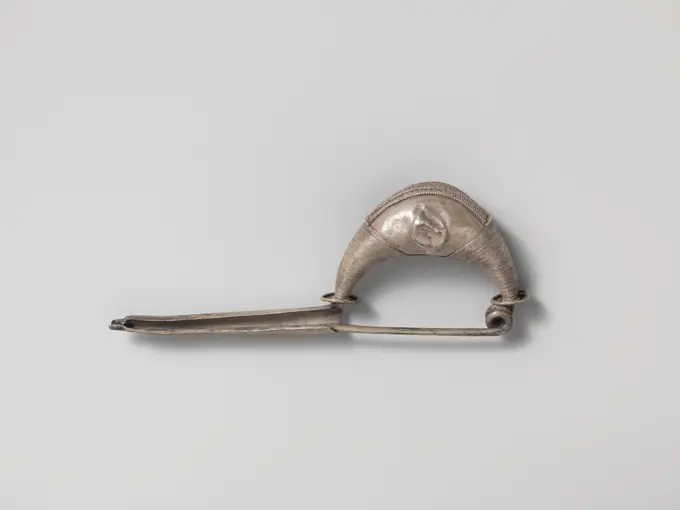
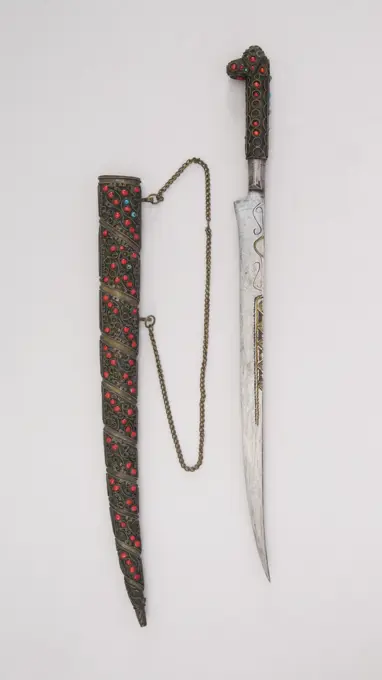
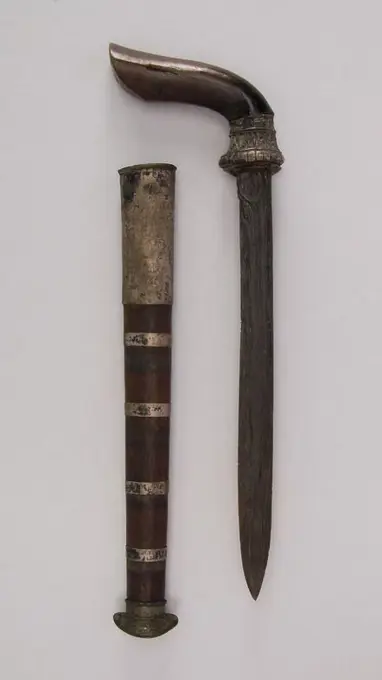
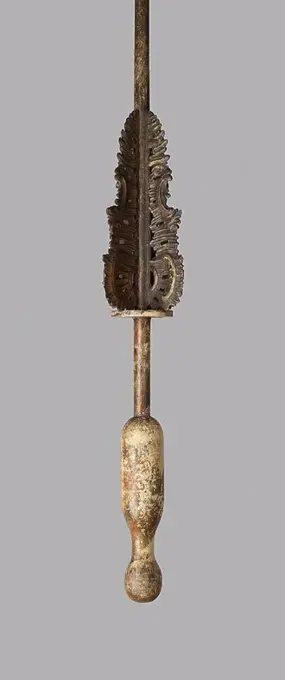
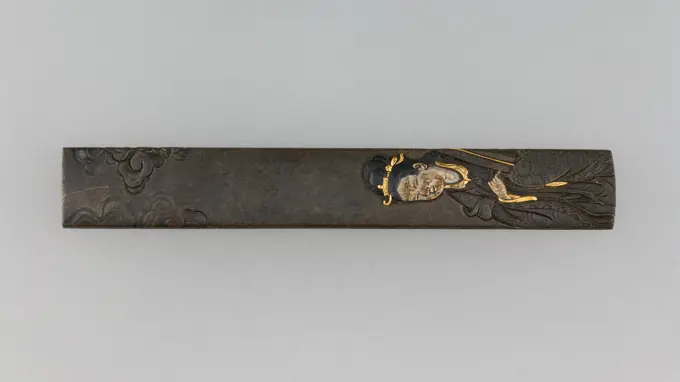
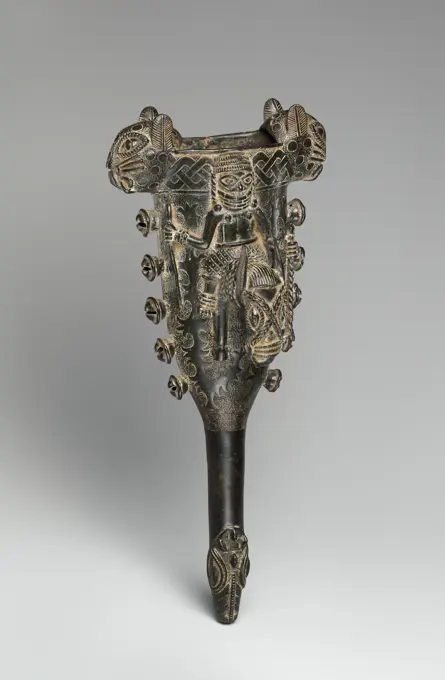
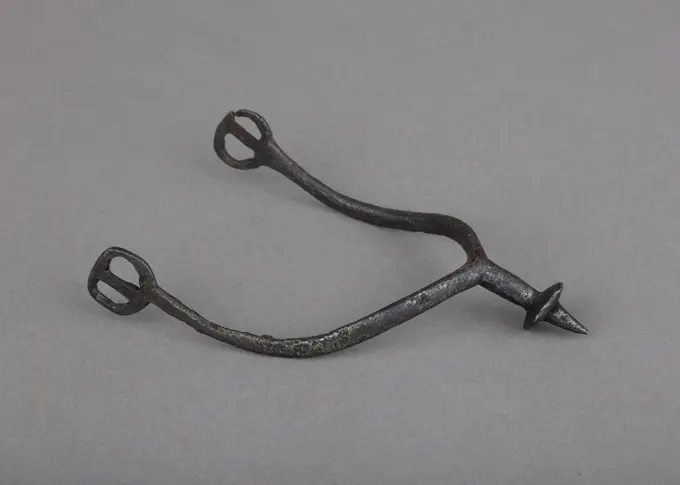
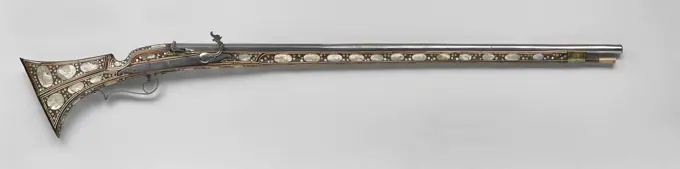
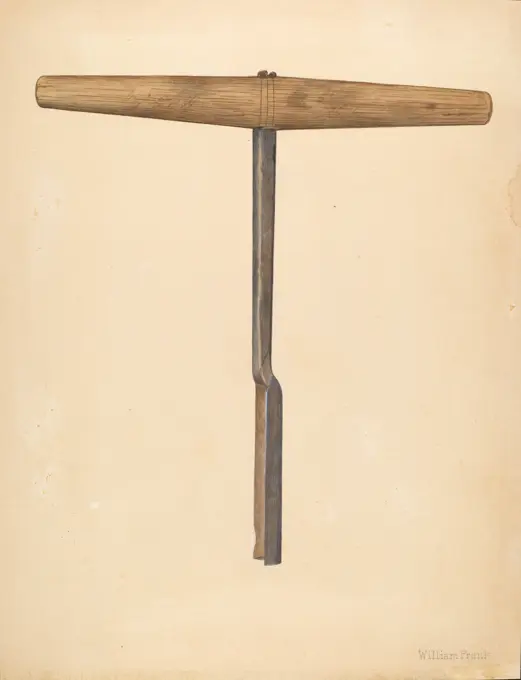
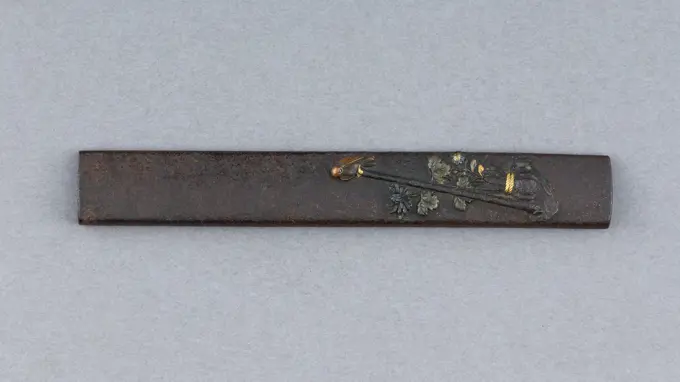
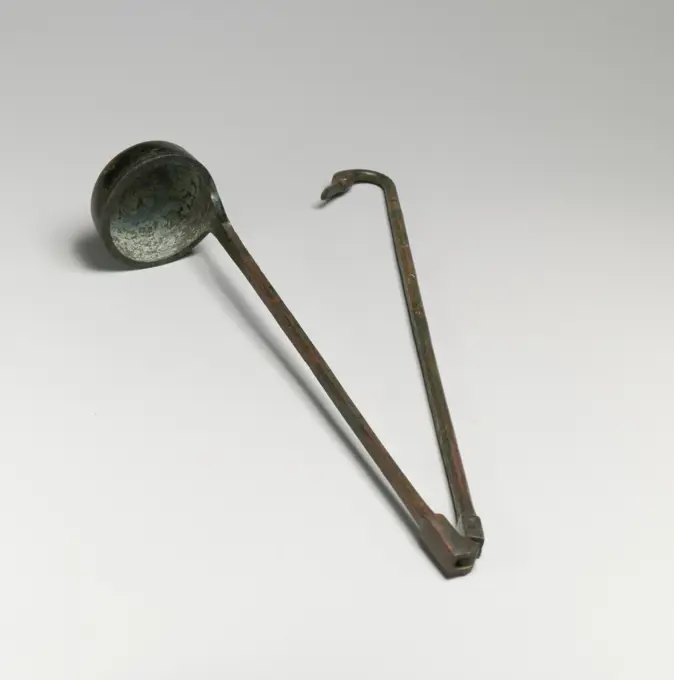
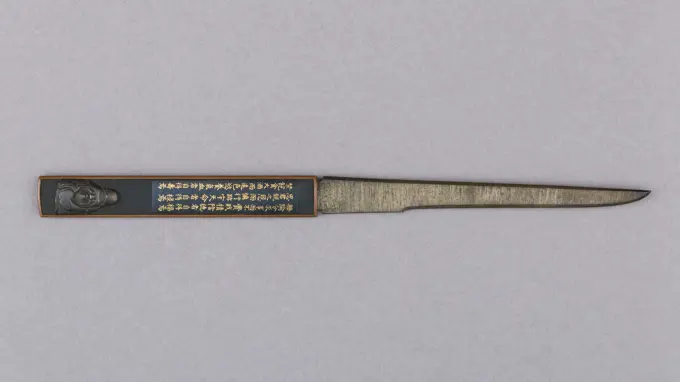
Chang (jaw harp) mid-20th century Afghan. Chang (jaw harp). Afghan. mid-20th century. iron. Andkhoi, Faryab Province, Afghanistan. Idiophone-Plucked / DepressedGuts of hollow chisel with sloping cuts whose chisel is equipped with an edge frame, anonymous, c. 1590 - c. 1596  Guts of hollow chisel. Stop chisel with sloping cut, chisel with a edge frame. Wooden handle is missing.  iron (metal) forging  Nova Zembla. Saving HuysSpear 18th-19th century Madurese. Spear 30776Javanese Kris, Anonymous, 1500 - 1700 Kleine Kris, original handle was lost. Java iron (metal). nickel (metal). gold (metal) Kleine Kris, original handle was lost. Java iron (metal). nickel (metal). gold (metal)Iron key with elongated eye, solid key handle and cruciform beards in beard, key iron commodity founding iron, hand-forged key with typical elongated and flattened heart-shaped eye (handle) solid key handle (with socket wrench end) Collar consisting of single profile edges cruciform battens (horizontal and vertical) in key beard and asymmetrical keyhole cross-section archeology Rotterdam City triangle Delftsevaart hang-en-sluitwerk The object was excavated and found at the partial reclamation of the Delfsevaart for the purpose of making the lift over the Vaart in the summer of 1928.Shield handle ca. 2124-1504 B.C. Middle Kingdom-Early New Kingdom. Shield handle. ca. 2124-1504 B.C.. Wood. Middle Kingdom-Early New Kingdom. From Egypt, Upper Egypt, Thebes, Deir el-Bahri, Tomb MMA 116, MMA excavations, 1926-27. Dynasty 11-18Chimney hook, 1500 - 1600 An iron cremaillére.  iron (metal) An iron cremaillére.  iron (metal)Dagger (Katar) with Sheath. Culture: Indian. Dimensions: L. with sheath 9 13/16 in. (24.9 cm); L. without sheath 9 5/16 in. (23.7 cm); W. 2 3/16 in. (5.6 cm); Wt. 4.5 oz. (127.6 g); Wt. of sheath 0.7 oz. (19.8 g). Date: 19th century. Museum: Metropolitan Museum of Art, New York, USA.Bronze toggle pin ca. 1900-1600 B.C. Cypriot These pins, of Asiatic origin, were made in Cyprus throughout the Middle Bronze Age and into the Late Bronze Age. The eyelet was punched through the bronze after the pin was cast.. Bronze toggle pin 244401Stamper van brons en ijzer.The pear-shaped pestle is made of bronze and perhaps later made than the associated mortar. The handle and handle are made of wrought iron.Wheellock Rifle ca. 1640-50 Caspar Spät German The dukes of Bavaria were enthusiastic collectors who assembled exotic objects and works of art in a special gallery called a Kunstkammer. In the capital city of Munich, they established various workshops where the most skillful artists and craftsmen produced art objects for the princely collection or for presentation to foreign dignitaries. Among the artists employed by the Munich court were the steel-chiselers Emanuel Sadeler (active 1594-1610), his brother Daniel (recorded 1602-32), and Caspar Spät (about 1611-1691). Unlike other artists decorating steel, the Munich masters did not depend on gold to produce stunning effect but used it mainly as a background to emphasize the ornament in blued steel chiseled in high relief. The subjects and patterns of decoration were usually inspired by mannerist designs produced by Flemish and French artists of the second half of the sixteenth century. Masters of carving and engraving on wood, ivory, anKey. Culture: German. Dimensions: Overall: 4 9/16 x 1 11/16 x 1/2 in. (11.6 x 4.3 x 1.3 cm). Date: 15th century.The decoration of Gothic iron locks and keys was often elaborate and of the highest standard of workmanship. The motifs were frequently drawn from Gothic architecture, reproducing on a miniature scale complicated tracery patterns and even tiny statuettes. A number of these tiny locks were compound, with some of the mechanisms concealed from view, and required two or even three keys used in sequence to open them. It has been suggested that the greatly expanded use of locks on doors, or coffrets and other types of storage chests was a result of the increasing urbanization of life and the new emphasis on material wealth and private ownership which developed in the late Middle Ages. Museum: Metropolitan Museum of Art, New York, USA.Bronze dipping or stirring rod 1st-2nd century A.D. Roman, Cypriot. Bronze dipping or stirring rod 244317Pipe wrench. Pipe wrench with handle formed by three loops.Sword - Wilkinson Sword Company (founded 1772) Wilkinson Sword Company (founded 1772)Ships essentials, anonymous, c. 1590 - c. 1596 fragment Ship section, a point of two -armed iron boat hook with fragment of the wooden stick. One arm is straight, the other crooked. Netherlands tin (metal). iron (metal). wood (plant material) casting / forging  Nova Zembla. Saving HuysTools, anonymous, c. 1590 - c. 1596  Span saw with twisted wooden handle, clamping screw still present, saw blade broken off. The Span saw is primarily surgeon saw that was later used by carpenters. The bracket saw is the oldest known framed saw, this kind of saws were mainly used by joiners.  iron (metal). wood (plant material)   Nova Zembla. Saving HuysDagger, 1880-1910. Africa, Sudan. overall: 31.2 cm (12 5/16 in.); blade: 19.9 cm (7 13/16 in.).Spoon with Bird, c. 500-200 BC. Peru, North Highlands, Chavín de Huantar(), Chavín style (1000-200 BC). Hammered and cut gold; overall: 2.6 cm (1 in.).Ceremonial Axe Shona peoples ca. 1900 A spiked vertical blade projects from a handle adorned at its summit with a miniature headrest. Such axes, like headrests, were popular heirloom among the Shona (examples of which can be seen in this display case). They were carefully preserved and transmitted from one generation to the next, acting as indicators of status while bearing ancestral symbolism. The distinctive shape of the blade holds symbolism associated with battle.Szpila ubraniowa. nieznany warsztat północno mezopotamski, workshopParrying Dagger ca. 1550-75 Italian Designed to be used together with a rapier, this dagger is fitted with a side ring, recurved quillons, and a depression at the base of one side of the blade to accommodate the thumb and facilitate a firmer grip. The waves in the blade may be intended to act like "speed bumps" in breaking the impact of a blow from an opponent's blade. The piercing of the fullers (grooves) is a decorative motif.. Parrying Dagger. Italian. ca. 1550-75. Steel, gold, brass, wood. DaggersSpoonRowel Spur (Left) 15th century French In the 15th century, rowel spurs with very long necks were of common use in western Europe. At this period, the elevated war saddles and the very specific riding style, with long stirrup leathers and legs extended forward, had the consequence of taking away the riders feet from the horses flank. Thus, these long necks gave them easier access without having to disturb the riders position.. Rowel Spur (Left). French. 15th century. Iron alloy. Equestrian Equipment-SpursLance Head ca. 1500 Syrian or Egyptian The skillfully chiseled fluting patterns on the socket of this lance head are characteristic of Mamluk iron work and can be seen on Mamluk ax and mace shafts, and other lance heads. The long lance was one of the prime weapons of Mamluk cavalrymen.. Lance Head. Syrian or Egyptian. ca. 1500. Steel, gold. Shafted WeaponsPastoral staff 19th century, after 17th century original Elkington & Co. British This electrotype is after a seventeenth-century original a treasure of the Patriarch, Moscow, at the time of reproduction.. Pastoral staff 186603Crossbow Brooch second half A.D. 4th century Late Roman or Byzantine. Crossbow Brooch. Late Roman or Byzantine. second half A.D. 4th century. Gilt copper alloy with niello inlay. Metalwork-BronzeHinge to the chest;  18th century (1701-00-00-1800-00-00);Bridle pistool with richly ornamented loop, anonymous, c. 1725 - c. 1775 pistol Hangerpistool whose loop is rich with ornaments on golden soil in the genre of Bérain, between which a monogram E.P. (Crown above it) (Stadholds Crown, perhaps heir prince). The flask is inlaid with silver and partly contained in silver. The simple wooden chest of charge is movable between silver rings. The draft bracket is missing. West-Europa Loop, Slotplaat: Gold (Metal). Kolf hood: Silver (Metal). Drawer, Kolf: Wood (Plant Material). Haan, Slotplaat: Iron (Metal)Knife with Sheath 16th-19th century Javanese. Knife with Sheath 31667Harold Ballerd, Log Loading Hook, 1939 Log Loading HookMilitary Fork late 16th century French. Military Fork 34318Bronze stamper, pestle tools equipment bronze, molded Pestle: round handle with profiled node in the middle. At the ends pear-shaped widenings. On both sides of node the same motif of four parallel lines of health care pharmacy grinding auger Rotterdam education Academy of Fine Arts and Technical Sciences Cool Coolvest Dijkzigt G.J. de Jonghweg City Triangle Blaak Academy of Fine Arts and Technical Sciences Rotterdam.Sacrificial Axe. Culture: Indian, Coorg. Dimensions: H. 25 1/2 in. (64.8 cm); W. 2 in. (5.1 cm); Wt. 2 lb. 14.4 oz. (1315.4 g). Date: 18th-19th century. Museum: Metropolitan Museum of Art, New York, USA.. An staggered single cut.Fish hook Japan The Jmon period is the earliest period in Japanese history, lasting from roughly 14,000 to 300 BCE. The Jmon people were primarily hunter-gatherers, hunting land animals and gathering vegetables and nuts on the land as well as hunting and fishing at sea. Using implements such as this fishhook, Jmon communities, especially those close to the sea, were able to consume a variety of fish. Fish bones found at Jmon archaeological sites indicate that the Jmon hunted fish not only close to the shore but also farther out in the open sea, where larger fish such as tuna could be caught. There is even evidence that the Jmon ate pufferfish, a poisonous fish considered a delicacy in modern Japan.. Fish hook. Japan. Bone. Final Jmon period (ca. 1000-300 B.C.). BoneHalberd. Culture: French. Dimensions: L. 99 7/8 in. (253.5 cm); L. of head 20 9/16 in. (52.2 cm); W. 9 5/16 in. (23.7 cm); Wt. 5 lbs. 6 oz. (2440 g). Date: ca. 1590. Museum: Metropolitan Museum of Art, New York, USA.Large iron key with oval eye, elongated massive key handle and simple cross-shaped notches, key iron iron, hand forged Key with oval eye (handle) to which elongated solid key handle (with key tip end) In fluid-flowing connection simple cross-shaped notches (horizontal and vertical) in key beard and symmetrical keyhole cross section forge blacksmith lock door hang-and-sealSpoon with Long-Tailed Puma on Handle. Possibly Inca; South coast or southern highlands, Peru. Date: 1450-1532. Dimensions: 14.9 x 3.3 cm (5 7/8 x 1 5/16 in.). Wood. Origin: Nievería. Museum: The Chicago Art Institute, USA.Crossbow Bolt, 1500s-1600s. Germany, 16th-17th century. Wood, leather, steel; average: 37.2 cm (14 5/8 in.).Sword (Shamshir) with Scabbard and Belt. Culture: hilt, scabbard, and belt, Indian; blade, northern India. Dimensions: L. 36 1/4 in. (92.2 cm); L. of blade 30 3/4 in. (78.1 cm); Wt. 2 lb. 4 oz. (1011 g); Wt. of scabbard 1 lb. 6 oz. (630 g). Date: hilt, scabbard, and belt, early 19th century; blade, A.H. 1162/A.D. 1748-49.The hilt of this saber is mounted in enameled silver in a style associated with the north Indian city of Lucknow, in the Mughal province of Oudh. The blade of crucible ("watered") steel is exceptionally rare, as it includes the name of the maker, Baqir Mashhadi, an Iranian swordsmith active in India, his patron, Safdar Jang Bahadur, an Iranian who ruled as nawab (governor) of Oudh from 1739 to 1754, and the date of its manufacture. Museum: Metropolitan Museum of Art, New York, USA.Flint and wood knife used for cutting wild plants from the Kebaran culture. Dated 18,000 years agoWalwear on iron pivot, anonymous musketoon Wal gun on an iron pivot.  iron (metal). wood (plant material)Radslotpistool, Adolf Bosch, c. 1650  Part of a couple. The lock is unadorned; The wheel has a hook on the bottom. The loop is chiseled in relief with praise, flowers and animals that belong to hunting; Stamped on top with a crowned morore head and further on the adjacent surfaces with the letters A and B; Iron rearvizier and visor grain. The flask has an ivory button on the bottom; The handle is pierced for a carrying strap, circled by a crotch flower marked with dots; The round screw plates for the three lock bolts are made of cow horn. The iron fittings consists of a chest of drawers, a loading sticker, a strap around the flask button, and a fold -out straight tractor bracket formed for the fingers; The Beechhouten Laadstok is equipped with an iron roof and an iron ring (not present at 90-a). the Bosch iron (metal). ivory. horn (animal material). beech (wood)Pig Trap Charm(Tuntun)39 keys from the collection of Emmanuel Vita Israël, anonymous, c. 1300 - c. 1500 Pour model () For a key with a handle, which is formed by five of each other, the bottom of which is resting on the long shaft and the two upper together to run together. In the middle of the grasp, a bruise -faced similar cross. Decorated with pits on the side.  tin (metal) Pour model () For a key with a handle, which is formed by five of each other, the bottom of which is resting on the long shaft and the two upper together to run together. In the middle of the grasp, a bruise -faced similar cross. Decorated with pits on the side.  tin (metal)Knip, anonymous A sorner single cut. A sorner single cut.Key 16th century German The decoration of Gothic iron locks and keys was often elaborate and of the highest standard of workmanship. The motifs were frequently drawn from Gothic architecture, reproducing on a miniature scale complicated tracery patterns and even tiny statuettes. A number of these tiny locks were compound, with some of the mechanisms concealed from view, and required two or even three keys used in sequence to open them. It has been suggested that the greatly expanded use of locks on doors, or coffrets and other types of storage chests was a result of the increasing urbanization of life and the new emphasis on material wealth and private ownership which developed in the late Middle Ages.. Key 468909Nail 15th-16th century European. Nail. European. 15th-16th century. Iron. Metalwork-IronUilacapitztli (Pottery Flute) ca. 900-1521 Aztec Although numerous types of instruments survive from pre-conquest South and Central America, little is known of how they were used. Whistles, trumpets, and rattles in animal or human form probably had ceremonial functions or served as playthings. Smaller whistles in animal shapes, perhaps worn suspended from the neck, frequently have fingerholes that allow variation of pitch.. Uilacapitztli (Pottery Flute) 502628Table knife and fork 1681 Swiss. Table knife and fork. Swiss. 1681. Steel, ivory inlaid with ivory, metal. Metalwork-SteelTripod. Culture: Italian. Dimensions: Overall: 12 15/16 x 12 3/8 in. (32.8 x 31.4 cm). Date: 15th century. Museum: Metropolitan Museum of Art, New York, USA.Model of a Made Mast, anonymous, c. 1780 - c. 1840 demonstration model Round mast with square top. The mast itself consists of an octagonal mast king surrounded by eight cheeks. The parts are held together by Kuipbands. At the Hommer and the Mars, the mast becomes square; In addition, the corners are slightly completed. This model can be varied. Netherlands wood (plant material). brass (alloy)Engkerurai late 19th century Iban people, Bornean. Engkerurai 501432Silver navicella-type fibula (safety pin) 7th-6th century B.C. Etruscan Fibula with elegant filigree decoration along the hollow bow.This exquisite silver fibula is a triumph of Etruscan filigree decoration. The spine of the hollow silver bow is enlivened with a rectangular panel of serpentine wires framed by beaded wires. The tapering ends of the bow are wrapped by fine wires to create surfaces of great beauty and elegance. By contrast, the clasp is undecorated.. Silver navicella-type fibula (safety pin) 249155Old antique key on whitePrehistory, Italy, Bronze Age. Bronze sword hilt. From Prato Pagano, province of Como.Whet-steel 18th century possibly Swiss. Whet-steel. possibly Swiss. 18th century. Steel, bone, silver. Metalwork-SteelBrooch early 20th century (original dated 5th century) Hungarian. Brooch 463218Tweezers ca. 1635-1458 B.C. Second Intermediate Period-Early New Kingdom. Tweezers 546905Dagger (Flyssa) with Sheath 18th-19th century North African. Dagger (Flyssa) with Sheath 24982Dagger ca. 10th-9th century B.C.. Dagger 324945Pipe key, c. 1200 - c. 1400 Pipe key with handle consisting of an open square, one of which is resting on the capital. The side corners are equipped with eyes and the top corner of a profiled tors -shaped elevation, which must have served to keep something barrel. The beard is formed from two changing inner corners and ends in three teeth. There is an open -worked cross in Handle and Beard.  bronze (metal) Pipe key with handle consisting of an open square, one of which is resting on the capital. The side corners are equipped with eyes and the top corner of a profiled tors -shaped elevation, which must have served to keep something barrel. The beard is formed from two changing inner corners and ends in three teeth. There is an open -worked cross in Handle and Beard.  bronze (metal)Dagger with Sheath. Culture: Sumatran. Dimensions: L. with sheath 15 3/16 in. (38.6 cm); L. without sheath 15 in. (38.1 cm); W. 4 1/2 in. (11.4 cm); Wt. 7.5 oz. (212.6 g); Wt. of sheath 3.8 oz. (107.7 g). Date: 16th-19th century. Museum: Metropolitan Museum of Art, New York, USA.Oboe, Philip Borkens, c. 1750 Hobe of Palmhout, mounted with silver edges and with three silver valves. This instrument was part of the instrument collection of Willem Mengelberg (1871-1951), who was chief conductor of the Concertgebouw Orchestra from 1895 to 1945. Amsterdam boxwood. silver (metal) Hobe of Palmhout, mounted with silver edges and with three silver valves. This instrument was part of the instrument collection of Willem Mengelberg (1871-1951), who was chief conductor of the Concertgebouw Orchestra from 1895 to 1945. Amsterdam boxwood. silver (metal)Key 15th century German The decoration of Gothic iron locks and keys was often elaborate and of the highest standard of workmanship. The motifs were frequently drawn from Gothic architecture, reproducing on a miniature scale complicated tracery patterns and even tiny statuettes. A number of these tiny locks were compound, with some of the mechanisms concealed from view, and required two or even three keys used in sequence to open them. It has been suggested that the greatly expanded use of locks on doors, or coffrets and other types of storage chests was a result of the increasing urbanization of life and the new emphasis on material wealth and private ownership which developed in the late Middle Ages.. Key 463337Key 15th century German The decoration of Gothic iron locks and keys was often elaborate and of the highest standard of workmanship. The motifs were frequently drawn from Gothic architecture, reproducing on a miniature scale complicated tracery patterns and even tiny statuettes. A number of these tiny locks were compound, with some of the mechanisms concealed from view, and required two or even three keys used in sequence to open them. It has been suggested that the greatly expanded use of locks on doors, or coffrets and other types of storage chests was a result of the increasing urbanization of life and the new emphasis on material wealth and private ownership which developed in the late Middle Ages.. Key 468823Silver spoon and fork combined, anonymous, 1600 - 1650 The fork can be bent by means of a hinge. The round container of the spoon has five rings to confirm the fork. Brand: a dolphin in a triangle (3x). Northern NetherlandsZuid-Nederland (possibly) silver (metal) The fork can be bent by means of a hinge. The round container of the spoon has five rings to confirm the fork. Brand: a dolphin in a triangle (3x). Northern NetherlandsZuid-Nederland (possibly) silver (metal)Cup-Hilted Rapier Italian ca. 1650 The rapier was the principal civilian sidearm throughout the sixteenth and seventeenth centuries. Designed for cut-and-thrust fencing of progressively complex techniques, the rapier is characterized by a double-edged blade with an acute point and an elaborate guard for the hand. The guards, usually of iron or steel, were subject to a variety of embellishment. They were engraved, chiseled, gilded, damascened, and encrusted in gold and silver in keeping with fashionable styles. Unless otherwise noted, the materials, attributions, and dating given here refer to the hilts. Rapier blades, invariably of steel, bear a variety of makers marks denoting their origin in the two principal centers of blademaking, Toledo in Spain and Solingen in Germany. View more. Cup-Hilted Rapier. Italian. ca. 1650. Steel, iron, gold, wood. SwordsHandle; brass; 1904-21-73Sleutel.Key whose handle consists of incised half tubes that embed a cross-shaped flower with leaf motif. The heavy profiled shaft ends in a profiled button. Upper half in bronze, sintered iron.Engraved Baby CarrierBraceINSTRUMENTO MUSICAL.Herman O Stroh, Auger, 1938 AugerCrossbow, anonymous, c. 1500 - c. 1600  Target crossbow, so -called arch with English tensioner (not the original tensioner). Column of (elm) wood. On top of the column, for a separate sight piece with thumb holling, a round leg inlaid. The bolt yellow of iron ends in the front in a strip of leg. Iron foot bracket and tractor bracket. Indefinable brand (crowned coat of arms) On the inside of the arch. Low Countries wood (plant material). steel (alloy). iron (metal). bone (material) cutting / forgingSculpture representing Omono,  from Dogon Culture,  Northern Mali,  USA,  Florida,  Jacksonville,  The Museum of Contemporary Art,  African Art CollectionCarousel Lance. German. Date: 1680-1700. Dimensions: L. 221 cm (87 in.)Wt. 4 lb. 11 oz. Wood, gesso, paint, gilding, and iron. Origin: Germany. Museum: The Chicago Art Institute, Chicago, USA.Knife Handle (Kozuka) 1770-1852 Japanese A kozuka is a handle of a by-knife that is part of a sword mounting. It is kept in a slot on the reverse of a katana scabbard, often with a matching kōgai (hairdressing tool).. Knife Handle (Kozuka) 29922Bell (Ekure) early 19th-mid 19th century Edo Elaborate hand bells like this one are extremely rare, especially with equestrian depictions symbolizing male achievement. Such a bell was probably made for a lesser member of the royal entourage as it is a single, not double bell and is made of brass not ivory. The bell is clapperless so its ring (pitch g1 -g above middle c) is produced by striking its outer surface when it is used at annual courtly ceremonial functions to assist in repelling evil spirits. The unusually elaborate decoration of the bell and handle includes small crotal bells vertically aligned along the edges border, a leopard head (symbol of royal power) flanking each side of the oval mouth, and an interlaced pattern filling band at lip. The front is dominated by a horse and rider in relief-his left hand holding a staff, his right holding the reigns, the horses neck and head emerge from the bells surface three dimensionally. The back features in relief a crocodile, a symbSpoonStitch passer from the wreck of the East Indians Hollandia, Anonymous, 1700 - in Or Before 1743  Divider; fragment, leg: exterior three-faceted, bifid end with knob-shaped hinge, double bladed end of opposite leg in situ, broken off. Netherlands copper (metal)   SecondPipe key, c. 1700 - c. 1800 Pipe key whose shaft and grip are connected by a hinge. The handle consists of a disk from where two small outdoor C-Voluten rise. These wear a downward and incised, profiled large C-Volute. The key breast is disc -shaped.  iron (metal) Pipe key whose shaft and grip are connected by a hinge. The handle consists of a disk from where two small outdoor C-Voluten rise. These wear a downward and incised, profiled large C-Volute. The key breast is disc -shaped.  iron (metal)Key; 1909-2-252Key 15th century German The decoration of Gothic iron locks and keys was often elaborate and of the highest standard of workmanship. The motifs were frequently drawn from Gothic architecture, reproducing on a miniature scale complicated tracery patterns and even tiny statuettes. A number of these tiny locks were compound, with some of the mechanisms concealed from view, and required two or even three keys used in sequence to open them. It has been suggested that the greatly expanded use of locks on doors, or coffrets and other types of storage chests was a result of the increasing urbanization of life and the new emphasis on material wealth and private ownership which developed in the late Middle Ages.. Key 468902Prick Spur 13th century German The prick spur was the first type of spur to be invented, and it consists of a goad or prick, more or less pointed, connected to side arms or a heel plate. The earliest spurs were probably simple thorns attached at the back of the heel, before they started to be made out of metal in antiquity. Prick spurs were the main type of spurs used in the Middle Ages until the mid-14th century, when they were supplanted by rowel spurs, which appeared in Europe a century before and with which they had cohabitated for a time. As a knights status was closely related to his horse, spurs became one of the symbols of chivalry, and one of the tokens given to him during his knighting.. Prick Spur. German. 13th century. Iron alloy. Equestrian Equipment-SpursMatchlock musket.Alongside the production of standard weapons, during the 17th century gunmakers began to specialize in luxury firearms. They worked for rich patrons and made a good living in the process. For this reason, it is curious that so few of these luxury weapons were signed by their makers. The stock of this musket is inlaid with mother-of-pearl plaques with scenes of hunters and animals.Key 1st-3rd century Roman. Key 463356Ritual Spoon (Bi) late 9th-early 8th century B.C. China. Ritual Spoon (Bi) 61156William Frank, Handmade Auger, c 1942 Handmade AugerKamānche ca. 1880 Iranian (Persian) Kamānches, or bowed lutes, are often elegantly inlaid or painted, but this example is decorated with minute pieces of wood, bone, and brass in a mosaic technique called "khatam-kari." First described in the tenth century, the kamanche is the earliest documented bowed instrument and is frequently depicted being played by angels in Persian miniatures. Held upright on its spike, it is bowed with the right hand in a palm-up position, a handgrip used when bowed instruments were introduced to Europe and one still used around the world when playing spike fiddles. Listen to experts illuminate this artwork's story Listen Play or pause #9335. Kamanche Supported by Bloomberg Philanthropies We're sorry, the transcript for this audio track is not available at this time. We are working to make it available as soon as possible.. Kamānche 503503Table fork late 17th century possibly Swiss. Table fork. possibly Swiss. late 17th century. Steel. Metalwork-SteelIndian vase decorated with patterns of fish and animals. Leaf 38 Recto from a sketchbook with 49 sheets.Knife Handle (Kozuka) ca. 1615-1868 Japanese A kozuka is a handle of a by-knife that is part of a sword mounting. It is kept in a slot on the reverse of a katana scabbard, often with a matching kōgai (hairdressing tool).. Knife Handle (Kozuka) 34684Dagger with Sheath 18th-19th century Burmese. Dagger with Sheath 25002Spoon early 18th century German. Spoon. German. early 18th century. Silver, parcel-gilt. Metalwork-SilverIron tongs with two hinged handles with different ends, pliers tool kit soil find iron metal, current form) forged Small iron pliers with triangular shaped jaw and two unequal legs. One leg ends in one button the other houses movable knife Simple linear decoration Function unknown archeology Rotterdam City triangle Delftsevaart cut squeezing work craft Soil discovery of the partial reclamation of the Delftse Vaart here for the purpose of making the lift over the Vaart in the summer from 1928.Sleutel.Key, normal standard shape. The key is complete.Mirror Chimú or Chancay 12th-15th century View more. Mirror. Chimú or Chancay. 12th-15th century. Silver (hammered). Peru. Metal-ImplementsBronze simpulum (ladle) 2nd century A.D. Roman This ladle has an unusually long, hinged handle for drawing wine or oil from a deep storage container.. Bronze simpulum (ladle) 255892Knife Handle (Kozuka) with Blade 19th century Japanese A kozuka is a handle of a by-knife that is part of a sword mounting. It is kept in a slot on the reverse of a katana scabbard, often with a matching kōgai (hairdressing tool).. Knife Handle (Kozuka) with Blade 35065