Antique Tools and Artifacts

Historical tools like chisel and spear, showcasing their craftsmanship and unique designs, reflecting an antique aesthetic.
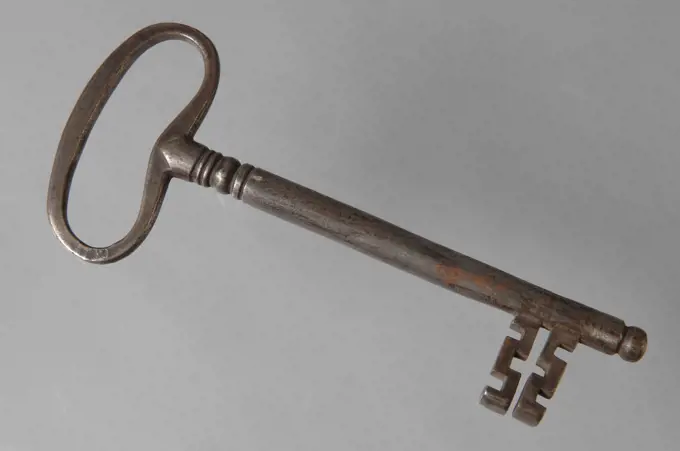
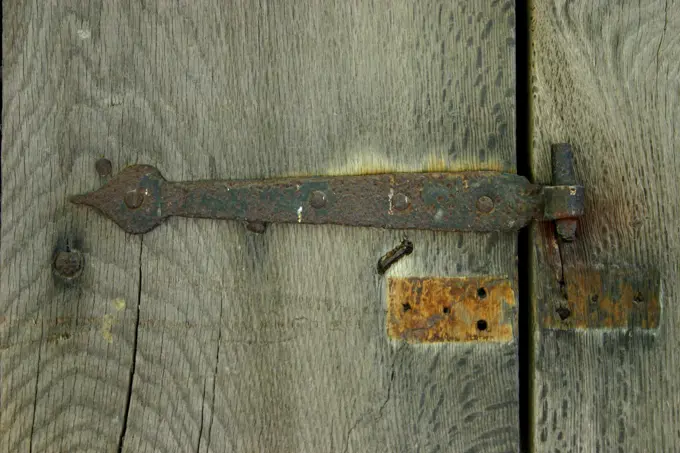
Iron key with elongated eye, solid key handle and cruciform beards in beard, key iron commodity founding iron, hand-forged key with typical elongated and flattened heart-shaped eye (handle) solid key handle (with socket wrench end) Collar consisting of single profile edges cruciform battens (horizontal and vertical) in key beard and asymmetrical keyhole cross-section archeology Rotterdam City triangle Delftsevaart hang-en-sluitwerk The object was excavated and found at the partial reclamation of the Delfsevaart for the purpose of making the lift over the Vaart in the summer of 1928.
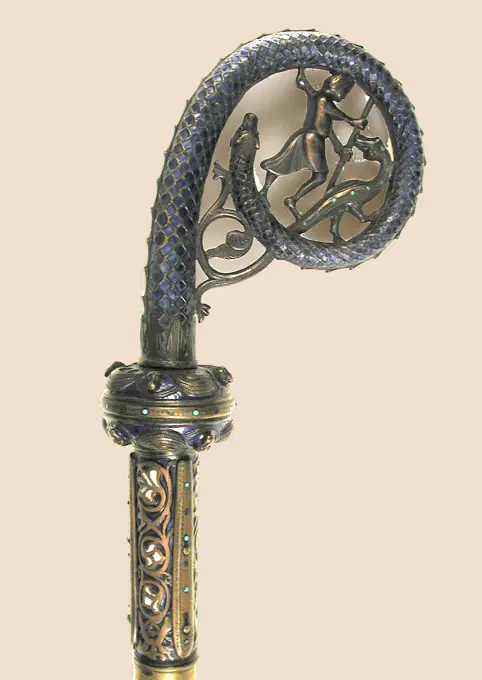
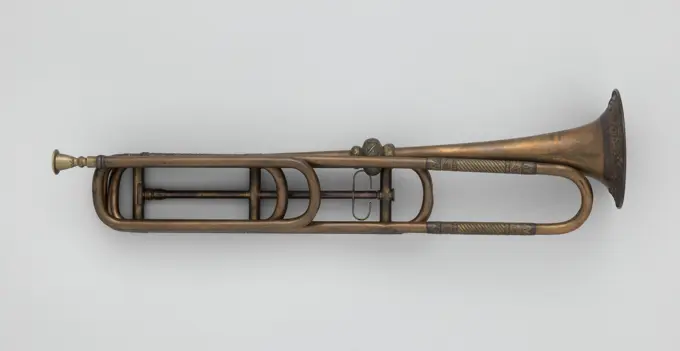
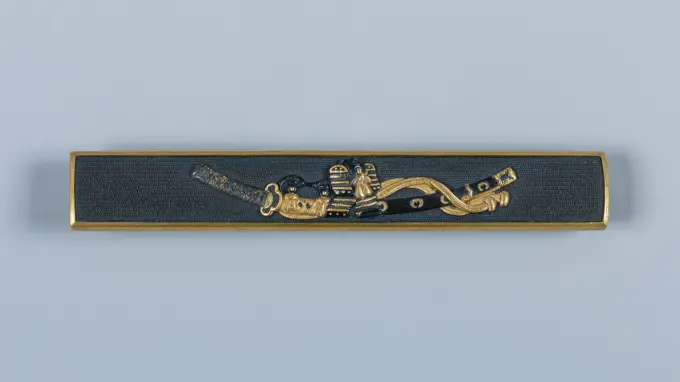
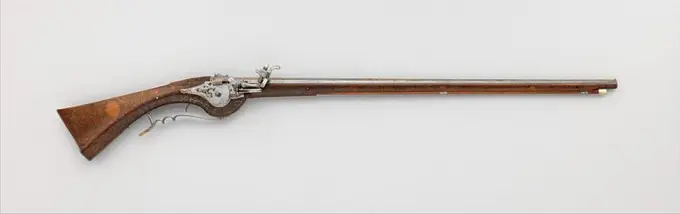
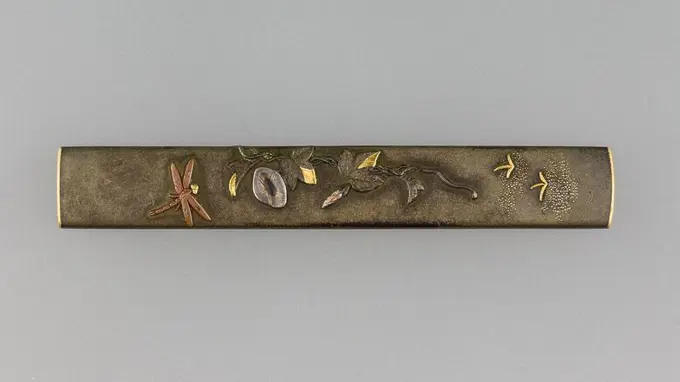
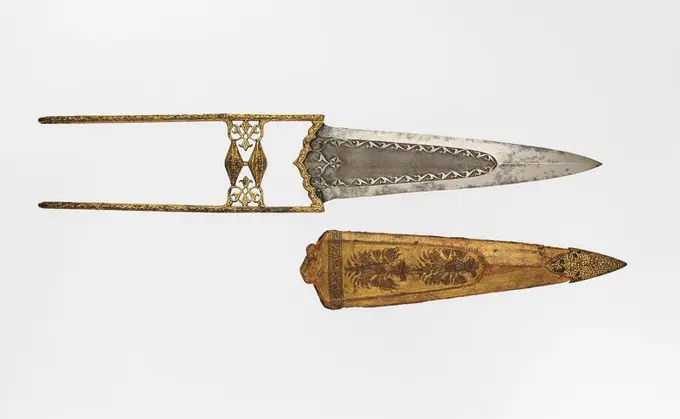
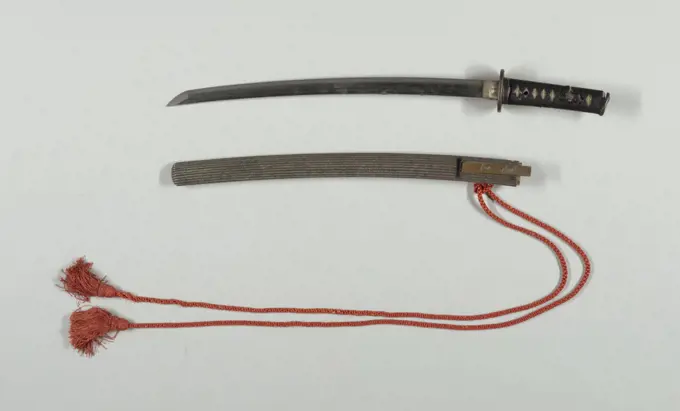
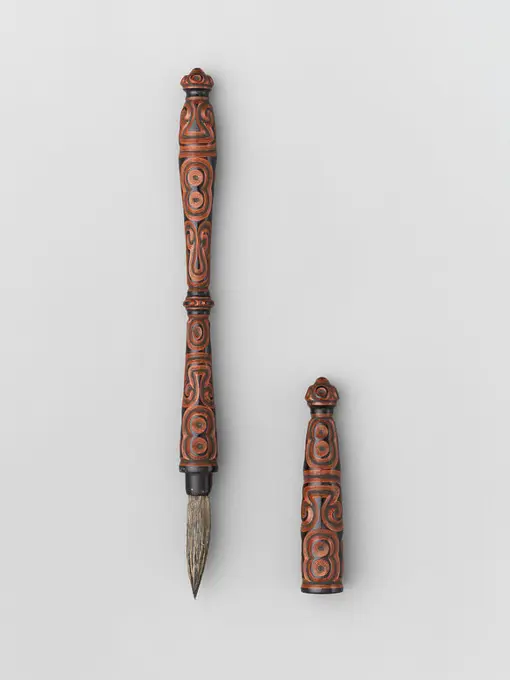
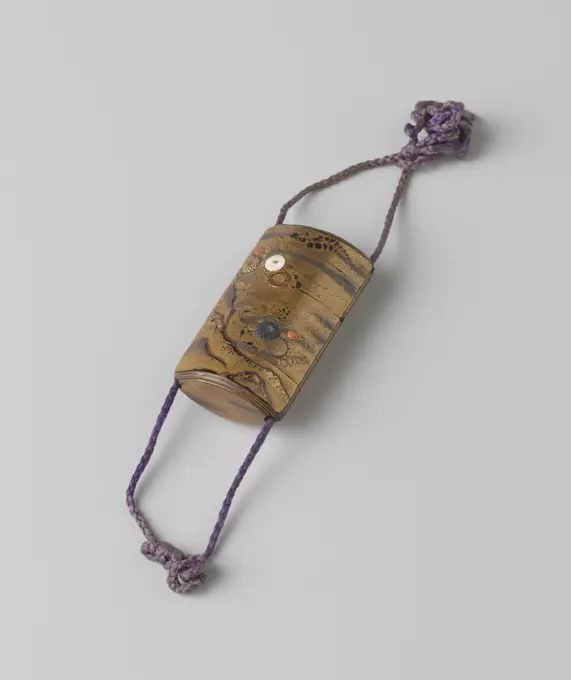
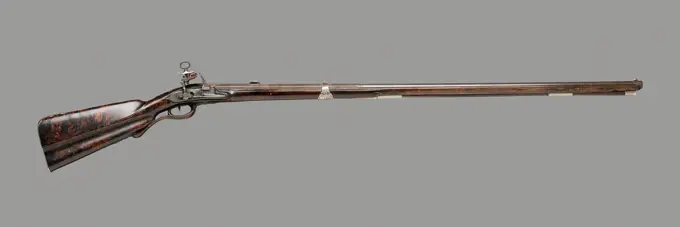
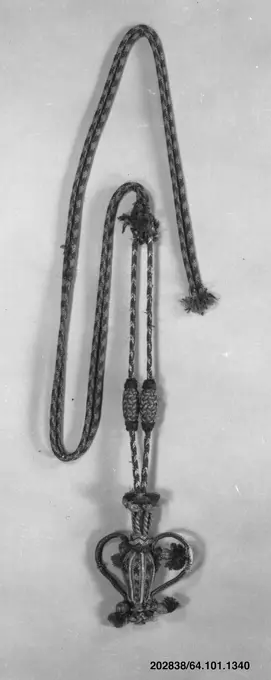
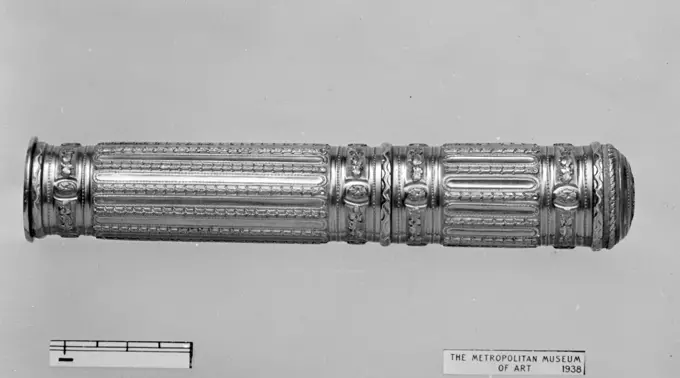
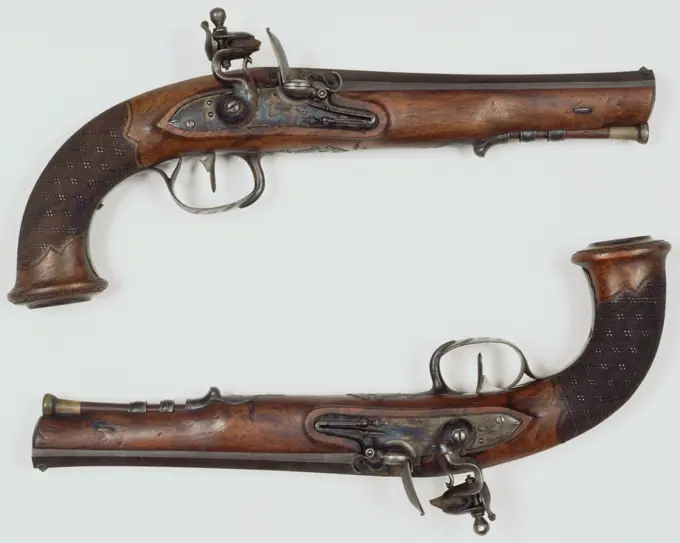
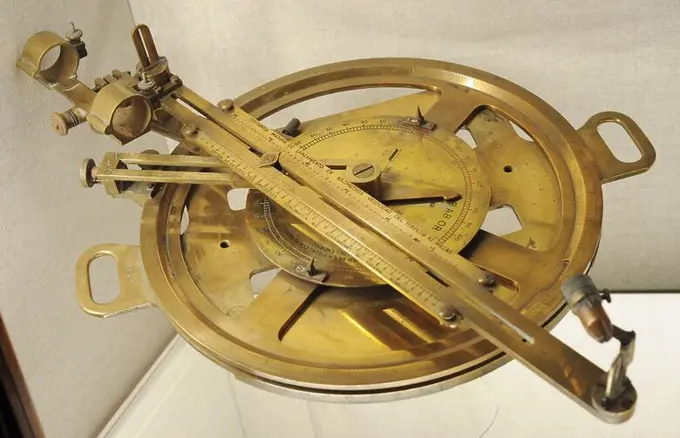
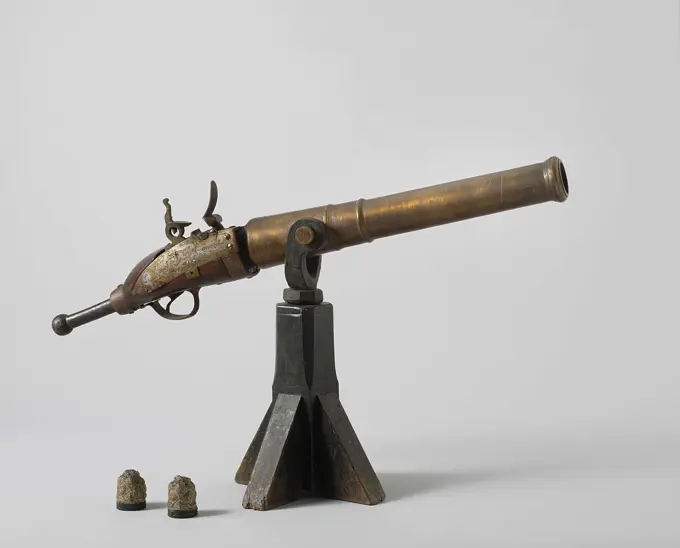
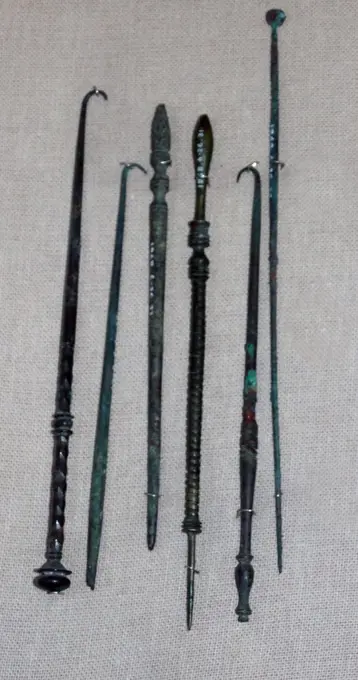
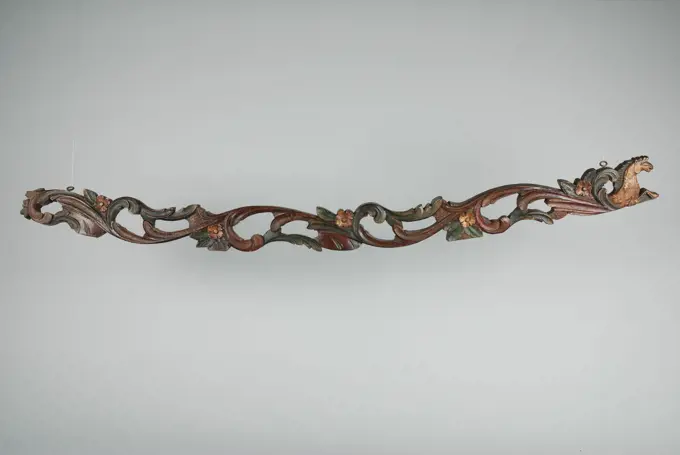
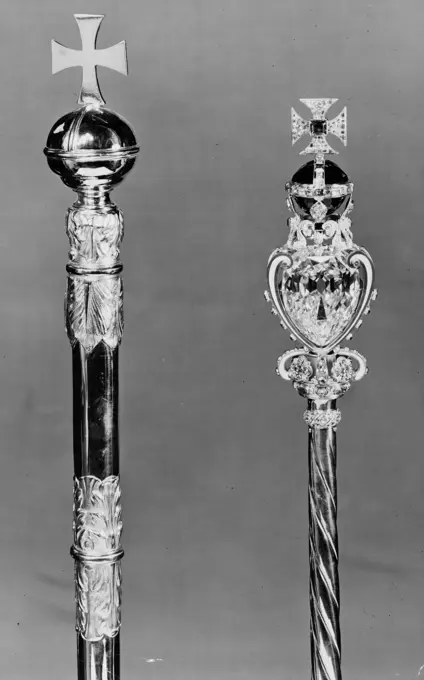
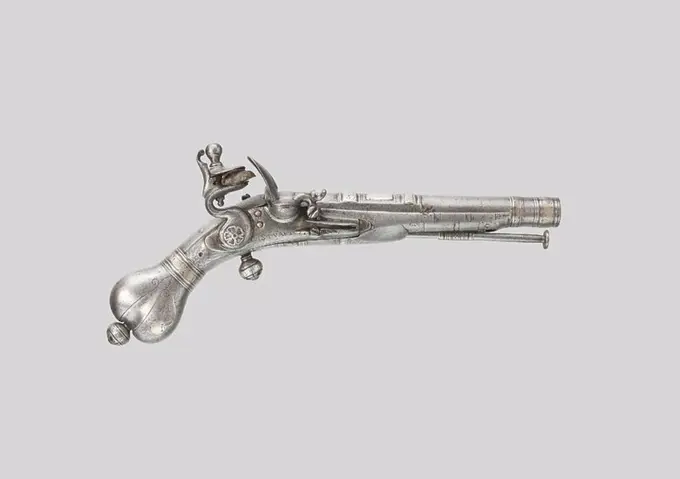
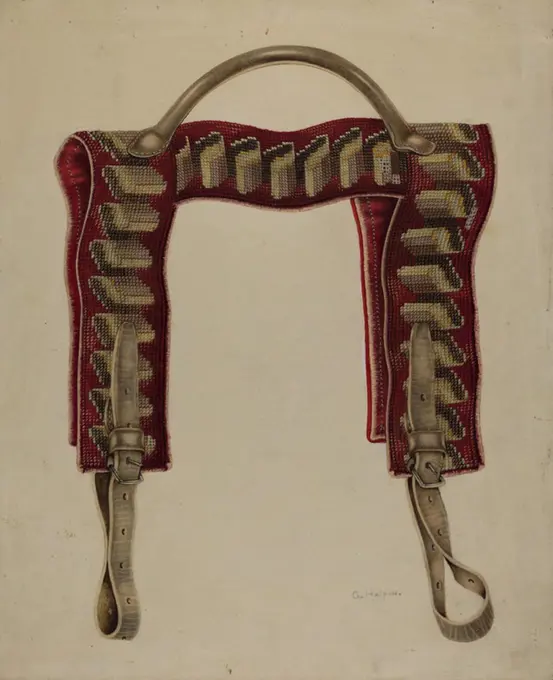
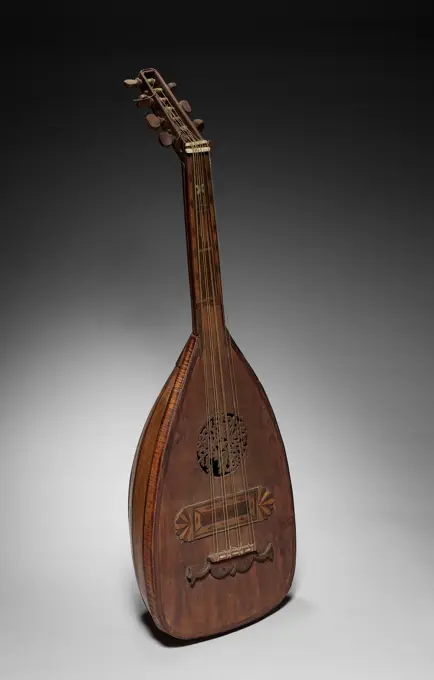
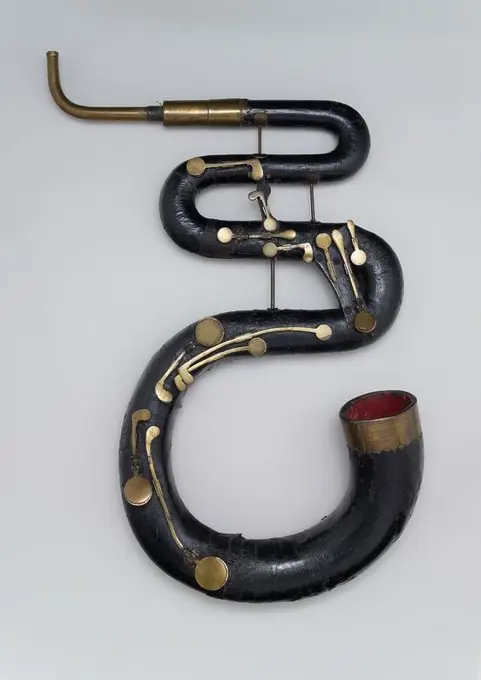
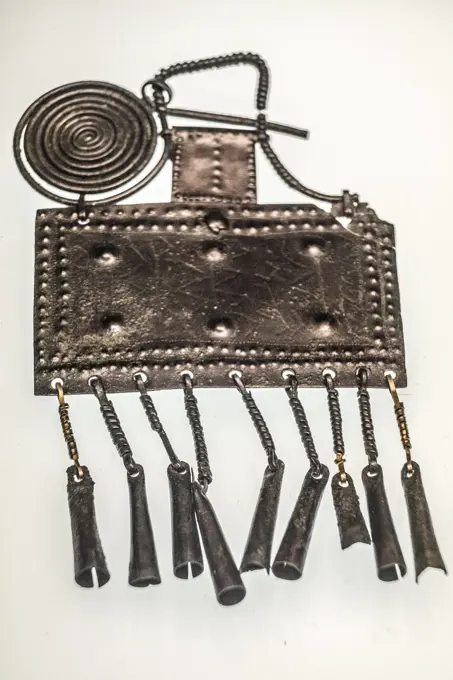
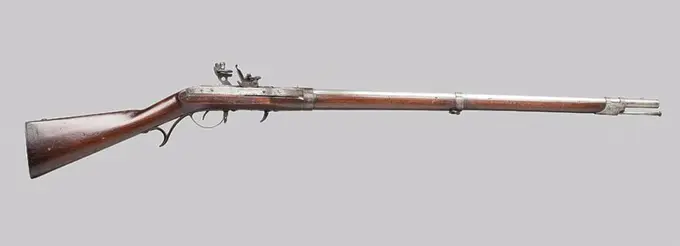
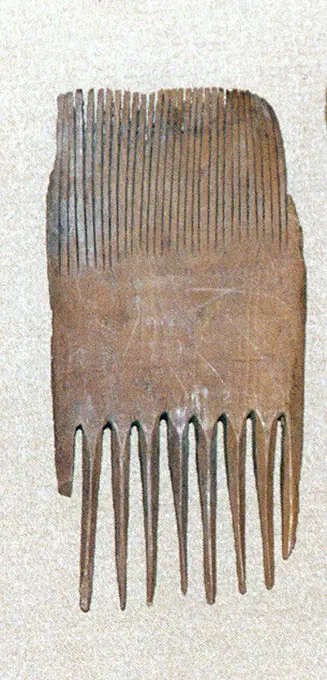
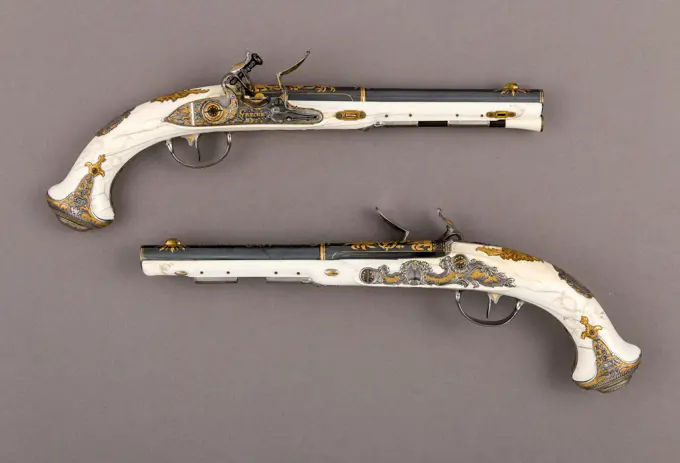
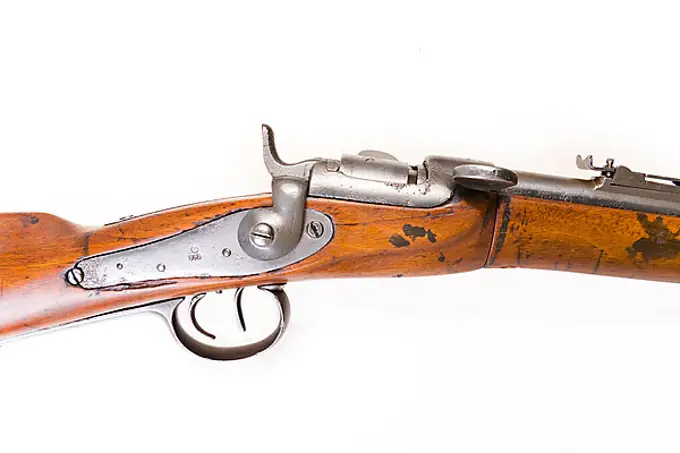
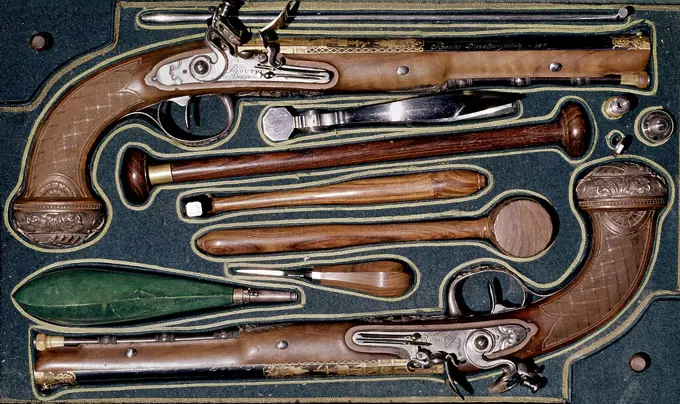
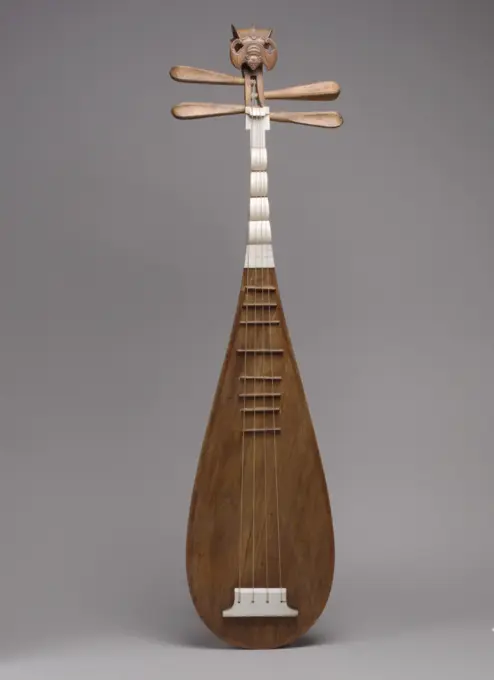
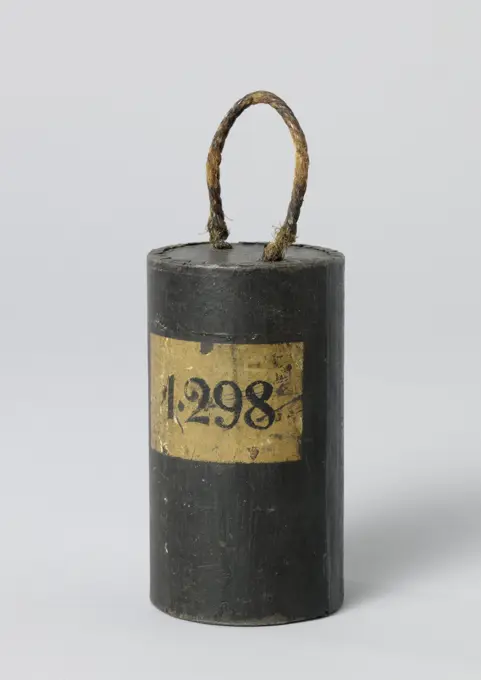
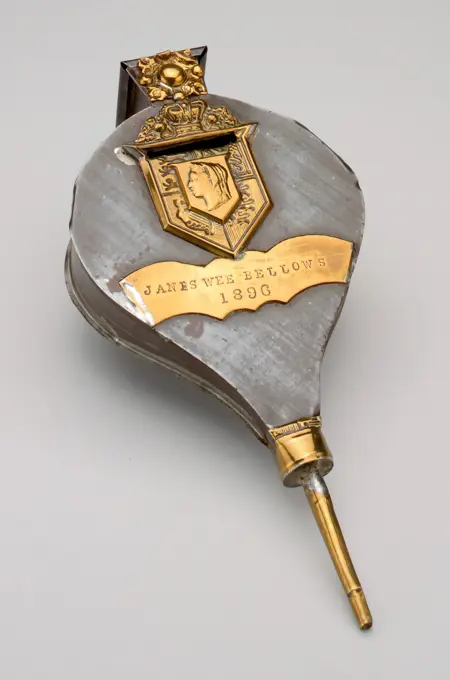
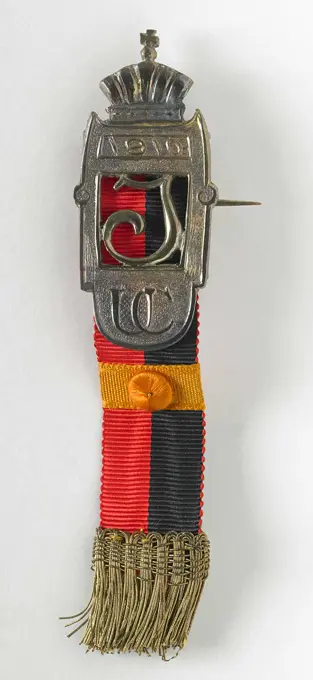
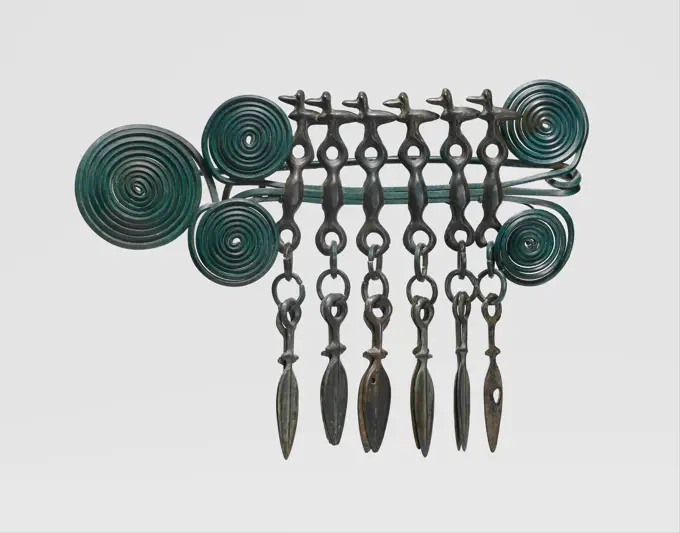
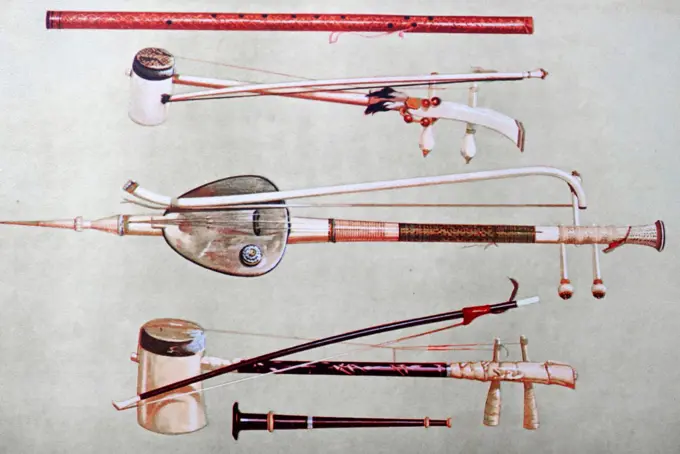
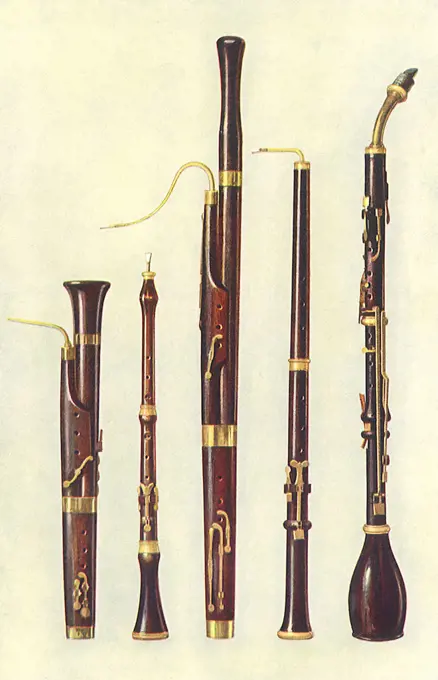
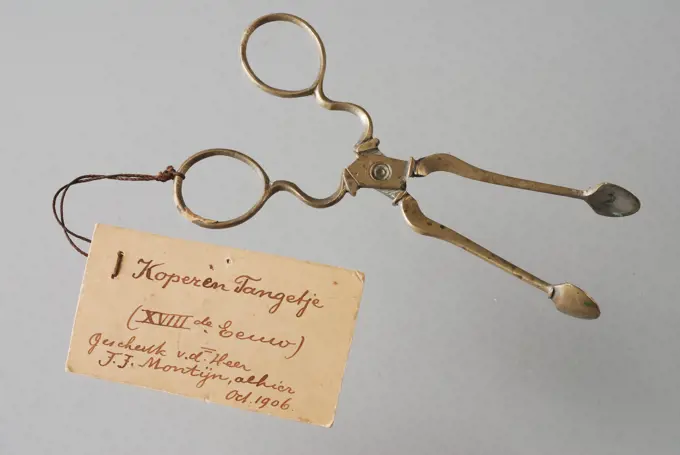
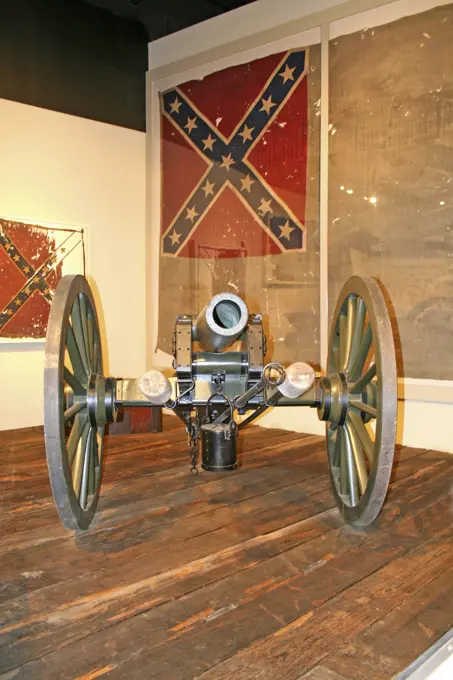
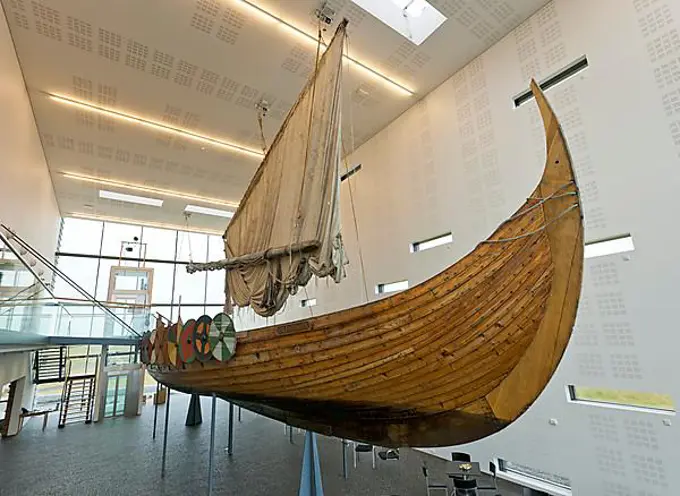
Bronze heel axes. Late Bronze Age-Iron I. Vara (Lugo, Galicia) and province of Leon. National Archaeological Museum. Madrid. Spain.Crozier of Crmac McCarthy early 20th century (original dated 12th century) French. Crozier of Crmac McCarthy 463166Slide Trumpet in E 1881-90 Köhler & Son Adding a slide to a trumpet expanded its scale and made it a semichromatic instrument. A set of interchangeable crooks was used to pitch the instrument in different keys. Although the valve was first successfully utilized in 1814, the slide trumpet remained popular in Britain and France throughout much of the nineteenth century.. Slide Trumpet in E. British. 1881-90. Brass. London, England, United Kingdom. Aerophone-Lip Vibrated-trumpet / tromboneSpoonKnife Handle (Kozuka) early-mid-17th century Inscribed by Got Kenj Japanese This kozuka features a design of miniature armor and a sword for the Boys' Festival (Tango, May 5).. Knife Handle (Kozuka). Japanese. early-mid-17th century. Copper-gold alloy (shakud), gold. Sword Furniture-KozukaCup-Hilted Rapier hilt, Spanish; blade, German ca. 1650 The rapier was the principal civilian sidearm throughout the sixteenth and seventeenth centuries. Designed for cut-and-thrust fencing of progressively complex techniques, the rapier is characterized by a double-edged blade with an acute point and an elaborate guard for the hand. The guards, usually of iron or steel, were subject to a variety of embellishment. They were engraved, chiseled, gilded, damascened, and encrusted in gold and silver in keeping with fashionable styles. Unless otherwise noted, the materials, attributions, and dating given here refer to the hilts. Rapier blades, invariably of steel, bear a variety of makers marks denoting their origin in the two principal centers of blademaking, Toledo in Spain and Solingen in Germany. View more. Cup-Hilted Rapier. hilt, Spanish; blade, German. ca. 1650. Steel, iron, wood. SwordsTapa Beater, 13 1/2 x 1 3/8 x 1 3/8 in. (34.29 x 3.49 x 3.49 cm), Wood, Fiji IslandsVintage Key Wheellock Gun. Culture: French. Dimensions: L. 43 3/8 in. (110.2 cm); L. of barrel 31 1/4 in. (79.4 cm); Cal.47 in. (11.9 mm); Diam. of bbl. at muzzle 9/16 in. (14.3 mm); Diam. of bbl. at breech 7/8 in. (22.2 mm); Wt. 4 lb. 15 oz. (2246 g). Date: ca. 1610.This wheellock gun is from the French Royal Arms Collection, inventory number 60. The stock is almost entirely covered with fine designs done in silver and brass wire inlay, a very difficult and unusual technique. The bottom of the butt plate is engraved with the heraldic arms of France and Navarre beneath a royal crown. Museum: Metropolitan Museum of Art, New York, USA.PALETA DE PLATA REPUJADA 1675. Location: CATEDRAL-INTERIOR. Toledo. SPAIN.Gold Weight 18th-19th century Akan peoples. Gold Weight. Akan peoples. 18th-19th century. Brass. Ghana. Metal-ImplementsKnife Handle (Kozuka). Culture: Japanese. Dimensions: L. 3 13/16 in. (9.7 cm); W. 9/16 in. (1.4 cm); thickness 3/16 in. (0.5 cm); Wt. 1.2 oz. (34 g). Date: mid-19th century. Museum: Metropolitan Museum of Art, New York, USA.Shoe buckles 1793-94 British. Shoe buckles 90147Opium Pipe, 1800s. China, Qing dynasty (1644-1911). Wood, ivory and silver and enamel ferrules; overall: 61.6 cm (24 1/4 in.).Model Field Cannon with Carriage and Wedge 1682 Austria. Bronze and wood .Pair of Wheellock Pistols. German, Nuremberg. Date: 1560-1580. Dimensions: Overall L.: 57.8 cm (22 3/4 in.)Wt. (1982.2944a), 4 lb. 1 oz.Wt. (1982.2944b), 4 lb. 3 oz. Wood and steel. Origin: Nuremberg. Museum: The Chicago Art Institute, Chicago, USA.Flint gun, Jan Bijlaard, c. 1690 flintlock pistol Part of a couple. The lock is easily engraved with edges, a row of buttons and a signature. The run is on top of a rib; The sight grain is made of iron; Stamped at the bottom with a brand in the shape of a chair () With a crown above it. The flask is cut into relief with curls, among other things. The yielding, previously gilded batter consists of, among other things, an asymmetrical screw plate consisting of leaf vines, a thumb plate of ajour processed leaf vines, branches and dolphins, and a flask button with a mask on the bottom; The loading stick has a hood of cow horn. Rotterdam iron (metal). brass (alloy). gilding (material). horn (animal material) engraving / cutting / gildingSilver spoon with inscription. 15th century. Spoon with inscription. 15th century . Wooden spoon with carved and decorated handle, 12th century. Horn spoon, possibly 15th century. Historical Museum.Wilbur M Rice, Ox Cart, 1935 1942 Ox CartDagger (Katar) and Sheath. Culture: Indian, Mughal. Dimensions: L. 19 in. (48.26 cm). Date: 17th century.Daggers of this type, called katars, were designed to be held by the cross bars in a clenched fist. This is one of the few that retains its embossed leather scabbard. Elaborately decorated examples worn thrust through a waist sash, can be seen in many Indian paintings of this period. Museum: Metropolitan Museum of Art, New York, USA.Sword with Scabbard hilt, dated A.H. 1266/A.D. 1849-50; scabbard, dated A.H. 1271/A.D. 1854-55 Caucasian. Sword with Scabbard 32186CLAVOS GALVANIZADOS.Wooden box lid ca. 7th-9th century A.D. Alanic. Wooden box lid 327557Rkangling Tibetan 19th century The thighbone of a lama priest is the original form of the metal trumpets in this case. A single rkang-gling ('leg bone flute') is used with a pellet drum to escape epidemics. Pairs signal the entry of ritual dancers, and perform rituals connected with fierce deities. The head of a chu-srin (Sanskrit: makara), a sea monster or a dragon, often provides a decorative metalwork bell. When the rkang-gling is made of metal, bosses decorated with trefoils cover the joints where the sections of cooper and/or silver tube are joined. The trefoil, a three cusped design, is an emblem of power and authority and is used as the head of a scepter. The chu-srin and dragon are associated with water and rain and may decorate the rkang-gling.Flint gun, Lazaro Lazarino, c. 1800 - c. 1850 flintlock pistol Flint gun, part of couple, with a smooth round loop that starts octagonal, at the end of the loop a small round iron visor grain, on the top of the Kolfhals a relief of a heraldic weapon and below an animal figure, both relief works are surrounded by eleven French Lily's in diamond shape. Wooden drawer that has notified patterns of rocaille work at the bottom. Iron lock plate whose edges are engraved with double line decorations, decoration on Haan. Side plate consists of a bronze relief of a weapon trophy on which a trumpet and banners stick from curly leaves. The flask is made of wood and has a bronze flask that is surrounded by rocaille work, on the Kolfhals a bronze plate with curly plant ornaments. Under the drawer a bronze loading sticker with a wooden chest of chest. Copper tractor bracket with curly leaves at the bottom, the tractor is made of iron and curls at the end somewhat. London Kolf hood, tractor bracket: BrScabbard and sword, Steel, cord, iron, silver, gold, shibuichi, Long steel blade with hilt wrapped spirally with black cord. Beneath cord, pebble-like texture. Pine-tree menuki. Oval tsuba of iron, silver, gold, and shibuichi. Design is a man and frog. Haliki silver plate. Fuchi-Kashira-bird of shibuichi and gold. Mark of tempering: HAMON, Gume Midare. The nakago is tong and has two holes., Yamato, Japan, 1596-1615, metalwork, Decorative Arts, Scabbard and swordWriting Brush. Culture: China. Dimensions: L.10 1/8 in. (25.6 cm). Date: 13th century.This brush handle shows all of the characteristics of early Chinese carved lacquer: the geometric design is not standardized, as it would be in a later piece, and the lacquer clearly shows alternating layers of black and red. Museum: Metropolitan Museum of Art, New York, USA.Rusted scissors Ancient rusted scissors archeological finding in a wrecked ship under the sea Copyright: xZoonar.com/ClaudioxDiviziax 7695938INRO. Five-part indo with a floral decor in gold lacquer with lead work of lead, ivory () And coral.Oracle bone. Shang period. 1766-1122 BC.Hans Korsch, Fire Tongs and Shovel, c 1937 Fire Tongs and ShovelTassel (Spain); silk and metallic thread on a wood coreWheel-lock pistol, by Unknown, 17th Century, Unknow. Italy, Piemonte, Turin, Royal Armory. Whole artwork. Firearm barrel wheel trigger butt handle.Miquelet Fowling Gun Built 1730-1850 Italy. Steel, iron, silver, burl walnut, and maple . Italian School (Maker)Bell pull 17th century Italian. Bell pull 229039Sealing wax case (étui) 1777-78 French, Paris In eighteenth-century Europe, Paris led the production of high-quality luxury goods. Parisian goldsmiths made a wide range of small, personal articles such as snuffboxes; étuis to hold sealing wax, tweezers, or utensils for sewing; souvenirs, which contained thin ivory tablets for note taking; and shuttles for knotting lace. Gold snuffboxes and boxes decorated with portrait miniatures were prized and frequently given as royal gifts, often to ambassadors or members of the court in lieu of cash payments for their services. Coveted and admired, these boxes were produced from a variety of materials. The best were skillfully made of gold and embellished with diamonds, enameled decoration, lacquer, and other luxurious materials. By the middle of the century, the taking of snuff had become an entrenched social ritual, and the snuffbox, too, had become an important social prop. Snuffboxes were considered highly fashionable accessories, with some meFlint gun from JHR J.C.G. Fabricius van Leyenburg, Before 1881 flintlock pistol Flint gun, part of couple. Octagonal browned drawn and with a faster. In the three areas of the loop a figure consisting of three gilt lilies () Placed 1.2 on the top surface. Between the lilies it says: ex and a gilded animal, a dog or sheep, turned from right to left. The ironwork is blew. Iron visor grain. Round -brown slot plate. Two engraved side plates. Handle from the drawer with carving. Coming from the 1st lieutenant of the Amsterdam militia on horseback Jhr. J.C.G. Fabricius van Leyenburg. West-Europa Drawer, Kolf: Wood (Plant Material). Haan, Slotplaat, Vuurstaal: Iron (Metal) cutting / engraving / gilding  AmsterdamPair of pistols owned by Maurice of Nassau-Beverweerd, 1670 - 1678 flintlock pistol Gun with flint lock; Part of a couple. The rooster of the lock is chiseled in relief with a curl; The final plate is engraved with a sater with a basket on its back on a dragon, a crowned, awarded mirror monogram and a signature from the maker. The loop is equipped with two rings and stamped on the bottom with CI, which is probably also on NG-NM-9287. The flask is cut with leaf vines and an owl behind the barrel; in the field opposite the lock with silver in the form of two birds, a rabbit that hits the rank in connection with the rabbit at 9287 that the rank does not touch, and two heads, one with a classic helmet, between flower vines; The same wire ornament with flowers is inlaid around the thumb plate; The flask is broken from one of the pistols. The batter consists of two silver loading stickers, a silver thumb plate engraved with the same crowned monogram as on the lock plate but without laurel wrARMA ANTIGUA - SIGLO XVII/XVIII. Location: PRIVATE COLLECTION. MADRID. SPAIN.Ritual cart, bronze copy of the original from Pierstina, Wroclaw, Poland. Lusatian Culture.Flask Handle. Near East, Parthian, 2nd century A.D.. Tools and Equipment; handles. BronzeVickers triangular aiming group for the launch of Whitehead torpedoes of 533.4 mm (ca.1925). Used on Prince Alfonso class cruisers and on Churruca class destroyer of the Spanish Navy. Naval Museum. Madrid. Spain.Swivel musketoon. The swivel musketoon was a populair type of gun first used on galleys in the Mediterranean from the 16th century. It had a relatively wide barrel. The swivel made it very manoeuvrable: it could be operated by a single gunner. Later, swivel musketoons were deployed on other types of ships, and were used by other navies.Roman surgical instrument 1st century ADPolychrome silk leather with carved wooden decoration, from farm trailer, leatherette wood carving sculpture wood material, decorate car driveFlute Aztec Pito 19th century Mexican. Flute Aztec Pito 501842Earrings. Dated: 1935/1942. Dimensions: overall: 28 x 27.9 cm (11 x 11 in.). Medium: watercolor, colored pencil, and graphite on paper. Museum: National Gallery of Art, Washington DC. Author: American 20th Century.. To determine the ships position and chart its course, the captain had an entire arsenal of instruments at his disposal. Among the items found on Nova Zembla are an astrolabium catholicum (universal astrolabe), a fragment of a copper sounding line, a cross staff, a sextant and a chart compass.The British Crown Jewels: Royal Sceptres. On right is the head of the Royal Sceptre which contains the Great Star of Africa, cut from the Cullinan Diamond. February 25, 1937. (Photo by Kosmos Press Bureau).Messenheft from the wreck of the East Indians Hollandia, Anonymous, 1700 - in Or Before 1743  Knife, handle, cylindrical: tapering; id. NG 1979-403H, ferrules id. NG 1980-27H426. Netherlands wood (plant material)   SecondEquestrian gun with flint lock. The equestrian gun has a round smooth run with increases. Visor grain with raised keep, a weapon on the course. Flat lock plate, engraved 'J.G. Ertell Amsterdam '. Iron pan with fireworks. Gooseneck. Cared iron side plate and worked iron fittings and tray. Wooden loading stick with an end of horn.Purse Frame. Culture: French. Dimensions: Overall: 7 9/16 x 5 9/16 x 3/4 in. (19.2 x 14.1 x 1.9 cm). Date: 15th-16th century. Museum: Metropolitan Museum of Art, New York, USA.Naval Gun with Carriage 1673 Europe. Bronze .Division compass Leebourse, noel Jean (1761 1840)Zumalacrregui's gun and case. SPAIN. LA RIOJA. SangŸesa. Carlist Circle.Copy fittings CopyrightFlint gun, Willem Nacken, c. 1730 flintlock pistol Part of a couple. The lock is unprocessed except for a signature. The loop is equipped with the city choir of Amsterdam on the left; A ripple runs on top; The sight grain is made of a loader. The flask is curved and cut with, among other things, leaf vines; The chap is made of cow horn. Apart from the two octagonal loading stokkers, it is previously gilt, yellow -lugging batter is stretched as with swords and consists of the tractor bracket, the screw plate, the thumb plate and the flask hood; The loading stick has a hood of cow horn. Amsterdam brass (alloy). horn (animal material). gilding (material). wood (plant material). iron (metal) engraving / cutting / gildingFlintlock Belt Pistol. Gunsmith: John Stuart (Scottish); Eastern Lowlands. Date: 1690-1710. Dimensions: L. 27 cm (10 5/8 in.)Barrel L. 18.3 cm (7 3/16 in.)Caliber .62Wt. 1 lb. 8 oz. Steel, silver, leather, and flint. Origin: Scotland. Museum: The Chicago Art Institute, Chicago, USA.Shawl Strap. Dated: c. 1938. Dimensions: overall: 35.5 x 29.3 cm (14 x 11 9/16 in.) Original IAD Object: 18" long; 2" wide. Medium: watercolor and graphite on paperboard. Museum: National Gallery of Art, Washington DC. Author: Grace Halpin.Double-shift fire trailure gun. Part of a couple. The slot is decorated with browsing browsing and half-human-half animal figures that wear a curled banderole with a signature on it and a tulip. The two runs are mounted up each other and equipped with an inscription. The flask has two grooves, a place of which offers to the loading stick. The batter includes two charging bokekers, a tractor bracket, a kolk hood engraved with browsing browsing and dragons and a loading stick with iron hood.Lute, 1300s. Italy, Venice, 14th century. overall: 93 x 31.8 cm (36 5/8 x 12 1/2 in.).Serpent in C. Culture: British. Dimensions: Length 73.5 cm, Diameter of bell 10.1 w/o brass garland, Thickness: +/- 0.6 cm (measured 4 cm in from bell), +/- 0.7 cm at mouthpipe socket, Diameter of mouthpiece socket 0.590 in., Diameter of tube socket 0.875 in.; Length of tube:+/-206 cm+/-22.8 cm mouthtube (exposed part)Total+/-228.8 cm w/o mouthpiece. Maker: Thomas Key (British, active London before 1805-1858). Date: ca. 1840. Museum: Metropolitan Museum of Art, New York, USA.MORTERO DE 81 -mm. MARCA VALERO FABRICADO EN ESPAÑA. Location: ALCAZAR / MUSEO DEL EJERCITO-COLECCIÓN. Toledo. SPAIN.Decorated breast sign decorated breast signPercussiepistolool with octagonal browned smooth run with wooden cargo, anonymous, c. 1831  Percussiepistool with octagonal smooth iron run with an iron sight grain at the end. Iron flat lock cabinet with engraved decorations, on the rooster a carved leaf motif. Wooden drawer that turns into a ribbed flask, an iron engraved plate on the flask head with a bred star. Left side of the drawer iron batter with plant motifs. Under the drawer a loading stick with iron outside, the chest of drawers is missing. West-Europa Drawer, Kolf: Wood (Plant Material). Loop, lock plate, tractor bracket: Iron (Metal)   BelgiumHalf Model of a 3-Gun War Galley.Polychromed mold model (starboard) of a two-timed flat bottom. The skin above the bark wood is closed. The deck is closed with a guns on the front deck next to the breeding machine and one center back, and three shutters; Fourteen row windows are fitted on the dolboord. The fore ship has a low shipment and above it a second shifth to which the bow mad. Wrinkled mirror, hollow wulf, closed gate with gun port; Broad stir. The Zeeg walks forwards and back, one bark wood and one Reehout. Scale approx. 1:33 (Scale by model).Breech Loading Flintlock Musket. John Hancock Hall; American, 1778--1841. Date: 1838. Dimensions: L. 52 3/4 in. Wood and steel. Origin: United States. Museum: The Chicago Art Institute, Chicago, USA.Double-sided wooden comb ca. 7th-9th century A.D. Alanic. Double-sided wooden comb 327556Pair of Flintlock Pistols of Empress Catherine the Great (1729-1796) 1786 Johan Adolph Grecke Russian These pistols are part of a deluxe garniture of ivory-stocked hunting arms made for Empress Catherine the Great (reigned 1762-96), whose intial (E for Ekaterine) is on the escutcheons of the grips. The garniture, which originally consisted of these pistols, a fowling piece dated 1786 (National Museum, Warsaw), and a rifle (whereabouts unknown), was later given to her favorite, Prince Stanislas August Poniatowski (1732-1798), whom she backed as king of Poland (reigned 1763-95). Firearms with ivory stocks, generally out of fashion in western Europe by the eighteenth century, were in vogue in the ostentatious Russian court during the last quarter of the century.. Pair of Flintlock Pistols of Empress Catherine the Great (1729-1796). Russian, Saint Petersburg. 1786. Steel, ivory, gold, brass. Saint Petersburg. Firearms-Pistols-FlintlockWerndl hunter rifle 1867PAREJA DE PISTOLAS FABRICADA EN VERSALLES. Author: Boutet. Location: MUSEO NAVAL / MINISTERIO DE MARINA. MADRID. ESPAíA.Pipa (琶 ) 19th century Jiu-cheng The term pipa has been known since the 3rd century B.C. It originally described the playing motion of the right hand: p'i, "to play forward" (left), and p'a, "to play backward" (right). In addition to its use in the opera and in story telling ensembles, the pipa has a solo repertoire of highly programmatic, virtuosic music.. Pipa (琶 ) 500625Rearing flint gun, Jean Louroux, c. 1665 flintlock pistol Flint gun or cavalryist; Part of a couple. The lock is chiseled and engraved with praise and a bird and carries a signature. The barrel can be partially screwed on and is engraved with praise and the inscription Maestricht and marked with the letters CMLi; The tromp has the shape of a tulip such as a cannon and has a collar. The batter of the flask hood is made of gilded copper, the rest of iron and consists of a forked tractor bracket with three iron buttons and an oval surface with a louwed head on the tractor bracket, and a pump hood with a gilded copper hood that creates an ajour impressed impression . Maastricht iron (metal). copper (metal). gilding (material) engraving / striking (metalworking) / gildingPochette ca. 1700-1799 European or American. Pochette. European or American. ca. 1700-1799. Wood, ebony, metal. Chordophone-Lute-bowed-unfrettedAntique shaving bladeOx Cart. Dated: 1935/1942. Dimensions: overall: 46 x 61.2 cm (18 1/8 x 24 1/8 in.) Original IAD Object: 121" long; 64" wide; wheels: 63" in diameter. Medium: watercolor, graphite, and pen and ink on paper. Museum: National Gallery of Art, Washington DC. Author: Wilbur M Rice.5-cm Canister Shot, Construction Workplace, 1863 grenade (ammunition) A grenade kartets of 5 cm. The grenade has a simple cylindrical body with a loop of rope at the top. Delft iron (metal). lead (metal). ropeHolster gun with flint lock by Jonkheer H.D. Hooft van Woudenberg and Geerestein, Anonymous, in or before 1831 flintlock pistol Holster gun with flint lock, part of couple. Octagonal run. Vizier grain and iron roof. Flat lock plate. Two bronze side plates. Bronze batter with edited handle. Iron cheststick. Walk finely pulled. Pistool of Jonkheer H.D. Hooft van Woudenberg and Geerestein, former Lieutenant of the Amsterdam militia on horseback, 1831. West-Europa Loop, lock plate, Haan: Iron (Metal). Kolf hood, tractor bracket: Bronze (Metal). Drawer, Kolf: Wood (Plant Material). Laadstok: Iron (Metal) cutting  AmsterdamModel Artillery Cannon with Field Carriage. French. Date: 1650-1700. Dimensions: Length: overall 46.4 cm (18 1/4 in.)Caliber: 3.33 cm (1 5/16 in.) Large wheels of oak with twelve spokes: Diam. 15 1/8 in. (38.4 cm)Small wheel with ten spokes: Diam. 10 3/16 in. (25.9 cm)Trail length: 26 5/8 in. (67.7 cm)Trail width at base 6 13/16 in. (17.3 cm)Trail width in front: 5 5/16 in. (13.5 cm)Weight: 26 lb. 5 oz. Bronze, wood, and iron. Origin: France. Museum: The Chicago Art Institute, Chicago, USA.Jane's Wee Bellows' still bank, 1896, 8 11/16 x 4 x 1 5/8 in. (22.07 x 10.16 x 4.13 cm), Metal, Scotland, 19th centuryCarrying sign, 1910. Cleaned metal pin on a black and red ribbon with gold colored frills and an orange tire. The letter I or J is saved. With date and inscription. Downside: pin with hookScandianvia. Middle Ages. Smaller keys for door, chests, boxes. Norway. Historical Museum. Oslo. Norway.Large Brooch 1100-1000 BC European Bronze Age This brooch is one of the largest, most complex objects of its type to survive from late Bronze Age Europe. The five dynamic spirals were composed of three long wires. Hanging from the horizontal section are six composite elements: at the top of each is a bird surmounting a horse bit, beneath which are rings and pairs of dagger blades. The numerous hoards containing such objects suggest that they functioned as ritual offerings deposited during burials.The brooch is one of a group of eleven objects (seven other brooches and two bracelets) given to the museum by Josef and Brigitte Hatzenbuehler.. Large Brooch 478173Saw Duang & Bow, Saw Tai & Bow, Saw Oo & Bow, Klui and Pee. This collection of instruments was owned by H.M. the King of Siam. The Saw Tai was a Siamese fiddle, the Saw Duang and Saw Oo were verities of Chinese fiddles.Pair of Flintlock Pistols Made 1715-1725 Suhl. Steel, gilding, gold, and walnut .Pair of vase handles French 19th century View more. Pair of vase handles. French. 19th century. Gilt bronze. Metalwork-Gilt BronzeInsignia of the 9th infantry battalion of the Vietnamese national army (local manufacturing). Welded and painted metal. 1949-1956. General Leclerc Museum of Hauteclocque and the Liberation of Paris, Jean Moulin Museum. Military badgeBassoon, et al. Small copper scissors or tongs, candle extinguisher, candle scissors scissors pliers tools kit brass copper metal, cast Small copper pliers or scissors. Two oval eyes on gracefully curved legs. Flat middle circle-shaped ornament in the middle Flat legs first facing outwards ending in square round 'packers'. Potters have slightly curled inside hollow shape on old registration label: Copper Tongue XVIIIth Century Gift v.d. Mr. J.J. Montijn here Oct 1906 lighting night night deaf seizeMuseum of History interior in Augusta GeorgiaVikingaheimar or Viking World Museum, Keflavik, Reykjanes Halbinsel, Suedwest Island, Iceland, Europe