Antique Tools and Hardware

A variety of historical tools and hardware, including fibulas, nails, and cooking utensils, reflecting craftsmanship from different eras.
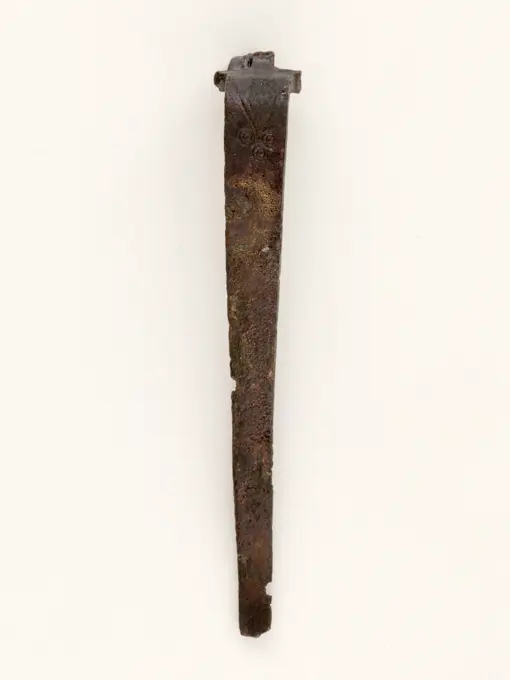
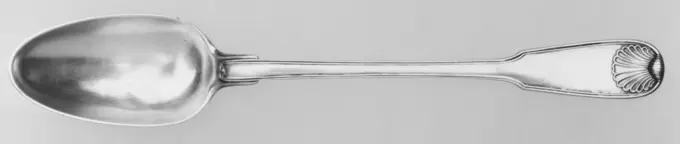
Fibula. Copper alloy. Gallo-Roman. Paris, Carnavalet museum. 51463-4 Staple, copper alloy, attachment, Gallo-Roman time, fibula, Gallo-Roman
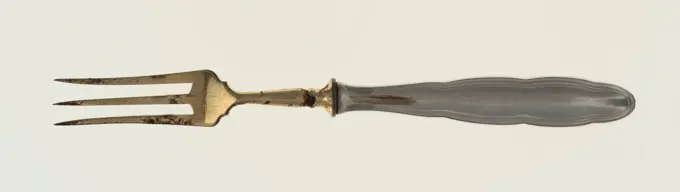
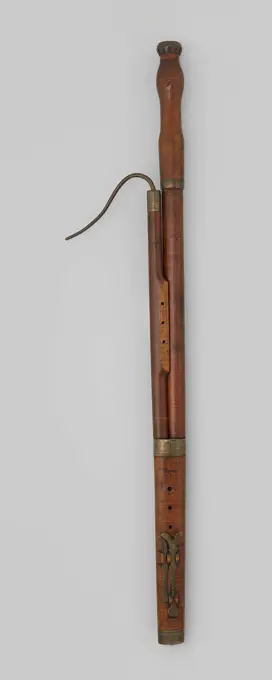
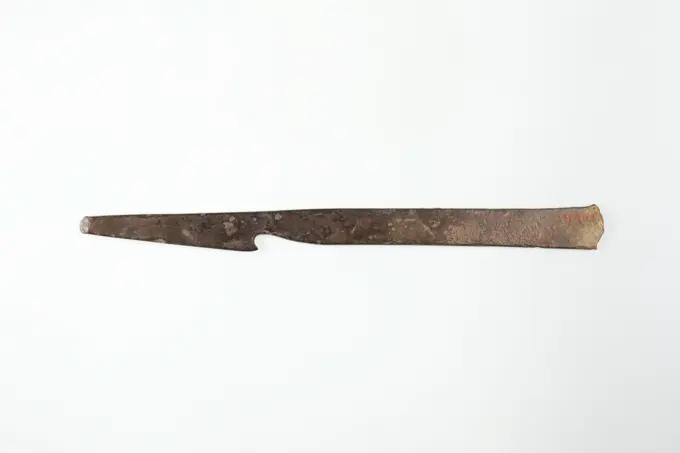
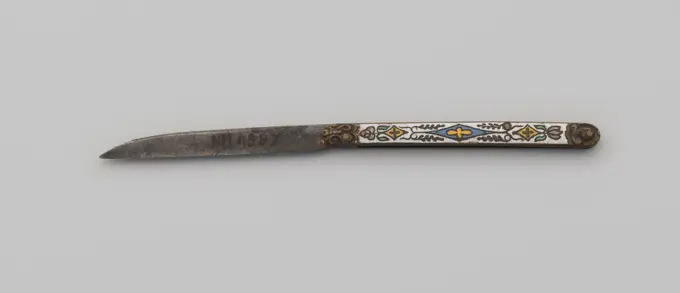
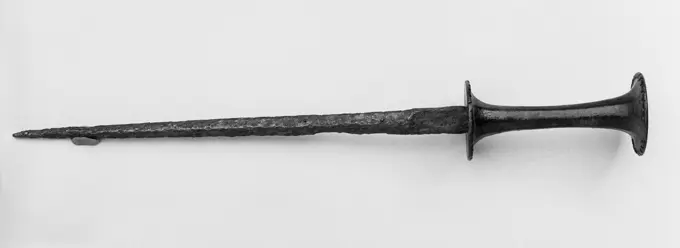
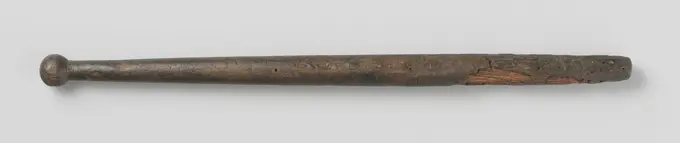
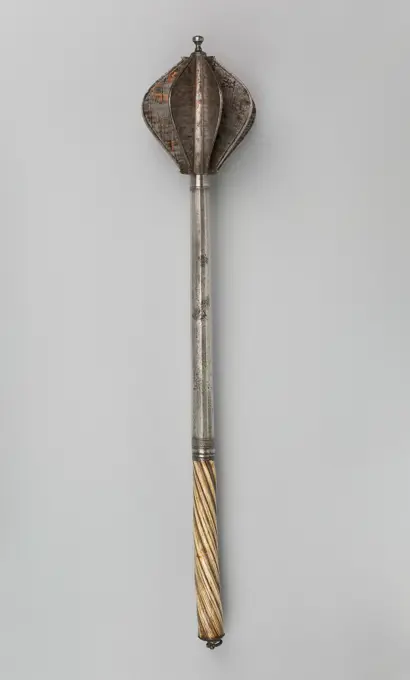
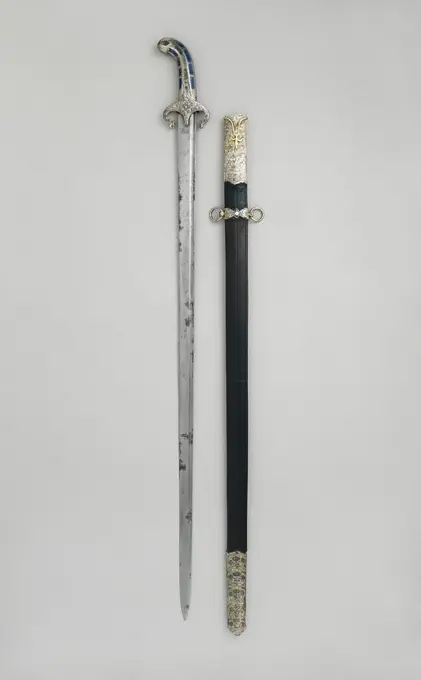
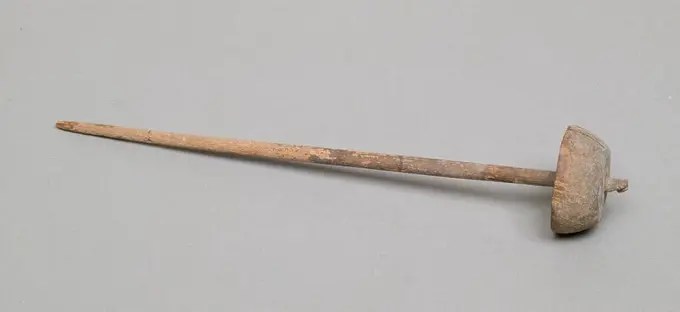
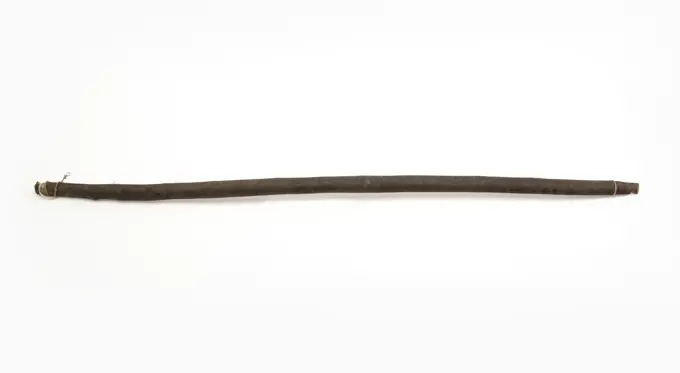
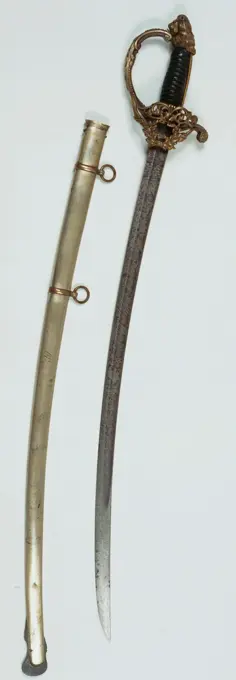
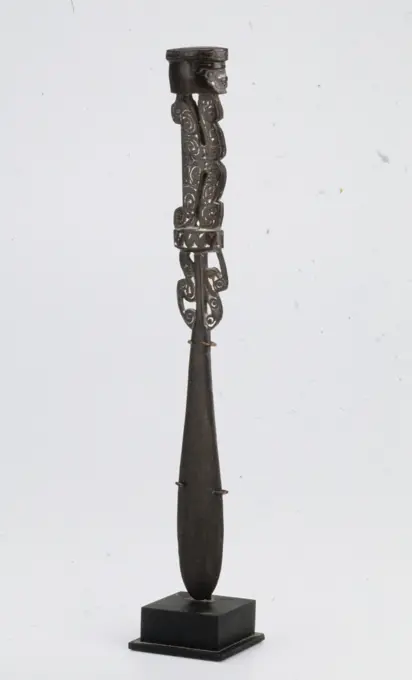
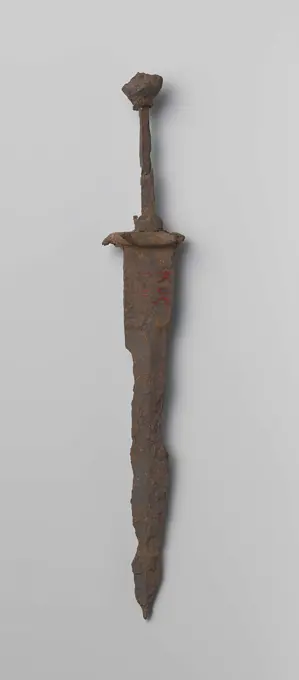
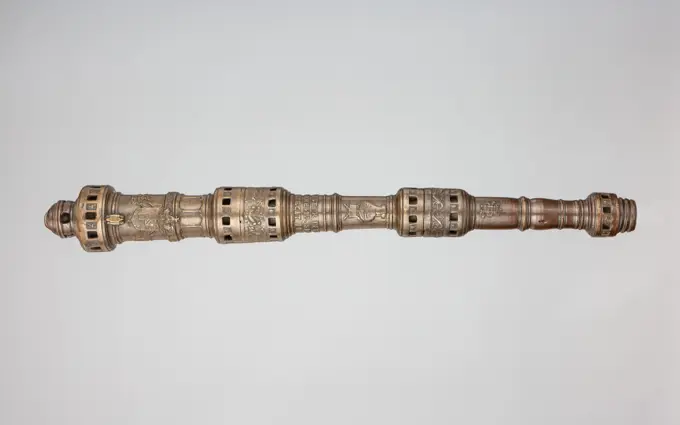
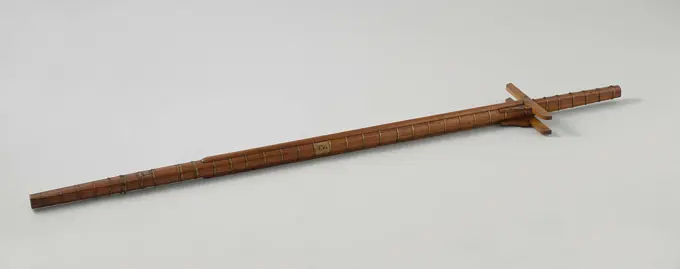
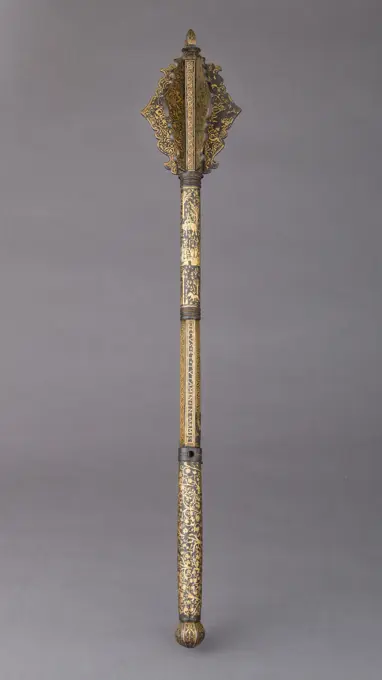
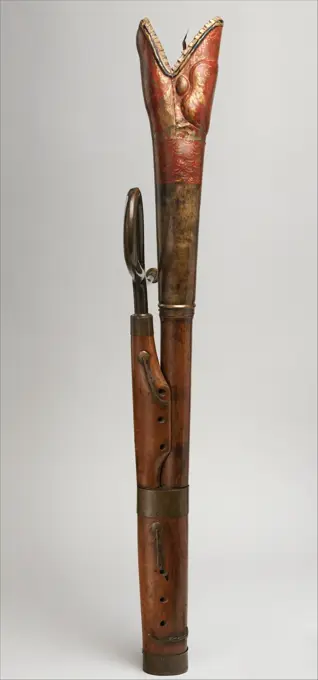
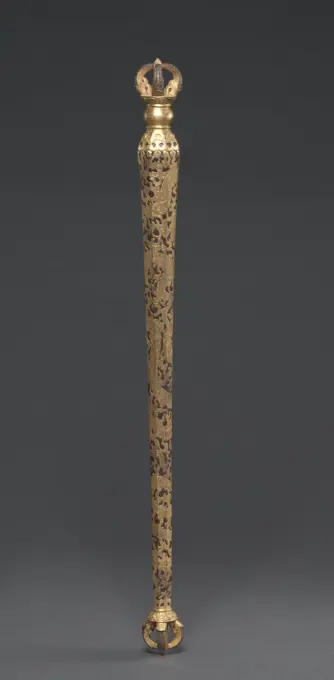
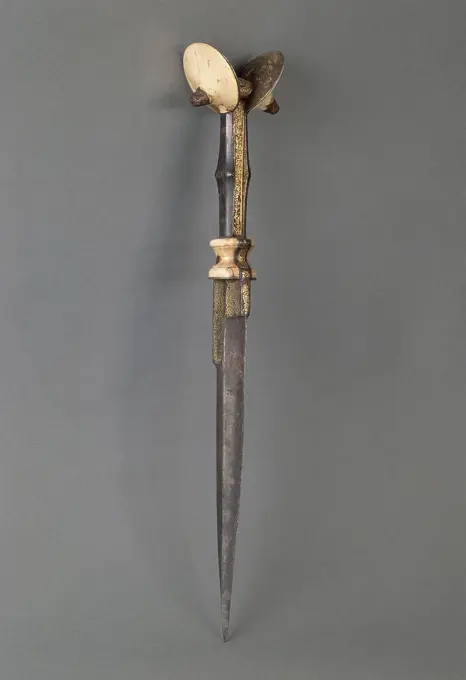
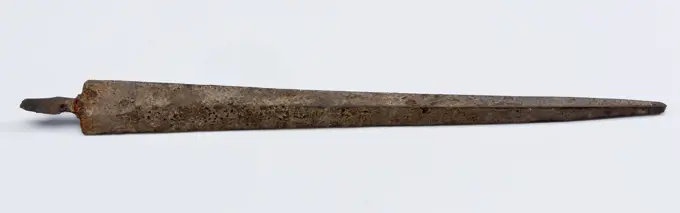
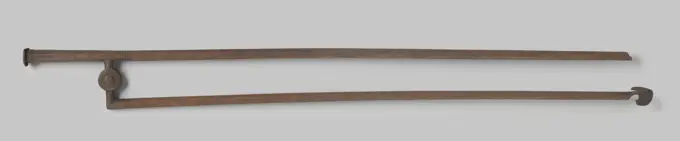
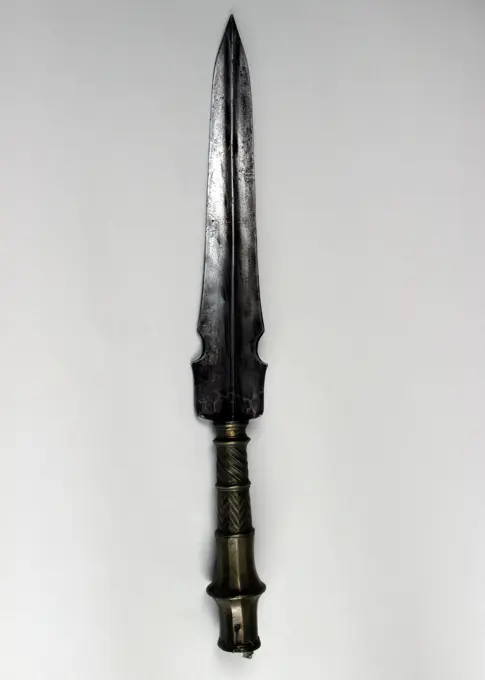
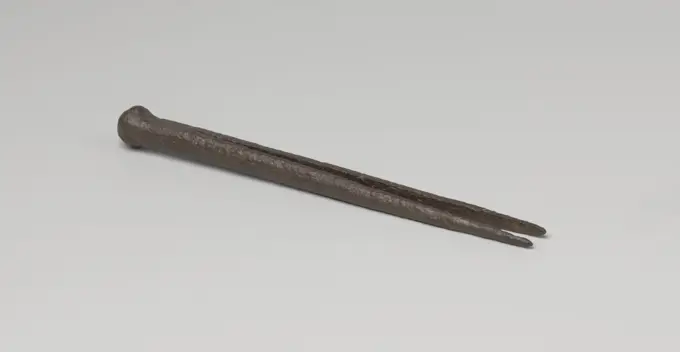
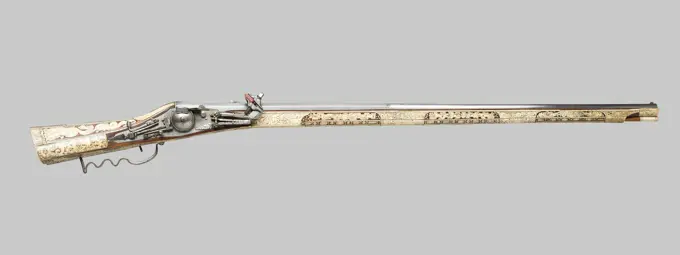
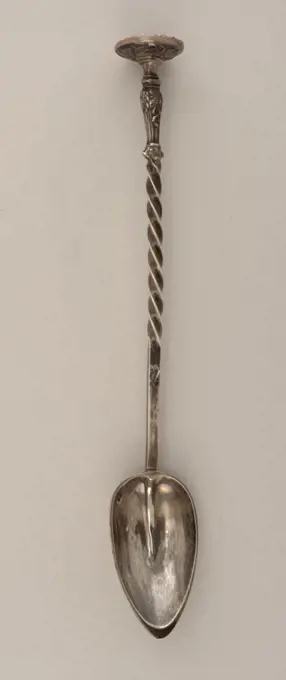
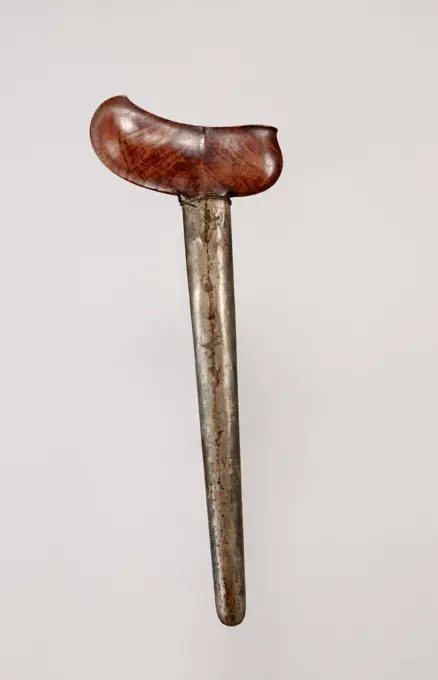
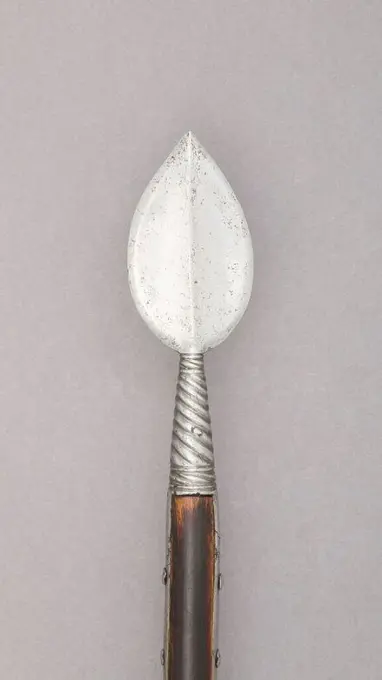
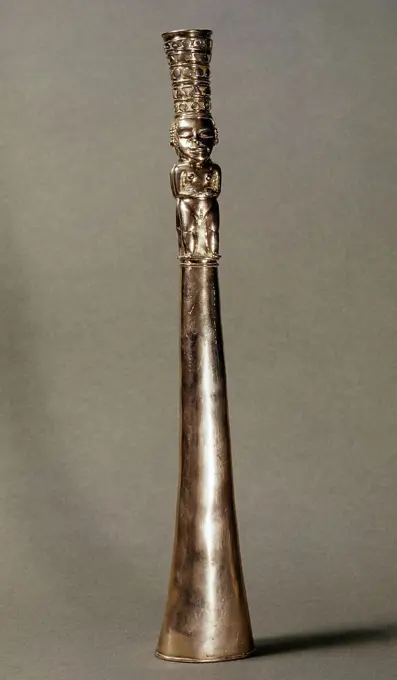
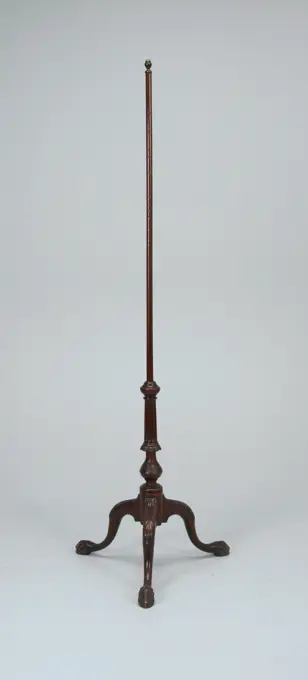
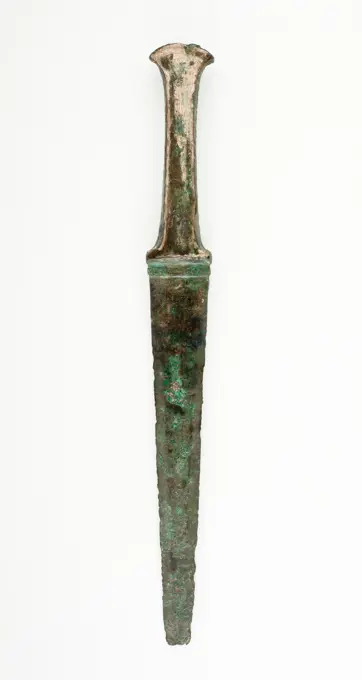
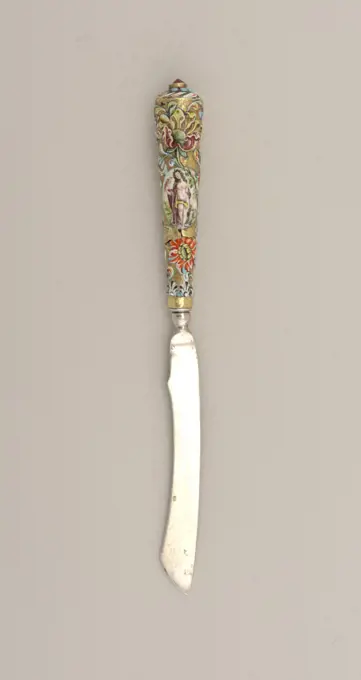
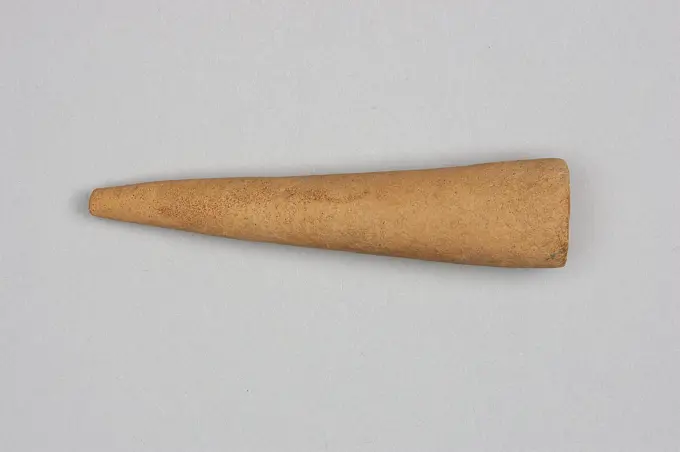
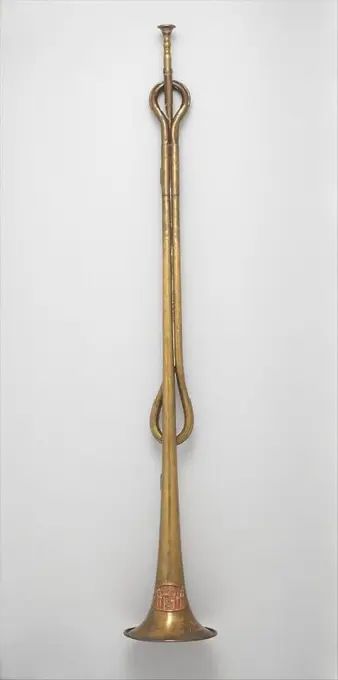
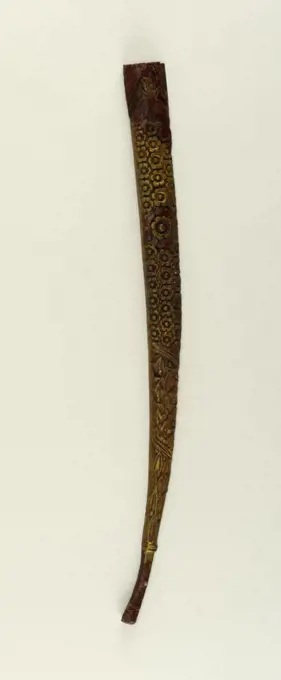
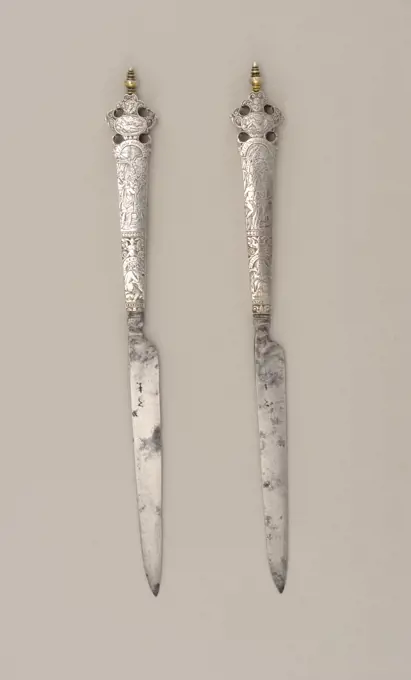
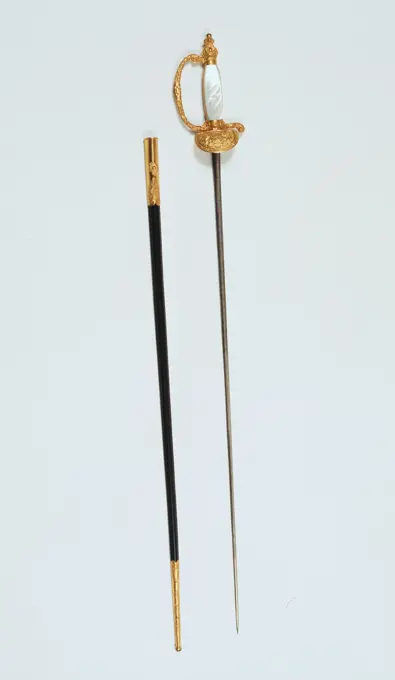
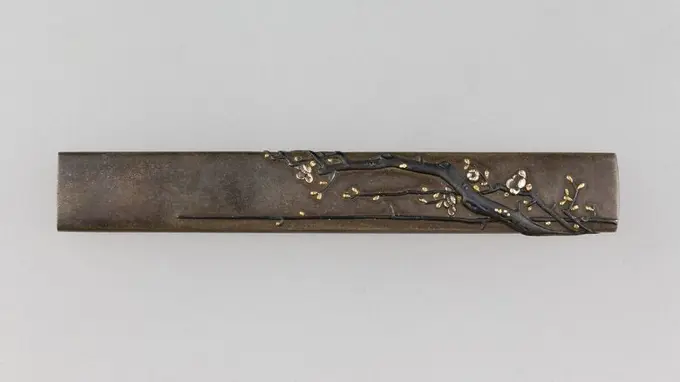
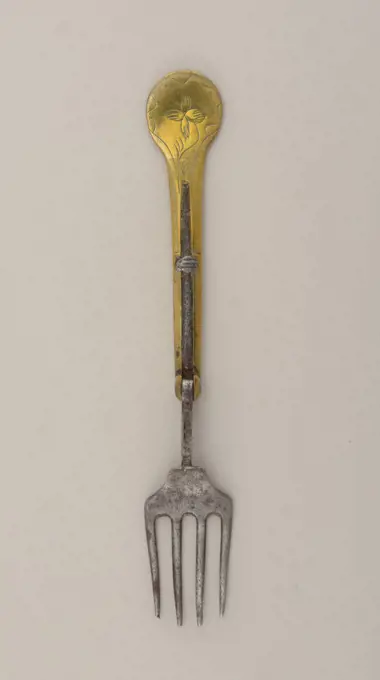
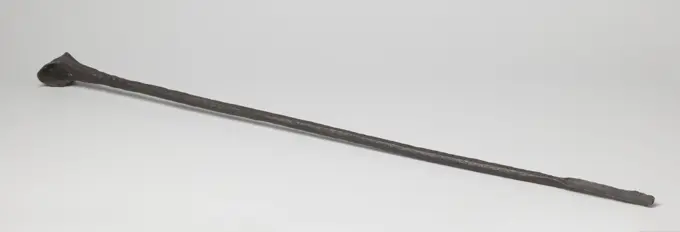
Fibula. Copper alloy. Gallo-Roman. Paris, Carnavalet museum. 51463-4 Staple, copper alloy, attachment, Gallo-Roman time, fibula, Gallo-RomanShip carpermans drill with a hollowed spoon, a handle with round cross -section and excellent wings, anonymous, c. 1590 - c. 1596 drill Ship carpermans drill with a hollowed spoon, a handle with round cross -section and excellent wings. Such a drill is shown on the plate between Folio 26 and 27 of Gerrit de Veer (Uigave 1605). Spoon gap.  iron (metal) forging  Nova Zembla. Saving HuysDessert fork; Würtembergische metallwarefabrik - WMF (Germany; Wytwónia Z Otnarz; 1880-1914); after 1880 (1890-00-00-1914-00-00);Nail. Nail. Bronze. BronzesStylus, ca. A.D.200-256, Wood, a: 3.1 × 2.15 cm (1 1/4 × 7/8 in.), Yale-French Excavations atDura-Europos, Excavated in Dura-Europos, Syria, Syrian,Dura-Europos, Roman, Tools andEquipmentBassoon.The bassoon - from the French bas son - is the low voice of the double reed instruments, while the oboe - hautbois - is the high one. The modern bassoon, consisting of different parts put together, goes back to the 17th century. Todays bassoon serves as the tenor and bass for the orchestras woodwinds.Amenemhat's Razor-Knife ca. 1504-1447 B.C. New Kingdom. Amenemhat's Razor-Knife. ca. 1504-1447 B.C.. Bronze or copper alloy. New Kingdom. From Egypt, Upper Egypt, Thebes, Asasif, Tomb of Neferkhawet (MMA 729), east chamber, Burial of Amenemhat (V), inside coffin, by head, MMA excavations, 1934-35. Dynasty 18, earlyHashish smoking pipe;  20th century (1901-00-00-1940-00-00);Knipmes met email heft, anonymous, c. 1750 - c. 1800 Cut with blade of iron. The copper handle is decorated with a candle pattern from email. West-Europa heft: copper (metal). heft:. lemmet: iron (metal) Cut with blade of iron. The copper handle is decorated with a candle pattern from email. West-Europa heft: copper (metal). heft:. lemmet: iron (metal)Roundel Dagger 14th century possibly British. Roundel Dagger. possibly British. 14th century. Steel. DaggersESPADA DE BRONCE IBERICA PROCEDENTE DE LA RIA DE HUELVA - S IX AC. Location: MUSEO ARQUEOLOGICO NACIONAL-COLECCION. MADRID. SPAIN.Personal effects, anonymous, c. 1590 - c. 1596 musical instrument. elements (of musical instruments). percussion instrument. beater. drumstick Tromstok with a ril ending in a round button. This is one stick of a pair that was used to hit a side drum. A side drum is a large drum that is worn with a belt on the side of the body and played as a signal.  beech (wood)   Nova Zembla. Saving HuysMace Made 1600-1700 Poland. Steel, copper-alloy, and narwhal tusk .Knife with horns with oval cross -section and on the back a rose, anonymous, c. 1590 - c. 1596  Knife with horns with oval cross -section and narrowed angel. There is a copper () Rose on the back of the handle. The lifting protector is profiled.  iron (metal). wood (plant material). horn (animal material)   Nova Zembla. Saving HuysSword with Scabbard. Culture: Grip and guard, Turkish, Ottoman; blade, European. Dimensions: L. with scabbard 40 3/8 in. (102.5 cm); L. without scabbard 39 3/4 in. (101 cm); L. of blade 34 3/4 in. (88.3 cm); Wt. 1 lb. 13 oz. (827 g); Wt. of scabbard 1 lb. (453 g). Date: Grip and guard, late 17th century; blade, 17th century.The nielloed silver moutns are typical of Ottoman weapons, although the use of lapis lazuli are rare. The straight European blade suggests that this cavalry weapon was carried in addition to the more usual curved saber. Pairs of weapons with straight and curved blades were common in eastern Europe in the seventeenth century. Museum: Metropolitan Museum of Art, New York, USA.Spindle with whorl. Dimensions: l. of spindle 8.5 cm (3 3/8 in)diam. of whorl 5 cm (1 15/16 in). Dynasty: Dynasty 19-20. Date: ca. 1295-1070 B.C.. Museum: Metropolitan Museum of Art, New York, USA.Dessert fork; Würtembergische metallwarefabrik - WMF (Germany; Wytwónia Z Otnarz; 1880-1914); after 1880 (1890-00-00-1914-00-00);Bow -Eresabel with sheath awarded to Captain der Infanterie H.E. Schoggers in Simpang Olim on November 14, 1876 for showed bravery. Sable in sheath. Fire-digging copper hilt, button in form of lion cup, openwork side bar with laurel wreath and missing ornament: see holes. Wooden ribbed handle wrapped with braided copper wire. Iron curved blade, single-cutting with channels, both sides etched with remnants of fire cemptible and suspected. Signed on one side: Yzerhouwer, upstairs the national arm. 'King Willem III', 'for showed bravery'. (Abbreviated :) "hood. DER INF. HEY. Schoggers Simpang Olim 14 Nov. 1876 '. GER Hof: Eresabel Military William Order M 1861, whose emblem of the crown is missing on the hilt.Sabel with Schede van de Gardes d'Honneur (1st empire 1813), Johann Schimmelbusch, c. 1811 - c. 1814 sabre Sabel of a Garde d'Honneur with hilt of brass. Rectangular bent bracket. Pare rod is bent downwards. Two diamond -shaped side positions. Opened hood with flattened oval button. Handle of ebony. Engraved and there are traces of blue and gilding. On the Kling is 'i.s.b.'. The sheath is made of brass and has two separate rings without tires. Worn by Mr. Hannema as Garde d'Honneur shortly after 1800. Solingen copper (metal). horn (animal material). greep: ebony (wood). gilding (material) etching / gilding  GroningenLime Spatula, 20th century, 12 5/8 x 1 1/2 x 7/8 in. (32.07 x 3.81 x 2.22 cm), Wood, Papua New Guinea, 20th century, Betel chewing is a common practice throughout India, Indonesia, and Oceania. Frequently called betel nut, a 'chew' actually consists of three components; a paste made from the crushed kernel of an areca palm nut, the fruit or leaf of the betel-pepper plant, and a quantity of powdered lime, obtained from burnt coral or shell. Often this combination takes the form of a small bite-sized package which is placed in the cheek and chewed in a manner similar to chewing tobacco.Betel chewing is a social and personal habit, but betel is also chewed in ritual and ceremonial contexts. The use of betel in Oceania has led to the manufacture of finely decorated paraphernalia including lime containers, lime spatulas, and mortars. These objects have been considered among the finest of Melanesian carvings.Dolk.Iron Dag without hilt. Found in the IJ at the works for Central Station.Knife (Kard) ca. 1800 Persian. Knife (Kard). Persian. ca. 1800. Steel, ivory (elephant), gold. KnivesModel of a Basilisk (Cannon) for Emperor Charles V (1500-1558) 1523 Pietro d'Arena This unique cannon is a scale model, probably designed to be over 15 feet (4.6 m) long when produced in full size. It is made up of four sections (one is missing) that screw together, allowing it to be disassembled for easier transport. Cast into its decoration are a portrait of Charles V, his coat of arms, and other personal insignia, suggesting the model was created as a gift for the emperor.. Model of a Basilisk (Cannon) for Emperor Charles V (1500-1558). Italian. 1523. Bronze. Firearms-CannonModel of a Made Mast, anonymous, c. 1780 - c. 1840 demonstration model Round mast with square top. The mast itself consists of eight parts: two heavy ones, one front and one, form the mast king, connected to welding inside; Three cheeks on either side, the middle one of which is also connected to welding on the Mastkoning, complete the whole. The parts are held together by Kuipbands. At the Hommer and the Mars, the mast becomes square; In addition, the corners are slightly completed. In terms of composition, this mast is similar to NG-MC-126. This model can be varied. Netherlands wood (plant material). brass (alloy)Cane. Stick of Captain Gribius, 2nd squadron of the 12th RCA. Bois d'Olivier, 1942-1943. General Leclerc Museum of Hauteclocque and the Liberation of Paris, Jean Moulin Museum. 79172-26 War 1939-1945, War 39-45, Second World WarModel of a Made mast. Round mast with square top, ears, driving bed, longitudinal expansion and sideshows. The mast base is quite square and consists of twelve parts, six in the middle and three cheeks on either side. Four cheeks at the rear are added from the mast hole that go completely upwards, while the front four parts are just above the longitudinal seals; From this point the mast consists of twelve sharing again and becomes square again. The parts are held together with a large number of tub tires. Two side scales strengthen the whole; They also support the longitudinal seals together with the ears that are not against the sides, but are attached to the front of the mast with irons and bolts. With the mast hole, two notches are for the ears and two for the longitudinal seals, if the mast is turned over.Dividers, 1500s. Germany (), 16th century. overall: 62.3 x 5.1 cm (24 1/2 x 2 in.).Degen of F. Boogaard, Anonymous, 1813 - 1832 sword Degen with fire gilt iron hilt: button, front bridge, grabbed grip with copper wire, ricasso, donkehoef, two bumps. Iron blade with etched ornamentation. On the heel remnants of gilding. Coming from F. Boogaard, Captain 2nd Battalion 3rd Department of Mobile Noord-Hollandse Schutterij. West-Europa Kling: Iron (Metal). hilt: copper (metal). grip:. Kling: Gilding (Material) forging / etching  North HollandMace Made for Henry II of France ca. 1540 Diego de Caias Spanish This mace bears the emblems and mottoes of Henry II (reigned 1547-59) and the signature of the Spanish-born swordsmith and damascener Diego de Çaias, who worked for the French court from 1535 to 1542 and then in England at the court of Henry VIII. The mace appears to have been made for Henry between the time he became dauphin (heir apparent) in 1539 and de Çaias's departure for England in 1542. The tiny multifigured battle scenes in gold and silver are characteristic of de Çaias's work.. Mace Made for Henry II of France. French. ca. 1540. Steel, gold, silver. Shafted WeaponsFolding knife, Silver, steel, gold, Leaf-shaped blade folds into flat, straight-sided handle with rounded end. Silver gilt handle engraved with floral pattern and decorative border. Three brass riverts., possibly Germany, ca. 1827, cutlery, Decorative Arts, Folding knifeSTOP fork; Gumpert, Georg Heinrich (Fl. 1850-1893); 2. PO. 19th century (1800-00-00-1810-00-00);Russian Bassoon in C 1825-40 French. Russian Bassoon in C. French. 1825-40. Wood, brass. Lyons, France. Aerophone-Lip Vibrated-hornRitual Mace, early 1400s. Sino-Tibetan, Derge School, Yongle period (1403-1427). Iron alloy with gold inlay; overall: 38.5 cm (15 3/16 in.).DAGA DE OREJAS - PERIODO NAZARI - SIGLO XV - MARFIL Y BRONCE. Location: PALACIO REAL-REAL ARMERIA DE MADRID. MADRID. SPAIN.Blade of kidney dagger with double-edged blade, kidney dagger dagger knife stab weapon weapon fragment soil find iron metal, forged blade The blade is slender double-edged and triangular in cross-section. From the heel on the first part facetted evenly with flat flanks. Rear blade suitable for general carving and the front half as spade weapon archeology bunting dagger dagger klodolk ball dagger decoration status symbol personal equipment defense clothing accessory militariaHarpoon head Japan The Jmon period is the earliest period in Japanese history, lasting from roughly 14,000 to 300 BCE. The Jmon people were primarily hunter-gatherers, hunting land animals and gathering vegetables and nuts on the land as well as hunting and fishing at sea. Harpoon heads such as this one testify to the importance of seafood in the diets of some Jmon communities, especially those close to the sea. Fish bones found at Jmon archaeological sites indicate that the Jmon hunted fish not only close to the shore but also farther out in the open sea, where larger fish could be caught. There is even evidence that the Jmon ate pufferfish, a poisonous fish considered a delicacy in modern Japan.. Harpoon head. Japan. Bone. Final Jmon period (ca. 1000-300 B.C.). BoneEdward Unger, Sauerkraut Stomper, 1939 Sauerkraut StomperMusette, anonymous, c. 1850 - c. 1899 Musette van Rozenhout, in two parts with a brass ring. France (possibly) rosewood (wood). brass (alloy) Musette van Rozenhout, in two parts with a brass ring. France (possibly) rosewood (wood). brass (alloy)Pin ca. 9th century B.C. Iran. Pin 325175Folding Fork; brass, steel; L x W: 19.2 x 1.4 cm (7 9/16 x 9/16 in.); The Robert L. Metzenberg Collection, gift of Eleanor L. Metzenberg; 1985-103-260StylusFlint rifle of the imperial rifle factory Liège, Imperial Rifle Factory Liège, 1805 - 1810 flintlock gun Flint rifle of the imperial rifle factory Liège. It is the Dutch version of the French Modèle 1777 drag underwear. The final plate is stamped with GM on the inside and G 12 on the outside and carries the inscription Liege Munufre Imple. On the right side of the handle, the flask shows the remains of a large round arsenal stamp whose emblem has been removed and filled with a piece of unprocessed wood, but where Cl oct is still on the edge. M can be read. The batter is partly of yellow and part of iron and carries the stamp on almost each part, usually with a crown above it. Liège brass (alloy). iron (metal). wood (plant material) engraving / cutting  LiègeOfficial Staff ca. 1790. Official Staff. ca. 1790. Wood; Curly maple, ivory, fabric, brassBlade of ornamental sword from the seventeenth century, ornamental sword sword weapon weapon soil found iron metal, archeology Rotterdam City triangle Groenendaal underground pit militaria archaeological find in the soil Rotterdam underground pit Groenendaal (direction Blaak) 15-06-1977.Knife Handle (Kozuka) with Blade 18th century Japanese A kozuka is a handle of a by-knife that is part of a sword mounting. It is kept in a slot on the reverse of a katana scabbard, often with a matching kgai (hairdressing tool).. Knife Handle (Kozuka) with Blade. Japanese. 18th century. Copper-gold alloy (shakud), gold, silver, steel. Sword Furniture-KozukaKleine sabel of houwer.Small saber (HOUWER). Hilt: twisted, ivory handle with lion's head. Turned (gold-plated) front bracket and half pearl rod. Kling: Quoted. Three channels of different length. Etced floral motifs.Spear 16th-19th century Javanese. Spear 30640Bow, anonymous, c. 1800 - c. 1850 String for double bass. Europe wood (plant material) String for double bass. Europe wood (plant material)Court Staff American ca. 1765Stick of a standard of the fifth Dragonders regiment, Anonymous, 1846  Stick of a standard of black lacquered wood, on which a gilded bronze wreath of eagle branches, and on top a lying lion with an arrow bundle and sword on a ditto block, on which the text: King and Fatherland, surrounded by a snake, on the long sides, and a crowned W on the short sides Netherlands bronze (metal). wood (plant material). galloon. textile materials. iron (metal)Tang and Blaaspijp Inen, Anonymous, c. 1400 - c. 1950   iron (metal) forging   iron (metal) forgingProcessional Spearhead 18th-19th century Sri Lankan. Processional Spearhead. Sri Lankan. 18th-19th century. Steel. Shafted WeaponsRope Making Tool. Dated: c. 1938. Dimensions: overall: 35.5 x 24.7 cm (14 x 9 3/4 in.) Original IAD Object: 13" long. Medium: watercolor, pen and ink, and graphite on paperboard. Museum: National Gallery of Art, Washington DC. Author: Emile Cero.Bow, anonymous, c. 1800 - c. 1850 Cannaarded bow rowing with five sticks (BK-NM-11430-34-A to BK-NM-11430-34-F).  wood (plant material) Cannaarded bow rowing with five sticks (BK-NM-11430-34-A to BK-NM-11430-34-F).  wood (plant material)Ship carpenters' passer of iron with straight legs and no hinge, anonymous, c. 1590 - c. 1596  Ship carpenters' passer of iron with straight legs and not a hinge. The passer is forged from one piece of iron  iron (metal) forging  Nova Zembla. Saving HuysZurna 19th century Syrian- Palestine. Zurna 501015Lepel met lange steel.Oval spoon with long, flat stem. The spoon has not been marked.Fork, ivory, silver, steel, Two broad curved tines, long baluster-shaped neck. Plain silver ferrule, oval in section. Handle carved ivory, a man in Charles II period costume, holding a scepter in one hand, pointing at the scepter with the other hand., England, ca. 1650-1700, cutlery, Decorative Arts, ForkSabel with Schede, from General du Rey, Anonymous, 1790 - 1800 sabre Ruitersabel, presumably Batavian Republic, lieutenant of the 1st and 2nd Regiment Dragonders 1802-1806. A bracket, straight pare rod with button and two diamond -shaped side rods. Handle with leather and braided copper wire. The blade is provided with engraving work. On the back is 'Henry Küschers et fils'. Wood with leather coated sheath. Earband and iron towing plate. Middle tire no carrying ring. Top strap with carrying ring. Coming from General Du Rey.  iron (metal). leather. schede: wood (plant material) braiding / engraving  NetherlandsPrzeszo Przyszoci unknown'Louis XVI' tableware, Joseph E. Birmingham, Shreve & Co., founded 1852, silver, Integral construction, flat curved blade with stepped shoulder. Flattened handle of rectangular section with oval wreath with ribbon bow, enclosing monogram, as in 1991-117-1., ca. 1909, cutlery, Decorative Arts, Knife, KnifeStick of Ahornhout with a hook composed of a Gemzenhoorn and hoef.ahornhout Stick With Gemno Horn and Hole, with Painted Inscription 'Brunnen'. The Hook is composed of a gownhoef with a piece of sheet with blond hair and a black gownhorn.Souling late 19th century Bornean. Souling. Bornean. late 19th century. Bamboo. Borneo. Aerophone-Blow Hole-end-blown flute (vertical)Herman O Stroh, Strap Hinge for Door, 1939 Strap Hinge for DoorArrow Point, 1700s. Japan, Edo period (1615-1868). Steel; overall: 16.2 cm (6 3/8 in.); head: 4.6 cm (1 13/16 in.).Serving spoon 1774-75 Nicolas Collier. Serving spoon 197458Javelin or Spear 18th century Indian. Javelin or Spear. Indian. 18th century. Shafted WeaponsScepter with Montu head 688-525 B.C. Late Period, Saite. Scepter with Montu head. 688-525 B.C.. Copper alloy. Late Period, Saite. From Egypt. Dynasty 26Wheellock-Matchlock Gun 1580-1600 Suhl. Steel, walnut, and horn .Implement with Curved Blade 13th-11th century B.C. China. Implement with Curved Blade 53954Spoon, Silver, Pointed heart-shaped bowl with center ridge; rattail stem paritally twisted issuing part foliate join to the ivy embossed circular crusher terminal., Paris, France, mid-19th century, cutlery, Decorative Arts, SpoonSabel with a sheath of a Frenchman, Anonymous, before, Before 1799 who died in 1799 sabre Sabel with copper hilt, from a Frenchman who died in Castricum in 1799. Narrow -curved blade, trench over three -quarters of the length, blewy, gilt engraved. Handle with braided iron wire. Bracket is shell -shaped and also bump plate. France iron (metal). copper (metal). leather   CastricumWooden Scabbard, 1800s. Java. Iron and silver; overall: 43.8 cm (17 1/4 in.); blade: 33.7 cm (13 1/4 in.).Pike. Culture: Italian. Dimensions: L. 77 1/2 in. (196.9 cm); L. of head 6 3/8 in. (16.2 cm); W. 2 1/4 in. (5.7 cm); Wt. 2 lbs. 2 oz. (963.9 g). Date: probably 1600. Museum: Metropolitan Museum of Art, New York, USA.Model of a Made Mast, anonymous, 1819 demonstration model Round mast with square top, Hommer with ears, driving bed, row and side bowls. The mast itself consists of an octagonal mast king surrounded by eight cheeks; The masttop is composed of the cheeks. The parts are held together by Kuipbands. A number of short shelves around the mast form a driving bed from the front (missing) and behind a flat. The side bowls, composed of two long parts, have been extended as the back of the ears; The ears themselves are attached to this with brass tires. A driving scale is applied to the mast and runs under the driving bed. model maker: Netherlands (possibly)after design by: Port Mahon wood (plant material). brass (alloy)TESORO DE LOS QUIMBAYAS - TROMPETA DE ORO CON FIGURA MASCULINA - COLOMBIA - 200-1000 DC. Location: MUSEO DE AMERICA-COLECCION. MADRID. SPAIN.Firescreen (England); woodDagger. Iran, Luristan, circa 1350-1000 B.C.. Arms and Armor; daggers. Bronze, castKnife, steel, enamel, Sabre-shaped blade, plain bolster. Tapered handle ground gold enamel with multi-colored floral decoration. On each side of handle a medallion; one with a nude woman holding a bird, the other a nude woman with two children holding flowers., possibly Germany, ca. 1600-1700, cutlery, Decorative Arts, KnifeSweetmeat Fork ca. 1500 German Graceful design, fine workmanship, and costly materials transform this essentially utilitarian implement into a luxury object of striking elegance. As forks were rarely used for eating until the 16th century, this example was probably used for serving sweetmeats or other delicacies. It is uncertain whether the unusual polyhedral terminus has a functional or symbolic purpose.. Sweetmeat Fork. German. ca. 1500. Silver, partially engraved, silver-gilt, and rock crystal. Made in Upper Rhineland, Germany. Metalwork-SilverTable knife 18th century Swiss or Southern German. Table knife. Swiss or Southern German. 18th century. Steel, horn, silver. Metalwork-SteelSpatula 13th-15th century Chimú or Chancay. Spatula 315758Mosaic one hundred;  4,000 BC ; culture Uruk (-4000-00-00--3001-00-00);Culture Uruk (approFanfare trumpet in E-flat. Culture: French. Dimensions: Height (Without mouthpiece): 32 3/8 in. (82.2 cm)Diameter (Of bell): 5 5/16 in. (13.5 cm). Maker: Adolphe (Antoine Joseph) Sax (Belgian, Dinant, Belgium 1814-1894 Paris). Date: 1856.The form of this parade trumpet was inspired by the ceremonial trumpets of ancient Greece and Rome. Sax initially devised the instrument in 1852 for use in L'Escadron des Cent Gardes of Emperor Napoleon III. This instrument was part of a set of parade trumpets supplied to Wynendaele Castel in Tourhout, Belgium that probably consisted of at least 15 instruments. Four other instruments from this set survive in the Musical Instruments Museum in Brussels. All of these instruments bear a bas-relief copper badge on the bell depicting Wynendale Castle and have been engraved with a large initial M. This refers to the Belgian banker Josse-Pierre Matthieu, who purchased Wynendaele Castle in 1833 and restored it after its destruction by the French RevolutionarFragment, Brass, Segment of an ornament in the form of a floral swag., France, ca. 1830, metalwork, Decorative Arts, FragmentSword (PisoHalasan)Knife, silver, steel, gilding, straight sided tapering handle engraved with figures of Ceris, Bacchus, scenes from a tale Knife (a): straight sided tapering handle engraved with figures of Ceris, Bacchus, scenes from a tale, grotesques and masks. Shaped and pierced terminal with gilt baluster finial; pointed steel blade; knife (b): straight sided tapering handle engraved with figures of Perveirs , Hermurs , scenes from a tale invluding Susannah and the Elders, grotesques and masks. Shaped and pierced terminal with gilt baluster finial; pointed steel blade., Netherlands, ca. 1618, cutlery, Decorative Arts, KnifeDegen of ambassador Allard Merens, Anonymous, c. 1875 - c. 1950 sword Degen with gilded mother -of -pearl, black (and white) sheath from ambassador Allard Merens. Netherlands (possibly) kling: iron (metal). greep: mother of pearl. gevest, bus, mondingsband: brass (alloy). schede: leather engravingPin ca. 6th-8th century A.D. Sasanian or Islamic. Pin 322955Knife Handle (Kozuka). Culture: Japanese. Dimensions: L. 3 7/8 in. (9.8 cm); W. 9/16 in. (1.4 cm); thickness 1/4 in. (0.6 cm); Wt. 1.4 oz. (39.7 g). Date: ca. 1800. Museum: Metropolitan Museum of Art, New York, USA.Hairpin 1886 Frankish. Hairpin 465311 Frankish, Hairpin, 1886, Gold, Overall: 8 1/8 x 1 1/8 x 1/4 in. (20.6 x 2.8 x 0.6 cm) shaft: 6 11/16 x 3/16 in. (17 x 0.4 cm). The Metropolitan Museum of Art, New York. Gift of J. Pierpont Morgan, 1917 (17.192.242)Hook of completely smooth steel, imra, c. 1900 - c. 1950 A hook of completely smooth steel. Address: Imra / Geschützt. Germany (possibly) whole: Steel (Alloy) A hook of completely smooth steel. Address: Imra / Geschützt. Germany (possibly) whole: Steel (Alloy)Pin, eyelet type Cypriot. Pin, eyelet type 244405Folding knife, brass, steel, Sabre-shaped blade, pistol-shaped brass handle with scrolled end. Brass scales, cast and chased with a deer, boar, dogs, a fox and a bird. Trees and acanthus scrolls against a matte background. Blade folds into handle., Bohemia/Germany, ca. 1720-50, cutlery, Decorative Arts, Folding knifeFolding fork, Brass, steel, Fork has four curved tines, rounded shoulders. Plain flat neck which is hinged. Centre of handle made of steel, brass along the sides, top has flat round shape. Simple engraved floral decoration on front and back., Netherlands or possibly Spain, late 17th century, cutlery, Decorative Arts, Folding forkclean packing aluminium. net design of packaging made of aluminium. For foodTable fork 18th century Swiss. Table fork. Swiss. 18th century. Steel, horn, silver. Metalwork-SteelSmall knife with a scabbardBident Spearhead 18th-19th century Indian, Bihar. Bident Spearhead. Indian, Bihar. 18th-19th century. Steel. Bihar. Shafted Weapons