Antique Tools and Hardware

A variety of historical tools and hardware, including fibulas, nails, and cooking utensils, reflecting craftsmanship from different eras.
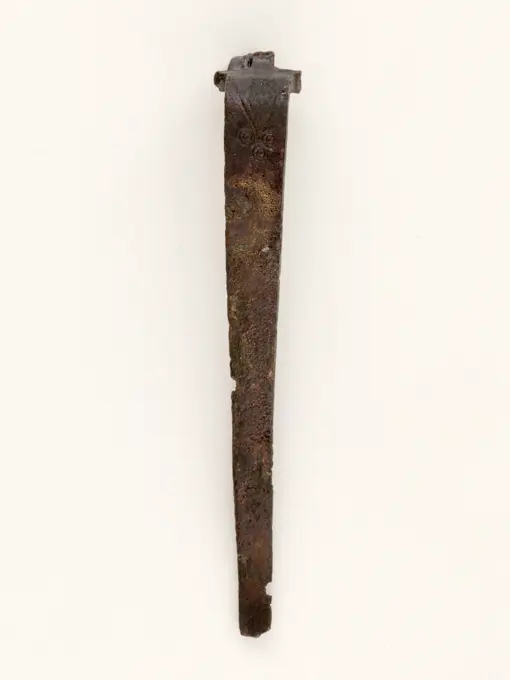
Fibula. Copper alloy. Gallo-Roman. Paris, Carnavalet museum. 51463-4 Staple, copper alloy, attachment, Gallo-Roman time, fibula, Gallo-Roman
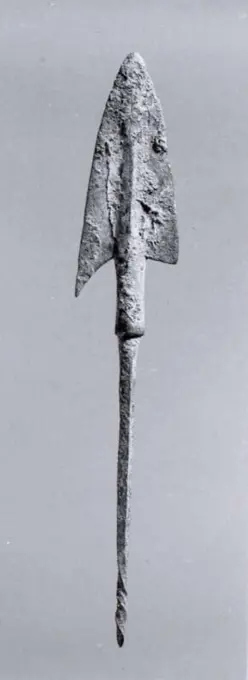
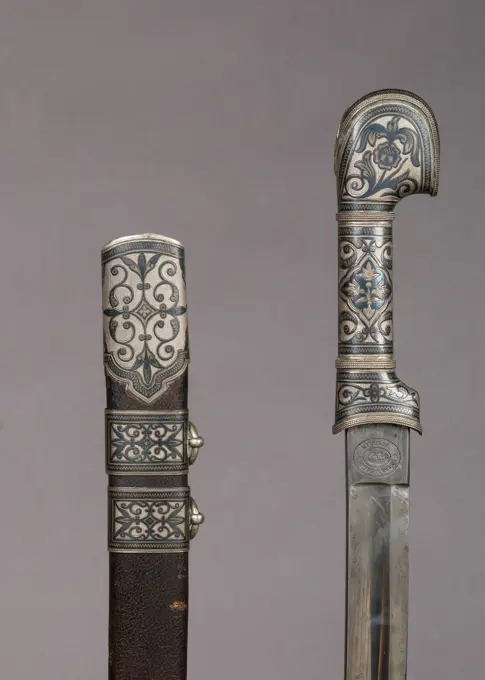
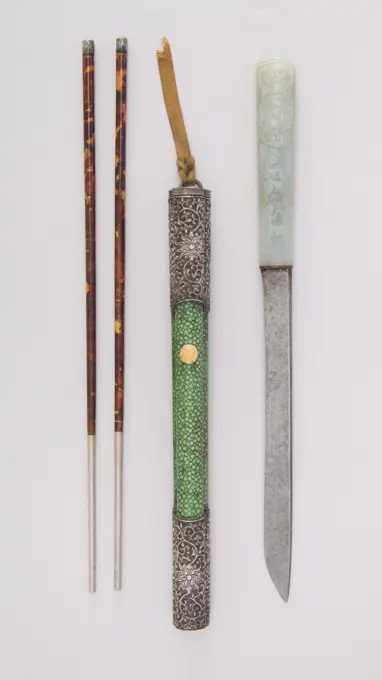
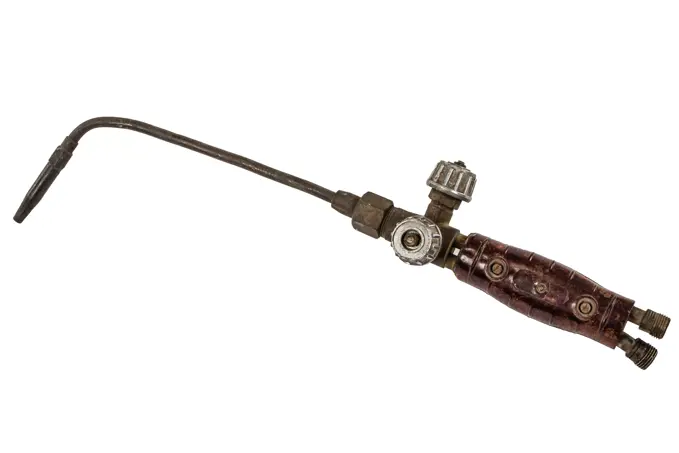
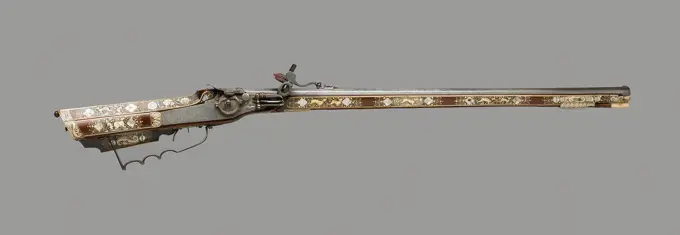
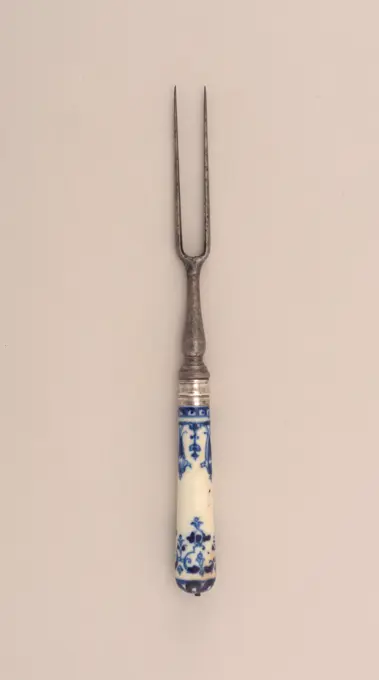
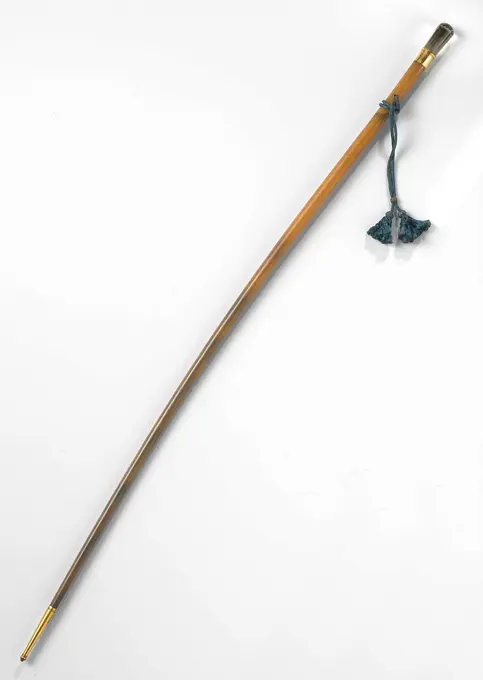
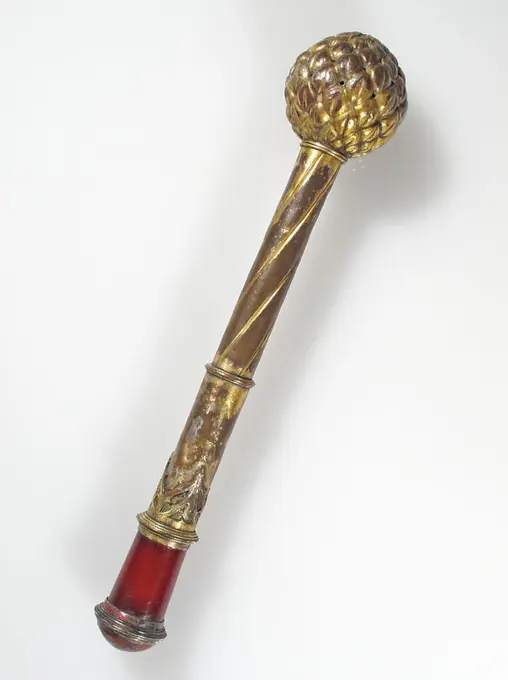
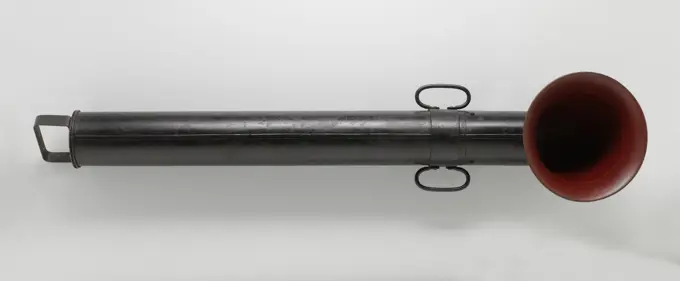
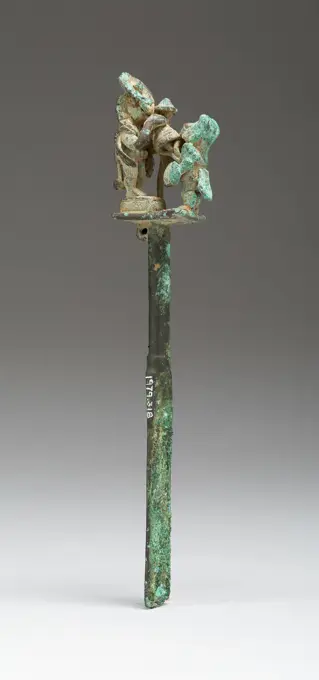
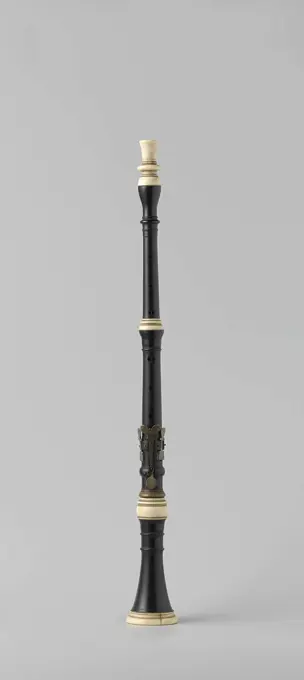
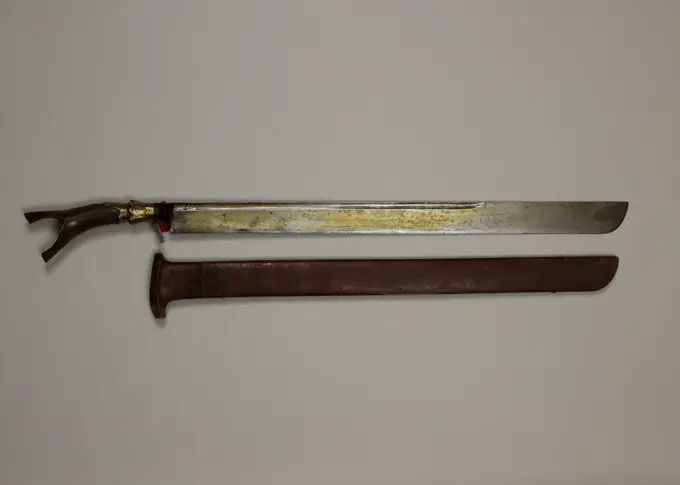
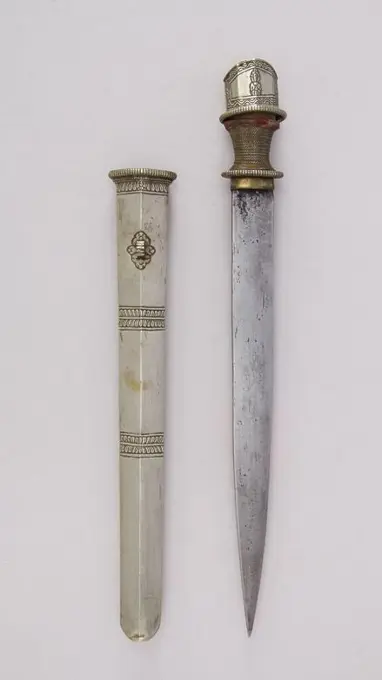
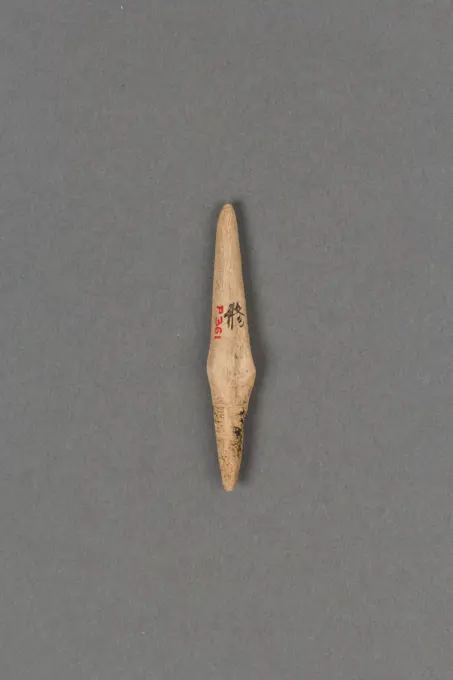
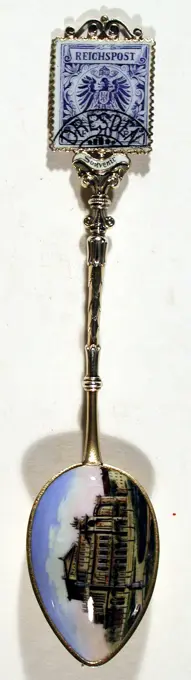
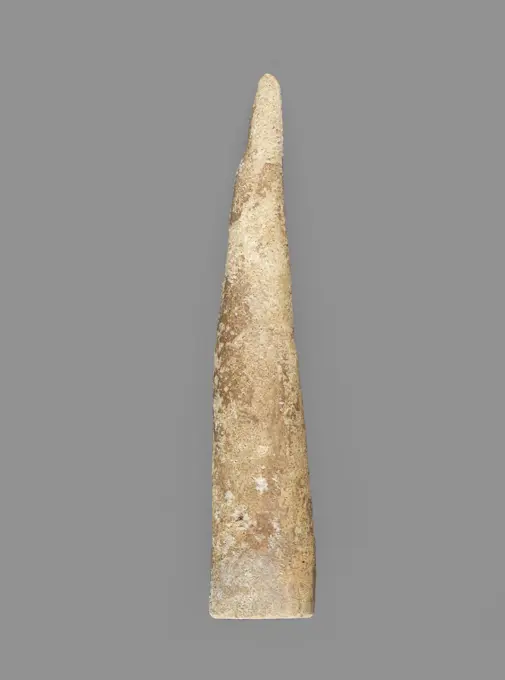
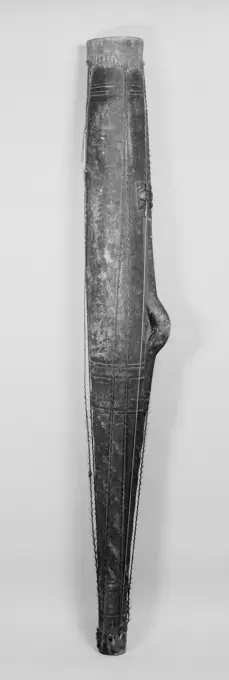
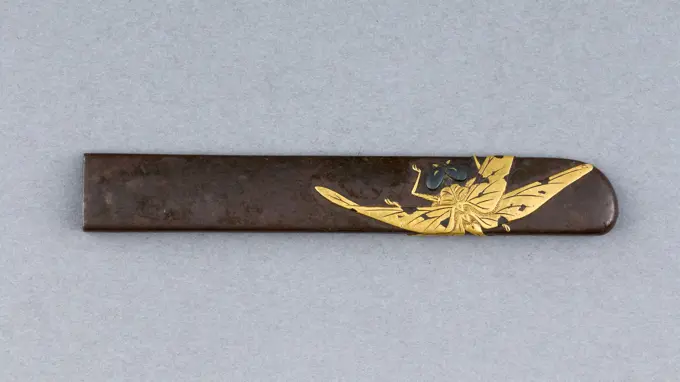
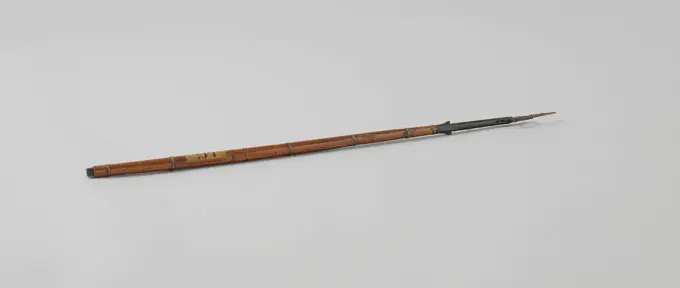
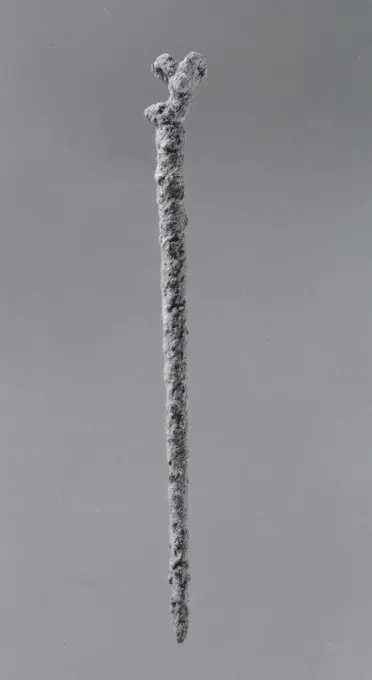
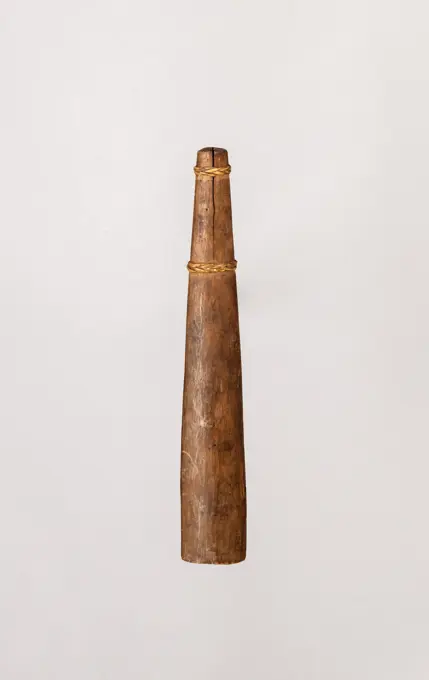
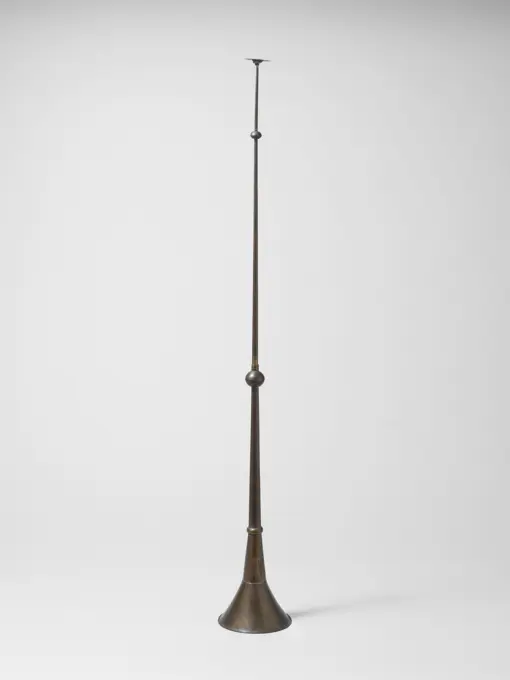
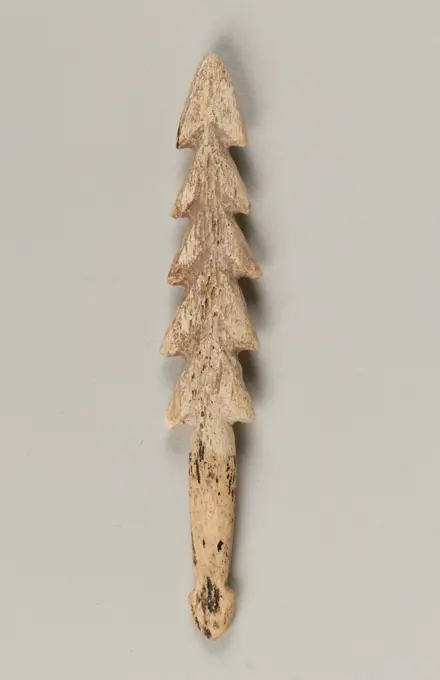
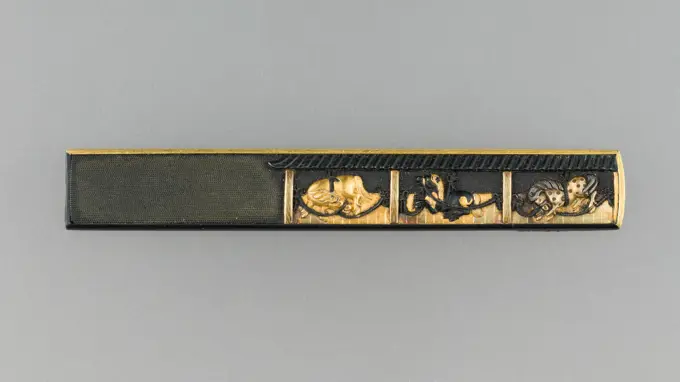
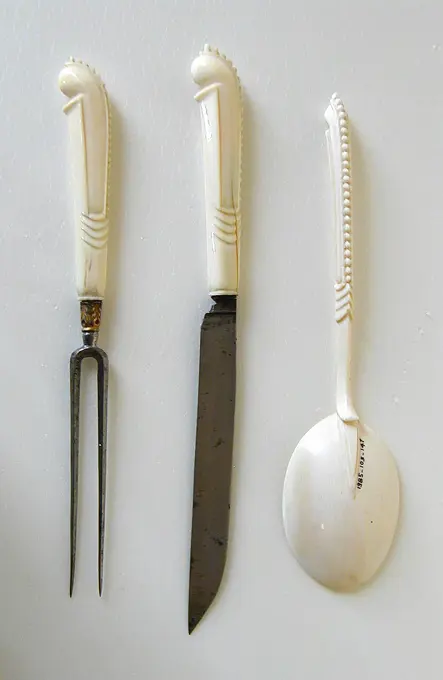
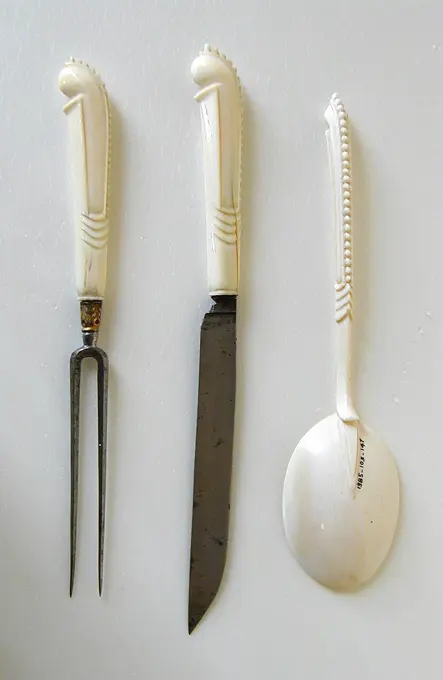
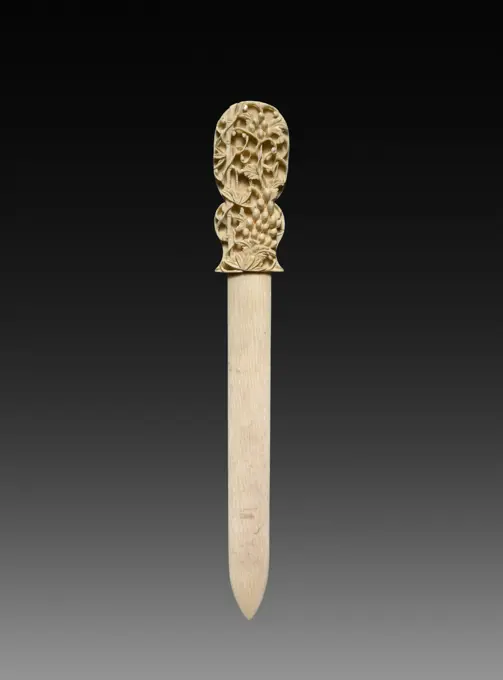
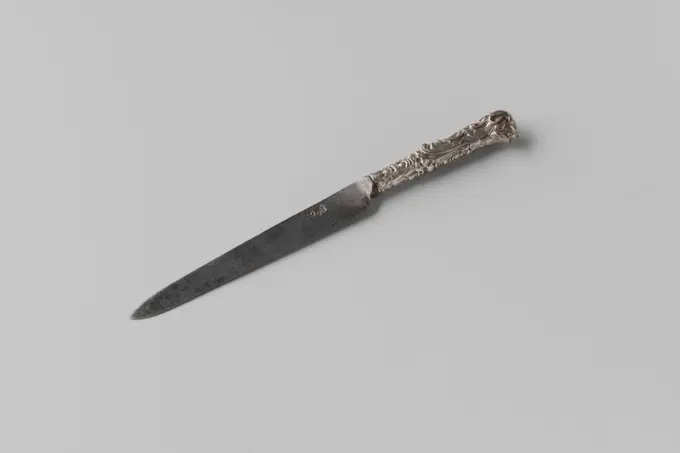
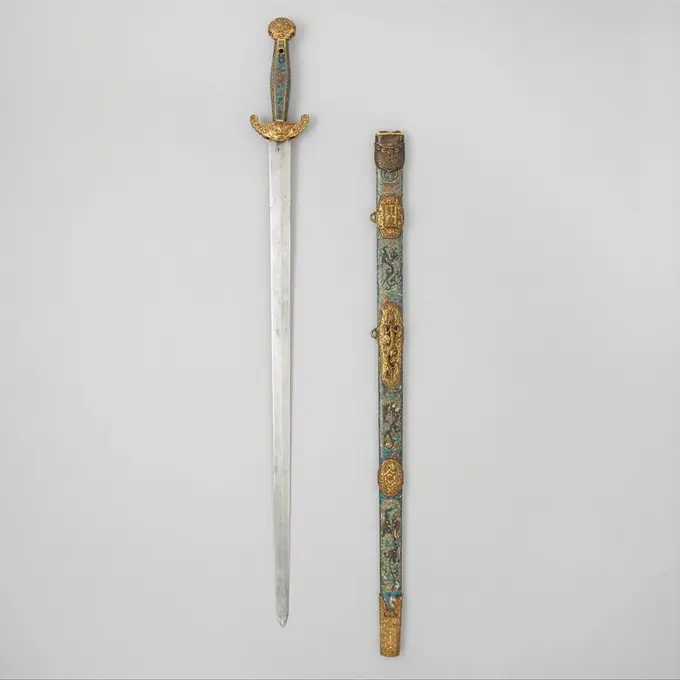
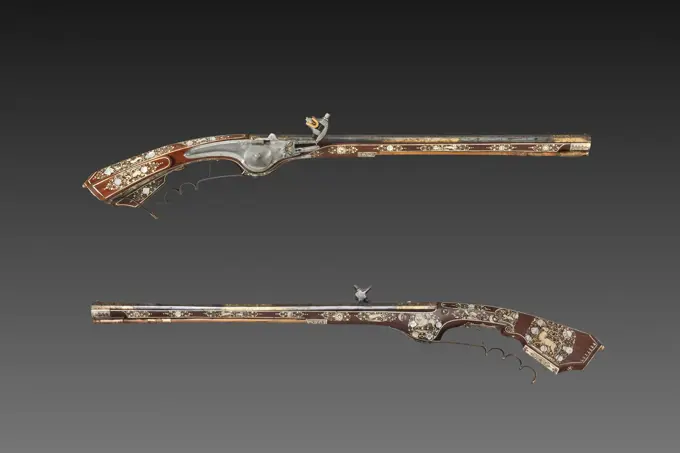
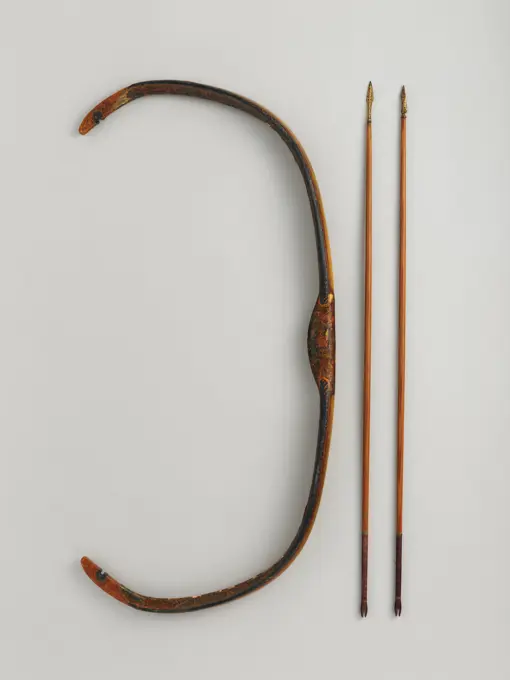
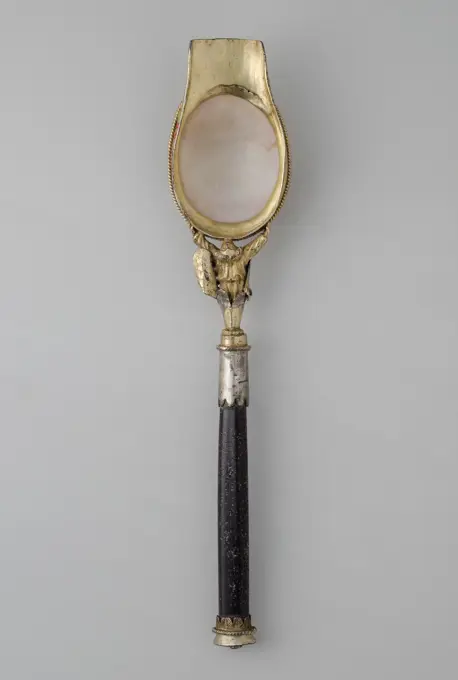
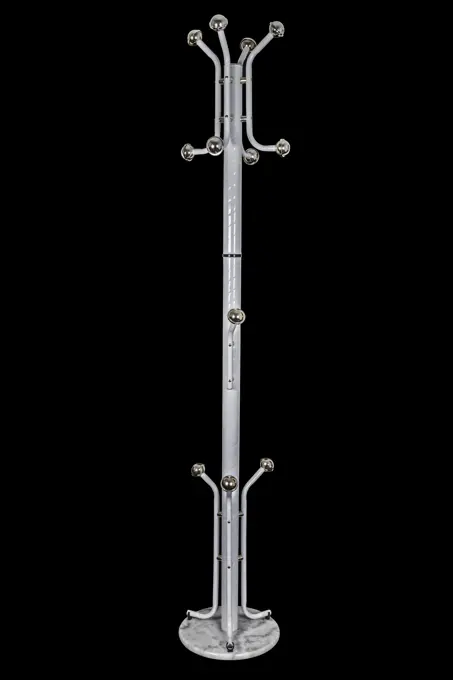
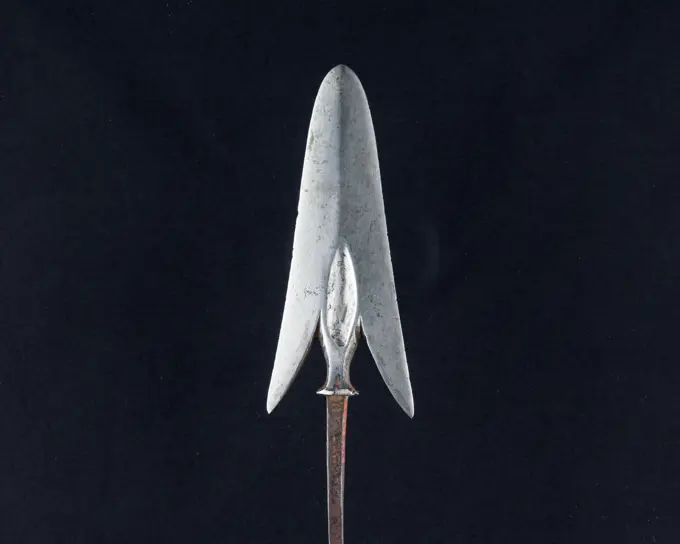
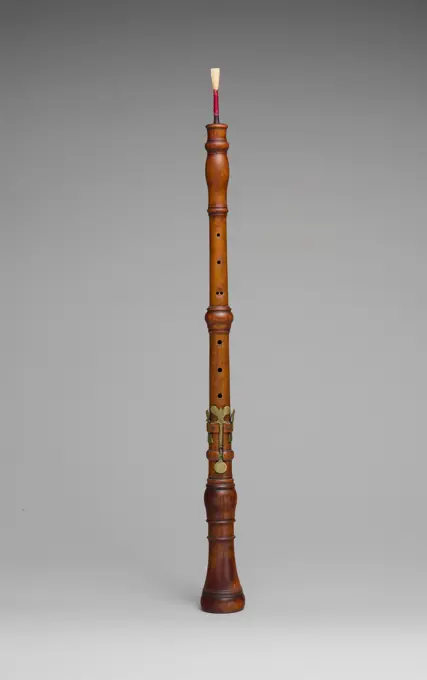
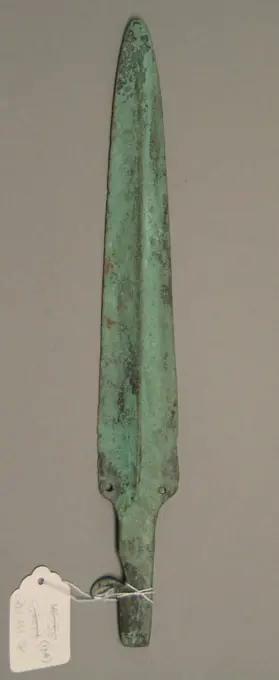
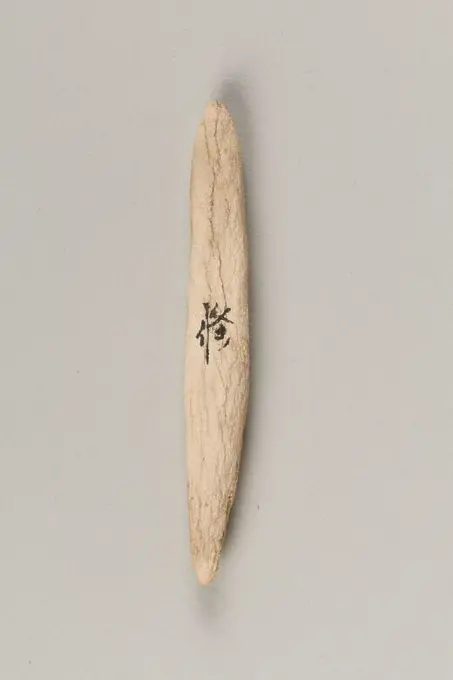
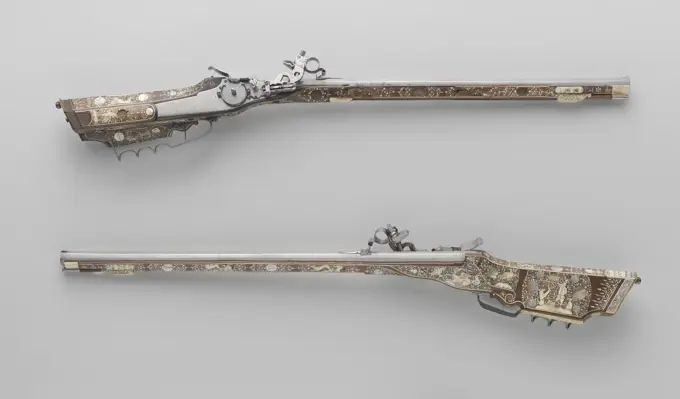
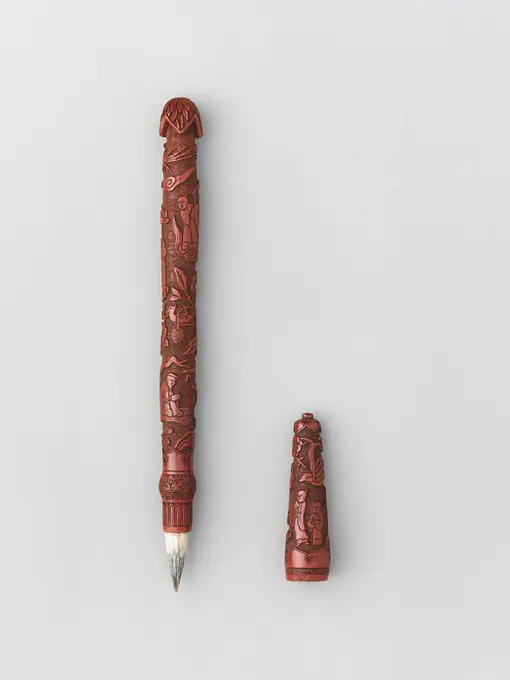
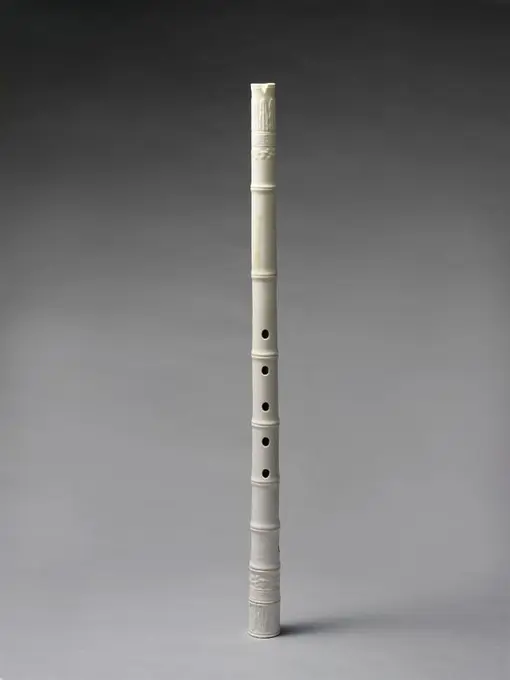
Xiao. Culture: Chinese. Dimensions: Height: 23 1/8 in. (58.7 cm)Diameter (At widest point): 1 3/8 in. (3.5 cm). Date: 18th-19th century.Bamboo is the typical material for end-blown flutes, but special decorative ones have sometimes been produced. This molded porcelain tube, marked "Lin Chao Jing," mimics bamboo and is decorated at each end with a vegetal meander, a "Greek key" pattern, and a leaf design. That the instrument is playable is remarkable, as probably only one out of two hundred fired would sound correctly. Museum: Metropolitan Museum of Art, New York, USA.Knife 1850-60 Tlingit. Knife 319084Arrowhead 2nd-1st millennium B.C. Iran. Arrowhead. Iran. 2nd-1st millennium B.C.. Bronze. Iron Age. IranArrow sash -Baluster first half 18th century British. Baluster. British. first half 18th century. Oak. WoodworkSword with Scabbard ca. 1875-1900 Caucasian. Sword with Scabbard. Caucasian. ca. 1875-1900. Steel, leather, silver. SwordsPochette 1670s Georg Wörle. Pochette 503791Knife with Sheath, Chopsticks, Picks, and Earspoon 18th-19th century Chinese. Knife with Sheath, Chopsticks, Picks, and Earspoon 31579Isadore Goldberg, Trestle Table, c 1939 Trestle TableBelt, 31-1/2 x 1-3/4 in. (80.0 x 4.4 cm), Cotton, silver, ChinaSA dagger. Dagger with chestnut-colored wooden handle. Cling and seizure of various metal species. On the blade inscription in Gothic letters: 'Everything für Deutschland'. On the baffle plate inscription 'm'. On the handle there is a notch that previously attached an eagle. Also on blade manufacturing data, solutions. The tip has been demolished and tired later. On hold button SA monogram, weapon number '218865' and initials owner 'M. Sch. "Welding torch, isolated on white background Welding torch, isolated on white background Copyright: xZoonar.com/OleksandrxKostiuchenkox 9750135Wheellock Rifle Made 1625-1650 Germany. Steel, fruitwood, staghorn, mother-of-pearl .Early model cannons in the tower of London. The Arts of the Middle Ages and at the Period of the Renaissance by Paul Lacroix, 1874Fork (France); porcelain, steel, silver; L x W: 19.9 x 1.5 cm (7 13/16 x 9/16 in.); The Robert L. Metzenberg Collection, gift of Eleanor L. Metzenberg; 1985-103-235Personal effects.Each crewman had his own sea chest for his personal belongings. These wooden chests have since perished, only the locks and little keys remain. To kill time, the men made music and played sports. A drumstick and a flute were found on Nova Zembla. The ball is made of whalebone and was used to play kolven’, a kind of hockey. The little comb was used to remove headlice.. Walking stick of buffalo horn with a button of faceted citrine (yellow quartz). On the stick a brush from silk and gold thread. Point of gold colored metal.Asperges. Culture: French. Dimensions: Overall: Length: 9 3/8 in. (23.8 cm). Date: 15th century. Museum: Metropolitan Museum of Art, New York, USA.Foghorn, Cornelis Schakel, c. 1870 - c. 1885 foghorn Pneumatic fog horn, painted black, the inside of the chalice red, on the outer pipe the chalice is at an angle of 90 as with a ventilation shaft. The pipe has two handles. The air chamber is formed by the outer pipe pushed over a loose inner pipe, which is sealed at the bottom; The air pressure is obtained by pushing both pipes together, while when they are pulled out, air in the room is allowed by a valve in the bottom of the inner pipe. The tone is obtained by a reed on a long conical inner pipe, which is mounted inside the room on the outer pipe. The horn is operated by moving the outer pipe with two hands up and down, while the inner pipe with one foot is held in a foot bracket at the bottom. Amsterdam tin plate. iron (metal). brass (alloy). copper (metal). paint (coating)Knife (Dha) with Sheath. Culture: Thai. Dimensions: H. with sheath 9 1/4 in. (23.5 cm); H. without sheath 8 3/4 in. (22.2 cm); W. 1 in. (2.5 cm); Wt. 1.6 oz. (45.4 g); Wt. of sheath 1.1 oz. (31.2 g). Date: 18th-19th century. Museum: Metropolitan Museum of Art, New York, USA.Ray Price, Mercury Barometer, c 1940 Mercury BarometerRitual Peg ca. 1479-1458 B.C. New Kingdom. Ritual Peg. ca. 1479-1458 B.C.. Wood. New Kingdom. From Egypt, Upper Egypt, Thebes, Deir el-Bahri, Temple of Hatshepsut, forecourt, Foundation Deposit 4 (D), MMA excavations, 1923-24. Dynasty 18Fruit knife 17th century possibly French. Fruit knife. possibly French. 17th century. Steel, bronze, mother-of-pearl over wood, brass. Metalwork-SteelBlade with Two Figures in Presentation Scene 100 BCE-500 CE North Coast. Bronze . MocheOboe.Hobo, ebony with ivory edges.Sword with Scabbard 16th-19th century Acheen. Sword with Scabbard 31055Sugar Tongs ca. 1800 Paul Revere Jr. American. Sugar Tongs. American. ca. 1800. Silver. Made in Boston, Massachusetts, United StatesBlade and Mounting for a Short Sword (Wakizashi) blade, 17th century; mounting 19th century Japanese A wakizashi is a short sword with a blade between 30 and 60 cm long, usually worn in tandem with a full-length sword (katana). Wakizashi were fashionable in the Muromachi period (1392-1573) and later.. Blade and Mounting for a Short Sword (Wakizashi). Japanese. blade, 17th century; mounting 19th century. Steel, wood, lacquer, ray skin (samé), baleen, copper-gold alloy (shakud), dark red copper (hiirod). SwordsPocket Knife with wooden handle Pocket Knife with wooden handle and security ring, isolated on white background Copyright: xZoonar.com/AlainxdexMaximyx 19031754Wooden Spindle Made 1000-1476 Peru. Wood .Turned RodNose-horned chameleon Calumma / Chamaeleo nasutus} photographed against a white background. Masoala Peninsula National Park, north east Madagascar.Apostle spoon: St. Matthias 1592/93 William Cawdell The set (67.166.1-.13) includes a master spoon with a figure of Christ and twelve apostle spoons. Martin Hewitt who made the Saint Andrew spoon had served his apprenticeship under William Cawdell. Both were specialist spoonmakers.. Apostle spoon: St. Matthias. British, London. 1592/93. Silver, partly gilded. Metalwork-SilverTobacco Pipe, early to mid-1800s. Japan, Edo period (1615-1868). Bamboo and silver; overall: 31.4 cm (12 3/8 in.).Candlestick. Dated: c. 1937. Dimensions: overall: 25.1 x 17.5 cm (9 7/8 x 6 7/8 in.) Original IAD Object: 6 1/2" High. Medium: watercolor, graphite, colored pencil, and pen and ink on paper. Museum: National Gallery of Art, Washington DC. Author: Roy Williams.Knife with Sheath. Culture: Indian, Sikkim or Bhutanese. Dimensions: L. with sheath 15 in. (38.1 cm); L. without sheath 14 13/16 in. (37.6 cm); L. of blade 11 1/2 in. (29.2 cm); W. 1 3/4 in. (4.5 cm); Wt. 9.4 oz. (266.5 g); Wt. of sheath 3.7 oz. (104.9 g). Date: 18th-19th century. Museum: Metropolitan Museum of Art, New York, USA.Sheng (pronounced 'Shung') - an ancient Chnese mouth organ, which was the forerunner of modern free-reed organs. The Sheng is a gourd with a flat cover and a range of protruding pipes of variant lengths, fitted with small brass reeds.     Date: 1929Fruit knife, F. Nicoud, French, active 1890, Silver, steel, mother-of-pearl, gilding, One of twelve fruit knives with mother-of-pearl handles and engraved and gilt decoration on blades., ca. 1890, cutlery, Decorative Arts, Fruit knifeHalam late 19th century Moroccan. Halam 501892Scent bottle with hinged cover 1897 France. Scent bottle with hinged cover. France. 1897. Nephrite. JadeArrowhead Japan The Jmon period is the earliest period in Japanese history, lasting from roughly 14,000 to 300 BCE. The Jmon people were primarily hunter-gatherers, using arrowheads such as this one to hunt a variety of land animals. Archaeological evidence indicates that the Jmon hunted over 60 species of mammal throughout the Japanese archipelago, including tanuki (Japanese raccoon dogs) and monkeys, both of which would likely be considered unpalatable in contemporary Japanese society.. Arrowhead. Japan. Bone. Final Jmon period (ca. 1000-300 B.C.). BoneSouvenir spoon with a Dresden building (possibly General Post Office) and finial in form of postage stamp European late 19th centuryKnife Handle (Kozuka). Culture: Japanese. Dimensions: L. 3 13/16 in. (9.7 cm); W. 9/16 in. (1.4 cm); thickness 1/4 in. (0.6 cm); Wt. 1.3 oz. (36.9 g). Date: ca. 1615-1868. Museum: Metropolitan Museum of Art, New York, USA.Putty knife on whiteWalking stick with a twisted golden bud with a star at the top.Short Sword and Scabbard 18th-19th century Tibetan. Short Sword and Scabbard 27783Stożek mozaikowy. unknown, authorCandlestick. Dated: c. 1940. Dimensions: overall: 28 x 22.8 cm (11 x 9 in.) Original IAD Object: 35 3/4" high. Medium: watercolor, graphite, and colored pencil on paper. Museum: National Gallery of Art, Washington DC. Author: Mary Hansen.Hammered Copper Needle 1st-mid-16th century Peru; north coast (). Hammered Copper Needle 309103Partisan ca. 1530 Dutch or Italian, Florence. Partisan 26792Yataghan with a scabbardSpoon, AD 300s. Byzantium, Syria, early Byzantine period, 4th century. Silver; overall: 18.1 x 4.5 cm (7 1/8 x 1 3/4 in.).Hammered Copper Pin (tupu) 8th-mid-16th century Peruvian. Hammered Copper Pin (tupu) 309109Knife Handle (Kozuka). Culture: Japanese. Dimensions: L. 3 13/16 in. (9.7 cm); W. 9/16 in. (1.4 cm); thickness 1/4 in. (0.6 cm); Wt. 1.2 oz. (34 g). Date: ca. 1615-1868. Museum: Metropolitan Museum of Art, New York, USA.Ndungu 19th century probably Yombe people. Ndungu. probably Yombe people. 19th century. Wood, hide. Mayumba, Gabon. Membranophone-double-headed / biconical drumZither late 18th-mid 19th century European. Zither 504833Knife Handle (Kozuka) ca. 1615-1868 Japanese A kozuka is a handle of a by-knife that is part of a sword mounting. It is kept in a slot on the reverse of a katana scabbard, often with a matching kōgai (hairdressing tool).. Knife Handle (Kozuka) 34657Model of a Made Mast.Round mast of an inner vessel, with toppower and fittings. The mast itself consists of six parts: the mast king has thick cheeks against the sides and back, connected inside with welding, and two thin cheeks on the front that run to three-quarters length. The parts are held together by tub tires. The hommers have two small ears for the longitudinal expenses; Above it is the mast around again and has a large and four small eyes at the rear, and a disc in the top; The extreme top is square and a part of a top mast is hanged in two stew brackets.Pin ca. late 3rd-early 2nd millennium B.C. Bactria-Margiana Archaeological Complex. Pin 326775Crooked knife -Sword with Scabbard 17th century Chinese. Sword with Scabbard. Chinese. 17th century. Steel, mother-of-pearl, coral, shark skin, textile, gold, semiprecious stones. SwordsFork (Germany); glass, steel, gold, brass; L x W: 23.8 x 2.1 cm (9 3/8 x 13/16 in.); The Robert L. Metzenberg Collection, gift of Eleanor L. Metzenberg; 1985-103-180Sheath, Before 1922. Philippines. overall: 96.5 cm (38 in.); blade: 25.4 cm (10 in.).Signal drive, vintage engraved illustration. Magasin Pittoresque 1861.Piccolo, anonymous, c. 1800 Piccolo of boxwood wood with a brass valve. Europe wood (plant material). boxwood Piccolo of boxwood wood with a brass valve. Europe wood (plant material). boxwoodHairpin, one of a pair, 12th-17th century, 13 1/2 x 2 1/8 in. (34.3 x 5.4 cm), Gold, China, 12th-17th centuryOfficiersdegen, Peter Knecht, c. 1825 - c. 1850 Officiersdegen of steel and gilded brass; The upper half of the blade is blew and inlaid with four gold trophies and leaf vines. Solingen steel (alloy). brass (alloy). gilding (material). gold (metal) gilding Officiersdegen of steel and gilded brass; The upper half of the blade is blew and inlaid with four gold trophies and leaf vines. Solingen steel (alloy). brass (alloy). gilding (material). gold (metal) gildingTable knife late 17th century Flemish. Table knife. Flemish. late 17th century. Steel, bronze. Metalwork-SteelCeremonial Arrowhead 1437-39 Bohemian, probably Prague Originally mounted on a wooden shaft, this extremely large arrowhead probably served as a symbol of rank or a baton of command. It is decorated with royal Bohemian monograms and badges in addition to religious invocations in medieval Czech. It bears the monogram AR for Albert, king of Bohemia and Hungary (reigned 1437-39).. Ceremonial Arrowhead 35794Lapa ( ) 19th century Chinese Like many other instruments, the straight trumpet was introduced into China from Central and West Asia during the Eastern Han dynasty (A.D. 25-220). Originally used with drums and loud wind instruments in state processions and military events, this type of trumpet served a number of purposes during the nineteenth century. It was played in pairs by soldiers, blown by firefighters when they had finished putting out a fire, and sounded at funerals and at the end of some theatrical performances. Itinerant knife grinders and peddlers used a smaller version. The laba exists in a variety of sizes, and like many Asian trumpets, it has a wide, shallow mouthpiece and is collapsible.. Lapa ( ). Chinese. 19th century. Metal. Qing dynasty (1644-1911). China. Aerophone-Lip Vibrated-trumpet / tromboneHarpoon head Japan The Jōmon period is the earliest period in Japanese history, lasting from roughly 14,000 to 300 BCE. The Jōmon people were primarily hunter-gatherers, hunting land animals and gathering vegetables and nuts on the land as well as hunting and fishing at sea. Harpoon heads such as this one testify to the importance of seafood in the diets of some Jōmon communities, especially those close to the sea. Fish bones found at Jōmon archaeological sites indicate that the Jōmon hunted fish not only close to the shore but also farther out in the open sea, where larger fish could be caught. There is even evidence that the Jōmon ate pufferfish, a poisonous fish considered a delicacy in modern Japan.. Harpoon head 62284Knife Handle (Kozuka) early 18th century Got Mitsunori Japanese A kozuka is a handle of a by-knife that is part of a sword mounting. It is kept in a slot on the reverse of a katana scabbard, often with a matching kgai (hairdressing tool).. Knife Handle (Kozuka). Japanese. early 18th century. Copper-gold alloy (shakud), gold. Sword Furniture-KozukaFork (Germany), ca. 1680-1700; steel, ivory, gold; L x W: 16.6 x 1.6 cm (6 9/16 x 5/8 in.); The Robert L. Metzenberg Collection, gift of Eleanor L. Metzenberg; 1985-103-146Object ID #18803775; ivory; L x W: 15.8 x 3.9 cm (6 1/4 x 1 9/16 in.); The Robert L. Metzenberg Collection, gift of Eleanor L. Metzenberg; 1985-103-147Paper Knife, early 1900s. Japan, Meiji period (1868-1912). Carved ivory; overall: 24.1 cm (9 1/2 in.).Flute (Putorino) ca. 1800-1820 Maori people. Flute (Putorino) 313818Knife with silver lift. Knife with silver lift, completely consisting of lobe ornaments. Two brands in the iron blade.Bamboo stick on one side with silver -colored cap, anonymous, c. 1795 - c. 1815 Bamboo stick on one side with silver -colored cap. For rider (). Netherlands (possibly) whole: bamboo. Dop: Metal cutting Bamboo stick on one side with silver -colored cap. For rider (). Netherlands (possibly) whole: bamboo. Dop: Metal cuttingSword with Scabbard. Culture: Chinese. Dimensions: L. with scabbard 36 1/4 in. (92.1 cm); L. without scabbard 34 3/4 in. (88.3 cm); L. of blade 28 5/8 in. (72.7 cm); W. 3 1/2 in. (8.9 cm); Wt. 1 lb. 10.5 oz. (751.3 g); Wt. of scabbard 1 lb. 9 oz. (708.7 g). Date: 17th century. Museum: Metropolitan Museum of Art, New York, USA.Pair of Wheel-lock Petronels, c. 1630. Georg Kurland (Polish). Steel, gilding, and wood inlaid with elk horn, ivory, and mother-of-pearl; overall: 70.5 cm (27 3/4 in.).Composite Bow with Forty Arrows A.H. 1132/ A.D. 1719-20 Turkish. Composite Bow with Forty Arrows. Turkish. A.H. 1132/ A.D. 1719-20. Horn, wood, pigment, sinew, paper, lacquer, gold, silver, ivory, iron, feather, silk. Archery EquipmentToasting forks, vintage engraved illustration.This is a very useful  kitchen equipment. This object for nut or similar vegetable.Beater-In for a Loom ca. 1991-1450 B.C. Middle Kingdom-Early New Kingdom. Beater-In for a Loom. ca. 1991-1450 B.C.. Wood. Middle Kingdom-Early New Kingdom. From Egypt, Upper Egypt, Thebes, Dra Abu el-Naga, Carnarvon/Carter excavations, 1907-11. Dynasty 12-18Liturgical Spoon early 16th century South Netherlandish. Liturgical Spoon. South Netherlandish. early 16th century. Silver, partly gilt, shell, obsidian. Metalwork-SilverSounding Lead.In the bottom with noose. The lead contains a glass tube with a brass scale adjacent, which indicates the depth by water insurrection in the tube. The tube has applied to this under a tap, part of the lead in a circle formation. The glass tube and scale can be covered with a semicircular iron plate. At the bottom of lead a hole is applied for taking soil samples.High metal hanger, isolated on black background, with clipping path High metal hanger, isolated on black background, with clipping path Copyright: xZoonar.com/OleksandrxKostiuchenkox 8911658Arrowhead (Yanone) 18th century Japanese Although today Japanese warriors are renowned most for their swordsmanship, archery, especially from horseback, has been an essential part of samurai warfare and culture for centuries. Arrows were fitted with heads of varying shape according to their intended use in war, the hunt, or target practice. Arrowheads made for use on the battlefield incorporated different designs intended for specialized purposes such as the piercing of armor or to cause maximum damage to horses and unarmored personnel.Large arrowheads, pierced and elaborately chiseled with landscapes, birds, flowers, dragons, and Buddhist divinities, were created to be admired for the beauty of their metalwork and design rather than for use in archery. Such highly elaborate examples may have been made for presentation or as a votive offerings to a shrine.. Arrowhead (Yanone). Japanese. 18th century. Steel. Archery Equipment-ArrowheadsFountain PenOboe in C before 1735 Jacob Denner German Design modifications such as a longer bore gradually distinguished oboes from shawms in the mid-seventeenth century. These developments first occurred in France, where the instrument was referred to as hautbois (loud wood), from which the term oboe derives. Jacob Denner was an esteemed oboist with the municipal band of Nuremberg and an important maker of oboes.. Oboe in C 501504Rapier with closed basket, Anonymous, 1600 - 1699 rapier Rapier with iron hilt. Round button with nine windows. Balus -shaped front bracket with two side brackets that are forged on half the basket. Pare rod with balluster -shaped buttons. Two side brackets have been applied to the basket on the other side of the parent rod. Pointed ricasso. Straight double -edged pare rod with a trench on both sides, in which engraved on both sides: xx I z xx solingen  Xx. Solingen (possibly) iron (metal)Lance Head 1500-500 B.C. India. Lance Head 50574Arrowheads, needles, hooks and harpoons. Culture: Japan. Dimensions: W. 3/8 in. (1 cm); L. 2 5/8 in. (6.7 cm). Museum: Metropolitan Museum of Art, New York, USA.Case for Kit with Chopsticks and Knife - Souvenir Trade, early 1900s. Japan, Meiji period (1868-1912) to Taishō period (1912-26). Enamel, wood, walrus ivory or bone, metal; overall: 1.7 cm (11/16 in.).Messenheft from the wreck of the East Indians Hollandia, Anonymous, 1700 - in Or Before 1743  Knife, handle, cylindrical: tapering; id. NG 1979-403H, ferrule, id. NG 1980-27H426. Netherlands wood (plant material). copper (metal)   SecondScribe's Palette and Brushes 664-332 B.C. Late Period Discovered in the debris from the forecourt of a tomb at Thebes, this group of objects would have belonged to a scribe. Included here are a wooden palette (containing an unused cake of black ink) (a) and three reed brushes (b-d); a skein of thread (e); several sheets of papyrus (h1-3, i); a string to bind the papyrus (f); another string to tie the papyrus to the palette (g); and linen cloth that had been wrapped around the entire set (j).. Scribe's Palette and Brushes 544302Pair of wheellock rifles with spanner from Cornelis Tromp, anonymous, c. 1650 - c. 1690  Radslot bugs or bird stirrer. A hunting weapon with drawn running of a small caliber, equipped with a hair tractor (Stecher) and precision vizier, intended to shoot sitting game. The octagonal walking is 69 cm long and equipped with eight right -hand traits; The caliber is 12 mm. The walnut drawers have a so -called German flask, inlaid with Hertshoorn, Been and Pearl; In addition to lions, unicorns, birds, dogs and griffins, flowers and fruits, a left -handed hunter is depicted on the pumps that, with the right foot on the tail of his dog standing his rifle, imposed on a tree, on a non -visible bird and so on A clear picture gives how these rifles were shot. Radslot with outside wheel that runs behind an iron ring. No brands or signature. The shape of the flasks is German, but the insert is from Teschen in Silesia, where in the second half of the seventeenth century the art of the art flourished a. Ivory glove puller with monogram jvn, in embroidered bag.Writing brush and cover. Culture: China. Dimensions: L. 9 in. (22.9 cm); Diam. 1/2 in. (1.3 cm). Date: late 16th century. Museum: Metropolitan Museum of Art, New York, USA.Messenheft from the wreck of the East Indians Hollandia, Anonymous, 1700 - in Or Before 1743  Knife, handle, cylindrical: tapering; id. NG 1979-403H, ferrule, id.NG 1980-27H426. Netherlands wood (plant material). copper (metal)   Second