Antique Tools and Implements

A collection of vintage tools including a cane, tongs, and a staff. Displayed on neutral backgrounds, emphasizing their historical craftsmanship and materials.

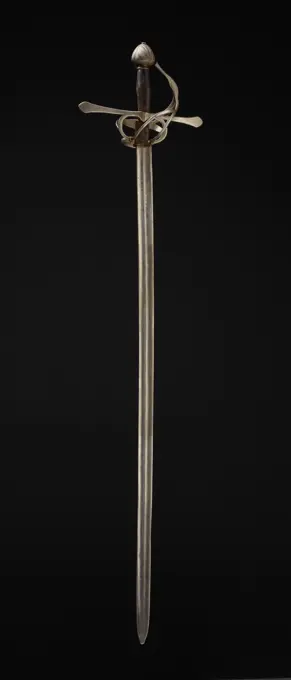
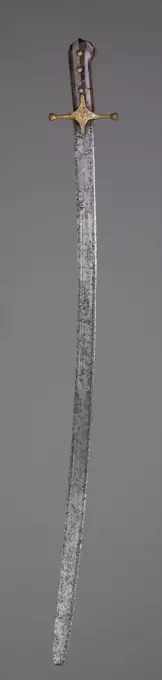
Sinclairsabel, anonymous, c. 1600 Sinclair sword Sinclairsabel (precursor of the so -called Solinger Houwer). Owl: Did not hold a grip, ending in a button with three excellent teeth. Pre -bridge and half parent rod, both ending in a trident ornament. Dense, curved bump and thumb. Kling: One -sowing and double -edged (the lower piece) is etched with a running wolf and the name: Iohanni. Marked. Solingen iron (metal) forging / etching
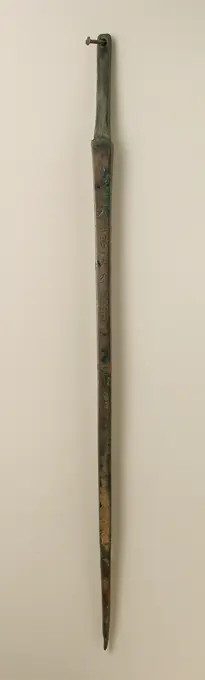
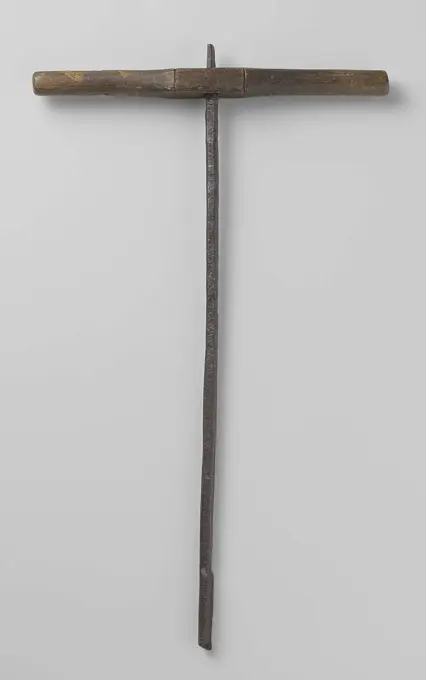
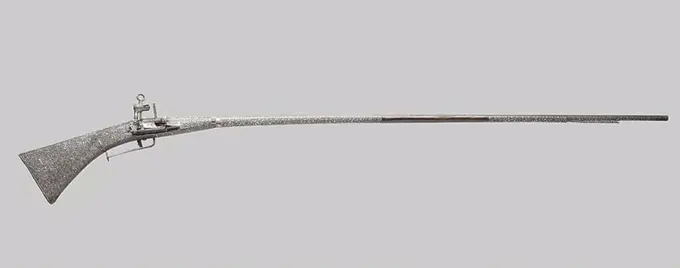
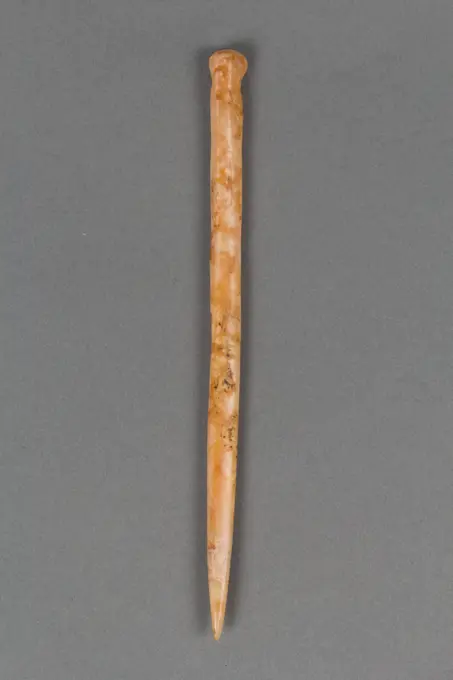
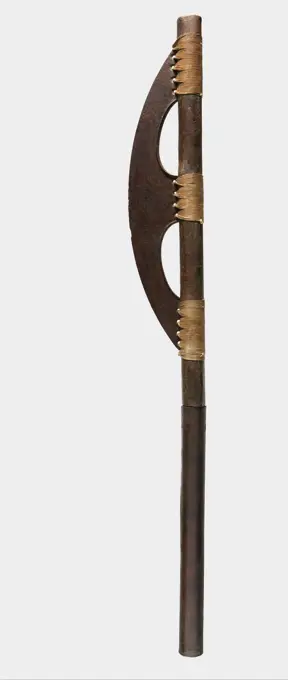
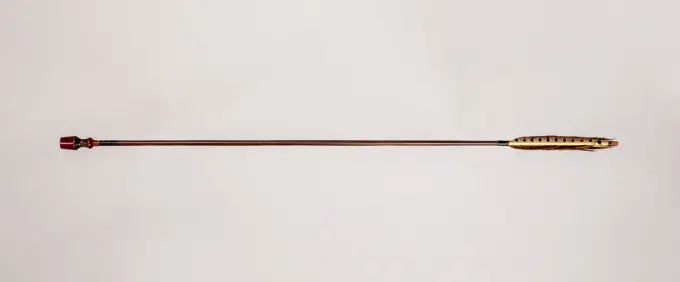
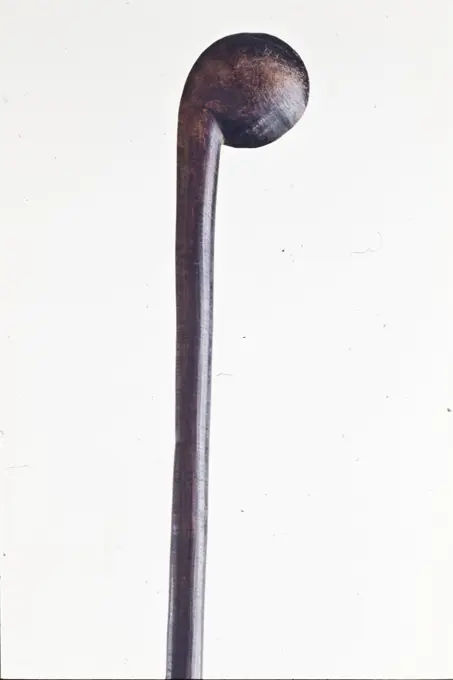
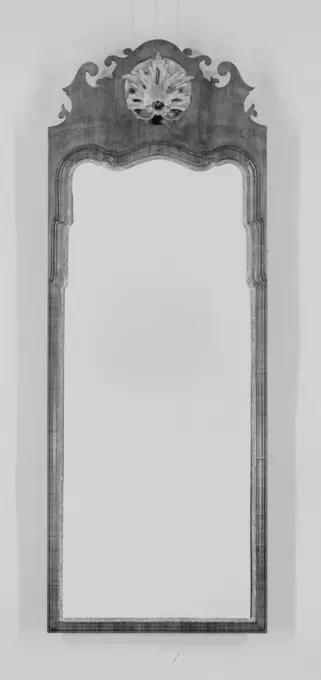
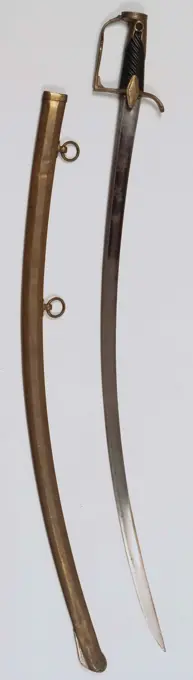
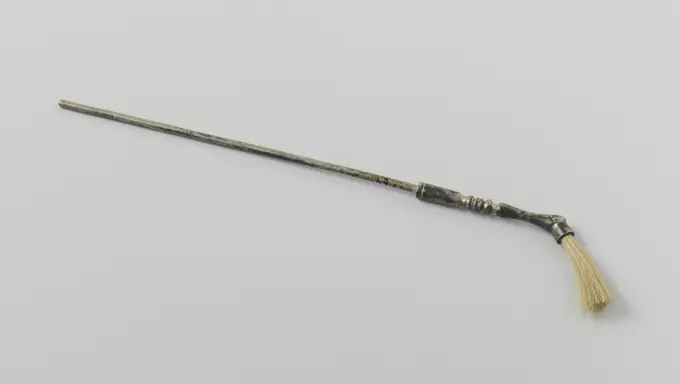
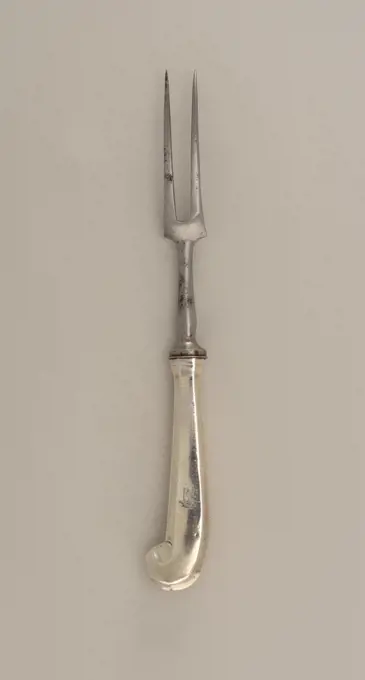
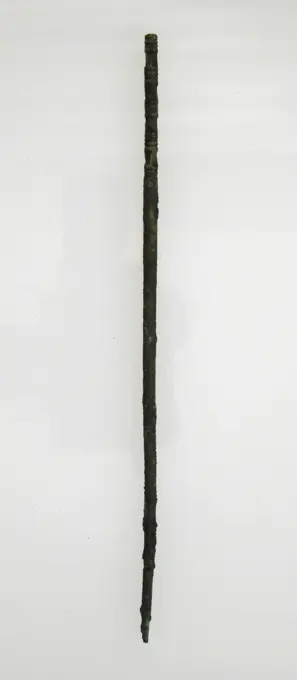
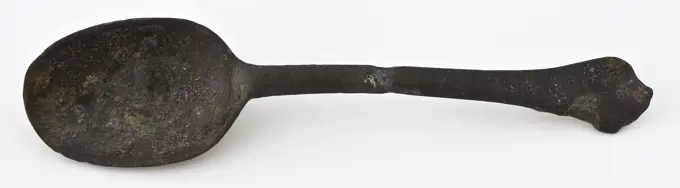
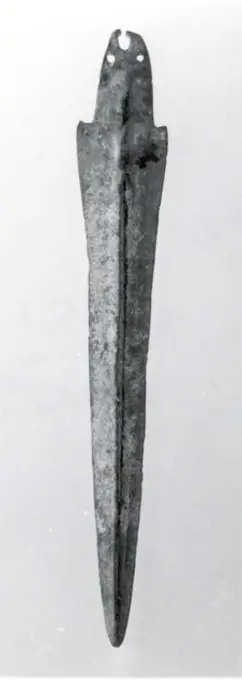
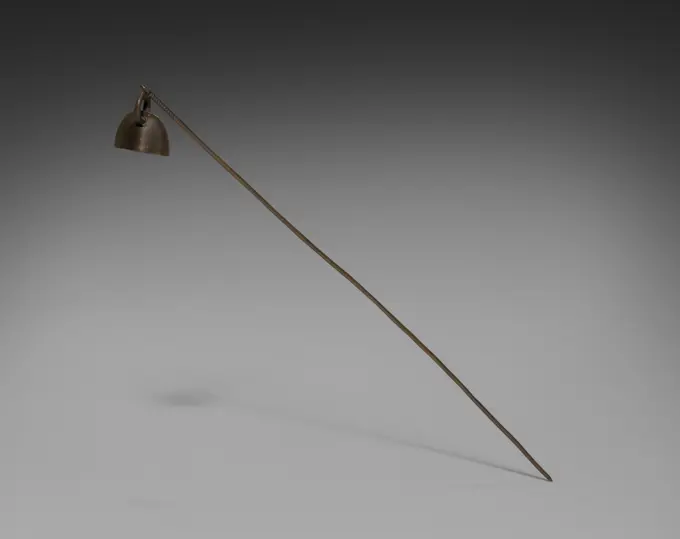
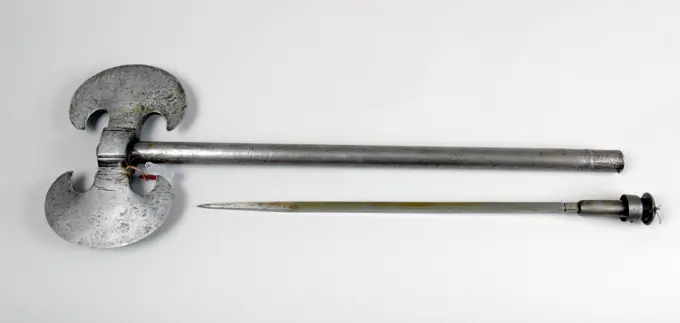
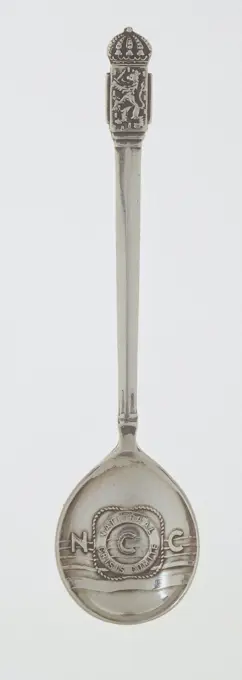
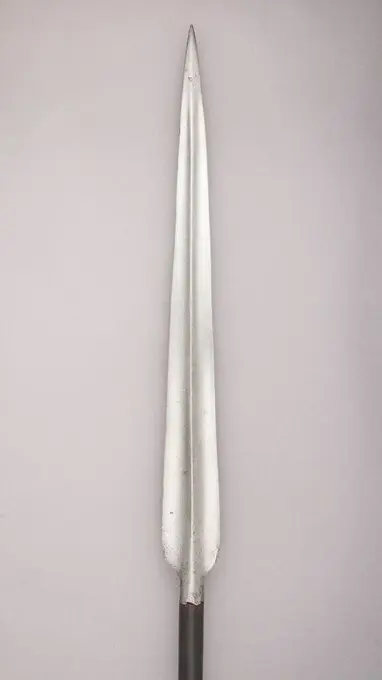
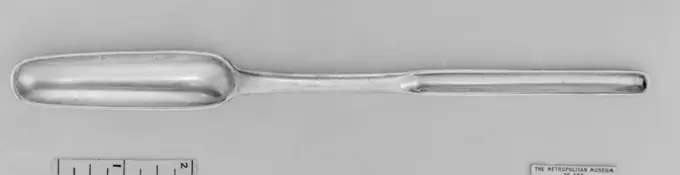
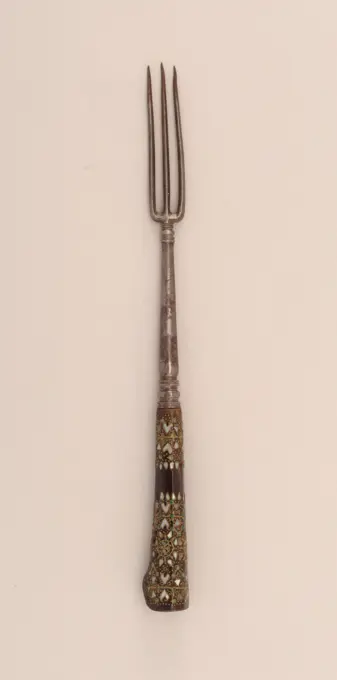
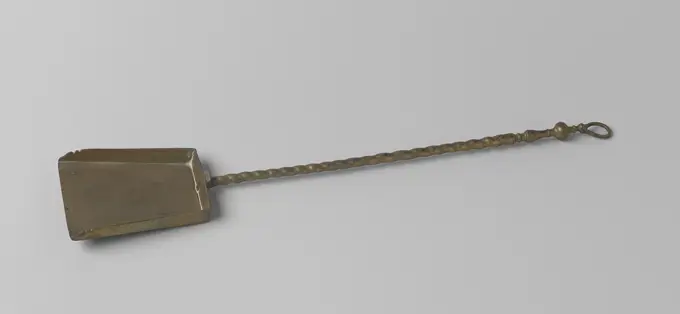
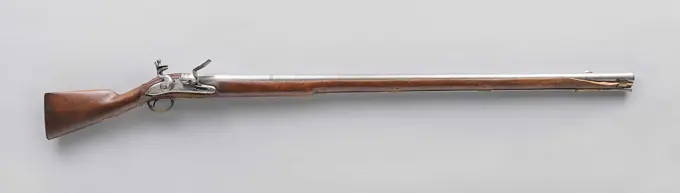
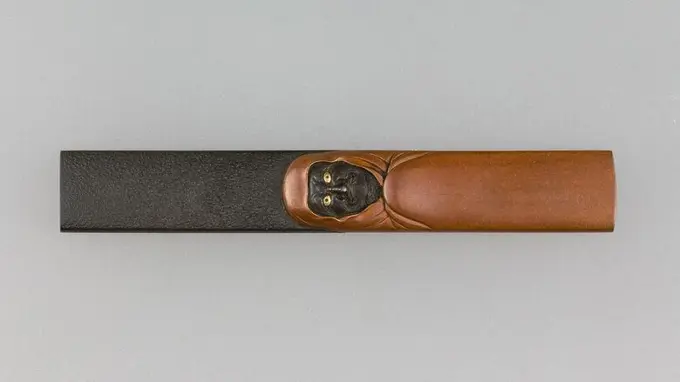
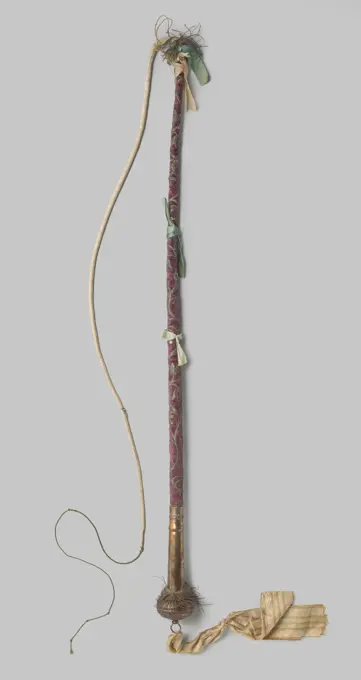
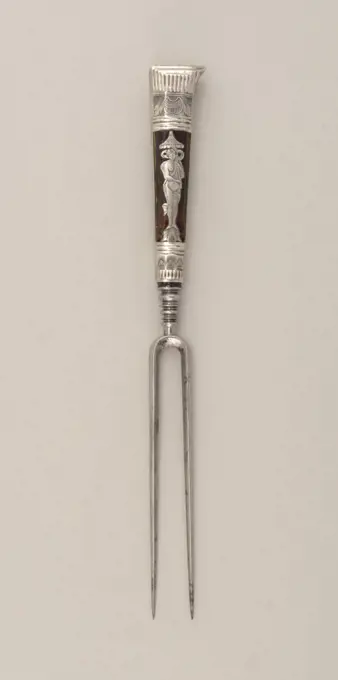
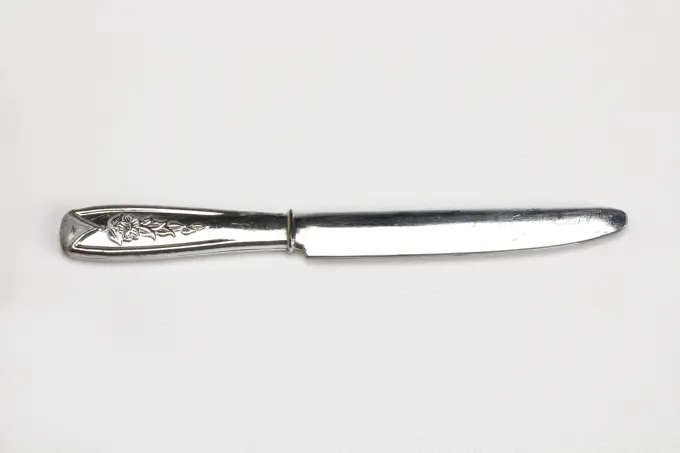
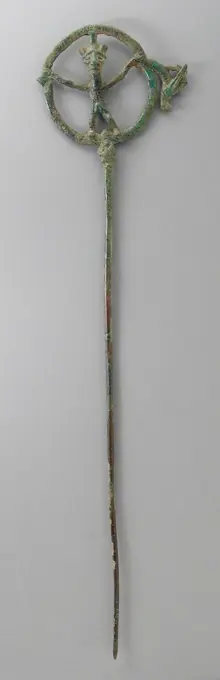
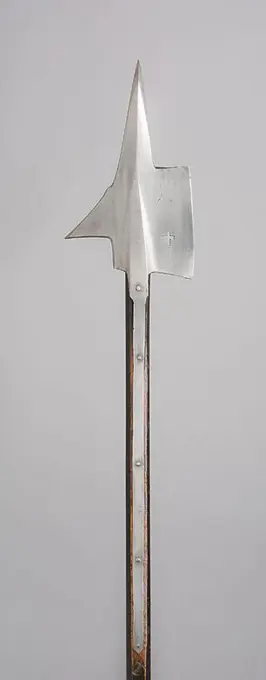
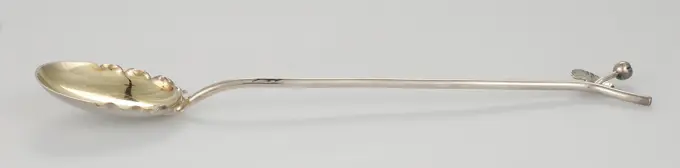
Anonymous, cane having belonged to General Leclerc de Hauteclocque (username), 1931, wood, metal, Museum of the Liberation of Paris - Museum of General Leclerc - Jean Moulin Museum.Spearhead. Iran, Luristan, circa 2230-2100 B.C.. Arms and Armor; spears. Bronze, castTongs 1820-40 American. Tongs 8719Fanfare trumpet, anonymous, c. 1850 - c. 1896 Fanfaretrompet from Messing. Long -stretched model with stuck mouthpiece.  copper (metal) Fanfaretrompet from Messing. Long -stretched model with stuck mouthpiece.  copper (metal)BASTON DE MANDO O ANEPA. Location: AYUNTAMIENTO. OROTAVA LA. TENERIFFA. SPAIN.Small-sword with scenes from the Old Testament, anonymous, 1640 - 1650 sword The candy iron hilt is completely decorated with chiseled ornaments in mainly high relief: dragon heads, human figures and praise, of which the most important images consist of scenes from the Old Testament, on the rating button God the Father on a cloud and fate and his daughters, on the Parent block Adam and Eva in paradise and Cain and Abel, on the bottom of the shock plate the temptation and the expulsion from paradise, on top of the pigeon with an ark with a cross on top and noach sacrifices to God; The fist bracket has the shape of a dragon; The wooden handle is wound with iron wire; There are probably woven grip rings. The double -edged blade has an early Colichemard form and a hexagonal cross -section that runs into diamond -shaped; On the middle blade surface are with gold -stimulated flower vines. unknown iron (metal). wood (plant material). gold (metal)Sinclairsabel, anonymous, c. 1600 Sinclair sword Sinclairsabel (precursor of the so -called Solinger Houwer). Owl: Did not hold a grip, ending in a button with three excellent teeth. Pre -bridge and half parent rod, both ending in a trident ornament. Dense, curved bump and thumb. Kling: One -sowing and double -edged (the lower piece) is etched with a running wolf and the name: Iohanni. Marked. Solingen iron (metal) forging / etchingRapier with the head of BatorówkaDagger with Sheath 18th century Turkish. Dagger with Sheath 31711Each ship was fitted with carpentry tools for making repairs. On Nova Zembla, these tools came in handy for building the Safe House’. It is striking how little the tools have changed over the centuries; many of them can still be found in modern toolboxes.Model of a Main Topmast.Round st leg made from a piece, with a thick square heel with two disks and lockwood hole, an octagonal homer and square top.John Feake, Apostle Spoon: Saint Bartholomew or Saint James the Less, 1620/21, silver.Flintlock Gun. Sardinian. Date: 1725. Dimensions: L. 165 cm (65 in.)Barrel L. 132 cm (52 in.)Caliber .40Wt. 6 lb. 10 oz. Iron, wood, and steel. Origin: Sardinia. Museum: The Chicago Art Institute, Chicago, USA.Hairpin Japan The Jmon period is the earliest period in Japanese history, lasting from roughly 14,000 to 300 BCE. Using materials such as bone, antlers, and stone, the Jmon people created not only utilitarian objects, such as harpoons and arrowheads, which supported their hunter-gatherer lifestyle, but also a variety of jewelry and objects used for religious purposes. Hairpins such as this one are relatively common, and may have had a spiritual as well as decorative purpose.. Hairpin. Japan. Bone. Final Jmon period (ca. 1000-300 B.C.). BoneBattle-ax ca. 1981-1802 B.C. Middle Kingdom The traditional Egyptian ax had a round or semicircular blade of stone or copper lashed to a wood stick. By the First Intermediate Period, when territorial conflicts arose within Egypt, a new crescent-shaped ax blade made of bronze was invented specifically for battle. The design increased the length of the cutting edge, making the weapon more lethal.. Battle-ax. ca. 1981-1802 B.C.. Bronze, restored shaft and lashing. Middle Kingdom. From Egypt. Probably Dynasty 12Arrow, 1700s. Japan, Edo period (1615-1868). Bamboo shaft tipped with wooden point and heeled with feathers; average: 90.2 cm (35 1/2 in.).Staff, 48 11/16 x 3 x 1 5/8 in. (123.7 x 7.6 x 4.1 cm), Wood, TanzaniaLooking Glass 1725-60 British, probably. Looking Glass. British, probably. 1725-60. Walnut, pine, glass, probably oak. Probably made in EnglandPoleaxe Made 1490-1510 Switzerland. Steel, iron, wood (pine), brass, and velvet .Sable with sheath of the Gardes d'Honneur (1st Empire 1813); Sable urban honorary guard M 1811 from the city of Groningen.sabel from a garde d'honneur with hilt of brass. Rectangular curved bracket. Pareer rod has been bent downwards. Two diamond-shaped side positions. Openwork shade with flattened oval button. Handle of ebony. Engraved and there are traces of bluing and gilt. On the blade is 'i.s.b.'. The sheath is brass and has two loose rings without tires. Carried by Mr. Hannema as a garde d'honneur shortly after 1800.Knife (Piha Kaetta) 18th-19th century Sri Lankan. Knife (Piha Kaetta) 31551Oboe, Johannes van de Knikker, c. 1780 - c. 1800 Hobo Ebony with ivory edges and three silver valves. Tilburg ebony (wood). ivory. silver (metal) Hobo Ebony with ivory edges and three silver valves. Tilburg ebony (wood). ivory. silver (metal)Cavalry saber with vaginaBrush, Anonymous, c. 1700 Brush with long handle. The end of the stem near the brush is profiled and nodded. The brush is not marked. Netherlands silver (metal). Brush with long handle. The end of the stem near the brush is profiled and nodded. The brush is not marked. Netherlands silver (metal).Degen.Degen with silver plated copper () With A-jour bud. Wooden with silver () Wrapped handle. Ornamented front bracket, donkey hoes, rikasso, half pearl rod and a jour bump plate with pearl edge. Iron blade with ornamentation etched on both sides. On the heel of a side: Recte faciendo meninem timeeas.Leatherworking needle -Guisarme, anonymous, 1883  Guisme with octagonal wooden stick. The two iron lips are nailed to the stick. A copper connecting ring between shaft and leaf. The engravings consist of two profile -shown half -portraits of a man and a woman. The man wears a hat and has steep hair falling to the shoulder. The heart among him is pierced by a large arrow and a small one. The heart under the woman has a 'stalk' above. Only a large arrow is shown here. Marked.  wood (plant material). iron (metal). copper (metal) cutting / forging / engravingFork, silver (sterling), Fork has pistol shaped handle., England, 18th-19th century, cutlery, Decorative Arts, ForkHairpin 6th-7th century Frankish. Hairpin 465775 Frankish, Hairpin, 6th7th century, Bronze, silver, Overall: 6 1/8 x 1/8 in. (15.5 x 0.3 cm). The Metropolitan Museum of Art, New York. Gift of J. Pierpont Morgan, 1917 (17.193.56)Lontslotmusket, anonymous, 1600 - 1625  Lont lock with rectangular lock plate with rounded ends and a flat rooster. The loop fanes slightly to the tromp; equipped with an iron grain; To the barrel attached powder pan with hinged pandel and a fire screen; Stamped on top with the city choir of Amsterdam and on the bottom with EW. The walnut flask is inlaid in a typical Dutch way with brass wire and large and small, oval and round plaques of mother -of -pearl engraved with faces, animals and praise; The large, oval plaque opposite the lock is engraved with a hunter. Apart from the iron tractor bracket, the batter is of gilded yellow buyer and consists of a long drawer and the flask plate and the comb attached to nails with yellow -cut; The loading stick has a yellow cap. Amsterdam iron (metal). walnut (hardwood). brass (alloy). mother of pearl. brass (alloy). gilding (material) inlay (process) / engraving / gilding ornaments ~ art NetherlandsSierdegen for a child, Gerrit Hoying, c. 1750 small-sword The 'boot' is made of cast silver in folding style and stamped with the letters GH. The blade is boundary and has an oval cross -section that runs into hexagonal; The top is etched with arabesks, braid motifs and a panel with a putto in it, and chiseled with a flower and two paternosters. Amsterdam silver (metal). iron (metal) casting / etchingHandle for an umbrella or umbrella of black plastic with silver -colored insert, Gustav Schnitzler, c. 1910 - c. 1920 Handle for an umbrella or umbrella of black plastic with silver -colored pant work of flowers, birds and berries. Nijmegen whole: inlay (process) Handle for an umbrella or umbrella of black plastic with silver -colored pant work of flowers, birds and berries. Nijmegen whole: inlay (process)Spoon with oval bowl and stem with brace-shaped end, spoon cutlery soil find tin metal, cast Oval bowl accolade steel end Rat tail Reverse side stem unclear stamped angel brand archeology Rotterdam railroad tunnel food Soil discovery: trajectory rail tunnel Rotterdam.Unicorn-horns, anonymous, c. 1000 - c. 1099 tooth (material) Long, narrow, striker tapered Narwaltand. Spiral -shaped grooves. Drilled a hole in the top. Northwest Europe ivory grinding / drilling  Mariakerk. UtrechtSword or dagger ca. 2300-2000 B.C. Hattian. Sword or dagger. Hattian. ca. 2300-2000 B.C.. Bronze. Early Bronze Age III. Central AnatoliaPin for Hat, early 1900s. Africa, Central Africa, Democratic Republic of Congo, early 20th century. Metal; overall: 17.8 cm (7 in.).Axe with Stiletto 18th-19th century Indian, central India. Axe with Stiletto. Indian, central India. 18th-19th century. Steel. Shafted WeaponsHinge..Furket, anonymous, c. 1800 - c. 1900  Furket or musket fork with volute -shaped fork and iron point. Object served to support the musket when firing. Used in the State army. Low Countries iron (metal). oak (wood) forging / cuttingRapierBow, anonymous, c. 1800 - c. 1850 Bow-rich bastard with five sticks (BK-NM-11430-34-A to BK-NM-11430-34-F).  wood (plant material) Bow-rich bastard with five sticks (BK-NM-11430-34-A to BK-NM-11430-34-F).  wood (plant material)Military flint rifle for a regiment of the province of Holland of the State Army, Royal Rifle Factory Culemborg, c. 1780 flintlock gun Military flint rifle or musket. The lock plate is stamped on the inside with FB. The loop is stamped with probably the weapon of Holland, the weapon of Culemborg and with PSI and DT and the number 161; On top is chiseled Holland; There is a bayonethaft under the tromp. The flask is simply cut, stamped with the number 45 over the number 44 and a H, and cut with a capital B. The brass batter includes the S-shaped screw plate, three sliding runs and two hinged brackets. Culemborg brass (alloy) cuttingWalbuks, anonymous, c. 1499 - c. 1699 musketoon Walbuks with octagonal drawn run. The drawer is made of wood and is processed with incised curl motifs. A copper drawer tire at the end of the drawer. Halfway through the loop a square copper drawer tire, between which an iron pin is on both sides. The flat lock is made of iron on which the Lonthouder and the pan that can be opened sideways are attached, the Lonthouder is fixed with a copper screw, there are two iron trials on the other side of the lock. The flask is made of wood and has a copper flask hood that is attached with an iron round pin. The tractor bracket is made of iron and is curved in front of the handing hand of the carrier. The tractor is confirmed to ajour batter with curled motifs. Under the drawer a wooden chest of drawers which has a different color than the Walbuks. There is an iron visorkeep on the barrel. Netherlands (possibly) Loop, lock, tractor bracket: Iron (metal). Spill, tractor: Iron (metal). Kolf, drawer, lToggle ca. 1648-1540 B.C. Second Intermediate Period. Toggle 546121Spear for the Bodyguard of Emperor Ferdinand I Made 1558 Austrian. Steel, iron, and wood .Knife for Kit with Chopsticks and Knife- Souvenir Trade, early 1900s. Japan, Meiji period (1868-1912) to Taishō period (1912-26). Enamel, wood, walrus ivory or bone, metal; overall: 28 cm (11 in.); blade: 15.9 cm (6 1/4 in.).Folding knife, silver, gold, Blade has straight upper edge tapering towards the point. Lower edge slightly curved towards the point. Flat, straight-sided handle with rounded ends. Silver scales engraved with floral decoration and gilded details. Three rivets. Blade folds into handle., probably Carlsbad, ca. 1790, cutlery, Decorative Arts, Folding knifeSpoon of the National Crisis Committee, Anonymous, c. 1932 - c. 1936 spoon Spoon of the National Crisis Committee with inscription. At the end there is a crown with the weapon of the Netherlands Lion with sword and arrows underneath. In the hollow side of the spoon a lifebuoy with text engraved, behind it golf. Convex side spoon two brands.  metalOne of Three Pieces of an Arrow, First Intermediate- Middle Kingdom, 2123- 1814 BC. Egypt, First Intermediate period- Middle Kingdom, 2123- 1814 BC. Wood; part 2: 18.1 cm (7 1/8 in.).Sudan dagger in the vaginaFire brigade. Fire brigade in Zaandam. On top of lion with weapon.Karabela sabre, according to a tradition owned by Bela, the King of Hungary unknownLance. Culture: Italian. Dimensions: L. 77 1/2 in. (196.9 cm); L. of head 31 7/8 in. (81 cm); W. 3 3/8 in. (8.6 cm); Wt. 2 lbs. 14.8 oz. (1326.8 g). Date: 15th century. Museum: Metropolitan Museum of Art, New York, USA.Ancient lantern near Moulin Rouge in Paris isolated vector hand drawing illustration in black color on white backgroundJhr. J.M. The Bosch Kemper.Degen with fire-digging copper hilt, Louis XVI style. Button in the shape of a women's feminine with helmet. Ornamented front bracket, O.A. with lion heads. A pearl plate on partially metal handle. Half pearl rod with lion's head. Gag plate with weapon trophy and lion heads. Backside: small baffle plate with lion's head. Draagged and fire-padded etched blade. Worn by jhr. J.M. The Bosch Kemper.Guenbri late 19th century Morrocan. Guenbri. Morrocan. late 19th century. gourd, various materials. Morocco. Chordophone-Lute-plucked-unfrettedBaluster (USA), ca. 1800; mapleBottle late 1st-3rd century Roman. Bottle. Roman. late 1st-3rd century. Almost colorless glass with a yellowish green tint. Blown, the body tooled, the rim finished at the furnace.. GlassEnglish horn. English Hoorn, Marked: Heckel / BiebrichIllustration showing Electric bed-warmer; French 1906Fork (possibly England); brass, steel; L x W: 13.4 x 1.2 cm (5 1/4 x 1/2 in.); The Robert L. Metzenberg Collection, gift of Eleanor L. Metzenberg; 1985-103-105Marrow spoon 1743-44 Thomas Jackson I. Marrow spoon 192094Busk 17th century French Decoration of foliate scrolls and an acanthus finial attend a mask which is upside down.. Busk 85405Fork; horn, gold, mother-of-pearl, steel; L x W: 18.1 x 1.6 cm (7 1/8 x 5/8 in.); The Robert L. Metzenberg Collection, gift of Eleanor L. Metzenberg; 1985-103-35Fireplace shovel with teared stem. The object consists of the following molded parts: the bin, the stem riveted on it, the sounded eye. The slightly rectangular container has a raised edge. The handle is twisted and at the top of baluster-shaped.Flintlock Wall Piece.Flint fortress rifle (Walbuks) with battery lock; Profile tire with room; elongated half oval iron vizier grain; No visor keep; Included brand flat lock plate and rooster with beveled sides; bottom lock plate concave; nutshell French flask; brass band to tray; four brass loading stick carriers whose front trumpets; wide round trigger bracket; brass flask; Iron loading stick with thicker front part; Brass counterclock plate accolade shaped. In 1830 in use.Pipiza 19th century Greek. Pipiza. Greek. 19th century. Wood. Greece. Aerophone-Reed Vibrated-double reedHonorable with Schede awarded to Captain of Infantry H.E. Schoggers in Simpang Olim on November 14, 1876 for the bravery, Yzerhouwer, 1876 presentation sword Sabel in Schede. Fire gilt copper hilt, button in the form of Leeuwekop, openwork side rod with laurel wreath and missing ornament: see holes. Wooden ribbed grip wrapped with braided copper wire. Iron curved blade, one -cutting with channels, both sides etched with remnants of fire gilt and probably blainted. Signed on one side: Yzerhouwer, above that the national weapon. "King William III," for the pretentishness. " (Abbreviated :) 'hood. der inf. HEY. Schoggers Simpang Olim Nov. 14 1876 '. Ger Hof: Eresabel Military William Order M 1861, of which the emblem of the crown on the hilt is lacking. manufacturer: IndonesiaThe Hague Kling: Iron (Metal). hilt: copper (metal). Handle: Leather etching / forging  Dutch East Indies, TheIsolated severe old Victorian key of isolated severe old Victorian keyStamper whose steel is built from four getting ribs, Albert Hachmann (attributed to), 1537 The cast stamper has a stem built up from four getting ribs, a knot in the middle, formed from smooth ribs and pearl edges, which seems to be fixed on the stem with four twisted ends. The round thickening at the bottom is eight -sided and profiled to the stem and also seems to be fixed with four short twisted ends. The round thickening at the top has grumpy decorations and a profiled rib. This part also makes the impression of being fixed with four ends. Cleves bronze (metal) casting The cast stamper has a stem built up from four getting ribs, a knot in the middle, formed from smooth ribs and pearl edges, which seems to be fixed on the stem with four twisted ends. The round thickening at the bottom is eight -sided and profiled to the stem and also seems to be fixed with four short twisted ends. The round thickening at the top has grumpy decorations and a profiled rib. This part also makes the impWeight belonging to the Zaanse Klok, Reyn de Jong, c. 1770 Weight of brass belonging to a Zaanse clock. Zaandam brass (alloy) Weight of brass belonging to a Zaanse clock. Zaandam brass (alloy)Stone column, from Lanz., C. 1250 A column of sandstone with octagonal shaft. An octagonal caveel profile leads to the square base, between which an octagonal cushion with corner leaves. The octagonal capital has two rows of four curly leaves and then turns into a square cover plate. Transition from Romanesque to Gothic. Three equal columns (BK-15334-A to BK-15334-C) belong to the column (BK-15334-A).  sandstone A column of sandstone with octagonal shaft. An octagonal caveel profile leads to the square base, between which an octagonal cushion with corner leaves. The octagonal capital has two rows of four curly leaves and then turns into a square cover plate. Transition from Romanesque to Gothic. Three equal columns (BK-15334-A to BK-15334-C) belong to the column (BK-15334-A).  sandstoneFlute, Peter Wasa Apelberg, c. 1770 Ebony whistle with ivory. Marked: Apelberg Copenhagen. Copenhagen (city) brass (alloy). ebony (wood). ivory Ebony whistle with ivory. Marked: Apelberg Copenhagen. Copenhagen (city) brass (alloy). ebony (wood). ivoryReligious badge unknown labelTextile manufacturing tool ca. 1295-1070 B.C. New Kingdom, Ramesside. Textile manufacturing tool. ca. 1295-1070 B.C.. Bronze. New Kingdom, Ramesside. From Egypt, Memphite Region, Lisht North, Late New Kingdom Settlement, MMA excavations, 1920-22. Dynasty 19-20Knife Handle (Kozuka). Culture: Japanese. Dimensions: L. 3 13/16 in. (9.7 cm); W. 9/16 in. (1.4 cm); thickness 5/16 in. (0.8 cm); Wt. 1.2 oz. (34 g). Date: 19th century. Museum: Metropolitan Museum of Art, New York, USA.Lance with socket, central rib. Perse, Hurvin. IXEM-VIIIth centuries BC. Paris, Cernuschi museum. 35179-8 Armament, weapon, bronze, a socket, central ribOboe, Frederik de Jager, c. 1700 - c. 1750 Hobe of Palmhout with three brass valves. The third and fourth gap are double. There are two holes in the cup. Marked on all parts: FRE: / D. / Iager / standing lion. The middle part of the middle ring is not original. The original part has been preserved. Amsterdam boxwood. brass (alloy) Hobe of Palmhout with three brass valves. The third and fourth gap are double. There are two holes in the cup. Marked on all parts: FRE: / D. / Iager / standing lion. The middle part of the middle ring is not original. The original part has been preserved. Amsterdam boxwood. brass (alloy)Driving whip exaggerated with purple velvet, on which leaf vines embroidered in silver thread, with silver spherical button and long cord of white leather, anonymous, c. 1800 - c. 1825 Driving whip exaggerated with purple velvet, on which leaf vines and flowers embroider in silver thread, with a single lover. Silver spherical button with a ring on top with a discolored pink satin ribbon with three green stripes and two lanes with white flowers. Long cord of braided white leather, with a twisted green cotton cord. Netherlands (possibly) Handle: Velvet (Fabric Weave). Embroidery: Silver thread. Button: Silver (Metal). Lint: Silk. Cord: Leather. Cord: Cotton (textile) cutting / forging / braiding Driving whip exaggerated with purple velvet, on which leaf vines and flowers embroider in silver thread, with a single lover. Silver spherical button with a ring on top with a discolored pink satin ribbon with three green stripes and two lanes with white flowers. Long cord of braided white leatheStaff, 19th-20th century, 54 1/4 x 2 7/16 x 2 1/16 in. (137.8 x 6.2 x 5.2 cm), Wood, Sierra Leone, 19th-20th centuryFork, Horn, silver, steel, Two-tined, round shouldered. Baluster neck. Tapered beaked handle of rectangular section with cushion sides. Silver cap and end ribbed and engraved. Two horn scales; recto inlaid with silver reclining female nude and cherub in landscape; verso with standing female nude with raised parasol. Sides with silver panels engraved with twisted foliage., Germany, ca. 1725-50, cutlery, Decorative Arts, ForkWar ClubToy knife - Inconnu / UnknownCrochet bus, c. 1400 - c. 1450  Crochet bus with quadrangular rod and flat back. The rod broadens itself to the octagonal run. At the bottom of the course, immediately after the widening is the hook. The hook has the shape of a rectangular triangle. Small Zundgat on top of the loop. The mouth runs slightly and is more or less round. The hook bus is very rough. There are many irregularities on the surface and irregularities in the form.  iron (metal) forgingBrush unknownCane. Culture: American. Date: ca. 1883.The completion of the Brooklyn Bridge in 1883 was a major cultural and engineering landmark of New York history. The event was celebrated with much fanfare, including the sale of assorted souvenirs and memorabilia. The wood used for this walking stick is said to have come from the Brooklyn Bridge. The cane was donated to the Brooklyn Museum from a retirement home, with no specific history as to its history save the inscribed name and the anecdote about the wood. Despite this lack of documentation, the association with this historical event, whether true or false, demonstrates the importance of the event and the consequent desire to associate oneself with it through physical objects. Museum: Metropolitan Museum of Art, New York, USA.Openwork Pin. Iran, Luristan, Luristan bronzes, 1000-650 B.C.. Jewelry and Adornments; pins. Bronze, castSpoon 17th century Swiss, Zug. Spoon 192289Bass recorder with one key (upper and middle joints), Johan Christoph Denner, c. 1700 Middle piece and top Leipzig copper (metal) Middle piece and top Leipzig copper (metal)Vessel Handle. Unknown 1st century B.C.-1st century A.D.Halberd. Possibly Lamprecht Koller; Swiss, Zurich. Date: 1460-1480. Dimensions: L. 212.1 cm (83 1/2 in.)Blade L. 32.1 cm (12 5/8 in.)Wt. 5 lb. 10 oz. Steel, wood (ash), and paint. Origin: Zürich. Museum: The Chicago Art Institute, Chicago, USA.Fork (Germany); agate, silver, steel ; L x W: 16.2 x 1.6 cm (6 3/8 x 5/8 in.); The Robert L. Metzenberg Collection, gift of Eleanor L. Metzenberg; 1985-103-117Model of a Made mast. Round mast with octagonal top, homer with ears, driving bed, rotary bowl and sideshows. The mast itself consists of an octagonal mast king surrounded by eight cheeks; The mast top consists of the king alone. The parts are held together by tub tires. A number of short shelves around the mast forms a flat dragon, on the sides the ears and behind half a socket. The sideshanges are extended as a back piece of the ears; A tray is applied to the mast.Hunting rifle of Marie Antoinette, 1755-1793. Wife of King Louis XVI and last Queen of France. History of France, old engraved illustration image fromEquipers of iron, in the model of scissors, in front of the folds in a fake hat, anonymous, c. 1800 - c. 1900 A fephery flap rod made of iron. In the model of scissors with rectangular curved eyes and two thick roll round, blunt -ending pliers. Netherlands whole: Iron (metal) forging A fephery flap rod made of iron. In the model of scissors with rectangular curved eyes and two thick roll round, blunt -ending pliers. Netherlands whole: Iron (metal) forgingFlûte daccord.Chord whistle also called double flute or harmonic flute. Manufactured in 1662 by G. Walch.White clay pipe, marked, with decorated handle, clay pipe smoking equipment smoke floor pottery ceramic pottery, pressed finished baked White clay pipe marked with decorated handle Decoration consists of circles of teeth and points applied with radstamps. Heel mark. heel mark: animal figure in beaded archeology smoking tobaccoBird-head Club (goporowaramaru), 19th century, 31 1/4 x 13 3/8 x 3 in. (79.38 x 33.97 x 7.62 cm), Wood, New Caledonia, 19th centurySalad spoon, from a three-piece set, c. 1887, Possibly by Christopher Dresser; Maker: Hukin & Heath, Scottish, 1834-1904, 12 5/16 x 2 1/8 x 1 in. (31.27 x 5.4 x 2.54 cm), Silver, gold plating, England, 19th centuryPair of hooks 17th century Spanish. Pair of hooks. Spanish. 17th century. Iron. Metalwork-Iron