Antique Tools and Implements

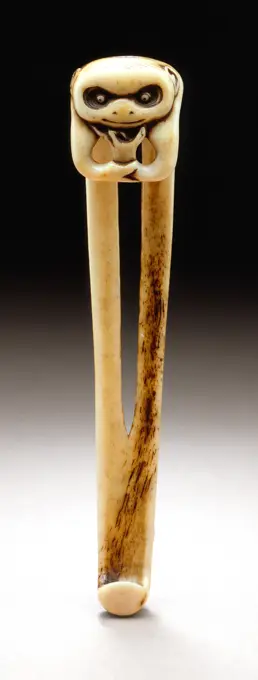
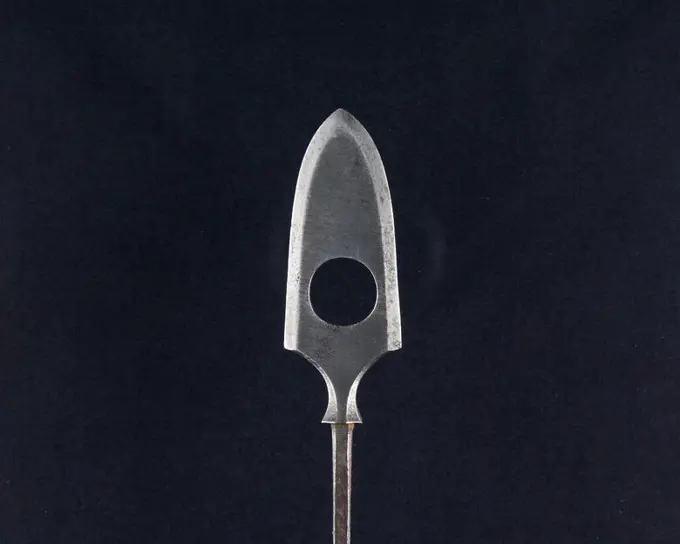
A collection of vintage tools including a cane, tongs, and a staff. Displayed on neutral backgrounds, emphasizing their historical craftsmanship and materials.

Sinclairsabel, anonymous, c. 1600 Sinclair sword Sinclairsabel (precursor of the so -called Solinger Houwer). Owl: Did not hold a grip, ending in a button with three excellent teeth. Pre -bridge and half parent rod, both ending in a trident ornament. Dense, curved bump and thumb. Kling: One -sowing and double -edged (the lower piece) is etched with a running wolf and the name: Iohanni. Marked. Solingen iron (metal) forging / etching
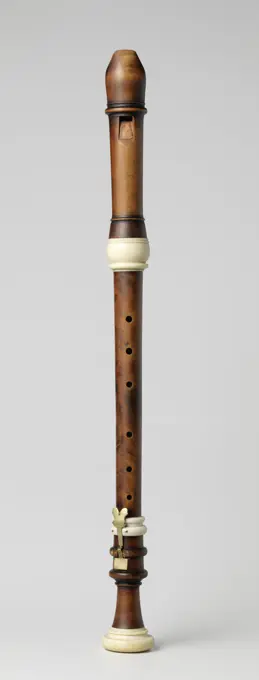
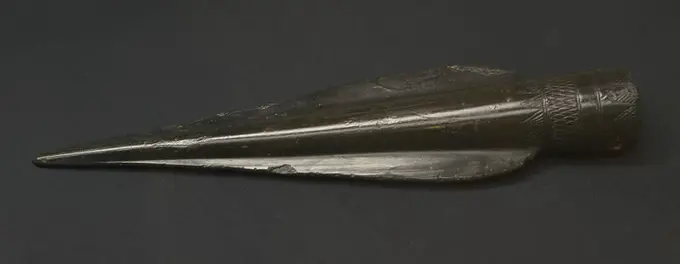
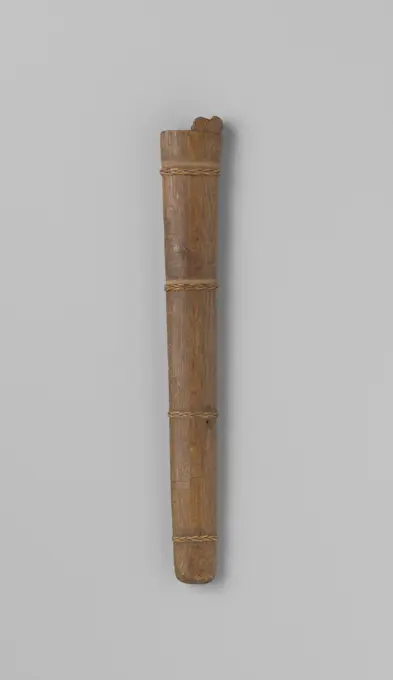
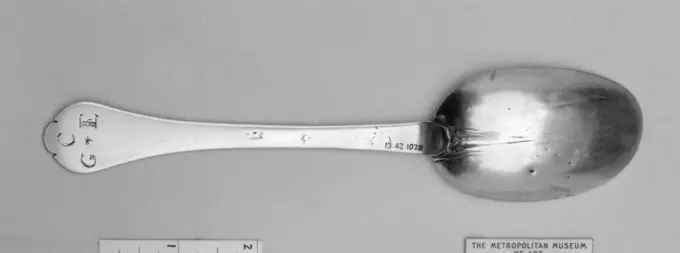
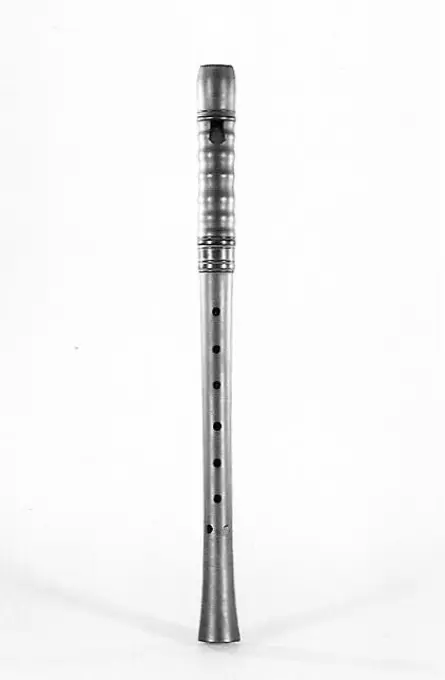
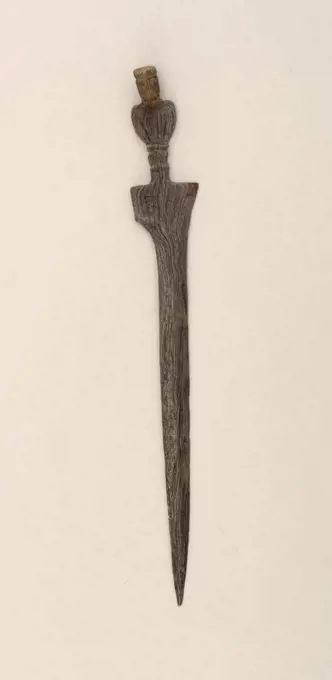
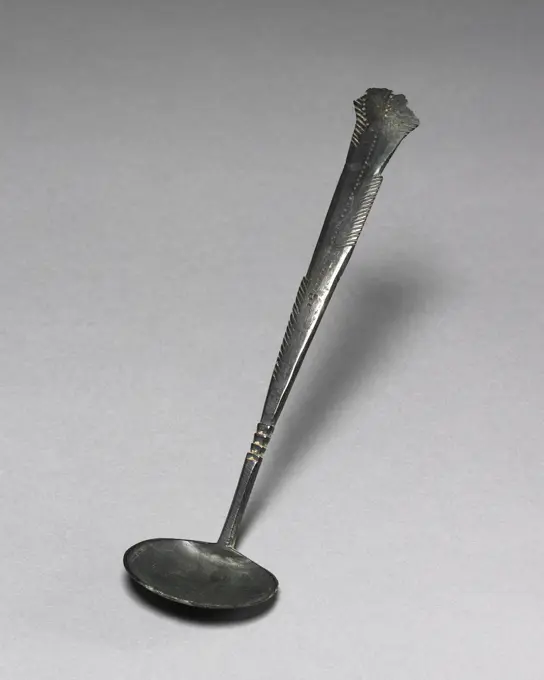
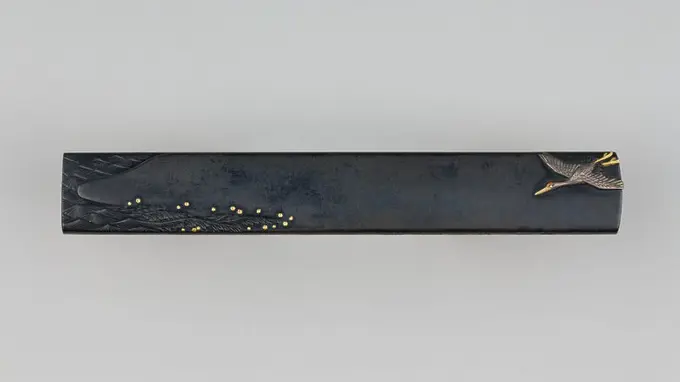
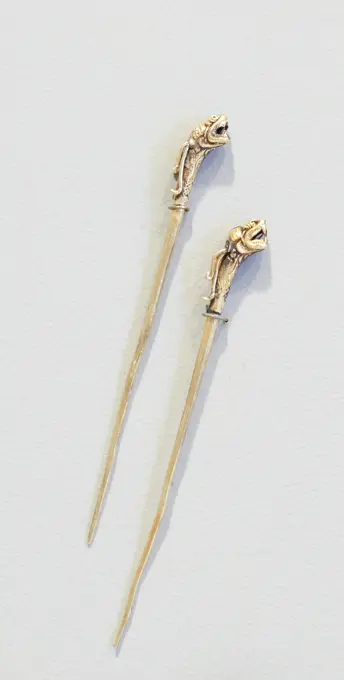
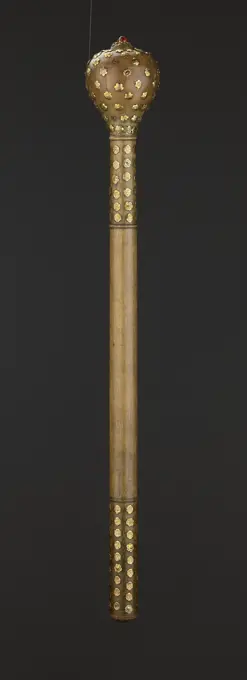
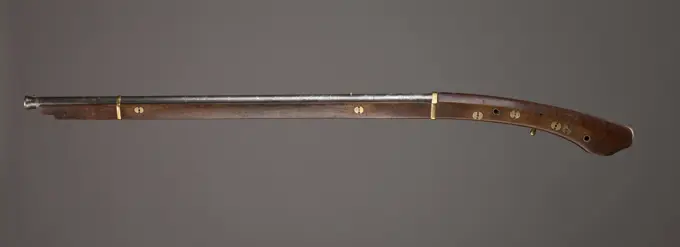
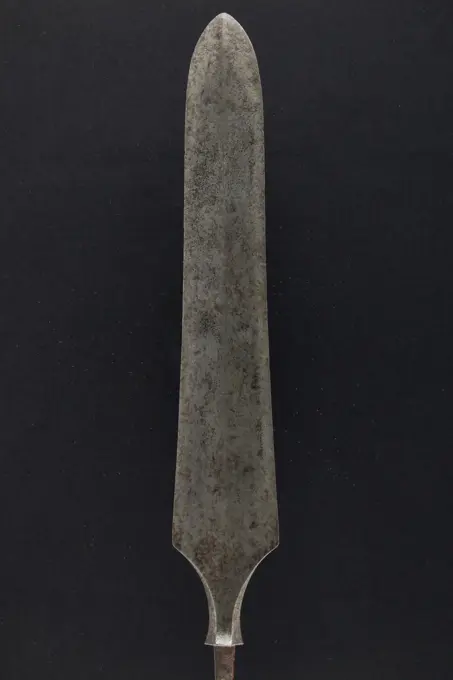
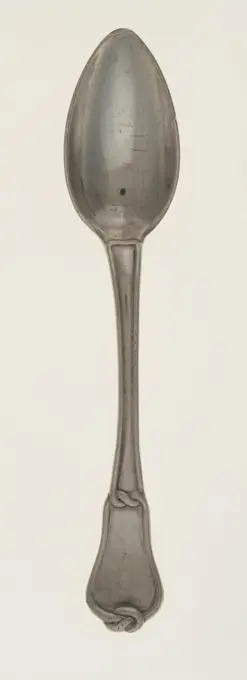
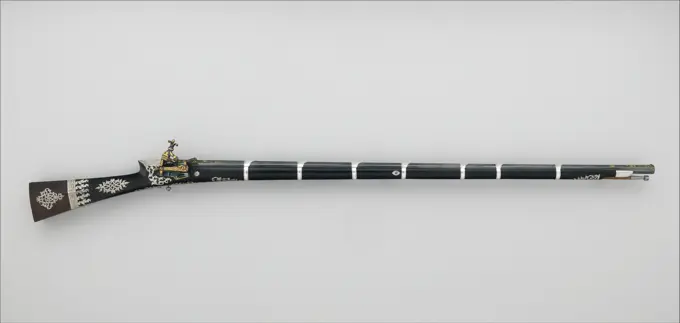
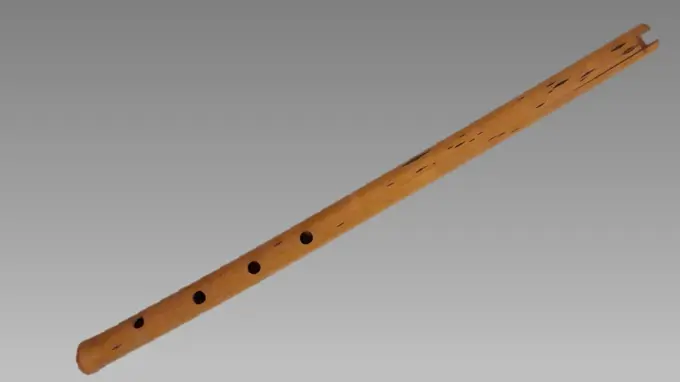
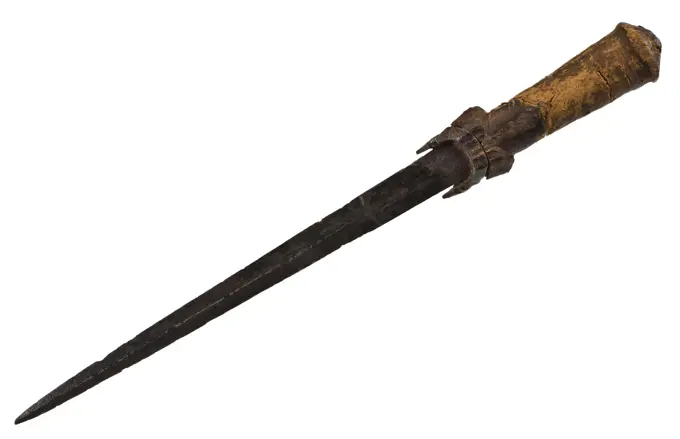
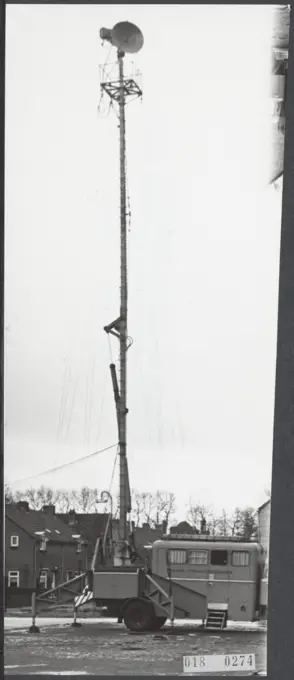
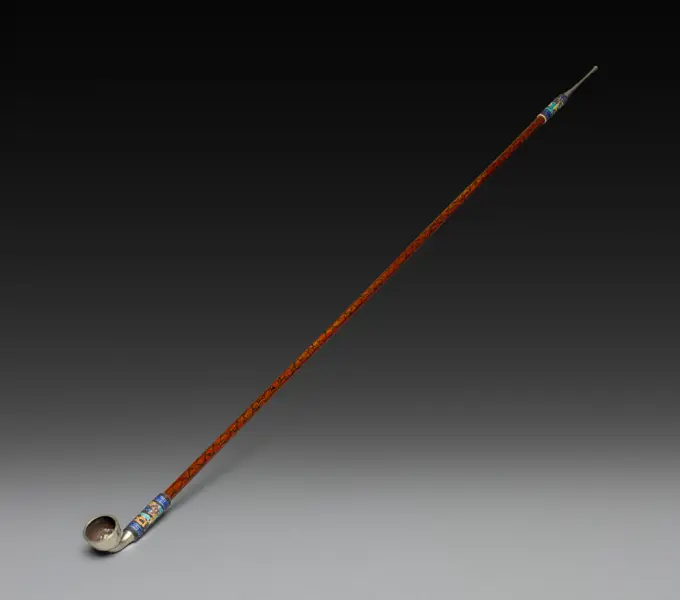
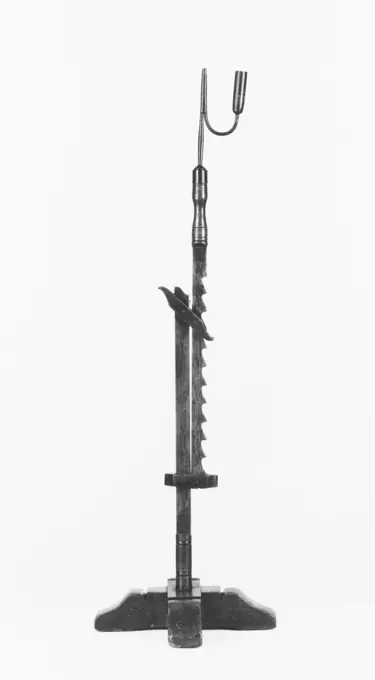
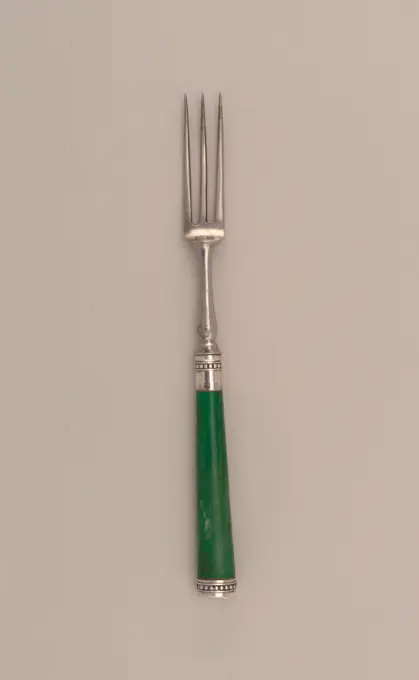
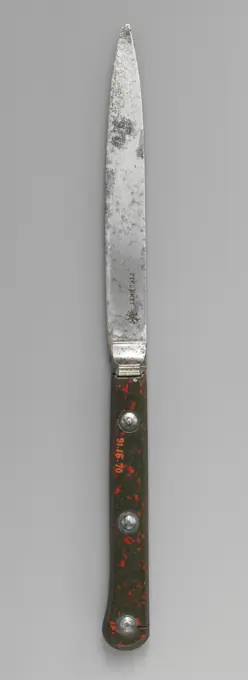
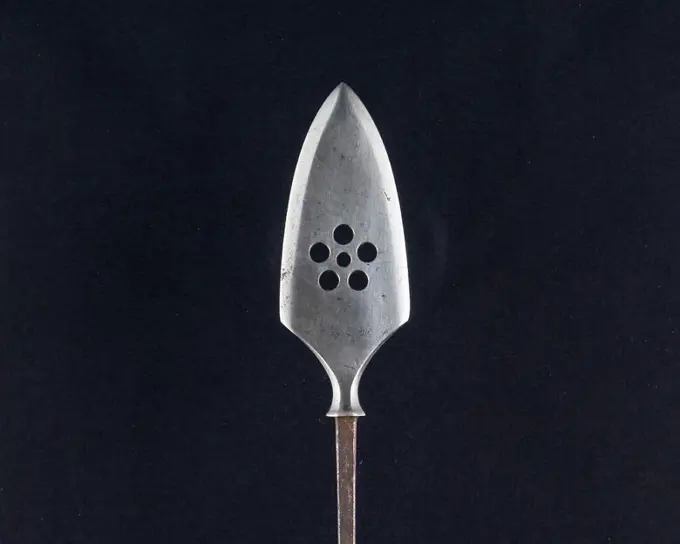
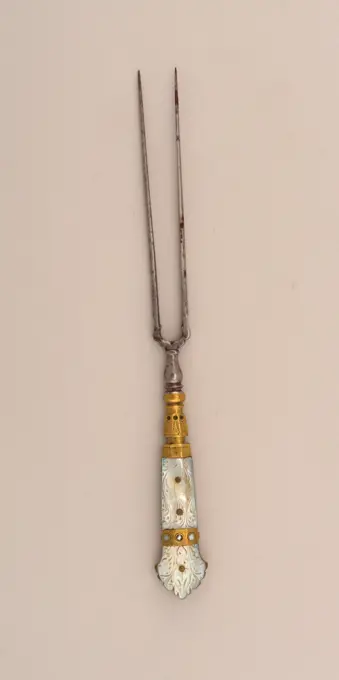
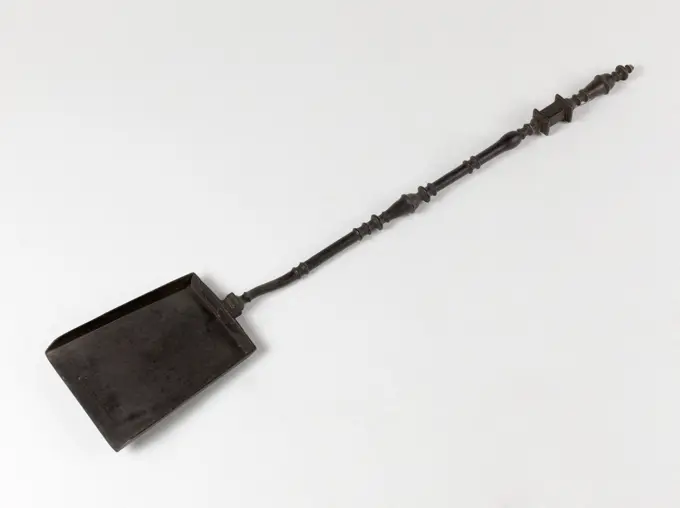
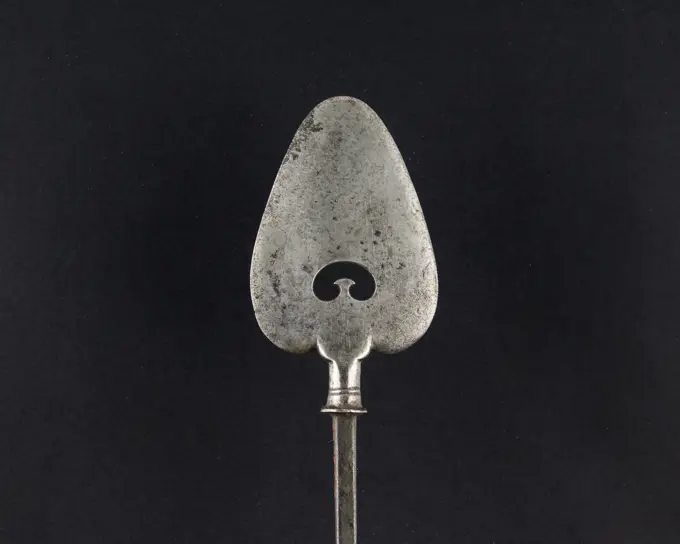
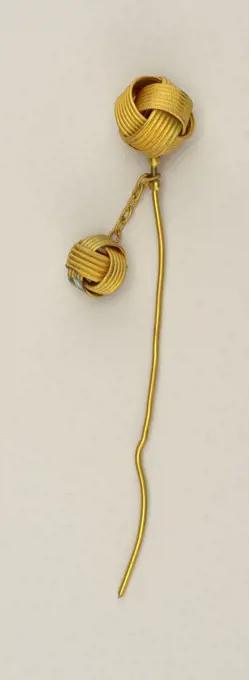
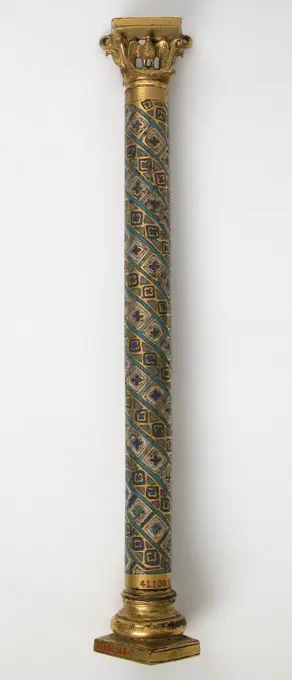
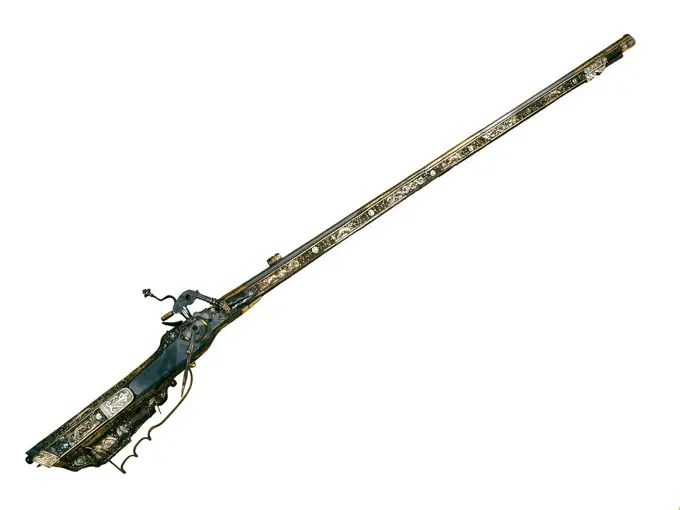
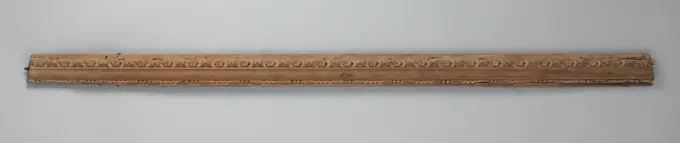
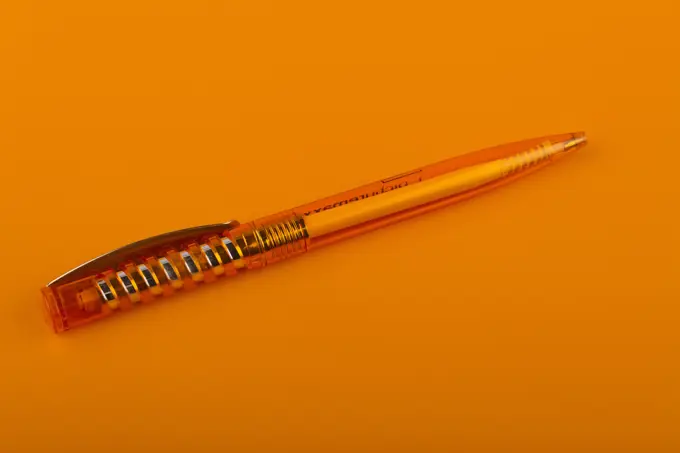
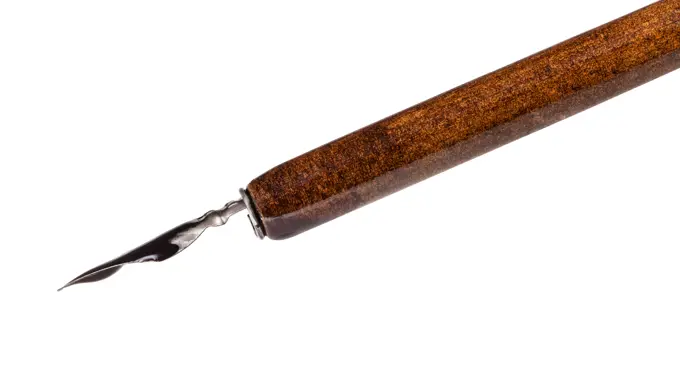
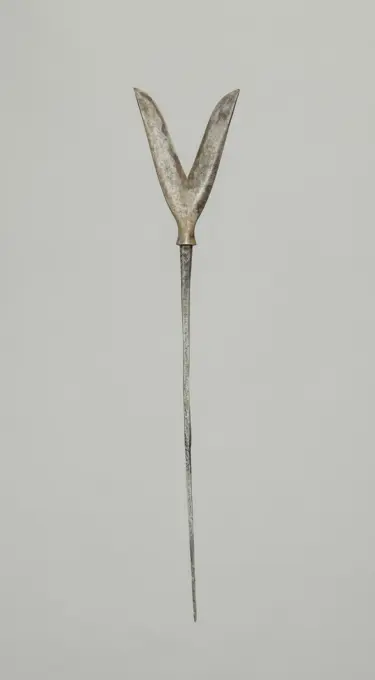
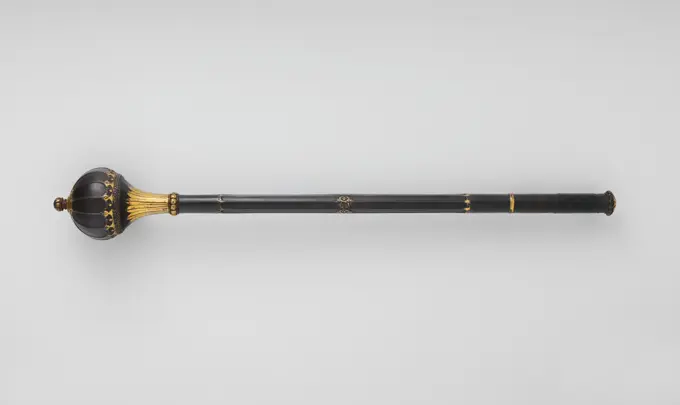
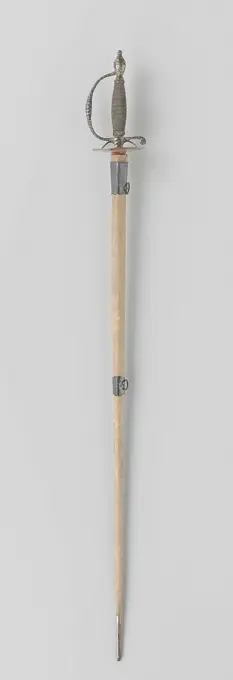
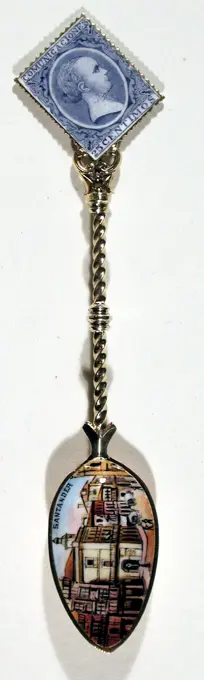
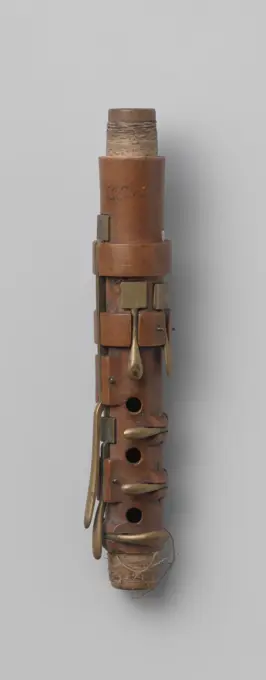
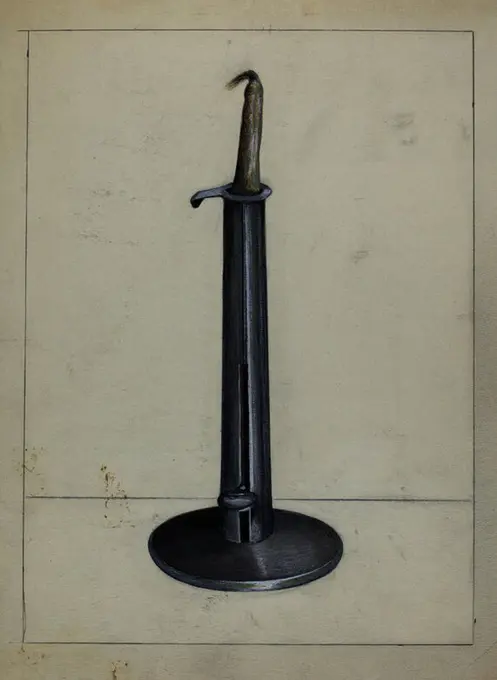
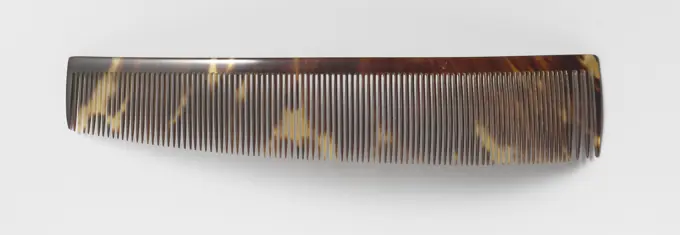
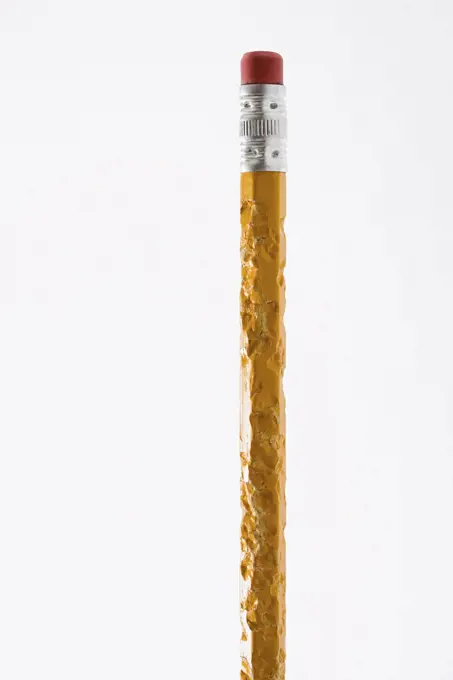
Cricket bat - Richard Daft, Nottingham Cobbett CobbettKnife, brass, steel, Blade with straight sides and leaf-shaped point, plain bolster. Rounded neck. Round flaring plain brass handle., England, ca. 1690, cutlery, Decorative Arts, Knifeside view dip pen with point nib and brown holder side view of dip pen with point broad nib and wooden brown penholder isolated on white background Copyright: xZoonar.com/ValeryxVoennyyx 13808019Tenor recorder, Peter Bressan, c. 1720 Tenoric block flute of fruit wood and ivory with a valve. London fruitwood. brass (alloy). ivory Tenoric block flute of fruit wood and ivory with a valve. London fruitwood. brass (alloy). ivory. Polished leg glove puller, scissor-shaped, with hinge.Brisé fan and box, Carved horn sticks, silk ribbon, cardboard case with stamped paper, Brisé fan, horn sticks elaborately carved à jour with floral motifs. White silk ribbon. Cardboard case covered with pink stamped paper and removable lid., England or France, 1850-80, costume & accessories, Brisé fan and boxTubular Bowdrill for Carving Jade 20th century China. Tubular Bowdrill for Carving Jade 62063Spear head. Bronze. 16th to 12th century BC. Late Bronze Age. From Sarantsi, Sofia region, Bulgaria. National Archaeological Museum. Sofia. Bulgaria.Object ID #18803905; shagreen (shark skin), silver, silk, copper; L x W: 19.1 x 4.2 cm (7 1/2 x 1 5/8 in.); The Robert L. Metzenberg Collection, gift of Eleanor L. Metzenberg; 1985-103-200Saber leavesWooden sheath of a golok or sassaks knife. Golok or sassaks knife with crooked lift, for cutting bamboo, in wooden sheath with four braided tires. Baked on the expedition of Lombok in 1894.Spoon 1697-98 William Scarlett. Spoon 192243Flute, I. Christian c. 1810 Flute with a valve. Marked: I. Christiani. Amsterdam wood (plant material) Flute with a valve. Marked: I. Christiani. Amsterdam wood (plant material)Flute, anonymous, c. 1750 Palmhout flute with a valve. Marked: Dresden. Dresden wood (plant material). boxwood Palmhout flute with a valve. Marked: Dresden. Dresden wood (plant material). boxwoodTenor Recorder in C-sharp 19th century Hieronimus Franciscus Kynseker German This instrument is a 19th century copy of a 17th century recorder in Nuremberg.. Tenor Recorder in C-sharp 505142Belt Hook. Culture: China. Dimensions: W. 1 3/8 in. (3.5 cm); L. 7 1/2 in. (19.1 cm). Museum: Metropolitan Museum of Art, New York, USA.Maquette for a Balcony Grill Railing; Designed by Hector Guimard ((French, 1867-1942)); Manufactured by Fonderies de Saint-Dizier; France; cast ironKnife, steel, Integral. Flat tapered pointed blade. Broad shoulder, handle with plinth and stylized figure. Grain pattern in steel overall., possibly Indonesia, possibly 800-1000, cutlery, Decorative Arts, KnifeBracketSpoon, 918-1392. Korea, Goryeo period (918-1392). Bronze; overall: 16.9 cm (6 5/8 in.).One weapon ammunition on clean background. Single isolated bullet on yellow background.Knife Handle (Kozuka). Culture: Japanese. Dimensions: L. 3 13/16 in. (9.7 cm); W. 9/16 in. (1.4 cm); thickness 3/16 in. (0.5 cm); Wt. 1.1 oz. (31.2 g). Maker: Goto Ichijo (Japanese, 1791-1876). Date: 19th century. Museum: Metropolitan Museum of Art, New York, USA.Kögels Kokare.Sheath for a Kris. Culture: Philippine. Dimensions: L. 22 1/4 in. (56.5 cm); W. 5 3/8 in. (13.7 cm); Wt. 7.3 oz. (207 g). Date: 18th-19th century. Museum: Metropolitan Museum of Art, New York, USA.Handle of wood, on which a curved button of black horn, ending in a dog head of beige Hoorn, Gelria, c. 1900 - c. 1930 Handle made of wood, with a curved button of black horn, ending in a dog head of beige Hoorn, with eyes of glass. Between the part of wood and horn a tire of copper. Netherlands Handle: Wood (plant material). Button: Horn (Animal Material). Handle: Lacquer (coating). Band: Copper (Metal). Eyes: Glass cutting / lacquering / forging / cutting / blow molding Handle made of wood, with a curved button of black horn, ending in a dog head of beige Hoorn, with eyes of glass. Between the part of wood and horn a tire of copper. Netherlands Handle: Wood (plant material). Button: Horn (Animal Material). Handle: Lacquer (coating). Band: Copper (Metal). Eyes: Glass cutting / lacquering / forging / cutting / blow moldinginch Long Exhibition Pen Nib. Manufacturers: C. Brandauer & Co. Ltd.. Giant pen nib for trade display purposes.Hairpin, one of a pair, 17th-19th century, 4 1/2 in. (11.43 cm), Gold, China, 17th-19th centuryWriting pen, tapering, with spatula-shaped end, writing pen soil find copper brass metal, die-cast Pointed brass tip with spatula tip archeology Rotterdam City center Stadsdriehoek Mariniersweg Kipstraat Hoogstraat write mark Bottom view corner Mariniersweg Kipstraat Hoogstraat.fork, Silver, steel, Two pronged steel fork with shaped shaft. Tapered plain silver cylindrical handle (seamed) with rounded end and raised button. Engraved with crest: 'gryphon's head' (unidentified)., probably Netherlands, ca. 1700, cutlery, Decorative Arts, forkPrzeszo Przyszoci unknownFuse unknownArrowhead (Yanone) 18th century Japanese Although today Japanese warriors are renowned most for their swordsmanship, archery, especially from horseback, has been an essential part of samurai warfare and culture for centuries. Arrows were fitted with heads of varying shape according to their intended use in war, the hunt, or target practice. Arrowheads made for use on the battlefield incorporated different designs intended for specialized purposes such as the piercing of armor or to cause maximum damage to horses and unarmored personnel.Large arrowheads, pierced and elaborately chiseled with landscapes, birds, flowers, dragons, and Buddhist divinities, were created to be admired for the beauty of their metalwork and design rather than for use in archery. Such highly elaborate examples may have been made for presentation or as a votive offerings to a shrine.. Arrowhead (Yanone). Japanese. 18th century. Steel. Archery Equipment-ArrowheadsStechbeitel - Chisel on white Stechbeitel - Chisel on white Copyright: xZoonar.com/lantapixx 7150127Thigh (femur) bone, computer artwork.Arrowhead (Yanone) Japanese 18th century Although today Japanese warriors are renowned most for their swordsmanship, archery, especially from horseback, has been an essential part of samurai warfare and culture for centuries. Arrows were fitted with heads of varying shape according to their intended use in war, the hunt, or target practice. Arrowheads made for use on the battlefield incorporated different designs intended for specialized purposes such as the piercing of armor or to cause maximum damage to horses and unarmored personnel.Large arrowheads, pierced and elaborately chiseled with landscapes, birds, flowers, dragons, and Buddhist divinities, were created to be admired for the beauty of their metalwork and design rather than for use in archery. Such highly elaborate examples may have been made for presentation or as a votive offerings to a shrine. View more. Arrowhead (Yanone). Japanese. 18th century. Steel. Archery Equipment-ArrowheadsChopstick for Kit with Chopsticks and Knife - Souvenir Trade, early 1900s. Japan, Meiji period (1868-1912) to Taishō period (1912-26). Enamel, wood, walrus ivory or bone, metal; overall: 24.5 cm (9 5/8 in.).Hair Dressing Tool (Kogai). Culture: Japanese. Dimensions: L. 8 1/4 in. (21 cm); W. 1/2 in. (1.3 cm); thickness 3/16 in. (0.5 cm); Wt. 1.5 oz. (42.5 g). Date: ca. 1615-1868. Museum: Metropolitan Museum of Art, New York, USA.tea; Werner and S-ka (Warsaw; Wytwórnia Z Otnicz; 1864-1939); 1887 (1852-00-00-1852-00-00);Dwarsfluit.Palm wood flute with ivory mounted with one valve. Signature: I. Deppe, above which a crown and including a climbing lion. With accompanying leather bag.Pike 17th century Spanish. Pike 25851Algoja late 19th century Indian. Algoja. Indian. late 19th century. Wood. India. Aerophone-Whistle Flute-flageoletFruit knife, F. Nicoud, French, active 1890, Silver, steel, mother-of-pearl, gilding, One of twelve fruit knives with mother-of-pearl handles and engraved and gilt decoration on blades., ca. 1890, cutlery, Decorative Arts, Fruit knifePin ca. 7th century B.C. Edomite. Pin 326234Handle-Shaped Jade 2000 BCE-750 BCE China. Jade .In the bottom with VOC coin from Indonesia. In the bottom (probably) with VOC mint from Indonesia. 8-angled wooden rod with an 8 angular copper segment over the top to which a wearing eye. An 8-cornered copper segment also attached to the wood over the underside, a 8-cornered copper segment. In the middle of the rod an injected VOC from 1754.Walking stick handle, Silver, wood, Walking stick handle with foliate knob above benedict bands of flowers., USA, late 19th century, metalwork, Decorative Arts, Walking stick handleold rusty iron nail isolated on a white backgroundFork, steel, enamel, Fork has two long pointed tines, baluster shaped neck. Tapered handle with multi-colored floral enameling in relief; green, white, yellow and red on light blue ground., Netherlands, 1660-80, cutlery, Decorative Arts, ForkCherry spear, F. Nicoud, French, active 1890, Silver, mother-of-pearl, gilding, Spring-loaded silver cherry spear with gilt, engraved and relief decoration., ca. 1890, cutlery, Decorative Arts, Cherry spearMiquelet Rifle barrel dated A.H. 1151/A.D. 1738-39; lock dated A.H. 1240/A.D. 1824-25 barrel, probably Iranian; lock and stock, Turkish This is a late example of a traditional Turkish gun, distinguished by a miquelet lock, a hexagonal butt, a ball” trigger without a trigger-guard, and a long barrel held by numerous bands. The barrel dates almost a century earlier and is inlaid in gold with a poem referring to the gun’s accuracy in the service of Islam. Elaborate guns of this type would have been reserved for hunting and target shooting.. Miquelet Rifle 29002Flute 19th century Native American (Brazilian). Flute 501337Brush holder early 19th century British. Brush holder. British. early 19th century. Lacquer. Natural SubstancesBlood bag pin -Kidney dagger with wooden hilt and metal baffle, the relief of which runs through the lower edge of the handle with guide bars cut into lily shape and long thin double-edged blade, kidney dagger dagger knife stab weapon weapon foundations iron wood metal, forged Kidney dagger with long narrow blade. The blade is faceted from the heel to 5.5 cm with flat edges. Then the blade is double-edged and flat diamond-shaped. Kling both suitable for cutting work and for use as shocking weapon. The handle is made of wood and ends in flat acorn button. The baffle plate is decorated with paratroopers in the form of sawn out lilies. The relief of the baffle plate overlap the bottom edge of the handle. The overall shape is Gothic in style archeology Rotterdam Delfshaven Spangen Beukelsdijkscheweg klotderdolk klootdolk kliodolk baldolk decoration status symbol personal equipment defense clothing accessory militaria gothic archaeological find in the soil excavation works Beukelsdijkscheweg Rotterdam.Elsevier photo collection. Support channel opposite Drakensteyn castle. connection coming happy event, PTT placed support channel immediate television broadcasts. March 28, 1967. Lage VuurscheTwo Models of Drills.Two models of manual drills, auger type, without a handle. The long model has a chisel on a hollow cylinder. The short model looks like a drill bit, equipped with a chisel and a planer: the chisel cuts a circle, which is then tightened by the planer.Tobacco Pipe, 1700s to mid-1800s. Japan, Edo period (1615-1868). Wood and metal; overall: 69.8 cm (27 1/2 in.).Candlestand 1750-1800 American. Candlestand 1177Fork (England); green-stained ivory, steel, silver; L x W x D (f): 18.4 x 2.3 x 1.2 cm (7 1/4 x 7/8 x 1/2 in.)Oboe. Hobo of boxwood with four valves.Scabbard, Before 1918. Philippines. overall: 61 cm (24 in.); blade: 49 cm (19 5/16 in.).Rectangle brown wooden border frame made of realistic brown bamboo sticks with empty copy space for text or image inside. Vector clip art, banner, poster or photo frame isolated on white background.. Rectangle brown bamboo border frame with space for textTable knife 19th century Belgian. Table knife. Belgian. 19th century. Steel. Metalwork-SteelArrowhead (Yanone). Culture: Japanese. Dimensions: L. 9 7/8 in. (25.1 cm); L. of head 3 1/8 in. (7.9 cm); W. 1 1/8 in. (2.9 cm); Wt. 1.6 oz. (45.4 g). Date: 18th century. Museum: Metropolitan Museum of Art, New York, USA.Matchlock Musket for Target Shooting for the Court of Christian II, Elector of Saxony Made 1600-1610 Netherlands. steel, brass, walnut, staghorn, and mother-of-pearl .Hair comb or ridge of solid fine turtle, with long row of narrow teeth, tapered.Fork (Germany); steel, brass, mother-of-pearl; L x W: 20.4 x 2.1 cm (8 1/16 x 13/16 in.); The Robert L. Metzenberg Collection, gift of Eleanor L. Metzenberg; 1985-103-94Anonymous. Ash shovel. Paris, Carnavalet museum. 79226-7 Furniture, metal, ash shovel, cheminee utensil, furnitureArrowhead (Yanone) 18th century Japanese Although today Japanese warriors are renowned most for their swordsmanship, archery, especially from horseback, has been an essential part of samurai warfare and culture for centuries. Arrows were fitted with heads of varying shape according to their intended use in war, the hunt, or target practice. Arrowheads made for use on the battlefield incorporated different designs intended for specialized purposes such as the piercing of armor or to cause maximum damage to horses and unarmored personnel.Large arrowheads, pierced and elaborately chiseled with landscapes, birds, flowers, dragons, and Buddhist divinities, were created to be admired for the beauty of their metalwork and design rather than for use in archery. Such highly elaborate examples may have been made for presentation or as a votive offerings to a shrine.. Arrowhead (Yanone). Japanese. 18th century. Steel. Archery Equipment-ArrowheadsCap ornament, Gold, Three broad bands interlocked to form a ball-shaped ornament, at top of a pin; similar, smaller ball attached by ashort chain. Forms a pair with 1916-29-58., France, mid-19th century, jewelry, Decorative Arts, Cap ornamentempty sushi dish with chopsticks isolated on white backgroundColonnette from a Reliquary Shrine ca. 1175-1200 German. Colonnette from a Reliquary Shrine. German. ca. 1175-1200. Champlevé enamel, copper alloy, gilt. Made in Cologne, Germany. Enamels-ChamplevéBelt -ARCABUZ KIS. Location: PALACIO REAL-REAL ARMERIA DE MADRID. MADRID. SPAIN.Equipers of iron, in the model of scissors, to make the folds in a fake hat, c. 1800 - c. 1900 Equipers of iron, in the model of scissors, to make the folds in a fake hat. Marked: '1' and '1/2'. Netherlands whole: Iron (metal) forging Equipers of iron, in the model of scissors, to make the folds in a fake hat. Marked: '1' and '1/2'. Netherlands whole: Iron (metal) forgingBud vase ca. 2700-2600 B.C.. Bud vase 324123Molding fragment mid-18th century British. Molding fragment. British. mid-18th century. Wood, stripped. WoodworkpencilCollar, obra de Jaume Mercadé i Queralt, 1972. Colección privada. Author: JULI GUASCH I MITJANS.nib filled by black ink in brown dip pen close up side view of nib filled by black ink in brown dip pen close up isolated on white background Copyright: xZoonar.com/ValeryxVoennyyx 13808137Enframement for alcove ca. 1715-23 French. Enframement for alcove. French. ca. 1715-23. Carved oak. WoodworkArrow Point, 1700s. Japan, Edo period (1615-1868). Steel; overall: 22 cm (8 11/16 in.); head: 6.4 cm (2 1/2 in.).Knife, wood, ca. 1870-80, Decorative Arts, KnifeMace probably 18th century North Indian or possibly Deccan The mace is one of civilizations oldest known weapons and was often used in the Islamic world as a symbol of power and authority. This heavy but finely chiseled example may have served either as a utilitarian arm or as a ceremonial object, perhaps as a commanders baton.. Mace 30850Degen met zilveren gevest en schede.Ornamental degree. Silver hilt with faceted decorations; The baffle plate has an edge with an engraved zigzag pattern; The fist bracket is stamped with the city center of Amsterdam and the brand of the Silversmith SDM; The wooden handle is wounded with twisted silver wire of different thickness and with braided handle rings on top and bottom. The blade has a hollow-triangular diameter and is etched with browse and floral drinks and on the carrying side with a panel with the swordsger address. The leather sheath is covered with thin, white veline; The silver seizure consists of two tires, each with a carrying ring, the upper tire engraved with a Rococo cartouche with trellische, the center belt with a flower; The underneath is unfromed.Elongated Kappa. Ozaki Kokusai (Japan, 1835-circa 1892). Japan, mid- to late 19th century. Costumes; Accessories. Stag antler; obihasami typeArrowhead (Yanone). Culture: Japanese. Dimensions: L. 10 in. (25.4 cm); L. of head 3 in. (7.6 cm); W. 1 1/8 in. (2.9 cm); Wt. 1.2 oz. (34 g). Date: 18th century. Museum: Metropolitan Museum of Art, New York, USA.Lans belonging to Cornelis Tromp, Anonymous, c. 1650 - c. 1679 pike The wood of the lance is painted. Shoe of yellow and fittings at Kling van Roodkoper. Corresponding sheath. The blade of the lance has a Japanese shape, but misses a hole in the sting for the attachment of the blade to the stick. The Angel has a rough surface that was rubbed with resin and so fixed in the hole of the stick. This way of assembling is characteristic of stick weapons and white weapons from Southeast Asia. North Vietnam Japan brass (alloy). cypress (wood). lacquer (coating). steel (alloy)Germany, Hessen, Frankfurt, Chisel in factorySouvenir spoon with view of a street scene and finial in form of a postage stamp European late 19th centuryModel of a Time Signal, Rijkswerf Vlissingen, c. 1854 demonstration model Model of a signal post on a wooden ground board. The model consists of a pole with four cross -placed round metal grilles at the top, attached to a vertical shelf. The grilles can be operated with a mechanism halfway through the vertical shelf: by letting a lever with weight locked up when the grilles are in a vertical position, the grilles shoot in horizontal position. The pole can also be shot with a chain that runs over disks, but not before the signal mechanism is removed. Flushing wood (plant material). brass (alloy)Clarinet (Upper Joint). Middle part clarinet made of boxwood with brass valvesTrivet 1700-1800. Trivet 8830Candlestick. Dated: 1936. Dimensions: overall: 29.4 x 22.8 cm (11 9/16 x 9 in.). Medium: graphite, gouache, and pen and ink on paper. Museum: National Gallery of Art, Washington DC. Author: Holger Hansen.Chalumeau in F 19th century copy of 17th century object By or for Francis W. Galpin British. Chalumeau in F. British. 19th century copy of 17th century object. Wood, cane. France or England. Aerophone-Reed Vibrated-single reed cylindricalBlade and Mounting for a Dagger (Tant) blade, 19th century; mounting, 19th century Japanese A tant is a dagger or blade shorter than 30 cm.. Blade and Mounting for a Dagger (Tant). Japanese. blade, 19th century; mounting, 19th century. Steel, ironwood, silver, rosewood, ivory. DaggersHair comb or comb of imitation turtle, with a long row of narrow teeth, tapered, anonymous, c. 1800 - c. 1899 Hair comb or comb of imitation turtle, with a long line of narrow teeth, tapered. Netherlands (possibly) celluloid (cellulosic). cellulose acetate sawing / cutting / polishing Hair comb or comb of imitation turtle, with a long line of narrow teeth, tapered. Netherlands (possibly) celluloid (cellulosic). cellulose acetate sawing / cutting / polishingRock style leather bracelets isolated on white background Bitten pencil