Antique Tools and Weapons

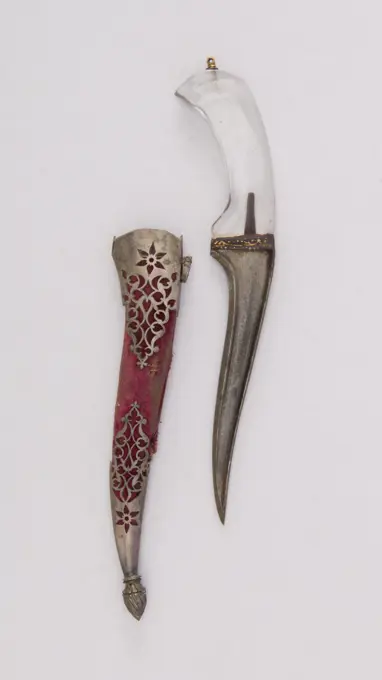
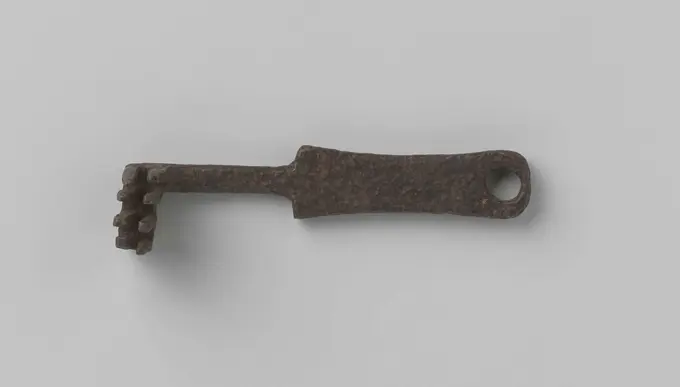
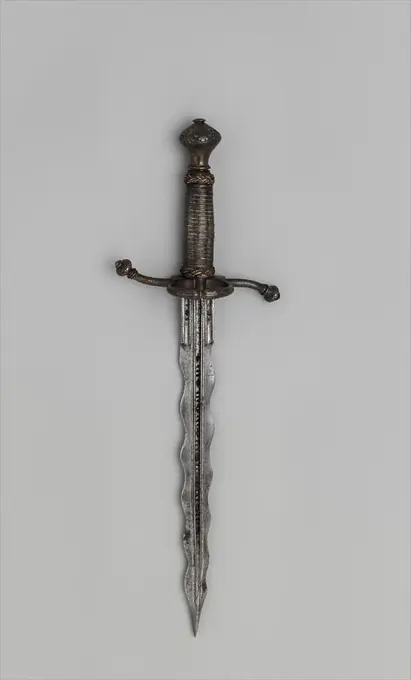
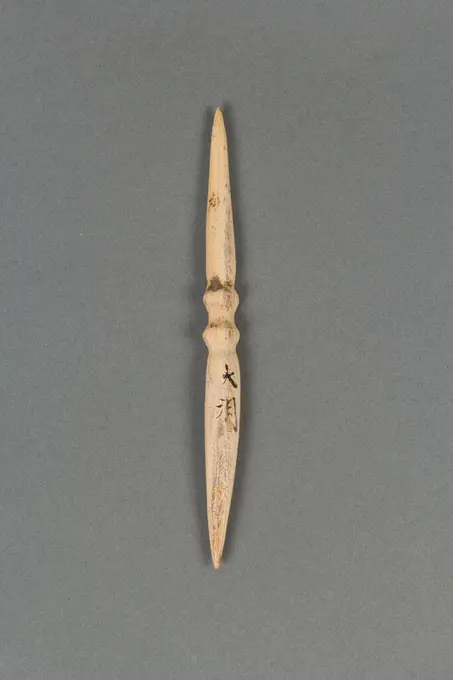
Detailed images of historical tools and ornamental weapons made from wood and metal, showcasing craftsmanship from different eras.
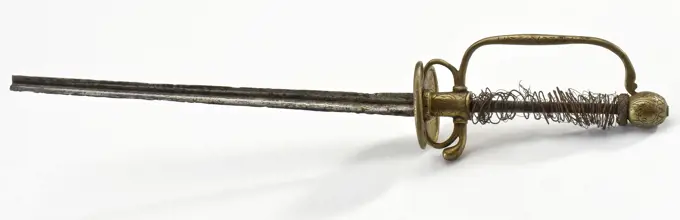
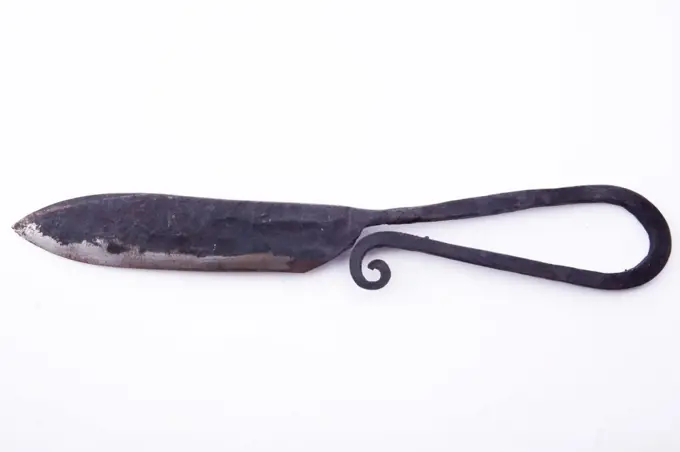
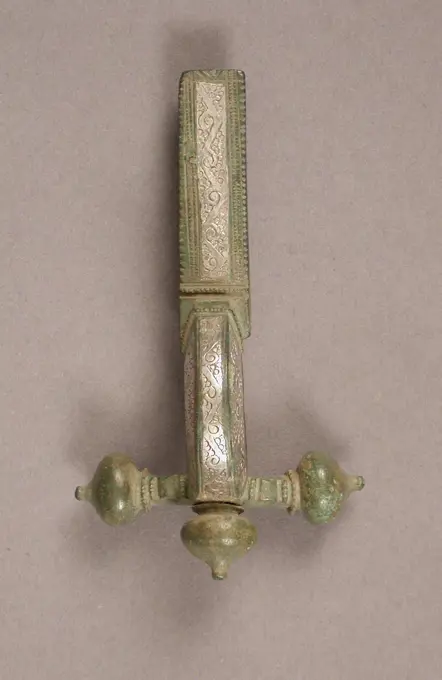
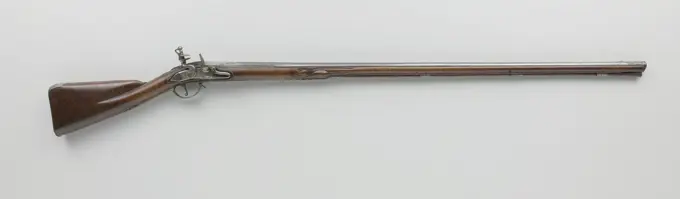
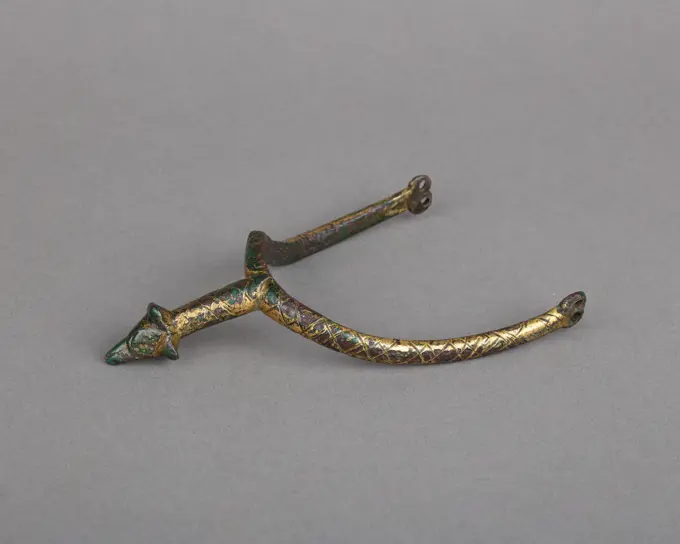
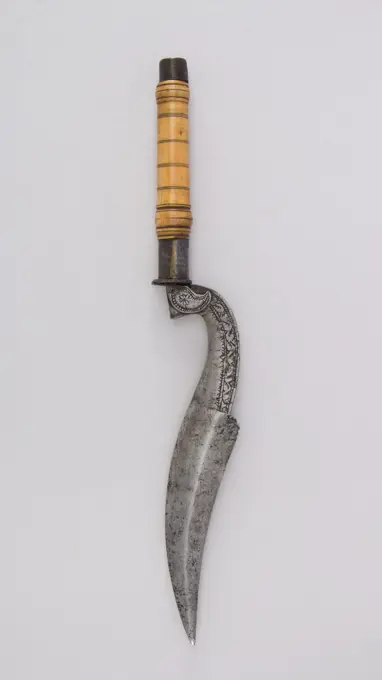
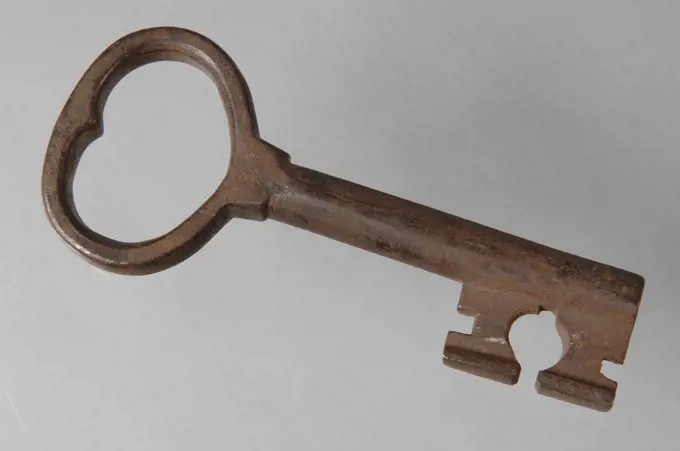
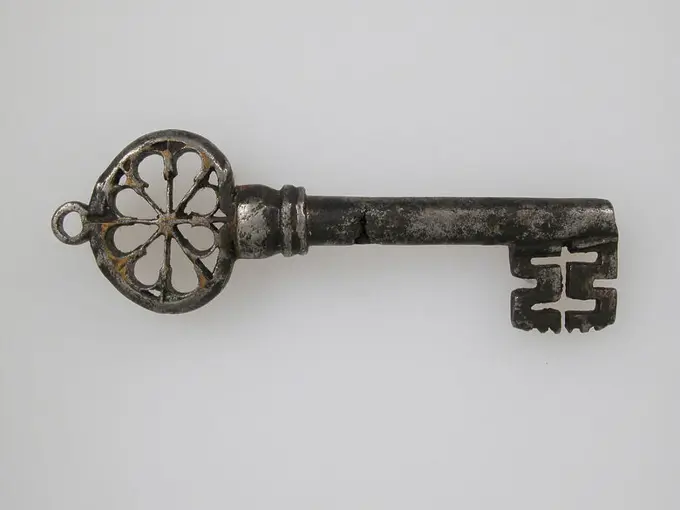
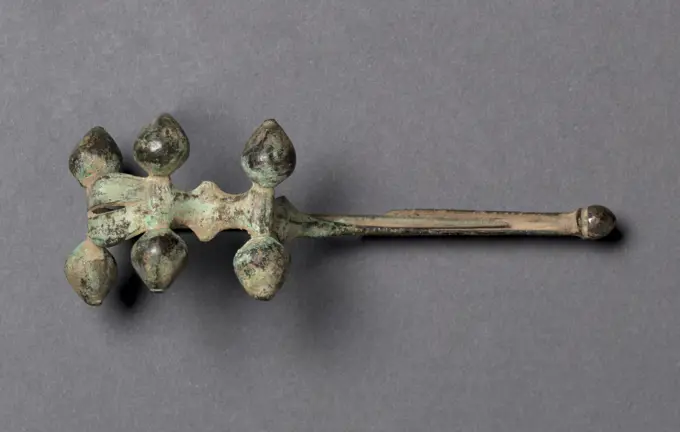
Early Dutch-style ornamental dunes from the end of the seventeenth century, jewelery sword weapon weapon fragment ground find bronze wrought iron metal, cast forged Decorative dangles Heftgroep composed of at least six parts and made of bronze wood and metal wire wound and braided in different ways. In the cast parts decoration relief. The baffle plate is solid and dense. The blade is triangular eroded three-edged archeology knife saber sword decoration status symbol personal equipment defense clothing accessory militaria
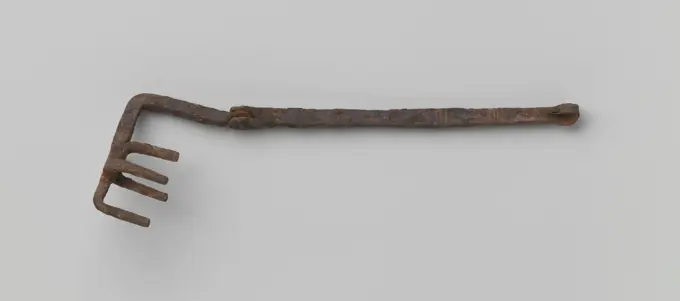
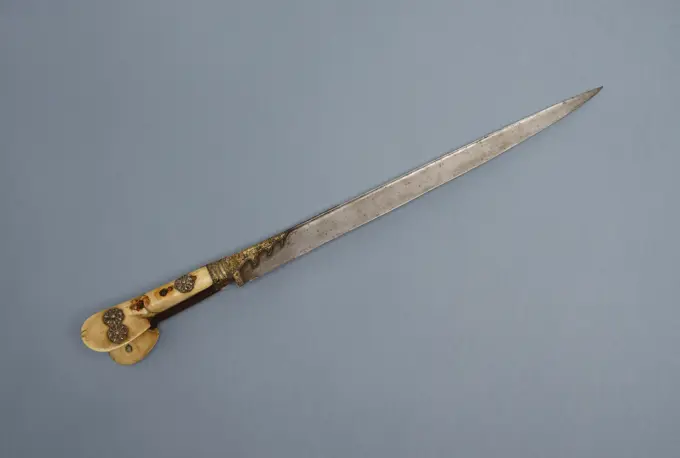
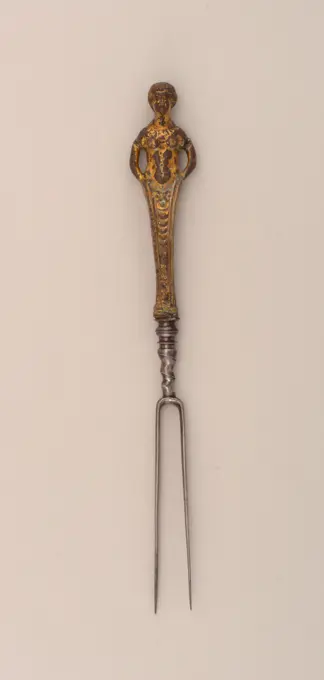
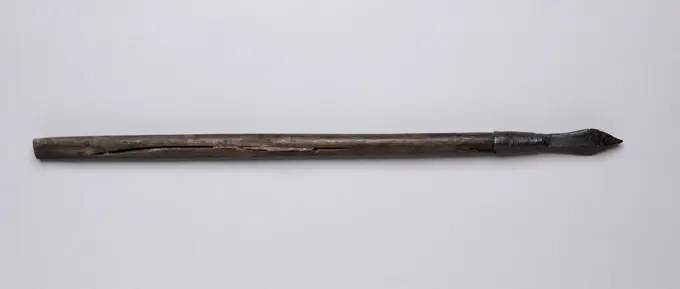
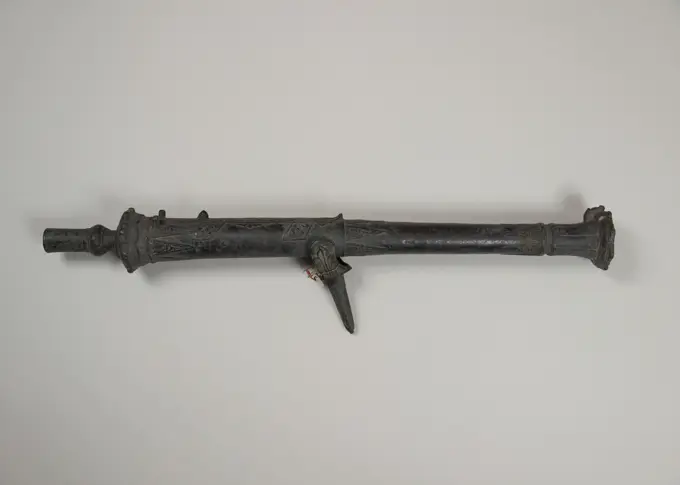
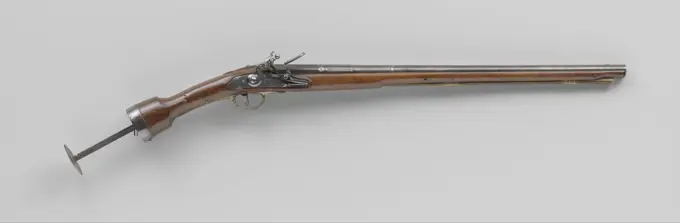
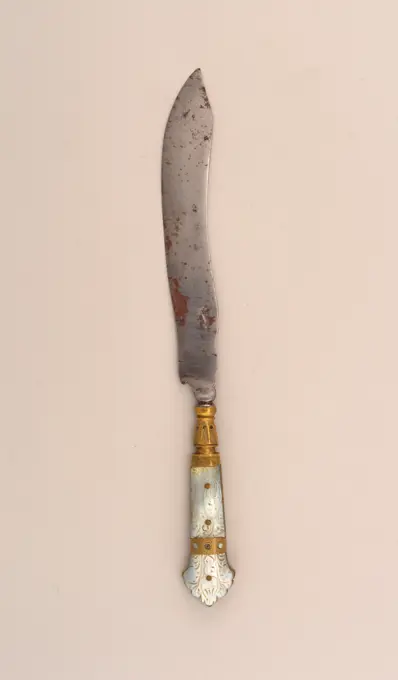
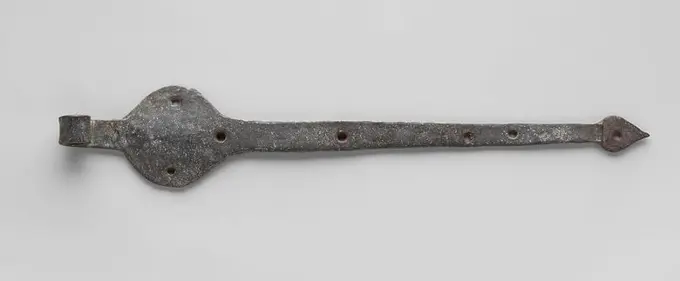
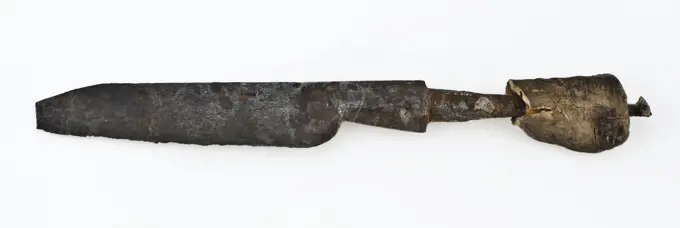
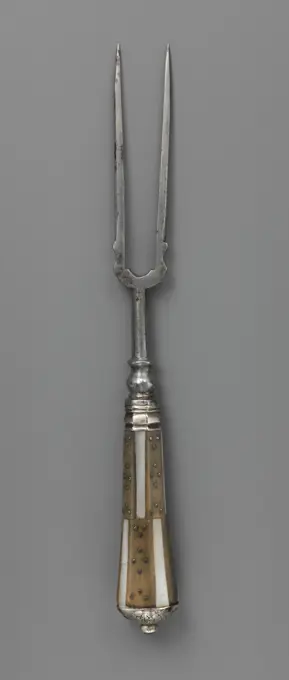
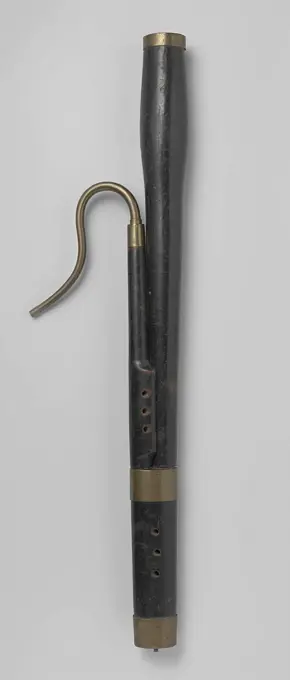
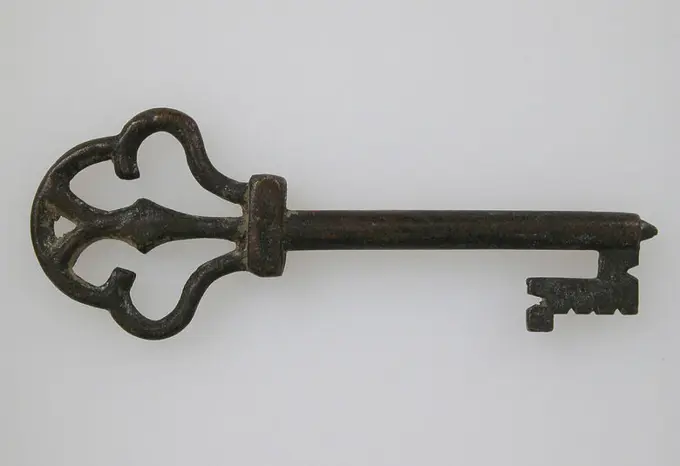
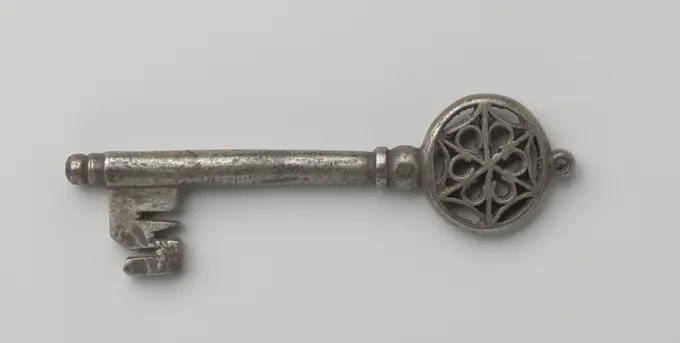
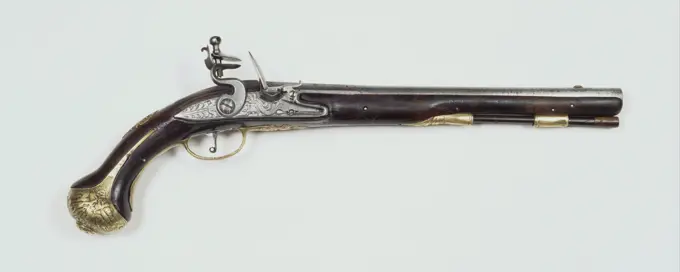
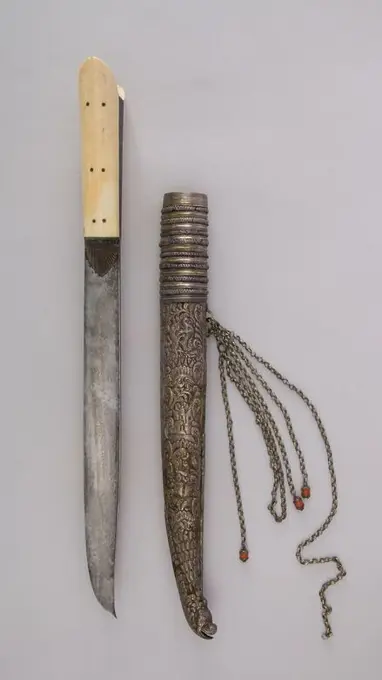
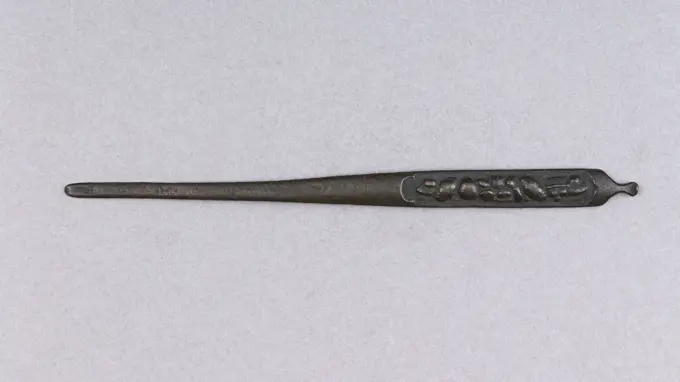
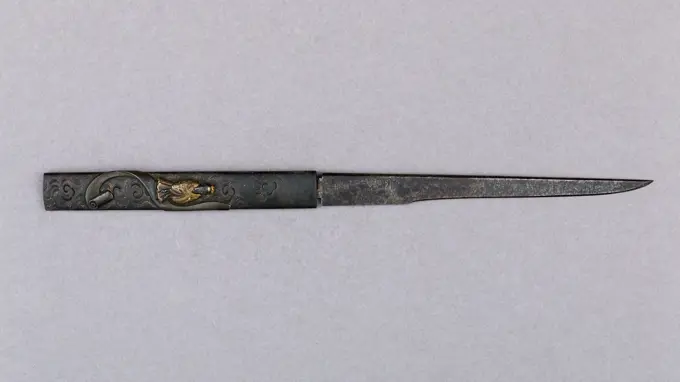
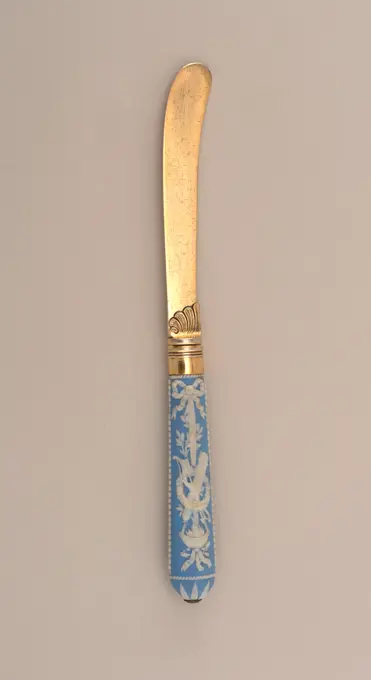
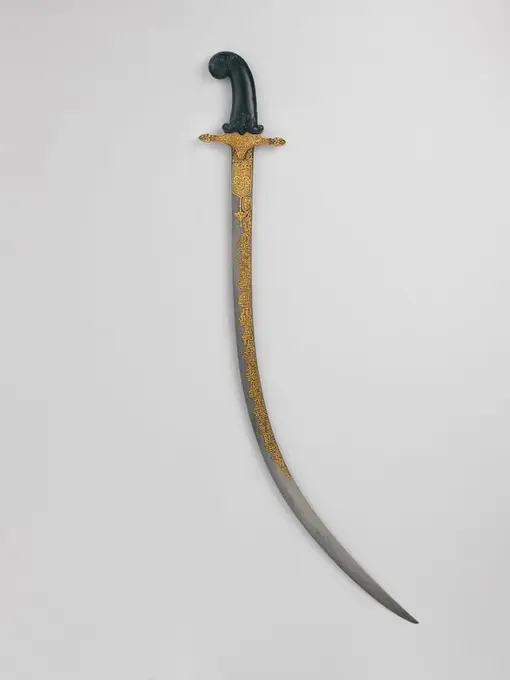
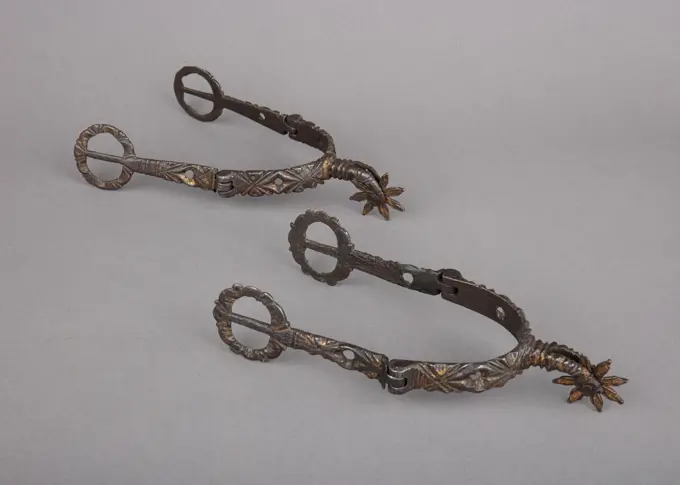
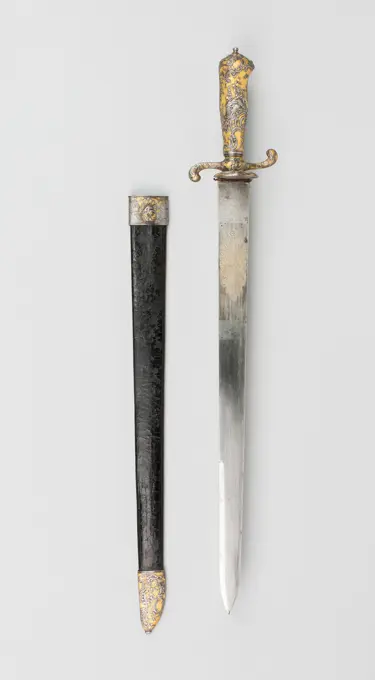
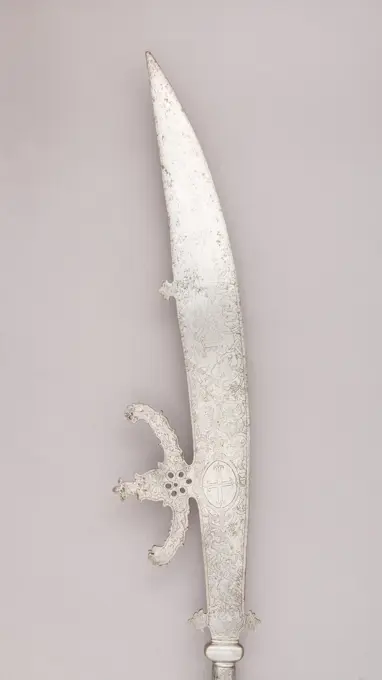
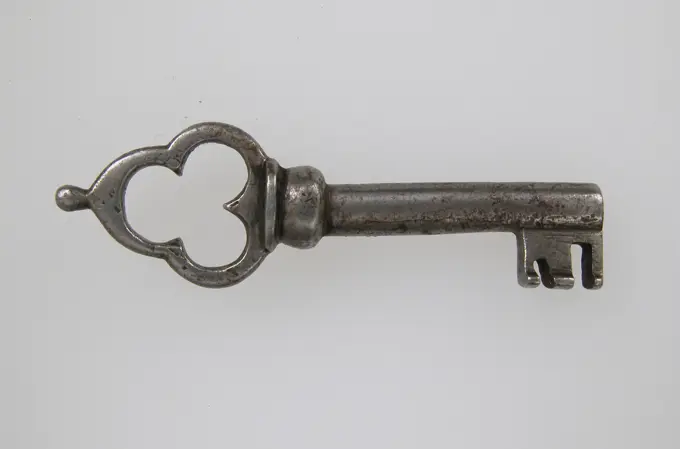
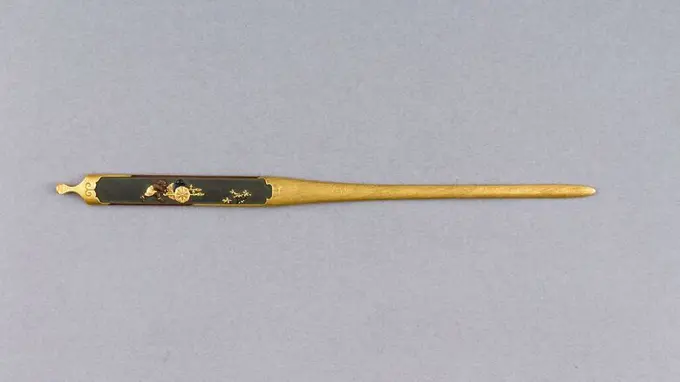
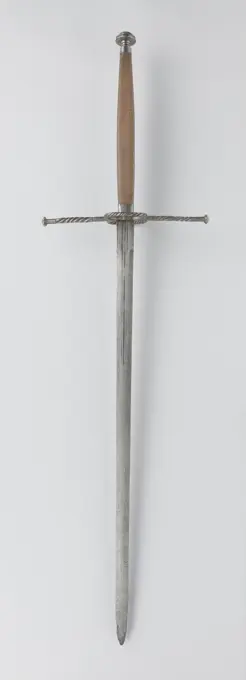
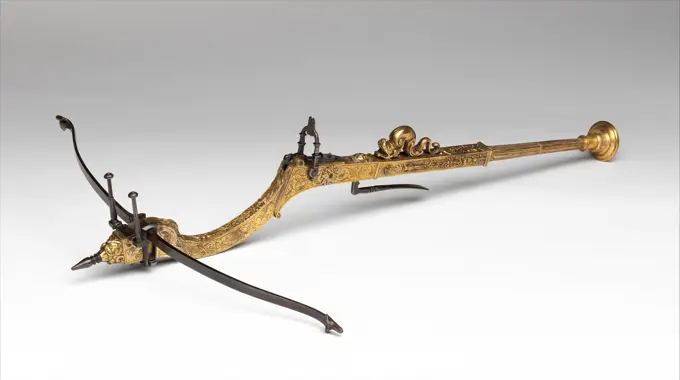
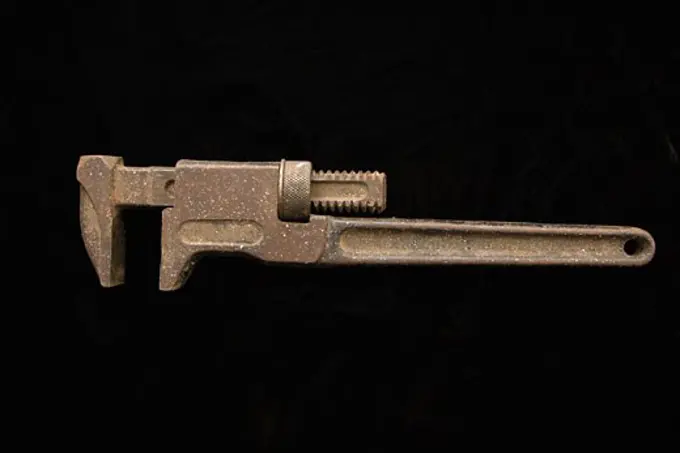
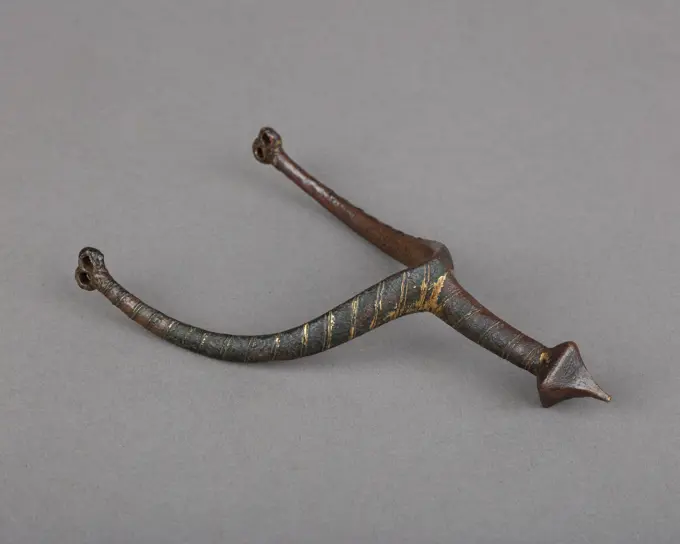
Model of a Made Bowsprit and Jibboom, anonymous, c. 1800 - c. 1850 demonstration model Round bowsprit with Kluiverboom. The bowsprit has eight cheeks, clamped against the king with tubs. At about two -thirds of the length, two clips have been applied on either side, which hold the slings in front of the Stagen and the Kluiverboom in place. At the end of the bowsprit there is a violin piece with a disk on each side underneath. The shield has brackets for the stamp and the Geussteng; At the back are eyes for the running days and other stages and a block applied. The Knifhout has four discs at the end and one for shooting at the foot. Netherlands wood (plant material). brass (alloy)Hartvanger with Schede belonging to French hunting suit by Prince Alexander, Anonymous, c. 1870 - c. 1884 hunting hanger Oval copper ornamented button with iron rivet button. Wooden, slightly bent, partly ribbed handle. Silver -plated copper ornamented ring. Copper Ricasso. Pare rod buttons in the form of dog heads. Copper cover plate. Steel two -edged straight blade with bone and two channels on each side. On the heel on one side: Coulaux A & ... other side: Klingenthal (2x) B with crown in oval, D with crown in oval. Straight black leather sheath with silver -plated copper top tire with oak branches, bow, arrow bundle, hunting horn and oval carrier button. Ditto metal ornamented lower tire with oak leaves, arch, bundle, spear, Zwijnskop and Wijtas.  silver (metal). copper (metal). wood (plant material). leather   France. NetherlandsHefsleutel, c. 1400 - c. 1950 Hef key consisting of a long four -sided stem that bends in a rectangle at the end and ends in a four -tanned beard, similar to a bird's claw. At the bottom of the stem is a hinge. The stem is turned at the top to an eye.  iron (metal) Hef key consisting of a long four -sided stem that bends in a rectangle at the end and ends in a four -tanned beard, similar to a bird's claw. At the bottom of the stem is a hinge. The stem is turned at the top to an eye.  iron (metal)Early Dutch-style ornamental dunes from the end of the seventeenth century, jewelery sword weapon weapon fragment ground find bronze wrought iron metal, cast forged Decorative dangles Heftgroep composed of at least six parts and made of bronze wood and metal wire wound and braided in different ways. In the cast parts decoration relief. The baffle plate is solid and dense. The blade is triangular eroded three-edged archeology knife saber sword decoration status symbol personal equipment defense clothing accessory militariaParrying Dagger with Scabbard Made 1800-1900 Europe. Steel, wood, copper, iron, and leather .Saw 1621 Germany. Iron and wood .JagaganObject ID #18803903; steel, gilt-bronze, gold; L x W: 22.2 x 2.8 cm (8 3/4 x 1 1/8 in.); The Robert L. Metzenberg Collection, gift of Eleanor L. Metzenberg; 1985-103-20SpoonDagger. Culture: Indian, Bhil. Dimensions: H. 10 1/2 in. (26.7 cm); W. 2 1/8 in. (5.4 cm); Wt. 2.6 oz. (73.7 g). Date: 18th-19th century. Museum: Metropolitan Museum of Art, New York, USA.Knife, 1500s-1800s. Sumatra. overall: 39.5 cm (15 9/16 in.); blade: 27.7 cm (10 7/8 in.).Crossbow Bolt, 1500s-1600s. Germany, 16th-17th century. Wood, leather, steel; average: 37.2 cm (14 5/8 in.).Cannon (Lantaka) 18th-19th century Malayan. Cannon (Lantaka) 30572Flint Ruiterkarabijn, Reyner Beckers, 1670 - 1680 flintlock gun The lock is engraved with a signature. The loop has a yellow -capage visor grain. The flask can be pulled out so that the weapon can be taken on the shoulder like a gun. The batter is partly from previously gilded yellow -picker, such as the screw plate in the form of a hose, and partly made of iron, such as the flask and the flask on a telescopic rod that is operated with a button in the ring around the flask button; The loading stick has a hood of gilded metal. Maastricht brass (alloy). gilding (material). iron (metal). metal engraving / gildingKnife (Germany); steel, brass, mother-of-pearl; cm: L: 22.7 x W: 2 (8 9/10 x 13/16 in.); The Robert L. Metzenberg Collection, gift of Eleanor L. Metzenberg; 1985-103-95Hinge. Culture: American. Dimensions: H. 21 1/8 in. (53.7 cm). Date: 1700-1800.The wrought iron produced for Dutch dwellings in upstate New York followed a utilitarian aesthetic. These door hinges feature a swelling, or nail pad, at the end closest to the doorjamb. The pads accommodated additional nails and thus strengthened the hinges' attachment to the door. This design, based on hardware used throughout the Netherlands in the seventeenth and eighteenth centuries, is characteristic of hinges produced in Dutch communities in the Hudson River valley. Museum: Metropolitan Museum of Art, New York, USA.The Amsterdam apothecary and art collector Emmanuel Vita Israël. He donated his collection, comprising keys dating from Roman antiquity to the 19th century, to the Koninklijk Oudheidkundig Genootschap (Royal Antiquarian Society) in 1937. Vita Israël claimed that his key collection had grown more or less by accident: being one of the few collectors of keys, dealers automatically made their way to him.Spear 16th-19th century Javanese. Spear 30777Kris with Sheath. Culture: Sumatran. Dimensions: L. with sheath 18 in. (45.7 cm); L. of blade 13 3/4 in. (34.9 cm); L. with sheath 5 1/4 in. (13.3 cm); Wt. with sheath 12.9 oz. (365.7 g). Date: 16th-19th century. Museum: Metropolitan Museum of Art, New York, USA.Fork Heintze, Gottfried (ca 1643 1707)old knife made by blacksmith from ironLeft hander in Dutch style, with openwork blade and special handle, left hand dagger weapon soil find iron steel metal, cast forged braided cut Left hand with diamond shaped hollow flattened blade. The heel is rectangular over the first 4.0 cm with hollow flanks. The combs run to the peak. The blade is of good quality. The large wackets are angled depending and spinning out in spherical shape. The parison ring is closed with frame. The handle is twelve-cornered spherical. Iron wire was wrapped around the missing wooden core. This iron wire is still partially present and is braided over the middle and several ends in different ways, resulting in decorative edges archeology knife rapier sword decoration status symbol personal equipment defense clothing accessory militariaKeyPipe key, c. 1700 - c. 1800 Pipe key whose handle is composed of leaf fillets. Key breast grooved, small beard. Handle and key breast of copper, pipe and iron beard.  iron (metal). copper (metal) Pipe key whose handle is composed of leaf fillets. Key breast grooved, small beard. Handle and key breast of copper, pipe and iron beard.  iron (metal). copper (metal)Dagger (Pesh-kabz) with Sheath 18th-19th century Indian. Dagger (Pesh-kabz) with Sheath 31429Short saber with a vaginaHefsleutel.Lifting wrench whose beard consists of a double row of four teeth. The square stem widens in the middle to the handle. This has two concave narrow sides with an eye at the top.Parrying Dagger. Culture: Italian. Dimensions: L. 15 7/8 in. (40.3 cm); L. of blade 11 in. (27.9 cm); W. 5 in. (12.7 cm); W. of blade 1 1/16 in. (2.7 cm); thickness of blade 3/8 in. (1 cm); Wt. 15 oz. (425.2 g). Date: ca. 1550-75.Designed to be used together with a rapier, this dagger is fitted with a side ring, recurved quillons, and a depression at the base of one side of the blade to accommodate the thumb and facilitate a firmer grip. The waves in the blade may be intended to act like "speed bumps" in breaking the impact of a blow from an opponent's blade. The piercing of the fullers (grooves) is a decorative motif. Museum: Metropolitan Museum of Art, New York, USA.Knife with forged lifting guard between blade and narrowed stinger, knife cutlery soil find iron wood metal, forged riveted Knife with forged handle protector between blade and narrowed angel. On angel ramped and riveted hood brand: key (debossed table side blade) archeology Rotterdam City Triangle Oostplein New harbor cutting food Soil discovery: Oostplein end Nieuwe Haven 1985.Goat's Foot Spanner for a Crossbow 1500-1533 Europe. Iron .Table fork 17th century possibly Swiss. Table fork. possibly Swiss. 17th century. Steel, wood, mother-of-pearl, silver. Metalwork-SteelDiamond-Point for Carving Jade 20th century China. Diamond-Point for Carving Jade 62064Russian phagot belonging to W. Sonnemans in 1830-32 Staff musician at the 5th Department of Infanterie.Black Wood Russian Basic Fagot with Two Valves and Six Holes Consisting of Two Wooden Tubes With Copper Parts. Nozzle and already are missing.MisericordePaper Knife, 1800s. Jules Pierre Moigniez (French, 1835-1894). Bronze, golden brown patina; overall: 34.6 cm (13 5/8 in.).Pellet Crossbow ca. 1600-1650 German. Pellet Crossbow 33753Key. Culture: German or South Netherlandish. Dimensions: Overall: 4 13/16 x 1 3/4 x 1/4 in. (12.2 x 4.4 x 0.7 cm). Date: 15th century.The decoration of Gothic iron locks and keys was often elaborate and of the highest standard of workmanship. The motifs were frequently drawn from Gothic architecture, reproducing on a miniature scale complicated tracery patterns and even tiny statuettes. A number of these tiny locks were compound, with some of the mechanisms concealed from view, and required two or even three keys used in sequence to open them. It has been suggested that the greatly expanded use of locks on doors, or coffrets and other types of storage chests was a result of the increasing urbanization of life and the new emphasis on material wealth and private ownership which developed in the late Middle Ages. Museum: Metropolitan Museum of Art, New York, USA.Banner with Shaft. Culture: French. Dimensions: Banner (a); 86 x 71 in. (218.4 x 180.3 cm); shaft (b); L. 99 1/2 in. (252.7 cm); L. of head 14 1/16 in. (35.7 cm); W. 5 1/2 in. (14 cm); Wt. 3 lbs. 7.8 oz. (1581.9 g). Date: dated 1634. Museum: Metropolitan Museum of Art, New York, USA.two sabres (such) and a knife (piha-kaetta), anonymous, before  Sabel with a solid silver hilt in the form of a dragon head with two stones such as eyes, pare rod with three dragon heads and a front bridge with a Griffioenkop and a Bodhisattva. Decoration Ceylonese, shape of hilt and kling European. Blood channel covered with silver tendrils. Wooden sheath completely covered with silver plate, which is decorated with tendrils ending in a curl; Four bearing eyes. Sri Lanka silver (metal). wood (plant material). iron (metal). gold (metal). diamond (mineral). ruby (mineral). crystal (lead glass) forging / casting ornament derived from plant forms. dragon KandyKey 15th century German The decoration of Gothic iron locks and keys was often elaborate and of the highest standard of workmanship. The motifs were frequently drawn from Gothic architecture, reproducing on a miniature scale complicated tracery patterns and even tiny statuettes. A number of these tiny locks were compound, with some of the mechanisms concealed from view, and required two or even three keys used in sequence to open them. It has been suggested that the greatly expanded use of locks on doors, or coffrets and other types of storage chests was a result of the increasing urbanization of life and the new emphasis on material wealth and private ownership which developed in the late Middle Ages.. Key 468846Double-Barreled, Double-Wheellock Pistol German, Augsburg ca. 1580 Although most sixteenth-century firearms were single-shot, gunmakers sometimes experimented with various multishot weapons. This example gave two shots, each barrel having its own wheellock. The metal stock, providing extra support for the double mechanism, is etched with hunting scenes. View more. Double-Barreled, Double-Wheellock Pistol. German, Augsburg. ca. 1580. Steel, copper, gold, leather. Augsburg. Firearms-Pistols-WheellockKey.key.Key 15th-16th century European. Key. European. 15th-16th century. Iron. Metalwork-IronSleutel.Key with oval eye consisting of two donated animal heads with scaly that excludes in tail fins that enclose a ball. Under against the heads and on the shaft sheet decoration. The beard is S-shaped.Key, 1500 - 1600 Venetian key "with rose in the round grip, crowned by an eye. The shaft beyond the beard ends in a simple profiling.  iron (metal) Venetian key "with rose in the round grip, crowned by an eye. The shaft beyond the beard ends in a simple profiling.  iron (metal)Sleutel.Key with circular eye in which five crosswise placed rings.Flint gun with stuck and damats loop, c. 1700 - c. 1800 pistol An unreadable brand in a rectangle on the long run. Brass visor grain, flat etched lock plate. Open work in relief decorated side plate. Lade has also been edited. Brass batter, decorated in relief. Wooden chest. The flask says '342'. Europe brass (alloy) etchingDagger (Yatagan) with Sheath. Culture: Balkan. Dimensions: H. with sheath 17 1/4 in. (43.8 cm); H. without sheath 15 5/16 in. (38.9 cm); H. of blade 10 5/8 in. (27 cm); W. 2 9/16 in. (6.5 cm); D. 1 1/16 in. (2.7 cm); Wt. 11.4 oz. (323.2 g); Wt. of sheath 10.2 oz (289.2 g). Date: 18th century. Museum: Metropolitan Museum of Art, New York, USA.Hair Dressing Tool (Kogai) 15th century Japanese A kōgai is a hairdressing tool that is part of a sword mounting. The long slender implement is carried in a slot on the obverse of a katana scabbard, often with a matching kozuka (handle of a by-knife) in a slot on the reverse.. Hair Dressing Tool (Kogai) 34985Crossbow Bolt, 1500s-1600s. Germany, 16th-17th century. Wood, leather, steel; average: 37.2 cm (14 5/8 in.).Knife Handle (Kozuka) with Blade ca. 1615-1868 Japanese A kozuka is a handle of a by-knife that is part of a sword mounting. It is kept in a slot on the reverse of a katana scabbard, often with a matching kōgai (hairdressing tool).. Knife Handle (Kozuka) with Blade 25799Key with disposal around eye. Beard crocheted.Knife (England); Made by Wedgwood (United Kingdom); silver, gold, jasper; The Robert L. Metzenberg Collection, gift of Eleanor L. Metzenberg; 1985-103-209Table knife late 18th-first quarter 19th century Southern German or Swiss. Table knife. Southern German or Swiss. late 18th-first quarter 19th century. Steel, buckshorn, silver. Metalwork-SteelKnife. Bronze. 13th-12th century BC. Northwest China. Paris, Cernuschi museum. 59514-17 Chinese antiquity, bronze, knife, ancientSaber. Culture: blade and guard, Turkish; grip, Indian; blade, possibly Iranian. Dimensions: L. 36 7/8 in. (93.7 cm); L. of blade 30 5/8 in. (77.7 cm); Wt. 2 lb. 1 oz. (935.5 g). Date: blade and guard, 19th century; grip, 18th century.Swords are appropriated through the recycling of materials and as spoils of war. Therefore it is no surprise that this sword has a precious Mughal grip made of black jade and a gold Ottoman guard that reads in naskhi script: "Sultan son of Sultan son of Sultan son of Suleiman Khan"; and on the back: "the name of God most compassionate and merciful." Although the name of an Ottoman sultan appears on the guard, it is not an indication of the provenance of the sword.Islamic devotional inscriptions dominate the decorative motifs of arms and armor. Efficacious prayers protect the soldier from the evils of war. The inscriptions on the elegant steel blade indicate the sword's talismanic function. In square kufic script, the inscriptions state theTwo Rowel Spurs 18th century German Despite their similarities, these spurs were not originally part of the same pair. The articulated branches allow a better adjustment around the foot.. Two Rowel Spurs. German. 18th century. Iron alloy, gold. Equestrian Equipment-SpursDagger (Kard) Iranian dated A.H. 1220/1805-6 CE Daggers of this type, with straight, single-edged blades and guardless hilts, known as kards in Persian, were worn as everyday utility knives. This deluxe example has a blade of crucible (watered”) steel encrusted with gold flowers in relief and inlaid flush in gold with the maker’s name 'Ali Muhammad and the date.Crossbow Brooch early 400s Late Roman or Byzantine A crossbow brooch of the type worn by civil servants in fifth-century Pannonia. Consisting of a relatively long catch plate, substantial bow, and onion-shaped knob, the brooch features silver inlays, adorned with an intricate pattern of zigzag lines and tiny circles and spirals. The safety mechanism for the catchplate is a wedge-shaped safety bar, now amalgamated to the brooch.. Crossbow Brooch 473327Short Sword, 20th century, 20 in. (50.8 cm), Steel, wood, Democratic Republic of the Congo, 20th centuryPeak of iron, c. 1400 - c. 1950 Peak of iron, bottom find.  iron (metal) Peak of iron, bottom find.  iron (metal)Rapier Blade inscribed by Arnolt Windhvfel German 18th century The rapier was the principal civilian sidearm throughout the sixteenth and seventeenth centuries. Designed for cut-and-thrust fencing of progressively complex techniques, the rapier is characterized by a double-edged blade with an acute point and an elaborate guard for the hand. The guards, usually of iron or steel, were subject to a variety of embellishment. They were engraved, chiseled, gilded, damascened, and encrusted in gold and silver in keeping with fashionable styles. Unless otherwise noted, the materials, attributions, and dating given here refer to the hilts. Rapier blades, invariably of steel, bear a variety of makers marks denoting their origin in the two principal centers of blademaking, Toledo in Spain and Solingen in Germany. View more. Rapier. Spanish; blade, German, Solingen. 18th century. Steel, silver, wood. Solingen. SwordsFlint hunt rifle, Jan van Wijk ( -1729), c. 1705 flintlock gun Forms a garnish with two pistols. The lock is engraved with praise, a jumping dog and an inscription with the name of the maker; On the inside, the letters HW are stamped in a rectangle. The name of the maker and a chiseled branch with acanthus leaves are on the barrel; Heureux Sont Ceux Qui M'echappe is engraved on the Tromp; On top stamped with the Wapen van Utrecht, marked at the bottom with a crowned heart. The flask has simple cutting work. The batter is made of iron and includes four loading stickers, a screw plate with broken praise and a mask under one of the screws, an unadorned blazon and the Kolfplaat stamped with VGN 2. Utrecht iron (metal) engraving / cuttingBronze Fibula arc 11.3 cm x 4.3 ( 450 CE ) - Hispanicroman period, from the "Afflicted Necropolis " -Archaeological site of Complutum in Alcalá de Henares ( Madrid ). SPAIN.French cavalry table with sheath. French cavalry table or mamelukkensabel, without hilt.Key whose eye consists of a triangle with round corners. The square beard has underneath and above a notch.Radslotgeweer, anonymous  Radslot gun; octagonal drawn run; elongated brass visor grain; to adjust vision keel by screw; Brand taken on the room: Joseph Michlin Passau; wheel inside; Flat lock plate with image of trees and two women, of which the right -wing glass, one fox, two dogs and rider, mountains and village in the background; ornaments on Haan; pan with hinged plate on the outside; Nutenhouten German flask; wide tractor bracket; precision tractor; brass fittings; Charging button from Hoorn.  iron (metal). wood (plant material). horn (animal material). copper (metal)Weapon. Culture: British Columbia. Dimensions: H. 10 7/8 in. (27.6 cm); W. 1 7/16 in. (3.7 cm); L. 1 in. (2.5 cm). Museum: Metropolitan Museum of Art, New York, USA.Silver spoon and fork combined. The fork can be bent by means of a hinge. The round bin of the spoon is equipped with five rings to confirm the fork. Brand: a dolphin in a triangle (3x).Hunting Hanger with Scabbard Made 1740-1760 France. Steel, gilding, wood and leather .Spear with Sheath 16th-19th century Balinese. Spear with Sheath 30645Jatagan with the vaginaKnife Handle (Kozuka) late 18th-early 19th century Japanese A kozuka is a handle of a by-knife that is part of a sword mounting. It is kept in a slot on the reverse of a katana scabbard, often with a matching kgai (hairdressing tool).. Knife Handle (Kozuka). Japanese. late 18th-early 19th century. Copper-silver alloy (shibuichi), gold, silver. Sword Furniture-KozukaPrick Spur (Right) 12th century Central European The goad (point) of this gilded spur is shaped as a flower, and its body decorated with a geometrical incised decoration, simpler on the left branch as it would have been on the inside of the foot. The asymmetrical branches were designed to offer more comfort to the rider.The prick spur was the first type of spur to be invented, and it consists of a goad or prick, more or less pointed, connected to side arms or a heel plate. Prick spurs were the main type of spurs used in the Middle Ages until the mid-14th century, when they were supplanted by rowel spurs, which appeared in Europe a century before and with which they had cohabitated for a time. As a knights status was closely related to his horse, spurs became one of the symbols of chivalry, and one of the tokens given to him during his knighting.. Prick Spur (Right). Central European. 12th century. Copper alloy, gold. Equestrian Equipment-SpursKnife (Chopper) 17th-19th century South Indian. Knife (Chopper) 31534Iron key with heart-shaped eye, hollow key handle and rectangular and round notches in beard, key iron iron, hand forged Key with heart-shaped eye (handle) hollow keystring brief simple collar rectangular and round notches in key beard and symmetrical keyhole cross-section hingesCranequin (Winder) for a Crossbow 1600 Germany. Steel and wood .Key. Culture: German. Dimensions: Overall: 4 3/16 x 1 9/16 x 1/2 in. (10.6 x 3.9 x 1.3 cm). Date: 15th century.The decoration of Gothic iron locks and keys was often elaborate and of the highest standard of workmanship. The motifs were frequently drawn from Gothic architecture, reproducing on a miniature scale complicated tracery patterns and even tiny statuettes. A number of these tiny locks were compound, with some of the mechanisms concealed from view, and required two or even three keys used in sequence to open them. It has been suggested that the greatly expanded use of locks on doors, or coffrets and other types of storage chests was a result of the increasing urbanization of life and the new emphasis on material wealth and private ownership which developed in the late Middle Ages. Museum: Metropolitan Museum of Art, New York, USA.Fauchard ca. 1550 Italian, Venice. Fauchard 26763Pipe key, c. 1400 - c. 1500 Pijp key with conversely heart -shaped open grip and on it.  bronze (metal) Pijp key with conversely heart -shaped open grip and on it.  bronze (metal)Knife with an enamelled decorated handle, anonymous, 1500 - 1599 Knife with an enamelled handle. It is decorated with pink, blue and orange flowers and a green foliage on a black background.  . Knife with an enamelled handle. It is decorated with pink, blue and orange flowers and a green foliage on a black background.  .Kamerheersleutel.Chamber key, whose handle is the Austrian weapon, a double-headed and crowned eagle with sword and rich appel. The eagle has a Maltheser cross on the chest and a shield with the letters f.i. The beard has a clover-blade opening.Key 15th century German The decoration of Gothic iron locks and keys was often elaborate and of the highest standard of workmanship. The motifs were frequently drawn from Gothic architecture, reproducing on a miniature scale complicated tracery patterns and even tiny statuettes. A number of these tiny locks were compound, with some of the mechanisms concealed from view, and required two or even three keys used in sequence to open them. It has been suggested that the greatly expanded use of locks on doors, or coffrets and other types of storage chests was a result of the increasing urbanization of life and the new emphasis on material wealth and private ownership which developed in the late Middle Ages.. Key 468842Hair Dressing Tool (Kogai). Culture: Japanese. Dimensions: L. 8 1/4 in. (21 cm); W. 7/16 in. (1.1 cm); thickness 3/16 in. (0.5 cm); Wt. 1.2 oz. (34 g). Date: 18th century. Museum: Metropolitan Museum of Art, New York, USA.Composite Smallsword and Scabbard Made 1640-1670 Dutch. Steel, gilding, copper, wood, and leather .Slagzwaard, anonymous, c. 1560 two-handed sword Twohander with wooden hilts of a later date and straight, double -edged blade with central trench. Groeven on either side of the Geul and centrally in the Geul. The pare rod and pare brackets have spiral injured ridges and grooves. The pare bar ends on both sides with a button that is equipped with grooves. The hiding button is also decorated with grooves. The straight blade is decorated on the blade shoulders on either side with brass inlaying. GermanyFlintlock Fowling Piece Given by the Empress Catherine II of Russia to the French Ambassador 1745-1770 Russian Central Asia. Under Catherine the Great of Russia the arms center of Tula produced many luxury firearms after the Western European style for use at court and as diplomatic gifts. This fowling piece was part of a set of hunting weapons given by the empress to the French ambassador Louis Charles Auguste le Tonnelier, Baron de Breteuil, in 1763, commemorated on the gilt face of the lock plate. The earlier date of 1745, engraved under the front spring on the lock, shows that the gun was older at the time it was given and perhaps redecorated. The barrel is a remarkable tour de force of a technique, called goldschmelz in German, whereby the barrel was acid etched with a pattern, filled in with gold, and then polished and blued to create a brilliant contrast.. Steel, gilding, silver, walnut, and horn . Ilya SalishchevFibula, c. 500 BC. Italy, Etruscan, late 6th Century BC. Bronze; overall: 8.5 cm (3 3/8 in.).Iron kitchen utensils, serrated, to apply decorations to cakes, anonymous, 1500 - 1800 Iron kitchen utensils to apply decorations to cakes. The narrow, straight handle is only decorated with notches towards the roller. The end of the handle has a wider, serrated start. The roller itself is also serrated. Low Countries iron (metal) Iron kitchen utensils to apply decorations to cakes. The narrow, straight handle is only decorated with notches towards the roller. The end of the handle has a wider, serrated start. The roller itself is also serrated. Low Countries iron (metal)Small Pellet Crossbow in the 16th-Century Style ca. 1850-90 probably French, possibly Paris. Small Pellet Crossbow in the 16th-Century Style. probably French, possibly Paris. ca. 1850-90. Steel, copper alloy, gold. possibly Paris. Archery Equipment-CrossbowsMetal pipe wrench.Prick Spur 12th century German The prick spur was the first type of spur to be invented, and it consists of a goad or prick, more or less pointed, connected to side arms or a heel plate. The earliest spurs were probably simple thorns attached at the back of the heel, before they started to be made out of metal in antiquity. Prick spurs were the main type of spurs used in the Middle Ages until the mid-14th century, when they were supplanted by rowel spurs, which appeared in Europe a century before and with which they had cohabitated for a time. As a knights status was closely related to his horse, spurs became one of the symbols of chivalry, and one of the tokens given to him during his knighting.. Prick Spur. German. 12th century. Copper alloy, gold. Equestrian Equipment-SpursArrowhead (Yanone). Culture: Japanese. Dimensions: L. 16 1/2 in. (41.9 cm); L. of head 5 1/2 in. (14 cm); W. 2 in. (5.1 cm); Wt. 4.2 oz. (119.1 g). Maker: Kanabo Masatsugu (Japanese). Date: 18th century. Museum: Metropolitan Museum of Art, New York, USA.Pollaxe. Culture: probably French. Dimensions: L. 75 3/4 in. (192.4 cm); L. of head 15 7/8 in. (40.3 cm); W. 7 in. (17.8 cm); Wt. 6 lbs. 8 oz. (2948.4 g). Date: ca. 1480. Museum: Metropolitan Museum of Art, New York, USA.Arrowheads, needles, hooks and harpoons. Culture: Japan. Dimensions: W. 3/8 in. (1 cm); L. 4 3/8 in. (11.1 cm). Museum: Metropolitan Museum of Art, New York, USA.Falchion. Culture: Italian, Venice. Dimensions: L. 36 in. (91.4 cm); Wt. 2 lb. 3 oz. (981 g). Date: ca. 1490.Falchion refers to a type of curved sword that was used in Europe from about 1200. This is one of the few to survive from the late fifteenth century. Its long narrow blade and interlaced decoration on the hilt suggest the Middle Eastern influence that was an important feature in Venetian and Spanish art. Museum: Metropolitan Museum of Art, New York, USA.Lance 18th century possibly French. Lance. possibly French. 18th century. Steel, wood, gold. Shafted WeaponsDoctor's Sword (Chat) 19th century Inscribed Yoshiteru Carved in the round from a single piece of wood, this doctor’s sword (chat) features an energetic assemblage of coiled dragons and animals. So-called doctor’s swords were carried by samurai in tea houses as stand-ins for metal swords, which were not allowed inside. Doctors, too, wore them for show in public. Ornate examples such as this one were greatly prized by collectors in Europe and America.. Doctor's Sword (Chat). Japanese. 19th century. Wood, mother-of-pearl, silk. SwordsBlade for a Sword (Katana) Japanese late 16th century A katana is a sword with a curved blade longer than 60 cm fitted with an uchigatana-style mounting and worn in a waist sash with the cutting edge facing up. View more. Blade for a Sword (Katana). Japanese. late 16th century. Steel, gold. Sword BladesTurning bass or lilla with fork, anonymous, c. 1700 - c. 1800 cannon. lilla Turning bass or lilla with fork. Four fractures. Round grape that runs point (fig -shaped). Ears in the form of stylized dolphins between second and third break. Large around Zundgat with cams with hole on either side. For the Zundgat a coat of arms on which a seven -lobby flower (roset) with open heart and crowned with five pearls. Mouth with collar with multiple rings (concentric circles, equal to the base: rear room). Two smooth taps. Mouth is closed. Conquered by the KNIL in 1894 during the Lombok war. Indonesian Archipelago bronze (metal) casting  Lombok